




FIFA 2026 to boost FMCG growth as brands target experience-driven consumers, says GlobalData
Global fast-moving consumer goods (FMCG) brands are using FIFA 2026 as more than a sponsorship moment – leveraging it to launch limited editions, collectible packs, gamified promotions, and emotion-led storytelling. The new launches are shaping …
Global fast-moving consumer goods (FMCG) brands are using FIFA 2026 as more than a sponsorship moment – leveraging it to launch limited editions, collectible packs, gamified promotions, and emotion-led storytelling. The new launches are shaping a clear commercial playbook to drive sales while building new habits, first-party data, and repeat purchase behavior around the tournament. This is substantiated by a 2026 Q1 global consumer survey1, in which 58 % of global consumers say enjoyment or uniqueness most influences their food and drink choices, and 57 % say the same for health and beauty products, according to GlobalData, a leading intelligence and productivity platform.
Kshama Raj, Consumer Analyst at GlobalData comments: “Across snacks, beverages, personal care, beer, spirits, and quick-service, brands are moving beyond logo placement and leaning into product innovation. Limited-edition Lay’s flavours, Golden Wonder snacks, and Dove collections show how the World Cup is being used to create scarcity, prompting consumers to try them now rather than later.”
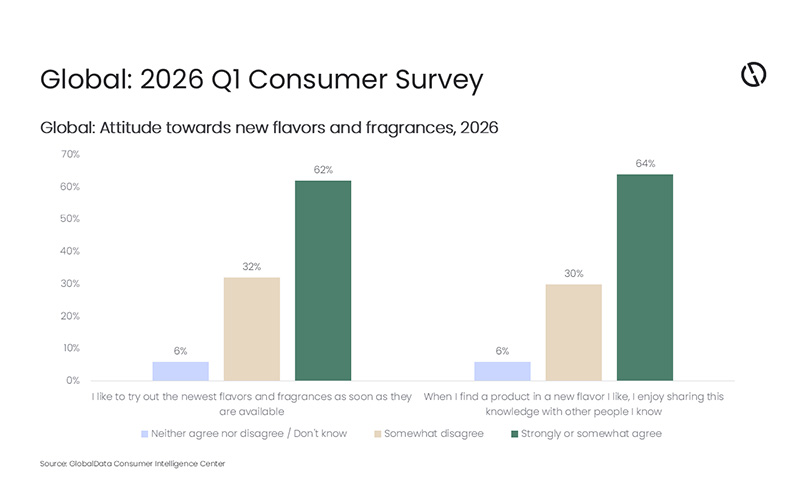
GlobalData’s survey1 shows 62 % of global consumers try new flavours and fragrances as soon as available and 64 % enjoy sharing these discoveries with others, highlighting a strong word-of-mouth potential.
Packaging is becoming a key growth lever. Bitburger’s limited-edition cans in Germany’s colours and Don Julio 1942’s World Cup-inspired bottle show how collectible, fan-themed designs turn packs into media assets – boosting shelf standout and repeat buys. Design is now a core part of the sales strategy, not an afterthought.
Gamified promotions are also on the rise. QR codes, receipt uploads, instant wins, sweepstakes, and ticket draws are making everyday purchases interactive. Brands like Walkers, Powerade, and McDonald’s are using scannable packs and online games to connect products to digital platforms, capture data, and extend engagement beyond the aisle.
Emotion is playing a bigger role. Coca-Cola’s suspense-led storytelling and Dove’s confidence message show that the strongest World Cup campaigns sell shared moments – belonging, joy, and fandom – not just product benefits. For many brands, the tournament is a way to own the match-day emotional journey.
Raj adds: “The big win is owning the occasion – snacks for watching, beverages for refreshment, personal care for pre- and post-game routines, and spirits for celebrating. The best offers plug into rituals, not just the shelf.” In FIFA host markets (Canada, Mexico, and the US), consumer spend intent at leisure venues is higher: 37.2 % say their food and drink spend is very/quite high compared with 34.7 % globally1.”
For FMCG brands, the playbook is clear: drive urgency with limited editions, boost repeat buys with collectible packs, capture data with digital mechanics, stay relevant with match-day use cases, and build affinity with football-led storytelling.
Raj concludes: “There’s a lot of whitespaces opening up fast cross-category bundles, host-country flavours, watch-party packs, digital collectibles, and premium souvenir products can turn tournament buzz into long-term loyalty.”
1GlobalData’s 2026 Q1 Global consumer survey, sample size of 22,900 respondents