






California Citrus Mutual welcomes FDA update to orange juice standard
California Citrus Mutual welcomed the U.S. Food and Drug Administration’s decision to update the federal standard of identity for pasteurised orange juice. The action marks the first significant revision to …
California Citrus Mutual welcomed the U.S. Food and Drug Administration’s decision to update the federal standard of identity for pasteurised orange juice. The action marks the first significant revision to the standard in more than 60 years and takes effect August 19, 2026.
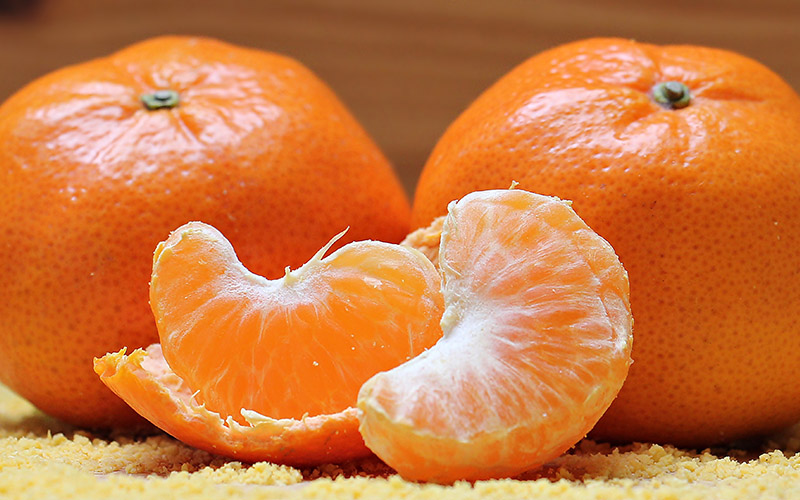
Under the revised standard, orange juice will be permitted to contain up to 15 percent juice from mandarins and mandarin hybrids while still being labeled orange juice. The rule also adjusts the minimum sugar-content threshold, known as the Brix level, to reflect current growing conditions. Together, the changes bring the decades-old standard in line with today’s citrus industry and strengthen the domestic juice supply.
The FDA reviewed consumer sensory data during its rulemaking process and concluded that the change will not alter how consumers perceive orange juice. The agency found the update preserves the taste and quality consumers expect while giving domestic producers greater flexibility and reducing reliance on imported juice.
CCM supported the update through the FDA’s public rulemaking process, submitting comments in favour of the change and working with members of Congress to advance it. The petitions that prompted the rule were led by Florida’s citrus industry, whose growers have faced production challenges from disease and severe weather.
“The California citrus industry thanks the FDA for updating the orange juice standard and allowing the blending of complementary citrus varieties,” said Jacob Villagomez, CCM Director of Governmental Affairs. “This decision supports domestic juice production, reduces reliance on imports, and ensures consumers continue receiving the quality and flavour they expect.”
The change is expected to create new opportunities for California growers, who produce large volumes of mandarins and mandarin hybrids. California is predominantly a fresh-market supplier, and the higher blending allowance opens a stronger processing outlet for fruit that does not reach the fresh market. Mandarins have become an increasingly important part of California’s citrus production.
CCM appreciates the FDA’s willingness to update a decades-old regulation through a science-based process that benefits growers, processors, and consumers alike.