






Pure orange juice delays blood sugar rise compared with sugar-sweetened drinks making it the top choice for sustained energy, new study reveals
New research reveals that 100 % orange juice provides a slower, more controlled rise in blood sugars than sugar sweetened drinks, challenging assumptions that all sugary drinks lead to similar blood sugar “spikes”.
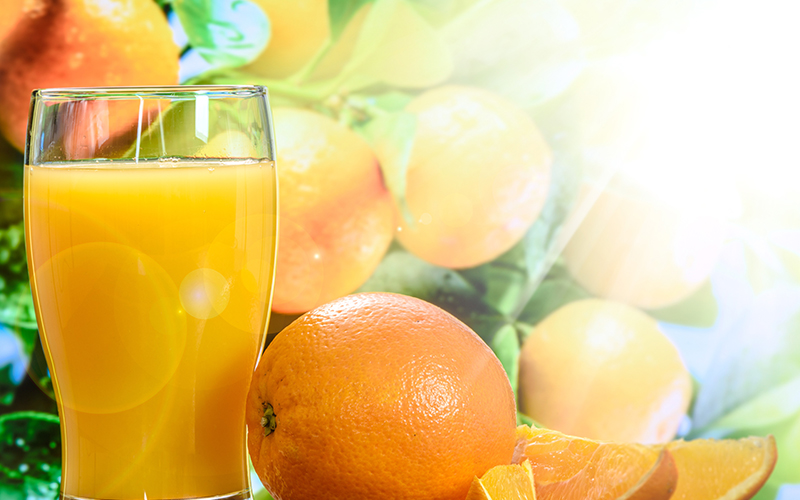
New research reveals that 100 % orange juice provides a slower, more controlled rise in blood sugars than sugar sweetened drinks, challenging assumptions that all sugary drinks lead to similar blood sugar “spikes”.
The randomised controlled cross-over trial, published in the peer-reviewed journal Food & Function, involved 25 healthy young men who consumed four different drinks on separate days: 100 % orange juice, a 50 % orange juice drink with added sugars, a sugar-sweetened water drink and a pure glucose drink.
Researchers observed that, while pure orange juice and sugar-sweetened drinks can have the same overall sugar content, the body processes natural and added sugars differently thanks to the food structure.
100 % orange juice produced a slower rise – and lower “spike” – in blood sugars compared with the sugar-sweetened drinks – which were matched exactly to the balance of sugars in natural orange juice. While the rise and fall in blood sugars eventually evened out over two hours, the natural sugars from orange juice entered the bloodstream more gradually. This steadier absorption may help explain why some people experience a gradual feeling of energy after drinking 100 % orange juice, compared with the sharper “spike and dip” sometimes associated with sugar sweetened drinks.
Scientists think the difference comes down to structure. While soft drinks generally deliver sugar in isolation, 100 % orange juice contains what is known as a “fruit matrix” — the natural mix of tiny fibre fragments, plant bioactives, vitamins and minerals found in oranges and other whole fruit. This structure appears to moderate how quickly sugar enters the bloodstream.
Lead researcher, Professor Francisco A. Tomás-Barberán, of the Spanish National Research Council (CSIC), explained: “People often assume that because fruit juice contains natural sugars from the fruit, it must act in the same way as a sugary soft drink. Our findings clearly show this is not the case. “When sugars are consumed within the natural fruit matrix of 100 % orange juice, absorption is slower and the early blood glucose peak is lower. Food structure matters. “Although public health guidance often groups all “free sugars” together, our study demonstrates that sugars naturally present in fruit juice do not produce the same metabolic response as exactly the same sugars added to drinks.”
The concept of blood sugar spikes has become a hot topic, with influencers and some health commentators urging people to avoid rapid glucose rises.
Award-winning dietitian Dr. Carrie Ruxton commented: “People are now so worried about ‘sugar spikes’ that some are using wearable technologies, like glucose monitors, to test their reaction to different foods and drinks. While I don’t think this is helpful unless recommended by a doctor, it’s reassuring to know that 100 % orange juice is better for blood glucose control than other types of sweet drinks. “Even with the same overall sugars, the natural fruit matrix of 100 % orange juice slows down absorption creating a more gradual rise in blood glucose levels. That could mean more sustained energy levels after your morning glass juice. The fruit matrix in 100 % juices also delivers vitamin C for immune function and skin, potassium for blood pressure and a range of fruit bioactives for mental function and cardiovascular health”.
The open-access study is available to view in full.