





Allulose and Tagatose gain prominence as consumers seek healthier, better-tasting sweeteners, says GlobalData
Food & beverage (F&B) manufacturers are stepping up reformulation activity using rare sugars, such as allulose and tagatose, as consumer demand grows for lower-calorie, health-forward products that still deliver a familiar sugar-like taste. These next-generation sweeteners are …
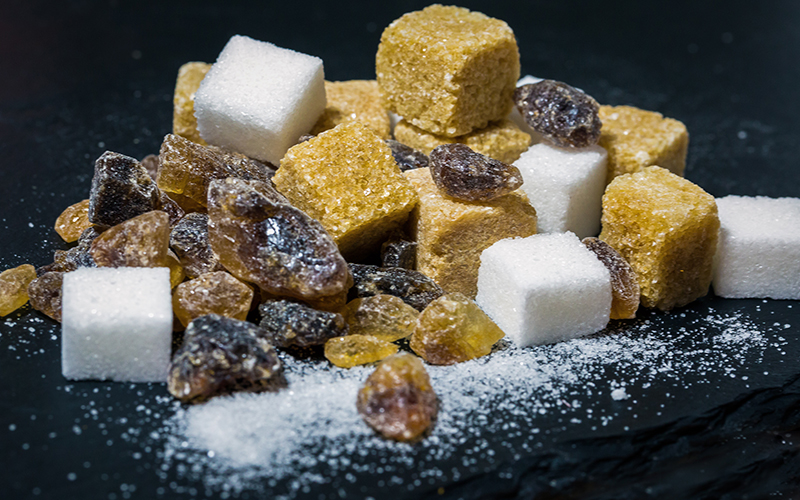
Food & beverage (F&B) manufacturers are stepping up reformulation activity using rare sugars, such as allulose and tagatose, as consumer demand grows for lower-calorie, health-forward products that still deliver a familiar sugar-like taste. These next-generation sweeteners are gaining momentum because they can replicate key sensory and functional properties of sucrose while supporting reduced-calorie and low-glycemic positioning. This aligns with the findings of the 2025 Q4 global consumer survey*, in which 66 % consumers say that their food purchases are always or often influenced by a product’s impact on their health and wellbeing, according to GlobalData, a leading intelligence and productivity platform.
Sainul Abidin, Consumer Analyst at GlobalData, comments: “Rare sugars are moving from a niche ingredient to a mainstream reformulation tool because they help brands deliver on two priorities at once: sugar reduction and a close-to-sucrose experience. Unlike many high-intensity sweeteners, allulose and tagatose can support texture, mouthfeel, and other formulation requirements that are critical for consumer acceptance.”
The shift to rare sugars is underpinned by a broad-based rise in health-led decision-making at the shelf. GlobalData’s 2025 Q4 global consumer survey findings reinforce the commercial rationale for brands to prioritise sugar reduction, metabolic health cues, and “better-for-you” reformulation strategies.
Regulatory developments are also encouraging wider adoption. In the US, allulose has received GRAS status and is treated differently from traditional sugars for labeling purposes, supporting product developers pursuing sugar-reduction claims. Similar approvals in other markets are broadening the addressable opportunity for manufacturers and ingredient suppliers.
Abidin adds: “Rapid advances in production technology are further accelerating uptake of rare sugars. Improvements in precision fermentation and enzymatic bioconversion are helping to lower costs and improve scalability, making rare sugars more feasible across mass-market applications such as beverages, snacks, and dairy – categories where both taste fidelity and cost-in-use are crucial.”
Beyond nutrition positioning, functionality is a key differentiator. Rare sugars can provide bulking and browning performance that is important in baking and confectionery, helping manufacturers maintain texture and appearance while reducing conventional sugar. Because performance can vary by ingredient and end use, companies are increasingly selecting between allulose and tagatose based on formulation goals such as sweetness intensity, stability, and browning behaviour.
Adoption is already visible across major consumer brands and ingredient supply chains. Brands including Quest Nutrition have used allulose in products such as protein bars to deliver sweetness with minimal blood glucose impact, while Magic Spoon has incorporated allulose to help replicate the taste and crunch profile expected in cereal. In dairy, Chobani has utilised allulose in its zero-sugar yogurt positioning to maintain a sweet, creamy profile.
On the confectionery side, The Hershey Company has signaled longer-term intent through investments aimed at scaling production of allulose and tagatose. Meanwhile, ASR Group – owner of major sugar brands – has partnered with rare sugar producers to bring tagatose into industrial channels, targeting applications such as chocolate and baked goods where browning performance is valued.
Ingredient manufacturers are also expanding portfolios to meet this demand. Suppliers such as Tate & Lyle and Ingredion have strengthened their allulose offerings for large-scale food and beverage customers, while capacity expansion in Asia-Pacific – supported by investments such as Samyang Corporation’s allulose production push – reflects the region’s fast-growing role in rare sugar enablement and supply.
Abidin concludes: “As consumers continue to scrutinise sugar content without compromising on taste, rare sugars will become an increasingly strategic lever for reformulation. Manufacturers that invest in scalable supply, smart sweetener systems, and application-specific formulation will be best positioned to compete in the next phase of better-for-you product innovation.”
*GlobalData 2025 Q4 global consumer survey was conducted with 22,613 respondents across 42 countries