





TikTok emerges as Gen Z’s leading platform for health and wellness information
A survey conducted across major Europeans markets, including the UK, found that 32 % of 18 – 24-year-olds, rely on social media platforms such as TikTok and Instagram for healthcare advice. This figure increases to 35 % when seeking nutrition or dietary information, …
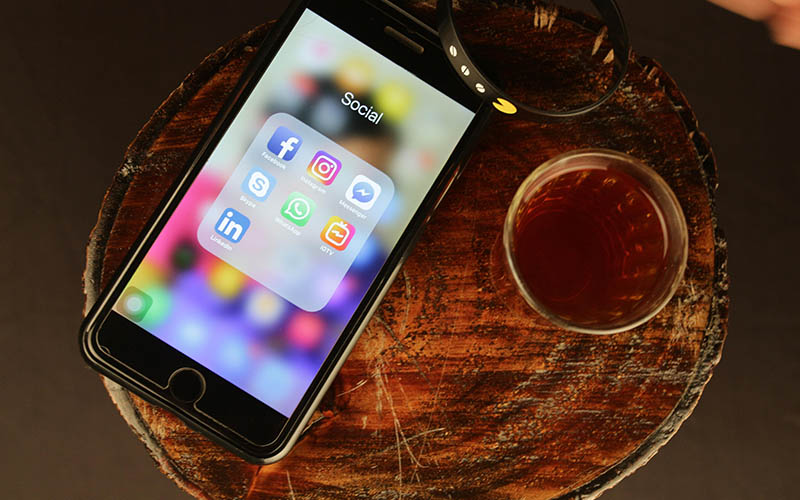
New research reveals that Gen Z are more likely to turn to TikTok than official sources such as the NHS website for health and nutrition advice.
A survey conducted across major Europeans markets, including the UK, found that 32 % of 18 – 24-year-olds, rely on social media platforms such as TikTok and Instagram for healthcare advice. This figure increases to 35 % when seeking nutrition or dietary information, such as tips on special diets, food allergies and even intolerances.
By comparison overall, 28 % of Europeans, including Brits, are turning to official healthcare websites, including the NHS, increasing to 31 % amongst Brits. Just 16 % of Europeans are looking to traditional news outlets – decreasing to one in ten Brits (10 %). Simialrly, 15 % of Europeans look to medically reviewed publications from health and fitness experts with only 6 % of Brits doing this.
The abundance of polarising online content has left many feeling uncertain. More than half of respondents said the exposure to conflicting advice online from health experts and influencers has led to confusion about which guidance to follow.
“With so much contradictory information online, it’s easy to feel overwhelmed about what’s actually healthy,” says Dr Carrie Ruxton, award-winning dietitian. “Social media can be a great way to learn, but it should never replace advice from qualified professionals like registered dietitians and other healthcare experts.”
Across all age groups in the UK, cold and illness remedies remain the most common health, wellbeing and nutrition search topic (38 %) online. This is followed by weight management (34 %), dietary choices (30 %) and nutritional deficiencies (26 %). Despite the growing use of social media for health-related searches, within the UK, trust remains highest in healthcare professionals (82 %), followed by nutritionists and dietitians (75 %), friends and family (53 %), journalists and traditional media (28%), and social media influencers (24 %).1
While younger Europeans may increasingly rely on social media for guidance, the confusion around conflicting advice can make it difficult to make healthy choices. With this in mind, Dr. Ruxton highlights 3 common nutrition myths circulating on social media.
- 100 % fruit juice is wrongly feared for causing blood sugar spikes: Many people are unsure whether or not 100 % fruit juice is beneficial with over a third (38 %) of Europeans worrying that it causes blood sugar spikes, and nearly three in ten (28 %) avoiding it completely, but these concerns are unfounded. By law, 100 % fruit juice contains no added sugars or sweeteners, yet nearly two in five adults (38 %) believe it does, rising to almost half (48 %) among 18-34-year-olds. A single glass of orange juice can provide over 90 % of the European daily recommendation for vitamin C, supporting normal immune function.2
- Protein shakes are essential for staying healthy: On platforms like TikTok, creators frequently promote protein shakes as a requirement for energy, fitness, or muscle gain. However, research shows that most people already consume enough protein through their diets, and supplementation is only useful for people taking regular exercise.3 Whole foods such as meat, eggs, dairy, legumes and nuts provide protein along with valuable vitamins and minerals in their natural form.
- Detox diets and juice cleanses rapidly remove toxins and improve health: Widespread across social platforms, including TikTok trends, this myth has recently gained traction in the form “internal shower drinks,” juice cleanses, and chlorophyll water. However, scientific evidence is clear: detox diets do not remove toxins, and there is no clinical research about their safety or health effects. The liver, kidneys and digestive system already manage detoxification effectively without extreme restrictions. Several medical sources warn that detox diets can lead to nutrient deficiencies, electrolyte imbalance and metabolic disruption. The concept of “detoxing” through diet is more of a marketing myth rather than a physiological reality.4
How to navigate nutrition advice online:
- Check the source: Follow dietitians and registered nutritionists, not influencers and other professionals without credentials.
- Keep it simple: Focus on small, manageable changes that you can stick to over time.
- Don’t demonise foods: Most foods can fit somewhere in a varied healthy diet and it’s important to enjoy what you eat.
- Be wary of quick fixes: If it sounds too good to be true, it probably is.
- Stay consistent: Long-term habits matter more than viral trends.
1Research conducted by Savanta ComRes among 8,000 European residents across the regions UK, France, Germany and Spain, undertaken in 2025.
2https://fruitjuicesciencecentre.eu/en/research/is-home-squeezing-worth-the-hassle-when-shop-bought-oj-provides-over-90-of-daily-vitamin-c#:~:text=The%20researchers%20developed%20an%20equation,a%20typical%20shelf%2Dlife%20period
3https://www.health.harvard.edu/staying-healthy/the-hidden-dangers-of-protein-powders?utm_source=chatgpt.com
4https://www.openaccessgovernment.org/wp-content/uploads/2024/06/openaccessgovernment.org-Detoxification-The-science-behind-social-media-claims-of-detox-health-benefits.pdf?utm_source=chatgpt.com