As part of the business expansion strategy in the global market, Duas Rodas Industrial SA announces the acquisition of tropextrakt GmbH, headquartered in Frankfurt (Germany). The German company, founded in 2002, also has an office in Poland. Specialising in the import and distribution of extracts and juices used in the food, beverage and nutritional supplement industries, tropextrakt GmbH will continue its operations as normal.
The transition process will use the same principles of integrity and transparency that have guided the commercial partnership between the two companies for more than 20 years, ensuring maintenance and synergy of the activities.
Founded 98 years ago by a German immigrant couple in Brazil, Duas Rodas Industrial is a Latin American leader in the manufacture of ingredients for the food and beverage industry, with a customer base of more than 10 thousand customers and a portfolio of more than 3 thousand items. The company currently has three factories in Brazil – in Jaraguá do Sul/SC, São Bernardo do Campo/SP and Estância/SE -, three manufacturing units in other Latin American countries – Chile, Colombia and Mexico – and commercial offices in the USA and China.
Duas Rodas Industrial´s goal is to enhance the partnerships, strengths and portfolios of both companies and transform tropextrakt GmbH into a Research and Innovation Center for expansion in the European market, creating new opportunities in products and technologies.
The non-pretentious, 100 % juice that’s disrupting the status quo in the juice aisle.
Introducing Revl Fruits™, a new premium juice brand. Revl Fruits was born to fill the “joy gap” in the premium juice market – a market that often asks consumers to compromise value and taste. Revl Fruits is the joyful, bright, flavour-bursting antidote to its dusty counterparts with attributes consumers desire – 100 % juice, 25 % less sugar* no GMOs or added sugar.
Crafted with a splash of coconut water, Revl Fruits’ 100 % juice range is meant to be enjoyed morning, noon, and night, served chilled, or included in your favourite concoction. The four flavours include:
Boldly Cran™: Packed with cranberries’ bold, tangy essence and naturally low sugar, Boldy Cran spotlights the naturally rich flavour of cranberries.
Tart Cherry: Tart Cherry is a celebration of this vibrant fruit. Each sip delivers the distinctive tartness that cherry enthusiasts crave.
Berry Wild: A fusion of nature’s most vibrant superfruits, cranberry, pomegranate, and açaí, Berry Wild is crafted to perfection and straight-up yum.
Truly Tropical: Featuring an enchanting blend of pineapple and mango, Truly Tropical will take you on a vacation with each sip.
Revl Fruits was designed with the planet in mind; it’s one of the only shelf-stable juices available in a 32 oz. Tetra Pak® carton. More than 70 % of the weight of the carton is made of paperboard, and the cap is made of bio-based plastic derived from plant-based renewable materials.
“For a long time, consumers have been forced to choose between products that fit their wellness lifestyle and meet their sustainability values while conceding on taste, joy, and value,” said Christina Zwicky, Head of Brand Marketing for Revl Fruits. “Revl Fruits believes that premium juice doesn’t have to mean heavy glass bottles, excessive pricing, a boring experience, or lackluster taste. Revl Fruits allows consumers to celebrate the joy of juice without the compromise.”
Recently, Revl Fruits flexed its brand ethos in a way that was as bold as its fruit. In LA, a town known for constantly changing health and wellness fads, Revl Fruits launched two billboards that declared that “good juice shouldn’t cost $15.” The billboards remarked on the cultural truth that good-for-you premium juices are becoming prohibitively expensive to the average consumer, further widening the compromise shoppers must make between value and wellness.
Depending on flavour, Revl Fruits SRPs are between $4 – $8. All flavours are available on Amazon.com, select Save Mart locations, and Gelson’s Market, and will be rolling out to additional retail stores in the US throughout 2024.
*Revl Fruits juices have at least 25 % less sugar (21 g sugar per 8 FL OZ) compared to the leading brand of 100 % juice (28 g sugar per 8 FL OZ)
About Revl Fruits™ Revl Fruits™ is a premium juice brand designed to be refreshingly different. The premium juices are available in four varieties: Boldly Cran™, Tart Cherry, Berry Wild, and Truly Tropical. Revl Fruits™ was designed with the planet in mind, with Tetra Pak® packaging made from mostly plant-based materials. All products contain a splash of coconut water, are 100 % juice, have 25 % less sugar than leading competitors, and have no GMOs or added sugar. Revl Fruits™ is a product of Ocean Spray Cranberries, Inc.
Ingredion leads investment round to accelerate start-up’s advanced technology for naturally reducing sugar
FoodTech start-up Better Juice, Ltd., announced its collaboration with Ingredion, Inc., a leading global provider of specialty ingredients to the food and beverage industry. Ingredion Ventures, Ingredion’s venture investment arm, will lead the Series A funding round for Better Juice which will fast-track penetration of its breakthrough sugar reduction solution into the US juice market.
Better Juice’s innovative sugar reduction technology removes simple sugars in juice-based beverages, concentrates and other natural sugar-containing liquids. The Company developed an enzymatic technology, which converts sugars into non-digestible compounds, such as dietary fibers and non-digestible sugars, while maintaining the natural profile of vitamins, minerals and organic acids in the final product.
“This important partnership step is truly exciting,” enthuses Gali Yarom, co-founder and co-CEO of Better Juice. “It dovetails perfectly with the Better Juice strategy to penetrate the North American market. Ingredion was impressed by our non-GMO technology, and its uses in a wide variety of applications. This move will open doors to leading food and beverage companies seeking sugar-reduction solutions for their products.”
“The Better Juice technology adds a completely new dimension to our portfolio of sugar reduction solutions for food and beverage brands on a mission to meet increased consumer demand for less sugar,” says Nate Yates, Sugar Reduction Business Leader at Ingredion. “This technology also provides manufacturers with more options to successfully reduce sugar without compromising on great taste or nutrition.”
Clean-label conversion
The environmentally friendly clean-label conversion process applies proprietary beads composed of non-GMO microorganisms which produce enzymes. These enzymes convert the juice’s composition of fruit sugars including sucrose, glucose, and fructose into better-for-you prebiotic fibers and other non-digestible molecules. This enables sugar reduction by 30 to 80 percent.
“This alliance will accelerate our go-to-market journey,” explains Eran Blachinsky, PhD, co-founder and co-CEO of Better Juice. “Ingredion’s capital support will allow us to extend the technology to other liquids with natural sources of sugar, such as milk, beer, and wine.”
This achievement follows Better Juice’s well-established partnership with GEA Group, one of the largest suppliers of food processing technology.
Better Juice primed for commercialisation
Better Juice’s solution has successfully advanced to commercial scale in the U.S. In recent years, it demonstrated its full proof of concept in collaboration with juice manufacturers in the U.S. and Asia. These companies are now poised to progress to the next stage of commercialisation. Better Juice is now fully prepped for market entry, with a capacity to process 250 million liters of sugar reduced juice per year.
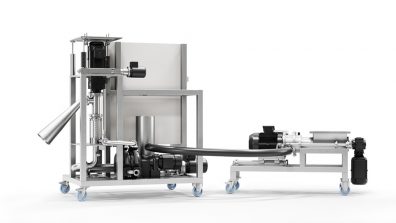
Since 2022, the groundbreaking GEA Better Juice Sugar Converter Skid is included in GEA’s test center in Ahaus, Germany. Better Juice collaborates with GEA for manufacturing the bioreactor, and together they install the technology in customers’ facilities.
“Better Juice has achieved important milestones in the past two years and has positioned itself as the leading company for reducing simple sugars from natural sources,” notes Amir Zaidman, VP of The Kitchen Hub. “The timing is perfect for serving the rapidly expanding trend of consumers striving to cut down on simple sugars in their diet.”
About Ingredion Ingredion, Inc. (NYSE: INGR), headquartered in the suburbs of Chicago, is a leading global ingredient solutions provider serving customers in more than 120 countries. With 2022 annual net sales of nearly $8 billion, the company turns grains, fruits, vegetables, and other plant-based materials into value-added ingredient solutions for the food, beverage, animal nutrition, brewing, and industrial markets. With Ingredion Idea Labs® innovation centers located around the world, and approximately 12,000 employees, Ingredion co-creates with customers to fulfill its mission of bringing the potential of people, nature, and technology together to make life better.
bound4blue and Louis Dreyfus Company (LDC) announced a commercial agreement for the manufacture and installation of four eSAILs® on LDC’s chartered juice vessel, MV Atlantic Orchard, in collaboration with Wisby Tankers AB, Sweden.
Chartered by LDC and owned by Wisby Tankers, MV Atlantic Orchard will be retrofitted with four 26-meter-high eSAILs®. The installation of the eSAILs® is planned for 2024 and, depending on vessel routing, is expected to reduce annual fuel consumption and CO2 emissions by at least 10 %.
Being one of the key actors in the advancement and execution of maritime decarbonization solutions, bound4blue developed its cutting-edge eSAIL® system based on wind-assisted propulsion technology known as a suction sail. By harnessing wind power to propel vessels, this technology achieves a substantial reduction in fuel consumption and pollutant emissions. The eSAIL® system leverages a thick aerodynamic profile and intelligent suction mechanisms to enhance propulsive efficiency, yielding seven times more lift than an airplane wing.
The decision to implement this technology was based on a third-party assessment study carried out by Lloyd’s Register, which evaluated a range of solutions and identified bound4blue’s suction sails as the most promising.
Brand new innovations set to make their international debut at the leading trade show for the global fresh produce business from 7 to 9 February. 20 startups and the first Spotlights including many world premieres have now been announced.
Innovation is the lifeblood of FRUIT LOGISTICA whose motto this year is “The heartbeat of the Fresh Produce Business”. From 7 to 9 February 2024, the leading trade show for the global fresh produce business returns to Berlin with a brand new lineup of young startup companies, each one ready to enrich the industry with their groundbreaking new ideas.
Under the slogan ’Disrupt Agriculture’, the FRUIT LOGISTICA Startup Day takes place in Hall 5.1 on 9 February 2024. 20 startups will showcase their trailblazing products and solutions. Robots that monitor plant health; labels that automatically change colour with the temperature; AI-based irrigation systems that know how thirsty plants are. Just three examples of how those startups plan to harness new technologies and improve the business.
There are innovations aplenty elsewhere at FRUIT LOGISTICA 2024, and these include several world premieres, many of which are already present on its dedicated Spotlight page. This year’s innovations include packaging and labels with a reduced plastic content that can be easily recycled or are even biodegradable. AI-based technologies are being used in agricultural and sorting machines. New fruit varieties not only appeal to consumers’ tastes; they also make work easier for producers, as they are resistant to common plant diseases, for example.
To learn more about the event’s more than 2,600 exhibitors from 90 countries, as well as its extensive programme which offers expert knowledge on five stages, trade visitors can use FRUIT LOGISTICA Online, the exhibitor and event database.
There are new ways to attend FRUIT LOGISTICA 2024. Trade visitors can upgrade their ticket with a Gold Upgrade and enjoy access to a special lounge and post-show refreshments. And a new Friday Ticket grants access to the final day of the show at a reduced rate. The FRUIT LOGISTICA 2024 ticket shop is now open.
Avantium N.V., a technology company in sustainable chemistry, is collaborating with Albert Heijn to make packaging more sustainable. To this end, Avantium’s 100 % plant-based and circular material PEF (polyethylene furanoate) is being used for various forms of packaging. Refresco, a global independent beverage solutions provider for Global, National and Emerging (GNE) brands, and retailers, produces Albert Heijn’s new fruit juice bottle made out of PEF. This will be the first PEF application to be introduced in Albert Heijn stores, once Avantium’s commercial plant for PEF is operational. Albert Heijn is the first supermarket chain in the world to introduce PEF packaging for own-brand products.
“As a beverage solutions provider, we are continuously looking for innovative ways to produce soft drinks, fruit juices and other drinks. Reducing, recycling and making packaging more sustainable is an important element of our strategy. With PEF we are able to offer an alternative sustainable packaging solution to our customers. We are therefore pleased that Refresco, Avantium and Albert Heijn are now working together to bring this new fruit juice bottle to market.”, says Alexander van Assouw, Managing Director Refresco Benelux.
Avantium’s PEF is a 100% plant-based and fully recyclable polymer with a wide range of applications including bottles and packaging, films and textiles. In addition to its sustainable packaging benefits, Avantium’s PEF has superior barrier properties, extending the shelf life of beverages and food. Avantium is currently constructing the world’s first commercial plant in Delfzijl for 5 kilotons of FDCA (furandicarboxylic acid), the key building block for PEF, with commercial production expected to start in the second half of 2024. Thereafter, PEF production will be further scaled up to plants of 100 kilotons and more for large-scale production of FDCA and PEF through technology licensing.
The revision aims to help consumers make informed and healthier decisions on agri-food products such as honey, fruit juice, jam, jellies and marmalades.
On 12th December, Parliament adopted its position on the revision of the so-called ‘breakfast’ directives with 522 votes in favour, 13 against and 65 abstentions. The proposal updates rules on the composition, name, labelling and presentation of certain ‘breakfast’ foodstuffs.
Clear labelling of country of origin
MEPs agree that the country where honey has been harvested must appear on the label. They add that for fruit juices, jams, jellies, marmalades and sweetened chestnut purée the country of origin of the fruit used must also be indicated on the front-label. If the honey or fruit used originates in more than one country, MEPs want the countries of origin to be indicated on the label in descending order according to the proportion they make up of the final product.
To limit fraud, MEPs want to set-up a traceability system for the honey supply chain to track product origin. They also want the EU to form a reference laboratory for honey to improve controls and to detect adulteration through systematic testing.
Sugar content labelling
MEPs propose that the label ‘contains only naturally occurring sugars’ should be allowed for fruit juices. To meet the growing demand for low-sugar products, reformulated fruit juices may be labelled ‘reduced-sugar fruit juice’.
New techniques that remove naturally occurring sugars in fruit juices, jams, jellies or milk should not lead to the use of sweeteners to compensate for the effect of sugar reduction on the taste, texture and quality of the final product, MEPs say. They add that labels of the reduced-sugar foodstuff must not contain claims regarding positive properties, such as health benefits.
Next steps
Parliament is now ready to begin talks with EU governments on the final shape of the law.
Background
The revision of EU marketing standards for certain ‘breakfast’ directives was proposed by the European Commission on 21 April 2023 to update current standards that are more than 20 years old.
Elopak has announced plans to build its first U.S. production plant with the latest state-of-the-art technology for better and more efficient production. The plant will produce Pure-Pak® cartons for liquid dairy, juices, plant-based products and liquid eggs. The new production facility will be located in Little Rock, Arkansas and is expected to start production in H1, 2025.
It represents a significant investment for the region of around USD 70 million including the land, the building and the equipment.
Following the investment announcement in June 2023, the company has evaluated different financing opportunities and concluded to own and fully finance the plant on the balance sheet. Hence, the nominal cost of the investment will be recognized in the balance sheet instead of the discounted value of the lease payments, increasing the reported investment by around USD 15 million. This is economically more profitable for Elopak compared to partly leasing, which was assumed in June. Further, around USD 5 million is added to the investment to further optimize the scope of the project and support further long term growth.
Since the announcement in June, we have signed contracts with some of our existing customers in the region, further strengthening the investment case.
The new plant will create more than 100 permanent jobs in the region for engineers, printers, operators, logistics specialists and other support groups.
“This is our first converting plant in the U.S. and a landmark investment for our company. North America is a key building block for our future growth and we are very excited to expand our presence in the region. I would like to thank all parties involved for enabling the next step in our North American growth journey” says Thomas Körmendi, CEO of Elopak.
On November 2, 2023 the U.S. Food & Drug Administration (FDA) proposed to revoke the regulation authorising the use of brominated vegetable oil (BVO) in food. The FDA conducted studies that clearly show adverse health effects in animals in levels more closely approximating real-world exposure. Therefore, the FDA can no longer conclude that this use of BVO in food is safe.
The studies were conducted in collaboration with the National Institute of Environmental Health Sciences’(NIEHS) Division of Translational Toxicology (formerly the Division of the National Toxicology Program), to assess unresolved toxicological questions. Results from these studies demonstrate bioaccumulation of bromine and toxic effects on the thyroid – a gland that produces hormones that play a key role in regulating blood pressure, body temperature, heart rate, metabolism and the reaction of the body to other hormones.
BVO is a vegetable oil that is modified with bromine. As authorised, it is used in small amounts, not to exceed 15 parts per million, as a stabiliser for fruit flavouring in beverages to keep the citrus flavouring from floating to the top. When used, BVO is required to be listed as an ingredient on the label as “brominated vegetable oil” or as the specific oil that has been brominated, such as “brominated soybean oil”.
Over time, many beverage makers have reformulated their products to replace BVO with an alternative ingredient. Today, few beverages in the US contain BVO.
Offshoot Brands, a visionary entity fostering plant-forward brands like Love Beets, Genuine Coconut, and Veggie Confetti, and Canadian-based LOOP Mission, a formidable force against food waste and producer of cold-pressed juices, announce their exclusive partnership into the US market, blending sustainable, innovative beverage options with a powerful environmental ethos.
On an endeavor to reduce food waste and champion sustainability through innovative product lines, Offshoot Brands welcomes LOOP Mission to its portfolio, where it will lead sales and marketing initiatives for the beverage brand across the expansive US market. This collaboration ensures the amplification of LOOP’s mission to valorise rejected food, while simultaneously aligning with Offshoot’s ambition to bring more sustainable options to the retail landscape for consumers.
LOOP Mission operates with a distinctive and sustainable business model, partnering with major food industry entities to utilise perfectly edible products, which, due to aesthetic imperfections or shelf-life limitations, are discarded before reaching consumers.
Select LOOP Mission products will now be available for US retailers, expanding the avenues through which consumers can access sustainable, high-quality beverage options.
LOOP Mission will harmoniously integrate into Offshoot Brands’ portfolio, embracing and extending the brand’s existing values and commitments to sustainability. Offshoot Brands, which is actively working with farms to attain certified regenerative status and employs whole crop utilisation to mitigate food waste, sees LOOP Mission as an embodiment and extension of these practices.
This partnership is a stride toward further amplifying Offshoot’s existing sustainability initiatives, with prospects to potentially intertwine resources and minimise waste across all brand lines.
Millions of Brits could be more susceptible to winter cold and flu as they are not stocking their fridges and cupboards with the right food and drink due to not knowing the vitamins and minerals that can help improve their immunity, a new study has revealed.
A survey of UK adults by the Fruit Juice Science Centre and Savanta ComRes found that while most (84 %) correctly identified vitamin C as a key nutrient for optimal immunity, many weren’t able to identify the other vitamins and minerals which can help guard against winter illnesses.
When asked which nutrients can help natural immunity, fewer than four in 10 (38 %) correctly identified Iron, commonly found in foods such as red meat, lentils and spinach, while even fewer (32 %) chose vitamin E, which is contained in nuts and seeds, grapefruit juice and red peppers.
Selenium (9 %), found in eggs and poultry, and folate (8 %), found in many green vegetables and 100 % orange juice, were other immunity-boosting nutrients that few consumers know can help guard against flu. Copper (7 %), often found in shellfish and beans, was the least recognised of nutrients with government-backed immunity claims.
Despite three quarters (76 %) of Brits knowing that diet impacts natural immunity, this lack of understanding around vitamins and minerals means many are unsure which food groups they should be consuming. Only half (51 %) identified that 100 % fruit juice and smoothies can support immunity, with 46 % selecting fish and proteins such as beans and eggs. Just one in five (21 %) identified meat as a good source of the key immunity nutrients, iron and zinc.
The research also demonstrated the lasting impact that Covid-19 has had on our approach to winter illness. 55 % of Brits expect to catch a cold or flu this winter, which equates to more than 22 million people. Of these, 45 % will self-isolate if they develop a cold or flu, while 43 % will wear a mask.
Concerningly, more than a third of Brits (35 %) said they would still go into work despite being ill, raising the prospect of offices becoming hotbeds of sickness, while a quarter (26 %) said they wouldn’t wash their hands more frequently if they caught a winter illness.
Leading nutritionist, Dr Emma Derbyshire, commented: “Winter illnesses will hit many of us this year as we return to normal social situations yet it’s clear from this new survey that some are taking their eye off the ball on handwashing and staying at home to avoid infecting others. Whilst having a healthy diet can’t stop viruses, it can help us get over respiratory illnesses faster by supporting our natural immunity. An easy first step is drinking a daily glass of orange juice – just 28% of consumers understand it doesn’t contain any added sugar – which is a convenient and effective source of vitamin C and folate, both proven to support normal immune function”.
Emma Derbyshire’s five nutrition tips for winter immunity are:
Drink a daily glass of 100 % orange juice to naturally boost your intake of vitamin C and folate.
Aim for at least 5 daily servings of fruit and vegetables for their vitamin A content.
Choose wholegrain breakfast cereals, bread and rice as the fibre will promote friendly species of gut bacteria – a first line of defence against winter illnesses.
Have one serving of oily fish weekly which is rich in calming omega-3 fats and immune-supporting vitamin D.
Take a handful of Brazil nuts as a snack as these are high in selenium.
Elopak is rolling out a new filling machine with exceptional hygiene levels that gives fresh products a shelf life of up to 60 days. This machine is supported by a HEPA air management system, which is the result of extensive research and testing.
The next-generation filling machine is designed by Elopak and produced by the company’s long-term partner Shikoku. The HEPA filter system, stainless steel components and dual-step heating and sealing processes ensure the highest levels of hygiene, helping to extend the shelf-life of fresh products.
The machine’s self-cleaning and sterilisation features allow efficient switches between products, reducing food waste. The machine is versatile and fills gable top cartons from 250 ml up to 1.136 ml in Pure-Pak® carton formats.
In addition to improving hygiene standards, the machine has an upgraded safety design for operators. Hands-free cleaning and magnetic doors further ensure the operator’s safety and reduce the margin for human error.
The machine is designed to fill cartons with fresh and extended shelf-life dairy products, fresh and extended shelf-life juices, water, and plant-based drinks. All products with or without particles.
Patrick Verhelst, Elopak’s Chief Marketing Officer said: “Our new filling machine is manufactured to meet the highest quality and hygiene standards. It sets a new standard for fresh products by extending the shelf life to 60 days. A longer shelf life means less food waste in addition to making it easier for the consumer to choose environmentally friendly containers for their fresh milk or juice products.”
The launch of Ocean Spray® Zero Sugar marks the first national brand to introduce a zero-sugar product with no artificial sweeteners in the shelf-stable juice aisle.
Ocean Spray Cranberries, Inc., the agricultural cooperative owned by roughly 700 farmer families, has announced the launch of Ocean Spray® Zero Sugar Juice Drink, the first beverage from Ocean Spray with bold flavour, 0 g of sugar, and no artificial sweeteners*.
Ocean Spray® Zero Sugar Juice Drink will be available in two flavours, Ocean Spray’s iconic Cranberry flavour and Mixed Berry, a new flavour to the brand’s beverage portfolio. Made with real fruit juice and sweetened with stevia*, Zero Sugar is an excellent source of Vitamin C.
“From full flavour blends to refreshing diet and now bold zero sugar, Ocean Spray is committed to developing product innovations that continually meet the needs and desires of consumers who are seeking out more options for their juice drink,” said Trinh Le, Vice President, Next Generation Beverages and Omni-Channel Marketing at Ocean Spray. “We’re excited to be the first brand to introduce this new innovative product in the shelf stable aisle and continue our legacy of beverage innovation.”
Ocean Spray® Zero Sugar is the latest in the brand’s developments to create more health-conscious options for today’s shoppers. Earlier this year, Ocean Spray launched another “better-for-you” juice line, which includes Immunity Cranberry Blueberry Acai, Immunity Orange Mango, and Ocean Spray® Revitalize Cranberry Pineapple Juice Drink. These function-forward beverages are made with real fruit juice, no artificial sweeteners*, and zero added sugar.
Ocean Spray® Zero Sugar Juice Drinks will be available in the US at grocery stores and Walmart in November 2023
*Contains stevia leaf extract, which has been further processed
REBBL®, the original organic and plant-powered functional beverage brand, launched WELLNESS, its debut line of juice-based functional beverages and the first juices ever made with Aquamin™ calcified sea algae – a super ingredient clinically proven to support bone, joint and gut health¹. Offered in two refreshing varieties, Tropical Greens and Berry Roots, both WELLNESS juices are available at Whole Foods Market locations in the US.
REBBL WELLNESS packs a punch with 4,700 mg of Aquamin™ calcified sea algae to deliver over 73 essential minerals in every bottle. Derived from red algae, Aquamin™ offers a range of research-backed benefits, from improving digestive health and gut microbiome to helping combat inflammation to support joint and bone health.
Ideal any time of day for delicious hydration, WELLNESS juices are formulated without added sugar and are light and refreshing while supporting immunity-boosting nutrition with 100 % organic fruits and greens.
WELLNESS Benefits:
Supports gut, bone, and joint health*
Calcified sea algae from Aquamin™
Organic and non-GMO
Vegan and gluten-free
80 calories or less
No added sugar
No artificial flavours
Zinc for immune support
WELLNESS Tropical Greens
Made with only the highest quality ingredients straight from the source, a blend of tropical fruits, including pineapple, orange, passionfruit, nutrient-dense spinach, and cucumber with a twist of lime, delivers a bright and refreshing taste any time of day.
WELLNESS Berry Roots
Formulated with zinc gluconate to support immunity, Berry Roots offers a blend of antioxidant-packed blueberry, raspberry, and strawberry with beets and carrots that produces a sweet, revitalising flavour with nourishing benefits.
¹Published research: McClintock et al, 2020, Attili et al., 2019, Aslan et al., 2019, McClintock et al., 2018 *These statements have not been evaluated by the FDA. This product is not intended to diagnose, treat, cure, or prevent any disease.
Abstract
The health effects of 100 % fruit and vegetable juices (FVJ) represent a controversial topic. FVJ contain notable amounts of free sugars, but also vitamins, minerals, and secondary compounds with proven biological activities like (poly)phenols and carotenoids. The review aimed to shed light on the potential impact of 100 % FVJ on human subject health, comprehensively assessing the role each type of juice may have in specific health outcomes for a particular target population, as reported in dietary interventions. The effects of a wide range of FVJ (orange, grapefruit, mandarin, lemon, apple, white, red, and Concord grapes, pomegranate, cranberry, chokeberry, blueberry, other minor berries, sweet and tart cherry, plum, tomato, carrot, beetroot, and watermelon, among others) were evaluated on a series of outcomes (anthropometric parameters, body composition, blood pressure and vascular function, lipid profile, glucose homeostasis, biomarkers of inflammation and oxidative stress, cognitive function, exercise performance, gut microbiota composition and bacterial infections), providing a thorough picture of the contribution of each FVJ to a health outcome. Some juices demonstrated their ability to exert potential preventive effects on some outcomes while others on other health outcomes, emphasising how the differential composition in bioactive compounds defines juice effects. Research gaps and future prospects were discussed. Although 100 % FVJ appear to have beneficial effects on some cardiometabolic health outcomes, cognition and exercise performance, or neutral effects on anthropometric parameters and body composition, further efforts are needed to better understand the impact of 100 % FVJ on human subject health. …
Sponsored Post – “From: Italian Alps” is the quality promise of VOG Products, the fruit processing company from South Tyrol. A unique supply chain supports their promise. The benefit for customers: seamless traceability and tight controls from cultivation to the final product – be it juice, purée, finished products or chunky products like steamed apples and frozen products.
With around 300 sunny days every year and cool nights, the alpine valleys of South Tyrol and Trentino are an ideal location for fruit cultivation – particularly for the cultivation of apples, which enjoy the best climatic conditions. The farmers attach great importance to dealing with land and its resources respectfully and sustainably. The dedicated producers combine the know-how they have acquired over decades with the latest findings from research and practice. The producers are organised in cooperatives and producers’ organisations that work together in a perfectly meshed structure.
“From: Italian Alps” describes the many quality features (Photo: VOG Products)
The quality promise “From: Italian Alps” describes the many quality features and strengths of the unique VOG Products supply chain:
The raw material originated in the orchards of the company’s own members (100 % traceability).
Short distances: VOG Products processes fruit from the immediate surrounding area.
The apples are cultivated in an integrated or organic production way. The producers have pledged to uphold guidelines that guarantee exemplary agricultural production and go above and beyond the legal stipulations (e.g., the Agrios guidelines). The organic goods processed by VOG Products are certified by recognised associations (Bioland, BioSuisse, Naturland and Demeter).
Sustainability is part of VOG Products’ DNA, which is ensured by certification from the orchard to the final product (FSA certification)
Ripened by the Mediterranean sun and picked by hand: in South Tyrol and Trentino, apples are cultivated under ideal climatic conditions and harvested at the optimum time.
“Along the entire production chain, nothing is left to chance. Our FROM quality promise covers everything from fruit cultivation to the final product and includes the entire supply chain,” said Christoph Tappeiner, CEO of VOG Products. “We know where the fruit come from and which production steps they have gone through.”
Certified sustainability
VOG Products rely on the highest quality standards, which are safeguarded through certifications from incoming goods to the final product. And the sustainable FROM products can be certified by the FSA upon request. VOG Products has passed the Farm Sustainability Assessment in collaboration with producers’ organisations, cooperatives and producers with the highest possible sustainability standard: gold.
Around the globe, the SAI (Sustainable Agriculture Initiative) platform checks the sustainability of agricultural operations against a compact, verifiable standard. This makes it easier for distributors and producers to procure safe, sustainable products transparently and more efficiently. Alongside social, ecological and economic aspects, the platform also collect data on compliance with human rights, working conditions and social standards.
About VOG Products VOG Products is owned by three producers’ organisations from South Tyrol and Trentino and 17 fruit cooperatives from South Tyrol. Their member base is composed of around 6,000 producers, most of whom are small family-managed enterprises devoted to maintaining and farming their orchards. More information at: www.vog-products.it/en/from
The higher demand for orange juice from the United States raised the Brazilian exports of the commodity in the first two months of the 2023/24 exporting season (July and August). The average price paid for the national juice increased in that period too, influenced by low inventories and the lower output in Brazil. The higher volume exported and the valuation of the Brazilian juice abroad resulted in a significant increase in the revenue of exporters.
According to data from Secex (Foreign Trade Secretariat), Brazil exported 182.9 thousand tons of Frozen Concentrate Orange Juice (FCOJ) Equivalent in July and August, 4% more than the volume shipped in the same period of 2022. Revenue totaled USD 397.9 million, a staggering 20% up in the same comparison.
As for the types of juice exported, shipments of Not-From-Concentrate (NFC) orange juice increased 19 %, and revenue, 25 %; of FCOJ, the volume exported decreased 3 %, while the revenue rose 17 %. The different performances of the exports of these types of juice are linked to the higher demand from the US for NFC juice, whose volume sent to the North-American country rose a staggering 51 %.
The United States
For one more season, the US have been importing orange juice from Brazil. In the first two months of the current season (23/24), the US imported 50.5 thousand tons of FCOJ, an increase of 38 % compared to that in the same period of 2022/23. Revenue totaled USD 113.2 million, 57 % higher, in the same comparison.
Lower orange production in the US because of the 2022/23 crop of Florida – which has decreased 62 %, according to the USDA – and lower supply from Mexico, the second major supplier of orange juice to the US, led the country to raise imports from Brazil.
European Union
To the European Union, Brazil exported, in July and August, 112.6 thousand tons of orange juice, a slight 3 % up from that last season. Revenue totaled USD 241.9 million in the two first months of the season, 14 % higher, in the same comparison.
Crop Estimates
According to data released this week by Fundecitrus, the 2023/24 harvest in the citrus belt (São Paulo State + the Triângulo Mineiro) is expected at 309.34 million boxes of 40.8-kg each, stable compared to that estimated in May but 1.5 % lower than the output from last season. It is important to highlight that this volume is a lot lower than the industry’s needs to meet the demand from abroad and replenish inventories, which are currently very low.
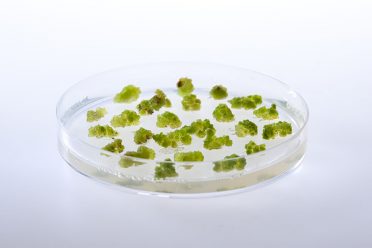
Scientists at Plant & Food Research are using their expertise in horticulture to explore the production of fruit without a tree, vine, or bush – instead using lab-grown plant cells. Initial trials have included working with cells from blueberries, apples, cherries, feijoas, peaches, nectarines and grapes.
Lab grown fruit (Photo: Plant & Food Research)
Cellular horticulture, agriculture and aquaculture, the production of plant, meat and seafood products in vitro, is at the cutting edge of food technology worldwide. By growing food from cells in the laboratory there are opportunities to use fewer resources and improve the environmental impact of food production.
Food by Design programme leader, Plant & Food Research scientist Dr Ben Schon says there’s a great deal of interest and development in controlled environment and cellular food production systems, with more than 80 companies worldwide looking to commercialise lab-grown meat and seafood.
“Cellular horticulture currently has a smaller profile than cellular agriculture and aquaculture, but we believe this is a really exciting area of science where we can utilise our expertise in plant biology and food science to explore what could become a significant food production system in the future.”
Ben Schon says the team is now 18 months into the five-year long Food by Design programme, which is funded through Plant & Food Research’s internal Growing Futures™ investment of the MBIE Strategic Science Investment Fund. The research has also gained support from New Zealand company Sprout Agritech, having recently being accepted into their accelerator program designed for agrifoodtech start-ups.
Dr Schon says initial trials have used cells harvested from blueberries, apples, cherries, feijoas, peaches, nectarines and grapes. Much like lab grown meats, the challenge is to create an end product that is nutritious and has a taste, texture and appearance that consumers are familiar with.
“In order to grow a piece of food that is desirable to eat, we will need more than just a collection of cells. So we are also investigating approaches that are likely to deliver a fresh food eating experience.”
“The aim isn’t to try and completely replicate a piece of fruit that’s grown in the traditional way, but rather create a new food with equally appealing properties.”
As well as exploring the viability of cellular horticulture as a future tool for food production, Dr Schon says the research also aims to provide better understanding of fruit cell behavior – these insights could help breed better fruit varieties that would also benefit the traditional growing methods being used by New Zealand’s horticultural sector.
This cellular horticulture research fits within Plant & Food Research’s Hua Ki Te Ao – Horticulture Goes Urban Growing Futures™ Direction, which is focused on developing new plants and growing systems that will bring food production closer to urban consumers.
“Globally, we are seeing rapid growth in both the vertical farming, controlled environment growing as well as cell-cultured meat spaces. It’s possible that cell-cultured plant foods could be a solution to urban population growth, with requirements for secure and safe food supply chains close to these urbanised markets,” says direction co-leader Dr Samantha Baldwin.
Nestlé has introduced a versatile and cost-effective sugar reduction technology that can be applied across different product categories, with benefits beyond sugar reduction. It can also be used to produce low lactose and skimmed milk-based products, while reducing total sugars.
Using an enzymatic process, it reduces intrinsic sugar in ingredients such as malt, milk, and fruit juices by up to 30 %, with a minimal impact on taste and texture. The sugar-reduced ingredients are then used in recipes for various products. There is no need to add sweeteners or bulking agents to replace the volume of the eliminated sugar.
When the patented sugar reduction method is applied to milk-based products, it also increases prebiotic fibers. First clinical studies have shown that these fibers can support the growth of multiple types of beneficial bacteria leading to a favourable microbiome composition in healthy adults.
Stefan Palzer, Nestlé Chief Technology Officer says, “Sugar reduction across our portfolio remains a top priority. This new technology is a true breakthrough, as we can reduce sugar without adding sweeteners while preserving a great taste, all at a minimal cost increase. In addition, our scientists discovered that the sugar reduction generates prebiotic fibers that support the microbiome, which is an additional benefit. We are now accelerating the global roll-out across formats and categories.”
The sugar reduction was first piloted in cocoa and malt-based ready-to-drink beverages in Southeast Asia and over the past year, Nestlé has already introduced it in factory lines for cocoa and malt-based powdered beverages such as Milo across several countries across Asia, Africa, and Latin America. Since 2021, the sugar reduction technology has been applied to over 200 000 tons of cocoa and malt-based beverages. The roll-out continues, and other product categories such as dairy powders will follow.
The development of novel technologies is part of Nestlé’s continuous efforts to improve the nutritional value of its products, while supporting responsible consumption as part of a balanced diet. The new sugar reduction technology complements a wide range of existing solutions which Nestlé has developed over the years in collaboration with external innovation partners and suppliers. This includes natural sweeteners, sweetness-enhancing or bitterness masking flavours, as well as natural bulking agents such as fibers, cereals and tailor-made dairy and cocoa powders.
Intermarché, one of the most popular retail chains in France, demonstrates its relentless commitment to sustainability as it becomes the first in the country to use tethered SIG SwiftCap Linked closures on SIG’s carton packs. This pivotal move covers their entire private label juice portfolio of around 20 SKUs.
The fruit juice for the Paquito own brand distributed in Intermarché outlets is produced by Agromousquetaires, the agro-industrial entity of the Les Mousquetaires group.
Intermarché will also switch to a packaging material from the SIG Terra portfolio, which helps to reduce the use of fossil plastics. The SIG Terra portfolio is a set of more sustainable packaging solutions offering different structural options: without aluminum layer, with renewable materials from the forest, and/or recycled materials.
The polymers in SIG Terra packaging material support the transition to renewable polymers from the forest using a certified mass balance approach. SIG uses tall oil as a forest-based raw material for the production of the polymers. This is a by-product of the paper industry, thus avoiding the use of raw materials from agricultural crops. The polymers are certified according to the certification scheme ISCC PLUS. The ultra-thin aluminum foil used in the packaging material protects the contents from light and oxygen and is certified against ASI (Aluminium Stewardship Initiative) standards.
Intermarché, in its likeminded partnership with SIG, has achieved a first for the French juice market in helping to combat plastic waste leaking into the environment. The move to tethered caps comes well ahead of the EU’s Single-Use Plastics Directive deadline of July 2024 and will also be welcomed by both consumers and regulators. The tethered caps can be easily disposed of and recycled with the rest of the carton pack.
SIG’s tethered caps do not compromise on convenience for consumers, offering an easy pouring and drinking from the pack experience, via a robust double hinge solution. They are also compatible with existing SIG filling machines and closure applicators. This means no major investment is required, demonstrating the flexibility and adaptability needed to reassure customers that SIG’s packaging and filling solutions are a secure investment for the future.
The decision to launch Paquito and MERCI! brand juices with both innovations from SIG, fits perfectly with the company’s priority on responsible action. Intermarché’s socially responsible brand called Les Éleveurs vous disent MERCI! (The Farmers say Thank You!) is all about giving back. Its products offer consumers the opportunity to support farmers with better remuneration. MERCI! is also vehemently committed to the environment, society and animal welfare. MERCI! juices will come in SIG PremiumBloc 1,000 ml carton packs and Paquito in 750 ml and 1,000 ml.
The Brazilian exports of orange juice increased in the 2022/23 season (July/22 – June/23), after fading for two consecutive seasons. According to data from Secex, Brazil exported 1.09 million tons of the product (Frozen Concentrate Orange Juice FCOJ Equivalent) in the 22/23 crop, 9 % up the volume shipped in the previous season. The revenue received from these shipments totaled USD 2.1 billion, a staggering 28 % up, in the same comparison.
Although the consumption of orange juice is not increasing in the major destinations of the Brazilian product – and despite the low national inventories –, the United States had higher import needs in the last years, due to the steep production decrease in Florida – mainly in the current season, 2022/23 –, which had been facing the effects of greening and was hit by hurricanes late last year.
According to Secex, the Brazilian exports of orange juice to the US have increased high this season, totaling 340.9 thousand tons, 69 % higher than the volume shipped in 2021/22. Revenue totaled USD 701.9 million, a staggering 93 % up, in the same comparison. As production is not expected to rise high in Florida in the short term, the US may continue with high imports needs, and Brazil is the number one supplier of orange juice in the world.
In a report released in June, Florida Citrus Department confirmed higher imports to the US: between Oct/22 and Apr/23, the country doubled the volume of FCOJ imported from Brazil compared to that in the previous season; of NFC (Not-From-Concentrate) orange juice, shipments rose 82 %.
EUROPEAN UNION – To the European Union, the number one destination of the Brazilian orange juice, exports totaled 569.6 thousand tons in the 2022/23 season, 8 % less than that shipped in the previous season. Revenue totaled USD 1.13 billion, 9 % up, in the same comparison.
Rebellious Kids combines great taste with true function. No sugar, no calories, vitamins A, B12, C, D, E, Zinc, plus sea salt for natural electrolytes from the ocean.
Rebellious Beverage Company, the preeminent functional beverage company, launched its first ready-to-drink line of functional beverages, Rebellious Kids, in an 8-ounce bottle with sports cap, made with post-consumer recycled content. Rebellious Kids is an organic, plant-based plus minerals beverage, that delivers key nutritional support children need with no sugar. Rebellious Kids has 40 % of the daily value of vitamins B12, C, and D and 20 % of the daily value of vitamins A and E, plus zinc, and electrolytes.
“Our move into the healthy hydration space for children addresses an unmet need for parents who want refreshing drinks that they can feel good about serving their kids: no sugar, no calories, clean ingredients, that delivers key functional nutrition, and great taste,” said co-founder and CEO Doug DuMars. “We are re-invigorating a category that has basically been forgotten about. Rebellious Kids is a nutritional beverage solution with a holistic approach to foundational wellness supporting our next generation at home, at school, or during their activities.”
Rebellious Kids are available in 8oz bottles with 4 flavours kids love:
Scrappy Strawberry
Wild Wild Wildberry
Outrageous Orange
Wacky Watermelon
Rebellious Kids and Rebellious Infusions are intent on transforming the trend using a little monk fruit. Research from the CDC1 confirms that children and teens are drinking too much sugar from their beverages, two-thirds drink at least one sugary beverage per day. Since added sugar contributes to weight gain, heart disease, cavities and more, Rebellious can play an important role in overall health.
Available across more than 385 Sprouts Farmers Market stores in 23 states. Sprouts is one of the largest and fastest growing specialty retailers of fresh, natural, and organic food in the United States.
About Rebellious Beverage Company: Rebellious is a preeminent functional beverage company with nutritional beverages that have no sugar, no calories, no Crap! Segments include Rebellious Kids and Rebellious Infusions. The Infusion line consists of 10 flavours within pure function, pure performance, and caffeine free. Each portable packet has no more than 5 ingredients, contains L-theanine for brain health, and up to 200 mg of antioxidants for immune system support. Rebellious is the brainchild of former PepsiCo and Kraft Foods industry veteran, Doug DuMars, and his co-founder, Joe O’Connor. Sprouts is the first major push into traditional retail. Rebellious has consumers in all 50 states in the US, plus Australia, United Kingdom, Europe, Middle East, and India. Rebellious’ customers include professional sports teams, NCAA and high school athletic departments, and hotels.
On 25 May Freshfel Europe held its Annual Event 2023 in Brussels. The event brought together over 100 participants, including experts from the fresh produce sector, European Commission professionals, Members of the European Parliament and representatives from international organisations and associations. The Annual Event Public Conference focused on building a fresh image for fresh fruit and vegetables was preceded by Freshfel Europe’s Annual General Meeting, where the goals and ambitions for the Association in 2023 were set.
The Annual Event of Freshfel Europe 2023 took place on Thursday 25 May in central Brussels. The event was focused around the theme ‘A fresh face for fruit & vegetables. Rejuvenating fresh produce to stimulate healthy & sustainable consumption and featured top-level speakers from the European Commission, WRAP UK, Trianon Scientific Consulting, Planet Tracker and the OECD. The fresh produce industry is facing several challenges relating to climate change, misleading negative public depictions of products, and a steadily decreasing consumption rate. This year’s annual event focused on how the sector will position itself at the forefront of sustainable change, promoting accountability and responsibility to accurately showcase the many assets and benefits of fresh fruits and vegetables, portraying a ‘fresh face’ and the true qualities of the products.
Salvo Laudani, President of Freshfel Europe states: “We cannot continue to ignore this problem. Just a few years ago, during the pandemic, we were the heroes. Consumers knew we are a sustainable food alternative with high health benefits and low environmental impacts. Now, fruits and vegetables are more and more often being portrayed negatively, with misleading and untrue information on water use, quality and safety and affordability being disseminated in communication outlets.” One of the most common current misconceptions is that fruits and vegetables have become unaffordable, with prices driven up by the high inflation rates of the last year. However, as emphasised by Mr Laudani: “Estimations from Italy show that in 2022, monthly household expenditure increased by EUR 446, out of which grocery expenditure accounted for EUR 35 with 10 % being attributed to fruits and vegetables. That means that the inflation on fruits and vegetables only led to an increased cost of EUR 3,5 more per month, or 0,1 cents per day, for Italian households.”
Fresh produce is essential to the green transition and is central in European strategies such as the Green Deal, Farm to Fork, Fit for 55 and the EU Beating Cancer Plan. Speakers at the event highlighted the urgency to act now to reach these goals and stressed that although fruit and vegetables have the capacity and qualities of taking the lead in sustainability, there is still a lot more work to be done. Innovational efforts, new technologies and farming practices are still in their infancy, and greater attention must be paid to how to efficiently finance the efforts that need to be made for the sector to remain proactive.
While the meeting identified several areas where progress can be made, regulatory and financial hurdles remain. Philippe Binard, General Delegate of Freshfel Europe remarked: “Fruit and vegetables have a key role to play in the move towards a plant diet and sustainable food chains. Yet, policy changes are placing hurdles on the sector’s journey towards these objectives. Restrictions to the use of plant protection products, packaging, efficient labelling requirements and insufficient actions to stimulate innovation projects and consumption are impeding and delaying the move to fully sustainable fresh produce.
Before the Annual Event Public Conference, Freshfel Europe held its Annual General Meeting, during which the Freshfel Europe 2023 Activity Report, covering the Association’s activities in the period June 2022 to May 2023, was presented to the members. The Freshfel Europe 2023 Activity Report is available online here.
In the first quarter of the 2023/24 financial year (the three months ended 31 May 2023), AGRANA, the fruit, starch and sugar company, achieved very significant growth of 23.1 % in operating profit (EBIT) to EUR 63.5 million. Revenue increased by 9.0 % to EUR 966.1 million. “We have made a successful start to the 2023/24 financial year and are especially pleased with the continuing healthy profit trend in the Sugar segment and the good performance in the Fruit segment, where structural measures to boost profitability of the fruit preparations business are already producing results. In the Starch segment, the expectation of a challenging financial year was proved correct in the first three months. EBIT declined significantly in this business segment, due especially to a lower ethanol performance driven by sales prices,” explains AGRANA CEO Markus Mühleisen.
Results in each business segment for the first quarter of 2023/24
Fruit segment
The Fruit segment’s revenue in the first quarter was EUR 401.1 million, up 11.2 % from one year earlier. The revenue expansion both in the fruit preparations and fruit juice concentrate businesses was the result of price changes. EBIT of the segment as a whole increased to EUR 24.4 million in the first three months of the financial year (Q1 prior year: EUR 19.9 million). The earnings result in fruit preparations was significantly above the year-ago level. The improvement was attributable mainly to a positive business performance in the Europe region. The fruit juice concentrate business as well further grew its earnings compared to the already very good year-earlier quarter. This was driven by improved contribution margins of apple juice concentrate made from the 2022 crop.
Starch segment
The Starch segment’s revenue of EUR 317.1 million in the first quarter was steady year-on-year (Q1 prior year: EUR 319.1 million), as lower sales volumes coincided with higher selling prices. Across most product categories, customers now are not fully utilising sales contracts that were concluded in fall and winter 2022 against the backdrop of the then-prevailing tight availability and resulting high market prices. Demand for native and modified food starches as well as saccharification products is more restrained, even in the normally stable food market. Many customers are facing weaker consumption and are increasingly running down their inventories. At EUR 22.1 million, EBIT in the Starch segment was down significantly from one year earlier (Q1 prior year: EUR 29.3 million). A key reason lay in the low-margin ethanol business, as a result of a considerable decline in Platts quotations.
Sugar segment
Revenue in the Sugar segment was EUR 247.9 million, up 20.0 % from the first quarter of the previous year. This growth was driven by a substantial increase in sugar selling prices. EBIT, at EUR 17.0 million, represented a marked improvement from the year-earlier period. The Sugar segment’s very good EBIT in the first quarter of 2023|24 reflected the significantly increased sugar sales prices in particular, as well as many reorganisation measures taken previously.
Shelf life of bottled natural fruit juice (BNFJ) provides relevant information on quality and authenticity for consumer protection. However, existing techniques for monitoring the shelf life of BNFJ are destructive and time-consuming. We report on using laser-induced autofluorescence (LIAF) spectroscopic technique in combination with multivariate analysis for shelf life monitoring of BNFJ. The LIAF spectra data were acquired for nine1 continuous days on three batches of BNFJ samples purchased from a certified retailer. Deconvolution of the LIAF spectra revealed underlying peaks representing constituents of the BNFJ. Principal component analysis (PCA) was able to monitor the trend in the changes of the BNFJ as it aged. Partial least square regression (PLSR) predicted the exact day from the production of the BNFJ accurately at 96.6 % and 98.8 % in the training and testing sets, respectively. We, therefore, propose the LIAF combined with multivariate analysis as a potential tool for nondestructive, rapid, and relatively inexpensive monitoring of the shelf life of BNFJ.
1H. W. Yeom, C. B. Streaker, Q. H. Zhang, and D. B. Min, “Effects of pulsed electric fields on the quality of orange juice and comparison with heat pasteurization,” Journal of Agricultural and Food Chemistry, vol. 48, no. 10, pp. 4597–4605, 2000.
Copyright 2023 Peter Osei-Wusu Adueming et al
A pair of Quintus Technologies High Pressure Processing (HPP) systems will begin operation in Yiqing Food’s new beverage facility in Danjiangkou, Hubei province, China, later this year. Manufactured at Quintus’s state-of-the-art facility in Sweden, the presses are part of a customised turnkey solution provided by liquid packaging expert Jiangsu Newamstar Packaging Machinery Co., Ltd., with both presses scheduled for handover in Fourth Quarter 2023.
Focusing on integrated solutions for smart factories making liquid products, Newamstar selected the Quintus press model QIF 400L-6100, which features a very large vessel diameter of 18.5-inch (47 cm), for its high capacity, reliability, and lower per unit production cost. Each press will perform 10 cycles per hour to meet Yiqing Food’s target of 18,000 bottles of fresh juice per hour.
High Pressure Processing is the ground-breaking food safety technology that uses pressure instead of chemicals and heat to inactivate dangerous foodborne pathogens without compromising the quality or taste of the end product. HPP significantly extends refrigerated shelf life, producing preservative-free foods and beverages that retain their full nutritional benefits.
Yiqing Food, a state-owned food conglomerate, is one of the largest domestic soft drink producers in China. Its new modern and highly automated plant in Danjiangkou includes a premium juice production line that integrates high pressure processing of its upscale mandarin orange juice.
“The Chinese market is seeing a growing demand for HPP products, as processors seek to bolster food safety and brand protection while consumers grow increasingly concerned with healthy, nutritious eating,” says James He, Newamstar’s Chief Executive Officer. “Consumers appreciate the value of fresh, high-end fruit juices and teas that undergo the HPP process, such as Yiqing’s popular mandarin orange juice, which will be made in the Danjiangkou facility.”
The global leader in high pressure technology, Quintus has long been active in the Chinese market, supporting its customers with a well-established service operation across the APAC region. The company opened a China office in January 2018 to better serve its local customers.
The QIF 400L press family incorporates advanced features like frequency-controlled motor drives for energy conservation; “SmartPress” cloud-based press management software; fewer moving parts for reduced downtime; and easy access to all components requiring regular maintenance or inspection. The press’s wire-wound frame and cylinder design for safety and lighter weight reflect Quintus’s legacy as the HPP pioneer.
“These high-performing solutions illustrate how Quintus has maintained the lead in high pressure for almost 75 years,” Mr. He comments.“The QIF 400L presses are supported by a long legacy and meet Yiqing’s needs seamlessly. It is important for us to select the best quality equipment to meet our customers’ demanding specifications.”
“The new generation of Quintus HPP systems helps processors boost production efficiencies through high system availability and controlled service costs,” Jan Söderström, CEO and President of Quintus Technologies, points out. “We are pleased to embark on this new partnership with Newamstar and look forward to working with them as Yiquing Food continues on its growth trajectory,” he concludes.
Ambit stainless steel fruit scrubbing machine (Photo: European Valuations)
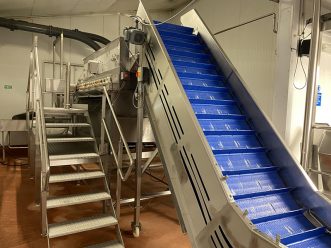
Sponsored Post – On behalf of Sarah O’Toole, Kevin Coates & Jon Roden of Grant Thornton LLP, the Joint Administrators of Orchard House Foods Ltd, European Valuations present a second auction of late model and high spec fruit and food processing machinery previously used by Orchard House Foods Ltd. Orchard House Foods Ltd was one of the UK’s largest suppliers of prepared fruit, fresh fruit drinks and desserts to retailers, on-the-go food outlets, food service providers and manufacturers throughout the UK. The online auction on June 29th will include: Ishida DACS-G-SO15-24-WP-M-S Metal detector and checkweigher combi unit, Proseal GT1s pot forming machine with stainless steel tooling rack and various tooling, Ambit stainless steel fruit picking line, Ambit stainless steel fruit scrubbing machine complete with infeed conveyor, Hysyco CIP hygienic pipework and production cleaning system, Moody 13000L stainless steel storage tank, Promino 3000L stainless steel storage tank and much more. Viewing is by appointment only on June 27th.
European Valuations has over 130 years of experience in selling assets and providing consultancy advice. They pride themselves on delivering high-quality solutions that provide the best outcomes for our clients. They offer a range of services, from sale and disposal solutions for entire businesses to individual assets such as inventory or plant equipment.
Production lines Gateshead (Photo: European Valuations)
Sponsored Post – On behalf of Sarah O’Toole, Kevin Coates & Jon Roden of Grant Thornton LLP, the Joint Administrators of Orchard House Foods Ltd, European Valuations present a major auction of late model and high spec fruit and food processing machinery. Orchard House Foods Ltd was one of the UK’s largest suppliers of prepared fruit, fresh fruit drinks and desserts to retailers, on-the-go food outlets, food service providers and manufacturers throughout the UK. Over 700 lots will be included in the online auction which closes from 10am on Thursday 1st of June. A great number of the assets were only recently purchased by the client, some lot highlights include: Ishida High speed 12 Head fresh fruit weighing system, Ishida CCW-R2-112WB-2D-15-WP-BE Single head 12 port fresh fruit weighing system, Dohmeyer DOH-TLT-8400-2X28 Cryogenic freezing tunnels, PND PL6M fruit peeling machine, Kronen Tona Rapide Apple Segmenter, Ishida DACS Checkweigher, Proseal GT2S Sealing machine, ICS Refrigeration plant, Proseal GT1S Sealing machine, Twin Head Ishida Potting Machine and much more. More stock is being added in the coming weeks. Viewing is by appointment only on May 30th.
European Valuations has over 130 years of experience in selling assets and providing consultancy advice. They pride themselves on delivering high-quality solutions that provide the best outcomes for our clients. They offer a range of services, from sale and disposal solutions for entire businesses to individual assets such as inventory or plant equipment.
The Eckes-Granini Group concluded the 2022 business year with satisfactory results and is optimistic about the current year 2023. With a + 7.1 % increase in turnover to 917 million euros (2021: 856 million euros), the supplier of fruit juices and fruit beverages achieved 2022 the highest increase in turnover in five years. Volume sales also developed slightly positive compared to the previous year, rising by 3 million to 808 million litres. Eckes-Granini recorded an increase of + 1.3 % in value-based sales at the retail level during the past business year, accompanied by a decline in volume sales (- 2.1 %) compared to the previous year. This resulted in a stable, unchanged market share of 12 % in terms of value, with a slight increase in volume market share of + 0.2 % to 11.3 %. With regard to the largest markets for fruit juices, nectars, and fruit drinks (FJND) in Europe, market shares were gained in France in particular, but also in the Baltic countries, Finland, and Austria.
Eckes-Granini expands market leadership in Europe
Like all companies in the beverage and food industry, Eckes-Granini had to deal with a tense raw materials situation, freight space shortages and supply chain difficulties during the past year. In addition, there was an unprecedented explosion in the cost of raw materials, partly due to poor harvests, as well as packaging materials, energy, and transport. However, these massive cost increases could some of the additional costs through targeted investments in its brands, successful product launches and decisive crisis management. Tim Berger, CEO of the Eckes-Granini Group, comments on the past business year: “Thanks to our rapid and flexible response to the difficult market environment in 2022, we were able to achieve good sales growth and – viewed across the whole business – an increase in market share. We are satisfied with the result in view of the challenging general conditions. We used the challenges of the past year as a catalyst for the optimization and further development of existing processes and structures. For example, we were able to react effectively to raw material shortages and ensure a consistently high delivery capability.”
Weaker economic environment shapes market performance in 2022
In the food retail sector, the FJND market in Europe 2022 showed a positive trend in value sales with + 1.3 % compared to the previous year. Volume sales, on the other hand, declined by – 3.7 %. While the market dynamics in 2021 were still influenced by the Covid 19 pandemic, the Ukraine war and its consequences had a significant impact on market development in 2022. On the one hand, price increases contributed to the rise in value sales. At the same time, however, consumers‘ willingness to purchase declined, with corresponding consequences for volume sales figures.
Innovations and the expansion of new distribution channels as growth drivers
Eckes-Granini benefited in particular from the successful introduction of numerous product innovations in 2022. Overall, the medium-sized family-owned company achieved 30% of its growth through innovations alone, despite reduced marketing investments. One of these innovations are the hohes C Functional Water in the Water Plus category, which were excellently received by the market. Eckes-Granini was also able to expand the market leadership of hohes C Shots in 2022 and successfully establish the Shot concept in additional countries, such as Austria, Hungary, and Spain, in France under the Joker brand and in Denmark, Sweden and Finland under God Morgon. 2022 also marked the most successful Out-of-Home year in the history of Eckes-Granini. The strategically important business segment of hotel, gastronomy and on-the-go consumption made a comeback in many countries, especially in France, where Eckes-Granini grew significantly. Contrary to market dynamics, Eckes-Granini also succeeded in gaining market share in e-commerce and e-retail, doubling its share of sales within three years.
Eckes-Granini remains committed to people and the environment in 2022
Despite all the challenges, a more sustainable business remains a central focus of Eckes-Granini’s corporate strategy. Following an intensive review, the independent Science Based Targets Initiative (SBTi) confirmed in January 2022 that Eckes-Granini‘s greenhouse gas reduction targets are in line with the goals of the Paris Agreement. Eckes-Granini also actively campaigned for the introduction of the juice deposit, made the switch early on and provided extensive information on the advantages of the recycling system in campaigns. In addition, the family- owned company has supported the Team Rynkeby charity cycling initiative for many years as part of its CSR commitment. In 2022, around 10.4 million euros were collected for seriously ill children and their families. Eckes-Granini was also pleased to receive the Top Employer 2023 award in Germany again after 2022.
Positive outlook for the current year
prices and fluctuating availability remain a major issue. In addition, there are uncertainties in consumption regarding the reaction of consumers to inflation. “Overall, the past year with all its challenges has been an opportunity for us to show that we take our responsibility regarding the category, the food retail industry, and our consumers seriously. We succeeded in livin g up to our role as category thought leader. In 2023, we want to build on this and have already made a promising start to the new business year with numerous new beverage concepts and innovations,” says Berger.
About the Eckes-Granini Group: Eckes-Granini is the leading supplier of fruit juices and fruit beverages in Europe. For the ind e- pendent family-owned company headquartered in Nieder-Olm, Germany (Rhineland-Palatinate), the focus is on committed and competent employees, strong brands in the areas of juices, fruit beverages and smoothies, and a long-term strategic orientation with sustainable value creation. Today, Eckes-Granini operates mainly in Europe with its own national companies and strategic partners and generates annual sales of 917 million euros with a total of 1703 employees. The com- pany’s foundation is formed by the internationally renowned premium bran ds granini and Pago to- gether with strong national and regional brands for juices such as hohes C, Joker and God Morgon. Consumers in 80 countries worldwide and especially in Europe know and appreciate our fruit juices and the variety of fruit drinks.
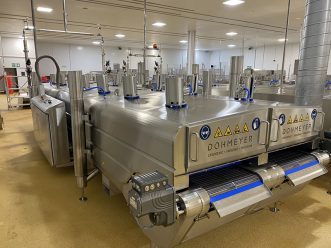
Freezing tunnel (Photo: European Valuations)
Sponsored Post – On behalf of Sarah O’Toole, Kevin Coates & Jon Roden of Grant Thornton LLP, the Joint Administrators of Orchard House Foods Ltd, European Valuations present a major auction of late model and high spec fruit and food processing machinery. Orchard House Foods Ltd was one of the UK’s largest suppliers of prepared fruit, fresh fruit drinks and desserts to retailers, on-the-go food outlets, food service providers and manufacturers throughout the UK. Over 700 lots will be included in the online auction which closes from 10am on Thursday 1st of June. A great number of the assets were only recently purchased by the client, some lot highlights include: Ishida High speed 12 Head fresh fruit weighing system, Ishida CCW-R2-112WB-2D-15-WP-BE Single head 12 port fresh fruit weighing system, Dohmeyer DOH-TLT-8400-2X28 Cryogenic freezing tunnels, PND PL6M fruit peeling machine, Kronen Tona Rapide Apple Segmenter, Ishida DACS Checkweigher, Proseal GT2S Sealing machine, ICS Refrigeration plant, Proseal GT1S Sealing machine, Twin Head Ishida Potting Machine and much more. More stock is being added in the coming weeks. Viewing is by appointment only on May 30th.
European Valuations has over 130 years of experience in selling assets and providing consultancy advice. They pride themselves on delivering high-quality solutions that provide the best outcomes for our clients. They offer a range of services, from sale and disposal solutions for entire businesses to individual assets such as inventory or plant equipment.
A new hard iced tea, bound to delight tea lovers everywhere in the US, is entering the market! Made with real brewed Lipton tea, natural fruit flavours and a triple-filtered, premium malt base, Lipton Hard Iced Tea takes America’s favourite tea and reimagines it as a 5 % ABV non-carbonated product. This great tasting and refreshing hard iced tea is launching in four just-sweet-enough flavours that are inspired by Lipton tea fan favourites: Lemon, Peach, Half & Half and Strawberry.
About the flavours
All four flavours are made with real brewed Lipton tea:
Lemon: Tart lemon flavour and smooth Lipton iced tea combine in this classic 5 % ABV flavour.
Peach: Juicy peach flavour makes this fruity, 5 % ABV hard iced tea stand out in the crowd.
Strawberry: A balanced blend of ripe strawberry flavour, 5 % ABV and smooth Lipton iced tea for sunshine-ready sipping.
Half & Half: Lipton iced tea meets the just-sweet-enough flavour of lemonade in this refreshing 5 % ABV hard iced tea blend.
One of the fastest-growing sparkling water brands in the US creates the perfect Spiked Lemonade – without the added sugar or synthetic sweeteners.
Spindrift launched Spiked Strawberry Lemonade – the 21+ adult version of their fan-favourite sparkling lemonade. Spindrift Spiked is made with real fruit – and no synthetic sweeteners or additives – Spiked Strawberry Lemonade guarantees all the nostalgia of your favourite lemonade without any of the added sugar.
“Sparkling water at its core is unsweetened, clean, refreshing, and easy to understand. Hard seltzer and hard lemonade have migrated away from the promise of sparkling water and become sugary and artificial-tasting,” said Bill Creelman, CEO and founder of Spindrift. “With the launch of Spiked Strawberry Lemonade, Spindrift is doubling down on our belief that Hard Sparkling Water should be delicious without the added sugar.”
Each can is filled with real, juicy, jammy strawberries, a hint of lemon and lime juice, sparkling water, and alcohol from fermented cane sugar. Whether straight from the can or poured into a cold glass, for deliciousness that you can taste, Spiked Strawberry Lemonade is the perfect beverage to kick off the warmer weather.
With a superior, clean alcoholic base, Spiked Strawberry Lemonade has only 85 calories per can and is the perfect option for those looking for a cocktail that’s packed with flavour and an intentionally low ABV – 4 %. Like the rest of Spindrift’s Spiked line, Spiked Strawberry Lemonade uses a 10-day fermentation process to maximise ABV without additives and an ultra-filtration process that purifies at the molecular level.
Spindrift Spiked Strawberry Lemonade will first be available in late April in both an 8-pack, and within Spindrift’s Staycation 12-pack along with Pineapple, Mango, and Lime in select markets in 21 states in the US. Spindrift donates 1 % of its Spiked sales as part of its commitment to 1 % For The Planet.
Better Juice and GEA report successful pilot trials on clear juices, concentrates for leading fruit juice producers
FoodTech start-up Better Juice, Ltd. announces its highly successful completion of a series of pilot trials for reducing simple sugars in natural berry and other fruit juices. In partnership with GEA Group, one of the largest suppliers for food processing technology, Better Juice hosted several prominent forest fruit juice manufacturers from the EU, the U.S., Australia, and Brazil to give their personal brands a sugar-reduction makeover using their groundbreaking sugar-reduction technology.
The trials were conducted at the pilot unit established last year in GEA’s innovation center in Ahaus, Germany. Accommodating the GEA Better Juice Sugar Converter Skid, the site is equipped with continuous flow columns containing Better Juice’s sugar-reducing beads. During the trials, the team was able to reduce the simple sugar content by 30 % and 50 % across a range of forest fruit juices, including strawberry, cherry, and blueberry, while preserving their characteristic flavours and textures.
“Forest fruit juices contain 10 % or more sugar, with berry and cherry juices comprised of 10 % – 20 % sucrose and the remainder fructose and glucose,” explains Eran Blachinsky, co-founder and Co-CEO of Better Juice. “Our technology reduces the loads of all three of these simple sugars. This will allow more people to enjoy berry-based juices.”
Forming Better Juice’s proprietary sugar-reduction beads are non-GMO microorganisms that naturally convert the juice’s composition of sucrose, glucose, and fructose into prebiotic oligosaccharides and other non-digestible fibers, while retaining their natural complement of vital nutrients.
“By implementing a ‘plug-and-play’ approach, we were able to produce fruit drinks with the same nutritional value and mouthfeel as the original products, with only a slightly toned-down sweetness,” reports Gali Yarom, Better Juice co-founder and Co-CEO. “The feedback was most promising, with several companies expressing a strong interest in continuing to work with us to bring these products to market. We are currently in advanced discussions with several major US-based fruit juice companies to install our technology in their juice production systems. We project sugar-reduced forest fruit juices will reach the shelves early next year.”
The treatment process proved successful for both clear NFC (not from concentrate) juices and dense concentrates as well as pulp-retained juices. A significant number of juice manufacturers worldwide use concentrates to reduce shipping costs by evaporating the water and adding it back in at the destination during bottling.
Forest fruit juices are naturally abundant in pulp, which is why many juice companies strive to retain these fiber-rich fruit solids in their products. Better Juice’s technology has been designed to handle pulp and ensure it remains in the juice, eliminating the need for filtering. This not only helps to preserve the nutritional benefits of the fruit, but also delivers a satisfying texture that consumers love.
“Since the opening of the pilot facility last year, we have hosted dozens of companies from all over the world to test their juice brands on our technology as well as on other fruit-based products, such as jams,” adds Michael Harenkamp, Sales Support Engineer for Non-Alcoholic Beverages for GEA. “We are excited by the emerging demand for naturally sugar-reduced juices in the marketplace. Some of the participants are major global players who have expressed genuine enthusiasm about our combined solution and the prospect of giving their products a new competitive edge with lowered-sugar fruit juices that are still as nutritious and refreshingly delicious.”
The 2022/23 orange season in the citrus belt (São Paulo State and the Triângulo Mineiro) is ending, while the oranges from next season are still green. Thus, the volume of oranges being processed at the plants in SP has been low. Considering large-sized plants, only three of them were processing oranges in March. In the same period last year, the scenario was the same, while in 2021, only one plant was in operation, which confirms that industrial activity is still high for this time of the year.
However, one of these plants is forecast to end activities in April, since orange availability is low. So far, the prices paid by the industry in the spot market have been around BRL 38.00 per 40.8-kg box (harvested and delivered). Considering the oranges from the new season (2023/24), bids have been higher, at BRL 40/box, however, the farmers consulted by Cepea reported some deals at BRL 42/box.
Most of the oranges from the 23/24 season has been sold. Thus, the number of fruits available in the spot market in 2023/24 will be low. However, processors’ needs are high, since their juice inventories are low.
As for the oranges not purchased yet, agents from processors reported that farmers are not rushing to sell them, since quotations have been firm in the table market, which may lead them to send the ripen fruits to this segment. These fruits may also be sent to small-sized plants that produce whole juice, which continue to process fruits and are paying up to BRL 45/box. However, for the production of whole juice, quality requirements are usually higher.
Orange processing in the 2023/24 season is forecast to begin in mid-May at large-sized processors. However, only from June onwards the volume is expected to increase.
According to the scientific study conducted by Professor Christian Fischer of the Free University of Bolzano, the company contributes to a 10% reduction in harvest losses in the apple sector.
An estimated 22 % of fruit and vegetables are lost every year during or immediately after harvest. Much of global food waste therefore occurs at the beginning of the value chain, long before products reach the market.
Through its activities, VOG Products contributes to reducing this phenomenon, thanks to its business model, to efficient planning and the significant technological investments made in recent years. The South Tyrolean producer organisation is one of the largest in the sector in Europe and processes about 70 – 80 % of the Italian industrial apple harvest (20 % of the Trentino-South Tyrol harvest).
The validity of the anti-waste model adopted by VOG Products is demonstrated by a recent scientific study conducted by Christian Fischer, Professor of Agricultural and Food Economics at the Free University of Bolzano, which was also presented at the 2022 International Horticultural Congress in Angers (France).
In the study, titled “The apple processing cooperative VOG Products as a role model for minimising post-harvest crop losses – an empirical case study from South Tyrol, Italy”, Professor Fischer demonstrates how VOG Products significantly contributes to reducing harvest and post-harvest losses in the apple production chain. While internationally apple wastage averages 20 % of the harvest volume, with VOG Products food loss in Italian apples drops to 6 – 10 % (depending on the year).
“Food waste is not inevitable,” comments Christoph Tappeiner, CEO of VOG Products. “With good organisation and investment in innovation along the supply chain, product losses can be significantly reduced, providing a triple win for producers, consumers and the environment.”
The FAO specifically refers to food loss as “the waste of edible food in the production, post- harvest and processing stages of the food chain”. Besides the wastage of the food itself, food loss also entails environmental costs in the form of loss of land, water, factors of production and labour, and leads to greenhouse gas emissions that contribute to global warming.
For VOG Products, food loss already starts with the company’s mission statement: apples destined for industrial processing are those with minor quality defects (too big, too small or not enough colour) or do not meet the quality standards of fresh fruit, and therefore cannot be sold on the table apples market.
“VOG Products is an international model for minimising harvest and post-harvest losses in the apple supply chain,” remarks Prof. Fischer. “VOG Products also generates significant added value for members in the region by giving them a fair and sustainable payout price.”
Growers who deliver their apples to VOG Products’ members (VOG, VIP, La Trentina and 18 cooperatives) receive an average of 4,000 euro per head or 1,400 euro per hectare for their apples for processing. The producer organisation also creates jobs for around 210 employees. The industrial fruit enhancement strategy pursued in recent years strengthens the region’s high-quality image of table apples, based on a win-win approach that rewards all operators along the supply chain. Generating value for the economy, people and the planet.
Happi Glow and Happi Nightcap boast minor cannabinoids paired with functional mushrooms
Cannabis-infused seltzer brand Happi is pioneering a new path in the cannabis beverage space with Happi Glow and Happi Nightcap. These groundbreaking functional beverages are perfect for day and night, respectively. Created with a unique blend of minor cannabinoids and non-psychedelic lion’s mane and reishi mushrooms, these formulas are the first of their kind, with Happi filing a patent application covering the formulation for the products.
Happi Glow is available in a citrusy, bright Blood Orange Ginger flavour. Each can has 5 mg of THC, 5 mg of CBD, 3 mg of CBG, and 2 mg of CBN. Perfect for daytime, Happi Glow boasts the benefit of lion’s mane mushroom, which can help promote calm and focus to keep you clear-headed.
Happi Nightcap is available in Turkish Apple Tea, featuring notes of crisp apple and warm spices. Each can has 5 mg of THC and 5 mg of CBN. Ideal for evening, Happi Nightcap brings together soothing reishi mushrooms with a blend of minor cannabinoids to help you settle into a peaceful slumber so you wake up refreshed.
Each formula is vegan, gluten-free, and made with simple, all-natural ingredients. In addition to Glow and Nightcap, the brand also features two original flavours: Lemon Elderflower and Raspberry Honeysuckle.
Happi Glow and Nightcap are now available at select retailers in Minnesota (US) and online.
The processing of the oranges from the 2022/23 crop is beginning to slow down in Brazil, but it is still higher than the usual for this time of the year. In February, five plants – of the large-sized processors – were operating, the same as that last year but much more than that in 2020 and in 2021, when only a single plant was processing oranges.
According to Cepea collaborators, last year, the orange harvest was delayed, which explained the higher volume being processed in February. However, in the 2022/23 season, late processing is due to rains, which are hampering crop activities – although workers manage to get into the groves to harvest oranges, transportation is being difficulted.
The end of processing is still uncertain. Agents from processors reported that planning has been postponed because of the difficulties in crop activities. So far, some plants are expected to continue to process oranges in March.
A frequent concern among agents from processors is the yield of the oranges being harvested, majorly in 2023. They reported that, with frequent rainfall, the quality of the fruits for juice production has decreased, raising the number of boxes needed to the produce a ton of concentrated juice – higher moisture raises water absorption by fruits.
As for prices in the spot market, they were up to BRL 38.00 per 40.8-kilo box (harvested and delivered to processor) in February, considering large-sized companies. At smaller-sized processors, the prices paid for pear and late oranges reached BRL 40.00/box.
For the new crop (2023/24), whose processing is expected to begin in May/June, bids from large-sized processors have been up to BRL 38.00/box. Agents from processors reported that, despite the increase compared to the first bids for the 2022/23 crop, farmers expected higher prices, and, thus, many of them postponed deals.
ORANGE JUICE – Despite the valuation of concentrated orange juice at ICE Futures in recent months, there have not been major reflexes on processors’ revenue. According to Cepea collaborators, most of the juice is being sold through contracts with fixed prices. Since Jan. 1st, the contract due in March has valued 19%%, closing at USD 3,543/ton on Feb. 23rd.
TAHITI LIME – Tahiti lime processing was high in February but is expected to slow down in March. The company that processes tahiti lime aims to receive lower volumes of the fruit in the coming weeks. In February, two plants were receiving tahiti lime, but from March onwards, only one of them is expected to keep activities going. The prices paid by large and small-sized processors for tahiti lime are between BRL 12 and BRL 14/box.
Made with 100% fruit juice1 to infuse fun into any part of the day – snack time, meal time, or dessert
(Photo: Dole)
Dole Packaged Foods, LLC, released its latest innovation: Dole® Wiggles™ Fruit Juice Gels. A wholesome take on the classic treat, Dole® Wiggles™ Fruit Juice Gels are crafted with 100 % fruit juice1 to bring a new level of fun to meal or snack time throughout the day – because only the fun fruit wiggles.
The new snacks come in three bright, fruit-forward flavours: strawberry, orange, and cherry. They’re not only good for you – they’re also convenient for busy families on the go. Unlike many processed and sugary gelatin snacks currently found on shelves, each Dole® Wiggles™ cup delivers an excellent source of Vitamin C with no added sugar2 and no artificial flavours. Dole® Wiggles™ cups contain no high fructose corn syrup, no artificial preservatives, and are non-GMO and gluten-free.
Dole® Wiggles™ Fruit Juice Gels are sold in packs of four individual 4.3oz cups for an MSRP of $2.99. Wiggles are available at select retailers in the US and online.
1With natural flavors and other ingredients. 2Not a low calorie food. See nutrition facts for sugar and calorie content.
On the 7 February 2023, the World Citrus Organisation (WCO) held a meeting for members of the Organisation’s global citrus community to exchange on citrus consumption and market developments. The meeting gathered leading citrus stakeholders from across the world to analyse the citrus sector’s place in current fruit and vegetable consumption trends, as well as market evolutions in Europe and in particular Germany, the home of Fruit Logistica. The meeting was part of WCO’s commitment to provide a platform for dialogue and action for the global citrus sector.
On the eve of the 30th anniversary of Fruit Logistica, WCO members met in Berlin to exchange on citrus consumption and market developments. On the back of challenging climatic conditions across many countries for citrus, the sector, like others in fresh produce, is grappling with quickly changing consumption trends. With consumers moving into a post-COVID mindset and priority shifting to the price of a shopping basket, purchasing decisions are shifting across demographics. WCO’s meeting at Fruit Logistica featured a guest presentation by Helwig Schwartau (AMI) on market and consumption evolutions in Europe, with particular focus on Germany. This was complemented by a presentation on the latest fresh produce consumption trends by WCO Data Analyst Gil Kaufman as well as a presentation on the Organisation’s priority areas for action by WCO Policy Advisor Nicola Pisano.
Uniting citrus-producing countries and citrus stakeholders for collective action in the citrus sector, the WCO is holding meetings for members to better understand market developments and demand dynamics to best position the sector. WCO Secretary General Philippe Binard, commented, “Through the WCO the citrus sector is staying abreast of market evolutions. Thanks to the active involvement of its members from around the globe in sharing supply and demand observations and forecast data in a pre-competitive format along with informative market insights presentations at meetings, the sector is better positioning products not only on domestic markets but also further afield”. Mr Binard added that, “Citrus is still a prominent category in Europe with oranges and mandarins together as the second most popular fruits after apples with consumption at 12.43kg per capita per year. However, despite most citrus products now returning to pre-pandemic consumption levels, younger generations are showing slightly higher purchasing volumes overall. Although households are increasingly shopping according to more limited budgets, citrus is remaining a key element in fresh fruit and vegetable selection”.
The demand for oranges in the in natura market has been increasing since mid-January. The supply, in turn, is low, especially for out of season pear oranges, which present higher quality compared to others. Therefore, pear orange prices are moving up, operating above BRL 50.00 per 40.8-kilo box (on tree). The average price for pear oranges was at BRL 47.59 per box (on tree) between Feb 13 and 16, for an increase of 3.4 % from that in the week before.
The supply of late fruits is also low, but slightly higher than that for pear oranges, and the ripening level is more advanced, which is leading some purchasers away from trades.
Concerning the tahiti lime, prices are at low levels and have not been enough to cover production costs for most citrus growers. However, in mid-February, players surveyed by Cepea reported a slight price rise because of the firm demand (as the carnaval period was close in Brazil, the demand to prepare drinks usually increases) and of the quality improvement in some areas – fruits that are close to the ideal standard have higher prices. In spite of that, tahiti prices may not recover significantly up to the end of February, since the supply is expected to continue high.
ORANGE JUICE EXPORTS – Brazilian shipments of orange juice continue to increase in the partial of the 2022/23 season (from July/22 to January/23). Secex data indicate that the volume totaled 707.7 thousand tons, 15% up compared to the same period in 2021/22. The revenue totaled USD 1.3 billion, for an increase of 35% in the same comparison.
The outlook for consumption of fresh fruit and vegetables remains under pressure in the European Union. These are the conclusions from the latest consumption trends discussed in Freshfel Europe through a review of trends in Member States, covering 75 % of the EU population. Despite a very positive momentum for consumption growth, many barriers are severely impacting the move towards a healthier and more sustainable diet for European consumers.
The latest findings from the Freshfel Europe Consumption Monitor reveal that the average consumption for fresh produce stands at an average of 364 g/capita/day for 2021, a figure that could decline by ca 10 % in 2022 once the final data for last year is known. This is particularly worrying at it stays well below the minimum 400 gr. recommendation of WHO. These figures are driven by the low level of consumption by millennials and the youngest generations, which are tomorrow’s consumers. Under the difficult economic conditions, the consumption among the low-income population is also of particular concern. Informing and engaging with consumers to choose healthy, affordable and sustainable diets was identified as a priority not only for Freshfel Europe but also for retailer organisation EuroCommerce and the consumer organisation BEUC who attended the meeting to share their perspectives.
The economic crisis impacting all Member States following the war in Ukraine and growing protectionism in the world is severely impacting consumer purchasing power and limiting their food expenditure. In times of crisis, these consumers tend to move towards a less healthy diet, which is perceived to be more energy satisfactory and a cheaper food option. Freshfel Europe General Delegate Philippe Binard underlined, “Consumers have a basic misperception about fruit and vegetable prices on the shelf in supermarkets. Fruit and vegetables are the most affordable products and have also undisputed health and environmental assets. Price and value of fresh produce are both very attractive in the food assortment”. He added, “Compared to other food categories, rises in fruit and vegetable prices have been lower than the average inflation. A diet with 5 portions a day or half of the plate with fruit and vegetables can be achieved by EUR 1 or EUR 2 per person per day. Comparatively, for public expenditure of social security, the cost of unhealthy diets results to be twice as high of the total food market value, corresponding to EUR 6 trillion expenditure for social security in the EU according to the World Economic Forum”.
There is a need for the sector to bridge the gap between awareness of the benefits of fresh produce and concrete actions to be undertaken by authorities as well as by consumers. According to Eurostat survey, only 12 % of consumers across the EU reach their 5 portions per day and alarmingly 33 % do not eat fruit and vegetables every day. It is important now to build on the renewed interest of consumers during the COVID-19 pandemic to take time to prepare, cook and eat a wide diversity of fruit and vegetables.
Fresh produce has been demonstrated to be an essential segment of the food assortment and is part of the solution to the objectives of the European Green Deal (contribution to carbon neutrality and low CO2 emissions), the Farm to Fork Strategy (move towards a plant diet) and the EU Beating Cancer Plan (preventive role of fruit and vegetables for non-communicable diseases).
Mr. Binard commented, “Regretfully, policy makers fail to be coherent in the implementation of these strategies and lack ambition in their measures, which should use fresh produce as an essential driver for success for their strategies”. Efficient promotion policy towards generation Y (millennials) and Z as well as education programmes in schools for generation alpha are crucial. The sector also has an important role to play in accompanying consumers to convert their awareness of the health benefits of fresh produce into concrete eating behaviours. In addition, better communication with consumers on expectations regarding societal concerns, price and image misperception will remain key while providing attractive tastes, diversity and convenience of products. This is an essential sector’s responsibility to compete with other food categories.
The latest consumption trends indicate that consumption levels are in decline. The purchasing power of consumers is under pressure due to inflation and high household energy bills. This is changing purchasing patterns away from premium quality and organic products, towards searching for promotions and discount prices, as well as reducing purchase quantities. Mr. Binard emphasized, “In this changing environment it is important to continue to build value for our products despite price becoming the sole priority of consumers. The affordability of fresh produce needs to be reminded to consumers and put in perspective of other food as being a cheap and healthy option. Consumers will have also to take their share of the rising costs for producers and other stakeholders in the supply chain to guarantee profitability and survival of the essential fruit and vegetable sector.”
In 2021, the market size for fresh fruit and vegetables amounted to 75 Mio T out of which comprises 11,6 Mio T in Italy, 11 Mio T in Germany, 10 Mio T in France, 9 Mio T in Spain and 7,2 Mio T in Poland. The most consumed fruit in Europe are apples, bananas, oranges, tables grapes and peaches/nectarines, while blueberries is the segment that is experiencing the most dynamic growth in many members states such as Germany and Poland. For vegetables, tomatoes, cabbages, carrots, cucumbers and sweet peppers are the most consumed products respectively.
In their review of the latest drivers of consumption, Freshfel Europe members confirmed that price is predominantly influencing the decision of consumers in recent months across Europe and consumers are buying less alimentary items. Mr. Binard further clarified, “This trend is impacting the frequency and place of buying, where a concentration of purchase is occurring in the beginning of the month along with a reduction of ingredients and items purchased. Premium labels and organic sales are those segments declining more”. Besides, Association members also reconfirmed that consumers remain adamant to buy local and seasonal, are eager to be informed about origin, variety, method of production, sustainable practices and when appropriate preparation or consumption tips.
Freshfel Europe members remain confident that fresh produce consumption can be stimulated in the coming months by building partnerships across the supply chain with all actors, providing quality and affordable products, and giving confidence to retailers to build the share of the category as an essential part of a sustainable and healthy diet for European consumers in 2023.
FruitSmartTM has identified rising demand for fruit juice and botanical combinations as a major new trend in the healthy beverage space, and will highlight its capability to blend them at Natural Products Expo West (8th to 10th March 2023).
Usage occasions for fruit juice are changing, with consumers increasingly viewing it as a permissible indulgence, and looking for new experiences. They are also seeking out products with additional wellness benefits, a need that micronutrient-rich juices are able to meet, particularly if fortified with other healthy ingredients. Mintel has highlighted functional benefits as a possible key to growth in the juice and juice drinks market.1
Meanwhile, in an increasingly stressful world, consumers are turning to natural ingredients for self-care, with the global botanical-infused drinks market predicted to grow at a CAGR of 6.4% over the next ten years.2 By formulating with botanicals, juice manufacturers can meet multiple needs, offering benefits such as energy and stress reduction, as well as novel flavors.
Working with 31 fruits, FruitSmart is a leading producer of juice concentrates and Not From Concentrates. It also has access to a wide range of botanical extracts, vegetable powders and flavors through its sister companies, Shank’s and Silva International.
At Natural Products Expo West, the Washington State-based company will highlight its capabilities to blend juices with botanicals, as well as other ingredients. Beverage concepts on show at the company’s booth (#N1447) will include:
An immunity drink combining apple, raspberry, cherry and blueberry juices with turmeric, ginger, acai and vanilla extracts
A blend of apple and beetroot juice with red and black pepper
A raspberry smoothie with protein and fiber
Wayne Lutomski, President of FruitSmart, said: “The positioning of fruit juices has undergone a fascinating journey. They were once seen as the ultimate health product, before concerns about sugar content and ultra-processing removed a little shine from the halo. In the new phase of their evolution, we’re going to see more products that combine a novel experience with sought-after wellness benefits. Blending juices with botanicals is a great way to meet this need and FruitSmart is the ideal partner to help you do it. We have the expertise and the resources to combine juices with botanicals, juices with flavors, juices with vegetable powders, and juices with other juices.”
1Mintel ‘The Future of Juice and Juice Drinks: 2022’ 2Fact.MR, 2023
Firmenich, the world’s largest privately-owned fragrance and taste company, is excited to announce its 2023 flavour of the year, dragon fruit, celebrating consumers’ desire for exciting new ingredients and bold, adventurous flavour creation.
“This marks our 11th flavour of the year, which is something our customers have come to look forward to each year. Dragon fruit’s bold vibrancy is a perfect choice as we embark an exciting year of change,” said Maurizio Clementi, ad interim President, Firmenich’s Taste & Beyond division. “Our in-depth Human Insights have identified the strong shift towards wellbeing and sustainability in people’s food and beverage choices, as well as newly-emerging elevated expectations in terms of taste. As everything we do is rooted in nature and deep consumer understanding, this inspired us to choose a flavour of the year which captures both.”
Drawing inspiration from colour & Trenz™
This is the second consecutive year of a sensory partnership between Firmenich and Pantone®. The global colour authority has just launched its 2023 colour of the year, PANTONE® 18-1750 Viva Magenta™, which it describes as a “brave and fearless, a pulsating colour whose exuberance promotes optimism and joy.” Mikel Cirkus, Global Creative Director for Taste & Beyond said: “In the same way that Pantone’s colour of the year captures the emerging themes seen in the world around us, our choice for flavour of the year does so by translating new signals into positive sensory experiences. Our 2023 choice of dragon fruit reflects the global consumer’s increasingly adventurous palate and desire for the new or exotic when it comes to ingredients and taste.”
Jeff Schmoyer, Firmenich Global Head of Human Insights, said: “Dragon fruit’s subtle flavour creates a wonderful opportunity to bring the exceptional creativity and expertise of Firmenich’s flavourists to the fore, providing the perfect canvas for them to dare to imagine bold, exciting and delicious new taste combinations.”
A fruit by any other name
Native to Central America, where it is known as pitahaya, and thriving in tropical and subtropical climates across the world, dragon fruit’s flesh is rich in antioxidants and high in calcium. Dragon fruit grows from a climbing cactus, making it a drought-resistant and naturally low water-use crop, requiring only a quarter of the water to grow compared to that of an avocado.
Much like the mystical creature that inspired its name, dragon fruit is fierce in appearance, with a scale-like skin in bold hues ranging from fiery yellow to bold magenta. However, its delicate flavour belies its imposing armor. With several different types varying in both colour and taste, dragon fruit ranges in flavour from milder melon and kiwi-like to slightly sweeter berry profiles with notes of beetroot.
Enter the dragon fruit
Part of its industry-leading Human Insights capability, Firmenich’s Trenz™ forecasting team spotted a post-Covid rise in dragon fruit across almost every major city in the world. While always popular within niche segments, the exotic fruit began showing up more universally across diverse markets and food service venues, as well as product applications, from the more intuitive juices and smoothies to less traditional formats like tea and cooked savory dishes.
According to Mikel Cirkus, this is all part of a decade-long trend for boldness and discovery in food and drink. The pandemic increased the pace of this trend, with huge spikes in consumers broadening their palates for new seasoning. Notably, expenditures on spices & seasonings at home grew 27 % CAGR1, Trenz™ found. New product innovation has followed, with on-pack claims such as “bold” and “exotic” up by 38 % since 2017, and the use of three- and four-way flavour combinations in products now cresting over 25 % of all food & beverage launches.
Firmenich’s renowned Emotions360 consumer research offered a second clue. This proprietary in-depth study of natural ingredients identified that people are very excited about dragon fruit. In fact, Emotions360’s latest wave, which surveyed 18,670 consumers across eight countries around the world, indicated that 88 % of consumers have heard of dragon fruit, and 56 % have tasted it. In terms of consumer perceptions, dragon fruit triggers associations with adjectives like bold, exotic, exciting, impressive and fun. Given this positive association, it’s not surprising that the same consumers ranked dragon fruit in the 90 % percentile among all ingredients with a high likelihood to rise in popularity in the future.
A fiery future
As much as dragon fruit is on fire in juice bars, markets, and street vendors around the world, the packaged food & beverage world was initially slow to innovate around this trend. However, this trend is changing, with product launches containing dragon fruit callouts now accelerating in all regions. In fact, dragon fruit use in CPG (Consumer Packaged Goods) is growing more quickly in foods than beverages, where innovations typically appear first.
Jeff Schmoyer, Firmenich Global Head of Human Insights, commented: “Dragon fruit may be still a ‘rare’ fruit flavour for CPG food & beverage brands, but it is no longer rare to consumers. And in fact, this has translated to one of the fastest growth rates of any ingredient we’ve tracked in recent years. Given the small base and fast growth, it is certainly our boldest Flavour of the Year choice yet from a predictive foresights perspective. It’s possible that the initial lag in new product innovation is in part related to the challenge of realising the flavour of dragon fruit. Our consumer research shows that the fruit can sometimes surprise people by not having the strong flavour to match its visual appearance. Instead, the taste is light, refreshing, sweet, and delicious.”
“For this reason, Firmenich believes that its flavour creativity will play a key role in amplifying the taste and celebrating combinations of dragon fruit with other flavours,” Schmoyer concluded.
1Compound Annual Growth Rate (Source : Global Data LLC and Firmenich analytics)
Koa receives recognition for its socially responsible business just five years after the establishment of its innovative cocoa fruit venture. The Swiss-Ghanaian start-up is excited to announce the success- ful B Corp™ Certification with a score of 95.7 points. As Koa is scaling its operations, the team pushes even further in improving and leading with positive change.
Koa has officially become a B Corp™, short for Certified B Corporation, using the power of business to address some of society’s greatest challenges. “Nowadays, measuring the success of a company needs to go beyond pure financial performance. Since our inception, we measure our success on the triple bottom line: people, planet and profit. Being B Corp certified, we join a community of businesses around the world leading the transformation of the global economic system and we hope that many of our peers will follow our example,” Benjamin Kuschnik, Co-Founder and Group Finance Director of the Swiss-Ghanaian start-up, highlights.
A rigorous review of Koa’s impact
By certifying their businesses, recognised B Corps step into a framework for continuous improve- ment. A company must achieve a minimum score of 80 points on the B Impact Assessment to be certified and repeat the verification process every three years. The extensive assessment measures Koa’s ongoing impact on its workers, community and suppliers, customers, governance and the environment to make sure that the company is meeting high international standards of social and environmental performance, accountability, and transparency.
As a B Corp, the start-up joins the growing movement of around 6,000 Certified B Corporations from 158 industries across 86 countries, including companies like Ben & Jerry’s, Innocent Drinks and Valrhona. The B Corp Certification is administered by B Lab™. Lucy Muigai, CEO of the African B Lab certifying Koa says: “This is not only a win for Koa but a win for the B Corp movement. The recognition marks Koa’s continued investment in tackling poverty in the cocoa supply chain and strengthening rural communities through job creation. Koa joining the B Corp community signals a shift towards greater accountability and transparency in the cocoa sector.”
Founded in 2017, Koa is disrupting the cocoa industry through its innovative upcycling of the cocoa fruit. Koa is the first company in West Africa to have unlocked a new value chain around the so far discarded cocoa pulp and worldwide the first cocoa fruit brand to become a B Corp. Working closely with cocoa smallholders, Koa reduces on-farm food waste around the cocoa fruit, generates additional farmer income and creates new jobs in rural communities. At the same time, Koa brings unique new ingredients to the food and beverage industry for applications ranging from chocolate and confectionery to ice cream or drinks.
Addressing opportunities for improvement
“We are proud to receive this certification, especially since we’re the third B Corp which has its major operations in Ghana, and we’ve been only five years in business,” says Francis Appiagyei-Poku, Finance and Administration Director at Koa in Ghana. “While we have proven to meet B Lab’s high standards, it’s still important to us that we strive for continuous improvement.”
As a water-intensive sector, agriculture poses risks such as water stress or depletion of local water sources if water use is not appropriately managed. Koa’s production process in the factory requires substantial amounts of water and energy for logistics, cooling and cleaning. Koa is therefore constantly improving the infrastructure to reduce resource usage such as investing in a rainwater harvesting system.
Besides environmental improvements, Koa is actively training its workforce for an international environment. Koa is committed to having more women and minorities in leadership positions since diversity is at the core of its business and the team aims to set an example beyond the sector it works in.
Positive consolidated EBIT guidance for the full 2022|23 financial year remains unchanged
Besides the ongoing war in Ukraine and the volatility on energy and commodity markets, the rising costs of capital in particular necessitated an impairment test of the cash generating unit Fruit to coincide with the end of the first half year (31 August 2022). This resulted in non-cash impairments of assets and goodwill in the amount of € 91.3 million on the operating profit (EBIT) in the first half year 2022|23 (1 March to 31 August 2022).
The operating profit before any exceptional items and results of equity-accounted joint ventures of the Group in H1 2022|23 was better than anticipated and, at € 86.5 million, was considerably higher than the prior year level (H1 2021|22: € 41.0 million). One of the drivers of the strong operational performance was the improvement in ethanol operations. It was also possible to return the Sugar segment to profitability. Revenue in H1 2022|23 rose by nearly 26 % to € 1,792.3 million.
The guidance of a very significant increase (by more than +50%) in consolidated EBIT in the full financial year 2022|23 remains valid despite the asset and goodwill impairment charge (EBIT 2021|22: € 24.7 million). A significant increase (ranging from +10% to +50%) in the operating profit before any exceptional items and results of equity-accounted joint ventures is forecast (operating result 2021|22: € 86.5 million).
The above guidance is based on assumptions that the war in Ukraine remains regional, physical supplies of energy and other commodities are sustained and that the sharp rises in prices, particularly in the commodities and energy sectors, can be passed on in revised customer contracts.
The saying ‘an apple a day keeps the doctor away’ is well known but is there any truth in it? There may be according to a major ‘super study’, published in the Journal of the American Heart Association1, which found that not only apples – but orange juice, onions, carrots, broccoli and cabbage – are associated with lower risk of heart disease and stroke.
Scientists at the University of Toronto sifted through more than 80 unique cohort studies which, overall, followed up 4,031,896 individuals for an average of 11 years. During that time, more than 125,000 cardiovascular events e.g. strokes and heart attacks were recorded.
Author, Professor John Sievenpiper, commented: “Public health policies discourage the consumption of certain fruit sources such as 100 % fruit juice, dried fruit, and tropical fruits because of their sugar content and promote vegetables before fruit. However, we found that that different sources of fruit, including 100 % fruit juice, were associated with comparable cardiovascular disease risk reduction as that of vegetables.
“Public health guidance to limit the intake of certain fruit sources because of concerns related to their contribution to sugars may have unintended harm in preventing people from meeting fruit and vegetable targets for cardiovascular disease risk reduction”.
Looking at the detail, the study found that drinking 100 % fruit juice lowered the relative risk of dying from a stroke by 33 percent while eating fruit in general lowered risk by 13 percent. Vegetables cut the risk of stroke deaths by 6 percent. For heart disease mortality, fruit, vegetables and fruit juices were similarly associated with a relative risk reduction of around 13 – 14 percent.
According to the authors, the most important individual fruits and vegetables for lowering the risk of developing cardiovascular disease were citrus fruits, 100 % fruit juices, apples, allium vegetables (garlic, onion, leeks, chives), carrots, cruciferous vegetables (broccoli, cabbage, sprouts) and green leafy vegetables (kale, spinach, watercress).
Professor Sievenpiper concluded: “Higher intakes of fruits and/or vegetables are associated with improvements in all cardiovascular disease outcomes, with fruit associated with the largest risk reductions.
“Greater benefits may be seen for some fruits and vegetables supporting recommendations for emphasizing specific fruit and vegetable sources in dietary guidelines. No fruit and vegetable sources were adversely associated with cardiovascular disease, including fruit sources of concern, such as 100 % fruit juice and dried fruit”.
1Zurbau A et al. (2020) Relation of different fruit and vegetable sources with incident cardiovascular outcomes: A systematic review and meta-analysis of prospective cohort studies. J Am Heart Assoc 9: e017728. DOI: 10.1161/JAHA.120.017728 https://www.ahajournals.org/doi/10.1161/JAHA.120.017728
According to a WWF study, 42 percent of all cultivated fruits and vegetables worldwide are thrown away every year – even though they are eminently suitable for further processing. The Swedish company RSCUED wants to change this and has appointed itself fruit rescuers. Their business concept is as sustainable as it is unconventional and requires a special solution. This has now been delivered to them by the technology group GEA. With the innovative vacuum juicer GEA vaculiq, RSCUED can produce high-quality juices in the shortest possible time from raw materials that would otherwise have fallen victim to waste. The icing on the cake: the waste from production is also recycled into valuable fertilizer.
The GEA vaculiq 100 vacuum spiral filter (left) and the GEA MultiCrush milling system are pre-assembled on movable skids and can be used flexibly. (Photo: GEA)
On its way to food recycling, RSCUED has taken a big step forward together with the technical solution from GEA. “The advantages of the GEA skid for us were the very short processing time, efficiency, high product quality and flexibility. We need to be able to respond to seasonal supply just as quickly as to fluctuating incoming goods,” explains Truls Christenson, co-founder of RSCUED. This is because the company receives the fruit and vegetables sorted out for regular trade via donations from wholesalers, supermarkets, farms and delivery services. Private individuals who have larger quantities from their gardens also participate in RSCUED’s appeal.
GEA vaculiq with its vacuum spiral filter delivers the desired flexibility in full measure: The system processes a ton of fruit or vegetables within about twenty minutes and cleaning the system between productions takes just five minutes. Different varieties can thus be turned into high-quality juice in quick succession. And it does so with maximum yield: in the first test phase, RSCUED was able to produce twice as much juice compared to its previously used press. With a capacity of up to 1,800 liters per hour, RSCUED is now able to easily increase its production in the future thanks to GEA vaculiq and is also capable of receiving goods – besides Sweden – from all over Northern Europe.
RSCUED juices are becoming increasingly popular with customers. (Photo: RSCUED)
In addition, GEA’s vacuum spiral filter technology was convincing in terms of quality. With this juicing method, the products do not come into contact with oxygen, which is known to have unfavorable effects on vegetables and fruits. In addition, the gentle process preserves all healthy vitamins and secondary plant nutrients. Finally, the juice produced with GEA vaculiq not only looks better, it also tastes fresher and has a longer shelf life. “GEA’s overall concept is therefore an innovative and unique solution for us in the field of sustainable, industrial juice production,” adds Truls Christenson.
All’s well that ends well
And so the circle closes for GEA and RSCUED: The dry mash discharged by the vaculiq plant, together with remaining rejects, is ideally suited as a basis for fertilizer – which, as is well known, promotes the growth of new fruits and vegetables. This fertilizer is finally distributed through a large garden center chain in Sweden.
“When we founded RSCUED as a start-up seven years ago, we had the vision to stop the waste madness. Together with GEA, we have now been able to realize this on a higher level. With the new GEA vaculiq 100 vacuum juicer and the multiCrush milling system from GEA, we are very well positioned and can develop our production excellently”, says Truls Christenson. “And the faster, more flexible and more productive we are at RSCUED – the more we contribute to sustainability for a healthier planet.”
About RSCUED RSCUED was founded in Helsingborg in 2015 as a start-up. The company employs around 15 staff members and expects revenues of EUR 3,2 million in 2022. The company’s purpose is to rescue all kind of fruit and vegetables which would otherwise be wasted. RSCUED receives the fruit and vegetables sorted out for regular trade via donations from wholesalers, supermarkets, farms and delivery services from Sweden as well as Northern Europe. The products are sold via their webshop as well as in selected grocery stores, coffee shops and restaurants and in Sweden. Learn more here: rscued.se.
Bolthouse Farms, portfolio company of Butterfly, aligns powerhouse juice brands to propel Evolution Fresh forward; Starbucks to focus efforts on the growth of its core business
Starbucks and Bolthouse Farms announced entry into a definitive agreement for Bolthouse Farms to acquire the brand and business of Evolution Fresh. The partners (employees) that support the business will also transition to Bolthouse Farms upon close of the transaction.
Evolution Fresh is a leading producer of primarily organic, cold-pressed, premium juice products. By joining forces with Bolthouse Farms – the No. 1 super premium refrigerated beverage brand and largest carrot supplier to North American retailers1 – Evolution Fresh will have the opportunity to accelerate its growth trajectory while Starbucks focuses its efforts on the growth of the core Starbucks business and its partner and customer experience.
“Evolution Fresh has grown steadily over the last several years as a result of our partners’ hard work and commitment to the brand. We feel there is a great runway and opportunity to take Evolution Fresh to the next level, and Bolthouse Farms’ considerable experience and success in the premium beverage category will allow the brand to continue growing,” said Hans Melotte, Starbucks executive vice president Global Channel Development. “Bolthouse Farms shares the same values and commitment to putting people first in everything they do, which affirms for us that we have found the right opportunity for Evolution Fresh.”
Through this acquisition, Bolthouse Farms will expand its beverage offerings from nutrient-dense, plant-powered juices and smoothies to include a full lineup of primarily organic cold-pressed, premium juices. Starbucks stores in the U.S. will continue to sell Evolution Fresh products.
“Evolution Fresh is a natural extension of the Bolthouse Farms portfolio and we look forward to welcoming the team,” said Jeff Dunn, chairman and chief executive officer of Bolthouse Farms. “At Bolthouse Farms, with the support of Butterfly, we strive to ensure that the acres we grow and beverages we make have a positive impact on the land, on the people who make up our company, and on all people. By bringing Evolution Fresh into our portfolio, we will extend our spirit of ingenuity and innovation, sharing resources and passion for high-quality, nutrient-dense juices to pioneer solutions for today’s food system.”
Butterfly is a leading private equity firm that specializes in the food sector with a particular focus on high-growth, on-trend categories. Through Bolthouse Farms, Evolution Fresh joins Butterfly’s brand portfolio that includes the likes of Chosen Foods, MaryRuth Organics, Orgain, and Pete and Gerry’s Organics.
“We have long admired the Evolution Fresh brand and see tremendous untapped potential in the premium beverage category. By bringing these powerhouse brands together — Bolthouse Farms and Evolution Fresh — we will deliver a robust, high-growth, and consumer-preferred portfolio of juices to market,” said Bill Levisay, president, Consumer Brands, Bolthouse Farms.
The transaction, which is for an undisclosed amount, is expected to close later this year.
About Bolthouse Farms For more than a century, Bolthouse Farms has been known as the innovation leader in growing and distributing carrots and high-quality, nutrient-dense branded products. Employing more than 2,200 people and headquartered in Bakersfield in California’s fertile San Joaquin Valley, Bolthouse Farms is one of the largest carrot growers and distributors in the U.S. and the No. 1 premium refrigerated beverage brand in U.S. retail. Guided by its purpose — Ingenuity Grows Good — the company also produces and sells super-premium juices, smoothies, café beverages, protein shakes, functional beverages and premium refrigerated dressings, all under the Bolthouse Farms® brand name.
1SOURCE: IRI MULO L52 weeks ending May 1, 2022
Swiss-Ghanaian start-up Koa secures USD10 million growth capital to accelerate its disruptive up-cycling business around the cocoa fruit. The investments will allow Koa to scale its production capabilities tenfold and thereby allowing the company to cooperate with an additional 10,000 cocoa smallholders in Ghana.
Koa is taking the next step to scale its impact in the cocoa sector. Today, the Swiss-Ghanaian start-up announces the completion of its Series A equity round as well as the closing of additional senior and junior ranking debt for a total of USD 10 million of financing from both institutional and private investors. “We are excited that we won strong and reputable partners for the further growth of our business. It shows that our way of responsibly doing business and our value proposition are meeting the pulse of the time. With these investments, we will be setting up Africa’s largest cocoa pulp processing plant in West Africa which is the world’s largest cocoa growing region,” Benjamin Kuschnik, Co-Founder and Group Finance Director of Koa, says.
Founded in 2017, Koa is disrupting the cocoa industry through its innovative upcycling of the cocoa fruit. Koa is the first company in West Africa to have unlocked a new value chain around the so far discarded cocoa pulp. Working closely with cocoa smallholders, Koa reduces on-farm food waste around the cocoa fruit, generates additional farmer income while at the same time bringing unique new ingredients to the food and beverage industry for applications ranging from chocolate, confectionery, ice cream to drinks.
Bringing together private and institutional investors into an impactful venture
To finance its next expansion plans, Koa has successfully completed its Series A round raising a total of USD 4.7 million in equity. The investment round was led by Haltra Group, a Luxembourg-based family investment company which is joined by a group of other like-minded family offices all sharing Koa’s conviction to establish a business that creates real impact while being profitable and sustainable on the Triple Bottom Line “People, Planet and Profit”.
“As a family investment group focused on managing assets and having a positive impact, we promote the emergence of disruptive and sustainable economic models for future generations. We are delighted to participate in this exciting venture at the edge of Circular Economy and Food Transition, two of our core investment themes, and to contribute to impacting the local communities in Ghana,” Matthieu Baumgartner, Co-Founder of Haltra, says.
The equity round is complemented by a USD 3.5 million long-term debt facility from impact funds and USD 2.0 million of shareholder loans. The long-term debt facility is coled by the IDH Farmfit Fund and the Landscape Resilience Fund coming together in a unique partnership for this investment with the aim of improving smallholders’ incomes and their transition to climate resilient agriculture.
“Koa’s innovation makes it possible for farmers to increase their living income significantly by selling their waste product, without having to make additional investment costs at their farms,” Barbara Visser, COO of the IDH Farmfit Fund, says. “Koa furthermore aims to create gender equal employment opportunities in rural communities and targets to reach 40 % women farmers, which are in line with core objectives of the IDH Farmfit Fund. We are very pleased that today’s investment will support Koa in responsible value creation in the cocoa supply chain. These kind of disruptive and innovative solutions are key to catalyse the system change that is needed to improve the lives of these cocoa farmers.”
Looking at strengthening cocoa farmers’ climate resilience, Urs Dieterich, Managing Director of the Landscape Resilience Fund, emphasises that “increasing investment in adaptation will save and improve many lives in the communities hardest hit by climate change. That’s what today’s investment is all about – supporting an inspiring, socially and environmentally grounded business to reach greater heights and have even more climate impact.”
Increasing the production capacity tenfold to meet customer demand
Koa is investing the funds from the debt financing into a new production plant in Akim Achiase, in the Eastern Region of Ghana. This will be Koa’s second factory which is already in construction and is planned to start its operations by the end of 2022. “As the food industry is discovering the cocoa fruit, we need to grow in line with the demand from our customers. Once fully operational, the new factory will increase our production capacity by tenfold, while generating 250 new jobs in rural Ghana and allowing us to extend our cocoa fruit upcycling to an additional 10,000 cocoa farmers,” Daniel Otu, Production & Operations Director at Koa, explains.
Tim Berger (Photo: Eckes-Granini Group)
The past business year was a year of contrasts for the Eckes-Granini Group GmbH a year full of contrasts. The second pandemic year pandemic year and customer conflicts in the food retail sector once again presented the company with challenges, while 2021 also marked the start of the largest transformation in the company’s history. Sales revenue decreased moderately from 873 million euros in fiscal 2020 to 856 million euros (- 1.9 %), while sales volumes also declined, falling by 38 million litres to 805 million litres (- 4.5 %). Germany and France were particularly affected by the decline in sales volumes. Here, differing views on price adjustments led in part to the discontinuation of supply relationships with partners in the food retail sector. As a result, Eckes-Granini posted EBIT of 57.2 million euros (previous year: 71.0 million euros). The decline of 13.8 million euros is attributable to the effects of the pandemic, customer conflicts in the food retail sector and significantly higher costs for raw and packaging materials compared to the previous year. Tim Berger, CEO of Eckes-Granini Group GmbH, looks back on the business year as follows: “Despite considerable challenges posed by Corona, lower sales volumes and massive cost inflation, we succeeded in gaining market share – especially in the Nordic and Baltic countries – and strengthening our position during the past business year. Overall, our sales grew in nine out of ten countries. We also performed well in our international business in European countries and outside Europe.”
Eckes-Granini remains market leader
While the market for fruit juices, nectars and fruit beverages (FJND) was still able to benefit from food stockpiling in 2020, it declined in both value (- 2.1 %) and volume (- 4.4 %) in the second pandemic year. In particular, there was less demand for ambient, non-refrigerated fruit drinks sold via retailers. Accordingly, the 2021 segment recorded a decline of 3.7 % in sales and 5.2 % in volume sales, thus performing somewhat weaker than the market as a whole. In this generally weaker market environment, Eckes-Granini recorded a 0.7 % decline in market share in terms of value (market share 12.2 %) and a 0.8 % decline in volume (market share 11.3 %). The good news is that brands continue to gain market share. The e-commerce segment also continues to grow strongly but is not included in these figures. Eckes-Granini was able to make significant gains here, growing by + 35 %.
Full focus on innovation, digitization, and sustainability
In the area of product innovations, the company got off to a flying start with the market launch of hohes C Super Shots in Germany and Joker Shots in France. The popular hohes C Super Shots are currently leading the two-digit growth of the shot category in Germany (+ 31.1 %). Since the past business year, the Eckes- Granini Group has also been investing heavily in new distribution channels and cooperative ventures, and growth and the acquisition of new customers in e-commerce are developing particularly promisingly.
The Eckes-Granini Group also scored points in sustainability in 2021. With the publication of the first Group-wide sustainability report and the implementation of numerous measures, Eckes-Granini took important steps toward a more sustainable orientation of its business activities last year. To reduce emissions in line with the latest climate science criteria and achieve its ambitious targets, Eckes-Granini has been working with the independent Science Based Targets initiative (SBTi) since 2021.
Successfully heading for the future with a strong growth strategy
2021 marked the launch of the Eckes-Granini Group’s Strategy 2025 and thus the largest transformation in the company’s history. “The transformation in the FJND market will continue and requires new ways of thinking and working – also from us as ‘category thought leaders’,” says Tim Berger. “At the same time, our goals are clearly defined: In 2025, we want to generate one billion euros in net sales and achieve a market share of 15 % in Europe. We successfully laid the foundation for these ambitious goals in 2021 and are now building on them. In the past fiscal year, we succeeded in maintaining our market leadership position despite numer ous challenges and a difficult market environment, growing locally and driving for- ward key innovations. We have thus made a solid and motivated start to 2022.”
About the Eckes-Granini Group Eckes-Granini is the leading supplier of fruit juices and fruit beverages in Euro-pa. For the inde- pendent family-owned company headquartered in Nieder-Olm, Germany (Rhineland-Palatinate), the focus is on committed and competent employees, strong brands in the areas of juices, fruit beverages and smoothies, and a long-term strategic orientation with sustainable value creation. Today, Eckes-Granini operates mainly in Europe with its own national companies and strategic partners and generates annual sales of 856 million euros with a total of 1697 employees. The com- pany’s foundation is formed by the internationally renowned premium brands granini and Pago to- gether with strong national and regional brands for juices such as hohes C, Joker and God Morgon. Consumers in 80 countries worldwide and especially in Europe know and appreciate our fruit juices and the variety of fruit drinks.
You need to load content from reCAPTCHA to submit the form. Please note that doing so will share data with third-party providers.
You are currently viewing a placeholder content from Turnstile. To access the actual content, click the button below. Please note that doing so will share data with third-party providers.