Califia Farms®, a leading, premium, plant-based beverage brand in the U.S., is turning on vacation mode with the launch of an all-new product line, Califia Farms Creamy Refreshers. Made with nearly 60 % less sugar than leading fruit juice beverages*, these new delights bring fans back to Califia’s fruity roots that began 15 years ago. Available in four refreshing flavours like Strawberry Creme and Key Lime Colada, each Refresher combines coconut cream with real juice to provide natural nourishment and Califia’s signature irresistible goodness.
“Over the last 15 years, Califia Farms has loved experimenting with the endless possibilities of plants. Creamy Refreshers is a perfect example of how that innovation unlocked something new, delicious, and fresh,” said Suzanne Ginestro, CMO, Califia Farms. “Today’s consumer embraces mindful indulgences and we’re proud to bring a new little sweet treat to retail shelves.”
Crafted with simple, plant-based ingredients, all four Refreshers have less sugar than leading competitors, are soy-free, gluten-free and have just the right amount of sweetness. Enjoyed best over ice, flavours include:
Strawberry Creme Refresher: Blends real strawberry juice with coconut cream for a smooth and refreshing delight at any time of day. 9 g of sugar per serving.
Key Lime Colada Refresher: A bright, refreshing blend of real key lime juice with smooth coconut cream for a satisfyingly creamy taste. 8 g of sugar per serving.
Piña Colada Refresher: Indulge in the classic and refreshing combination of real pineapple juice with coconut cream for a tropical, plant-based treat. 9 g of sugar per serving.
Orange Creme Refresher: A sweet, citrusy blend of real orange juice and smooth coconut cream for a perfectly balanced and nostalgic treat. 10 g of sugar per serving.
Refreshers first appeared at Expo West and have a MSRP of USD 5.99 and are available in the U.S. at Albertsons, Target, and Kroger.
The U.S. juice market is expected to reach 3.35B this year1 with 57 % of consumers purchasing juices in the past year, and nearly two-thirds drinking juice weekly.2 Gen Z and millennials purchase the most juice, as evidenced by the cascades of social media moments showing influencers’ fun beverages treats throughout the day. Additionally, as juice consumption rises, so do concerns around ingredients. In fact, sugar reduction claims are the most popular benefit among non-alcoholic beverage launches.3
About Califia Farms (pronounced “Cal-uh-FEE-ahh” like California) Califia Farms is on a mission to create a future where plants replace dairy, without compromise. Headquartered in Los Angeles, Califia produces innovative, healthy and great-tasting plant-based options. The brand’s wide range of plant milks, creamers, barista products, brewed-to-blend coffees, teas, and juices and are made using the highest-quality ingredients from whole food plant sources. Driven by shifting consumer demands for clean and sustainable products, Califia introduced hugely successful organic options with simple ingredients in 2023. The company continues to reduce its footprint, contributes to resilient agriculture and accelerates the circular economy, through actions like converting to 100 % recycled plastic in all its bottles and working with almond growers to plant organic crops. Founded in 2010, today Califia is one of the leading plant-based beverage brands in the U.S. and has on-the-ground operations in the U.K. with a brand presence in several other countries.
The International Fruit and Vegetable Juice Association (IFU), in collaboration with MEYED – the Turkish Fruit Juice Industry Association, is excited to announce its upcoming Technical Workshop, scheduled for April 15, 2025, at the Point Hotel Barbaros in Istanbul.
Leading figures from renowned organizations have already confirmed their participation. Among the distinguished speakers are experts from Tentamus Chelab GmbH, Biosystems, R-Biopharm, SGF, Doehler, Citrosuco, Neotron, Ecosign GfL, Biomerieux, Vienna Technical University, AIJN, and the University of Catania.
About IFU Founded in 1949, the International Fruit and Vegetable Juice Association (IFU) is a global organization committed to advancing the science and technology behind fruit and vegetable juices and related products. As the official representative of the global juice industry, we unite over 300 members across the entire value chain, spanning 80 countries. IFU provides a platform for more than 2.000 industry professionals to exchange knowledge, stay at the forefront of the evolving juice sector, and foster collaboration.
Inspired by a time-honored Sicilian tradition, Sanpellegrino CIAO! features a unique blend of real fruit juices and a pinch of Sicilian salt
Sanpellegrino®, the iconic premium Italian sparkling beverage brand, is introducing its latest creation, Sanpellegrino CIAO! – a new line of flavoured sparkling waters with real fruit juices inspired by Italy’s zest for life.
Inspired by Sicily’s time-honored tradition of blending sparkling water with citrus juice and a touch of salt to enhance flavour, the new beverage line features four delicious flavours: Peach, Blood Orange, Lime, and Cherry. Each 11.15 fl. oz. can is expertly crafted with real fruit juices, a pinch of Sicilian salt, contains 10 calories or less, and has 0g added sugars.
CIAO! is the newest sparkling offering in the Sanpellegrino flavoured beverages portfolio, joining the renowned Sanpellegrino Italian Sparkling Drinks and Sanpellegrino Zero Grams Added Sugar Italian Sparkling Drinks portfolio. With the addition of CIAO!, Sanpellegrino builds on its legacy of crafting some of the world’s finest sparkling beverages.
Sanpellegrino CIAO! is now available at select retailers and will be popping up at retailers in the US beginning April 2025, with a suggested retail price of USD 5.99 for a 6-can pack.
The Plant Nursery Area, an exhibition of innovations in the plant nursery industry, will host four workshops on the new frontiers in genetic improvement at the 42nd edition of Macfrut, the international trade fair for the fruit and vegetable supply chain, to be held in Rimini next May.
The ‘Varieties International Project’ (VIP) is a series of focus sessions on genetic improvement and new varieties in modern fruit growing and will include four workshops with top experts in the field of breeding, as well as leading global companies specialising in genetics and variety development. The workshops will take place at Macfrut, the international trade fair for the fruit and vegetable supply chain, from Tuesday 6 to Thursday 8 May, as part of the Plant Nursery Area, the exhibition of innovations in the plant nursery industry.
The first two days of the trade fair will feature a total of four events. Apple and pear tree varieties will be discussed on Tuesday 6 May, with Actinidia in the afternoon. On Wednesday 7 May, the focus will be on new stone fruit and citrus varieties.
‘It is a unique opportunity to learn about the results of the world’s most important fruit and citrus breeding projects,’ explains Stefano Lugli, coordinator of the Plant Nursery Area at Macfrut 2025, ‘and a great opportunity to talk directly to those who are creating and developing these innovations: breeders, publishers, management consortia and plant nurseries.’
Breeding today is all about commitment, creativity, strategic planning and the sharing of roles and expertise across sectors to achieve a common goal, which is to create innovative and fully sustainable products across the industry in order to meet the current needs of producers, markets and consumers.
‘Creating new fruit varieties and turning them into a profitable business,’ adds Lugli, ‘requires combining scientific expertise in genetics and genomics with business skills and market insight, strategic cross-industry partnerships and the development of effective branding and marketing strategies. Only by following this approach, in addition to investing in innovative breeding programmes, conducting in-depth market research, securing intellectual property rights and developing effective branding policies, establishing strong partnerships and pursuing continuous innovation can we develop authentic new fruit varieties that meet consumer needs and stand out in the market.’
As objectives change, new technologies are providing breeders with more precise and effective tools to help them achieve these new goals.
‘Over the past few years,’ concludes Lugli, ‘fruit breeding has largely shifted from focusing on its traditional objectives to focusing on new ones. The development and selection of genetic innovations, including new varieties and rootstocks, is now more sensitive to critical issues such as environmental and cultural sustainability, adaptation to climate change and resistance to major pests. Recent advances in biotechnology, through genetic and molecular approaches, have enabled these priorities to be achieved more quickly and at a lower cost than was possible until recently.’
The VIP – Varieties International Project is organised by Macfrut and sponsored by SOI (Italian Society for Horticultural Science), CIVI Italia (Interprofessional Centre for Nursery Activities) and EUFRIN (European Fruit Research Institutes Network).
The Southern Hemisphere Association of Fresh Fruit Exporters (SHAFFE) has unanimously elected a new president and vice-president.
SHAFFE’s presidents and vice-president serve two-year terms, and in February 2025, Marta Bentancur’s term as president of the association ended. Over the past two years, Marta has reinvigorated the association and secured its financial and administrative stability. She led the association into very active times by setting up various working groups focusing on, for example, logistics, sustainability and market access. In addition, Marta drove the improvement of the association’s new collection and reporting system for statistical data on exports and production of fresh fruits in the Southern Hemisphere, which remains one of the group’s core activities.
Taking over from Marta is Nathan Hancock, CEO of Citrus Australia, the peak industry body representing Australian citrus growers. In this position, Nathan plays a key role in supporting growers and exporters through market development, biosecurity initiatives, and industry advocacy. Nathan also serves as the chair of the Plant Health Australia Plant Industry Forum and as the chair of the Horticulture Council Market Access Committee, demonstrating his leadership in plant health and international trade policy.
Jorge de Souza, technical and project manager of Abrafrutas, Brazil, will serve as vice-president. Abrafrutas is the Brazilian Association of Producers and Exporters of Fruits and Derivatives, which represents Brazilian fruit producers and exporters and promotes the growth of Brazilian fruit exports to international markets. Like Nathan, Jorge has decades of experience in the fruit industry, having worked inter alia as a banana grower, as operations director at Zeneca Seeds, and as president of Abanorte, a banana growers’ association, and Frutvale, a fruit cooperative.
As SHAFFEs’ president and vice-president, Nathan and Jorge will work to further professionalize SHAFFE and grow its role as the representative of the Southern Hemisphere fruit industry, enhancing collaboration between players in the industry and addressing key global trade and production challenges.
Fhumulani Ratshitanga (Photo: SHAFFE)
Fhumulani Ratshitanga, CEO of Fruit South Africa, remains treasurer of the association. Fruit South Africa is the umbrella body for the South African fruit industry, representing the Citrus Growers’ Association of Southern Africa, the South African Table Grape Industry, Hortgro, the Fresh Produce Exporters’ Forum, and the South African Subtropical Growers’ Association. Like that of her colleagues on the SHAFFE board, Fhumulani’s career in the agricultural sector spans decades, having worked for the Southern African Confederation of Agricultural Unions, the Department of Agriculture, Land Reform and Rural Development, and the Perishable Products Export Control Board.
SIG, headquartered in Neuhausen, Switzerland, and a global leader in aseptic packaging and filling solutions, announces the grand opening of its first production plant for aseptic carton packs in India. This EUR 90 million investment, completed in just 20 months in Ahmedabad, marks a major milestone for SIG as it strengthens its presence in one of the world’s most dynamic and fastest-growing markets.
Designed with cutting-edge technology, the plant in the state of Gujarat has an initial annual production capacity of up to 4 billion aseptic carton packs, meeting the highest environmental standards while creating more than 300 local jobs. The plant will supply SIG’s growing filler base, which serves all leading dairy and non-carbonated soft drink players in India. The official opening ceremony, held in the presence of Swiss State Secretary for Economic Affairs Helene Budliger Artieda and a Swiss economic delegation, highlights the significance of this achievement for both SIG and the Indian-Swiss partnership.
India, the world’s largest milk market and a major juice-producing country, presents immense growth opportunities for aseptic packaging solutions. With less than 10 % of its milk consumption packaged and a lack of cold chains, aseptic cartons are a safe, sustainable, and convenient solution, as they enable the long-term storage of nutritious food and beverages without the need for preservatives, energy-intensive refrigeration during distribution and storage. SIG’s new plant in India will ensure shorter delivery lead times, greater responsiveness to market demand, and enhanced support for the country’s dairy and non-carbonated soft drink producers.
Since entering the Indian market in 2018, SIG has experienced rapid business expansion, achieving robust double-digit revenue growth in 2024. This new plant positions SIG to meet increasing demand efficiently while paving the way for future growth. The SIG Board of Directors has already approved plans to invest an additional EUR 50 million in a local extrusion line, set to be operational by 2027.
On the occasion of its Annual General Meeting in Fruit Logistica, the World Apple and Pear Association (WAPA) has released the Southern Hemisphere apple and pear crop forecast for the upcoming season. According to the forecast, which consolidates the data from Argentina, Australia, Brazil, Chile, New Zealand, and South Africa, apple production is set to grow by 5,5 % compared to 2024, while the pear crop is expected to decrease by 3,3 %.
On Friday 7 February 2025, the World Apple and Pear Association held its Annual General Meeting. During the Meeting, which took place during Fruit Logistica in Berlin, WAPA presented the Southern Hemisphere apple and pear crop forecast for the upcoming season. This report has been compiled based on figures from Argentina, Australia, Brazil, Chile, New Zealand Apples, and South Africa, and therefore provides consolidated data from the six leading Southern Hemisphere countries.
Regarding apples, the Southern Hemisphere 2025 crop forecast suggests an increase of 5,5 % to a total of 4.746.639 t compared to last year (4.499.328 t). South Africa is expected to maintain its lead as the largest producer with 1.474.767 t (+ 3,4 from 2024), followed by Brazil (950.000 t, + 14,2), Chile (920.000 t, + 0,7 %), New Zealand (544.949 t, + 5,6 %), Argentina (537.000 t, + 5,8 %), and Australia (319.923 t, + 5,5 %). With 1.564.499 t, Gala is by far the most popular variety, with its volume growing by 6,8 % from 2024 although 2,3 % below the average of the previous 3 years. Exports are also expected to increase (+ 5,3 %) to reach 1.653.976 t. South Africa (+ 5,5 %) and Chile (+ 1 %), the two largest exporters, are both expected to increase their export volumes, reaching 641.488 t and 507.000 t respectively. Exports from New Zealand should grow by 9,7 % (376.106 t in total), with growing export quantities also forecasted for Argentina (90.000 t, + 8,2 %) and Brazil (36.547 t, + 14,6 %).
Regarding pears, the Southern Hemisphere growers predict a slight decline in the crop (- 3,3 %), bringing the total to 1.446.970 t. Argentina (616.000 t), the largest producing country, is expected to decrease its volumes by 10,9 %. South Africa (551.642 t), Chile (208.025 t), and Australia (62.467 t), on the other hand, are all expected to increase their production by 2,9 %, 3 %, and 4,2 % respectively. Packham’s Triumph remains the most produced variety (601.322 t, despite a 2,7 % decrease compared to 2024), followed by Williams’ bon chrétien pears (288.729 t). Export figures are also expected to decrease from 2024, with a total of 689.155 t (- 4,4 %).
The EU production forecast, which was first published during Prognosfruit 2024, was revised to 10.388.550 t (down 9,7 % from 2023) for apples and 1.792.839 t (+ 5,1%) for pears. European apple stocks stood at 3.687.100 t as of 1 January 2025, which is 4,3 % lower than in 2024. On the other hand, the total of 608.544 t for European pears is 4,5 % above the figures from the previous year. The US apple forecast for 2024 stood at 5.376.986 t (- 2,3 % from 2023), while the pear volumes were updated to 390.128 t (- 21,5 %). Stock figures in the USA were 3,9 % lower than in 2024 for apples (2.053.915 t) and 26 % lower for pears (106.100 t).
Evolution Fresh, a leading producer of organic, cold-pressed, premium juice products, announced that four of ist Real Fruit Soda flavours – Tropical Mango, Strawberry Vanilla, Lemon Lime, and Orange Squeeze – will now be sold in the U.S. at select Whole Foods Market locations. Each Evolution Fresh Real Fruit Soda is made with organic, freshly squeezed fruit juice, never from concentrate.
Earlier this year, Evolution Fresh disrupted the soda alternative sector by adding Real Fruit Soda to its portfolio of high-quality, cold-pressed beverages. Evolution Fresh Real Fruit Soda provides the same level of sweetness and bold taste that traditional soda has to offer, while touting a simple label.
Each product contains no added sugar and prebiotic fiber, probiotics, and antioxidant Vitamin C to help support digestive and immune health. With only 5 grams of sugar and 35 – 45 calories per can, Evolution Fresh Real Fruit Soda is also non-GMO, Gluten Free, Vegan, and Kosher.
According to data from NielsenIQ*, functional beverage sales increased to USD 9.2 billion between March 2020 and March 2024, and the category is projected to reach USD 277 billion by 2033. As the demand for better-for-you beverages steadily rises, Evolution Fresh plans to continue driving consistent growth in the premium refrigerated beverage space with innovation like its Real Fruit Soda.
The 12 oz. cans of Evolution Fresh Real Fruit Soda can be found chilling in the beverage cooler at select Whole Foods Market stores in the U.S.
*NielsenIQ Trend Report
The official survey reveals a record positive response, highlighting a rise in the quality of trade visitors and an increase in successful business at the world’s leading trade show for the fresh fruit and vegetable business.
Berlin was the place to do business last week, as more than 91,000 people from across the global fruit and vegetable trade came together for FRUIT LOGISTICA 2025.
From 5 to 7 February, the world’s leading trade show for fresh produce attracted an even larger number of international trade visitors and exhibitors to its latest edition, and offered participants three days of unrivalled marketing, networking, innovations and insights. According to official survey results, this year’s exhibition achieved a new high in terms of the quality of its 67,500 trade visitors as well as an increase in successful business. Plus, it also secured record levels of satisfaction for its 23,500 exhibitor representatives. In response, the organiser Messe Berlin has immediately opened stand bookings for FRUIT LOGISTICA 2026.
Growth potential as the right people connect
Innovation was at the heart of this year’s event, as shown by the ingenuity of companies competing for its industry-leading Innovation Awards, or the game-changing technologies featured during its three-day Startup World showcase. “People know that when they come to FRUIT LOGISTICA, they always see something new and meet decision-makers from all over the world,” said Alexander Stein, director of FRUIT LOGISTICA. And, thanks to the show’s official partner Fruitnet, tens of thousands had the chance to listen to hundreds of expert talks about every aspect of the business at six stages located around the halls. “The international fruit and vegetable market is a hugely challenging business to be in right now,” Stein added, “but the feedback we had from our trade visitors and exhibitors is that growth is possible, and the right people were here to make that potential a reality.”
Exhibitors and trade visitors in good spirits due to brisk business
FRUIT LOGISTICA 2025 met with a positive response from both exhibitors and trade visitors.
According to initial trends from the exhibitor survey, 9 out of 10 respondents achieved a very good to satisfactory business result at FRUIT LOGISTICA 2025 and have positive expectations for follow-up business. The same number again are already planning to take part in the next event in 2026.
According to the preliminary results of the representative trade visitor survey, trade visitors are also very satisfied. 94 % of respondents reported a positive overall impression and 95 % would recommend the event to others in their business environment. 9 out of 10 of those polled are already planning to visit FRUIT LOGISTICA again next year.
The high-quality audience also contributed to the trade show’s positive results: 3 out of 4 trade visitors make purchasing or procurement decisions in their company. This results in extensive business activities: more than 80 % of those surveyed made new business contacts at FRUIT LOGISTICA 2025, and over a third were able to establish new contacts at the trade show itself.
The consumption of fresh apples is falling in Europe. We are losing consumers every single year. Revitalising the apple section and the range of apples offered is becoming essential.
And so Blue Whale® has aimed to understand consumers around the world, as well as their expectations in terms of both products and the buying experience. ‘This understanding is key to revitalising consumption’, says Christelle Bertin, Director of Marketing & Communication at Blue Whale®. ‘We are the recommended apple partner’, she adds. ‘In order to develop our knowledge of consumers and understand their expectations, we’ve been carrying out large-scale studies since 2022 in France and in several other countries around the world with MarketSense.’
Blue Whale® has taken its learnings head on — there are 3 main reasons why consumers have moved away from eating apples:
Disappointing experiences in terms of taste and texture.
The trivialisation of apples and a desire to turn to other types of fruit.
Diverse consumer profiles with different expectations that need to be met.
‘There are around a hundred varieties on the world apple market and over 70 varieties branded through clubs,’ explains Christelle Bertin. ‘Not all these varieties will be successful. However, a wide range on the shelf can strengthen the department if a consumer approach is prioritised.’
Drawing on what it has learnt and its consumer-centred approach after studying and gaining an understanding of what consumers want, Blue Whale® has reworked how it offers assortments to customers.
‘Our offer, which is relevant from a taste and organoleptic perspective, goes hand in hand with activation work both inside and outside the point of sale. It’s a winning combination for reaching the hearts of consumers!’ explains Pauline Planté, Head of Marketing France at Blue Whale®. ‘Five major consumer profiles have been updated in France with special expectations regarding apples: from diet addicts to gourmet foodies looking for sensory pleasure, as well as no-nonsense families. Cross-referencing certain consumption data from the Kantar panel has led to some truly interesting findings. For example, our all-new CANDINE is a sweet, crunchy and juicy variety, which is very well suited to the expectations of young consumers who are looking for a tasty apple that’s ideal for snacking’, she points out.
The categorical approach suggested by Blue Whale® has been test-implemented at Leclerc for two months at some of its locations. The assortment recommended by the chain has been set up according to taste, with clear and attractive shelf markings to encourage shoppers to browse the range and discover new varieties. The average department shopping basket has increased, with the most popular innovations outperforming the rest. ‘We’ve got proof it works! A 46 % jump in revenue in the apple category!’ Christelle Bertin further explains, ‘The different varieties bring additional benefits to the department and meet different consumer expectations.’
Pauline Planté adds, ‘We’ve developed APPLE management expertise and are offering a 12-month global assortment to our French medium-to-large-sized supermarket customers to get their entire departments to perform better by satisfying consumers and boosting sales. We don’t just offer our varieties to push our volumes. We’re concerned about the entire department and include our competitors’ offers in our recommendations.’
To better highlight the offer, Blue Whale® has developed and deployed POS advertising in the department to guide consumers’ buying choices. ‘We’ve updated the main consumer choice criteria: 1) taste 2) uses and expectations for apples,’ she says.
With the acquisition of Trident Beverage, makers of Juice Alive, Frazil becomes one of the leading providers of frozen beverages in K-12 schools in the U.S., with thousands of schools in its growing customer base.
Frazil, one of the largest slush brands in the U.S., announces its acquisition of Trident Beverage, a trusted provider of 100 % juice slush for K-12 schools. With this acquisition, Frazil will continue to expand its presence in the K-12 channel, delivering an enhanced and innovative frozen beverage experience to schools across the country.
“We are thrilled to welcome the Trident Beverage team and their incredible legacy of providing schools with trusted products that students love and administrators rely on,” said Kyle Freebairn, CEO of Frazil. “This partnership marks an important milestone in our growth strategy, allowing us to expand our reach with K-12 schools and build on our existing success. Together, we’re combining Trident Beverage’s expertise with Frazil’s bold flavours and exceptional service to elevate the frozen beverage experience for schools across the country.”
Trident Beverage was established in 2004 to meet the growing nutritional demands of the school food service industry and has become a trusted partner for school nutrition departments and administrators across the U.S. Known for its smart snack-approved slushies made with fruit juice, Trident Beverage’s Juice Alive brand offers a healthy and profitable option for schools looking to enhance their beverage offerings.
An in-depth look at market developments, economic challenges and climate impacts in the fruit trade – now available for free on the website.
The latest edition of the European Statistics Handbook is currently available for downloading on the website of FRUIT LOGISTICA. This annual publication is a handy collection of valuable information on Europe’s key markets and producers, as well as the main fruit and vegetable flows supporting the import/export business. The handbook contains detailed analyses and data that provide an in-depth look at the developments and challenges in this sector. The focus is on production volumes and the international trade in goods. The European Statistics Handbook helps companies in the fruit and vegetable sector make better and more informed decisions. As well as statistics, the publication contains analyses that make it easier to understand the production, supply and trade data of the various European markets.
Five key findings of the European Statistics Handbook 2025:
Difficult economic situation for consumers: Despite wage rises in 2024, the economic situation remains difficult for many consumers in Europe. Prices, in particular for fruit and vegetables, have continued to rise, making an above-average contribution to the higher cost of living. However, purchase volumes are not in decline. Sustainability, organic and local produce have as yet not been impacted by the economic situation.
Weather extremes are impacting the industry: 2024 once again saw many extreme weather events which severely impacted the production and transport of goods. Freezing nighttime temperatures, heavy rainfall and flooding, particularly in Central Europe and Valencia, and the rising spread of new pests posed major challenges for farmers.
Lower operating costs, but continuing cost pressure: Following cost increases in previous years, fertiliser prices fell in 2024. At the same time however, spending on machinery, maintenance and wages increased. Labour availability remains a key problem. The price index for operating costs fell by 9 points, without any positive impact on the income situation of many farms, however.
Geo-political conflicts are influencing the sector: The conflicts in Ukraine and Gaza and the results of the European elections in 2024 have strongly influenced the political climate. The debate surrounding bureaucratic requirements and cuts in subsidies led to protests, which at times blocked transport routes. Nevertheless, topics such as climate action and sustainability are gaining traction with EU agricultural policymakers.
Mixed results in fruit and vegetable production: While fruit production fell slightly, particularly of apples, vegetable yields remained stable and in some cases (onions and peppers) even increased. The effects of frost and flooding however highlighted the vulnerability of production to such events.
20 international startups are exhibiting at FRUIT LOGISTICA 2025. Their business ideas focus on digitalisation of the industry and include AI and modern sensor technology.
What must my greenhouse look like to be profitable? Greenhouse Formula has the answer. The British startup’s online tool makes it quick and easy to develop a 2D or 3D model. It works for different plants and climate zones and provides investors and growers with a comparative aid. Greenhouse Formula’s founders are convinced that, in the face of climate change, protected cultivation will become increasingly important.
Greenhouse Formula is one of 20 startups exhibiting at FRUIT LOGISTICA 2025. In the Startup World in Hall 3.1, Messe Berlin is giving founders from ten countries the opportunity to make contact with large companies, potential partners and visitors from all over the world and build valuable business relationships. Many innovations aim to make processes more efficient and scalable through digital solutions.
AgStacked from the Netherlands, for example, uses its tool to collect data along the supply chain. Machine learning takes weather, temperature and cold chain data into account. Quality risks are minimised, due to the software proactively requiring decision-making before problems arise. This reduces waste and avoids costly rejects. Orbem’s technology has the same goal. Using MRI (magnetic resonance imaging) and deep learning algorithms, it assesses the quality of fruit, eggs or nuts and helps to categorise and sort products.
Agurotech shows how smart sensor technology can support growers. Data from soil sensors, weather stations and plant analyses gives them valuable real-time information on soil and plant health. Harvest Ai from Germany trains its SaaS tool with data obtained from the company’s own camera systems, among other sources, and uses it to improve efficiency in greenhouses.
Innovative plant protection
Radiare AI’s technology uses the power of light alone to keep greenhouse plants healthy. The DemeGrow system’s LEDs with their precise wavelengths have been proven to enhance the vitality of plants. Unwanted microorganisms are neutralised. NanoSci , a company established by researchers at the University of Gdansk, also works with light. It provides a filter-free air purification solution using UV light from LED diodes that remove ethylene gas and grey mould, which ensures fruit stays fresh longer.
PhenoRoot focuses on the roots as the origin of many plant diseases. The startup from Israel has developed a platform for phenotyping and analysing the roots of plants cultivated in soil. The data collected can be used to gain valuable information for revitalising plants. The multidisciplinary team is already working with various companies and universities that are successfully using this technology.
About FRUIT LOGISTICA FRUIT LOGISTICA is the leading trade show for the globalfresh produce business and and represents the entire value added chain of the fruit and vegetable sector, from producer to the point of sale. At FRUIT LOGISTICA 2024 more than 2,770 exhibitors from 94 countries displayed their products, services and technical solutions. Some 66,000 buyers and trade visitors from 145 countries took part in the event. The next FRUIT LOGISTICA will take place from 5 to 7 February 2025 in Berlin.
The festive period is the most popular time for couples to conceive according to the Office for National Statistics1
As the seasonal baby boom begins, nine out of ten women will have marginal or low levels of folate – a vital nutrient which protects the foetus2
According to the NHS, expectant mothers can need up to 10 times more folate during pregnancy than the average adult to help their baby develop normally3
Dietitian, Dr Frankie Phillips, shares three simple but effective dietary tips for expectant mothers to boost their folate levels
Research by the University of Southampton has highlighted a concerning trend: nine out of ten women will have marginal or low levels of folate and other vital nutrients around the time of conception.2
Folate, also known as vitamin B9, can be found in a range of food and drinks and is essential during pregnancy to prevent neural tube defects, like spina bifida. The average adult needs 200 micrograms of folate a day, but pregnant women need at least double this dose due to the demands of pregnancy. According to the NHS, some expectant mothers can even require up to 10 times the average adult recommendation.3
This common deficiency can extend into late pregnancy, potentially impacting the health of both mother and child. According to healthcare professionals, symptoms of a folate deficiency can include fatigue, pins and needles, mouth ulcers, and a sore red tongue.2
A developing baby needs folate to make healthy new cells, and to make genetic materials (DNA and RNA). Deficiency in the early stages of pregnancy can harm the neural tube which protects the spinal cord – affecting more than 1000 pregnancies a year in the UK. More generally, the health benefits of folate include encouraging the production of red blood cells in bone marrow, which is vital during periods of growth and development such as pregnancy, infancy and adolescence.
As the winter months herald the season of festive celebrations, they also mark the beginning of the most popular time of year for conception, evidenced by September’s leading birth rates.1 Dr Frankie Phillips, a registered dietitian with over 20 years’ experience, highlights the importance of optimal nutrition during family planning and pregnancy.
Dr Frankie Phillips comments: “Folate is needed for many important processes in the body, including helping form healthy red blood cell and contributing to the reduction of tiredness and fatigue.A 150ml glass of 100 % orange juice is a recognised source of folate and a convenient, affordable way to help achieve daily nutrient requirements.”
For women who think they may be suffering with low folate levels, Dr Phillips recommends a few simple but effective ways to incorporate more folate into your diet.
Three steps to incorporate folate-rich food and drinks into your diet:
Drink a daily glass of 100% Orange Juice: Whether you buy a bottle from the shop or crank up the juicer at home, pure orange juice is a great source of folate and provides essential minerals like potassium, magnesium, and iron, according to a new Spanish study.4 Just one glass of orange juice a day is a recognised source of folate.
Include Leafy Greens: Incorporate folate-rich leafy greens such as spinach, kale, and broccoli into your diet to support foetal development and overall health. Try adding a handful of spinach to stews or curries and stir-frying broccoli stems with lean beef and soy sauce.
Add Legumes to Meals: Include peas, lentils, chickpeas, and beans in your diet, as they are excellent sources of folate. For example, just one cup of cooked lentils contains 90 % of the daily recommendation. Legumes are also rich in protein, fibre and antioxidants.5
Researchers, Dr Montana Camara and Dr Laura Dominguez, who recently published a study on the vitamin and mineral content of orange juice, noted: ” Folate is an essential mineral supporting foetal development by helping to release energy from the mother’s diet, and promoting normal development of the nervous system, especially during conception and pregnancy.”
Their study found that packaged fruit juices were a good source of folate, potassium and vitamin C.
The possibility of a small orange supply was reinforced due to the decrease of the number of companies operating in São Paulo state in late November. In the last two crops, when the supply was already below the normal standard, major processing companies started to reduce the pace of activities only between January and February.
In January 2024, only six plants were operating, against tem in the same period last year. At the end of November, there were seven units in activity. Players surveyed by Cepea say that there might still be a certain volume of raw material for the industry to continue processing up to February 2025, but March is still uncertain.
To make matters worse, the low supply is being verified together with low quality. According to players surveyed by Cepea, the brix-acid ratio is unsatisfactory, concerning both producers and players from the industry, since it affects the efficiency of processing activities and the quality of the final product.
The lower juice yield is especially linked to the scarcity of rains during the development of the fruits, which reduced the amount of juice in the fruit. As a result, more oranges are necessary to produce the same amount of juice.
Sponsored Post – On the 11th of December the general manager of ASPIS Hellenic Fruit Juice, an international company reaching over 70 countries across the world, will share his experience dealing with microbial risks in their production lines and how to limit them.
The Alicyclobacillus is a global microbial threat to the beverage industry, while noninfectious to humans it leads to product spoilage and can bring about product returns and brand damage if not detected properly. To avoid these risks, the industry established proper testing protocol, however these standards measures can be slow and will immobilise batches of products for days or even weeks at a time.
On the 11th of December, Mario Chronis, general manager of ASPIS Hellenic Fruit Juice, is invited by Diamidex to host a webinar and share his experiences regarding this microbial risk. In this 30-minute presentation he will tackle all the Alicyclobacillus related questions from the impact this microbial risk has on the product to the solution chosen by ASPIS to fight it and improve their lab workflow, all based on a real-world case study. He will be joined by Alexandre Muller, Diamidex lead innovation manager on the Alicyclobacillus project, who will be able to present the many advantages of the solution and answer technical questions during the 15-minute Q&A session at the end of the webinar.
koalimo is the latest energy drink innovation, combining the naturally energising qualities of guarana and the sustainable sweetness of cocoa fruit juice.
koawach, specialists in organic, fair trade, and climate-neutral cocoa and guarana products, have created a one-of-a-kind beverage. The result is koalimo – the first caffeinated soft drink made with cocoa fruit juice, available in three refreshing flavours that redefine the energy drink experience:
Sun Burst – a tangy and refreshing taste of grapefruit
Citrus Wave – a zestful lime infusion for a rejuvenating kick
‘At koawach, we’re thrilled to launch koalimo as a sustainable and refreshing alternative to traditional energy drinks, harnessing the unique potential of the cocoa fruit,’ says Daniel Duarte, Founder of koawach. ‘This is a drink that brings together bold flavor, natural energy, and real impact for both people and the planet.’
Each flavour is lightly sweetened with cocoa fruit juice, an upcycled product that benefits both people and the planet. By using the often-overlooked cocoa fruit pulp, koalimo helps provide an extra income stream for small-scale farmers in Ghana and promotes upcycling – making a sustainable impact in the cocoa industry.
The refreshing essence of cocoa fruit is complemented by the energising kick of guarana, delivering 75 mg of natural caffeine per can – comparable to leading energy drinks but with a much simpler, cleaner ingredient list. Moreover, koalimo contains significantly less sugar than typical energy drinks (up to 3g per 100ml), making it a more natural and healthier choice.
koawach has teamed up with Koa, a Swiss-Ghanaian startup that upcycles cocoa fruit pulp, to create the innovative beverage—an effort born from two distinct but aligned brands.
‘We’re incredibly excited for this new koa-llaboration between koawach and Koa—a true match made in heaven!’ says Anian Schreiber, Co-Founder and Managing Director of Koa. ‘With koalimo, koawach has created a drink that brings together exquisite flavour, energising functionality, and a positive, sustainable impact on people and the planet.’
Koalimo will be available in over 1,100 dm stores across Germany and online at koawach.de starting in late November 2024.
The latest FRUIT LOGISTICA Trend Report is now available for download
Annual report’s in-depth information and expert analysis help industry representatives understand how fruit and vegetable supply is changing across the globe.
FRUIT LOGISTICA’s latest annual trend report provides the fruit and vegetable sector with free and valuable information about the future of the global fresh produce trade. Entitled ‘Future trends in fresh produce supply’, this year’s report highlights the emerging supply chains, new sources of supply, and market trends that are set to change the business in the next few years.
With this free report, industry representatives can do the following:
Access exclusive insights from industry leaders like Fruitnet, RaboResearch, AgTools, EastFruit, and Sensonomic
Discover new growth opportunities that can drive future expansion of the international fruit and vegetable trade
Explore the emerging supply potential in the southern Mediterranean and how it can reshape global markets
Dive deep into the booming intra-Asia trade and its rapidly evolving dynamics
Spotlight fast-evolving categories with detailed reports on the freshest trends in produce
Unlock sourcing strategies from emerging and high-potential supply countries poised to transform certain trades
The FRUIT LOGISTICA Trend Report is available to read now as a free download.
Sponsored Post – Looking to expand your production capabilities? Get high-quality equipment at a fraction of the original cost with two premium used machinery lines from Assets For Sale.
Our partner Assets For Sale has two used machinery lines for sale for a fraction of the original price:
Refurbished KHS Aseptic Filling line: Overhauled in 2021, this aseptic solution meets the highest standards for safe, hygienic filling processes, perfect for juice and soft drink manufacturers focused on quality.
(Photo: Assets For Sale)(Photo: Assets For Sale)(Photo: Assets For Sale)
Asiros Complete Fruit Juice Concentrate and Puree Production Plant: High quality and complete production process equipment for Fruit Juice, Concentrates and Purees, for semi-finished bulk and powder production and/or bottled ready end product.
(Photo: Assets For Sale)(Photo: Assets For Sale)(Photo: Assets For Sale)
Visit AssetsForSale.com for full specifications or to connect with our team for further inquiries.
Regular rains and mild weather were registered in late October in the citrus belt of São Paulo state and Triângulo Mineiro, the biggest orange producer for the juice industry. This scenario has helped to bring a relief for trees that were affected by the lack of rains and high temperatures.
2024/25 season
Even with the return of rainfall, the current orange crop has presented low quality. Still, rains in October may improve the quality of fruits that are still on the trees. It is worth noting that the orange crop has started in June this year and may finish between December and January/25. As for tahiti lime (the main season starts between November and December), weather conditions may favor the development, since fruits are currently below the standard.
Exports
The revenue obtained by Brazilian exporters with orange juice shipments in the partial of the 2024/25 crop (from July/24 to September/24) totaled USD 905.3 million, for an increase of 42.3 % compared to the same period of the last season (USD 636.1 million), according to Comex Stat.
The volume of orange juice exported by Brazil, in turn, continues decreasing, as it has been verified since the 2023/24 crop. From July to September/24, Brazil shipped 207.5 thousand tons of orange juice, downing 27 % in relation to the same period in 2023.
The lower volume exported is linked to the limited supply. Weather adversities have been hampering the production for five consecutive seasons, which resulted in restricted inventories of juice.
Around 450 industry leaders discussed innovation, sustainability, and collaboration in the global juice sector.
The Juice Summit 2024, held in Antwerp on 16-17 October, concluded with great success, bringing together around 450 participants from around the world. Jointly organised by AIJN (European Fruit Juice Association), IFU (International Fruit and Vegetable Juice Association), and SGF International (SAFE- GLOBAL-FAIR), this year’s summit once again reinforced its reputation as the premier global platform for the fruit juice and nectar industry. With dynamic discussions, insightful keynotes, and forward-looking sessions, the summit explored the critical challenges and opportunities shaping the future of the juice industry.
Key themes addressed during Juice Summit 2024
At the Juice Summit 2024, keynote speakers offered valuable insights into the industry’s future. Elwin De Groot from RaboResearch addressed global economic challenges, emphasising the need for innovation and adaptability. Following him, Elopak CEO Thomas Körmendi focused on the growing importance of sustainable packaging, urging the industry to make strategic, eco-friendly choices for long-term success. Following the keynotes, four panel discussions tackled key issues. The first a session focused on consumer behaviour, including an analysis of psychological drivers, particularly during times of crisis such as inflation and health concerns. Leaders shared actionable insights on how businesses can adapt to emerging consumer trends, providing fresh opportunities to revitalise product offerings and better meet evolving consumer needs.
Another key issue addressed was the citrus greening disease affecting the orange industry in South America with consequences on availability and price. The session stressed the importance of collaborative efforts between growers, researchers, and industry stakeholders to safeguard the future of orange juice production.
Sustainability was another key theme at the summit, particularly during the session on the evolving Packaging and Packaging Waste Regulation, exploring how the juice sector can thrive in a circular economy, and analysing both the challenges and opportunities presented by this regulation.
The final session took a broad view of emerging markets of apple juice production and global citrus industry trends. The summit ended with a presentation on building resilient food systems, outlining adaptive strategies for handling climate change, economic volatility, and global disruptions in agriculture.
Looking ahead: a united industry for a sustainable future
The Juice Summit 2024 concluded with a strong emphasis on adaptability, innovation, and sustainability as critical drivers for the future of the juice industry. Kees Cools, President of IFU, remarked, “The Juice Summit offers a great information and dialogue platform to all segments of the global juice supply chain in support of solutions for the many challenges the industry faces today.” Joachim Tretzel, President of SGF, added, “The unique blend of commercial and technical subjects during the Juice Summit offers many opportunities to jointly exploit new routes to future success.” Javier Lorenzo, President of AIJN, echoed these sentiments, stating, “The future of the juice industry lies in our ability to work together, share knowledge, and drive innovation”.
The next edition of the Juice Summit is scheduled for early October 2025, before Anuga 2025, with further details to be announced in the coming months.
For more information and to stay updated on future events, please visit The Juice Summit Website.
Zotefoams, a world leader in cellular materials, announced that ReZorce, its sustainable mono-material barrier packaging range, has been named winner in the Product Innovation category at the 2024 Reuters Sustainability Awards.
This year, 700 entries from 50 countries contested 17 categories judged by an international panel of business leaders, academics, designers and changemakers in the field of sustainability. ReZorce won the Product Innovation category ahead of 13 other shortlisted entrants including other aseptic liquid packaging board (LPB) beverage cartons and packaging innovations.
Currently available aseptic beverage cartons – used for products such as fruit juices which are not refrigerated – are produced from composite layers of wood fibre, aluminium and polymer bonded together (LPB). Unlike ReZorce, these composite materials cannot be recycled through mainstream processes. ReZorce on the other hand has a mono-material design which leads to excellent performance in standard Material Recovery Facilities (MRFs). The resulting recyclate can be reused, including in the core of ReZorce cartons, bringing the prospect of circularity to the 250 billion unit-per-annum beverage carton market for the first time.
Zotefoams is currently in the latter stages of developing ReZorce for beverage carton applications and is preparing for trials with a north European supermarket chain.
During the Awards ceremony on October 1, judge Danielle Holly, Associate Director of the Aspen Institute, commented, “The judges thought [ReZorce] was an excellent and practical step towards fully recyclable packaging for widely used food and beverage formats. It’s exciting, it’s disruptive and it will really deliver an immense impact in everyday lives. Well done for pioneering it!”
Ronan Cox, Zotefoams Group CEO, comments, “We are delighted that ReZorce has been recognised on the global stage in this way. Entrants to the Reuters Sustainability Awards include some of the world’s best-known and most-admired companies and it is an honour for Zotefoams to stand alongside them.
“It is also telling that the judges recognised the need for wholesale change rather than incremental improvement in pack formats such as aseptic beverage cartons.
“This award which follows recent success in the Deutsche Verpackungsinstitut’s German Packaging Awards, serves as further confirmation that ReZorce is a much-needed product with a bright future. We are 100 % focussed on translating these award achievements into on-shelf success, as ReZorce looks to finally bring a truly sustainable solution to the aseptic carton industry and beyond.”
Grupo Jumex and AriZona Beverages Company, both leading brands in the beverage industry, announced the launch of Jumex Hard®, a malt-based ‘Hard Nectar’ inspired by consumers’ growing trend of mixing Jumex® fruit nectars with alcohol.
This launch represents a significant milestone as Grupo Jumex ventures into the alcoholic beverage category, expanding its product portfolio into new markets that align with the evolving preferences of its consumers. By branching into this new segment, Grupo Jumex stays true to its mission of offering innovative products to satisfy emerging moments of consumption.
Jumex Hard® will be manufactured and distributed in the U.S. in collaboration with AriZona Beverages Company through its affiliates and distributor network. It will be available in four initial offerings using some of the Grupo Jumex most beloved fruits and fruit combinations: Mango, Guava, Strawberry, and Pineapple-Coconut. These have long been popular in Jumex® nectars line and bring the brand’s signature natural taste and authenticity into an exciting new category – allowing consumers to enjoy a refreshing twist on a familiar favorite.
“This launch reflects our commitment to offering products that combine fruits, authenticity, and the best quality, staying true to our brand’s heritage and values,” said Salvi Folch, CEO of Grupo Jumex. “We are thrilled to expand our partnership with AriZona Beverages Company and introduce an innovation like Jumex Hard® to the market.”
Abid Rizvi, CEO of AriZona Beverages Company, expressed his excitement about the new product: “Our collaboration with Grupo Jumex has been incredibly productive over many years, and as AriZona expands further into the alcohol category, with successful launches of Arnold Palmer Spiked and AriZona Hard, we are excited to introduce Jumex Hard®. This product combines the best of both brands – Grupo Jumex’s expertise in fruit and AriZona Beverages’ experience in the U.S. beverage market – to create something truly unique for consumers.”
Almost 9 in 10 (89 %) parents across the UK are concerned that their children aren’t getting enough vitamins and minerals in their everyday diets, according to a new study.
The study, which surveyed parents across Great Britain, suggests the rising cost of living is partly to blame, with over 1 in 3 (38 %) saying food and drink rich in vitamins and minerals can be expensive to buy. The survey also revealed almost half (47 %) of British parents have no clear idea what foods or drinks their children are consuming at school – making it difficult to ensure they are maintaining a healthy, balanced diet.
However, the study also revealed a lack of awareness among parents about the levels of essential vitamins and minerals in everyday staples such as fruit juice – which are inexpensive and easy to consume as part of children’s daily routine.
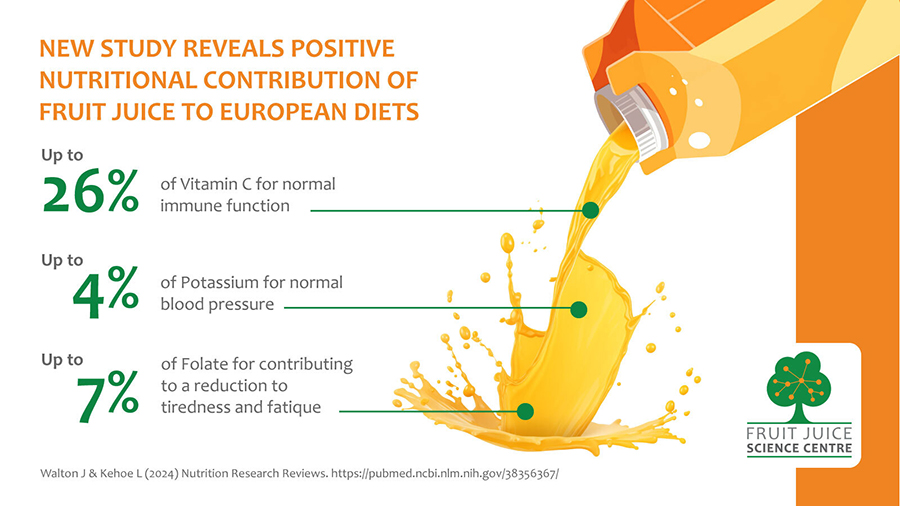
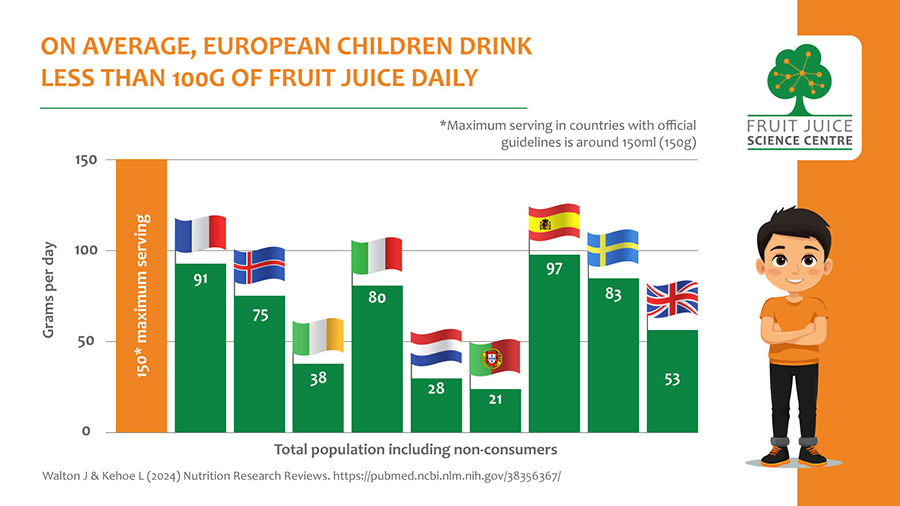
Fruit juice is an easy, affordable way for children to get a head start on key nutrients*: for example, a standard 150 ml glass of orange juice provides more than 90 % of the recommended vitamin C intake. A recent study published in the journal, Nutrition Research Reviews, found that 100 % fruit juice currently provides over a quarter (26 %) of the vitamin C intake for children across the UK, with the average child consuming just two to three small glasses a week.
While most Brits recognise that orange and other fruit juices are a good source of vitamin C – essential for a healthy immune system, skin health, and helping to increase iron absorption – the research revealed that many parents are unaware of the added health benefits provided by fruit juice which contains vitamins, minerals and plant bioactives.
For example, 9 in ten parents are unaware that orange juice contains folate – proven to support normal immune health and helping to reduce tiredness and fatigue. The majority of UK parents (87 %) also don’t know that orange juice contains potassium, a mineral which supports normal muscle function – helping children to stay fit and active.
The study revealed the small amount of calories in a typical small glass of fruit juice – just 20-40 kcal per day or 1-2 % of a child’s average daily calorie intake. Almost half (46 %) of parents across the UK mistakenly think fruit juice contains added sugar, despite the fact that 100 % fruit juice never contains added sugars, colours or preservatives and cannot be diluted with water under UK and European law.
Leading nutritionist and dietitian, Dr Carrie Ruxton, said: “Children’s health remains a top priority for parents across the country. However, with continuing financial pressures and uncertainty around kids’ food consumption at school, parents are finding it hard to keep track of what their children are eating and encourage healthier food choices.
“Although promoting and maintaining the health of your kids may feel like stressful at times, there are easy, affordable ways to ensure your children are fighting fit, and armed with all the vitamins and minerals they need. A simple first step is ensuring your kids have a daily glass of orange juice, which not only provides up 90% of the vitamin C recommendation per day** but is packed with a wide range of nutrients and antioxidants to support immunity, energy levels and active lives.”
Carrie Ruxton’s top five easy, quick and affordable ways to keep children healthy are:
Drinking Daily Juice: Giving children a daily glass of 100 % orange juice with breakfast will naturally increase their intakes of vitamin C, folate and potassium to support normal immune health and muscle function. It doesn’t matter whether you buy a carton of fruit juice or squeeze it at home – both are rich in vitamin C.
Fibre-tastic: Fibre is an essential nutrient to encourage the growth of beneficial gut bacteria and promote healthy digestion. An affordable way to weave this into your kids’ diets is to swap sugary breakfast cereals for wheat biscuits or bran flakes, or add peas, beans or sweetcorn to evening meals.
Taste the rainbow: Aim to give your kids five portions of fruit and vegetables every day. Try adding blended or grated veg into pasta sauces, or bananas to sweeten desserts. Buying frozen veggies and fruit is an affordable way to preserve key ingredients for longer.
Delicious Dairy: Yogurt drinks and desserts are often a good source of calcium and vitamin D for children, which are important for growth and maintaining strong bones. They are also relatively affordable when brought in multi-packs.
Get fishy: Giving children a portion of oily fish each week will provide inflammatory omega-3 fats to improve brain function, alongside key bone strengthening nutrients such as zinc and selenium. Tinned fish such as tuna is affordable, has a long shelf life, and is an easy after school meal served with pasta, sweetcorn and mayonnaise.
*Walton J & Kehoe L (2024) Current perspectives and challenges in the estimation of fruit juice consumption across the lifecycle in Europe – PubMed (nih.gov). ** Salar FJ et al. (2024) Comparison of vitamin C and flavanones between freshly squeezed orange juices and commercial 100% orange juices from four European countries – PubMed (nih.gov)
Perricone Farms, a premium craft juice company with deep roots in California’s citrus industry, announced its acquisition of Natalie’s Orchid Island Juice Company, an award-winning juice company based in Fort Pierce, Florida. The merger unites two of the highest quality and most trusted names in the juice industry, strengthens both brands, and enhances the ability to serve customers with excellence in quality and customer service in the US.
The combined company will be able to take advantage of bi-coastal production facilities, improve its delivery capabilities, expand product offerings, and leverage its additional scale to ensure juices reach customers with the same uncompromising quality they have come to know and love.
“We are excited to add Natalie’s to the Perricone Farms family. Natalie’s commitment to producing the highest quality products, combined with unmatched customer service, aligns with the core values we have been providing in the marketplace for years. Working together, we will be stronger and will be able to provide greater value to our customers,” said Bob Rovzar, CEO of Perricone Farms. “This exciting merger offers new opportunities for growth and expansion, including entrance into new markets, developing innovative products, and strengthening relationships with customers, suppliers, vendors, and partners. Together, Perricone Farms and Natalie’s are now better equipped to ensure the continued success and growth of both brands.”
Over the decades, Perricone Farms and Natalie’s Juices have become industry experts at procuring and producing the highest quality juices. By unifying these two entities, we strengthen our undisputed reputation for being the best premium juice provider in the food service and retail channel.
“The impressive growth that has driven the success behind the Natalie’s brand for the past 35 years has been built on the brand loyalty and relationships we have established with our customers and consumers. We are forever grateful for the opportunity to serve them with the nation’s best-tasting juice—not because it was our job, but because we loved doing it,” said Natalie’s CEO, Marygrace Sexton, who founded the award-winning juice company, named after her daughter, over 35 years ago. “We are excited for the future and the opportunities this partnership will provide our cherished Natalie’s family. Natalie’s has been built to last and will be providing you with authentic juices on a world-wide scale for generations to come.”
With the foundations for both companies built on a shared vision and values that have existed for generations, the combined company will remain devoted to a legacy that has been rooted in tradition and a commitment to exceeding expectations in quality and customer service.
There is a global call for reduced sugar that is shaking the JNSD world – particularly fruit juice production. Driven by consumer concerns about health and weight, and further burdened by sugar taxes and other regulations in a number of countries, how can you reduce the sugar level of juice products, while maintaining quality and consumer appeal?
You can dilute the juice, of course, but there are also technologies available to reduce the intrinsic sugars in the juice itself (mainly sucrose, glucose and fructose). These are membrane filtration, enzymatic sugar transformation, and yeast fermentation. Tetra Pak has invested in fermentation – with a special process that can reduce sugar to practically zero.
The new approach to this problem reduces sugar through controlled fermentation, followed by yeast removal and removal of the alcohol. The resulting juice with 0 % sugar can then be blended with normal juice to achieve any level of sugar reduction you desire.
The yeast Tetra Pak use has been specifically selected because of its history of safe use within the food industry, its suitability for sugar reduction in juice, and its fermentation efficiency and reproducibility.
A new white paper by Tetra Pak describes processing lines for fermentation, yeast removal and dealcoholisation, as well as final blending of fruit juices. The company explain why the monitoring of temperature, agitation and sugar levels is essential to an optimal and cost-effective process. Food-grade alcohol can be extracted from the process for various food and beverage applications, if desired.
The concept has been proven in technical and consumer tests, and offers you a broad opportunity to create an entirely new product category – reduced-sugar juices and drinks. The scope of creative blending is practically limitless.
Nanovel unveils AI-powered fruit harvesting robot, secures USD 900,000 in funding
The Nanovel AI-powered autonomous fruit-harvesting robot is the world’s first-of-its-kind system designed to pick citrus fruit for fresh markets from large trees with dense foliage, representing a breakthrough in fruit-harvesting technology.
Nanovel, an Israeli AgTech startup, has unveiled an AI-powered autonomous fruit-harvesting robot capable of picking tree fruit for the fresh market. The robot offers a solution to growers worldwide dealing with farm labor shortage and rapidly increasing costs. According to a survey conducted by Western Growers organisation, profitability and labour availability were ranked as the top two challenges faced by specialty crop growers.
Nanovel was established in 2018 by the company’s CEO Isaac Mazor, a successful serial entrepreneur with over 30 years of experience in technology innovation, AI, computer vision, and robotics. Mazor was the Founder and CEO of Jordan Valley Semiconductors, which was acquired by Bruker International in 2015 (Nasdaq : BRKR).
(Photo: Nanovel)
The Nanovel AI-powered autonomous fruit-harvesting robot is the world’s first-of-its-kind system designed to pick citrus fruit for fresh market in dense foliage, representing a high level of technological complexity. The system features a multi-arm platform, which will initially be towed by a tractor. Future versions are planned to include an internal driving unit and autonomous navigation capabilities. The robot’s telescopic arms are equipped with edge computing, advanced vision systems, and AI to identify, assess, and selectively pick fruit with precision that meets fresh market quality standards. In the first phase, the robot is planned to harvest oranges, with later expansion to other types of citrus, the most widely cultivated fruit globally. The company’s crop roadmap includes lemons, grapefruits, avocados, mangoes, peaches, and nectarines.
Each arm of the robot uses a patented end-effector with a vacuum gripper to cradle the fruit and then trim the stems using cutters without damaging the fruit. The fruit is then transported via conveyor belts to bins. The robot uses advanced edge computing to deliver real-time, AI-driven data necessary for fruit picking. This is a key component of Nanovel’s technology, allowing the robot to pick fruit in dense foliage. Nanovel robots will prove invaluable to growers in the United States, where orange harvesting occurs year-round, allowing for high capital utilisation.
With this in mind, the California Citrus Research Board (CRB) has signed a non-dilutive funding agreement with Nanovel, which includes the delivery of a robot after a series of field trials in California, totaling USD 900,000. The field trials are set to start in the spring of 2025, and will be conducted in cooperation with leading citrus growers
A key benefit of the Nanovel AI-powered autonomous fruit-harvesting robot is its ability to significantly reduce labor costs and minimize the logistical challenges associated with hiring seasonal workers. Studies show that manual harvesting is the single most labour-intensive task for fruit farmers, accounting for up to 50 % of annual cultural costs in the citrus industry in developed countries. Additionally, the system can operate day and night, optimising productivity and ensuring crops are picked at optimal times, potentially improving fruit quality and market value.
Furthermore, automating the harvesting process helps avoid the dangerous task of laborers picking fruit while on ladders. This alone supports a huge improvement in worker safety and reduces the risk of accidents and injuries. Additionally, the real-time collection of harvest data by the system, delivers invaluable insights that can be used for packing and marketing activities and can also provide important agronomic insights to growers.
“Our mission is to secure the affordability of fresh fruit through autonomous harvesting,” said Isaac Mazor, Founder and Chief Executive Officer of Nanovel. “Our goal is to deploy Nanovel’s solution into major global citrus markets, particularly in the US and Southern European countries like Spain and Italy. We aim to set a new standard for fresh market harvesting, ensuring high quality and economic viability for growers.”
Perricone Farms, a premium craft juice company with deep roots in California’s citrus industry, announced its acquisition of Natalie’s Orchid Island Juice Company, an award-winning juice company based in Fort Pierce, Florida. The merger unites two of the highest quality and most trusted names in the juice industry, strengthens both brands, and enhances the ability to serve customers with excellence in quality and customer service in the US.
The combined company will be able to take advantage of bi-coastal production facilities, improve its delivery capabilities, expand product offerings, and leverage its additional scale to ensure juices reach customers with the same uncompromising quality they have come to know and love.
“We are excited to add Natalie’s to the Perricone Farms family. Natalie’s commitment to producing the highest quality products, combined with unmatched customer service, aligns with the core values we have been providing in the marketplace for years. Working together, we will be stronger and will be able to provide greater value to our customers,” said Bob Rovzar, CEO of Perricone Farms. “This exciting merger offers new opportunities for growth and expansion, including entrance into new markets, developing innovative products, and strengthening relationships with customers, suppliers, vendors, and partners. Together, Perricone Farms and Natalie’s are now better equipped to ensure the continued success and growth of both brands.”
Over the decades, Perricone Farms and Natalie’s Juices have become industry experts at procuring and producing the highest quality juices. By unifying these two entities, we strengthen our undisputed reputation for being the best premium juice provider in the food service and retail channel.
“The impressive growth that has driven the success behind the Natalie’s brand for the past 35 years has been built on the brand loyalty and relationships we have established with our customers and consumers. We are forever grateful for the opportunity to serve them with the nation’s best-tasting juice—not because it was our job, but because we loved doing it,” said Natalie’s CEO, Marygrace Sexton, who founded the award-winning juice company, named after her daughter, over 35 years ago. “We are excited for the future and the opportunities this partnership will provide our cherished Natalie’s family. Natalie’s has been built to last and will be providing you with authentic juices on a world-wide scale for generations to come.”
With the foundations for both companies built on a shared vision and values that have existed for generations, the combined company will remain devoted to a legacy that has been rooted in tradition and a commitment to exceeding expectations in quality and customer service.
The 11th edition of the Juice Summit will take place on 16 and 17 October 2024 in Antwerp
The Juice and Nectar Industry is set to convene at the Juice Summit 2024, jointly organised by AIJN, the European Fruit Juice Association, IFU, the International Fruit and Vegetable Juice Association and SGF International (SAFE – GLOBAL – FAIR).
Since its launch in 2013, the Juice Summit has grown into the leading event for the juice industry, attracting over 450 participants every year. This highly anticipated gathering will bring together industry leaders, innovators, and stakeholders from all around the world to explore the latest trends, challenges, and opportunities in the global juice sector.
The Juice Summit 2024 will offer a unique opportunity for insightful dialogue and building valuable connections. Attendees will gain insights from prominent speakers, engage in thought-provoking panel discussions, and participate in interactive sessions focused on key industry themes.
Key highlights of the Juice Summit 2024:
Inspirational keynotes: Hear from leading figures in the juice industry, including Elwin de Groot, Head of Macro Strategy at Rabo Research and Thomas Körmendi, CEO of Elopak Group.
Networking Opportunities: Connect with industry colleagues, potential partners, and thought leaders to foster new collaborations and exchange ideas.
Session highlights:
Understanding Consumer Minds, Market Trends, and Research-Driven Strategies: Explore consumer behavior, market dynamics, and expert perspectives on the new sugar-reduced juice category.
Main threats and new approaches for a healthy orange industry in Brazil: Explore challenges like citrus greening, economic pressures, and environmental factors, along with innovative strategies to protect the orange industry.
The PPWR (r)evolution: How the juice business can thrive in a circular economy? Learn about the evolving regulations and how the industry can adapt to thrive in a circular economy.
Supply Chain & Demand: Analyse the complexities of balancing supply and demand in the juice industry, focusing on logistics, forecasting, and the impact of global market fluctuations.
To secure your place at the Juice Summit 2024 and view the full agenda, please visit The Juice Summit. Early registration is encouraged, as spaces are limited and expected to fill quickly.
Company’s largest-ever campaign will support zero sugar, full-flavour line rolling out in the US this fall
Zero sugar juices are known for having zero flavour – until now. Welch’s, the leading name in bold fruit flavours for over 150 years, is changing the game with the launch of their new line of zero sugar juices that don’t compromise on flavour.
“We heard from our more health-conscious consumers that they wanted a zero-sugar juice option that didn’t compromise on flavour, and the options currently in the juice and refrigerated aisles just weren’t delivering on that ask,” said Scott Utke, Chief Marketing Officer at Welch’s. “Our team worked tirelessly to innovate a line of zero-sugar juices that are bursting with the bold, fruit flavours Welch’s is known for, and we believe this new line is a game-changer for consumers who are mindful about the choices they are making when it comes to sugar.”
In September, Welch’s largest-ever marketing campaign, “You Gotta Sip It, To Get It,” will kick off to support the new line of zero sugar juices. From social to streaming, custom integrations to sponsorships, and sampling to experiential events – the campaign will appear across various consumer touchpoints. Highlighting the puzzling moments in life that make our heads tilt in curiosity. However, once one tries Welch’s Zero, these bewildering moments transform into a refreshingly flavourful experience – reinforcing the notion that “You Gotta Sip It to Get It!”
Welch’s Zero Sugar is available in two refreshing refrigerated flavours: Passion Fruit and Grape (59 oz cartons), and three delicious shelf-stable flavours: Tropical Punch, Strawberry, and Concord Grape, offered in multi-serve (64 oz) and single-serve (10 oz) sizes. Crafted with the same commitment to quality and flavour that has made Welch’s a trusted household name, each serving is bursting with vibrant, real fruit flavour with 0 grams of sugar and provides an excellent source of Vitamin C (20 % of DV).
All flavours of Welch’s Zero will be available in juice aisles and refrigerated sections at retailers in the US starting September 1.
Freshfel Europe sent a letter to the European Commission warning that the proposed redeployment of existing EU funds away from promotional ‘multi programme’ activities could threaten the competitiveness of EU fruit and vegetables and hinder the progress on promoting the health and environmental assets of fresh produce.
Freshfel Europe, on behalf of the European fresh produce sector, submitted a letter responding to the EU Commission’s proposal to drastically reduce the agricultural promotion policy budget over the next three years by EUR 281.7 million, resulting in a total budget cut of over 50 % for this popular CAP policy. Worryingly, the budgets for ‘multi programmes,’ which involve multiple Member States as well as the Commission’s own promotion projects in third countries, have been scrapped entirely, only leaving in place the so-called “simple programmes.”
Freshfel Europe expressed concerns regarding the impact this would have on the EU fresh produce competitiveness and the continuity of essential promotion and marketing activities co-funded by the EU budget. Philippe Binard, General Delegate of Freshfel Europe stated: “While the EU decreases its promotion budget, global competitors such as the USA continue to invest millions to promote American food and farm exports. This underscores the urgent need to keep a strong EU promotion policy to maintain our competitive edge globally.”
A lacklustre promotion policy will also significantly and negatively impact the EU’s efforts to inform society and consumers about health and environmental issues relating to food diet. The latest estimation of daily fruit and vegetable consumption level is estimated at 340 g per person. This is well below the WHO minimum health recommendations of 400 g, driven by healthy diet considerations to address the challenges of non- communicable diseases and obesity. Furthermore, the Nordic Council has recommended reaching a minimum daily consumption of 800 g of fruit and vegetables: 400g for health benefits and an additional 400 g to offset negative environmental impacts. Clearly, 340 g is insufficient to address pressing health and environmental challenges The EU’s promotion policy and its co-funding opportunities are essential for sustaining much-needed promotion and information activities to communicate about the high health benefits and the low environmental impact of fresh fruit and vegetables. The role of fresh produce as “essential” and “public” goods needs to be properly voiced.
With these challenges in mind, Freshfel Europe is highly concerned about the disproportionate decreases in the promotion policy budget, especially for multi programme projects. The fresh produce sector has always shown a strong and growing interest in participating in multi programme projects across all EU Member States, as demonstrated by the 52 % increase in applications between 2023 and 2024. Philippe Binard added: “In a time of growing geopolitical instability, with economic uncertainty impacting consumers’ purchasing power and attitudes, and the need to promote the social and environmental benefits of fresh fruit and vegetables, it is crucial for the EU’s fresh produce sector to be well supported in a more cogent, cohesive, and coherent manner than has been proposed.”
With this latest move, the Commission is once again demonstrating a lack of consistency, coherence, and ambition to accompany the Green Deal strategy towards a plant diet. It is also significantly undermining its desired transition towards a more sustainable food chain. Within already limited financial resources, the budget is one of the only tools that can drive consumer attitudes towards a better diet, in alignment with the Farm to Fork strategy and Europe’s Beating Cancer Plan. Phillippe Binard commented: “This is a very short- term vision. This approach by the Commission ignores the indirect long-term huge financial burden on the healthcare systems due to unhealthy diets. The World Economic Forum estimates that EUR 2 is needed for each EUR 1 spent on food to remedy the cost of an inappropriate diet.” He concluded: “This budget redeployment is not only a very bad management choice in regard to the return on investment and efficiency of the promotion policy, but it will be financially very detrimental in the medium to long term for society.”
Freshfel Europe is calling on the Commission to review its position and not to undermine the effectiveness of a popular policy of its CAP. With the proliferation and acceleration of multiple crises impacting the agricultural sector, a strong promotion policy remains more relevant than ever for both the internal and international markets.
Data released by the USDA in late July reinforced the scenario of limited world supply for the 2023/24 orange season (or 2024/25 in the Southern Hemisphere). Despite the slight increase in the production estimate compared to the crop before, the total volume may continue at historical low levels. Moreover, the decrease in Brazil, major global producer of both orange and juice, may not be counterbalanced by other suppliers.
The USDA indicates that the 2023/24 world crop is projected at 47.4 million tons, upping 1 % compared to the season before. In Brazil, the output may decrease 1.2 %, to 15.3 million tons – equivalent to 375 million 40.8-kg boxes. However, the decrease indicated by the USDA might be underestimated. In São Paulo and in Triângulo Mineiro, the production is likely to drop 24.4 %, according to Fundecitrus, and there are doubts whether a possible increase in other states would compensate the low volume produced in the citrus belt.
Orange juice
In spite of the slight rise in the global orange production, the orange juice output is projected at 1.5 million tons, 3 % down against the season before. The decrease is related to the lower availability of fruits to process in Brazil, which represents more than 70 % of the global OJ production.
The Brazilian output is calculated at 1.1 million tons, downing 9 %, and national exports are likely to decrease in the same intensity, since almost 100 % of the Brazilian production is sent to the international market.
Tahiti lime
The global production of lemons and limes in 2023/24 is estimated to move up 2 %, reaching 10.1 million tons, boosted by the higher output in the European Union and in Turkey.
It is worth noting that these numbers consider lemons (Sicilian, for instance) and limes (such as the tahiti lime). Among major producing countries, only Mexico produces significant volumes of tahiti lime (which is produced and exported by Brazil). Mexican shipments are likely to reduce 7.5 %, which can keep the focus of this country on supplying the US, opening more room for the Brazilian tahiti lime in the European market – Brazil has been hitting records in exports year after year.
After weeks of dry weather, rains were registered in many citrus areas in São Paulo state in mid-July. Although the volume of rainfall was not homogeneous among regions (rains were registered especially in the south and in the southwest of São Paulo state), it brought a certain relief for citrus growers, who were concerned with the dry weather that had already been affecting the trees.
The rainfall was more significant in the southwest of SP state; thus, flowers may start blossoming. In areas where rains were less abundant (or they were not registered), more humidity is necessary for the flowers to blossom.
As for the tahiti lime, the recent rainfall is not likely to increase the supply in this moment, but it may favor the harvest and the quality in the coming weeks.
Juice exports decrease in the 2023/24 season
Brazilian shipments of orange juice dropped in the 2023/24 season (from July 2023 to June 2024), after increasing in the previous crop. Brazil exported 1 million tons, downing 8.1 % compared to the season before (data from Comex Stat). The revenue totaled USD 2.7 billion, for an increase of 25 % in the same comparison. The export decrease is mainly related to the low volume of juice in stocks in Brazil.
Processing activities
The orange processing continues to move at a fast pace in São Paulo state. Some players from the industry surveyed by Cepea say that the crushing is more advanced this season, and that the processing activities of early varieties are likely to reduce this month. Last year, the processing finished only in the second fortnight of September; however, in 2024/25, activities are expected to end in July or in August.
A recent study reveals that natural sugars found in fruit juice appear to support physical recovery after exercise
Cloudy apple juice was found to recover the intestinal barrier function more quickly than other drinks – this helps to support recovery
The body’s stress makers reduced more quickly in recovery after drinking fruit juice when compared with other beverages
The study, led by Dr Patrick Diel, shines a light on the potential health benefits of fruit juice for fitness enthusiasts
Drinking fruit juice could help the body recover more quickly after intense physical activity such as long-distance running, according to a new study.
The peer-reviewed study, published in international journal, Nutrients, found that while added sugars can have a negative impact on the intestinal barrier after exercise, the naturally occurring sugars and polyphenols (plant compounds) found in fruit juice seem to support a more balanced recovery.
While it’s common to reach for a sugary sports drink during or after exercise, scientists have known for some time that added sugars can cause problems with the intestinal barrier – a critical part of our immune defence. A leaky intestinal barrier can lead to harmful bacteria crossing from the gut into the blood which stimulates inflammation. This, then, increases the risk of overtraining syndrome and metabolic conditions such as endotoxemia – where the body has a toxic reaction to bacteria.
The study, led by Dr Patrick Diel, was set up to find out whether fruit juices caused the same inflammatory effect as sugar-sweetened drinks.
The researchers looked at the gut health of runners before and after an ultramarathon. They compared the impact of drinking diluted cloudy apple juice with a test drink which mimicked a typical sugary sports drink. This contained identical amounts of sugar but not the polyphenols and other fruit complexes naturally found in juice.
The researchers found that, while both exercise and sugars can disrupt the intestinal barrier, the natural compounds found in fruit juice eased these effects*. Runners who drank the cloudy apple juice after the race recovered their intestinal barrier function more quickly than those who drank the sugar-sweetened test drink*.
Another part of the study on amateur runners found that drinking diluted cloudy apple juice after running influenced a protein called CD14 suggesting that the juice supported the body’s immune system. Furthermore, the study showed that runners who drank fruit juice reduced their stress markers more quickly compared with those who drank the sugar-sweetened test drink.
Dr Patrick Diel from German Sport University in Cologne, said: “The research comes at a timely moment for anyone inspired to get more active in the run up to the Olympic games, and these findings offer a fresh perspective how to best replenish our bodies. Simply diluting cloudy apple juice and drinking it after playing sports or exercising seems to be an easy and healthy option which supports both gut health and immune function”.
Award-winning dietitian, Dr Carrie Ruxton said: “To properly recover after exercise, our bodies need healthy carbohydrates. In light of these findings, I would encourage athletes, fitness enthusiasts and causal gym-goers to add a serving of around 150ml of cloudy apple juice to their sports bottle and top up with tap water for a low cost and effective sports drink. Not only will this mixture keep us hydrated, it also provides energy-giving natural sugars and polyphenols to promote optimal recovery.”
As with any dietary change, it is important to drink juice in moderation and as part of a balanced diet. However, these studies suggest that when it comes to supporting the body after an Olympic-inspired workout, cloudy apple juice is the perfect health hack.
*Valder, S. et al. Effect of Sugar- and Polyphenol-Rich, Diluted Cloudy Apple Juice on the Intestinal Barrier after Moderate Endurance Exercise and in Ultra-Marathon Runners. Nutrients 2024, 16, 1353. https://doi.org/10.3390/nu16091353
Stephan Büttner (Photo: AGRANA)
In the first quarter of the 2024/25 financial year (the three months ended 31 May 2024), AGRANA, the fruit, starch and sugar company, generated operating profit (EBIT) of € 32.3 million, a significant reduction of 49.1 % from the first quarter of the prior year. Revenue eased slightly, by 2.3 %, to € 944.3 million. “After the robust results of the full year 2023/24, as expected we had a weaker start to the 2024/25 financial year. The significant decline in profit resulted from the highly challenging market environment in the Sugar and Starch segments, where sales prices fell. Business in the Fruit segment was better, leading to a significant increase in Fruit EBIT,” says AGRANA Chief Executive Officer Stephan Büttner.
Results in each business segment for the first quarter of 2024/25
FRUIT segment
The Fruit segment’s revenue in the first quarter was € 415.6 million, up 3.6% from the same period one year earlier. The increase occurred both in the fruit preparations and fruit juice concentrate businesses and resulted from volume growth.
EBIT of the segment as a whole grew to € 27.0 million in the first three months of the financial year (Q1 prior year: € 24.4 million). In the fruit preparations activities, EBIT was significantly above the year-ago level. The improvement was attributable partly to a positive business performance in the Europe region (including Ukraine) and in Mexico.
STARCH segment
Revenue in the Starch segment in the first quarter was € 265.5 million, a reduction of 16.3% from the year-earlier comparative period (Q1 prior year: € 317.1 million), when the war in Ukraine had led to powerful increases in market prices. Owing to the decline in raw material and energy prices, market prices for the segment’s products decreased noticeably year-on- year, which impacted the selling prices obtained for the entire Starch portfolio. Ethanol sales prices, for instance, fell by about 25 % amid a substantial drop in Platts quotations.
At € 9.4 million, EBIT in the Starch segment was down very significantly year-on-year. A key reason for this was the margin decline in starch and saccharification products driven by significantly lower sales prices for core and by-products.
SUGAR segment
Sugar segment revenue was € 263.2 million, up 6.2 % from the first quarter of the previous year. The negative effect of lower sugar sales prices was more than made up for by higher sales volumes. The trajectory of the sugar market was most recently driven by the sugar imports from Ukraine and the expectation of increased EU sugar production in the 2024/25 campaign.
The Sugar EBIT result in the financial first quarter was a deficit of € 4.1 million, a pronounced deterioration from the year-earlier period. This reflected especially the significant fall in sugar selling prices, which was steepest in the regions heavily affected by the imports of Ukrainian sugar.
Outlook
For the full 2024/25 financial year, AGRANA expects a significant reduction in operating profit (EBIT) compared to the previous year. Group revenue is projected to show a moderate decrease.
Total investment across the three business segments in the 2024/25 financial year, at approximately € 120 million, is to be moderately below the 2023/24 value and in line with budgeted depreciation. About 12 % of this capital expenditure will be for emission reduction measures in the Group’s own production operations under the AGRANA climate strategy.
The international (non-alcoholic) beverage product review WORLD OF FRUITS 2024 has been published and is available for download!
In this publication confructa medien present beverage innovations from all over the world with specifications like ingredients, company, country, claims, packaging and launch price. What has hit the shelves in the international beverage sector? Which companies and products are the main driving forces in the market? Which trends have become apparent?
Consumers shift to natural beverages, immune-boosting benefits of fruit juices fuel growth
The North American fruit juice sector is undergoing a substantial growth period, with market size swelling to USD 39.6 billion as of the year 2023. Industry forecasts are robust, predicting a continued expansion at a compound annual growth rate (CAGR) of 4.5 % from 2023 to 2032, culminating in an expected market value of USD 59.1 billion.
The surge in market growth is primarily driven by rising health awareness among consumers, who are now gravitating toward natural beverage options like fruit juices. These shifts in consumer preferences are linked to the numerous health benefits attributed to fruit juices, including their vitamin and mineral content, antioxidant properties, and their role in bolstering the human immune system.
Moreover, advancements in technology that allow for the introduction of organic preservatives enhance the appeal of fruit juices. When coupled with modern packaging solutions that cater to consumers’ increasingly busy lifestyles, it’s clear that the market is riding a wave of both practical innovation and heightened product awareness.
Consumer Trends
The shift in consumer behavior denotes a significant move away from carbonated drinks toward healthier options. The adoption of fruit juices as a method to improve metabolism and manage cholesterol levels is also noteworthy. Moreover, consumers are showing an inclination towards convenient consumption methods, which is another factor propelling the market growth.
Market Segmentation
The North America fruit juice market report covers a detailed analysis of the market segmented by type, flavour, and distribution channel, along with projections at both the regional and country levels. Market segments include 100 % fruit juices, nectars, juice drinks, concentrates, powdered juices, and others. Popular flavours profiled include orange, apple, mango, mixed fruit, and more, while the distribution channels investigated are supermarkets and hypermarkets, convenience stores, specialty food stores, online retailers, and others.
Market Outlook
In conclusion, the North American fruit juice market is set for promising growth in the coming years, with consumer demand for healthier beverage options being a prime catalyst. Companies within the market are responding with innovative products that meet the evolving needs and preferences of consumers, positioning the industry for sustained expansion through 2032.
A new study by Fact.MR reveals that the global fruit puree market is projected to reach US$ 24.11 billion by 2024, with demand expected to grow at a CAGR of 6.7 %through 2034. The global fruit puree market is expanding rapidly as more consumers opt for packaged and convenient food products.
Fruit purees are increasingly used in various food processing sectors, including bakery products, beverages, smoothies, confectionery items, baby foods, dairy, and frozen products, driving up demand.
The growth of the food and beverages industry, supported by favorable trade policies and a rising global population, has positioned fruit purees as a popular, healthier alternative to sweeteners and artificial ingredients in food processing. The increasing number of working-class parents is boosting the demand for processed baby food, making fruit purees a highly sought-after component in infant and toddler diets due to their significant nutritional value.
The rapid expansion of the food and beverage industry, spurred by favorable trade regulations and a growing global population, highlights fruit purees as a healthy alternative to sweets and artificial ingredients. In developed countries like the United States and Germany, the preference for packaged juice as a daily breakfast item is significantly boosting demand for fruit purees across all age groups.
The rising consumption of canned and packaged foods, along with the extensive reach of retail networks, is expected to positively influence the market’s growth by improving product availability and distribution. Consumers are primarily drawn to these products for their health benefits. Probiotic beverages infused with fruit purees, such as Actimel, are gaining popularity for their immune-boosting properties. Additionally, fruit purees are increasingly recognized as sugar alternatives worldwide.
Key Takeaways from Market Study
The global fruit puree market is forecasted to expand at a CAGR of 6.7% through 2034.
Global sales of fruit purees are estimated at US$ 24.11 billion in 2024. The market is projected to reach US$ 46.33 billion by 2034-end.
The North American market is projected to expand at a CAGR of 6.1% through 2034.
The bakery segment is estimated to account for 25% market share in 2024. East Asia is forecasted to account for 25.2% of the global market share by 2034.
“Global fruit puree consumption is growing rapidly as more consumers prefer convenient food products that include natural ingredients. Fruit purees are being increasingly used in the bakery, beverages, confectionery, baby food, and dairy industries,” says a Fact.MR analyst.
Regional Analysis
The United States is a crucial market for fruit puree producers due to its extensive and varied consumer base, strong food and beverage sector, and shifting consumer tastes. The diverse American population, which enjoys a wide range of cuisines and dietary trends, drives high demand for fruit purees across multiple applications such as beverages, desserts, snacks, and baby foods.
Producers can capitalize on the American preference for convenient and nutritious food options by positioning fruit purees as essential ingredients. Additionally, the growing emphasis on natural and clean-label products aligns well with the inherent qualities of fruit purees, making them appealing to consumers focused on wellness and healthy eating habits.
Market Developments
Key fruit puree producers are Kanegrade, Kiril Mischeff, Tree Top, Mine Fruit Products, Döhler, Uren Food Group Limited, Dennick Fruitsource and Milne Food Products. Key companies in the industry are joining forces by merging and acquiring other companies. They are also launching new products to make their position stronger and grab a larger share of the market.
Recent Developments
In 2019, Döhler took control of the majority stake in Zumos Catalano Aragoneses S.A., a producer based in Spain specializing in juices, purees, and concentrates.
In 2020, Tree Top Fruit Ingredients introduced its Tree Top Fruit+Water pouches, a line of hydrating pouches crafted with over 45% juice specifically tailored for children. These single-serve pouches offer low-sugar beverage options, fortified with vitamin C. The product comes in four enticing flavors: grape, fruit punch, tropical, and berry.
Fruit Shoot is making a splash this June by entering the squash category with two flavours: Berry Galaxy (Strawberry and Blueberry) and Tropical Jungle (Orange and Mango). With squash making up nearly half of all soft drinks for kids1, Robinsons Fruit Shoot’s latest move means retailers can offer parents a refreshing alternative from a brand they already know and love.
As the number one kids’ drinks brand in the UK2, Fruit Shoot is ideally placed to expand its portfolio into squash. Already a favourite with shoppers, its core range (Orange and Apple & Blackcurrant No Added Sugar Juice Drink) is growing by + 1 %3 (vs last year) and its naturally flavoured water range, Hydro, at + 12.8 %4 (vs last year). The new squash is aimed at children aged between 3 and 8 years old and is all about taking them on a flavour adventure through eye-catching pack designs and delicious flavour combinations.
Ben Parker, Retail Commercial Director at Britvic comments, “We can see a clear demand in the kids category for larger sharing formats, so this was the perfect time to expand Fruit Shoot into a brand-new category. As a well-known and trusted brand, Fruit Shoot is well placed to leverage its strong appeal with kids5 and parents, helping retailers to drive further sales within the category.”
The squashes have already launched into Amazon and Ocado, with a wider launch set for 2025, and has an MRSP of £2.
1Kantar Usage Panel In Home & Carried Out, Britvic Defined Dilutes, Share of Total Soft Drinks, Dilutes share of Total Soft Drinks by Age (Under 10s = kids), 52we 14.04.24 2Nielsen IQ RMS, to WE 13.04.24 MAT TY, Total Coverage GB inc Discounters, Britvic Defined Kids Database, Fruit Shoot, excluding Private Label, Value Sales & CGA by NielsenIQ, 52wks to December 31st 2023, Total Coverage OOH. Fruit Shoot, Value Sales 3NielsenIQ RMS, Total Coverage GB incl discounters, Britvic Defined Kids Database, Sales Value % Chg vs last year, 12 w/e 25.05.24 4NielsenIQ RMS, Total Coverage GB incl discounters, Britvic Defined Kids Database, Sales Value % Chg vs last year, 12 w/e 25.05.24
Research into ultra-processed foods (UPF) and their role in today’s diet is becoming an increased focus for healthcare professionals. But with a range of studies emerging and differing opinions on the matter, it can be confusing for consumers to navigate what the broad term really means.
A recent study highlighted some of these misconceptions when almost half of respondents (45 %) said they wouldn’t be able to define or identify an ultra-processed food or beverage, and the same amount said they don’t know the difference between ultra-processed and minimally processed products.
Orange juice was highlighted as one of the most common misconceptions amongst Brits in the study, with 21 % believing the drink was ultra-processed, despite being minimally processed. In the same study, 19 % even said they avoid buying orange juice as they worry it sits in the UPF category.
Award-winning nutritionist and health writer, Dr Emma Derbyshire says: ‘Some of the misunderstandings around ultra-processed foods are resulting in consumers avoiding certain products which contain healthy benefits. Products like 100 % orange juice are essential in a balanced diet and provide essential vitamins and minerals, such as Vitamin C and potassium, needed to help meet an individual’s nutrient needs.”
Top 5 orange juice truths:
Unlike ultra-processed products, 100 % orange juice contains no added sugars and cannot be diluted with water under European law
Fruit juice counts as one of your 5-a-day fruit and vegetables – a convenient and nutritious way to up your fruit intake
The high levels of vitamin C found naturally in fruit juice help the immune system to combat symptoms of common colds and illness and support normal skin health
Fruit juice contains potassium, which supports normal blood pressure
Drinking orange juice helps your body absorb iron from plant foods
Tropicana has launched a new range of its Multivit Boost juices to stores across the UK. The three fresh juices expands Tropicana’s functional juice offering as consumer health trends continue to evolve with a post pandemic demand for immunity support products and ingredients.
Tropicana Multivit Boost is now available in its best-selling Multifruit plus two new juices, all in 850 ml Pure-Pak® cartons. Launched in April 2024 and rolling out across UK’s key retailers are the new varieties; Smooth Orange and Mixed Berries juice for immune health support.
Each serving of Tropicana Multivit Boost offers 100 % of daily Vitamin C requirements, along with essential vitamins B1, B2, B6, E, with an added inclusion of vitamin A in the Mixed Berries and Multifruit flavour. According to Tropicana, these added vitamins play a crucial role in supporting normal energy-yielding metabolism, maintaining healthy skin and vision, and protecting cells from oxidative stress. A single portion of each variety provides one of the recommended five servings of fruit and vegetables a day.
The European Fruit Juice Association (AIJN) welcomes the approval by the European Parliament of the Packaging and Packaging Waste Regulation (PPWR).
Aimed at addressing pressing sustainability concerns surrounding packaging materials, and especially waste, within the European Union, the outcome of the vote reflects a careful equilibrium between environmental imperatives and industry considerations.
The Agreement found between the EU Council and EU Parliament negotiators, adopted now by the EU Parliament represents a significant departure from the initial proposal put forth by the EU Commission. Regarding reuse for example, where the initial draft outlined specific non-alcoholic beverages subject to reuse targets, the text approved by the EU Parliament adopts a more encompassing and equitable approach. Under the revised PPWR, a single reuse target now applies to all beverages, whether they are alcoholic or non-alcoholic. This shift eliminates the need for a predefined list of products, thus ensuring that no item is excluded from the sustainability mandate (except for a few exemptions which are explicitly justified within the text).
Another important aspect of the outcome of the negotiation is the redistribution of responsibility for meeting these reuse targets. Unlike the original Commission’s proposal, which placed the burden both on manufacturers and final distributors, the version of the Regulation approved by the EU Parliament assigns responsibility to final distributors.
Specifically, the Regulation mandates that distributors making alcoholic and non-alcoholic beverages available on the market within a Member State must ensure that at least 10 % of these products are offered in reusable packaging within a system designed for re-use. This change will enable greater flexibility for all actors in delivering products in reusable packaging.
Moreover, the new target set for reuse represents a first step towards promoting circular economy principles within the packaging industry, all while acknowledging the industry’s needs. With a target of 10 % by 2030 and an indicative target for 2040, actors across the value chain, including consumers all around Europe, can adapt to increasing levels of reusable packaging and reuse systems. This ensures that the transition is mindful of the practical realities and requirements of businesses within the sector. This balanced approach promotes a steady transition towards a more circular economy, where resources are conserved, waste is minimized, and environmental impact is reduced. By January 1, 2034, the Commission will review the implementation of the 2030 targets, considering technological advancements and practical experiences. This assessment will evaluate the effectiveness of the targets in fostering sustainable packaging, feasibility of achieving 2040 targets, relevance of exemptions, conduct life-cycle assessments of single-use and reusable packaging and assess the need for setting new targets for the reuse and refill of other packaging categories. This review mechanism allows for adjustments based on results and real practices, ensuring that future ambitions for 2040 are informed by concrete evidence and practical experience.
Finally, the approval of PPWR underscores the critical role of packaging in preserving product freshness and quality while minimizing environmental impact. It highlights the imperative for sustainable packaging solutions that reconcile ecological stewardship with operational efficiency. In recognition of the unique challenges faced by highly perishable beverages, they are exempted from meeting this targets in the Regulation includes exemptions for such items.
AIJN believe the European Parliament’s vote on the PPWR reflects a balanced and pragmatic approach that seeks to reconcile environmental goals with the operational realities of the industry. As the Regulation progresses towards implementation, AIJN is willing and ready to engage in ongoing dialogue and collaboration to ensure effective compliance and meaningful progress towards a more sustainable future.
The European Fruit Juice Association (AIJN) announced that the EU Parliament has approved the Revision of the Fruit Juice Directive, marking an important step in the development of the fruit juice and nectar industry.
The Association welcomes the Revision of the EU marketing standards for the so-called ‘breakfast’ directives, aimed at bolstering existing marketing standards related to honey, fruit juices, jams, and milk. Specifically, the revision of the Fruit Juice Directive, in force as such since 2012, represents a step forward, bringing the directive in line with contemporary concerns and industry demands. Throughout this process, AIJN has actively collaborated with EU institutions to ensure comprehensive consideration and representation of industry perspectives.
Serving as the cornerstone of meticulous legislation, the European Fruit Juice Directive ensures the highest standards of safety and quality for fruit juices, while also offering comprehensive information to consumers across Europe regarding the composition, nature, and authorised processing methods of fruit juices.
The latest revision address several aspects and bring great innovation to the sector:
Introduction of the reduced-sugars fruit juice category: We welcome the introduction of the new category of “reduced-sugars fruit juices”, in line with the objectives of the Farm to Fork strategy, offering more choice of products for consumers. More specifically, three products are added, “reduced-sugar fruit juices”, “reduced sugar fruit juices from concentrate” and “concentrated reduced sugar fruit juices”. Future products can only be called “reduced sugar fruit juice” if at least 30 % of the natural sugars have been removed and they maintain the essential characteristics of the fruit juice from which they come.
Information on sugar content: In Europe, consumers may not always be aware that fruit juices do not contain added sugars. Both institutions agreed that additional transparency is needed. To this effect, they have allowed industry to use the voluntary statement that “fruit juices contain only naturally occurring sugars”.
Inclusion of coconut juice: Reflecting the evolving market trends and consumer preferences, coconut has been included in the Directive’s Annex V, accompanied by a specified Brix level of 4.5. Additionally, coconut water is acknowledged as synonymous with coconut juice.
Authorisation of additional substances for clarification: The directive now accommodates the use of plant proteins derived from wheat, peas, potatoes, and sunflower seeds for fruit juice clarification, ensuring alignment with contemporary practices.
While AIJN wait for the formal adoption at the Council and the Directive’s entry into force, it is foreseen that the European Commission will be tasked with elaborating a Delegated Act on Reduced-Sugar Fruit Juices, examining the feasibility of origin labelling of the fruits used in fruit juices, and developing implementing acts for fruit juice analysis methods.
In response to these endeavours, AIJN reaffirms its dedication to responsible collaboration, advocating for policies that prioritise consumer health and sustainability in the industry.
Louis Dreyfus Company (LDC) announced the exclusive launch in the French market of its new fresh fruit juice brand, Montebelo Brasil, in collaboration with Laiterie de Saint-Denis-de-l’Hôtel (LSDH) for commercialisation, bottling and distribution. This initiative aims to establish Montebelo Brasil as a market reference among fresh (or chilled) fruit juices in France, while ensuring traceability of oranges, from Brazilian groves to selected retail shelves.
Inspired by its eponymous Brazilian plantation, certified by the Rainforest Alliance, the development of the Montebelo Brasil brandis part of LDC’s strategic vision to extend its reach further downstream in the value chain, while offering distribution solutions to its customers and partners. It also reflects LDC’s focus to further diversify its Juice Platform portfolio with sustainable, traceable and high-quality products directly to end consumers.
“Our ambition for this project is twofold: to offer a 100 % natural product while ensuring traceability of the oranges, thereby establishing a connection between LDC as citrus producer in Brazil and the end consumer. Our commitment also addresses the demands of increasingly discerning consumers who are concerned about the origin and journey of the products they consume,” said Aurélien Grisval, Head of Downstream Market for Juice, LDC.
The Montebelo Brasil line includes eight fresh fruit juices:
Two pure orange juices (with and without pulp);
Two lemonades (yellow lemon, and a blend of yellow and green lemon); and
The following product range developed in collaboration with renowned Brazilian chef Tabata Mey: Pure mango, pineapple and lime juice; Coconut water, mango, pineapple, lime pure juice; Orange, maracuja, lime nectar ; and a lime maté beverage.
“We are proud to launch this new brand, which embodies our expertise as a global agricultural merchant dedicated to serving our customers, and our commitments as a responsible citrus grower in Brazil for over 35 years,” said Georges-Edouard Duriez, Head of Development and Strategy for Juice, LDC.
France was a natural choice for the brand launch, with its dynamic retail juice market that, per capita consumption, ranks second globally, with approximately 1.1 billion liters consumed annually, and for the opportunities offered by the chilled juice category in terms of value.
“Beyond the clear commercial opportunities, this launch in France, birthplace of the Group and homeland of its founder, Léopold Louis-Dreyfus, has profound significance for LDC. Making this launch a success will be a wonderful way to honor this legacy,” concluded Georges-Edouard Duriez.
Montebelo Brasil fruit juices are already available throughout France at Monoprix stores and Carrefour hyper and supermarkets in 1-liter and 250-milliliter bottles, and will soon be available at over 2,000 other outlets.
New study finds that 100 % fruit juice:
Accounts for up to 26 % of children’s vitamin C intake, and up to 19 % in adults
Contributes up to 4 % of daily potassium, which supports normal blood pressure
Provides up to 7 % of daily intake of folate which supports a healthy pregnancy
Only contributes up to 14 % of free sugar in people’s daily diets, compared with up to 92% from products containing added sugar such as soft drinks, biscuits, sweets, chocolate and cakes
(Photo: Fruit Juice Science Centre)
Drinking 100 % fruit juice has a negligible impact on daily calories but accounts for up to a quarter of children’s vitamin C intake and is an important source of other vital nutrients, according to a new study1 which highlights the importance of juice in a healthy diet.
Because fruit juice contains natural sugar, some policy makers and researchers have expressed concern that it could lead to weight gain, if consumed regularly. But a new analysis of national dietary surveys across 14 European countries for which data were available, found that people who drink fruit juice consume on average just 137 g per day, lower than the recommended serving size of 150 – 200 ml2 that exists in some countries.
This equated to just 20 – 40kcal per day, or 1 – 2 % of a child’s or adult’s average daily energy intake, which would not be expected to have an impact on body weight.
In contrast, the average daily serving of 100 % fruit juice across each age group across Europe was enough to make a significant contribution to daily intakes of vitamin C, which is vital for immune function and boosts iron absorption.
The study, published in the journal, Nutrition Research Reviews, found that fruit juice was responsible for 4 – 20 % of daily vitamin C intake in infants, 6 – 26 % in children, 8 – 20 % in teenagers, 8 – 19 % in adults and 6 – 19 % in older adults.
The study’s lead author, Dr Janette Walton from Munster Technological University in Cork, said: “Fruit juice is a major contributor to vitamin C intakes in children and adults. Given that too few people eat the recommended 5-a-day of fruit and vegetables, fruit juice is a convenient and nutritious food in the diet”.
The researchers also found that fruit juice accounted for 2 – 4 % of daily potassium, which supports normal blood pressure and has been found to be lacking in people’s diets according to the European Food Safety Authority (EFSA), and 1 – 7 % of daily intake of folate which supports a healthy pregnancy and is commonly too low in the diets of most women of childbearing age.
Meanwhile, the natural sugar in 100 % fruit juice, which comes entirely from the fruit, contributed to just 2 – 14 % of free sugar in people’s daily diets, compared with 48 – 92 % which is estimated to come from “optional” products containing added sugar such as soft drinks, biscuits, sweets, chocolate and cakes.
(Photo: Fruit Juice Science Centre)
Unlike sodas, nectars or other drinks, 100 % fruit juice never contains added sugars and cannot be diluted with water under European law.
Dr Walton continued: “Our findings showed only a modest contribution of fruit juice to free sugars. In contrast, a recent review found that sweet foods and drinks with added sugars are the major sources of added sugars across Europe, contributing half to more than 90 % of intakes).
“This highlights the importance of targeting sugar reduction strategies for discretionary/’top-shelf’ foods which are not recommended in food-based dietary guidelines. Unlike fruit juice whose composition is controlled by law, these types of products can be legally reformulated to reduce their sugar content”.
More broadly, the authors of the study highlighted the lack of data on 100% fruit juice consumption in many countries in Europe, such as Germany, which they said makes it difficult to set Europe-wide policies without an accurate view of normal consumption levels.
1Walton J & Kehoe L (2024) Current perspectives and challenges in the estimation of fruit juice consumption across the lifecycle in Europe – PubMed (nih.gov) 2Equivalent to 150 – 200 g since 1 gram = 1 ml.
The next ERBSLÖH Juice and Fruit Wine Seminar is just around the corner and there are still a few places left!
From Thursday, 21 March to Friday, 22 March 2024, the ERBSLÖH Juice and Fruit Wine Seminar will take place in Rotenburg an der Fulda (Germany) – this year in cooperation with Bucher Unipektin AG!
Please download the full programme. (Photo: Erbslöh)
ERBSLÖH Geisenheim GmbH is a medium-sized and internationally active company in the Rheingau. Since 1964, the company has focussed on beverage technology. With its innovative products and processes, ERBSLÖH focuses on the needs of its customers. In addition to the fruit juice processing sector, the company also offers solutions for the wine, beer and spirits industries. Yeasts, nutrients or enzymes – ERBSLÖH is up to any challenge.
Bucher Unipektin AG is a competent partner and supplier of individual machines and complete systems for solid-liquid separation, filtration, juice treatment and concentrate production. The beverage technologies are mainly used for the production of fruit juices and purees as well as in beer filtration.
The seminar’s lecture programme will cover various interesting topics, with experts from theory and practice talking about their experiences in the industry. Among others, Dr Michael Welte from Bucher Unipektin AG will report on dealcoholisation technology. Stefan Wenghoefer from ERBSLÖH Geisenheim GmbH will give an overview of plant proteins as a gelatine alternative. Dr Christof Steingaß from Hochschule Geisenheim University will speak about the production of pineapple juice using innovative technologies and Petros Kapasakalidis from Hellenic Juices will talk about the different quality aspects in the production of citrus essential oils.
The full programme, all information about the two-day seminar and the opportunity to register can be found on the ERBSLÖH website at www.erbsloeh.com
Scientists in Germany have discovered a new ‘super’ apple juice which has the potential to improve heart health by boosting blood flow1.
Researchers at Hochschule Geisenheim University, near Frankfurt, have found a way to maximise polyphenols in apple juice by using a novel squeezing method called a spiral filter press which actively takes out oxygen by vacuum-driven pressing. Moreover, they ensured that oxygen is excluded from all other processing steps, therefore reducing nutrient deterioration.
The new study, published in Food Research International, found that this new method boosted polyphenol content by four times as much as regular apple juice. Polyphenols are natural plant compounds found in fruit, red wine, and cocoa which are known to have a range of health benefits for the heart and brain.
A 280 ml serving of the new apple juice would be enough to provide 100 % of the ideal intake for a key group of polyphenols, called flavan-3-ols, which help promote a healthy blood flow. The ideal intake of 400 – 600 milligrams per day for cardiovascular health was proposed by an international consortium of scientists in 20222.
The British Heart Foundation estimates that there are 7.6m people living in the UK with heart or circulatory diseases3. Meanwhile, data from the 2021 census show that 32 % of adults suffered from high blood pressure (hypertension) and 3 in 10 of those (29 %) were undiagnosed; equating to approximately 4.2 million adults with undiagnosed hypertension4.
Lead author of the paper, Professor Ralf Schweiggert, commented: “Apple juice is already a source of polyphenol compounds, but you would need to drink several glasses to reach the levels recommended by scientists for heart health effects. The new juicing method that we’ve investigated takes the polyphenol content to a new level by minimising the nutrient losses we typically see during juicing.”
Co-Researcher of the study, Stefan Dussling, said: “Nutrient losses are commonly due to the presence of oxygen which quickly degrades some of the nutrients in apple juice like flavan-3-ols or vitamin C. This would happen when we juice apples at home or buy a ready-made product. We hope that the new juicing method will be used more widely in the future to help people get more of these beneficial natural compounds simply by drinking one glass of juice”.
Mupy, a reference brand for soy drinks with fruit juice, and SIG, a leading solutions provider of packaging for better, recently signed a partnership for SIG to provide carton packs and filling services to Mupy via a copacker.
Mupy is projecting growth for the coming years and packaging solutions from SIG will play an integral part in achieving their target of doubling turnover by 2025. Mupy, under the new management of Alexandre Moreno, had revenues of 115 million reais and produced 11.7 million liters of soy drinks with fruit juice in 2023.
In order to achieve future growth with soy and juice beverages, Mupy relies on the high speed and flexible filling machines from SIG. The efficiency rate in the production process is very high, with a waste rate of just 0.5 %. In addition, SIG’s filling machines provide maximum flexibility and make it possible to fill products of different categories and viscosities in different volume sizes on one and the same filling machine.
Mupy offers its soy and juice drinks in the flavours grape, pineapple, apple, passion fruit, strawberry, orange, and peach in two SIG carton formats: SIG MiniBloc 200 ml and SIG MidiBloc 1,000 ml.
The combination of juice and soy milk allows Mupy to diversify its product offerings within the juice or plant-based drinks category, catering to a health-conscious market while at the same time tapping into the growing demand for plant-based alternatives, thereby enhancing market competitiveness and meeting the evolving preferences of consumers.
The South American market for plant-based products has been growing in recent years, according to The Good Food Institute Brazil (GFI). The plant-based drinks market grew by 15 % in 2022 and is expected to have an average annual expansion of almost 12 % by 2027. According to data from Bloomberg Intelligence, Brazil is the largest consumer of plant-based foods in Latin America, followed by Mexico, Chile and Argentina.
Today’s consumers are seeking more balanced and nutritious beverage options. The beverage blend of soy and juice offers a unique fusion of fruity flavours from the juice, the creamy texture of soy milk and notable health benefits of soy. Soy is a rich source of plant-based protein, making the beverage an excellent option for individuals looking to increase protein intake. Additionally, soy contains essential amino acids, fiber, and various vitamins and minerals, contributing for instance to immune health. The combination of the nutritional advantages of soy reinforces the appeal of the juice for both health-conscious consumers and producers aiming to offer a wholesome beverage option.
Renata Kasahara, Head of Marketing America South at SIG: “With our agile and flexible filling system, customers are well positioned to respond efficiently to any trend that is shaping the market.”
Consumer demand for plant-based products has been driven by the search for a healthier diet and products that are more sustainable. “Carton packaging is among the most sustainable packaging options. 75 % of its composition is paperboard from renewable sources and at SIG, 100 % of the paperboard we source is FSCTM-certified. All of the aluminum we purchase for SIG aseptic carton packs is certified against the Aluminium Stewardship Initiative Standards and we produce all our cartons with 100 % renewable electricity. In other words, opting for SIG means responsibly sourced and sustainably produced packaging to meet the demands of Mupy’s consumers”, Renata adds.
With success in 2023, Mupy’s ambitions for the coming years are high. Alexandre Moreno, the company’s CEO, is optimistic about 2024: “In 2023 we grew by more than 22 % compared to 2022 and our plan is to double our turnover by 2025. For this, the partnership between Mupy and SIG is fundamental.”
Together they continue to revolutionise the fruit preparation industry
Aran Group, a leading manufacturer of bag-in-box solutions, announces the successful completion of the acquisition of a majority stake in IBA Germany from previous owner Liquid Concept GmbH (LC). This strategic acquisition marks a significant milestone in Aran’s growth journey, providing an exceptional opportunity for developing 1000-liter IBC (Intermediate Bulk Containers) and a strong foothold in the large German market. The acquisition also positions Aran to penetrate nearby markets, including Scandinavia. The Aran-IBA operation is led by Managing Director Dan Abraham alongside Sascha Siebel, COO & Chief Engineer and a worldwide expert in BIB and food packaging.
(Photo: Aran)
Lior Mor, CEO of Aran Group, conveyed his excitement about the new acquisition: “This is a tremendous commercial, managerial, and leadership opportunity for all of us at Aran and IBA. With the support of the board and management and Aran staff, we aim to achieve significant milestones in the near future. Welcoming the latest addition to our group, IBA is officially part of the Aran Group as of January 2024, enhancing our presence in Europe. This strategic acquisition joins our existing plants in Spain, the USA, and Israel, further solidifying our global footprint. Congratulations and success to all of us at Aran and IBA on this exciting new chapter.”
“This acquisition will allow the Aran Group to become a significant player in 1000-liter aseptic packaging solutions for transporting sensitive food products”, says Dan Abraham. “It will also serve as a base of activity for the entire group in the German market and neighboring countries.
Revolutionary partnership drives industry advancements
IBA is known for its innovative solutions, based on the creative innovation led by Sascha Siebel. Headquartered in Luhne Germany IBA is a key player in the production and sale of flexible IBCs for transporting high-quality food products. The IBA Tainer aseptic IBC is a patented 1000-liter container designed for transporting liquid food. Featuring a protective cage and a disposable flexible bag. This inventive solution offers a cost-effective alternative to traditional stainless-steel containers and ensures an aseptic environment with excellent barriers to safeguard the product. This eliminates the need for complex washing and sterilisation processes, mitigating the risk of contamination and preserving the integrity of the valuable contents. Beyond its economic advantages, IBA Tainer is a significantly lighter solution, reducing the required energy during the entire value chain.
Aran’s partnership with IBA, spanning 10 years, has facilitated mutual growth. The acquisition of IBA by Aran is expected to intensify market penetration in Europe, particularly in Germany, where the bag-in-box market generates 45-50 million euros. It will enable Aran to leverage its global network for exporting IBA products beyond Germany, using both the unique tap and IBA Tainer. The deal also lays the groundwork for expanding into neighboring markets.
Aran and IBA’s combined capabilities and technology are expected to drive substantial growth in the coming years.
The AIJN (European Fruit Juice Association) announced a change in the Presidency. Javier Lorenzo Benavides, CEO of Eckes-Granini Ibérica, representative of the Spanish Fruit Juice Federation, member of the AIJN Board of Directors since April 2016, took over the Presidency on 1 January 2024 for a two-year term. Javier was born in Madrid in 1962. He has a degree in Psychology and a Postgraduate Degree in Psychology for Industrial and Business Organisations. He has been working in the consumer goods industry for more than 30 years. He worked throughout his professional career in companies such as P&G, Gillette and Reckitt Benckiser before joining Eckes-Granini in 2011.
The position of treasurer has also been handed over. Thomas Brandstaetter, current Managing Director of the company Zipperle and representative of the Italian Fruit Juice Association has taken over from Thomas Mertens from the German Fruit Juice Association.
You need to load content from reCAPTCHA to submit the form. Please note that doing so will share data with third-party providers.
You are currently viewing a placeholder content from Turnstile. To access the actual content, click the button below. Please note that doing so will share data with third-party providers.