Following the news that PepsiCo is set to buy Rockstar Energy Beverages; Andy Morton, Drinks Deputy Editor at GlobalData, a leading data and analytics company, offers his view:
“This agreement will fill a gaping hole in PepsiCo’s beverage portfolio just as The Coca-Cola Co looked to have the drop over its historic rival in global energy drinks.
“In recent years, Coca-Cola has taken a minority stake in Monster Energy owner Monster Beverage Corp and launched its own energy drink under the Coca-Cola brand. The moves targeted fast growth in energy that has stolen share from carbonated sodas such as Coke and Pepsi and threatened the traditional business strategies of the larger beverage multinationals.
“As Coca-Cola cosied up to Monster, PepsiCo’s lack of action in energy became more apparent. Energy offerings from PepsiCo so far have largely been from its Mountain Dew soft drinks brand, with niche consumers such as gamers served with the likes of Amp Game Fuel and athletes with a caffeinated version of Gatorade called Bolt24.
“The Rockstar acquisition hands PepsiCo an off-the-peg solution to its lack of a bespoke energy brand while offering new angles for those already in its portfolio. According to GlobalData, Rockstar accounts for just 4 % of the global energy drinks market by value, but the company offers a platform to bigger things.
“The purchase also sounds the starting gun for a new frontier in PepsiCo and Coca-Cola’s beverage war as the world’s biggest soda companies finally get serious in energy.
“For years, the global energy drinks market was dominated by the upstart Red Bull. Recently, however, Monster – buoyed by a sea of cash from domination in the US – has closed the gap by stretching its tentacles beyond the country, with exports boosted by a distribution agreement with Coca-Cola. With Rockstar now set to join PepsiCo, it too could become a global player and expand beyond its current few dozen export markets.
“There’s much to play for – according to GlobalData, the global energy drinks market grew by 8.9 % in 2018, making it the fastest-growing category in non-alcoholic beverages. That growth was driven by Asia (+18.7 %), Eastern Europe (+16.9 %) and Africa (+14.0 %). China, meanwhile, became the world’s biggest energy drinks market after overtaking the US, signalling that the real action in the category lies beyond PepsiCo and Coca-Cola’s developed markets.
“Prepare to be buzzed – the energy drinks showdown is going global.”
PepsiCo, Inc. announced that it has entered into an agreement to acquire Rockstar Energy Beverages (“Rockstar”), the popular energy drink maker, for $3.85 billion.
Ramon Laguarta, PepsiCo Chairman and CEO (Photo: PepsiCo)
“As we work to be more consumer-centric and capitalize on rising demand in the functional beverage space, this highly strategic acquisition will enable us to leverage PepsiCo’s capabilities to both accelerate Rockstar’s performance and unlock our ability to expand in the category with existing brands such as Mountain Dew,” said PepsiCo Chairman and CEO, Ramon Laguarta. “Over time, we expect to capture our fair share of this fast-growing, highly profitable category and create meaningful new partnerships in the energy space.”
Rockstar, founded in 2001, produces beverages that are designed for those who lead active lifestyles from athletes to rock stars. Rockstar products are available in over 30 flavors at convenience and grocery outlets in over 30 countries. PepsiCo has had a distribution agreement with Rockstar in North America since 2009. In addition to Rockstar, PepsiCo’s energy portfolio includes Mountain Dew’s Kickstart, GameFuel, and AMP.
“We have had a strong partnership with PepsiCo for the last decade, and I’m happy to take that to the next level and join forces as one company,” said Russ Weiner, Rockstar’s founder and creator of the world’s first 16oz energy drink. “PepsiCo shares our competitive spirit and will invest in growing our brand even further. I’m proud of what we built and how we’ve changed the game in the energy space.”
PepsiCo has also entered into an agreement, which will provide approximately $0.7 billion of payments related to future tax benefits associated with the transaction, payable over up to 15 years. PepsiCo does not expect the transaction to be material to its revenue or earnings per share in 2020. The transaction is subject to customary closing conditions, including regulatory approval, and is expected to close in the first half of 2020.
Centerview Partners LLC acted as financial advisor to PepsiCo. Gibson, Dunn & Crutcher LLP acted as lead counsel to PepsiCo, and Davis Polk & Wardwell LLP as U.S. tax and antitrust counsel. Goldman Sachs & Co. LLC acted as financial advisor to Rockstar, with King & Spalding acting as Rockstar’s legal counsel.
Total drinks industry deals for December 2019 worth $135.84m were announced globally, according to GlobalData’s deals database.
The value marked a decrease of 70.01 % over the previous month and a drop of 93.3 % when compared with the last 12-month average of $2.02bn.
In terms of number of deals, the sector saw a drop of 31.8 % over the last 12-month average with 30 deals against the average of 44 deals.
In value terms, Asia-Pacific led the activity with deals worth $116.79m.
Drinks industry deals in December 2019: Top deals
The top five drinks deals accounted for 95.7 % of the overall value during December 2019.
The combined value of the top five drinks deals stood at $129.96m, against the overall value of $135.84m recorded for the month.
The top five drinks industry deals of December 2019 tracked by GlobalData were:
Lotte Chilsung Beverage’s $82.15m acquisition of Pepsi-Cola Products Philippines
The $33.78m venture financing of Soulfresh Global by True Capital Partners
Business Growth Fund’s $10.39m private equity deal with Off-Piste Wines
The $2.77m venture financing of Montoscar Enterprises by Diageo
Seedrs’ venture financing of Skinny tonic for $0.86m.
As this year saw the rise of the sober-curiousness trend, non-alcoholic drinks such as wine waters have a great market potential, due to their natural antioxidants content and their functionality. Wine water, either still or sparkling, is promoted as healthy and naturally functional, with a distinctive wine taste. According to GlobalData’s Q3 2019 global consumer survey, 92 % of surveyed consumers consider that eating healthily creates a feeling of wellness and 60 % say they believe antioxidants have a positive impact on their health.
Ana-Maria Iscru, Consumer Analyst at GlobalData, explains: “A new water concept, wine water is different from alcoholic seltzers, non-alcoholic wine and fruit flavored waters, in that it does not contain alcohol but does have a wine-infused flavor, for a more sophisticated taste. The wine essence water from Wine Water Ltd., for instance, was released last year and has already sparked interest. The brand taps into a few consumer trends, namely the absence of alcohol, low sugar content, low calories and an elegant glass bottle packaging instead of plastic.”
Another slightly similar brand is Napa Hills, flavored water ‘with red wine’s natural antioxidants’, but without a wine flavour. PepsiCo also gave the trend a try, releasing a limited-edition rosé-flavored sparkling cola, which was served at the first edition of the BravoCon in November. Moreover, Walmart recently introduced a rosé wine drink enhancer, but it is not expected to come too close to the wine taste.
Iscru adds: “Wine waters are seen as much lower in calories and sugar than actual wine, enough to respond to the growing health & wellness demands. All of this while not ditching the classic wine taste that a lot of people love.
“The category is yet to grow, as there is not a large variety of wine waters, but it has potential in the way it is presenting itself: natural, sustainable and tasty. However, until wine water as a category grows globally, for now consumers are just left wanting more.”
As the market for oat drinks grows, Novozymes has developed a new toolbox to guide producers to expand their businesses into oat drinks.
Half a billion people worldwide are either vegan or vegetarian, 26 % of millennials have already embraced this lifestyle and 73 % among them are willing to pay more for sustainable food and drinks1. The combination of these trends is giving the sale of oat drinks a boost, with an expected growth of 30 % a year2.
“A new market is opening up and booming. To help dairies and beverage producers expand their portfolio and create new types of oat drinks, we have developed a toolbox that can help them expand their business into this new territory,” says Alessandro Palumbo, Market Development Manager at Novozymes.
Oat drinks is the fastest growing category in the plant based beverage segment. This is mainly due to the fact that oat drinks have one of the best nutritional profiles among dairy alternatives. Oat drinks is also known for its benefits when it comes to sustainability.
In spite of huge interest and a growing market, a study finds only 2 in 10 consumers think that plant protein is extremely good tasting2.
“The fast-growing demand gives producers the opportunity to develop and market new types of oat drinks. But at the same time, it’s also a challenge to come up with products that match the consumer’s taste and preference,” Alessandro Palumbo says.
Speed up development and help match consumer’s taste and preference
The new enzymatic toolbox is developed by Novozymes and is the first of its kind. It provides insights into how to use and combine enzymes, raw material and production parameters to adjust sweetness, mouthfeel and nutritional profile in oat drinks. It also provides insights for producers into how to optimize the production process and save costs.
“The toolbox gives dairy and beverage producers the opportunity to develop the oat drinks consumers want. By teaming up with Novozymes, they will be able to select the flavor and nutritional profile of their drink, starting from a prototype and quickly scale it up using the perfect combination of enzymes, raw materials and equipment,” says Alessandro Palumbo.
“This will help them to speed up the go-to-market process while reducing their risks related to new product development”.
By working with Novozymes, producers will also have access to a team of experts, who can provide 360° technical support from raw material to finished product. The toolbox can be accessed from here.
1Vegans, millennials and willingness to pay a premium 2Findings from Quid platform on healthy eating and a Novozymes’ plant protein consumer research conducted in the USA in December 2018 with an online panel of 1,000 respondents, carried out by Natural Marketing Institute (NMI).
Refresco announces that it has entered into an agreement with AZPACK (Arizona Production & Packaging) to acquire their manufacturing activities located in Tempe, Arizona, USA. With this agreement, Refresco further expands its footprint in North America to enable strategic growth in this region. Refresco became the world’s largest independent bottler with leadership positions across Europe and North America following the acquisition of Cott’s bottling activities last year.
Hans Roelofs, CEO Refresco Group, explains: “North America is a large and very diverse market with a lot of growth potential in different drinks categories. Our current footprint consists of 27 locations in North America, serving national and international branded beverage companies and retailers. With the addition of AZPACK to the Refresco Group, we will be even better positioned to service customers in the Southwestern USA across many categories, including energy drinks and innovative sports drinks. AZPACK will have a specialist role in the Refresco Group, as they are known for their expertise in manufacturing complex niche products for branded beverage companies.”
Adds Peter Reilly, Co-Founder of AZPACK: “We have grown our company significantly over the past decade, but recognize the need for a different and larger platform in order to continue to grow and thrive. Both Dr. Wang and I will stay on as managers to support this next growth phase. Refresco is a very experienced beverage solutions provider and they value entrepreneurship and flexibility as much as we do. Our can-do mentality perfectly matches their approach to serving customers.”
Current trends, the latest innovations and visionary concepts for the food of the future were under focus more than ever at Anuga from 5 to 9 October 2019. The world’s largest trade fair for food and beverages demonstrated once again that it is the industry’s no. 1 global event. With over 170,000 trade visitors (plus 3 percent compared to 2017) from 201 countries and around 7,500 exhibitors (7,405 in 2017) from 106 countries, the trade fair set new records. The share of foreign exhibitors was almost 90 percent and the share of foreign visitors was 75 percent. Exhibitors from all over the world presented the entire spectrum of global products in ten trade shows under one roof. “The continual growth in the number of trade visitors and exhibitors confirms the excellent international standing of Anuga as the industry’s most important business platform. This record result means we are continuing to write the success story of Anuga in its 100th anniversary year. No other event brings supply and demand together so effectively at such a high level of quality as here in Cologne. However, Anuga 2019 fulfilled the function as a window to the future more pronouncedly than ever as well. Strategic decisions for the entire food industry were discussed here, new solutions and concepts for the big challenges of the global food industry were presented too,” stated Gerald Böse, President and Chief Executive Officer of Koelnmesse GmbH.
Paraguay’s Minister for Trade and Industry, Liz Cramer, held the opening speech for the partner country. She was particularly delighted about the friendly reception at the trade fair and the keen interest of the trade visitors in her own country: “We are convinced in Paraguay that a free and fair world trade is a source of further development and that it can lead to a more efficient usage of the globally available resources. Our exhibitors from the food industry, who have taken part in Anuga, are reporting about a high number of meetings with potential partners and are thus expecting to experience a growing demand for food from Paraguay. Furthermore, we have learned a great deal about the expectations of today’s consumers at the trade fair. I am convinced that in the face of the excellent outcome of our participation this year, Anuga will remain to be an overriding event for the development of the Paraguayan food sector in the coming years, with a significant presence of companies and representatives from the public sector of our country.”
Friedhelm Dornseifer, President of the German Association of the Retail Grocery Trade (BVLH) was also very satisfied: “Anuga has once again succeeded in presenting the diversity of the food industry in an impressive way. Whereby the trade fair has also succeeded in linking up the future themes of the industry with the current political debate about which influence the production, processing and marketing of food has on the environment and climate change. In its 100th anniversary year, Anuga is thus presenting itself as extremely topical and well-equipped for future challenges. In spite of the high importance of social responsibility and sustainability that goes hand in hand with the manufacturing and sales of food, with its wide variety of new products Anuga 2019 demonstrated impressively that the appreciation of food is above all a matter of taste. Offering products that comply with the ethical needs of the consumers that also provide them with the highest possible degree of enjoyment is a big challenge for food manufacturers and distributors. There is tough competition in this sector. They bear the entrepreneurial risk and thus deserve more political support to reconcile sustainability, profitability and the customers’ requirements.”
Christoph Minhoff, Chief Executive Director of the Federation of German Food and Drinks Industries (BVE), also drew a positive balance. “As the world’s largest and most important trade fair for food and beverages, Anuga is not only a platform for the export business of the German food industry, but also the leading global trade fair for innovations and trends within the food market. We are more innovative than any other branch of industry: Every year over 40,000 new products are introduced onto the market in Germany alone. The German food manufacturers were once again this year able to impressively demonstrate that they can already provide answers today as to how the future is going to taste. Here trends like “healthy and sustainable food” are not only further establishing themselves, sustainability is actually taking on a new dimension among foodstuffs. If the politicians want to support the industry with this development, they have to solve the existing, conflicting goals between the reduction of packing, fighting food waste and food safety instead of dictating agreements.”
Guido Zöllick, President of the DEHOGA German Association, continued: “In times that are exciting and challenging for the food service business, Anuga 2019 convinced with a unique mixture of exhibitors, valuable first-hand information, exciting trend analyses from all over the globe and an extensive, industry-relevant event programme on topical themes. True added value for the entrepreneurial success of today and tomorrow for a strong industry with an annual net turnover of almost Euro 90 billion. The DEHOGA Food Service Marketplace was once again the central meeting point for brand-name restaurant owners and medium-sized hospitality companies from Germany and Europe. Industry highlights additionally included the premiere of the dehogadigitalday, the 29th Professional Food Service Forum as well as the starting signal for the competition “Distinguished! The best German children’s menus” together with the Federal Minister of Food, Julia Klöckner. The successful outcome of the trade fair is further evidence of the high significance and great appeal of Anuga for the hospitality industry.”
Top buyers on board
The exhibitors were particularly impressed by the quality of the visitors. Countless buyers with high decision-making competence from the trade and food service attend the trade fair in Cologne. All of the important players of the TOP 10 food dealers in the world and the TOP 12 from Germany were represented. These included among others Walmart, Costco Wholesale, The Kroger Co., Metro AG, Walgreens Boots Alliance, Inc., Edeka, Rewe Group, Penny, Lidl and Kaufland (Schwarz Group). Important online dealers like Amazon, LSG Group, E.Leclerc, Mercadona, Migros and SPC Groups were also present. In terms of the number of trade visitors, increases for Europe were particularly recorded from Great Britain, the Netherlands, Poland and the Ukraine. Significant increases from non-European countries were predominantly registered from Brazil, Japan, the USA and Russia.
More than just business
Anuga is not only the gate to the worldwide food and beverage world. With a diversified event and congress programme or special events like the Anuga Horizon 2050, this year the trade fair additionally set new impulses for the food industry of tomorrow more than ever before. The congress trio NEWTRITION X, E-Grocery Congress @Anuga and the Innovation Food Conference (iFood) featuring top international speakers offered an extensive pool of new information on trends, market opportunities, new technologies and the digitalisation of the industry. Furthermore, as a provider of knowledge and know-how, Anuga presented new and ongoing trends. These included for instance plant-based meat substitute products, alternative protein products based on peas, fava beans or insects and newly-interpreted product variants made of hemp. Beyond this, themes such as free-from, convenience, vegan, bio, halal and kosher also played an important role.
The next Anuga will take place from October 9 to 13, 2021.
“The Trade show Duo”- ANUTEC – International FoodTec India & PackEx India once again underscores its position as the leading event for the suppliers of the food & drink and packaging industry in the SAARC region. The exhibition ended on a high note for all 470 exhibitors witnessing over 10,000 one-time registered trade visitors during its three-day trade fair. The exhibitors were satisfied with the quality and quantity of the visitors who attended the trade fair. Key visitors from different industry sectors were present during all three days. The exhibition once again confirmed its position as the best business platform that provides customized solutions for the Indian and neighbouring markets. The exhibition was actively supported and promoted by IPMMI (Institute of Packaging Machinery Manufacturers of India) and IFCA (Indian Flexible Packaging & Folding Carton Manufacturers Association) both being the leading industry association leaders for Packaging Industry.
Both ANUTEC – International FoodTec India & PackEx India acted as a great platform for the buyers and sellers of technology in food, drinks, dairy, confectionery, bakery, snacks and pharmaceuticals along with others to facilitate more business for the future. “We have achieved a new level with this result. Our success will be measured by the opportunities; the business and the value addition that we as an exhibition organiser are able to give to our exhibitors. All the exhibitors are really happy with us and this in turn makes us happy. Our exhibitor’s success is rightly our success”, said Ashwani Pande, Managing Director, Koelnmesse YA Tradefair India Pvt. Ltd.
The exhibition inauguration was held in the gracious presence of Mr. Hemant Malik, Chief Executive Officer- Food Division, ITC Limited, Mr. Ganesh K. Sundararaman, SBU Chief Executive, ITC Limited, Mr. Sanjeev Gupta, Director, Kanchan Metals, Mr. Manoj Paul, Country Head, Heat & Control (South Asia) Pvt. Ltd., Mr. Samir Limaye, President, IPMMI, Mr. Ashwani Pande, Managing Director, Koelnmesse YA Tradefair Pvt. Ltd. along with other dignitaries. In their inaugural speech, Mr. Hemant Malik congratulated Team Koelnmesse for creating a one-stop location for the Indian food and beverage industry in the form of ANUTEC – International FoodTec India & PackEx India. Mr. Ganesh K. Sundararaman, stressed the fact that India is a large consumption country where food processing is one of the most important sectors. To cater to the demand of this sector, ANUTEC – International FoodTec India & PackEx India is the only ideal place in India that showcases the latest for the food & drink technology thereby building partnerships and business. Key visitors from ITC, Haldiram’s, HUL, Cremica, Dabur, Pepsico, Nestle, Prataap Snacks, Balaji wafers, Vadilal, Hatsun Agro, Sun Pharmaceuticals, Abbott, Cipla and many others were present during all three business days. The feedback received from the key visitors from different sectors benchmarking ANUTEC – International FoodTec India & PackEx India as a truly international exhibition organised world over. The visitors have also expressed their satisfaction over the wide spectrum of technological solutions being showcased at the exhibition for their needs. The exhibitors underlined the increased quality of the trade visitors to the exhibition over other trade shows and showed keen interest to book stands for the next edition with bigger area.
Koelnmesse YA Tradefair Pvt Ltd will be hosting the 15th edition of the largest technology event catering to the food, drink and packaging industries: ANUTEC – International FoodTec India – International supplier fair for the food & drink industry and PackEx India – International exhibition on Packaging material and Technology along with ANUTEC Ingredients India and Food Logistics India from 23.09. to 25.09.2020 at Hall No. 1, 2, 3 & 4, Bombay Exhibition Centre, Mumbai.
Europe’s drinks industry saw a rise of 73.9 % in overall deal activity during Q2 2019, when compared to the four-quarter average, according to GlobalData, a leading data and analytics company.
A total of 40 deals worth $76.18m were announced for the region during Q2 2019, against the last four-quarter average of 23 deals.
Of all the deal types, merger and acquisition (M&A) saw the most activity in Q2 2019 with 24, representing a 60 % share for the region.
In second place was venture financing with ten deals, followed by private equity deals with six transactions, respectively capturing a 25 % and 15 % share of the overall deal activity for the quarter.
In terms of value of deals, M&A was the leading category in Europe’s drinks industry with $55.98m, while venture financing deals totaled $20.2m.
Europe drinks industry deals in Q2 2019: Top deals
The top five drinks deals accounted for 80.9 % of the overall value during Q2 2019.
The combined value of the top five drinks deals stood at $61.65m, against the overall value of $76.18m recorded for the quarter. The top announced drinks deal tracked by GlobalData in Q2 2019 was Cafento Coffee Factory S.L’s $33.58m acquisition of Java Republic.
In second place was the $20.39m asset transaction with The Glenturret by Lalique Group and in third place was Five Seasons Ventures and New Ground Ventures’ $4.73m venture financing of YFood Labs.
The $1.68m venture financing of Champagne EPC by Cedric Sellin, Cedric Sire and Kima Ventures and AG Barr’s stake acquisition of Elegantly Spirited for $1.27m held fourth and fifth positions, respectively.
Total drinks industry merger and acquisition (M&A) deals in Q2 2019 worth $2.11bn were announced globally, according to GlobalData, a leading data and analytics company.
The value marked an increase of 74.6 % over the previous quarter and a drop of 44.1 % when compared with the last four-quarter average, which stood at $3.78bn.
Comparing deals value in different regions of the globe, North America held the top position, with total announced deals in the period worth $2.01bn. At the country level, the US topped the list in terms of deal value at $2bn.
In terms of volumes, Europe emerged as the top region for drinks industry M&A deals globally, followed by North America and then Asia-Pacific.
The top country in terms of M&A deals activity in Q2 2019 was the US with 18 deals, followed by the UK with seven and Spain with four.
At the end of Q2 2019, drinks M&A deals worth $3.32bn were announced globally, marking a decrease of 87.2% year on year.
Drinks industry M&A deals in Q2 2019: Top deals
The top five drinks industry M&A deals accounted for 98.2% of the overall value during Q2 2019.
The combined value of the top five drinks industry M&A deals stood at $2.08bn, against the overall value of $2.11bn recorded for the quarter. The top announced drinks industry M&A deal tracked by GlobalData in Q2 2019 was E. & J. Gallo Winery’s $1.7bn asset transaction with Constellation Brands.
In second place was the $300m acquisition of Dogfish Head Brewery by The Boston Beer and in third place was Cafento Coffee Factory S.L’s $33.58m acquisition of Java Republic.
The $21.62m asset transaction with McLeod Russel India by Luxmi TeaLimited and Lalique Group’s asset transaction with The Glenturret for $20.39m held fourth and fifth positions, respectively.
Protein is an essential macronutrient, but latest research from the world’s leading market intelligence agency Mintel reveals that a staggering 85 %* of Indians aren’t able to correctly identify the key sources of proteins.
Moreover, a significant number of Indian consumers aren’t fully aware of the actual benefits of the macronutrient. While over one-third (36 %) associate protein with being beneficial for bone health, just a quarter (24 %) are aware that proteins help in building muscles and a fifth (19 %) with weight loss.
Even among consumers who are aware of protein sources, Mintel research reveals that a third (32 %) strongly agree that it is hard to know if they are getting enough protein from their daily diet.
Natasha Kumar, Food & Drink Analyst, India, at Mintel, said: “Our research indicates that the majority of Indian consumers are unable to correctly identify the sources of proteins, while a significant number aren’t aware of the actual benefits of the macronutrient. As such, there is a clear need for companies and brands to help consumers differentiate between the various protein sources and their associated health benefits. Companies and brands should not only emphasise the quality of protein consumption but the quantity as well as how it relates to the recommended dietary daily allowance of protein.”
Move away from fad diets
Meanwhile, Mintel research also reveals there is an opportunity for companies and manufacturers to move away from fad diets, and instead, target the general consumer with food and drink products with added proteins. While a fifth (21 %) of Indian consumers say that they have tried a high-protein diet in the past, over two-thirds (68 %) either agree or strongly agree that high-protein diets are just a fad.
“Packaged food and drink products with added protein should be targeted at the general consumer and not just those who follow a high-protein diet. Companies and brands need to take advantage of the behavioural changes of increasingly health-conscious Indians who incorporate high or added protein packaged food and drink into their everyday diets. Given that most consumers question whether they are getting the recommended allowance of protein in their diets, one way to appeal to the masses would be to include these claims in products that Indians already consume in their daily lives,” Natasha continued.
Introducing high-protein food and drinks in mass categories
Finally, Mintel research highlights that over one in four (27 %) Indian consumers strongly agree that there aren’t enough high-protein packaged food and drink products. Indeed, research from Mintel Global New Products Database (GNPD) indicates that just 5 % of food and drink products launched in India between 2016-2018** featured high/added protein claims. Of this, 84 % were food products and the rest (16 %) were drinks. However, the growth of high/added protein claims is being driven by drinks, increasing from 8 % in 2017 to 25 % in 2018.
“Currently, high or added protein claims exist in very niche categories like cereal bars and meal replacement drinks, which tend to have smaller audiences in India. Companies, brands and manufacturers will stand to benefit from expanding these claims to more prevalent categories like milk, yoghurt, biscuits and snacks, all of which have a larger consumer base. Such added claims can also be essential in converting more consumers to packaged food from fresh food. For instance, added protein claims in yoghurt can be a way to lure consumers to opt for a packaged option over fresh homemade yoghurt,” concluded Natasha.
Sales of UK manufactured fruit and vegetable juice surge 17 % year-on-year while beer sales fall 16 %
Food industry remains the largest UK manufacturing sector, contributing £71.8bn in sales overall
Sales of UK manufactured goods hit a record £390.1 billion, up 2 % year-on-year
The manufacture of fruit and vegetable juice was the fastest growing sub sector in the UK food industry, growing 17 % from £654 million in 2017 to £768 million in 2018 – according to analysis of the latest ONS PRODCOM data by Santander1.
Research2 shows that more than half of people aged 16 to 24 consume juice drinks at least once a day. Consumption of smoothies has seen the biggest increase among all fruit juice drinks with Brits spending £112 million alone on these last year alone3.
Sales of UK manufactured beer have meanwhile hit their lowest level in a decade at £3.1 billion – down from £3.7 billion the year before – as young people increasingly turn to alcohol free alternatives. Beer sales reached their peak in 2009, when Brits consumed £4.8 billion in beer.
Food and drink remained the largest UK manufacturing sector in 2018, reporting sales of £71.8 billion – a 3 % increase on 2017. Overall UK manufacturing sales hit a record high of £390.1 billion in 2018 – an increase of £9.4 billion (2.5 %) from the previous year.
Andrew Williams, Head of Food & Drink Sector, Santander UK, said: “Food and drink manufacturing is vital to the health of the economy and the UK is widely seen as a global leader in product innovation. The last decade has seen the food and drink industry shaken up with huge shifts in consumer buying habits – from growing interest in veganism to juice and smoothie diets. Manufacturers are having to respond quicker than ever to develop new products to meet customer demand – a pattern which is likely to continue as Brits explore the latest food fads.”
Ice cream was the second fastest growing food manufacturing sub sector, increasing 14 % from £383 million to £437 million in manufacturing sales value. An unusually hot summer and a shake-up of manufacturers’ product offering, including allergy-friendly and low-calorie options, boosted sales across the UK. The rise of consumers adopting a plant-based diet saw sales of vegan ice cream jump by 26 %.
Despite the surge in sales of fruit and vegetable and ice cream, British staples of cheese (£7.8 billion), bread, cakes and pastries (£6 billion) and processed meat (£7.9 billion) held their place as the foods with the highest sales in the UK overall. UK manufacturing remains the ninth biggest in the world, contributing over 45 % of all UK exports.
Santander has a dedicated team working with a range of food and manufacturers – from coffee experts to Cornish sea salt producers – to help establish trade links with international buyers. As part of helping manufacturers grow their businesses, the team of experts regularly organise international delegations for businesses to meet potential buyers and suppliers in countries around the world. Last year the team took 64 businesses on trade missions to 10 countries, with a further 40 businesses being linked up with partners around the world through inward ‘meet the buyer’ events and virtual meetings.
1 Santander analysis of the ONS PRODCOM data tables published on 1st July showing manufacturing sales by industry and industry sub-sector for full year 2018. Santander analysed the data to find the fastest growing sectors. 2 Kantar survey of 1,233 respondents, March 2019. https://drlkaenwvxlk9.cloudfront.net/Uploads/b/t/b/10charts_juicessmoothies_digitalpdf_487400.pdf 3 The Grocer report on juices and smoothies, 23 February 2019. https://www.thegrocer.co.uk/category-reports/super-juice-juices-and-smoothies-category-report-2019/590446.article
Scientifically formulated range that replenishes nutrients and minerals lost during partying, travelling and exercising
HangZing is an innovative business founded by a British Chemical Engineer and is committed to using ground-breaking technology to create radical food and drink products.
HangZing produces a revolutionary range of drinks designed to give a natural pick-me-up for people that work hard and play hard. The drinks are scientifically formulated using a blend of naturally-functional ingredients to fight the after-effects of alcohol consumption and to replenish the nutrients and minerals lost during partying, traveling and exercising.
Available in two innovative varieties, Lychee & Lemongrass and Garden Mint, every convenient 100 ml bottle is made by combining herbs, electrolytes and vitamins. The range is sweetened naturally from pure Canadian maple syrup and is free from added sugar, sweeteners and is suitable for vegans.
HangZing helps individuals reboot and get the most from their day and provides a natural alternative to unhealthy “morning after” remedies, including pain killers and junk food.
Product Functionality and Usage
As the liver metabolizes alcohol, a compound called Acetaldehyde is produced as a by-product. Acetaldehyde is a harmful, toxic compound for the human body. It is this that causes the headaches, nausea, muscle aches, fatigue, increased sensitivity to light and facial flushing associated with too much drinking.
HangZing works in three ways. First, it harnesses the powers of the hepatoprotective herbs Hovenia Dulcis, Milk Thistle, Nopal Cactus and Siberian Ginseng, which may facilitate the breakdown of the by-product Acetaldehyde into smaller components which can then be passed through the system.
Aloe Vera, Turmeric and Vitamin C work together to reduce the inflammation and neutralize the acidity in the stomach to ease discomfort, along with boosting the immune system. Finally, electrolytes, including sodium, potassium, calcium, magnesium and vitamin B complex (B1, B3, B6, B5, B12, B9) replenish the minerals and nutrients lost from drinking.
Many variables including age, weight, sex and ethnicity affect how individuals are able to detoxify alcohol in their system. To address this diversity, HangZing’s research and development involved creating a proprietary formula in a bottling laboratory through an iterative approach of testing different quantities of each ingredient on hundreds of people over a period of time.
“Extensive research has shown that dihydromyricetin (DHM), a compound in hovenia dulcis, boosts the ability of the enzymes ADH and ALDH to break down both alcohol and acetaldehyde. The research concludes that DHM can, therefore, speed up the process with which the liver breaks down acetaldehyde into smaller compounds, such as acetate, carbon dioxide and water, which can then be expelled through breathing, sweat and urine.” *(Chen et al., 2006)
HangZing is designed for anyone who wants to get the most out of the day after a heavy evening the night before, from busy professionals to those marking a special occasion. Packaged in a box of six 100 ml bottles, HangZing works best when consumed just before bed with plenty of water.
HangZing is available via Amazon Prime and the brand’s website: www.hangzing.com in two varieties, Lychee and Lemongrass and Garden Mint, for $28.99 per box (6 x 100 ml bottles).
*Chen, S., Li, A., Li, S., Wu, L. and Zhong, G. (2006). Influence of Hovenia dulcis on alcohol concentration in blood and activity of alcohol dehydrogenase (ADH) of animals after drinking. China Journal of Chinese Materia Medica, 31(13), pp. 1094-1096.
New system will enable companies to substantially improve capacity and operational performance, dramatically cutting rejection rates in the process JBT Corporation has announced the launch of a new solution for filling flexible pouches commonly used in the infant nutrition and sports drinks categories, which could spark further market growth for the sector. The JBT AsepFlex™ Linear Pouch Filler has been developed to overcome problems associated with current pouch packaging, including a high rejection rate and low capacity.
The market of flexible packaging is growing, with pouches becoming the preferred option for processors and consumers thanks to their non-breakable, lightweight, easy to open, and easy to empty (squeezable) characteristics. In the infant nutrition category flexible pouches are expected to grow their market share by 10 % each year.
However, growth in the category has been restricted by limits to current pouch filling technology. The two existing shelf stable pouch solutions both suffer from significant drawbacks. Solutions using an aseptic form fill seal typically have a low capacity and a high Total Cost of Ownership (TCO) due to a high rejection rate. Hot fill with retort sterilization solutions, meanwhile, often have low (120 ppm) capacity and low product quality.
The JBT AsepFlex Linear Pouch Filler has been developed to solve the problems with these existing solutions by substantially improving capacity and operational performance. With a capacity as high as 500 ppm – or 30,000 pouches per hour – the fully aseptic solution is designed in accordance with the FDA guidelines for low acid aseptically filled food products and can achieve an impressive operational performance, with a 95 % efficiency rate and a typical reject rate of only 0.5 %.
JBT Product Manager, Bert Krakers, said: “Apart from capacity and aseptic integrity, the AsepFlex Filler offers flexibility. Pouch formats and sizes can be changed on the fly without the necessity to change parts.”
The filling system, he explained, can fill a wide range of products from water-like liquids through to high viscous products, such as smoothies with particulates. It can also be equipped with a nitrogen dosing system to reduce the oxygen in the headspace of the pouch, which limits the chemical deterioration (oxidation) of the product, helping maximize product shelf life in the process.
The JBT AsepFlex Filler has been designed for use with infant nutrition products, such as fruit and vegetable purees, and ready-to-drink baby food, as well as sports and breakfast drinks ‘on-the-go’, and nutraceutical products. A first AsepFlex filling unit in Europe has recently been supplied to a leading specialist in infant nutrition.
Arla Foods Ingredients is injecting some fizz into the sports nutrition category with its new Lacprodan® HYDRO.Clear. The advanced 100 % whey protein hydrolysate solution is specially developed for formulating sparkling protein waters.
Lacprodan® HYDRO.Clear is fat and sugar-free and delivers optimized taste, a low bitterness profile and long shelf life. It is lactose-free, low in energy, very low in salt and easy to flavour.
Full-scale factory trials have shown that Lacprodan® HYDRO.Clear can be used to produce sparkling water products with up to 6 % protein. This makes it straightforward for sports drinks manufacturers to create crystal-clear, sparkling, high-protein RTD beverages with strong health credentials.
Joe Katterfield, Health and Performance Nutrition Development Manager at Arla Foods Ingredients, said: “With Lacprodan® HYDRO.Clear it is possible to produce a great-tasting, high-protein sparkling water. This means that sports nutrition brands can launch, for example, a standard 330 ml can containing 20 g of whey protein per serving, making it perfect for sports nutrition users. The concept is also ideal for lifestyle and soft drink brands, as it allows them to offer a great source of protein in convenient and refreshing on-the-go format that will appeal to all ages.”
Sales of sports protein drinks increased by an average of 9.5 % a year between 2013 and 2017 and are forecast to grow by 8.4 % annually between 2018 and 2022 – highlighting consumers’ thirst for these products.[1] Sales of functional and fortified waters, meanwhile, rose by 4 % a year from 2013-2017 and are forecast to grow by 6 % a year from 2018-2022. The carbonates segment is also robust, with a 22 % a year increase in new launches globally between 2007 and 2017.[2]
Joe Katterfield added: “Market conditions are ideal for launching sparkling protein waters targeted at sports nutrition users, a group of consumers who are always on the look-out for products that deliver high levels of whey protein in a convenient format. However, for technical reasons – primarily related to issues around taste and bitterness – there are currently no sparkling protein waters on the market made exclusively with whey. In this respect, Lacprodan® HYDRO.Clear is a game-changer, enabling manufacturers to incorporate 100 % whey protein hydrolysate into crystal clear carbonated beverages.”
Production of crystalline betaine under a joint venture between AGRANA and The Amalgamated Sugar Company (USA)
The fruit, starch and sugar group AGRANA is constructing a betaine crystallisation plant at its sugar refinery in Tulln (AUT) under a joint venture with US-based Amalgamated Sugar. The official ground-breaking ceremony for this project took place on April 9th. The new plant, entailing the investment of around € 40 million, will take a year to construct.
AGRANA has been processing the sugar beet molasses obtained during the production of sugar at its Tulln site to make liquid betaine since 2015. The new plant, with a production capacity of around 8,500 metric tons of crystalline betaine per year, will make Tulln only the third manufacturing site worldwide where premium-quality, natural crystalline betaine is produced.
“We are looking forward to a successful partnership to produce premium-quality crystalline betaine. Diversification by means of betaine in our Sugar segment is essential to ideally exploit the full potential of sugar beets. This investment in a greater depth of sugar refining is therefore a top priority in the interests of safeguarding competitiveness,” as the CEOs of AGRANA and Amalgamated, Johann Marihart and John McCreedy, both agree.
About betaine The natural substance betaine, found in sugar beet molasses, is characterised by numerous positive properties and can be used in many applications. Betaine is a methyl donor and has osmoregulatory properties, aids the liver to process fats, and biologically degrades the amino acid homocysteine, which can damage blood vessels when in high concentrations.
Betaine is used not only in food supplements and sport drinks to promote muscle development, but also in livestock rearing as a component in animal feeds. Due to its osmoregulatory properties at a cellular level, betaine is also used in cosmetic products. In tensides and detergent substances (e.g. shampoos and conditioners), betaine acts to stabilise the formation of foam and also conditions and strengthens the hair.
US sales of cannabis-based drinks jumped to EUR 86 million in 2018, according to the new 2019 US CBD Drinks Report from food and drink experts Zenith Global and US industry newsletter Beverage Digest. The market is expected to rapidly achieve mass market appeal, surging to over USD 1.4 billion in 2023, even with some regulatory restrictions remaining.
“Key growth drivers for CBD drinks include loosening regulatory implementation, investment by major brewers and innovation by numerous start-ups,” commented Zenith Global Chairman Richard Hall. “This has led to far greater awareness and availability.”
“A cultural shift in consumption also contributes. Consumers increasingly look for natural products with health benefits and are reducing their alcohol intake,” added Beverage Digest Executive Editor Duane Stanford. “CBD drinks are positioned as a potential aid for conditions from anxiety to muscle pain.”
The United States, in particular, has been a hot spot for CBD drink innovation. The category received a potential boost in December with passage of the Agriculture Improvement Act of 2018, which removed hemp from Schedule 1 of the Controlled Substances Act.
Cannabis has two main active constituents – CBD and THC. THC is the element that gives an emotional high and has not been licensed for consumer products. CBD, which is an abbreviation of cannabidiol, has some reported benefits and is in the process of gaining the necessary approvals for consumer products.
The quantity of CBD in beverages varies from 2 mg to 100 mg per litre. The 2019 US CBD Drinks Report profiles more than 20 brands which span numerous segments such as soda, tea, cold brew coffee, shots, energy drinks, water (still, sparkling and flavored) and beer.
This report also assesses opportunities for other CBD products, international prospects and developments in US legislation.
As the nation struggles through the dark January days, with vitamin D in short supply, latest research from Mintel reveals some good news for the “sunshine drug”, as it is crowned Britain’s favourite single vitamin supplement.
According to Mintel, usage of Vitamin D has risen a glowing 7 percentage points in the last year and today it is used by 33 % of Vitamins, Minerals and Supplements (VMS) users, up from 26 % in 2017. The rise in Vitamin D usage saw it overtake Vitamin C in 2018, to become Britain’s most popular single vitamin supplement. While usage has ticked upwards for all age groups, it is 35 – 54-year-olds who are the main drivers, with usage rising from 22 % in 2017 to 35 % in 2018 among this group.
Britain’s top five single vitamin supplements are Vitamin D (33 %), Vitamin C (27 %), Vitamin B complex (15 %), Vitamin A (12 %) and Vitamin E (10 %). Meanwhile, well over half (56 %) of VMS users take multivitamins.
Over the past year, six in ten (59 %) Brits have taken VMS. Around one in three (34 %) take VMS daily, with women (38 %) considerably more likely than men (29 %) to do so. Only a quarter (26 %) of all Brits have never taken VMS.
Sales of vitamins and supplements are estimated to reach £442 million in 2018, a rise of 6 % from £417 million in 2013. The sector is predicted to see a steady rise in value sales over the next five years, with the market forecast to grow a healthy 8 % to reach £477 million in 2023.
Anita Winther, Research Analyst at Mintel, said: “The ongoing focus on health, both among consumers and in the public debate, is seeing people take a more proactive approach towards their wellbeing. The interest in health is expected to be a major driver for vitamin, minerals and supplements sales, while the ageing population should continue to drive growth in the over-50s segment. Vitamin D has proved to be a star performer in the sector, with its health benefits during the winter months continuing to be a popular topic. This will have undoubtedly helped boost usage, raising its profile among Brits.”
Rise in veganism offers opportunity for sales of calcium and iron supplements
Not to be outshone, calcium and iron usage among VMS users has shown an impressive rise in the last year; calcium usage increasing 9 percentage points (up from 20 % in 2017 to 29 % in 2018) and iron up 6 percentage points (up from 22 % to 28 %). The biggest increase for calcium was seen among 25-34-year-olds (up from 25 % to 39 %), while for iron, it is 35 – 44 year olds who have upped their intake the most (up from 22 % to 36 %).
Although vegetarianism remains relatively small, Mintel reveals that a flexitarian lifestyle is likely to be affecting what people look for in their vitamins and supplements. Indeed, more than one in ten (11 %) people who use and buy VMS see a vegetarian/vegan claim as an important factor when choosing one vitamin/supplement over another.
A long-term favourite with Brits, cod liver oil/fish oil remains the nation’s number one supplement, taken by 37 % of VMS users in the last year. Britain’s remaining top five supplements include calcium (29 %), iron (28 %), magnesium (16 %) and zinc (16 %).
“The trend towards meat reduction diets – including both strict vegan diets and the more lenient flexitarian approach – is likely boosting usage of iron. With as many as half of meat eaters believing their red meat intake should be limited, it is likely that people are looking to supplements to fill the iron gap left if they are reducing the amount of red meat they eat. The rise in usage of calcium could also be linked to the growing focus on plant-based foods, both in terms of vegan diets and dairy avoidance. With just three in ten adults in agreement that fortified foods and drinks are a better source of vitamins and minerals than taking supplements, consumers may well be feeling the need to complement these foods with a supplement.” concludes Anita.
Fermented drinks continue to gain traction in the beverages market driven by growing disposable incomes, rapidly evolving lifestyles and health conscience millennial consumers looking for less sugary and low alcoholic beverages, says leading data and analytics company.
According to GlobalData’s ‘Consumer Beverages Influencer Analytics Platform’, beer, wines, sugary drinks and fermented drinks emerged as the most popular trending topics over the last *90 days.
Vaibhav Mathur, Influencer Research Head at GlobalData, says “As calorific soft drinks lose their appeal with health-committed millennials, functional ingredients such as probiotics, vitamins and protein provide opportunities for fermented drinks new product development. Kombucha a fermented tea is rich in beneficial probiotics and is sold as a healthy alternative to carbonated sweetened soft drinks.’’
*last 90 days refers to a timeline from 1st Aug-31st Oct
Beatson Clark’s flexible service and centuries of experience proved to be the winning formula for premium soft drinks company Eager Drinks.
The glass manufacturer based in South Yorkshire has just finished its production run for over 200,000 new and unique glass bottles for Eager Drinks’ new mixer range – Cold Brew Tonics.
Eager, founded in 2007, approached Beatson Clark last year to help them package their first glass bottle drinks range. All of Eager’s other soft drinks, including its signature cloudy apple juice, are packaged using cardboard.
To ensure the success of the new range in a competitive market, founder of Eager Drinks Ed Rigg knew the look and feel of the bottle was imperative to its longevity in the soft drinks market.
“Owing to the fact that Cold Brew Tonics is our first range packaged using glass, we had strict criteria for its look, feel and quality to ensure it was in keeping with our brand and commitment on sustainability,” said Ed.
“We wanted a bottle which used recycled glass in some way and wanted it to look contemporary and modern yet traditional to the touch. We didn’t want an off-the-shelf design. We wanted a bottle which was going to make an impression in a competitive market.
“Beaton Clark’s approach matched our vision. In terms of flexibility, service and quality, they win every time compared to competitors in the UK and abroad.”
Working closely with Eager Drinks, Beatson Clark designed and produced a unique 200ml white flint glass bottle. The brief was to produce a container which looked modern and contemporary but had a traditional and vintage feel to it.
The container is heavier than a standard bottle to give a high-quality, premium feel in line with its intended consumer market. The bottle is embossed around the shoulder with the words ’EAGER’ and around the base with the words ‘PRODUCED IN SMALL BATCHES’.
Jonathan Clark, Account Manager at Beatson Clark, commented: “It’s been a pleasure to work with the Eager team from concept right through to production. As Ed has found out, what we offer in terms of service is only matched by the quality of the product we make.
“For an established drinks company entering the competitive mixer market for the first time, the packaging is just as important as the quality of what’s inside. The drinks are different to anything else on the market owing to the unique production process, and the packaging reflects that.”
Each flavour in the range – Tonic, Light Tonic, Smoked Tonic, Lemonade, Ginger Beer, Artisan Lemonade and Club Soda – is produced by packing bunches of dried fruit peel into hessian bags and placing the oil-rich rinds in cold water for 24 hours before the product is carbonated.
“Each mixer has a purer and deeper flavour than any other mixer drink on the market, so we wanted to make sure the taste is preserved for as long as possible. That’s why we chose glass, because it does that better than any other form of packaging and it’s 100 per cent recyclable,” said Ed.
The premium, high-end range was launched last month and is already on sale in bars, hotels and restaurants across the country.
As the economic outlook for Asia-Pacific (APAC) remains strong and consumers in the region continue to put in a high level of performance, stress and overwork will be the important concerns related to mental health among them. Against this backdrop, beverage makers which offer fortified drinks with health-enhancing ingredients will have an edge over others in the region, says GlobalData, a leading data and analytics company.
According to the company’s Q1 2017 consumer survey, stress, overwork and memory loss are the major concerns for APAC consumers. Among the three, stress was the leading mental health concern with 84 %.
The company’s report, ‘Top Trends in Healthcare and OTC Products 2018’ reveals that the majority (61 %) of consumers in APAC are looking for drinks with health-enhancing ingredients but very few drinks feature them.
Will Grimwade, Consumer Analyst at GlobalData, says: “Health drinks have often been pigeon holed into being either low sugar variants or energy boosters fortified with caffeine, vitamins or minerals. Mental health is a growing concern, but fortified drinks rarely address this need.
“Sales of fortified drinks and demand for drinks with health enhancing ingredients in APAC are both currently at a medium level. There is little focus on mental health within this sector and the large size of the total soft drinks market makes this a good opportunity.”
GlobalData expects a growing number of new launches to the market that include ingredients such as Gingko Biloba, Turmeric and Lecithin. Companies such as Coca-Cola are investing in emerging ingredients such as Cannabidiol (CBD) oil in North America due to its pain and anxiety easing effects, with use of the ingredient likely to spread to Asia within the next few years. This shows that companies are looking to target a more diverse range of health needs.
Grimwade concludes: “Economic growth is unlikely to stagnate and stress levels for APAC consumers are unlikely to drop, meaning the appeal of stress relieving drinks is likely to remain strong.”
As the government contemplates a ban on the sale of energy drinks to children in England, Jonathan Davison, Beverage Analyst at GlobalData, a leading data and analytics company, gives his view on the news: “Considering a ban on energy drinks sales in the UK defined by age might seem premature given the already pervasive impact of the recently introduced sugar tax. A handful of energy drinks brands have reformulated their products and the *22 % volume sales increase of low calorie energy drinks in the UK in 2017 v 2016 would suggest the industry is making progress.
“Such action from the government would of course have an effect, but if reducing caffeine and sugar intake is the goal another approach could simply be to look at capping energy drink pack sizes instead. Larger energy drink pack formats have fast become the norm in the UK, particularly 50cl which has more than doubled in volume over the last 10 years to dominate the category. Limiting energy drink pack sizes to 25cl and below, and potentially the quantity that can be purchased, could go some way to addressing the current concerns without the need for an outright ban.”
* GlobalData Consumer Intelligence Centre
Cannabis-infused drinks are set to become more widely available. Investment in the marijuana market is increasing as legal recreational use of the drug becomes more widespread, according to GlobalData, a leading data and analytics company.
The latest high profile investor is Constellation Brands, the distributer of Corona beers in the USA, which has just bought a controlling stake in a Canadian marijuana company in order to develop cannabis-infused alcoholic drinks.
A spokesperson from the GlobalData Consumer Analyst team, commented: ‘‘We believe that Constellation Brand’s investment in Canopy Growth Corp, a marijuana growing company, is a sign that the market has potential. Widespread legalization is making marijuana a trending ingredient, driving innovation in food and drink markets. As a result, the move to enable them to develop cannabis-infused drinks is a good one.’’
However, alcoholic drinks companies need to think beyond just flavor innovation when weighing up investments in the marijuana market. The legalization of recreational marijuana presents a threat, as drinkers may swap alcohol for cannabis. Drinks companies may therefore lose sales to cannabis brands.
Consumption occasions for alcoholic drinks and recreational cannabis products overlap, such as the desire to relax or to celebrate. Whilst this increases the likelihood that alcoholic drinks could be substituted by cannabis, it also means drinks brands can move into this space without diluting what their brand stands for. Cannabis is therefore a natural extension for many alcoholic drinks brands.
Alcoholic drinks companies need to see cannabis as an opportunity, and not a threat. Consumers are increasingly in favor of legalizing recreational use. Early investments in this category, such as that by Constellation Brands, will leave companies better placed to target this growing market.
WILD Flavors & Specialty Ingredients (WFSI), a business unit of Archer Daniels Midland Company (ADM), will be at this year’s SIAL trade fair in Paris, where they will present appealing vegan soy drinks and Fruit&Veggie concepts, to name only a few. They will also be featuring contemporary carbotanicals as well as new cider mixes and still drinks. All of these product ideas have one thing in common: they are based on WFSI’s great-taste expertise, and they satisfy consumer demand for natural products.
Vegan products: new concepts that drive developments in the beverage market
The growth rate for new launches among vegan foods and drinks reached 400 % between 2011 and 2015.1 This shows that vegan diets have established themselves in society around the world, and there are no signs of the trend reversing. Manufacturers who want to take advantage of these developments can sample the new soy drink concepts by WFSI in Paris. This generation of vegan power drinks is vegan and lactose-free, contains protein and important B vitamins, and is energizing. Last but not least, they will win people over with their tempting and aromatic flavor profiles, which are available in banana, chocolate and strawberry.
Cider: unfiltered, refreshing, different
To generate new impetus on the market for alcoholic flavored beverages, WFSI took the idea of unfiltered flavored beer concepts and transferred it to cider, thus creating a brand new kind of refreshment for adults. Tangy cider drinks with hints of popular citrus flavors like lemon and grapefruit contain 5 % fruit juice and 2 % alcohol. They are fruitier and less sweet than classic cider beverages, making them an attractive alternative to flavored beers.
Botanicals: fruity refreshment with a spicy and aromatic note
Carbonated soft drinks are the second-largest beverage category after water. The market is largely saturated, however, which means new inspiration is needed. At SIAL, WFSI is presenting a new concept which incorporates popular flavors while also creating buzz with unexpected flavor accents. The Carbotanicals which WFSI has developed with popular kinds of fruit will draw in new customers, and these drinks also offer a pleasant surprise with a spicy-aromatic hint that comes from natural extracts of well- known kinds of herbs. Trade-fair visitors are welcome to come to the booth in Paris and try an elegantly-balanced combination of red berries with basil.
Fruit & veggie: juicy, fruity, refreshing
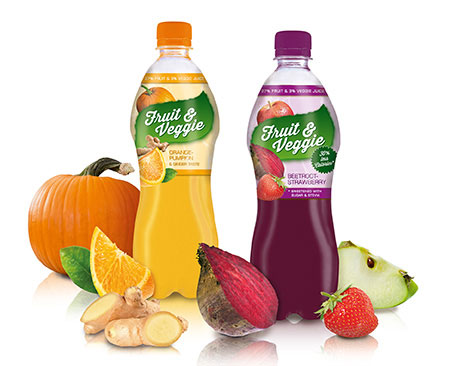
Eating vegetables of all kinds is more popular than ever, and it corresponds to people’s desire for a healthy lifestyle. This is the perfect market opportunity for juices and still drinks with an added touch of vegetables. In response to the current demand for health and wellness products, WFSI’s portfolio includes fruit&veggie still drinks such as orange- pumpkin-ginger or beet-strawberry. They contain a harmonious blend of fruit and vegetable juices and are also available as a low-calorie option with steviol glycosides. At SIAL, those who like their drinks “juicier” can turn to WFSI’s concepts with a high juice content, including beverages with 50 % each fruit and vegetable juices, products enhanced with blossoms, or not-from-concentrate (NFC) juices.
1Mintel GNPD, 2016
You need to load content from reCAPTCHA to submit the form. Please note that doing so will share data with third-party providers.
You are currently viewing a placeholder content from Turnstile. To access the actual content, click the button below. Please note that doing so will share data with third-party providers.









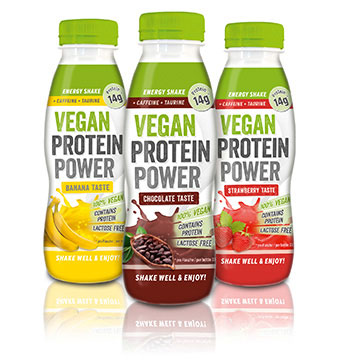 The growth rate for new launches among vegan foods and drinks reached 400 % between 2011 and 2015.1 This shows that vegan diets have established themselves in society around the world, and there are no signs of the trend reversing. Manufacturers who want to take advantage of these developments can sample the new soy drink concepts by WFSI in Paris. This generation of vegan power drinks is vegan and lactose-free, contains protein and important B vitamins, and is energizing. Last but not least, they will win people over with their tempting and aromatic flavor profiles, which are available in banana, chocolate and strawberry.
 ed combination of red berries with basil.