The 2021-2022 Florida all orange forecast released by the USDA Agricultural Statistics Board is 44.5 million boxes, down 1.50 million boxes from the December forecast. If realized, this will be 16 percent less than last season’s final production. The forecast consists of 17.5 million boxes of non-Valencia oranges (early, mid-season, and Navel varieties) and 27.0 million boxes of Valencia oranges. A 9-year regression has been used for comparison purposes. All references to “average”, “minimum”, and “maximum” refer to the previous 10 seasons, excluding the 2017-2018 season, which was affected by Hurricane Irma. Average fruit per tree includes both regular and first late bloom. …
Please download the full citrus crop production forecast: www.nass.usda.gov
The World Citrus Organisation (WCO) has released its annual Northern Hemisphere Citrus Forecast for the upcoming season (2021-22). The Forecast, which will be presented during the second edition of the Global Citrus Congress on 16-17 November, is based on data from Egypt, Greece, Israel, Italy, Morocco, Spain, Tunisia, Turkey, the United States and shows that citrus production is projected to reach 29.342.000 T, which represents a 1.27 % decrease compared to the previous season.
The WCO Secretariat has released its annual Northern Hemisphere Citrus Forecast for the upcoming season (2021-22). The preliminary Forecast is based on data from industry associations from Egypt, Greece, Israel, Italy, Morocco, Spain, Tunisia, Turkey, in addition to the United States (based on USDA reports for Arizona, California, Florida, and Texas). Philippe Binard, Secretary General of WCO stated: “The Forecast shows that the 2021-22 Northern Hemisphere citrus crop is projected to reach 29.342.000 T, which represents a 1.27 % decrease compared to the previous season”.
Orange production is projected to decrease by 3.45% to a total of 15.485.106 T. A slight decrease is also expected for grapefruit (-0.34 %, 946.521 T) and soft citrus (-0.70 %, 8.456.112 T) production. Lemon production, on the other hand, is estimated to increase by 5.64 % and reach 4.454.327 T. In Europe Union, citrus production is forecasted to experience a 9.35 % decrease in Greece, a 7.74 % decrease in Spain, and a 2.62 % decrease in Italy. In the Southern rim of the Mediterranean, production is projected to decrease in Tunisia (-21.97 %), remain stable in Egypt (-0.06 %), and increase in Israel (+26.63 %), Turkey (+21.85 %), and Morocco (+5.53 %). The citrus crop in the United States is expected to decrease by 11.79 % compared to last year.
Mr Binard added: “WCO has also engaged for citrus with the China’s Chamber of Commerce for foodstuffs (CFNA) and Ministry of Agriculture (MoA) to collect their estimates. This has overall provided an overview of the Northern Hemisphere covering a grand total of 83.2 Mio T of citrus from the Northern Hemisphere for the next season” This is the result of the forecast in China, for an increase in citrus production by 5.23 %, reaching 53.900.000 T in the upcoming season (volumes not included in NH forecast figures provided in table below).
Natalia Santos-Garcia Bernabe, WCO’s deputy Secretary General stated: “WCO will present its Forecast during the second edition of the Global Citrus Congress, which is organised in cooperation with Fruitnet Media International and the support of CIRAD. The event will stream live on 16-17 November from London, Los Angeles and Melbourne” This is allowing viewers around the globe to pick their most convenient time to take part live or to watch on-demand. Last year’s Congress drew more than 1,300 delegates from 59 countries, bringing together producers, exporters, importers, retailers, and service providers from all over the world. 1075 delegates have already registered to next week’s second edition of the Congress. More information and last minutes’ registration are available on citruscongress.com.
The World Citrus Organisation (WCO) is finalising preparations towards the second edition of the Global Citrus Congress, which will take place on 16 and 17 November 2021. The virtual event, which managed to gather over 1000 delegates from across the globe in its first edition in 2020, will once again bring together the citrus community to discuss the current trends, challenges, and opportunities for the citrus sector. More than 500 participants from across the globe have already registered to attend the virtual congress.
Following the success of the first Global Citrus Congress in 2020, this year the event will take place online on 16 and 17 November 2021. The opening session of the first day (Tuesday 16 November from 3:00 to 6:00 p.m. CET) will provide an in-depth discussion on production and marketing trends for fresh and processed citrus, including a panel discussion with key producing countries over the ongoing Northern Hemisphere 2021 citrus season. During the second day of the congress (Wednesday 17 November), 3 regional modules will zoom into specific issues of the citrus business in Asia (8:00 to 10.00 a.m. CET), Europe (3:00 to 5:00 p.m. CET), and North America (5:00 to 7:00 p.m. CET). Asia’s module will focus on key market developments and branding trends, with speakers including Wayne Prowse (Fresh Intelligence), Neil Barker (BGP International), and Hannes de Waal (Sundays River Citrus Company) among others. The European track of the Congress will in turn discuss post-harvest trends in citrus with key sector representatives from Agrofresh, Apeel, Citrosol, Decco, Jansen, and the Dutch Fresh Produce Centre. During Europe’s session, WCO’s General Delegate Philippe Binard will also discuss citrus consumption trends and promotion strategies with key market leaders from across the chain. Finally, the North America’s section will delve into the US citrus market trends with a focus on easy peelers, lemons, and limes. The strategies and challenges for key producing regions California and Florida will also feature in the programme.
WCO Co-Chair and Director of AILIMPO Jose Antonio Garcia affirmed: “We have been working intensely to improve on the first edition of the Global Citrus Congress by elaborating an attractive agenda with a stronger presence of business-led interactive debates. We want to consolidate the Congress as a must-attend event for the citrus sector, and we hope we held it physically in 2022”. WCO Co-Chair and CEO of the Citrus Growers’ Association of Southern Africa Justin Chadwick added: “After the success of the first edition in 2021, the Global Citrus Congress is on the right track to become the key annual event for the community to strengthen the position of citrus fruit in an ever-competitive, challenging environment”.
The Global Citrus Congress will take place online. The sessions will be live and free of charge to attend thanks to the support of our sponsors. Registrations are still open at https://www.citruscongress.com/. The opening session will be available both in English and Spanish.
All Oranges 47.0 Million Boxes
The 2021-2022 Florida all orange forecast released by the USDA Agricultural Statistics Board is 47.0 million boxes, down 11 percent from last season’s final production. The total includes 19.0 million boxes of non-Valencia oranges (early, mid-season, and Navel varieties) and 28.0 million boxes of Valencia oranges. The Navel orange forecast, at 450,000 boxes, accounts for 2 percent of the non-Valencia total.
The estimated number of bearing trees for all oranges is 49.4 million. Trees planted in 2018 and earlier are considered bearing for this season. Field work for the latest Commercial Citrus Inventory was completed in June 2021. Attrition rates were applied to the results to determine the number of bearing trees used to weigh and expand objective count data in the forecast model.
A 9-year regression was used for comparison purposes. All references to “average”, “minimum”, and “maximum” refer to the previous 10 seasons, excluding the 2017-2018 season, which was affected by Hurricane Irma. Average fruit per tree includes both regular bloom and the first late bloom. …
Please download the full citrus crop production forecast: www.nass.usda.gov
For a sustainable citrus supply chain
They serve as fragrant fertilizer, basis for vegan meat substitutes and even raw material for sustainable fashion: the peels and fruit fibers left over from pressing orange juice. They are already being recycled – but not by default. The “ImPUlSe” project, led by the University Duisburg-Essen (UDE, Germany), wants to change that and also aims to render the entire suppy chain for citrus fruits in the Mediterranean region more sustainable. A total of € 1.3 million in funding will be provided*, € 530,000 from the Federal Ministry of Education and Research will go to the UDE. Kick-off is on September 9.
“Innovation in the by-product supply chain of citrus in the Mediterranean area”, or ImPUlSe for short, is coordinated by the Centre for Logistics and Traffic (ZLV) at the UDE. From planting the seeds on the plantations to transporting them to the local supermarkets and recycling the peels and fibers – the international team wants to analyze and improve the processes by following the “triple bottom line” approach: All changes should be sustainable on an ecological, economic and social level.
The four pilot projects are located in Algeria, Egypt, Tunisia and Turkey. Besides the UDE as coordinator, research institutions and companies from all countries are involved, as well as a research partner from France: “Different disciplines are working hand in hand here. Thus, we will not only improve existing products, but also develop new supply chains for citrus by-products and open up new markets for producers from the Mediterranean region. Eventually, we will publish our results on an online platform and make them available to everyone, especially consumers”, explains spokesperson Dr. Ani Melkonyan-Gottschalk, executive director of the ZLV.
This innovation platform is expected to encourage exchange between all participants – even beyond the duration of ImPUlSe. It is also a basis for researchers to assess the sustainability of the changes they have initiated. “We are developing an evaluation system that simulates different scenarios to facilitate work for decision-makers in agriculture, food processing, trade and politics”, says Melkonyan-Gottschalk.
In the long term, the interdisciplinary project aims to use and reuse resources more efficiently, develop digital solutions and establish more effective market mechanisms. As a result, the employment rate and quality of life in the Mediterranean region are expected to increase.
*EU funding within “Partnership for Research and Innovation in the Mediterranean Area” (PRIMA).
New study finds that vitamins and bioactives in 100 % orange juice help shore up natural immunity and fight immune-sapping inflammation in the body
A new research review, published in Frontiers in Immunology1, has found that a simple glass of citrus juice – for example orange or grapefruit – contains key nutrients and bioactive substances that help our immune system to work efficiently.
Scientists examined evidence from nearly 200 different studies and reports, and concluded that vitamin C, folate and polyphenol compounds in citrus juices have the capacity to impact on immune health, fight inflammation and improve our defence against bacteria and viruses.
Co-author, Philip Calder, Professor of Nutritional Immunology at Southampton University, said: “A weak immune system increases susceptibility to infections and allows these to become more severe. One component of the immune response is inflammation. Where inflammation is excessive or uncontrolled it can damage body tissues, sometimes irreparably, and affect our ability to fight infections. Having a diet rich in antioxidant foods and drinks is one way to control inflammation and ensure the body can mount an effective immune response. Trials in humans confirm that orange juice consumption reduces inflammation.
“Citrus fruit juices are particularly good sources of vitamin C and folate, which have roles in strengthening the gut and skin barriers which are our first line of defence against viruses and bacteria. In addition, these nutrients – which are absorbed well from fruit juices –support the function of many types of immune cells including phagocytes, natural killer cells, T-cells and B-cells.
“Another area of research is the bioactive polyphenols found in citrus fruit juices which include hesperidin, narirutin and naringin. These not only have anti-inflammatory effects but could also have direct anti-viral effects according to emerging data from modelling studies”.
Dr Carrie Ruxton, from the Fruit Juice Science Centre, comments: “The evidence about the positive role that fruit juices play in the diet continues to build. We know from several large studies that a daily glass of pure fruit juice provides vitamin C, folate and potassium, can help to lower blood pressure, and reduces the risk of stroke. Now it’s clear that citrus juices can also contribute to immune health which is crucial as we all get back to our normal lives”.
The intense cold observed in São Paulo State (SP) in late July hit the orchards located in the citrus belt, with frosts registered in some areas. This scenario increased agents’ concerns about both orange production in the current season and the vitality of trees in the coming season – it is worth to mention that agents were already worried about these factors because of the lack of rains this year.
These agents are concerned about the vitality of the trees in all the groves hit by the recent frosts, since they are nearing the period of flower induction already debilitated by the lower rainfall in the last two years. However, it is worth to mention that it is still early to assess the damages caused by the bad weather, majorly the effects on the volume to be harvested next season.
Considering the current season (2021/22), the quality of the oranges on tree is expected to decrease, since some of the fruits affected by the frosts in late June/early July are dry and crystalised in the inside – these are undesired traits for both the in natura and the industrial segments, since the oranges have almost no juice in that condition. Besides, fruits dropped down in the areas that were already debilitated by the drought.
As regards next season (2022/23), the younger trees (which are currently sprouting) are expected to be the most damaged by the frosts. In the irrigated groves where flowering was anticipated, the effects of the bad weather are a concern too, since flowers may have been burned, as well as small fruits. It is worth to highlight that the recent frosts were not homogeneous, and it is still impossible to affirm that the volume to be produced in 2022/23 will be affected.
PONKAN TANGERINE – Although ponkan tangerine is more sensitive to temperature swings, the volume to be harvested in SP is not forecast to be affected, since the harvesting is practically over. On the other hand, in Minas Gerais, the volume to be harvested is higher, and there may be negative effects on the quality of the fruits.
TAHITI LIME – For this variety, although damages have not been assessed yet, concerns are higher, since tahiti lime is very sensitive to weather changes. Besides, differently from oranges, whose groves are mostly in the ripening stage or being harvested, development is at different stages among the regions with tahiti lime, with some of them in the flowering stage. According to Cepea collaborators, the intense cold caused the drop of some small fruitlets, flower buds and flowers.
The 2020-2021 Florida all orange forecast released by the USDA Agricultural Statistics Board is 52.8 million boxes. The total is comprised of 22.7 million boxes of non-Valencia oranges (early, midseason, and Navel varieties), unchanged from the June forecast, and 30.1 million boxes of Valencia oranges, up slightly from the June forecast. The forecast of all Florida grapefruit production is unchanged at 4.10 million boxes. Of the total grapefruit forecast, 620,000 boxes are white, and 3.48 million boxes are the red varieties. The Florida all tangerine and tangelo forecast remains at 890,000 boxes …
Please download the full citrus crop production forecast: www.nass.usda.gov
Sponsored Post – Large industrial fruit processors such as central kitchens and food factories, often use fruit peeling machine. Replacing manual peeling with peeling machine is a common trend since it can save labour fee and improve speed. However, many small fruit juice bars still peel fruits by themselves. Small kitchens do not have neither enough space to install a large machine, nor budget to purchase an expensive unit. There are some compact, low-priced peeling machines in the world. However, most of them are too cheap, easy to brake, too slow… except for the ASTRA KA-700H.
KA-700H “Peel-a-ton” is a compact, industrial peeling machine designed for use in limited process space. The machine can peel more than 20 kinds of fruits, in speed of 400 peeling per hour. Choose your fruit, insert the fruit, and GO! Easy to operate with simple navigation, allowing uncomplicated training for any level of employee.
The largest difference between the KA-700H and other common peeling machine is that KA-700H peels with peeler blade, while the others peel with a rotating round-type blade unit. This difference might seem small, but this makes varieties of merits for every customer.
Astra vs normal comparison (Photo: Astra Inc.)
Peeler blade peels the fruit surface to a smooth polygonal shape, while the round-type unit creates a bumpy, rough surface. In other words, Peeler blades makes higher yield and less waste. The peeling speed is faster, since the peeler blade can peel larger area than the round-type unit. Also, the KA-700H is good in adjusting the peeling depth. For those who peel lemons might know that the aroma of lemon is mostly included in the yellow surface of the lemon skin, not in the white part. KA-700H is possible to peel just the very surface of lemon, which is the reason why this unit is highly evaluated from the Limoncello distilleries.
KA-700H is already used in 20+ countries, mainly in the fresh-cut fruits and fresh juice industry. As ASTRA Inc. sees the booming opportunity in the markets, the company is now looking for distributors in many areas.
The Brazilian orange crop for Marketing Year (MY) 2020/21 is forecast at 390.8 million 40.8-kg boxes (MBx) or 15.94 million metric tons (mmt), an increase of seven percent relative to the current season. Although citrus trees are in the on-year of the production cycle, adverse weather notably affected the production potential for the upcoming season. Total Brazilian FCOJ 65 Brix equivalent exports for MY 2020/21 are forecast relatively stable at 1.050 million metric tons (mt), an increase of 18,000 mt vis-à- vis MY 2019/20 …
The volume of orange juice stocked at Brazilian processors in the 2020/21 season (June 2021) is expected to be higher than the strategic limit (250 thousand tons). On the other hand, in the 2021/22 season (June 2022), the volume stocked may be lower than that.
As regards the 2020/21 crop, a report released by CitrusBR (Brazilian Association of Citrus Exporters) on June 9 indicates that the inventories of Frozen Concentrate Orange Juice (FCOJ) Equivalent may total 310.759 thousand tons in June 2021, 34 % down from that in the same period of the 2019/20 season, but 14 % up from that previously estimated (in February 2021).
In the 2021/22 season, although oranges still need to ripen, juice inventories are likely to decrease, despite the possible recovery of production forecast by Fundecitrus (Citrus Defense Fund).
Although this scenario is not a threat to world supply in the 2021/22 season, it has been concerning agents about availability in the following season (2022/23), since production would have to be higher in order to avoid a lack of juice. However, with the recent area reduction in the Brazilian citrus belt, production should hardly surpass 350 million boxes. Thus, the prices paid to orange farmers in Brazil are likely to continue at high levels, at least until next season.
ORANGE AREA IN BRAZIL – The crop forecast survey released by Fundecitrus in late May surprised agents from the Brazilian citrus sector. The area allocated to orange groves in the 2021/22 season had its second largest decrease – in terms of both hectares and percentage – since the beginning of the PES project, in 2015/16.
In the 2021/22 season, the area allocated to orange groves might total 379.4 thousand hectares, 16.262 hectares smaller (- 4 %) than that in the previous season.
According to Fundecitrus, one of the reasons for this decrease is the drought, which is becoming more and more severe in Brazil, majorly in the current season. Thus, area reductions were more significant in the citrus-producing regions of São Paulo that had low rainfall in the last couple of years, with the worst effects observed in non-irrigated, condensed and rootstock groves, which are not that drought-resistant. In these groves, productivity decreased sharply last season, and many plants died. Besides, the current high prices of some commodities, such as corn, soybean and sugar, have attracted farmers.
This area reduction should considerably lower the productive potential of the citrus belt to around 340 million boxes of 40.8 kilograms in years of good productivity (1,000 boxes per hectare, on average).
BRAZILIAN MARKET IN JUNE – The weak demand for oranges in the in natura market of SP along with the current low temperatures pressed down orange prices in the first fortnight of June. However, expectations are for limited price drops or even price rises as processing steps up, reducing supply in the in natura market, largely of early varieties.
All Oranges 52.7 Million Boxes
The 2020-2021 Florida all orange forecast released by the USDA Agricultural Statistics Board is raised 1.0 million boxes to 52.7 million boxes. The total includes 22.7 million boxes of the non-Valencia oranges (early, mid-season, and Navel varieties) and 30.0 million boxes of Valencia oranges. …
Please download the full citrus crop production forecast: www.nass.usda.gov
The 2021-2022 orange crop forecast for the São Paulo and West-Southwest Minas Gerais citrus belt, published on May 27, 2021 by Fundecitrus, in cooperation with Markestrat, FEA-RP/USP and FCAV/Unesp, is 294.17 million boxes (40.8 kg or 90 lb). Total orange production includes:
51.37 million boxes of the Hamlin, Westin and Rubi varieties;
16.87 million boxes of the Valencia Americana, Seleta and Pineapple varieties;
84.66 million boxes of the Pera Rio variety;
107.07 million boxes of the Valencia and Valencia Folha Murcha varieties;
34.20 million boxes of the Natal variety.
Approximately 26.09 million boxes are expected to be produced in the Triângulo Mineiro.
As compared to the final forecast of 268.63 million boxes in the previous crop, the current projection represents an increase of 9.51 % although it is still below the average of 35 million boxes for the last ten crop seasons, which corresponds to a drop of 10.53 % …
The 2020-2021 Florida all orange forecast released by the USDA Agricultural Statistics Board is unchanged at 51.7 million boxes. If realized, this will be 23 percent less than last season’s revised final production. The forecast consists of 22.7 million boxes of non-Valencia oranges (early, mid-season, and Navel varieties) and 29.0 million boxes of Valencia oranges. …
Please download the full citrus crop production forecast: www.nass.usda.gov
On 12 May 2021, the World Citrus Organisation celebrated its first Annual Meeting online, following the official creation of the organisation last year. During the AGM, the WCO Secretariat presented the consolidation of the production and export forecasts for the forthcoming Southern Hemisphere citrus season 2021. This preliminary forecast is collected from member industry associations in Argentina, Australia, Bolivia, Brazil, Chile, Peru, South Africa, and Uruguay.
The WCO held its Annual meeting ending a first year of activities. The Co-chairs of the association, Jose Antonio Garcia (Ailimpo) and Justin Chadwick (CGA) agreed to state: “The full first year of operation allowed the organisation to quickly build a representative association and provide the benefits and value to the members”.
During the meeting, the preliminary forecast presented shows that the 2021 citrus Southern Hemisphere crops is expected to reach 22.7 million tons, which represents an increase of 3.18 % compared to the 2020 crop. Export is expected to increase by 12.72 % to 3.8 million tons. Philippe Binard, Secretary General of WCO stated while presenting the data : “following the outbreak of the COVID-19 pandemic, a positive trend of consumers’ demand for fruit and veg. was noted, in particular for citrus fruit, widely recognised for its high nutritional value, notably in terms of vitamin C content. The large volume available is positive news as it will meet the increased demand”. On the processing side, a total of 13.4 million tonnes of citrus are expected to be destined to the juice market, which constitutes a slight increase of 1.26 % compared to the previous year. It is however worth noting that Brazil’s data provided for the forecast remains preliminary, with the official Brazilian data expected to be confirmed in the coming weeks.
By citrus categories, the soft citrus showed the greatest increase in production, by 10.57 %, with a significant increase in export volumes of over 20 % to 1 million tonnes of export. Orange production remained broadly stable (+ 1.93 %), whilst lemon (+ 2.37 %) and grapefruit (+ 6.44 %) showed greater increases. Exports are also expected to increase for all varieties, orange (+ 11.55 %), lemon (+ 7.20 %) and grapefruit (+ 9.56 %). Eric Imbert (CIRAD- Technical Secretariat of WCO) indicated: “The Southern Hemisphere citrus export continues to grow in particular for lemons and easy peelers. The Southern Hemisphere today represents 27 % of the global citrus market.” During WCO’s AGM, members also reviewed the past season’s results with a focus on the impact of the covid pandemic, and analysed the estimations for the current season.
In addition, during the meeting, Natalia Santos, Deputy Secretary General of WCO announced that: “Members decided to set-up a formal working group on health & nutrition. This will enable better knowledge- exchange among members on citrus nutritional assets and will also contribute towards a better understanding of the health attributes of citrus. The first meeting of WCO’s Health & Nutrition focus group will take place in the second semester of 2021”, she added.
With the anticipation of the drought and rainfall below the average in the first quarter of 2021 in São Paulo (SP), the development of the oranges from the 2021/22 season is below the expected, majorly in non-irrigated groves. At the current stage of groves development (fruit enlargement), moisture is crucial, which is warning farmers about the volume to be harvested this season.
So far, it is believed that production will be small, but larger than that in the 2020/21 season (due to the weather in the second semester of 2020 and its effects on flowering and settlement).
Besides the number of fruits, which is not forecast to be high, citrus farmers have been concerned about quality issues that may occur because of low moisture. The top complaints are related to size (since fruits may take longer to reach the ideal size) and wilted oranges (riper fruits), largely pear and early oranges. On the other hand, until the end of April, fruit drop, which may also be worsened by the lack of rain, was not significant, according to farmers.
In order to avoid higher quality loss, some farmers may accelerate the harvesting, even if the oranges have not reached the ideal size and ripening, which may hamper sales and constrain price rises.
INDUSTRIAL YIELD – On the other hand, industrial yield may be favored by the lack of rainfall in citrus-producing regions, since less boxes of oranges may be necessary to produce a ton of concentrated juice.
The Interprofessional of Lemon and Grapefruit of Spain has also requested “the application of ethylene in citrus” in organic production “because unlike what happens in other fruits or vegetables, does not induce ripening but only to change the color of the skin”.
Both comments have been submitted as part of the consultation period that the European Commission has opened on the draft regulation authorizing products and substances to be used in organic production.
The Interprofessional Association of Lemon and Grapefruit of Spain (AILIMPO) has submitted a proposal to the European Union for the food industry BIO products to replace the use of citric acid (E-330) by organic lemon juice “for being a totally effective and natural alternative“. The proposal has been presented by AILIMPO in the framework of the consultation period that the European Commission has opened on the Draft Implementing Regulation authorizing certain products and substances for use in organic production and establishing their lists.
(Photo: Zumo)
“We have requested the elimination of the authorization of this substance (citric acid E-330) as a preservative in food additives because it is perfectly substitutable in the processes by organic lemon juice whose main component is natural citric acid, whose production in Europe fully guarantees its availability “, said from AILIMPO, while recalling that Spain is a community leader in production and processing of lemon.
AILIMPO, in favor of using ethylene in organic citrus
In addition, AILIMPO has also submitted an observation to be able to use ethylene. The draft regulation establishes an important limitation for its use in organic citrus. This substance is used so that, once the internal maturity of the fruit is reached, the skin changes its green color to the characteristic color of the species and variety. This process is called degreening.
Since its use is restricted to organic citrus as part of a fruit fly prevention strategy, it could not be used for degreening. However, “the application of ethylene in citrus, unlike what happens in other fruits or vegetables, does not induce ripening but only to change the color of the skin,” clarified from AILIMPO whose position is not to limit the use of ethylene in organic citrus.
“AILIMPO has an important commitment to sustainability as is being made visible through the Welcome to the Lemon Age campaign,” they remind. The organic production of lemon and grapefruit has great relevance in its activity, hence the involvement of interprofessional in defending the interests of this sector. Therefore, AILIMPO has already moved this position also to the European organization FRESHFEL EUROPE, the Spanish Ministry of Agriculture, Fisheries and Food, the citrus Autonomous Communities, and the Councils of Organic Agriculture involved in order that their contributions to this draft implementing regulation take into account the considerations of the sector.
Below are the links to AILIMPO’s contributions to the public consultation of the Regulation.
About AILIMPO AILIMPO is a national interprofessional, based in Murcia, officially recognized by the Ministry of Agriculture, Fisheries and Food of Spain and the European Commission, which represents the economic interests of producers, cooperatives, exporters and processors of lemon and grapefruit in Spain, a sector in which Spain is a world leader in fresh exports and ranks second in the ranking of processing countries, with an annual turnover of 700 million euros, generating 20,000 direct jobs and a turnover in ancillary industries of more than 250 million euros.
Orange production for the 2020-2021 crop season totaled 268.63 million boxes1
The final 2020-2021 orange crop for the São Paulo and West-Southwest Minas Gerais citrus belt, published on April 12, 2021 by Fundecitrus – performed in cooperation with Markestrat, FEA-RP/USP and FCAV/Unesp2 – was 268.63 million boxes of 40.8 kg each (90 lb), which represents a decrease of 6.65 % in relation to the first crop forecast published in May 2020, accounting for a reduction of 19.13 million boxes. This crop had a decrease of 118.16 million boxes in comparison to the previous season, which is equivalent to a volume 30.55 % smaller than that of the 2019-2020 cycle, confirming a record crop loss for all the years in which the crop suffered the physiological effects of the negative biennial production cycle of orange trees since the beginning of the historical series in 1988. Total orange production included:
47.00 million boxes of the Hamlin, Westin and Rubi early-season varieties;
13.85 million boxes of the Valencia Americana, Seleta and Pineapple early-season varieties;
81.45 million boxes of the Pera Rio mid-season variety;
91.95 million boxes of the Valencia and Valencia Folha Murcha late-season varieties;
34.38 million boxes of the Natal late-season variety.
Approximately 19.33 million boxes were produced in West Minas Gerais.
One of the reasons that explains this substantial crop loss is the fact that orange trees started flowering in the spring of 2019, when reserves were lower because they had been used in the previous crop season when there was a significant yield increase. Decreased reserves led to a significant reduction in the number of fruits per tree in this season, a phenomenon known as alternate bearing. The other reason is the strong negative influence of the climate throughout the season. …
1Hamlin, Westin, Rubi, Valencia Americana, Seleta, Pineapple, Pera Rio, Valencia, Valencia Folha Murcha and Natal. 2Department of math and science, FCAV/Unesp Jaboticabal Campus.
All Oranges 51.7 Million Boxes
The 2020-2021 Florida all orange forecast released by the USDA Agricultural Statistics Board is down 3.80 million boxes to 51.7 million boxes. If realized, this will be 23 percent less than last season’s revised final production. The forecast consists of 22.7 million boxes of non-Valencia oranges (early, mid-season, and Navel varieties) and 29.0 million boxes of Valencia oranges. A 9-year regression has been used for comparison purposes. All references to “average”, “minimum”, and “maximum” refer to the previous 10 seasons, excluding the 2017-2018 season, which was affected by Hurricane Irma. Average fruit per tree includes both regular and first late bloom. …
Please download the full citrus crop production forecast: www.nass.usda.gov
The supply of early citrus fruits was increasing in São Paulo State (SP) in late March, while the demand from juice processors was lower, and businesses were facing a new period of restrictive measures to fight covid-19 in Brazil.
Although estimates do not point to an extremely high availability in April, supply should still be higher than that in March, since more early oranges should reach the ideal maturation stage to be harvested this month. As for demand, besides the new restrictive measures, logistic issues were constraining purchases from wholesalers and retailers in Brazil.
Among the major changes in food services during the covid-19 pandemic are the halt in school meals, which highly demands in natura oranges, and the closure of bars and restaurants, where the demand for juice is high. Thus, in March, fruits were mostly sold to supermarkets.
PRICES – Although orange prices were still high in March, underpinned by lower supply, they decreased late in the month. The average price for pear oranges in March was 38.71 BRL per 40.8-kilo box, on tree, 2.7 % down compared to that in February. For hamlin oranges (early variety), the average closed at 29.48 BRL/box, on tree, practically stable in the same comparison.
According to Cepea collaborators, some farmers anticipated the harvesting of pear oranges, aiming to take advantage of the current price levels – these agents are aware of the forecasts for higher supply of early oranges in the market from April onwards and, thus, fear quotes may drop in the coming weeks.
In the Brazilian market of tahiti lime, which is also largely sold to bars and restaurants, the decrease in the demand and the slightly higher supply pressed down quotes in March. Besides, the pace for exports and crushing slowed down.
The average price for tahiti lime closed at 20.60 BRL per 27-kilo box, harvested, 32.8 % down from that in February. However, despite this devaluation, prices are currently higher than that last year, due to lower production this season.
The global pectin market is estimated to reach USD 1.87 billion by 2026 and is anticipated to grow at a CAGR of 6.4 % from 2018 to 2026. Pectin market is projected to witness significant growth over the forecast period. Increasing health consciousness among consumers and various health benefits of pectin products is expected to drive the global market over the forecast period.
Pectin are plant-derived compounds, a structural heteropoly saccharide that is contained in primary cell walls of the terrestrial plants. It is mainly extracted from citrus fruits, apples, apricots, cherries, oranges, and carrots. Commercially, it is available in the form of white to light brown powder. The industry is characterized by companies characterized by medium level of integration in the value chain. Packaging and shipping play an important role in integrating the value chain. This helps the companies to incorporate their businesses in a cost-effective way.
Suppliers include companies which are involved in the production & distribution of processes raw materials such as apple, citrus, and others. The rising shortage of raw materials and increased import for Brazil and European countries is resulting in high bargaining power to the suppliers. In addition, low threat of backward integration from manufacturers, except some of the major and giant market players is also resulting in high bargaining power of suppliers.
The pectin market witnesses an external threat of substitution from natural gum and Citri-fi. Citri-fi is natural functional fibers, which are derived from citrus fruits. They offer hydrocolloidal properties, which is significant for high water holding capabilities. There are also some synthetic alternatives such as polyurethane, but these are usually not considered suitable for skin contact applications. However, the various advantages of pectin over these products are expected to lower the threat.
Pectin extracted from this raw material are used for high cholesterol high blood pressure, & blood sugar, joint pain, weight loss, prevent colon & prostate cancer, high triglycerides, gastroesophageal reflux disease (GERD) and diabetes. In addition, some people also use pectin to prevent poisoning caused by strontium, and other heavy metals.
Despite the shortage in the supply of raw material, some of the major players are also trying to increase their production capacity to meet the demand. For instance, Cargill acquired FMC’s plant to boost their pectin production capacity. The market is highly fragmented and competitive. In addition, it also experiences the presence of small-scale as well as giant players. The key and major companies are investing in R&D activities and frequently involved in merger and acquisition to increase their market share and product portfolio. Some of the companies that have a significant influence in the industry include DuPont Nutrition & Health, FMC Corporation, CPKelco, Herbstreith & Fox, Devson Impex Private Limited, Cargill Incorporated, B&V srl. and Yantai Andre Pectin Co. Ltd.
Growth in food & beverage industries, in emerging economies, is expected to drive the Asia Pacific market. The market is projected to grow rapidly in the Asia Pacific region, owing to the changing lifestyle of consumers in emerging economies including, China and India. The rising health consciousness among consumers and the presence of major players in North America is projected to positively drive the growth of the market over the forecast period.
The third production estimates for the Brazilian citrus belt (São Paulo and the Triângulo Mineiro) in the 2020/21 season, released by Fundecitrus on Wednesday, February 10, indicates that orange supply should total 269.01 million boxes of 40.8-kilograms each. This volume is 6.52 % lower than that initially estimated and 30.45 % below that in the previous season. This is also the worst annual decrease in all times.
As low supply has been confirmed, orange prices continue firm in the Brazilian market. According to Fundecitrus estimates, 81 % of the fruits had been harvested up to mid-January. The harvesting of pear oranges has reached 82 % of the volume forecast, and for the late varieties (valencia, folha murcha and natal), 75 %.
According to Fundecitrus, the biennial production cycle and the unfavorable weather (drought and high temperatures) in the second semester of 2019 (flowering) and 2020 (fruit-filling stage) led to the current crop failure. The report from Fundecitrus also points that, although rainfall was higher in the citrus belt in December 2020 (8 % up from the average), it was lower, irregular and short in January, due to the La Niña phenomenon.
Thus, the average weight of the oranges harvested was lower – usually, 261 fruits fill up a box, meaning that each orange should weight 156 grams, 8 % down from the average of the last five crops.
PRODUCTIVITY – Low productivity this season has been majorly linked to late varieties and pear oranges. Thus, with lower volumes, the demand from processors continues high, which is controlling both supply and prices in the first months of 2021.
PRICES – In the market of tahiti lime, supply was high in the first fortnight of February, due to the peak of harvest, however, sales were firm. According to Cepea collaborators, the increase of crushing was leading agents from processors to search for fruits in the in natura market, pushing up quotes in São Paulo. It is important to highlight that the supply of lower quality fruits is high, which is discouraging exports.
On the other hand, orange prices were fading in the first half of the February. Despite the beginning of the month (when workers’ wages are paid) and the low supply of high-quality fruits, low demand was limiting sales. Farmers expect demand to increase when the first oranges harvested are available, since their quality should be higher – however, this is forecast for mid-March only.
DHL Global Forwarding, Deutsche Post DHL Group’s air and ocean freight specialist, has announced the launch of a new bulk liquid transporter solution, a system of Flexitanks called DHL Reefertanks. The DHL Reefertanks are a brand new three-tank system developed in partnership with supplier Liquitank Solutions to transport bulk liquids like citrus juice which require temperature control while in transit. Currently the new system is being piloted in Mexico to transport any non-hazardous bulk liquid requiring temperature control to the United States, but can be utilized in any country that sees a need for this new product.
“We are always committed to delivering quality, safety and traceability for our customers and their liquid products,” says Goetz Alebrand, Head of Ocean Freight, DHL Global Forwarding, Americas. “This new solution coupled with the newest innovations and technology at DHL provides our customers with a more cost-effective service, helps them save money and represents a safe, streamlined, and more environmentally friendly way of transporting their non-hazardous liquids.”
Traditionally ISOTanks or Refrigerated containers of 55 gallon drums are used for transporting bulk liquirds as well as 40’ long flexitanks in refrigerated containers, but the new reefer tank system allows for a greater yield of products when compared to any of these other options. The nature of the new three tank system leaves less residue or heel in the tanks. The average yield in the DHL Reefertank system is 99.97 % versus 97.5 % yield in ISOTanks or 40’ long flexitanks – that equals 157 gallons less product loss by using the DHL Reefertank system. This is significant, as manufacturers are paid by the amount of gallons delivered.
Additionally, the new system has increased temperature visibility while in transit with the ability to hold juice at a constant -3 – 3° C – virtually eliminating any possibility of juice spoiling or fermenting in transit which is especially beneficial to organic juices. An additional benefit to traditional Refrigerated container shipments of juice in drums is the amount of packaging used – the new DHL Reefertank utilizes less packaging which allows 2,100 – 4,200 lbs more actual payload to be loaded into the refrigerated container and saves shipment costs.
The new DHL Reefertanks are part of DHL Global Forwarding’s mission to provide care in the end-to-end shipping process, in line with maximizing product volume transported and providing customers a more cost-effective shipping solution.
Oranges
Global orange production for 2020/21 is forecast to rise 3.6 million metric tons (tons) from the previous year to 49.4 million as favorable weather leads to larger crops in Brazil and Mexico, offsetting declines in Turkey and the United States. Consequently, consumption, fruit for processing, and fresh exports are also forecast higher. …
The 2020-2021 Florida all orange forecast released today by the USDA Agricultural Statistics Board is 56.0 million boxes, down 2 percent from the October forecast. If realized, this will be 17 percent less than last season’s final production. The forecast consists of 22.0 million boxes of the non-Valencia oranges (early, midseason, and Navel varieties) and 34.0 million boxes of the Valencia oranges. A 9-year regression was used for comparison purposes. All references to “average”, “minimum”, and “maximum” refer to the previous 10 seasons, excluding the 2017-2018 season, which was affected by Hurricane Irma. Average fruit per tree includes both regular bloom and the first late bloom. …
Please download the full citrus crop production forecast: www.nass.usda.gov
Updated orange1 crop forecast totals 269.36 million boxes
The 2020-2021 orange crop forecast update for the São Paulo and West-Southwest Minas Gerais citrus belt, published on December 10, 2020 by Fundecitrus – performed in cooperation with Markestrat, FEA-RP/USP and FCAV/Unesp2 –, is 269.36 million boxes of 40.8 kg each. The first forecast update, published in September, already showed a drop as compared to the initial projection, but the expected production was significantly hindered by late rainfall in the spring and intense heat. In this second forecast update, a decrease of 18.40 million boxes represents a drop of 6.39 % in relation to the initial forecast. Should this new projection hold true until harvest ends, it will result in the largest crop loss for the citrus belt since the beginning of the historical series in 1988-1989 and a downturn of 30.36 % in comparison to the previous crop season. Approximately 19.35 million boxes of the total crop should be produced in West Minas Gerais.
A poor outlook for rainfall was expected in 2020 due to the possibility of the climate event La Niña forming, which was officially confirmed in September. However, other phenomena, such as the so-called Atlantic Multidecadal Oscillation, simultaneously contributed to less rainfall and increased temperatures that reached unprecedented levels in several regions of the citrus belt. Consequently, the effects on groves resulting from adverse weather conditions this year were much worse as compared to those observed during the last La Niña, between November 2017 and April 2018. …
1Hamlin, Westin, Rubi, Valencia Americana, Seleta, Pineapple, Pera Rio, Valencia, Valencia Folha Murcha and Natal. 2Department of math and science, FCAV/Unesp Jaboticabal Campus.
There is a saying among those who have been in the industry for a long time: “there is no harvest like the other”. The current one is overcoming itself; such are the difficulties faced.
The first signs that the season would be different were given by last year’s bloom. Blooming in August and September 2019 was very good. However, a period with no rain in the following months accompanied by intense heat has caused an expressive fruitlet fall. The fruits developed until a 2-3 cm diameter size but were overturned by excessive heat. Rains came up in the end of October and a new flowering is expected.
The harvest season was preceded by the arrival of the COVID-19 pandemic. The great demand for labor, much of it coming from northeastern states in the country, concerned everyone and made us take extraordinary care to preserve the health of workers involved in the harvest and of other collaborators from other sectors of the properties.
Thus, the current harvest has been one of great surprises and has presented unusual challenges to citrus growers of the Brazilian citrus belt. The main consequences are presented below.
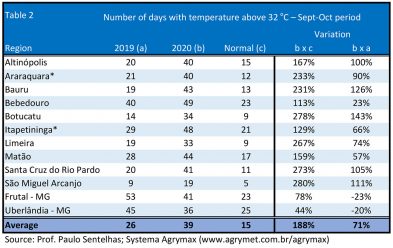
The period without rain, from May of this year until this last month of October, was one of the most extensive ever recorded in the state of São Paulo, according to the graphs and tables below. In addition to drought, very high maximum temperatures were recorded, even at night, causing considerable weight loss and lower fruit quality. The water deficit was very significant in all regions. This is the main reason for the significant decrease in the volume of fruit produced in the “citrus belt”. The losses are more accentuated in the north of the state of São Paulo and in the Triângulo Mineiro, warmer and drier regions.
However, even further south in the state, losses were above normal. The first harvest estimate released by Fundecitrus, last May, brought an amount of 287.8 million boxes, 25% less than the previous harvest (2019/2020). What you see in the field is a volume of oranges quite below that number. The common perception among consulted technicians and citrus growers is that the final figure is expected to be below 250 million, perhaps below that.
The period without rain and with temperatures well above the average resulted in extremely withered orchards – plants even died in orchards without irrigation. Another aggravating factor this year was the scarcity of water for irrigation. There are properties that have an installed irrigation structure; however, they do not have enough water available to meet the needs of the plants.
Due to the flowering in non-traditional months (December and January) there are a large number of “green”, not yet ripe fruits mixed with ripe fruits from the normal flowering (August-September 2019). This brings an additional difficulty to the harvesting operation that has to be carried out in at least two different times, resulting in an increase of the production cost for the citrus growers.
This mix of fruits with different level of ripeness, impair the quality of the juices, especially due to the greater amount of limonin present in the green peels of oranges. On the other hand, in the northern regions of the citrus belt, the fruits are getting ripe much faster than normal, producing juices with a ratio (ratio between the amount of sugars divided to acidity) much higher than the average for the period of the year. Industrial income has been better this year than in the previous two years, at least until this time of the harvest (November 2020).
As a further consequence of this year’s climate events, we will see an increase in the effects of HLB or greening. The symptoms of the disease, such as early fruit fall and low production, usually express themselves more strongly when there is a water deficit. In addition, the psilideo, vector of the disease, presented very high rates even in winter, indicating that we will have a greater number of infected plants in the next years. This has probably occurred because of the warmer climate which resulted in a very irregular or uneven plant vegetation.
What can we expect from the next crop?
The northernmost regions only flourished after the rains that fell in the last days of October. This late blooming should not have a good fruit set because they will be still small in the higher summer temperatures. Moreover, the loss of leaves was very great in the recent drought period, and this will not allow for a large amount of fruit for the next season, since the plant will not be able to provide the metabolites necessary for an expressive fruit set. A good 21/22 harvest is not to be expected for these regions.
In the most southern regions, which suffered less from water deficit, the flowering came in the normal period, between August and September. However, irregular rainfall and high winter temperatures (table 2), after flowering, have worried producers. What they see in their orchards does not indicate a good harvest for the second year in a row. My experience shows that the harvest after a year as irregular as this one is also not usually good.
Price of juice should go up
Although it is common for citrus to have alternate crops, i.e., smaller crops followed by larger crops, the climatic factors presented in this article should result in two “small” crops in a row, the current and the next seasons.
Thus, Brazilian orange juice industries should process fewer oranges for two consecutive years. This reduction in supply, combined with the growing demand for juices in times of pandemic, should cause increases in the price of juices on the international market.
Mauricio Mendes is a citrus consultant sine 1980 and Citrus grower since 1988. Has worked to major Citrus Farms in Brazil. Is COO of a 6.000 ha Citrus Farms operation in the SW od Sao Paulo State. Mauricio is also Beachead Advisor for New Zealand Trade and Enterprise (NZTE) . Also has been partner and CEO, for 14 years, of Informa FNP which is one of the most important Agribusiness consultant company in Brazil. FNP was recently acquired by IHS Markit. Mauricio is also member of GCONCI (Citrus Farming Consultants Group) which gathers 17 Consultants. GCONCI provide direct technical assistance to over 40 million citrus plants (25 % of the Brazilian Citrus Belt)
*Araraquara and Itapetininga are major production citrus regions in São Paulo State.
The shift from fossil-based to renewable bio-plastics requires new efficient methods. New technology developed at VTT enables the use of pectin-containing agricultural waste, such as citrus peel and sugar beet pulp, as raw material for bio-based PEF-plastics for replacing fossil-based PET. The carbon footprint of plastic bottles can be lowered by 50 % when replacing their raw material of PET with PEF polymers, which also provides a better shelf life for food.
“In the near future, you may buy orange juice in bottles that are made out of orange peel. VTT’s novel technology provides a circular approach to using food waste streams for high-performance food packaging material, and at the same time reducing greenhouse gas emissions,” shares Professor of Practice Holger Pöhler from VTT”.
PET (polyethylene terephthalate) and other polyesters are being widely used in food packaging, plastic bottles and textiles. The annual production of PET products is estimated at 30 million tonnes. Replacing fossil-based PET with plant-based PEF (polyethylene furanoate) polymers can lower the carbon footprint of the products by 50 %.
Moreover, the barrier properties of PEF plastics are better than PETs, meaning that the food products have a longer shelf life. PEF is a fully recyclable and renewable high-performance plastic. Therefore, it opens up possibilities for the industries to reduce waste and to have positive impact on the environment.
VTT’s technology has significant advantages for making bio-based PEF plastics. The technology uses a stable intermediate for the production of FDCA (2,5-furandicarboxylic acid), one of the monomers of PEF, which enables a highly efficient process. In addition, utilising pectin-containing waste streams opens up new possibilities for the circular economy of plastics.
VTT’s unique scale-up infrastructure from laboratory to pilot scale ensures that this new technology will be brought to a technology readiness level that will allow polymer manufacturers’ easy transition to full scale.
Although the harvesting of the 2020/21 orange crop is advancing in Brazil, delivery to processors in São Paulo State (SP) was slow in November. According to Cepea collaborators, this scenario is linked to the lack of rains in the citrus-producing regions in SP in the last months, which limited both quality and supply, hampering activities at processing plants. On the other hand, rainfall in late November increased ratio and brix, favoring the juice produced in that period.
As regards the deals for the coming season (2021/22), the large-sized processors of orange juice in SP have been more interested in closing deals. However, bids have not been fixed and there may be an additional for participation in juice sales to the international market. Most citrus farmers are waiting for a better definition of the crop, since it seems the bad weather conditions this year may affect results.
SPOT – In the current season, large-sized processors are bidding prices up to 24.00 BRL per 40.8-kilo box, while bids from smaller-sized processors have been up to 28.00 BRL/box – late and pear oranges account for the most varieties processed. In November (until Nov. 26), prices averaged 24.46 BRL/box, 20.7 % up from the average in Nov/19, in nominal terms.
However, it is worth to mention that one of the large-sized processors was not closing deals in the spot market in November because of both the low supply of higher quality and larger-sized fruits and the competition with the domestic market, since prices have been attractive in this segment, and farmers are opting for selling fruits in natura.
Symrise AG has signed a purchase agreement with Sensient Technologies Corporation (Milwaukee, USA) to acquire their fragrance and aroma chemicals activities. These comprise a wide range of aroma molecules and fragrances from natural and renewable sources. In fiscal year 2019, the business unit generated revenues of approx. 77 million Euros. With the acquisition, Symrise will strengthen its backward integration and broaden its leadership position as a supplier of fragrance ingredients which are increasingly demanded for use, especially in personal and home care products. Symrise will furthermore gain access to additional customers and strengthen its presence particularly in EAME and Latin America. Going forward, Symrise plans to also strengthen its manufacturing footprint in Spain with targeted investments in the manufacturing site in Granada that will be acquired.
The Sensient fragrances and aroma chemicals business unit has been part of Sensient’s Flavors & Extracts group. The unit holds longstanding business relationships with local, regional and global customers from the consumer goods industry. It supplies out of manufacturing sites in Spain and Mexico. The Sensient aroma molecules and fragrance solutions are mainly derived from renewable raw materials such as pine oil and citrus by-products amongst others. The portfolio will strengthen the Symrise products line with unique fragrance ingredients used in application such as perfumes, shampoos, soaps, detergents and antiperspirants. Through the acquisition, Symrise will not only be able to significantly expand its renewable ingredients portfolio, but to also increase its green chemistry value chain which includes various downstream products coming from sustainable cultivated sources.
Symrise plans to combine the R&D competencies and manufacturing capacities of Sensient’s fragrance and aroma chemicals activities with parts of its own at the site in Granada. Over a period of three years, targeted investments will be made to grow the Granada site and make it the second largest compounding facility in EAME for fragrance ingredients and compounds.
Both parties agreed to keep the purchase price confidential. The transaction is subject to satisfaction of antitrust and regulatory approvals and other customary closing conditions.
Expansion includes increased retail presence, robust eCommerce availability, and a wide distribution network
Ingrilli Citrus, Inc., a family-owned business producing high-quality citrus juices out of Capo d’Orlando, Sicily, announced the solidification of its brand in the United States markets. This strengthened U.S. presence includes a wide distribution network, a strong retail presence, operational eCommerce sales, and streamlined sales to retailer warehouses – all of which has been made possible because of the brand’s uniquely focused, in-house farming and manufacturing.
“The Ingrilli family has been farming in Sicily and selling products worldwide for five generations, and our goal has always been to share the labor of our love with as many people as possible,” explains Giuseppe Ingrilli, Business Development Manager, Ingrilli Citrus, Inc. “With this increased U.S. presence, we have done exactly that, establishing our brand on the world stage and sharing our organic, farm-to-table, high-quality and never from concentrate juices directly with you. No other lemon and lime squeeze bottle manufacturer can say that, and we are very proud of the accomplishment.”
Ingrilli™ first began selling citrus juices in the United States in January of 2020. Like all businesses, Ingrilli™ was impacted by the COVID-19 pandemic, but the company was able to quickly resume sales and operations. Since then, Ingrilli Citrus, Inc., has opened and maintained operations with multiple distributors, started to sell direct full container loads to retail warehouses, and expanded its retail presence nationwide.
The company attributes this expedient growth to the phenomenal movement of Ingrilli™ products at the retail level, the company’s standout sales team, its excellent relationships with brokers, customers, and retailers, and its singular focus on delivering the highest-quality lemon and lime juice products.
Following this success, Ingrilli™ aims to give back to the community. Since the beginning of the year, Ingrilli Citrus, Inc., has donated about 40,000 bottles of lemon and lime juice to help to feed the hungry, and the company will continue to donate as the opportunities arise.
About Ingrilli Citrus, Inc. Ingrilli Citrus, Inc. is a family-owned business with five generations of farming and producing citrus juices directly from their family orchard in Capo d’Orlando, Sicily. All Ingrilli™ juices and condiments are batch-produced directly in their facilities in Sicily. The company follows the strictest food safety standards, and they do not outsource any of their production. This allows them to squeeze the freshest lemons, maintain the highest quality, and produce the best-tasting juices on the market today.
T. Hasegawa announced the release of their Japanese citrus flavour portfolio. T. Hasegawa’s Japanese heritage combined with their team of highly skilled flavour chemists carefully crafted a rich array of sweet, sour, tart and refreshing Japanese citrus flavours that are grown and harvested across the country of Japan.
Each citrus in the collection has a distinctive taste and aroma that will enhance a variety of products from beverages, bakery, dressings, dairy, frozen desserts, sauces, seasonings, snacks and much more. The portfolio includes the following flavour profiles available in water-soluble, oil-soluble and powder form.
Yuzu – Versatile with sour, tart notes and resembles a grapefruit with a hint of mikan orange.
Sudachi – Slightly spicy, sharp, with a tangy taste accented by bergamot notes.
Kabosu – Mild juiciness with a slight metallic note and is an ideal replacement for lime in fish and meats.
Mikan – Fresh, sweet with a juicy character and ideal for the North American palate.
Shikuwasa – A rich citrus flavor with a sour taste and lends itself well to desserts, chips, sweets, juices, jams, dressings and alcoholic beverages.
Iyokan – Sweet and sour profile and can be used as an alternative to orange in confectionery and dessert.
Natsumikan – Slightly bitter, sour and juicy, which makes the perfect accompaniment for dessert and herbal sparkling beverages.
Hassaku – Characterized by its crisp, fresh floral and grapefruit-like notes this citrus.
“The flavours of Japan are often a source of flavour inspiration for product developers across the globe and continue to show strong market growth” says Doug Resh, Director Commercial Marketing. “We are excited to provide our customers on-trend flavours that will elevate and deliver a unique twist to their brand.”
Yuzu in particular has opened up the world to Japanese citrus profiles. Over the last several years, Western chefs featured yuzu as an aromatic and flavourful ingredient in Japanese-inspired dishes; while consumer packaged foods companies featured yuzu in sweets, sauces, vinegars and RTD beverages
According to Mintel, demand for Japanese food increased in the United States by 19.1 % between 2015-2018. With consumers continuing to experience a stronger desire to travel during quarantine, authentic and functional ingredients with engaging stories can quell the frustrations of staying put. Consuming world cuisine offers a substitute for travel, encourages experimentation and it’s easy on the wallet as an affordable excitement.
About T. Hasegawa USA Inc. Being a global top-10 flavor and fragrance company, T. Hasegawa continues to pioneer the flavour industry with a customer experience that is optimized to rapidly respond with technical expertise. We deliver superior products that meet all your requirements no matter how complex the demand. Recognizing that the food industry needs flexibility, we proactively listen to our customers’ needs in an effort to develop better ways of delivering formulations that have excellent taste and aroma to fit form and function.
The WCO Secretariat has released its first crop production forecast for the forthcoming Northern Hemisphere citrus season 2020-21. The preliminary forecast is collected from industry associations in Egypt, Greece, Israel, Italy, Morocco, Spain, Tunisia, Turkey and the United States (California and Florida).
The preliminary forecast shows that the 2020-21 citrus Northern Hemisphere crop is expected to reach 28.737.570 T, which represents a decrease of slight decrease of 1 % compared to the 2019 crop. This decreased volume is the result of alternance in some countries compared to last year, as well as the impact of the droughts recorded in several production regions in the Northern Hemisphere.
By citrus categories, most categories showed decreases in production. Orange is expected to decrease by 2 %, lemon by 7 % and grapefruit by 9 %. The only category increasing production volumes compared to the previous year is soft citrus (+5 %). Looking at production by region, European production is expected to experience an increase in volume, with 12 % increases recorded for both Italy and Spain, respectively, and a 1 % decrease for Greece. In the Southern rim of the Mediterranean, crop forecasts for Egypt (-8 %), Israel (- 4 %) and Turkey (-15 %) have been lowered compared to 2019 volumes. On the other hand, Morocco and Tunisia forecast increases in their citrus crops this year, by 13 % and 20 % respectively compared to 2019 figures. On its side, the United States production is expected to decrease by 9 % compared to the precedent year, with California lowering its forecast by 5 % and Florida by 14 %.
WCO will present this forecast during the first edition of the Global Citrus Congress, which the World Citrus Organisation is co-organising with Fruitnet. The Congress with an expected attendance of more than 1.000 delegates will be the perfect opportunity to presents these latest global production figures and trade trends, as well as the importance of sustainability in citrus production and of nutrition and promotion to increase global citrus consumption.
WCO Members are ABCM- Associação Brasileira de Citrus de Mesa (Brazil), Ailimpo – Asociación Interprofesional de Limón y Pomelo (Spain), AKIB – Mediterranean Fresh Fruit and Vegetables Exporters Association (Turkey), Citrus Australia (Australia), Citrus Growers’ Association (South Africa), Chilean Citrus Committee (Chile), Fruitimpresse (Italy), Moroccan Interprofessional Citrus Federation – Maroc Citrus (Morocco), Plant Production Marketing Board (Israel), Procitrus – Asociacion de Productores de Citricos del Peru (Peru), Upefruy – Unión de Productores y Exportadores de Fruta del Uruguay (Uruguay). WCO Associated Members are AgroFresh (Spain), AM FRESH Group (Spain), Citrusvil (Argentina), Easyfresh Logistics (Spain), FruitOne (South Africa), G.F. Marketing (South Africa), Janssen Preservation and Material Protection (Belgium), MAFA-Magrabi Agriculture (Egypt), Morocco Foodex (Morocco), Oranfrizer (Italy), PCN (USA), River Front Packing (USA), San Miguel Global (South Africa) and Zalar Agri-Agricole Centre (Morocco).
The World Citrus Organisation (WCO) Secretariat, together with its partner Fruitnet Media International, is finalising preparations for the first edition of the Global Citrus Congress, which will take place on 5 November 2020. The Global Citrus Congress will bring together the citrus community to discuss the current trends, challenges and opportunities for the citrus sector. More than 300 participants from across the globe have already registered to attend the virtual congress.
The programme of the first edition of the Global Citrus Congress 2020 will highlight the key areas of interest for the sector. This will include production and marketing trends, facilitating cooperation between suppliers and retailers to add value to the citrus category, new technologies and supply chain innovation helping citrus producers and marketers to respond to consumer demands towards increased sustainability, and harnessing the nutritional power of citrus to develop more effective marketing campaigns. Confirmed speakers include top representatives from the global citrus community, including Ms Naomi Pendleton from AM FRESH Group, Mr Jose Luis Molina from Hispatec, Mr John Chamberlain from Limoneira and Stephan Wesit from Rewe.
WCO Co-Chair and Director of AILIMPO Jose Antonio Garcia affirmed, “There is no doubt that this first edition of the Global Citrus Congress will provide an excellent opportunity to discuss the challenges of the future and consolidate the role of the World Citrus Organisation as a meeting point for the great citrus fruit family. Cooperation, communication and constructive debate are the key to tomorrow’s success as these are the objectives of the Global Citrus Congress”. WCO Co-Chair and CEO of the Citrus Growers’ Association of Southern Africa Justin Chadwick added “As the World Citrus Organisation goes from strength to strength in terms of membership, this Congress will share important global citrus information and the views of leading actors in the sector. It is an event not to be missed”.
The Global Citrus Congress will be available live in both English and Spanish, and is free to join online and open to anyone with a smartphone or laptop and a high-speed internet connection. Registrations are still open at www.citruscongress.com.
Unique floral notes, mellow tartness and bright color offer citrus appeal for beverages
Oregon Fruit Products LLC released Meyer Lemon Puree, an intensely citrusy and brightly-colored Fruit for Fermentation offering that can be incorporated into a variety of beer, wine, cider, spirits, and non-alcoholic beverages.
Favored for its unique floral notes and mellow tartness, Meyer lemons are more seasonal and not as widely available as conventional lemons. With Oregon Fruit’s aseptic packaging, beverage makers can take advantage of having shelf-stable Meyer Lemon Puree ready to use any time of year, saving valuable time and money on fruit sourcing and preparation.
Oregon Fruit Meyer Lemon Puree’s smooth consistency, low viscosity and more rounded malic acid profile makes for easy integration into the fermentation process and has proven to be a successful formula with the company’s other citrus offerings.
“As we saw with the demand for our Key Lime Puree, the consumer is constantly seeking new flavor experiences and is more open to trying new types of citrus than ever before,” says Chris Hodge, director of brewing sales at Oregon Fruit. “We expect the Meyer Lemon Puree will offer a similar point of difference in flavor and sourcing for beverage makers to convey in their own marketing.”
Like all Oregon Fruit Purees, Meyer Lemon Puree has no added sugar or preservatives, and is minimally processed to ensure the best fresh fruit flavor and color. The puree’s aseptic packaging allows for a shelf life of five months in ambient temperature.
Oregon Fruit Meyer Lemon Puree is now available in 42 lb. bag-in-box. The product is certified kosher, made in the U.S.A., non-GMO, gluten-free and vegetarian. Oregon Fruit Products does not use, nor does it allow, any of the eight major allergens (milk, eggs, peanuts, tree nuts, fish, shellfish, soy and wheat) in the products or processing areas.
Oregon Fruit Products LLC Founded in 1935, Oregon Fruit Products offers a complete line of canned, frozen and shelf-stable premium fruit for consumers, foodservice operators and ingredient sales. The company is located in Salem, Oregon (USA).
The dry weather and high temperatures in São Paulo State are concerning Brazilian citrus farmers. Besides limiting the supply of higher quality fruits in the current crop (2020/21), this scenario may affect the output next season (2021/22), since trees are very weak, and the current stage (fruit settlement) is very critical – some farmers have already reported fruitlet drops.
Data from Somar Meteorologia (weather forecast agency) show that it rained in southwestern SP (Avaré and surroundings) between May and June, while in central and northern state, precipitation was extremely low. In July, the scenario became worse, with mostly dry weather in all the areas – the monthly average of rains was below 10 mm.
In August, rains returned to SP, but were concentrated in the southwestern region – in some areas, the monthly rain volume hit 140 mm. Thus, this area is the least affected by the weather, with larger-sized fruits and, so far, higher flower settlement (for the fruits from the 2021/22 season). On the other hand, northern SP (Bebedouro and surroundings) has been the most affected region, mainly non-irrigated groves, with many trees almost totally dry and weak. In central SP, the scenario is concerning too, while in eastern SP, the situation is intermediate.
It is worth to mention that, concerning the output in the 2021/22 crop, the current development period is critical and largely influenced by the water availability in the soil, temperatures and air moisture.
Although it is still early to confirm, farmers have reported that settlement of the first flowering (which occurred mostly in mid-July) has been compromised in most regions. New flowering may occur if rains are enough to interrupt the water stress (more than 40 mm). In this context, flowering may be heterogeneous, depending on the region and plants conditions, which would result in trees with fruits in different development stages.
GREENING – High temperatures and low air moisture are also favoring an increase in the psyllids’ population. According to Fundecitrus (Citrus Defense Fund), the incidence of this bug in SP was high in the second fortnight of August, increasing the risk of spread in groves.
BRAZILIAN MARKET IN SEPTEMBER – With the high temperatures in Brazil, the sales pace has been fast in the market of in natura oranges. This scenario and the lower supply of quality fruits (due to low rains) underpinned pear orange prices in September. Between September 1 and 30, the average price for pear oranges closed at 32.78 BRL per 40.8-kilo box, on tree, 9.2 % up compared to that in August.
In the market of tahiti lime, prices oscillated in September, but drops were more frequent. The number of fruits within the standard required in the in natura market was low, since most of them are wilted and small-sized, due to low rains.
The average price for tahiti lime last month closed at 59.38 BRL per 27-kilo box, harvested, 16% down compared to that in August. With the new devaluations, prices are now lower than that in the same period last year, in nominal terms.
Orange Juice
Global orange juice production for 2019/20 is estimated to slip 23 percent to 1.6 million tons (65 degrees brix) as production in Brazil and Mexico tumbles as a result of fewer oranges expected to be available for processing. Consumption is projected to be flat (though not down) and global trade is estimated lower with the expected drop in exports from Brazil and Mexico. …
The 2019-2020 Florida all orange forecast released today by the USDA Agricultural Statistics Board is 67.7 million boxes. The total is comprised of 29.7 million boxes of non-Valencia oranges (early, midseason, and Navel varieties), unchanged from the June forecast, and 38.0 million boxes of Valencia oranges, unchanged from the June forecast. The forecast of all Florida grapefruit production is down 1 percent at 4.85 million boxes. Of the total grapefruit forecast, 790,000 boxes are white and 4.06 million boxes are the red varieties. The Florida all tangerine and tangelo forecast remains at 1.02 million boxes. …
Please download the full citrus crop production forecast: www.nass.usda.gov
In MY 2019/20, EU citrus production is projected to lower 11 percent to 10.4 MMT. This production forecast is four percent higher than previous estimates. Unfavorable weather conditions in Spain, the EU’s main citrus producer, accounts for the projected drop in overall production. The decline in EU citrus production may encourage EU imports while EU citrus exports remain flat in response to higher domestic EU demand. Strategic export markets destinations for EU citrus continue to be Canada, the Middle East, and China. In MY2019/20, U.S. tariffs related to the World Trade Organization Case against EU aircraft subsidies will likely impact Spanish exports of clementines and lemons. During the Covid-19 pandemic, domestic demand for citrus held strong as consumers looked for foods to strengthen the immune system. As of the date of this report, EU citrus exports have not been directly impacted by the pandemic. …
The 2019-2020 Florida all orange forecast released today by the USDA Agricultural Statistics Board is 67.7 million boxes, down 3 percent from the May forecast. The total includes 29.7 million boxes of the non-Valencia oranges (early, midseason, and Navel varieties) and 38.0 million boxes of Valencia oranges.
Please download the full citrus crop production forecast: www.nass.usda.gov
All Oranges 69.7 Million Boxes
The 2019-2020 Florida all orange forecast released by the USDA Agricultural Statistics Board is 69.7 million boxes, down 1 percent from the April forecast. If realized, this will be 3 percent less than last season’s revised final production. The total includes 29.7 million boxes of the non-Valencia oranges (early, midseason, and Navel varieties) and 40.0 million boxes of Valencia oranges.
Please download the full citrus crop production forecast: www.nass.usda.gov
Opposite to the expected by the agents from the Brazilian citrus sector, tahiti lime prices increased in São Paulo State in March, despite the crop peak. The boost came from higher demand, since, in the second fortnight of the month, people were trying to eat healthier, increasing the consumption of vitamin C, because of the coronavirus outbreak worldwide.
However, most of the demand was linked to the increase in the purchases from distributors, retailers and consumers for stocking. Besides, the closure of schools, street markets and grocery stores, and lower sales in restaurants may also reduce the demand for the fruit.
In March, the average price for tahiti lime was 22.2 % higher than that in February, at 12.52 BRL per 27-kilo box.
As regards exports, agents reported a decrease in the volumes shipped, since the coronavirus outbreak affected Europe more severely, so far. Besides, the lower availability of containers for exports and the cancelation of air deliveries also reduced sales to the international market. Thus, tahiti lime prices for exports were lower than quotes in the Brazilian market in March, averaging 12.29 BRL per 27-kilo box.
ORANGE – The demand for oranges was firm in March, and prices remained stable in the Brazilian market. According to growers, the quarantine decree in São Paulo State and the consequent halt in some activities reduced labor, limiting supply and logistic operations. Thus, orange availability was low and, now, many agents are waiting for some early varieties, such as westin and rubi, to ripen in order to start trading.
In March, the average price for pear oranges was 35.35 BRL per 40.8-kilo box, on tree, 6.9 % up compared to that in February. The maturation stage requested by the in natura market is forecast to be reached in most groves between April and May.
All Oranges 71.0 Million Boxes
The 2019-2020 Florida all orange forecast released by the USDA Agricultural Statistics Board is lowered 1.00 million boxes to 71.0 million boxes. If realized, this will be down 1 percent from last season’s final production. The forecast consists of 30.0 million boxes of the non-Valencia oranges (early, midseason, and Navel varieties) and 41.0 million boxes of the Valencia oranges. A 9-year regression has been used for comparison purposes. All references to “average”, “minimum”, and “maximum” refer to the previous 10 seasons, excluding the 2017-2018 season, which was affected by Hurricane Irma. Average fruit per tree includes both regular and first late bloom. …
Please download the full citrus crop production forecast: www.nass.usda.gov
Fresh lemon production for MY 2019/2020 is forecast at 1.6 MMT, down 11 % from 2018/19, as trees cyclically lower production in response to a heavy blossom the prior marketing year. Orange and tangerine production is projected at 720,000 MT and 390,000 MT, down 10 % and 13 % respectively, due to unfavorable weather conditions which affected fruit blossom.
MY 2019/2020 lemon exports are forecast at 300,000 MT, up 25% from 2018/19 primarily due to lower global supplies, reduced domestic demand for processing and expanded export market opportunities. Sweet citrus exports are expected to decrease slightly to 70,000 MT for oranges and 35,000 MT for tangerines. Smaller production and relatively high production costs have reduced Argentina’s ability to compete in international markets for sweet citrus against other Southern Hemisphere exporters, mainly South Africa.
Domestic consumption of lemons for MY 2019/2020 is forecast to remain stable at 150,000 MT, and fresh orange and tangerine consumption is projected to fall to 300,000 MT and 220,000 MT, respectively, due to smaller production. …
Bucher Unipektin, a business unit of the Swiss based Bucher Industries AG within the division Bucher Specials, is acquiring 100 % of the Spanish citrus processing equipment supplier Luzzysa. With the acquisition Bucher Unipektin further strengthens its presence in the citrus juice industry.
Industria de Maquinaria Luzzisa, S.L was founded in 1975, is privately owned and operates under the brand “Luzzysa”. The company supplies processing equipment for the production of citrus juices. The administration and production of the company is located in El Puig (Valencia),
supported by a sales and after sales service network in the main citrus markets.
Bucher Unipektin is the world market leader for production equipment of apple, pear and berry juices and also supplies refinement systems and evaporators to the citrus industry. The business unit is operating globally with production sites in Switzerland and China, supported by a global agent network and own sales and service organisations in Poland, Ukraine, Russia, New Zealand and Mexico.
With this acquisition, Bucher Unipektin is in the position to supply its citrus juice customers with entire processing lines, complementing its refinement systems and evaporators with Luzzysa’s juice extractor EXZEL, the industry standard for juicing of citrus fruits.
The company will be operated by the existing management team out of its original location in El Puig under the new name Bucher Exzel, S.L.
On 4 February, the World Citrus Organisation (WCO) held its first official meeting at Fruit Logistica, Berlin. Following its presentation in October 2019 during Fruit Attraction, WCO members discussed the overall trends of the global citrus market and the draft Statutes of the organisation, which will define the future structure and functioning of WCO. The WCO will be the first and only global platform for dialogue and action among the citrus producing countries worldwide.
During the meeting, the relevance of such a platform was highlighted in the light of the latest world citrus trade and production trends, as presented by CIRAD, the French Agricultural Research Centre for International Development. Participants from Argentina, Bolivia, Brazil, Chile, Dominican Republic, Egypt, Israel, Italy, Morocco, Peru, South Africa, Spain, Tunisia, Turkey, Uruguay and the USA also reaffirmed the consensus of the sector on the need for a global discussion platform. Prospective members have now until mid-March to register following their internal procedures. Other citrus producing countries are also invited to join the organization, as well as private entities interested in the fresh and processed citrus markets, which can become affiliated members of WCO.
During the meeting, WCO founding members also re-confirmed the mandate of the organisation:
Discuss common issues affecting citrus producing countries.
Exchange information on production and market trends to prepare for the next decade to come.
Foster dialogue on policy issues of common concern.
Identify and promote Research and Innovation projects specific to the citrus sector.
Liaise with public and private stakeholders on citrus-related matters to highlight the importance of citrus producers and the need for a fair return.
Promote the global consumption of citrus.
Freshfel Europe, the European Fresh Produce Association, whose Secretariat is based in Brussels, Belgium, will coordinate and administer the WCO. CIRAD was also appointed as market analyst expert to advise the Organisation with analysis of trends for the citrus industry globally.
Following the Berlin discussions, the statutes of the organisation will go through a period of final consultations. WCO will then resume work on the collection of production and marketing data for this season. Discussions are also ongoing with a view to organise a first World Citrus Conference either in late 2020 or in 2021.
Despite the higher orange supply in the 2019/20 crop, quotes for all the varieties surveyed by Cepea in São Paulo State remained firm in January – similar to the levels observed in January last year, in nominal terms.
This scenario is linked to the lower volume of early and late oranges this season – the fruitlet losses and the lower flower settlement between December/18 and January/19 are now reflecting in a lower amount of early oranges. Prices could even be at higher levels, but the high number of lower quality fruits is constraining the average prices. This scenario helps to widen the gap between quotes.
Between January 2 and 31, the average price for pera rio oranges was 30.53 BRL per 40.8-kilo box, on tree, stable (+ 0.3 %) compared to that in Jan/19, but 8.2 % higher than that in December/19, in nominal terms. For the late varieties, natal orange quotes averaged 26.99 BRL per 40.8-kilo box, 2.4 % and 8.2 % up, respectively, compared to that in Jan/19 and Dec/19, also in nominal terms. As regards valencia oranges, the average price in January was 25.47 BRL per 40.8-kilo box, stable (- 0.5 %) compared to that in January/19, but 5.1 % higher than that in December/19.
SUPPLY – In general, the low supply of pear oranges has been reported by citrus growers since late 2019, but there still are remaining volumes of late varieties (mainly natal and folha murcha) available to be harvested in February. Therefore, the low supply of high quality fruits and the high temperatures this month, which usually favor citrus consumption in São Paulo, may underpin prices.
From March onwards, according to Cepea collaborators, the first oranges among the early varieties from the 2020/21 crop should be harvested, but only in the groves where activities have advanced. According to collaborators, most part should come from northern SP, since the weather is warmer in that area, which usually fastens fruits maturation. Still, as the harvest should not be large compared to the usual demand in that period, prices may be even higher in the in natura market.
TAHITI LIME – Growing supply and medium quality influenced tahiti lime quotes in January. From Jan. 2 to 30, quotes averaged 12.04 BRL per 27-kilo box, harvested, 28.1 % down compared to that in the same period last year and 46.9 % lower than that in December/19.
As the harvesting stepped up last month, crushing increased. In late January, four plants were operating, purchasing the fruit between 12 BRL and 14 BRL per box, harvested and delivered to the plant.
EXPORTS – The Brazilian exports of Frozen Concentrate Orange Juice (FCOJ) Equivalent increased in the first six months of the current season (2019/20). Between July and December 2019, Brazil shipped 665.85 thousand tons of the product to all dentitions, 22 % more than that from the same period of 2018, according to data from Secex. Revenue from these shipments, in turn, rose 10 % (in the same comparison), totaling 1.13 billion USD.
This result was already expected by agents from the sector, due to both the higher production in the Brazilian citrus belt (São Paulo and Triângulo Mineiro) in 19-20 and some bottling plants needs to replenish inventories. It is worth to mention that these increases also reflect the inventory flow from Brazilian terminals to terminals abroad, and not necessarily a sales increase in the same proportion.
To the European Union (the number one destination for the Brazilian juice), Brazil has exported 460.37 thousand tons of juice this season, 30 % up compared to the volume shipped between July and December 2018. To the United States, however, Brazilian shipments are decreasing, due to the crop recovery in Florida in the 18-19 season and perspectives for a positive scenario in the 19-20 season.
Higher orange supply in both Brazil and Florida in 19-20 and lower demand in the United States, in turn, are pressing down orange juice quotes this season.
All Oranges 74.0 Million Boxes
The 2019-2020 Florida all orange forecast released by the USDA Agricultural Statistics Board is 74.0 million boxes, unchanged from the October forecast. If realized, this forecast will be 3 percent more than last season’s final production. The forecast consists of
32.0 million boxes of the non-Valencia oranges (early, midseason, and Navel varieties) and 42.0 million boxes of the Valencia oranges. A 9-year regression has been used for comparison purposes. All references to “average”, “minimum”, and “maximum” refer to the previous 10 seasons, excluding the 2017-2018 season, which was affected by Hurricane Irma. Average fruit per tree includes both regular and first late bloom.
Please download the full citrus crop production forecast: www.nass.usda.gov
On 13 November 2019 in Brussels the European Commission launched the new Market Observatory for Citrus fruit. On this occasion the European Commission requested Jose Antonio Garcia Fernandez, Director of Ailimpo and one of the initiators of the World Citrus Organization (WCO), to present the structure, the role and the objectives of this newly created platform for the global citrus category.
The European Commission welcomed this global initiative taken under the lead of Ailimpo, underlying the relevance of such a platform for the citrus sector to exchange information and debate on matters of common concern to enhance the citrus category.
Such a platform is fully aligned with the objectives of the European Market Observatory, which aim to provide market transparency and trends. Therefore, the work of the World Citrus Organization will be beneficial for the deliberation of the European Market Observatory for Citrus. Following their on-going collaboration with other similar international fruit platforms, the European Commission looks forward to having a fruitful cooperation with the new citrus structure once it is fully operational.
Freshfel Europe with its experts and the support of its Brussels based secretariat is eager to contribute to the success of the Market Observatories and the various sub sections such as citrus, peaches and nectarines, apples and pears, and tomatoes.
The availability of citrus fruits should increase in the in natura market of São Paulo State in November. Besides the harvesting of late oranges, the supply of tahiti lime should also grow until late November, after the rains in late October (despite the small amount). The warmer weather in November, however, should boost the demand for these fruits, which may underpin quotes, at least in the first fortnight of the month.
As regards orange, the supply of late oranges should increase sharply – the harvesting of valencia oranges started in August (a month before the usual period) and for natal oranges, in mid-October. The wilted-leaf variety should also be available starting November, as it reaches the ideal maturation stage to be traded in the in natura market. According to growers consulted by Cepea, quality has been higher for these varieties than for pear oranges, which should favor sales in the in natura market.
Concerning mid-season varieties, the amount of high quality fruits is becoming lower and lower, due to the dry and hot weather in September and October (when many oranges wilt and crystallize). Thus, in October, pear orange prices averaged 22.99 BRL per 40.8-kilo box, on tree, 17.8 % up compared to that from September.
Citrus growers from SP have also reported losses of mature fruits, due to recent rains, which came along with strong winds in some areas. According to recent reports from citrus growers consulted by Cepea, the groves in regions near Catanduva and Jales may have been the most damaged by winds.
TAHITI LIME – The availability of tahiti lime in early November should be even lower, but it may gradually increase in irrigated groves. According to agents, rains in late October, although occasional, may have favored tahiti lime growth, which should be harvested from the second fortnight of November.
The volume, however, may be smaller than that previously estimated, since in October, high price levels for this variety led some growers to harvest the fruits at a small-size and out of the ideal maturation stage (these fruits would only be ready in November). In October, tahiti lime prices averaged 83.64 BRL per 27-kilo box, harvested, 33.3% up compared to that in September.
Higher supply should also favor tahiti lime exports, which have been low since July, due to the price rises for the variety in the Brazilian market and the low supply of fruits in the required standard for the international market. It is worth to mention that, despite the slower pace, the performance of Brazilian tahiti lime exports has been positive this year, with record volumes registered (until September).
You need to load content from reCAPTCHA to submit the form. Please note that doing so will share data with third-party providers.
You are currently viewing a placeholder content from Turnstile. To access the actual content, click the button below. Please note that doing so will share data with third-party providers.










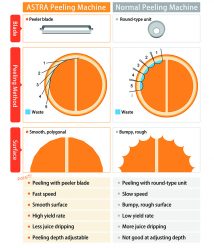
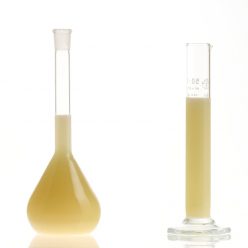
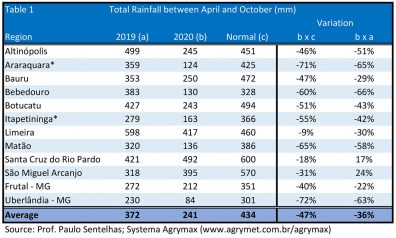 Due to the flowering in non-traditional months (December and January) there are a large number of “green”, not yet ripe fruits mixed with ripe fruits from the normal flowering (August-September 2019). This brings an additional difficulty to the harvesting operation that has to be carried out in at least two different times, resulting in an increase of the production cost for the citrus growers.