“Cranfidence to Win” and “Don’t Clown” show you what you can do with all that power of the Cranberry
Ocean Spray Cranberries, Inc., the agricultural cooperative owned by roughly 700 farmer families, today rolled out a new creative campaign under its All That Power™ masterbrand work, this time focusing on the attributes of its “Better For You” beverages that are designed to help meet the needs of an individuals’ diet. Developed by Orchard Creative, the campaign features two TV spots, one for Diet Cranberry Juice Cocktail and the other for the new Immunity Orange Mango and Revitalize Cranberry Pineapple juice drinks.
In each spot, the lead character is overtaken by an overwhelming newfound confidence, or “Cranfidence,” inspired by Ocean Spray’s incredible feat of making Better For You juice products without sacrificing flavour. The spots close with an extension of this cranfidence to its audience, landing on the campaign line YES YOU CRAN™. Both comedy-driven films are directed by the award-winning Jeff Low (Biscuit), making this a back-to-back collaboration between Low and Orchard, right on the heels of their widely-lauded Ocean Spray® Holiday work which featured jiggling cranberry sauce disrupting a boring holiday meal – recently named among Ad Age’s and Adweek’s top ads of 2022.
You are currently viewing a placeholder content from Default. To access the actual content, click the button below. Please note that doing so will share data with third-party providers.
You are currently viewing a placeholder content from Default. To access the actual content, click the button below. Please note that doing so will share data with third-party providers.
FruitSmartTM showcased two novel fruit beverage concepts at SupplySide West in the US. Created from premium cold-pressed fruit-based ingredients, and blended with botanicals and macronutrients such as protein, they demonstrated how fruit juice is an excellent carrier for both taste and functionality.
Depending on the fruit used, juice can provide a wide range of important nutrients, including antioxidants and polyphenols. FruitSmart’s new beverage concepts illustrate how brands can leverage the natural benefits of high-quality fruit-based drinks as part of a healthy, balanced diet.
Visitors to FruitSmart’s booth at SupplySide West in Las Vegas were able to sample:
A raspberry protein and fiber drink blending red raspberry, apple, pear, and elderberry juice with pea protein and apple fiber. This creates a great-tasting product that provides satiety, immunity and gut-health benefits, alongside better blood glucose control and optimal fructose absorption in the small intestine.
A super-fruits beverage – made from dark sweet cherry, blueberry, raspberry, and elderberry juice, with extract of turmeric, ginger, acai and vanilla, it’s rich in both flavour and micronutrients, including antioxidants and polyphenols.
Wayne Lutomski, President of FruitSmart, said: “Our new fruit beverage concepts show how brands can develop exciting products that are a welcome addition to any healthy diet. Yes, it contains sugar, but look at the friends that fruit can bring to the party – polyphenols, antioxidants, vitamins A and C, folate, and essential minerals such as potassium, calcium, iron, magnesium, and sodium. Fruit’s intrinsic health and wellness benefits can be further enhanced by adding other nutrients, such as fiber, protein, and botanicals. And of course it delivers amazing taste!”
About FruitSmartTM FruitSmart specialises in premium, high-quality, fruit-based juices and ingredients. With roots in the food processing industry that go back to 1982, it has decades of experience. Today it has a 13-acre fruit and vegetable processing plant in Grandview Washington, while its 19-acre Prosser campus includes facilities for dry ingredient processing and freezing. Offering a wide variety of juices, purees, concentrates, essences, fibers, seeds, seed oils and seed powders, FruitSmart takes great pride in developing solutions for manufacturers and using fruit in new and novel ways.
A broad coalition representing European beverage producers, material and technology suppliers, recyclers, NGOs and public entities have called for ambitious action to enable full circularity of beverage packaging1 in the anticipated draft amendment of the EU Packaging and Packaging Waste Directive (PPWD), due at the end of November 2022.
The coalition believes that the upcoming revision of the EU PPWD is a real opportunity to take the right measures and accelerate the transition to circular beverage packaging.
For this reason, in their position paper2, the coalition highlights the importance of setting a 90 % separate collection for recycling target by 2029 for beverage packaging. This is to ensure higher recycling rates and recycled content in packaging, which in turn will significantly reduce the demand for virgin resources in a meaningful way.
Under a 90% target scenario3, the EU would recycle an additional equivalent of 92 billion PET bottles by 2030. This would mean that 2.6 million tonnes less virgin PET would be needed by the bottle industry from 2022 to 2030.
The coalition also considers that it is key to adopt well-designed deposit return systems (DRS) in Member States whose collection performance fails to meet interim milestones needed to attain the 90 % target. To do it effectively, it is essential to develop minimum requirements for any new DRS to maximise their efficiency. DRS has already proven to be an efficient collection system in several European countries by ensuring high collection rates of high-quality material for recycling. This is a fundamental condition to promote closed-loop recycling and deliver circular beverage packaging.
“This proposal, which includes a 90 % separate collection target plus the promotion of well-designed national deposit return systems, is not just about waste reduction and circularity, it is also about stimulating local economies, creating jobs, and increasing Europe’s resilience by securing resources and saving energy,” says Clarissa Morawski, Chief Executive of Reloop.
Reloop’s model calculates that achieving a 90 % collection target would make an additional 170 billion beverage containers available for recycling between 2022 and 2030. The non-alcoholic beverage industry supports this potential significant step forwards:
For Nicholas Hodac, Director General of UNESDA Soft Drinks Europe, this proposal points the way forward for reaching beverage packaging circularity: “This is a real opportunity to achieve closed-loop recycling and, therefore, we look forward to seeing the European Commission accommodating this proposal. Our sector could not be more committed to increasing the collection and recycling rates of our packaging to make it fully circular, but we need supportive measures to do it successfully.”
Patricia Fosselard, Secretary General of Natural Mineral Waters Europe (NMWE), believes that beverage packaging is highly suited to achieve full circularity: “Beverage packaging is highly recyclable, can be reused over and over again in high value applications and already delivers the highest recycling rates. We are calling on the EU to further boost circularity by laying down minimum requirements for well-designed DRS and granting bottlers’ access to a fair quota of their recycled bottles.”
Wouter Lox, Secretary General of the European Fruit Juice Association (AIJN), agrees that it is high time to move circularity forward: “Reducing packaging waste presents a huge opportunity for circularity within the EU, and as such, it is critical to get the PPWD revision right. The European fruit juice industry, therefore, fully supports the ambition of setting a 90 % separate collection for recycling target by 2029 for beverage container packaging.”
The European Commission has a perfect opportunity to drive the transition to a circular economy with a 90 % separate collection target and well-designed DRS for beverage packaging.
1The coalition agrees that circular beverage packaging is packaging (single use or refillable) that is collected separately at a high rate, refilled or recycled multiple times in a closed loop. When recycled, it should contain a high percentage of recycled material, originating from beverage packaging, thereby contributing to material resource efficiency and waste prevention. 2Coalition Position Paper 3Target 90 Report
Refresco Group B.V., the global independent beverage solutions provider for Global, National and Emerging brands and retailers in Europe and North America, today announces it has entered into an agreement to acquire Tru Blu Beverages Pty Ltd., one of Australia’s leading manufacturers of non-alcoholic beverages. This transaction is subject to regulatory approval.
CEO Refresco, Hans Roelofs, comments: “Today’s announcement is a testament to our proven Buy & Build strategy. We started with one factory in Europe just over two decades ago and steadily built a diversified, pan-European platform. Only six years ago, we took our first step into North America. We now operate over 70 manufacturing sites globally, with just about half of those located across North America and the rest throughout Europe, offering a full range of beverage solutions to a broad customer base. The acquisition of Tru Blu Beverages in Australia creates a new platform for Refresco, in line with our strategic promise to expand into a third continent. The three strategically located manufacturing sites are the starting point for our future footprint in the region. Acquiring Tru Blu Beverages further strengthens our position as beverage solutions provider to branded customers and leading retailers globally, and provides new opportunities for further growth.”
CEO Tru Blu Beverages, Peter Brooks, adds: “By joining Refresco, our customers, suppliers and employees will be able to benefit from the Company’s broad capabilities, experience and expertise. We are proud to become part of the Refresco family, with its strong entrepreneurial spirit and passion to deliver quality service to its customers. Tru Blu Beverages’ leading capabilities and blue-chip customer base gives Refresco a solid entrance into the Australian market. We look forward to building an even stronger platform together.”
Strategic rationale
The acquisition of Tru Blu Beverages expands Refresco’s addressable market and provides opportunities to leverage Refresco’s size and scale, as well as its track record of successfully integrating companies. Tru Blu Beverages fits right into Refresco’s business model, with its wide range of beverage solutions for retailer brands and global, national and emerging brands. In addition, Refresco’s strategic ESG agenda will enable Tru Blu Beverages to accelerate its efforts of minimising the environmental impact of manufacturing processes, packaging and transport.
Refresco obtains a national Australian market position by acquiring Tru Blu Beverages, with opportunities to drive continued growth in the region, both organically and through acquisitions.
Refresco intends to continue expanding its global and strategically located footprint to better serve existing and new customers through a range of formats and channels. The company will continue to make selective investments and acquisitions, targeting value accretive opportunities.
About Tru Blu Beverages Tru Blu Beverages is a privately-owned beverage manufacturer focused on providing non-alcoholic beverages to Australia’s largest retailers and brand owners. Tru Blu Beverages employs over 400 staff and has three manufacturing facilities, located in Sydney, Brisbane and Perth, supported by a distribution network with warehouses in all major Australian capital cities.
Today, Lucas Bols N.V. and De Kuyper Royal Distillers, two leading global cocktail spirits companies, and Refresco Group B.V. announce that they have entered into an agreement in which alcoholic beverage manufacturer Avandis will be acquired by Refresco. As part of the agreement, Lucas Bols and De Kuyper have entered into a long-term manufacturing contract with Refresco. The transaction is subject to regulatory approval and to a Works’ Council consultation process.
Avandis, a 50/50 joint venture of Lucas Bols and De Kuyper, is a leading beverage manufacturer based in Zoetermeer, the Netherlands. They have one of Europe’s most advanced bottling facilities for distilled beverages. Avandis provides a wide range of contract manufacturing solutions to brand owners in the alcohol category. Refresco fully supports Avandis’ growth strategy.
Transaction highlights
The transaction includes a long-term contract manufacturing agreement with both Lucas Bols and De Kuyper, allowing Refresco to invest and expand the business
The purchase price for 100 % of the shares in Avandis amounts to EUR 25 million, to be adjusted for Avandis’ net debt position (31 March 2022: EUR 15 million) and any working capital adjustments, both as at completion date
This transaction is subject to regulatory approval and the consultation process with the respective Works Councils
Pending approval and Works’ Council processes, completion is expected by the end of 2022
Following the March, 2022 decision to divest from the Russian market, Ball Corporation announced that it has completed the sale of its beverage packaging business in Russia to Arnest Group for USD 530 million. The purchaser, Arnest Group, has acquired all of Ball Corporation’s Russian-based business.
“This decision is the result of many months of consideration, delivering a solution that best secures the future of Ball’s colleagues and assets in Russia. We believe this is a sound outcome for Ball in these geo-political circumstances,” said Dan Fisher, president and CEO Ball Corporation.
Arnest is the largest manufacturer of perfume, cosmetic and household products in aerosol packaging in Russia and Ball’s Aluminum Aerosol division has had the opportunity to work with the world class team at Arnest in the past. The closing of this transaction is not subject to any conditions, and all required approvals have been obtained. The sale is not expected to impact Ball’s businesses outside of Russia.
Fiber-based consumer packaging leader, Graphic Packaging International, has launched ClipCombo™, a highly innovative beverage multipack machinery system.
This modular system offers beverage makers and packers the ability to apply two different clip-style packs with a single machine, optimising production efficiency and enabling the differentiation of brands using premium and standard clip styles.
ClipCombo offers unparalleled flexibility. Along with the ability to switch between two pack styles in just minutes rather than hours, it can achieve top-line speeds of up to 400 packs per minute, depending on application and configuration.
ClipCombo has machine options that apply to either can or PET bottle multipacks. ClipCombo for cans combines award-winning KeelClip™ or GripClip™ with the minimal material EnviroClip™, while for PET bottles, it combines Cap-It™ and EnviroClip™.
The versatility of ClipCombo will help lower capital investment for beverage packers, as the ability to deliver multiple pack styles with rapid changeover removes the need for several installs. This frees up space on the factory floor and reduces the number of operators required.
International, innovative and the highest possible quality—that’s how best to describe drinktec, which was held from September 12 to 16, 2022, at the Munich trade fair center. A total of 1,002 exhibitors from 55 countries and nearly 50,000 visitors from 169 countries came to the world’s leading trade fair for the beverage and liquid food industry.
drinktec—the world’s leading trade fair
With 65 percent of exhibitors and more than 70 percent of visitors coming from countries outside of Germany, drinktec has impressively bolstered its status as the world’s leading trade fair. Dr. Reinhard Pfeiffer, Messe München CEO: “drinktec shows us that world fairs in Europe are possible again. Most visitors came from abroad, and almost 40 percent of these from outside of Europe, such as Mexico, Brazil, South Africa, Japan and India. And it’s quite revealing that the third strongest visitor country after Germany and Italy is the USA.” Volker Kronseder, drinktec Chairman of the Advisory Board, adds: “When you go through the halls, you discover a multitude of new and further developments, you see that people from different countries are at last communicating with one another in person again. The innovation density is also extremely high again this year.”
drinktec—highest possible visitor quality
Richard Clemens, Managing Director of the Process Plant and Equipment Association, German Engineering Federation (VDMA), sums up: “The industry has been waiting for drinktec in particular with bated breath. The atmosphere is simply superb. The exhibitors are impressed by the internationality and high quality of the visitors.” An observation that Florian Schneider, Chief Commercial Officer at ZIEMANN HOLVRIEKA, seamlessly adds to: “drinktec is back, and with it our customers and interested parties from all over the world. The numbers do appear on the whole to be lower than in the past. But the quality is high. drinktec once again proves that it is the most important international platform.”
drinktec—innovation and incentive generator
drinktec also lived up to this claim with the innovations on display. Overall the exhibitors presented more than 700 new products and solutions in the Innovation Guide and Solution Guide digital offerings. Dr. Johannes T. Grobe, Head of Sales and Service at the KHS Group, explains why drinktec in particular is the place for premieres: “The world’s leading trade show enjoys a high standing in the industry as the most important source of innovation and incentive. It offers us the perfect opportunity to get together with our customers and partners at an international level. We enjoyed numerous chats and discussions on new investments during the show.” Marcus Ley, Vice President Global Accounts at Ecolab, adds: “In our view, drinktec is the leading marketplace where global industry experts and decision makers meet to identify innovations and state-of-the-art technologies to advance their operations. We have once more been able to connect with high quality and top management level visitors to advance our business objectives. Another unforgettable show!“ And Reinhard Streit, Vice President and Managing Director Food & Beverage Europe at CCL Label summarizes: “In a nutshell, drinktec is the best global platform if you are in the beverage business.”
drinktec—the networking platform
For visitors drinktec is also the beverage and liquid food industry’s major networking platform, as Gary Guo, Vice President, Global Supply Chain with the Coca Cola Company, confirms: “It’s so good to be back here in Munich at drinktec after five years. This is one of the premier events in our business calendar and is a must-attend for us. Together with our global bottling partners we use drinktec to explore the latest developments and emerging technologies in areas such as supply chain, manufacturing, digital transformation and sustainability, and look for opportunities to transform our business. The event this year is better than ever.”
For drinktec Director Petra Westphal and her team, the customers’ feedback is more than positive: “The preparations for this year’s event really were something of a rollercoaster ride. The effects of the pandemic and geopolitical tensions have resulted in volatile framework conditions and uncertainties. And suddenly the first trade fair day is there. The world meets here with us in Munich after five years. The joy of getting together again is indescribable. The challenges of the day are intensively discussed and solutions are presented at all of the stands – the industry’s future is being shaped here.”
The next drinktec will be held in fall 2025. The exact date will be announced in plenty of time.
Symrise is presenting its broad range of diana foodTM blueberry ingredients and active compounds. Like other products from the portfolio of natural ingredients, it features various characteristics and performance benefits. They include competitiveness, various organoleptic properties, application-specific high-quality standards as for baby food, distinct certification like organic, and the option to claim health benefits.
Consumers around the world like blueberries for their indulgent properties and healthy image. These berries come with a delicious taste profile of fruity, sweet, and acidic notes. Also, they can contribute to maintaining health thanks to their content in antioxidants and phenolic compounds.
To always meet consumers’ expectations, Symrise leverages on its worldwide network of selection, sourcing, and processing facilities. For blueberry, the company responsibly sources three different species, from three distinct geographical regions, and processes the fresh fruits at locations close to the growing sources.
Symrise processes blueberry ingredients in France, Canada, and Chile. The production preserves the fruit’s inherent beneficial properties by using different technologies: concentration, to obtain juice concentrate; spray drying and roller drying technologies, to obtain various product formats (powders, flakes, and crunchies); and extraction, to concentrate the actives compounds.
Three blueberry species with distinct properties
Vaccinium myrtillus, also known as bilberry, grows in Eastern & Northern Europe. It has become popular for its distinctive blueberry taste and goes predominantly into sweet goods applications. Bilberry often goes into eye health products, thanks to its anthocyanins content.
Vaccinium angustifolium, wild blueberry (lowbush) is one of the oldest native berries in North America. It successfully grows in the harshest climatic conditions, which results in fruit with three times the phenolic compounds and twice the antioxidant power of blueberry (highbush). Wild blueberry (lowbush) stands out for varied health benefits. Findings from several clinical studies indicate that wild blueberry may provide benefits for delayed memory, mood, learning performance, and executive functions. With its range of wild blueberry (lowbush) extracts, highly concentrated in polyphenols, Symrise brings these health benefits into convenient formats for dietary supplement applications.
Vaccinium corymbosum is a blueberry cultivated in Latin America. Its intense dark purple color offers an interesting visual contrast and allows fruit recognition, particularly appreciated in food applications. They taste sweet and offer low acidity. As a cultivated crop, this species offers the most cost competitive solution of the three varieties.
Manufacturers can use the solutions from the three blueberry species in many applications, from RTD drinks and smoothies to breakfast cereals, bars, dessert toppings, baby and toddler snacks, sports nutrition products, and dietary supplements. With more than twenty distinct product references, Symrise offers solutions ranging from powders over flakes to crunchies.
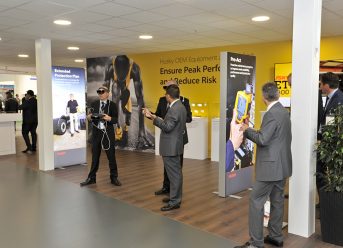
Sponsored Post – Does the beverage and liquid food industry also have Olympic aspirations? Manufacturers of beverages and liquid food and machine manufacturers have long since recognised the potential. Digitalisation and digital transformation are one of the four main topics at drinktec 2022, which will be held in Munich from September 12 to 16, 2022. With its range of exhibitors and supporting program, the world’s leading trade fair for the beverage and liquid food industry offers broad views and focused approaches aimed at helping the industry become faster, achieve stronger results and intensify its focus on sustainable plant concepts in the next years.
(Photo: Messe München)
And the strong momentum around data use and process improvement is not only on the manufacturer side; retailers and consumers have long been active in these areas: Merging virtual and real worlds at the point of sale of the future is aimed at improving contact with consumers. One way to achieve that is through automation and networking with supply chain management, multimedia shopping environments for an individualised customer approach or online retailing.
An international study by the consulting firm PWC puts “digitising products and services” in second place among the top ten challenges of the next few years. The study by the German Engineering Federation (VDMA) on the future of food processing machinery also points in this direction: A supporter of the drinktec trade fair, the VDMA identifies digitalization and concepts for intelligent networking and data use as a major focus for the industry’s future alignment until 2035.
Solutions for different perspectives
Digitalisation in the world of beverages and liquid food offers real added benefits for many users. One area that benefits is process engineering, where precise temperature profiles in the manufacturing process can seamlessly track production and identify quality parameters during the early stages of production. The best example of this is in the brewing process: In collaboration with equipment manufacturers and breweries, researchers used machine learning to model an efficient and more sustainable malt yield, and identify significant influencing factors for the malt yield.
Real time is another keyword. At this fall’s drinktec, machine manufacturers will offer numerous solutions for obtaining real-time information from machines: The online tracking of production and filling processes can yield higher performance, predictive maintenance, efficient conversion processes, an overview of consumption values and clear data on product quality. Providers of software solutions, such as manufacturing execution systems (MES), can already give preliminary estimates of the optimisation potential: Efficiency gains of up to 20 percent are possible for line operations, overall equipment effectiveness (OEE) is improved through maintenance cycles that are up to 30 percent longer, and product changes can be made at the planned time with 99 percent certainty.
While these solutions often require “only” extensive data collection and recording, another supplier goes even further: Thanks to more accurate detection of water droplets, an empty glass inspector trained in deep learning significantly reduces the output of glass bottles identified as defective. Needless to say, this saving can also be directly converted into CO2 savings: Depending on the line output, 25 to 100 t of CO2 can be saved through this improved rejection rate.
The possibilities of machine learning software also raise the expectations for maintenance tasks: One exhibitor at drinktec is already using this digital tool to detect anomalies in separator machinery. Condition-based maintenance with AR data glasses seems to have been taught almost everywhere and has been widely adopted by machine suppliers.
Every digital application is also another checkmark on the sustainability list. This is particularly clear in the case of cleaning technology, which uses optical realtime detection of contamination even inside containers and tanks and enables highly specialized cleaning cycles. A machine learning tool ensures that individual contamination levels are learned, detected and treated correctly.
More inspiration in the supporting program
drinktec 2022 brings together the full scope of innovation for the beverage and liquid food industry: In addition to the exhibitor portfolio, including a directory that lets visitors find providers of solutions to digitise production operations and their supply chain, visitors can also look forward to the supporting program when planning their visit: With presentations on the key topic of digitalisation at the drinktec Inspiration Hub in Halls A3 and B3, exhibitors and visitors will have the opportunity for in-depth interaction: Concentrated expertise and innovative applications offer fresh impetus for the future-oriented alignment of the industry.
More information about drinktec can be found online at www.drinktec.com
Dominik Wiese is the new Head of Sales EMEA at ZIEMANN HOLVRIEKA. At the expert for tanks and process technology for the brewing, beverage and liquid food industries, Dominik Wiese will be responsible for the regions of Europe, Middle East, Africa and Central Asia.
From 2008 to 2011, Dominik Wiese studied economics with a focus on international business administration and marketing at the Baden-Württemberg Cooperative State University. He can look back on more than 10 years of professional experience in the sales of mechanical components for the international pharmaceutical, biotech, food and beverage industries.
Stora Enso and Tetra Pak are jointly examining a shared beverage carton recycling solution to meet the growing recycling need in Benelux, responding to the demand for circular paper-based packaging solutions. The joint feasibility study includes a plan for a comprehensive beverage carton recycling facility at Stora Enso’s Langerbrugge site in Belgium. Processing of the fibers would take place at the Langerbrugge site, while the polymer and aluminum barrier materials would be recycled by a dedicated partner.
Approximately 75,000 tonnes of beverage cartons are put on the Benelux market annually, a growing volume of which more than 70 % is already collected for recycling. Currently, there is no existing beverage carton recycling infrastructure in Benelux. This collaboration between Stora Enso and Tetra Pak would create a complete recycling system for beverage cartons in Benelux and surrounding regions.
Within the solution, Stora Enso would process collected beverage cartons and recover the fibers. The recycled fibers would serve as source material for producing recycled containerboard within the Langerbrugge site, delivering a fully circular solution. Tetra Pak would secure a recycling solution for polymer and aluminum materials to be processed by a dedicated partner.
The recycling project is linked to Stora Enso’s recently announced feasibility study to potentially convert one of the Langerbrugge site’s paper lines into a high-volume recycled containerboard line. This feasibility study is expected to conclude in the first half of 2023. Upon on a decision to invest, the recycled containerboard line is expected to be in production during 2025. The joint study with Tetra Pak will follow the same timeline.
The proposed recycling line in Langerbrugge will initially process an estimated 50,000 tonnes of recycled cartons per year with the potential to increase.
“With this joint initiative, we underline our commitment to local recycling progress and improving infrastructure in Benelux, a region with high volumes of collected beverage cartons. Stora Enso is a trusted and important partner which has the know-how and experience we need in fiber recycling. Together with them, we have the potential to put in place a circular solution that helps us secure a world where a growing number of carton packages is collected, recycled and we can minimise litter” – Chakib Kara, Managing Director France & Benelux, Tetra Pak.
“At Stora Enso, we constantly pursue opportunities to deepen our commitment to a circular packaging future. Circularity advancement requires smart investments and collaboration with the right partners. By working jointly with Tetra Pak, we can simultaneously create value, enhance circularity, and grow our competitiveness.” – Markku Luoto, VP LPB Aseptic and CUK, Stora Enso.
Beverage cartons contain high-quality fresh fibers that are an excellent source material for producing recycled paper containerboard. The Langerbrugge site offers a strategically important location to enable a local paper-based packaging circularity solution. Further, beverage carton collection for recycling is already advanced in Benelux.
EARI Beverage Group, a diversified beverage and media group, announces the acquisition of the Blossom Botanical Water Brand.
Adding to the EARI Beverage Group portfolio, the acquisition of Blossom Botanical Water expands the footprint in the functional and craft beverage market segments. The Blossom brand fits perfectly with EARI’s strategy of identifying and acquiring brands in high-growth categories that have proven operating models and clear consumer acceptance. Blossom is credited with creating a new sub-category of plant-based waters using botanicals. The brand has distribution along the US East Coast and Midwest and has generated roughly USD 4 million in gross sales since inception.
About Blossom Botanical Water Founded in Massachusetts 10 years ago and inspired by nature, Blossom Botanical Water is distinguished by its use of flower botanicals as a key flavour component across its portfolio of products. At only 20 calories per 16.9 oz bottle, it’s a delicious, healthy alternative to both plain water and high-sugar sodas or juices. Blossom infuses pure spring water with the taste and aroma extracted from real blossoms, then uses a complementary fruit to create five hand-crafted unique flavours of distinctive appeal: Lemon Rose, Plum Jasmine, Mango Hibiscus, Pomegranate Geranium and Grapefruit Lilac. Blossom Water is further enhanced for your health by providing scientifically proven benefit to strengthen immunity, the body’s best defense for maintaining wellness and vitality. Each bottle contains as much immune system support as 1 billion CFUs of probiotic from the strain Bacillus coagulants GBI-30 6086. Blossom Water’s drinks are certified non-GMO and free of gluten, caffeine, and sodium. They have no artificial flavours, sweeteners, colours, or preservatives, and they are kosher and vegan.
GNT has expanded its range of EU organic-certified EXBERRY® colouring foods with new yellow and green shades made from organic safflower.
The organic market is seeing exceptional growth1 as modern consumers pay closer attention to food and drink products’ health and sustainability credentials. In response to the rising demand, GNT has launched two new EXBERRY® organics products.
EXBERRY® organics ‘Fruit & Veg Yellow’ is made from organic safflower and organic apple, while EXBERRY® organics ‘Veg Green’ is made from organic safflower and organic spirulina. Both are compliant with Organic Regulation (EU) 2018/848.
Suitable for a wide variety of food and beverage applications, the new products extend an EXBERRY® organics range that already features red, purple, blue, and orange options.
GNT Europa’s Managing Director, Petra Thiele, said: “EXBERRY® organics can be used to create spectacularly vibrant food and drink while maintaining perfectly clean ingredient lists. We’re delighted to now be able to introduce colouring foods made from organic safflower concentrate to the market, opening up exciting new possibilities for organic brands.”
Based on the principle of colouring food with food, EXBERRY® organics are created from edible fruit, vegetables, and plants using traditional physical processing methods. They are certified organic in accordance with EU regulations and qualify for completely clean and clear label declarations throughout much of the world.
EXBERRY® organics concentrates are also 100 % vegan-friendly, halal, and kosher. In addition, the fully traceable raw materials are grown using sustainable methods by farmers working as part of GNT’s vertically integrated supply chain.
1FiBL & IFOAM ‘The World of Organic Agriculture’ (2022)
Sponsored Post – Does the beverage and liquid food industry also have Olympic aspirations? Manufacturers of beverages and liquid food and machine manufacturers have long since recognised the potential. Digitalisation and digital transformation are one of the four main topics at drinktec 2022, which will be held in Munich from September 12 to 16, 2022. With its range of exhibitors and supporting program, the world’s leading trade fair for the beverage and liquid food industry offers broad views and focused approaches aimed at helping the industry become faster, achieve stronger results and intensify its focus on sustainable plant concepts in the next years.
(Photo: Messe München)
And the strong momentum around data use and process improvement is not only on the manufacturer side; retailers and consumers have long been active in these areas: Merging virtual and real worlds at the point of sale of the future is aimed at improving contact with consumers. One way to achieve that is through automation and networking with supply chain management, multimedia shopping environments for an individualised customer approach or online retailing.
An international study by the consulting firm PWC puts “digitising products and services” in second place among the top ten challenges of the next few years. The study by the German Engineering Federation (VDMA) on the future of food processing machinery also points in this direction: A supporter of the drinktec trade fair, the VDMA identifies digitalisation and concepts for intelligent networking and data use as a major focus for the industry’s future alignment until 2035.
Solutions for different perspectives
Digitalisation in the world of beverages and liquid food offers real added benefits for many users. One area that benefits is process engineering, where precise temperature profiles in the manufacturing process can seamlessly track production and identify quality parameters during the early stages of production. The best example of this is in the brewing process: In collaboration with equipment manufacturers and breweries, researchers used machine learning to model an efficient and more sustainable malt yield, and identify significant influencing factors for the malt yield.
Real time is another keyword. At this fall’s drinktec, machine manufacturers will offer numerous solutions for obtaining real-time information from machines: The online tracking of production and filling processes can yield higher performance, predictive maintenance, efficient conversion processes, an overview of consumption values and clear data on product quality. Providers of software solutions, such as manufacturing execution systems (MES), can already give preliminary estimates of the optimisation potential: Efficiency gains of up to 20 percent are possible for line operations, overall equipment effectiveness (OEE) is improved through maintenance cycles that are up to 30 percent longer, and product changes can be made at the planned time with 99 percent certainty.
While these solutions often require “only” extensive data collection and recording, another supplier goes even further: Thanks to more accurate detection of water droplets, an empty glass inspector trained in deep learning significantly reduces the output of glass bottles identified as defective. Needless to say, this saving can also be directly converted into CO2 savings: Depending on the line output, 25 to 100 t of CO2 can be saved through this improved rejection rate.
The possibilities of machine learning software also raise the expectations for maintenance tasks: One exhibitor at drinktec is already using this digital tool to detect anomalies in separator machinery. Condition-based maintenance with AR data glasses seems to have been taught almost everywhere and has been widely adopted by machine suppliers.
Every digital application is also another checkmark on the sustainability list. This is particularly clear in the case of cleaning technology, which uses optical realtime detection of contamination even inside containers and tanks and enables highly specialised cleaning cycles. A machine learning tool ensures that individual contamination levels are learned, detected and treated correctly.
More inspiration in the supporting program
drinktec 2022 brings together the full scope of innovation for the beverage and liquid food industry: In addition to the exhibitor portfolio, including a directory that lets visitors find providers of solutions to digitise production operations and their supply chain, visitors can also look forward to the supporting program when planning their visit: With presentations on the key topic of digitalisation at the drinktec Inspiration Hub in Halls A3 and B3, exhibitors and visitors will have the opportunity for in-depth interaction: Concentrated expertise and innovative applications offer fresh impetus for the future-oriented alignment of the industry.
More information about drinktec can be found online at www.drinktec.com
Minute Maid is shaking up the juice drinks category—literally and figuratively—with the launch of Aguas Frescas.
The Latin American-inspired, noncarbonated beverage is made with real fruit juices and natural flavours, delivering a bold, “Refreshing AF” sensorial experience tailored to Gen Z tastes. Minute Maid Aguas Frescas is available in the US in 16-oz. cans in three fruity flavorus: Hibiscus, Mango and Strawberry. Two additional flavours, Limonada and Strawberry Limon, are available on Coca-Cola Freestyle fountain dispensers.
Recognising that the product’s disruptive proposition demands an equally disruptive marketing plan, all Minute Maid Aguas Frescas messaging features the playful double-entendre, “Refreshing AF”, to appeal to Gen Z consumers.
“Minute Maid AF is step one in refreshing this iconic brand and our messaging to bring it into the 22nd Century,” said Alex Ames, creative director, Nutrition. “It’s not every day you’re lucky enough to find a tagline—or two letters—that can serve as a shortcut to cultural and product relevancy. I’m super proud of our team for being truly disruptive and bringing one of Minute Maid’s most provocative marketing concepts ever out of presentations and into market. It only works because of how truly refreshing this product is.”
Minute Maid Aguas Frescas, which was named a Nielsen Superstar product concept, leverages Minute Maid’s position as the No. 1 fruit drinks/ades trademark with a breakthrough entry into the fastest-growing segment in ready-to-drink juice. A multi-generational Latin tradition, Aguas frescas are delicious, fruit-based waters with a strong multicultural following.
The product will fill a void for Gen Z, which until now hasn’t found a juice brand to quench their collective thirst for diverse, adventurous options. Minute Maid Aguas Frescas is a multi-year, multi-channel platform.
The launch will be supported by a robust sampling campaign to get more than 1 million cans in consumers’ hands, as well as PR, digital and social activations including online video, always-on social media content and virtual product placement in two Gen Z-favorite Amazon Prime shows: “Summer I Turned Pretty” and “The One That Got Away”—a first for The Coca-Cola Company. On Cinco de Mayo (May 5), Minute Maid Aguas Frescas debuted on the iconic Coca-Cola digital sign in New York City’s Times Square. In September, NASCAR Driver Daniel Suarez’s car will be wrapped with Minute Maid AF graphics at the Texas Motor Speedway race in Dallas.
“The juice drinks category is growing aggressively overall, but losing traction with younger consumers,” said Jorge Luzio, group director, Minute Maid. “We need to reinvigorate our connection with this next generation, who are seeking authentic, unique and unexpected experiences. With Minute Maid Aguas Frescas, we’re shaking things up in a big way and sending the message that the brand is here to stay.”
Novelis Inc., a leading sustainable aluminum solutions provider and a world leader in aluminum rolling and recycling, announced it will invest USD 2.5 billion to build a new low-carbon recycling and rolling plant in Bay Minette, Alabama, US. The highly advanced facility will have an initial 600 kilotonnes of finished aluminum goods capacity per year.
“This investment marks the start of another transformational growth phase for Novelis,” said Mr. Kumar Mangalam Birla, Chairman of the Aditya Birla Group and the Novelis Board of Directors. “We continue to invest in each of the markets Novelis serves – from beverage can to automotive, aerospace and specialties – and in all geographies. Novelis has a track record of success in delivering customers the low-carbon, sustainable aluminum solutions they seek, and we will continue that storied history with this investment and others to come.”
More than half of the capacity of the new facility will be used to serve growing demand for aluminum beverage can sheet in North America, which is driven by consumer preference for more sustainable packaging.
“Through this investment, we are making a demonstrative commitment to continue to grow alongside our customers and meet their needs for low-carbon, highly sustainable aluminum solutions,” said Steve Fisher, President and CEO of Novelis Inc. “In addition, we are well-positioned to efficiently expand capacity at this facility in the future – above the 600 kt announced today – to capture ongoing strong demand. Our readiness to invest to serve growing markets is a perfect example of how we are delivering on our company purpose of shaping a sustainable world together.”
Novelis’ decision to build a fully integrated, greenfield recycling and rolling plant is backed by strong North American demand for flat-rolled, low-carbon aluminum from can makers and beverage companies. Aluminum beverage cans, bottles and cups are the models of sustainable packaging and the circular economy. With an average “can-to-can” lifecycle of just a couple of months, a can that is recycled today can be back on store shelves in as little as 60 days.
“As the world’s leading supplier of infinitely recyclable aluminum beverage packaging, Ball is committed to creating a circular economy within the aluminum industry and decarbonizing the value chain is fundamental to this work,” said Ron Lewis, Ball Corporation’s chief operating officer, global beverage packaging. “Novelis’ new recycling and rolling plant will not only add much needed domestic production of sustainable aluminum here in North America but will do so while decreasing the carbon footprint of the products we create.”
The facility will be the first fully integrated aluminum mill built in the U.S. in 40 years. It is expected to create up to 1,000 high-paying, advanced careers in modern manufacturing. It will also be the most sophisticated and sustainable of its kind. It will aim to be net carbon neutral for Scope 1 and 2, be powered primarily by renewable energy, use recycled water and be a zero-waste facility. It will also rely on railroad transportation, which can reduce logistics-related carbon emissions by up to 70 % compared to road transport. The plant will make significant use of advanced automation and digital technologies, including artificial intelligence, augmented reality and robotics.
With the addition of a new recycling center for beverage cans, Novelis will soon be able to recycle 90 billion cans globally, up from the 74 billion used beverage cans the company currently recycles. To support this, Novelis has been working to develop circular economies for aluminum through state and federal public policies, as well as through partnerships with customers and other stakeholders on new approaches that encourage and incentivise U.S. consumers to recycle more often.
“Aluminum cans are an important form of packaging that, when recycled, play a vital role in our overall efforts to reduce waste,” said John Murphy, Chief Financial Officer of The Coca-Cola Company. “The announcement of this new, low-carbon recycling and rolling facility by our longtime partners at Novelis will benefit the Coca-Cola system, our customers and consumers, while reducing impact on the environment.”
Site work is under way now and the company expects to begin commissioning in mid-2025.
In addition to the beverage can market, the facility will also serve the automotive market, where aluminum is the fastest growing material as automakers make plans to achieve their sustainability goals.
Refresco Group B.V., the global independent beverage solutions provider for Global, National and Ernerging (GNE) brands, and retailers in Europe and North America, announced that Adee Packer has stepped down as Chief Financial Officer (CFO) and Member ofthe Executive Board.
Bill McFarland, CFO of Refresco North America, will be appointed as CFO for the Group, effective 1 July 2022. Bill joined the Company through the acquisition of Cott Beverages, where he was CFO since 2013, and has over 20 years of experience in the FMCG industry. Prior to his career at Cott, Bill held several finance rotes at Molson Coors, an international beverage company. He has worked and lived in the US, Canada, Australia, and the UK.
Andre Voogt, M&A Director Refresco North America, will step into the rote of CFO Refresco North America, also effective 1 July 2022. Andre has been with Refresco for over 15 years, mainly in senior finance rotes. When Refresco set its first steps in North America in 2016, Andre led the local finance organization. From 2018 to2020, Andre was responsible for the integration of Cott Beverages into Refresco, and member of the North America Leadership Team.
Alexander Lenz has taken on the newly created position of Head of Sales Key Account Management at ZIEMANN HOLVRIEKA. In this role, Alexander Lenz is the main contact for international key customers from the brewing, beverage and liquid food industry. “Alexander Lenz is an experienced and well-connected expert, who will help us to further intensify contact with our most important customers” emphasizes Florian Schneider, CCO of ZIEMANN HOLVRIEKA GmbH.
In 2005, Alexander Lenz successfully completed his training as a brewmaster at Doemens. This was followed by positions as a commissioning engineer and group leader for the consulting division at an international plant engineering company for beverage production, as well as at another company as a department head and Director of Project Management / Project Engineering & Key Account Manager. About his new role at ZIEMANN HOLVRIEKA, Alexander Lenz says: “My main goal for our key customers is to make communication and our service even more effective and to establish strategic partnerships. I am looking forward to tackling this challenge together with our dedicated team and our customers.” Alexander Lenz took up his position in January 2022 and will be in charge of his area of responsibility from the Ludwigsburg location.
Performance Drink Group, Inc, a new force in the manufacturing of unique Sports Nutrition and Energy Drinks, announced that “Pro Boost”, a new 2 FL OZ (60 ml) zero-calorie, zero-sugar energy supplement drink, is now available to order in the US.
Pro Boost is available to order through www.proboostenergy.com and the Company has already begun taking pre-orders direct from retailers who see this as an explosive space to be entering. Consumers are able to place orders now through the website and product will start to be delivered both to retailers and consumers alike from June 1, 2022.
Management is focused on driving sales of Pro Boost by targeting distribution through specialty-supplement retail, as well as the traditional grocery and convenience store space. The direct to consumer model via the Company’s website is said to also be crucial in the success of the product.
James Gracely, Senior Vice President of Performance Drink Group stated that “Pro Boost will mobilize an often undervalued beverage consumer by focusing on the gamer/streamer community. Pro Boost will have a wide appeal in all classes of trade as we seek placement across a broad spectrum of high-impact high-volume retail end-points.”
In addition to energizers like Taurine, Malic Acid, N-Acetyl L-Tyrosine, Glucuronolactone, Caffeine, and L-Phenylalanine, Pro Boost features a robust burst of B Vitamins, including 100 % of the recommended daily value for Niacin, 2,000 % of the recommended daily value for Vitamin B6, 100 % of the recommended daily value for Folic Acid, and 8,333 % of the recommended daily value for Vitamin B12.
Pro Boost contains no calories, no sugar, no GMO, no gluten, no artificial colours, and no preservatives.
The new caps, introduced by BBL in Ireland, Cido Grupa in the Baltics, LY Company Group and Lactalis Puleva in Spain and Weihenstephan in Germany, have been designed to prevent litter and accelerate transition to renewable materials.
Joining forces with leading beverage producers, Tetra Pak is launching tethered caps on carton packages. Marking a significant milestone in the company’s long-term work on design for recycling, five new tethered cap solutions are currently being introduced across Ireland, the Baltics , Spain and Germany in different product categories – a market first for these geographies. As part of a wider programme, this development paves the way for Europe-based customers to stay ahead of schedule and meet the Single Use Plastics (SUP) Directive coming into force by 2024.
Julia Luscher (Photo: Tetra Pak)
Julia Luscher, Vice President Marketing, Tetra Pak, comments: “We are delighted to be supplying a number of customers with tethered cap solutions, helping them to ‘walk the talk’ towards their sustainability ambitions. Understanding our customers’ needs and having collected consumer insights through multiple pieces of research across various markets, our new tethered caps have been designed to enhance convenience. For instance, they are easy to open and re-close for subsequent consumption, while featuring carefully sized diameters for smooth pouring and drinking.”
Tethered caps play an important role in preventing litter, as the cap will stay attached to the package. They could also help reduce the carbon footprint of the carton when they are chosen by food manufacturers as plant-based options, made from polymers derived from responsibly sourced sugarcane, thereby increasing the renewable content of the package. Additionally, a majority of Tetra Pak’s tethered cap portfolio features a reduced amount of plastic. Depending on the various solutions, the company achieved a plastic content reduction ranging between 7 % and 15 %.
Marco Marchetti, Vice President Packaging Materials, Sales and Distribution Solutions, Tetra Pak, adds: “Starting with these five new introductions, we are planning to equip approximately 300 packaging lines with tethered caps in Europe by the end of 2022. Considering the scale of change required across the value chain, early collaborations like these are putting the food and beverage industry on a fast track to accelerate the transition to a low carbon circular economy.”
In May, Borrisoleigh Bottling Ltd (BBL) is set to start commercial production of the new plant-based C38 Pro tethered cap on Tetra Top® 330 and Tetra Top® 500 carton packages. Based in Ireland, BBL is an experienced and awarded water producer, who’s seeking ‘to lead the industry towards a more responsible and sustainable future’.
The new HeliCap 26™ Pro closure – on a Tetra Prisma® Aseptic 1000 Square package – is being tested since February 2022 in the Baltics with Cido Grupa, who is leading the juice segment in that region since many years and exporting its products to over 20 countries across the globe.
In Spain, LY Company Group – that is driving the growth of carton-packaged water in the country, with the mission of ‘reaching a turning point in which both society and companies are aware of the importance of choosing sustainable packaging for the conservation of the planet’ – will soon start commercial production of the new plant-based DreamCap™ 26 Pro closure on a Tetra Prisma® Aseptic 330 Square package.
In the same country, Lactalis Puleva – part of the Lactalis Group, a world leading dairy company – has chosen to test the new HeliCap™ 23 Pro closure. The cap, in its plant-based option, has been applied to Tetra Brik® Aseptic 1000 Slim packages for the brand Lauki, on shelf since March this year.
Weihenstephan, one of the oldest and most popular German dairy brands, will soon test the production of the new LightWing™ 30 closure, on a Tetra Brik® Aseptic 1000 Edge carton.
The company has also heavily invested towards an improved manufacturing experience for customers. Tetra Pak’s new high quality, automated production lines for tethered caps utilise Artificial Intelligence technology for increased efficiency.
Marco Marchetti (Foto: Tetra Pak)
Marchetti concludes: “We are on a journey towards creating the world’s most sustainable food package, a carton that is fully made from responsibly sourced renewable or recycled materials, is fully recyclable and carbon-neutral. We are ramping up investment in the development of alternative solutions across our packaging portfolio such as tethered caps and other drink-from systems, to reduce littering while increasing the renewable share of our cartons.”
“In total, we are investing around EUR 400 million in the development and roll-out of tethered cap solutions, including a EUR 100 million investment last year in our Châteaubriant plant in France to accelerate the production of tethered closures. By working seamlessly across multiple project streams and covering approximately 40 different packages with tethered caps, we expect to sell over 1.5 billion such closures by year end.”
Over 1,000 exhibitors and around 25,000 trade visitors at the Special Edition in Cologne
For four days, from April 26 to 29, 2022, the food and beverage industry met with its supplier sector at Anuga FoodTec – Special Edition – in Cologne, Germany. “Anuga FoodTec is and remains the central and international meeting place for the industry. And this leading position has been clearly underlined by the successful re-launch of the trade show here in Cologne. The right concept, at the right time,” said Gerald Böse, President and Chief Executive Officer of Koelnmesse GmbH. “The high-caliber trade audience that traveled from more than 120 countries met excellently positioned and committed exhibitors here in Cologne. Intensive effective discussions characterized the course of the trade fair. The exhibitors’ feedback confirmed to us once again how important personal encounters are for successful business,” added Oliver Frese, Chief Operating Officer of Koelnmesse GmbH.
Dr. Reinhard Grandke, Chief Executive Officer of DLG (German Agricultural Society) and Chairman of the Anuga FoodTec Advisory Board, clarifies: “The mix of physical and digital offerings underscored the high professional relevance of the international Anuga FoodTec platform and provided the right setting for successful business deals and investments. Compact, innovative formats offered numerous opportunities to take an in-depth look at the intelligent automation of production processes in the food and beverage industry. Along the entire value chain, new technologies and concepts were presented that push the sustainable use of natural resources. The important networking of science and business practice was again achieved in an exemplary manner in Cologne.”
The opening of Anuga FoodTec by Federal Minister Cem Özdemir also underscored the outstanding importance of the trade show for the industry. During his tour of the trade show, Minister Özdemir learned about a wide variety of new concepts and solutions for meeting the challenges facing food and beverage producers worldwide.
A total of around 25,000 trade visitors from over 120 countries were counted. The attendance from other European countries and from Germany was very strong. Visitor numbers from the Middle East and some African countries were also gratifyingly good. The proportion of visitors from abroad was around 57 percent.
As the most important platform of the year, Anuga FoodTec thus successfully launched the re-launch of the entire industry. The great need for investment and, at the same time, the high level of willingness to invest on the part of the inquiring industry was expressed, among other things, by the fact that many of the managing directors and plant managers who attended approached the exhibitors with concrete project ideas. In some cases, machines and equipment were even purchased on the spot. The current world situation has increased the need for answers to questions in areas such as energy efficiency, resource conservation and sustainability. In addition to key players, numerous medium-sized companies, smaller specialists and 28 start-ups also showed innovative concepts tailored precisely to the industry.
“Smart Solutions – Higher Flexibility” was the highly relevant guiding theme of the trade show and its extensive technical program, which was very well received by the international audience with over 200 specialist events. The DLG played a leading role, using its expertise to organize the numerous events in a variety of formats. For example, specialist forums highlighted a wide range of current topics in food technology and linked scientific findings with business practice. Visitors also received a compact overview and orientation with regard to pioneering innovations in the field of food technology during the Guided Tours on the exhibition grounds.
Until June 30, visitors will have the opportunity to network with exhibitors at the Anuga FoodTec @home digital extension, watch missed presentations from the congress program and pick up a wealth of other industry information. Visitors to Anuga FoodTec can use the platform, free of charge, while the rest can access the content after registering free of charge.
The Sunshine Coast’s reputation as a food and beverage hub is being cemented by the Morrison Government with $ 33.4 million for an Aussie-first manufacturing precinct at Sunshine Coast Airport.
Minister for Industry, Energy and Emissions Reduction Angus Taylor announced support for the $ 112.8 million Turbine Collaborative Food and Beverage Manufacturing Precinct under the Collaboration Stream of the Morrison Government’s $ 1.3 billion Modern Manufacturing Initiative.
The precinct will be home to local food and beverage companies that will be able to utilise shared warehousing and logistics, an education and training centre, as well as a collaborative high-tech manufacturing facility.
It will bring together beverage company Lyre’s Spirit Co, the Queensland Drinks Accelerator and ingredients company Doehler Australia, with the Food and Agribusiness Network and University of the Sunshine Coast.
By having all the facilities under one roof, it will help drive the competitiveness of local companies by collaborating together and building further capability. Once complete, it will be Australia’s leading industry-based food and beverage research and commercialisation facility.
By teaming up with the University of the Sunshine Coast, the precinct’s first-of-its-kind embedded training centre will also help the next generation take the next step to their future roles in areas such food science, transport & logistics, and hospitality.
It’s expected the project will see 131 new jobs during construction and support 687 once operational with $ 200 million in economic benefits.
Minister Taylor said the Sunshine Coast is home to incredibly innovative manufacturers especially when it comes to amazing food and beverage products.
“Food and beverage manufacturing is the largest manufacturing sector for the Australian economy. One in four people employed in manufacturing are employed in our food and beverage sector and it contributes $ 27.5 billion to our economy,” Minister Taylor said.
“This funding will support some of the most innovative producers leverage technology to increase their production, while meeting growing export demand and creating new local jobs across the region and beyond through this world-class airport precinct.
“Not only does it remove barriers to businesses getting started, it will also help companies build their capabilities together and drive growth in the food and beverage sector on a scale not yet seen in Australia.”
Elopak advances its growth strategy with key acquisition of Naturepak Beverage Packaging Co Ltd, the leading gable top fresh liquid carton and packaging systems supplier in the MENA region
Elopak ASA has completed its acquisition of Naturepak Beverage from Naturepak Limited, a wholly owned subsidiary of Gulf Industrial Group, and Evergreen Packaging International LLC, a wholly owned subsidiary of Pactiv Evergreen Inc.
The acquisition of Naturepak, the leading gable top fresh liquid carton and packaging systems supplier in the MENA region, sees the addition of local production facilities in Morocco and Saudi Arabia to Elopak’s extensive existing global network, which already encompasses customers across 70 countries. At the same time, it boosts annual production capacity by more than 2.5 billion cartons, supporting the company’s ambition to meet the growing demand for sustainable packaging solutions.
The acquisition will also provide access to a strategic customer base in the fresh beverage carton segment in key growth markets, many of whom are global blue chip FMCG players and strong regional champions.
The acquisition marks a key milestone in Elopak’s growth strategy. Having listed on the Oslo stock exchange in 2021, the company is seeking to capitalize on its strong track record, growing geographical footprint and investment in sustainability-focused innovations to target organic growth of 2 – 3 % per annum. It is pursuing new business opportunities across both traditional and non-traditional segments, as well as driving the plastic to carton conversion.
Commenting on the acquisition Elopak CEO Thomas Körmendi stated, “We are delighted to have acquired such a high-quality asset in MENA. This move greatly enhances our position in the Middle East and African markets, enabling us to realize our ambitions of this growth region, as well as further strengthening our global footprint.”
“Going forward we are excited to share our sustainable packaging solutions with Naturepak Beverage’s client base and work hand-in-hand with them to find ways to reduce their carbon footprint and empower consumers to make environmentally conscious choices,” he continued.
“As we strengthen our presence in the region, we continue to bring new products to market that provide natural and convenient alternatives to plastic bottles that fit within a low carbon circular economy. We are ready to leverage our expertise, market-leading technology and skills to grow our presence in the region across products, segments and markets,” Körmendi explained.
In times of instability, crisis and major global events, how do we make sense of trends which are likely to influence the beverage market?
While it is too early to predict the full impact of the conflict in Ukraine, when considering the trends within the beverage industry, it is important to take the macro drivers influencing the global economy into consideration.
Even before the latest current events, the global economy continues to be in a state of flux with recovery moving at varying speeds across regions and nations because of the pandemic.
In a report published in 2021, PwC reported that by the end of 2021, early 2022, they expect the global economy to revert to its pre-pandemic level of output. Noting however, that the recovery will be uneven across sectors, countries, and income levels.
As 2022 gets well underway, and the world pivots from pandemic to recovery, consumer behaviour and purchasing power remain highly dependent on economic realities, and perhaps now more than ever, understanding some of the key factors impacting the economic landscape is crucial for business strategy.
In its report „5 economic factors influencing the global beverage market“ Treatt takes a closer look at:
Economic recovery post Covid-19
Public debt levels
Globalisation
Higher value-add activities
Generation Z
Please download the full report as pdf-file under: www.treatt.com
As the battle for superfruit supremacy rages on a new product is set to return the title to the true superfruit. A product that offers an entirely new way to experience a fruit with more nutritional benefits and social mission that provides generational change.
Introducing bevCacao — a radical new beverage loaded with goodness and social responsibility. Armed with the ethos “Good for you. Good for them,” bevCacao stands behind its one-two punch of nutrition and community support.
First, what’s in it for the consumer: Cacao provides three times the antioxidants of pomegranate. Twice as many as acai. Jam-packed with prize-fighting flavanols to deliver a knockout blow to toxins and free radicals. Vegan-friendly immune system support with no added sugars to boot.
Grown in uber nutrient-rich, unfertilised soil along the equator, cacao fruit comes from small family farms. Unlike other fruits, cacao doesn’t grow on branches. It grows on the trunk, meaning farmers must carefully cut the fruit away without damaging the tree. No nutrients are fertilised away — everything says right there in the fruit.
Previously, cacao was only coveted for its seeds — yes, cacao seeds are the base of what becomes chocolate. Farmers would scoop out these seeds, but the pulp of the cacao fruit was a waste product dropped onto the plantation floor. And what a waste indeed, as the pulp makes up roughly 30 percent of the pod and holds much of the nutrients.
Beyond antioxidants, bevCacao is loaded with fiber, promotes a healthy gut and balanced mind-body connection, hydrates on a cellular level, and improves cardio health. Essential minerals like magnesium turn glucose into energy. It’s perfect for an electrolyte boost post-workout or to sip whenever users need a little boost to their day.
On top of everything, bevCacao is sustainably harvested and canned and represents a massive profit boost for farmers who cultivate it. By using this pulp in its juices, bevCacao is creating a life-changing new revenue stream for these hard-working farmers without adding much extra work.
Beyond nutritional value and social impact, another differentiator for bevCacao is the taste.
Given its close connection to cocoa, one might assume that bevCacao will have a chocolate flavour. But while cacao juice offers the same health benefits of chocolate, the taste will come as a surprise to many. Not a hint of chocolate is to be found. Instead, bevCacao is fruity, sweet, and tangy, like the tropics after a storm. Users get notes of banana, white peach, lychee, and a spritz of lemon.
bevCacao is available online at bevCacao.com, Amazon.com and Walmart.com.
Investment to grow critical infrastructure of leading global beverage solutions provider
Refresco Group B.V., one of the largest independent beverage contract manufacturers in the world, and KKR, a leading global investment firm, announced that KKR has signed a definitive agreement to acquire a majority stake in Refresco, with Refresco’s existing investors, PAI Partners and British Columbia Investment Management Corporation (“BCI”), maintaining a significant minority position. Terms of the transaction, which is subject to closing conditions, were not disclosed.
Founded in 1999, Refresco is a global independent beverage solutions provider for retailers and branded beverage companies with pan-regional coverage in Europe and North America through its network of bottling, warehousing, logistics and other operational assets. The Company’s production platform includes over 70 majority-owned manufacturing sites in Europe, the U.S., Canada and Mexico, providing customers with close proximity and a reliable service across geographies. Refresco has built long-standing relationships with its customers by partnering to support material planning, procurement, manufacturing, warehousing, fulfillment, and distribution.
KKR will support Refresco as it expands its global and strategically located footprint to better serve existing and new customers through a range of formats and channels. The Company will build on its ability to manufacture high quality products that meet the growing demand for sustainable beverage solutions, with a focus on sustainable sourcing, responsible production and environmentally friendly operations.
“We are very pleased to welcome KKR, one of the world’s most prominent investment firms, as our new majority owner. We are proud that PAI and BCI will continue as shareholders, which is a testament to our successful value creation,” said Hans Roelofs, CEO of Refresco. “To support further growth, we have explored the various alternatives available to us and believe that the investment by KKR is an incredibly positive development for the Company. Like our existing shareholders, KKR is supportive of our strategy and will bring operational expertise, access to capital and a well-established network to support us in our growth, innovation and M&A strategy. Our focus of growing alongside our customers, combined with expanding into new categories and geographies, remains unchanged. I look forward to this new chapter, and for all our employees and customers to capitalize on the opportunities ahead of us.”
“Refresco has established itself as an industry leader supporting the global beverage industry with a blue-chip global customer base, an experienced and highly regarded management team, and an impressive network of assets that provides compelling value to customers. The Company also has a strong commitment to sustainability, which is an important differentiator for its customers,” said James Cunningham, Partner at KKR. “We look forward to leveraging our operational expertise from across the KKR platform to support the Company’s continued growth and further advance the sustainability of its value chain.”
“We are proud to have been instrumental in Refresco’s growth since we initiated our investment with BCI in 2018,” said Frédéric Stévenin, Managing Partner of PAI Partners. “We are even more excited about the prospect of continuing to stay a part of Refresco’s strong growth trajectory alongside KKR. We are convinced of Refresco’s unique value-add capabilities, its growth initiatives and a proven M&A track record, and we look forward to the next phase of this journey.”
“As an institutional investor with a long-term perspective, supporting strong management teams and market leading companies is core to our private equity program. We are in full agreement with Frédéric’s comments and are very happy to continue this partnership with management, PAI and KKR,” said Julian Remedios, Senior Managing Director, Private Equity, BCI.
KKR is making this investment primarily through its Global Infrastructure strategy, which was established in 2008. Since that time, KKR has been one of the most active infrastructure investors around the world with a team of more than 70 dedicated investment professionals. The firm currently oversees approximately $ 40 billion in infrastructure assets and has made over 60 infrastructure investments across a range of sub-sectors and geographies.
About KKR KKR is a leading global investment firm that offers alternative asset management as well as capital markets and insurance solutions. KKR aims to generate attractive investment returns by following a patient and disciplined investment approach, employing world-class people, and supporting growth in its portfolio companies and communities. KKR sponsors investment funds that invest in private equity, credit and real assets and has strategic partners that manage hedge funds. KKR’s insurance subsidiaries offer retirement, life and reinsurance products under the management of Global Atlantic Financial Group. References to KKR’s investments may include the activities of its sponsored funds and insurance subsidiaries.
Royal DSM, a global purpose-led science-based company, reveals its new integrated Food & Beverage operating structure which unifies three areas of DSM’s nutrition business – Food Specialties, Hydrocolloids and part of its Nutritional Products group – to closely align with emerging customer and market needs. The new business group combines the company’s full range of food and beverage ingredients, expertise and science-based solutions that improve the taste and texture of foods, as well as support healthier lives and a healthier planet. The new Food & Beverage organization will focus on helping consumers ‘enjoy it all’ without having to choose between taste, texture and health. This differentiating message will be the cornerstone of a new campaign.
The global food and beverage market is set to continue its upward trajectory as the world’s population grows, placing new pressures on producers in an already competitive space to innovate and get to market quickly. At the same time, the industry is converging with the health and wellness space, and increasingly aligning with consumer expectations for delicious products that support their health alongside environmental and social aspirations. DSM’s strategy aims to support this market advancement through the creation of one Food & Beverage business group that encompasses the ingredients, global and local expertise and solutions provided by its previously distinct Food Specialties, Hydrocolloids and Nutritional Products business areas.
This simplified structure represents the activation of DSM’s announcement in September 2021 that the company will become a fully-focused Health, Nutrition & Bioscience company. By establishing a ‘one-stop-shop’ of ingredients, solutions and end-to-end capabilities, DSM will help food and beverage manufacturers worldwide fast-track product development and achieve efficient production. As a leading provider of vitamins, minerals and other micronutrients, an innovator in enzyme solutions, and a frontrunner in dairy cultures, DSM has unrivalled nutritional science expertise and deep application knowledge which is paired with prominent advocacy for healthier and more sustainable food systems. This is supported by a number of recent acquisitions – including DSM’s acquisition of First Choice Ingredients, a leading supplier of dairy-based savory flavorings – which have enabled DSM to further elevate its taste, texture and health offering for customers. DSM is therefore uniquely placed to help manufacturers overcome the friction that must be navigated to deliver delicious, nutritious and sustainable food and beverage products, so customers and consumers can ‘enjoy it all’.
As an advocate and leader in enabling a healthier and more sustainable food system, DSM’s solutions help boost process efficiencies, reduce food loss and waste and lower the environmental impact of production and consumption – while also enhancing food’s nutritional profile. As part of this, DSM is taking strategic steps in developing specialty proteins that are produced within planetary boundaries, including CanolaPRO®, and supporting producers to be at the forefront of this protein diversification towards a healthier future. DSM’s recent acquisition of Vestkorn Milling, a supplier of pea- and bean-derived proteins, starches and dietary fibers, will also complement and further accelerate this growth. These efforts are part of DSM’s commitment to reach 150 million people with plant-based protein foods by 2030, in alignment with our recently announced series of quantifiable food system commitments.
Following its recent re-entry into the high pressure processing (HPP) market, Quintus Technologies is opening a state-of- the-art Application Center in Columbus, OH (U.S.). Under the leadership of Ngoc Phan, globally recognized as one of the world’s most experienced HPP application experts, the Center will assist food and beverage processors with the development of the preservative-free, ‘good-for-you’ products demanded by today’s consumers.
“Despite thousands of commercial HPP products currently available around the globe, one source of continued frustration to more food companies is the time involved in the realization of their new HPP products market rollouts,” observes Ed Williams, General Manager – Americas, Quintus Technologies. “A key objective of our new Application Center is to reduce those delays by putting our internal and external HPP expertise to work.”
The Center’s menu of services spans the entire HPP development process, from optimized product formulations and packaging to in-house pathogen validation, shelf-life studies, and assistance with HACCP implementation and regulatory compliance. In both scope and pace, evaluation and support offerings are geared to accelerate the speed at which processors bring new HPP products to market.
The new Application Center, part of a 5,200-sf demonstration suite, features a commercial size Quintus QIF 150L HPP modular system. Reflecting the company’s leadership role in high pressure for nearly three-quarters of a century, the press incorporates new mechanical and digital solutions such as an integrated pumping system, frequency-controlled motor drives, new smart-press functionality, and AI algorithm-based condition monitoring, all advances that improve efficiency and productivity.
The facility is also equipped with a test kitchen, microbiology laboratory, analytical laboratory, vacuum packaging machine, walk-in cooler, and freezer.
Application Center services are available to any food or beverage company wanting to advance the commercial growth of HPP foods. Processors interested in investing directly in a Quintus Technologies food system receive additional benefits through Quintus® Care, a comprehensive program of application know-how and best-in-class aftermarket technical support, designed for industry 4.0 and factory-of-the-future connectivity.
“We are very excited about the opportunities to help the food industry address global sustainability challenges such as food waste, product recalls, and related foodborne illnesses through the HPP technology we pioneered,” says Jan Söderström, CEO and President of Quintus Technologies. “We look forward to welcoming processors to our Application Center open house planned for late April 2022.”
Top 4 megatrends shaping global beverages in the year ahead
TREATT take a look at the top 4 megatrends set to shape the future of the beverage industry, sharing the latest global data and insights.
For each megatrend TREATT get closer to the key drivers affecting consumer behaviour, what this means for beverages across the world and helps to answer your questions around consumer trends.
The megatrends are:
1. Health and wellbeing
Health and wellbeing has morphed from a trend to a way of life but remains a key motivator of consumer behaviour globally. From the silent generation to Gen Z, all are embracing both a preventative and curative approach to health in a holistic and more personalised way than ever before. Across the CPG landscape TREATT is witnessing a rapid evolution of this megatrend.
2. Sustainability and ethics
The health of the planet is now the top consumer concern. There is a mounting awareness and concern surrounding the scale, complexity, and interdependence of shared social and environmental challenges globally. As the pandemic continues to highlight global inequalities, sustainability and ethical consumption concerns will only increase in significance and further impact consumer purchasing behaviours.
3. Sensory and indulgence
Consumers are seeking enjoyment beyond tangible products themselves. They are becoming more “experience-driven” and are willing to pay more for an enhanced brand experience. It is therefore becoming increasingly important for brands to perform at an experiential level, and offer varied, novel, and complex sensations for optimal enjoyment.
4. Digital lifestyles
Shopping and consumption patterns continue to evolve at a rapid pace in our digital world. In a hyper-connected, technology-enabled society, consumers seamlessly integrate the use of multiple technologies into their lives an d buying behaviour.
Capsoil Foodtech’s innovative platform converts bioactive oils into water-soluble powders
Product developers can now create new categories of functional foods and beverages thanks to Prodalim Resources, Ltd.’s new Capsoil Foodtech. The company advanced the capacity for mixing oil and water by developing ultra-fine, water-soluble powders out of natural oils. This breakthrough presents new possibilities for integrating beneficial nutritional oils, fat-soluble vitamins, and lipid-based nutrients into a broadened range of functional foods and beverages, as well as in new supplement formats.
The market for functional foods and beverages has grown exponentially as health and wellness have taken central stage, especially in the wake of the pandemic era. Concurrently, growing “pill fatigue” has consumers seeking their daily nutrient boosts more naturally through foods and beverages. However, beneficial oils such as omega fatty acids, MCT’s (medium-chain triglycerides) and fat-soluble vitamins A, D, E and K, have traditionally been confined to a narrow scope of food and supplement applications due to their lipophilic nature. Such nutrients also suffered from stability issues.
“Oil and water cannot mingle according to the laws of nature,” explains Itay Shafat, PhD, Scientific Director for Capsoil. “In Capsoil, we found a way of overcoming this barrier and created an advanced method for incorporating oil-based nutrients into water-based products. This opens the doors to products such as juices enriched with MCTs or ice pops fortified with omega fatty acids. Even hot drinks can get a ‘better-for-you’ upgrade by infusing them with beneficial oils, such as vitamins A, D, E, and K, or hemp oils. The possibilities are endless.”
Capsoil’s proprietary technology takes any oil compound and converts it to a self-emulsifying powder. Unlike conventional powders, this novel process results in a dry, free-flowing powder that dissolves easily in either hot or cold liquids.
Capsoil’s advanced production technology does not apply any form of extraction, solvent, or heat process, nor does it alter the nutrient profile of the oil. Capsoil powders contain from 30 % to 60 % of the oil and its bioactive compounds, and the emulsion’s nanostructured particles possess a large surface area, enhancing bioaccessibility and absorption of the encapsulated oil, leading to improved bioavailability. This can also translates into lower dose requirements.
“We are working with food and beverage companies to help them tailor new food and beverage applications, or find new novel delivery methods, for desired food oils or key fat-soluble nutrients,” adds Shafat.
Capsoil’s tech also targets the dietary supplement space, giving the formulators new capabilities for incorporating lipid-based ingredients such as omega 3 into dry pill, capsule, or sachet formats rather than as an oil or softgel.
“Many consumers find it difficult to ingest omega fatty acids in oil form, or they dislike the texture of soft gels,” states Nir Ilani, CEO of Capsoil. “Consuming high amounts of MCT’s, a key component of the keto diet, is also burdensome for many consumers. Our tech allows for oil-based ingredients to be enjoyed in low, manageable doses and easy-to-digest formats.”
“We trialed a broad spectrum of Capsoil powdered oils in various water-based applications, assessing such key parameters as bioavailability and stability of the actives with very encouraging results,” adds Shafat. “Further clinical trials are in the pipeline that will allow our innovative powdered formats to open the doors to new advances in functional product diversity.”
Capsoil FoodTech was established by Prodalim Group, one of the world’s leading producers of natural fruit extracts and concentrates (NFCs), as well as other natural ingredients for the F&B industry. Nir Ilani, who previously worked for Unilever, Frutarom, and IFF, along with Itay Shafat, PhD—a seasoned veteran of the dietary supplement market—were recruited to lead the new venture. The company’s R&D center is based in Israel, with production facilities in the US.
Ardagh Metal Packaging (AMP) announced that it plans to build a new state-of-the-art USD200 million beverage can plant in Northern Ireland. The plant will be located near Belfast and will service the growing needs of AMP’s beverage customers in Ireland, the UK and Europe.
This initiative is part of a multi-billion dollar investment programme by AMP involving the construction of new, infinitely recyclable, metal packaging capacity in Europe, North America and Brazil. Metal cans are the most recycled drinks package in the world, contributing to a circular economy and the sustainability requirements of AMP customers and consumers.
AMP plans to build the new plant at Global Point near Belfast, close to key local customers, at a cost of some USD200 million. Though details on precise jobs numbers are still being finalised, the investment by AMP will lead to the creation of a large number of full-time jobs for engineers, technicians and other roles.
AMP is currently at the pre-planning application stage and is actively engaged with local stakeholders on the project. Further details of the plant will be announced over the coming months.
AMP, which is listed on the New York Stock Exchange, is 75 % owned by Ardagh Group the international packaging group which traces its origins back to glass manufacturing in Dublin in the 1930’s.
Tate & Lyle PLC, a leading global provider of food and beverage solutions and ingredients, is pleased to unveil six key trends that are shaping consumer product innovation in the food and beverage market both today and tomorrow.
Consumers today expect more from their favourite brands, not only offering them products that are healthier and tastier, but which have been produced in a responsible and sustainable way.
Beth Nieman Hacker, Market Research Director at Tate & Lyle, said: “By understanding how values, behaviours and appetites are changing, and the drivers behind these shifts, food and beverage brands can launch products that meet the needs of consumers today and better anticipate how these will evolve.”
Tate & Lyle’s global market research team has conducted its own proprietary consumer research, studied hundreds of research papers and data points and, together with Tate & Lyle’s commercial teams worldwide, has identified the following key trends driving consumer purchases:
Transparency: increasing numbers of consumers are seeking healthy food and beverage products they can trust and want to know the source of the ingredients in those products. The clean label movement continues to evolve, moving from all-natural claims to communicating how products are made1.
Plant-Based: consumers are focused on health and sustainability, opting for products that are better for them and better for the planet. They are drawn to products that are plant-based because positive health outcomes and environmental impacts are associated with plant-based eating2.
Sugar reduction: consumers are looking for ways to get healthy and stay healthy. One recommendation to achieve better health is to reduce the amount of sugar in their diet. However, consumers are torn between reducing sugar and maintaining a great taste experience3.
Gut Health: globally, consumers are not getting enough fibre daily. Fibre helps support gut health and consumers are interested in getting more of it in their diet. As awareness of gut health and the benefits a healthy gut can provide continues to grow, more consumers will look for products with gut health benefits4.
Convenience: consumers are digitally connected and time poor, seeking ease, efficiency, and instant gratification from the products they buy, including food and beverages. Whilst convenient products meet the needs of global consumers amidst their busier, more stressful lives, this presents formulation challenges for manufacturers5.
Better-for-you snacking: snacking is an important meal occasion; however, consumers are prioritising their health. “Better-for-you” snacking products are an obvious choice to meet consumers’ health needs6.
Natalya Bright, Market Research Manager, at Tate and Lyle, said: “These global trends play to Tate & Lyle’s strengths as an ingredient provider, with our wide range of responsibly-sourced, almost exclusively plant-based solutions that are label-friendly and support healthy living.
“Since millions of people across the world consume products containing our ingredients every day, the heart of our business is about Improving Lives for Generations, and we’re proud to partner with our customers to do just that while helping them to succeed in the marketplace.”
184 % read ingredient labels, globally. Tate & Lyle Proprietary Research, 2020, 14 countries, percentages are “always” or “sometimes” 248 % of consumers say that they have changed their diets in the last two years in order to lead a more sustainable lifestyle. GlobalData 2020 Market Pulse Survey, Asia Pacific and Latin American, September 2020 358 % of consumers say healthfulness has an impact on buying food and beverages. International Food Information Council Foundation, 2021 Food & Health Survey, April 2020 453 % of global consumers plan to eat or drink more fibre. T&L Global Consumer Ingredient Perception Research, 14 countries, 2020 591 % of global consumers are interested in products that save them time and effort. GlobalData Trend Sights 2020 655 % of global consumers say that they expect snacks to offer a nutritional boost. FMCG Gurus, January 2021, Global
Tate & Lyle PLC, a leading global provider of food and beverage solutions and ingredients, announced the appointment of William Magee as President, North America, Food & Beverage Solutions, and as a member of Tate & Lyle’s Executive Committee, with effect from 1 October 2021.
William Magee joined Tate & Lyle in April 2018 as Commercial Vice President, North America, Food & Beverage Solutions, before being promoted to Senior Vice President and General Manager, North America, Food & Beverage Solutions later that year. In these positions, he has been instrumental in leading the Company’s growth transformation in the region over the last three years. Prior to joining Tate & Lyle, Bill held senior leadership roles with Rohm & Haas, H.B Fuller and Michelman.
Establishing global leadership position in natural colours
As part of its 2025 strategy to expand the portfolio of its global Taste & Wellbeing business, Givaudan announced that it has reached an agreement to acquire DDW, The Color House, a US based natural colour company. The acquisition will enable Givaudan to become a global leader in natural colours, enhancing its ability to create “Feel Good” Food Experiences through its extensive portfolio of taste and sense solutions.
Headquartered in Louisville, Kentucky, USA, DDW is a leading privately-held company in the natural colour industry, with 12 manufacturing facilities around the world and 315 associates. Founded in 1865, the company has developed a strong market position from its origins in the brewing industry through its market leading capabilities in caramel colours and for the last 20 years having a strong focus on natural colours for the food and beverage industry.
The terms of the deal have not been disclosed and Givaudan plans to debt fund the transaction. DDW’s business would have represented approximately USD 140 million of incremental sales to Givaudan’s results in 2020 on a proforma basis. The transaction is expected to close in Q4 2021.
An SIG-backed beverage carton recycling project has won a A$1.74 million grant from the Federal and New South Wales (NSW) Government towards setting up a A$5 million facility that will turn post-consumer beverage cartons and paper cups into high performance building material. The project is funded by the Australian Government’s Recycling Modernisation Fund and the NSW Government’s Waste Less, Recycle More initiative.
The Australian and NSW Governments and the companies behind the project expect the facility will create confidence in a new market for recycled construction materials, similar to roads made from recycled glass, and enable more packaging to become 100 per cent recyclable, in line with Australian national packaging targets.
The project is the first collaboration between SIG and Tetra Pak in Australia under the umbrella of the Global Recycling Alliance for Beverage Cartons and the Environment (GRACE) and is a joint initiative with saveBOARD and its supporters Freightways and Closed Loop.
The Australian Packaging Covenant Organisation (APCO) says this is a fantastic step forward for beverage cartons and for the brands and consumers that use this important type of packaging.
saveBOARD co-founder and Chief Executive Officer Paul Charteris says making high-performance low-carbon building materials using 100 % recycled materials from everyday waste is a game-changer that will transform the construction industry in Australia.
The first Australian saveBOARD plant will reprocess liquid paperboard beverage containers, including both aluminium-lined aseptic packages and non-aluminium-lined containers collected through the container deposit scheme and coffee cups collected through the ‘Simply Cups’ recycling program. It will also source material from document recycling company Shred-X.
Together with supplementary material from industrial processes, these items will be used to manufacture high-performance low-carbon building products to substitute plaster board, particle board, and oriented strand board (OSB) that can be used for interior and exterior applications.
The saveBOARD process uses heat and compression to bond materials, eliminating the need for glues or other chemical additives, to produce a clean product with zero volatile organic compounds (VOCs), suitable for use in homes and commercial buildings.
Ball Corporation announced today plans to build a new U.S. aluminum beverage packaging plant in North Las Vegas, Nevada. The multi-line plant is scheduled to begin production in late 2022 and is expected to create nearly 180 manufacturing jobs when fully operational.
“Our new North Las Vegas plant is Ball’s latest investment to serve accelerating demand for our portfolio of infinitely recyclable aluminum containers,” said Kathleen Pitre, president, Ball beverage packaging North & Central America. “The new plant is supported by numerous long-duration contracts for committed volume with our strategic global partners and regional customers and will enable us to serve customer and consumer needs for more sustainable aluminum beverage packaging while furthering our Drive for 10 vision.”
Ball plans to invest nearly $290 million in its North Las Vegas facility over multiple years. The plant will supply a range of innovative can sizes to a variety of beverage customers. Infinitely recyclable and economically valuable, aluminum cans, bottles and cups enable a truly circular economy in which materials can be and actually are used again and again. In fact, 75 percent of all aluminum ever produced is still in use today.
Ball chose the North Las Vegas location for its new facility due to its proximity to customer can-filling investments, increasing regional demand, the infrastructure in place, the regional labor base and the cooperation of state and local officials.
Krynica Vitamin, one of the top Polish producers of non-alcoholic and low-alcohol beverages, faced many challenges in the second quarter of this year, which influenced the delivered financial result in the first half of 2021. The key factors influencing the achieved results included, in particular, the unpredictability on the raw materials market, which translated into low availability and increased prices of packaging, coupled with growing transport costs, including freight. According to published estimates, the WSE-listed company achieved $52 million (PLN 202.5 million) in sales revenue in H1 2021, which converted into operating profit of $1,3 million (PLN 5.2 million) and net profit of $1,2 million (PLN 4.8 million).
Krynica Vitamin stresses that in its core business, beverage revenue increased by more than 15 percent year-on-year. The Company’s goal is to attract customers with high production volumes. In the second half of the year Krynica Vitamin will focus on further improvement of its standing on the beverage production market, and geographical diversification, looking for customers also in Europe and customers that can be reached by truck, for example France.
Our financial situation is stable and our development is not threatened, despite turbulences. The coronavirus pandemic has shaken the global market, disrupting the supply chain, while the rise in commodity prices has caught businesses by surprise. This has translated into limited access to packaging, particularly aluminum cans, as well as other materials needed to package products like wooden pallets, foil and cardboard. We also experience a continuous increase in labour costs, as well as transport costs – said Piotr Czachorowski, President of the Board of Krynica Vitamin SA.
The Company’s Board notes an increase in transportation costs, primarily by sea. In 2021, the two major markets were the U.S. and Germany.
When we shipped beverages to New Zealand and Australia at the beginning of the year, we did not consider intercontinental trade restrictions. Not even six months later we noted a nearly tenfold increase in the cost of deliveries. This is a huge challenge in overseas exports. Not only have freight prices risen, but Europe is suffering from a shortage of containers, with delays in unloading operations at U.S. and Chinese ports. Many industries have been affected by this disrupted supply chain. The obstruction of the Suez Canal for a just a few days or restrictions on the operations of major ports in China, have a negative knock-on effect for the trade. Despite the challenging environment, we are focused on maximizing the use of our resources and assets. We have rescheduled our investment pipeline due to the delays in obtaining administrative permits. Thus, our capex plan of PLN 38 million will be performed at the level of about 60 percent. Other outlays will be moved to later periods – said Piotr Czachorowski.
Krynica Vitamin in the current difficult market conditions is focused on driving the beverage segment, in which it has the highest competence, best experience, and strongest market position. Recently, the Company notified its investors that it has signed new agreements. In order to increase financial efficiency, the R&D is developing new beverage formulas with less sugar, among other things.
For nearly 30 years, Krynica Vitamin has been shaping the beverage market in Poland, creating innovative products in response to health trends. The company is a showcase of the Polish food and beverage industry in the world. The Company’s products are present in nearly 40 markets around the world. In 2020, exports accounted for more than half of revenue, with Germany, the United States, and the United Kingdom being the main overseas markets.
Alfa Laval has signed a partner agreement with Wayout International, a Swedish innovation company, to develop micro-factories for local and sustainable production of water and other beverages. The micro-factories will use Alfa Laval technology and be built at the company’s site in Copenhagen, Denmark. The agreement covers the production of up to 100 micro-factories, and the partnership starts in 2022.
Today more than 2 billion people lack access to clean drinking water. Wayout’s micro-factories can treat all types of water and remineralize it to produce high quality drinking water. The fully automated plug-and-play system is powered by solar panels. Producing water locally addresses the challenges of bottling, logistics, and distribution, and reduces the generation of plastic waste.
The partner agreement includes the production of two different micro-factory concepts: one for drinking water and another for brewed beverages.
“This partnership combines Alfa Laval’s technological expertise with Wayout’s innovative processes to accelerate sustainable solutions,” says Nish Patel, President of the Food & Water Division. “It addresses a globally important issue – access to safe drinking water – and we are very pleased our technology is part of the solution.”
Did you know … One micro-factory can produce 70,000 litres of drinking water each month, preventing up to 200,000 plastic bottles and 8 tons of carbon dioxide from entering the eco system.
About Wayout Wayout was founded in Stockholm in 2018 by a group of entrepreneurs within process engineering, IT/IoT, and tech innovation. Their micro-factories are offered to organizations and entrepreneurs that see the opportunities in locally producing beverages with a minimal eco-footprint.
Ball Corporation, one of the world’s leading manufacturers of infinitely recyclable aluminium beverage packaging, is planning to significantly increase its manufacturing capacity, with new cutting-edge facilities in the UK and Russia.
With an increasing consumer call for more sustainable purchasing options and a growing number of new brands and beverage categories choosing cans, demand for aluminium packaging is rapidly expanding around the world. Each facility would produce, from 2023, billions of cans a year across a range of formats and sizes, and provide up to 200 skilled jobs in a fast-growing but stable sector.
In the UK, Ball has identified a site at the SEGRO Park Kettering Gateway, an established industrial development in Northamptonshire. Ball has submitted its formal application to North Northamptonshire Council and anticipates breaking ground during 2021, following a period of public consultation.
The planned Kettering plant will represent Ball’s third beverage can manufacturing facility in the UK, adding capacity to its established plants in Milton Keynes and Wakefield. The plant will supply cans for domestic customers in a growing range of categories, which now includes hard seltzers, wines, ready to drink cocktails, together with pure and enhanced water brands.
To serve the fast growing Russian market, especially in the beer and energy drinks categories, Ball is planning to build a plant in Ulyanovsk in Western Russia. Ball Beverage Packaging Naro-Fominsk has signed a cooperation agreement for its construction with the Ulyanovsk Regional Government, who in June also awarded the development ‘Highly Significant Investment Project’ status.
The Ulynavosk plant will take the total in Russia to four, with established manufacturing facilities in Naro-Fominsk, Moscow Region; Vesvolozhsk, St. Petersburg Region; and Argayash, Chelyabinsk Region.
LIFEAID Beverage Co. brings the first flavour variation of its most popular blend, FITAID, to market. FITAID, the blend specifically formulated for post-workout recovery, has traditionally been known for its refreshing Citrus Medley flavour. Using the same proprietary blend as the original, FITAID Strawberry Lemonade joins the brand’s line up just in time for summer.
“We’ve made athletic recovery simple. Now we’ve made it even more delicious for summer,” reports Aaron Hinde, president and co-founder of LIFEAID. “As our first flavour extension, FITAID Strawberry Lemonade checks off all the boxes for a refreshing finish to a hard workout. Stacked with anti-inflammatory goodness and great taste, this is my new favourite in our roster.”
Ahead of the general release, FITAID Strawberry Lemonade was made available to gyms across the United States and Canada, in addition to celebrating the summer-time drop with exclusive retailers including HEB and Vitamin Shoppe. As the US largely opens up and regains event marketing, FITAID Strawberry Lemonade will be the focus of LIFEAID’s brand partner’s on-site activations. Athletes and brand fans will be able to enjoy an ice-cold FITAID Strawberry Lemonade at the finish lines of Spartan Races, during the 2021 NOBULL CrossFit Games and ahead of the 2020 Tokyo Olympics, at USA Weightlifting events.
FITAID’s recovery blend includes BCAAs, Glucosamine, CoQ10, and Omega 3s, and is sweetened with raw organic blue agave with no artificial flavours or sweeteners. It is currently the number one post-workout recovery beverage on Amazon, ahead of the new flavour variation.
The makers of plant-based functional supplement beverages are hoping to disrupt the functional shot category with the launch of their new line of powerful superfood decoctions.
Launched this spring, URBL is a line of premium plant-based functional supplement shots created by the startup Pebble Roots Inc. The release of their new beverage line comes at a time when functional drinks and shots are exploding within the health and wellness community.
Inspired by the principles of Ayurveda and Traditional Herbal Medicine (THM) and reinforced with evidence-based nutrition science, URBL shots are unique “superfood decoctions” created by extracting healing compounds from the stems, roots, bark, and other parts of botanical ingredients and formulating them into three unique products with different ingredients, different functionalities, and completely different flavour profiles – spicy, green, or a tad sweet.
The current line of products includes “URBL ROAR,” featuring ashwagandha, one of the most potent Ayurvedic adaptogens, to help consumers adapt to a variety of physical and psychological stressors; “URBL SHIELD,” a memory boosting and liver protecting shot with brahmi and milk thistle as the key botanicals; and “URBL GLOW,” a collagen booster made with amalaki and turmeric root, providing antioxidants and anti-inflammatory benefits.
“Unlike sugar-rich, high-fructose fruit juice shots with excessive amounts of ginger and pepper added only to overemphasize effectiveness, URBL is a botanical nutraceutical packed with 24 varying superfoods to boost your physical as well as mental health – a comprehensive immune support,” said Suhas Verma, the founder and CEO of URBL.
URBL is the first and only product of its kind to be licensed by Health Canada as a Natural Health Product (NHP). URBL products are manufactured in a state-of-the-art GMP and NSF certified manufacturing facility, with every production batch run through more than 15 types of contamination and allergen tests to ensure the supplement beverages are of the highest quality.
URBL is 100 percent non-GMO and gluten-free. It is naturally sweetened with honey and is free of preservatives, caffeine, added-sugar, stevia, allergens, and anything artificial.
URBL’s 2 ounce shots are also shelf-stable and can be easily stowed and consumed, making them perfect for an active, on-the-go lifestyle.
“Whether you’re a fitness buff, yogi, adventurer, corporate jet setter, or a busy mom, you’re going to fall in love with your URBL boost,” Verma said. “Let URBL fuel your daily adventures.”
With four grams of prebiotic fiber from sunchokes and no sugar or caffeine, Gist works symbiotically with the body
Gist, a thoughtfully created prebiotic sparkling beverage brewed with only five organically certified botanical ingredients, launched today. Created with plants, not extracts, Gist is redefining what it means to be a clean beverage.
Each can of Gist has four grams of prebiotic fiber, 14 percent of the daily recommended value, from sunchokes (also known as Jerusalem artichokes). There is no sugar or sweetener and zero caffeine. It’s cold-brewed with steeped herbs that infuse its unique flavours, offering healthful benefits and a natural sweetness.
Lizzy Haucke (Photo: Gist)
Lizzy Haucke, who founded Gist in 2020, has embraced a clean lifestyle for decades and approached the creation of Gist as she does her own life: with intention and a “come as you are” philosophy. As an entrepreneur, mom, dancer and Pilates practitioner, Lizzy wanted a go-to beverage that aligned with her values, while positively impacting her body and everyday life.
“I wanted a drink that was good for my health — not a negative or even net zero,” said Haucke. “As I explored options, I was disappointed by the ingredient list of so-called ‘clean’ beverages. They were full of ingredients I wouldn’t want myself or my family consuming. So, I started cold-brewing different herb combinations in my home kitchen to find the right flavor and ingredient combinations.
“I’m really proud of what we’ve created because Gist is exactly what many people like me have been looking for. It’s not only clean, but also approachable, meeting people wherever they are on their well-being journey. Drinking a Gist every day is one of the small steps I take that, over time, adds up to the life I want to live and how I want to feel living it.”
Gist Flavours + Ingredients
Gist is sold in sleek 12-ounce cans and initially available in two distinct flavours: Chamomile with Rosemary and Ginger with Rooibos.
Chamomile with Rosemary has a light, floral and herbal flavour profile and is brewed with golden chamomile flowers and a refreshing hint of rosemary. Sweet and easygoing, the five ingredients include: carbonated water, organic chamomile flower, organic rosemary, organic Jerusalem artichoke inulin and organic lime juice.
Ginger with Rooibos is sweet, spicy and rich. Robust without being overwhelming, the brewed ginger root and honey-sweet rooibos tea are an energizing combination. Ingredients include: carbonated water, organic ginger root, organic rooibos tea, organic Jerusalem artichoke inulin and organic lime juice.
EXTR:ACT, the European platform to improve and increase the recycling of beverage cartons and similar fibre-based multi-material packaging in Europe, is pleased to provide an update on the successful and innovative steps taken by different companies to recycle the non-fibre components of beverage cartons throughout Europe. As of today, the below projects allow roughly 50,000 tonnes of non-fibre components of beverage cartons to be recycled annually.
EXTR:ACT expects ongoing activities in recycling to separate the valuable non-fibre components (so-called PolyAl rejects) from beverage cartons after having gone through the process of fibre extraction in the paper mill. The current European projects for PolyAl-recycling include:
Ecoplasteam’s recycling plant in Italy
ReconPolymers in the Netherlands
Plastigram in the Czech Republic
Palurec in Germany, which is operated by the beverage carton manufacturers.
“With these projects, roughly 30 % of the European volume of these PolyAl rejects will now start being recycled in new material cycles, where, for example, the recovered plastics and aluminum can be used in different applications as a substitute for virgin material,” said Michael Brandl, Managing Director of EXTR:ACT. “Further expansion of these processing options is expected for the near future, underscoring the investment and innovative solutions being explored to ensure that the beverage cartons placed on the EU market remain the most sustainable packaging solution as outlined in the industry’s 2030 Roadmap.”
The recycled plastic components can be used in products such as plastic pipes, boxes or panels, while the aluminum will be compounded and used in products such as motorblocks, metallic varnish, and other materials.
The Roadmap, launched by EXTR:ACT’s industry partner ACE (The Alliance for Beverage Cartons and theEnvironment), highlights the industry’s commitment to having 90 % of all beverage cartons collected for recycling, and to have at least 70 % of all beverage cartons recycled by 2030. The Roadmap also outlines the industry’s commitments and targets for delivering the most sustainable packaging for resilient food supply systems which is renewable, climate positive and circular. The continuous expansion of recycling capacities will further strengthen the positive contribution of beverage cartons to the environment.
ABOUT EXTR:ACT Founded in 2018, EXTR:ACT is the European platform dedicated to increase the recycling of beverage cartons and similar fibre-based multi-material packaging. Focused on the technical process of such multi-material recycling from start to finish, EXTR:ACT works with the entire value chain to ensure that multi- material packaging is designed with the life cycle in mind and is able to be collected, sorted, recycled and reused in varying markets.
Natural energy and performance recovery brand, Resync, announced the newest Resync beverage, the first vegan ready-to-drink multisystem support drink on the market. The Resync beverage offers a convenient and delicious way to support the heart, immune and digestive system all in one eleven-ounce sparkling beverage.
The Resync beverage brings together the most critical ingredients to support the primary functional systems of the body, including immunity-boosting vitamin C that provides 555 % of daily value; seven grams of plant fiber and prebiotics to strengthen gut health; 200 mg of phenolic antioxidants to aid proper heart and immune system function; and a plant-based nitric oxide blend to support the heart and provide natural energy.
“Although the idea for the Resync beverage predated Covid-19, the pandemic became both my motivation and demand-based rationale to create the first vegan- and one of the healthiest overall-ready-to-drink beverages on the market,” said Resync, LLC founder and CEO Barbara Depta. “It is important to me that my premium line of natural energy and recovery improvement products support a moderately-active senior just as much it does my pro-athlete clients. The Resync beverage, as well as the entire line of Resync products, are both suitable for and accessible to everyone, anywhere, anytime.”
The functional support provided in one eleven-ounce can of Resync beverage brings together what would normally require three separate and distinct consumable products for the heart, immune and digestive systems. The aronia citrus flavour of the Resync beverage was born of the combination of natural ingredients: aronia berries, one of nature’s most powerful antioxidants; red beets, which are packed with fiber, folate, manganese, potassium, iron, and vitamin C for improved blood flow; and high-quality red spinach, which supplies nitric oxide, a critical molecule in our bodies that aids in increased blood flow and energy.
In the creation of her product line, Depta discovered that nitric oxide, delivered on the cellular level through the vascular system, could help provide nutrients to the entire body to support energy, heart health, and brain functionality, while supporting healthy inflammatory response due to exercise. It supports many essential reactions underneath the skin and has the potential to relax and widen blood vessels, allowing for more effective and efficient blood flow, nutrient delivery throughout the body. The plant-based nitric oxide blend is the primary element of every product in the Resync line.
Resync RTD can be purchased on Resync’s website at resyncproducts.com. The eleven-ounce cans are sold in packs of 12 for $69.99, or $59.49 with a monthly subscription.
The Resync beverage joins a full line of natural energy and performance support drinks and blends developed on the basis of scientific research, with registered dietitians, and performance testing. Resync uses third party testing certification for their supplement line, including NSF Certified for Sport and BSCG, to ensure all products are safe and free of banned substances. The full line, which offers Resync Recovery Blend and Resync Premium Collagen Peptides, is non-GMO, gluten free, sugar free, contains no artificial sweeteners, and is keto friendly. Resync is the trusted brand of registered dietitians, doctors, coaches and athletes around the world.
About Resync Barbara Depta created Resync in 2017 while she was traveling as a structural balance coach with one of the top NFL teams. Her goal was to develop products that didn’t exist for professional athletes and anyone who wants clinically tested, plant-based blends to sustain their energy, recover better post physical activity -products to help people feel their best, refuel their bodies, and support every layer of their connective tissue health.
Since the financial and economic crisis, there has only ever been an upwards trend for food processing and packaging machinery. In 2020, the 10-year growth phase in tis mechanical engineering sector came to a temporary end with a decrease of 9 percent to 13.9 billion euros.
“The drop in production doesn’t come as a surprise, as 2019 was an exceptionally strong year for our industry. Even without the Corona pandemic, we would have probably only just exceeded this high level,” explains Richard Clemens, Managing Director of the VDMA Food Processing and Packaging Machinery Association.
In the packaging machinery sector, production dropped by a total of 8 percent to 6.7 billion euros. In food processing machinery, the change rates varied in the individual subsectors. Production of meat processing machinery slightly increased to over 1.2 billion euros. The demand also remained stable for bakery machinery. Both subsectors reported a good domestic business, which overcompensated the decrease in exports.
Production of confectionery machinery dropped by 18 percent below the very high level of the previous year. There was also a double-digit drop in the production of beverage machinery. “These two sectors are very active in non-European countries and are among those suffering from the Corona pandemic. In addition, the customers of these industries include many multinationals that have simply frozen their investment projects,” says Clemens, explaining the different developments.
Corona- pandemic weakens export business
Exports of food processing and packaging machinery dropped by a total of 8 percent to 8.5 billion euros in 2020. The decline varied greatly from one sub-sector to another. Manufacturers of packaging machinery, meat processing machinery and bakery machinery recorded downturns of 5 to 6 percent. Confectionery machinery was down by 24 percent, and brewery machinery saw a 38 percent drop in exports. However, the reference values of the previous year were also exceptionally high in these two sectors. The severe impact on the brewery machinery sector is also directly related to the limited or complete standstill of business activity in the hotel and catering industry as a result of the Corona crisis.
From a regional point of view, foreign shipments of food processing and packaging machinery decreased in almost all economic regions in 2020, except of North America. In particular, deliveries from Germany to the USA increased by 8 percent to over 1.2 billion euros. Positive impetus also came from important individual markets, such as Russia, Mexico and China.
However, deliveries to the EU-27 as the most important sales region dropped by 15 percent. Exports to Asia also decreased by a significant double-digit percentage.
Outlook
According to current estimations, a return to the 2019 level is not very likely for 2021. “We do expect production to grow this year, but it is unlikely to be in double digits,” says Clemens. The general outlook for the industry is positive, according to the trade association’s managing director, as the sector’s companies are well positioned internationally and continue to benefit from a rising global demand for processed and packaged food, beverages, cosmetics and pharmaceuticals.
The VDMA represents around 3,300 German and European mechanical and plant engineering companies. The industry stands for innovation, export orientation, small and medium-sized enterprises and employs around four million people in Europe, more than one million of them in Germany only.
Electrolit – the preferred, premium hydration beverage made from pharmaceutical quality grade ingredients – announced the launch of the Zero line in response to growing consumer demand for lower calorie, lower sugar functional beverages. Electrolit Zero will fill store shelves across the U.S. this month in three flavours: Berry Blast, Lemon Breeze and Fruit Punch Splash.
“Over the past year, consumers have increasingly looked at their health as a long-term investment, and they are calling for lower sugar, lower calorie options to achieve their hydration goals,” said Caridad Ochoa, Commercial Director with Electrolit. “We all know that hydration is critical to function at our best, and with our Zero line, we can reach a new set of health-minded consumers seeking premium hydration.”
Electrolit Zero will be available in three new flavours: Berry Blast, Lemon Breeze and Fruit Punch Splash. Manufactured with a slightly modified formula, Electrolit Zero will maintain the integrity and scientifically backed ingredients of the current line, with ingredients like magnesium, potassium, calcium, sodium glucose, and sodium lactate for fast, effective hydration.
Consumers will recognize Electrolit’s iconic square bottle and logo on the Zero bottles, with an added Zero label.
Electrolit continues to grow their national footprint and will extend their Zero line to select current retailers, including 7-11, HEB, AMPM, among others. Electrolit can also be purchased at Walmart, Kroger, and more, and through online channels.
About Electrolit Electrolit manufactures a scientifically formulated premium hydration beverage that replenishes the body after physical activity, intense heat, hangovers, or sickness. Formulated with magnesium, potassium, calcium, sodium glucose, and sodium lactate plus six ions for electrolyte absorption, Electrolit aids in recovery of the hydro electrolytic imbalance, fulfilling metabolic and hydration needs. Available in nine delicious flavors, Electrolit is currently offered in national, grocery, convenience and online channels across the U.S., including Walmart, Kroger, HEB, 7-11 and more. Electrolit is manufactured and owned by Pisa Pharmaceuticals, the largest pharmaceutical company in Mexico and Latin America.
All over the world, Steinecker has for more than 145 years now been known as a strong brand synonymous with brewing technology. By combining technology from Steinecker with its own portfolio, Krones has meanwhile positioned itself on the market as a one-stop supplier in the brewing and beverage industry for over 25 years.
Krones wants to be there for its clients as a partner they can rely on whenever they need help and to this end locate areas of untapped optimisation potential on a continuous basis. In order to see this aspiration rigorously through to achievement, it is necessary to review the relevant processes and render them more efficient and customer-responsive. As part of this thrust, Krones has now decided to focus even more meaningfully in future on plant and equipment construction in process technology.
Beginning in April 2021, the newly founded Steinecker GmbH will therefore offer all of the solutions and equipment required in a brewery, from raw materials reception right through to the finished product. The company’s portfolio will be supplemented by appropriate after-sales and service concepts. Dirk Hämling will take over as Managing Director. He has since last summer been in charge of the Breweries Business Line at Freising. Dirk Hämling has spent more than 20 years gaining valuable international experience and during that time held various managerial positions at plant and machinery manufacturers whose focus is on process technology.
Marrying strengths to strengths
The Krones facility in Freising near Munich will in future be Steinecker GmbH’s headquarters – and the roughly 450-head-strong team working there, comprising experienced brewery and beverage experts, engineers, technologists, project managers, and automation and production experts, will continue to look after their brewery clients’ projects all over the world, just as they have done before. The entire project planning and processing team, the engineering, production and erection/installation departments, plus the product development operation, will be represented at this facility. One major focus will first and foremost be on a sustainable, energy-efficient, CO2-neutral brewing process. The company’s own experimental brewing facility, the Steinecker BrewCenter, is the perfect supplement here, offering a basis for developing innovations and upgrades of products used in the brewing process.
The company’s portfolio will be expanded to include two additional modules: Steinecker will also combine at one location all automation-related products and services and integrate control solutions like its own Botec F1 process control system – providing this service not only for breweries but also for clients in the dairy and beverage sectors. Furthermore, the company will offer appropriate after-sales and service concepts, precisely tailored to the requirements of process-technology systems.
Above and beyond this, Steinecker will continue to benefit from its can-do alliance with Krones, utilising the group’s strong, international production, sales and service network with its over 100 sites located all over the world. When a beverage company will in future opt for a turnkey solution from the House of Krones, the entire kit, comprising not only process-technology systems but also filling technology or utility solutions, will come from a single source as before.
Beviale Moscow will take place in the Main Stage Event Hall in Moscow from 16 to 18 March 2021. This makes Russia’s first trade fair for the entire beverage production chain one of the few events that allows the sector to come together in person in the spring of 2021. The organisers are responding to explicit requests by Russian exhibitors and visitors who can now look forward to a well-designed and attractive event concept. Numerous event partners and associations are helping to create the high-quality supporting programme. Naturally, all the measures prescribed by the local authorities will be strictly implemented at Beviale Moscow 2021. This special round of the event will pave the way for the next chapter of the Beviale Moscow success story in 2022, which is already attracting a lot of interest, especially from exhibitors unable to attend this year.
Thanks to its timely relocation to the Main Stage Event Hall, Beviale Moscow was able to allow its customers to plan with certainty in what is a precarious environment with underlying conditions that are constantly changing. This location is ideal for this special round of Beviale Moscow this year. Around half of the exhibitors who had registered for the subsequently cancelled 2020 fair, and most partners, will be taking part in Beviale Moscow 2021. Some 80 percent of exhibitors come from Russia, but it is also worth mentioning the around 20 percent of international exhibitors who have committed to the event despite the difficult circumstances.
Comprehensive safety and hygiene concept
“The huge response and extensive support from the sector are a clear indication that our concept has paid off and that Beviale Moscow is the most important platform for the Russian beverage industry,” says a delighted Thimo Holst, Project Manager Beviale Moscow at NürnbergMesse. “We have therefore done our utmost to offer our customers and partners a modified yet high-quality concept under the current circumstances.” This includes a comprehensive safety and hygiene plan. As well all the regulations imposed by the local authorities, like measuring temperatures at the entrance and the wearing of face masks and gloves, Beviale Moscow 2021 is implementing other measures: Sufficient distances are ensured on all special display areas, entrances and exits are separate, numerous hand sanitising stations are provided around the hall, and the air is being continually filtered.
High-quality supporting programme as in previous years
In respect of content, the fair will be on a par with the event planned for 2020. Almost all partners and associations are continuing to support Beviale Moscow this year again and are helping to create an extensive, high-quality supporting programme. At the “Conference on wine production in Russia”, the partnership with the “Vinitech Innovation Tour” will take effect for the first time. Russian wine experts will introduce the peculiarities of the market, while French experts will hold presentations on technology and innovation, giving conference participants a comprehensive overview of the wine market and its future. In Russia, milk production and processing are key issues for the beverage industry. An overview will be provided by the Russian industry portal “The Dairy News” under the heading “The New Milk Retail in Russia”. In collaboration with Coca-Cola, Beviale Moscow will for the first time host a conference on the trend towards healthy drinks. Other items on the programme agenda familiar from previous years are a conference on the Russian beer market conducted by the ABBM, Association of Beer and Beverage Market, the conference on beverage packaging by the National Packaging Confederation NCPack, and the Craft Drinks Corner.
Given the circumstances, the representative Bavarian Pavilion with four Bavarian firms taking part in Beviale Moscow 2021 is particularly worthy of mention. “We are delighted by the unequivocal support of Bayern International, which was impressed by the event following the success of the first pavilion in 2019 and is continuing to back us this year as well,” says Holst. “We are especially pleased that Roland Weigert, Deputy Minister of the Bavarian Ministry of Economic Affairs, Regional Development and Energy, will provide a welcoming address by video at the opening of the trade fair.” The continuity of the Bavarian Pavilion underscores the extremely strong economic relations between Bavaria and Russia. In addition, the Representative Office of Bavaria in the Russian Federation will offer a symposium at this year’s Beviale with the title “The latest information and trends in the brewing industry in Bavaria and Russia”.
SIG turns innovative food and beverage ideas into commercial reality
SIG is delighted to announce that the first of three application rounds in 2021 is now open for their SIGCUBATOR program. Food and drink start-ups and small companies eager for an amazing no-strings attached opportunity can apply at no-costs until February 28th at www.sigcubator.com.
SIGCUBATOR is SIG’s accelerator program for new businesses who need just the right spark to ignite the next novel food or drink innovation.
Anna Rabanus, Global Category Manager at SIG, explains the program: “We understand that getting a product off the ground is often a challenge for start-ups. The SIGCUBATOR program supports entrepreneurs with the production facilities, the knowledge and connections in the food and beverage industry. Our team of experts will be there to guide start-ups through the most crucial period of their innovation: from testing prototypes in SIG’s combiLab in Germany through to a final product and package concept that’s ready for consumers.”
SIG is keen to identify and engage with entrepreneurs at an early stage and attract potential like-minded partners who share the same vision for delivering nutritious food and beverages which excite and improve peoples’ lives in a sustainably packaged way. Forward-thinking food and beverage start-ups are one key to driving industry innovation and value creation. SIG will evaluate concepts based on their innovativeness within the space, their market entry strategy as well as principles of future acceleration in the market with co-manufacturing partners.
One new start-up business which has already successfully launched its exciting range of shakes to market via SIGCUBATOR is UK-based GROUNDED. Filling two SKUs in SIG’s combiLab, GROUNDED recently launched its innovative plant-based protein shakes in SIG’s unique carton bottle combidome. Products are now available online and in retailers such as Selfridges and Planet Organic – a UK based organic supermarket chain where they already are #1 selling protein drink range within 3 months of launching.
Gabriel Bean, Founder at GROUNDED: “Just one small idea can change an entire industry and we identified a gap in the market for a clean, genuinely natural, plant-based shake – with no compromise on natural ingredients and packaging. The team and people at SIG were just as aligned on values, and we couldn’t have found a better partner with which to launch these products. They supported us all the way, from our first contact with their UK team, through to their exceptional combiLab operation in Germany. We look forward to continuing our partnership with such professionals in their field.”
You need to load content from reCAPTCHA to submit the form. Please note that doing so will share data with third-party providers.
You are currently viewing a placeholder content from Turnstile. To access the actual content, click the button below. Please note that doing so will share data with third-party providers.







 Sponsored Post – Does the beverage and liquid food industry also have Olympic aspirations? Manufacturers of beverages and liquid food and machine manufacturers have long since recognised the potential. Digitalisation and digital transformation are one of the four main topics at drinktec 2022, which will be held in Munich from September 12 to 16, 2022. With its range of exhibitors and supporting program, the world’s leading trade fair for the beverage and liquid food industry offers broad views and focused approaches aimed at helping the industry become faster, achieve stronger results and intensify its focus on sustainable plant concepts in the next years.