Europeans have an average per capita purchasing power of €13,894 in 2020. However, disposable net income among the 42 studied countries varies significantly. Liechtenstein, Switzerland and Luxembourg have the highest disposable net income, while Kosovo, Moldova and Ukraine have the lowest. Liechtensteiners have more than 37 times the average purchasing power of Ukrainians. These are some of the results of the newly released study “GfK Purchasing Power Europe 2020”. This year, the study also includes the Corona Impact Index, which illustrates the impact of COVID-19 on European countries.
Europeans have just under €9.5 trillion at their disposal in 2020. This corresponds to an average per capita purchasing power of €13,894. Per capita purchasing power shows a nominal decline of almost 5.3 percent in 2020 compared to last year’s revised value, which can be attributed mainly to the spread of COVID-19 and the resulting economic impact. The rankings show substantial differences between the studied countries with respect to the amount available to Europeans for food, living, services, energy, private pensions, insurance, vacation, mobility and consumer purchases.
Ireland enters the top ten
Liechtenstein once again takes first place among the 42 European countries with a per capita purchasing power of €64,240. This far exceeds the values of the other countries and is more than 4.6 times the European average. Completing the top three of the purchasing power rankings are Switzerland and Luxembourg, as was the case last year. The Swiss have €41,998 per capita available for spending – more than three times the European average – while Luxembourgers have a per capita purchasing power of €34,119. This is more than 2.5 times the European average.
All other countries in the top ten also have significantly above-average per capita purchasing power – at least 50 percent higher than the European average. Ireland makes it into the top ten this year with a per capita purchasing power of €21,030, putting it in ninth place and ousting Finland from the top ten.
Sixteen of the countries considered by the study have above-average per capita purchasing power, while twenty-six fall below the European average. Ukraine takes last place with a per capita purchasing power of €1,703.
Markus Frank, expert in GfK´s Geomarketing solution area, comments: “GfK Purchasing Power Europe is a recognized benchmark in the market for calculating consumer potential and shows the regional distribution of disposable income among the population – between individual countries as well as between the various regions within a country. In the midst of the coronavirus pandemic, it is important for companies to know where purchasing power and regional potential is highest in order to be able to make the best possible use of resources. Purchasing power is an important benchmark for the economic strength of a given region, and helps companies make business decisions related to sales management and marketing as well as location planning and evaluation.”
Corona Impact Index shows the effect of COVID-19 on European countries
With the Corona Impact Index, GfK has also calculated the extent to which European countries have suffered as a result of the effects of COVID-19. The Corona Impact Index shows the differences in loss of prosperity among private households as a result of the coronavirus crisis, thus facilitating both national and regional comparisons within Europe. In the purchasing power top ten, Liechtenstein and Switzerland top the rankings with the highest disposable net income per capita in Europe. They are also the two countries that have suffered least as a result of the crisis. The impact of the coronavirus in Liechtenstein is around 85 percent below the European average, while in Switzerland it is around 74 percent below the European average. Iceland and Norway, which occupy fourth and fifth places in the purchasing power rankings, fare less well in the Corona Impact Index and are 58 and 63 percent above the European average respectively. Both countries have been hit particularly hard by the coronavirus pandemic, one of the reasons being the devaluation of their national currencies against the euro. Occupying last place among the 42 countries in the rankings is Turkey, where the Corona Impact Index is more than 2.8 times the European average.
The Corona Impact illustrates the differences in loss of prosperity among private households as a result of the coronavirus crisis, thus facilitating both national and regional comparisons within Europe. Liechtenstein (index: 15.2; European average = 100), Switzerland (index: 26.1) and Sweden (index: 37.1) have suffered least as a result of the coronavirus crisis. Occupying last place among the 42 countries in the rankings is Turkey (index: 281.2), where the Corona Impact is more than 2.8 times the European average. (Photo: GfK)
“The coronavirus crisis has had a significant effect on disposable net household income,” explains GfK expert Markus Frank. “However, there are regional differences. The Corona Impact Index therefore provides companies with useful data that illustrate the “forecast gap”, in other words the gap between the potentially achievable growth path for disposable income of private households before the outbreak of COVID-19 in Europe and the now expected national purchasing power level according to the 2020 purchasing power forecast. This data makes it possible to identify the regions that have suffered most as a result of the crisis and those that have suffered least.”
Comparison of select countries and regions
Below is a more detailed evaluation of the distribution of purchasing power in Italy, Spain, the Czech Republic, Poland, Hungary and Romania. A comparison of these countries offers insights into the regional distribution of spending potential within the respective countries.
Italy: Affluent north and poorer south
In Italy the average per capita purchasing power is €16,439. This puts Italians around 18 percent above the European average and in sixteenth place among the 42 countries considered by GfK’s study.
There is a significant north-south divide in the distribution of purchasing power between Italy’s affluent north and poorer south. All of the provinces in the top ten are located in the north of Italy. The province of Milano remains at the top of the rankings. The area around the fashion metropolis has a per capita purchasing power of €23,507, which is 43 percent above the national average and more than 69 percent above the European average. New to the top ten is the province of Firenze, which occupies tenth place and ousts the province of Valle d’Aosta/Vallee d’Aoste from the top ten. The provinces of Monza e della Brianza and Genova switch fifth and eighth places in the rankings.
The ten least affluent provinces are all located in southern Italy. Last place goes to Crotone, which is situated in the country’s far south. Inhabitants of this province have a per capita purchasing power of €9,119, which is around 45 percent less than the national average and around 34 percent less than the European average.
Spain: Alone in the midfield
Spain has a 2020 per capita purchasing power of €13,613, which puts it just 2 percent below the European average. No other European country is close to this value – Italy is more than 18 percent above the European average, while Slovenia is just under 15 percent below the European average. This puts Spain alone in the European midfield.
In the ranking of the Spanish provinces, Araba/Alava, the southernmost of the three provinces of the Basque Autonomous Community, once again takes first place. Inhabitants of this province have €17,620 per capita for consumer purchases, which is more than 29 percent above the national average. There also have been a couple of changes in this year’s top ten. Bizkaia and Barcelona have switched fourth and fifth places. New to the top ten this year are the provinces of Zaragoza, Burgos and Asturias in places seven through nine, replacing last year’s top-ten provinces of Tarragona, Lleida and Girona.
Spain’s least affluent provinces are all located in the southwestern part of the country. While the Andalusian province of Cadiz occupied last place in the rankings in previous years, this year it moves up to second-to-last place. Taking last place in this year’s rankings is Spain’s largest province, Badajoz, with a per capita purchasing power of €9,975, which is around 27 percent below the national average.
Czech Republic: Highest purchasing power in and around the country’s largest cities
The Czech Republic has a per capita purchasing power of €9,179, which puts it almost 34 percent below the European average and in twenty-fifth place among the 42 countries in the study.
The capital city district of Prague once again tops the purchasing power rankings. Inhabitants of this district have €11,961 per capita available for spending and saving, which is more than 30 percent above the national average. However, the purchasing power of the inhabitants of Prague is still almost 14 percent below the European average. The two bordering districts of Praha-zapad and Praha-vychod also have above-average purchasing power, as does the Czech Republic’s second largest city, Brno-mesto.
There have been a few changes in the top ten this year, with Brno-mesto and Praha-vychod switching places three and four and Beroun, Hradec Kralove and Benesov also changing places in the rankings. A new entry this year is the district of Kladno, which secures the final place in the top ten with a per capita purchasing power of €9,328. Bringing up the rear in the district rankings is Jesenik in Northern Moravia, located on the border with Poland. The district’s inhabitants have a per capita purchasing power of €7,597, which is almost 83 percent of the national average and around 55 percent of the European average.
Poland: Sharp contrast between rich and poor
The average per capita purchasing power in Poland in 2020 is €7,143, just under 49 percent below the European average. This puts Poland in twenty-eighth place in the European rankings.
There is an especially large gap between rich and poor in Poland with respect to the distribution of purchasing power in the country’s 380 districts. Only 17 districts have a per capita purchasing power that is at least 20 percent higher than the national average. By contrast, 106 districts are at least 20 percent below the national average. With a per capita purchasing power of €12,120, the capital city district of Warsaw takes first place. Inhabitants of the capital district have almost 70 percent more money for consumer purchases and saving than the national average.
At the other end of the district rankings is Szydlowiecki, where the per capita purchasing power is just €4,721. This corresponds to almost 66 percent of the Polish average and 34 percent of the European average. Inhabitants of Warsaw have almost 2.6 times more money available than the inhabitants of the least affluent district of Szydlowiecki.
There has been little change in the top places of the purchasing power rankings this year. The districts of Krakow and Bielsko-Biala switch eighth and ninth places. Gliwice makes it into the top ten with a per capita purchasing power of €9,111, putting it in tenth place and ousting the district of Tychi.
Hungary: Purchasing power highest around capital city and toward the Austrian border
Hungary’s average per capita purchasing power is €6,871, which is a little less than half the European average. As such, Hungary is ranked thirtieth.
Looking at the 20 counties of Hungary, it is clear that the areas with the highest purchasing power have managed to hold on to their place in the rankings. The capital city county of Budapest continues to lead the rankings by a significant margin. With €8,627 per capita, inhabitants of Budapest have almost 26 percent more purchasing power than the national average, but still almost 38 percent less than the European average.
Five of Hungary’s 20 counties have above-average purchasing power. All of these counties are located in and around the capital city of Budapest and toward the Austrian border. By contrast, three-fourths of Hungary’s counties have below-average purchasing power. Last place goes to Szabolcs-Szatmar-Bereg, whose inhabitants have a per capita purchasing power of €5,392, which is less than 79 percent of the national average and around 39 percent of the European average.
Romania: Capital has by far the highest purchasing power
Romania is thirty-first in the European rankings, just below Hungary. With an average per capita purchasing power of €5,611, Romania is around 60 percent below the European average.
Like Poland, Romania has a very big gap between rich and poor. The capital city county of Bucuresti leads the rankings by a significant margin. Inhabitants of this county have €10,173 per capita available for spending and saving, which is more than 81 percent above the national average. The people of Bucharest have more than three times the purchasing power of the inhabitants of the least affluent county, Vaslui. Here, disposable net income is just €3,374, which is around 60 percent of the national average and just over 24.3 percent of the European average.
Arad, Arges and Prahova each move up one place in the rankings to positions seven through nine, while Hunedoara drops out of this year’s top ten. New in tenth place is the district of Alba, whose inhabitants have a per capita purchasing power of €5,747, which is more than 2 percent above the national average.
About the study The study “GfK Purchasing Power Europe 2020” is available for 42 European countries at detailed regional levels such as municipalities and postcodes, along with seamlessly fitting data on inhabitants and households as well as digital maps. Purchasing power is a measure of disposable income after the deduction of taxes and charitable contributions and including any received state benefits. The study indicates per-person, per-year purchasing power levels in euros and as an index. GfK Purchasing Power is based on the population’s nominal disposable income, which means values are not adjusted for inflation. Calculations are carried out on the basis of reported income and earnings, statistics on government benefits as well as economic forecasts provided by economic institutes. In cases where there are different scenarios from economic research institutes, the average scenario is always selected for the purposes of calculating GfK Purchasing Power 2020, which assumes a delayed recovery into next year along with the availability of effective medical treatments for the coronavirus in the middle of 2021. Consumers draw from their general purchasing power to cover expenses related to eating, living, services, energy, private pensions and insurance plans as well as other expenditures, such as vacation, mobility and consumer purchases. This year, GfK also releases the Corona Impact Index, which shows the differences in lost disposable net income due to the coronavirus crisis at national and regional level. Calculations are carried out on the basis of the latest information and forecasts for household net income, private household consumer spending and changes in gross domestic product. These values are assessed in relation to the forecasts prepared available before COVID-19. The resulting deviation is traced back to the effects of the coronavirus crisis. Exchange rate changes are also included in the calculation. For the purposes of regionalization of the Corona Impact Index, data on the industry structure in the regions is used along with country-specific values relating to short-time work and unemployment since the start of the pandemic. Unemployment and short-time working can illustrate the impact on the purchasing power of the population.
Nutrition minded consumers now have the option to continue their health-conscious journeys with local business Health Generation’s new retail product line –Nature’s Harvest organic juices. The cold pressed juices incorporate the multifunctional profiles of fruits, vegetables and herbs that have health benefits and prime nutritional value.
Nature’s Harvest juice flavours are currently available in the freshly squeezed Orange juice, Beet Master, Citrus Quench and Carrot Juice. With over a kilogram of fruits and vegetables squeezed into a 300 ml bottle, these juices have superior health benefits. Commenting on this exciting journey for the business, Manager at Health Generation Judith Keofitlhetse states: “The functional benefits found in cold pressed juices is fundamentally nutrition. With healthy ingredients becoming an increasingly important attribute over cost for today’s consumers, we found it important to meet this local market demand by getting into the retail space so that consumers can enjoy the added convenience of having healthy juices in their locale.
Our juices have no added sweeteners or additional flavours – all of them are freshly prepared through our cold pressing method. Once produced and bottled, the juices are taken through a process called High Pressure Processing (HPP). This method includes cold pasteurization in pure water which uses ultra-high pressure purified water to keep packaged food pathogen-free and allows them to stay fresh for longer. At very high pressures bacteria such as Listeria, E. coli, and Salmonella are known to be inactivated.”
“The biggest benefit with our new Nature’s Harvest juice range is that now customers can enjoy the juices over a prolonged period. With the HPP process, we have now successfully extended our juice shelf life from 5 days to an impressive 30 days, all maintained through a cold line method,” adds Keofitlhetse.
As the only local company currently packaging raw organic juices, Health Generation intends to continue its pursuit to improve the healthy beverage and food options for Batswana and potentially in international markets. In addition to their juices, their health bar currently serves salads and food servings that are all about well-being and a healthy lifestyle.
The new Nature’s Harvest retail juice range is currently available at Square Mart (Food Lovers Market) located in the Central Business District (CBD) in Gaborone, Botswana.
On 3 November 2020, Coca-Cola European Partners announced it has entered into binding agreements to acquire Coca-Cola Amatil Limited (CCL), one of the largest bottlers and distributors of ready-to-drink non alcoholic and alcoholic beverages and coffee in the Asia Pacific region.
“This is a fantastic opportunity to bring together two of the world’s best bottlers to drive faster and more sustainable growth. Since the creation of CCEP four years ago, we have proven our ability to create value through expansion and integration. Now is the right time to move forward by taking on these great franchises and markets.
“The strategic rationale behind this transaction is compelling, solidifying our position as the largest Coca-Cola bottler by revenue. I am eager to apply our proven formula in Western Europe to Coca-Cola Amatil’s markets, including leadership in areas such as revenue growth management, in-market execution, digital and sustainability. However, I am equally excited and genuinely convinced that there will be many more opportunities as we move forward together with speed, scale, excellent people and a richer, more diverse culture.
“This larger platform will unlock enhanced value for our shareholders, all underpinned by an even stronger and more aligned strategic partnership with The Coca-Cola Company and our other brand partners. We look forward to executing on the ambitious growth plans ahead of us, as we build on the best of who we are and create a very exciting future together.”
Damian Gammell CEO, Coca-Cola European Partners
South Korea’s Ministry of Environment has recognised the recyclability of Ecolean’s aseptic packages, which rank higher than most other food and drink packaging solutions in the country’s new recyclability grading system.
The absence of aluminium, which is often used for aseptic cartons and other liquid food packaging, means Ecolean’s portfolio ranked ‘good’ in a four-grade scale to determine how easily packages can be recycled.
The announcement follows South Korea’s introduction last December of the Act on the Promotion of Saving and Recycling of Resources, requiring food and beverage packaging to contain labels that show a material’s recyclability grade, thereby encouraging resource efficiency and the use of easy-to-recycle packages.
A nine-month grace period for businesses to comply with the new regulations ends this September.
“The South Korean Ministry of Environment’s grade of the Ecolean packages’ recyclability only confirms that we are on the right path – developing and manufacturing unique packaging solutions that make a difference in the long run,” said Paul Mellbin, Senior Advisor, Ambient Technology at Ecolean.
“As a global producer of lightweight packaging, Ecolean makes it easier for consumers, liquid food brands as well as the environment.”
Aluminium-free packaging
Ecolean’s lightweight portfolio consists of aseptic, flexible packaging made from polyolefins and up to 35 % chalk, which gives the packages their strength, stiffness and smooth surface.
The printed, shaped and fully sealed packages are sterilised using electron beam treatment before shipping to the filling machine at the customer’s site. Prior to opening, filling and sealing in the filling machines, the outer surfaces of the packages are desterilised using a system of 1 % peroxide spray and UV light.
“The fact that our type of sterilisation process is separated from the filling machines and performed at the Ecolean manufacturing plants is quite unique in the industry and something we are very proud of. It makes the process easier for our customers, and that as well as having sustainability in mind when designing our lightweight packaging solutions is key. The confirmed recyclability of our packages in Korea just further adds to the fact that our unique approach is crucial for the beverage, dairy and liquid food industry” Paul Mellbin said.
Ecolean increased its footprint in South Korea last year with Yakult selecting its Air Aseptic range for two new launches in the country.
“The Ecolean package is the perfect fit for us, since it is lightweight and flexible, yet extremely durable. We have already seen a huge interest from consumers,” Jeonghyeon Hong, Marketing Manager, Yakult Korea, said.
The Can Manufacturers Institute (CMI) will make grants available in 2021 to Material Recovery Facilities (MRF) for aluminum can capture equipment, which will ensure used beverage cans (UBC) are accurately sorted, sold and recycled. Capturing and recycling aluminum cans provides a positive environmental and economic impact as metal recycles forever and UBCs are typically made into new cans.
Aluminum beverage cans currently provide critical revenue to MRFs. A CMI-funded study concluded that without the revenue from UBCs, most MRFs, which are vital to the U.S. recycling system since they sort single stream recyclables, would not be able to operate. But, while UBCs are typically the most valuable commodity in the residential recycling stream, up to 25 percent of UBCs are missorted at a typical MRF. These missorted cans can be captured with the right equipment, which would pay for itself with the additional revenue.
Directly funded by aluminum beverage can manufacturers Ardagh Group and Crown Holdings, the grant program will provide clear examples of the efficacy and revenue impact that additional aluminum can capture equipment can have for a MRF. The results are expected to encourage more MRFs to invest in additional aluminum can capture equipment. Further, Ardagh Group and Crown Holdings are exploring additional recycling programs that they, along with other partners, can implement to leverage additional aluminum can capture equipment in MRFs.
“With this new grant program, the aluminum beverage can industry is demonstrating its commitment to building on the industry’s leading beverage packaging recycling rates,” said CMI Vice President of Sustainability Scott Breen. “Capturing these missorted cans will result in significant additional revenue for recyclers and deliver significant carbon emissions reductions from greater use of recycled aluminum.”
As Head of Global IT, the IT specialist Robert Kubotsch is taking on overall responsibility for information technology at Kautex Maschinenbau. With this appointment, the global leader in extrusion blow molding machines has filled another key position to steer and support its process of change. Robert Kubotsch will harmonize the existing IT systems and optimize them for cooperation between the global Kautex team, customers and partners. Isolated solutions which have been used to date will be replaced with a uniform IT structure at all locations, and the availability of IT services and infrastructure at crucial points will be improved.
Robert Kubotsch previously worked for an international plant and machinery manufacturer. In this role he was responsible for the maintenance and further development of IT at various locations. His experience of various projects across different sectors has given him a keen understanding of the business processes involved in running a machinery manufacturing enterprise, and its ever-expanding IT requirements.
Kautex Maschinenbau has been involved in a process of strategic realignment and restructuring for over two years. The company is bringing about harmonized processes and standards in line with the BeOne motto, as well as placing even greater emphasis on customer focus in all business areas. The production solutions are becoming more intelligent, modular, and flexible, and the aim is primarily to generate added value for customers.
These changes are accompanied by increasing digitalization in communication, production, and service. Data management, communication systems and comprehensive remote services place high demands in terms of the efficiency, standardization and global availability of IT. Kautex announced enhanced investment in this area some time ago. Robert Kubotsch and his team will now put the philosophy into action.
Plant & Food Research scientists and collaborators from the USA have compiled more than 30 years of field-based data from kiwifruit research to create “digital twins” of pollination processes in kiwifruit orchards, and have used these to predict how growers can optimise their fruit set.
Digital twins are virtual replicas of physical systems – in this case mathematical models of the biology of the plants and the behaviour of pollinating bees. These digital twins give researchers the ability to examine complex scenarios which examine multiple, intertwined factors at once. These types of trials are difficult or impossible to test in field – running a full combination of even six variables would require more kiwifruit orchards than exist in New Zealand.
Using this digital twin, the researchers predict that optimal fruit set is achieved with 60-75 % female flowers in the orchard; something that growers can achieve by select pruning of male flowers. Most pollination benefit is gained from the first 6-8 honey bees/1000 flowers, with diminishing returns thereafter. The research suggests that fruiting success is more sensitive to variation in plant traits and the female-to-male flower ratio than bee density, provided this minimum density is achieved.
Dr David Pattemore, pollination scientist at Plant & Food Research and leader of the research team, says, “This digital twin allows us to achieve something we couldn’t have done before – simultaneous testing of the plant-based factors and the pollinator-based factors. It now provides us with a platform to test many more questions and develop recommendations for growers that can be confirmed in field trials.
“The prediction should give kiwifruit growers confidence that what they have been practicing is more or less on the right track. The model provides strategies for improving crop management, such as selection of male and female cultivars which have their peak bloom at the same time, establishing the right balance of female to male flowers in the orchard and placing the sufficient numbers of hives to maintain more than 6 bees per 1000 flowers in the orchard to optimise yield.”
The project is part of a wider programme to develop digital twins for pollination, using a range of different modelling approaches to investigate how different pollination factors interact and influence kiwifruit production. Although initially designed to investigate honey bees pollinating kiwifruit vines, the models can be adapted to suit a wide range of crop species and pollinators. The team is currently working to scale up the model to investigate more complex questions such as the influence of diverse pollinator species and the effect of the spatial layout of orchards. These digital twins could potentially be used as the foundation for the development of decision support tools for growers, to guide their orchard and pollination management to optimise yields.
The World Citrus Organisation (WCO) Secretariat, together with its partner Fruitnet Media International, is finalising preparations for the first edition of the Global Citrus Congress, which will take place on 5 November 2020. The Global Citrus Congress will bring together the citrus community to discuss the current trends, challenges and opportunities for the citrus sector. More than 300 participants from across the globe have already registered to attend the virtual congress.
The programme of the first edition of the Global Citrus Congress 2020 will highlight the key areas of interest for the sector. This will include production and marketing trends, facilitating cooperation between suppliers and retailers to add value to the citrus category, new technologies and supply chain innovation helping citrus producers and marketers to respond to consumer demands towards increased sustainability, and harnessing the nutritional power of citrus to develop more effective marketing campaigns. Confirmed speakers include top representatives from the global citrus community, including Ms Naomi Pendleton from AM FRESH Group, Mr Jose Luis Molina from Hispatec, Mr John Chamberlain from Limoneira and Stephan Wesit from Rewe.
WCO Co-Chair and Director of AILIMPO Jose Antonio Garcia affirmed, “There is no doubt that this first edition of the Global Citrus Congress will provide an excellent opportunity to discuss the challenges of the future and consolidate the role of the World Citrus Organisation as a meeting point for the great citrus fruit family. Cooperation, communication and constructive debate are the key to tomorrow’s success as these are the objectives of the Global Citrus Congress”. WCO Co-Chair and CEO of the Citrus Growers’ Association of Southern Africa Justin Chadwick added “As the World Citrus Organisation goes from strength to strength in terms of membership, this Congress will share important global citrus information and the views of leading actors in the sector. It is an event not to be missed”.
The Global Citrus Congress will be available live in both English and Spanish, and is free to join online and open to anyone with a smartphone or laptop and a high-speed internet connection. Registrations are still open at www.citruscongress.com.
The #1 selling organic orange juice brand unveils functional beverage featuring elderberry, vitamin C, vitamin D and zinc for serious immune support
Uncle Matt’s Organic®, the US #1 selling brand of organic orange juice, announced the launch of its Ultimate Immune orange juice beverage, an immune support powerhouse made with organic orange juice, elderberry, 300 % of your daily dose of vitamin C, 50 % vitamin D and 25 % zinc for immune and wellness support.
“Over the past six months, families have turned to what they associate with daily immune support: vitamin C-rich orange juice,” said Susan McLean, VP of Marketing and Innovation at Uncle Matt’s Organic. “As a mom, I was looking for even more ways to naturally boost my family’s immune health during this unprecedented time, and I kept circling back to these powerfully-proven ingredients: vitamin C, vitamin D and zinc,” she continued. “This trifecta of vitamins – together with the antioxidant elderberry – is the ‘ultimate’ in immunity support. We are really excited to be able to offer Uncle Matt’s Organic Ultimate Immune directly from our family to yours,” Susan stated.
Uncle Matt’s Organic Ultimate Immune will be available in a family friendly 52 oz size at Wegmans and Publix, select Whole Foods and Shoprite stores, as well as online at unclematts.com launching soon! More store announcements will be communicated through the brand’s social channels in the coming weeks.
With the addition of Ultimate Immune, there is a functional Uncle Matt’s Organic offering for everyone in the family, including: Organic Orange Juice with calcium & vitamin D, Organic Orange Defense with turmeric and probiotics and Organic Orange Energy with coffeeberry.
Uncle Matt’s Organic produces the highest quality juice, using only premium 100 % organically-grown fruit that is free from synthetic fertilizers, pesticides and GMOs. As the nation’s oldest organic orange juice company, Uncle Matt’s Organic is committed to growing and producing tasty, good-for-you clean label organic juices that are certified glyphosate residue free.
Ultimate Immune Facts:
300 % RDA of Vitamin C per serving
50 % RDA Vitamin D per serving
25 % RDA Zinc per serving
Organic elderberry juice
Antioxidants, B vitamins and citrus bio-flavonoids
No toxic pesticides, GMOs or artificial junk
USDA certified organic
Certified glyphosate residue free by The Detox Project
About Uncle Matt’s Organic Uncle Matt’s Organic® is the nation’s oldest organic orange juice company offering premium quality organic products. All Uncle Matt’s products are USDA Organic, have no synthetic additives or preservatives and contain no GMOs. Uncle Matt’s products are available nationwide in fine retailers nationwide. Uncle Matt’s is an active member of Organic Trade Association (OTA) and supports the Organic Farming Research Foundation, The Organic Center, and Organic Voices.
A Perfect Match Between Two Brands Shaking Up the Sparkling Water Category
SodaStream, the world’s leading sparkling water brand1, announces the upcoming launch of bubly drops, marking the first partnership for SodaStream in North America since joining PepsiCo. The new collaboration brings the beloved bubly™ brand’s bright flavours and bold personality to the SodaStream platform, enabling consumers to create their ideal customized beverages at home.
bubly drops will officially be available starting January 2021, but consumers can get their hands on an early release of the product beginning November 1st as part of a limited edition SodaStream Sparkling Water Maker Kit available at SodaStream.com and select online retailers. bubly drops for SodaStream contain no calories or sweeteners and will launch in six refreshing flavours bubly fans know and love: grapefruitbubly™, blackberrybubly™, limebubly™, strawberrybubly™, mangobubly™, and cherrybubly™.
“bubly drops are the perfect extension to our flavour offerings, tapping into one of the most rapidly growing segments of the sparkling beverage market: unsweetened flavoured sparkling water,” said Eyal Shohat, CEO of SodaStream. “The launch of bubly drops for SodaStream marks an exciting partnership between our two brands and reinforces our commitment to bringing consumers their preferred beverage choices that are better for them and better for the planet.”
“We’ve developed an incredible fan base, and by continuing to lean into the bubly brand’s playful personality, have quickly become one of the largest sparkling water brands in the category,” said Stacy Taffet, Vice President Water Portfolio for PepsiCo. “We are thrilled to join forces with SodaStream and bring our delicious flavour offerings to their incredible at home platform. In doing so, bubly will be the first sparkling water brand to ever be available in these two formats.”
bubly drops for SodaStream were developed through a collaborative effort between the PepsiCo and SodaStream research and development teams to ensure the amazing, high-quality taste consumers expect from bubly.
SodaStream and bubly share brand values rooted in playfulness and social good. With the launch of bubly drops for SodaStream, the two brands will offer consumers a fun, healthy and sustainable sparkling water option.
About bubly bubly is shaking up the sparkling water category with refreshing and delicious flavours, an upbeat and playful sense of humor, all while keeping it real with no artificial flavours, no sweeteners, and no calories. Each flavor of bubly sparkling water features bright, bold packaging, unique smiles for every flavour, and comes with its own witty greeting on the tab and personal messages on the can for maximum enjoyment and smiles. bubly sparkling water is available in fourteen bright flavours: cherrybubly, orangebubly, mangobubly, pineapplebubly, limebubly, applebubly, watermelonbubly, blackberrybubly, grapefruitbubly, strawberrybubly, raspberrybubly, peachbubly, cranberrybubly and lemonbubly. no calories. no sweeteners. all smiles.™
1Total global volumes taken from GlobalData’s Global Packaged Water Report 2018, compared with SodaStream company information.
Britvic announced it has reached agreement with PepsiCo for a new and exclusive 20-year franchise bottling agreement for the production, distribution, marketing and sales of its carbonated soft drink brands – including Pepsi, 7UP and Mountain Dew – in Great Britain. The new agreement extends the relationship, which commenced in 1987, to 31 December 2040 and includes the Rockstar energy brand, for which Britvic will take responsibility from 1 November this year.
Britvic also announced its intent for all plastic bottles in GB to be made from 100 % recycled plastic (rPET) by the end of 2022 – three years earlier than originally planned, and ahead of the previous target of 50 %. This will cover the entire GB portfolio of Britvic-owned and PepsiCo brands, and demonstrates both companies’ commitment to sustainability and to a healthier planet.
In 2021 BIOFACH and VIVANESS will take place as a purely digital format. The World’s Leading Trade Fair for Organic Food and the International Trade Fair for Natural and Organic Personal Care will be held as a BIOFACH / VIVANESS eSpecial. In making this decision, organiser NürnbergMesse is responding to the altered circumstances of the dynamically evolving pandemic and its effects on the global organic food and natural and organic cosmetics community. At the same time, this move will allow secure planning for the entire globally connected sector. The dates for the BIOFACH / VIVANESS 2021 eSpecial are 17-19 February.
Petra Wolf, member of the NürnbergMesse management board, had this to say: “The numerous conversations and in-depth dialogue we have had in recent weeks and months have made one thing clear to us. Within the organic food and natural and organic cosmetics sector the desire for interaction, networking and knowledge transfer with experts, and to discover trends and innovations, remains huge and unabated, especially in these exceptional times. Even in this era of coronavirus, the entire sector is absolutely determined to come together to discuss the latest issues, even if only in the digital sphere. However, in the light of the pandemic and based on our ongoing dialogue with the community and a comprehensive survey of exhibitors and visitors, we trust that our decision to host a digital event will now enable all players from the sector to plan ahead in good time. I very much regret that the physical trade fair cannot take place and stress that this decision was an extremely difficult one for all of us. However, before we all meet again on site in Nuremberg in 2022, the BIOFACH / VIVANESS eSpecial will offer an ideal platform for professional dialogue in 2021.”
Exhibitor presentations – networking – congress
The BIOFACH / VIVANESS 2021 eSpecial provides a comprehensive range of innovative options such as corporate and product presentations, discussion and dialogue formats like round tables, and other formats for networking with industry experts. Sophisticated matchmaking functions that help interested parties to find the right exhibitors and vice versa are another integral part of the eSpecial format. BIOFACH and VIVANESS 2021 also offers the organic food and natural and organic cosmetics community extensive access to knowledge transfer at the BIOFACH and VIVANESS Congress, which has a global reach. The main congress theme in 2021 will be: Shaping Transformation. Stronger. Together.
Young Indian beer lovers are leading the way in responsible beer consumption, as the latest research from Mintel highlights that more than two in five (41 %) Indian beer drinkers aged 25 – 34 say they are interested in switching from standard strength beer to low/no alcohol (LNA) versions.
While alcohol moderation is becoming more pronounced among Indians as a whole, with an average of 38 % of Indian beer consumers* interested in switching to low/no alcohol versions, the over 45s (32 %) are less enthusiastic about making this switch.
The top three barriers for beer consumption among Indian consumers include health reasons (48 %), to avoid getting drunk (35 %) and to avoid hangovers (31 %).
Natasha Kumar, Mintel Food and Drink Analyst, India, said: “Responsible and healthy drinking has become the mantra amongst young Indians today. While this behaviour is seen across all age groups with Indians showing interest in LNA beer, it is more noticeable amongst young consumers aged 25-34 years. Brands need to explore opportunities around reduced or no alcohol options since this consumer group makes up a significant majority of beer drinkers in the country. With the current pandemic causing consumers to be even more conscious about their health and diet, the LNA category is expected to grow further post the lockdown. It also offers brands the opportunity to connect with health-conscious and responsible beer drinkers, which will prevent them from dropping out of the beer category entirely.”
Indian beer lovers are watching their waistlines
Shining a spotlight on health and wellbeing, Mintel research highlights that many Indian consumers are interested in trying low-calorie (43 %) and gluten-free (32 %) beer. In fact, over a third of consumers (34 %) say low-calorie content is an important factor when purchasing beer.
“As consumers claim that health is a key deterrent for regular beer consumption, the opportunity lies in expanding beer offerings with healthier profiles addressing concerns surrounding health. Low-calorie, low-carb and gluten-free beers can all appeal to this consumer need. As one of the largest producers of millet in the world, Indian brewers can turn towards this unconventional grain to cater to consumer demand. Countries such as Norway and Spain can act as good reference points for Indian brands to take inspiration for gluten-free beer. Diversifying the portfolio will help brands to expand consumer base to those health-conscious consumers,” continues Natasha Kumar.
Packaging innovations in craft beer can cater to the masses
Finally, Mintel research highlights that the most preferred type of beer includes lager (63 %) and wheat beer (51 %). In addition, craft beer is consumed by almost half of Indian consumers (45 %) and is perceived to be of high quality and worth a premium price, as three in four consumers (75 %) agree that it is worth paying more for it over mainstream beer.
“The popularity of lager and wheat beer indicate that lighter beers are more suitable to the Indian palate. For craft beer to appeal to a larger population of consumers, brands should innovate and introduce more craft beer varieties in lager, ale and wheat beer. One of the main benefits of craft beer is that consumers perceive it is better quality and as such, they are willing to pay more for it. Brands can premiumise their brand portfolio by adding craft beers to target consumers who are willing to pay extra. Craft beer was gaining significant traction in the country, however, the lockdown has caused pubs/microbreweries to shut, limiting the majority of craft beer sales. Bottling/canning could be the next step for craft beer brands, ensuring it reaches consumers with wider distribution, retail stocking and relatively longer shelf life.” concludes Natasha Kumar.
*1,655 Indian internet users aged 25+ who have drunk beer in the past six months
O-I Glass, Inc. and Germany’s Krones AG signed a strategic collaboration agreement that aims to elevate glass by innovating together and to jointly create solutions for the growing glass market.
“For O-I, glass is the preferred packaging solution in a world that increasingly values health, premium products and the environment. Not only does it maintain the integrity of the products and protects the environment, as customers and consumers intend, but it also offers magnificent opportunities for establishing brands and implementing sustainable solutions,” explains Andres Lopez, President and CEO at O-I. “This agreement is the first step that O-I and Krones are taking together in order to offer clients completely integrated, end-to-end solutions in the future.”
Focus areas include improvements in glass filling and packaging line speed and efficiency; enhanced agility and flexibility of responding to market trends; development of innovative and sustainable glass systems; and advancements in digital solutions such as direct-to-glass digital printing technology.
“In production facilities all over the world, the products of O-I and Krones are already encountering each other. So it was absolutely logical to improve still further the compatibility of Krones’ complete lines and the glass containers from O-I,” adds Christoph Klenk, CEO of Krones AG.
With this agreement, the two companies are combining O-I’s specialized knowledge of glass with Krones’ leading competence in manufacturing machines and filling lines for the food and beverage industries.
Healthy ingredients and label transparency are more important to consumers than ever before following the COVID-19 pandemic, concludes a new global survey commissioned by the market research company FMCG Gurus on behalf of BENEO1.
The results show that across the globe consumers are becoming more conscious about their well-being – particularly immunity – as they question their vulnerability to disease and illness. They are also concerned about the environment and whether the virus’ impact has been intensified because of increased levels of environmental damage. As a result of these attitudinal shifts, consumers are looking to purchase food and drink products that increasingly promote well-being and sustain their energy in challenging times, whilst minimising impact on the environment.
Good for you and the environment
Environmental concerns have been heightened as a result of COVID-19. This is in part due to some consumers questioning whether issues such as air pollution have increased respiratory issues, making people more vulnerable to the disease. This concern is being translated into altered buying patterns, with 60 % of consumers now being more attentive to the impact that their food and drink has on the environment.
Increased focus on food and drink products that provide health benefits
Furthermore, the widespread effect of COVID-19 has also resulted in 64 % of consumers saying that they are now more conscious about their immune health. Even consumers who previously deemed themselves to have a good immune system are now questioning their vulnerability to disease and illness. This is having a direct impact on purchasing behaviour, with two-thirds (64 %) of consumers more interested in ingredients, or food and drink products, that provide protective or preventative health benefits. This trend is likely to continue being prevalent in the market for the foreseeable future.
Consumers want natural, sustained energy boosts
In these challenging times, consumers are also looking for ways to fight feelings of fatigue more naturally. In line with this, 34 % of consumers say that they are now more likely to seek out food and drink products that boost energy in a sustained and balanced way. Also, not surprisingly, consumers are looking to improve their mental well-being, with more than half (55 %) saying they are likely to opt for food and drink to boost their mood. However, formulation is key, as consumers look to avoid ingredients deemed detrimental to their long-term health in pursuit of a short-term energy boost. One opportunity arising from this is the appeal of slow-release, low-glycaemic carbohydrates such as Palatinose™ (isomaltulose), with 45 % of consumers believing such carbohydrates are better for their health.
Michael Hughes, Director of Insights at FMCG Gurus, comments: “The results of our latest consumer survey clearly show that beneficial ingredients and label transparency are now more important than ever before to consumers across the globe, as a result of the pandemic. People are exploring topics such as inner defence, staying fit and healthy, blood glucose control, as well as sustained energy and wanting to buy products with proven health benefits. BENEO is well equipped to help manufacturers tap into these key growth areas. The company’s prebiotic chicory root fibres and slow-release carbohydrate offer a range of scientifically proven health benefits that help support long-term health and can be communicated on pack.”
Myriam Snaet, Head of Market Intelligence and Consumer Insights at BENEO, explains: “As concern for the environment continues to gather pace, it is important that we all play our part in promoting sustainable business practices. At BENEO, we actively support sustainable farming, to encourage biodiversity and reduce water pollution and soil erosion. We valorize 100% of our raw material to minimise waste and have reduced our specific energy consumption by 50% over the past 30 years. Looking to the future, we aim to achieve carbon neutrality by 2050, thanks to our recent investments into upgrading and expanding our facilities.”
1Content based on FMCG Guru’s COVID-19 survey, July 2020. Eighteen countries surveyed in July 2020 [Australia, Brazil, Canada, China, Denmark, France, Germany, Indonesia, Italy, Japan, Mexico, Poland, South Africa, South Korea, Spain, UK, USA, Vietnam] and a Country Profile survey conducted across nineteen countries in January 2020.
The ready-to-drink cold brew coffee boom continues in 2020, proving its longevity as a category in the face of the global pandemic.
According to Allegra World Coffee Portal, cold-brew coffee generated $10.4bn US sales in 2019, achieving an exceptional 7.3 % growth. As opportunistic brands jostled for position in the chilled aisles in supermarkets around the world, innovation in the category was key to capture consumer attention.
Plant-based innovation
The rise in veganism is making its mark in the RTD coffee market and we are seeing many brands introduce plant-based beverages to their portfolios alongside traditional dairy offerings. Health-conscious consumers are looking to improve their lifestyle and plant-based RTD lattes that use almond, oat, hazelnut, rice, and coconut milks are proving increasingly popular. In fact, the global demand for dairy alternatives is estimated to be over $25.5bn by the end of 2028.
With a clean and sophisticated flavour profile, plant-based RTD coffee is also reaching new audiences who are looking to dabble in a dairy-free lifestyle without committing full time.
Nitro coffee
If you add nitrogen to a cold-brew coffee, you’re rewarded with nitro coffee. Previously considered niche, nitro coffee had made its way into the mainstream as shoppers look to treat themselves to more luxurious beverages. This premium RTD offering is popular with consumers due to its creamy mouthfeel, high caffeine content and sweet flavour.
Nitro coffee is brewed, put in a keg, and then infused with nitrogen before being sold in cans in supermarkets in a variety of flavours, including caramel and vanilla.
Single-origin
Tapping into the provenance trend, coffee drinkers around the world are seeking our RTD coffee that has a distinct flavour profile from coffee beans connected to a single country, region, producer or even farm. This trend is changing how roasters use extracts in RTD coffees as consumers opt for lighter roasts with distinctive characteristics, sourced from specific areas of the world.
Hard RTD coffee
Like hard seltzers, hard RTD coffee offers a healthier, low calorie alternative to other alcoholic beverages on the market. These flavoured beverages marry up two of the fastest growing beverage trends in 2020, adding sugar fermented alcohol (used in hard seltzers) to RTD coffee. Hard RTD coffees are often combined with milk and flavours such as salted caramel and chocolate, to give a creamy, sweet flavour.
Functional energy drinks
Brands are repositioning RTD coffees as the beverage of choice for health-conscious shoppers who need an energy boost, dubbing them as functional energy drinks. As consumers look to switch out traditional sugar laden energy drinks for healthier energy drinks, that give them their much-needed pick me up without the white stuff, Treatt expect to see more low-calorie RTD coffees with natural flavourings and vitamins hit the market.
There’s a good reason why this trend is growing; functional energy drinks that use natural and organic ingredients are on the up, with Grandview Market Research predicting sales to reach $32 billion by 2025, which accounts for nearly 40 % of the US market.
Caffeinated fruit juice
An exciting innovation being seen in North America is caffeinated fruit juice, where fruit juice is infused with cold brew coffee. This is another arm of the functional energy drink category, tapping into the demand from health-conscious consumers. The beverages can deliver multiple benefits, including antioxidants, vitamin C, vitamin B and a wake-up kick from the caffeination. Juice flavours seen enjoying the buzz include cranberry, guava, and citrus.
Orange prices have been on the rise in the Brazilian in natura market this month – the upward trend of quotes has been observed since July. Although the share of late varieties is increasing in the in natura market, in general, supply is low, while consumption is increasing sharply, due to the current high temperatures in Brazil.
Between October 1st and 15th, the average price for pear oranges was 36.52 BRL per 40.8-kilo box, on tree, 14.7 % higher than that in the first fortnight of September.
Low supply, mainly of high-quality oranges, is expected to keep prices on the rise in Brazil in the coming weeks. Besides, estimates for a 26 % decrease in the output of the 2020/21 crop should be revised, due to the drought and high temperatures in São Paulo State, which should reduce even more the volume harvested compared to the official estimates.
Data released in early October by the ABCM (Brazilian Association of In Natura Citrus) indicate that the 2020/21 citrus crops in São Paulo and in Minas Gerais States are, indeed, going to be lower. The drought faced by the sector in the major producing months hampered the development of fruits, which are small-sized. ABCM reported that, soon, the retail market and distributors may have lower supply of in natura citrus – or even a lack of products.
ABCM entrenches that the high temperatures and low rains between July and August damaged the fruits from the second flowering in the 2020/21 crop, which accounted for most of the output. In this scenario, agents believe that Fudencitrus’ next estimates, forecast to be released in December, may be revised down.
ORANGE JUICE – The 2020/21 orange crop in Florida was damaged by the hot and dry weather, which constrained groves’ productivity. Thus, the American orange output should be lower, which may lead the country to import higher amounts of orange juice. This scenario may favor the Brazilian sector, since Brazil is the top supplier of orange juice to the United States.
Between Oct/19 and Jul/20 (2019/20 season), the USA imported lower volumes of orange juice: 38 % of concentrated juice and 39.5 % of fresh juice, compared to that in the previous season, according to the Florida Department of Citrus (FDOC).
Although the Brazilian juice is losing market share to that from Mexico, the orange harvest from Mexico in the 2019/20 season (Nov/19 to Oct/20) decreased sharply, which may constrain juice production. According to the USDA, the Mexican supply should be 45 % lower than that in the previous season, and orange juice production, 60 % lower. Although initial inventories are high, juice supply should be 50 % lower.
However, it is worth to mention that the crops from São Paulo and the Triângulo Mineiro should also be lower in 2020/21. According to a report from Fundecitrus released last month, the harvest in the Brazilian citrus belt should total 286.72 million boxes, 26 % down compared to that in the previous season. This volume may decrease even more because of the drought in this region in the past months, which may even reduce supply in the 2021/22 season.
Britvic confirmed that following approval by the French Competition Authority in July, Britvic has now completed the sale of its juice assets in France to Refresco. The sale includes the three juice manufacturing sites, related private label juice business and the Fruité brand.
Britvic retains ownership of the Pressade and Fruit Shoot brands, which will be manufactured by Refresco as part of a long-term partnership arrangement. The transaction will not affect the Teisseire and Moulin De Valdonne brands or the private label syrups business, all of which are all manufactured at the company’s production site in Crolles.
This transaction supports our stated strategic priority to improve operating margins in our Western European markets, while also enables our teams to focus on growing our soft drinks portfolio of local favourite and global premium brands.
ACE welcomes European Commission President von der Leyen and the Council of the EU’s support for increasing the global ambition for biodiversity and endorsing the “Leaders’ Pledge for Nature” at the UN Summit on Biodiversity on Monday 28 September. The beverage carton industry is dedicated to preserving biodiversity, committing to only source wood fibre from sustainably managed forests.1
Biodiversity supports healthy and resilient ecosystems, keeps the climate in balance, provides essential resources for communities and a stable supply of raw materials for our industry. Global support is essential to help reverse the effects of climate change and restore and maintain nature.
While supporting global initiatives that put biodiversity, climate and environment at the centre of national and international cooperation, we cannot forget that there is work to be done at EU level. “We are delighted to see action on biodiversity taken seriously at a global level,” said Annick Carpentier, Director General. “In most parts of Europe, sustainable forest management already guarantees sound biodiversity. However, there is still action to be considered as policy makers develop the EU Forestry Strategy.”
ACE is committed to:
Promoting the use of credible sustainable forest management standards, which are instrumental to support the protection of biodiversity, and continuing to demonstrate full traceability of all wood supply to certified sustainably managed forests.
Ensuring transparency and credible traceability of wood fibre flow by third party chain of custody certification, from carton to forest.
Ensuring responsible sourcing for all materials, not just wood fibre, demonstrated by third- party certification, credible sustainability standards as the basis for preservation of biodiversity and showing industry leadership.
Supporting the development of a coherent and growth-oriented EU Forest Strategy which links and recognises biodiversity management and decarbonization, fills knowledge gaps to keep the industry competitive, sets biodiversity targets and ensures Member States meet these targets. ACE calls on the Commission to include such measures in the aforementioned Strategy.
The use of internationally recognised sustainable forest management certification systems is crucial for sustaining biodiversity and minimising future loss. ACE applauds those MEPs who have recently called on the Commission to promote sustainable forest management and biodiversity through a non-binding Parliament resolution.
About ACE ACE – The Alliance for Beverage Cartons and the Environment – provides a European platform for beverage carton manufacturers and their paperboard suppliers to benchmark and profile beverage cartons as a safe, circular, and sustainable packaging solution with low carbon benefits. ACE members include beverage carton producers Tetra Pak, SIG Combibloc, and Elopak. They develop, manufacture, and market safe, circular, and sustainable systems for the packaging and distribution of food and beverages, and produce packaging material at 20 plants in Europe. Around 98% of the paperboard used by ACE members to produce beverage cartons in Europe is produced by Stora Enso in Skoghall (Sweden) and Imatra (Finland), and BillerudKorsnäs in Gävle and Frövi (Sweden), who are also members of ACE.
Following extensive discussions and critical observation of the current situation, NürnbergMesse, in close cooperation with customers and partners, has decided not to hold the physical BrauBeviale 2020 Special Edition trade fair as planned and to move the program exclusively to the digital world. The reasons for this are the current national and global developments of the corona pandemic, the rapidly increasing number of infections, and the associated massive restrictions on business travel in companies. Exhibitors and visitors will be able to meet virtually all year round on the digital dialog platform myBeviale.com, where the extensive supporting program BrauBeviale@stage will be online from 10 – 12 November 2020. The next BrauBeviale will take place again in 2022 at Messe Nuremberg.
With BrauBeviale 2020 Special Edition, NürnbergMesse aimed to fulfil the beverage industry’s desire to finally meet and exchange ideas in person again. Numerous intensive discussions with exhibitors, partners, and visitors have led to this decision. In coordination with the responsible authorities, safety and hygiene protection concepts were developed to ensure smooth and safe participation in the trade fair for all. Right up to the end, the BrauBeviale Special Edition has received a lot of encouragement and support from the industry. “We had a lot of patience and would have maintained this patience until November – for our exhibitors, visitors, and partners. Unfortunately, the industry is now being deprived of the last opportunity for a physical meeting this year,” regrets Andrea Kalrait, Executive Director BrauBeviale at NürnbergMesse. “However, despite all our commitment, we obviously cannot close our eyes to the latest developments.
We owe this to our customers and partners. We were well prepared, but must be realistic about the current situation. In this respect, we are now continuing to work at full speed on our online offering and are delighted to unite the beverage industry virtually on our digital dialog platform myBeviale.com starting in November.”
The beverage industry meets digitally: myBeviale.com
Coming together, sharing knowledge, taking ideas with you: This is what exhibitors and visitors expect from BrauBeviale. In order to strengthen the dialog in the beverage industry, the digital dialog platform myBeviale.com will be launched in early November. A more comprehensive supporting program than ever before had already been planned for the physical event. BrauBeviale@stage, with six theme stages, will also be available online. Andrea Kalrait would like to thank all customers who have supported BrauBeviale, also as a Special Edition: “Strong partners in difficult times are irreplaceable. We are continuing to work together with equal commitment to provide the international beverage industry with a virtual and year-round platform. We look forward to seeing you again online and, at the latest, in 2022 again at Messe Nuremberg!”
IncuBev, a collaboration among four companies with significant beverage commercialization expertise, has been launched to help brand owners bring their beverages to market faster by offering a unique turnkey project management solution. The companies are harnessing their collective knowledge and expertise to dramatically accelerate pre-commercial activities including product development, package conceptualization, prototyping, and activation for consumer testing and concept validation.
The IncuBev alliance includes Haney, a Packaging Microfactory™; PTI, a leader in packaging development; Symrise, a leading global supplier of natural flavor and nutrition solutions; and Califormulations, a unique provider of beverage formulas and small-scale production for commercialization trials.
All four companies have experienced the challenges beverage brands encounter when trying to successfully navigate the choppy go-to-market waters. Not having the resources of larger brand owners, those entrepreneurs frequently don’t know where to go for answers or may not even know what questions to ask. By harnessing the critical functions of beverage formulation, package design, contract manufacturing and logistics under one alliance, the IncuBev family of companies hopes to remove those pain points and guide brand owners to successful brand introductions.
According to Paul Graham, President, Symrise Flavors NA, “What differentiates IncuBev is that collectively, we are a single source that provides the flavor, the packaging, the printing, and the filling. The result is a true end-to-end beverage development ecosystem, from innovation to commercialization.”
For brand owners facing the challenges of consumer testing and validation for their new beverages, line extensions and product improvements, IncuBev’s multi-phase approach delivers speed, efficiency, focus, and agility from expert sources with a proven track record of commercialization solutions.
About Haney Haney is the world’s first Packaging Microfactory™, designed to connect innovation with the accelerated production of small-batch, consumer usable product samples for retail and e-commerce programs.
About Symrise Symrise is a global supplier of fragrances, flavors, food, nutrition and cosmetic ingredients. Its clients include manufacturers of perfumes, cosmetics, food and beverages, pharmaceuticals and producers of nutritional supplements and pet food. Its sales of approximately € 3.4 billion in the 2019 fiscal year make Symrise a leading global provider. Headquartered in Holzminden, Germany, the Group is represented by more than 100 locations in Europe, Africa, the Middle East, Asia, the United States and Latin America. Symrise works with its clients to develop new ideas and market-ready concepts for products that form an integral part of everyday life. Economic success and corporate responsibility are inextricably linked as part of this process. Symrise – always inspiring more.
About Califormulations Califormulations provides a fresh approach to food and beverage product development, using a unique innovation approach that is designed for speed, agility, flexibility and focus. Califormulations offers complete, end-to-end beverage innovation services that include consumer insights, prototyping, piloting, scale-up, packaging and more, all from a single source, with full project management. Founded in 2019, Califormulations is headquartered in Columbus, Georgia, and has over 100,000 s.f. of laboratory, production and office space.
About PTI PTI is recognized worldwide as the preferred source for preform and package design, package development, rapid prototyping, pre-production prototyping, and material evaluation engineering for the plastic packaging industry.
Forecast: EBIT at least matching prior-year level
AGRANA, the fruit, starch and sugar company, generated operating profit (EBIT) of € 55.8 million in the first half of the 2020|21 financial year, a moderate increase of 7.9 % year-on-year (H1 prior year: € 51.7 million). The Group’s revenue rose slightly to € 1,309.3 million (H1 prior year: € 1,250.0 million).
AGRANA Chief Executive Officer Johann Marihart says: “Much of our positive business performance can be credited to the diversification of our business activities, which enables us to balance out fluctuating economic conditions in the various segments. Thus, in the first half of the year, the Starch segment was able to maintain the prior year’s EBIT earnings despite significantly weaker starch sales in the paper sector, thanks to the very strong performance in bioethanol especially in the second quarter.”
Helping make the year-on-year growth in Group EBIT possible was the Sugar segment, which, as in the first quarter, saw a year-on-year improvement in earnings in the second quarter as a result of higher sugar prices. The Sugar segment’s EBIT nonetheless remained negative. In the Fruit segment, AGRANA was able to hold earnings in the fruit preparations business in line with the first half of the prior year. The performance of the fruit juice concentrate business was down significantly due to lower available volumes from the 2019 apple crop.
(All Photos: Agrana)
Net financial items amounted to an expense of € 9.1 million (H1 prior year: expense of € 7.9 million). After an income tax expense of € 12.3 million, corresponding to a tax rate of about 26.3 % (H1 prior year: 34.0 %), profit for the period was € 34.4 million (H1 prior year: € 28.9 million). Earnings per share attributable to AGRANA shareholders increased to € 0.54 (H1 prior year: € 0.43).
Net debt at 31 August 2020 amounted to € 479.6 million, up € 15.6 million from the year-end level of 29 February 2020 (year-ago level of 31 August 2019: € 423.6 million). The gearing ratio rose accordingly to 36.1 % as of the quarterly balance sheet date (29 February 2020: 33.5 %; 31 August 2019: 31.2 %).
The Fruit segment’s revenue in the first half of 2020|21 rose slightly year-on-year, by 1.0 %. In the fruit preparations business, revenue remained stable despite somewhat lower sales volumes. Revenue in the fruit juice concentrate activities saw an increase from a year ago, thanks largely to higher prices for apple juice concentrate produced from the 2019 crop. EBIT of the Fruit segment was off 16.6 % from the first half of 2019|20. The reason for the deterioration lay in lower delivery volumes in the fruit juice concentrate business combined with reduced contribution margins for apple juice concentrate from the 2019 harvest.
Starch segment revenue in the first half of 2020|21 was steady at the prior-year level. With the full operation of the new, second wheat starch plant, sales volumes and revenues of the products manufactured in-house increased. At the same time, revenue from resold merchandise declined sharply, as the sale of sugar by-products is now charged on a commission basis and the corresponding sales are no longer included in the Starch segment’s revenue. Ethanol quotations, after collapsing in March 2020 amid the COVID-19 lockdown and the steep fall in demand for petrol, recovered again progressively especially in the second financial quarter and even reached a new all-time high in August. Sales volumes of saccharification products, on the other hand, were negatively affected by the COVID-19 crisis, particularly with the beverage industry.
EBIT in the Starch segment slightly exceeded the year-earlier result, by 1.2 %. The earnings were driven by the high selling prices for ethanol, which made up for the lower market demand for starch and starch products.
The Sugar segment’s revenue in the first half of 2020|21 was up 21.8 % from one year earlier. This growth was attributable both to higher sugar selling prices and increased sugar sales volumes, especially with food retailers. Although EBIT was still negative, it marked a substantial improvement from the same period of the prior year due to a more benign sales price environment.
Outlook
Taking into account potential impacts of the coronavirus crisis, AGRANA expects Group EBIT for the full 2020|21 financial year to at least match the prior-year level. Group revenue is projected to show slight to moderate growth of up to 10%. Due to the ongoing COVID-19 pandemic and the associated high volatility in all business segments, this forecast remains characterised by a very high degree of uncertainty. It also does not yet include any financial effects of a possible closure of the sugar plant in Leopoldsdorf, Austria, after the 2020 campaign.
The drive to secure grower contracts with beet farmers is underway, with the aim of increasing next year’s beet cultivation area in Austria to at least 38,000 hectares by the middle of November 2020. With a three-year contract and guaranteed minimum prices, AGRANA is offering farmers long-term predictability for beet cultivation. Depending on the contracting status in mid-November, a decision will be made on whether to continue operations at the Leopoldsdorf factory or close it down after the end of the campaign.
In the 2020|21 financial year, the AGRANA Group’s investment is expected to amount to € 73 million, which is significantly below the year’s depreciation of about € 120 million following the very high capital expenditure of prior years.
Unique floral notes, mellow tartness and bright color offer citrus appeal for beverages
Oregon Fruit Products LLC released Meyer Lemon Puree, an intensely citrusy and brightly-colored Fruit for Fermentation offering that can be incorporated into a variety of beer, wine, cider, spirits, and non-alcoholic beverages.
Favored for its unique floral notes and mellow tartness, Meyer lemons are more seasonal and not as widely available as conventional lemons. With Oregon Fruit’s aseptic packaging, beverage makers can take advantage of having shelf-stable Meyer Lemon Puree ready to use any time of year, saving valuable time and money on fruit sourcing and preparation.
Oregon Fruit Meyer Lemon Puree’s smooth consistency, low viscosity and more rounded malic acid profile makes for easy integration into the fermentation process and has proven to be a successful formula with the company’s other citrus offerings.
“As we saw with the demand for our Key Lime Puree, the consumer is constantly seeking new flavor experiences and is more open to trying new types of citrus than ever before,” says Chris Hodge, director of brewing sales at Oregon Fruit. “We expect the Meyer Lemon Puree will offer a similar point of difference in flavor and sourcing for beverage makers to convey in their own marketing.”
Like all Oregon Fruit Purees, Meyer Lemon Puree has no added sugar or preservatives, and is minimally processed to ensure the best fresh fruit flavor and color. The puree’s aseptic packaging allows for a shelf life of five months in ambient temperature.
Oregon Fruit Meyer Lemon Puree is now available in 42 lb. bag-in-box. The product is certified kosher, made in the U.S.A., non-GMO, gluten-free and vegetarian. Oregon Fruit Products does not use, nor does it allow, any of the eight major allergens (milk, eggs, peanuts, tree nuts, fish, shellfish, soy and wheat) in the products or processing areas.
Oregon Fruit Products LLC Founded in 1935, Oregon Fruit Products offers a complete line of canned, frozen and shelf-stable premium fruit for consumers, foodservice operators and ingredient sales. The company is located in Salem, Oregon (USA).
The acquisition strengthens the glass packaging offer throughout Northern Europe
Berlin Packaging, leader in the supply of glass, plastic and metal containers and closures, acquired on 6th October Vinkova B.V., important supplier of food products and drink glass packaging solutions, based in Bussum, the Netherlands. With more than 50 years of experience, Vinkova offers a huge range of tailored solutions and products to a large customer base on the Dutch market, boasting solid industry know-how and strong relations with some of Europe’s most important glass producers.
The strategic joining of Vinkova is, for Berlin Packaging, the completion of the range offered on the Dutch market, supplementing the innovative plastic and metal solutions and innovative closures already marketed on the territory since 2019.
Berlin Packaging is a global player supplying packaging solutions and services to customers of all types, across the globe, in all industrial sectors. The company is based in North America, where it has been operating since 1898, and boasts a global footprint that is expanding rapidly, with more than 130 offices and warehouses worldwide.
Vinkova is the eighth acquisition to be made in Europe since 2016. Customers and suppliers of both companies will benefit significantly from this acquisition and the combined operations of Europe’s most important packaging distributor.
Starting today, Vinkova’s customers can enjoy the exclusive design and innovation services guaranteed by Bruni Glass Innovation Center in Italy and by the One Eleven Studio in the United States of America.
Fully in line with the Berlin Packaging acquisitions strategy, the workforce and structure of Vinkova will not change in any way: all employees will remain with the company, as confirmation of the growth and development objectives in Europe.
Firmenich, the world’s largest privately-owned Perfume and Taste company, is proud to announce the opening of its new biotechnology and naturals pilot plant and laboratory in Geneva. Benefiting from the latest digital technology, the facility opens a new era for the development of ingredients and clean label solutions by providing faster speed-to-market and greater flexibility for customer collaboration. Integrated into the Group’s flagship ingredients production site at La Plaine, Geneva, the facility operates to the highest safety and environmental standards, reducing waste and energy consumption.
“With our new biotechnology pilot plant closely connected with the ingredients production site, Firmenich provides integrated biotech development all the way down to the finished product, without any gaps,” said Genevieve Berger, Chief Research Officer, Firmenich. “Opening a new era in ingredients creation, our pilot plant and laboratory harnesses new technologies to improve clean label solutions, while the latest digital innovation maximizes efficiency.”
“Our new pilot plant provides greater flexibility to respond to customer needs in product development,” said Sarah Reisinger, Senior Vice President Research Operations, Firmenich. “Capable of handling multiple projects simultaneously, it also enables small scale production of trial batches for formulation or testing and regulatory validation.”
Operational this month, the pilot plant at La Plaine is a cornerstone for new ingredients for both perfumery and flavors, enabling the development of the most efficient and high-quality production processes through biotechnology or natural extraction. Harnessing digital technology for increased automation, the pilot plant is able to move from single to continuous batch process, increasing efficiency, speed and reducing the use of raw materials.
In keeping with Firmenich’s recognized track record in sustainability, the new pilot plant benefits from efficient bioreactors, which minimizes both the amount of waste produced and energy consumed.
Upcycling an existing building at the Firmenich site in La Plaine, the new facility benefit from full synergies with the ingredients production plant. State of the art safety and environmental features were also designed into the new pilot plant and laboratory.
Gerald McDonald Ltd wins Japanese deal selling £500,000 worth of organic juices
The Department for International Trade helped the company attend trade shows in Japan where it acquired new customers
The UK-Japan Comprehensive Economic Partnership Agreement concluding earlier this month means 99 % of UK goods exported to Japan will be tariff-free
An Essex-based drink supplier that was founded over a century ago has secured a £500,000 deal to sell its organic fruit juices to Japanese businesses through to April 2021.
Founded by spice trader Gerald McDonald in 1917, the self-named business is now managed by his grandson Gerald and great-grandson Maxim. From its headquarters in Basildon, the juices are exported to over 20 countries, with international sales accounting for 20 % of Gerald McDonald’s £27 million average turnover.
This latest Japanese deal was secured after the Department for International Trade (DIT) assisted the company to attend trade shows and meetings in Japan, where it met new customers. In 2016, Gerald McDonald opened an office in Kobe and DIT is currently providing advice on trademark registration in the country.
Marketing Director at Gerald McDonald, Maxim McDonald: “We are proud to be a British family business and to keep the legacy of my great-grandfather going. Japan has been our biggest exporting step; it is an exciting market and our future focus. It is going to be big for our business and we are in the process of developing our website for future online sales in Japan.”
Gerald McDonald also exports its popular Japanese Yuzu juice outside of Japan and creates bespoke juice mixes at its headquartered blending facility.
On 11 September, International Trade Secretary Liz Truss announced an agreement in principle of the UK-Japan Comprehensive Economic Partnership Agreement, the UK’s first free trade agreement since leaving the EU.
East of England exporters of food and drink, which were worth over £33 million to Japan last year stand to benefit from reductions in tariffs and red tape as part of this deal.
Secretary of State for International Trade Liz Truss: “The trade deal we signed with Japan was a historic moment and will offer tariff-free trade on 99 % of UK exports to Japan, creating new opportunities for people in the East of England and helping level up the whole country. It will help businesses like Gerald McDonald sell more of their fantastic produce to the world’s third largest economy and encourage more of our small companies do the same. More trade and investment is crucial to overcoming the economic challenges of Coronavirus and supporting UK jobs.”
The UK also plans to become a member of the Comprehensive and Progressive Agreement for Trans-Pacific Partnership (CPTPP), which will open up 11 key pacific markets for UK exporters, reducing tariffs for UK business (95 % of goods traded between members are tariff-free).
Krones Inc. announces the launch of the Krones Process Group North America to provide a more cohesive offering to the beverage, dairy, and food industries in North America, Central America, and the Caribbean. An evolutionary next step since the acquisition of Tampa, FL based Trans-Market, LLC in 2016; Rochester, NY-based Javlyn Process Systems, LLC in 2017; and Waukesha, WI-based W.M. Sprinkman Corp in 2018, this holistic offering combines over 165 years of industry experience in design and implementation of turnkey process systems including engineering, automation, installation, distribution, and Lifecycle Service. All of this expertise is backed by a global industry leader in processing, packaging, and intralogistics technology that is KRONES.
With this launch comes the consolidation of W.M. Sprinkman’s production capabilities into its Elroy, WI facilty and Trans Market’s Tampa, FL location. While the W.M. Sprinkman Waukesha facility is planning to close, sales, engineering, and administrative functions will continue in the Waukesha/Milwaukee area. Other Krones Process Group North American offices will remain at their current New York, Florida, Texas, and California locations. The realignment is intended to further strengthen operational efficiencies with the launch of Krones Process Group North America.
“When we decided to acquire three process technology companies several years ago, we already had the vision of a strong, combined, high performing processing group in mind,” says Holger Beckmann, CEO of Krones Inc. “With our wide-ranging expertise and highest commitment to customer satisfaction, we expect to further grow the process technology segment in the future.”
“This launch brings together some of the best process system design expertise the industry has to offer,” says Victor Tifone, president of Javlyn Process Systems. “Going to market as one comprehensive process team gives us a heightened level of agility and responsiveness in serving our customers’ daily needs.”
“Krones Process Group North America leverages the strengths of all three entities to provide streamlined solutions,” says Keith Santi, president of Trans-Market LLC. “As one unified force we are able to better deliver seamless processing solutions to our marketplace.”
Sponsored Post
The careful handling of raw goods and top quality standards are priorities at VOG Products. To continue upholding these standards in future, the company has made significant investments in the modernisation of its production lines.
Each year, VOG Products processes and refines around 300,000 tonnes of raw goods. On the one hand, the fruit processing company established in 1967 builds upon the long fruit-growing tradition in the heart of the Dolomite Alps. That tradition is embraced and maintained by a total of 13,000 members who belong to 18 cooperatives in South Tyrol and Trentino and 4 producer organisations. On the other hand, VOG Products also consciously relies on innovation and advanced development – particularly when it comes to technical equipment.
Innovation at VOG Products
In March 2020, two new production lines for fruit purée were commissioned on the 8-hectare company premises in Laives. They represent a significant portion of VOG Products’ concrete modernisation and development plan.
A fully automated plant for aseptic filling marked the beginning in May 2019. That was a key step in the effort to satisfy rising demand and at the same time, to bring the infrastructure up to date with the latest technology.
In September 2019, a new optical sorting system was installed in the low-temperature area. It guarantees maximum precision and quality to customers and ultimately, consumers.
Johannes Runggaldier (l), Chairman of VOG Products & Christoph Tappeiner (r), General Manager
The purée production modernisation completed in 2020 is the centrepiece of the extensive investment strategy, but not its final measure: by the beginning of 2021, the production line for fruit juice will also have been renewed. “That will mark our achievement of the fourth and last step of our current infrastructure modernisation strategy. Innovation and advanced development are and will remain major themes at VOG Products, however, because they are essential to our effort to continue satisfying the market’s increasingly rigorous requirements in future while meeting top quality standards,” said Christoph Tappeiner, CEO of VOG Products.
The commissioning of the two production lines for fruit purée was a key step in that direction. It increased the company’s capacity and VOG Products now has two separate lines, which happens to be a decisive characteristic for product safety in the processing of organic goods. And now the raw goods are inspected by the optical sorting system to guarantee the highest quality standards in the purée segment as well.
Further, raw goods are not handled in bulk at VOG Products. Instead, large boxes with a maximum mass of 300 kg are used exclusively. “After all: you need excellent raw goods to produce an excellent end product. Our 13,000 members – most of which are small family-run enterprises – ensure our excellent quality. They cultivate fruit with lots of passion, and we continue its processing in the same spirit: as much care as possible when handling the product and top quality standards are our main priorities. Our new, functional plants equipped with state-of-the-art technology fit perfectly into this philosophy,” confirmed Tappeiner.
Consortium invests €10 million to realize sustainable ambitions of PeelPioneers
Dutch scale-up PeelPioneers is building Europe’s largest peel processing factory in Den Bosch, the Netherlands. Supermarkets, restaurants and hotels that offer freshly-squeezed orange juice to their customers now have an effective, sustainable way to dispose of their growing pile of peels. Supported by a strong consortium of investors, the new plant triples the company’s processing capacity to 120,000 thousand kilos of peels per day. PeelPioneers plans to expand into Europe with five new peel processing plants in the next five years.
The new factory builds on the strong trend in many European countries of consumers that increasingly appreciate freshly squeezed orange juice. In addition to scaling up production, the plant in Den Bosch will enable PeelPioneers to extract even more value from peels. In the factory’s laboratory, PeelPioneers’ scientists are developing new citrus peel products, such as dietary fibers that offer strength and structure to meat substitutes bakery products, and sauces and ensure the right mouth sensation. With this, PeelPioneers wants to contribute to the protein transition.
Proprietary pioneering technology
PeelPioneers’ proprietary pioneering technology provides a one hundred percent circular solution for these peels that in most countries end up getting destroyed in an incinerator. The company extracts orange oil and other much-wanted raw materials that food manufacturers use in products such as beer, lemonade, muffins and chocolate. The raw materials that PeelPioneers derives from orange peels are also sold to manufacturers of non-food products such as detergents and cosmetics.
Sytze van Stempvoort, co-founder of PeelPioneers: “With the growing demand for freshly squeezed juice, the number of peels is also growing. We make food from food. In this process, the entire incoming stream is retained in the food chain. With the new factory in Den Bosch, we will soon be able to save even more peels from the incinerator. We are scaling up to one hundred and twenty thousand kilos of peels a day: an Olympic swimming pool full”.
Strong investment consortium
PeelPioneers is actively supported by a strong investment consortium consisting of Rabobank, the Netherlands Ministry of Economic Affairs (Top Sector Energy Grant), het Nationale Groenfonds, Brabantse Ontwikkelings Maatschappij, European Circular Bioeconomy Fund, and initial investor DOEN Participaties.
European rollout
PeelPioneers is also exploring an European rollout, to take away the ever-growing pile of peels from supermarkets, hotels, and restaurants in target countries where the stream of orange peels is growing, while offering them a one hundred percent circular solution.
Bas van Wieringen, co-founder of PeelPioneers: “PeelPioneers is the largest producer of raw materials from citrus peels in Northwest Europe. In this way, we are responding to the growing need of our North-West European customers for a local supply chain. Thanks to the local
production of high-quality food ingredients, they are no longer dependent on seasonal oranges or transport from outside Europe. In this way, we contribute to the reduction of CO2 emissions”.
European Cider Trends 2020 is a collaboration between Global Data and the European Cider and FruitWine Association (AICV) in producing a guide that demonstrates the current key markets for cider (which includes perry, fruit flavoured cider and in some countries fruit wine).
Although considerably smaller than the wine, beer, or spirits industries, it is nevertheless a fact that in recent years in some EU countries cider and fruit wines have enjoyed one of the fastest growth rates of all alcoholic beverages, underlining the continuous popularity of fermented fruit drinks down the ages.
The purpose of the document is to increase the awareness of cider to stakeholders (principally lawmakers and those involved with policy formulation) who may not be familiar with cider and all its varieties. …
The 2020 edition of the European Cider Trends brochure is now available for download: www.aicv.org
The dry weather and high temperatures in São Paulo State are concerning Brazilian citrus farmers. Besides limiting the supply of higher quality fruits in the current crop (2020/21), this scenario may affect the output next season (2021/22), since trees are very weak, and the current stage (fruit settlement) is very critical – some farmers have already reported fruitlet drops.
Data from Somar Meteorologia (weather forecast agency) show that it rained in southwestern SP (Avaré and surroundings) between May and June, while in central and northern state, precipitation was extremely low. In July, the scenario became worse, with mostly dry weather in all the areas – the monthly average of rains was below 10 mm.
In August, rains returned to SP, but were concentrated in the southwestern region – in some areas, the monthly rain volume hit 140 mm. Thus, this area is the least affected by the weather, with larger-sized fruits and, so far, higher flower settlement (for the fruits from the 2021/22 season). On the other hand, northern SP (Bebedouro and surroundings) has been the most affected region, mainly non-irrigated groves, with many trees almost totally dry and weak. In central SP, the scenario is concerning too, while in eastern SP, the situation is intermediate.
It is worth to mention that, concerning the output in the 2021/22 crop, the current development period is critical and largely influenced by the water availability in the soil, temperatures and air moisture.
Although it is still early to confirm, farmers have reported that settlement of the first flowering (which occurred mostly in mid-July) has been compromised in most regions. New flowering may occur if rains are enough to interrupt the water stress (more than 40 mm). In this context, flowering may be heterogeneous, depending on the region and plants conditions, which would result in trees with fruits in different development stages.
GREENING – High temperatures and low air moisture are also favoring an increase in the psyllids’ population. According to Fundecitrus (Citrus Defense Fund), the incidence of this bug in SP was high in the second fortnight of August, increasing the risk of spread in groves.
BRAZILIAN MARKET IN SEPTEMBER – With the high temperatures in Brazil, the sales pace has been fast in the market of in natura oranges. This scenario and the lower supply of quality fruits (due to low rains) underpinned pear orange prices in September. Between September 1 and 30, the average price for pear oranges closed at 32.78 BRL per 40.8-kilo box, on tree, 9.2 % up compared to that in August.
In the market of tahiti lime, prices oscillated in September, but drops were more frequent. The number of fruits within the standard required in the in natura market was low, since most of them are wilted and small-sized, due to low rains.
The average price for tahiti lime last month closed at 59.38 BRL per 27-kilo box, harvested, 16% down compared to that in August. With the new devaluations, prices are now lower than that in the same period last year, in nominal terms.
Chr. Hansen Holding A/S entered into an agreement to divest its Natural Colors business to the EQT IX Fund for a cash consideration of 800 EUR million on cash and debt free basis. The transaction is expected to close during the spring of 2021, subject to regulatory approvals.
This agreement concludes the strategic review of the Company’s portfolio announced in July 2020, where Chr. Hansen’s Board of Directors and the Executive Board decided to explore strategic options for the Natural Colors business as it does not share the microbial and fermentation technology platforms.
Mauricio Graber, CEO of Chr. Hansen, said: “The divestment of Natural Colors completes the Review part of our recently launched 2025 Strategy. Chr. Hansen can now focus on fulfilling the ambition of becoming a pure-play, microbial and fermentation company with industry leading, profitable growth. I am convinced EQT will be a great owner of the Natural Colors business which has a leading global position in the industry. During the process it has become clear that EQT showed the strongest conviction in the potential of the business, and the highest dedication to the future development of it. I want to thank all the employees of the Natural Colors business for their contribution to Chr. Hansen over many years, and wish them all the best in the future journey as an independent company.”
Mads Ditlevsen, Partner at EQT Partners, and Investment Advisor to EQT IX, commented: “We are immensely proud and humble of having been chosen as the future owner of Natural Colors. It is a high- quality and truly global business with a proud legacy of servicing customers all over the world for more than 100 years. We are highly impressed by the strong ESG profile, the high-quality organization and talented people we have met during this process, as well as the dedicated focus on food safety. Natural Colors fits very well with EQT’s thematic investment criteria and is operating in two of EQT IX’s five prioritized sub- sectors within Industrial Technology. EQT’s ambition is to help the business achieve further growth both organically and through acquisitions.”
Klaus Bjerrum, Executive Vice President of Natural Colors, said: “I am very pleased to announce EQT as the new owner of Chr. Hansen’s Natural Colors business. EQT has acquired our great business (pending closing) to grow it organically and inorganically based on our capabilities and organization, and not least our leading market position. It is my conviction that this marks a new and exciting chapter for us, and I am
excited to embark on this journey with EQT and all our talented employees around the world.”
Financial implications and outlook Chr. Hansen’s long-term financial ambition is unaffected by the divestment. The proceeds from the divestment will reduce the leverage of Chr. Hansen, and will otherwise be utilized according to the capital allocation principles. In the Chr. Hansen Annual Report, which will be released on October 8, the divested business will be presented as discontinued operations. The outlook for organic growth, EBIT before special items and free cash flow before acquisitions and special items for 2020/21, that will also be presented in the annual report, will not include the discontinued operations. Furthermore, the preliminary estimates of impacts of the transaction in 2020/21 will be part of the outlook.
IFU are pleased to announce the appointment of Aintzane Esturo as Technical Director. Aintzane is well known throughout the fruit juice community and brings to IFU a wealth of knowledge on technical and sustainability matters of importance for the fruit juice industry. As the new Technical Director Aintzane will support the continued development of IFU science-based commissions, responsible for publication of methods, guidelines and e-learning materials, as well as participating in the many international IFU events.
About IFU The International Fruit and Vegetable Juice Association (IFU) has been for seventy years the only representative of the worldwide fruit and vegetable juice and nectar industry. The members of IFU are producers of juices and related products, associations, traders, machinery and packaging producers, public and private scientific institutions from around the world.
New beverage joins the company’s suite of juices and smoothies that support a healthy immune system now in larger multi-serve size
Continuing to innovate and deliver products that meet the fast-changing needs of today’s consumer, Bolthouse Farms is adding to its suite of juices and smoothies that help support a healthy immune system with its new Superfood Immunity Boost. The new blend, an excellent source of Vitamin C, D and Zinc, was crafted with elderberry, cranberry and echinacea, delivering an unmatched combination of flavor and nutrition and will be available on retail store shelves in late-October this year. With consumers making more mindful choices at the shelf, Bolthouse Farms has met the demand for more functional, immunity-supporting products as wellness routines are maintained at home.
“Consumers’ needs are changing quickly, and we heard from our customers that the demand for products that help promote wellness, that taste great and are available at a good value is growing at a fast pace,” said Bolthouse Farms Chief Customer Officer Phil Kooy. “We quickly developed the new Superfood Immunity Boost juice and added multi-serve sizes of our other immunity-boosting juices and smoothies, providing the value and function consumers are looking for.”
Today’s consumer is looking for products to address overall personal wellness – maintaining a healthy immune system remains top-of-mind with cold and flu season just around the corner. While the Superfood Immunity Boost fruit juice blend is available in only the larger 52-ounce multi-serve bottle, Bolthouse Farms has selected five of its most nutrient-dense beverages to offer in this format as well as its single-serve 15.2-ounce bottles, including:
C-Boost – with 600 % daily value of Vitamin C per serving, this blend with pear, mango and Acerola cherries may help support a healthy immune system.
Green Goodness – a combination of ingredients, like apple, mango, kiwi and spinach, are perfectly blended for a smoothie with great taste and a good source of antixoxidants, vitamin A and vitamin B12.
Multi-V Goodness – flavor from cherries, strawberries, cranberries and pomegranates combine to deliver 6 grams of fiber and 100 % daily value of 13 essential vitamins including A, C and E per serving.
100 % Pomegranate – pomegranates are one of the best known superfruits and the ruby red seeds give this juice a unique sweet/tart flavor.
Carrot Ginger Turmeric – a twist on traditional carrot juice with ginger and turmeric for a flavorful beverage that is not only an excellent source of antioxidant vitamin A, but also supports an anti-inflammatory diet1.
These new size offerings and the new fruit juice blend are another step in the company’s journey toward its long-term vision Plants Powering People™, and follows the launch of Bolthouse Farms plant-based Protein Keto™ beverages and plant-based Refrigerated Dressings last month. Expect more product innovations to be announced in coming months, including products that support a healthier lifestyle, with great taste, good value and which meet consumers’ rapidly changing needs.
1Contains turmeric, which has anti-inflammatory properties.
About Bolthouse Farms For more than a century, Bolthouse Farms has been known as the innovation leader in growing and distributing carrots and high-quality, innovative branded products. Employing more than 2,200 people and headquartered in Bakersfield in California’s fertile San Joaquin Valley, Bolthouse Farms is one of the largest carrot growers and distributors in the U.S. Guided by its vision – Plants Powering People – the Company produces and sells super-premium juices, smoothies, café beverages, protein shakes, functional beverages and premium refrigerated dressings, all under the Bolthouse Farms® brand name.
The European partners of the IFORED project have started to market the first pink-flesh apples of 2020 and Kissabel® Red will go on sale in October
The new European Kissabel® apple season has begun. The project partners in the UK, France and Switzerland started harvesting two coloured-flesh varieties: Kissabel® Orange and Kissabel® Yellow. The first variety features skin with an orange/pink pigmentation, intense pink flesh and a strongly flavoured, refreshing taste, while the second has a yellow skin, pink flesh and a balanced flavour.
With regard to the new season, the figures for the IFORED project’s partners are largely positive, both in terms of quality and interest from customers and consumers.
In the UK, the main feature of the new Kissabel® apples will be their increased sweetness. “The harvest started in mid-September. We are very excited and very positive about the new harvest,” reports Anna Coxe, Head of Technical and Quality at Greenyard. “Our orange and yellow Kissabel® varieties show a very good pigmentation and a very consistent internal colour. Their taste is excellent too, with a sweet, almost berry-type flavour. We had great feedback from retailers – they’ve never seen anything like Kissabel® before and they are looking forward to the new season”.
Kissabel® is the brand that identifies the different varieties of coloured-flesh apple – from pink to intense red (Photo: IFORED)
“We are expecting a great product – apples show overall good quality and are developing a good internal colour. We are expecting great taste too, with high brix levels,” says Hannah Martin, Commercial Director at World Wide Fruit. “Our Kissabel® apples will be available from October – we are enthusiastic about the season and about the project. Kissabel® are truly unique apples that deliver the ‘wow’ factor to consumers looking for something different”.
Similarly in France, the apples’ quality has lived up to expectations. “The new harvest shows continuity from last year – the apples look good on the outside and they have a nice pink colour inside. The taste is delightful too,” comments Marc Peyres, Export Sales Manager at Blue Whale. “Kissabel® are the first red-flesh apples sold in quantity with success – it’s a completely new thing and we are very happy to be part of the project. There are a lot of new varieties on the market, but Kissabel® apples are unique: amazing in the inside, new-looking and with an excellent taste too”.
“We are very positive about this season. Both the outside and inside colours are amazing, the quality is good and consistent with last year,” says François Mestre, co-manager at Mesfruits (France). “We already have big demand from retailers – clients who had Kissabel® apples last year can’t wait to have them again.”
More good news has come from the market in Switzerland. “The harvest seems to be excellent: the size of the fruits is very good and the external appearance is very nice,” reports Christian Bertholet, Category Manager Fruits at La Montagne – Union Fruits Fenaco (Switzerland). “With the beginning of the season, we are sending samples to all our customers and also presenting Kissabel® at an event with major Swiss cooking chefs”. There is huge interest in these new apples.”
After the Kissabel® Orange harvest in September, the first Kissabel® Red apples will arrive in Europe in October: red inside and outside, with an intense flavour and notes of red fruit, mainly grown in Italy and Germany.
Kissabel® is the brand that identifies the different varieties of coloured-flesh apple – from pink to intense red – developed by the IFORED project, an international partnership involving 14 of the world’s largest production and marketing companies.
Fi Europe co-located with Hi Europe has announced they are postponing the live event to 2021 and are transitioning to virtual for their 2020 event.
Over recent weeks and months, the Fi Europe team has been in discussions with key industry stakeholders and partners to stay abreast of the challenges facing the F&B industry due to COVID-19. While the event was set to take place this December with Informa’s AllSecure guidelines incorporating the highest standards of hygiene and cleanliness, the decision to postpone the live event and transition to virtual was taken as a result of the global nature of the event.
Fi Europe co-located with Hi Europe is a truly international event which brings together key industry players from all over the world. Given international travel is only returning gradually, stakeholders and partners felt it was difficult to ensure the same level of participation typically expected at the live event, and thus the Fi Europe team made the difficult decision to transition to a virtual format in 2020, with the expectation that they will return to Frankfurt as a best-in-class physical event from 30 November to 2 December 2021. The following year the show will take place in Paris.
For 2020, the Fi Europe team are transforming Europe’s largest F&B exhibition into a unique digital experience and expo. Fi Europe CONNECT 2020 is a virtual event designed to give the F&B community access to the global F&B ingredients industry, tools and collaboration opportunities they require to meet their business objectives.
Attracting over 8,000 attendees at their virtual event which will shape the future of the F&B industry, giving the community the chance to stay up to date with trends through 100+ on-demand and 16+ expert sessions and to use Fi Europe’s data-driven matchmaking service to find the most relevant buyers for customers’ products and solutions.
Caribé Juice, a minority-owned business, has acquired WTRMLN WTR, a female-founded company with a mission-forward brand and product portfolio. Caribé Juice is committed to continuing to advance the Drink Clean mission of WTRMLN WTR.
WTRMLN WTR and Caribé Juice have been running parallel paths in the cold-pressed juice world since 2013 and are aligned in the drive to provide clean healthy beverages to people who would not otherwise have access. Like WTRMLN WTR, The Story of Caribé Juice began when founder Luis Solis noticed juice offerings in the United States did not match the quality he was accustomed to drinking while growing up in the Dominican Republic, where natural, fresh tasting, nutrient packed juices are a cultural staple. Solis created the Caribé Juice portfolio made from fruits and vegetables sourced from the Caribbean. Shortly after creating the brand, Solis expanded his company offerings by building a vertically integrated farming and manufacturing supply chain in his home of the Dominican Republic and a company committed to helping small local farmers. Like WTRMLN WTR, whose commitment is about “creating better, more sustainable methods of food production, less waste, a smarter planet, healthier humans, a healthier world, more love, equality, decency and kindness.” The acquisition by Caribé Juice is doubling down on this commitment, getting closer to the source and connecting to the company’s core values.
Both WTRMLN WTR and Caribé Juice abide by a credo where social responsibility leads and they both have a mission to give back. WTRMLN WTR was founded in 2013 on a mission to do good, upcycle wasted watermelons, and educate about the importance of clean food. This mission is the heart of what recruited superstars like Beyonce Knowles Carter, Chris Paul, Kevin Durant, Michael Strahan, Tony Robbins and more to the company investor roster. WTRMLN WTR has done giveback programs with Product(RED), The Whole Planet Foundation, FoodCorps USA and many more. A sentence from the Caribé company website reads, “WE ARE ABOUT PEOPLE; WE ARE ABOUT MAKING A DIFFERENCE AND GIVING BACK IN EVERY WAY WE CAN.” Solis and the Caribé Juice team are committed to maintaining this meaningful commitment.
Both founders, Solis and Levy, have a passion for doing good and believe that business can make a difference in the world. “One of the best aspects of Caribé Juice is that with each purchase, you can be a part of supporting small local farmers in developing communities while making healthy and budget-conscious choices for you and your family,” said Luis Solis. “We are very excited for Caribé to be the steward of the WTRMLN WTR brand. This means taking our farm-to-bottle supply chain closer to the source, keeping our quality super high, and therefore further delivering on our promise to provide clean healthy beverages to people of all walks of life,” said founder Jody Levy of the Caribé Juice acquisition.
Pure Piraña, developed with all-natural flavours, enters Mexican & New Zealand markets
HEINEKEN is exploring the Hard Seltzer category with the launch of Pure Piraña in Mexico and New Zealand. It will be available in a choice of up to nine different flavours, enabling HEINEKEN to test local preferences and investigate the potential of a rapidly growing category, whilst also exploring additional market introductions into this category.
Pure Piraña demonstrates HEINEKEN’s commitment to crafting new taste profiles in line with consumers’ ever- changing demands. Containing fewer than 100 calories per 330 ml can and made with all-natural flavours, the new beverage is aimed at a modern generation of consumers who are increasingly conscious of their consumption habits and lifestyle choices.
Jan Derck van Karnebeek, Chief Commercial Officer at HEINEKEN said: “Innovation is embedded in everything we do at HEINEKEN, which is why we continuously use our expertise to create new and exciting taste experiences for consumers. We are seeing more and more people look for a low-calorie alcoholic alternative and the result is the rapid growth of the Hard Seltzer category. The launch of Pure Piraña offers a way for us to meet customers’
evolving needs and explore a new growth opportunity for our business.”
Pure Piraña is a refreshing mix of carbonated pure mineral water, a dash of natural fruit flavours and contains 5 % alcohol. The result is a Hard Seltzer that is low in carbs, low in sugar, low in calories and is also vegan-friendly. Pure Piraña will initially launch in Mexico, one of HEINEKEN’s largest markets, in Grapefruit, Peach and Red Fruit flavours, and in Raspberry and Lime in New Zealand.
Pure Piraña joins HEINEKEN’s portfolio of more than 300 global and local brands.
Tate & Lyle PLC, a leading global provider of food and beverage solutions and ingredients, is delighted to announce that its greenhouse gas emission reduction targets for 2030 have been approved by the Science Based Targets initiative (SBTi) as consistent with levels required to meet the climate action goals of the Paris Agreement.
Announced in May 2020, Tate & Lyle’s commitment to a 30 % absolute reduction in Scope 1 and Scope 2 greenhouse gas emissions by 2030 is in line with the Paris Agreement’s central aim to keep a global temperature rise this century well below 2°C. The company’s commitment to reduce emissions from the value chain (Scope 3) by 15 % over the same period meets the SBTi’s criteria for ambitious value chain goals.
Tate & Lyle is one of only around 65 food and beverage operators globally to have its environmental commitments approved by SBTi, a collaboration between CDP, the United Nations Global Compact, World Resources Institute, and the World Wide Fund for Nature.
Comprehensive hygiene plan for the 2021 trade fair
Thomas Dohse (50) has been the new leader of interpack in his capacity as Project Director since the start of September. He follows Bernd Jablonowski, who rose to the Managing Board of Messe Düsseldorf as an Executive Director.
Dohse has woven an excellent web of connections within the global packaging industry and the related process industry. He has been part of the interpack team at Messe Düsseldorf since 2005 and led interpack 2017 on an operative level as Deputy Director. During this period, the father of three supported many formative themes for interpack, such as SAVE FOOD and the special shows under the innovationparc label. These are now also successful at the international events within the scope of the interpack alliance, which will also be led by Dohse in the future.
The upcoming interpack in Düsseldorf was postponed from its original date in May 2020 to the following year, due to the Corona pandemic. It will now take place from 25 February to 3 March 2021 and continues to be fully booked.
Messe Düsseldorf relies on a comprehensive hygiene concept in order to protect exhibitors and visitors. “interpack is the most important event in the international packaging industry and, especially in times of crisis, provides crucial stimuli in order to build a successful future for the companies involved. Therefore, we give our all in order to do justice to this responsibility and simultaneously guarantee the best possible protection of the health of the people coming to our trade fair centre”, emphasises Thomas Dohse.
The hygiene plan has already proved that it lives up to its motto: “PROTaction – Back to Business” with Caravan Salon, the first trade fair at the Düsseldorf trade fair centre after the Corona break. After selling personalised tickets exclusively online before the trade fair, extensive hygiene measures shaped implementation of the concept on-site.
Sponsored Post
VOG Products processed over 30,000 tonnes of organic fruit in the 2019/20 business year. Many factors, starting from the South Tyrol – Südtirol location and the partnership with Bioland, underlie the growing demand.
From 2017 to the present the organic percentage of the output of VOG Products, the modern, innovative fruit processing business in Italy’s South Tyrol – Südtirol region, has tripled. But why is interest in certified organic foods growing so strongly? The answer is apparently simple but actually implies a great deal more: because organic is added value.
“Customers identify it with a healthier product: people want to make a choice that’s good for them, for the environment they live in, and also for nature. This is certainly a trend, but for an ever-increasing number of people it’s more than that: a lifestyle and a new experience”, we are told by Martin Bristot, who works in the organic sector as Senior Key Account Manager at VOG Products.
An Organic brand also represents trust: VOG Products only purchases organic fruit from its members in Trentino-South Tyrol, mainly Bio Val Venosta and Bio Südtirol. “Through traceability back to the farmer, we are able to give the market a strong, clear signal: we know who grows our organic products with hard work and passion,” Mr Bristot confirms. “Since the European market’s two biggest organic producers are members in our owner cooperative, we enjoy preferential access to raw material. Basically, we are able to access supplies all year round.”
Through the partnership with Bioland, VOG Products takes another major step forward: almost all its organic raw materials also meet the Bioland standards. “The whole chain, starting from the farmers through the cooperative to VOG Products itself as processing company, is certified from A to Z, so the final product is certified, too”, Mr Bristot explains.
This label’s private law requirements are much more stringent than the criteria enforced by law on the EU’s biological label: farmers implement the seven Bioland principles, which also embrace the circular economy, biodiversity, and the maintenance of soil fertility to combat global warming. A Bioland farm has to operate in accordance with 100% environment-friendly standards, and the use of fertilisers and pesticides is also more strictly controlled. When it comes to processing, fewer than half the food additives approved under EU organic production regulations also meet the Bioland conformity criteria. In general, with Bioland, additives and auxiliary materials, processing methods, packaging, labelling and the quality guarantee are specifically tailored to each group of products, and tight restrictions are often imposed.
Over time, major food retailers have recognised its potentials and have brought their strategies into line with the Bioland standards. Once again, VOG Products benefits from its location in South Tyrol, the only province outside Germany to have a Bioland association.
The market is particularly receptive to pulps and fruit juices for children. “We are able to differentiate our products in order to satisfy even the toughest standards on organic foods for infants”, Mr Bristot adds.
VOG Products also benefits from members’ variety of products and forward-looking varietal strategy: “We can also offer an organic version of variety growers’ club apples such as Pink Lady. On request, we are even able to supply a single-variety product”.
Recently, demand for organic products has recorded constant growth, a trend of which VOG Products is well aware: although in the 2017/18 business year it processed only a little over 10,000 tonnes of organic produce, this volume rose to about 20,000 tonnes in 2018/19 and passed the 30,000 tonne mark in 2019/20. Output of organic apple pulp and juice more than doubled in the same period.
In the future, the added value of organic output will become more and more fundamental for VOG Products: in the years to 2023, the cultivated land used for organic production will be expanded by about 10% per annum.
VOG Products is an innovative company specialising in the processing of apples and other fruit. It is owned by 18 cooperatives in South Tyrol and Trentino and four producers’ organisations comprising over 13,000 family-run enterprises. Every year, VOG Products process more than 300,000 tonnes of raw goods to create healthy, safe products for the international market.
Lassonde announced that bendable paper straws will replace plastic straws in all 200 ml single-serve boxes of Kiju and Simple Drop Natural Spring Water products. This initiative marks a first-to-market in Canada and provides consumers with 100 % recyclable packaging. Kiju and Simple Drop products are managed by its Nothing but Nature division. These products are now available at major Canadian grocery retailers, just in time for back-to-school.
“Adding paper straws to two of our brands is an important step for Lassonde to make our packaging even more eco-friendly,” says Jean Gattuso, President and COO of Lassonde Industries Inc. “The market testing we did in fall 2019 on adding paper straws to our 200 ml containers showed consumer interest for innovative packaging. We’re pleased to offer consumers 100 % recyclable packaging made largely from renewable material.”
The paper straws are made from FSC-certified paper, and both the straws and multi-layer boxes meet the highest standards of quality.
“We decided to add paper straws to two brands that are popular with consumers who are particularly concerned about the environmental impact of their purchases. Kiju is the most popular brand of organic juice in Canada, while Simple Drop natural spring water offers an alternative to plastic water bottles., During this pandemic, it’s important to provide alternative option since it has become more difficult to access water fountains in schools, offices and public spaces,” adds Claire Bara, Executive Vice-president and General Manager, Marketing, Trade and Product Development for A. Lassonde Inc.
Multilayer cartons now recycled in Quebec
In May 2020, Sustana Fiber’s mill in Lévis, Québec, announced a Canadian first with the development of new processes to recycle multilayer juice and milk cartons. It can now annually process 3,000 to 4,000 tons of these cartons collected from across the country. The replacement of plastic straws will increase the percentage of recyclable fibre and supply the new facility in Lévis.
“Each recycled multilayer carton provides the raw material needed to continue producing essential items like toilet paper and paper napkins.” says Isabelle Faucher, Managing Director of the Carton Council of Canada. “Stable and thriving end-markets for post-consumer cartons are important to the success of national recycling and recovery efforts. Increased carton recycling helps preserve natural resources, meet important diversion and recycling goals, create jobs and, in the case of COVID-19, helps to avoid shortages of the pulp needed to manufacture essential items.
Sustainable development at Lassonde
This initiative is in line with the company’s sustainable development objectives. By 2025, Lassonde wants to:
Find alternatives to plastic straws
Incorporate 20 % post-consumer recycled content in its packaging
Introduce 100 % recyclable packaging for all its products, while working with governments, the industry and associations to promote the efficient sorting and collection of recyclable materials.
Other Lassonde environmental initiatives include ongoing efforts to reduce its packaging weight and the quantity of water used in its chilling and purification processes.
About Lassonde Lassonde Industries Inc. is a North American leader in the development, manufacturing and sale of a wide range of fruit and vegetable juices and drinks marketed under recognized brands such as Apple & Eve, Everfresh, Fairlee, Fruité, Graves, Oasis, Old Orchard and Rougemont. Lassonde is the second-largest producer of store brand ready-to-drink fruit juices and drinks in the United States and a major producer of cranberry juices, drinks and sauces. Lassonde also develops, manufactures and markets specialty food products under recognized trademarks such as Antico and Canton. The Company imports and markets selected wines from various countries of origin and manufactures apple ciders and cider-based beverages. The Company produces superior quality products through the efforts of some 2,200 employees working in 15 production facilities across Canada and the United States.
Comexposium Group, the organiser of SIAL (Salon International de l’Alimentation), announced that the 2020 edition of SIAL Paris, initially slated for this autumn is to be rescheduled to 15 to 19 October 2022.
To enable such an international event to take place during this pandemic-hit period, SIAL Paris had planned a wide range of initiatives. However, following consultations with exhibitors and visitors, and in view of an uncertain interna- tional public health environment, the results of the survey have shifted substantially in recent days, eventually leading to a majority wishing to see the event put off.
Nicolas Trentesaux, CEO of SIAL Global Network explains that: “SIAL Paris wishes to remain true to its mission with the firm intention of keeping in touch with its market and supporting the recovery and transformation of food industry market players all over the world”.
To guarantee food professionals an experience that lives up to their expectations, SIAL Paris is therefore postponed to 2022, when it will take place from 15 to 19 October. At each of its editions, SIAL Paris usually welcomes 7,200 exhibitors from more than 120 countries and draws 300,000 participants. It also deciphers the market and the trends emerging in the world food sector, and has tirelessly reinvented itself over more than 50 years as the imperative go-to figure in the food industry.
SIAL Paris will continue to propose content and will offer a series of new events from October 2020 onwards dealing with major global issues, trends and innovation that are set to shape the food industry of the future. These include exclusive studies, the likes of which are unparalleled in the food world, conducted by the expert partners of SIAL: Kantar, ProtéinesXTC and Gira. Cutting edge analysis of leading trends and how they evolve over time, based on a three-pillar approach: Customer expectations, Product innovation and Out-of-home food service behaviour.
“Furthermore, we will continue to expand our global network to offer regional growth platforms with major annual gathe- rings in China, Canada, Indonesia, India and the United Arab Emirates,” concludes Nicolas Trentesaux.
Coca-Cola European Partners announced the introduction of CanCollar®, an innovative paperboard packaging solution, for multipack cans in Spain. The move supports its work, in partnership with Coca-Cola, to remove all unnecessary or hard to recycle plastic from its portfolio, avoiding the use of more than 11,000 tonnes of virgin plastic a year across Western Europe.
Initially, Coca-Cola European Partners will launch the new, PEFC certified1 recyclable and sustainably sourced paperboard CanCollar® in the Balearic Islands in November 2020, a first in Europe.
Innovative packaging design is a core principle of Coca-Cola’s World Without Waste strategy and through collaboration with WestRock, a global company that provides its customers with sustainable differentiated packaging solutions, Coca-Cola European Partners will start to use the CanCollar® paperboard can ring technology in the Balearic Islands, replacing the current Hi-cone solution and saving more than 18 tonnes of plastic annually.
Coca-Cola European Partners has invested 2.6 million euros in its Barcelona plant to support this initiative. The installation of WestRock’s CanCollar® Fortuna™ manufacturing equipment will enable multipack cans to be grouped in a sustainable and environmentally friendly way, with a process that does not require the use of glue or adhesives.
1PEFC, the Programme for the Endorsement of Forest Certification, is a leading global alliance of national forest certification systems. As an international non-profit, non-governmental organization, PEFC is dedicated to promoting sustainable forest management through independent third-party certification.
Orange juice inventories ended the 2019-20 season (on June 30, 2020) on the rise, as already expected by agents from the Brazilian citrus market. According to CitrusBR (Brazilian Association of Citrus Exporters), the volume stocked by then totaled 471.138 thousand tons, a staggering 86 % up compared to that in the previous season, due to the higher orange production.
However, although the 2020-21 crop started with high volumes stocked, production is forecast to be low in São Paulo State and the Triângulo Mineiro, which is keeping firm the demand from processors for oranges. This scenario should lower inventories by the end of the current crop.
A report released by Citrus BR in late August estimates that, on June 30 2021, the inventories of Frozen Concentrate Orange Juice (FCOJ) Equivalent from the 20-21 crop will total from 240 to 280 thousand tons, 49 % down compared to that in the previous season.
These estimates consider that around 238 million boxes of 40.8 kilos of oranges will be processed (with 50 million boxes left to be sold in the in natura market), average yield of 268 boxes to produce a ton of FCOJ Equivalent and stable sales, at 1.15 million tons. These results are similar to that estimated by Cepea in May, at 250 thousand tons. It is worth to mention that both estimates (from CitrusBR and Cepea) take into consideration the fact that there may be adjustments in industrial yield, due to the multiple flowerings registered in 2020-21.
According to agents from processors, yield has been low, and much more than the 268 boxes are needed to produce a ton of juice, as estimated by CitrusBR. Although this number tends to decrease along the season, it is concerning, since the prices paid for the fruits have been higher this season, meaning that remuneration for lower quality oranges is currently higher. In this scenario, the only processors that has been purchasing oranges in the Brazilian spot market is bidding prices according to yield: when more than 290 boxes are needed for a ton of juice, prices average 21.60 BRL/box, while for the fruits with higher yield, prices reach 24.00 BRL/box.
BRAZILIAN MARKET IN AUGUST – Despite the weak demand, due to the colder weather, orange prices remained firm in August, underpinned by the lower supply of higher quality fruits in the in natura market. Besides, the fast crushing pace at the large-sized processors in SP helped to reduce availability in the market. Thus, between August 1st and 31, the average price for pear oranges closed at 30.01 BRL per 40.8-kilo box, on tree, 11.8 % higher than that in July.
TAHITI LIME – Tahiti lime supply was low in the Brazilian market in August, forecast to increase only from mid-September. The fruits that were on tree had not reached the ideal size and maturation to be harvested, since the weather was dry in the last months.
Thus, prices were firm last month, which limited deals in the in natura market of São Paulo State. In August, the average price for tahiti lime was 85.15 BRL per 27-kilo box, harvested, 40 % up compared to that in July.
Coca-Cola European Partners funds dispensed delivery innovation with investment in self-pour, self-pay drink dispense technology leaders Innovative Tap Solutions
CCEP Ventures, the investment arm of Coca-Cola European Partners, has acquired a 25 % stake in Innovative Tap Solutions (ITS) – the creators of technology that enables consumers to pour their own beverages and increase efficiencies for the hospitality industry. Branded Strategic Hospitality, an investment & solutions platform headquartered in New York City, also participated in the investment in ITS alongside CCEP.
The investment will see CCEP work with ITS to introduce self-pour dispense technology to CCEP’s customers in Western Europe, beginning with a trial in Spain. ITS’s technology allows consumers to pour and pay for drinks themselves – cutting down queues, reducing the need for unnecessary contact and wait times and freeing up serving staff.
The partnership also represents a further step forward for CCEP’s Action on Packaging strategy, launched in 2017. CCEP is committed to investing and innovating in refillable and dispensed delivery models to eliminate packaging waste and lower its carbon footprint. CCEP is looking at developing suitable dispensed solution for different environments, and the partnership with ITS is a key part of this.
This agreement forms part of the wider CCEP Ventures programme – which aims to find, fund and nurture new technology and innovation.
Nik Jhangiani, Chief Financial Officer at CCEP, said: “We are committed to supporting package-free technology and finding new ways to help our customers increase value and provide a better experience to consumers. ITS is an exciting and ambitious business. We are confident we can help them expand successfully into the soft drinks category and grow their presence in Western Europe.”
Josh Goodman, Founder & CEO of ITS, commented on the partnership: “We’re excited to take this Self Pour Revolution to the next level with CCEP. Less than 5 years ago, our company was just me and one other person and our focus was just self-pour taprooms dispensing beer, wine and cocktails through our technology.
The market has spoken, customers and business owners love the concept, the efficiency and experience. We’re a liquid-agnostic company that wants to grow in the non-alcoholic space. Our partnership with CCEP ensures that we can continue investing in our technology to scale with the increasing demand.”
Vitafoods Expo 2020: Allmicroalgae will showcase its portfolio of functional and sustainable ingredients / Joint venture announcement
At Vitafoods Expo, European microalgae specialist Allmicroalgae will focus on three key ingredients which are all high quality sources of macro- and micronutrients: Organic Chlorella vulgaris powder – the only Chlorella ingredient on the market produced on a large scale with EU organic certification, Tetraselmis chuii powder and Nannochloropsis powder. Their valuable nutritional profiles make all three perfect for use in food supplements targeted at vegetarians, vegans, healthy lifestyle followers and the sports and fitness sectors. Furthermore, the Portuguese company is excited to use Vitafoods Expo as a platform to announce its new shareholder, ALTINAT Group, owner of Greentech, a pioneer in plant biotechnology. With a worldwide reach, Greentech has experience in processing algae in innovative ingredients for several markets, including the aquaculture, cosmetics and agro sectors. The new partnership effectively expands Allmicroalgae’s global presence and gives companies around the world access to its portfolio of plant-based, natural, sustainable and organic products.
Chlorella vulgaris powder: Packed with nutrients
The ideal protein supplier, this fine powder composed of Chlorella vulgaris microalgae cells has a minimum of 55 per cent protein in the dry mass. It contains all of the essential amino acids, which is a rarity amongst plant-based sources. Furthermore, it offers a vast array of vitamins and minerals, including vitamins A, B12 and iron, as well as phytochemicals such as carotenes and xanthophylls. High in dietary fibre and low in fat, it has a total lipid content of more than 60 per cent polyunsaturated omega-3 fatty acid ALA (alpha-linolenic acid). The product is produced in accordance with European Organic Certification.
Important from a functional perspective are its detoxifying and antioxidant properties. With immune health currently in focus like never before, the immunity-boosting properties of Allmicroalgae’s Chlorella vulgaris make it a high demand ingredient. When it comes to food formulations, it has interesting functionality, including being a natural green colourant and a texturising agent.
Tetraselmis chuii powder: A boost for nutritional profiles and savoury flavours
This EU-approved novel food ingredient contains a minimum of 40 per cent protein in the dry mass, as well as a broad spectrum of vitamins and minerals, plus phytochemicals such as carotenes and xanthophylls. A key nutritional advantage is its essential omega-3 EPA (eicosapentaenoic acid) content.
As a food ingredient, the sensory characteristics of Tetraselmis chuii are particularly interesting: Its pleasant, lightly salty seafood-like taste makes it ideal for boosting the flavour and nutritional content of savoury items in particular, including sauces, condiments and savoury crackers, where it can act as a salt substitute.
Nannochloropsis: High in EPA
Nannochloropsis microalgae normally grows in salt water, so its salt concentration is relatively high (7-9 g/100 g). However, Allmicroalgae has succeeded in developing a fresh water method of production. This leads to a product that is far lower in salt (<0,4 g/100 g) and is thus a healthier option for dietary supplements. Its high EPA content (almost 50 per cent of its total lipids) makes it a perfect source of this essential omega-3 fatty acid. Additionally, it is high in protein, dietary fibre and phytochemicals, which are largely responsible for its anti-oxidant activity.
Functional yet sustainable
“We are delighted to be taking part in the first ever virtual Vitafoods event,” says Margarida Eustáquio, responsible for Business Development at Allmicroalgae. “Even though it’s a pity we will not be able to meet our customers face to face, this innovative new format gives us the chance to reach an even wider audience, from all over the world. This is a great fit for our expansion plans and ties in perfectly with our new partnership. We are excited to be able to tell manufacturers and suppliers about the multitude of uses for our ingredients, which offer contemporary solutions for today’s health and sustainability conscious consumers. Our products are made 100 per cent in Portugal and combine the best of both worlds – excellent functionality and a clear ethical conscience.”
Of course, Vitafoods attendees will be able to learn about all of the products in Allmicroalgae’s extensive portfolio. Demonstrating its versatility, the company also offers finished items such as crackers, cookies and superfood bars, which are produced by carefully selected contract manufacturers on its behalf.
The KHS Group and Ferrum AG are intensifying their longstanding cooperation. Pending approval from antitrust authorities, KHS GmbH will be acquiring a stake in Ferrum Packaging AG. The aim is to optimally bundle the competencies of both machine-engineering companies to form a common system portfolio in the interest of providing integrated customer systems. At the same time, customers will also benefit in the future from well thought-out, one stop-shop services.
The KHS Group and Ferrum AG have been working together extremely successfully in the can segment for years. Dortmund full-service provider KHS values most of all its Swiss partner’s innovative machine technology and its expertise based on many years of experience, emphasizes Martin Resch, CFO in charge of purchasing at KHS. “Ferrum AG is the worldwide well-known manufacturer of can seamers. Combined with our future-oriented solutions in the field of filling and packaging technology, we form an effective union that is valued highly in the market.”
The two engineering companies are now intensifying their cooperation even further. Ferrum Packaging AG was founded as a subsidiary of Ferrum AG and incorporates Ferrum’s entire worldwide can seaming business. KHS will be acquiring minority ownership in Ferrum. At the same time, Ferrum Packaging Inc., the US subsidiary of Ferrum Packaging AG, will be taking over KHS’ can seaming business together with its employees and will be integrating it into the joint offer.
Intelligently combined system solutions
The aim of the merger is to develop and globally market joint solutions. To date, the KHS Group has offered tried and tested Ferrum can seamers only as accessory components for its canning lines. Effective immediately, work in close cooperation will begin on developing even more efficient systems including a filler-seamer block. “Based on skilled future planning of technical components, block solutions are to be designed to be as integrative as possible and do away with redundant functions,” says Dr. Siegmar Stang, Executive Vice President Wet Area at KHS.
Combined filler-seamers designed for the maximum capacity class are planned with clear benefits for the overall process, as Oliver Bühler, CTO of Ferrum Packaging AG, explains. “We don’t want to merely present one solution; we want to develop a comprehensive system portfolio that meets the needs of every customer while offering clear customer benefits.” Among other things, the two partners have set themselves as targets for their new developments a lower TCO1 through shorter changeover times and more rapid sanitizing phases. In addition, the hygienic environment of the systems is to be further optimized.
Comprehensive one-stop-shop services
The intensified cooperation will also bring about extensive customer benefits in the area of customer service. In the future, all services for combined systems from KHS and Ferrum will be offered from a single source. “This will not only reduce the effort for our customers, they will also benefit from shorter machine wait and downtimes,” explains Dr. Beat Bühlmann, President of the Board of Directors at Ferrum.
The planned services include joint overhauls of the systems and integration of the KHS remote maintenance system ReDiS2. Coordinating the supply of spare parts will also result in improvements in discontinuation management to ensure continued operation of the machines and thus the availability of systems.
1 TCO = Total Cost of Ownership 2 ReDiS = Remote Diagnostic Service
Company to establish new operating units and global beverage category leads, supported by new platform services organization
Workforce to be aligned to focus on growth; reductions expected through voluntary and involuntary separation program
The Coca-Cola Company announced strategic steps to reorganize and better enable the Coca-Cola system to pursue its Beverages for Life strategy, with a portfolio of drinks that are positioned to capture growth in a fast-changing marketplace.
The company is building a networked global organization, combining the power of scale with the deep knowledge required to win locally. The company will create new operating units focused on regional and local execution that will work closely with five marketing category leadership teams that span the globe to rapidly scale ideas.
This structure will be supported by the company’s newly created Platform Services organization, which will provide global services and enhanced expertise across a range of critical capabilities.
“We have been on a multi-year journey to transform our organization,” said Chairman and CEO James Quincey. “The changes in our operating model will shift our marketing to drive more growth and put execution closer to customers and consumers while prioritizing a portfolio of strong brands and a disciplined innovation framework. As we implement these changes, we’re continuing to evolve our organization, which will include significant changes in the structure of our workforce.”
Operating units
The company’s nine new operating units will help streamline the organization by replacing current business units and groups. The operating units will be highly interconnected, with more consistency in structure and a focus on eliminating duplication of resources and scaling new products more quickly.
The company’s current model includes 17 business units that sit under four geographical segments, plus Global Ventures and Bottling Investments. Moving forward, the operational side of the business will consist of nine operating units that will sit under four geographical segments, along with Global Ventures and Bottling Investments.
The company’s operating leaders will report to President and Chief Operating Officer Brian Smith.
Global category leads
Innovation, marketing efficiency and effectiveness are top priorities for the company. The Coca-Cola Company is conducting a portfolio rationalization process that will lead to a tailored collection of global, regional and local brands with the potential for greater growth. To drive these initiatives and support the operating units, the company is reinforcing and deepening its leadership in five global categories with the strongest consumer opportunities:
Coca-Cola
Sparkling Flavors
Hydration, Sports, Coffee and Tea
Nutrition, Juice, Milk and Plant
Emerging Categories
The leaders of these categories will work across the networked organization to build the company’s brand portfolio and win in the marketplace. Global category leads will report to Chief Marketing Officer Manolo Arroyo.
Platform Services
The company announced the creation of Platform Services, an organization that will work in service of operating units, categories and functions to create efficiencies and deliver capabilities at scale across the globe. This will include data management, consumer analytics, digital commerce and social/digital hubs.
Platform Services is designed to improve and scale functional expertise and provide consistent service, including for governance and transactional work. This will eliminate duplication of efforts across the company and is built to work in partnership with bottlers.
Platform Services will be led by Senior Vice President and Chief Information and Integrated Services Officer Barry Simpson.
Aligning the company’s workforce to new priorities
The company’s structural changes will result in the reallocation of some people and resources, which will include voluntary and involuntary reductions in employees. The company is working on this next stage of design and will share more information in the future.
In order to minimize the impact from these structural changes, the company today announced a voluntary separation program that will give employees the option of taking a separation package, if eligible.
The program will provide enhanced benefits and will first be offered to approximately 4,000 employees in the United States, Canada and Puerto Rico who have a most-recent hire date on or before Sept. 1, 2017. A similar program will be offered in many countries internationally. The voluntary program is expected to reduce the number of involuntary separations.
The company’s overall global severance programs are expected to incur expenses ranging from approximately $350 million to $550 million.
Following long years of contract-bottling, the smoothie and juice producer innocent has decided to build the very first bottling plant of its own. Krones won the order for four complete PET bottling lines and the corresponding IT landscape. The paramount consideration for “the blender”, as innocent has christened its greenfield project, was sustainability: the aim is to build an entirely CO2-neutral factory. “But we’re also keen to reduce water consumption to a minimum, since we want to treat and re-use as much of it as possible,” explains Sam Woollett, Engineering and Facilities Lead. Each of the four identical PET lines handles up to 32,000 containers an hour. The new plant has been tasked with filling about 400 million bottles of chilled drinks a year. In all, innocent has invested approximately 250 million US-dollars in this project.
Four complete PET bottling lines from Krones
The Contipure AseptBloc DA blow-moulder/filler block consists of a Contiform 3 Pro stretch blow-moulding machine and a Modulfill Asept aseptic filler. For the Contipure D preform sterilisation module, innocent naturally enough opted for a particularly sustainable version. This ensures a reduced total cost of ownership (TCO), thanks to lower consumption of hydrogen peroxide, steam and energy, plus shorter preparation times. All containers after being filled are fitted with a tamper-evident seal and – depending on the format involved – dressed in a wrap-around or pressure-sensitive label. What’s more, the modularised Topmodul labeller is block-synchronised directly with the Variopac Pro FS packer.
Syskron is digitalising all the factory’s processes
As the group’s digitalisation specialist, the Krones subsidiary Syskron has developed a turnkey MES concept for innocent that through appropriate interfaces also integrates the ERP system, the process control and warehouse management systems in the new plant. This concept includes various solutions from the SitePilot IT family brand, not least the Planning production planning system, the Line Management order and administration system, plus Line Diagnostics for production data acquisition and analysis. From the category of Share2Act services, innocent will in future be using Connect: this enables all information, such as shift schedules, to be made available to all staff in digital form.
Chief Blender Andy Joynson explained that innocent is “aiming to build the earth’s favourite little healthy drinks factory, the blender. It’s location in the Port of Rotterdam is no accident: We will minimise the distance between the place where the fruits arrive from overseas and the actual production facility. This enables us to reduce the company’s CO2 footprint by about ten per cent. We are delighted that we will be able to bottle our healthy drinks in our own plant, but more pleased that we will ensure that the production operation and the buildings comply with our sustainable standards.”
You need to load content from reCAPTCHA to submit the form. Please note that doing so will share data with third-party providers.
You are currently viewing a placeholder content from Turnstile. To access the actual content, click the button below. Please note that doing so will share data with third-party providers.








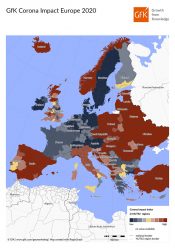
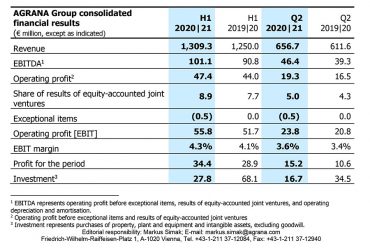
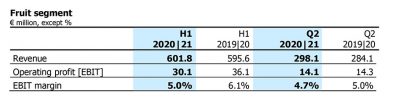
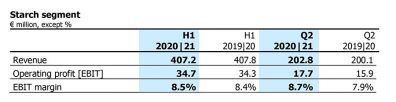
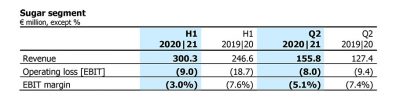
 The careful handling of raw goods and top quality standards are priorities at VOG Products. To continue upholding these standards in future, the company has made significant investments in the modernisation of its production lines.
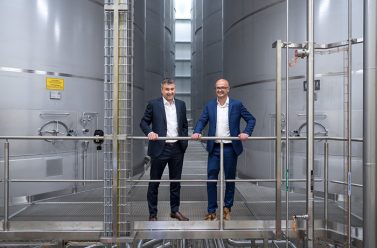
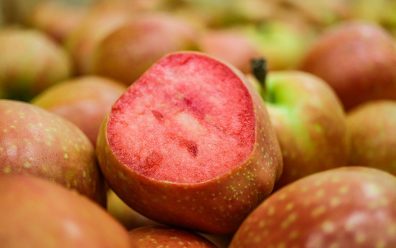
 VOG Products processed over 30,000 tonnes of organic fruit in the 2019/20 business year. Many factors, starting from the South Tyrol – Südtirol location and the partnership with Bioland, underlie the growing demand.