After the low production in the 2020/21 season, agents expect a limited orange crop in 2021/22 in São Paulo State and the Triângulo Mineiro, due to unfavorable weather conditions. This scenario tends to underpin orange prices in 2021.
The first estimates for the 2021/22 crop, released by the USDA in December/2020, indicate that the harvest in SP and the Triângulo Mineiro should total 315 million boxes of 40.8-kilos each, 17 % up from that in the previous season. Despite this recovery, this volume does not mean the productive potential of crops will be recovered because of the bad weather conditions in these regions.
Thus, a harvest of 315 million boxes is not high, and therefore may not be enough to totally offset orange juice inventories. On the other hand, it should favor farmers’ revenue for one more year, due to the firm industrial demand. It is worth to mention that these estimates may change, since it is still early to assess production, majorly this year. Fundecitrus should release estimates only in May 2021.
INVENTORIES – Data from CitrusBR indicate that initial inventories in the 2021/22 season may be from 240 to 280 thousand tons in July/21. Although this volume is not lower than the strategic level established, the small harvest in the 2021/22 season may limit the volume by the end of the season, in June 2022.
CONTRACTS WITH THE INDUSTRY – Deals for the new season have not been closed. As the volume produced is still uncertain, reasonable prices cannot be fixed either. Besides, in the 2020/21 season, many processors closed deals for the following crop. Thus, a higher volume of fruits from the coming season has already been sold. Still, prices are expected to be positive in this segment, since the demand from the industry should be high.
IN NATURA MARKET – Higher industrial demand should keep orange prices on the rise in the in natura market in 2021/22. As the 2021/22 crop is expected to be late again, the prices of early oranges should be favored, and quotes should be underpinned, since the pear orange crop may be late.
components will be held alongside once more
The next interpack will take place from 04 to 10 May 2023 at the Düsseldorf Trade Fair Centre. Messe Düsseldorf set this date in agreement with its partners and committees. Interested companies from the packaging sector and the associated processing industry will be able to register online at www.interpack.com from the end of March/beginning of April provided all goes to plan. Exhibitors who were approved for interpack 2021, which was cancelled due to the pandemic, have already been able to reserve their stand positions for 2023 and will now be able to rebook when they register.
components will take place in parallel with interpack. It is oriented towards the supplier sector for the packaging and processing industry. You can register for components in the same period as interpack by accessing www.packaging-components.com.
www.interpack.com and www.packaging-components.com will regularly provide information on industry trends and innovations up until the next edition of both trade fairs. The online presence of the upcoming interpack and components 2023 is also being built up and expanded.
2021 is starting with a change of management for Erbslöh Geisenheim GmbH. As of 1 January 2021, Dr. Andreas Dietrich will be the new managing director at the company, which specialises in processing and refining beverages and liquid foods. Previous managing director Dr. Jörg Möller retired on 31 December 2020.
Dr. Dietrich is looking forward to his new role: “Erbslöh is a company with a long-standing tradition in the industry. We want to further build on our position as an innovative market leader and partner for our customers in the beverages sector.” Dr. Dietrich has more than 25 years’ experience in the chemical, pharmaceutical and biotech industries.
Johann Marihart (Photo: Agrana)
In the first three quarters of the 2020/21 financial year, AGRANA, the fruit, starch and sugar company, generated EBIT operating profit of € 84.3 million. AGRANA Chief Executive Officer Johann Marihart comments: “The key drivers of the earnings growth were good results in bioethanol – especially in the third quarter – and a profitability improvement in the Sugar segment thanks to higher sugar prices and volumes. Sugar EBIT nevertheless remained negative due mainly to idle-capacity costs associated with the incomplete utilisation of sugar factories, notably in Austria. In the Fruit segment, EBIT in the fruit preparations business rose significantly in the first three quarters from the year-earlier reporting period. The performance of the fruit juice concentrate business, on the other hand, was down considerably as a result of lower available volumes from the prior year’s apple crop.”
FRUIT segment
Fruit segment revenue in the first three quarters was € 891.7 million, closely in line with the year-earlier level. In fruit preparations, revenue and sales volumes remained steady. Revenue in the fruit juice concentrate activities saw a moderate increase from a year ago, thanks largely to higher prices for the product group of fruit juice concentrates, albeit on the back of higher apple prices. Segment EBIT in the first nine months was € 41.3 million, off 10.0% from one year earlier. While fruit preparations EBIT improved, the main reason for the deterioration at segment level lay in lower delivery volumes in the fruit juice concentrate business combined with reduced contribution margins for apple juice concentrate produced from the 2019 harvest. Likewise, margins are under pressure in berry juice concentrates and apple juice concentrate made from the 2020 crop.
SUGAR segment
The Sugar segment’s revenue in the first three quarters was € 452.8 million, up 18.2% from one year earlier. This reflected both higher sugar selling prices and increased sugar sales volumes, especially with resellers. Although EBIT in the first nine months was still negative at a deficit of € 15.5 million, it improved markedly from the year-ago loss of € 33.4 million thanks to a more benign sales price environment.
The now, next, and future of the global food and drink industry
The events of 2020 caused a fundamental reset in human behaviour. Recognising this transformation, Mintel’s 2021 Global Food and Drink Trends are inspired by recent shifts in consumer purchases and attitudes across industries. Through collaboration with consumer analysts and insights from Mintel Trends, a global team of food and drink experts have identified new opportunities in line with three of the Mintel Trend Drivers: Wellbeing, Value, and Identity.
In 2021 and beyond, expect food and drink companies to create mental and emotional wellbeing solutions, deliver on new value needs, and use brands to celebrate people’s identities.
Feed The Mind
Innovative food and drink formulations will offer solutions for mental and emotional wellbeing that will create a new foundation for healthy eating.
Quality Redefined
Brands will be challenged to respond to new definitions of trust, quality, and ‘essential’.
United By Food
Food and drink brands can balance a person’s need to feel unique and special with the desire to be part of communities of like-minded individuals.
Please download the free 2021 Global Food and Drink Trends here.
New watermelon flavour is the latest addition to the Dew permanent flavour line-up – delivering a refreshing charge
Mtn Dew® is going pink with Mtn Dew® Major Melon™, a new thirst-quenching offering that takes flavour to the extreme. Made for those who embrace fearlessness and fun times in life, this marquee addition to the brand’s beverage portfolio features the great taste of watermelon with a Dew twist. Mtn Dew Major Melon – also available in a Zero Sugar variety – is the first permanent flavour offering in more than a decade and is available in the US now.
“Watermelon is a truly transportive taste, evoking feelings of freedom and nostalgia,” says Nicole Portwood, vice president, marketing, Mtn Dew. “As a brand, Mtn Dew is always pushing the envelope to bring Dew Nation the next bold taste that they crave in a way only Dew can. We found watermelon to be the number one choice of flavours tested amongst our fans, and Mtn Dew Major Melon is our answer for those who are looking for a refreshing charge to keep them invigorated all day long.”
The introduction of Mtn Dew Major Melon is sure to bring fans the feeling of warm summer days – even in the middle of winter. Both Mtn Dew Major Melon and Mtn Dew Major Melon Zero Sugar are available in the US at retailers and online in 20 oz. bottles, 2 liter bottles, 12-packs of 12 oz. cans and a variety of other single and multipack sizes.
The Brazilian orange crop for Marketing Year (MY) 2020/21 is forecast at 415 million 40.8-kg boxes (MBx), equal to 16.93 million metric tons (mmt), an increase of 14 percent relative to the current season. The forecast assumes normal weather conditions will prevail as of mid-December 2020 to support fruit setting and development of the second blossoming in the Sao Paulo and Minas Gerais commercial citrus belt. The current orange crop estimate in the Sao Paulo and Minas Gerais citrus belt was revised downward from 287.8 to 269.4 MBx (11.74 mmt to 10.99 mmt) as a consequence of the lack of rain fall and high temperatures between September and October. Total Brazilian FCOJ 65 Brix equivalent exports for MY 2020/21 are forecast at 1.08 mmt, similar to revised figure for MY 2019/20 …
Please download the full citrus crop production forecast: www.nass.usda.gov
Mintel, the experts in what consumers want and why, has announced seven trends set to impact global consumer markets in 2021, including analysis, insights, and recommendations centered around consumer behavior, market shifts, innovative brands, and opportunities for companies and brands to act on in the next 12 months:
Health Undefined: An awareness of wellbeing is at the forefront of consumers’ minds, but a playbook doesn’t exist. Brands have a responsibility and opportunity to set new rules.
Collective Empowerment: Consumers around the world are making their voices heard loud and clear in the push for equity, agency, and rights.
Priority Shift: Consumers are seeking a return to the essentials, with a focus on flexible possessions and a reframing of what ownership actually means.
Coming Together: Consumers are coming together in like-minded communities in order to connect with and support each other, driven by the impact of the global pandemic.
Virtual Lives: Physical separation due to the pandemic, increased need for escapism, and improved technology are driving consumers towards digital experiences.
Sustainable Spaces: COVID-19 has subtly but significantly shifted consumer awareness of our relationship with the spaces in which we live, accelerating demand for sustainability.
Digital Dilemmas: While there are many benefits to a more digitally-connected life, concerns about its negative impacts are putting consumers in a predicament.
Please download the FREE 2021 Global Consumer Trends under www.mintel.com.
Bucher Unipektin is acquiring 100 % of the German vacuum drying system supplier Merk Process GmbH. With the acquisition Bucher Unipektin further strengthens its vacuum and freeze drying capabilities.
Merk Process was founded in 1994 by Dieter Merk, is privately owned and located in Laufenburg (Germany). The company supplies vacuum drying systems for the food, pharmaceutical and chemical industries and generated net sales of EUR 4 million in 2020. Its expertise is based on many years of practical experience in plant construction combined with efficient, innovative engineering skills. With the transaction Mr. Merk found an attractive and sustainable succession solution not only for his customers but also for the employees of Merk Process.
Together with Merk Process, Bucher Unipektin is in the position to supply a broader range of innovative and sound drying technologies and to provide an enhanced customer service offering to the vacuum and freeze drying customers of the two companies on a global base.
Following the transaction, the drying activities of both companies will be concentrated at Merk Process’ site in Laufenburg (Germany). Dieter Merk will actively contribute and assist the combining of the two companies’ technologies and knowhow as a consultant in the next years.
Bucher Unipektin, a Swiss based business unit of Bucher Industries AG, is a globally leading manufacturer of plants and components for juice and beer production, as well as vacuum and freeze drying for the food industry. The business unit is operating globally with production sites in Switzerland, Spain and China supported by a global distribution network and own sales and service organisations in Poland, Ukraine, Russia, New Zealand and Mexico.
In general, citrus prices were high in São Paulo State in 2020. With the lower orange production in the Brazilian citrus belt (São Paulo and the Triângulo Mineiro) in the 2020/21 season due to bad weather conditions, the demand from processors for fruits continued high along the year, which underpinned prices.
According to a report released by Fundecitrus on December 10, crop failure in the citrus belt (SP and the Triângulo Mineiro) should be the worst since 1988/1989, when the series began. In total, orange production should be 30 % lower in the 2020/21 season, totaling 269.36 million boxes of 40.8 kilos each.
INDUSTRIAL PRICES – Although processors began the 2020/21 season with high volumes of juice stocked – 471 thousand tons of Frozen Concentrate Orange Juice (FCOJ) Equivalent, according to CitrusBR –, low orange supply kept the demand for fruits high, which reflects on bidding prices.
On the average of the 2020/21 season, prices in the spot market between July and November closed at 23.51 BRL/box, 17.8 % up from that in the same period of 2019 and 7 % above that in the same period of 2018, in nominal terms.
IN NATURA MARKET – Higher demand from the industry lowered the availability of fruits in the in natura market, since some farmers who usually sell to the in natura market preferred to allocate their fruits to processors, due to the uncertainties caused by the covid-19 pandemic and the attractive prices bid by processors. This scenario added to the weather issues and high demand pushed up orange prices (in natura) all the year. For the variety pera rio, prices hit the highest level of the year in November, when the average was 43.35 BRL/box, on tree, 54.6 % up from that in Nov/19, in nominal terms.
Officially launched and available for purchase online, BRÈINFÚEL (Breinfuel) evolves from coffees, energy drinks, and nootropics to help the brain respond with focus, alertness, and productivity.
Developed by Dr. Gerald Horn, a Lasik surgeon with a background in pharmaceutical science and disruptive drug development, Breinfuel combines highly researched ingredients with an extended release that is designed to support performance and wellbeing.
“Endurance means so many different things to people with various lifestyles, occupations and interests. Yet, the common desired effect is not the jolt offered by traditional caffeinated beverages, but rather sustainable cerebral stamina and high-performance energy,” noted Dr. Horn. “Whether you’re a competitive bodybuilder, a frontline medical worker, or a stay-at-home mom of zoom-schooled children, our mental health is being zapped by today’s challenges and demands. Consumers need a beverage that incorporates more functional benefits that enhance productivity and well-being.”
Breinfuel comes in four palate-pleasing flavours including Thrive Ice, Victory Bliss, Alpha Punch and Limitless Berry. Dr. Horn combined four uniquely differentiated ingredient blends for Breinfuel’s multifaceted effects. The Caffeine Blend, according to Dr. Horn, is “the secret sauce” of Breinfuel, with the best of what’s in coffee without the coffee base. It is derived from green tea and green coffee beans without the toxicity and loss of potency from the roast.
The Fuel Blend includes four grams of low-glycemic sugar, five grams of easily digestible collagen protein, and MCT’s which are a great source of prolonged energy. The Antioxidant blend offers potential added benefits from vitamin C, vitamin E and beet root, all designed to reduce the brain’s known sensitivity to accelerated metabolism. The Brain-Booster blend features zinc, creatine, glycine (from collagen), and L-theanine, all individually shown to support brain health.
“Putting caffeine in water alone can create a toxic jolt to our system, which has contributed to caffeine’s checkered past,” noted Dr. Horn. “Since caffeine is not energy or fuel, but rather a stimulant, it needs to be supported like one. Breinfuel’s attention to these key principles resulted in four targeted blends that, for many, may redefine the caffeine experience.”
The inception of Breinfuel began as part of Dr. Horn’s goal to optimize his nutritional consumption, lifestyle/productivity, and personal health.
“This began as a personal quest to solve the problem of unsupported caffeine in the marketplace, such as in caffeinated drinks with zero calories or high-fructose carbohydrates,” noted Dr. Horn. “Once I and some colleagues began to experience caffeine in a new and better way, I knew it was the right time to bring Breinfuel to market.”
ABOUT BRÈINFÚEL Developed by Dr. Gerald Horn, a Lasik surgeon with a background in pharmaceutical science and disruptive drug development, Breinfuel combines highly researched ingredients with an extended release that is designed to support performance and wellbeing. Breinfuel is sold online and comes in four delicious flavours including Thrive Ice, Victory Bliss, Alpha Punch and Limitless Berry. Each bottle of Breinfuel features a proprietary blend of effective ingredients, including: natural caffeine from GCBE and green tea (along with their extracts), D-ribose sugar, collagen protein, MCT’s, vitamin C, vitamin E, beet root, L-theanine, creatine, and zinc.
IPRONA, one of the world’s B2B market leaders for fruit processing, has introduced the first standardised and solvent-free tart cherry extract, CherryCraft®. The proprietary extract combines the proven properties of tart cherry with the expertise and infrastructure behind successful European black elderberry extract ElderCraft®.
Tart cherry has emerged as an important fruit in the sport recovery sector on the strength of studies linking it to effects on antioxidative capacity, inflammation and lipid peroxidation that influence how long it takes muscles to recalibrate after strenuous exercise. Other studies have linked the fruit to effects on sport performance, sleep and cardiovascular health. The growing body of evidence has alerted consumers to the role tart cherry can play in their exercise regimes.
Manufacturers that want to serve the growing market need tart cherry extracts standardized on polyphenols and anthocyanins, the fruit’s functional ingredients. Having gained deep expertise in polyphenols and anthocyanins from its work on ElderCraft®, IPRONA identified tart cherry as the ideal fruit for the expansion of its product line.
“Tart cherry is a highly promising ingredient in the sport recovery space,” said Stephan Breitenberger, CEO of IPRONA, “We are realising that promise by using our solvent-free production method and vertically integrated European supply chain to deliver an extract standardized to polyphenols and anthocyanins. We look forward to working with our partners to bring the benefits of tart cherry to more consumers through CherryCraft®.”
The product is made using the same gentle, solvent-free proprietary IPT – IPRONA Polyphenol Technology as ElderCraft® to make a standardised, premium-quality extract from European tart cherries without harming the fruit matrix. IPRONA sources the tart cherries used in CherryCraft® through its vertically integrated European supply chain, resulting in total traceability.
CherryCraft® is standardized to polyphenols and anthocyanins, giving manufacturers and consumers confidence in its properties, and is suitable for use in maltodextrin-free formulations, as IPRONA is also offering the extract with gum arabic as a carrier. The diversity of options equips manufacturers to use CherryCraft® in a range of formulations, helping them fully realise the potential of tart cherry.
About IPRONA IPRONA is one of the world’s B2B market leaders for fruit processing. With nearly 40 years of experience serving a dynamic, international clientele, IPRONA is the peerless supplier of fruit-specific ingredients such as berry, citrus and tropical fruit concentrates, infusions from herbs and seeds, standardised red berry extracts, and customer-specific compounds.
As Ocean Spray continues to focus on health and wellness, the new beverage aims to feature roughly 40 % less sugar while still delivering a delicious, classic taste
As part of Ocean Spray’s commitment to bringing healthy and delicious products to the market, the agricultural cooperative owned by more than 700 farmer families has announced a partnership with Amai Proteins in an effort to incorporate healthy, sweet proteins into the product portfolio. Through joint development agreements, Ocean Spray and Amai Proteins plan to develop cranberry juice with at least a 40 % sugar reduction, offering consumers more ways to incorporate the cranberry into a healthier lifestyle.
Amai Proteins’ innovative sugar-reduction solution is a hyper-sweet protein that is thousands of times sweeter than sugar. Through computational protein design, Amai Proteins has redesigned sweet proteins to fit the requirements of the market including temperature and acid stability for better shelf-life, great taste and affordable cost. The resulting designer proteins are 100 % protein, and expected to be a healthy, tasty sweetening solution.
Ocean Spray is partnering with Amai Proteins in this ground-breaking designer protein research to continue to provide great tasting and lower caloric solutions for people worldwide, leveraging the best that technology has to offer. The reduced sugar cranberry juice offering will continue to extend Ocean Spray’s tradition of bringing good tasting and healthful products to consumers without compromising the goodness and bold taste of the cranberry.
Additionally, Ocean Spray and Amai Proteins are excited to continue their partnership to develop and apply learnings to additional Ocean Spray products in the future. This is a significant milestone for Ocean Spray and the beverage industry. Many other companies are working to remove sugar and maintain taste but tend to fall short on flavor.
“Ocean Spray is proud to partner with Amai Proteins to bring consumers additional options for changing habits and lifestyles,” said Katy Latimer, VP of Research and Development at Ocean Spray. “We will continue to develop options that showcase the incredible health benefits of the cranberry while highlighting our commitment to health and wellness.”
“Amai Proteins offers the sweetest protein in the world as a tasty and healthy significant sugar reduction solution,” said Ilan Samish, CEO of Amai Proteins. “We are excited to be working with Ocean Spray in bringing our sweet proteins to the iconic cranberry cooperative as a healthy option for consumers to enjoy their favorite cranberry flavor.”
About Ocean Spray Founded in 1930, Ocean Spray is a vibrant agricultural cooperative owned by more than 700 cranberry farmers in the United States, Canada and Chile who have helped preserve the family farming way of life for generations. The Cooperative’s cranberries are currently featured in more than a thousand great-tasting, nutritious products in over 100 countries worldwide. Leading by purpose, Ocean Spray is committed to the power of good—creating good, nutritious food that has a direct and powerful impact for the health of people and planet. All for good. Good for all.
About Amai Proteins Amai Proteins fixes our food system one protein at a time. The first line of products are hyper-sweet designer proteins that are healthy, tasty, and affordable thus enabling significant sugar reduction without compromising taste. Amai (means ‘sweet’ in Japanese) fits proteins to the mass food market by learning how life adapted to extreme environments. Such adaptation mechanisms are applied via computational protein design followed by environmentally-friendly and sustainable production in a brewery using yeast or other microorganisms. The resulting GMO-free delicious protein is inspired by sweet proteins that sweeten exotic fruits found along the equatorial belt. Market launch is expected in 2022.
Enterprising partnership gives food companies a head start in technology
DuPont Nutrition & Biosciences is accelerating its open innovation strategy to prepare food and beverage manufacturers for fast-developing trends and disruptive change. DuPont is a partner with global innovation platform Plug and Play’s Food & Beverage program in the Silicon Valley, California. In early 2021, Plug and Play will open a new location in Chicago, Illinois and DuPont will be a founding partner of the new office with direct access to the emerging technologies that will keep food and beverage companies ahead in the future.
The source of these new technologies is talented entrepreneurial start-ups that look for support from larger corporate partners to develop and scale their business. By acting as an investor and mentor, DuPont will both accelerate their development and bring their innovative capabilities to market faster.
A technological win-win
Birgitte Borch, global marketing leader, Food & Beverage, DuPont Nutrition & Biosciences, expects the expansion of the Plug and Play partnership to be a true win-win.
“In recent years in particular, we have seen how disruptive change can take the established food industry by surprise. Plant-based meat and dairy offerings have proliferated fueled by new innovations driven by start-ups that are closing the gaps with traditional products. said Borch.
“Through our partnership with Plug and Play, we were able to influence the technology focus and tap into enterprising start-ups, bringing the latest innovative technology in plant-based proteins, functional ingredients and consumer testing. As a founding partner of their program in Chicago, we will be able to expand our focus into innovative technologies in biotechnology, personalized nutrition, food safety, functional ingredients, sustainability and market analytics.”
Strong track record
Plug and Play has a strong track record as an innovation ecosystem. An early investor in Google, PayPal and Dropbox, it operates more than 60 accelerator programs worldwide and in 2019 supported in excess of 1,450 start-ups. Plug and Play’s Food & Beverage program was launched in 2017.
“We use our trend insights and market forecasts to identify the technologies that will be business critical to the food industry moving forward. Plug and Play then provides a shortlist of promising enterprises within those technology areas. The most promising candidates are invited to pitch their technologies to our business and technology teams, and discussions about potential collaboration will begin,” added Borch.
The shortlist of talented start-ups for 2021 has already been drawn up. By the middle of next year, DuPont Nutrition & Biosciences Food & Beverage platform expects to have established open innovation agreements for unlocking the future of food.
About Plug and Play Plug and Play is a global innovation platform. Headquartered in Silicon Valley, we have built accelerator programs, corporate innovation services, and an in-house VC to make technological advancement progress faster than ever before. Since inception in 2006, our programs have expanded worldwide to include a presence in over 30 locations globally, giving startups the necessary resources to succeed in Silicon Valley and beyond. With over 30,000 startups and 400 official corporate partners, we have created the ultimate startup ecosystem in many industries. Companies in our community have raised over $9 billion in funding, with successful portfolio exits including Dropbox, Guardant Health, Honey, Lending Club, and PayPal.
In terms of sustainability, Symrise ranks among the top ten companies in the world according to the current ranking of renowned non-profit organization CDP (previously known as the Carbon Disclosure Project). CDP makes a yearly assessment of what participating companies do to fight climate change, protect water supplies and conserve forests. For forest conservation, the Holzminden Group is actually doing better than in the previous year and has achieved a spot on the A list in all three categories – the best possible result. This year, more than 9,600 companies took part voluntarily in the assessment.
Only ten companies out of the 9,600 that took part achieved the highest grade in all three categories. Symrise was one of them, making an improvement on last year’s rating. Last year, the Group made it onto the A list for climate and water, but got an A minus for forests. Many factors play a role in the CDP’s decision. The non-profit organization pays attention to whether the company in question is an environmental pioneer and how it deals with environmental risks. It also considers ambitious goals and the completeness of the data disclosed to be important. Based on the results, the CDP divides the participants into categories from A, the highest, to D.
Symrise aims at climate-positive operations by 2030
Symrise has been following ambitious sustainability objectives for years. Conservation of forests has played an important role in this. The company wants to counteract deforestation throughout the entire value chain as well as work for the conservation and reforestation of forests. This is why the Group uses resources from sustainable forestry. To guarantee this, Symrise ensures that its strategic raw materials are fully traceable.
Climate protection is also very important to Symrise. The Group wants climate-positive operations by 2030 and to actively help limit global warming to below 1.5 °C. During the last ten years, the company has already reduced its greenhouse gas emissions in terms of value added by more than half. Symrise is also very conscious of saving water and makes its contribution to keeping the resource available. By 2025, all production sites in regions affected by drought will improve their water efficiency by 15 percent compared to 2018.
The 2020-2021 Florida all orange forecast released today by the USDA Agricultural Statistics Board is 56.0 million boxes, down 2 percent from the October forecast. If realized, this will be 17 percent less than last season’s final production. The forecast consists of 22.0 million boxes of the non-Valencia oranges (early, midseason, and Navel varieties) and 34.0 million boxes of the Valencia oranges. A 9-year regression was used for comparison purposes. All references to “average”, “minimum”, and “maximum” refer to the previous 10 seasons, excluding the 2017-2018 season, which was affected by Hurricane Irma. Average fruit per tree includes both regular bloom and the first late bloom. …
Please download the full citrus crop production forecast: www.nass.usda.gov
Tridge, the global sourcing and market intelligence hub for food buyers and suppliers, has predicted how the La Nina weather system is likely to impact tropical fruit crops – avocado, mango, and pineapple – in parts of South America, Asia, and Australasia. These predictions can help food buyers globally to mitigate the risks of La Nina on their supply chains.
La Nina is a weather phenomenon that occurs every few years including 2020. During La Nina, changes in Pacific Ocean temperatures impact tropical rainfall patterns from Indonesia to the west coast of South America.
Avocado – New Zealand could suffer where Peru could succeed
La Nina is expected to have both positive and negative effects on Avocado.
New Zealand’s avocado growers have been suffering a prolonged dry spell and eagerly awaiting rainfall for 20 months. However, the heavy rain likely because of la Nina could be detrimental to their avocado yields.
Abhishek Dudejja, Engagement Manager at Tridge New Zealand, said, “It only takes two to three days of rainfall for avocado trees suffering from water stress to recover. Although avocado trees need plenty of water, too much can quickly tip the balance and cause problems such as root rot and asphyxiation. The impacts of this include reduced yields, and smaller and lower quality fruits with a shorter shelf life.”
In contrast, Peru, with a favorable geographical and climatic condition in South America could benefit from La Nina. The colder temperatures this weather system causes could help avocados mature more effectively. Irrigation levels are also currently at the right level for a good harvest.
Cinzia Riccio, Engagement Manager at Tridge Peru, commented, “While la Nina might cause later avocado flowering than normal, the cooler temperatures that are likely should reduce the level of pests, protecting crops. On balance, Peru Avocado appears to be a winner from La Nina.”
Mango – problems expected in Peru and Southeast Asia
For Mangos, the prognosis looks poor in several regions. Prolonged dry spells in Peru, added to an already dry 2020 could impact Mango productivity and prices. In Piura, northern Peru, the country’s top mango growing region, there have been ongoing water shortages and 50 % of its reservoir is depleted.
Jin Woo Lee, Market Analyst at Tridge, said, “This year we’re expecting Peruvian mango to be at least 15 % lower than in 2019, which will increase prices.”
In Southeast Asia, Vietnam and Thailand are experiencing typhoons and facing the prospect of more heavy rain and flooding. This could cause several issues for mango crops, including decreased productivity, internal rotting, canker, and fruit fly, which could mean suspension of exports for phytosanitary reasons.
Pineapple – Costa Rica feels the dual pressures of C-19 and La Nina
Costa Rican pineapples may be scarcer than normal in importing countries such as the US due to reduced demand and supply caused by COVID-19 and la Nina combined. 86 % of US pineapple imports are from Costa Rica, valued at 616 Million USD in 2019.1
Tridge’s Jin Woo Lee said, “COVID-19 has made reefer containers for pineapple shipping to the US scarce. Added to this, heavy rainfall over the past few weeks is affecting the quality of the fruit.”
Since October 2020, Costa Rica’s principal pineapple farming regions, Alajuela and Heredia, have seen well over two and a half times average rainfall2 leading to reduced yield and quality.
One US buyer of Costa Rican pineapples commented, “pineapples are normally sold at retail with a greenish-yellow exterior, which indicates full ripeness. However, over the past month, we’ve been receiving products which are either too ripe or not ripe enough to be sold properly, as pineapples stop ripening after they are picked.”
Despite this drop in supply, export prices to the US have decreased, because COVID-19 has caused reduced demand from US buyers. Equally, the heavy rainfall worsened by la Nina is unnerving Costa Rican suppliers about the quality of their product and therefore its value.
According to Jason Kong, Operations Managers at Tridge, “12kg of Costa Rican MD-2 Pineapples were traded at $6.2 in October 2020 but now they are at $5.0.”
Hoshik Shin, CEO of Tridge, commented: “La Nina will cause a turbulent end to an already difficult year for many fruit growers. It is another reminder of why both food growers and buyers globally need to be prepared for change and disruption and be ready to adapt or switch their supply lines and routes to market quickly using digital trading platforms and expert partners. At Tridge we’re supporting an increasing volume of organisations on both sides of the food supply chain who are seeking this agility.”
About Tridge Tridge is a global trade ecosystem where buyers and suppliers of agricultural and food products can find everything they need to understand their markets with just a simple search. Using a combination of the latest digital technology and the latest insights gathered through a human network, they provide a very powerful global-scale platform for buyers and suppliers to connect and do business with each other more confidently. Using a global network covering over 150 countries worldwide, Tridge has developed a comprehensive data set of 300,000,000+ prices and 1,600,000,000+ trade data points covering 1000+ items in the agriculture and food sector and successfully facilitates the B2B and B2C trading of these items. Tridge aims to achieve digitalization and globalization of the trade industry.
Investing in new technology that lets consumers make and pour their drink at the push of a button.
Coca-Cola European Partners (CCEP), the world’s largest independent Coca-Cola bottler, has completed an investment in Lavit, a leading maker of multi-beverage, counter-top dispensing machines.
Using globally patented technology, the Lavit system lets consumers make and pour their drink in seconds, by dispensing a range of cold beverage options “on-demand” at the tap of a button and offering customisation of beverages based on carbonation and flavour. Since commercialisation, Lavit has a growing network of customers in the US and Canada.
The partnership with Lavit will further CCEP’s intent to explore and test new dispensed delivery solutions as a key strategic route towards eliminating packaging waste and reducing its carbon footprint, while providing consumers with the convenience, choice and experience they expect from drinking Coca-Cola beverages.
The funding and partnership with CCEP will help Lavit test and develop new product capabilities and explore growth opportunities by gaining further insight into customer and consumer demand for dispensed delivery solutions. It follows CCEP Ventures’ recent acquisition of a 25 % stake in Innovative Tap Solutions (ITS), investing in the company’s self-pour, self-pay drink dispensing technology.
The investment in Lavit was led by CCEP Ventures – the innovation engine and investment arm of Coca-Cola European Partners. It builds on previous investments in disruptive, technologically advanced companies and start-ups that enable CCEP to explore new ways to bring innovation into its delivery model and consumer experience.
In Tune with Immune is one of Innova Market Insights’ Top Trends for 2021, reflecting how immunity and health has become top of mind for consumers, with ongoing anxieties over COVID-19 continuing to be a key focus for next year and beyond.
“Ongoing anxiety stemming from the COVID-19 pandemic is continuing to push consumers toward prioritizing their immune health,” according to Lu Ann Williams, Global Insights Director at Innova Market Insights. “Immunity boosting ingredients will play a significant role for the coming year”, she reports, “while research and interest in the role of the microbiome and personalized nutrition as ways to strengthen immunity will accelerate”.
According to Innova’s Consumer Survey 2020, six out of ten global consumers are increasingly looking for food and beverage products that support their immune health, with one in three saying that concerns about immune health increased in 2020 over 2019.
Innova’s research also indicated that 54 % of global consumers claimed to have spent time educating themselves on ingredients and procedures that could boost their immune health in the wake of concerns over COVID-19. When asked which elements would be most important to achieve, immune health, choosing foods naturally high in nutrients (vitamins, minerals, antioxidants) featured in the top three. Also prominent was getting enough sleep and being physically healthy. There is an associated increase in interest in botanical ingredients in particular.
As might perhaps be expected in the light of this, the use of immune health positionings for food and drinks is also rising, with 1.65 % of global launches over the first ten months of 2020 using this type of claim, up from just 1 % five years previously.
Rising numbers of launches in a wide range of food and beverage categories are focusing on the use of terms such as immune health, immune boosting, immunity support, etc. These feature across a wide range of different types of product, led by baby & toddler products (particularly milks and formulas), ahead of sports nutrition (particularly sports powders) and dairy products (particularly drinking yogurt/fermented beverages).
The link is also increasingly being made between probiotics/prebiotics, digestive/ gut health and immune support. Consumer awareness of the benefits of probiotics is still gaining traction, with its relationship to gut health and a strong immune system increasingly being made.
Prebiotics have generally been slower to establish themselves in the consumer consciousness; although they have been around for many years, it is only relatively recently that they have started to move into the mainstream. Innova Market Insights reports a 20 % global growth for food and beverage launches with prebiotics in 2018 over 2017 and a further rise of over 13 % for 2019. Often used in combination with probiotics, prebiotics are featuring across a range of food and drinks launches, led by baby & toddler products, ahead of soft drinks and dairy products.
Updated orange1 crop forecast totals 269.36 million boxes
The 2020-2021 orange crop forecast update for the São Paulo and West-Southwest Minas Gerais citrus belt, published on December 10, 2020 by Fundecitrus – performed in cooperation with Markestrat, FEA-RP/USP and FCAV/Unesp2 –, is 269.36 million boxes of 40.8 kg each. The first forecast update, published in September, already showed a drop as compared to the initial projection, but the expected production was significantly hindered by late rainfall in the spring and intense heat. In this second forecast update, a decrease of 18.40 million boxes represents a drop of 6.39 % in relation to the initial forecast. Should this new projection hold true until harvest ends, it will result in the largest crop loss for the citrus belt since the beginning of the historical series in 1988-1989 and a downturn of 30.36 % in comparison to the previous crop season. Approximately 19.35 million boxes of the total crop should be produced in West Minas Gerais.
A poor outlook for rainfall was expected in 2020 due to the possibility of the climate event La Niña forming, which was officially confirmed in September. However, other phenomena, such as the so-called Atlantic Multidecadal Oscillation, simultaneously contributed to less rainfall and increased temperatures that reached unprecedented levels in several regions of the citrus belt. Consequently, the effects on groves resulting from adverse weather conditions this year were much worse as compared to those observed during the last La Niña, between November 2017 and April 2018. …
1Hamlin, Westin, Rubi, Valencia Americana, Seleta, Pineapple, Pera Rio, Valencia, Valencia Folha Murcha and Natal. 2Department of math and science, FCAV/Unesp Jaboticabal Campus.
Rising demand for plant-based drinks with added health benefits
Consumer enthusiasm for plant-based foods continues to grow unabated. This is also affecting the beverage market. Market research company Persistence Market Research (PMR) predicts annual growth rates exceeding six percent for plant-based drinks through 2028. And that’s not all: The “plant-based revolution,” as Innova Market Insights terms this top trend, opens further value-add potential. Fortification with micronutrients gives products additional health value. Plant-based alternatives to dairy products are by far the strongest category, according to Innova. SternVitamin has developed special micronutrient premixes for this segment that upgrade plant-based drinks based on oats and other protein sources. Its new SternHeartV, SternGutV and SternBonesV premixes let manufactures align plant-based drinks precisely to the special needs of specific target groups.
For example, SternHeartV addresses athletes, professionals with high-stress jobs and older people. This micronutrient combination of B vitamins, vitamin E, folic acid, iodine and zinc supports normal homocysteine metabolism and the formation of new red blood cells. In addition, it contributes to optimum muscle function and to protecting the cells from oxidative stress. For keeping bones healthy into advanced age there is SternBonesV for plant-based drinks. Its combination of vitamin D, vitamin K2, magnesium and calcium helps maintain bone health, and is appropriate for women in all age groups, vegans, and lactose-intolerant persons who want to be sure of getting a good calcium supply from plant-based products.
Manufacturers of plant-based drinks with SternGutV can reach a broad audience. This premix supports the gut-associated immune system, through a combination of micronutrients for strengthening immune defences, and fibres with prebiotic and immune-modulating properties. Whether stress at work or study, whether professional or weekend athlete, plant-based drinks with SternGutV support the immune system and help it perform well. At the same time they offer good taste and a pleasant mouth feel. According to PMR, one of the main goals in the development of plant-based alternatives is to meet consumers’ nutrition preferences, i.e. to offer added health benefits without compromising on taste. SternVitamin achieves this goal through its close cooperation with Planteneers, whose expertise in plant-based alternatives provides for full flavour enjoyment while SternVitamin supplies the added health benefits. At their own Plant Based Competence Center these sister companies develop attractive combinations of ingredients for a wide range of applications to meet the individual wishes of specific customers. The health benefits of these premixes can be marketed effectively on the drink packages using EU-approved Health Claims.
The pandemic and associated travel and event restrictions have also had an impact on Anuga FoodTec, which was originally scheduled for March 2021. After extensive discussions with industry participants and the German Agricultural Society (DLG), the professional and conceptual sponsor of the trade fair, Koelnmesse sees no alternative but to postpone Anuga FoodTec. The next Anuga FoodTec will take place from 26 to 29 April 2022.
“We sincerely regret that we have to postpone Anuga FoodTec until 2022 despite good preparation and encouragement from the industry. In the past few weeks, however, it has become apparent that there is growing skepticism and concern among all involved. As a result, many companies have pulled out in view of the infection situation and current uncertainty. However, Anuga FoodTec cannot take place without the important key factors of internationality and cross-industry participation. With this in mind, we have responded to the industry’s wish to postpone the trade fair with the new date,” says Oliver Frese, Chief Operating Officer of Koelnmesse. “The new event date is the best possible solution, taking into consideration the international trade fair calendar, and the available time and space capacities. This allows us to provide the industry with a vision and planning security”.
In 2022, the trade fair will take place as a hybrid event, combining both an inperson and digital platform. The addition of a digital platform to the physical component creates the foundation for as many people as possible from Germany and abroad to have access to the latest technologies and processes in the food and beverage industry and for promoting sustainable networking within the industry.
“Like the companies, we will use the time to fully prepare ourselves for the upcoming trade fair and boost the industry’s restart further with digital tools and additional reach. Koelnmesse will of course continue to count on the presence of international exhibitors and visitors in April 2022,” continued Frese. “Trade fairs offer the opportunity for products and the people behind them to be experienced through personal interaction and exchange. This is the ideal basis for successful business.”
“As the professional and conceptual sponsor of Anuga FoodTec, we very much regret that the leading international supplier fair for the food and beverage industry will not be able to take place in March 2021 as planned. As a platform for professionalexchange across industry boundaries, Anuga FoodTec is a central partner for the entire food sector, focusing on current topics and providing important impetus with the presentation of forward-looking technologies and innovations. We are therefore even more pleased that in spring 2022 Anuga FoodTec will once again be the meeting place for the international food technology and supplier industry under the guiding theme ‘Smart Solutions – Higher Flexibility'”, says Simone Schiller, Managing Director of the DLG Food Technology Center.
Koelnmesse is the organiser of Anuga FoodTec. DLG is the professional and conceptual sponsor of Anuga FoodTec.
There is a saying among those who have been in the industry for a long time: “there is no harvest like the other”. The current one is overcoming itself; such are the difficulties faced.
The first signs that the season would be different were given by last year’s bloom. Blooming in August and September 2019 was very good. However, a period with no rain in the following months accompanied by intense heat has caused an expressive fruitlet fall. The fruits developed until a 2-3 cm diameter size but were overturned by excessive heat. Rains came up in the end of October and a new flowering is expected.
The harvest season was preceded by the arrival of the COVID-19 pandemic. The great demand for labor, much of it coming from northeastern states in the country, concerned everyone and made us take extraordinary care to preserve the health of workers involved in the harvest and of other collaborators from other sectors of the properties.
Thus, the current harvest has been one of great surprises and has presented unusual challenges to citrus growers of the Brazilian citrus belt. The main consequences are presented below.
The period without rain, from May of this year until this last month of October, was one of the most extensive ever recorded in the state of São Paulo, according to the graphs and tables below. In addition to drought, very high maximum temperatures were recorded, even at night, causing considerable weight loss and lower fruit quality. The water deficit was very significant in all regions. This is the main reason for the significant decrease in the volume of fruit produced in the “citrus belt”. The losses are more accentuated in the north of the state of São Paulo and in the Triângulo Mineiro, warmer and drier regions.
However, even further south in the state, losses were above normal. The first harvest estimate released by Fundecitrus, last May, brought an amount of 287.8 million boxes, 25% less than the previous harvest (2019/2020). What you see in the field is a volume of oranges quite below that number. The common perception among consulted technicians and citrus growers is that the final figure is expected to be below 250 million, perhaps below that.
The period without rain and with temperatures well above the average resulted in extremely withered orchards – plants even died in orchards without irrigation. Another aggravating factor this year was the scarcity of water for irrigation. There are properties that have an installed irrigation structure; however, they do not have enough water available to meet the needs of the plants.
Due to the flowering in non-traditional months (December and January) there are a large number of “green”, not yet ripe fruits mixed with ripe fruits from the normal flowering (August-September 2019). This brings an additional difficulty to the harvesting operation that has to be carried out in at least two different times, resulting in an increase of the production cost for the citrus growers.
This mix of fruits with different level of ripeness, impair the quality of the juices, especially due to the greater amount of limonin present in the green peels of oranges. On the other hand, in the northern regions of the citrus belt, the fruits are getting ripe much faster than normal, producing juices with a ratio (ratio between the amount of sugars divided to acidity) much higher than the average for the period of the year. Industrial income has been better this year than in the previous two years, at least until this time of the harvest (November 2020).
As a further consequence of this year’s climate events, we will see an increase in the effects of HLB or greening. The symptoms of the disease, such as early fruit fall and low production, usually express themselves more strongly when there is a water deficit. In addition, the psilideo, vector of the disease, presented very high rates even in winter, indicating that we will have a greater number of infected plants in the next years. This has probably occurred because of the warmer climate which resulted in a very irregular or uneven plant vegetation.
What can we expect from the next crop?
The northernmost regions only flourished after the rains that fell in the last days of October. This late blooming should not have a good fruit set because they will be still small in the higher summer temperatures. Moreover, the loss of leaves was very great in the recent drought period, and this will not allow for a large amount of fruit for the next season, since the plant will not be able to provide the metabolites necessary for an expressive fruit set. A good 21/22 harvest is not to be expected for these regions.
In the most southern regions, which suffered less from water deficit, the flowering came in the normal period, between August and September. However, irregular rainfall and high winter temperatures (table 2), after flowering, have worried producers. What they see in their orchards does not indicate a good harvest for the second year in a row. My experience shows that the harvest after a year as irregular as this one is also not usually good.
Price of juice should go up
Although it is common for citrus to have alternate crops, i.e., smaller crops followed by larger crops, the climatic factors presented in this article should result in two “small” crops in a row, the current and the next seasons.
Thus, Brazilian orange juice industries should process fewer oranges for two consecutive years. This reduction in supply, combined with the growing demand for juices in times of pandemic, should cause increases in the price of juices on the international market.
Mauricio Mendes is a citrus consultant sine 1980 and Citrus grower since 1988. Has worked to major Citrus Farms in Brazil. Is COO of a 6.000 ha Citrus Farms operation in the SW od Sao Paulo State. Mauricio is also Beachead Advisor for New Zealand Trade and Enterprise (NZTE) . Also has been partner and CEO, for 14 years, of Informa FNP which is one of the most important Agribusiness consultant company in Brazil. FNP was recently acquired by IHS Markit. Mauricio is also member of GCONCI (Citrus Farming Consultants Group) which gathers 17 Consultants. GCONCI provide direct technical assistance to over 40 million citrus plants (25 % of the Brazilian Citrus Belt)
*Araraquara and Itapetininga are major production citrus regions in São Paulo State.
The shift from fossil-based to renewable bio-plastics requires new efficient methods. New technology developed at VTT enables the use of pectin-containing agricultural waste, such as citrus peel and sugar beet pulp, as raw material for bio-based PEF-plastics for replacing fossil-based PET. The carbon footprint of plastic bottles can be lowered by 50 % when replacing their raw material of PET with PEF polymers, which also provides a better shelf life for food.
“In the near future, you may buy orange juice in bottles that are made out of orange peel. VTT’s novel technology provides a circular approach to using food waste streams for high-performance food packaging material, and at the same time reducing greenhouse gas emissions,” shares Professor of Practice Holger Pöhler from VTT”.
PET (polyethylene terephthalate) and other polyesters are being widely used in food packaging, plastic bottles and textiles. The annual production of PET products is estimated at 30 million tonnes. Replacing fossil-based PET with plant-based PEF (polyethylene furanoate) polymers can lower the carbon footprint of the products by 50 %.
Moreover, the barrier properties of PEF plastics are better than PETs, meaning that the food products have a longer shelf life. PEF is a fully recyclable and renewable high-performance plastic. Therefore, it opens up possibilities for the industries to reduce waste and to have positive impact on the environment.
VTT’s technology has significant advantages for making bio-based PEF plastics. The technology uses a stable intermediate for the production of FDCA (2,5-furandicarboxylic acid), one of the monomers of PEF, which enables a highly efficient process. In addition, utilising pectin-containing waste streams opens up new possibilities for the circular economy of plastics.
VTT’s unique scale-up infrastructure from laboratory to pilot scale ensures that this new technology will be brought to a technology readiness level that will allow polymer manufacturers’ easy transition to full scale.
…and will contribute to protect 17,872 hectares of forest in the Amazon area annually
The Eckes-Granini Group with all its subsidiaries will operate climate neutral throughout Europe as of January 1, 2021. Europe-wide, the Group emitted 43,082 tons of carbon into the atmosphere in 2019 – caused, among other things, by energy and heating, waste processing, employee commuting and business trips. This is the result of a profound analysis of the companies’ carbon footprint in cooperation with ClimatePartner. The solution provider of climate action for companies has been supporting the leading supplier of fruit juices and fruit beverages since this year. With regard to the fight against climate change, the Eckes-Granini Group strives for zero greenhouse gas emissions. In order to get much closer to this overall goal, the Group will offset 43,000 tons carbon emissions of its direct business activities through a carbon offset project conducted by ClimatePartner in Portel, Brazil. Thereby, Eckes-Granini ensures the protection of 17,872 hectares of forest in the Amazon region per year.
Eckes-Granini offsets its emissions by supporting a forest protection project in Portel, in the Brazilian state of Pará. The project protects a total of 151,105 hectares of forest each year. It also provides alternative sources of income and education for the residents of Portel, e.g. through the cultivation of pepper or the training of forest rangers.
Commitment to climate action across Europe
The German subsidiary of Eckes-Granini (hohes C, granini) has already been climate neutral since 2019. This is a great success that was achieved through the implementation of numerous climate protection measures. These include the modernization of facilities, the purchase of green electricity and the reduction of fuel consumption in the logistics fleet. As of January 2021, the entire carbon footprint of all eleven European subsidiaries will be offset.
About ClimatePartner ClimatePartner is a solution provider of climate action for companies. ClimatePartner combines individual consulting with cloud-based software that is unique on the market. Customers can use it to calculate and reduce carbon emissions and compensate for unavoidable emissions. In this way, products and companies become climate neutral, which is confirmed by the ClimatePartner label. ClimatePartner offers carbon offset projects in different regions and with different technologies and standards. The additional social effects of the projects are particularly important: The 17 goals for sustainable development of the United Nations, the SDGs, are the benchmark here. ClimatePartner was founded in Munich in 2006 and today has more than 100 employees in Munich, Berlin, Essen, Vienna, Zurich and Yerevan and cooperates with more than 2,500 companies in 35 countries.
ACE, the Alliance for Beverage Cartons and the Environment, is pleased to announce that the recycling rate for beverage cartons in the EU281 rose to 51 % in 2019. This represents a continued year-on-year increase in the EU beverage carton recycling rate.
“We are pleased that the steady annual increase of the recycling rate for beverage cartons in 2019 surpassed 50 %,” said Annick Carpentier, Director General of ACE. “This is proof of our industry’s efforts and enhances the message that beverage cartons are recyclable and are being recycled at scale in Europe.”
Beverage cartons, made largely from renewable materials, contribute positively to a low carbon circular economy. The industry is driving beverage carton recycling across Europe, committed to efforts that support the increase of the recycling rate in all EU Member States. The industry calls on policymakers at the European and national levels to assure that beverage cartons are collected for recycling separately, and to support a collection target to ensure beverage cartons are collected for recycling.
“With an upcoming EU legislative agenda towards more sustainable packaging, the beverage carton is well positioned with a 51 % recycling rate. This is an opportunity to inform policy- makers at all levels that beverage cartons are a safe, circular and sustainable packaging solution with a low carbon footprint, and how the beverage carton you use at your table can be easily collected and recycled,” continued Ms. Carpentier.
1Data includes information from the United Kingdom, which at that time was still an EU Member State.
Coca-Cola European Partners (CCEP) is set to accelerate the decarbonisation of its business by reducing absolute greenhouse gas (GHG) emissions across its entire value chain – including scope 1, 2 and 3 emissions – by 30 % by 2030 (vs 2019)* and setting a path to become a Net Zero business by 2040, in alignment with a 1.5˚C pathway and the Paris Climate Agreement.
CCEP will reduce GHG emissions across all five areas of its value chain – ingredients, packaging, operations, transportation and refrigeration. Crucially, there is a significant focus on reducing scope 3 emissions via a commitment to support strategic suppliers to set their own science-based carbon reduction targets and use 100 % renewable electricity.
CCEP’s immediate action plan is supported by a three-year €250m investment which will provide targeted financial support to decarbonise its business. This includes sustainable packaging initiatives, such as the progression of its 100 % rPET roadmap and investing in the scaling of depolymerisation technology, which will help accelerate the delivery of its longer-term net-zero objectives.
The ambition is underpinned by the inclusion of a GHG emissions reduction target in CCEP’s long term management incentive plan (LTIP) – 15 % of the LTIP awarded in 2020 will be based on the extent to which CCEP reduces GHG emissions over the next three years.
It builds on work undertaken over the last decade to reduce GHG emissions across CCEP’s entire value chain by 30.5 % (vs 2010) as part of This is Forward, its joint sustainability plan with Coca-Cola in Western Europe. CCEP’s 2030 GHG reduction commitment has been approved by the Science-Based Targets initiative (SBTi) as being in line with a 1.5˚C reduction pathway as recommended by the Intergovernmental Panel on Climate Change (IPCC).
As part of its journey to Net Zero, CCEP will invest in projects which remove carbon from the atmosphere or verified carbon offset projects. However it will focus on reducing emissions as far as possible and will only offset where essential and where it can’t reduce emissions any further.
*This includes a commitment to reduce Scope 1 and 2 GHG emissions by 47 % and Scope 3 emissions 29 % by 2030 from a 2019 base year.
Leveraging combined capabilities to shape new sustainable innovations for customers
Givaudan and Novozymes, the world leaders in their respective industries, are excited to announce the formation of a strategic research partnership for the development of synergistic innovative ingredients and technologies for customers. The two companies will jointly work on the research and development of innovative sustainable solutions in the areas of food and cleaning.
This new partnership is fully in line with Novozymes’ updated strategy Better Business with Biology and with Givaudan’s 2025 strategic goals to expand its offering to consumers’ brands through innovative and sustainable solutions.
Givaudan brings the highest investment in research and development in the industry, has an in- depth understanding of consumers around the world and creates the emotional signatures and food experiences for consumer brands.
Novozymes brings innovation with extensive know-how in enzymes and microorganisms with substantial investments in technology and R&D. On the commercial side, Novozymes is in strong commercial partnerships with some of the largest companies in the industries of Household Care and Food & Beverages. Being the world leader within biological solutions, Novozymes drives sustainable solutions that enable differentiated product performance for consumers.
Together the two companies will work on specific projects with the aim to bring to their respective customers a differentiating solution offering. With a significant overlap of end use markets, there is a fundamental belief that the partnership can generate customer value by combining the two companies’ capabilities and solutions.
Gilles Andrier, Chief Executive Officer at Givaudan said: “We are very excited to initiate this strategic partnership with Novozymes, a much respected company that has an impressive heritage and research platform in biological solutions. Our purpose of ‘creating for healthier, happier lives with love for nature’ fully aligns with the aspiration of Novozymes for a world with 100 % biological products. Together we have the potential to grow with our respective customers while increasing our positive impact on the world with products consumers feel good about, and that preserve our planet.
Sponsored Post
The ideal climatic and agronomic conditions in the Trentino-South Tyrol region provide VOG Products with a clear mission in addition to high-quality raw goods in secure quantities: what began on the region’s fields continues in the fruit processing facilities.
Trentino-South Tyrol looks back on a long fruit-growing tradition. After all, the climate with 300 sunny days per year and cool nights is ideal – growing conditions that are naturally reflected in taste and aroma. It’s no coincidence that VOG Products was established there in 1967. The great importance of agriculture is generally acknowledged throughout the region. Dealing with land and its resources respectfully and sustainably has always been firmly embedded in the culture there. There are good reasons why Trentino-South Tyrol regularly ranks at the top in comparisons of quality of life across Italy.
The region’s apple farmers can rely on a unique centre of excellence: a network comprising cooperatives, consulting structures, and renowned research institutes such as the Laimburg Research Centre, the Free University of Bozen-Bolzano, and NOI Science and Technology Park supports them with advice and assistance.
Along the entire production chain – from qualified staff to state-of-the-art infrastructure –, nothing is left to chance. Each production step is structured and monitored. “That’s what is so special about this region,” affirmed Christoph Tappeiner, CEO of VOG Products. “It turns origin into a guarantee of security. We benefit from an ideal agronomic setting in which decades of experience are consciously combined with innovative approaches.”
This interplay ensures that technical aids and know-how are always at the cutting edge. For example, three-quarters of the areas under cultivation have frost-protection sprinklers, ensuring quantity security even in the event of freak weather.
The varietal strategies are another key indicator for innovation and advanced development. “On the one hand, if we think of Golden, the varieties are an expression of tradition. On the other hand, development takes place continuously in order to lift the region to a new level,” explained Tappeiner. New varieties such as Envy, Cosmic Crisp, Crimson Snow, Sweetango, Giga, Red Pop, Ambrosia, Enjoy, Morgana, Bonita and Tessa represent the new level. “This range of different varieties covers the entire spectrum from light to dark and sweet to sour.”
A total of 28,000 hectares of apple plantations make the Trentino-South Tyrol region Europe’s largest contiguous growing region. VOG Products processes and refines every fifth apple from the region.
“We know where the apples come from before they land in our safe, competent hands. Controlled, good raw goods are the indispensable basis for a safe, high-quality product,” said the director of VOG Products.
Today, the fruit processing company in the heart of the Dolomite Alps belongs to 18 cooperatives in South Tyrol and Trentino and 4 producer organisations with more than 13,000 members, most of which are small family operations that care for their apple orchards with love and devotion. A level of care that is decisive, particularly in the growing organic sector. By the way, South Tyrol is the only province outside of Germany with an active Bioland regional association.
“We put all our effort into continuing and supporting what began on the fields – thanks to processing that is monitored 24/7, innovative technologies, state-of-the-art methods of analysis and plants, and qualified staff,” said Tappeiner to summarise VOG Products’ mission.
Position as a leading global provider of sugar reduction and clean-label solutions strengthened by acquisition of stevia sweetener solutions business
Tate & Lyle PLC (Tate & Lyle), a leading global provider of food and beverage ingredients and solutions, is pleased to announce the acquisition of Sweet Green Fields (SGF), a leading global stevia solutions business.
The acquisition of SGF brings a broad portfolio of stevia products and a fully integrated stevia supply chain to Tate & Lyle including leaf sourcing, leaf varietal development, established agricultural programmes and cost-efficient manufacturing. It strengthens Tate & Lyle’s position as a leading provider of innovative sweetener solutions with the capabilities to create foods and beverages that are lower in sugar and calories and with cleaner labels for customers across the world. The acquisition also extends Tate & Lyle’s presence in the faster growing Asia Pacific region with dedicated stevia production and research and development facilities located in Anji, China.
Tate & Lyle began its partnership with SGF in 2017 becoming the exclusive global distributor of SGF’s portfolio of stevia-based ingredients and solutions, and then acquired a 15 % equity holding in SGF the following year. Tate & Lyle’s acquisition of the remaining shares of SGF simplifies the existing relationship by creating a fully integrated supply chain and commercial organisation, unified research and development capabilities, and combined strengths to accelerate innovation and optimise production technologies. Sweet Green Fields revenue for the year ending 31 December 2020 is expected to be around US$50 million, including revenue for products Tate & Lyle currently sells as distribution agent.
Stevia is one of the fastest growing low-calorie sweeteners used globally, particularly in beverages, dairy and snacks, as demand from consumers continues to grow for foods and beverages that are lower in sugar and calories. Globally, from 2015 to 2019, product launches that contain stevia grew by compound annual growth rate of 15 %.1 In the year ended 31 March 2020, Tate & Lyle’s stevia revenues grew by 23 %, making it an important contributor to New Products revenue growth.
1Mintel GNPD
Two leading companies, Sidel and Elettric80, have started a strategic alliance to provide comprehensive services ranging from production to warehouse, distribution centre and logistics management for beverage and food, home and personal care (FHPC) producers. Both companies will act as a one-stop source, allowing producers to become more flexible, safe and sustainable with Smart Factory tailored solutions.
Today, beverage and FHPC producers are influenced by different factors that are challenging their performance. Among others, due to the growing e-commerce markets, the need for automated warehouses and logistics management becomes especially important. Sidel and Elettric80 have paired up their know-how in state-of-the-art packaging and highly automated and integrated intralogistics solutions to help producers stay competitive and meet the demands of the market worldwide.
Monica Gimre, CEO at Sidel Group: “For Sidel, it is a principle to always listen to our customers. A strategic alliance with Elettric80 is our approach towards achieving our goal of providing A to Z services to our customers, including intralogistics solutions. We are happy to be in a partnership with a company that shares the same values as we do, and I believe that the synergy and great teamwork between us will bring added value not just to our customers, but also to ourselves by opening space for learning and innovation together.”
Enrico Grassi, President at Elettric80: “Packaging lines with highly automated and integrated intralogistics areas at the end of the line will be the future of any production site. Along with Sidel, we are taking the next step in expanding our business opportunities by increasing our customers’ operational efficiency and sustainability. We are ready to complement this alliance with strong expertise in logistics process
Uncertainty among companies due to high infection numbers proved too great
In agreement with its partners in associations and the industry, and with the trade fair advisory committee, Messe Düsseldorf has decided to cancel both interpack and components 2021, scheduled to take place from 25 February to 3 March, due to the restrictions related to the Covid-19 pandemic.
“We have done everything we can to do justice to interpack’s tremendous importance for the processing and packaging industry, even during this pandemic – above all because we have received encouragement from the industry in support of a face-to-face event and have a hygiene concept that has been tried and tested in practice in place to protect everyone involved. Ultimately, however, feedback from our exhibitors has shown that the uncertainty is too great, and we are thus unable to host an interpack event that would meet the standards of a leading international trade fair,” explains Wolfram N. Diener, CEO of Messe Düsseldorf. “On 25 November, the Federal Government and the German states decided to implement stricter measures in Germany, and to possibly even extend these measures into the new year. This, unfortunately, does not give cause for hope that the situation will improve significantly over the course of the coming months. This will affect all Messe Düsseldorf events in the first quarter. We are now focussing on the next edition of interpack, which will take place in May 2023 according to plan, and which we will supplement with extended online offers,” Diener goes on to explain.
Messe Düsseldorf had offered registered exhibitors special conditions for their participation and at the same time granted them an extraordinary right of termination for those companies that were unable or unwilling to take part.
“Besides the unique market coverage, it provides, interpack is primarily characterised by the direct exchange of information between market-leading companies and top decision-makers for brand names around the world. This is exactly what is now largely prevented by continuously high infection numbers in core Europe and the associated and continuing travel restrictions and quarantine regulations. We therefore welcome Messe Düsseldorf’s decision to cancel interpack 2021 and are focussing on interpack 2023,” says Christian Traumann, President of interpack 2021 and Managing Director & Group President at Multivac Sepp Haggenmüller SE & Co. KG.
“For the industry, in-person meetings and live experiences are still extremely important, especially when it comes to complex technology. Both enable a direct market comparison to be drawn and foster new ideas as well as new leads and networks – this is something online formats only offer in part. We are now looking forward to a successful interpack 2023, where the industry can once again come together at its leading global trade fair in Düsseldorf,” analyses Richard Clemens, Managing Director of the VDMA Food Processing and Packaging Machinery Association.
Until the next edition of the leading trade fair, the industry can access continuous updates on industry trends, developments and innovations at www.interpack.de. The online offer for components is available at www.packaging-components.de. Additional online options will be made available for exhibitors and visitors of the upcoming interpack and components 2023.
Although the harvesting of the 2020/21 orange crop is advancing in Brazil, delivery to processors in São Paulo State (SP) was slow in November. According to Cepea collaborators, this scenario is linked to the lack of rains in the citrus-producing regions in SP in the last months, which limited both quality and supply, hampering activities at processing plants. On the other hand, rainfall in late November increased ratio and brix, favoring the juice produced in that period.
As regards the deals for the coming season (2021/22), the large-sized processors of orange juice in SP have been more interested in closing deals. However, bids have not been fixed and there may be an additional for participation in juice sales to the international market. Most citrus farmers are waiting for a better definition of the crop, since it seems the bad weather conditions this year may affect results.
SPOT – In the current season, large-sized processors are bidding prices up to 24.00 BRL per 40.8-kilo box, while bids from smaller-sized processors have been up to 28.00 BRL/box – late and pear oranges account for the most varieties processed. In November (until Nov. 26), prices averaged 24.46 BRL/box, 20.7 % up from the average in Nov/19, in nominal terms.
However, it is worth to mention that one of the large-sized processors was not closing deals in the spot market in November because of both the low supply of higher quality and larger-sized fruits and the competition with the domestic market, since prices have been attractive in this segment, and farmers are opting for selling fruits in natura.
Long-term market foresights will secure tomorrow’s successful brands
DuPont Nutrition & Biosciences has taken another step in advancing innovation in the food industry through a new partnership between its Food & Beverage platform and the Institute for the Future (IFTF), the world’s leading futures organization. The collaboration seeks to drive far-sighted food and beverage innovation that anticipates shifts in market needs.
Today, food manufacturers are already relying on DuPont’s trend-tracking capabilities to inspire and enable new product development. By partnering with the IFTF, DuPont aims to sharpen the ability to co-create innovation with customers and build on long-term forecasts that look at ten years and beyond.
Foresights for stronger brands
Birgitte Borch, global marketing leader, Food & Beverage, DuPont Nutrition & Biosciences explains how the well-researched foresight of IFTF will support stronger food brands.
“Short-term product development strategies are common in the food industry, where consumer demands constantly change. It’s not unusual that new food and beverage launches are a knee-jerk reaction to a trend that appears out of the blue,” Borch said.
“Along with IFTF, we will be looking into trend development beyond consumer behaviors and developing strategic foresight with scenarios that impact the food industry in the short term and long term, to help them get ahead of the markets. This will help our customers navigate in uncertain times and understand the impact on the value chain with a holistic view of the challenges and opportunities. Our work with IFTF will allow us to be prepared with the right solutions, ingredient technology and application concepts, and enable our customers to be more proactive in their product development strategies.“
Disruptive megatrends in food
IFTF has an impressive reputation for mapping market drivers and signals, and providing long-term perspectives on change. All forecasts are based on a systematic review of social, technological, economic, environmental and political factors.
IFTF’s research anticipates four disruptive megatrends over the next decade in the food industry.
“Through our partnership with IFTF, we can better understand how these trends will evolve in the future,” Borch said. “This is key to building and maintaining success in fast-moving markets and will increasingly be part of the conversations we have with food manufacturers.”
About Institute for the Future Institute for the Future is the world’s leading futures organization. For over 50 years, businesses, governments, and social impact organizations have depended upon IFTF global forecasts, custom research, and foresight training to navigate complex change and develop world-ready strategies. IFTF methodologies and toolsets yield coherent views of transformative possibilities across all sectors that together support a more sustainable future. Institute for the Future is a registered 501(c)(3) nonprofit organization based in Palo Alto, California.
SunOpta Inc., a leading global company focused on plant-based foods and beverages, fruit-based foods and beverages, and organic ingredient sourcing and production, announced it has reached an agreement to sell the Company’s global ingredients segment and related assets to an Amsterdam based global commodity trading company, Amsterdam Commodities N.V. for a debt and cash free consideration of €330 million. The transaction, which remains subject to customary closing conditions, is expected to close by January 2021.
“I’m pleased to announce this strategically transformational transaction. This transaction further solidifies SunOpta’s future direction as a high-growth, plant-based company focused on providing value-added products in competitively advantaged categories with consistent, sustainable, above average growth characteristics. The long- term supply agreement negotiated as part of this transaction provides SunOpta with the benefit of a continued strategic relationship with a leading global ingredient player in Acomo. Furthermore, this transaction de-levers and strengthens SunOpta’s balance sheet, enabling the acceleration of near-term expansion plans in our fast-growing plant-based food and beverage segment. The plans include both high-return capital investment projects, as well as synergistic acquisitions, that add to an existing set of strong capabilities in our core plant-based beverage platform. This is a very exciting time for us at SunOpta as we look forward to building on our success of the past four quarters,” said Joe Ennen, Chief Executive Offcer of SunOpta.
“With the exciting acquisition of Tradin, Acomo will realize a highly complementary acquisition, creating a leading global player across organic and conventional unlisted commodities. The company is a leading partner for the organic food industry, benefitting from the rapidly growing global consumer demand for sustainable and healthy foods. Tradin has an attractive financial profile and will continue to be led by a highly experienced management team,” said Allard Goldschmeding, Acomo Group Managing Director.
Under the terms of the agreement, SunOpta will sell processing facilities located in Amsterdam, the Netherlands; Silistra, Bulgaria; Addis Ababa, Ethiopia; and Yirgalem, Ethiopia. These facilities and their employees will continue to operate in ordinary course. Approximately 525 employees will be transferred from SunOpta to Acomo.
The Global Ingredients business being sold contributed approximately US$488 million to SunOpta’s net sales for the twelve months ended September 26, 2020. The transaction valuation represents an approximate 10x multiple of Adjusted EBITDA1 for the standalone business. This transaction is highly tax effcient and is expected to be accretive to the Company’s long-term growth rate and margin profile further focusing the Company on delivering more consistent financial results for our shareholders.
Proceeds from this transaction will be used for capital investment primarily into the core Plant-Based Foods and Beverages segment and to pay down debt.
1Non-GAAP Measures In addition to reporting financial results in accordance with U.S. GAAP, the Company provides additional information about its operating results regarding segment operating income, adjusted earnings and adjusted earnings before interest, taxes, depreciation and amortization (“Adjusted EBITDA”), which are not measures in accordance with U.S. GAAP. The Company believes that segment operating income, adjusted earnings and adjusted EBITDA assist investors in comparing performance across reporting periods on a consistent basis by excluding items that are not indicative of its operating performance. The non-GAAP measures of segment operating income, adjusted earnings and adjusted EBITDA should not be considered in isolation or as a substitute for performance measures calculated in accordance with U.S. GAAP.
A new analysis of nutrition research suggests that consumption of 100 % fruit juice, such as 100 % orange juice, by adults may have cardiovascular benefits and does not increase the risk of cardiovascular disease or its risk factors.
The comprehensive analysis, published in the European Journal of Nutrition, pooled and collectively analyzed the results of 21 prospective and 35 randomized clinical studies published through August 2019, and found that drinking moderate amounts of 100 % fruit juice was associated with a lower risk of total cardiovascular events and stroke. The study also reported no association at any level of 100 % fruit juice intake with weight measures, including body weight, body mass index, and waist circumference, and risk for diabetes or risk factors for diabetes such as insulin resistance.1
Based on the analysis by researchers that were part of a working group from the Italian Society of Human Nutrition (SINU), significantly lower risks for total cardiovascular disease were observed at 100 % fruit juice intake levels up to 170 ml per day (between 5 and 6 ounces) and lower risks for stroke were seen at intake amounts up to 200 ml per day (between 6 and 7 ounces). Higher consumption amounts did not significantly increase nor decrease risk. The analysis also found significant reductions in systolic and diastolic blood pressure with 100 % fruit juice consumption, which could have been responsible for the observed risk reduction with cardiovascular events and stroke.
Additionally, no significant associations were seen with 100 % fruit juice intake and increased risk for diabetes or risk factors for diabetes, including blood glucose and insulin levels and measures of insulin sensitivity. Consistent with many other studies, 100 % fruit juice was not associated with weight parameters, including body weight, body mass index, and waist circumference.
A meta-analysis pools together and analyzes the results from previously conducted and published studies. In the hierarchy of research studies, a systematic review/meta-analysis ranks high with regard to the strength and robustness of results.
“These results help further support a positive role for 100 % fruit juice in cardiovascular health without negative effects on weight, risk for diabetes, or risk factors for these major diseases. While the study looked collectively at all 100 % fruit juices we also have research supporting the beneficial effects of 100 % orange juice on some of these very same health outcomes. In the end, a win for 100 % fruit juice is also a win for 100% orange juice,” said Dr. Rosa Walsh, director of scientific research at the Florida Department of Citrus.
This systematic review and meta-analysis, funded through an unrestricted grant by the European Fruit Juice Association (AIJN), adds to the growing body of scientific research supporting the role of 100 % fruit juice and 100 % orange juice in the diet:
A randomized controlled trial reported that 100 % orange juice reduced systolic blood pressure in adults with pre- or stage-1 hypertension. Hesperidin, provided almost exclusively in the diet by 100 % orange juice and oranges, appears to play a key role in the observed effects.2
A meta-analysis of 95 studies showed higher intake of citrus fruit and citrus fruit juice decreased risk of coronary heart disease, cardiovascular disease, stroke, and all-cause mortality. Citrus fruit juices were associated with a 25 percent reduction in the risk for ischemic stroke.3
In a systematic review and meta-analysis of prospective cohort studies, 100% fruit juice was associated with a 33 percent lower risk for stroke mortality.4
Numerous studies report no association between 100% orange juice or 100% fruit juice intake and body weight in children or adults.5-8
Every glass of 100 % orange juice supports overall health and can help adults and children meet intake recommendations for key nutrients they may be lacking in their diets. An 8-oz. serving size contains vital vitamins and antioxidants, including vitamin C, potassium, folate, hesperidin and more, with no sugar added. From helping improve diet quality to supporting a healthy immune system, 100 % orange juice offers a number of health benefits and can also easily be incorporated into simple, great-tasting recipes.
About the Florida Department of Citrus The Florida Department of Citrus is an executive agency of Florida government charged with the marketing, research and regulation of the Florida citrus industry. Its activities are funded by a tax paid by growers on each box of citrus that moves through commercial channels. The industry employs more than 37,000 people, provides an annual economic impact of $6.5 billion to the state, and contributes hundreds of millions of dollars in tax revenues that help support Florida’s schools, roads and health care services.
Completition of wind power transition advances Company’s global operations to 27.5 % renewable electricity, aligns with Twentyby30 and RE100 commitments
Crown Holdings, Inc. is now operating all 14 of its beverage can plants in the U.S. and Canada on renewable energy. It is the first metal packaging manufacturer to achieve this milestone, which is the result of a 15-year wind power Virtual Power Purchase Agreement (VPPA) with Longroad Energy. With the VPPA in effect and all of Crown’s manufacturing facilities in the U.K. already completing a similar transition, 27.5 % of the Company’s global operations are now using renewable electricity.
This accelerated usage of alternative power sources serves as a major step in Crown’s plan to employ 60 % renewable electricity by 2030, 90 % by 2040 and 100 % by 2050—targets established in Crown’s Twentyby30 initiative, a comprehensive sustainability program that addresses climate issues among other areas of urgent global concern. The action also supports Crown’s Twentyby30 goal to decrease Scope 2 greenhouse gas (GHG) emissions within its global operations, targeting a 50 % combined reduction in absolute Scope 1 (fuel) and Scope 2 (electricity) emissions. The transition reflects Crown’s commitment to the RE100, which is led by The Climate Group and CDP and focuses on accelerating the transition to zero carbon grids at global scale.
Relying on a Texas-based wind farm, the VPPA generates more than 440,000 MWhs of electricity, helping prevent over 310,000 metric tons of carbon emissions each year—the equivalent to taking at least 67,000 passenger vehicles off the road for one year. The renewable power offsets 100 % of the energy usage within Crown’s U.S. and Canadian beverage plants, which account for over 20 % of the Company’s global Scope 2 greenhouse gas emissions.
Hard seltzer brand officially launches into the hard beverage category with four electric flavours
The hard seltzer brand was first introduced to consumers in August 2020 as part of the brand’s soft launch in test markets across the U.S. The newest product to hit shelves will reflect a new, eye-catching packaging update featuring a sleek and modern design and enhanced logo based off learnings from the soft launch.
“We are thrilled to introduce a new alternative to the adult beverage world that delivers the taste our consumers are looking for while shattering the expectations of what everyone has come to expect from hard seltzer,” said CEO of Sparkling Ice Spiked, Chris Hall. “With full flavor and zero sugar, we’re confident that the new Sparkling Ice Spiked will satisfy your hard seltzer cravings and quickly become your go-to beverage for everyday entertaining, outdoor grilling, and weekend escapes.”
Along with the product launch, the team behind Sparkling Ice Spiked is also launching a nationwide sales and marketing campaign. The campaign will come to life through in-person and at-home activations, including in-store POS and holiday promotions, earned media outreach and mailers, influencer programming, targeted digital media and banner ads, paid social, and more.
Sparkling Ice Spiked variety packs are available now at select retailers across the U.S.
About Sparkling Ice Spiked™ Sparkling Ice Spiked hard seltzer is made with zero sugar and combines sparkling water, real fruit flavor, and 4 % alcohol made from cane sugar. With only 80 calories, Sparkling Ice Spiked offers a full-flavoured ready-to-drink hard selzter in four satisfying flavours: Cherry Lime Cooler, Lemonade Refresher, Ruby Fizz, and Strawberry Citrus Smash. Sparkling Ice Spiked is based in Preston, Washington, with products available at select retail locations nationwide.
Symrise AG has signed a purchase agreement with Sensient Technologies Corporation (Milwaukee, USA) to acquire their fragrance and aroma chemicals activities. These comprise a wide range of aroma molecules and fragrances from natural and renewable sources. In fiscal year 2019, the business unit generated revenues of approx. 77 million Euros. With the acquisition, Symrise will strengthen its backward integration and broaden its leadership position as a supplier of fragrance ingredients which are increasingly demanded for use, especially in personal and home care products. Symrise will furthermore gain access to additional customers and strengthen its presence particularly in EAME and Latin America. Going forward, Symrise plans to also strengthen its manufacturing footprint in Spain with targeted investments in the manufacturing site in Granada that will be acquired.
The Sensient fragrances and aroma chemicals business unit has been part of Sensient’s Flavors & Extracts group. The unit holds longstanding business relationships with local, regional and global customers from the consumer goods industry. It supplies out of manufacturing sites in Spain and Mexico. The Sensient aroma molecules and fragrance solutions are mainly derived from renewable raw materials such as pine oil and citrus by-products amongst others. The portfolio will strengthen the Symrise products line with unique fragrance ingredients used in application such as perfumes, shampoos, soaps, detergents and antiperspirants. Through the acquisition, Symrise will not only be able to significantly expand its renewable ingredients portfolio, but to also increase its green chemistry value chain which includes various downstream products coming from sustainable cultivated sources.
Symrise plans to combine the R&D competencies and manufacturing capacities of Sensient’s fragrance and aroma chemicals activities with parts of its own at the site in Granada. Over a period of three years, targeted investments will be made to grow the Granada site and make it the second largest compounding facility in EAME for fragrance ingredients and compounds.
Both parties agreed to keep the purchase price confidential. The transaction is subject to satisfaction of antitrust and regulatory approvals and other customary closing conditions.
Expansion includes increased retail presence, robust eCommerce availability, and a wide distribution network
Ingrilli Citrus, Inc., a family-owned business producing high-quality citrus juices out of Capo d’Orlando, Sicily, announced the solidification of its brand in the United States markets. This strengthened U.S. presence includes a wide distribution network, a strong retail presence, operational eCommerce sales, and streamlined sales to retailer warehouses – all of which has been made possible because of the brand’s uniquely focused, in-house farming and manufacturing.
“The Ingrilli family has been farming in Sicily and selling products worldwide for five generations, and our goal has always been to share the labor of our love with as many people as possible,” explains Giuseppe Ingrilli, Business Development Manager, Ingrilli Citrus, Inc. “With this increased U.S. presence, we have done exactly that, establishing our brand on the world stage and sharing our organic, farm-to-table, high-quality and never from concentrate juices directly with you. No other lemon and lime squeeze bottle manufacturer can say that, and we are very proud of the accomplishment.”
Ingrilli™ first began selling citrus juices in the United States in January of 2020. Like all businesses, Ingrilli™ was impacted by the COVID-19 pandemic, but the company was able to quickly resume sales and operations. Since then, Ingrilli Citrus, Inc., has opened and maintained operations with multiple distributors, started to sell direct full container loads to retail warehouses, and expanded its retail presence nationwide.
The company attributes this expedient growth to the phenomenal movement of Ingrilli™ products at the retail level, the company’s standout sales team, its excellent relationships with brokers, customers, and retailers, and its singular focus on delivering the highest-quality lemon and lime juice products.
Following this success, Ingrilli™ aims to give back to the community. Since the beginning of the year, Ingrilli Citrus, Inc., has donated about 40,000 bottles of lemon and lime juice to help to feed the hungry, and the company will continue to donate as the opportunities arise.
About Ingrilli Citrus, Inc. Ingrilli Citrus, Inc. is a family-owned business with five generations of farming and producing citrus juices directly from their family orchard in Capo d’Orlando, Sicily. All Ingrilli™ juices and condiments are batch-produced directly in their facilities in Sicily. The company follows the strictest food safety standards, and they do not outsource any of their production. This allows them to squeeze the freshest lemons, maintain the highest quality, and produce the best-tasting juices on the market today.
T. Hasegawa announced the release of their Japanese citrus flavour portfolio. T. Hasegawa’s Japanese heritage combined with their team of highly skilled flavour chemists carefully crafted a rich array of sweet, sour, tart and refreshing Japanese citrus flavours that are grown and harvested across the country of Japan.
Each citrus in the collection has a distinctive taste and aroma that will enhance a variety of products from beverages, bakery, dressings, dairy, frozen desserts, sauces, seasonings, snacks and much more. The portfolio includes the following flavour profiles available in water-soluble, oil-soluble and powder form.
Yuzu – Versatile with sour, tart notes and resembles a grapefruit with a hint of mikan orange.
Sudachi – Slightly spicy, sharp, with a tangy taste accented by bergamot notes.
Kabosu – Mild juiciness with a slight metallic note and is an ideal replacement for lime in fish and meats.
Mikan – Fresh, sweet with a juicy character and ideal for the North American palate.
Shikuwasa – A rich citrus flavor with a sour taste and lends itself well to desserts, chips, sweets, juices, jams, dressings and alcoholic beverages.
Iyokan – Sweet and sour profile and can be used as an alternative to orange in confectionery and dessert.
Natsumikan – Slightly bitter, sour and juicy, which makes the perfect accompaniment for dessert and herbal sparkling beverages.
Hassaku – Characterized by its crisp, fresh floral and grapefruit-like notes this citrus.
“The flavours of Japan are often a source of flavour inspiration for product developers across the globe and continue to show strong market growth” says Doug Resh, Director Commercial Marketing. “We are excited to provide our customers on-trend flavours that will elevate and deliver a unique twist to their brand.”
Yuzu in particular has opened up the world to Japanese citrus profiles. Over the last several years, Western chefs featured yuzu as an aromatic and flavourful ingredient in Japanese-inspired dishes; while consumer packaged foods companies featured yuzu in sweets, sauces, vinegars and RTD beverages
According to Mintel, demand for Japanese food increased in the United States by 19.1 % between 2015-2018. With consumers continuing to experience a stronger desire to travel during quarantine, authentic and functional ingredients with engaging stories can quell the frustrations of staying put. Consuming world cuisine offers a substitute for travel, encourages experimentation and it’s easy on the wallet as an affordable excitement.
About T. Hasegawa USA Inc. Being a global top-10 flavor and fragrance company, T. Hasegawa continues to pioneer the flavour industry with a customer experience that is optimized to rapidly respond with technical expertise. We deliver superior products that meet all your requirements no matter how complex the demand. Recognizing that the food industry needs flexibility, we proactively listen to our customers’ needs in an effort to develop better ways of delivering formulations that have excellent taste and aroma to fit form and function.
Tate & Lyle PLC, a leading global provider of food and beverage ingredients and solutions, announced that Victoria Spadaro Grant has joined the Company as its new President, Innovation and Commercial Development. Victoria will also be a member of Tate & Lyle’s Executive Committee.
Victoria will lead Tate & Lyle’s global approach to product application and technical services, and scientific, nutrition and regulatory affairs, as well as delivering the company’s R&D strategy in partnership with global business divisions and external innovation partners.
Victoria joins Tate & Lyle from Barilla, the Italian multinational food company, where she has been Chief Global Research Development and Quality Officer since 2014. During her career, Victoria has held senior R&D roles with leading food and beverage brands including Mars Chocolate, Kraft Heinz and PepsiCo.
Victoria takes on this role from Andrew Taylor who is now leading Tate & Lyle’s new region of Asia, Middle East, Africa and Latin America.
ADM Ventures, the corporate venture capital arm of ADM (NYSE: ADM), announced its investment in Seventure’s Health For Life Capital (HFLC) Fund II. HFLC, based in Paris, is a leading venture capital fund dedicated to health, nutrition, microbiota and digital health.
“We view Seventure as the premier investor in microbiome startups focused on human health and nutrition, and since 2018, ADM has worked closely with the Seventure team to identify opportunities with microbiome solutions that can ultimately help with dietary supplements and food and beverage applications to serve as functional or proactive solutions,” said Darren Streiler, managing director of ADM Ventures. “We believe Seventure can help meet the long-term demand we see as the result of the convergence of food and pharmaceuticals and consumers looking more towards bioactives and nutrition for wellness solutions.”
The microbiome consists of trillions of micro-organisms that reside on or inside the human body. ADM’s primary interest is the vast, complex bacterial ecosystem that lives within the digestive tract and constitutes the majority of every individual’s unique microbiome.
“With a better understanding of how the microbiome ecosystem works, we can develop functional ingredients for dietary supplements and food and beverage solutions targeted to help improve overall health,” Streiler said. “We are focused on looking at new, innovative solutions that can lead to a more balanced bacterial system in your digestive tract, otherwise known as a healthy gut, and can help lead to better health.”
ADM is committed to discovering and leveraging nutritional ingredients that can be used for preventative health, as well as for treating common ailments or even chronic diseases in both humans and animals. The company’s new probiotics production facility in Valencia, Spain – which will significantly increase its post- and prebiotic production capacity – is planned to be online in 2022.
ADM is an established market leader for microbiome solutions, with an award-winning portfolio of products and ingredients, including NutraIngredients’ 2020 ‘Probiotic Product of the Year’, ADM’s Bio-Kult Migréa®; 2020 Ingredient of the Year in the Weight Management category, ADM’s Bifidobacterium lactis BPL1; and the 2020 Editor’s Award winner for Functional Food Innovation, ADM’s Bacillus subtilis PXN®21®, a live microbial strain shown to reduce the aggregation of α-synuclein, paving the way for future research in Parkinson’s disease.
„Food and Agribusiness in 2030: A Roadmap“
At the moment of writing, we are in the last quarter of an incredible year. The world is facing an astonishing number of changes resulting from one of the worst pandemics ever. Food, agribusiness, and biofuel chains will be working in a new macro environment and will operate differently after 2020. These structural changes come on top of the need to increase food production to feed 9 billion people in 2050 and the urgency to increase renewable sources of energy to promote sustainability, save resources and limit climate change.
“Food and Agribusiness in 2030: A Roadmap” offers tools for understanding this new macro environment and helps to position food chains. It helps companies to take advantage of opportunities. The tools relate to strategic planning of food chains in the new scenario, understanding what will happen with chain participants, where markets will grow, how consumers will behave, how sustainability will gain importance, and how cooperatives, associations and other forms of collective actions will gather force.
The goal of this book is to offer something very practical so that companies and other public or private organisations can read a chapter and start discussing what they should do next and take a look at their roadmap. Good luck with your planning process.
Reaching 14.6 % reduction of added sugars in soft drinks between 2015-2019
Europe’s soft drinks industry has reduced added sugars in its drinks across Europe by an average of 14.6 % between 2015 and 2019.[1]
UNESDA Soft Drinks Europe, representing soft drinks producers across the EU, is committed to creating healthier and more sustainable food environments. It is determined to support consumers in managing their intake of added sugars from soft drinks by ensuring that the healthier choice becomes the easy choice. The industry responded to the European Commission’s call for a 10 % reduction in added sugars by 2020 and recent research, by independent analysts GlobalData, confirms that it has met, and surpassed, the target ahead of time.
“This reduction is proof that the soft drinks industry’s voluntary efforts to reduce sugar across the EU are delivering tangible results,” said UNESDA president and president Western Europe at The Coca-Cola Company, Tim Brett. It demonstrates our sector’s accelerated action in response to changing consumer preferences and the expectations of public health stakeholders.”
The 14.6 % reduction in added sugars has been achieved through a comprehensive range of actions including changing recipes to reduce sugars while maintaining a taste with which consumers are happy; innovating to develop new products with different sweetness levels; increasing availability of small packs to support portion control and moderation; and nudging people toward more no- and low-sugar/calorie options through marketing investments. This latest sugar reduction comes on top of previous achievements and means that Europe’s soft drinks industry has now reduced added sugars by an average of 26 % since 2000.
UNESDA is a founding member of the EU Platform for Action on Diet, Physical Activity and Health and has undertaken a series of voluntary commitments over the past 15 years to help address unhealthy diets as a risk factor for non-communicable diseases. These have been complemented by numerous national pledges to support EU member states in their action plans to create healthier food environments. These pledges are the result of stakeholder engagement at a national level and set targets based on local baselines and expectations. They reflect the conclusions of the 2016 Dutch EU Presidency which highlighted that sugar reduction is a gradual process and needs to take account of different dietary habits and preferences across the EU.
“Our sector’s progress in reducing sugar and calorie reduction has been enabled by the openness of stakeholders to engage through the EU Platform,” concluded Tim Brett. “We believe that the EU Code of Conduct for responsible business and marketing practices announced in the EU Farm to Fork strategy offers an opportunity to continue this dialogue with all actors, including Member States. As an industry we are committed to maintaining our efforts through a range of voluntary actions to ensure that the healthier choice becomes the easy choice.”
The path towards sugar reduction through reformulation comes with multiple challenges from a technological and consumer acceptance perspective and these become greater the more the reductions continue.
While the soft drinks sector has reduced the average sugar content in its products, and the WHO’s research[2] shows that frequency of consumption among school-aged children has declined across all age groups over the past 16 years, recent data shows that rates of overweight and obesity have not reduced. This demonstrates the complexity of the issue and the need for a holistic approach with all food and drink sectors committing to actions that support healthier food environments.
In addition to ongoing sugar and calorie reduction, Europe’s soft drinks sector has also made far-reaching commitments to behave responsibly in the marketplace including no advertising to children under 12; no sales of any soft drinks in EU primary schools and only no- and low- calorie drinks offered for sale in EU secondary schools.
About UNESDA Established in 1958 UNESDA Soft Drinks Europe is a Brussels-based association representing the European soft drinks industry. Its membership includes both companies and national associations from across Europe producing drinks including still drinks, squashes, carbonates, powders, iced teas, iced coffees, syrups, energy drinks and sports drinks. It is signatory to the EU Transparency Register (No: 25498952296-56).
B1U™ brand will launch functional infused waters, featuring real ingredients including zinc, vitamin C, black tea caffeine, fiber and protein
Ocean Spray Cranberries, Inc., the agricultural cooperative owned by more than 700 farmer families, announced the launch of the B1U™ brand, a new beverage line featuring on-trend functional benefits, simple ingredients, easy-to-understand nutrition, and recyclable packaging. The B1U™ brand aims to demystify nutrition so everyone can make educated and personalized decisions for their own unique body and ultimately “Own the One You™”.
Ocean Spray is continuing its expansion into the health and wellness categories as 65 % of consumers report wanting more functionality out of their food and beverage products*. In order to meet this demand; the B1U™ brand is first unveiling an environmentally conscious, accessible enhanced water as the first product in its line to be followed by further beverage additions in the future.
The B1U™ brand of functional infused waters features four flavors with no sugar or artificial sweeteners:
I need a boost™: Watermelon cucumber infused water with 60 mg of black tea caffeine
I need rhythm™: Strawberry basil infused water with 8 g of plant-based fiber
I need immunity™: Lemon chamomile infused water with 22 mg of zinc and 128 mg of vitamin C
I need power™: Peach kiwi infused water with 10 g of protein
The B1U™ brand is on-shelf in the U.S. at select Target stores this month, will be available at select Walmart stores in December, and is currently available for purchase on Amazon. B1U is available in 16 oz fully recyclable bottles.
*Kerry Group, Proactive Health: Consumer Demand for Functional Benefits, 2019
Purpose built and designed with significantly more capacity, efficiency and data harvesting to drive growth
Treatt, an ingredients manufacturer and solutions provider to the global flavour, fragrance and consumer goods markets, has partnered with Siemens Digital Industries (DI) to build a world class digital manufacturing facility at its £41m new global headquarters.
Treatt’s purpose-built site in Bury St Edmunds replaces the existing complex in the town which has served as the company’s headquarters since 1971.
The new facility will bring together, under one roof, over 200 people in its science led distillation, manufacturing, logistics, technical and office-based functions in a once in a generation relocation upgrade to provide the scalable platform for further growth.
The factory will be controlled by Siemens SIMATIC PCS 7 system which will offer Treatt more data, flexibility, scalability, availability, safety, and security in its production process.
Crucially it will automate its entire production process, enabling Treatt to increase efficiency and productivity, consistency, reliability, throughput, and repeatability.
The new factory is built and designed to have significantly more operational capacity in an optimally designed production space.
Mark Higham, General Manager, Process Automation, Siemens DI, said, “It is important for us to work very closely with Treatt to ensure we deliver the best solutions for their new headquarters.”
Siemens SIMATIC PCS 7 distributed control system is a flexible and scalable platform which addresses the wide-ranging needs of the process industries. It has an open system architecture covering the entire production process ensuring the efficient interaction of all automation components in the factory.
Higham added, “Considering that Treatt is bringing all its functions of distillation, manufacturing and logistics operations under one roof then SIMATIC PCS 7 was a perfect fit.”
Some of the features of SIMATIC PCS 7 are its consistent approach to data management, the application of global standards, powerful and compact hardware and proven software libraries. These common features minimise the engineering overheads, reduce costs, shorten time to market and increase the flexibility of the plant.
Daemmon Reeve, Group CEO of Treatt said “As a science led innovator of ingredients designed to enable our customers to differentiate in the marketplace, we are excited to work with Siemens to drive a wide range of benefits into our world class manufacturing business.”
“Treatt sources a wide range of natural raw materials from supply partners around the world. As expected, nature provides variation in flavour profile from season to season and our job is to ensure consistency in the wide-ranging extracts we create for customers through complex distillation and extraction processes, so their beverages have the critical consistency in flavour profile.”
Treatt has a bespoke and dedicated analysis system which is now aligned and fully integrated with the Siemens SIMATIC PCS 7 system to capture the results and data for future use as the company drives into further areas of digitalisation for the business.
In addition, Siemens has won a three-year service contract to support the new production facility.
Bruce Sinclair, Engineering & Site Services Manager, Treatt commented “The three-year service support contract is necessary as our operations team will be reliant on the new control systems for increased and efficient productivity. It is essential for us that maintenance of the new systems remain at a high standard set by the suppliers of the technology for longevity and competence.”
Siemens has already begun providing support with upskilling Treatt’s employees to use the new systems and their instrumentation engineer has completed a two-week training course at a Siemens site.
“Moving to the new site will be beneficial for our operation and our customers will see very clearly how our science led, customer partnership model is transforming Treatt into a crucial partner for those customers wanting true authenticity in natural extracts to enable them to win, that is what motivates us” says Reeve.
Higham, added, “I am delighted that our projects team are partnering with Treatt to deliver this advanced control system which will provide the backbone for their production processes and support their digitalisation journey.
“With digitalisation, we help manufacturers become more agile, and provide tools for reducing operations costs whilst increasing efficiency and reducing time to market. In addition, our fully integrated safety and security concepts ascertain a safe production environment for employees and the facilities where they are deployed.”
Siemens has teamed up with a fully certified Process Instrumentation Approved Partner for the deployment of the full range of its instrumentation portfolio across all lines of production at the plant.
Jon Tayler, Director at Process Instrument Sales Ltd, commented: “Our strategy for Treatt was to provide a technically correct and commercially effective solution for the instrumentation requirements of the demanding process systems, whilst ensuring efficiencies, safe working practices and environmental criteria.
“Our long-standing relationship with Treatt, as their approved partner, meant that we are able to be an essential element of the Total Integrated Solution that Siemens promotes for seamless process control and monitoring, which is what the engineering team at Treatt have set out to achieve.”
As well as its UK operation Treatt has a manufacturing site in the USA and a sales office in China, with a network of agents throughout the world.
JBT Corporation announced that Brian Deck will resume his role as Interim President and Chief Executive Officer, effective immediately.
Following further discussions with JBT’s Board of Directors, Tom Giacomini has decided that he is unable to return as Chief Executive Officer of JBT and has stepped down, effective immediately, to focus on his health and recovery. He has also resigned from the Board of Directors.
Alan Feldman will continue in his role as Non-Executive Chairman on a permanent basis. Matt Meister, Vice President and CFO for JBT Protein, has been named Interim Chief Financial Officer. Mr. Meister joined JBT in May 2019 and has responsibility for all finance activity for the Protein Division within the FoodTech segment. He brings a strong track record of driving results and developing process improvements in complex, global businesses to the role of Interim CFO.
The Board has initiated a search to identify a permanent CEO and will retain a leading executive search firm to assist in the process. It will consider both internal and external candidates.
“Over the past few months, Brian and the senior management team have demonstrated outstanding leadership of JBT and we are confident in their ability to continue executing the Company’s strategy while the Board conducts a search for a permanent successor,” said Mr. Feldman. “I look forward to continuing to work with Brian and to leveraging his financial and operational expertise as we focus on ensuring the continued health and safety of our employees and serving our customers.”
Mr. Feldman added, “We owe Tom a great debt of gratitude for spearheading JBT’s transformation over the past seven years. Under his leadership, JBT has generated a significant increase in shareholder value, while laying a strong foundation from which to continue delivering for stakeholders. Today, JBT benefits from a disciplined long-term strategy that focuses on growth and margin expansion while delivering exceptional products and services to its customers. Tom also played a key role in assembling our dynamic team of leaders whose significant expertise will further the strategy and continue to drive results. On behalf of everyone at JBT, I send my very best wishes to Tom, including the sincere hope for his improved health.”
About Matt Meister Matt Meister joined JBT in May 2019 with extensive experience in global manufacturing across various industries, including his prior roles at IDEX Corporation where he held several operational finance leadership roles, most recently serving as Group Vice President, Health and Science Technologies. Prior to joining IDEX, he held various roles of increasing responsibility at Navistar International Corporation. Mr. Meister holds an MBA from The University of Chicago Booth School of Business and an undergraduate degree in Finance and Operations Management from Washington University in St. Louis.
JBT Corporation (NYSE: JBT) is a leading global technology solutions provider to high-value segments of the food & beverage industry with focus on proteins, liquid foods and automated system solutions. JBT designs, produces and services sophisticated products and systems for multi-national and regional customers through its FoodTech segment. JBT also sells critical equipment and services to domestic and international air transportation customers through its AeroTech segment. JBT Corporation employs approximately 6,300 people worldwide and operates sales, service, manufacturing and sourcing operations in more than 25 countries.
myBeviale.com, the digital dialogue platform for the beverage industry’s regular gathering, is now online. Whether you want to network, make new contacts, or exchange knowledge and ideas, you’ll be able to do all this and more on myBeviale.com all year round and free of charge, no matter where you are. As a complement to the Beviale Family, which also includes BrauBeviale, the new platform is open 365 days a year, allowing dialogue and knowledge-sharing during and beyond the trade fair as such. During the Launch Days from 10 to 12 November, myBeviale.com will also be the virtual venue for the programme originally planned for the BrauBeviale Special Edition. The three-day programme will feature around 100 live talks, presentations and sessions, and is set to attract beverage industry enthusiasts, experts and executives alike to the new platform.
The new digital dialogue platform makes it even easier to interact with members of the beverage community, find suitable specialists and work together to resolve challenges. All year round, myBeviale.com will offer information on the products and solutions of participating suppliers, virtual presentations, workshops and discussion panels, industry news and specialist publications by the various companies. One of the core elements of myBeviale.com is a targeted networking function that allows all participants in the platform to enter a dialogue with one another. Registration is free of charge.
Beverage expertise in five segments
The platform is subdivided into five different zones. Following registration, users will have access to all functions and content. In Products & Solutions, you can access a comprehensive database of solutions for the beverage industry, covering aspects like manufacturing, bottling, packaging or marketing. Using the filters provided, you can quickly locate the most relevant suppliers for your specific challenge. Then simply click to arrange an appointment. Under Companies, you will find extensive information on companies and organisations from the sector, including start-ups, associations and major players, as well as details of the respective contacts. Go to the Community zone to enjoy informal exchanges between colleagues, experts and other beverage industry professionals. Here too, it is easy to arrange to talk to interesting contacts at any time via chat or video call. Stories is the magazine section of myBeviale.com and brings together industry news, user reports, white papers and company news from the drinks manufacturing environment. Readers can browse through the articles and get information and inspiration. If you are looking for knowledge and interesting presentations, head for the Action Area, where all year round you can discover current and archived presentations or discussion panels. During the Launch Days from 10 to 12 November, the Action Area will offer a packed agenda. Six thematic streams within the extensive BrauBeviale@stage programme ensure knowledge transfer and lots of light bulb moments, (almost) as close as it gets to the on-site experience in Nuremberg.
Experience the trade fair forum programme at the myBeviale.com Launch Days
From 10 to 12 November 2020, the new myBeviale.com platform will play a rather special role as the virtual venue for the forum programme BrauBeviale@stage, which was originally planned for the on-site event in Nuremberg. The highlights from the scheduled on-site programme – presentations, discussions panels and award ceremonies – are now available on the digital dialogue platform, so that the entire beverage community can attend them virtually.
For example, you’ll be able to join in the celebrations at the award ceremony for the European Beer Star, one of the most prestigious beer competitions worldwide, as the winner will be announced live on the platform. And even in this year’s exceptional circumstances, visitors don’t have to miss out on the popular tastings of the latest beverage trends in the Craft Drinks Area, as selected specialities are available for home delivery. The matching explanations by a sommelier can then be accessed at any time on myBeviale.com, even when the Launch Days are over.
The presentations also cover a wide range of topics. Many items on the agenda focus on the issue of the future viability of the sector. Our event partners include Private Brauereien Bayern (Bavarian Association of Private Breweries), the honorary sponsor of BrauBeviale, VLB – the Berlin-based research and teaching institute for brewing, Doemens Academy, Bayern Design, BV-BFGH (Association of German Beverage Wholesalers), the World Packaging Organisation, BVE (Federation of German Food and Drink Industries), SGS Fresenius and many more.
Simply register for free now!
The complete programme for the Launch Days from 10 to 12 November 2020 is available at www.mybeviale.com. This is also where you can register and discover the functions, content and community of myBeviale.com.
The WCO Secretariat has released its first crop production forecast for the forthcoming Northern Hemisphere citrus season 2020-21. The preliminary forecast is collected from industry associations in Egypt, Greece, Israel, Italy, Morocco, Spain, Tunisia, Turkey and the United States (California and Florida).
The preliminary forecast shows that the 2020-21 citrus Northern Hemisphere crop is expected to reach 28.737.570 T, which represents a decrease of slight decrease of 1 % compared to the 2019 crop. This decreased volume is the result of alternance in some countries compared to last year, as well as the impact of the droughts recorded in several production regions in the Northern Hemisphere.
By citrus categories, most categories showed decreases in production. Orange is expected to decrease by 2 %, lemon by 7 % and grapefruit by 9 %. The only category increasing production volumes compared to the previous year is soft citrus (+5 %). Looking at production by region, European production is expected to experience an increase in volume, with 12 % increases recorded for both Italy and Spain, respectively, and a 1 % decrease for Greece. In the Southern rim of the Mediterranean, crop forecasts for Egypt (-8 %), Israel (- 4 %) and Turkey (-15 %) have been lowered compared to 2019 volumes. On the other hand, Morocco and Tunisia forecast increases in their citrus crops this year, by 13 % and 20 % respectively compared to 2019 figures. On its side, the United States production is expected to decrease by 9 % compared to the precedent year, with California lowering its forecast by 5 % and Florida by 14 %.
WCO will present this forecast during the first edition of the Global Citrus Congress, which the World Citrus Organisation is co-organising with Fruitnet. The Congress with an expected attendance of more than 1.000 delegates will be the perfect opportunity to presents these latest global production figures and trade trends, as well as the importance of sustainability in citrus production and of nutrition and promotion to increase global citrus consumption.
WCO Members are ABCM- Associação Brasileira de Citrus de Mesa (Brazil), Ailimpo – Asociación Interprofesional de Limón y Pomelo (Spain), AKIB – Mediterranean Fresh Fruit and Vegetables Exporters Association (Turkey), Citrus Australia (Australia), Citrus Growers’ Association (South Africa), Chilean Citrus Committee (Chile), Fruitimpresse (Italy), Moroccan Interprofessional Citrus Federation – Maroc Citrus (Morocco), Plant Production Marketing Board (Israel), Procitrus – Asociacion de Productores de Citricos del Peru (Peru), Upefruy – Unión de Productores y Exportadores de Fruta del Uruguay (Uruguay). WCO Associated Members are AgroFresh (Spain), AM FRESH Group (Spain), Citrusvil (Argentina), Easyfresh Logistics (Spain), FruitOne (South Africa), G.F. Marketing (South Africa), Janssen Preservation and Material Protection (Belgium), MAFA-Magrabi Agriculture (Egypt), Morocco Foodex (Morocco), Oranfrizer (Italy), PCN (USA), River Front Packing (USA), San Miguel Global (South Africa) and Zalar Agri-Agricole Centre (Morocco).
You need to load content from reCAPTCHA to submit the form. Please note that doing so will share data with third-party providers.
You are currently viewing a placeholder content from Turnstile. To access the actual content, click the button below. Please note that doing so will share data with third-party providers.









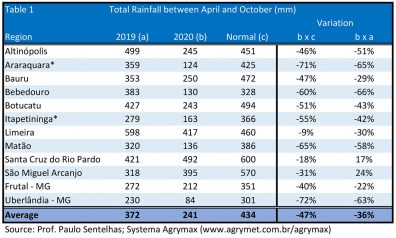 Due to the flowering in non-traditional months (December and January) there are a large number of “green”, not yet ripe fruits mixed with ripe fruits from the normal flowering (August-September 2019). This brings an additional difficulty to the harvesting operation that has to be carried out in at least two different times, resulting in an increase of the production cost for the citrus growers.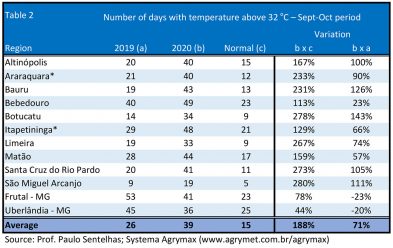
 The ideal climatic and agronomic conditions in the Trentino-South Tyrol region provide VOG Products with a clear mission in addition to high-quality raw goods in secure quantities: what began on the region’s fields continues in the fruit processing facilities.