The dry weather and high temperatures in São Paulo State are concerning Brazilian citrus farmers. Besides limiting the supply of higher quality fruits in the current crop (2020/21), this scenario may affect the output next season (2021/22), since trees are very weak, and the current stage (fruit settlement) is very critical – some farmers have already reported fruitlet drops.
Data from Somar Meteorologia (weather forecast agency) show that it rained in southwestern SP (Avaré and surroundings) between May and June, while in central and northern state, precipitation was extremely low. In July, the scenario became worse, with mostly dry weather in all the areas – the monthly average of rains was below 10 mm.
In August, rains returned to SP, but were concentrated in the southwestern region – in some areas, the monthly rain volume hit 140 mm. Thus, this area is the least affected by the weather, with larger-sized fruits and, so far, higher flower settlement (for the fruits from the 2021/22 season). On the other hand, northern SP (Bebedouro and surroundings) has been the most affected region, mainly non-irrigated groves, with many trees almost totally dry and weak. In central SP, the scenario is concerning too, while in eastern SP, the situation is intermediate.
It is worth to mention that, concerning the output in the 2021/22 crop, the current development period is critical and largely influenced by the water availability in the soil, temperatures and air moisture.
Although it is still early to confirm, farmers have reported that settlement of the first flowering (which occurred mostly in mid-July) has been compromised in most regions. New flowering may occur if rains are enough to interrupt the water stress (more than 40 mm). In this context, flowering may be heterogeneous, depending on the region and plants conditions, which would result in trees with fruits in different development stages.
GREENING – High temperatures and low air moisture are also favoring an increase in the psyllids’ population. According to Fundecitrus (Citrus Defense Fund), the incidence of this bug in SP was high in the second fortnight of August, increasing the risk of spread in groves.
BRAZILIAN MARKET IN SEPTEMBER – With the high temperatures in Brazil, the sales pace has been fast in the market of in natura oranges. This scenario and the lower supply of quality fruits (due to low rains) underpinned pear orange prices in September. Between September 1 and 30, the average price for pear oranges closed at 32.78 BRL per 40.8-kilo box, on tree, 9.2 % up compared to that in August.
In the market of tahiti lime, prices oscillated in September, but drops were more frequent. The number of fruits within the standard required in the in natura market was low, since most of them are wilted and small-sized, due to low rains.
The average price for tahiti lime last month closed at 59.38 BRL per 27-kilo box, harvested, 16% down compared to that in August. With the new devaluations, prices are now lower than that in the same period last year, in nominal terms.
Chr. Hansen Holding A/S entered into an agreement to divest its Natural Colors business to the EQT IX Fund for a cash consideration of 800 EUR million on cash and debt free basis. The transaction is expected to close during the spring of 2021, subject to regulatory approvals.
This agreement concludes the strategic review of the Company’s portfolio announced in July 2020, where Chr. Hansen’s Board of Directors and the Executive Board decided to explore strategic options for the Natural Colors business as it does not share the microbial and fermentation technology platforms.
Mauricio Graber, CEO of Chr. Hansen, said: “The divestment of Natural Colors completes the Review part of our recently launched 2025 Strategy. Chr. Hansen can now focus on fulfilling the ambition of becoming a pure-play, microbial and fermentation company with industry leading, profitable growth. I am convinced EQT will be a great owner of the Natural Colors business which has a leading global position in the industry. During the process it has become clear that EQT showed the strongest conviction in the potential of the business, and the highest dedication to the future development of it. I want to thank all the employees of the Natural Colors business for their contribution to Chr. Hansen over many years, and wish them all the best in the future journey as an independent company.”
Mads Ditlevsen, Partner at EQT Partners, and Investment Advisor to EQT IX, commented: “We are immensely proud and humble of having been chosen as the future owner of Natural Colors. It is a high- quality and truly global business with a proud legacy of servicing customers all over the world for more than 100 years. We are highly impressed by the strong ESG profile, the high-quality organization and talented people we have met during this process, as well as the dedicated focus on food safety. Natural Colors fits very well with EQT’s thematic investment criteria and is operating in two of EQT IX’s five prioritized sub- sectors within Industrial Technology. EQT’s ambition is to help the business achieve further growth both organically and through acquisitions.”
Klaus Bjerrum, Executive Vice President of Natural Colors, said: “I am very pleased to announce EQT as the new owner of Chr. Hansen’s Natural Colors business. EQT has acquired our great business (pending closing) to grow it organically and inorganically based on our capabilities and organization, and not least our leading market position. It is my conviction that this marks a new and exciting chapter for us, and I am
excited to embark on this journey with EQT and all our talented employees around the world.”
Financial implications and outlook Chr. Hansen’s long-term financial ambition is unaffected by the divestment. The proceeds from the divestment will reduce the leverage of Chr. Hansen, and will otherwise be utilized according to the capital allocation principles. In the Chr. Hansen Annual Report, which will be released on October 8, the divested business will be presented as discontinued operations. The outlook for organic growth, EBIT before special items and free cash flow before acquisitions and special items for 2020/21, that will also be presented in the annual report, will not include the discontinued operations. Furthermore, the preliminary estimates of impacts of the transaction in 2020/21 will be part of the outlook.
IFU are pleased to announce the appointment of Aintzane Esturo as Technical Director. Aintzane is well known throughout the fruit juice community and brings to IFU a wealth of knowledge on technical and sustainability matters of importance for the fruit juice industry. As the new Technical Director Aintzane will support the continued development of IFU science-based commissions, responsible for publication of methods, guidelines and e-learning materials, as well as participating in the many international IFU events.
About IFU The International Fruit and Vegetable Juice Association (IFU) has been for seventy years the only representative of the worldwide fruit and vegetable juice and nectar industry. The members of IFU are producers of juices and related products, associations, traders, machinery and packaging producers, public and private scientific institutions from around the world.
New beverage joins the company’s suite of juices and smoothies that support a healthy immune system now in larger multi-serve size
Continuing to innovate and deliver products that meet the fast-changing needs of today’s consumer, Bolthouse Farms is adding to its suite of juices and smoothies that help support a healthy immune system with its new Superfood Immunity Boost. The new blend, an excellent source of Vitamin C, D and Zinc, was crafted with elderberry, cranberry and echinacea, delivering an unmatched combination of flavor and nutrition and will be available on retail store shelves in late-October this year. With consumers making more mindful choices at the shelf, Bolthouse Farms has met the demand for more functional, immunity-supporting products as wellness routines are maintained at home.
“Consumers’ needs are changing quickly, and we heard from our customers that the demand for products that help promote wellness, that taste great and are available at a good value is growing at a fast pace,” said Bolthouse Farms Chief Customer Officer Phil Kooy. “We quickly developed the new Superfood Immunity Boost juice and added multi-serve sizes of our other immunity-boosting juices and smoothies, providing the value and function consumers are looking for.”
Today’s consumer is looking for products to address overall personal wellness – maintaining a healthy immune system remains top-of-mind with cold and flu season just around the corner. While the Superfood Immunity Boost fruit juice blend is available in only the larger 52-ounce multi-serve bottle, Bolthouse Farms has selected five of its most nutrient-dense beverages to offer in this format as well as its single-serve 15.2-ounce bottles, including:
C-Boost – with 600 % daily value of Vitamin C per serving, this blend with pear, mango and Acerola cherries may help support a healthy immune system.
Green Goodness – a combination of ingredients, like apple, mango, kiwi and spinach, are perfectly blended for a smoothie with great taste and a good source of antixoxidants, vitamin A and vitamin B12.
Multi-V Goodness – flavor from cherries, strawberries, cranberries and pomegranates combine to deliver 6 grams of fiber and 100 % daily value of 13 essential vitamins including A, C and E per serving.
100 % Pomegranate – pomegranates are one of the best known superfruits and the ruby red seeds give this juice a unique sweet/tart flavor.
Carrot Ginger Turmeric – a twist on traditional carrot juice with ginger and turmeric for a flavorful beverage that is not only an excellent source of antioxidant vitamin A, but also supports an anti-inflammatory diet1.
These new size offerings and the new fruit juice blend are another step in the company’s journey toward its long-term vision Plants Powering People™, and follows the launch of Bolthouse Farms plant-based Protein Keto™ beverages and plant-based Refrigerated Dressings last month. Expect more product innovations to be announced in coming months, including products that support a healthier lifestyle, with great taste, good value and which meet consumers’ rapidly changing needs.
1Contains turmeric, which has anti-inflammatory properties.
About Bolthouse Farms For more than a century, Bolthouse Farms has been known as the innovation leader in growing and distributing carrots and high-quality, innovative branded products. Employing more than 2,200 people and headquartered in Bakersfield in California’s fertile San Joaquin Valley, Bolthouse Farms is one of the largest carrot growers and distributors in the U.S. Guided by its vision – Plants Powering People – the Company produces and sells super-premium juices, smoothies, café beverages, protein shakes, functional beverages and premium refrigerated dressings, all under the Bolthouse Farms® brand name.
The European partners of the IFORED project have started to market the first pink-flesh apples of 2020 and Kissabel® Red will go on sale in October
The new European Kissabel® apple season has begun. The project partners in the UK, France and Switzerland started harvesting two coloured-flesh varieties: Kissabel® Orange and Kissabel® Yellow. The first variety features skin with an orange/pink pigmentation, intense pink flesh and a strongly flavoured, refreshing taste, while the second has a yellow skin, pink flesh and a balanced flavour.
With regard to the new season, the figures for the IFORED project’s partners are largely positive, both in terms of quality and interest from customers and consumers.
In the UK, the main feature of the new Kissabel® apples will be their increased sweetness. “The harvest started in mid-September. We are very excited and very positive about the new harvest,” reports Anna Coxe, Head of Technical and Quality at Greenyard. “Our orange and yellow Kissabel® varieties show a very good pigmentation and a very consistent internal colour. Their taste is excellent too, with a sweet, almost berry-type flavour. We had great feedback from retailers – they’ve never seen anything like Kissabel® before and they are looking forward to the new season”.
Kissabel® is the brand that identifies the different varieties of coloured-flesh apple – from pink to intense red (Photo: IFORED)
“We are expecting a great product – apples show overall good quality and are developing a good internal colour. We are expecting great taste too, with high brix levels,” says Hannah Martin, Commercial Director at World Wide Fruit. “Our Kissabel® apples will be available from October – we are enthusiastic about the season and about the project. Kissabel® are truly unique apples that deliver the ‘wow’ factor to consumers looking for something different”.
Similarly in France, the apples’ quality has lived up to expectations. “The new harvest shows continuity from last year – the apples look good on the outside and they have a nice pink colour inside. The taste is delightful too,” comments Marc Peyres, Export Sales Manager at Blue Whale. “Kissabel® are the first red-flesh apples sold in quantity with success – it’s a completely new thing and we are very happy to be part of the project. There are a lot of new varieties on the market, but Kissabel® apples are unique: amazing in the inside, new-looking and with an excellent taste too”.
“We are very positive about this season. Both the outside and inside colours are amazing, the quality is good and consistent with last year,” says François Mestre, co-manager at Mesfruits (France). “We already have big demand from retailers – clients who had Kissabel® apples last year can’t wait to have them again.”
More good news has come from the market in Switzerland. “The harvest seems to be excellent: the size of the fruits is very good and the external appearance is very nice,” reports Christian Bertholet, Category Manager Fruits at La Montagne – Union Fruits Fenaco (Switzerland). “With the beginning of the season, we are sending samples to all our customers and also presenting Kissabel® at an event with major Swiss cooking chefs”. There is huge interest in these new apples.”
After the Kissabel® Orange harvest in September, the first Kissabel® Red apples will arrive in Europe in October: red inside and outside, with an intense flavour and notes of red fruit, mainly grown in Italy and Germany.
Kissabel® is the brand that identifies the different varieties of coloured-flesh apple – from pink to intense red – developed by the IFORED project, an international partnership involving 14 of the world’s largest production and marketing companies.
Fi Europe co-located with Hi Europe has announced they are postponing the live event to 2021 and are transitioning to virtual for their 2020 event.
Over recent weeks and months, the Fi Europe team has been in discussions with key industry stakeholders and partners to stay abreast of the challenges facing the F&B industry due to COVID-19. While the event was set to take place this December with Informa’s AllSecure guidelines incorporating the highest standards of hygiene and cleanliness, the decision to postpone the live event and transition to virtual was taken as a result of the global nature of the event.
Fi Europe co-located with Hi Europe is a truly international event which brings together key industry players from all over the world. Given international travel is only returning gradually, stakeholders and partners felt it was difficult to ensure the same level of participation typically expected at the live event, and thus the Fi Europe team made the difficult decision to transition to a virtual format in 2020, with the expectation that they will return to Frankfurt as a best-in-class physical event from 30 November to 2 December 2021. The following year the show will take place in Paris.
For 2020, the Fi Europe team are transforming Europe’s largest F&B exhibition into a unique digital experience and expo. Fi Europe CONNECT 2020 is a virtual event designed to give the F&B community access to the global F&B ingredients industry, tools and collaboration opportunities they require to meet their business objectives.
Attracting over 8,000 attendees at their virtual event which will shape the future of the F&B industry, giving the community the chance to stay up to date with trends through 100+ on-demand and 16+ expert sessions and to use Fi Europe’s data-driven matchmaking service to find the most relevant buyers for customers’ products and solutions.
Caribé Juice, a minority-owned business, has acquired WTRMLN WTR, a female-founded company with a mission-forward brand and product portfolio. Caribé Juice is committed to continuing to advance the Drink Clean mission of WTRMLN WTR.
WTRMLN WTR and Caribé Juice have been running parallel paths in the cold-pressed juice world since 2013 and are aligned in the drive to provide clean healthy beverages to people who would not otherwise have access. Like WTRMLN WTR, The Story of Caribé Juice began when founder Luis Solis noticed juice offerings in the United States did not match the quality he was accustomed to drinking while growing up in the Dominican Republic, where natural, fresh tasting, nutrient packed juices are a cultural staple. Solis created the Caribé Juice portfolio made from fruits and vegetables sourced from the Caribbean. Shortly after creating the brand, Solis expanded his company offerings by building a vertically integrated farming and manufacturing supply chain in his home of the Dominican Republic and a company committed to helping small local farmers. Like WTRMLN WTR, whose commitment is about “creating better, more sustainable methods of food production, less waste, a smarter planet, healthier humans, a healthier world, more love, equality, decency and kindness.” The acquisition by Caribé Juice is doubling down on this commitment, getting closer to the source and connecting to the company’s core values.
Both WTRMLN WTR and Caribé Juice abide by a credo where social responsibility leads and they both have a mission to give back. WTRMLN WTR was founded in 2013 on a mission to do good, upcycle wasted watermelons, and educate about the importance of clean food. This mission is the heart of what recruited superstars like Beyonce Knowles Carter, Chris Paul, Kevin Durant, Michael Strahan, Tony Robbins and more to the company investor roster. WTRMLN WTR has done giveback programs with Product(RED), The Whole Planet Foundation, FoodCorps USA and many more. A sentence from the Caribé company website reads, “WE ARE ABOUT PEOPLE; WE ARE ABOUT MAKING A DIFFERENCE AND GIVING BACK IN EVERY WAY WE CAN.” Solis and the Caribé Juice team are committed to maintaining this meaningful commitment.
Both founders, Solis and Levy, have a passion for doing good and believe that business can make a difference in the world. “One of the best aspects of Caribé Juice is that with each purchase, you can be a part of supporting small local farmers in developing communities while making healthy and budget-conscious choices for you and your family,” said Luis Solis. “We are very excited for Caribé to be the steward of the WTRMLN WTR brand. This means taking our farm-to-bottle supply chain closer to the source, keeping our quality super high, and therefore further delivering on our promise to provide clean healthy beverages to people of all walks of life,” said founder Jody Levy of the Caribé Juice acquisition.
Pure Piraña, developed with all-natural flavours, enters Mexican & New Zealand markets
HEINEKEN is exploring the Hard Seltzer category with the launch of Pure Piraña in Mexico and New Zealand. It will be available in a choice of up to nine different flavours, enabling HEINEKEN to test local preferences and investigate the potential of a rapidly growing category, whilst also exploring additional market introductions into this category.
Pure Piraña demonstrates HEINEKEN’s commitment to crafting new taste profiles in line with consumers’ ever- changing demands. Containing fewer than 100 calories per 330 ml can and made with all-natural flavours, the new beverage is aimed at a modern generation of consumers who are increasingly conscious of their consumption habits and lifestyle choices.
Jan Derck van Karnebeek, Chief Commercial Officer at HEINEKEN said: “Innovation is embedded in everything we do at HEINEKEN, which is why we continuously use our expertise to create new and exciting taste experiences for consumers. We are seeing more and more people look for a low-calorie alcoholic alternative and the result is the rapid growth of the Hard Seltzer category. The launch of Pure Piraña offers a way for us to meet customers’
evolving needs and explore a new growth opportunity for our business.”
Pure Piraña is a refreshing mix of carbonated pure mineral water, a dash of natural fruit flavours and contains 5 % alcohol. The result is a Hard Seltzer that is low in carbs, low in sugar, low in calories and is also vegan-friendly. Pure Piraña will initially launch in Mexico, one of HEINEKEN’s largest markets, in Grapefruit, Peach and Red Fruit flavours, and in Raspberry and Lime in New Zealand.
Pure Piraña joins HEINEKEN’s portfolio of more than 300 global and local brands.
Tate & Lyle PLC, a leading global provider of food and beverage solutions and ingredients, is delighted to announce that its greenhouse gas emission reduction targets for 2030 have been approved by the Science Based Targets initiative (SBTi) as consistent with levels required to meet the climate action goals of the Paris Agreement.
Announced in May 2020, Tate & Lyle’s commitment to a 30 % absolute reduction in Scope 1 and Scope 2 greenhouse gas emissions by 2030 is in line with the Paris Agreement’s central aim to keep a global temperature rise this century well below 2°C. The company’s commitment to reduce emissions from the value chain (Scope 3) by 15 % over the same period meets the SBTi’s criteria for ambitious value chain goals.
Tate & Lyle is one of only around 65 food and beverage operators globally to have its environmental commitments approved by SBTi, a collaboration between CDP, the United Nations Global Compact, World Resources Institute, and the World Wide Fund for Nature.
Comprehensive hygiene plan for the 2021 trade fair
Thomas Dohse (50) has been the new leader of interpack in his capacity as Project Director since the start of September. He follows Bernd Jablonowski, who rose to the Managing Board of Messe Düsseldorf as an Executive Director.
Dohse has woven an excellent web of connections within the global packaging industry and the related process industry. He has been part of the interpack team at Messe Düsseldorf since 2005 and led interpack 2017 on an operative level as Deputy Director. During this period, the father of three supported many formative themes for interpack, such as SAVE FOOD and the special shows under the innovationparc label. These are now also successful at the international events within the scope of the interpack alliance, which will also be led by Dohse in the future.
The upcoming interpack in Düsseldorf was postponed from its original date in May 2020 to the following year, due to the Corona pandemic. It will now take place from 25 February to 3 March 2021 and continues to be fully booked.
Messe Düsseldorf relies on a comprehensive hygiene concept in order to protect exhibitors and visitors. “interpack is the most important event in the international packaging industry and, especially in times of crisis, provides crucial stimuli in order to build a successful future for the companies involved. Therefore, we give our all in order to do justice to this responsibility and simultaneously guarantee the best possible protection of the health of the people coming to our trade fair centre”, emphasises Thomas Dohse.
The hygiene plan has already proved that it lives up to its motto: “PROTaction – Back to Business” with Caravan Salon, the first trade fair at the Düsseldorf trade fair centre after the Corona break. After selling personalised tickets exclusively online before the trade fair, extensive hygiene measures shaped implementation of the concept on-site.
Sponsored Post
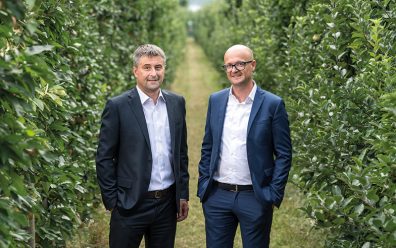
VOG Products processed over 30,000 tonnes of organic fruit in the 2019/20 business year. Many factors, starting from the South Tyrol – Südtirol location and the partnership with Bioland, underlie the growing demand.
From 2017 to the present the organic percentage of the output of VOG Products, the modern, innovative fruit processing business in Italy’s South Tyrol – Südtirol region, has tripled. But why is interest in certified organic foods growing so strongly? The answer is apparently simple but actually implies a great deal more: because organic is added value.
“Customers identify it with a healthier product: people want to make a choice that’s good for them, for the environment they live in, and also for nature. This is certainly a trend, but for an ever-increasing number of people it’s more than that: a lifestyle and a new experience”, we are told by Martin Bristot, who works in the organic sector as Senior Key Account Manager at VOG Products.
An Organic brand also represents trust: VOG Products only purchases organic fruit from its members in Trentino-South Tyrol, mainly Bio Val Venosta and Bio Südtirol. “Through traceability back to the farmer, we are able to give the market a strong, clear signal: we know who grows our organic products with hard work and passion,” Mr Bristot confirms. “Since the European market’s two biggest organic producers are members in our owner cooperative, we enjoy preferential access to raw material. Basically, we are able to access supplies all year round.”
Through the partnership with Bioland, VOG Products takes another major step forward: almost all its organic raw materials also meet the Bioland standards. “The whole chain, starting from the farmers through the cooperative to VOG Products itself as processing company, is certified from A to Z, so the final product is certified, too”, Mr Bristot explains.
This label’s private law requirements are much more stringent than the criteria enforced by law on the EU’s biological label: farmers implement the seven Bioland principles, which also embrace the circular economy, biodiversity, and the maintenance of soil fertility to combat global warming. A Bioland farm has to operate in accordance with 100% environment-friendly standards, and the use of fertilisers and pesticides is also more strictly controlled. When it comes to processing, fewer than half the food additives approved under EU organic production regulations also meet the Bioland conformity criteria. In general, with Bioland, additives and auxiliary materials, processing methods, packaging, labelling and the quality guarantee are specifically tailored to each group of products, and tight restrictions are often imposed.
Over time, major food retailers have recognised its potentials and have brought their strategies into line with the Bioland standards. Once again, VOG Products benefits from its location in South Tyrol, the only province outside Germany to have a Bioland association.
The market is particularly receptive to pulps and fruit juices for children. “We are able to differentiate our products in order to satisfy even the toughest standards on organic foods for infants”, Mr Bristot adds.
VOG Products also benefits from members’ variety of products and forward-looking varietal strategy: “We can also offer an organic version of variety growers’ club apples such as Pink Lady. On request, we are even able to supply a single-variety product”.
Recently, demand for organic products has recorded constant growth, a trend of which VOG Products is well aware: although in the 2017/18 business year it processed only a little over 10,000 tonnes of organic produce, this volume rose to about 20,000 tonnes in 2018/19 and passed the 30,000 tonne mark in 2019/20. Output of organic apple pulp and juice more than doubled in the same period.
In the future, the added value of organic output will become more and more fundamental for VOG Products: in the years to 2023, the cultivated land used for organic production will be expanded by about 10% per annum.
VOG Products is an innovative company specialising in the processing of apples and other fruit. It is owned by 18 cooperatives in South Tyrol and Trentino and four producers’ organisations comprising over 13,000 family-run enterprises. Every year, VOG Products process more than 300,000 tonnes of raw goods to create healthy, safe products for the international market.
Lassonde announced that bendable paper straws will replace plastic straws in all 200 ml single-serve boxes of Kiju and Simple Drop Natural Spring Water products. This initiative marks a first-to-market in Canada and provides consumers with 100 % recyclable packaging. Kiju and Simple Drop products are managed by its Nothing but Nature division. These products are now available at major Canadian grocery retailers, just in time for back-to-school.
“Adding paper straws to two of our brands is an important step for Lassonde to make our packaging even more eco-friendly,” says Jean Gattuso, President and COO of Lassonde Industries Inc. “The market testing we did in fall 2019 on adding paper straws to our 200 ml containers showed consumer interest for innovative packaging. We’re pleased to offer consumers 100 % recyclable packaging made largely from renewable material.”
The paper straws are made from FSC-certified paper, and both the straws and multi-layer boxes meet the highest standards of quality.
“We decided to add paper straws to two brands that are popular with consumers who are particularly concerned about the environmental impact of their purchases. Kiju is the most popular brand of organic juice in Canada, while Simple Drop natural spring water offers an alternative to plastic water bottles., During this pandemic, it’s important to provide alternative option since it has become more difficult to access water fountains in schools, offices and public spaces,” adds Claire Bara, Executive Vice-president and General Manager, Marketing, Trade and Product Development for A. Lassonde Inc.
Multilayer cartons now recycled in Quebec
In May 2020, Sustana Fiber’s mill in Lévis, Québec, announced a Canadian first with the development of new processes to recycle multilayer juice and milk cartons. It can now annually process 3,000 to 4,000 tons of these cartons collected from across the country. The replacement of plastic straws will increase the percentage of recyclable fibre and supply the new facility in Lévis.
“Each recycled multilayer carton provides the raw material needed to continue producing essential items like toilet paper and paper napkins.” says Isabelle Faucher, Managing Director of the Carton Council of Canada. “Stable and thriving end-markets for post-consumer cartons are important to the success of national recycling and recovery efforts. Increased carton recycling helps preserve natural resources, meet important diversion and recycling goals, create jobs and, in the case of COVID-19, helps to avoid shortages of the pulp needed to manufacture essential items.
Sustainable development at Lassonde
This initiative is in line with the company’s sustainable development objectives. By 2025, Lassonde wants to:
Find alternatives to plastic straws
Incorporate 20 % post-consumer recycled content in its packaging
Introduce 100 % recyclable packaging for all its products, while working with governments, the industry and associations to promote the efficient sorting and collection of recyclable materials.
Other Lassonde environmental initiatives include ongoing efforts to reduce its packaging weight and the quantity of water used in its chilling and purification processes.
About Lassonde Lassonde Industries Inc. is a North American leader in the development, manufacturing and sale of a wide range of fruit and vegetable juices and drinks marketed under recognized brands such as Apple & Eve, Everfresh, Fairlee, Fruité, Graves, Oasis, Old Orchard and Rougemont. Lassonde is the second-largest producer of store brand ready-to-drink fruit juices and drinks in the United States and a major producer of cranberry juices, drinks and sauces. Lassonde also develops, manufactures and markets specialty food products under recognized trademarks such as Antico and Canton. The Company imports and markets selected wines from various countries of origin and manufactures apple ciders and cider-based beverages. The Company produces superior quality products through the efforts of some 2,200 employees working in 15 production facilities across Canada and the United States.
Comexposium Group, the organiser of SIAL (Salon International de l’Alimentation), announced that the 2020 edition of SIAL Paris, initially slated for this autumn is to be rescheduled to 15 to 19 October 2022.
To enable such an international event to take place during this pandemic-hit period, SIAL Paris had planned a wide range of initiatives. However, following consultations with exhibitors and visitors, and in view of an uncertain interna- tional public health environment, the results of the survey have shifted substantially in recent days, eventually leading to a majority wishing to see the event put off.
Nicolas Trentesaux, CEO of SIAL Global Network explains that: “SIAL Paris wishes to remain true to its mission with the firm intention of keeping in touch with its market and supporting the recovery and transformation of food industry market players all over the world”.
To guarantee food professionals an experience that lives up to their expectations, SIAL Paris is therefore postponed to 2022, when it will take place from 15 to 19 October. At each of its editions, SIAL Paris usually welcomes 7,200 exhibitors from more than 120 countries and draws 300,000 participants. It also deciphers the market and the trends emerging in the world food sector, and has tirelessly reinvented itself over more than 50 years as the imperative go-to figure in the food industry.
SIAL Paris will continue to propose content and will offer a series of new events from October 2020 onwards dealing with major global issues, trends and innovation that are set to shape the food industry of the future. These include exclusive studies, the likes of which are unparalleled in the food world, conducted by the expert partners of SIAL: Kantar, ProtéinesXTC and Gira. Cutting edge analysis of leading trends and how they evolve over time, based on a three-pillar approach: Customer expectations, Product innovation and Out-of-home food service behaviour.
“Furthermore, we will continue to expand our global network to offer regional growth platforms with major annual gathe- rings in China, Canada, Indonesia, India and the United Arab Emirates,” concludes Nicolas Trentesaux.
Coca-Cola European Partners announced the introduction of CanCollar®, an innovative paperboard packaging solution, for multipack cans in Spain. The move supports its work, in partnership with Coca-Cola, to remove all unnecessary or hard to recycle plastic from its portfolio, avoiding the use of more than 11,000 tonnes of virgin plastic a year across Western Europe.
Initially, Coca-Cola European Partners will launch the new, PEFC certified1 recyclable and sustainably sourced paperboard CanCollar® in the Balearic Islands in November 2020, a first in Europe.
Innovative packaging design is a core principle of Coca-Cola’s World Without Waste strategy and through collaboration with WestRock, a global company that provides its customers with sustainable differentiated packaging solutions, Coca-Cola European Partners will start to use the CanCollar® paperboard can ring technology in the Balearic Islands, replacing the current Hi-cone solution and saving more than 18 tonnes of plastic annually.
Coca-Cola European Partners has invested 2.6 million euros in its Barcelona plant to support this initiative. The installation of WestRock’s CanCollar® Fortuna™ manufacturing equipment will enable multipack cans to be grouped in a sustainable and environmentally friendly way, with a process that does not require the use of glue or adhesives.
1PEFC, the Programme for the Endorsement of Forest Certification, is a leading global alliance of national forest certification systems. As an international non-profit, non-governmental organization, PEFC is dedicated to promoting sustainable forest management through independent third-party certification.
Orange juice inventories ended the 2019-20 season (on June 30, 2020) on the rise, as already expected by agents from the Brazilian citrus market. According to CitrusBR (Brazilian Association of Citrus Exporters), the volume stocked by then totaled 471.138 thousand tons, a staggering 86 % up compared to that in the previous season, due to the higher orange production.
However, although the 2020-21 crop started with high volumes stocked, production is forecast to be low in São Paulo State and the Triângulo Mineiro, which is keeping firm the demand from processors for oranges. This scenario should lower inventories by the end of the current crop.
A report released by Citrus BR in late August estimates that, on June 30 2021, the inventories of Frozen Concentrate Orange Juice (FCOJ) Equivalent from the 20-21 crop will total from 240 to 280 thousand tons, 49 % down compared to that in the previous season.
These estimates consider that around 238 million boxes of 40.8 kilos of oranges will be processed (with 50 million boxes left to be sold in the in natura market), average yield of 268 boxes to produce a ton of FCOJ Equivalent and stable sales, at 1.15 million tons. These results are similar to that estimated by Cepea in May, at 250 thousand tons. It is worth to mention that both estimates (from CitrusBR and Cepea) take into consideration the fact that there may be adjustments in industrial yield, due to the multiple flowerings registered in 2020-21.
According to agents from processors, yield has been low, and much more than the 268 boxes are needed to produce a ton of juice, as estimated by CitrusBR. Although this number tends to decrease along the season, it is concerning, since the prices paid for the fruits have been higher this season, meaning that remuneration for lower quality oranges is currently higher. In this scenario, the only processors that has been purchasing oranges in the Brazilian spot market is bidding prices according to yield: when more than 290 boxes are needed for a ton of juice, prices average 21.60 BRL/box, while for the fruits with higher yield, prices reach 24.00 BRL/box.
BRAZILIAN MARKET IN AUGUST – Despite the weak demand, due to the colder weather, orange prices remained firm in August, underpinned by the lower supply of higher quality fruits in the in natura market. Besides, the fast crushing pace at the large-sized processors in SP helped to reduce availability in the market. Thus, between August 1st and 31, the average price for pear oranges closed at 30.01 BRL per 40.8-kilo box, on tree, 11.8 % higher than that in July.
TAHITI LIME – Tahiti lime supply was low in the Brazilian market in August, forecast to increase only from mid-September. The fruits that were on tree had not reached the ideal size and maturation to be harvested, since the weather was dry in the last months.
Thus, prices were firm last month, which limited deals in the in natura market of São Paulo State. In August, the average price for tahiti lime was 85.15 BRL per 27-kilo box, harvested, 40 % up compared to that in July.
Coca-Cola European Partners funds dispensed delivery innovation with investment in self-pour, self-pay drink dispense technology leaders Innovative Tap Solutions
CCEP Ventures, the investment arm of Coca-Cola European Partners, has acquired a 25 % stake in Innovative Tap Solutions (ITS) – the creators of technology that enables consumers to pour their own beverages and increase efficiencies for the hospitality industry. Branded Strategic Hospitality, an investment & solutions platform headquartered in New York City, also participated in the investment in ITS alongside CCEP.
The investment will see CCEP work with ITS to introduce self-pour dispense technology to CCEP’s customers in Western Europe, beginning with a trial in Spain. ITS’s technology allows consumers to pour and pay for drinks themselves – cutting down queues, reducing the need for unnecessary contact and wait times and freeing up serving staff.
The partnership also represents a further step forward for CCEP’s Action on Packaging strategy, launched in 2017. CCEP is committed to investing and innovating in refillable and dispensed delivery models to eliminate packaging waste and lower its carbon footprint. CCEP is looking at developing suitable dispensed solution for different environments, and the partnership with ITS is a key part of this.
This agreement forms part of the wider CCEP Ventures programme – which aims to find, fund and nurture new technology and innovation.
Nik Jhangiani, Chief Financial Officer at CCEP, said: “We are committed to supporting package-free technology and finding new ways to help our customers increase value and provide a better experience to consumers. ITS is an exciting and ambitious business. We are confident we can help them expand successfully into the soft drinks category and grow their presence in Western Europe.”
Josh Goodman, Founder & CEO of ITS, commented on the partnership: “We’re excited to take this Self Pour Revolution to the next level with CCEP. Less than 5 years ago, our company was just me and one other person and our focus was just self-pour taprooms dispensing beer, wine and cocktails through our technology.
The market has spoken, customers and business owners love the concept, the efficiency and experience. We’re a liquid-agnostic company that wants to grow in the non-alcoholic space. Our partnership with CCEP ensures that we can continue investing in our technology to scale with the increasing demand.”
Vitafoods Expo 2020: Allmicroalgae will showcase its portfolio of functional and sustainable ingredients / Joint venture announcement
At Vitafoods Expo, European microalgae specialist Allmicroalgae will focus on three key ingredients which are all high quality sources of macro- and micronutrients: Organic Chlorella vulgaris powder – the only Chlorella ingredient on the market produced on a large scale with EU organic certification, Tetraselmis chuii powder and Nannochloropsis powder. Their valuable nutritional profiles make all three perfect for use in food supplements targeted at vegetarians, vegans, healthy lifestyle followers and the sports and fitness sectors. Furthermore, the Portuguese company is excited to use Vitafoods Expo as a platform to announce its new shareholder, ALTINAT Group, owner of Greentech, a pioneer in plant biotechnology. With a worldwide reach, Greentech has experience in processing algae in innovative ingredients for several markets, including the aquaculture, cosmetics and agro sectors. The new partnership effectively expands Allmicroalgae’s global presence and gives companies around the world access to its portfolio of plant-based, natural, sustainable and organic products.
Chlorella vulgaris powder: Packed with nutrients
The ideal protein supplier, this fine powder composed of Chlorella vulgaris microalgae cells has a minimum of 55 per cent protein in the dry mass. It contains all of the essential amino acids, which is a rarity amongst plant-based sources. Furthermore, it offers a vast array of vitamins and minerals, including vitamins A, B12 and iron, as well as phytochemicals such as carotenes and xanthophylls. High in dietary fibre and low in fat, it has a total lipid content of more than 60 per cent polyunsaturated omega-3 fatty acid ALA (alpha-linolenic acid). The product is produced in accordance with European Organic Certification.
Important from a functional perspective are its detoxifying and antioxidant properties. With immune health currently in focus like never before, the immunity-boosting properties of Allmicroalgae’s Chlorella vulgaris make it a high demand ingredient. When it comes to food formulations, it has interesting functionality, including being a natural green colourant and a texturising agent.
Tetraselmis chuii powder: A boost for nutritional profiles and savoury flavours
This EU-approved novel food ingredient contains a minimum of 40 per cent protein in the dry mass, as well as a broad spectrum of vitamins and minerals, plus phytochemicals such as carotenes and xanthophylls. A key nutritional advantage is its essential omega-3 EPA (eicosapentaenoic acid) content.
As a food ingredient, the sensory characteristics of Tetraselmis chuii are particularly interesting: Its pleasant, lightly salty seafood-like taste makes it ideal for boosting the flavour and nutritional content of savoury items in particular, including sauces, condiments and savoury crackers, where it can act as a salt substitute.
Nannochloropsis: High in EPA
Nannochloropsis microalgae normally grows in salt water, so its salt concentration is relatively high (7-9 g/100 g). However, Allmicroalgae has succeeded in developing a fresh water method of production. This leads to a product that is far lower in salt (<0,4 g/100 g) and is thus a healthier option for dietary supplements. Its high EPA content (almost 50 per cent of its total lipids) makes it a perfect source of this essential omega-3 fatty acid. Additionally, it is high in protein, dietary fibre and phytochemicals, which are largely responsible for its anti-oxidant activity.
Functional yet sustainable
“We are delighted to be taking part in the first ever virtual Vitafoods event,” says Margarida Eustáquio, responsible for Business Development at Allmicroalgae. “Even though it’s a pity we will not be able to meet our customers face to face, this innovative new format gives us the chance to reach an even wider audience, from all over the world. This is a great fit for our expansion plans and ties in perfectly with our new partnership. We are excited to be able to tell manufacturers and suppliers about the multitude of uses for our ingredients, which offer contemporary solutions for today’s health and sustainability conscious consumers. Our products are made 100 per cent in Portugal and combine the best of both worlds – excellent functionality and a clear ethical conscience.”
Of course, Vitafoods attendees will be able to learn about all of the products in Allmicroalgae’s extensive portfolio. Demonstrating its versatility, the company also offers finished items such as crackers, cookies and superfood bars, which are produced by carefully selected contract manufacturers on its behalf.
The KHS Group and Ferrum AG are intensifying their longstanding cooperation. Pending approval from antitrust authorities, KHS GmbH will be acquiring a stake in Ferrum Packaging AG. The aim is to optimally bundle the competencies of both machine-engineering companies to form a common system portfolio in the interest of providing integrated customer systems. At the same time, customers will also benefit in the future from well thought-out, one stop-shop services.
The KHS Group and Ferrum AG have been working together extremely successfully in the can segment for years. Dortmund full-service provider KHS values most of all its Swiss partner’s innovative machine technology and its expertise based on many years of experience, emphasizes Martin Resch, CFO in charge of purchasing at KHS. “Ferrum AG is the worldwide well-known manufacturer of can seamers. Combined with our future-oriented solutions in the field of filling and packaging technology, we form an effective union that is valued highly in the market.”
The two engineering companies are now intensifying their cooperation even further. Ferrum Packaging AG was founded as a subsidiary of Ferrum AG and incorporates Ferrum’s entire worldwide can seaming business. KHS will be acquiring minority ownership in Ferrum. At the same time, Ferrum Packaging Inc., the US subsidiary of Ferrum Packaging AG, will be taking over KHS’ can seaming business together with its employees and will be integrating it into the joint offer.
Intelligently combined system solutions
The aim of the merger is to develop and globally market joint solutions. To date, the KHS Group has offered tried and tested Ferrum can seamers only as accessory components for its canning lines. Effective immediately, work in close cooperation will begin on developing even more efficient systems including a filler-seamer block. “Based on skilled future planning of technical components, block solutions are to be designed to be as integrative as possible and do away with redundant functions,” says Dr. Siegmar Stang, Executive Vice President Wet Area at KHS.
Combined filler-seamers designed for the maximum capacity class are planned with clear benefits for the overall process, as Oliver Bühler, CTO of Ferrum Packaging AG, explains. “We don’t want to merely present one solution; we want to develop a comprehensive system portfolio that meets the needs of every customer while offering clear customer benefits.” Among other things, the two partners have set themselves as targets for their new developments a lower TCO1 through shorter changeover times and more rapid sanitizing phases. In addition, the hygienic environment of the systems is to be further optimized.
Comprehensive one-stop-shop services
The intensified cooperation will also bring about extensive customer benefits in the area of customer service. In the future, all services for combined systems from KHS and Ferrum will be offered from a single source. “This will not only reduce the effort for our customers, they will also benefit from shorter machine wait and downtimes,” explains Dr. Beat Bühlmann, President of the Board of Directors at Ferrum.
The planned services include joint overhauls of the systems and integration of the KHS remote maintenance system ReDiS2. Coordinating the supply of spare parts will also result in improvements in discontinuation management to ensure continued operation of the machines and thus the availability of systems.
1 TCO = Total Cost of Ownership 2 ReDiS = Remote Diagnostic Service
Company to establish new operating units and global beverage category leads, supported by new platform services organization
Workforce to be aligned to focus on growth; reductions expected through voluntary and involuntary separation program
The Coca-Cola Company announced strategic steps to reorganize and better enable the Coca-Cola system to pursue its Beverages for Life strategy, with a portfolio of drinks that are positioned to capture growth in a fast-changing marketplace.
The company is building a networked global organization, combining the power of scale with the deep knowledge required to win locally. The company will create new operating units focused on regional and local execution that will work closely with five marketing category leadership teams that span the globe to rapidly scale ideas.
This structure will be supported by the company’s newly created Platform Services organization, which will provide global services and enhanced expertise across a range of critical capabilities.
“We have been on a multi-year journey to transform our organization,” said Chairman and CEO James Quincey. “The changes in our operating model will shift our marketing to drive more growth and put execution closer to customers and consumers while prioritizing a portfolio of strong brands and a disciplined innovation framework. As we implement these changes, we’re continuing to evolve our organization, which will include significant changes in the structure of our workforce.”
Operating units
The company’s nine new operating units will help streamline the organization by replacing current business units and groups. The operating units will be highly interconnected, with more consistency in structure and a focus on eliminating duplication of resources and scaling new products more quickly.
The company’s current model includes 17 business units that sit under four geographical segments, plus Global Ventures and Bottling Investments. Moving forward, the operational side of the business will consist of nine operating units that will sit under four geographical segments, along with Global Ventures and Bottling Investments.
The company’s operating leaders will report to President and Chief Operating Officer Brian Smith.
Global category leads
Innovation, marketing efficiency and effectiveness are top priorities for the company. The Coca-Cola Company is conducting a portfolio rationalization process that will lead to a tailored collection of global, regional and local brands with the potential for greater growth. To drive these initiatives and support the operating units, the company is reinforcing and deepening its leadership in five global categories with the strongest consumer opportunities:
Coca-Cola
Sparkling Flavors
Hydration, Sports, Coffee and Tea
Nutrition, Juice, Milk and Plant
Emerging Categories
The leaders of these categories will work across the networked organization to build the company’s brand portfolio and win in the marketplace. Global category leads will report to Chief Marketing Officer Manolo Arroyo.
Platform Services
The company announced the creation of Platform Services, an organization that will work in service of operating units, categories and functions to create efficiencies and deliver capabilities at scale across the globe. This will include data management, consumer analytics, digital commerce and social/digital hubs.
Platform Services is designed to improve and scale functional expertise and provide consistent service, including for governance and transactional work. This will eliminate duplication of efforts across the company and is built to work in partnership with bottlers.
Platform Services will be led by Senior Vice President and Chief Information and Integrated Services Officer Barry Simpson.
Aligning the company’s workforce to new priorities
The company’s structural changes will result in the reallocation of some people and resources, which will include voluntary and involuntary reductions in employees. The company is working on this next stage of design and will share more information in the future.
In order to minimize the impact from these structural changes, the company today announced a voluntary separation program that will give employees the option of taking a separation package, if eligible.
The program will provide enhanced benefits and will first be offered to approximately 4,000 employees in the United States, Canada and Puerto Rico who have a most-recent hire date on or before Sept. 1, 2017. A similar program will be offered in many countries internationally. The voluntary program is expected to reduce the number of involuntary separations.
The company’s overall global severance programs are expected to incur expenses ranging from approximately $350 million to $550 million.
Following long years of contract-bottling, the smoothie and juice producer innocent has decided to build the very first bottling plant of its own. Krones won the order for four complete PET bottling lines and the corresponding IT landscape. The paramount consideration for “the blender”, as innocent has christened its greenfield project, was sustainability: the aim is to build an entirely CO2-neutral factory. “But we’re also keen to reduce water consumption to a minimum, since we want to treat and re-use as much of it as possible,” explains Sam Woollett, Engineering and Facilities Lead. Each of the four identical PET lines handles up to 32,000 containers an hour. The new plant has been tasked with filling about 400 million bottles of chilled drinks a year. In all, innocent has invested approximately 250 million US-dollars in this project.
Four complete PET bottling lines from Krones
The Contipure AseptBloc DA blow-moulder/filler block consists of a Contiform 3 Pro stretch blow-moulding machine and a Modulfill Asept aseptic filler. For the Contipure D preform sterilisation module, innocent naturally enough opted for a particularly sustainable version. This ensures a reduced total cost of ownership (TCO), thanks to lower consumption of hydrogen peroxide, steam and energy, plus shorter preparation times. All containers after being filled are fitted with a tamper-evident seal and – depending on the format involved – dressed in a wrap-around or pressure-sensitive label. What’s more, the modularised Topmodul labeller is block-synchronised directly with the Variopac Pro FS packer.
Syskron is digitalising all the factory’s processes
As the group’s digitalisation specialist, the Krones subsidiary Syskron has developed a turnkey MES concept for innocent that through appropriate interfaces also integrates the ERP system, the process control and warehouse management systems in the new plant. This concept includes various solutions from the SitePilot IT family brand, not least the Planning production planning system, the Line Management order and administration system, plus Line Diagnostics for production data acquisition and analysis. From the category of Share2Act services, innocent will in future be using Connect: this enables all information, such as shift schedules, to be made available to all staff in digital form.
Chief Blender Andy Joynson explained that innocent is “aiming to build the earth’s favourite little healthy drinks factory, the blender. It’s location in the Port of Rotterdam is no accident: We will minimise the distance between the place where the fruits arrive from overseas and the actual production facility. This enables us to reduce the company’s CO2 footprint by about ten per cent. We are delighted that we will be able to bottle our healthy drinks in our own plant, but more pleased that we will ensure that the production operation and the buildings comply with our sustainable standards.”
While whole fruit consumption increased in children between 2003 and 2016, the intake of several important nutrients decreased over time, a new study shows. Adding 100 % orange juice to the diet could help address this shortfall and bolster intake of other key nutrients.
A cross sectional analysis using the nationally representative National Health and Nutrition Examination Survey (NHANES) data on children ages 2 to 18 found significantly higher intakes of whole fruit yet a significant decrease in the intake of folate, riboflavin, thiamin, vitamin C, vitamin D, sodium, potassium, iron and zinc over these time periods.
The FDOC-funded study published in the International Journal of Child Health and Nutrition in July, found that from 2003-2016, the amount of all 100 % fruit juice consumed decreased 44 percent while the percentage of total fruit consumed from whole fruit increased from about 45 percent in 2003 to 65 percent in 2016.
However, the intake of 100 % orange juice (and other 100 % fruit juices) was the likely food source(s) associated with increased consumption of calcium, potassium and phosphorus in certain populations at both time periods (2003 and 2016) and OJ consumers tended to have lower intakes of sugar-sweetened beverages.
The researchers suggest that a possible strategy to decrease inadequate intake of calcium, potassium, and phosphorus is to increase the consumption of 100 % orange juice and other 100 % fruit juice and decrease the consumption of sweetened beverages and coffee/tea.
“Potassium and calcium are under consumed by Americans and have been deemed nutrients of public health concern. These nutrients are important for growing children and 100 % orange juice, particularly calcium-fortified juice, can help enhance the intake of these and other key nutrients,” said Dr. Rosa Walsh, Director of Scientific Research for the Florida Department of Citrus.
Further, vitamin C intake in children has decreased over time and more children have inadequate intake levels. While not linked directly to the decreased consumption of 100 % fruit juice, the results suggest that the increased intake of whole fruit is not adequately addressing vitamin C shortfalls.
Adding 100 % orange juice to the diet, in appropriate amounts as outlined by the American Association of Pediatrics (AAP), can help address the shortfalls or gaps in the intakes of folate, thiamin, vitamin C, potassium and vitamin D in fortified juices. The AAP guidelines suggest limiting portions of 100 % fruit juice to 4 oz. a day for children 1 to 3, 4 to 6 oz. a day for children 4 to 6 and 8 oz. a day for children 7 to 18.
More research is needed to determine the best way to support childhood nutrition. FDOC’s Scientific Research Department has several ongoing projects with researchers to examine the role of 100 % orange juice in the diets of children and adolescents.
Unilever announced that it has signed an agreement to acquire Liquid I.V., a U.S-based health-science nutrition and wellness company.
Based in El Segundo, California, Liquid I.V. was founded in 2012 by entrepreneur Brandin Cohen. Liquid I.V.’s electrolyte drink mixes utilise Cellular Transport Technology (CTT®) which enhances the rapid absorption of water and other key nutrients into the bloodstream, helping people feel better, faster. Based on the World Health Organization’s guidelines for the clinically proven Oral Rehydration Solution (ORS), that prevents and treats dehydration, one serving of Liquid I.V. can provide up to 2–3 times the hydration of water alone.
Liquid I.V. provides a 360-degree approach to wellness with a product range that includes Hydration, Energy and Sleep. Liquid I.V. is also non-GMO, vegan, gluten free, soy free and dairy free.
Fabian Garcia, President of Unilever North America, said: “Liquid I.V. is an impressive and innovative brand in the fast-growing health, wellness and personal nutrition space. Liquid I.V. shares Unilever’s purpose to improve people’s health and wellbeing, as well as our ambition to create sustainable products that have a positive social impact. We are delighted to welcome Liquid I.V. to Unilever’s portfolio of purpose-driven brands.”
Brandin Cohen, Liquid I.V. founder and CEO, stated: “We are excited to work together with Unilever to scale the brand and amplify Liquid I.V.’s mission to help people everywhere live better lives – to optimise the body, hydrate those in need, and better the planet.”
Liquid I.V. will continue to be based in El Segundo, California, and led by Brandin Cohen, who will remain as Chief Executive Officer and Founder.
Terms of the deal were not disclosed. The acquisition is subject to regulatory approvals and customary closing conditions.
The COVID-19 pandemic accelerated Canadian usage of e-commerce with online grocery being one of the main benefactors. The latest research from Mintel reveals that by mid-April, almost four in 10 (37 %*) Canadians were shopping more online, with 22 %* of Canadians specifically noting they were buying more groceries online due to COVID-19, including 10 %* of seniors (those aged 65+).
Physical grocery stores have a big challenge to encourage consumers to come back into stores and spend time inside. Mintel’s research shows that as of mid-April, 70 %* of Canadian shoppers were making less frequent trips to the grocery store than usual and in the middle of July, 71 %** were limiting the time they spent in the store. Consumers were also doing what they could to protect themselves: 67 %* said they were taking extra precautions when shopping in stores, e.g. wiping down their carts, keeping their distance from other shoppers. These protective behaviours are continuing, at the end of July, half (50 %***) of Canadians continue to be worried about the risk of being exposed to the virus, driving two-thirds (64 %***) of consumers to limit the time they spend in-stores.
Carol Wong-Li, Associate Director, Lifestyles and Leisure said:
“The challenge grocery retailers face now and in the months to come will be to convince consumers to come back into stores and shop for longer periods of time. Encouraging consumers to do so will have a positive impact on the ‘act of discovery’. Consumers will need to be encouraged to slow down and re-engage in spontaneous behaviours like browsing and trying new products, reminding them that shopping pre-COVID was a leisurely enjoyable activity, not what it is considered now – more ‘mission-minded’ with safety remaining at top of mind for consumers.
“The current uncertainty surrounding the virus remains unhelpful to the grocery shopping experience as much of it tends to be tactile, using touch and smell to assess the freshness of produce or sampling. Grocery retailers will need to replace the tactile experiences with more visual incentives to gain people’s interests, which will open up opportunities to enhance the in-store shopping experience in a safe way. Examples include providing QR codes that can be scanned by mobile phones to access full recipes or how-to cooking videos. Ultimately, leveraging platforms popular with Canadians like scannable signs that bring up recipes and/or cooking videos on Instagram, Pinterest and YouTube will work well to enhance the shopping experience while in-store.”
A renewed appreciation of shelf-stable products
The essential nature of food at home has not been lost, as of the beginning of May, almost half (48 %****) of consumers said they had made groceries a higher spending priority at the height of the pandemic, while over a quarter (28 %*) agreed that they were less-budget conscious than usual when it came to buying groceries. Shelf-stable products became a star performer, with 43 %* of Canadians saying they were buying more groceries that would stay fresh for longer like frozen, canned and boxed food.
“An area that was once stigmatized for being less healthy, the centre of the store where shelf-stable items tend to be, has been revitalized due to the uncertainty associated with the pandemic. Preventative measures put in place, like mandatory restaurant closings, led Canadians to cook more from home – providing a boost to shelf-stable products,” continues Wong-Li.
Stressed out Canadians indulge in comfort food
The link between food and comfort is undeniable amongst Canadians: nearly half (46 %*****) of Canadians eat comforting foods as a way of managing stress. During the pandemic, the importance of food in addressing elevated levels of stress was seen with a third (33 %*) of Canadian women reporting that they were eating more indulgent food like chocolate, ice cream or pizza to help them cope with the situation.
“As the uncertainty of the pandemic is set to be the reality for the near future, functional claims – including specific ingredients that help with stress relief or improving sleep – will matter more to consumers now and in the months to come,” concludes Wong-Li.
*500 internet users aged 18+, April 13-17, 2020, Global COVID-19 Tracker – Canada **500 internet users aged 18+, July 13-17, 2020, Global COVID-19 Tracker – Canada ***2,000 internet users aged 18+, July 23-31, 2020, Global COVID-19 Tracker – Canada ****500 internet users aged 18+, May 11-15, 2020, Global COVID-19 Tracker – Canada *****According to Marketing to Gen Z – Canada, June 2020
With an aging population globally, consumers are increasingly looking for solutions that help them to live their lives to the fullest while maintaining high levels of health and wellness regardless of their age.
While 7 out of 10 global consumers in an Innova Consumer Survey said that they had made changes over the past year to improve their health, these changes were not just for physical health, with consumers balancing physical, mental, and emotional aspects. Changes to improve physical wellbeing continued to lead, with 53 % of respondents saying that they had made a change. However, numbers were also significant for consumers saying that they had taken steps to improve mental health and emotional wellbeing (44 % of respondents) and for consumers saying that they had sought more spiritual time (32 % of respondents).
As a result, nutrition that supports both physical and emotional wellbeing is thriving and can target the needs and preferences of different generations with more specific holistic approaches to help identify opportunities and optimize innovation.
Being aged 60+ continues to be redefined, as this age group strives to remain healthier and more active while potentially working until later in their lives than previous generations out of choice or necessity. Future seniors, however, will come from Generation X and Millennials, raised in a different era to the Silent Generation and Boomers who make up the over 60s of today.
Innova’s 2019 research study indicates that 76 % of consumers aged between 26 and 55 years agreed that healthy aging started with what they ate and drank, while 56 % said that they had increased their consumption of functional foods/drinks over the previous year.
Healthy aging claims are starting to appear more regularly on food products and beverages as younger generations prefer functional food & beverages to classic supplement formats. Global research by Innova Market Insights indicates that while 29.7 % of over 55s cited tablets and 26 % cited capsules as their preferred form of intake for supplements in 2019, among those aged 26 to 35 years, nearly 30 % preferred supplements in the form of food products and 27.7 % as beverages, falling slightly to 22.1 % and 25 %, respectively, for those aged 36 to 45.
This presents opportunities to redefine supplements and how they are used, while we are also seeing blurring boundaries between supplements and food/drinks.
It is clear that products with active health claims are increasingly featuring in the marketplace to cater to a variety of needs. Food and beverage launches with active health claims tracked by Innova Market Insights are seeing a growth of +11 % (Global, 2018 vs. 2019). There is a particular focus on healthy aging or aging well, both for seniors and for younger demographics who already engaging with preventative care.
Joint health, energy/alertness, immune health, and bone health are some of the fastest-growing active health claims for global food and beverage launches in recent years as links between particular nutrients and health benefits are increasingly made.
Brain health is another area of growing interest, particularly in terms of aging well, while targeting physical appearance via nutrition and diet is also seeing rapidly rising levels of interest.
On 7th September 2020 at 13:30 BST, Myrthe de Beukelaar, Market Analyst at Innova Market Insights, will present Health & Happiness: a Holistic Approach to Healthy Aging webinar as part of Vitafoods Virtual Expo event. Join Myrthe to learn more about how consumers are increasingly looking for solutions to live their life to the fullest. Register here.
IFF, a leading innovator of taste, scent, and nutrition, announced that Kathy Fortmann has been appointed IFF Divisional CEO, Taste, effective October 1, 2020. Ms. Fortmann will replace Matthias Haeni, IFF’s current Divisional CEO, Taste, who has informed IFF of his intention to retire from the Company at the culmination of his 30-year career in the industry. Upon completion of the previously announced merger of IFF with DuPont’s Nutrition & Biosciences (N&B) business, Ms. Fortmann will assume the role of President, Taste, Food & Beverage. She will replace Mr. Haeni and Amy Byrick, N&B Food & Beverage Platform Leader, who had been previously announced to lead the Taste, Food & Beverage division upon transaction close. IFF and DuPont continue to target completion of the merger for the first quarter of 2021, subject to approval by IFF shareholders and other customary closing conditions, including regulatory approvals.
In her new role, Ms. Fortmann will join the company’s Executive Committee and oversee the strategy and commercial and creative execution for the division. She will continue to play an instrumental role in executing the integration of IFF’s Taste offering with N&B’s Food & Beverage platform, in close collaboration with Ms. Byrick, to form the combined company’s Taste, Food & Beverage division. Ms. Fortmann joined IFF in April 2020 as Head of Taste Strategy and Cross-fertilization, where she has applied more than 30 years of experience and expertise gained through various leadership roles. She most recently served as President of FrieslandCampina Ingredients, a multi-billion-dollar food ingredients business, and previously held the role of President of Business Services and a member of the Executive Committee at Cargill as well as various positions with DuPont.
“In her short time with IFF, Kathy has already brought tremendous expertise and insight to our team leading IFF’s integration of Taste with N&B’s Food & Beverage platform. With her proven track record of delivering growth and innovation at global food and beverage ingredients organizations, I am confident Kathy is uniquely qualified to lead this division,” said IFF Chairman and CEO, Andreas Fibig. “I am proud to have worked so closely with Matthias, as his leadership for the past seven years as Divisional CEO has been instrumental in the success of our Taste business. His long and successful career has been truly impressive, and during his tenure with IFF he has advanced our position as a leader within the Taste industry and delivered strong financial performance. I wish Matthias the very best for his next chapter.”
Mr. Haeni has agreed to work closely with Ms. Fortmann until the completion of the transaction with N&B to ensure a smooth transition. Ms. Byrick remains fully engaged in running the Food & Beverage business at N&B, as well as assisting Ms. Fortmann with integration planning for the future Taste, Food & Beverage division. Following the transaction close, Ms. Byrick has chosen to pursue her career outside of the combined company.
Krones is pleased to announce it has successfully completed the process of validating its Contipure AseptBloc DN system, and gained its approval from the US Food and Drug Administration (FDA).
The Contipure AseptBloc DN is part of the standard aseptic equipment portfolio from Krones, and consists in a bloc configuration system with both aseptic filling and blowmolding of PET containers. Decontamination of primary packaging materials, consisting in preforms and closures, is performed with gaseous hydrogen peroxide (H2O2).
The system, already 3-A Certified, is now FDA approved for the filling of sterile low acid foods that can be stored and distributed at ambient temperature conditions. To gain the approval, the necessary validation activities were performed on the equipment by Krones, a third party process authority, and Krones’ major food and beverage partner and customer in the Midwest. All the required validation documentation, including multiple primary packaging material sizes and closures, was then satisfactorily received from the FDA.
Contipure AseptBloc DN is automatically cleaned and sterilized in less than two-and-a-half hours, providing its users the most line availability in the aseptic technology market. The system can also run continuous production without need of cleaning and sterilization cycles for over a week. All the sterile surfaces of the equipment are also sterilized with gaseous hydrogen peroxide, eliminating the need of hazardous chemicals and massive water consumption.
The state-of-the-art system from Krones also includes additional benefits such zero product waste at beginning of the production cycle, precise equipment high speed motion guaranteed by the integration of servo drives, and the best-in-class blowmoulding and filling expertise from Krones.
Chr. Hansen Holding A/S today released its 2025 Strategy with the ambition to create a differentiated bioscience company with focus on its microbial and fermentation technology platforms putting Food Cultures & Enzymes and Health & Nutrition at the center of its new strategy. During the strategy period which runs until the end of the financial year 2024/25, Chr. Hansen’s long-term financial ambition is to deliver mid- to high single-digit organic growth, averaged over the period. Furthermore, the Company plans to increase its underlying EBIT margin before special items, before portfolio changes and currency impacts, with efficiency gains and scalability benefits from operations, as well as synergies from recent acquisitions, to be partly reinvested into the business during the strategy period. Average growth in free cash flow before acquisitions and special items is expected to exceed the average absolute EBIT growth.
CEO Mauricio Graber says: “Chr. Hansen has undertaken a tremendous journey since its start as an ingredient supplier to the dairy industry, and I feel very proud to lead a company with such a strong purpose and so many exciting growth prospects. With the launch of our 2025 Strategy we are stepping up our game to unlock the next wave of value creation by advancing Chr. Hansen into a focused global bioscience player that specializes in fermentation technology and microbial solutions. With this focus we will be uniquely positioned and clearly stand out in our industry.”
“At Chr. Hansen, we will continue to pioneer microbial science to improve food and health, for a more sustainable future. Already today, more than 80 % of our revenue contribute to the United Nation’s Sustainable Development Goals, and we are committed to continuing to leverage the Power of Good Bacteria™ which is also reflected in our newly defined purpose: ‘Grow a better world. Naturally.’”
Underlying markets remain attractive
During its strategy process, Chr. Hansen has conducted a thorough review of industry dynamics, consumer trends and growth opportunities in its existing segments. Megatrends such as a growing world population, demographic shifts, increasing health awareness and a strong climate change agenda continue to support Chr. Hansen’s business model. Growth prospects in the Company’s underlying markets remain attractive.
2025 Strategy (‘where to play’)
Under its 2025 Strategy, Chr. Hansen has defined four strategic focus areas that set the framework for its future growth trajectory: REINVEST, LEVERAGE, EXTEND and REVIEW.
REINVEST in core platforms
Chr. Hansen has been the ingredient supplier of choice for the dairy industry for many decades and has also built a strong microbial business for animal feed, dietary supplements and infant formula over the last thirty years. During the strategy period the majority of the absolute growth will come from the core platforms. As such Chr. Hansen will continue to prioritize and invest in Food Cultures & Enzymes, Animal and Human Health. Innovative products, launched across all business areas, are expected in the strategy period, both in existing and new product categories, for example probiotic solutions for foods and pet food.
LEVERAGE the Microbial Platform to grow lighthouses and new areas
Chr. Hansen continues to see many attractive growth opportunities to leverage its technology platform to develop solutions for new applications and end markets. The Company remains committed to further develop its existing lighthouses Bioprotection, Plant Health and Bacthera, and is today launching a new lighthouse in Fermented Plant Bases, where Chr. Hansen sees itself uniquely positioned to gain a meaningful share in this fast-growing market.
“Each of the four lighthouses holds tremendous potential. We are breaking new ground, and I am truly excited about the journey that lies ahead of us when it comes to fighting food waste, shaping the future of food and contributing to sustainable farming and the development of pharmaceuticals based on bacteria,” says CEO Mauricio Graber.
Lighthouses at a glance:
Bioprotection: Special culture range that prevents spoilage, reduces food waste and increases safety of dairy and other foods. The long-term market opportunity is estimated to be around EUR 1 billion with an addressable market of around EUR 200 million in 2025
Fermented plant bases: Fermentation solutions for spoonable and drinkable fermented milk alternatives and fermented beverages. The long-term market opportunity is estimated to be more than EUR 100 million with an addressable market of less than EUR 100 million in 2025
Plant health: Crop protection solutions with a focus on bionematicides, biostimulants and biofungicides. The long-term market opportunity is estimated to be more than EUR 1 billion with an addressable market of around EUR 400 million in 2025
Bacthera: Joint venture with Lonza AG in contract manufacturing for live biotherapeutics. The long-term market opportunity is estimated to be more than EUR 1 billion with an addressable market of EUR 150-200 million in 2025 (only clinical trial market)
EXTEND Microbial Platform through M&A and R&D partnerships
During the strategy period Chr. Hansen intends to further strengthen its technology platform across its competencies, such as cultures and probiotics, dairy enzymes and value-added fermentation through acquisitions and the expansion of the R&D partner network. The recent acquisitions of HSO Health Care and UAS Laboratories are examples of this, and both offer attractive commercial, operational and R&D synergy opportunities.
REVIEW strategic options for non-microbial assets
Chr. Hansen’s Natural Colors division is the global market leader for natural colors. Whilst the division shares the Company’s overall purpose and stand-alone offers an attractive return profile, synergies with the Microbial Platform are limited. As already communicated on July 2, Chr. Hansen has therefore decided to initiate a strategic review of its Natural Colors division. The process is progressing well.
Implementation of 2025 Strategy (‘how to win’)
Chr. Hansen has defined five dimensions along which the Company is going to implement the strategy:
CUSTOMERS: Chr. Hansen will further broaden its customer base and expand its global reach to become a truly global bioscience company. The Company aims to increase its presence in emerging markets. Secondly, Chr. Hansen will continue to invest in application development, sales and marketing resources to positively influence end-market demand and advance its digital agenda to deliver best-in-class service to its customers
INNOVATION: Bringing new innovations with a sustainable impact to market remains a top strategic priority. As such Chr. Hansen will allocate around 75 % of the R&D spending during the strategy period towards new product development. Furthermore, the Company will intensify its efforts to bring products to market faster
OPERATIONS: Chr. Hansen continues to see ample room to realize further operational efficiencies in its production through process innovations and automation/digitization whilst driving scalability benefits through future capacity expansions. Capex spending as a percentage of sales is expected to decline over the period compared to 2018/19
PEOPLE: As Chr. Hansen grows as an organization it is important to safeguard the Company’s unique purpose and performance culture. Furthermore, the Company will continue to invest in talent management and is committed to driving diversity
PURPOSE: As part of its new strategy, Chr. Hansen will accelerate its sustainability ambition and commits to the Science Based Targets initiative to limit global temperature rise to 1.5 degrees by reducing its environmental footprint with investments into renewable energy, recyclable packaging and circular biowaste management.
New financial and non-financial ambitions until 2024/25
Chr. Hansen has an ambitious financial agenda and remains committed to delivering industry-leading profitable growth and a strong cash flow generation. From the base year of 2018/19, Chr. Hansen aims to deliver:
Mid- to high single-digit organic growth, averaged over the period
An increase in EBIT margin before special items, before portfolio changes and currency impacts. The margin improvement is expected to be based on efficiency gains and scalability benefits from operations as well as synergies from recent acquisitions, which will be partly reinvested into the business during the strategy period
An average growth in free cash flow before acquisitions and special items exceeding the average growth in absolute EBIT before acquisitions and special items
The financial ambition is based on constant currencies and does not take future acquisitions or divestments into account, even if future activities are likely. The financial ambition is also based on the current political and economic environment and projections, and any deterioration may impact the ambition negatively (please see next page for details on COVID-19).
Chr. Hansen has set the following sustainability and non-financial ambitions:
Products: More than 80 % of revenue from sustainable products that contribute to the United Nation’s Sustainable Development Goals 2, 3 and 12; 25 million hectares covered with natural solutions (Plant Health and silage inoculants); 200m people consuming Chr. Hansen’s probiotic strains; 2 million tons of yogurt waste reduced
Planet: As part of its commitment to limit global temperature rise to 1.5 degrees, Chr. Hansen aims for 100 % renewable energy, circular management of biowaste and recyclable key packaging materials
People: The Company aims to have introduced 100 % of its new employees to its culture model, have a 1:1 equal ratio between female employees and women in management, have a top 25 % score in its employee engagement survey and reach a lost-time incident frequency of below 1.5
Capital allocation priorities
Chr. Hansen’s capital allocation framework remains unchanged. Organic growth remains the number one priority followed by bolt-on acquisitions which the Company seeks proactively to strengthen its Microbial Platform, particularly in the dynamic and evolving Health & Nutrition markets. Thirdly, Chr. Hansen will maintain the policy of issuing an ordinary dividend of 40-60 % of net income . Finally any excess cash will be distributed as extraordinary dividends or share buy-backs.
Impact of COVID-19 on market outlooks
The global COVID-19 pandemic has changed consumption patterns and consumer choices and has put supply chains globally under pressure. As an essential part of the food supply chain and supplier to the health industry, Chr. Hansen did not see material impacts to its operations or business model from the pandemic. However, during a global recession, potentially lower protein consumption (especially in emerging markets) and delayed or reduced demand from customers may impact Chr. Hansen’s ability to drive sales. That said, the pandemic crisis also provides new opportunities, for example through increasing health awareness and interest in probiotics with immunity concepts.
Investment brings strategic investors providing growth capital and new international opportunities
Facilitates expansion into top US convenience store chain
Celsius Holdings, Inc., maker of a leading global fitness drink, CELSIUS®, announced that it entered into an agreement providing for a direct private investment of $22 million with two investors, Asia’s leading private equity firm and a leading global institutional investor. The transaction is expected to close on or about August 25, 2020. The Company also announced the expansion into the largest chain of company-owned and operated gasoline and convenience stores in the United States, Speedway.
“We appreciate the recognition and trust from these prestigious leading global institutional investors. This is an important milestone to reinforce the momentum in our business as we continue to capitalize on the global health and wellness trends and disrupt the energy beverage category. The injection of funds will allow us to eliminate our outstanding bonds incurred in connection with our October 2019 acquisition of Func Food Group Oyj, which bonds are due in October 2020 and provide working capital enabling Celsius to maximize the significant growth opportunities in both domestic and global markets,” commented John Fieldly, President and Chief Executive Officer.
Mr. Fieldly continued, “Maximizing shareholder value is the paramount goal of our management and board of directors. We have established Celsius as a significant player in the functional energy drink category, facilitated by our increases in market share, outsized growth across multiple channels compared to our peers and a market capitalization that enables larger, industry focused institutions to justify both the due diligence and capital allocation to invest in Celsius. We believe Celsius has just begun recognizing the opportunity in front of us on a global scale and justifies further investment initiatives which continue to accelerate our growth, maximizing value creation for our shareholders.”
In the placement transaction, the Company will sell 1,437,909 shares of common stock at a price of $15.30 per share. In addition, various affiliates of Celsius, including six directors and CD Financial, LLC an entity owned by Carl DeSantis, the Company’s largest shareholder, will sell an aggregate of 1,307,189 shares of common stock at $15.30 per share. The CD Financial LLC sale represents approximately 3 % of the holdings of Mr. DeSantis. The aforementioned affiliate sales will represent a minority divestiture from our long-term strategic investment partners to facilitate the investment. The investment transaction will be effected pursuant to an exemption from registration afforded by Regulation S under the Securities Act of 1933.
In addition to the announcement of the transaction,1 Celsius announced the expansion into the largest chain of company-owned and operated gasoline and convenience stores in the United States, Speedway. The initial rollout will include two SKU’s across 2,700 stores starting in the beginning of the fourth quarter 2020. The Company anticipates a material ACV increase to over 15 % once the rollout to stores commences. Over 90 % of participating Speedway stores will be serviced by DSD (direct store delivery) distribution partners.
“Horizon Ventures and affiliated partners seek to invest in companies with exceptional management teams which are positioned to disrupt categories and Celsius has already established the Company as a leader in the rapidly emerging functional energy beverage category. Consumers are striving for healthier drink options which is a common trend on a global scale, and we are confident that Celsius is well positioned as an energy drink that not only tastes good but is a true differentiator in the category, a unique and attractive offering which any consumer around the world can relate and benefit from. Stay energized and stay healthy,” said Tony Lau of Horizons Ventures & Co-Chairman of Celsius Holdings.
“We have always believed that Celsius was a winner with the potential to become a global brand. We are thrilled to welcome our new investors and together along with our existing management team, we will continue our growth and maximize our potential. These two prestigious funds looking to invest in Celsius only reinforces our belief that this brand is ready for continued growth and expansion,” said William H. Milmoe, President of CDS Holdings & Co-Chair of Celsius Holdings.
About Celsius Holdings, Inc. Celsius Holdings, Inc. (Nasdaq: CELH), is a global company with a proprietary, clinically proven formula for its master brand CELSIUS® and all its sub-brands. A lifestyle fitness drink and a pioneer in the rapidly growing performance energy sector, CELSIUS® has five beverage lines that each offer proprietary, functional, healthy-energy formulas clinically-proven to offer significant health benefits to its users. The five lines include, CELSIUS® Originals, CELSIUS HEAT™, CELSIUS® BCAA +Energy, CELSIUS® On-the-Go, and CELSIUS® Sweetened with Stevia. CELSIUS® has zero sugar, no preservatives, no aspartame, no high fructose corn syrup, and is non-GMO, with no artificial flavors or colors. The CELSIUS® line of products is Certified Kosher and Vegan. CELSIUS® is also soy and gluten-free and contains very little sodium. CELSIUS® is backed by six university studies that were published in peer-reviewed journals validating the unique benefits CELSIUS® provides. CELSIUS® is sold in the USA at Target, CVS, Walmart, GNC, Vitamin Shoppe, 7-Eleven, Dick’s Sporting Goods, The Fresh Market, Sprouts and other key regional retailers such as HEB, Publix, Winn-Dixie, Harris Teeter, Shaw’s and Food Lion. It is also available on Amazon, at fitness clubs and in select micro-markets across the country.
1Timing of closing is already referred to first para.
Customers looking for their last sips of summer can find two new delicious and vibrant green drinks, the Kiwi Starfruit Starbucks Refreshers® Beverage and the Star Drink, now available at Starbucks stores across the U.S. Following a successful launch in Canada earlier this summer, the drinks are the newest refreshing beverages to join Starbucks permanent menu.
Customers can use the Starbucks® App to find a store nearby, order ahead and have contactless payment. And for those who want their favorite Starbucks drinks and food without leaving home there is always Starbucks® Delivers.
New Kiwi Starfruit Starbucks Rfreshers Beverage
A tropical combination of starfruit flavored juice and real kiwi pieces, hand-shaken with ice. Now on the permanent menu to transport you to summer with every sip, no matter the time of year. With less than 100 calories in a Grande (16 fl. oz. beverage), the Kiwi Starfruit Starbucks Refreshers joins the Starbucks Refreshers platform, alongside customer-favorites Strawberry Açaí Starbucks Refreshers®, Very Berry Hibiscus Starbucks Refreshers® and Mango Dragonfruit Starbucks Refreshers®.
New Star Drink
This refreshing new beverage adds coconutmilk to our new Kiwi Starfruit Starbucks Refreshers Beverage for a creamy and refreshing sip that’s under 200 calories in a Grande (16 fl. oz. beverage). Now on the permanent menu alongside other creamy customer favorites like the Pink Drink, Violet Drink and Dragon Drink.
Citrus farms have 182 thousand hectares of native woods equivalent to one hectare of forest to every two and a half hectares of citrus
This year, the Crop Forecast Survey (PES) by Fundecitrus included a study in citriculture on the quantification of areas dedicated to the preservation of native vegetation and biodiversity on citrus farms in São Paulo and West-Southwest Minas Gerais, which showed that green areas total 181,750 hectares. The area allocated to citriculture on those same farms amounts to 459,058 hectares, i.e., there is one hectare dedicated to environmental preservation to every 2.52 hectares of citrus groves.
“For the first time it was possible to assess the environmental contribution of citriculture, which is quite considerable. This preserved fixed asset shows the commitment of the Brazilian citriculture to environmental sustainability”, says Fundecitrus general manager Juliano Ayres.
PES coordinator Vinícius Trombin explains that the perenniality of citriculture favors the preservation of flora and fauna, creating favorable conditions for animal life to thrive. “The bearing life of citrus trees is approximately 20 years, therefore intense earth moving is not frequent and the growing system involves low traffic of invasive equipment, keeping woods stable and safe to animals”, he clarifies. “Fruticulture also provides food to birds and small animals”, he adds.
Methodology by Embrapa Territorial
The quantification of the preserved area was based on a methodology developed by Empresa Brasileira de Pesquisa Agropecuária – Embrapa Territorial, with information of the complete mapping of the citrus belt performed by Fundecitrus in 2017 and data from the Rural Environmental Registry (RER).
According to head of Embrapa Territorial Evaristo de Miranda, information is relevant to protect the sustainability of the Brazilian production. “This work complements and enriches the analyses on the territorial dimension of areas designated to preservation of native vegetation by farmers who use the methods developed by Embrapa Territorial on their farms in the citrus belt with significant results, he comments.
Sustainable production
According to the Brazilian forest code, preservation of vegetation aims at conserving water resources, landscape, soil, biodiversity of flora and fauna and the well-being of the population.
In the assessment by researcher at the Instituto Internacional de Ecologia (IIE) José Galizia Tundisi, who specializes in the management of water resources, the rate between areas of native forests and citrus growing areas represents an important investment and a crucial example for sustainable production. “This initiative benefits not only the citrus production sector, but rather all society”, he states. “It has already been scientifically evidenced that areas of preserved native vegetation have quantitative and qualitative influence on the hydrological cycle and the spring water quality, as well as on the preservation of the land biodiversity”, he points out.
Biologist and researcher at the Centro de Estudos de Insetos Sociais of the Universidade Estadual Paulista (Unesp-Rio Claro) Osmar Malaspina also highlights the impact on the fauna. “These protected areas contribute to sustained biodiversity and help preserve pollinating species such as bees. The presence of pollinators generates a significant financial return to growers due to an increase of up to 50% in the quantity and quality of fruits produced”, he emphasizes.
In addition, data from the Instituto Brasileiro de Geografia e Estatística (IBGE) points to a large production of honey in the citrus belt. “Approximately 80% of the honey in the state of São Paulo is produced in cities where citrus is grown. In the region, the increase in honey production in the last decade was much greater than in cities that are not part of the citrus belt “, highlights Trombin.
In Aguaí (SP), the farm of citrus grower Richard Van Den Broek surpasses the 20% of preserved woods required by law. His family has been dedicated to citriculture for three generations, passing on the concern about the environment. In order to conserve the soil and the eight kilometers of the Itupeva river that cross the farm, the citrus grower employs no-till and contour farming. Animals such as puma, pampas deer, black capuchin and paca are often seen
– hunting and fishing are prohibited. Bees are kept in the woods as well.
“The farm was purchased in 2002 and already had a preservation area that demanded care, so all recommended good practices were adopted to maintain it”, he comments. “As long as growers respect the environment, they benefit the most, with preserved tributaries, water supply and a balanced ecosystem. We perceive that as wealth and are greatly pleased to know that flora and fauna are in harmony with citrus growing”, he says.
GEA Group AG decided on strategic guidelines and significant investments to further optimize its production network. In this context, production at the Bodenheim site near Mainz (GER) will be discontinued by the end of 2024. The plant in Koszalin, Poland, will be expanded into a Center of Competence for pump production and comprehensive machining. GEA will invest around EUR 30 million in this expansion. Investments and a further consolidation of production and process activities are planned at other locations, too. The aim is to further strengthen GEA’s global production network in order to increase productivity and reduce its cost base.
The agreed investments, as well as the guidelines of the underlying production strategy, are key pillars of GEA’s overall strategy. They are part of a series of measures the Group has decided on and implemented over the past 18 months: a new organizational structure, restructuring measures, and the new composition of the Executive Board. As part of the production strategy, production is supposed to become more international to increase customer proximity and leverage cost advantages. Additionally, it is planned to concentrate products and processes with synergy potential at certain locations and to increase capacity utilization. The aim is also to expand standardized production based on modular systems and to optimize the depth of value creation, partly through the reintegration of tasks that had previously been outsourced. The expansion of the Polish site in Koszalin is the first major investment within this production strategy. Since the adoption of the targets at the Capital Market Day 2019, GEA has already relocated around 40,000 production hours from Chateau-Thierry in France to Tianjin in China. The transfer of a further 120,000 production hours within China by consolidating the Shanghai plant with Suzhou will be completed by the end of this year. The current productivity initiative and associated investments in digitalization and automation are expected to increase productivity and reduce overall costs.
Stefan Klebert (Photo: GEA)
Stefan Klebert, CEO of GEA Group AG, commented, “Optimizing our global production footprint is an important step to increase our profitability in the long term. We are building on previously implemented improvement measures that already had a positive effect on our financials in previous quarters. Going forward, we will concentrate certain standardized products and processes at individual sites. At the same time, we stay true to our basic principle of producing “local for local” to best meet customer-specific requirements. This partial centralization allows us to better balance our production concept between customer proximity, efficiency, and proven site-specific expertise.”
In addition to the strategic guidelines, the site consolidation measures are initially aimed at reducing costs and leveraging economies of scale in production. As part of the new production strategy, around 150,000 production hours are to be transferred from Germany to GEA’s Polish site in Koszalin between 2022 and 2024. In this context, the Koszalin site will be significantly expanded. Among other things, around 90,000 production hours, which are currently performed by external providers, will gradually be implemented in Koszalin from 2021. The relocation of production hours to Poland is expected to lead to a reduction of around 160 jobs in Germany by the end of 2024. Around 60 of these are planned to be reduced through natural fluctuation and partial retirement solutions. As part of this site consolidation, it is intended to close down pump production at the Bodenheim site near Mainz with its around 90 production employees by the end of 2024. The remaining functions located there, such as R&D, are not affected. GEA aims to reduce its workforce without any compulsory redundancies.
In line with the production strategy, Koszalin will be expanded into a Center of Competence for pump production and comprehensive machining. The latter is an important step in the production process of numerous GEA end products. For this purpose, GEA plans to invest around EUR 30 million in the expansion of this site over the coming years. In addition to Koszalin, the new production strategy defines eight further Centers of Competence. Of GEA’s 26 German sites, four – Berlin, Bönen, Büchen, and Oelde – will also be extended to Centers of Competence, along with the Italian factories in Parma, Colognola and Manfredonia as well as the plant in Tianjin, China. Investments for expanding these sites as part of the production strategy are planned, too. GEA intends to add additional Centers of Competence in the future. All investments will take place within the scope of the existing financial planning framework and will neither impact the outlook for 2020 nor GEA’s medium-term targets.
Johannes Giloth (Photo: GEA)
Johannes Giloth, Chief Operating Officer of GEA Group AG and also responsible for production, commented: “This production strategy contains crucial measures to further optimize our production network. By expanding our site in Koszalin, we will more than quadruple the number of employees there, from currently around 60 to approximately 250. The production area will increase fivefold. However, we are not exclusively relying on relocation. We continue to invest Group-wide and will look at each individual plant to see how we can improve productivity. Further digitalization and automation of our production – two important drivers for more efficiency – will play a key role in this process.”
Prognosfruit’s 2020 European apple and pear crop forecast revealed that most European countries are expecting an overall stable apple and pear crop for the coming season. On 6 August 2020, more than 150 international representatives from the apple and pear sector joined the Prognosfruit 2020 Online Conference, the first ever virtual version of the event in its 45 years to discuss the 2020 forecast.
During the conference, the World Apple and Pear Association (WAPA) released the 2020 European apple and pear crop estimate. In 2020, the apple production in the EU for the 21 top producing countries contributing to this report is estimated to be just slightly below last year’s result, with a 1 % decrease and a crop of 10.711,000 T. Overall, this year’s crop is estimated to be 4 % lower than the 3- year average. On the other hand, the EU pear crop for 2020 is estimated to increase by 12 % compared to last year to 2.199.000 T. However, a revision of some of the figures presented at Prognosfruit is to be expected in the upcoming weeks. WAPA will continue to monitor the developments of the Northern Hemisphere crop and will issue updates when appropriate.
The virtual conference featured a presentation of the forecast for apples and pears by WAPA Secretary General Philippe Binard, a market analysis by AMI Market Analyst Helwig Schwartau, an overview of the latest trends in processing by Austria Juice CEO Franz Ennser and for organic by Europäisches Bioobst-Forum President Fritz Prem, as well as two panel discussions for apples and pears respectively.
Earlier this year, the Prognosfruit 2020 organisers announced the cancellation of the event, scheduled to take place in Belgrade (Serbia), due to the uncertainties of the COVID-19 pandemic. However, due to popular demand the event was rescheduled as a a virtual conference. Belgrade will now host Prognosfruit in 2021 instead.
(Photo: WAPA)
Symrise very successfully continued its profitable growth course in the first half of 2020 also during the global coronavirus pandemic. The Group increased its sales by 7.6 % to € 1,821 million in an economically challenging market environment. In organic terms – i.e. excluding the portfolio effect of the ADF/IDF acquisition and exchange rate effects – sales were up by 3.4 %. All segments contributed to this positive development. Earnings before interest, taxes, depreciation and amortization (EBITDA) increased by 11.9 % to € 393 million as compared to the previous year’s level normalized for acquisition and integration costs for ADF/IDF (H1 2019: € 351 million). Profitability developed particularly well: The EBITDA margin rose to 21.6 % and lies thus significantly higher than the profitability target for 2020. The net income for the reporting period increased to € 169 million. Against the backdrop of the strong business performance and profitability trend in the first half of the year, Symrise is raising its full-year EBITDA margin guidance from 20 % to a range of 21 to 22 %.
Dr Heinz-Jürgen Bertram (Photo: Symrise)
“In the second quarter the coronavirus pandemic began to significantly impact the global economy and above all many people’s everyday lives. Even in this historically exceptional situation, Symrise has done an excellent job of staying on course. Thanks to our global presence, diversified portfolio and broad customer base, our feet rest very firmly on the ground. We remained fully operational in the second quarter and were able to supply our customers in the usual reliable manner,” said Dr Heinz-Jürgen Bertram, CEO of Symrise AG. “Of course, it is hard to predict the course of the coronavirus pandemic. However, after our performance in the first half of the year, we are looking ahead to the second half with confidence. For the full fiscal year 2020 we again want to grow faster than the market and expect that we will achieve increased profitability overall. We are therefore raising our guidance for the EBITDA margin to a range of 21 to 22 %.”
With coronavirus pandemic ongoing, continued growth in all segments
The Symrise Group achieved sales growth of 7.6 % in the first half of 2020 to € 1,821 million (H1 2019: € 1,692 million). The acquisition of ADF/IDF had a positive impact of € 106 million on sales performance. In organic terms, sales increased by 3.4 %. Amid the coronavirus pandemic, changes in consumer behavior were seen for the first time in the Scent & Care and Flavor segments in the second quarter. This resulted in both positive and negative effects on demand in individual business units. With its broad range of product solutions for foods, personal care and hygiene, Symrise serves the needs of everyday life, especially in these difficult times.
The Flavor segment
Flavor achieved organic growth of 0.6 % in the period under review. Taking currency translation effects into account, segment sales in the reporting currency amounted to € 636 million (H1 2019: € 637 million). Against the backdrop of the coronavirus pandemic, the trend toward cooking and eating at home led to a strong demand for products from the Savory business unit and product solutions for baked goods and cereals. At the same time, reduced out-of-home eating and drinking led to a lower demand for beverage products and sweets.
In the EAME region, the Flavor segment suffered from significantly reduced demand for beverage products and sweets, while the Savory business unit recorded a high single-digit growth rate. Germany and the Gulf region achieved the strongest gains. Overall, sales in the EAME region remained slightly below the figure for the first half of 2019.
Organic sales in North America were roughly on par with the same period of the previous year. While Savory product solutions enjoyed great demand, beverage products and sweets sold less.
The Asia/Pacific region reported organic growth in the single-digit percentage range, driven primarily by very strong demand for products from the Savory business unit, which showed organic growth in the double-digit percentage range. The largest increases came from the national markets of Indonesia, Thailand, Vietnam and Singapore.
The Latin America region achieved the strongest growth in the segment in the first half of 2020 and was largely unaffected by the coronavirus pandemic. All business units realized high organic growth in the single or double-digit percentage range. Strong gains were posted especially in the national markets of Brazil, Uruguay and Mexico.
The EBITDA of the Flavor segment was up 2.2 % to € 147 million (H1 2019: € 144 million). The EBITDA margin improved from 22.6 % in the first half of 2019 to a very strong 23.2 %, mainly due to tight control on costs and proportionally lower raw materials costs.
The Nutrition segment
Nutrition achieved strong organic growth of 10.5 %. Accounting for portfolio and currency translation effects, sales in the reporting currency amounted to € 474 million and were 38.1 % above the previous year’s level (H1 2019: € 343 million). ADF/IDF contributed sales of € 106 million.
The Pet Food business unit proved to be the growth driver of the segment, achieving high organic growth in the double-digit percentage range in all regions. Sales developed particularly dynamically in the USA, Mexico, Brazil and Russia.
In the Food business unit, the Asia/Pacific region stood out with double-digit growth, especially in China, India and Taiwan. In the EAME region, sales matched the previous year’s level, while North and Latin America dropped slightly below the last year.
Strong impetus came from the Aqua business unit, which achieved good growth especially in the EAME and Asia/Pacific regions.
Probi reported growth in the single-digit percentage range during the reporting period, primarily driven by the North America and Asia/Pacific regions.
The Nutrition segment generated an EBITDA of € 100 million in the reporting period (H1 2019 EBITDA(N): € 67 million). The EBITDA margin in the segment increased by 1.5 percentage points to 21.0 % (EBITDA(N) margin H1 2019: 19.5 %). The improved profitability is mainly due to the good performance of Pet Food and the inclusion of ADF/IDF.
Operating result
Also within the challenging environment dominated by the coronavirus pandemic, Symrise was highly profitable in the first half of 2020. The Group recorded EBITDA of € 393 million. This represents an increase of 11.9 % over the same period a year earlier. This trend relates primarily to profitable sales growth and the inclusion of ADF/IDF. The EBITDA margin improved by 0.8 percentage points to 21.6 % (EBITDA(N) H1 2019: 20.8 %).
Net income for the period and earnings per share
Net income for the reporting period amounted to € 169 million, which was € 16 million above the normalized figure from the previous year of € 153 million. Basic earnings per share increased 10 % to € 1.25 after € 1.14 (normalized) in the first half of the previous year.
Cash flow from operating activities
The cash flow from operating activities for the first half of 2020 of € 219 million was € 78 million higher than the previous year’s level of € 141 million. The increase is mainly due to the improved operating result and the inclusion of ADF/IDF.
Financial position
Net debt increased by € 28 million to € 1,645 million compared to the reporting date of 31 December 2019. The ratio of net debt including lease liabilities to EBITDA(N) thus amounted to 2.2. Including pension obligations and lease liabilities, net debt equaled € 2,261 million, which corresponds to a ratio of net debt to EBITDA(N) of 3.0.
Symrise remains confident about the current fiscal year and raises EBITDA margin target
With its global presence, a steadily growing and diversified portfolio and broad customer base, Symrise considers itself to be robust and securely positioned even in the current challenging market environment. The Group is fully operational worldwide and is able to supply customers sustainably.
Even though the effects of the pandemic can only be estimated to a limited extent, the Group remains confident that it will again grow faster than the relevant market over the remainder of the year. The market growth is estimated to be around 3 to 4 %. Symrise considers itself to be well positioned to achieve the sales targets confirmed at the beginning of 2020.
Based on the strong business performance and profitability trend in the first half of the year, the Group is raising its original target of over 20 % for the EBITDA margin. For the 2020 fiscal year, Symrise now expects an EBITDA margin in the range of 21 to 22 %.
The mediumterm targets also remain in effect. The company aims to increase its annual sales to € 5.5 to € 6.0 billion by the end of the 2025 fiscal year. Symrise wants to achieve this with an annual organic growth of 5 to 7 % (CAGR) as well as additional targeted acquisitions. In the medium term, profitability should remain within a target corridor of 20 to 23 %.
Preparations are progressing at full speed
CHINA BREW CHINA BEVERAGE (CBB) will take place from October 13 – 16, 2020 in Shanghai and offers the Chinese beverage and liquid food industry a valuable platform for a new start. Safety and hygiene measures, like at other trade fairs, will minimize the risk of infection.
“The beverage and liquid food industry longs for constructive discussion and a new start,” explained Dr. Reinhard Pfeiffer, Deputy Chairman of the Board of Messe München. “Therefore, we are very excited to offer our customers at CBB in Shanghai a trade fair experience full of valuable networking opportunities, exhibitions and information about market perspectives again.”
A recent CBB webinar in June showed that demand is high: Almost 3,200 participants learned about the challenges and opportunities in beer marketing in China.
Industry gathering for the Chinese region
CBB is the only trade fair for the beverage and liquid food industry in the South Asian market. Due to the current situation, the event will be largely national this year. Local exhibitors as well as international companies with subsidiaries in China will present their products and innovations.
International industry giants such as Alfa Laval, Barth Haas, Baumer, E+H, DSM, GEA, Husky, Heuft, ifm, igus, KHS, Krones, MIURA, METTLER TOLEDO, Pentair, SEW, SMC, Yakima, Ziemann-Holvrieka are represented on a total of 60,000 square metres of gross exhibition space. Among the national exhibitors are Best Crown, Diron, E-STAR, GDXL, GsPak, HGM, Kelang, Lehui, Newamstar, Precise, Talos, Tech-Long, Tiantai, VANTA, YoungSun, YueDong, ZhongChen and Zhongya. “We are very proud about taking part in this year’s CBB, and we are really looking forward to the trade fair. After all the e-mail and phone contact we’ve had recently, getting to meet face-to-face is really tremendous – and the CBB is the ideal platform for that,” said a Krones representative.
Informative supporting program
This year there will again be a supporting program. During the CBB International Forum, organized by Doemens e.V., experts will speak about trends, requirements and challenges in the South Asian beverage and liquid food industry, while visitors will have the opportunity to taste different beers during the Doemens Tasting Class led by a beer sommelier.
Hygiene and safety
Messe München Shanghai is organizing trade fairs again. Around 80,000 visitors in total took part in electronica China, productronica China and LASER World of PHOTONICS CHINA – only a 10% decline compared with past visitor figures. “We have shown that trade fairs can also safely take place during pandemics – and CBB will profit from our previous experiences,” emphasized Stephen Wangbin Lu, Chief Operating Officer of Messe München Shanghai.
The trade fair organization constantly works with experts on measures to reduce potential infection risks as much as possible. The hygiene and safety concept is in line with the “Guideline of the state council on the collective prevention and control mechanisms for COVID-19 and regulation of the prevention and control work during COVID-19” and the “Regulations for the prevention and control of COVID-19 in the trade fair industry in Shanghai.”
“We have received positive feedback from our exhibitors and partners that we are making this important industry gathering happen again,” said Stephen Wangbin Lu, Chief Operating Officer of Messe München Shanghai. This was also confirmed by a representative of Husky Injection Molding Systems Ltd.: “We trust that we will overcome the challenge through the continuous implementation of effective preventive measures. We expect a rapid rebound of the liquid food market that has been struggling with low consumption demand during the pandemic. We are therefore optimistic that this positive trend will play a role in the beverage and liquid food industry’s upturn, thereby strengthening the entire market.”
Biesterfeld is expanding its long-term partnership with US-based ingredients manufacturer CP Kelco in the food and nutrition sector. Following on from their successful cooperation in Germany and Poland, the distribution of CP Kelco’s nature-based pectin, carrageenan, xanthan gum, gellan gum and citrus fiber for food applications has been extended to the Czech Republic, Slovakia, Hungary, Estonia, Lithuania and Latvia, as of April 2020.
CP Kelco’s nature-based ingredients provide a wide range of functional benefits in innovative product formulations. CP Kelco is one of the leading producers of pectin, a gelling agent derived from citrus peel and used primarily in the production of fruit preparations and acidified milk products. GENU® Carrageenans are extracted from red seaweed and used in products such as confectioneries and milk-based desserts with different textures. Fermented KELCOGEL® Gellan Gum is widely used as a stabiliser and suspension agent in dairy alternative beverages. KELTROL® Xanthan Gum is used as a versatile thickening agent in various foods. The recently introduced, innovative NUTRAVA™ Citrus Fiber can be used to replace some E-numbered additives and help meet “clean-label” goals as a stabiliser in condiments and dressings, fruit applications and fruit-flavoured beverages, and dairy, bakery and meat products.
“With consumer demand for clean-label products continuing to grow, our portfolio meets the need for nature-based ingredients for a wide range of food applications,” says Bernd-Maximilian Fischer, Business Manager Nutrition, Biesterfeld Spezialchemie. “The expansion of our distribution area allows us to serve our customers and address evolving market needs even more comprehensively.”
“Our partnership with Biesterfeld has been very successful from the start,” adds Niels Thestrup, Head of Commercial, EMEA Region for CP Kelco. “Biesterfeld has an excellent reputation, a high level of technical competence in the field of nutritional formulations and highly effective customer support. We’re delighted to expand our coverage of the European market through our strong partnership with Biesterfeld.”
As might be expected, there are high levels of concern among Asian consumers about the impact COVID-19 is having, both directly on their own lives and also on a global scale. According to Innova’s COVID-19 Consumer Survey (conducted in March 2020), in China, India and Indonesia, personal concerns center on health, personal income and the availability of healthcare and products to buy.
Personal health, and the health of family and friends, tops the list of concerns across all three countries, with impact on personal income/finances ranked as second. Indian consumers were the most concerned. 73 % of Indian consumers say that they were very concerned about their own and that of their family’s/friends’ health. This is compared with 58 % in China and 52 % in Indonesia.
Concerns over more global issues are led by healthcare and financial/economic uncertainty. Healthcare ranks the highest in India, with 79 % of respondents very concerned. Financial/economic uncertainty came out first in China and Indonesia, with 55 % and 68 % of respondents, respectively, saying that they were very concerned. Consumers in all three countries were also concerned about the impact on food and job security.
Changes in behavior driven by the pandemic include more working from home, more social media and online entertainment and even exercising inside the home, with lower levels of leaving the house, visiting cafes/bars and restaurants, travelling for business and pleasure and using public transportation.
Health considerations have become more influential on purchasing decisions, with consumers trying to eat more healthily and consuming products in a bid to boost immunity. These include ingredients such as turmeric in India, chrysanthemum and cordyceps flower in China and royal jelly, ginger and mint in Indonesia. Familiarity, comfort and improving mood are also seen as increasingly important factors for food and beverage choices during the crisis. Health, shelf-life and cost are taking on a greater significance with regard to purchasing decisions, while factors such as flavor and indulgence appear to be declining in importance. Innova Market Insight’s research indicated that the main changes in attitude/behavior in India and China included more cooking/preparing of homemade food, more healthy eating and more eating/drinking products to boost immune health.
Fresh fruit and vegetables and juices and nectars are some of the top categories benefiting from this trend, as consumers look to them as a means of boosting health. At the same time, consumers claimed to be purchasing lower levels of less healthy, indulgent and highly processed options, such as ice cream, pizza and cakes and pastries.
There has also been an acceleration in the growth of online grocery shopping as movements are restricted and physical stores cannot easily be accessed. The rise in grocery apps in China, for example, encompasses developments in supermarkets, dedicated grocery apps and food delivery platforms. Restaurants have been quick to offer home delivery, but many consumers are also willing to order online and go out and pick up takeout. In China, 37 % of consumers claimed to be ordering more restaurant/café food online, while 34 % were picking up takeout food and meals more often.
Ball Corporation announced that it has executed two virtual power purchase agreements (VPPAs) in Europe – one for the Corral Nuevo project with wpd and one for the Brattmyrliden project with Falck Renewables – for a total of 93.4 megawatts (MW) of additional wind energy. These agreements are a testament to Ball’s long-term commitment to achieve and maintain 100 % renewable energy in Europe and will allow the company to address approximately 63 % of the European electricity load utilized in its aluminum beverage packaging plants (excluding Russia) with new renewable energy.
The wind developments in Spain and Sweden will collectively enable Ball to reduce its Scope 2 greenhouse gas emissions generated in Europe by approximately 60 % compared to 2019 – equivalent to the carbon reduction that would be provided by removing more than 47,000 passenger vehicles from the road annually. Ball’s commitment is to address 100 % of its electricity footprint in the region with clean power. The company’s regional strategy is to pursue PPAs when and where they are available and attractive. To the extent Ball has not achieved 100 % clean energy in the region through PPAs, the company is purchasing Energy Attribute Certificates (EACs). It recently announced the purchase of EACs to fully cover its operations in the European Union, Serbia and the UK through 2020.
“These milestone renewable energy deals in Europe affirm Ball’s steadfast commitment to reduce absolute carbon emissions within our operations and through our value chain,” said Kathleen Pitre, chief commercial and sustainability officer. “Both projects will allow us to address a substantial portion of our European electricity use with new wind energy and accelerate progress toward our recently approved science-based targets.”
In 2019, Ball was one of the top ten corporate renewable energy buyers in the United States. Last April, the company announced it had executed a wind and a solar VPPA for 388 MW of new renewable energy to address 100 % of its North American electricity load by 2021.
The VPPAs in Spain and Sweden demonstrate Ball’s industry-leading efforts to quickly expand on its renewable energy successes in North America as a major force driving new clean energy growth in global markets. Scheduled to come online in 2021, Ball’s share of the Corral Nuevo and Brattmyrliden wind projects will generate nearly 308,000 megawatt hours (MWh) of renewable electricity in Europe each year—equivalent to the electricity load of approximately 10 Ball beverage packaging plants.
Ball is the first company in the can making industry to adopt approved science-based targets, which seek to limit global warming to 1.5°C above pre-industrial levels. By 2030, the company aims to reduce absolute carbon emissions within its own global operations by 55 % and within its value chain by 16 % against a 2017 baseline.
The company recently achieved another first for global can manufacturers by earning Aluminum Stewardship Initiative Certification for all 23 of its EMEA beverage plants.
Silly Juice, a new line of “seriously good” juices, announces the online debut of six unique, tasty varieties. Quickly winning the hearts and taste buds of families across the world, Silly Juice has marked its entry to the category by selling out within four hours of launching their direct-to-consumer website.
Silly Juice offers a collection of fun-filled juices for the whole family, and is bottled in bold, vibrant packaging for the ultimate drinking experience. Made with real juice and no high fructose corn syrup, the six original flavors include:
Cool Blue Freeze – an icy blend of blueberry, apple and lemon that is filled with chills
Orange Cream – a savory burst of creamsicle flavor that tastes like sunshine on a beautiful summer day
Pink Strawberry Swirl – a magical swirl of strawberry, apple and cherry to create a hint of cotton candy tang
Red Apple Cherry Blossom – a rich combination of apples and cherries that come together for a fresh fall taste
Watermelon Fruit Punch – a refreshing mixture of watermelon, apple, lemon, cherry and pineapple for a burst of fruity flavor
White Grape Burst – a crisp white grape taste profile that provides a silly, yet extraordinary flavor experience
“At a time when everyone needs a little happiness, we developed and launched Silly Juice with the mission of encouraging families to take a break in their days to play, enjoy, laugh and get silly,” said Keith Davis, CEO and Co-Founder of Silly Juice. “Everything from our playful packaging to our carefully crafted flavor profiles breathes new life into the juice category, and demonstrates our dedication to sparking ‘silly’ moments with every sip.”
Davis partnered with Co-Founders including family YouTube sensation, The ACE Family, and longstanding leaders in the juice category, Bruce and David Langer, President and CEO of Langer Juice Company, Inc. respectively, to innovate a flavor portfolio that is designed to make consumer’s taste buds dance.
“Since starting our social channel four years ago, my husband Austin and I have always dreamed of creating a feel-good product for our fans that is uniquely ACE. As our family continues to grow, so has our followers, and we’re excited to bring them further into our daily lives with the launch of Silly Juice,” said Catherine McBroom, Co-Founder of Silly Juice and ACE Family matriarch. “Juice is a household staple, and our fans know it’s a beloved beverage by all members of our family. With Silly Juice, we’re now sharing this passion with our social community worldwide, and bringing them a flavor experience that is so special and close to our hearts.”
Perfectly formulated to deliver an explosion of creatively mixed taste profiles, all Silly Juice varieties are non-GMO, gluten-free, low in sodium and contain no added colors. Featuring refreshing twists on classic juice flavors, the perfectly combined blends give consumers a reason to smile.
“Alongside Keith and The ACE Family, we recognized the opportunity to start a flavor revolution that the juice category has never seen before,” said Bruce Langer, Co-Founder of Silly Juice and President of Langer Juice Company, Inc., a family-owned business since 1960. “We created Silly Juice with a commitment to bringing unexpected, delicious flavor combinations to the marketplace, and now with the launch of our direct-to-consumer website, it is easier than ever to bring our silliness to doorsteps worldwide.”
Silly Juice retails 12-packs of all flavor varieties online for $15.95 at SillyJuice.com. For more information about Silly Juice, please visit: https://sillyjuice.com/ and follow along on Instagram (@sillyjuiceworld).
About Silly Brands Inc. Headquartered in City of Industry, Silly Brands is committed to making consumers smile and bringing joy into their everyday lives. Silly Brands never compromises on quality, and provides only natural ingredients so families worldwide can focus on making silly memories with their loved ones. For more information, visit https://sillyjuice.com/.
Interpoma 2020, the international fair dedicated to the world of apples planned for the coming November in Bolzano will be presented in a new hybrid format, which will see events both in digital format and in physical presence. “Interpoma Connects 2020: Digital Days for the Apple Economy”, which is the name of the appointment, will take place 19 and 20 November, while the traditional physical exhibition will be moved to 2021. The decision was made by the Board of Directors of Fiera Bolzano after having conducted a survey among the international public and was of the opinion that the distinctive international character of Interpoma was therefore potentially compromised due to the present and future international travel restrictions.
Interpoma 2020 will be changing look and become “Interpoma Connects 2020: Digital Days for the Apple Economy”, two days of events and webinar. The new format which will replace the “traditional” fair the 19 and 20 coming November foresees the traditional international Congress “Interpoma Congress” available both online and in person, “Interpoma Future Hub”, a digital platform for the promotion of international start- and scaleups, and new events as “Interpoma Business Match”, a virtual matchmaking platform for companies and customers in collaboration with EEN (European Enterprise Network) and the Chamber of Commerce of Bolzano. The “traditional” fair, with the exhibits will be held next year, from 4 to 6 November 2021.
In the last few years Fiera Bolzano, along with the collaboration of customers and partners, has invested a great deal in the internationalization of Interpoma reaching during the 2018 edition, 20,000 visitors and 460 exhibitors from 74 and 24 countries worldwide. This is precisely what led to the decision of transforming the 2020 format and moving the “Classical” fair to 2021 so as not to compromise this important and essential component of internationalization of the event due to the many widespread international travel restrictions.
“Over the years we have done everything possible to give Interpoma an international aspect together with our partners and customers. At the end of the day this element is crucial. However, the international character of Interpoma is also essential in the world of apples where South Tyrol is a leader on the world market. Hence the decision for a new, internationally accessible digital format” – states Armin Hilpold, President of Fiera Bolzano.
“The Covid-crisis has proved that nothing can replace physical encounters when it comes to business relationships. However, it is in these particular times that our new concept hybrid event formats enable us to remain active in the international business community and to connect our exhibitors with their clients” – concludes Armin Hilpold.
The appointment therefore is online the 19 and 20 November 2020 with “Interpoma Connects 2020: Digital Days for the Apple Economy”, and, for those who wish also at Fiera Bolzano for “Interpoma Congress”.
As part of its long term strategy to expand its capabilities in bio-engineering technologies, Givaudan announced that it has closed the acquisition of Alderys.
Founded in 2009, Alderys is an innovative French biotechnology company headquartered in Orsay, France, employing 30 employees. Alderys develops innovative approaches to the biological engineering of valuable compounds from renewable feedstock. The projects developed by Alderys are aimed at the chemical and cosmetic industry sectors as well as nutrition. They are recognised for offering innovative technological industrial solutions with high sustainability standards.
While terms of the deal have not been disclosed, Alderys’ business would have represented EUR 3 million of incremental revenues to Givaudan’s results in 2019 on a pro-forma basis. Givaudan funded the transaction from existing resources.
About Givaudan Givaudan is the global leader in the creation of flavours and fragrances, with its heritage stretching back over 250 years, the Company has a long history of innovating scents and tastes. From a favourite drink to your daily meal, from prestige perfumes to cosmetics and laundry care, its creations inspire emotions and delight millions of consumers the world over. The company is committed to driving purpose-led, long-term growth while leading the way to improve happiness and health for people and nature. In the fiscal year 2019, the Company employed over 14,900 people worldwide and achieved sales of CHF 6.2 billion and a free cash flow of 12.7% of sales. Let’s imagine together on www.givaudan.com.
About Alderys Alderys develops innovative approaches to the micro-organic biological engineering of valuable compounds from renewable plant resources. Committed to imaginative, robust scientific practice, they improve yeast cells to transform them into veritable micro production units. Alderys offers innovative technological industrial solutions for the fabrication of products that are indispensable for the growing world and which respect the environment. The projects developed by Alderys are aimed at the chemical, cosmetics and nutrition sectors. Thanks to their technological quality and innovation, Alderys has signed a number of partnership agreements with industry leaders in various fields. Alderys was founded in 2009 by Dominique Thomas in Orsay, France. It employs 30 people. www.alderys.fr/en/
“Reduce, reuse, recycle”: for the KHS Group these three pillars of sustainability are a composite part of its corporate philosophy. The manufacturer of filling and packaging technology consistently focuses on resource-saving, recycling-friendly systems and solutions. Together with Austrian packaging expert ALPLA KHS has now developed a returnable PET container that at 55 grams is extremely light. The 1.0-liter bottle’s high recyclate content of 35 % also has a very positive effect on its overall ecobalance.
Arne Wiese (Photo: KHS)
For decades the KHS Group has been heralded as a technological leader in returnable container systems, chiefly driven by its great innovative strength and striving to develop sustainable, future-proof plant engineering. The various partnerships it has formed with innovative figures in the industry have proved a further recipe for success. Together with ALPLA KHS has now developed a returnable PET bottle that is impressive with its low weight and high recyclate content. With this development the engineering company adheres to its maxim of “reduce and recycle”, states Arne Wiese, Bottles & Shapes product manager at the KHS Group. “We aimed to produce a returnable container system that’s as environmentally friendly as possible. Two parameters are of prime importance here: low weight and a high percentage of recyclate.”
By optimizing the bottle base and neck the packaging experts managed to considerably cut down on weight compared to conventional returnable PET containers. At 55 grams, on average the 1.0-liter bottle is ten grams lighter than its standard counterparts. Compared to glass containers it clocks up just a tenth of the weight on the scales. “This optimization means that the amount of material used is much lower. At the same time, fuel consumption and thus also CO2 emissions drop during transportation,” Wiese explains. Both have a positive effect on the bottle’s ecobalance.
Despite less use of materials the returnable system is ideal for a high circulation. The PET bottle has good resistance to caustic, meaning that its quality and appearance are maintained even after numerous washing cycles.
Sustainable: packaging system with high recyclate content
The aspects of easy recyclability and the use of recyclate also played a major role in the bottle’s development. The environmentally-friendly returnable container is not only fully recyclable and thus remains in the recycling loop; its high recyclate content is also compelling. “We’ve had outstanding test results with preforms made of up to 35 % recycled materials; preforms containing 50 % recyclate are also feasible for some brands,” states Wiese. The PET system devised by KHS and ALPLA therefore more than satisfies the European Commission’s requirement that one-way PET bottles comprise 30 % recyclate by 2030.
The optimized preforms can be blown on all KHS stretch blow molders for returnable containers. These include the particularly resource-saving InnoPET Blomax Series V. The new packaging system is suitable for all types of beverage in the returnable container segment. “We’re convinced that we can place our ecofriendly PET bottle on the market quickly and successfully. Our aim is to implement the market launch in close cooperation with bottling companies,” Wiese concludes.
Orange Juice
Global orange juice production for 2019/20 is estimated to slip 23 percent to 1.6 million tons (65 degrees brix) as production in Brazil and Mexico tumbles as a result of fewer oranges expected to be available for processing. Consumption is projected to be flat (though not down) and global trade is estimated lower with the expected drop in exports from Brazil and Mexico. …
Tate & Lyle PLC, a leading global provider of food and beverage solutions and ingredients, is pleased to announce the launch of SWEETENER-VANTAGE™ Expert Systems, a set of new and innovative sweetener solution design tools, together with an education programme, which are designed to help formulators create sugar-reduced food and drink using low calorie sweeteners. Developed in response to customer demand for more predictive tools to support product performance and reduce development time, SWEETENER-VANTAGE™ Expert Systems will enable formulators to more efficiently solve their formulation challenges.
The SWEETENER-VANTAGE™ suite of tools includes sweetener maps and selection tools, and WikiSweet™, Tate & Lyle’s proprietary encyclopedia of formulation challenges and solutions, which Tate & Lyle scientists use with formulators to help them to differentiate between and select suitable sweeteners. A new three-module webinar series, Sweetener University™, developed by scientists for scientists, provides a forum for formulators to hear about and discuss the latest science and trends relating to sweeteners.
SWEETENER-VANTAGE™ builds on Tate & Lyle’s successful TEXTURE-VANTAGE® education programme, with a webinar series that has attracted thousands of registered participants since its 2018 launch.
Registration is free and accessible via this link.
Sponsored Post
VOG Products, the modern, innovative fruit processing company in Trentino-South Tyrol, has set new standards for sustainability. The company fully satisfies the GLOBALG.A.P. Farm Sustainability Assessment and has earned the Gold Standard.
VOG Products was established in South Tyrol – Südtirol in 1967 – in the heart of the Dolomites, a region with a long tradition of orcharding. Using the land and its resources respectfully and sustainably has always been part of our corporate culture. There are good reasons why the Trentino-South Tyrol region regularly ranks at the top in nationwide comparisons when it comes to quality of life.
Today, VOG Products comprise 18 South Tyrolean and Trentino cooperatives and four producers’ organisations with more than 13,000 members. Most of them are small family-run enterprises that passionately and sustainably manage a total of 28,000 hectares of cultivated land.
Their commitment to sustainability has also been certified in accordance with the highest possible standard since June 2020. In May, VOG Products successfully completed the GLOBALG.A.P. Farm Sustainability Assessment (GGFSA) with an audit by the CSQA certifying institution. At the first go, VOG Products earned the highest sustainability category: Gold.
With this achievement, VOG Products has set new standards in the fruit processing sector. More than 300,000 tonnes of raw goods from 13,000 enterprises are processed and refined on the eight-hectare premises in Laives year after year, and the fact that they all fully satisfy the highest standards is simply unique.
With the GGFSA, the global SAI platform (Sustainable Agriculture Initiative) has joined up with GLOBALG.A.P to offer an innovative solution based on the GLOBALG.A.P. standards for crops. It unites all the FSA sustainability requirements in one compact, verifiable standard, making it easier for distributors and producers to procure safe, sustainable products transparently and more efficiently. The certificate is awarded in three performance categories: Gold, Silver, and Bronze.
Johannes Runggaldier (l), Chairman of VOG Products & Christoph Tappeiner (r), General Manager
“We are quite pleased that our many years of commitment have now been recognised with the FSA Gold label,” explained Johannes Runggaldier, the Chairman of VOG Products. “Sustainability is not a superficial label. Instead, it reaches right down to the roots of our production chain. One of the factors that safeguards it is traceability from the end product to the farmer.”
“That is our guarantee to our customer and ultimately, consumers,” added General Manager Christoph Tappeiner. “We actively embrace sustainability as part of our corporate culture and as such, further develop it with a view toward the future challenges and requirements in the market.”
Social criteria play as much of a role when it comes to sustainability as respect for nature and the products, as do the use of state-of-the-art safety systems and technology.
For example, VOG Products has a photovoltaic system with a power output of 998 kWp. It is used to generate electricity, hot water, and steam in conjunction with a cogeneration plant. Annually, around 8,230,000 kWh electricity and 3,070,000 kWh heat are generated. Further, its waste water is used in the nearest water treatment plant to generate gas and electricity, and production waste is delivered to various biogas plants to be used a source of energy.
VOG Products is an innovative company specialising in the processing of apples and other fruit. It is owned by 18 cooperatives in South Tyrol and Trentino and four producers’ organisations comprising over 13,000 family-run enterprises. Every year, VOG Products process more than 300,000 tonnes of raw goods to create healthy, safe products for the international market.
Coca-Cola European Partners (CCEP), the world’s largest independent Coca-Cola bottler, has taken an important step on its journey towards 100 % rPET for its plastic bottles by funding CuRe Technology – a recycling start-up which seeks to provide a new lease of life for difficult to recycle plastic polyester waste.
The funding from CCEP, through its innovation investment fund, CCEP Ventures, will enable CuRe to accelerate its ‘polyester rejuvenation’ technology from pilot plant to commercial readiness. Once the technology is commercialised, CCEP will receive the majority of the output from a CuRe-licensed, new-build plant.
Once operational, CuRe has the potential to support CCEP’s ambition, in partnership with The Coca-Cola Company in Western Europe, to eliminate virgin oil-based PET from its PET bottles within the next decade. This will contribute to removing of a total of over 200,000* tonnes of virgin oil-based PET from CCEP’s packaging portfolio a year and support the transition to a circular economy for PET packaging.
CuRe Technology – a start-up, created and led by a consortium of world-leading recycling innovators and experts led by the Morssinkhof Group and the Cumapol/DuFor Group, with strategic partners DSM-Niaga and NHL Stenden University of Applied Science – will initially apply its end-to-end partial depolymerisation recycling process to transform opaque and difficult to recycle (ODR) food grade PET to high quality recycled PET (rPET) that can be used again for food and drink packaging in one continuous process on the same site.
Towards a Circular Economy
The CuRe funding from CCEP Ventures builds on existing strategic investments by The Coca-Cola Company to explore and support the scaling of ‘enhanced’ full depolymerisation recycling technologies in order to make a circular economy for PET a reality.
Depolymerisation recycling technologies complement existing mechanical polymer recycling processes. They have the potential to upcycle lower grade PET that cannot currently be recycled via mechanical recycling means and is instead currently downcycled, incinerated or sent to landfill. These depolymerisation technologies could play a role in significantly increasing the supply of rPET whilst also accelerating the transition to a circular economy for PET bottles by reducing the reliance on virgin oil-based PET.
The Coca-Cola system in Western Europe is working towards a future source vision for its PET material which will help remove the need for virgin oil-based PET (figurative future sources of PET in Western Europe: 70 % derived from mechanical recycling with 25 % from depolyemrisation recycling and 5 % PET from plant-based renewable sources, all while remaining 100 % recyclable*).
About CuRe Technology
CuRe Technology uses a partial depolymerisation process – shortening the polymer chains just enough to allow the removal of many impurities and to rejuvenate food grade PET to high quality rPET – and can be less energy intensive than full depolymerisation offering lower associated C02 emissions. It’s like pressing a ‘reset’ button to partially break down plastic PET into its component building blocks to produce a high quality rPET. Due to the modularity of the process, the longer term ambition for this technology is to upcycle all polyester waste streams including product to product rejuvenation of carpets and textiles.
Joe Franses, Vice President, Sustainability at Coca-Cola European Partners said: “CuRe is an exciting technology start-up with transformational potential developed by an experienced consortium, making it an ideal investment for CCEP Ventures. Our investment in CuRe underlines our commitment to supporting innovations that have the potential to drive growth in our business and our sustainable packaging goals. It also offers us the potential to access vital rPET volume that will help to accelerate delivery of our 100% rPET ambition for our PET bottles.”
As part of their joint Sustainability Action Plan, This is Forward, Coca-Cola European Partners and Coca-Cola in Western Europe have pledged that by 2025, Coca-Cola will: collect a can or bottle for every one it sells and ensure that all its packaging is 100 % recyclable and by 2023 will: ensure that at least 50 % of the content of its PET bottles will come from recycled content, accelerating towards its ambition to use zero oil-based PET in its PET bottles in the future, using instead 100 % recycled or renewable content.
Josse Kunst, Chief Commercial Officer at CuRe Technology said: “Polyester is one of the world’s most reversible plastics and should not go to waste. In the pilot plant phase of the CuRe process, we were supported with a subsidy from the European Union and the three northern provinces of the Netherlands. Now our ambition to create an energy-efficient solution for product to product polyester transformation will be accelerated because of this funding.
The support of CCEP Ventures will enable us to start with opaque and difficult to recycle food grade PET and take the first step towards our ultimate vision of recycling all polyester, again and again.”
*By 2019, CCEP was already using 60,000 tonnes of rPET in its bottle and has committed to using 50% rPET by 2023.
The 2019-20 exporting season of orange juice and citrus by-products had a good performance. This result was already expected by the agents from the sector, who were based on the higher orange supply in the citrus belt from São Paulo State, which favored inventories building up at processors. With the covid-19 pandemic, agents also reported occasional higher demand for orange juice, due to the nutritional values of the product as well as higher breakfast consumption at home.
As regards orange juice, the volume of Frozen Concentrate Orange Juice Equivalent (FCOJ Equivalent) was higher, but revenue remained stable. According to data from Secex, between July/19 and June/2020, Brazil shipped 1.11 million tons of the product to all destination countries. Revenue from these shipments totaled 1.8 billion USD, stable compared to that in the previous season. In Real, revenue totaled 8.09 billion (boosted by the strong dollar), 16 % higher than that received in the 2018-19 season.
Despite the good exports performance to the European Union, the major purchaser of the Brazilian orange juice, shipments to the United States decreased, ending the season with an 11 % lower volume (174.76 thousand tons) and a 19 % lower revenue (276.93 million USD). Brazilian exports to the EU totaled 768.15 thousand tons, 20 % up compared to that in the previous season. Revenue totaled 1.26 billion USD, 7 % up in the same comparison.
As for the Brazilian exports of citrus by-products, revenue in dollar dropped during the season, totaling 369.43 million USD, 25 % lower than that received in 2018-19, according to Secex,. Among the products exported are citrus pulp pellets, citrus terpenes, d-limonene and lemon, lime and orange essential oils. Except for the citrus pulp pellets, prices for all the other by-products dropped sharply during the season.
For citrus pulp pellets, the average exports price increased during the season, but the volume shipped decreased. According to Cepea collaborators, this may be linked to the recent price rises for corn and soybean in the Brazilian market, which boosted the demand, primarily from livestock farmers, for citrus pulp pellets.
BRAZILIAN MARKET – Tahiti lime supply has been low in the major citrus-producing regions in São Paulo State. In this scenario, prices skyrocketed in June, hitting the highest average for the month, in nominal terms, in all Cepea series.
In general, tahiti lime quotes have been on the rise in the in natura market since April, due to the sales increase – related to the covid-19 pandemic – and the slower harvesting pace in May and in June – growers decided to control the harvesting in order to keep prices at higher levels. Thus, in late June, prices rose up to 60.00 BRL per 27-kilo box, harvested, averaging 32.42 BRL/box in the month, more than two-fold that registered in June 2019 (+124 %).
JULY – In the first fortnight of July, lower supply continued to push up prices in the Brazilian market. In general, quality was considered satisfactory, as well as fruits size and color, which favored exports. It is worth to mention that, in the first semester of 2020, the Brazilian shipments of lemon and lime hit a record for the period – compared to that in the same period last year, the volume exported was 12 % higher, and revenue, 7 % higher.
Between July 1st and 15, the average price for tathiti lime was 52.19 BRL per 27-kilo box, harvested, 59.6 % up compared to that in the first half of June. On the other hand, the demand from the industry continued low, with only two small-sized processors receiving tahiti lime (in Artur Nogueira and Itajobi, both in SP State). Remuneration varied according to quality, ranging from 12 to 15.00 BRL per 27-kilo box, harvested and delivered to processors.
ORANGE – The trading pace for in natura oranges was faster in the Brazilian market in the first fortnight of July. Although the demand for pear oranges did not increase much – because of the social distancing advice in many cities in São Paulo State –, the volume of early oranges available in the market decreased slightly (because of purchasers’ firm stance), underpinning prices.
Between July 1st and 15, the average price for pear orange was 26.01 BRL per 40.8-kilo box, on tree, 3 % up compared to that in the first half of June.
Freshfel Europe supports the EU’s plans to revise its Trade Strategy, an essential move to ensure the EU is ready to tackle the growing challenges impacting fresh fruit and vegetables trade , particularly in the aftermath of the COVID-19 crisis. In particular, the sector urges the European Commission to enhance the assertiveness of its approach to trade policy, especially regarding tackling sanitary and phytosanitary (SPS) barriers, which are deeply impacting the ability of the sector to exploit its full potential to trade. This is necessary to ensure EU exports of fruit and vegetables revert current negative trends experienced since the Russian embargo (loss of 22% in their volume since 2014) and successfully diversify and gain access to new attractive markets despite the uncertain international trade environment. The new EU Trade Strategy should effectively assist key partners, particularly developing countries, to cope with EU legislation and standards to continue accessing the Single Market, ensuring year-round supply of affordable, varied fresh fruit and vegetables to EU citizens.
As outlined in Freshfel Europe’s response to the EU public consultation on a roadmap for an EU trade & investment policy review, the new strategy should seek to fully exploit the potential of existing multilateral and bilateral agreements with trade partners and, if needed, make use of more assertive tools on top of ‘soft’ engagement to ensure reciprocity in trade relations. Moreover, the new EU Trade Strategy should seek further SPS facilitations with trade partners to ensure faster, less burdensome fruit and vegetables access to third country markets, either via multilateral WTO and IPPC commitments, SPS Chapters in FTAs or other bilateral agreements, formal or informal. A reinforced internal coordination among EU services, Member States and the EU private sector would also help secure faster opening of third country markets for all EU Member States and fruit and vegetables categories. The sector expects that the prompt appointment of the Chief Trade Enforcement Officer will enable this work to be effectively implemented.
Freshfel Europe believes the revised EU Trade Strategy should contribute to the EU’s green and digital objectives. To ensure this, the EU should effectively assist trade partners to achieve environmental goals through so-called Green Alliances, as outlined in the Farm to Fork Strategy. Technical support should also be targeted to developing partners, particularly key suppliers in Africa and America, so they can cope with EU legislation to continue accessing the EU Market. Furthermore, the EU should translate its ambitions to become ‘fit for the digital age’ into concrete solutions that facilitate trade operations, implementing for instance electronic transmission of import and export certification, for which the sector and public authorities have shown its readiness during the COVID-19 pandemic.
Ozarka®, Deer Park® and Zephyrhills® join Poland Spring® in using 100 % rPET bottles in multiple sizes. All Nestlé Waters North America U.S. domestic packaging continues to be 100 % recyclable.
Nestlé Waters North America (NWNA) announced that three more of our U.S. domestic still water brands have started to convert their packaging to 100 % recycled plastic. Ozarka® Brand 100 % Natural Spring Water, Deer Park® Brand 100 % Natural Spring Water and Zephyrhills® Brand 100 % Natural Spring Water packaging, which has long been 100 % recyclable, will now be both 100 % recyclable and made from 100 % recycled plastic. With the expansion of recycled plastic (rPET) to these brands, nearly 60 % of all households in the U.S. will have access to one of Nestlé’s regionally distributed spring water brands in bottles made entirely with recycled plastic.
The packaging conversion for these three brands means that NWNA has now doubled the amount of rPET used since 2019 across its U.S. domestic portfolio to 16.5 %. This step brings the company closer to achieving its goals of using 25 % rPET across its U.S. domestic portfolio by 2021 and 50 % rPET by 2025. By accelerating the use of rPET in its bottles, NWNA is leading the shift from virgin plastic to recycled plastic and helping to create an end-market for sustainable rPET. Using recycled plastic can help keep it out of landfills, waterways and oceans, and reduces greenhouse gases by 67 % compared to using new plastic1.
To help consumers identify the new rPET bottles, all three brands will include a new message on the labels of the 20 oz, 700 mL, 1 L and 1.5 L bottles, stating they are both 100 % recyclable and now are also made from 100 % recycled plastic. To provide greater transparency about the source of the water, the labels will also include a QR code that allows people to scan and track the journey of the water they’re drinking, as well as the bottle. Ozarka will be launching a TV, digital and social media campaign this summer to inform Texans of the new rPET bottles. Understanding that bottles need to be recycled in order to create bottles with other bottles, Zephyrhills will be launching limited edition labels that encourage consumers to recycle through a bold message stating, ‘I’m Not Trash! I’m 100 % Recyclable.’ This message will accompany the “100 % recycled” message on the applicable bottle sizes.
NWNA’s ability to expand its use of recycled plastic partially relies on existing bottles being recycled when empty. Unfortunately, right now, less than 30 % of PET bottles are recycled and many recovered beverage containers are being down-cycled and used in non-food contact applications versus being made back into beverage containers. While giving a plastic beverage container another life in products such as carpets and textiles ensures one more use, it does not represent the highest and best use of food-grade recycled material. Recognizing these challenges in obtaining enough rPET to incorporate into more of our product packaging, NWNA will continue to work collectively with industry, NGOs, governments and consumers to address critical issues related to infrastructure, collection, policy, consumer education, and development of end-markets for recycled materials.
To help the underfunded and often outdated recycling infrastructure in the U.S., NWNA made a $6 million investment in the Closed Loop Infrastructure Fund to support projects that help increase recycling capabilities throughout the country. In 2019, Poland Spring collaborated with The Recycling Partnership to launch the first Instagram recycling hotline to help Americans understand what is recyclable in their communities. NWNA was also the first beverage company to add How2Recycle information on the labels of its major U.S. brands, reminding consumers to empty the bottle and replace the cap before recycling.
1Association of Plastic Recyclers (2018)
New state-of-the-art fully automated high-bay cold-storage facility at City Terminal Rotterdam
Kloosterboer starts the construction of a new state-of-the-art fully automated multi-customer high-bay cold-storage facility with a storage capacity of 60,000 pallets at City Terminal Rotterdam (NL). The building is expected to be finished by January of 2022.
Two years after the realisation of Kloosterboer Cool Port I, an ultra-modern fruit terminal that offers a combination of cool and cold storage capacity, Kloosterboer is now developing a state-of-the-art fully automated high-rise cold-storage warehouse at City Terminal Rotterdam. Pallets will be brought in on self-unloading or conventional trucks and are then automatically taken from the shipping hall via conveyer belts, turntables and sluices to the cold-storage facility, where cranes will automatically place the pallets in their designed position.
Sustainability is a key concern for Kloosterboer. The high-rise cold-storage warehouse is 35-45% more energy efficient than a conventional cold-storage facility. The forty-metre-tall building will be constructed in accordance with the high BREEAM requirements. Kloosterboer intends to install approximately 2,700 solar panels on the building’s roof. Together with the existing solar panel installation at Cool Port I, which consists of 11,000 solar panels, this makes Kloosterboer one of the leading companies in the port of Rotterdam when it comes to generating solar power for in-house use.
Kloosterboer is an entrepreneurial, innovative and sustainable logistics service provider. The construction of Cool Port II still leaves Kloosterboer with ample space for the next phase; Cool Port III.
Diageo, makers of Johnnie Walker, Smirnoff and Guinness, announced that it has created the world’s first ever 100 % plastic free paper-based spirits bottle, made entirely from sustainably sourced wood. The bottle will debut with Johnnie Walker, the world’s number one Scotch Whisky, in early 2021.
It comes as Diageo announces that it has launched a new partnership with Pilot Lite, a venture management company, to launch Pulpex Limited, a new world-leading sustainable packaging technology company. To ensure that the technology can be used in every area of life, Pulpex Limited has established a partner consortium of world leading FMCG companies in non-competing categories including Unilever, and PepsiCo, with further partners expected to be announced later in the year. The consortium partners are each expecting to launch their own branded paper bottles, based on Pulpex Limited’s design and technology, in 2021.
Pulpex Limited has developed a ‘first-of-its-kind’ scalable paper-based bottle designed and developed to be 100 % plastic free and expected to be fully recyclable. The bottle is made from sustainably sourced pulp to meet food-safe standards and will be fully recyclable in standard waste streams. The technology will allow brands to rethink their packaging designs, or move existing designs into paper, whilst not compromising on the existing quality of the product.
Pulpex Limited’s technology allows it to produce a variety of plastic-free, single mould bottles that can be used across a range of consumer goods. The packaging has been designed to contain a variety of liquid products and will form part of Diageo’s commitment towards Goal 12 of the United Nations Sustainable Development Goals: ‘Responsible Consumption and Production’.
You need to load content from reCAPTCHA to submit the form. Please note that doing so will share data with third-party providers.
You are currently viewing a placeholder content from Turnstile. To access the actual content, click the button below. Please note that doing so will share data with third-party providers.








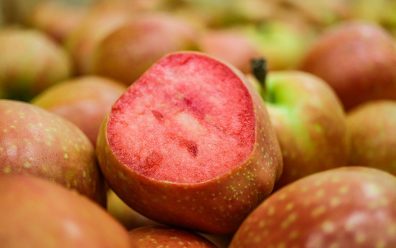
 VOG Products processed over 30,000 tonnes of organic fruit in the 2019/20 business year. Many factors, starting from the South Tyrol – Südtirol location and the partnership with Bioland, underlie the growing demand.

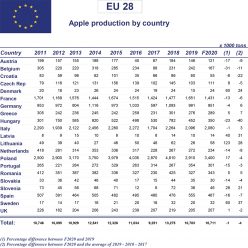


 VOG Products, the modern, innovative fruit processing company in Trentino-South Tyrol, has set new standards for sustainability. The company fully satisfies the GLOBALG.A.P. Farm Sustainability Assessment and has earned the Gold Standard.