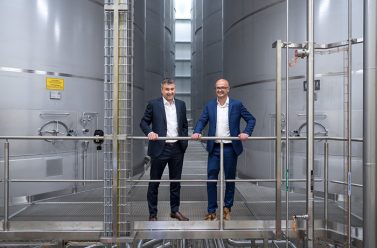
Two leading companies, Sidel and Elettric80, have started a strategic alliance to provide comprehensive services ranging from production to warehouse, distribution centre and logistics management for beverage and food, home and personal care (FHPC) producers. Both companies will act as a one-stop source, allowing producers to become more flexible, safe and sustainable with Smart Factory tailored solutions.
Today, beverage and FHPC producers are influenced by different factors that are challenging their performance. Among others, due to the growing e-commerce markets, the need for automated warehouses and logistics management becomes especially important. Sidel and Elettric80 have paired up their know-how in state-of-the-art packaging and highly automated and integrated intralogistics solutions to help producers stay competitive and meet the demands of the market worldwide.
Monica Gimre, CEO at Sidel Group: “For Sidel, it is a principle to always listen to our customers. A strategic alliance with Elettric80 is our approach towards achieving our goal of providing A to Z services to our customers, including intralogistics solutions. We are happy to be in a partnership with a company that shares the same values as we do, and I believe that the synergy and great teamwork between us will bring added value not just to our customers, but also to ourselves by opening space for learning and innovation together.”
Enrico Grassi, President at Elettric80: “Packaging lines with highly automated and integrated intralogistics areas at the end of the line will be the future of any production site. Along with Sidel, we are taking the next step in expanding our business opportunities by increasing our customers’ operational efficiency and sustainability. We are ready to complement this alliance with strong expertise in logistics process
Uncertainty among companies due to high infection numbers proved too great
In agreement with its partners in associations and the industry, and with the trade fair advisory committee, Messe Düsseldorf has decided to cancel both interpack and components 2021, scheduled to take place from 25 February to 3 March, due to the restrictions related to the Covid-19 pandemic.
“We have done everything we can to do justice to interpack’s tremendous importance for the processing and packaging industry, even during this pandemic – above all because we have received encouragement from the industry in support of a face-to-face event and have a hygiene concept that has been tried and tested in practice in place to protect everyone involved. Ultimately, however, feedback from our exhibitors has shown that the uncertainty is too great, and we are thus unable to host an interpack event that would meet the standards of a leading international trade fair,” explains Wolfram N. Diener, CEO of Messe Düsseldorf. “On 25 November, the Federal Government and the German states decided to implement stricter measures in Germany, and to possibly even extend these measures into the new year. This, unfortunately, does not give cause for hope that the situation will improve significantly over the course of the coming months. This will affect all Messe Düsseldorf events in the first quarter. We are now focussing on the next edition of interpack, which will take place in May 2023 according to plan, and which we will supplement with extended online offers,” Diener goes on to explain.
Messe Düsseldorf had offered registered exhibitors special conditions for their participation and at the same time granted them an extraordinary right of termination for those companies that were unable or unwilling to take part.
“Besides the unique market coverage, it provides, interpack is primarily characterised by the direct exchange of information between market-leading companies and top decision-makers for brand names around the world. This is exactly what is now largely prevented by continuously high infection numbers in core Europe and the associated and continuing travel restrictions and quarantine regulations. We therefore welcome Messe Düsseldorf’s decision to cancel interpack 2021 and are focussing on interpack 2023,” says Christian Traumann, President of interpack 2021 and Managing Director & Group President at Multivac Sepp Haggenmüller SE & Co. KG.
“For the industry, in-person meetings and live experiences are still extremely important, especially when it comes to complex technology. Both enable a direct market comparison to be drawn and foster new ideas as well as new leads and networks – this is something online formats only offer in part. We are now looking forward to a successful interpack 2023, where the industry can once again come together at its leading global trade fair in Düsseldorf,” analyses Richard Clemens, Managing Director of the VDMA Food Processing and Packaging Machinery Association.
Until the next edition of the leading trade fair, the industry can access continuous updates on industry trends, developments and innovations at www.interpack.de. The online offer for components is available at www.packaging-components.de. Additional online options will be made available for exhibitors and visitors of the upcoming interpack and components 2023.
Although the harvesting of the 2020/21 orange crop is advancing in Brazil, delivery to processors in São Paulo State (SP) was slow in November. According to Cepea collaborators, this scenario is linked to the lack of rains in the citrus-producing regions in SP in the last months, which limited both quality and supply, hampering activities at processing plants. On the other hand, rainfall in late November increased ratio and brix, favoring the juice produced in that period.
As regards the deals for the coming season (2021/22), the large-sized processors of orange juice in SP have been more interested in closing deals. However, bids have not been fixed and there may be an additional for participation in juice sales to the international market. Most citrus farmers are waiting for a better definition of the crop, since it seems the bad weather conditions this year may affect results.
SPOT – In the current season, large-sized processors are bidding prices up to 24.00 BRL per 40.8-kilo box, while bids from smaller-sized processors have been up to 28.00 BRL/box – late and pear oranges account for the most varieties processed. In November (until Nov. 26), prices averaged 24.46 BRL/box, 20.7 % up from the average in Nov/19, in nominal terms.
However, it is worth to mention that one of the large-sized processors was not closing deals in the spot market in November because of both the low supply of higher quality and larger-sized fruits and the competition with the domestic market, since prices have been attractive in this segment, and farmers are opting for selling fruits in natura.
Long-term market foresights will secure tomorrow’s successful brands
DuPont Nutrition & Biosciences has taken another step in advancing innovation in the food industry through a new partnership between its Food & Beverage platform and the Institute for the Future (IFTF), the world’s leading futures organization. The collaboration seeks to drive far-sighted food and beverage innovation that anticipates shifts in market needs.
Today, food manufacturers are already relying on DuPont’s trend-tracking capabilities to inspire and enable new product development. By partnering with the IFTF, DuPont aims to sharpen the ability to co-create innovation with customers and build on long-term forecasts that look at ten years and beyond.
Foresights for stronger brands
Birgitte Borch, global marketing leader, Food & Beverage, DuPont Nutrition & Biosciences explains how the well-researched foresight of IFTF will support stronger food brands.
“Short-term product development strategies are common in the food industry, where consumer demands constantly change. It’s not unusual that new food and beverage launches are a knee-jerk reaction to a trend that appears out of the blue,” Borch said.
“Along with IFTF, we will be looking into trend development beyond consumer behaviors and developing strategic foresight with scenarios that impact the food industry in the short term and long term, to help them get ahead of the markets. This will help our customers navigate in uncertain times and understand the impact on the value chain with a holistic view of the challenges and opportunities. Our work with IFTF will allow us to be prepared with the right solutions, ingredient technology and application concepts, and enable our customers to be more proactive in their product development strategies.“
Disruptive megatrends in food
IFTF has an impressive reputation for mapping market drivers and signals, and providing long-term perspectives on change. All forecasts are based on a systematic review of social, technological, economic, environmental and political factors.
IFTF’s research anticipates four disruptive megatrends over the next decade in the food industry.
“Through our partnership with IFTF, we can better understand how these trends will evolve in the future,” Borch said. “This is key to building and maintaining success in fast-moving markets and will increasingly be part of the conversations we have with food manufacturers.”
About Institute for the Future Institute for the Future is the world’s leading futures organization. For over 50 years, businesses, governments, and social impact organizations have depended upon IFTF global forecasts, custom research, and foresight training to navigate complex change and develop world-ready strategies. IFTF methodologies and toolsets yield coherent views of transformative possibilities across all sectors that together support a more sustainable future. Institute for the Future is a registered 501(c)(3) nonprofit organization based in Palo Alto, California.
SunOpta Inc., a leading global company focused on plant-based foods and beverages, fruit-based foods and beverages, and organic ingredient sourcing and production, announced it has reached an agreement to sell the Company’s global ingredients segment and related assets to an Amsterdam based global commodity trading company, Amsterdam Commodities N.V. for a debt and cash free consideration of €330 million. The transaction, which remains subject to customary closing conditions, is expected to close by January 2021.
“I’m pleased to announce this strategically transformational transaction. This transaction further solidifies SunOpta’s future direction as a high-growth, plant-based company focused on providing value-added products in competitively advantaged categories with consistent, sustainable, above average growth characteristics. The long- term supply agreement negotiated as part of this transaction provides SunOpta with the benefit of a continued strategic relationship with a leading global ingredient player in Acomo. Furthermore, this transaction de-levers and strengthens SunOpta’s balance sheet, enabling the acceleration of near-term expansion plans in our fast-growing plant-based food and beverage segment. The plans include both high-return capital investment projects, as well as synergistic acquisitions, that add to an existing set of strong capabilities in our core plant-based beverage platform. This is a very exciting time for us at SunOpta as we look forward to building on our success of the past four quarters,” said Joe Ennen, Chief Executive Offcer of SunOpta.
“With the exciting acquisition of Tradin, Acomo will realize a highly complementary acquisition, creating a leading global player across organic and conventional unlisted commodities. The company is a leading partner for the organic food industry, benefitting from the rapidly growing global consumer demand for sustainable and healthy foods. Tradin has an attractive financial profile and will continue to be led by a highly experienced management team,” said Allard Goldschmeding, Acomo Group Managing Director.
Under the terms of the agreement, SunOpta will sell processing facilities located in Amsterdam, the Netherlands; Silistra, Bulgaria; Addis Ababa, Ethiopia; and Yirgalem, Ethiopia. These facilities and their employees will continue to operate in ordinary course. Approximately 525 employees will be transferred from SunOpta to Acomo.
The Global Ingredients business being sold contributed approximately US$488 million to SunOpta’s net sales for the twelve months ended September 26, 2020. The transaction valuation represents an approximate 10x multiple of Adjusted EBITDA1 for the standalone business. This transaction is highly tax effcient and is expected to be accretive to the Company’s long-term growth rate and margin profile further focusing the Company on delivering more consistent financial results for our shareholders.
Proceeds from this transaction will be used for capital investment primarily into the core Plant-Based Foods and Beverages segment and to pay down debt.
1Non-GAAP Measures In addition to reporting financial results in accordance with U.S. GAAP, the Company provides additional information about its operating results regarding segment operating income, adjusted earnings and adjusted earnings before interest, taxes, depreciation and amortization (“Adjusted EBITDA”), which are not measures in accordance with U.S. GAAP. The Company believes that segment operating income, adjusted earnings and adjusted EBITDA assist investors in comparing performance across reporting periods on a consistent basis by excluding items that are not indicative of its operating performance. The non-GAAP measures of segment operating income, adjusted earnings and adjusted EBITDA should not be considered in isolation or as a substitute for performance measures calculated in accordance with U.S. GAAP.
A new analysis of nutrition research suggests that consumption of 100 % fruit juice, such as 100 % orange juice, by adults may have cardiovascular benefits and does not increase the risk of cardiovascular disease or its risk factors.
The comprehensive analysis, published in the European Journal of Nutrition, pooled and collectively analyzed the results of 21 prospective and 35 randomized clinical studies published through August 2019, and found that drinking moderate amounts of 100 % fruit juice was associated with a lower risk of total cardiovascular events and stroke. The study also reported no association at any level of 100 % fruit juice intake with weight measures, including body weight, body mass index, and waist circumference, and risk for diabetes or risk factors for diabetes such as insulin resistance.1
Based on the analysis by researchers that were part of a working group from the Italian Society of Human Nutrition (SINU), significantly lower risks for total cardiovascular disease were observed at 100 % fruit juice intake levels up to 170 ml per day (between 5 and 6 ounces) and lower risks for stroke were seen at intake amounts up to 200 ml per day (between 6 and 7 ounces). Higher consumption amounts did not significantly increase nor decrease risk. The analysis also found significant reductions in systolic and diastolic blood pressure with 100 % fruit juice consumption, which could have been responsible for the observed risk reduction with cardiovascular events and stroke.
Additionally, no significant associations were seen with 100 % fruit juice intake and increased risk for diabetes or risk factors for diabetes, including blood glucose and insulin levels and measures of insulin sensitivity. Consistent with many other studies, 100 % fruit juice was not associated with weight parameters, including body weight, body mass index, and waist circumference.
A meta-analysis pools together and analyzes the results from previously conducted and published studies. In the hierarchy of research studies, a systematic review/meta-analysis ranks high with regard to the strength and robustness of results.
“These results help further support a positive role for 100 % fruit juice in cardiovascular health without negative effects on weight, risk for diabetes, or risk factors for these major diseases. While the study looked collectively at all 100 % fruit juices we also have research supporting the beneficial effects of 100 % orange juice on some of these very same health outcomes. In the end, a win for 100 % fruit juice is also a win for 100% orange juice,” said Dr. Rosa Walsh, director of scientific research at the Florida Department of Citrus.
This systematic review and meta-analysis, funded through an unrestricted grant by the European Fruit Juice Association (AIJN), adds to the growing body of scientific research supporting the role of 100 % fruit juice and 100 % orange juice in the diet:
A randomized controlled trial reported that 100 % orange juice reduced systolic blood pressure in adults with pre- or stage-1 hypertension. Hesperidin, provided almost exclusively in the diet by 100 % orange juice and oranges, appears to play a key role in the observed effects.2
A meta-analysis of 95 studies showed higher intake of citrus fruit and citrus fruit juice decreased risk of coronary heart disease, cardiovascular disease, stroke, and all-cause mortality. Citrus fruit juices were associated with a 25 percent reduction in the risk for ischemic stroke.3
In a systematic review and meta-analysis of prospective cohort studies, 100% fruit juice was associated with a 33 percent lower risk for stroke mortality.4
Numerous studies report no association between 100% orange juice or 100% fruit juice intake and body weight in children or adults.5-8
Every glass of 100 % orange juice supports overall health and can help adults and children meet intake recommendations for key nutrients they may be lacking in their diets. An 8-oz. serving size contains vital vitamins and antioxidants, including vitamin C, potassium, folate, hesperidin and more, with no sugar added. From helping improve diet quality to supporting a healthy immune system, 100 % orange juice offers a number of health benefits and can also easily be incorporated into simple, great-tasting recipes.
About the Florida Department of Citrus The Florida Department of Citrus is an executive agency of Florida government charged with the marketing, research and regulation of the Florida citrus industry. Its activities are funded by a tax paid by growers on each box of citrus that moves through commercial channels. The industry employs more than 37,000 people, provides an annual economic impact of $6.5 billion to the state, and contributes hundreds of millions of dollars in tax revenues that help support Florida’s schools, roads and health care services.
Completition of wind power transition advances Company’s global operations to 27.5 % renewable electricity, aligns with Twentyby30 and RE100 commitments
Crown Holdings, Inc. is now operating all 14 of its beverage can plants in the U.S. and Canada on renewable energy. It is the first metal packaging manufacturer to achieve this milestone, which is the result of a 15-year wind power Virtual Power Purchase Agreement (VPPA) with Longroad Energy. With the VPPA in effect and all of Crown’s manufacturing facilities in the U.K. already completing a similar transition, 27.5 % of the Company’s global operations are now using renewable electricity.
This accelerated usage of alternative power sources serves as a major step in Crown’s plan to employ 60 % renewable electricity by 2030, 90 % by 2040 and 100 % by 2050—targets established in Crown’s Twentyby30 initiative, a comprehensive sustainability program that addresses climate issues among other areas of urgent global concern. The action also supports Crown’s Twentyby30 goal to decrease Scope 2 greenhouse gas (GHG) emissions within its global operations, targeting a 50 % combined reduction in absolute Scope 1 (fuel) and Scope 2 (electricity) emissions. The transition reflects Crown’s commitment to the RE100, which is led by The Climate Group and CDP and focuses on accelerating the transition to zero carbon grids at global scale.
Relying on a Texas-based wind farm, the VPPA generates more than 440,000 MWhs of electricity, helping prevent over 310,000 metric tons of carbon emissions each year—the equivalent to taking at least 67,000 passenger vehicles off the road for one year. The renewable power offsets 100 % of the energy usage within Crown’s U.S. and Canadian beverage plants, which account for over 20 % of the Company’s global Scope 2 greenhouse gas emissions.
Hard seltzer brand officially launches into the hard beverage category with four electric flavours
The hard seltzer brand was first introduced to consumers in August 2020 as part of the brand’s soft launch in test markets across the U.S. The newest product to hit shelves will reflect a new, eye-catching packaging update featuring a sleek and modern design and enhanced logo based off learnings from the soft launch.
“We are thrilled to introduce a new alternative to the adult beverage world that delivers the taste our consumers are looking for while shattering the expectations of what everyone has come to expect from hard seltzer,” said CEO of Sparkling Ice Spiked, Chris Hall. “With full flavor and zero sugar, we’re confident that the new Sparkling Ice Spiked will satisfy your hard seltzer cravings and quickly become your go-to beverage for everyday entertaining, outdoor grilling, and weekend escapes.”
Along with the product launch, the team behind Sparkling Ice Spiked is also launching a nationwide sales and marketing campaign. The campaign will come to life through in-person and at-home activations, including in-store POS and holiday promotions, earned media outreach and mailers, influencer programming, targeted digital media and banner ads, paid social, and more.
Sparkling Ice Spiked variety packs are available now at select retailers across the U.S.
About Sparkling Ice Spiked™ Sparkling Ice Spiked hard seltzer is made with zero sugar and combines sparkling water, real fruit flavor, and 4 % alcohol made from cane sugar. With only 80 calories, Sparkling Ice Spiked offers a full-flavoured ready-to-drink hard selzter in four satisfying flavours: Cherry Lime Cooler, Lemonade Refresher, Ruby Fizz, and Strawberry Citrus Smash. Sparkling Ice Spiked is based in Preston, Washington, with products available at select retail locations nationwide.
Symrise AG has signed a purchase agreement with Sensient Technologies Corporation (Milwaukee, USA) to acquire their fragrance and aroma chemicals activities. These comprise a wide range of aroma molecules and fragrances from natural and renewable sources. In fiscal year 2019, the business unit generated revenues of approx. 77 million Euros. With the acquisition, Symrise will strengthen its backward integration and broaden its leadership position as a supplier of fragrance ingredients which are increasingly demanded for use, especially in personal and home care products. Symrise will furthermore gain access to additional customers and strengthen its presence particularly in EAME and Latin America. Going forward, Symrise plans to also strengthen its manufacturing footprint in Spain with targeted investments in the manufacturing site in Granada that will be acquired.
The Sensient fragrances and aroma chemicals business unit has been part of Sensient’s Flavors & Extracts group. The unit holds longstanding business relationships with local, regional and global customers from the consumer goods industry. It supplies out of manufacturing sites in Spain and Mexico. The Sensient aroma molecules and fragrance solutions are mainly derived from renewable raw materials such as pine oil and citrus by-products amongst others. The portfolio will strengthen the Symrise products line with unique fragrance ingredients used in application such as perfumes, shampoos, soaps, detergents and antiperspirants. Through the acquisition, Symrise will not only be able to significantly expand its renewable ingredients portfolio, but to also increase its green chemistry value chain which includes various downstream products coming from sustainable cultivated sources.
Symrise plans to combine the R&D competencies and manufacturing capacities of Sensient’s fragrance and aroma chemicals activities with parts of its own at the site in Granada. Over a period of three years, targeted investments will be made to grow the Granada site and make it the second largest compounding facility in EAME for fragrance ingredients and compounds.
Both parties agreed to keep the purchase price confidential. The transaction is subject to satisfaction of antitrust and regulatory approvals and other customary closing conditions.
Expansion includes increased retail presence, robust eCommerce availability, and a wide distribution network
Ingrilli Citrus, Inc., a family-owned business producing high-quality citrus juices out of Capo d’Orlando, Sicily, announced the solidification of its brand in the United States markets. This strengthened U.S. presence includes a wide distribution network, a strong retail presence, operational eCommerce sales, and streamlined sales to retailer warehouses – all of which has been made possible because of the brand’s uniquely focused, in-house farming and manufacturing.
“The Ingrilli family has been farming in Sicily and selling products worldwide for five generations, and our goal has always been to share the labor of our love with as many people as possible,” explains Giuseppe Ingrilli, Business Development Manager, Ingrilli Citrus, Inc. “With this increased U.S. presence, we have done exactly that, establishing our brand on the world stage and sharing our organic, farm-to-table, high-quality and never from concentrate juices directly with you. No other lemon and lime squeeze bottle manufacturer can say that, and we are very proud of the accomplishment.”
Ingrilli™ first began selling citrus juices in the United States in January of 2020. Like all businesses, Ingrilli™ was impacted by the COVID-19 pandemic, but the company was able to quickly resume sales and operations. Since then, Ingrilli Citrus, Inc., has opened and maintained operations with multiple distributors, started to sell direct full container loads to retail warehouses, and expanded its retail presence nationwide.
The company attributes this expedient growth to the phenomenal movement of Ingrilli™ products at the retail level, the company’s standout sales team, its excellent relationships with brokers, customers, and retailers, and its singular focus on delivering the highest-quality lemon and lime juice products.
Following this success, Ingrilli™ aims to give back to the community. Since the beginning of the year, Ingrilli Citrus, Inc., has donated about 40,000 bottles of lemon and lime juice to help to feed the hungry, and the company will continue to donate as the opportunities arise.
About Ingrilli Citrus, Inc. Ingrilli Citrus, Inc. is a family-owned business with five generations of farming and producing citrus juices directly from their family orchard in Capo d’Orlando, Sicily. All Ingrilli™ juices and condiments are batch-produced directly in their facilities in Sicily. The company follows the strictest food safety standards, and they do not outsource any of their production. This allows them to squeeze the freshest lemons, maintain the highest quality, and produce the best-tasting juices on the market today.
T. Hasegawa announced the release of their Japanese citrus flavour portfolio. T. Hasegawa’s Japanese heritage combined with their team of highly skilled flavour chemists carefully crafted a rich array of sweet, sour, tart and refreshing Japanese citrus flavours that are grown and harvested across the country of Japan.
Each citrus in the collection has a distinctive taste and aroma that will enhance a variety of products from beverages, bakery, dressings, dairy, frozen desserts, sauces, seasonings, snacks and much more. The portfolio includes the following flavour profiles available in water-soluble, oil-soluble and powder form.
Yuzu – Versatile with sour, tart notes and resembles a grapefruit with a hint of mikan orange.
Sudachi – Slightly spicy, sharp, with a tangy taste accented by bergamot notes.
Kabosu – Mild juiciness with a slight metallic note and is an ideal replacement for lime in fish and meats.
Mikan – Fresh, sweet with a juicy character and ideal for the North American palate.
Shikuwasa – A rich citrus flavor with a sour taste and lends itself well to desserts, chips, sweets, juices, jams, dressings and alcoholic beverages.
Iyokan – Sweet and sour profile and can be used as an alternative to orange in confectionery and dessert.
Natsumikan – Slightly bitter, sour and juicy, which makes the perfect accompaniment for dessert and herbal sparkling beverages.
Hassaku – Characterized by its crisp, fresh floral and grapefruit-like notes this citrus.
“The flavours of Japan are often a source of flavour inspiration for product developers across the globe and continue to show strong market growth” says Doug Resh, Director Commercial Marketing. “We are excited to provide our customers on-trend flavours that will elevate and deliver a unique twist to their brand.”
Yuzu in particular has opened up the world to Japanese citrus profiles. Over the last several years, Western chefs featured yuzu as an aromatic and flavourful ingredient in Japanese-inspired dishes; while consumer packaged foods companies featured yuzu in sweets, sauces, vinegars and RTD beverages
According to Mintel, demand for Japanese food increased in the United States by 19.1 % between 2015-2018. With consumers continuing to experience a stronger desire to travel during quarantine, authentic and functional ingredients with engaging stories can quell the frustrations of staying put. Consuming world cuisine offers a substitute for travel, encourages experimentation and it’s easy on the wallet as an affordable excitement.
About T. Hasegawa USA Inc. Being a global top-10 flavor and fragrance company, T. Hasegawa continues to pioneer the flavour industry with a customer experience that is optimized to rapidly respond with technical expertise. We deliver superior products that meet all your requirements no matter how complex the demand. Recognizing that the food industry needs flexibility, we proactively listen to our customers’ needs in an effort to develop better ways of delivering formulations that have excellent taste and aroma to fit form and function.
Tate & Lyle PLC, a leading global provider of food and beverage ingredients and solutions, announced that Victoria Spadaro Grant has joined the Company as its new President, Innovation and Commercial Development. Victoria will also be a member of Tate & Lyle’s Executive Committee.
Victoria will lead Tate & Lyle’s global approach to product application and technical services, and scientific, nutrition and regulatory affairs, as well as delivering the company’s R&D strategy in partnership with global business divisions and external innovation partners.
Victoria joins Tate & Lyle from Barilla, the Italian multinational food company, where she has been Chief Global Research Development and Quality Officer since 2014. During her career, Victoria has held senior R&D roles with leading food and beverage brands including Mars Chocolate, Kraft Heinz and PepsiCo.
Victoria takes on this role from Andrew Taylor who is now leading Tate & Lyle’s new region of Asia, Middle East, Africa and Latin America.
ADM Ventures, the corporate venture capital arm of ADM (NYSE: ADM), announced its investment in Seventure’s Health For Life Capital (HFLC) Fund II. HFLC, based in Paris, is a leading venture capital fund dedicated to health, nutrition, microbiota and digital health.
“We view Seventure as the premier investor in microbiome startups focused on human health and nutrition, and since 2018, ADM has worked closely with the Seventure team to identify opportunities with microbiome solutions that can ultimately help with dietary supplements and food and beverage applications to serve as functional or proactive solutions,” said Darren Streiler, managing director of ADM Ventures. “We believe Seventure can help meet the long-term demand we see as the result of the convergence of food and pharmaceuticals and consumers looking more towards bioactives and nutrition for wellness solutions.”
The microbiome consists of trillions of micro-organisms that reside on or inside the human body. ADM’s primary interest is the vast, complex bacterial ecosystem that lives within the digestive tract and constitutes the majority of every individual’s unique microbiome.
“With a better understanding of how the microbiome ecosystem works, we can develop functional ingredients for dietary supplements and food and beverage solutions targeted to help improve overall health,” Streiler said. “We are focused on looking at new, innovative solutions that can lead to a more balanced bacterial system in your digestive tract, otherwise known as a healthy gut, and can help lead to better health.”
ADM is committed to discovering and leveraging nutritional ingredients that can be used for preventative health, as well as for treating common ailments or even chronic diseases in both humans and animals. The company’s new probiotics production facility in Valencia, Spain – which will significantly increase its post- and prebiotic production capacity – is planned to be online in 2022.
ADM is an established market leader for microbiome solutions, with an award-winning portfolio of products and ingredients, including NutraIngredients’ 2020 ‘Probiotic Product of the Year’, ADM’s Bio-Kult Migréa®; 2020 Ingredient of the Year in the Weight Management category, ADM’s Bifidobacterium lactis BPL1; and the 2020 Editor’s Award winner for Functional Food Innovation, ADM’s Bacillus subtilis PXN®21®, a live microbial strain shown to reduce the aggregation of α-synuclein, paving the way for future research in Parkinson’s disease.
„Food and Agribusiness in 2030: A Roadmap“
At the moment of writing, we are in the last quarter of an incredible year. The world is facing an astonishing number of changes resulting from one of the worst pandemics ever. Food, agribusiness, and biofuel chains will be working in a new macro environment and will operate differently after 2020. These structural changes come on top of the need to increase food production to feed 9 billion people in 2050 and the urgency to increase renewable sources of energy to promote sustainability, save resources and limit climate change.
“Food and Agribusiness in 2030: A Roadmap” offers tools for understanding this new macro environment and helps to position food chains. It helps companies to take advantage of opportunities. The tools relate to strategic planning of food chains in the new scenario, understanding what will happen with chain participants, where markets will grow, how consumers will behave, how sustainability will gain importance, and how cooperatives, associations and other forms of collective actions will gather force.
The goal of this book is to offer something very practical so that companies and other public or private organisations can read a chapter and start discussing what they should do next and take a look at their roadmap. Good luck with your planning process.
Reaching 14.6 % reduction of added sugars in soft drinks between 2015-2019
Europe’s soft drinks industry has reduced added sugars in its drinks across Europe by an average of 14.6 % between 2015 and 2019.[1]
UNESDA Soft Drinks Europe, representing soft drinks producers across the EU, is committed to creating healthier and more sustainable food environments. It is determined to support consumers in managing their intake of added sugars from soft drinks by ensuring that the healthier choice becomes the easy choice. The industry responded to the European Commission’s call for a 10 % reduction in added sugars by 2020 and recent research, by independent analysts GlobalData, confirms that it has met, and surpassed, the target ahead of time.
“This reduction is proof that the soft drinks industry’s voluntary efforts to reduce sugar across the EU are delivering tangible results,” said UNESDA president and president Western Europe at The Coca-Cola Company, Tim Brett. It demonstrates our sector’s accelerated action in response to changing consumer preferences and the expectations of public health stakeholders.”
The 14.6 % reduction in added sugars has been achieved through a comprehensive range of actions including changing recipes to reduce sugars while maintaining a taste with which consumers are happy; innovating to develop new products with different sweetness levels; increasing availability of small packs to support portion control and moderation; and nudging people toward more no- and low-sugar/calorie options through marketing investments. This latest sugar reduction comes on top of previous achievements and means that Europe’s soft drinks industry has now reduced added sugars by an average of 26 % since 2000.
UNESDA is a founding member of the EU Platform for Action on Diet, Physical Activity and Health and has undertaken a series of voluntary commitments over the past 15 years to help address unhealthy diets as a risk factor for non-communicable diseases. These have been complemented by numerous national pledges to support EU member states in their action plans to create healthier food environments. These pledges are the result of stakeholder engagement at a national level and set targets based on local baselines and expectations. They reflect the conclusions of the 2016 Dutch EU Presidency which highlighted that sugar reduction is a gradual process and needs to take account of different dietary habits and preferences across the EU.
“Our sector’s progress in reducing sugar and calorie reduction has been enabled by the openness of stakeholders to engage through the EU Platform,” concluded Tim Brett. “We believe that the EU Code of Conduct for responsible business and marketing practices announced in the EU Farm to Fork strategy offers an opportunity to continue this dialogue with all actors, including Member States. As an industry we are committed to maintaining our efforts through a range of voluntary actions to ensure that the healthier choice becomes the easy choice.”
The path towards sugar reduction through reformulation comes with multiple challenges from a technological and consumer acceptance perspective and these become greater the more the reductions continue.
While the soft drinks sector has reduced the average sugar content in its products, and the WHO’s research[2] shows that frequency of consumption among school-aged children has declined across all age groups over the past 16 years, recent data shows that rates of overweight and obesity have not reduced. This demonstrates the complexity of the issue and the need for a holistic approach with all food and drink sectors committing to actions that support healthier food environments.
In addition to ongoing sugar and calorie reduction, Europe’s soft drinks sector has also made far-reaching commitments to behave responsibly in the marketplace including no advertising to children under 12; no sales of any soft drinks in EU primary schools and only no- and low- calorie drinks offered for sale in EU secondary schools.
About UNESDA Established in 1958 UNESDA Soft Drinks Europe is a Brussels-based association representing the European soft drinks industry. Its membership includes both companies and national associations from across Europe producing drinks including still drinks, squashes, carbonates, powders, iced teas, iced coffees, syrups, energy drinks and sports drinks. It is signatory to the EU Transparency Register (No: 25498952296-56).
B1U™ brand will launch functional infused waters, featuring real ingredients including zinc, vitamin C, black tea caffeine, fiber and protein
Ocean Spray Cranberries, Inc., the agricultural cooperative owned by more than 700 farmer families, announced the launch of the B1U™ brand, a new beverage line featuring on-trend functional benefits, simple ingredients, easy-to-understand nutrition, and recyclable packaging. The B1U™ brand aims to demystify nutrition so everyone can make educated and personalized decisions for their own unique body and ultimately “Own the One You™”.
Ocean Spray is continuing its expansion into the health and wellness categories as 65 % of consumers report wanting more functionality out of their food and beverage products*. In order to meet this demand; the B1U™ brand is first unveiling an environmentally conscious, accessible enhanced water as the first product in its line to be followed by further beverage additions in the future.
The B1U™ brand of functional infused waters features four flavors with no sugar or artificial sweeteners:
I need a boost™: Watermelon cucumber infused water with 60 mg of black tea caffeine
I need rhythm™: Strawberry basil infused water with 8 g of plant-based fiber
I need immunity™: Lemon chamomile infused water with 22 mg of zinc and 128 mg of vitamin C
I need power™: Peach kiwi infused water with 10 g of protein
The B1U™ brand is on-shelf in the U.S. at select Target stores this month, will be available at select Walmart stores in December, and is currently available for purchase on Amazon. B1U is available in 16 oz fully recyclable bottles.
*Kerry Group, Proactive Health: Consumer Demand for Functional Benefits, 2019
Purpose built and designed with significantly more capacity, efficiency and data harvesting to drive growth
Treatt, an ingredients manufacturer and solutions provider to the global flavour, fragrance and consumer goods markets, has partnered with Siemens Digital Industries (DI) to build a world class digital manufacturing facility at its £41m new global headquarters.
Treatt’s purpose-built site in Bury St Edmunds replaces the existing complex in the town which has served as the company’s headquarters since 1971.
The new facility will bring together, under one roof, over 200 people in its science led distillation, manufacturing, logistics, technical and office-based functions in a once in a generation relocation upgrade to provide the scalable platform for further growth.
The factory will be controlled by Siemens SIMATIC PCS 7 system which will offer Treatt more data, flexibility, scalability, availability, safety, and security in its production process.
Crucially it will automate its entire production process, enabling Treatt to increase efficiency and productivity, consistency, reliability, throughput, and repeatability.
The new factory is built and designed to have significantly more operational capacity in an optimally designed production space.
Mark Higham, General Manager, Process Automation, Siemens DI, said, “It is important for us to work very closely with Treatt to ensure we deliver the best solutions for their new headquarters.”
Siemens SIMATIC PCS 7 distributed control system is a flexible and scalable platform which addresses the wide-ranging needs of the process industries. It has an open system architecture covering the entire production process ensuring the efficient interaction of all automation components in the factory.
Higham added, “Considering that Treatt is bringing all its functions of distillation, manufacturing and logistics operations under one roof then SIMATIC PCS 7 was a perfect fit.”
Some of the features of SIMATIC PCS 7 are its consistent approach to data management, the application of global standards, powerful and compact hardware and proven software libraries. These common features minimise the engineering overheads, reduce costs, shorten time to market and increase the flexibility of the plant.
Daemmon Reeve, Group CEO of Treatt said “As a science led innovator of ingredients designed to enable our customers to differentiate in the marketplace, we are excited to work with Siemens to drive a wide range of benefits into our world class manufacturing business.”
“Treatt sources a wide range of natural raw materials from supply partners around the world. As expected, nature provides variation in flavour profile from season to season and our job is to ensure consistency in the wide-ranging extracts we create for customers through complex distillation and extraction processes, so their beverages have the critical consistency in flavour profile.”
Treatt has a bespoke and dedicated analysis system which is now aligned and fully integrated with the Siemens SIMATIC PCS 7 system to capture the results and data for future use as the company drives into further areas of digitalisation for the business.
In addition, Siemens has won a three-year service contract to support the new production facility.
Bruce Sinclair, Engineering & Site Services Manager, Treatt commented “The three-year service support contract is necessary as our operations team will be reliant on the new control systems for increased and efficient productivity. It is essential for us that maintenance of the new systems remain at a high standard set by the suppliers of the technology for longevity and competence.”
Siemens has already begun providing support with upskilling Treatt’s employees to use the new systems and their instrumentation engineer has completed a two-week training course at a Siemens site.
“Moving to the new site will be beneficial for our operation and our customers will see very clearly how our science led, customer partnership model is transforming Treatt into a crucial partner for those customers wanting true authenticity in natural extracts to enable them to win, that is what motivates us” says Reeve.
Higham, added, “I am delighted that our projects team are partnering with Treatt to deliver this advanced control system which will provide the backbone for their production processes and support their digitalisation journey.
“With digitalisation, we help manufacturers become more agile, and provide tools for reducing operations costs whilst increasing efficiency and reducing time to market. In addition, our fully integrated safety and security concepts ascertain a safe production environment for employees and the facilities where they are deployed.”
Siemens has teamed up with a fully certified Process Instrumentation Approved Partner for the deployment of the full range of its instrumentation portfolio across all lines of production at the plant.
Jon Tayler, Director at Process Instrument Sales Ltd, commented: “Our strategy for Treatt was to provide a technically correct and commercially effective solution for the instrumentation requirements of the demanding process systems, whilst ensuring efficiencies, safe working practices and environmental criteria.
“Our long-standing relationship with Treatt, as their approved partner, meant that we are able to be an essential element of the Total Integrated Solution that Siemens promotes for seamless process control and monitoring, which is what the engineering team at Treatt have set out to achieve.”
As well as its UK operation Treatt has a manufacturing site in the USA and a sales office in China, with a network of agents throughout the world.
JBT Corporation announced that Brian Deck will resume his role as Interim President and Chief Executive Officer, effective immediately.
Following further discussions with JBT’s Board of Directors, Tom Giacomini has decided that he is unable to return as Chief Executive Officer of JBT and has stepped down, effective immediately, to focus on his health and recovery. He has also resigned from the Board of Directors.
Alan Feldman will continue in his role as Non-Executive Chairman on a permanent basis. Matt Meister, Vice President and CFO for JBT Protein, has been named Interim Chief Financial Officer. Mr. Meister joined JBT in May 2019 and has responsibility for all finance activity for the Protein Division within the FoodTech segment. He brings a strong track record of driving results and developing process improvements in complex, global businesses to the role of Interim CFO.
The Board has initiated a search to identify a permanent CEO and will retain a leading executive search firm to assist in the process. It will consider both internal and external candidates.
“Over the past few months, Brian and the senior management team have demonstrated outstanding leadership of JBT and we are confident in their ability to continue executing the Company’s strategy while the Board conducts a search for a permanent successor,” said Mr. Feldman. “I look forward to continuing to work with Brian and to leveraging his financial and operational expertise as we focus on ensuring the continued health and safety of our employees and serving our customers.”
Mr. Feldman added, “We owe Tom a great debt of gratitude for spearheading JBT’s transformation over the past seven years. Under his leadership, JBT has generated a significant increase in shareholder value, while laying a strong foundation from which to continue delivering for stakeholders. Today, JBT benefits from a disciplined long-term strategy that focuses on growth and margin expansion while delivering exceptional products and services to its customers. Tom also played a key role in assembling our dynamic team of leaders whose significant expertise will further the strategy and continue to drive results. On behalf of everyone at JBT, I send my very best wishes to Tom, including the sincere hope for his improved health.”
About Matt Meister Matt Meister joined JBT in May 2019 with extensive experience in global manufacturing across various industries, including his prior roles at IDEX Corporation where he held several operational finance leadership roles, most recently serving as Group Vice President, Health and Science Technologies. Prior to joining IDEX, he held various roles of increasing responsibility at Navistar International Corporation. Mr. Meister holds an MBA from The University of Chicago Booth School of Business and an undergraduate degree in Finance and Operations Management from Washington University in St. Louis.
JBT Corporation (NYSE: JBT) is a leading global technology solutions provider to high-value segments of the food & beverage industry with focus on proteins, liquid foods and automated system solutions. JBT designs, produces and services sophisticated products and systems for multi-national and regional customers through its FoodTech segment. JBT also sells critical equipment and services to domestic and international air transportation customers through its AeroTech segment. JBT Corporation employs approximately 6,300 people worldwide and operates sales, service, manufacturing and sourcing operations in more than 25 countries.
myBeviale.com, the digital dialogue platform for the beverage industry’s regular gathering, is now online. Whether you want to network, make new contacts, or exchange knowledge and ideas, you’ll be able to do all this and more on myBeviale.com all year round and free of charge, no matter where you are. As a complement to the Beviale Family, which also includes BrauBeviale, the new platform is open 365 days a year, allowing dialogue and knowledge-sharing during and beyond the trade fair as such. During the Launch Days from 10 to 12 November, myBeviale.com will also be the virtual venue for the programme originally planned for the BrauBeviale Special Edition. The three-day programme will feature around 100 live talks, presentations and sessions, and is set to attract beverage industry enthusiasts, experts and executives alike to the new platform.
The new digital dialogue platform makes it even easier to interact with members of the beverage community, find suitable specialists and work together to resolve challenges. All year round, myBeviale.com will offer information on the products and solutions of participating suppliers, virtual presentations, workshops and discussion panels, industry news and specialist publications by the various companies. One of the core elements of myBeviale.com is a targeted networking function that allows all participants in the platform to enter a dialogue with one another. Registration is free of charge.
Beverage expertise in five segments
The platform is subdivided into five different zones. Following registration, users will have access to all functions and content. In Products & Solutions, you can access a comprehensive database of solutions for the beverage industry, covering aspects like manufacturing, bottling, packaging or marketing. Using the filters provided, you can quickly locate the most relevant suppliers for your specific challenge. Then simply click to arrange an appointment. Under Companies, you will find extensive information on companies and organisations from the sector, including start-ups, associations and major players, as well as details of the respective contacts. Go to the Community zone to enjoy informal exchanges between colleagues, experts and other beverage industry professionals. Here too, it is easy to arrange to talk to interesting contacts at any time via chat or video call. Stories is the magazine section of myBeviale.com and brings together industry news, user reports, white papers and company news from the drinks manufacturing environment. Readers can browse through the articles and get information and inspiration. If you are looking for knowledge and interesting presentations, head for the Action Area, where all year round you can discover current and archived presentations or discussion panels. During the Launch Days from 10 to 12 November, the Action Area will offer a packed agenda. Six thematic streams within the extensive BrauBeviale@stage programme ensure knowledge transfer and lots of light bulb moments, (almost) as close as it gets to the on-site experience in Nuremberg.
Experience the trade fair forum programme at the myBeviale.com Launch Days
From 10 to 12 November 2020, the new myBeviale.com platform will play a rather special role as the virtual venue for the forum programme BrauBeviale@stage, which was originally planned for the on-site event in Nuremberg. The highlights from the scheduled on-site programme – presentations, discussions panels and award ceremonies – are now available on the digital dialogue platform, so that the entire beverage community can attend them virtually.
For example, you’ll be able to join in the celebrations at the award ceremony for the European Beer Star, one of the most prestigious beer competitions worldwide, as the winner will be announced live on the platform. And even in this year’s exceptional circumstances, visitors don’t have to miss out on the popular tastings of the latest beverage trends in the Craft Drinks Area, as selected specialities are available for home delivery. The matching explanations by a sommelier can then be accessed at any time on myBeviale.com, even when the Launch Days are over.
The presentations also cover a wide range of topics. Many items on the agenda focus on the issue of the future viability of the sector. Our event partners include Private Brauereien Bayern (Bavarian Association of Private Breweries), the honorary sponsor of BrauBeviale, VLB – the Berlin-based research and teaching institute for brewing, Doemens Academy, Bayern Design, BV-BFGH (Association of German Beverage Wholesalers), the World Packaging Organisation, BVE (Federation of German Food and Drink Industries), SGS Fresenius and many more.
Simply register for free now!
The complete programme for the Launch Days from 10 to 12 November 2020 is available at www.mybeviale.com. This is also where you can register and discover the functions, content and community of myBeviale.com.
The WCO Secretariat has released its first crop production forecast for the forthcoming Northern Hemisphere citrus season 2020-21. The preliminary forecast is collected from industry associations in Egypt, Greece, Israel, Italy, Morocco, Spain, Tunisia, Turkey and the United States (California and Florida).
The preliminary forecast shows that the 2020-21 citrus Northern Hemisphere crop is expected to reach 28.737.570 T, which represents a decrease of slight decrease of 1 % compared to the 2019 crop. This decreased volume is the result of alternance in some countries compared to last year, as well as the impact of the droughts recorded in several production regions in the Northern Hemisphere.
By citrus categories, most categories showed decreases in production. Orange is expected to decrease by 2 %, lemon by 7 % and grapefruit by 9 %. The only category increasing production volumes compared to the previous year is soft citrus (+5 %). Looking at production by region, European production is expected to experience an increase in volume, with 12 % increases recorded for both Italy and Spain, respectively, and a 1 % decrease for Greece. In the Southern rim of the Mediterranean, crop forecasts for Egypt (-8 %), Israel (- 4 %) and Turkey (-15 %) have been lowered compared to 2019 volumes. On the other hand, Morocco and Tunisia forecast increases in their citrus crops this year, by 13 % and 20 % respectively compared to 2019 figures. On its side, the United States production is expected to decrease by 9 % compared to the precedent year, with California lowering its forecast by 5 % and Florida by 14 %.
WCO will present this forecast during the first edition of the Global Citrus Congress, which the World Citrus Organisation is co-organising with Fruitnet. The Congress with an expected attendance of more than 1.000 delegates will be the perfect opportunity to presents these latest global production figures and trade trends, as well as the importance of sustainability in citrus production and of nutrition and promotion to increase global citrus consumption.
WCO Members are ABCM- Associação Brasileira de Citrus de Mesa (Brazil), Ailimpo – Asociación Interprofesional de Limón y Pomelo (Spain), AKIB – Mediterranean Fresh Fruit and Vegetables Exporters Association (Turkey), Citrus Australia (Australia), Citrus Growers’ Association (South Africa), Chilean Citrus Committee (Chile), Fruitimpresse (Italy), Moroccan Interprofessional Citrus Federation – Maroc Citrus (Morocco), Plant Production Marketing Board (Israel), Procitrus – Asociacion de Productores de Citricos del Peru (Peru), Upefruy – Unión de Productores y Exportadores de Fruta del Uruguay (Uruguay). WCO Associated Members are AgroFresh (Spain), AM FRESH Group (Spain), Citrusvil (Argentina), Easyfresh Logistics (Spain), FruitOne (South Africa), G.F. Marketing (South Africa), Janssen Preservation and Material Protection (Belgium), MAFA-Magrabi Agriculture (Egypt), Morocco Foodex (Morocco), Oranfrizer (Italy), PCN (USA), River Front Packing (USA), San Miguel Global (South Africa) and Zalar Agri-Agricole Centre (Morocco).
Europeans have an average per capita purchasing power of €13,894 in 2020. However, disposable net income among the 42 studied countries varies significantly. Liechtenstein, Switzerland and Luxembourg have the highest disposable net income, while Kosovo, Moldova and Ukraine have the lowest. Liechtensteiners have more than 37 times the average purchasing power of Ukrainians. These are some of the results of the newly released study “GfK Purchasing Power Europe 2020”. This year, the study also includes the Corona Impact Index, which illustrates the impact of COVID-19 on European countries.
Europeans have just under €9.5 trillion at their disposal in 2020. This corresponds to an average per capita purchasing power of €13,894. Per capita purchasing power shows a nominal decline of almost 5.3 percent in 2020 compared to last year’s revised value, which can be attributed mainly to the spread of COVID-19 and the resulting economic impact. The rankings show substantial differences between the studied countries with respect to the amount available to Europeans for food, living, services, energy, private pensions, insurance, vacation, mobility and consumer purchases.
Ireland enters the top ten
Liechtenstein once again takes first place among the 42 European countries with a per capita purchasing power of €64,240. This far exceeds the values of the other countries and is more than 4.6 times the European average. Completing the top three of the purchasing power rankings are Switzerland and Luxembourg, as was the case last year. The Swiss have €41,998 per capita available for spending – more than three times the European average – while Luxembourgers have a per capita purchasing power of €34,119. This is more than 2.5 times the European average.
All other countries in the top ten also have significantly above-average per capita purchasing power – at least 50 percent higher than the European average. Ireland makes it into the top ten this year with a per capita purchasing power of €21,030, putting it in ninth place and ousting Finland from the top ten.
Sixteen of the countries considered by the study have above-average per capita purchasing power, while twenty-six fall below the European average. Ukraine takes last place with a per capita purchasing power of €1,703.
Markus Frank, expert in GfK´s Geomarketing solution area, comments: “GfK Purchasing Power Europe is a recognized benchmark in the market for calculating consumer potential and shows the regional distribution of disposable income among the population – between individual countries as well as between the various regions within a country. In the midst of the coronavirus pandemic, it is important for companies to know where purchasing power and regional potential is highest in order to be able to make the best possible use of resources. Purchasing power is an important benchmark for the economic strength of a given region, and helps companies make business decisions related to sales management and marketing as well as location planning and evaluation.”
Corona Impact Index shows the effect of COVID-19 on European countries
With the Corona Impact Index, GfK has also calculated the extent to which European countries have suffered as a result of the effects of COVID-19. The Corona Impact Index shows the differences in loss of prosperity among private households as a result of the coronavirus crisis, thus facilitating both national and regional comparisons within Europe. In the purchasing power top ten, Liechtenstein and Switzerland top the rankings with the highest disposable net income per capita in Europe. They are also the two countries that have suffered least as a result of the crisis. The impact of the coronavirus in Liechtenstein is around 85 percent below the European average, while in Switzerland it is around 74 percent below the European average. Iceland and Norway, which occupy fourth and fifth places in the purchasing power rankings, fare less well in the Corona Impact Index and are 58 and 63 percent above the European average respectively. Both countries have been hit particularly hard by the coronavirus pandemic, one of the reasons being the devaluation of their national currencies against the euro. Occupying last place among the 42 countries in the rankings is Turkey, where the Corona Impact Index is more than 2.8 times the European average.
The Corona Impact illustrates the differences in loss of prosperity among private households as a result of the coronavirus crisis, thus facilitating both national and regional comparisons within Europe. Liechtenstein (index: 15.2; European average = 100), Switzerland (index: 26.1) and Sweden (index: 37.1) have suffered least as a result of the coronavirus crisis. Occupying last place among the 42 countries in the rankings is Turkey (index: 281.2), where the Corona Impact is more than 2.8 times the European average. (Photo: GfK)
“The coronavirus crisis has had a significant effect on disposable net household income,” explains GfK expert Markus Frank. “However, there are regional differences. The Corona Impact Index therefore provides companies with useful data that illustrate the “forecast gap”, in other words the gap between the potentially achievable growth path for disposable income of private households before the outbreak of COVID-19 in Europe and the now expected national purchasing power level according to the 2020 purchasing power forecast. This data makes it possible to identify the regions that have suffered most as a result of the crisis and those that have suffered least.”
Comparison of select countries and regions
Below is a more detailed evaluation of the distribution of purchasing power in Italy, Spain, the Czech Republic, Poland, Hungary and Romania. A comparison of these countries offers insights into the regional distribution of spending potential within the respective countries.
Italy: Affluent north and poorer south
In Italy the average per capita purchasing power is €16,439. This puts Italians around 18 percent above the European average and in sixteenth place among the 42 countries considered by GfK’s study.
There is a significant north-south divide in the distribution of purchasing power between Italy’s affluent north and poorer south. All of the provinces in the top ten are located in the north of Italy. The province of Milano remains at the top of the rankings. The area around the fashion metropolis has a per capita purchasing power of €23,507, which is 43 percent above the national average and more than 69 percent above the European average. New to the top ten is the province of Firenze, which occupies tenth place and ousts the province of Valle d’Aosta/Vallee d’Aoste from the top ten. The provinces of Monza e della Brianza and Genova switch fifth and eighth places in the rankings.
The ten least affluent provinces are all located in southern Italy. Last place goes to Crotone, which is situated in the country’s far south. Inhabitants of this province have a per capita purchasing power of €9,119, which is around 45 percent less than the national average and around 34 percent less than the European average.
Spain: Alone in the midfield
Spain has a 2020 per capita purchasing power of €13,613, which puts it just 2 percent below the European average. No other European country is close to this value – Italy is more than 18 percent above the European average, while Slovenia is just under 15 percent below the European average. This puts Spain alone in the European midfield.
In the ranking of the Spanish provinces, Araba/Alava, the southernmost of the three provinces of the Basque Autonomous Community, once again takes first place. Inhabitants of this province have €17,620 per capita for consumer purchases, which is more than 29 percent above the national average. There also have been a couple of changes in this year’s top ten. Bizkaia and Barcelona have switched fourth and fifth places. New to the top ten this year are the provinces of Zaragoza, Burgos and Asturias in places seven through nine, replacing last year’s top-ten provinces of Tarragona, Lleida and Girona.
Spain’s least affluent provinces are all located in the southwestern part of the country. While the Andalusian province of Cadiz occupied last place in the rankings in previous years, this year it moves up to second-to-last place. Taking last place in this year’s rankings is Spain’s largest province, Badajoz, with a per capita purchasing power of €9,975, which is around 27 percent below the national average.
Czech Republic: Highest purchasing power in and around the country’s largest cities
The Czech Republic has a per capita purchasing power of €9,179, which puts it almost 34 percent below the European average and in twenty-fifth place among the 42 countries in the study.
The capital city district of Prague once again tops the purchasing power rankings. Inhabitants of this district have €11,961 per capita available for spending and saving, which is more than 30 percent above the national average. However, the purchasing power of the inhabitants of Prague is still almost 14 percent below the European average. The two bordering districts of Praha-zapad and Praha-vychod also have above-average purchasing power, as does the Czech Republic’s second largest city, Brno-mesto.
There have been a few changes in the top ten this year, with Brno-mesto and Praha-vychod switching places three and four and Beroun, Hradec Kralove and Benesov also changing places in the rankings. A new entry this year is the district of Kladno, which secures the final place in the top ten with a per capita purchasing power of €9,328. Bringing up the rear in the district rankings is Jesenik in Northern Moravia, located on the border with Poland. The district’s inhabitants have a per capita purchasing power of €7,597, which is almost 83 percent of the national average and around 55 percent of the European average.
Poland: Sharp contrast between rich and poor
The average per capita purchasing power in Poland in 2020 is €7,143, just under 49 percent below the European average. This puts Poland in twenty-eighth place in the European rankings.
There is an especially large gap between rich and poor in Poland with respect to the distribution of purchasing power in the country’s 380 districts. Only 17 districts have a per capita purchasing power that is at least 20 percent higher than the national average. By contrast, 106 districts are at least 20 percent below the national average. With a per capita purchasing power of €12,120, the capital city district of Warsaw takes first place. Inhabitants of the capital district have almost 70 percent more money for consumer purchases and saving than the national average.
At the other end of the district rankings is Szydlowiecki, where the per capita purchasing power is just €4,721. This corresponds to almost 66 percent of the Polish average and 34 percent of the European average. Inhabitants of Warsaw have almost 2.6 times more money available than the inhabitants of the least affluent district of Szydlowiecki.
There has been little change in the top places of the purchasing power rankings this year. The districts of Krakow and Bielsko-Biala switch eighth and ninth places. Gliwice makes it into the top ten with a per capita purchasing power of €9,111, putting it in tenth place and ousting the district of Tychi.
Hungary: Purchasing power highest around capital city and toward the Austrian border
Hungary’s average per capita purchasing power is €6,871, which is a little less than half the European average. As such, Hungary is ranked thirtieth.
Looking at the 20 counties of Hungary, it is clear that the areas with the highest purchasing power have managed to hold on to their place in the rankings. The capital city county of Budapest continues to lead the rankings by a significant margin. With €8,627 per capita, inhabitants of Budapest have almost 26 percent more purchasing power than the national average, but still almost 38 percent less than the European average.
Five of Hungary’s 20 counties have above-average purchasing power. All of these counties are located in and around the capital city of Budapest and toward the Austrian border. By contrast, three-fourths of Hungary’s counties have below-average purchasing power. Last place goes to Szabolcs-Szatmar-Bereg, whose inhabitants have a per capita purchasing power of €5,392, which is less than 79 percent of the national average and around 39 percent of the European average.
Romania: Capital has by far the highest purchasing power
Romania is thirty-first in the European rankings, just below Hungary. With an average per capita purchasing power of €5,611, Romania is around 60 percent below the European average.
Like Poland, Romania has a very big gap between rich and poor. The capital city county of Bucuresti leads the rankings by a significant margin. Inhabitants of this county have €10,173 per capita available for spending and saving, which is more than 81 percent above the national average. The people of Bucharest have more than three times the purchasing power of the inhabitants of the least affluent county, Vaslui. Here, disposable net income is just €3,374, which is around 60 percent of the national average and just over 24.3 percent of the European average.
Arad, Arges and Prahova each move up one place in the rankings to positions seven through nine, while Hunedoara drops out of this year’s top ten. New in tenth place is the district of Alba, whose inhabitants have a per capita purchasing power of €5,747, which is more than 2 percent above the national average.
About the study The study “GfK Purchasing Power Europe 2020” is available for 42 European countries at detailed regional levels such as municipalities and postcodes, along with seamlessly fitting data on inhabitants and households as well as digital maps. Purchasing power is a measure of disposable income after the deduction of taxes and charitable contributions and including any received state benefits. The study indicates per-person, per-year purchasing power levels in euros and as an index. GfK Purchasing Power is based on the population’s nominal disposable income, which means values are not adjusted for inflation. Calculations are carried out on the basis of reported income and earnings, statistics on government benefits as well as economic forecasts provided by economic institutes. In cases where there are different scenarios from economic research institutes, the average scenario is always selected for the purposes of calculating GfK Purchasing Power 2020, which assumes a delayed recovery into next year along with the availability of effective medical treatments for the coronavirus in the middle of 2021. Consumers draw from their general purchasing power to cover expenses related to eating, living, services, energy, private pensions and insurance plans as well as other expenditures, such as vacation, mobility and consumer purchases. This year, GfK also releases the Corona Impact Index, which shows the differences in lost disposable net income due to the coronavirus crisis at national and regional level. Calculations are carried out on the basis of the latest information and forecasts for household net income, private household consumer spending and changes in gross domestic product. These values are assessed in relation to the forecasts prepared available before COVID-19. The resulting deviation is traced back to the effects of the coronavirus crisis. Exchange rate changes are also included in the calculation. For the purposes of regionalization of the Corona Impact Index, data on the industry structure in the regions is used along with country-specific values relating to short-time work and unemployment since the start of the pandemic. Unemployment and short-time working can illustrate the impact on the purchasing power of the population.
Nutrition minded consumers now have the option to continue their health-conscious journeys with local business Health Generation’s new retail product line –Nature’s Harvest organic juices. The cold pressed juices incorporate the multifunctional profiles of fruits, vegetables and herbs that have health benefits and prime nutritional value.
Nature’s Harvest juice flavours are currently available in the freshly squeezed Orange juice, Beet Master, Citrus Quench and Carrot Juice. With over a kilogram of fruits and vegetables squeezed into a 300 ml bottle, these juices have superior health benefits. Commenting on this exciting journey for the business, Manager at Health Generation Judith Keofitlhetse states: “The functional benefits found in cold pressed juices is fundamentally nutrition. With healthy ingredients becoming an increasingly important attribute over cost for today’s consumers, we found it important to meet this local market demand by getting into the retail space so that consumers can enjoy the added convenience of having healthy juices in their locale.
Our juices have no added sweeteners or additional flavours – all of them are freshly prepared through our cold pressing method. Once produced and bottled, the juices are taken through a process called High Pressure Processing (HPP). This method includes cold pasteurization in pure water which uses ultra-high pressure purified water to keep packaged food pathogen-free and allows them to stay fresh for longer. At very high pressures bacteria such as Listeria, E. coli, and Salmonella are known to be inactivated.”
“The biggest benefit with our new Nature’s Harvest juice range is that now customers can enjoy the juices over a prolonged period. With the HPP process, we have now successfully extended our juice shelf life from 5 days to an impressive 30 days, all maintained through a cold line method,” adds Keofitlhetse.
As the only local company currently packaging raw organic juices, Health Generation intends to continue its pursuit to improve the healthy beverage and food options for Batswana and potentially in international markets. In addition to their juices, their health bar currently serves salads and food servings that are all about well-being and a healthy lifestyle.
The new Nature’s Harvest retail juice range is currently available at Square Mart (Food Lovers Market) located in the Central Business District (CBD) in Gaborone, Botswana.
On 3 November 2020, Coca-Cola European Partners announced it has entered into binding agreements to acquire Coca-Cola Amatil Limited (CCL), one of the largest bottlers and distributors of ready-to-drink non alcoholic and alcoholic beverages and coffee in the Asia Pacific region.
“This is a fantastic opportunity to bring together two of the world’s best bottlers to drive faster and more sustainable growth. Since the creation of CCEP four years ago, we have proven our ability to create value through expansion and integration. Now is the right time to move forward by taking on these great franchises and markets.
“The strategic rationale behind this transaction is compelling, solidifying our position as the largest Coca-Cola bottler by revenue. I am eager to apply our proven formula in Western Europe to Coca-Cola Amatil’s markets, including leadership in areas such as revenue growth management, in-market execution, digital and sustainability. However, I am equally excited and genuinely convinced that there will be many more opportunities as we move forward together with speed, scale, excellent people and a richer, more diverse culture.
“This larger platform will unlock enhanced value for our shareholders, all underpinned by an even stronger and more aligned strategic partnership with The Coca-Cola Company and our other brand partners. We look forward to executing on the ambitious growth plans ahead of us, as we build on the best of who we are and create a very exciting future together.”
Damian Gammell CEO, Coca-Cola European Partners
South Korea’s Ministry of Environment has recognised the recyclability of Ecolean’s aseptic packages, which rank higher than most other food and drink packaging solutions in the country’s new recyclability grading system.
The absence of aluminium, which is often used for aseptic cartons and other liquid food packaging, means Ecolean’s portfolio ranked ‘good’ in a four-grade scale to determine how easily packages can be recycled.
The announcement follows South Korea’s introduction last December of the Act on the Promotion of Saving and Recycling of Resources, requiring food and beverage packaging to contain labels that show a material’s recyclability grade, thereby encouraging resource efficiency and the use of easy-to-recycle packages.
A nine-month grace period for businesses to comply with the new regulations ends this September.
“The South Korean Ministry of Environment’s grade of the Ecolean packages’ recyclability only confirms that we are on the right path – developing and manufacturing unique packaging solutions that make a difference in the long run,” said Paul Mellbin, Senior Advisor, Ambient Technology at Ecolean.
“As a global producer of lightweight packaging, Ecolean makes it easier for consumers, liquid food brands as well as the environment.”
Aluminium-free packaging
Ecolean’s lightweight portfolio consists of aseptic, flexible packaging made from polyolefins and up to 35 % chalk, which gives the packages their strength, stiffness and smooth surface.
The printed, shaped and fully sealed packages are sterilised using electron beam treatment before shipping to the filling machine at the customer’s site. Prior to opening, filling and sealing in the filling machines, the outer surfaces of the packages are desterilised using a system of 1 % peroxide spray and UV light.
“The fact that our type of sterilisation process is separated from the filling machines and performed at the Ecolean manufacturing plants is quite unique in the industry and something we are very proud of. It makes the process easier for our customers, and that as well as having sustainability in mind when designing our lightweight packaging solutions is key. The confirmed recyclability of our packages in Korea just further adds to the fact that our unique approach is crucial for the beverage, dairy and liquid food industry” Paul Mellbin said.
Ecolean increased its footprint in South Korea last year with Yakult selecting its Air Aseptic range for two new launches in the country.
“The Ecolean package is the perfect fit for us, since it is lightweight and flexible, yet extremely durable. We have already seen a huge interest from consumers,” Jeonghyeon Hong, Marketing Manager, Yakult Korea, said.
The Can Manufacturers Institute (CMI) will make grants available in 2021 to Material Recovery Facilities (MRF) for aluminum can capture equipment, which will ensure used beverage cans (UBC) are accurately sorted, sold and recycled. Capturing and recycling aluminum cans provides a positive environmental and economic impact as metal recycles forever and UBCs are typically made into new cans.
Aluminum beverage cans currently provide critical revenue to MRFs. A CMI-funded study concluded that without the revenue from UBCs, most MRFs, which are vital to the U.S. recycling system since they sort single stream recyclables, would not be able to operate. But, while UBCs are typically the most valuable commodity in the residential recycling stream, up to 25 percent of UBCs are missorted at a typical MRF. These missorted cans can be captured with the right equipment, which would pay for itself with the additional revenue.
Directly funded by aluminum beverage can manufacturers Ardagh Group and Crown Holdings, the grant program will provide clear examples of the efficacy and revenue impact that additional aluminum can capture equipment can have for a MRF. The results are expected to encourage more MRFs to invest in additional aluminum can capture equipment. Further, Ardagh Group and Crown Holdings are exploring additional recycling programs that they, along with other partners, can implement to leverage additional aluminum can capture equipment in MRFs.
“With this new grant program, the aluminum beverage can industry is demonstrating its commitment to building on the industry’s leading beverage packaging recycling rates,” said CMI Vice President of Sustainability Scott Breen. “Capturing these missorted cans will result in significant additional revenue for recyclers and deliver significant carbon emissions reductions from greater use of recycled aluminum.”
As Head of Global IT, the IT specialist Robert Kubotsch is taking on overall responsibility for information technology at Kautex Maschinenbau. With this appointment, the global leader in extrusion blow molding machines has filled another key position to steer and support its process of change. Robert Kubotsch will harmonize the existing IT systems and optimize them for cooperation between the global Kautex team, customers and partners. Isolated solutions which have been used to date will be replaced with a uniform IT structure at all locations, and the availability of IT services and infrastructure at crucial points will be improved.
Robert Kubotsch previously worked for an international plant and machinery manufacturer. In this role he was responsible for the maintenance and further development of IT at various locations. His experience of various projects across different sectors has given him a keen understanding of the business processes involved in running a machinery manufacturing enterprise, and its ever-expanding IT requirements.
Kautex Maschinenbau has been involved in a process of strategic realignment and restructuring for over two years. The company is bringing about harmonized processes and standards in line with the BeOne motto, as well as placing even greater emphasis on customer focus in all business areas. The production solutions are becoming more intelligent, modular, and flexible, and the aim is primarily to generate added value for customers.
These changes are accompanied by increasing digitalization in communication, production, and service. Data management, communication systems and comprehensive remote services place high demands in terms of the efficiency, standardization and global availability of IT. Kautex announced enhanced investment in this area some time ago. Robert Kubotsch and his team will now put the philosophy into action.
Plant & Food Research scientists and collaborators from the USA have compiled more than 30 years of field-based data from kiwifruit research to create “digital twins” of pollination processes in kiwifruit orchards, and have used these to predict how growers can optimise their fruit set.
Digital twins are virtual replicas of physical systems – in this case mathematical models of the biology of the plants and the behaviour of pollinating bees. These digital twins give researchers the ability to examine complex scenarios which examine multiple, intertwined factors at once. These types of trials are difficult or impossible to test in field – running a full combination of even six variables would require more kiwifruit orchards than exist in New Zealand.
Using this digital twin, the researchers predict that optimal fruit set is achieved with 60-75 % female flowers in the orchard; something that growers can achieve by select pruning of male flowers. Most pollination benefit is gained from the first 6-8 honey bees/1000 flowers, with diminishing returns thereafter. The research suggests that fruiting success is more sensitive to variation in plant traits and the female-to-male flower ratio than bee density, provided this minimum density is achieved.
Dr David Pattemore, pollination scientist at Plant & Food Research and leader of the research team, says, “This digital twin allows us to achieve something we couldn’t have done before – simultaneous testing of the plant-based factors and the pollinator-based factors. It now provides us with a platform to test many more questions and develop recommendations for growers that can be confirmed in field trials.
“The prediction should give kiwifruit growers confidence that what they have been practicing is more or less on the right track. The model provides strategies for improving crop management, such as selection of male and female cultivars which have their peak bloom at the same time, establishing the right balance of female to male flowers in the orchard and placing the sufficient numbers of hives to maintain more than 6 bees per 1000 flowers in the orchard to optimise yield.”
The project is part of a wider programme to develop digital twins for pollination, using a range of different modelling approaches to investigate how different pollination factors interact and influence kiwifruit production. Although initially designed to investigate honey bees pollinating kiwifruit vines, the models can be adapted to suit a wide range of crop species and pollinators. The team is currently working to scale up the model to investigate more complex questions such as the influence of diverse pollinator species and the effect of the spatial layout of orchards. These digital twins could potentially be used as the foundation for the development of decision support tools for growers, to guide their orchard and pollination management to optimise yields.
The World Citrus Organisation (WCO) Secretariat, together with its partner Fruitnet Media International, is finalising preparations for the first edition of the Global Citrus Congress, which will take place on 5 November 2020. The Global Citrus Congress will bring together the citrus community to discuss the current trends, challenges and opportunities for the citrus sector. More than 300 participants from across the globe have already registered to attend the virtual congress.
The programme of the first edition of the Global Citrus Congress 2020 will highlight the key areas of interest for the sector. This will include production and marketing trends, facilitating cooperation between suppliers and retailers to add value to the citrus category, new technologies and supply chain innovation helping citrus producers and marketers to respond to consumer demands towards increased sustainability, and harnessing the nutritional power of citrus to develop more effective marketing campaigns. Confirmed speakers include top representatives from the global citrus community, including Ms Naomi Pendleton from AM FRESH Group, Mr Jose Luis Molina from Hispatec, Mr John Chamberlain from Limoneira and Stephan Wesit from Rewe.
WCO Co-Chair and Director of AILIMPO Jose Antonio Garcia affirmed, “There is no doubt that this first edition of the Global Citrus Congress will provide an excellent opportunity to discuss the challenges of the future and consolidate the role of the World Citrus Organisation as a meeting point for the great citrus fruit family. Cooperation, communication and constructive debate are the key to tomorrow’s success as these are the objectives of the Global Citrus Congress”. WCO Co-Chair and CEO of the Citrus Growers’ Association of Southern Africa Justin Chadwick added “As the World Citrus Organisation goes from strength to strength in terms of membership, this Congress will share important global citrus information and the views of leading actors in the sector. It is an event not to be missed”.
The Global Citrus Congress will be available live in both English and Spanish, and is free to join online and open to anyone with a smartphone or laptop and a high-speed internet connection. Registrations are still open at www.citruscongress.com.
The #1 selling organic orange juice brand unveils functional beverage featuring elderberry, vitamin C, vitamin D and zinc for serious immune support
Uncle Matt’s Organic®, the US #1 selling brand of organic orange juice, announced the launch of its Ultimate Immune orange juice beverage, an immune support powerhouse made with organic orange juice, elderberry, 300 % of your daily dose of vitamin C, 50 % vitamin D and 25 % zinc for immune and wellness support.
“Over the past six months, families have turned to what they associate with daily immune support: vitamin C-rich orange juice,” said Susan McLean, VP of Marketing and Innovation at Uncle Matt’s Organic. “As a mom, I was looking for even more ways to naturally boost my family’s immune health during this unprecedented time, and I kept circling back to these powerfully-proven ingredients: vitamin C, vitamin D and zinc,” she continued. “This trifecta of vitamins – together with the antioxidant elderberry – is the ‘ultimate’ in immunity support. We are really excited to be able to offer Uncle Matt’s Organic Ultimate Immune directly from our family to yours,” Susan stated.
Uncle Matt’s Organic Ultimate Immune will be available in a family friendly 52 oz size at Wegmans and Publix, select Whole Foods and Shoprite stores, as well as online at unclematts.com launching soon! More store announcements will be communicated through the brand’s social channels in the coming weeks.
With the addition of Ultimate Immune, there is a functional Uncle Matt’s Organic offering for everyone in the family, including: Organic Orange Juice with calcium & vitamin D, Organic Orange Defense with turmeric and probiotics and Organic Orange Energy with coffeeberry.
Uncle Matt’s Organic produces the highest quality juice, using only premium 100 % organically-grown fruit that is free from synthetic fertilizers, pesticides and GMOs. As the nation’s oldest organic orange juice company, Uncle Matt’s Organic is committed to growing and producing tasty, good-for-you clean label organic juices that are certified glyphosate residue free.
Ultimate Immune Facts:
300 % RDA of Vitamin C per serving
50 % RDA Vitamin D per serving
25 % RDA Zinc per serving
Organic elderberry juice
Antioxidants, B vitamins and citrus bio-flavonoids
No toxic pesticides, GMOs or artificial junk
USDA certified organic
Certified glyphosate residue free by The Detox Project
About Uncle Matt’s Organic Uncle Matt’s Organic® is the nation’s oldest organic orange juice company offering premium quality organic products. All Uncle Matt’s products are USDA Organic, have no synthetic additives or preservatives and contain no GMOs. Uncle Matt’s products are available nationwide in fine retailers nationwide. Uncle Matt’s is an active member of Organic Trade Association (OTA) and supports the Organic Farming Research Foundation, The Organic Center, and Organic Voices.
A Perfect Match Between Two Brands Shaking Up the Sparkling Water Category
SodaStream, the world’s leading sparkling water brand1, announces the upcoming launch of bubly drops, marking the first partnership for SodaStream in North America since joining PepsiCo. The new collaboration brings the beloved bubly™ brand’s bright flavours and bold personality to the SodaStream platform, enabling consumers to create their ideal customized beverages at home.
bubly drops will officially be available starting January 2021, but consumers can get their hands on an early release of the product beginning November 1st as part of a limited edition SodaStream Sparkling Water Maker Kit available at SodaStream.com and select online retailers. bubly drops for SodaStream contain no calories or sweeteners and will launch in six refreshing flavours bubly fans know and love: grapefruitbubly™, blackberrybubly™, limebubly™, strawberrybubly™, mangobubly™, and cherrybubly™.
“bubly drops are the perfect extension to our flavour offerings, tapping into one of the most rapidly growing segments of the sparkling beverage market: unsweetened flavoured sparkling water,” said Eyal Shohat, CEO of SodaStream. “The launch of bubly drops for SodaStream marks an exciting partnership between our two brands and reinforces our commitment to bringing consumers their preferred beverage choices that are better for them and better for the planet.”
“We’ve developed an incredible fan base, and by continuing to lean into the bubly brand’s playful personality, have quickly become one of the largest sparkling water brands in the category,” said Stacy Taffet, Vice President Water Portfolio for PepsiCo. “We are thrilled to join forces with SodaStream and bring our delicious flavour offerings to their incredible at home platform. In doing so, bubly will be the first sparkling water brand to ever be available in these two formats.”
bubly drops for SodaStream were developed through a collaborative effort between the PepsiCo and SodaStream research and development teams to ensure the amazing, high-quality taste consumers expect from bubly.
SodaStream and bubly share brand values rooted in playfulness and social good. With the launch of bubly drops for SodaStream, the two brands will offer consumers a fun, healthy and sustainable sparkling water option.
About bubly bubly is shaking up the sparkling water category with refreshing and delicious flavours, an upbeat and playful sense of humor, all while keeping it real with no artificial flavours, no sweeteners, and no calories. Each flavor of bubly sparkling water features bright, bold packaging, unique smiles for every flavour, and comes with its own witty greeting on the tab and personal messages on the can for maximum enjoyment and smiles. bubly sparkling water is available in fourteen bright flavours: cherrybubly, orangebubly, mangobubly, pineapplebubly, limebubly, applebubly, watermelonbubly, blackberrybubly, grapefruitbubly, strawberrybubly, raspberrybubly, peachbubly, cranberrybubly and lemonbubly. no calories. no sweeteners. all smiles.™
1Total global volumes taken from GlobalData’s Global Packaged Water Report 2018, compared with SodaStream company information.
Britvic announced it has reached agreement with PepsiCo for a new and exclusive 20-year franchise bottling agreement for the production, distribution, marketing and sales of its carbonated soft drink brands – including Pepsi, 7UP and Mountain Dew – in Great Britain. The new agreement extends the relationship, which commenced in 1987, to 31 December 2040 and includes the Rockstar energy brand, for which Britvic will take responsibility from 1 November this year.
Britvic also announced its intent for all plastic bottles in GB to be made from 100 % recycled plastic (rPET) by the end of 2022 – three years earlier than originally planned, and ahead of the previous target of 50 %. This will cover the entire GB portfolio of Britvic-owned and PepsiCo brands, and demonstrates both companies’ commitment to sustainability and to a healthier planet.
In 2021 BIOFACH and VIVANESS will take place as a purely digital format. The World’s Leading Trade Fair for Organic Food and the International Trade Fair for Natural and Organic Personal Care will be held as a BIOFACH / VIVANESS eSpecial. In making this decision, organiser NürnbergMesse is responding to the altered circumstances of the dynamically evolving pandemic and its effects on the global organic food and natural and organic cosmetics community. At the same time, this move will allow secure planning for the entire globally connected sector. The dates for the BIOFACH / VIVANESS 2021 eSpecial are 17-19 February.
Petra Wolf, member of the NürnbergMesse management board, had this to say: “The numerous conversations and in-depth dialogue we have had in recent weeks and months have made one thing clear to us. Within the organic food and natural and organic cosmetics sector the desire for interaction, networking and knowledge transfer with experts, and to discover trends and innovations, remains huge and unabated, especially in these exceptional times. Even in this era of coronavirus, the entire sector is absolutely determined to come together to discuss the latest issues, even if only in the digital sphere. However, in the light of the pandemic and based on our ongoing dialogue with the community and a comprehensive survey of exhibitors and visitors, we trust that our decision to host a digital event will now enable all players from the sector to plan ahead in good time. I very much regret that the physical trade fair cannot take place and stress that this decision was an extremely difficult one for all of us. However, before we all meet again on site in Nuremberg in 2022, the BIOFACH / VIVANESS eSpecial will offer an ideal platform for professional dialogue in 2021.”
Exhibitor presentations – networking – congress
The BIOFACH / VIVANESS 2021 eSpecial provides a comprehensive range of innovative options such as corporate and product presentations, discussion and dialogue formats like round tables, and other formats for networking with industry experts. Sophisticated matchmaking functions that help interested parties to find the right exhibitors and vice versa are another integral part of the eSpecial format. BIOFACH and VIVANESS 2021 also offers the organic food and natural and organic cosmetics community extensive access to knowledge transfer at the BIOFACH and VIVANESS Congress, which has a global reach. The main congress theme in 2021 will be: Shaping Transformation. Stronger. Together.
Young Indian beer lovers are leading the way in responsible beer consumption, as the latest research from Mintel highlights that more than two in five (41 %) Indian beer drinkers aged 25 – 34 say they are interested in switching from standard strength beer to low/no alcohol (LNA) versions.
While alcohol moderation is becoming more pronounced among Indians as a whole, with an average of 38 % of Indian beer consumers* interested in switching to low/no alcohol versions, the over 45s (32 %) are less enthusiastic about making this switch.
The top three barriers for beer consumption among Indian consumers include health reasons (48 %), to avoid getting drunk (35 %) and to avoid hangovers (31 %).
Natasha Kumar, Mintel Food and Drink Analyst, India, said: “Responsible and healthy drinking has become the mantra amongst young Indians today. While this behaviour is seen across all age groups with Indians showing interest in LNA beer, it is more noticeable amongst young consumers aged 25-34 years. Brands need to explore opportunities around reduced or no alcohol options since this consumer group makes up a significant majority of beer drinkers in the country. With the current pandemic causing consumers to be even more conscious about their health and diet, the LNA category is expected to grow further post the lockdown. It also offers brands the opportunity to connect with health-conscious and responsible beer drinkers, which will prevent them from dropping out of the beer category entirely.”
Indian beer lovers are watching their waistlines
Shining a spotlight on health and wellbeing, Mintel research highlights that many Indian consumers are interested in trying low-calorie (43 %) and gluten-free (32 %) beer. In fact, over a third of consumers (34 %) say low-calorie content is an important factor when purchasing beer.
“As consumers claim that health is a key deterrent for regular beer consumption, the opportunity lies in expanding beer offerings with healthier profiles addressing concerns surrounding health. Low-calorie, low-carb and gluten-free beers can all appeal to this consumer need. As one of the largest producers of millet in the world, Indian brewers can turn towards this unconventional grain to cater to consumer demand. Countries such as Norway and Spain can act as good reference points for Indian brands to take inspiration for gluten-free beer. Diversifying the portfolio will help brands to expand consumer base to those health-conscious consumers,” continues Natasha Kumar.
Packaging innovations in craft beer can cater to the masses
Finally, Mintel research highlights that the most preferred type of beer includes lager (63 %) and wheat beer (51 %). In addition, craft beer is consumed by almost half of Indian consumers (45 %) and is perceived to be of high quality and worth a premium price, as three in four consumers (75 %) agree that it is worth paying more for it over mainstream beer.
“The popularity of lager and wheat beer indicate that lighter beers are more suitable to the Indian palate. For craft beer to appeal to a larger population of consumers, brands should innovate and introduce more craft beer varieties in lager, ale and wheat beer. One of the main benefits of craft beer is that consumers perceive it is better quality and as such, they are willing to pay more for it. Brands can premiumise their brand portfolio by adding craft beers to target consumers who are willing to pay extra. Craft beer was gaining significant traction in the country, however, the lockdown has caused pubs/microbreweries to shut, limiting the majority of craft beer sales. Bottling/canning could be the next step for craft beer brands, ensuring it reaches consumers with wider distribution, retail stocking and relatively longer shelf life.” concludes Natasha Kumar.
*1,655 Indian internet users aged 25+ who have drunk beer in the past six months
O-I Glass, Inc. and Germany’s Krones AG signed a strategic collaboration agreement that aims to elevate glass by innovating together and to jointly create solutions for the growing glass market.
“For O-I, glass is the preferred packaging solution in a world that increasingly values health, premium products and the environment. Not only does it maintain the integrity of the products and protects the environment, as customers and consumers intend, but it also offers magnificent opportunities for establishing brands and implementing sustainable solutions,” explains Andres Lopez, President and CEO at O-I. “This agreement is the first step that O-I and Krones are taking together in order to offer clients completely integrated, end-to-end solutions in the future.”
Focus areas include improvements in glass filling and packaging line speed and efficiency; enhanced agility and flexibility of responding to market trends; development of innovative and sustainable glass systems; and advancements in digital solutions such as direct-to-glass digital printing technology.
“In production facilities all over the world, the products of O-I and Krones are already encountering each other. So it was absolutely logical to improve still further the compatibility of Krones’ complete lines and the glass containers from O-I,” adds Christoph Klenk, CEO of Krones AG.
With this agreement, the two companies are combining O-I’s specialized knowledge of glass with Krones’ leading competence in manufacturing machines and filling lines for the food and beverage industries.
Healthy ingredients and label transparency are more important to consumers than ever before following the COVID-19 pandemic, concludes a new global survey commissioned by the market research company FMCG Gurus on behalf of BENEO1.
The results show that across the globe consumers are becoming more conscious about their well-being – particularly immunity – as they question their vulnerability to disease and illness. They are also concerned about the environment and whether the virus’ impact has been intensified because of increased levels of environmental damage. As a result of these attitudinal shifts, consumers are looking to purchase food and drink products that increasingly promote well-being and sustain their energy in challenging times, whilst minimising impact on the environment.
Good for you and the environment
Environmental concerns have been heightened as a result of COVID-19. This is in part due to some consumers questioning whether issues such as air pollution have increased respiratory issues, making people more vulnerable to the disease. This concern is being translated into altered buying patterns, with 60 % of consumers now being more attentive to the impact that their food and drink has on the environment.
Increased focus on food and drink products that provide health benefits
Furthermore, the widespread effect of COVID-19 has also resulted in 64 % of consumers saying that they are now more conscious about their immune health. Even consumers who previously deemed themselves to have a good immune system are now questioning their vulnerability to disease and illness. This is having a direct impact on purchasing behaviour, with two-thirds (64 %) of consumers more interested in ingredients, or food and drink products, that provide protective or preventative health benefits. This trend is likely to continue being prevalent in the market for the foreseeable future.
Consumers want natural, sustained energy boosts
In these challenging times, consumers are also looking for ways to fight feelings of fatigue more naturally. In line with this, 34 % of consumers say that they are now more likely to seek out food and drink products that boost energy in a sustained and balanced way. Also, not surprisingly, consumers are looking to improve their mental well-being, with more than half (55 %) saying they are likely to opt for food and drink to boost their mood. However, formulation is key, as consumers look to avoid ingredients deemed detrimental to their long-term health in pursuit of a short-term energy boost. One opportunity arising from this is the appeal of slow-release, low-glycaemic carbohydrates such as Palatinose™ (isomaltulose), with 45 % of consumers believing such carbohydrates are better for their health.
Michael Hughes, Director of Insights at FMCG Gurus, comments: “The results of our latest consumer survey clearly show that beneficial ingredients and label transparency are now more important than ever before to consumers across the globe, as a result of the pandemic. People are exploring topics such as inner defence, staying fit and healthy, blood glucose control, as well as sustained energy and wanting to buy products with proven health benefits. BENEO is well equipped to help manufacturers tap into these key growth areas. The company’s prebiotic chicory root fibres and slow-release carbohydrate offer a range of scientifically proven health benefits that help support long-term health and can be communicated on pack.”
Myriam Snaet, Head of Market Intelligence and Consumer Insights at BENEO, explains: “As concern for the environment continues to gather pace, it is important that we all play our part in promoting sustainable business practices. At BENEO, we actively support sustainable farming, to encourage biodiversity and reduce water pollution and soil erosion. We valorize 100% of our raw material to minimise waste and have reduced our specific energy consumption by 50% over the past 30 years. Looking to the future, we aim to achieve carbon neutrality by 2050, thanks to our recent investments into upgrading and expanding our facilities.”
1Content based on FMCG Guru’s COVID-19 survey, July 2020. Eighteen countries surveyed in July 2020 [Australia, Brazil, Canada, China, Denmark, France, Germany, Indonesia, Italy, Japan, Mexico, Poland, South Africa, South Korea, Spain, UK, USA, Vietnam] and a Country Profile survey conducted across nineteen countries in January 2020.
The ready-to-drink cold brew coffee boom continues in 2020, proving its longevity as a category in the face of the global pandemic.
According to Allegra World Coffee Portal, cold-brew coffee generated $10.4bn US sales in 2019, achieving an exceptional 7.3 % growth. As opportunistic brands jostled for position in the chilled aisles in supermarkets around the world, innovation in the category was key to capture consumer attention.
Plant-based innovation
The rise in veganism is making its mark in the RTD coffee market and we are seeing many brands introduce plant-based beverages to their portfolios alongside traditional dairy offerings. Health-conscious consumers are looking to improve their lifestyle and plant-based RTD lattes that use almond, oat, hazelnut, rice, and coconut milks are proving increasingly popular. In fact, the global demand for dairy alternatives is estimated to be over $25.5bn by the end of 2028.
With a clean and sophisticated flavour profile, plant-based RTD coffee is also reaching new audiences who are looking to dabble in a dairy-free lifestyle without committing full time.
Nitro coffee
If you add nitrogen to a cold-brew coffee, you’re rewarded with nitro coffee. Previously considered niche, nitro coffee had made its way into the mainstream as shoppers look to treat themselves to more luxurious beverages. This premium RTD offering is popular with consumers due to its creamy mouthfeel, high caffeine content and sweet flavour.
Nitro coffee is brewed, put in a keg, and then infused with nitrogen before being sold in cans in supermarkets in a variety of flavours, including caramel and vanilla.
Single-origin
Tapping into the provenance trend, coffee drinkers around the world are seeking our RTD coffee that has a distinct flavour profile from coffee beans connected to a single country, region, producer or even farm. This trend is changing how roasters use extracts in RTD coffees as consumers opt for lighter roasts with distinctive characteristics, sourced from specific areas of the world.
Hard RTD coffee
Like hard seltzers, hard RTD coffee offers a healthier, low calorie alternative to other alcoholic beverages on the market. These flavoured beverages marry up two of the fastest growing beverage trends in 2020, adding sugar fermented alcohol (used in hard seltzers) to RTD coffee. Hard RTD coffees are often combined with milk and flavours such as salted caramel and chocolate, to give a creamy, sweet flavour.
Functional energy drinks
Brands are repositioning RTD coffees as the beverage of choice for health-conscious shoppers who need an energy boost, dubbing them as functional energy drinks. As consumers look to switch out traditional sugar laden energy drinks for healthier energy drinks, that give them their much-needed pick me up without the white stuff, Treatt expect to see more low-calorie RTD coffees with natural flavourings and vitamins hit the market.
There’s a good reason why this trend is growing; functional energy drinks that use natural and organic ingredients are on the up, with Grandview Market Research predicting sales to reach $32 billion by 2025, which accounts for nearly 40 % of the US market.
Caffeinated fruit juice
An exciting innovation being seen in North America is caffeinated fruit juice, where fruit juice is infused with cold brew coffee. This is another arm of the functional energy drink category, tapping into the demand from health-conscious consumers. The beverages can deliver multiple benefits, including antioxidants, vitamin C, vitamin B and a wake-up kick from the caffeination. Juice flavours seen enjoying the buzz include cranberry, guava, and citrus.
Orange prices have been on the rise in the Brazilian in natura market this month – the upward trend of quotes has been observed since July. Although the share of late varieties is increasing in the in natura market, in general, supply is low, while consumption is increasing sharply, due to the current high temperatures in Brazil.
Between October 1st and 15th, the average price for pear oranges was 36.52 BRL per 40.8-kilo box, on tree, 14.7 % higher than that in the first fortnight of September.
Low supply, mainly of high-quality oranges, is expected to keep prices on the rise in Brazil in the coming weeks. Besides, estimates for a 26 % decrease in the output of the 2020/21 crop should be revised, due to the drought and high temperatures in São Paulo State, which should reduce even more the volume harvested compared to the official estimates.
Data released in early October by the ABCM (Brazilian Association of In Natura Citrus) indicate that the 2020/21 citrus crops in São Paulo and in Minas Gerais States are, indeed, going to be lower. The drought faced by the sector in the major producing months hampered the development of fruits, which are small-sized. ABCM reported that, soon, the retail market and distributors may have lower supply of in natura citrus – or even a lack of products.
ABCM entrenches that the high temperatures and low rains between July and August damaged the fruits from the second flowering in the 2020/21 crop, which accounted for most of the output. In this scenario, agents believe that Fudencitrus’ next estimates, forecast to be released in December, may be revised down.
ORANGE JUICE – The 2020/21 orange crop in Florida was damaged by the hot and dry weather, which constrained groves’ productivity. Thus, the American orange output should be lower, which may lead the country to import higher amounts of orange juice. This scenario may favor the Brazilian sector, since Brazil is the top supplier of orange juice to the United States.
Between Oct/19 and Jul/20 (2019/20 season), the USA imported lower volumes of orange juice: 38 % of concentrated juice and 39.5 % of fresh juice, compared to that in the previous season, according to the Florida Department of Citrus (FDOC).
Although the Brazilian juice is losing market share to that from Mexico, the orange harvest from Mexico in the 2019/20 season (Nov/19 to Oct/20) decreased sharply, which may constrain juice production. According to the USDA, the Mexican supply should be 45 % lower than that in the previous season, and orange juice production, 60 % lower. Although initial inventories are high, juice supply should be 50 % lower.
However, it is worth to mention that the crops from São Paulo and the Triângulo Mineiro should also be lower in 2020/21. According to a report from Fundecitrus released last month, the harvest in the Brazilian citrus belt should total 286.72 million boxes, 26 % down compared to that in the previous season. This volume may decrease even more because of the drought in this region in the past months, which may even reduce supply in the 2021/22 season.
Britvic confirmed that following approval by the French Competition Authority in July, Britvic has now completed the sale of its juice assets in France to Refresco. The sale includes the three juice manufacturing sites, related private label juice business and the Fruité brand.
Britvic retains ownership of the Pressade and Fruit Shoot brands, which will be manufactured by Refresco as part of a long-term partnership arrangement. The transaction will not affect the Teisseire and Moulin De Valdonne brands or the private label syrups business, all of which are all manufactured at the company’s production site in Crolles.
This transaction supports our stated strategic priority to improve operating margins in our Western European markets, while also enables our teams to focus on growing our soft drinks portfolio of local favourite and global premium brands.
ACE welcomes European Commission President von der Leyen and the Council of the EU’s support for increasing the global ambition for biodiversity and endorsing the “Leaders’ Pledge for Nature” at the UN Summit on Biodiversity on Monday 28 September. The beverage carton industry is dedicated to preserving biodiversity, committing to only source wood fibre from sustainably managed forests.1
Biodiversity supports healthy and resilient ecosystems, keeps the climate in balance, provides essential resources for communities and a stable supply of raw materials for our industry. Global support is essential to help reverse the effects of climate change and restore and maintain nature.
While supporting global initiatives that put biodiversity, climate and environment at the centre of national and international cooperation, we cannot forget that there is work to be done at EU level. “We are delighted to see action on biodiversity taken seriously at a global level,” said Annick Carpentier, Director General. “In most parts of Europe, sustainable forest management already guarantees sound biodiversity. However, there is still action to be considered as policy makers develop the EU Forestry Strategy.”
ACE is committed to:
Promoting the use of credible sustainable forest management standards, which are instrumental to support the protection of biodiversity, and continuing to demonstrate full traceability of all wood supply to certified sustainably managed forests.
Ensuring transparency and credible traceability of wood fibre flow by third party chain of custody certification, from carton to forest.
Ensuring responsible sourcing for all materials, not just wood fibre, demonstrated by third- party certification, credible sustainability standards as the basis for preservation of biodiversity and showing industry leadership.
Supporting the development of a coherent and growth-oriented EU Forest Strategy which links and recognises biodiversity management and decarbonization, fills knowledge gaps to keep the industry competitive, sets biodiversity targets and ensures Member States meet these targets. ACE calls on the Commission to include such measures in the aforementioned Strategy.
The use of internationally recognised sustainable forest management certification systems is crucial for sustaining biodiversity and minimising future loss. ACE applauds those MEPs who have recently called on the Commission to promote sustainable forest management and biodiversity through a non-binding Parliament resolution.
About ACE ACE – The Alliance for Beverage Cartons and the Environment – provides a European platform for beverage carton manufacturers and their paperboard suppliers to benchmark and profile beverage cartons as a safe, circular, and sustainable packaging solution with low carbon benefits. ACE members include beverage carton producers Tetra Pak, SIG Combibloc, and Elopak. They develop, manufacture, and market safe, circular, and sustainable systems for the packaging and distribution of food and beverages, and produce packaging material at 20 plants in Europe. Around 98% of the paperboard used by ACE members to produce beverage cartons in Europe is produced by Stora Enso in Skoghall (Sweden) and Imatra (Finland), and BillerudKorsnäs in Gävle and Frövi (Sweden), who are also members of ACE.
Following extensive discussions and critical observation of the current situation, NürnbergMesse, in close cooperation with customers and partners, has decided not to hold the physical BrauBeviale 2020 Special Edition trade fair as planned and to move the program exclusively to the digital world. The reasons for this are the current national and global developments of the corona pandemic, the rapidly increasing number of infections, and the associated massive restrictions on business travel in companies. Exhibitors and visitors will be able to meet virtually all year round on the digital dialog platform myBeviale.com, where the extensive supporting program BrauBeviale@stage will be online from 10 – 12 November 2020. The next BrauBeviale will take place again in 2022 at Messe Nuremberg.
With BrauBeviale 2020 Special Edition, NürnbergMesse aimed to fulfil the beverage industry’s desire to finally meet and exchange ideas in person again. Numerous intensive discussions with exhibitors, partners, and visitors have led to this decision. In coordination with the responsible authorities, safety and hygiene protection concepts were developed to ensure smooth and safe participation in the trade fair for all. Right up to the end, the BrauBeviale Special Edition has received a lot of encouragement and support from the industry. “We had a lot of patience and would have maintained this patience until November – for our exhibitors, visitors, and partners. Unfortunately, the industry is now being deprived of the last opportunity for a physical meeting this year,” regrets Andrea Kalrait, Executive Director BrauBeviale at NürnbergMesse. “However, despite all our commitment, we obviously cannot close our eyes to the latest developments.
We owe this to our customers and partners. We were well prepared, but must be realistic about the current situation. In this respect, we are now continuing to work at full speed on our online offering and are delighted to unite the beverage industry virtually on our digital dialog platform myBeviale.com starting in November.”
The beverage industry meets digitally: myBeviale.com
Coming together, sharing knowledge, taking ideas with you: This is what exhibitors and visitors expect from BrauBeviale. In order to strengthen the dialog in the beverage industry, the digital dialog platform myBeviale.com will be launched in early November. A more comprehensive supporting program than ever before had already been planned for the physical event. BrauBeviale@stage, with six theme stages, will also be available online. Andrea Kalrait would like to thank all customers who have supported BrauBeviale, also as a Special Edition: “Strong partners in difficult times are irreplaceable. We are continuing to work together with equal commitment to provide the international beverage industry with a virtual and year-round platform. We look forward to seeing you again online and, at the latest, in 2022 again at Messe Nuremberg!”
IncuBev, a collaboration among four companies with significant beverage commercialization expertise, has been launched to help brand owners bring their beverages to market faster by offering a unique turnkey project management solution. The companies are harnessing their collective knowledge and expertise to dramatically accelerate pre-commercial activities including product development, package conceptualization, prototyping, and activation for consumer testing and concept validation.
The IncuBev alliance includes Haney, a Packaging Microfactory™; PTI, a leader in packaging development; Symrise, a leading global supplier of natural flavor and nutrition solutions; and Califormulations, a unique provider of beverage formulas and small-scale production for commercialization trials.
All four companies have experienced the challenges beverage brands encounter when trying to successfully navigate the choppy go-to-market waters. Not having the resources of larger brand owners, those entrepreneurs frequently don’t know where to go for answers or may not even know what questions to ask. By harnessing the critical functions of beverage formulation, package design, contract manufacturing and logistics under one alliance, the IncuBev family of companies hopes to remove those pain points and guide brand owners to successful brand introductions.
According to Paul Graham, President, Symrise Flavors NA, “What differentiates IncuBev is that collectively, we are a single source that provides the flavor, the packaging, the printing, and the filling. The result is a true end-to-end beverage development ecosystem, from innovation to commercialization.”
For brand owners facing the challenges of consumer testing and validation for their new beverages, line extensions and product improvements, IncuBev’s multi-phase approach delivers speed, efficiency, focus, and agility from expert sources with a proven track record of commercialization solutions.
About Haney Haney is the world’s first Packaging Microfactory™, designed to connect innovation with the accelerated production of small-batch, consumer usable product samples for retail and e-commerce programs.
About Symrise Symrise is a global supplier of fragrances, flavors, food, nutrition and cosmetic ingredients. Its clients include manufacturers of perfumes, cosmetics, food and beverages, pharmaceuticals and producers of nutritional supplements and pet food. Its sales of approximately € 3.4 billion in the 2019 fiscal year make Symrise a leading global provider. Headquartered in Holzminden, Germany, the Group is represented by more than 100 locations in Europe, Africa, the Middle East, Asia, the United States and Latin America. Symrise works with its clients to develop new ideas and market-ready concepts for products that form an integral part of everyday life. Economic success and corporate responsibility are inextricably linked as part of this process. Symrise – always inspiring more.
About Califormulations Califormulations provides a fresh approach to food and beverage product development, using a unique innovation approach that is designed for speed, agility, flexibility and focus. Califormulations offers complete, end-to-end beverage innovation services that include consumer insights, prototyping, piloting, scale-up, packaging and more, all from a single source, with full project management. Founded in 2019, Califormulations is headquartered in Columbus, Georgia, and has over 100,000 s.f. of laboratory, production and office space.
About PTI PTI is recognized worldwide as the preferred source for preform and package design, package development, rapid prototyping, pre-production prototyping, and material evaluation engineering for the plastic packaging industry.
Forecast: EBIT at least matching prior-year level
AGRANA, the fruit, starch and sugar company, generated operating profit (EBIT) of € 55.8 million in the first half of the 2020|21 financial year, a moderate increase of 7.9 % year-on-year (H1 prior year: € 51.7 million). The Group’s revenue rose slightly to € 1,309.3 million (H1 prior year: € 1,250.0 million).
AGRANA Chief Executive Officer Johann Marihart says: “Much of our positive business performance can be credited to the diversification of our business activities, which enables us to balance out fluctuating economic conditions in the various segments. Thus, in the first half of the year, the Starch segment was able to maintain the prior year’s EBIT earnings despite significantly weaker starch sales in the paper sector, thanks to the very strong performance in bioethanol especially in the second quarter.”
Helping make the year-on-year growth in Group EBIT possible was the Sugar segment, which, as in the first quarter, saw a year-on-year improvement in earnings in the second quarter as a result of higher sugar prices. The Sugar segment’s EBIT nonetheless remained negative. In the Fruit segment, AGRANA was able to hold earnings in the fruit preparations business in line with the first half of the prior year. The performance of the fruit juice concentrate business was down significantly due to lower available volumes from the 2019 apple crop.
(All Photos: Agrana)
Net financial items amounted to an expense of € 9.1 million (H1 prior year: expense of € 7.9 million). After an income tax expense of € 12.3 million, corresponding to a tax rate of about 26.3 % (H1 prior year: 34.0 %), profit for the period was € 34.4 million (H1 prior year: € 28.9 million). Earnings per share attributable to AGRANA shareholders increased to € 0.54 (H1 prior year: € 0.43).
Net debt at 31 August 2020 amounted to € 479.6 million, up € 15.6 million from the year-end level of 29 February 2020 (year-ago level of 31 August 2019: € 423.6 million). The gearing ratio rose accordingly to 36.1 % as of the quarterly balance sheet date (29 February 2020: 33.5 %; 31 August 2019: 31.2 %).
The Fruit segment’s revenue in the first half of 2020|21 rose slightly year-on-year, by 1.0 %. In the fruit preparations business, revenue remained stable despite somewhat lower sales volumes. Revenue in the fruit juice concentrate activities saw an increase from a year ago, thanks largely to higher prices for apple juice concentrate produced from the 2019 crop. EBIT of the Fruit segment was off 16.6 % from the first half of 2019|20. The reason for the deterioration lay in lower delivery volumes in the fruit juice concentrate business combined with reduced contribution margins for apple juice concentrate from the 2019 harvest.
Starch segment revenue in the first half of 2020|21 was steady at the prior-year level. With the full operation of the new, second wheat starch plant, sales volumes and revenues of the products manufactured in-house increased. At the same time, revenue from resold merchandise declined sharply, as the sale of sugar by-products is now charged on a commission basis and the corresponding sales are no longer included in the Starch segment’s revenue. Ethanol quotations, after collapsing in March 2020 amid the COVID-19 lockdown and the steep fall in demand for petrol, recovered again progressively especially in the second financial quarter and even reached a new all-time high in August. Sales volumes of saccharification products, on the other hand, were negatively affected by the COVID-19 crisis, particularly with the beverage industry.
EBIT in the Starch segment slightly exceeded the year-earlier result, by 1.2 %. The earnings were driven by the high selling prices for ethanol, which made up for the lower market demand for starch and starch products.
The Sugar segment’s revenue in the first half of 2020|21 was up 21.8 % from one year earlier. This growth was attributable both to higher sugar selling prices and increased sugar sales volumes, especially with food retailers. Although EBIT was still negative, it marked a substantial improvement from the same period of the prior year due to a more benign sales price environment.
Outlook
Taking into account potential impacts of the coronavirus crisis, AGRANA expects Group EBIT for the full 2020|21 financial year to at least match the prior-year level. Group revenue is projected to show slight to moderate growth of up to 10%. Due to the ongoing COVID-19 pandemic and the associated high volatility in all business segments, this forecast remains characterised by a very high degree of uncertainty. It also does not yet include any financial effects of a possible closure of the sugar plant in Leopoldsdorf, Austria, after the 2020 campaign.
The drive to secure grower contracts with beet farmers is underway, with the aim of increasing next year’s beet cultivation area in Austria to at least 38,000 hectares by the middle of November 2020. With a three-year contract and guaranteed minimum prices, AGRANA is offering farmers long-term predictability for beet cultivation. Depending on the contracting status in mid-November, a decision will be made on whether to continue operations at the Leopoldsdorf factory or close it down after the end of the campaign.
In the 2020|21 financial year, the AGRANA Group’s investment is expected to amount to € 73 million, which is significantly below the year’s depreciation of about € 120 million following the very high capital expenditure of prior years.
Unique floral notes, mellow tartness and bright color offer citrus appeal for beverages
Oregon Fruit Products LLC released Meyer Lemon Puree, an intensely citrusy and brightly-colored Fruit for Fermentation offering that can be incorporated into a variety of beer, wine, cider, spirits, and non-alcoholic beverages.
Favored for its unique floral notes and mellow tartness, Meyer lemons are more seasonal and not as widely available as conventional lemons. With Oregon Fruit’s aseptic packaging, beverage makers can take advantage of having shelf-stable Meyer Lemon Puree ready to use any time of year, saving valuable time and money on fruit sourcing and preparation.
Oregon Fruit Meyer Lemon Puree’s smooth consistency, low viscosity and more rounded malic acid profile makes for easy integration into the fermentation process and has proven to be a successful formula with the company’s other citrus offerings.
“As we saw with the demand for our Key Lime Puree, the consumer is constantly seeking new flavor experiences and is more open to trying new types of citrus than ever before,” says Chris Hodge, director of brewing sales at Oregon Fruit. “We expect the Meyer Lemon Puree will offer a similar point of difference in flavor and sourcing for beverage makers to convey in their own marketing.”
Like all Oregon Fruit Purees, Meyer Lemon Puree has no added sugar or preservatives, and is minimally processed to ensure the best fresh fruit flavor and color. The puree’s aseptic packaging allows for a shelf life of five months in ambient temperature.
Oregon Fruit Meyer Lemon Puree is now available in 42 lb. bag-in-box. The product is certified kosher, made in the U.S.A., non-GMO, gluten-free and vegetarian. Oregon Fruit Products does not use, nor does it allow, any of the eight major allergens (milk, eggs, peanuts, tree nuts, fish, shellfish, soy and wheat) in the products or processing areas.
Oregon Fruit Products LLC Founded in 1935, Oregon Fruit Products offers a complete line of canned, frozen and shelf-stable premium fruit for consumers, foodservice operators and ingredient sales. The company is located in Salem, Oregon (USA).
The acquisition strengthens the glass packaging offer throughout Northern Europe
Berlin Packaging, leader in the supply of glass, plastic and metal containers and closures, acquired on 6th October Vinkova B.V., important supplier of food products and drink glass packaging solutions, based in Bussum, the Netherlands. With more than 50 years of experience, Vinkova offers a huge range of tailored solutions and products to a large customer base on the Dutch market, boasting solid industry know-how and strong relations with some of Europe’s most important glass producers.
The strategic joining of Vinkova is, for Berlin Packaging, the completion of the range offered on the Dutch market, supplementing the innovative plastic and metal solutions and innovative closures already marketed on the territory since 2019.
Berlin Packaging is a global player supplying packaging solutions and services to customers of all types, across the globe, in all industrial sectors. The company is based in North America, where it has been operating since 1898, and boasts a global footprint that is expanding rapidly, with more than 130 offices and warehouses worldwide.
Vinkova is the eighth acquisition to be made in Europe since 2016. Customers and suppliers of both companies will benefit significantly from this acquisition and the combined operations of Europe’s most important packaging distributor.
Starting today, Vinkova’s customers can enjoy the exclusive design and innovation services guaranteed by Bruni Glass Innovation Center in Italy and by the One Eleven Studio in the United States of America.
Fully in line with the Berlin Packaging acquisitions strategy, the workforce and structure of Vinkova will not change in any way: all employees will remain with the company, as confirmation of the growth and development objectives in Europe.
Firmenich, the world’s largest privately-owned Perfume and Taste company, is proud to announce the opening of its new biotechnology and naturals pilot plant and laboratory in Geneva. Benefiting from the latest digital technology, the facility opens a new era for the development of ingredients and clean label solutions by providing faster speed-to-market and greater flexibility for customer collaboration. Integrated into the Group’s flagship ingredients production site at La Plaine, Geneva, the facility operates to the highest safety and environmental standards, reducing waste and energy consumption.
“With our new biotechnology pilot plant closely connected with the ingredients production site, Firmenich provides integrated biotech development all the way down to the finished product, without any gaps,” said Genevieve Berger, Chief Research Officer, Firmenich. “Opening a new era in ingredients creation, our pilot plant and laboratory harnesses new technologies to improve clean label solutions, while the latest digital innovation maximizes efficiency.”
“Our new pilot plant provides greater flexibility to respond to customer needs in product development,” said Sarah Reisinger, Senior Vice President Research Operations, Firmenich. “Capable of handling multiple projects simultaneously, it also enables small scale production of trial batches for formulation or testing and regulatory validation.”
Operational this month, the pilot plant at La Plaine is a cornerstone for new ingredients for both perfumery and flavors, enabling the development of the most efficient and high-quality production processes through biotechnology or natural extraction. Harnessing digital technology for increased automation, the pilot plant is able to move from single to continuous batch process, increasing efficiency, speed and reducing the use of raw materials.
In keeping with Firmenich’s recognized track record in sustainability, the new pilot plant benefits from efficient bioreactors, which minimizes both the amount of waste produced and energy consumed.
Upcycling an existing building at the Firmenich site in La Plaine, the new facility benefit from full synergies with the ingredients production plant. State of the art safety and environmental features were also designed into the new pilot plant and laboratory.
Gerald McDonald Ltd wins Japanese deal selling £500,000 worth of organic juices
The Department for International Trade helped the company attend trade shows in Japan where it acquired new customers
The UK-Japan Comprehensive Economic Partnership Agreement concluding earlier this month means 99 % of UK goods exported to Japan will be tariff-free
An Essex-based drink supplier that was founded over a century ago has secured a £500,000 deal to sell its organic fruit juices to Japanese businesses through to April 2021.
Founded by spice trader Gerald McDonald in 1917, the self-named business is now managed by his grandson Gerald and great-grandson Maxim. From its headquarters in Basildon, the juices are exported to over 20 countries, with international sales accounting for 20 % of Gerald McDonald’s £27 million average turnover.
This latest Japanese deal was secured after the Department for International Trade (DIT) assisted the company to attend trade shows and meetings in Japan, where it met new customers. In 2016, Gerald McDonald opened an office in Kobe and DIT is currently providing advice on trademark registration in the country.
Marketing Director at Gerald McDonald, Maxim McDonald: “We are proud to be a British family business and to keep the legacy of my great-grandfather going. Japan has been our biggest exporting step; it is an exciting market and our future focus. It is going to be big for our business and we are in the process of developing our website for future online sales in Japan.”
Gerald McDonald also exports its popular Japanese Yuzu juice outside of Japan and creates bespoke juice mixes at its headquartered blending facility.
On 11 September, International Trade Secretary Liz Truss announced an agreement in principle of the UK-Japan Comprehensive Economic Partnership Agreement, the UK’s first free trade agreement since leaving the EU.
East of England exporters of food and drink, which were worth over £33 million to Japan last year stand to benefit from reductions in tariffs and red tape as part of this deal.
Secretary of State for International Trade Liz Truss: “The trade deal we signed with Japan was a historic moment and will offer tariff-free trade on 99 % of UK exports to Japan, creating new opportunities for people in the East of England and helping level up the whole country. It will help businesses like Gerald McDonald sell more of their fantastic produce to the world’s third largest economy and encourage more of our small companies do the same. More trade and investment is crucial to overcoming the economic challenges of Coronavirus and supporting UK jobs.”
The UK also plans to become a member of the Comprehensive and Progressive Agreement for Trans-Pacific Partnership (CPTPP), which will open up 11 key pacific markets for UK exporters, reducing tariffs for UK business (95 % of goods traded between members are tariff-free).
Krones Inc. announces the launch of the Krones Process Group North America to provide a more cohesive offering to the beverage, dairy, and food industries in North America, Central America, and the Caribbean. An evolutionary next step since the acquisition of Tampa, FL based Trans-Market, LLC in 2016; Rochester, NY-based Javlyn Process Systems, LLC in 2017; and Waukesha, WI-based W.M. Sprinkman Corp in 2018, this holistic offering combines over 165 years of industry experience in design and implementation of turnkey process systems including engineering, automation, installation, distribution, and Lifecycle Service. All of this expertise is backed by a global industry leader in processing, packaging, and intralogistics technology that is KRONES.
With this launch comes the consolidation of W.M. Sprinkman’s production capabilities into its Elroy, WI facilty and Trans Market’s Tampa, FL location. While the W.M. Sprinkman Waukesha facility is planning to close, sales, engineering, and administrative functions will continue in the Waukesha/Milwaukee area. Other Krones Process Group North American offices will remain at their current New York, Florida, Texas, and California locations. The realignment is intended to further strengthen operational efficiencies with the launch of Krones Process Group North America.
“When we decided to acquire three process technology companies several years ago, we already had the vision of a strong, combined, high performing processing group in mind,” says Holger Beckmann, CEO of Krones Inc. “With our wide-ranging expertise and highest commitment to customer satisfaction, we expect to further grow the process technology segment in the future.”
“This launch brings together some of the best process system design expertise the industry has to offer,” says Victor Tifone, president of Javlyn Process Systems. “Going to market as one comprehensive process team gives us a heightened level of agility and responsiveness in serving our customers’ daily needs.”
“Krones Process Group North America leverages the strengths of all three entities to provide streamlined solutions,” says Keith Santi, president of Trans-Market LLC. “As one unified force we are able to better deliver seamless processing solutions to our marketplace.”
Sponsored Post
The careful handling of raw goods and top quality standards are priorities at VOG Products. To continue upholding these standards in future, the company has made significant investments in the modernisation of its production lines.
Each year, VOG Products processes and refines around 300,000 tonnes of raw goods. On the one hand, the fruit processing company established in 1967 builds upon the long fruit-growing tradition in the heart of the Dolomite Alps. That tradition is embraced and maintained by a total of 13,000 members who belong to 18 cooperatives in South Tyrol and Trentino and 4 producer organisations. On the other hand, VOG Products also consciously relies on innovation and advanced development – particularly when it comes to technical equipment.
Innovation at VOG Products
In March 2020, two new production lines for fruit purée were commissioned on the 8-hectare company premises in Laives. They represent a significant portion of VOG Products’ concrete modernisation and development plan.
A fully automated plant for aseptic filling marked the beginning in May 2019. That was a key step in the effort to satisfy rising demand and at the same time, to bring the infrastructure up to date with the latest technology.
In September 2019, a new optical sorting system was installed in the low-temperature area. It guarantees maximum precision and quality to customers and ultimately, consumers.
Johannes Runggaldier (l), Chairman of VOG Products & Christoph Tappeiner (r), General Manager
The purée production modernisation completed in 2020 is the centrepiece of the extensive investment strategy, but not its final measure: by the beginning of 2021, the production line for fruit juice will also have been renewed. “That will mark our achievement of the fourth and last step of our current infrastructure modernisation strategy. Innovation and advanced development are and will remain major themes at VOG Products, however, because they are essential to our effort to continue satisfying the market’s increasingly rigorous requirements in future while meeting top quality standards,” said Christoph Tappeiner, CEO of VOG Products.
The commissioning of the two production lines for fruit purée was a key step in that direction. It increased the company’s capacity and VOG Products now has two separate lines, which happens to be a decisive characteristic for product safety in the processing of organic goods. And now the raw goods are inspected by the optical sorting system to guarantee the highest quality standards in the purée segment as well.
Further, raw goods are not handled in bulk at VOG Products. Instead, large boxes with a maximum mass of 300 kg are used exclusively. “After all: you need excellent raw goods to produce an excellent end product. Our 13,000 members – most of which are small family-run enterprises – ensure our excellent quality. They cultivate fruit with lots of passion, and we continue its processing in the same spirit: as much care as possible when handling the product and top quality standards are our main priorities. Our new, functional plants equipped with state-of-the-art technology fit perfectly into this philosophy,” confirmed Tappeiner.
Consortium invests €10 million to realize sustainable ambitions of PeelPioneers
Dutch scale-up PeelPioneers is building Europe’s largest peel processing factory in Den Bosch, the Netherlands. Supermarkets, restaurants and hotels that offer freshly-squeezed orange juice to their customers now have an effective, sustainable way to dispose of their growing pile of peels. Supported by a strong consortium of investors, the new plant triples the company’s processing capacity to 120,000 thousand kilos of peels per day. PeelPioneers plans to expand into Europe with five new peel processing plants in the next five years.
The new factory builds on the strong trend in many European countries of consumers that increasingly appreciate freshly squeezed orange juice. In addition to scaling up production, the plant in Den Bosch will enable PeelPioneers to extract even more value from peels. In the factory’s laboratory, PeelPioneers’ scientists are developing new citrus peel products, such as dietary fibers that offer strength and structure to meat substitutes bakery products, and sauces and ensure the right mouth sensation. With this, PeelPioneers wants to contribute to the protein transition.
Proprietary pioneering technology
PeelPioneers’ proprietary pioneering technology provides a one hundred percent circular solution for these peels that in most countries end up getting destroyed in an incinerator. The company extracts orange oil and other much-wanted raw materials that food manufacturers use in products such as beer, lemonade, muffins and chocolate. The raw materials that PeelPioneers derives from orange peels are also sold to manufacturers of non-food products such as detergents and cosmetics.
Sytze van Stempvoort, co-founder of PeelPioneers: “With the growing demand for freshly squeezed juice, the number of peels is also growing. We make food from food. In this process, the entire incoming stream is retained in the food chain. With the new factory in Den Bosch, we will soon be able to save even more peels from the incinerator. We are scaling up to one hundred and twenty thousand kilos of peels a day: an Olympic swimming pool full”.
Strong investment consortium
PeelPioneers is actively supported by a strong investment consortium consisting of Rabobank, the Netherlands Ministry of Economic Affairs (Top Sector Energy Grant), het Nationale Groenfonds, Brabantse Ontwikkelings Maatschappij, European Circular Bioeconomy Fund, and initial investor DOEN Participaties.
European rollout
PeelPioneers is also exploring an European rollout, to take away the ever-growing pile of peels from supermarkets, hotels, and restaurants in target countries where the stream of orange peels is growing, while offering them a one hundred percent circular solution.
Bas van Wieringen, co-founder of PeelPioneers: “PeelPioneers is the largest producer of raw materials from citrus peels in Northwest Europe. In this way, we are responding to the growing need of our North-West European customers for a local supply chain. Thanks to the local
production of high-quality food ingredients, they are no longer dependent on seasonal oranges or transport from outside Europe. In this way, we contribute to the reduction of CO2 emissions”.
European Cider Trends 2020 is a collaboration between Global Data and the European Cider and FruitWine Association (AICV) in producing a guide that demonstrates the current key markets for cider (which includes perry, fruit flavoured cider and in some countries fruit wine).
Although considerably smaller than the wine, beer, or spirits industries, it is nevertheless a fact that in recent years in some EU countries cider and fruit wines have enjoyed one of the fastest growth rates of all alcoholic beverages, underlining the continuous popularity of fermented fruit drinks down the ages.
The purpose of the document is to increase the awareness of cider to stakeholders (principally lawmakers and those involved with policy formulation) who may not be familiar with cider and all its varieties. …
The 2020 edition of the European Cider Trends brochure is now available for download: www.aicv.org
You need to load content from reCAPTCHA to submit the form. Please note that doing so will share data with third-party providers.
You are currently viewing a placeholder content from Turnstile. To access the actual content, click the button below. Please note that doing so will share data with third-party providers.








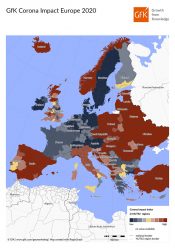
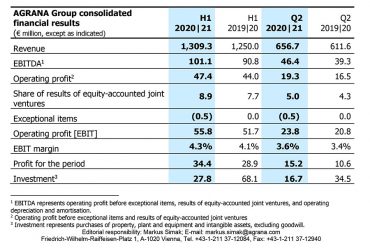
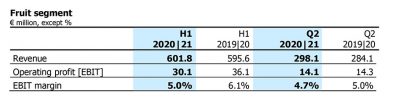
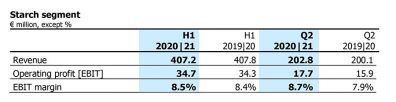
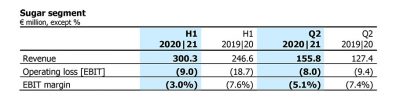
 The careful handling of raw goods and top quality standards are priorities at VOG Products. To continue upholding these standards in future, the company has made significant investments in the modernisation of its production lines.