The global variety of organic food and natural and organic personal care products will be on show at BIOFACH, the World’s Leading Trade Fair for Organic Food Products, and VIVANESS, the International Trade Fair for Natural and Organic Personal Care, between 17 and 19 February 2021. This time, however, instead of taking place in the exhibition halls in Nuremberg, the international class meeting for the sector will be held in purely digital form. A total of 1,443 exhibitors at the BIOFACH/VIVANESS eSPECIAL, 102 of them representing VIVANESS/ natural personal care products and services, will actively contribute to the format of the event by offering digital tasting sessions and product presentations, for example. Sector representatives can look forward to three days full of company and product presentations, knowledge sharing, matchmaking and networking. Of course, the BIOFACH and VIVANESS CONGRESS is an integral part of the eSPECIAL, and participants will be able to experience the digital New Products Stand with its product innovations and trends, in addition to many other highlights. Trends at BIOFACH this year: plant-based products, low- sugar and sugar-free products, functional food, sustainability and social responsibility; and those at VIVANESS: solid cosmetics, me time & comfort, safe beauty und circular beauty.
“In recent months we’ve been working hard on the BIOFACH/VIVANESS 2021 eSPECIAL, and are looking forward to these three days when all the participants will get to know our business platform and use it to interact, make new contacts, do business, and learn about the latest sector developments and trends,” comments Petra Wolf, Member of the Management Board of NürnbergMesse. “The organic food and natural and organic personal care community can look forward to a fascinating, top-quality digital event.”
More than 1,400 exhibitors on board
Among the total of 1,443 exhibitors, BIOFACH accounts for 1,341 and VIVANESS the remaining 102. The international make-up of the event is strong once again, at more than 75 %, with exhibitors this year representing 82 countries from every continent. The top countries by exhibitor numbers, after Germany (365), are Italy (176), France (70), the Netherlands (52), Spain (52), Belgium (48) and Austria (39).
The product areas of “milk substitutes” and “meat substitutes”, in particular, are strongly represented among the exhibitors at BIOFACH. Many exhibitors from the field of “frozen products”, especially fish and seafood, and also ice cream, have also registered. There is also a noticeable tendency for the sector to pay more and more attention to particular product characteristics such as “fair”, “regionally sourced”, “vegan” and “gluten and lactose-free”. One growth segment at VIVANESS is “decorative cosmetics”. Many exhibitors in the areas of “hair care”, “special cosmetics/care”, with particular reference to “shaving aids and beard care”, “chemist articles” and “contract manufacturing, packaging”, and the “oral and dental care” product group are also represented.
The 1,443 exhibitors also include the 15 exclusive partners to the BIOFACH/VIVANESS eSPECIAL: Biokreis e.V.; Bioland e.V.; Bio Austria, Consorzio il Biologico Soc.Coop.; Cultivator Natural Products Pvt. Ltd.; Demeter e.V.; dennree GmbH; GIZ (German Society for International Cooperation), Import Promotion Desk (IPD) and partners on behalf of the BMZ (German Federal Ministry for Economic Cooperation and Development); GLS Bank; Lebensbaum; Litfood – Lithuanian National Pavilion; Naturland Zeichen GmbH; Officina naturae S.R.L.; Ukrainian National Pavilion; Organic Ukraine Business Hub and Vietnam Organic Agriculture Association.
Inspiration and stimuli: New developments and trends, start-ups and awards
The digital version of the trade fair pairing of BIOFACH and VIVANESS will still include a New Products Stand. In total, almost 500 new products have been submitted by the various exhibitors, including about 350 new product developments in the organic foodstuffs field and 140 for natural and organic cosmetics. And once again, the items considered most exciting and most innovative by the participants will win the coveted Best New Product Award. In addition to the Best New Product Award, the “BioThesis” Organic Food Industry Research Award will also be presented. This is given to theses with an environmental and sustainable focus.
Based on the registered new products, the trend jury has once again developed a list of the current industry trends for the BIOFACH/VIVANESS 2021 eSPECIAL. The trends at BIOFACH this year are plant-based products, low-sugar and sugar-free products, functional food, and sustainability and social responsibility, while those for VIVANESS are waterless beauty/solid cosmetics, me time & comfort, safe beauty/healthbooster, and circular beauty/economy.
There will also be a Start-up-Area this year. The Startups@BIOFACH/VIVANESS will introduce themselves and their products in a number of brief sessions/10-minute pitches in the exhibitors’ forum.
Networking made easy
The objective of the BIOFACH/VIVANESS eSPECIAL is to make it as easy as possible to establish and nurture business contacts using a range of communication tools such as chats and video calls, which enable all participants to get in touch with each other or arrange appointments, quickly and without complications. A special highlight of the business platform is the integrated Matchmaking Tool, which uses a search and offer process to show participants the best matches, i.e. their ideal contacts.
Comprehensive and fascinating programme at the BIOFACH and VIVANESS Congress
All in all, the congress programme comprises 70 individual sessions spread across six forums (the BIOFACH Forum, specialist retail, sustainability, politics, science, and VIVANESS Congress) covering all aspects of trends, numbers, data and facts on the global market for organic food products and natural and organic cosmetics. Of course, there will also be presentations on top themes such as “packaged/unpackaged” and special sessions on all aspects of the main congress theme, “Shaping Transformation. Stronger. Together”. Among the other highlights will be the trend tours on the highlighted BIOFACH and VIVANESS trends. Interested parties can find the entire programme here:
The congress will be live-streamed, and will subsequently be available on demand for another six months or so, which means participants will not have to choose between two presentations or a customer appointment.
STADTLANDBIO Congress
In parallel with the BIOFACH/VIVANESS eSPECIAL, the STADTLANDBIO Congress 2021 will also be held in purely digital form on 18 February. Its focus is the EU’s “Farm-to-Fork” strategy, which represents a sustainable agricultural system for the EU to create greener and healthier foodstuffs. The aim is to increase the share represented by environmentally friendly agriculture in the EU to 25 % by 2030. Participants in the congress will discuss the opportunities and benefits the strategy offers at a city, community and district level, and also how better collaboration can be achieved at an EU and municipal level.
The congress is aimed at decision-makers and professionals in authorities, organizations and businesses. Interested parties can find the entire programme here: www.stadtlandbio.de/programm.
Freshfel Europe published its 2020 Consumption Monitor, the Association’s analysis for fresh fruit and vegetables production, trade and consumption trends in the EU-28. This latest and highly anticipated edition of Freshfel Europe’s Consumption Monitor shows that in 2018 daily fresh fruit and vegetable consumption per capita has increased by 4 % from 2017 levels to 363.76 g per capita per day. While still below the WHO recommended minimum daily consumption of 400 g, this represents a 5.1 % increase compared to the previous five years (2013-2017) and halts previous consumption stagnation.
Freshfel Europe released its much-anticipated 2020 Consumption Monitor. Analysing fresh fruit and vegetable production, trade and consumption trends for the EU-28, Freshfel Europe’s 2020 Consumption Monitor examines the latest sector data from 2018. While aggregate consumption remained below the WHO recommended minimum daily consumption of 400 g, fresh produce consumption in the EU showed a strong positive increase of 4 % compared to 2017 levels. Representing a 5.1 % increase compared to the previous five years (2013-2017), this significant improvement can be attributed to a 9.5 % rise in fresh fruit consumption to 211.82 g per capita per day, which also compensated for a slight overall decrease in vegetable consumption to 151.94 g per capita per day.
This indication of a strong positive increase in EU consumption has coincided with increased sector efforts to raise awareness of the importance of fresh produce consumption over the last few years. Freshfel Europe General Delegate Philippe Binard commented on the publication emphasizing, “The findings of Freshfel Europe’s 2020 Consumption Monitor are highly encouraging and clearly illustrate that the sector’s heightened efforts to boost consumption above the WHO recommended minimum of 400 g per capita per day are being paid off. While we will continue to observe the stability of this recovery, we need to investigate this new discrepancy between fruit and vegetable consumption”. Mr Binard encouraged the sector to continue its efforts adding, “The fresh fruit and vegetable sector must capitalize on 2021 being the UN International Year of Fruits and Vegetables. Continued reinforcement of the important role of fresh produce in a balanced healthy and sustainable diet is essential to maintain and boost this latest positive consumption trend”. Freshfel Europe is active in consumption promotion activities at EU-level. Freshfel Europe’s ‘Follow me to be healthy with Europe’ EU promotion campaign is now in its third year, and alongside its longstanding online #FruitVeg4You campaign this year Freshfel Europe is conducting a specific campaign, #SpeakUp4FruitVeg, to encourage support for the sector by EU policy-makers and boost consumption to celebrate the International Year of Fruits and Vegetables 2021.
The 143-page Freshfel Europe 2020 Consumption Monitor consists of three parts:
total gross supply of fruit and vegetables in the EU-28, including trends in production, exports and imports of fruit and vegetables (2013-2018),
a comparative review of consumption trends across the EU-28 (2013-2018), and
a review of the total net supply and trends exports and imports of fruit and vegetables in the EU-28 (2013-2018).
Freshfel Europe members receive the full report free of charge. The 2020 Consumption Monitor is also available for purchase for non-members at a rate of 1000 EUR. All information about the Freshfel Europe Consumption Monitor is available via the Freshfel website (www.freshfel.org).
Commercial productive apple growing in a northern climate – terroir project in sub arctic Sweden well ahead of schedule
As 2021 rolls into the calendar the project “Commercial productive apple growing in a northern climate – innovation for new climate resilient agriculture in northern Europe”, a project to lay the foundation of a new apple growing region in Northern Europe and as a result, a new terroir in nordic wine and cider culture reaches some milestones and enters the next phase.
The project has been met with enthusiasm and strong response from a wide range of farmers across the region and the project is well ahead of the projected planting schedule.
The collaboration group comprised of academics, nurseries, professionals specialised in growing commercial crops in the north as well as wholesale and commercial apple growing has managed to secure trial grounds and, as part of the project’s commitment towards EIP-Agri also initiated the establishment of a comparative orchard in the south of Sweden using the hybrid planting system that the project is championing.
Project manager, Daniel Pacurar,
“The response has been overwhelming and we are in a situation where we could probably plant the entire scope of the project in its first year of establishment alone. This is very encouraging. On top of that we have a number of potential growers on a waiting list which means we now need to look at the possibilities of expanding the project both in terms of time as well as resources.”
“Commercial productive apple growing in a northern climate – innovation for new climate resilient agriculture in northern Europe” presently runs from 2020 to 2023, funded by EIP-agri, the European union fund for innovation and productivity within agriculture, in collaboration with a group of experts together with established farmers, budding cider producers and professional gardening businesses across the region who want to add, diversify or are looking to grow apples for wholesale or sales into beverage production.
Project owner is Brännland Cider, situated at latitude 63 on the Baltic seaboard, among the worlds most respected producers of ice cider.
About Brännland Cider Brännland Cider produces ice cider using 100% Swedish apples for a national and international market. The company’s first vintage, an ice cider produced in the Swedish county of Västerbotten, not far from the arctic circle, using Swedish apples in adherence to the denomination set in the country of origin of ice cider, Canada, was released in 2012.
With new management and expanded production area, the plant manufacturer is implementing a step in the long-term development strategy of the site
New management: Bartłomiej Berger, Piotr Cieplinski, Marek Winkler (from left to right) (Photo: Ruland)
The Tychy (Poland) site of plant manufacturer Ruland is starting the new year with a new management team. The new management consists of Piotr Cieplinski, Marek Winkler and Bartłomiej Berger, all three long-time employees of the company. Founded in 1993 by Eugen Blaski, the site serves a great many beverage producers and breweries in Europe, but also supplies plant technology worldwide to all producers who process liquid products. Together with the company founder, the new management has initiated several modernisations in recent years as part of a long-term development strategy. A new ERP system, intensive staff training and, above all, the new production hall provide modern structures and workflows for plant engineering and construction.
Growing demand together with an increased need for manufacturing space for large plant modules made the new production hall necessary. In addition, it enables efficient processing of plant production up to loading. Two modern overhead cranes, eight permanent welding cabins with aeration and ventilation systems as well as dust extraction systems, a closed welding etching system with waste neutralisation facilitate the assembly of the individual plant modules.
At the same time as the new production areas, new office and social rooms were created for the continuously growing staff. Ruland Tychy currently employs 111 people, mainly engineers, plant designers, automation specialists, technicians and fitters.
Eugen Blaski hands over the management of the company with a good feeling: “We have initiated a number of modernisations that have put Ruland Tychy in a good position. Our three new managing directors know the technical requirements in plant construction very well. They know what potential Ruland and the team have and how best to use it.” Eugen Blaski will remain with Ruland Tychy in an advisory role.
About Ruland Engineering & Consulting Ruland Engineering & Consulting GmbH plans and implements process plants worldwide. The owner-managed company offers its customers plant engineering of the highest quality. It supplies individual, innovative and practice-oriented solutions in the fields of tank farms, mixing and dosing systems, thermal plants as well as vacuum degassing plants, filtration plants, fermenters and CIP plants. Complete automation with its own control cabinet construction has been a speciality for many years. Ruland assembles its plants itself and also carries out commissioning, piping assembly and documentation. Services such as maintenance and spart parts management round off the plant construction spectrum.
Updated orange1 crop forecast totals 269.01 million boxes
The 2020-2021 orange crop forecast update for the São Paulo and West-Southwest Minas Gerais citrus belt, published on February 10, 2021 by Fundecitrus – performed in cooperation with Markestrat, FEA-RP/USP and FCAV/Unesp2 – is 269.01 million boxes of 40.8 kg each (90 lbs). Approximately 19.27 million boxes of the total crop should be produced in West Minas Gerais.
In this third update on a downward trend, the crop accumulates a decrease of 6.52 % in relation to the initial estimate. In comparison to the previous crop, the reduction is 30.45 %, the worst index of all years in which the crop also withstood the physiological effects of the negative biennial bearing. This crop loss, unprecedented in the history of citriculture, evidences the severity of climatic issues in this season, although production losses due to orange trees that died from drought before harvest have not yet been included. The number of dead trees and fruit unharvested is being determined by a sample survey encompassing 5 % of plots distributed throughout the citrus belt, aiming to update the tree inventory for the next crop season. The reduction in production of the 2020-2021 cycle, caused by this atypical tree mortality, will be presented on the final crop estimate of April 12, 2021. …
1Hamlin, Westin, Rubi, Valencia Americana, Seleta, Pineapple, Pera Rio, Valencia, Valencia Folha Murcha and Natal. 2Department of math and science, FCAV/Unesp Jaboticabal Campus.
At its meeting yesterday, the Supervisory Board of GEA Group Aktiengesellschaft extended the contract of CEO Stefan Klebert (55) by five years until December 31, 2026.
“Over the last two years, Stefan Klebert has led GEA back to a more successful path through targeted measures, highlighting the Group’s great potential for sustainable and profitable growth,” said Dr. Helmut Perlet, Chairman of the Supervisory Board of GEA Group AG. “The Supervisory Board therefore expresses its fullest confidence in him and is pleased to be able to continue our extremely successful cooperation.”
“I would like to thank the Supervisory Board for the trust they have placed in me,” commented Stefan Klebert, CEO of GEA Group AG. “GEA is a fantastic company with a compelling outlook for the future. I look forward to continuing to shape the company’s successful transformation.”
Shortly after Stefan Klebert took over as CEO in 2019, GEA initiated and consistently implemented several projects to improve efficiency. These initiatives, along with the short-term measures to manage the effects of the COVID-19 pandemic, have played a decisive role in ensuring that for the fiscal year 2020, GEA will again achieve significant gains in EBITDA before restructuring measures and the corresponding margin. In particular, the new organizational structure introduced in January 2020 has proven its worth by placing more revenue responsibility and decision-making power in the hands of local management.
Stefan Klebert became CEO in February 2019 and has been a member of the Executive Board since November 2018. On the Executive Board, he is responsible for all five divisions as well as the regions & country organizations. In this role, he also performs the function of Labor Director.
Price averages of all orange varieties were firm in January in São Paulo state and may continue high in February. The lower production in the citrus belt (São Paulo and Triângulo Mineiro) in the 2020/21 season and difficulties to harvest in some areas, due to rains, underpinned values. Moreover, the supply of high-quality orange was low – most fruits available in January had characteristics unwanted by consumers, such as large size and thick peel.
In January/21, pera rio orange quotes averaged 39.06 BRL per 40.8-kilo box, on tree, 27.9 % up compared to January/20, but a decrease of 3.6 % in relation to December/20, in nominal terms. As for lima orange, the average was 73.85 BRL/box, 101 % up in the annual comparison, but 8.6 % lower in relation to December/20. Natal orange values averaged 35.07 BRL per box (+29.9 % in one year, but -3.4 % compared to the month before).
Values may continue at high levels to citrus growers in February, mainly for high-quality fruits in the in natura market. The loss of fruitlets and the low rate of established flowers last year that now result in a limited volume of out-of-season oranges favor this scenario. As for the demand, it can increase in February because of high temperatures.
As for the first oranges harvested in the 2021/22 season in Jales, where major flowerings are advanced, they can be available from March onwards. However, due to the dry weather in the second semester of 2020 and the consequent low rate of flowers established, the volume may not be very high.
TAHITI LIME – The peak season in São Paulo continued to press down tahiti lime prices in late January. However, producers reported problems brought by hot weather and rains, which can increase the allocation of fruits to crushing activities and limit the supply in the in natura market.
Symrise AG makes changes to its Executive Board effective 1 April 2021. Heinrich Schaper, Executive Board member and responsible for the Flavor segment, will be retiring and leaving the Company on 31 March 2021. In the course of succession planning, the Supervisory Board has decided that Dr Jean-Yves Parisot is to take over the global leadership of the Flavor segment in addition to his responsibility for the Nutrition segment. This will involve combining the Flavor & Nutrition activities in one segment. Achim Daub, who has been Board member since 2006 and responsible for the Scent & Care segment, has decided to pursue new professional opportunities. He will therefore also leave the Company on 31 March 2021 by mutual agreement and on best terms. Succession planning for the leadership of the Scent & Care segment has already been initiated. On an interim basis, the CEO of Symrise AG, Dr Heinz-Jürgen Bertram, will lead the segment. Executive Board member Olaf Klinger will continue to head the finance, legal and IT department.
Jean-Yves Parisot (56) has been Head of the Nutrition/Diana business unit since 2014 and a member of the Executive Board of Symrise AG since October 2016. In his role, he was most recently responsible for the successful acquisition of ADF/IDF in the U.S. Prior to the acquisition and integration of Diana Group, he headed the Food Division within the Diana Group for five years. Before joining Diana, he held senior positions in several global pharmaceutical, chemical and biotech companies, including Air Liquide, Danisco and Rhodia. He started his career in Sales & Marketing at Pfizer. Jean-Yves Parisot holds a Doctor degree in Veterinary Medicine, and an MBA from HEC Paris.
Heinrich Schaper (64) has held various management positions at Symrise AG and its predecessor companies for more than four decades. In October 2016, he was appointed President of the Flavor segment. Among other positions during his career at Symrise, he was Vice President Flavor in the U.S., where he was responsible for expanding the business, and was previously responsible for developing the U.K. market as Divisional Manager. Heinrich Schaper began his professional career in 1975 after obtaining a degree in Industrial Management.
Achim Daub (58) joined Symrise AG in 2004, assuming global leadership of the Fragrance division in 2005 and was appointed to the Executive Board in 2006. He has consistently driven the expansion of the Scent & Care segment, particularly in France and in the U.S. Under his leadership, the Scent & Care segment also very successfully developed the world’s first and only fully functional artificial intelligence system in perfumery. Before joining Symrise, Achim Daub had worked for Procter & Gamble for many years.
Monster Beverage Corporation announced that Hilton H. Schlosberg was elected by the Board of Directors of the Company (the “Board”) as Co-Chief Executive Officer of the Company. Mr. Schlosberg will serve as Co-Chief Executive Officer together with Mr. Rodney C. Sacks, who has served as the Chief Executive Officer of the Company since 1990. Simultaneously with the foregoing, Mr. Schlosberg resigned his positions as President, Chief Financial Officer, Chief Operating Officer and Secretary of the Company. Mr. Sacks will continue as Chairman of the Board and Mr. Schlosberg will continue as Vice Chairman of the Board. In addition, the Company also announced that Thomas J. Kelly was elected by the Board as Chief Financial Officer of the Company, succeeding Mr. Schlosberg.
Mr. Schlosberg has held senior leadership positions with the Company for over 30 years, including as the Company’s Chief Financial Officer for over 23 years, and has served as a co-leader of the Company with Mr. Sacks. Mr. Kelly has been Executive Vice President, Finance, and/or Controller and Secretary of Monster Energy Company since 1992. Mr. Kelly is a Certified Public Accountant (inactive) and has worked in the beverage business for over 30 years.
Monster Beverage Corporation Based in Corona, California, Monster Beverage Corporation is a holding company and conducts no operating business except through its consolidated subsidiaries. The Company’s subsidiaries develop and market energy drinks, including Monster Energy® energy drinks, Monster Energy Ultra® energy drinks, Monster MAXX® maximum strength energy drinks, Java Monster® non-carbonated coffee + energy drinks, Espresso Monster® non-carbonated espresso + energy drinks, Monster Rehab® non-carbonated tea + energy drinks, Muscle Monster® non-carbonated energy shakes, Monster Hydro® non-carbonated refreshment + energy drinks, Monster HydroSport Super Fuel® non-carbonated advanced hydration + energy drinks, Monster Dragon Tea® non-carbonated energy teas, Reign Total Body Fuel® high performance energy drinks, Reign Inferno® thermogenic fuel high performance energy drinks, NOS® energy drinks, Full Throttle® energy drinks, Burn® energy drinks, Samurai® energy drinks, Relentless® energy drinks, Mother® energy drinks, Play® and Power Play® (stylized) energy drinks, BU® energy drinks, Nalu® energy drinks, BPM® energy drinks, Gladiator® energy drinks, Ultra Energy® energy drinks, Live+® energy drinks, Predator® energy drinks and Fury® energy drinks.
DHL Global Forwarding, Deutsche Post DHL Group’s air and ocean freight specialist, has announced the launch of a new bulk liquid transporter solution, a system of Flexitanks called DHL Reefertanks. The DHL Reefertanks are a brand new three-tank system developed in partnership with supplier Liquitank Solutions to transport bulk liquids like citrus juice which require temperature control while in transit. Currently the new system is being piloted in Mexico to transport any non-hazardous bulk liquid requiring temperature control to the United States, but can be utilized in any country that sees a need for this new product.
“We are always committed to delivering quality, safety and traceability for our customers and their liquid products,” says Goetz Alebrand, Head of Ocean Freight, DHL Global Forwarding, Americas. “This new solution coupled with the newest innovations and technology at DHL provides our customers with a more cost-effective service, helps them save money and represents a safe, streamlined, and more environmentally friendly way of transporting their non-hazardous liquids.”
Traditionally ISOTanks or Refrigerated containers of 55 gallon drums are used for transporting bulk liquirds as well as 40’ long flexitanks in refrigerated containers, but the new reefer tank system allows for a greater yield of products when compared to any of these other options. The nature of the new three tank system leaves less residue or heel in the tanks. The average yield in the DHL Reefertank system is 99.97 % versus 97.5 % yield in ISOTanks or 40’ long flexitanks – that equals 157 gallons less product loss by using the DHL Reefertank system. This is significant, as manufacturers are paid by the amount of gallons delivered.
Additionally, the new system has increased temperature visibility while in transit with the ability to hold juice at a constant -3 – 3° C – virtually eliminating any possibility of juice spoiling or fermenting in transit which is especially beneficial to organic juices. An additional benefit to traditional Refrigerated container shipments of juice in drums is the amount of packaging used – the new DHL Reefertank utilizes less packaging which allows 2,100 – 4,200 lbs more actual payload to be loaded into the refrigerated container and saves shipment costs.
The new DHL Reefertanks are part of DHL Global Forwarding’s mission to provide care in the end-to-end shipping process, in line with maximizing product volume transported and providing customers a more cost-effective shipping solution.
The Supervisory Board of AGRANA Beteiligungs-AG appointed Mr Markus Mühleisen, MBA, (54), to the position of CEO of AGRANA Beteiligungs-AG for a period of three years with effect from 1 June 2021. Originating from Düsseldorf (Germany), this manager succeeds Johann Marihart (70), whose mandate as CEO was extended by a period of three months and who will enter retirement on 31 May 2021. Mühleisen will be responsible for the areas of communication, strategy, human resources and business policy, among others.
For Chairman of the Supervisory Board, Erwin Hameseder, who oversaw the selection process for the new CEO, Markus Mühleisen has all the relevant qualifications and experience to lead the AGRANA Group: “I am delighted about the appointment of Markus Mühleisen. He has acted successfully in diverse management positions and has considerable international experience in the food and luxury food industry. Markus Mühleisen will ambitiously strive to continue the successful development of AGRANA.”
Markus Mühleisen has been active in the food and luxury food sector for more than 20 years, including positions at Nestlé, General Mills and, since 2018, at the international dairy group Arla Foods as its Group-Vice President. He has comprehensive international management experience, particularly in the areas of marketing and strategy. “The AGRANA Group is a strong, innovative and well positioned company with lots of potential. I am very much looking forward to writing the next chapter in the company’s success story alongside my fellow board members and the entire AGRANA team,” says Markus Mühleisen.
Johann Marihart (Photo: AGRANA)
At its meeting on January 29th, the Supervisory Board of AGRANA Beteiligungs-AG expressed its deep-felt appreciation to Johann Marihart for all his work as CEO over what has been nearly three decades. AGRANA Supervisory Board Chairman Hameseder: “The successful development of AGRANA has been closely linked to Johann Marihart. Under his leadership, AGRANA grew to become a successful international industrial player. Revenues have increased seven-fold during the Marihart era. Besides the successful expansion in Europe, one of his other major achievements has been establishing the Fruit Division. He was central to the Company establishing a further division for diversification purposes – a strategy which has paid off particularly during difficult economic times and one which makes AGRANA fit for the future.”
Oranges
Global orange production for 2020/21 is forecast to rise 3.6 million metric tons (tons) from the previous year to 49.4 million as favorable weather leads to larger crops in Brazil and Mexico, offsetting declines in Turkey and the United States. Consequently, consumption, fruit for processing, and fresh exports are also forecast higher. …
Smurfit Kappa has launched a new range of eBottle packaging solutions for the rapidly growing online beverage and liquids market. The new portfolio includes a variety of sustainable solutions for single and multi-pack products, including the Rollor bottle pack, BiPack, and Pop-up insert.
The surge in e-commerce due to the Covid-19 pandemic is evident across all sectors and the beverage market has also seen a significant impact. In particular, online sales for alcoholic beverages has increased by 34 % in Europe driving a demand for sustainable, durable and consumer friendly packaging that protects the product during shipment.
Key challenges for the beverage e-commerce channel are product damage, sustainability, consumer experience and the ability to accelerate growth using the right packing processes. Consumer research carried out by Smurfit Kappa also shows consumers are continuing to push for higher standards.
The research found :
Over two thirds (69 %) of consumers prefer paper-based packaging
Over half (59 %) of consumers want the parcel to be easy to open
1 in 10 consumers will reconsider re-ordering in the case of damage
Commenting on the announcement, Arco Berkenbosch, VP Innovation and Development at Smurfit Kappa Europe said: “Our new eBottle product range offers beverage businesses a suite of fit-for-purpose and bespoke packaging solutions which address the key challenges for their e-commerce channel. The innovative range, combined with our focus on e-commerce processes, supply chain and consumer experience, have all contributed to increased sales and greater efficiencies for our customers.”
Smurfit Kappa also offers a host of automated solutions to optimise packaging processes in addition to the eBottle range. The launch of this new product portfolio is the latest addition to its range of Better Planet Packaging, designed to be more sustainable and coming from a renewable and recyclable raw material. Businesses are already benefitting in the alcoholic beverage segment.
InterDrinks is an eMerchant selling more than 2,500 different types of beers and beer products. Smurfit Kappa introduced a flexible and unique packaging solution that accommodates all the various sized products sold by InterDrinks. It also includes automated assembly that mounts the packs as required.
Herwin Wichers, Market Development Director at Smurfit Kappa said: “The online European alcohol beverage market is worth EUR 5.6 billion and we want to help companies take advantage of the real growth and opportunity in this segment. As a result of the implemented packaging and automation solution by InterDrinks, it has increased its packing and filling capacity by 66 %, allowing it to fulfill more orders, faster.”
Crown Holdings, Inc. announced that its Brazilian subsidiary CROWN Embalagens S.A., plans to build its sixth beverage can plant in Brazil. The new two-line facility will produce two-piece aluminum cans in multiple sizes and have annual capacity of 2.4 billion cans when fully operational. The first line is expected to begin production in the second quarter of 2022, followed by the second line in the fourth quarter of 2022.
The new plant will be located in Minas Gerais State, southeast Brazil to meet the growing demand in the region for beer and soft drink cans. Crown has been operating in Brazil since 1942 and has a strong presence with two-piece aluminum beverage can plants in Cabreúva (São Paulo State), Estância (Sergipe State), Ponta Grossa (Paraná State), Rio Verde (Goiás State), Teresina (Piaui State) and a beverage end plant in Manaus (Amazonas State). The new plant will expand Crown’s annual production capacity in Brazil to 13.3 billion cans.
“Brazil is an important growth market for us and our partner, Évora S.A. This expansion will help meet the country’s increased demand for beverage cans and demonstrates Crown’s continuing commitment to grow with our customers,” commented Djalma Novaes, President of Crown’s Americas Division. “The aluminum beverage can is perfect for the Brazilian market; it is recyclable and sustainable, is shipped easily and most efficiently preserves the quality of the beverage product for the ultimate consumer.”
Tate & Lyle PLC announces that John Cheung joined the Board as a non-executive director and a member of the Audit and Nominations Committees on 1 January 2021.
Currently an executive director of nutrition group China Feihe Limited, John brings a breadth of food and beverage experience with a deep understanding of markets in Asia, particularly in China. In a career spanning 30 years in the fields of nutrition, food and beverages, John has served as President for Wyeth Nutrition Global, having previously served as Nestlé Group’s leader in China and earlier held senior roles with Coca-Cola and Procter & Gamble.
After nearly nine years on the Board, the Company also announces that non-executive director, Dr Ajai Puri, will retire on 31st March 2021.
PepsiCo and Beyond Meat are joining forces in a new partnership. The goal? Dreaming up a range of snacks and beverages, all made from plant-based protein.
Plant-based proteins are playing an increasingly vital role in modern diets — they’re nutrient-rich and far more sustainable than meat.
Now PepsiCo and Beyond Meat are teaming up to launch The PLANeT Partnership, tapping into growing consumer demand for plant-based proteins that are better for the planet.
Through the PLANeT Partnership, the two companies will develop, produce and market snacks and beverages made from plant-based protein — bringing together Beyond Meat’s innovation expertise with PepsiCo’s marketing and commercial capabilities.
“We look forward to combining their unparalleled expertise with our world-class capabilities in brand-building, consumer insights and distribution,” says Ram Krishnan, PepsiCo Global Chief Commercial Officer.
For PepsiCo, the partnership represents an exciting next step in the company’s ongoing commitment to expanding its portfolio of positive choices for consumers and the planet. Among PepsiCo’s longstanding efforts: doubling down on sustainably sourced ingredients, regenerative agriculture, carbon-emission reduction and other key measures.
Numerous studies have extolled the benefits of plant-based diets, and Krishnan describes Beyond Meat as “a cutting-edge innovator in this rapidly growing category.” The El Segundo, California-based company was founded in 2009 with the goal of creating plant-based products that mimic meat’s taste and texture, with a focus on simple ingredients and no GMOs or bioengineering. Fast forward to 2021, Beyond Meat products are available at approximately 122,000 locations in more than 80 countries.
“With PepsiCo’s unmatched reach and distribution, we’ll be able to accelerate bringing these products to markets around the world as we provide more consumers with the nutritional and environmental benefits of plant-based protein,” says Ethan Brown, Beyond Meat Founder and CEO.
As Krishnan notes, it represents “a new frontier in our efforts to build a more sustainable food system.”
Technion students have harnessed viruses found in the environment of fruit trees to prevent spoilage of fruit juices – a phenomenon that causes tens of millions of dollars’ worth of damage each year. The development earned the students from the Technion’s Faculties of Biotechnology & Food Engineering, and Biology, first prize in a competition held as part of the MicroBiome-Push project conducted within “Food Solutions,” an educational program of the European food consortium, EIT Food.
Students from the Faculty of Biotechnology and Food Engineering, and the Faculty of Biology at the Technion earned first place in an international competition held by Europe’s leading food innovation initiative, EIT Food. The students harnessed a bacteriophage – a virus that infects bacteria – to prevent spoilage of fruit juices, a phenomenon causing damage estimated at millions of dollars each year. Professor Marcelle Machluf, dean of the Faculty of Biotechnology and Food Engineering, said, “International projects such as this are the very essence of the Faculty and its way of teaching future generations to think outside the box, to be entrepreneurial, and to broaden the knowledge we are able to provide in the classroom.”
The international competition was held in the framework of the MicroBiome-Push project, which is part of the Food Solutions educational program. The goal was to solve problems in the food sector by connecting companies in the food industry (PepsiCo, Puratos and Agricolus) with undergraduate and graduate students from four universities – the Technion, the University of Turin in Italy, the University of Reading in the UK, and the University of Helsinki in Finland. Nine groups of students competed, including two from the Technion.
The two Technion groups chose challenges posed by the global PepsiCo corporation. The first was to solve the problem of spoilage of fruit juices, while the second was to utilize the potato peels that are left over from the production of potato chips. The groups were accompanied by four mentors from the Faculty of Biotechnology and Food Engineering: Professor Yoav Livney, who headed the Technion’s activity in the project, Professor Yechezkel Kashi, Assistant Professor Avi Shpigelman, and Associate Professor Uri Lesmes. According to the mentors, “The two Technion teams did an amazing job, and despite the limitations posed by COVID-19, they succeeded in creating original, effective solutions. What’s more, they presented the viability of the ideas to the corporations, and showed their inherent business potential.” Members of the winning team, the Microbes, are Itzik Engelberg, Alon Romano, Leechen Mashiah, and Rachel Bitton, and members of the second Technion group, Biomy, are Omer Sabbah, Yuping Kao, Or Shapira, Michael Buzaglo, and Lior Kaufman.
The Microbes chose to address the acute problem of spoilage of natural fruit juices, which in the U,S. alone causes damage estimated at around $32 million each year. The culprit is ACB, or Alicyclobacillus acidoterrestris. This bacterium, found in the ground in which fruit trees grow as well as in all parts of the tree itself, although not harmful to humans, releases a natural substance called guaiacol into the juice, spoiling its taste and smell. This occurs in a broad variety of juices, including orange, mango, pear, grape, tomato, and others, and leads to the loss of large quantities of juice, as well as massive financial losses.
In the course of evolution, the bacterium has developed high resistance to hostile environmental conditions, enabling it to also survive the processes involved in juice production – cleaning, extraction, pasteurization, and filling. As a rule, pasteurization is efficient in destroying bacteria that are harmful to health or adversely affect juice quality. But this is not the case with ACB, since the juice cannot be heated to higher pasteurization temperatures or for a longer time without compromising its quality and nutritional values. PepsiCo has been looking for a creative solution that will prevent this harmful phenomenon.
“Since the problem has its origins in nature – a bacterium that lives in the soil – we looked for a natural solution,” explain doctoral students and team members Alon Romano and Itzik Engelberg. “After all, nature is a ‘laboratory’ that has been perfecting its solutions for billions of years, and our assumption was that solutions that developed in the evolutionary process could also serve us as a solution for dealing with the problem of ACB in the food industry.”
After much searching and numerous analyses, the choice was a bacteriophage, a virus that infects bacteria naturally and in a very specific way. Bacteriophages are abundant in nature, and following strenuous research, the group succeeded in isolating and identifying a bacteriophage that destroys the harmful bacteria. It takes just a small dose to efficiently eliminate the bacteria, and because it does so selectively, it is safe for use and it has no harmful effects on human health.
The competition was held as part of the MicroBiome-Push project since it focused on finding solutions to challenges related to the natural microbiome, the microorganisms populating a particular environment. The microbiome includes bacteriome, virome, and mycobiome (which represent, respectively, the assemblages of bacteria, viruses, and fungi), and the winning solution in fact harnesses a specific virus present in the phytosphere (the microbiome of the plant and its environment) to combat a specific bacterium from that same environment. The fact that this is a natural, inexpensive solution that does not involve genetic engineering is expected to expedite the application of the technology in juices and to reduce the need for preservatives. Moreover, the addition of the virus to the juice does not affect it in terms of religious dietary laws – Jewish (kashrut) and Islamic (halal).
The second Technion group, Biomy, also tackled a far from simple challenge and developed the PotatALL concept, which includes a number of creative solutions for treating potato peels left over in the process of producing potato chips. Team members presented a process to produce from the peels a raw material used to create eco-friendly packaging, as well as a dip made from potato peel. This comprehensive and creative solution also met with the judges’ praise. The intention is for the dip to be served in small packs similar to ketchup, along with fries, and to package it in the eco-friendly packaging made from the peel. The solution provides a perfect way to fully utilize all parts of the potatoes while mitigating the environmental impact.
SIG turns innovative food and beverage ideas into commercial reality
SIG is delighted to announce that the first of three application rounds in 2021 is now open for their SIGCUBATOR program. Food and drink start-ups and small companies eager for an amazing no-strings attached opportunity can apply at no-costs until February 28th at www.sigcubator.com.
SIGCUBATOR is SIG’s accelerator program for new businesses who need just the right spark to ignite the next novel food or drink innovation.
Anna Rabanus, Global Category Manager at SIG, explains the program: “We understand that getting a product off the ground is often a challenge for start-ups. The SIGCUBATOR program supports entrepreneurs with the production facilities, the knowledge and connections in the food and beverage industry. Our team of experts will be there to guide start-ups through the most crucial period of their innovation: from testing prototypes in SIG’s combiLab in Germany through to a final product and package concept that’s ready for consumers.”
SIG is keen to identify and engage with entrepreneurs at an early stage and attract potential like-minded partners who share the same vision for delivering nutritious food and beverages which excite and improve peoples’ lives in a sustainably packaged way. Forward-thinking food and beverage start-ups are one key to driving industry innovation and value creation. SIG will evaluate concepts based on their innovativeness within the space, their market entry strategy as well as principles of future acceleration in the market with co-manufacturing partners.
One new start-up business which has already successfully launched its exciting range of shakes to market via SIGCUBATOR is UK-based GROUNDED. Filling two SKUs in SIG’s combiLab, GROUNDED recently launched its innovative plant-based protein shakes in SIG’s unique carton bottle combidome. Products are now available online and in retailers such as Selfridges and Planet Organic – a UK based organic supermarket chain where they already are #1 selling protein drink range within 3 months of launching.
Gabriel Bean, Founder at GROUNDED: “Just one small idea can change an entire industry and we identified a gap in the market for a clean, genuinely natural, plant-based shake – with no compromise on natural ingredients and packaging. The team and people at SIG were just as aligned on values, and we couldn’t have found a better partner with which to launch these products. They supported us all the way, from our first contact with their UK team, through to their exceptional combiLab operation in Germany. We look forward to continuing our partnership with such professionals in their field.”
Fooditive® BV and Frutco AG, are pleased to announce a partnership to bring the Fooditive® banana sweetener line to Europe. Fooditive B.V. confirms its commitment to the fight against “food waste” and for more sustainability, and its promise to supply consumers with products of the highest quality. Frutco® is one of the largest processed tropical fruit companies in Europe, the Middle East, Africa and South America. As an exclusive partner, Frutco® will use the Fooditive production methods for bananas, and the Fooditive® banana sweeteners will be industrially manufactured and distributed.
Investing in a sustainable use of resources in the food industry, using affordable technologies, supports our customers in minimizing their CO2 footprint. In order to further strengthen their commitment in the fight against “food waste” and for sustainability in the food industry. Fooditive® and Frutco® AG, is constructing a multi waste- and residues-based biodiesel plant that can handle all banana side streams and tropical fruits as the aim of group of companies has a plant for continuous fermentation. It will process the side streams – including those from banana processing, but also from other tropical fruits – into fruit extracts and sweeteners.
Sustainable future
With the commitment and promise of Frutco® AG to deliver on sustainability and providing the world, with plant-based sustainable sweetener, that can improve our health and remove carbon emissions from the supply chain.
“Years ago, we made it our mission to be 100 % sustainable by 2030, making the world a better place bit by bit and doing our part. With Fooditive by our side, we are now expanding our product range and creating a new sweet world, but one that is resource efficient and healthier. We are confident that this project will allow us to achieve another milestone in continuing to conserve resources, protect the environment and strengthen the health of many people.” Ms. Claudia Lauener Hofer COO, Frutco® AG
The plant will use very latest technology of Fooditive® B.V. that enables the processing of all types of fruits and vegetables side stream, including by-products from food processing, and waste from the food industry, and non-food crops grown on marginal land. Banana sweetener will be product that provide functionalities, taste and fiber intake that will provide products better sugar substitutes.
“ This project will be the leading future for better world, a world in which we use all types of plant-based side streams that can make and improve people life providing food ingredients that are healthy and sustainable , our project with Frutco AG is the promise for delivering the product with the highest standers and only the best business partners” says Moayad Abushokhedim – CEO, Fooditive® B.V.
By combining the passion from Fooditive® and Frutco® AG expertise’s and culture of innovation with the capabilities of critical partners from food industry, we have introduced products that strengthen the future of food and use the world innovation to make big impact.
The project and production capacity will be the ground breaking on the industry that uses first continues fermentation to produce sweeteners and functional ingredients . Project will commence in January 2021, with the plant due to open in mid 2022. The new facility will create around new direct jobs and ability to provide healthier options for food industry that has challenges.
Teetotalism trends in the Asia-Pacific region are becoming increasingly prevalent, with approximately *3three out of four (71 %) of consumers drinking less alcohol in August 2020, according to a survey by leading data and analytics company GlobalData. However, the adoption of alternative soft drinks remains low, at only one in five* consumers. In fact, APAC customers surveyed are more attracted by health claims – specifically products noted to help support mental wellbeing – with such products purchased by nearly a third of consumers. Going forward, it will be crucial for drinks brands to blur the lines around traditional alcoholic products and offer ‘better for you’ messaging.
Carmen Bryan, Consumer Analyst at GlobalData, comments: “APAC consumers are turning away from alcohol driven by concerns around physical and mental health. While general health concerns take precedence, backed by *almost half (49 %) of the region’s population, weight management, fitness, physical appearance and emotional wellbeing are all considerable factors driving low or no-alcohol innovations.”
Recognizing this trend, New Zealand-based companies Adashiko and Parker Beverages recently launched a collagen-infused bottled water, marketed as ‘premium’ and ‘sophisticated’. This launch leverages growing demand for alternatives to alcohol that incorporate functional properties, writes GlobalData.
Bryan adds: “By incorporating functional and beneficial ingredient formulations, companies such as Adashiko-Parker Beverages are able to align to personalized health trends and cater to an evolving consumer landscape.”
Looking at alcohol consumption trends more closely, GlobalData’s research reveals that, of the *271 % of consumers drinking less, a sizeable *20 % (one in five) have stopped drinking alcohol altogether. In contrast, when asked a similar question in the US.
Bryan adds: “As pubs and bars closed their doors this year, and tensions regarding public health heightened, consumers were forced to reassess their priorities and lifestyles. Trends are shaping new home-bound leisure and social occasions where consumers seek the same taste and feel of mature drinks without the negative implications.”
Japanese FMCG company, Morinaga, is leveraging these trends with its amazake product range. Most notably, the Morigana Collagen in Haenuki flavour puts a healthy twist on the traditional sweet and low-alcohol Japanese drink by highlighting the high collagen and alcohol-free claims.
Bryan adds: “GlobalData’s research highlights the importance of premium positioning and clear ‘better for you’ messaging. By leveraging wellbeing factors such as natural, immunity-boosting or skin health, brands can create a premium product that blurs consumers’ perceptions around traditional alcoholic products. A rebranding mission, of sorts. Going forward, it will be crucial for brands to blur these lines further, emphasizing the positive health credentials that will help reassure consumers, both mentally and physically, to tap into multiple consumption occasions and justify a potentially higher price mark up.”
*GlobalData’s 2020 market pulse survey – Asia-Pacific – published 1 September 2020 *2Combined responses: “I try to consume a moderate amount” and “I am trying to reduce my intake as much as possible” *3Combined responses: “I try to consume a moderate amount”, “I am trying to reduce my intake as much as possible”, and “I avoid this entirely”
After the low production in the 2020/21 season, agents expect a limited orange crop in 2021/22 in São Paulo State and the Triângulo Mineiro, due to unfavorable weather conditions. This scenario tends to underpin orange prices in 2021.
The first estimates for the 2021/22 crop, released by the USDA in December/2020, indicate that the harvest in SP and the Triângulo Mineiro should total 315 million boxes of 40.8-kilos each, 17 % up from that in the previous season. Despite this recovery, this volume does not mean the productive potential of crops will be recovered because of the bad weather conditions in these regions.
Thus, a harvest of 315 million boxes is not high, and therefore may not be enough to totally offset orange juice inventories. On the other hand, it should favor farmers’ revenue for one more year, due to the firm industrial demand. It is worth to mention that these estimates may change, since it is still early to assess production, majorly this year. Fundecitrus should release estimates only in May 2021.
INVENTORIES – Data from CitrusBR indicate that initial inventories in the 2021/22 season may be from 240 to 280 thousand tons in July/21. Although this volume is not lower than the strategic level established, the small harvest in the 2021/22 season may limit the volume by the end of the season, in June 2022.
CONTRACTS WITH THE INDUSTRY – Deals for the new season have not been closed. As the volume produced is still uncertain, reasonable prices cannot be fixed either. Besides, in the 2020/21 season, many processors closed deals for the following crop. Thus, a higher volume of fruits from the coming season has already been sold. Still, prices are expected to be positive in this segment, since the demand from the industry should be high.
IN NATURA MARKET – Higher industrial demand should keep orange prices on the rise in the in natura market in 2021/22. As the 2021/22 crop is expected to be late again, the prices of early oranges should be favored, and quotes should be underpinned, since the pear orange crop may be late.
components will be held alongside once more
The next interpack will take place from 04 to 10 May 2023 at the Düsseldorf Trade Fair Centre. Messe Düsseldorf set this date in agreement with its partners and committees. Interested companies from the packaging sector and the associated processing industry will be able to register online at www.interpack.com from the end of March/beginning of April provided all goes to plan. Exhibitors who were approved for interpack 2021, which was cancelled due to the pandemic, have already been able to reserve their stand positions for 2023 and will now be able to rebook when they register.
components will take place in parallel with interpack. It is oriented towards the supplier sector for the packaging and processing industry. You can register for components in the same period as interpack by accessing www.packaging-components.com.
www.interpack.com and www.packaging-components.com will regularly provide information on industry trends and innovations up until the next edition of both trade fairs. The online presence of the upcoming interpack and components 2023 is also being built up and expanded.
2021 is starting with a change of management for Erbslöh Geisenheim GmbH. As of 1 January 2021, Dr. Andreas Dietrich will be the new managing director at the company, which specialises in processing and refining beverages and liquid foods. Previous managing director Dr. Jörg Möller retired on 31 December 2020.
Dr. Dietrich is looking forward to his new role: “Erbslöh is a company with a long-standing tradition in the industry. We want to further build on our position as an innovative market leader and partner for our customers in the beverages sector.” Dr. Dietrich has more than 25 years’ experience in the chemical, pharmaceutical and biotech industries.
Johann Marihart (Photo: Agrana)
In the first three quarters of the 2020/21 financial year, AGRANA, the fruit, starch and sugar company, generated EBIT operating profit of € 84.3 million. AGRANA Chief Executive Officer Johann Marihart comments: “The key drivers of the earnings growth were good results in bioethanol – especially in the third quarter – and a profitability improvement in the Sugar segment thanks to higher sugar prices and volumes. Sugar EBIT nevertheless remained negative due mainly to idle-capacity costs associated with the incomplete utilisation of sugar factories, notably in Austria. In the Fruit segment, EBIT in the fruit preparations business rose significantly in the first three quarters from the year-earlier reporting period. The performance of the fruit juice concentrate business, on the other hand, was down considerably as a result of lower available volumes from the prior year’s apple crop.”
FRUIT segment
Fruit segment revenue in the first three quarters was € 891.7 million, closely in line with the year-earlier level. In fruit preparations, revenue and sales volumes remained steady. Revenue in the fruit juice concentrate activities saw a moderate increase from a year ago, thanks largely to higher prices for the product group of fruit juice concentrates, albeit on the back of higher apple prices. Segment EBIT in the first nine months was € 41.3 million, off 10.0% from one year earlier. While fruit preparations EBIT improved, the main reason for the deterioration at segment level lay in lower delivery volumes in the fruit juice concentrate business combined with reduced contribution margins for apple juice concentrate produced from the 2019 harvest. Likewise, margins are under pressure in berry juice concentrates and apple juice concentrate made from the 2020 crop.
SUGAR segment
The Sugar segment’s revenue in the first three quarters was € 452.8 million, up 18.2% from one year earlier. This reflected both higher sugar selling prices and increased sugar sales volumes, especially with resellers. Although EBIT in the first nine months was still negative at a deficit of € 15.5 million, it improved markedly from the year-ago loss of € 33.4 million thanks to a more benign sales price environment.
The now, next, and future of the global food and drink industry
The events of 2020 caused a fundamental reset in human behaviour. Recognising this transformation, Mintel’s 2021 Global Food and Drink Trends are inspired by recent shifts in consumer purchases and attitudes across industries. Through collaboration with consumer analysts and insights from Mintel Trends, a global team of food and drink experts have identified new opportunities in line with three of the Mintel Trend Drivers: Wellbeing, Value, and Identity.
In 2021 and beyond, expect food and drink companies to create mental and emotional wellbeing solutions, deliver on new value needs, and use brands to celebrate people’s identities.
Feed The Mind
Innovative food and drink formulations will offer solutions for mental and emotional wellbeing that will create a new foundation for healthy eating.
Quality Redefined
Brands will be challenged to respond to new definitions of trust, quality, and ‘essential’.
United By Food
Food and drink brands can balance a person’s need to feel unique and special with the desire to be part of communities of like-minded individuals.
Please download the free 2021 Global Food and Drink Trends here.
New watermelon flavour is the latest addition to the Dew permanent flavour line-up – delivering a refreshing charge
Mtn Dew® is going pink with Mtn Dew® Major Melon™, a new thirst-quenching offering that takes flavour to the extreme. Made for those who embrace fearlessness and fun times in life, this marquee addition to the brand’s beverage portfolio features the great taste of watermelon with a Dew twist. Mtn Dew Major Melon – also available in a Zero Sugar variety – is the first permanent flavour offering in more than a decade and is available in the US now.
“Watermelon is a truly transportive taste, evoking feelings of freedom and nostalgia,” says Nicole Portwood, vice president, marketing, Mtn Dew. “As a brand, Mtn Dew is always pushing the envelope to bring Dew Nation the next bold taste that they crave in a way only Dew can. We found watermelon to be the number one choice of flavours tested amongst our fans, and Mtn Dew Major Melon is our answer for those who are looking for a refreshing charge to keep them invigorated all day long.”
The introduction of Mtn Dew Major Melon is sure to bring fans the feeling of warm summer days – even in the middle of winter. Both Mtn Dew Major Melon and Mtn Dew Major Melon Zero Sugar are available in the US at retailers and online in 20 oz. bottles, 2 liter bottles, 12-packs of 12 oz. cans and a variety of other single and multipack sizes.
The Brazilian orange crop for Marketing Year (MY) 2020/21 is forecast at 415 million 40.8-kg boxes (MBx), equal to 16.93 million metric tons (mmt), an increase of 14 percent relative to the current season. The forecast assumes normal weather conditions will prevail as of mid-December 2020 to support fruit setting and development of the second blossoming in the Sao Paulo and Minas Gerais commercial citrus belt. The current orange crop estimate in the Sao Paulo and Minas Gerais citrus belt was revised downward from 287.8 to 269.4 MBx (11.74 mmt to 10.99 mmt) as a consequence of the lack of rain fall and high temperatures between September and October. Total Brazilian FCOJ 65 Brix equivalent exports for MY 2020/21 are forecast at 1.08 mmt, similar to revised figure for MY 2019/20 …
Please download the full citrus crop production forecast: www.nass.usda.gov
Mintel, the experts in what consumers want and why, has announced seven trends set to impact global consumer markets in 2021, including analysis, insights, and recommendations centered around consumer behavior, market shifts, innovative brands, and opportunities for companies and brands to act on in the next 12 months:
Health Undefined: An awareness of wellbeing is at the forefront of consumers’ minds, but a playbook doesn’t exist. Brands have a responsibility and opportunity to set new rules.
Collective Empowerment: Consumers around the world are making their voices heard loud and clear in the push for equity, agency, and rights.
Priority Shift: Consumers are seeking a return to the essentials, with a focus on flexible possessions and a reframing of what ownership actually means.
Coming Together: Consumers are coming together in like-minded communities in order to connect with and support each other, driven by the impact of the global pandemic.
Virtual Lives: Physical separation due to the pandemic, increased need for escapism, and improved technology are driving consumers towards digital experiences.
Sustainable Spaces: COVID-19 has subtly but significantly shifted consumer awareness of our relationship with the spaces in which we live, accelerating demand for sustainability.
Digital Dilemmas: While there are many benefits to a more digitally-connected life, concerns about its negative impacts are putting consumers in a predicament.
Please download the FREE 2021 Global Consumer Trends under www.mintel.com.
Bucher Unipektin is acquiring 100 % of the German vacuum drying system supplier Merk Process GmbH. With the acquisition Bucher Unipektin further strengthens its vacuum and freeze drying capabilities.
Merk Process was founded in 1994 by Dieter Merk, is privately owned and located in Laufenburg (Germany). The company supplies vacuum drying systems for the food, pharmaceutical and chemical industries and generated net sales of EUR 4 million in 2020. Its expertise is based on many years of practical experience in plant construction combined with efficient, innovative engineering skills. With the transaction Mr. Merk found an attractive and sustainable succession solution not only for his customers but also for the employees of Merk Process.
Together with Merk Process, Bucher Unipektin is in the position to supply a broader range of innovative and sound drying technologies and to provide an enhanced customer service offering to the vacuum and freeze drying customers of the two companies on a global base.
Following the transaction, the drying activities of both companies will be concentrated at Merk Process’ site in Laufenburg (Germany). Dieter Merk will actively contribute and assist the combining of the two companies’ technologies and knowhow as a consultant in the next years.
Bucher Unipektin, a Swiss based business unit of Bucher Industries AG, is a globally leading manufacturer of plants and components for juice and beer production, as well as vacuum and freeze drying for the food industry. The business unit is operating globally with production sites in Switzerland, Spain and China supported by a global distribution network and own sales and service organisations in Poland, Ukraine, Russia, New Zealand and Mexico.
In general, citrus prices were high in São Paulo State in 2020. With the lower orange production in the Brazilian citrus belt (São Paulo and the Triângulo Mineiro) in the 2020/21 season due to bad weather conditions, the demand from processors for fruits continued high along the year, which underpinned prices.
According to a report released by Fundecitrus on December 10, crop failure in the citrus belt (SP and the Triângulo Mineiro) should be the worst since 1988/1989, when the series began. In total, orange production should be 30 % lower in the 2020/21 season, totaling 269.36 million boxes of 40.8 kilos each.
INDUSTRIAL PRICES – Although processors began the 2020/21 season with high volumes of juice stocked – 471 thousand tons of Frozen Concentrate Orange Juice (FCOJ) Equivalent, according to CitrusBR –, low orange supply kept the demand for fruits high, which reflects on bidding prices.
On the average of the 2020/21 season, prices in the spot market between July and November closed at 23.51 BRL/box, 17.8 % up from that in the same period of 2019 and 7 % above that in the same period of 2018, in nominal terms.
IN NATURA MARKET – Higher demand from the industry lowered the availability of fruits in the in natura market, since some farmers who usually sell to the in natura market preferred to allocate their fruits to processors, due to the uncertainties caused by the covid-19 pandemic and the attractive prices bid by processors. This scenario added to the weather issues and high demand pushed up orange prices (in natura) all the year. For the variety pera rio, prices hit the highest level of the year in November, when the average was 43.35 BRL/box, on tree, 54.6 % up from that in Nov/19, in nominal terms.
Officially launched and available for purchase online, BRÈINFÚEL (Breinfuel) evolves from coffees, energy drinks, and nootropics to help the brain respond with focus, alertness, and productivity.
Developed by Dr. Gerald Horn, a Lasik surgeon with a background in pharmaceutical science and disruptive drug development, Breinfuel combines highly researched ingredients with an extended release that is designed to support performance and wellbeing.
“Endurance means so many different things to people with various lifestyles, occupations and interests. Yet, the common desired effect is not the jolt offered by traditional caffeinated beverages, but rather sustainable cerebral stamina and high-performance energy,” noted Dr. Horn. “Whether you’re a competitive bodybuilder, a frontline medical worker, or a stay-at-home mom of zoom-schooled children, our mental health is being zapped by today’s challenges and demands. Consumers need a beverage that incorporates more functional benefits that enhance productivity and well-being.”
Breinfuel comes in four palate-pleasing flavours including Thrive Ice, Victory Bliss, Alpha Punch and Limitless Berry. Dr. Horn combined four uniquely differentiated ingredient blends for Breinfuel’s multifaceted effects. The Caffeine Blend, according to Dr. Horn, is “the secret sauce” of Breinfuel, with the best of what’s in coffee without the coffee base. It is derived from green tea and green coffee beans without the toxicity and loss of potency from the roast.
The Fuel Blend includes four grams of low-glycemic sugar, five grams of easily digestible collagen protein, and MCT’s which are a great source of prolonged energy. The Antioxidant blend offers potential added benefits from vitamin C, vitamin E and beet root, all designed to reduce the brain’s known sensitivity to accelerated metabolism. The Brain-Booster blend features zinc, creatine, glycine (from collagen), and L-theanine, all individually shown to support brain health.
“Putting caffeine in water alone can create a toxic jolt to our system, which has contributed to caffeine’s checkered past,” noted Dr. Horn. “Since caffeine is not energy or fuel, but rather a stimulant, it needs to be supported like one. Breinfuel’s attention to these key principles resulted in four targeted blends that, for many, may redefine the caffeine experience.”
The inception of Breinfuel began as part of Dr. Horn’s goal to optimize his nutritional consumption, lifestyle/productivity, and personal health.
“This began as a personal quest to solve the problem of unsupported caffeine in the marketplace, such as in caffeinated drinks with zero calories or high-fructose carbohydrates,” noted Dr. Horn. “Once I and some colleagues began to experience caffeine in a new and better way, I knew it was the right time to bring Breinfuel to market.”
ABOUT BRÈINFÚEL Developed by Dr. Gerald Horn, a Lasik surgeon with a background in pharmaceutical science and disruptive drug development, Breinfuel combines highly researched ingredients with an extended release that is designed to support performance and wellbeing. Breinfuel is sold online and comes in four delicious flavours including Thrive Ice, Victory Bliss, Alpha Punch and Limitless Berry. Each bottle of Breinfuel features a proprietary blend of effective ingredients, including: natural caffeine from GCBE and green tea (along with their extracts), D-ribose sugar, collagen protein, MCT’s, vitamin C, vitamin E, beet root, L-theanine, creatine, and zinc.
IPRONA, one of the world’s B2B market leaders for fruit processing, has introduced the first standardised and solvent-free tart cherry extract, CherryCraft®. The proprietary extract combines the proven properties of tart cherry with the expertise and infrastructure behind successful European black elderberry extract ElderCraft®.
Tart cherry has emerged as an important fruit in the sport recovery sector on the strength of studies linking it to effects on antioxidative capacity, inflammation and lipid peroxidation that influence how long it takes muscles to recalibrate after strenuous exercise. Other studies have linked the fruit to effects on sport performance, sleep and cardiovascular health. The growing body of evidence has alerted consumers to the role tart cherry can play in their exercise regimes.
Manufacturers that want to serve the growing market need tart cherry extracts standardized on polyphenols and anthocyanins, the fruit’s functional ingredients. Having gained deep expertise in polyphenols and anthocyanins from its work on ElderCraft®, IPRONA identified tart cherry as the ideal fruit for the expansion of its product line.
“Tart cherry is a highly promising ingredient in the sport recovery space,” said Stephan Breitenberger, CEO of IPRONA, “We are realising that promise by using our solvent-free production method and vertically integrated European supply chain to deliver an extract standardized to polyphenols and anthocyanins. We look forward to working with our partners to bring the benefits of tart cherry to more consumers through CherryCraft®.”
The product is made using the same gentle, solvent-free proprietary IPT – IPRONA Polyphenol Technology as ElderCraft® to make a standardised, premium-quality extract from European tart cherries without harming the fruit matrix. IPRONA sources the tart cherries used in CherryCraft® through its vertically integrated European supply chain, resulting in total traceability.
CherryCraft® is standardized to polyphenols and anthocyanins, giving manufacturers and consumers confidence in its properties, and is suitable for use in maltodextrin-free formulations, as IPRONA is also offering the extract with gum arabic as a carrier. The diversity of options equips manufacturers to use CherryCraft® in a range of formulations, helping them fully realise the potential of tart cherry.
About IPRONA IPRONA is one of the world’s B2B market leaders for fruit processing. With nearly 40 years of experience serving a dynamic, international clientele, IPRONA is the peerless supplier of fruit-specific ingredients such as berry, citrus and tropical fruit concentrates, infusions from herbs and seeds, standardised red berry extracts, and customer-specific compounds.
As Ocean Spray continues to focus on health and wellness, the new beverage aims to feature roughly 40 % less sugar while still delivering a delicious, classic taste
As part of Ocean Spray’s commitment to bringing healthy and delicious products to the market, the agricultural cooperative owned by more than 700 farmer families has announced a partnership with Amai Proteins in an effort to incorporate healthy, sweet proteins into the product portfolio. Through joint development agreements, Ocean Spray and Amai Proteins plan to develop cranberry juice with at least a 40 % sugar reduction, offering consumers more ways to incorporate the cranberry into a healthier lifestyle.
Amai Proteins’ innovative sugar-reduction solution is a hyper-sweet protein that is thousands of times sweeter than sugar. Through computational protein design, Amai Proteins has redesigned sweet proteins to fit the requirements of the market including temperature and acid stability for better shelf-life, great taste and affordable cost. The resulting designer proteins are 100 % protein, and expected to be a healthy, tasty sweetening solution.
Ocean Spray is partnering with Amai Proteins in this ground-breaking designer protein research to continue to provide great tasting and lower caloric solutions for people worldwide, leveraging the best that technology has to offer. The reduced sugar cranberry juice offering will continue to extend Ocean Spray’s tradition of bringing good tasting and healthful products to consumers without compromising the goodness and bold taste of the cranberry.
Additionally, Ocean Spray and Amai Proteins are excited to continue their partnership to develop and apply learnings to additional Ocean Spray products in the future. This is a significant milestone for Ocean Spray and the beverage industry. Many other companies are working to remove sugar and maintain taste but tend to fall short on flavor.
“Ocean Spray is proud to partner with Amai Proteins to bring consumers additional options for changing habits and lifestyles,” said Katy Latimer, VP of Research and Development at Ocean Spray. “We will continue to develop options that showcase the incredible health benefits of the cranberry while highlighting our commitment to health and wellness.”
“Amai Proteins offers the sweetest protein in the world as a tasty and healthy significant sugar reduction solution,” said Ilan Samish, CEO of Amai Proteins. “We are excited to be working with Ocean Spray in bringing our sweet proteins to the iconic cranberry cooperative as a healthy option for consumers to enjoy their favorite cranberry flavor.”
About Ocean Spray Founded in 1930, Ocean Spray is a vibrant agricultural cooperative owned by more than 700 cranberry farmers in the United States, Canada and Chile who have helped preserve the family farming way of life for generations. The Cooperative’s cranberries are currently featured in more than a thousand great-tasting, nutritious products in over 100 countries worldwide. Leading by purpose, Ocean Spray is committed to the power of good—creating good, nutritious food that has a direct and powerful impact for the health of people and planet. All for good. Good for all.
About Amai Proteins Amai Proteins fixes our food system one protein at a time. The first line of products are hyper-sweet designer proteins that are healthy, tasty, and affordable thus enabling significant sugar reduction without compromising taste. Amai (means ‘sweet’ in Japanese) fits proteins to the mass food market by learning how life adapted to extreme environments. Such adaptation mechanisms are applied via computational protein design followed by environmentally-friendly and sustainable production in a brewery using yeast or other microorganisms. The resulting GMO-free delicious protein is inspired by sweet proteins that sweeten exotic fruits found along the equatorial belt. Market launch is expected in 2022.
Enterprising partnership gives food companies a head start in technology
DuPont Nutrition & Biosciences is accelerating its open innovation strategy to prepare food and beverage manufacturers for fast-developing trends and disruptive change. DuPont is a partner with global innovation platform Plug and Play’s Food & Beverage program in the Silicon Valley, California. In early 2021, Plug and Play will open a new location in Chicago, Illinois and DuPont will be a founding partner of the new office with direct access to the emerging technologies that will keep food and beverage companies ahead in the future.
The source of these new technologies is talented entrepreneurial start-ups that look for support from larger corporate partners to develop and scale their business. By acting as an investor and mentor, DuPont will both accelerate their development and bring their innovative capabilities to market faster.
A technological win-win
Birgitte Borch, global marketing leader, Food & Beverage, DuPont Nutrition & Biosciences, expects the expansion of the Plug and Play partnership to be a true win-win.
“In recent years in particular, we have seen how disruptive change can take the established food industry by surprise. Plant-based meat and dairy offerings have proliferated fueled by new innovations driven by start-ups that are closing the gaps with traditional products. said Borch.
“Through our partnership with Plug and Play, we were able to influence the technology focus and tap into enterprising start-ups, bringing the latest innovative technology in plant-based proteins, functional ingredients and consumer testing. As a founding partner of their program in Chicago, we will be able to expand our focus into innovative technologies in biotechnology, personalized nutrition, food safety, functional ingredients, sustainability and market analytics.”
Strong track record
Plug and Play has a strong track record as an innovation ecosystem. An early investor in Google, PayPal and Dropbox, it operates more than 60 accelerator programs worldwide and in 2019 supported in excess of 1,450 start-ups. Plug and Play’s Food & Beverage program was launched in 2017.
“We use our trend insights and market forecasts to identify the technologies that will be business critical to the food industry moving forward. Plug and Play then provides a shortlist of promising enterprises within those technology areas. The most promising candidates are invited to pitch their technologies to our business and technology teams, and discussions about potential collaboration will begin,” added Borch.
The shortlist of talented start-ups for 2021 has already been drawn up. By the middle of next year, DuPont Nutrition & Biosciences Food & Beverage platform expects to have established open innovation agreements for unlocking the future of food.
About Plug and Play Plug and Play is a global innovation platform. Headquartered in Silicon Valley, we have built accelerator programs, corporate innovation services, and an in-house VC to make technological advancement progress faster than ever before. Since inception in 2006, our programs have expanded worldwide to include a presence in over 30 locations globally, giving startups the necessary resources to succeed in Silicon Valley and beyond. With over 30,000 startups and 400 official corporate partners, we have created the ultimate startup ecosystem in many industries. Companies in our community have raised over $9 billion in funding, with successful portfolio exits including Dropbox, Guardant Health, Honey, Lending Club, and PayPal.
In terms of sustainability, Symrise ranks among the top ten companies in the world according to the current ranking of renowned non-profit organization CDP (previously known as the Carbon Disclosure Project). CDP makes a yearly assessment of what participating companies do to fight climate change, protect water supplies and conserve forests. For forest conservation, the Holzminden Group is actually doing better than in the previous year and has achieved a spot on the A list in all three categories – the best possible result. This year, more than 9,600 companies took part voluntarily in the assessment.
Only ten companies out of the 9,600 that took part achieved the highest grade in all three categories. Symrise was one of them, making an improvement on last year’s rating. Last year, the Group made it onto the A list for climate and water, but got an A minus for forests. Many factors play a role in the CDP’s decision. The non-profit organization pays attention to whether the company in question is an environmental pioneer and how it deals with environmental risks. It also considers ambitious goals and the completeness of the data disclosed to be important. Based on the results, the CDP divides the participants into categories from A, the highest, to D.
Symrise aims at climate-positive operations by 2030
Symrise has been following ambitious sustainability objectives for years. Conservation of forests has played an important role in this. The company wants to counteract deforestation throughout the entire value chain as well as work for the conservation and reforestation of forests. This is why the Group uses resources from sustainable forestry. To guarantee this, Symrise ensures that its strategic raw materials are fully traceable.
Climate protection is also very important to Symrise. The Group wants climate-positive operations by 2030 and to actively help limit global warming to below 1.5 °C. During the last ten years, the company has already reduced its greenhouse gas emissions in terms of value added by more than half. Symrise is also very conscious of saving water and makes its contribution to keeping the resource available. By 2025, all production sites in regions affected by drought will improve their water efficiency by 15 percent compared to 2018.
The 2020-2021 Florida all orange forecast released today by the USDA Agricultural Statistics Board is 56.0 million boxes, down 2 percent from the October forecast. If realized, this will be 17 percent less than last season’s final production. The forecast consists of 22.0 million boxes of the non-Valencia oranges (early, midseason, and Navel varieties) and 34.0 million boxes of the Valencia oranges. A 9-year regression was used for comparison purposes. All references to “average”, “minimum”, and “maximum” refer to the previous 10 seasons, excluding the 2017-2018 season, which was affected by Hurricane Irma. Average fruit per tree includes both regular bloom and the first late bloom. …
Please download the full citrus crop production forecast: www.nass.usda.gov
Tridge, the global sourcing and market intelligence hub for food buyers and suppliers, has predicted how the La Nina weather system is likely to impact tropical fruit crops – avocado, mango, and pineapple – in parts of South America, Asia, and Australasia. These predictions can help food buyers globally to mitigate the risks of La Nina on their supply chains.
La Nina is a weather phenomenon that occurs every few years including 2020. During La Nina, changes in Pacific Ocean temperatures impact tropical rainfall patterns from Indonesia to the west coast of South America.
Avocado – New Zealand could suffer where Peru could succeed
La Nina is expected to have both positive and negative effects on Avocado.
New Zealand’s avocado growers have been suffering a prolonged dry spell and eagerly awaiting rainfall for 20 months. However, the heavy rain likely because of la Nina could be detrimental to their avocado yields.
Abhishek Dudejja, Engagement Manager at Tridge New Zealand, said, “It only takes two to three days of rainfall for avocado trees suffering from water stress to recover. Although avocado trees need plenty of water, too much can quickly tip the balance and cause problems such as root rot and asphyxiation. The impacts of this include reduced yields, and smaller and lower quality fruits with a shorter shelf life.”
In contrast, Peru, with a favorable geographical and climatic condition in South America could benefit from La Nina. The colder temperatures this weather system causes could help avocados mature more effectively. Irrigation levels are also currently at the right level for a good harvest.
Cinzia Riccio, Engagement Manager at Tridge Peru, commented, “While la Nina might cause later avocado flowering than normal, the cooler temperatures that are likely should reduce the level of pests, protecting crops. On balance, Peru Avocado appears to be a winner from La Nina.”
Mango – problems expected in Peru and Southeast Asia
For Mangos, the prognosis looks poor in several regions. Prolonged dry spells in Peru, added to an already dry 2020 could impact Mango productivity and prices. In Piura, northern Peru, the country’s top mango growing region, there have been ongoing water shortages and 50 % of its reservoir is depleted.
Jin Woo Lee, Market Analyst at Tridge, said, “This year we’re expecting Peruvian mango to be at least 15 % lower than in 2019, which will increase prices.”
In Southeast Asia, Vietnam and Thailand are experiencing typhoons and facing the prospect of more heavy rain and flooding. This could cause several issues for mango crops, including decreased productivity, internal rotting, canker, and fruit fly, which could mean suspension of exports for phytosanitary reasons.
Pineapple – Costa Rica feels the dual pressures of C-19 and La Nina
Costa Rican pineapples may be scarcer than normal in importing countries such as the US due to reduced demand and supply caused by COVID-19 and la Nina combined. 86 % of US pineapple imports are from Costa Rica, valued at 616 Million USD in 2019.1
Tridge’s Jin Woo Lee said, “COVID-19 has made reefer containers for pineapple shipping to the US scarce. Added to this, heavy rainfall over the past few weeks is affecting the quality of the fruit.”
Since October 2020, Costa Rica’s principal pineapple farming regions, Alajuela and Heredia, have seen well over two and a half times average rainfall2 leading to reduced yield and quality.
One US buyer of Costa Rican pineapples commented, “pineapples are normally sold at retail with a greenish-yellow exterior, which indicates full ripeness. However, over the past month, we’ve been receiving products which are either too ripe or not ripe enough to be sold properly, as pineapples stop ripening after they are picked.”
Despite this drop in supply, export prices to the US have decreased, because COVID-19 has caused reduced demand from US buyers. Equally, the heavy rainfall worsened by la Nina is unnerving Costa Rican suppliers about the quality of their product and therefore its value.
According to Jason Kong, Operations Managers at Tridge, “12kg of Costa Rican MD-2 Pineapples were traded at $6.2 in October 2020 but now they are at $5.0.”
Hoshik Shin, CEO of Tridge, commented: “La Nina will cause a turbulent end to an already difficult year for many fruit growers. It is another reminder of why both food growers and buyers globally need to be prepared for change and disruption and be ready to adapt or switch their supply lines and routes to market quickly using digital trading platforms and expert partners. At Tridge we’re supporting an increasing volume of organisations on both sides of the food supply chain who are seeking this agility.”
About Tridge Tridge is a global trade ecosystem where buyers and suppliers of agricultural and food products can find everything they need to understand their markets with just a simple search. Using a combination of the latest digital technology and the latest insights gathered through a human network, they provide a very powerful global-scale platform for buyers and suppliers to connect and do business with each other more confidently. Using a global network covering over 150 countries worldwide, Tridge has developed a comprehensive data set of 300,000,000+ prices and 1,600,000,000+ trade data points covering 1000+ items in the agriculture and food sector and successfully facilitates the B2B and B2C trading of these items. Tridge aims to achieve digitalization and globalization of the trade industry.
Investing in new technology that lets consumers make and pour their drink at the push of a button.
Coca-Cola European Partners (CCEP), the world’s largest independent Coca-Cola bottler, has completed an investment in Lavit, a leading maker of multi-beverage, counter-top dispensing machines.
Using globally patented technology, the Lavit system lets consumers make and pour their drink in seconds, by dispensing a range of cold beverage options “on-demand” at the tap of a button and offering customisation of beverages based on carbonation and flavour. Since commercialisation, Lavit has a growing network of customers in the US and Canada.
The partnership with Lavit will further CCEP’s intent to explore and test new dispensed delivery solutions as a key strategic route towards eliminating packaging waste and reducing its carbon footprint, while providing consumers with the convenience, choice and experience they expect from drinking Coca-Cola beverages.
The funding and partnership with CCEP will help Lavit test and develop new product capabilities and explore growth opportunities by gaining further insight into customer and consumer demand for dispensed delivery solutions. It follows CCEP Ventures’ recent acquisition of a 25 % stake in Innovative Tap Solutions (ITS), investing in the company’s self-pour, self-pay drink dispensing technology.
The investment in Lavit was led by CCEP Ventures – the innovation engine and investment arm of Coca-Cola European Partners. It builds on previous investments in disruptive, technologically advanced companies and start-ups that enable CCEP to explore new ways to bring innovation into its delivery model and consumer experience.
In Tune with Immune is one of Innova Market Insights’ Top Trends for 2021, reflecting how immunity and health has become top of mind for consumers, with ongoing anxieties over COVID-19 continuing to be a key focus for next year and beyond.
“Ongoing anxiety stemming from the COVID-19 pandemic is continuing to push consumers toward prioritizing their immune health,” according to Lu Ann Williams, Global Insights Director at Innova Market Insights. “Immunity boosting ingredients will play a significant role for the coming year”, she reports, “while research and interest in the role of the microbiome and personalized nutrition as ways to strengthen immunity will accelerate”.
According to Innova’s Consumer Survey 2020, six out of ten global consumers are increasingly looking for food and beverage products that support their immune health, with one in three saying that concerns about immune health increased in 2020 over 2019.
Innova’s research also indicated that 54 % of global consumers claimed to have spent time educating themselves on ingredients and procedures that could boost their immune health in the wake of concerns over COVID-19. When asked which elements would be most important to achieve, immune health, choosing foods naturally high in nutrients (vitamins, minerals, antioxidants) featured in the top three. Also prominent was getting enough sleep and being physically healthy. There is an associated increase in interest in botanical ingredients in particular.
As might perhaps be expected in the light of this, the use of immune health positionings for food and drinks is also rising, with 1.65 % of global launches over the first ten months of 2020 using this type of claim, up from just 1 % five years previously.
Rising numbers of launches in a wide range of food and beverage categories are focusing on the use of terms such as immune health, immune boosting, immunity support, etc. These feature across a wide range of different types of product, led by baby & toddler products (particularly milks and formulas), ahead of sports nutrition (particularly sports powders) and dairy products (particularly drinking yogurt/fermented beverages).
The link is also increasingly being made between probiotics/prebiotics, digestive/ gut health and immune support. Consumer awareness of the benefits of probiotics is still gaining traction, with its relationship to gut health and a strong immune system increasingly being made.
Prebiotics have generally been slower to establish themselves in the consumer consciousness; although they have been around for many years, it is only relatively recently that they have started to move into the mainstream. Innova Market Insights reports a 20 % global growth for food and beverage launches with prebiotics in 2018 over 2017 and a further rise of over 13 % for 2019. Often used in combination with probiotics, prebiotics are featuring across a range of food and drinks launches, led by baby & toddler products, ahead of soft drinks and dairy products.
Updated orange1 crop forecast totals 269.36 million boxes
The 2020-2021 orange crop forecast update for the São Paulo and West-Southwest Minas Gerais citrus belt, published on December 10, 2020 by Fundecitrus – performed in cooperation with Markestrat, FEA-RP/USP and FCAV/Unesp2 –, is 269.36 million boxes of 40.8 kg each. The first forecast update, published in September, already showed a drop as compared to the initial projection, but the expected production was significantly hindered by late rainfall in the spring and intense heat. In this second forecast update, a decrease of 18.40 million boxes represents a drop of 6.39 % in relation to the initial forecast. Should this new projection hold true until harvest ends, it will result in the largest crop loss for the citrus belt since the beginning of the historical series in 1988-1989 and a downturn of 30.36 % in comparison to the previous crop season. Approximately 19.35 million boxes of the total crop should be produced in West Minas Gerais.
A poor outlook for rainfall was expected in 2020 due to the possibility of the climate event La Niña forming, which was officially confirmed in September. However, other phenomena, such as the so-called Atlantic Multidecadal Oscillation, simultaneously contributed to less rainfall and increased temperatures that reached unprecedented levels in several regions of the citrus belt. Consequently, the effects on groves resulting from adverse weather conditions this year were much worse as compared to those observed during the last La Niña, between November 2017 and April 2018. …
1Hamlin, Westin, Rubi, Valencia Americana, Seleta, Pineapple, Pera Rio, Valencia, Valencia Folha Murcha and Natal. 2Department of math and science, FCAV/Unesp Jaboticabal Campus.
Rising demand for plant-based drinks with added health benefits
Consumer enthusiasm for plant-based foods continues to grow unabated. This is also affecting the beverage market. Market research company Persistence Market Research (PMR) predicts annual growth rates exceeding six percent for plant-based drinks through 2028. And that’s not all: The “plant-based revolution,” as Innova Market Insights terms this top trend, opens further value-add potential. Fortification with micronutrients gives products additional health value. Plant-based alternatives to dairy products are by far the strongest category, according to Innova. SternVitamin has developed special micronutrient premixes for this segment that upgrade plant-based drinks based on oats and other protein sources. Its new SternHeartV, SternGutV and SternBonesV premixes let manufactures align plant-based drinks precisely to the special needs of specific target groups.
For example, SternHeartV addresses athletes, professionals with high-stress jobs and older people. This micronutrient combination of B vitamins, vitamin E, folic acid, iodine and zinc supports normal homocysteine metabolism and the formation of new red blood cells. In addition, it contributes to optimum muscle function and to protecting the cells from oxidative stress. For keeping bones healthy into advanced age there is SternBonesV for plant-based drinks. Its combination of vitamin D, vitamin K2, magnesium and calcium helps maintain bone health, and is appropriate for women in all age groups, vegans, and lactose-intolerant persons who want to be sure of getting a good calcium supply from plant-based products.
Manufacturers of plant-based drinks with SternGutV can reach a broad audience. This premix supports the gut-associated immune system, through a combination of micronutrients for strengthening immune defences, and fibres with prebiotic and immune-modulating properties. Whether stress at work or study, whether professional or weekend athlete, plant-based drinks with SternGutV support the immune system and help it perform well. At the same time they offer good taste and a pleasant mouth feel. According to PMR, one of the main goals in the development of plant-based alternatives is to meet consumers’ nutrition preferences, i.e. to offer added health benefits without compromising on taste. SternVitamin achieves this goal through its close cooperation with Planteneers, whose expertise in plant-based alternatives provides for full flavour enjoyment while SternVitamin supplies the added health benefits. At their own Plant Based Competence Center these sister companies develop attractive combinations of ingredients for a wide range of applications to meet the individual wishes of specific customers. The health benefits of these premixes can be marketed effectively on the drink packages using EU-approved Health Claims.
The pandemic and associated travel and event restrictions have also had an impact on Anuga FoodTec, which was originally scheduled for March 2021. After extensive discussions with industry participants and the German Agricultural Society (DLG), the professional and conceptual sponsor of the trade fair, Koelnmesse sees no alternative but to postpone Anuga FoodTec. The next Anuga FoodTec will take place from 26 to 29 April 2022.
“We sincerely regret that we have to postpone Anuga FoodTec until 2022 despite good preparation and encouragement from the industry. In the past few weeks, however, it has become apparent that there is growing skepticism and concern among all involved. As a result, many companies have pulled out in view of the infection situation and current uncertainty. However, Anuga FoodTec cannot take place without the important key factors of internationality and cross-industry participation. With this in mind, we have responded to the industry’s wish to postpone the trade fair with the new date,” says Oliver Frese, Chief Operating Officer of Koelnmesse. “The new event date is the best possible solution, taking into consideration the international trade fair calendar, and the available time and space capacities. This allows us to provide the industry with a vision and planning security”.
In 2022, the trade fair will take place as a hybrid event, combining both an inperson and digital platform. The addition of a digital platform to the physical component creates the foundation for as many people as possible from Germany and abroad to have access to the latest technologies and processes in the food and beverage industry and for promoting sustainable networking within the industry.
“Like the companies, we will use the time to fully prepare ourselves for the upcoming trade fair and boost the industry’s restart further with digital tools and additional reach. Koelnmesse will of course continue to count on the presence of international exhibitors and visitors in April 2022,” continued Frese. “Trade fairs offer the opportunity for products and the people behind them to be experienced through personal interaction and exchange. This is the ideal basis for successful business.”
“As the professional and conceptual sponsor of Anuga FoodTec, we very much regret that the leading international supplier fair for the food and beverage industry will not be able to take place in March 2021 as planned. As a platform for professionalexchange across industry boundaries, Anuga FoodTec is a central partner for the entire food sector, focusing on current topics and providing important impetus with the presentation of forward-looking technologies and innovations. We are therefore even more pleased that in spring 2022 Anuga FoodTec will once again be the meeting place for the international food technology and supplier industry under the guiding theme ‘Smart Solutions – Higher Flexibility'”, says Simone Schiller, Managing Director of the DLG Food Technology Center.
Koelnmesse is the organiser of Anuga FoodTec. DLG is the professional and conceptual sponsor of Anuga FoodTec.
There is a saying among those who have been in the industry for a long time: “there is no harvest like the other”. The current one is overcoming itself; such are the difficulties faced.
The first signs that the season would be different were given by last year’s bloom. Blooming in August and September 2019 was very good. However, a period with no rain in the following months accompanied by intense heat has caused an expressive fruitlet fall. The fruits developed until a 2-3 cm diameter size but were overturned by excessive heat. Rains came up in the end of October and a new flowering is expected.
The harvest season was preceded by the arrival of the COVID-19 pandemic. The great demand for labor, much of it coming from northeastern states in the country, concerned everyone and made us take extraordinary care to preserve the health of workers involved in the harvest and of other collaborators from other sectors of the properties.
Thus, the current harvest has been one of great surprises and has presented unusual challenges to citrus growers of the Brazilian citrus belt. The main consequences are presented below.
The period without rain, from May of this year until this last month of October, was one of the most extensive ever recorded in the state of São Paulo, according to the graphs and tables below. In addition to drought, very high maximum temperatures were recorded, even at night, causing considerable weight loss and lower fruit quality. The water deficit was very significant in all regions. This is the main reason for the significant decrease in the volume of fruit produced in the “citrus belt”. The losses are more accentuated in the north of the state of São Paulo and in the Triângulo Mineiro, warmer and drier regions.
However, even further south in the state, losses were above normal. The first harvest estimate released by Fundecitrus, last May, brought an amount of 287.8 million boxes, 25% less than the previous harvest (2019/2020). What you see in the field is a volume of oranges quite below that number. The common perception among consulted technicians and citrus growers is that the final figure is expected to be below 250 million, perhaps below that.
The period without rain and with temperatures well above the average resulted in extremely withered orchards – plants even died in orchards without irrigation. Another aggravating factor this year was the scarcity of water for irrigation. There are properties that have an installed irrigation structure; however, they do not have enough water available to meet the needs of the plants.
Due to the flowering in non-traditional months (December and January) there are a large number of “green”, not yet ripe fruits mixed with ripe fruits from the normal flowering (August-September 2019). This brings an additional difficulty to the harvesting operation that has to be carried out in at least two different times, resulting in an increase of the production cost for the citrus growers.
This mix of fruits with different level of ripeness, impair the quality of the juices, especially due to the greater amount of limonin present in the green peels of oranges. On the other hand, in the northern regions of the citrus belt, the fruits are getting ripe much faster than normal, producing juices with a ratio (ratio between the amount of sugars divided to acidity) much higher than the average for the period of the year. Industrial income has been better this year than in the previous two years, at least until this time of the harvest (November 2020).
As a further consequence of this year’s climate events, we will see an increase in the effects of HLB or greening. The symptoms of the disease, such as early fruit fall and low production, usually express themselves more strongly when there is a water deficit. In addition, the psilideo, vector of the disease, presented very high rates even in winter, indicating that we will have a greater number of infected plants in the next years. This has probably occurred because of the warmer climate which resulted in a very irregular or uneven plant vegetation.
What can we expect from the next crop?
The northernmost regions only flourished after the rains that fell in the last days of October. This late blooming should not have a good fruit set because they will be still small in the higher summer temperatures. Moreover, the loss of leaves was very great in the recent drought period, and this will not allow for a large amount of fruit for the next season, since the plant will not be able to provide the metabolites necessary for an expressive fruit set. A good 21/22 harvest is not to be expected for these regions.
In the most southern regions, which suffered less from water deficit, the flowering came in the normal period, between August and September. However, irregular rainfall and high winter temperatures (table 2), after flowering, have worried producers. What they see in their orchards does not indicate a good harvest for the second year in a row. My experience shows that the harvest after a year as irregular as this one is also not usually good.
Price of juice should go up
Although it is common for citrus to have alternate crops, i.e., smaller crops followed by larger crops, the climatic factors presented in this article should result in two “small” crops in a row, the current and the next seasons.
Thus, Brazilian orange juice industries should process fewer oranges for two consecutive years. This reduction in supply, combined with the growing demand for juices in times of pandemic, should cause increases in the price of juices on the international market.
Mauricio Mendes is a citrus consultant sine 1980 and Citrus grower since 1988. Has worked to major Citrus Farms in Brazil. Is COO of a 6.000 ha Citrus Farms operation in the SW od Sao Paulo State. Mauricio is also Beachead Advisor for New Zealand Trade and Enterprise (NZTE) . Also has been partner and CEO, for 14 years, of Informa FNP which is one of the most important Agribusiness consultant company in Brazil. FNP was recently acquired by IHS Markit. Mauricio is also member of GCONCI (Citrus Farming Consultants Group) which gathers 17 Consultants. GCONCI provide direct technical assistance to over 40 million citrus plants (25 % of the Brazilian Citrus Belt)
*Araraquara and Itapetininga are major production citrus regions in São Paulo State.
The shift from fossil-based to renewable bio-plastics requires new efficient methods. New technology developed at VTT enables the use of pectin-containing agricultural waste, such as citrus peel and sugar beet pulp, as raw material for bio-based PEF-plastics for replacing fossil-based PET. The carbon footprint of plastic bottles can be lowered by 50 % when replacing their raw material of PET with PEF polymers, which also provides a better shelf life for food.
“In the near future, you may buy orange juice in bottles that are made out of orange peel. VTT’s novel technology provides a circular approach to using food waste streams for high-performance food packaging material, and at the same time reducing greenhouse gas emissions,” shares Professor of Practice Holger Pöhler from VTT”.
PET (polyethylene terephthalate) and other polyesters are being widely used in food packaging, plastic bottles and textiles. The annual production of PET products is estimated at 30 million tonnes. Replacing fossil-based PET with plant-based PEF (polyethylene furanoate) polymers can lower the carbon footprint of the products by 50 %.
Moreover, the barrier properties of PEF plastics are better than PETs, meaning that the food products have a longer shelf life. PEF is a fully recyclable and renewable high-performance plastic. Therefore, it opens up possibilities for the industries to reduce waste and to have positive impact on the environment.
VTT’s technology has significant advantages for making bio-based PEF plastics. The technology uses a stable intermediate for the production of FDCA (2,5-furandicarboxylic acid), one of the monomers of PEF, which enables a highly efficient process. In addition, utilising pectin-containing waste streams opens up new possibilities for the circular economy of plastics.
VTT’s unique scale-up infrastructure from laboratory to pilot scale ensures that this new technology will be brought to a technology readiness level that will allow polymer manufacturers’ easy transition to full scale.
…and will contribute to protect 17,872 hectares of forest in the Amazon area annually
The Eckes-Granini Group with all its subsidiaries will operate climate neutral throughout Europe as of January 1, 2021. Europe-wide, the Group emitted 43,082 tons of carbon into the atmosphere in 2019 – caused, among other things, by energy and heating, waste processing, employee commuting and business trips. This is the result of a profound analysis of the companies’ carbon footprint in cooperation with ClimatePartner. The solution provider of climate action for companies has been supporting the leading supplier of fruit juices and fruit beverages since this year. With regard to the fight against climate change, the Eckes-Granini Group strives for zero greenhouse gas emissions. In order to get much closer to this overall goal, the Group will offset 43,000 tons carbon emissions of its direct business activities through a carbon offset project conducted by ClimatePartner in Portel, Brazil. Thereby, Eckes-Granini ensures the protection of 17,872 hectares of forest in the Amazon region per year.
Eckes-Granini offsets its emissions by supporting a forest protection project in Portel, in the Brazilian state of Pará. The project protects a total of 151,105 hectares of forest each year. It also provides alternative sources of income and education for the residents of Portel, e.g. through the cultivation of pepper or the training of forest rangers.
Commitment to climate action across Europe
The German subsidiary of Eckes-Granini (hohes C, granini) has already been climate neutral since 2019. This is a great success that was achieved through the implementation of numerous climate protection measures. These include the modernization of facilities, the purchase of green electricity and the reduction of fuel consumption in the logistics fleet. As of January 2021, the entire carbon footprint of all eleven European subsidiaries will be offset.
About ClimatePartner ClimatePartner is a solution provider of climate action for companies. ClimatePartner combines individual consulting with cloud-based software that is unique on the market. Customers can use it to calculate and reduce carbon emissions and compensate for unavoidable emissions. In this way, products and companies become climate neutral, which is confirmed by the ClimatePartner label. ClimatePartner offers carbon offset projects in different regions and with different technologies and standards. The additional social effects of the projects are particularly important: The 17 goals for sustainable development of the United Nations, the SDGs, are the benchmark here. ClimatePartner was founded in Munich in 2006 and today has more than 100 employees in Munich, Berlin, Essen, Vienna, Zurich and Yerevan and cooperates with more than 2,500 companies in 35 countries.
ACE, the Alliance for Beverage Cartons and the Environment, is pleased to announce that the recycling rate for beverage cartons in the EU281 rose to 51 % in 2019. This represents a continued year-on-year increase in the EU beverage carton recycling rate.
“We are pleased that the steady annual increase of the recycling rate for beverage cartons in 2019 surpassed 50 %,” said Annick Carpentier, Director General of ACE. “This is proof of our industry’s efforts and enhances the message that beverage cartons are recyclable and are being recycled at scale in Europe.”
Beverage cartons, made largely from renewable materials, contribute positively to a low carbon circular economy. The industry is driving beverage carton recycling across Europe, committed to efforts that support the increase of the recycling rate in all EU Member States. The industry calls on policymakers at the European and national levels to assure that beverage cartons are collected for recycling separately, and to support a collection target to ensure beverage cartons are collected for recycling.
“With an upcoming EU legislative agenda towards more sustainable packaging, the beverage carton is well positioned with a 51 % recycling rate. This is an opportunity to inform policy- makers at all levels that beverage cartons are a safe, circular and sustainable packaging solution with a low carbon footprint, and how the beverage carton you use at your table can be easily collected and recycled,” continued Ms. Carpentier.
1Data includes information from the United Kingdom, which at that time was still an EU Member State.
Coca-Cola European Partners (CCEP) is set to accelerate the decarbonisation of its business by reducing absolute greenhouse gas (GHG) emissions across its entire value chain – including scope 1, 2 and 3 emissions – by 30 % by 2030 (vs 2019)* and setting a path to become a Net Zero business by 2040, in alignment with a 1.5˚C pathway and the Paris Climate Agreement.
CCEP will reduce GHG emissions across all five areas of its value chain – ingredients, packaging, operations, transportation and refrigeration. Crucially, there is a significant focus on reducing scope 3 emissions via a commitment to support strategic suppliers to set their own science-based carbon reduction targets and use 100 % renewable electricity.
CCEP’s immediate action plan is supported by a three-year €250m investment which will provide targeted financial support to decarbonise its business. This includes sustainable packaging initiatives, such as the progression of its 100 % rPET roadmap and investing in the scaling of depolymerisation technology, which will help accelerate the delivery of its longer-term net-zero objectives.
The ambition is underpinned by the inclusion of a GHG emissions reduction target in CCEP’s long term management incentive plan (LTIP) – 15 % of the LTIP awarded in 2020 will be based on the extent to which CCEP reduces GHG emissions over the next three years.
It builds on work undertaken over the last decade to reduce GHG emissions across CCEP’s entire value chain by 30.5 % (vs 2010) as part of This is Forward, its joint sustainability plan with Coca-Cola in Western Europe. CCEP’s 2030 GHG reduction commitment has been approved by the Science-Based Targets initiative (SBTi) as being in line with a 1.5˚C reduction pathway as recommended by the Intergovernmental Panel on Climate Change (IPCC).
As part of its journey to Net Zero, CCEP will invest in projects which remove carbon from the atmosphere or verified carbon offset projects. However it will focus on reducing emissions as far as possible and will only offset where essential and where it can’t reduce emissions any further.
*This includes a commitment to reduce Scope 1 and 2 GHG emissions by 47 % and Scope 3 emissions 29 % by 2030 from a 2019 base year.
Leveraging combined capabilities to shape new sustainable innovations for customers
Givaudan and Novozymes, the world leaders in their respective industries, are excited to announce the formation of a strategic research partnership for the development of synergistic innovative ingredients and technologies for customers. The two companies will jointly work on the research and development of innovative sustainable solutions in the areas of food and cleaning.
This new partnership is fully in line with Novozymes’ updated strategy Better Business with Biology and with Givaudan’s 2025 strategic goals to expand its offering to consumers’ brands through innovative and sustainable solutions.
Givaudan brings the highest investment in research and development in the industry, has an in- depth understanding of consumers around the world and creates the emotional signatures and food experiences for consumer brands.
Novozymes brings innovation with extensive know-how in enzymes and microorganisms with substantial investments in technology and R&D. On the commercial side, Novozymes is in strong commercial partnerships with some of the largest companies in the industries of Household Care and Food & Beverages. Being the world leader within biological solutions, Novozymes drives sustainable solutions that enable differentiated product performance for consumers.
Together the two companies will work on specific projects with the aim to bring to their respective customers a differentiating solution offering. With a significant overlap of end use markets, there is a fundamental belief that the partnership can generate customer value by combining the two companies’ capabilities and solutions.
Gilles Andrier, Chief Executive Officer at Givaudan said: “We are very excited to initiate this strategic partnership with Novozymes, a much respected company that has an impressive heritage and research platform in biological solutions. Our purpose of ‘creating for healthier, happier lives with love for nature’ fully aligns with the aspiration of Novozymes for a world with 100 % biological products. Together we have the potential to grow with our respective customers while increasing our positive impact on the world with products consumers feel good about, and that preserve our planet.
Sponsored Post
The ideal climatic and agronomic conditions in the Trentino-South Tyrol region provide VOG Products with a clear mission in addition to high-quality raw goods in secure quantities: what began on the region’s fields continues in the fruit processing facilities.
Trentino-South Tyrol looks back on a long fruit-growing tradition. After all, the climate with 300 sunny days per year and cool nights is ideal – growing conditions that are naturally reflected in taste and aroma. It’s no coincidence that VOG Products was established there in 1967. The great importance of agriculture is generally acknowledged throughout the region. Dealing with land and its resources respectfully and sustainably has always been firmly embedded in the culture there. There are good reasons why Trentino-South Tyrol regularly ranks at the top in comparisons of quality of life across Italy.
The region’s apple farmers can rely on a unique centre of excellence: a network comprising cooperatives, consulting structures, and renowned research institutes such as the Laimburg Research Centre, the Free University of Bozen-Bolzano, and NOI Science and Technology Park supports them with advice and assistance.
Along the entire production chain – from qualified staff to state-of-the-art infrastructure –, nothing is left to chance. Each production step is structured and monitored. “That’s what is so special about this region,” affirmed Christoph Tappeiner, CEO of VOG Products. “It turns origin into a guarantee of security. We benefit from an ideal agronomic setting in which decades of experience are consciously combined with innovative approaches.”
This interplay ensures that technical aids and know-how are always at the cutting edge. For example, three-quarters of the areas under cultivation have frost-protection sprinklers, ensuring quantity security even in the event of freak weather.
The varietal strategies are another key indicator for innovation and advanced development. “On the one hand, if we think of Golden, the varieties are an expression of tradition. On the other hand, development takes place continuously in order to lift the region to a new level,” explained Tappeiner. New varieties such as Envy, Cosmic Crisp, Crimson Snow, Sweetango, Giga, Red Pop, Ambrosia, Enjoy, Morgana, Bonita and Tessa represent the new level. “This range of different varieties covers the entire spectrum from light to dark and sweet to sour.”
A total of 28,000 hectares of apple plantations make the Trentino-South Tyrol region Europe’s largest contiguous growing region. VOG Products processes and refines every fifth apple from the region.
“We know where the apples come from before they land in our safe, competent hands. Controlled, good raw goods are the indispensable basis for a safe, high-quality product,” said the director of VOG Products.
Today, the fruit processing company in the heart of the Dolomite Alps belongs to 18 cooperatives in South Tyrol and Trentino and 4 producer organisations with more than 13,000 members, most of which are small family operations that care for their apple orchards with love and devotion. A level of care that is decisive, particularly in the growing organic sector. By the way, South Tyrol is the only province outside of Germany with an active Bioland regional association.
“We put all our effort into continuing and supporting what began on the fields – thanks to processing that is monitored 24/7, innovative technologies, state-of-the-art methods of analysis and plants, and qualified staff,” said Tappeiner to summarise VOG Products’ mission.
Position as a leading global provider of sugar reduction and clean-label solutions strengthened by acquisition of stevia sweetener solutions business
Tate & Lyle PLC (Tate & Lyle), a leading global provider of food and beverage ingredients and solutions, is pleased to announce the acquisition of Sweet Green Fields (SGF), a leading global stevia solutions business.
The acquisition of SGF brings a broad portfolio of stevia products and a fully integrated stevia supply chain to Tate & Lyle including leaf sourcing, leaf varietal development, established agricultural programmes and cost-efficient manufacturing. It strengthens Tate & Lyle’s position as a leading provider of innovative sweetener solutions with the capabilities to create foods and beverages that are lower in sugar and calories and with cleaner labels for customers across the world. The acquisition also extends Tate & Lyle’s presence in the faster growing Asia Pacific region with dedicated stevia production and research and development facilities located in Anji, China.
Tate & Lyle began its partnership with SGF in 2017 becoming the exclusive global distributor of SGF’s portfolio of stevia-based ingredients and solutions, and then acquired a 15 % equity holding in SGF the following year. Tate & Lyle’s acquisition of the remaining shares of SGF simplifies the existing relationship by creating a fully integrated supply chain and commercial organisation, unified research and development capabilities, and combined strengths to accelerate innovation and optimise production technologies. Sweet Green Fields revenue for the year ending 31 December 2020 is expected to be around US$50 million, including revenue for products Tate & Lyle currently sells as distribution agent.
Stevia is one of the fastest growing low-calorie sweeteners used globally, particularly in beverages, dairy and snacks, as demand from consumers continues to grow for foods and beverages that are lower in sugar and calories. Globally, from 2015 to 2019, product launches that contain stevia grew by compound annual growth rate of 15 %.1 In the year ended 31 March 2020, Tate & Lyle’s stevia revenues grew by 23 %, making it an important contributor to New Products revenue growth.
1Mintel GNPD
You need to load content from reCAPTCHA to submit the form. Please note that doing so will share data with third-party providers.
You are currently viewing a placeholder content from Turnstile. To access the actual content, click the button below. Please note that doing so will share data with third-party providers.











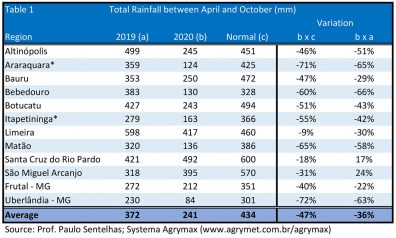 Due to the flowering in non-traditional months (December and January) there are a large number of “green”, not yet ripe fruits mixed with ripe fruits from the normal flowering (August-September 2019). This brings an additional difficulty to the harvesting operation that has to be carried out in at least two different times, resulting in an increase of the production cost for the citrus growers.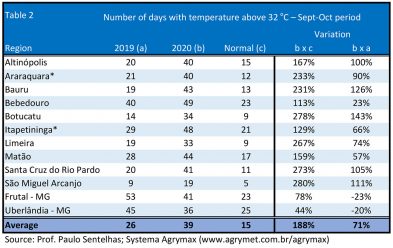
 The ideal climatic and agronomic conditions in the Trentino-South Tyrol region provide VOG Products with a clear mission in addition to high-quality raw goods in secure quantities: what began on the region’s fields continues in the fruit processing facilities.