Estimates about the 2021/22 orange season in the Brazilian citrus belt (São Paulo and the Triângulo Mineiro) have been revised down, due to weather issues in Brazil. Data released by Fundecitrus (Citrus Defense Fund) in September estimated the harvest to be 8.9 % lower than that forecast in the first report, released in May, at 267.87 million boxes. In light of that, the output may be similar to that in the previous season (268.63 million boxes). Although the 2021/22 season is a positive biennial cycle, oranges have been smaller, which explains lower production.
Although the estimates from May considered rainfall below the average, weather issues have increased since then, with frosts and severe drought. Between May and August, rainfall accounted for 30 % of the usual for the period, according to data from Somar/Climatempo Meteorologia (weather forecast agency).
The lack of rains has been damaging majorly the plants in dryland, however, agents from Fundecitrus highlight that even irrigated orchards (which account for 30 % of the trees in the citrus belt) have been debilitated by the drought, due to the limited availability of water at reservoirs. It is important to mention that the scenario has worsened since the frosts in late July.
Besides the smaller size of the oranges, the rate of premature fall of fruits is one of the highest. As the weather is forecast to continue unfavourable until the end of the season, the scenario is not expected to change, raising expectations for low production in 2021/22. Also, the chance of La Niña phenomena to occur until late 2021 is high, which may result in lower rainfall in southeastern Brazil in the second semester. This scenario would limit the growth of late varieties.
INDUSTRY – With the probable lower harvest of oranges in the 2021/22 season, the number of fruits allocated to processors is supposed to be lower too. CitrusBR (Brazilian Association of Citrus Exporters) has not revised processing estimates yet, but Cepea forecasts the industry to purchase around 225 million boxes of oranges (40-8 kilograms each) this season. If this is confirmed and sales of orange juice are near the usual, juice inventories are expected to decrease steeply, to less than 200 thousand tons (Frozen Concentrate Orange Juice Equivalent), even with higher yield at processing plants, which usually happens in years of low rainfall.
This context will demand high orange production in the 2022/23 season (higher than 330 million boxes) so that ending stocks are replenished with no risk of world shortages. This situation may favor the prices paid to farmers in Brazil.
The new range of organic cold-pressed juice shots from Irish company Just Juice It were created to satisfy the growing desire for plant-based, vegan, healthy functional foods.
The 3 line organic range includes the ever-popular wheatgrass juice and 2 more specialist health shots; a broccoli shot made from 4 day old sprouted broccoli juice and thirdly, a beetroot shot with added broccoli.
The wheatgrass shot is popular because of its chlorophyll content. The broccoli shot is a great source of sulforaphane that boosts anti-oxidants amongst its many other benefits. The beetroot shot has been created with athletes and sports people in mind who have long recognised the advantages of beetroot juice as a performance enhancer. The range will be a valuable addition to the health and wellness market.
Just Juice It ensures that the juice shots are as nature intended by avoiding heat in the preservation process and using high pressure to ensure the juice stays as fresh as the day it was pressed.
Barry Mylett, Managing Director of Just Juice It, comments: ‘We’re really excited to be leading the way in the juice market and delivering juice shots that tick all the boxes; organic, vegan, ultra-healthy with fully recyclable packaging. I love the branding which I helps to show customers that our range is completely natural.”
An SIG-backed beverage carton recycling project has won a A$1.74 million grant from the Federal and New South Wales (NSW) Government towards setting up a A$5 million facility that will turn post-consumer beverage cartons and paper cups into high performance building material. The project is funded by the Australian Government’s Recycling Modernisation Fund and the NSW Government’s Waste Less, Recycle More initiative.
The Australian and NSW Governments and the companies behind the project expect the facility will create confidence in a new market for recycled construction materials, similar to roads made from recycled glass, and enable more packaging to become 100 per cent recyclable, in line with Australian national packaging targets.
The project is the first collaboration between SIG and Tetra Pak in Australia under the umbrella of the Global Recycling Alliance for Beverage Cartons and the Environment (GRACE) and is a joint initiative with saveBOARD and its supporters Freightways and Closed Loop.
The Australian Packaging Covenant Organisation (APCO) says this is a fantastic step forward for beverage cartons and for the brands and consumers that use this important type of packaging.
saveBOARD co-founder and Chief Executive Officer Paul Charteris says making high-performance low-carbon building materials using 100 % recycled materials from everyday waste is a game-changer that will transform the construction industry in Australia.
The first Australian saveBOARD plant will reprocess liquid paperboard beverage containers, including both aluminium-lined aseptic packages and non-aluminium-lined containers collected through the container deposit scheme and coffee cups collected through the ‘Simply Cups’ recycling program. It will also source material from document recycling company Shred-X.
Together with supplementary material from industrial processes, these items will be used to manufacture high-performance low-carbon building products to substitute plaster board, particle board, and oriented strand board (OSB) that can be used for interior and exterior applications.
The saveBOARD process uses heat and compression to bond materials, eliminating the need for glues or other chemical additives, to produce a clean product with zero volatile organic compounds (VOCs), suitable for use in homes and commercial buildings.
“Those who weren’t able to attend definitely missed out.” That was the unanimous view of the exhibitors as FACHPACK drew to a close on 30 September 2021. For three days, the trade fair for packaging, technology and processes was brimming with innovation and inspiration for the packaging sector. And the pleasure of being able to meet with customers and business partners in person was palpable throughout the exhibition halls. Goosebumps all around! A total of 788 exhibitors from 33 countries were on hand to answer specific packaging questions from about 24,000 trade visitors. Of the trade visitors, one in three had travelled to Nuremberg from outside Germany. Access to the trade fair with e-tickets and verification of “3G” status (proof of having been vaccinated, tested, or recovered from COVID) at the entrances was quick and uncomplicated. The hygiene strategy worked, with exhibitors and visitors observing the relevant regulations.
FachPack covered a comprehensive range of products from the entire packaging process chain, from packaging materials and machines to printing and processing, logistics systems and services. Forty-one percent of the exhibitors and about one-third of the visitors travelled from outside Germany, mainly from Austria, Switzerland, Italy, the Netherlands, Turkey, the Czech Republic, Poland, France and Belgium.
The exhibitors had particular praise for the high quality of the industry professionals. That is backed up by the results of a visitor survey by an independent institute: some 90 percent of the trade visitors said they were involved in the purchasing and procurement decisions in their companies. About two-thirds of them held senior positions, and more than one in five were from management. The visitors came mainly from the food and beverage, pharmaceutical and medical, cosmetics, chemical, electronics and automotive industries.
New key theme for FACHPACK 2022: “Transition in packaging”
FACHPACK perceives itself as a guide, and aims to offer direction to the sector. The new key theme for 2022 is therefore devoted to the powerful trends currently impacting on the packaging industry. Sustainability is demanded not only by law but also by consumers – and that is making far-reaching changes to the industry. Subjects such as the circular economy, digitalization and e-commerce add to the mix. Covid-19 has brought a focus to the aspect of hygiene in product protection. In addition, areas such as online shopping and home deliveries will continue to grow. What purchasing behaviours will consumers exhibit in the future? All these themes are not only a task for the packaging industry; they also offer a major opportunity to make changes.
The next FACHPACK will take place in the Exhibition Centre Nuremberg in its usual sequence from 27 to 29 September 2022.
HPP originator offers streamlined design, applications savvy, and unparalleled service for maximum uptime
Pioneering and leading the advancement of high pressure technologies for nearly three-quarters of a century, Quintus Technologies today announces its re-entry into food and beverage high pressure processing (HPP) applications through innovative new HPP equipment and customized service solutions.
“Quintus Technologies has identified a need in the food industry market for improved options for HPP systems and services. As the former manufacturing and engineering arm of Avure Technologies, and with our core competency and rich history in high pressure applications, it is natural that we once again bring our expertise to this arena,” says Jan Söderström, CEO and President of Quintus Technologies.
High Pressure Processing is recognized globally as the premium minimal-processing technique that enables the production of safer, preservative-free refrigerated foods and beverages with superior nutritional benefits and taste. Surging from novel to mainstream technology in less than a decade, HPP has become an ideal method for processors to protect their brands against recalls, develop new products, extend shelf life, enhance quality, and boost profitability.
Quintus press offerings are accompanied by comprehensive application know-how and best-in-class after-market technical and application support. The food science experts at the company’s HPP Application Centers in the U.S., Sweden, and China will be available to advise processors on everything from ingredient choices to optimizing processing parameters for maximum ROI. They provide product development support and in-house validation services, allowing customers to make comprehensive evaluations of new recipes, packaging, regulatory requirements, and more.
The unique mechanical and digital solutions incorporated in the new Quintus presses, such as the wire-wound frame and cylinder for safety and lighter weight, reflect the company’s legacy as the high pressure pioneer. Built to last for maximum reliability and operational efficiency, Quintus HPP systems are designed with an economical smaller footprint for fast installation and ease of operation and maintenance.
“The Quintus press was the world’s first high pressure press, a design that was used to manufacture synthetic diamonds and other products,” notes Ed Williams, General Manager – Americas, Quintus Technologies. “A very large percentage of our systems installed 30+ years ago are still operational today.
“As befits our undisputed leadership position,” Mr. Williams continues, “we are also introducing the industry’s best HPP service program, Quintus® Care, whose commitments will be met by veteran field service engineers with many years of experience in high pressure presses.”
Quintus Care includes prioritized 24/7 technical support, guaranteed access to spare parts, on-site assistance within 24 hours, and site visits including operator and maintenance training. The program also includes extensive application support, ensuring that customers can take full advantage of the HPP technology. Periodic maintenance and annual inspections assure customers that their HPP equipment stays in prime working condition to meet productivity expectations and reduce the risk of unplanned stops.
“The range of products benefitting from high pressure processing has expanded exponentially from the first commercialized product, ‘preservative-free guacamole,’ to today’s large variety of food products,” Mr. Söderström observes.
“Processors now are looking not only to continue the innovation stream of high-margin, value-added products, but to maintain production efficiencies through high system availability and controlled service costs. The new generation of Quintus HPP systems will help them accomplish these goals,” he concludes.
Sun-Rype Products, a division of A. Lassonde Inc., a Canadian fruit-based food and beverage manufacturer, announced that they have replaced plastic straws with recyclable, bendable paper straws on all SunRype 200 ml single-serve beverage boxes in Canada. This includes all of SunRype’s 200 ml 100 per cent juice, and 200 ml 60 per cent less sugar juice products.
“We are on track to meet our sustainable development objectives by 2025,” said Claire Bara, President, A. Lassonde. “We plan on incorporating recyclable packaging for all of our products, and the launch of paper straws on our single-serve juice products is another step in the right direction. We know that our customers place a lot of importance on finding products that meet today’s environmental challenges, and these SunRype juice containers with new bendable paper straws are now available at Canadian grocery retailers – just in time for back to school lunch boxes.”
All packaging on SunRype’s 200 ml multi-layered Tetra Pak product containers is recyclable. By choosing this package with SunRype’s new paper straws, made from FSC-certified paper, consumers are making the choice of a more sustainable and environmentally friendly packaging option.
“In 2020, Lassonde was the first company in Canada to manufacture and commercialize the 200 ml bendable paper straw under the Kiju organic brand, as well as our water brands Simple Drop and Fruit Drop,” said Bara. “We are pleased to provide our customers with this environmentally responsible paper straw on all 200 ml beverage containers of our iconic brand, SunRype.
The launch of the paper straw follows Lassonde’s recent launch of new bottles containing 25 per cent post-consumer recycled plastic (rPET) for all its juice brands available in 300 ml portion-size packages in Canada.
By 2023, SunRype is aiming for a 25 per cent post-consumer recycled content in its PET bottles; using 100 per cent recyclable packaging for all its products; and working with governments, industry and associations to promote the collection of recyclable materials.
Valrhona cooperated with Koa to create Oabika, the new cocoa fruit juice concentrate for chefs and other gastronomy professionals. The flavourful ingredient delivers a new experience with a smooth texture and a unique taste. Oabika is an impactful innovation for the gastronomy with a sustainable vision.
After several months of research and development, Oabika was born. French premium chocolate manufacturer Valrhona has launched the new cocoa fruit ingredient in cooperation with Swiss-Ghanaian start-up Koa. Oabika is the very first cocoa fruit juice concentrate at 72° Brix* created especially for the food service. It has the highest concentration on the food service market providing a silky consistency and an amber-coloured appearance. Besides its fruity and tangy flavour, Oabika surprises through its candied, honey-like notes.
Frédéric Bau, pastry explorer at Maison Valrhona, and Victor Delpierre, drink expert and gastronomy consultant, describe Oabika as a “complete and playful experience.” They both state that “Oabika is a magical ingredient that highlights, enhances and balances tastes. It represents an exceptional moment in time, deliciously refreshing, which takes you on a journey deep inside the pod to the heart of a cocoa plantation.”
After Koa’s success with their cocoa fruit juice and dried cocoa fruit, the new concentrate elaborated by Valrhona together with Koa is an innovation that complements the range of cocoa fruit ingredients. Oabika offers a multitude of applications such as ganache, jellies, mousses, toppings, sauces, glazes, creams, ice creams, sorbets, or drinks. Whether it’s to create new flavour experiences or to demonstrate what sustainable value creation in the cocoa-growing countries really means.
Upcycling the cocoa fruit to increase farmers’ income
The availability of cocoa fruit concentrate for chefs and other gastronomy professionals signifies a milestone for the cocoa fruit valorisation and the cocoa farmers. As the demand for cocoa fruit ingredients grows rapidly, the chances to create a positive impact in the cocoa-growing countries increases at the same time. Until recently, the pulp that surrounds the cocoa beans couldn’t be processed in cocoa-growing countries due to a lack of infrastructure and technology. In conventional cocoa processing, only a small part of the white pulp was used for fermentation, the rest was lost. Koa has found an innovative way to gently process the cocoa fruit in close cooperation with 1,600 smallholders. “As we make use of the cocoa pulp, we provide smallholders with an additional income and at the same time, we create jobs for the young population in rural Ghana,” Daniel Otu, Operations Director at Koa in Ghana, explains.
For Koa, the cooperation with Valrhona is a success. Co-Founder and Managing Director Anian Schreiber emphasises: “As a start-up, we’re proud to be cooperating with a highly reputable and well-established chocolate brand as Valrhona who shares our mission of taking responsibility in cocoa-growing countries to the next level. With the launch of Oabika, we demonstrate how indulgence and responsibility for people and planet go hand in hand. We encourage others to seek such partnerships to tackle some of the food system’s most pressing challenges together.”
Oabika has been launched worldwide in September 2021 including Europe, Asia, USA and Middle East.
*The Brix scale is used to measure the fraction of sucrose in a liquid in degrees Brix, meaning the percentage of soluble, dry matter. The higher the degree Brix, the sweeter the sample, with more concentrated flavours.
Beverage Partners International (BPI) is delighted to announce that Tony Parente has been appointed COO, effective from 1 September 2021.
Moving forward, Tony Parente will oversee BPI’s day-to-day operations, develop the strategic direction of the business and support BPI’s expanding network of bottlers and distributors.
Tony Parente has led an accomplished career and is a well-established figure in the international FMCG and soft drinks industry, working across both global corporates and entrepreneurial companies.
Following a long career in International Franchise Beverage Management at Cadbury Schweppes and then at The Coca-Cola Company, he was appointed Managing Director of start-up T&T Beverages, taking the brand from “zero to hero” in the UK.
He has held senior positions at Powershot UK, Coca-Cola Europe, The Monster Energy Drinks Company and Grenade UK, among others.
On his return to Coca-Cola Europe, Tony Parente held the role of New Ventures Entrepreneur, a business unit working in key markets in Europe, inspired by startups such as Glacéau, ZICO and Honest Tea, developing new venture categories and new brands to drive incremental growth.
The IVLV/VDMA document “Hygienic filling machines of class V according to VDMA: Testing of packaging sterilisation devices for their efficiency” has been revised.
The document specifies test microorganisms for testing of sterilisation devices of this machine class and defines the procedure for carrying out a count reduction test or an end-point test.
This document was compiled in 2002 under the title ‘Testing of aseptic systems with packaging material sterilisation devices for their efficiency’ in the VDMA working group “Interface problems with aseptic systems” in consultation with the Industrievereinigung für Lebensmitteltechnologie und Verpackung e.V. (Industrial Association for Food Technology and Packaging). Compared to the previous version from 2008, the following changes were made:
Restructuring of the trade association publication
Alignment of definitions with other VDMA technical association publications
Revision of the section “Requirements for test germs for testing packaging sterilisation devices for aseptic filling machines”.
Revision of section “Procedure for inoculation of the packaging”.
Revision of section “Germ reduction test” (additions to the practice with machines with multiple treatment stations)
Revision of the section “Endpoint test” including the calculation example in the appendix (addition to the recommendation for the determination of the initial germination scale; additional criterion for the evaluation of the stability of the sterilisation process)
Updating and addition of references
Deletion of appendix “Growing conditions for Bacillus subtilis SA 22 and Bacillus atrophaeus and preparation of the spore suspension”.
Update of annex “Sources of spore suspensions”.
Additional appendix “Example of a sensitivity test of the spore suspension to the disinfection medium – using hydrogen peroxide as an example”.
The trade association publication is available in German and English and can be downloaded free of charge from VDMA.org using the link below.
An overview of all publications of the working group on the topic of low-germ and aseptic filling with links for free download is also available from there.
Expanding its global distribution presence, Prinova Group LLC, a NAGASE Group Company, has entered into a definitive agreement to acquire industry expert The Ingredient House, LLC (“TIH”). TIH has a significant presence in the sweetener, polyol and specialty ingredient sectors both in the U.S. and internationally. This purchase represents another stride forward in Prinova’s long history of growth in the ingredient distribution space.
Founded in 2006 and headquartered in Southern Pines, North Carolina, The Ingredient House is a quality-focused supplier of ingredients to the global food and beverage industry. TIH has experienced substantial growth since its inception through strategic partnerships with global branded customers and offshore manufacturers. Key to TIH’s success is its implementation of and adherence to improved quality standards to consistently deliver the global supply chain needs of its food and beverage customers.
Headquartered Carol Stream, IL and privately owned for 40 years, Prinova was acquired by Nagase & Co., Ltd., based in Tokyo, in 2019. Since then, Prinova has experienced substantial growth in flavour manufacturing, premix manufacturing, and its flagship ingredient distribution offering. This acquisition is an opportunity for Prinova to further leverage industry relationships and integrate The Ingredient House’s unique supply chain advantages into its existing business.
About The Ingredient House, LLC Founded in 2006, The Ingredient House, LLC is a global supplier of high-quality polyols, high intensity sweeteners, and other specialty ingredients for the food & beverage industry. Utilizing a unique, solutions-oriented business model, TIH is a trusted strategic sales, marketing, and quality partner to its global ingredient manufacturing relationships and world-class customer base. TIH has earned a reputation for its ability to deliver creative solutions to supply chain challenges while offering best-in-class quality and customer service.
About Prinova Group LLC and Nagase & Co. Ltd. Headquartered Carol Stream, IL, Prinova has been providing high-quality ingredients, flavors, nutrient premixes, and value-added solutions to the food, beverage and nutrition industries for over 40 years. As a world-leading distributor of functional ingredients, Prinova utilizes a global network to help its customers gain the strategic advantage they need to drive their business forward. Prinova was acquired by Nagase & Co., Ltd. (“Nagase”) in 2019. Founded in 1832, Nagase offers global trading services of chemicals, plastics, electronics materials, cosmetics, and food ingredients. With more than 100 Group companies in 30 countries and regions, Nagase offers unique values to customers by combining group functions of manufacturing, processing, and R&D.
Ball Corporation announced today plans to build a new U.S. aluminum beverage packaging plant in North Las Vegas, Nevada. The multi-line plant is scheduled to begin production in late 2022 and is expected to create nearly 180 manufacturing jobs when fully operational.
“Our new North Las Vegas plant is Ball’s latest investment to serve accelerating demand for our portfolio of infinitely recyclable aluminum containers,” said Kathleen Pitre, president, Ball beverage packaging North & Central America. “The new plant is supported by numerous long-duration contracts for committed volume with our strategic global partners and regional customers and will enable us to serve customer and consumer needs for more sustainable aluminum beverage packaging while furthering our Drive for 10 vision.”
Ball plans to invest nearly $290 million in its North Las Vegas facility over multiple years. The plant will supply a range of innovative can sizes to a variety of beverage customers. Infinitely recyclable and economically valuable, aluminum cans, bottles and cups enable a truly circular economy in which materials can be and actually are used again and again. In fact, 75 percent of all aluminum ever produced is still in use today.
Ball chose the North Las Vegas location for its new facility due to its proximity to customer can-filling investments, increasing regional demand, the infrastructure in place, the regional labor base and the cooperation of state and local officials.
ADM unveiled the ADM Food Technology (Pinghu) Co., Ltd., a state-of-the-art, fully automated flavour production facility situated in Pinghu, Zhejiang Province, China.
“Since our acquisition of WILD Flavours in 2014, we’ve invested in organic growth, bolt on and platform M&A, and new innovations and technologies to build ADM into a premier global human and animal nutrition company,” said Chairman and CEO Juan Luciano. “Our strategic actions have benefited our customers and our shareholders alike: we’re achieving key financial goals and delivering record results in no small part because we’ve become the partner of choice for customers around the globe as they meet growing and evolving demand for healthy, delicious foods and beverages from nature. Our new, leading edge flavour facility in Pinghu will serve as ADM’s flavour supply hub in APAC, allowing us to leverage our expertise and leading-edge technologies and build out the ADM pantry to further meet customer needs and advance our growth strategy.”
The 27,000+ square meter flavour production facility is strategically located within an hour of Shanghai, bringing geographic advantages for ADM’s customers while providing the company with direct access to top talent. The complex features:
The latest in automated flavour lines with advanced dosing technology, along with technologies to ensure seamless and efficient management of complex processes;
Labs dedicated to flavour production, taste design and product development;
ISO 9001 and FSSC 22000 V5.1 certifications; and
Capability to meet demand for specific dietary needs, including Halal and Kosher certified products.
The Pinghu facility is the latest of ADM’s strategic growth investments in its global Nutrition business. Other recent expansions include:
The planned acquisition of a 75 % ownership stake in PetDine, Pedigree Ovens, The Pound Bakery and NutraDine, premier providers of private label pet treats and supplements;
The planned acquisition of Sojaprotein, a leading European provider of non-GMO human nutrition protein solutions; and
The acquisition of Golden Farm, a state-of-the-art animal nutrition premix provider in Vietnam.
ADM has more than 5,000 employees throughout the wider Asia-Pacific region, across more than 50 operations and business sites, including a recently opened state-of-the-art plant-based innovation lab in Singapore; technical innovation centers in China, Singapore, Australia, Japan and Vietnam; and production and processing facilities, grain origination, grain destination marketing warehouses and trading operations across the region. ADM also owns a strategic stake in Singapore-based Wilmar International Limited, a leading agribusiness and packaged food and oil company in the region.
Krynica Vitamin, one of the top Polish producers of non-alcoholic and low-alcohol beverages, faced many challenges in the second quarter of this year, which influenced the delivered financial result in the first half of 2021. The key factors influencing the achieved results included, in particular, the unpredictability on the raw materials market, which translated into low availability and increased prices of packaging, coupled with growing transport costs, including freight. According to published estimates, the WSE-listed company achieved $52 million (PLN 202.5 million) in sales revenue in H1 2021, which converted into operating profit of $1,3 million (PLN 5.2 million) and net profit of $1,2 million (PLN 4.8 million).
Krynica Vitamin stresses that in its core business, beverage revenue increased by more than 15 percent year-on-year. The Company’s goal is to attract customers with high production volumes. In the second half of the year Krynica Vitamin will focus on further improvement of its standing on the beverage production market, and geographical diversification, looking for customers also in Europe and customers that can be reached by truck, for example France.
Our financial situation is stable and our development is not threatened, despite turbulences. The coronavirus pandemic has shaken the global market, disrupting the supply chain, while the rise in commodity prices has caught businesses by surprise. This has translated into limited access to packaging, particularly aluminum cans, as well as other materials needed to package products like wooden pallets, foil and cardboard. We also experience a continuous increase in labour costs, as well as transport costs – said Piotr Czachorowski, President of the Board of Krynica Vitamin SA.
The Company’s Board notes an increase in transportation costs, primarily by sea. In 2021, the two major markets were the U.S. and Germany.
When we shipped beverages to New Zealand and Australia at the beginning of the year, we did not consider intercontinental trade restrictions. Not even six months later we noted a nearly tenfold increase in the cost of deliveries. This is a huge challenge in overseas exports. Not only have freight prices risen, but Europe is suffering from a shortage of containers, with delays in unloading operations at U.S. and Chinese ports. Many industries have been affected by this disrupted supply chain. The obstruction of the Suez Canal for a just a few days or restrictions on the operations of major ports in China, have a negative knock-on effect for the trade. Despite the challenging environment, we are focused on maximizing the use of our resources and assets. We have rescheduled our investment pipeline due to the delays in obtaining administrative permits. Thus, our capex plan of PLN 38 million will be performed at the level of about 60 percent. Other outlays will be moved to later periods – said Piotr Czachorowski.
Krynica Vitamin in the current difficult market conditions is focused on driving the beverage segment, in which it has the highest competence, best experience, and strongest market position. Recently, the Company notified its investors that it has signed new agreements. In order to increase financial efficiency, the R&D is developing new beverage formulas with less sugar, among other things.
For nearly 30 years, Krynica Vitamin has been shaping the beverage market in Poland, creating innovative products in response to health trends. The company is a showcase of the Polish food and beverage industry in the world. The Company’s products are present in nearly 40 markets around the world. In 2020, exports accounted for more than half of revenue, with Germany, the United States, and the United Kingdom being the main overseas markets.
Geneva, Vitafoods Expo 5 – 7 October 2021, booth J291: Allmicroalgae will introduce its portfolio of nutrient-rich, sustainable and vegan-friendly microalgae ingredients
At Vitafoods Expo, Allmicroalgae will showcase its new organic ‘spirulina’ range. Derived from the microalgae Arthrospira platensis, the sun- or spray-dried ingredients are available in paste, powder, nibs and flakes format. They are rich in protein and dietary fibre, and contain all the essential amino acids, as well as antioxidant phycocyanin, iron, vitamin B12 and omega-3 fatty acids. The combination of valuable plant proteins, iron and vitamin B12 make spirulina-based ingredients a perfect fit for vegan food and supplement concepts, supporting a balanced, plant-based diet. Thanks to their mild flavour, they can easily be incorporated into a wide variety of food and drink products, such as baked goods, pasta, juices, smoothies and fermented beverages. The nibs are a perfect topping for ice cream, yogurt, salad and cheese. Visitors to the booth can learn about the complete range of microalgae-based ingredients, including the organic autotrophic Chlorella vulgaris and the organoleptically improved heterotrophic Smooth, Yellow and White Chlorella vulgaris, all of which combine sustainable processing with a full nutritional load.
According to Allied Market Research, the growing global spirulina market is predicted to reach nearly 900 m USD by 2027, with a CAGR of 10.5 percent (2020-2027).1 Recognising this development, Allmicroalgae has installed a production line for spirulina ingredients and plans to further extend annual production capacity from 4 – 6 tons to 20 tons in 2022, with the addition of two more raceways. Joana Laranjeira Silva, Plant and R&D Manager at Allmicroalgae, says: “Spirulina has a long history, with proven evidence that the Aztecs consumed the microalgae. With its unique nutritional profile and low-resource cultivation, this ancient superfood is an innovative solution to the modern-day challenge of making our diets more sustainable while maintaining a nutritional profile that contains all of the required nutrients.”
At its production site in Leiria, spirulina ingredients are processed combining an artisanal approach with state-of-the-art technology, and can be manufactured according to EU organic standards (PT-BIO-03 EU Agriculture certificate). The company is the first supplier to make the microalgae widely available as a paste. This form is the result of a concentration step that allows the formation of a spirulina cake, which is the final base for the conventional ingredients in the form of powder and nibs. The advantage of the paste format is minimal processing, unique freshness and a natural texture. It offers advantages for the production of refrigerated and frozen food, such as dairy fermented products, juices, ice cream and sauces.
For the production of powders and nibs, the company is investing in gentle solar drying to maintain the valuable nutritional profile, and its bioactive properties. The latter are related to anti-fatigue effects and support type 2 diabetes treatments, anaemia, pulmonary diseases, muscle and skeletal health. In children, an improvement of fine motor skills, concentration and cognition can also be expected.
Increasing demand for microalgae
With the alternative protein market sky-rocketing, Allmicroalgae has been continuously expanding its capacities and is equipped to achieve a potential annual output of around 100 tons of dried biomass. Its production system covers more than 2,000 cubic metres, 1,300 of which house photobioreactors and fermenters. A further 700 cubic metres of covered raceways were recently installed for the production of spirulina.
Having become a European leader in Organic Chlorella vulgaris production, visitors to the Allmicroalgae booth (J291) discover more about their Organic Chlorella range as well as its innovative light-coloured Chlorella ingredients (White, Smooth and Yellow Chlorella vulgaris) with improved organoleptic profile. These ingredients are available as paste and powder. The company also offers capsules and tablets and in this field a real USP: By reverting to organic carriers and excipients, 100 % organic products can come to life when using Organic Chlorella vulgaris.
All the ingredients are classified as food by EFSA and FDA, and are produced in line with Halal, Kosher and GMP requirements. Furthermore, they are free from gluten, lactose, nuts, additives, soy and GMO, perchlorates and pathogenic flora such as Bacillus cereus, and processed without the use of fertilisers, pesticides and irradiation.
Following PepsiCo’s introduction of Pep+, a policy that aims to improve the company’s agricultural footprint by addressing its packaging processes and greenhouse gas emissions;
Holly Inglis, Beverages Analyst at GlobalData, a leading data and analytics company, offers her view:
“Pep+ will keep PepsiCo ahead of the competition amid consumers’ ever-increasing demand for sustainability. The policy will be popular with the 70 %* of global consumers that stated they prefer ingredients that are sourced sustainably and ethically.
“GlobalData notes that consumers are yearning for drinks that are both better for them and better for the planet. Therefore, focusing on beverages that are thought of as ‘healthy’ and ‘sustainable’ such as dairy alternatives, flavoured waters and iced teas may be a good bet in the long term given their historical popularity in a number of markets across the globe. If PepsiCo continues to utilize these categories like Lipton, in combination with the new policies, the company will be able to get a big leg up on its competitors.
“It is clear that consumers are watching brands’ actions closely, as well as changing their purchasing habits based on how brands respond to the environmental crisis. GlobalData’s Q1 2021 global consumer survey reports that 33 %** of people worldwide like to see news about a brand’s sustainability initiatives.”
*GlobalData’s Q2-21 Consumer Survey – Global – Combined responses: “somewhat appealing” and ‘very appealing” for the question “how appealing do you find the following? Sustainably/ethically sourced ingredients” **GlobalData’s Q1-21 Consumer Survey – Global
In early September, orange trees bloomed in some orchards in São Paulo State (SP). These flowers will become the fruits from the 2022/23 season. Cepea collaborators reported higher blooming in irrigated orchards, majorly in northern and northwestern SP.
However, citrus farmers have been concerned about the effects of the weather on flower settlement. In dryland orchards, which count exclusively on rainfall for moisture, precipitation has been insufficient to trigger blooming.
According to Somar Meteorologia (weather forecast agency), rainfall was low in the major citrus-producing regions in SP in the first half of September. Thus, while it does not rain significantly, farmers are investing in plant nutrition in order to help on fruit set.
During fruit set (after blooming), temperatures and soil and air moisture deeply influence production. However, in the last years, high temperatures and rainfall below the average were common, limiting the output, largely in non-irrigated orchards.
Climatempo (weather forecast agency) forecasts rains for the second fortnight of September, and rainfall is expected to be within the average in the month in most citrus-producing regions in Brazil, except in southern SP. On the other hand, according to NOAA (National Oceanic and Atmospheric Administration), there is a 70 % chance that La Niña phenomena may return to Brazil until the end of 2021.
In Brazil, La Niña increases rainfall in the northeastern region and delays precipitation in the south. In southeastern BR, the scenario becomes similar to that in the southern area of the country, which concerns agents, in light of the current drought. For citrus farming, this delay may cause more damages to the 2022/23 harvest, since the coming months are critical for the development of trees, when higher moisture is needed.
BRAZILIAN MARKET IN SEPTEMBER – The demand for oranges increased in the in natura market in the first fortnight of September, favored by high temperatures and the payment of workers’ wages early in the month. As regards supply, the hot and dry weather in SP continued to limit the availability of high-quality fruits in the market (most of them are wilted and small-sized). In this scenario, prices increased.
PepsiCo, Inc. introduced pep+ (pep Positive), a strategic end-to-end transformation with sustainability at the center of how the company will create growth and value by operating within planetary boundaries and inspiring positive change for the planet and people. pep+ will guide how PepsiCo will transform its business operations: from sourcing ingredients and making and selling its products in a more sustainable way, to leveraging its more than one billion connections with consumers each day to take sustainability mainstream and engage people to make choices that are better for themselves and the planet.
Ramon Laguarta (Photo: Amanda Taraska)
“pep+ is the future of our company – a fundamental transformation of what we do and how we do it to create growth and shared value with sustainability and human capital at the center. It reflects a new business reality, where consumers are becoming more interested in the future of the planet and society,” said Ramon Laguarta, PepsiCo’s Chairman and CEO. “pep+ will change our brands and how they win in the market. For example, imagine Lay’s will start with a potato grown sustainably on a regenerative field, and then be cooked and delivered from a Net-Zero and Net Water Positive supply chain, sold in a bio-compostable bag, with the lowest sodium levels in the market. That’s a positive choice. That’s the best tasting, #1 potato chip of the future. That’s how pep+ will be better for people, for the planet, and for our business. Now, imagine the scale and impact when applied to all 23 of our billion-dollar brands.”
pep+ drives action and progress across three key pillars, bringing together a number of industry-leading 2030 goals under a comprehensive framework:
Positive Agriculture: PepsiCo is working to spread regenerative practices to restore the Earth across land equal to the company’s entire agricultural footprint (approximately 7 million acres), sustainably source key crops and ingredients, and improve the livelihoods of more than 250,000 people in its agricultural supply chain.
Positive Value Chain: PepsiCo will help build a circular and inclusive value chain through actions to:
Achieve Net-Zero emissions by 2040;
Become Net Water Positive by 2030; and
Introduce more sustainable packaging into the value chain.
PepsiCo announced new goals to cut virgin plastic per serving by 50 % across its global food & beverage portfolio by 20301, using 50 % recycled content in its plastic packaging and scaling the SodaStream business globally, an innovative platform that almost entirely eliminates the need for beverage packaging, among other levers.
The company will also progress its more than $570 million diversity, equity and inclusion journey; and
introduced a new global workforce volunteering program, One Smile at a Time, to encourage, support and empower each one of its 291,000 employees to make positive impacts in their local communities.
Positive Choices: PepsiCo continues to evolve its portfolio of food & beverage products so that they are better for the planet and people, including by:
Incorporating more diverse ingredients in both new and existing food products that are better for the planet and/or deliver nutritional benefits, prioritizing chickpeas, plant-based proteins and whole grains;
Expanding its position in the nuts & seeds category, where PepsiCo is already the global branded leader, including leadership positions in Mexico, China and several Western European markets;
Accelerating its reduction of added sugars and sodium through the use of science-based targets across its portfolio and cooking its food offerings with healthier oils; and
Continuing to scale new business models that require little or no single-use packaging, including its global SodaStream business – an icon of a Positive Choice and the largest sparkling water brand in the world by volume. SodaStream, already sold in more than 40 countries, is bringing PepsiCo flavor options like Pepsi Zero Sugar, Lipton and bubly to 23 markets, and its new SodaStream Professional platform will expand into functional beverages and reach more than 10 additional markets by the end of 2022, part of the brand’s effort to help consumers avoid more than 200 billion plastic bottles by 2030.
“pep+ directly links the future of our business with the future of our planet, for the benefit of both – from how we source ingredients and make and sell our products; to how we inspire consumers through our iconic brands to make better choices for themselves and the planet; to how we support communities and improve livelihoods throughout our supply chain,” said Jim Andrew, Chief Sustainability Officer, PepsiCo. “Take SodaStream, for example. By rapidly expanding the SodaStream ecosystem, we are meeting the needs of consumers at home, away from home, and on-the-go. At the same time, we are also offering consumers positive choices that use less plastic, create fewer emissions, and are better for people. pep+ is our roadmap to create the food and drinks people love in a way that helps build the sustainable future we all must have.”
The company’s brands across its food & beverage portfolio are accelerating their efforts to realize PepsiCo’s sustainable packaging vision and leveraging their influence to educate consumers on recycling and the planetary impacts of their choices.
11 European markets are moving key Pepsi-branded2 products to 100 % rPET bottles by 2022. PepsiCo estimates that shifting to a 100 % rPET bottle will lower GHG emissions by approximately 30 % per bottle.
In the U.S., all Pepsi-branded products will be converted to 100 % rPET bottles by 2030, with Pepsi Zero Sugar beginning to be sold in 100 % rPET bottles by 2022. The brand is celebrating this important move to sustainable packaging with a new consumer-centric platform leveraging fall football and driving recycling awareness, education and advocacy, which are critical because rPET availability depends on consumers’ commitment to recycling.
PepsiCo has been investing in breakthrough food packaging technology and is now introducing a fully compostable bag made with plant-based materials. Starting with Off The Eaten Path, one of Frito-Lay’s plant-based brands, this industrially compostable packaging will be available to consumers in the U.S. at Whole Foods stores beginning this month. Notably, the company also announced today that it is willing to work with other companies to license the same technology at no cost given the importance of creating a circular food packaging system.
1Against 2020 baseline. 2Includes Pepsi, Pepsi MAX, Pepsi MAX Lime, Pepsi MAX without caffeine, Pepsi Light, Pepsi Light without caffeine.
Sponsored Post
VOG Products has always relied on premium quality. The new NFC juice line blends seamlessly into the quality strategy of the modern fruit processing company headquartered in Laives, in the Trentino-South Tyrol (Italy) region.
Christoph Tappeiner (Photo: VOG Products)
As a pioneer in the premium juice segment, VOG Products continuously invests in new technologies in order to attain even higher quality standards. The most recent example is the NFC juice line, which was commissioned this year. “Even better juices resulting from more careful processing – this is VOG Products’ strategy for success,” said Christoph Tappeiner, CEO of VOG Products.
The new intake line can receive up to 150 tonnes of fruit per hour and transports the raw goods very carefully. “The apples are transported dry and not in water. We use sails to prevent them from falling from great heights. Instead, they roll towards the processing line,” Tappeiner explained. “This results in fewer bruises or damaged spots – and excellent raw goods are the indispensable basis for a safe, high-quality end product.”
Not least due to its dry transport technology, the system also features low water consumption. “We constantly think through our processes critically in order to conserve resources and work sustainably,” said Tappeiner.
After all, VOG Products is closely connected to Trentino-South Tyrol, a region with a long tradition of agriculture that prizes handling the land and its resources with respect and a view to the future. Today, the fruit processing company belongs to 4 producer organisations from South Tyrol and Trentino and 18 cooperatives with more than 10,000 members, most of which are small family operations that care for their apple orchards with love and devotion.
The belt press: a mark of quality
After the apples are washed, pre-sorted, and cut up, the belt press is essential for juice extraction. “The belt press yields high-quality premium juice that is particularly rich in vitamins and features a long shelf life and more appealing colouration, among other properties.”
VOG Products ensures that the juice’s quality and turbidity are consistently in line with consumer wishes. In the separator (centrifuge), solid material and starches are removed from the juice with high efficiency and 100 % automation – exactly to the extent that meets the specified quality standards.
VOG Products is orientated to its customers’ individual requirements in all respects. Direct juice from VOG Products is also available by type and in organic quality.
Alfa Laval has signed a partner agreement with Wayout International, a Swedish innovation company, to develop micro-factories for local and sustainable production of water and other beverages. The micro-factories will use Alfa Laval technology and be built at the company’s site in Copenhagen, Denmark. The agreement covers the production of up to 100 micro-factories, and the partnership starts in 2022.
Today more than 2 billion people lack access to clean drinking water. Wayout’s micro-factories can treat all types of water and remineralize it to produce high quality drinking water. The fully automated plug-and-play system is powered by solar panels. Producing water locally addresses the challenges of bottling, logistics, and distribution, and reduces the generation of plastic waste.
The partner agreement includes the production of two different micro-factory concepts: one for drinking water and another for brewed beverages.
“This partnership combines Alfa Laval’s technological expertise with Wayout’s innovative processes to accelerate sustainable solutions,” says Nish Patel, President of the Food & Water Division. “It addresses a globally important issue – access to safe drinking water – and we are very pleased our technology is part of the solution.”
Did you know … One micro-factory can produce 70,000 litres of drinking water each month, preventing up to 200,000 plastic bottles and 8 tons of carbon dioxide from entering the eco system.
About Wayout Wayout was founded in Stockholm in 2018 by a group of entrepreneurs within process engineering, IT/IoT, and tech innovation. Their micro-factories are offered to organizations and entrepreneurs that see the opportunities in locally producing beverages with a minimal eco-footprint.
Orange1 production forecast update totals 267.87 million boxes
The first 2021-2022 orange crop forecast update for the Sao Paulo and West-Southwest Minas Gerais citrus belt by Fundecitrus – performed in cooperation with Markestrat, FEA-RP/USP and FCAV/Unesp2 – is 267.87 million boxes of 40.8 kg each, differently from the 294.17 million estimated in May this year. The reduction of 26.30 million in relation to the initial expectation corresponds to – 8.9 %. The main reason for this crop loss is the poorer rainfall regime constituting the most severe water crisis ever to hit Brazil for the last 91 years3. The combination of this drought never before experienced by citriculture and successive frosts in July culminated in a gradual crop decline that has been seen as harvests progress and disclose totally atypical figures. Field surveys also show results other than expected for this time of the year for orange planted areas yet to be harvested. In general, oranges are excessively small, and early fruit drop reaches one of its highest rates. These factors make production go back to the same levels of last crop season that totaled 268.63 million boxes, despite fruit load being 12.50 % larger since this is an “on” year. In view of this data and the perspective of climate conditions remaining adverse until harvests end, fruit should present the most critical size and drop rate in historical data. If this scenario is confirmed, there will no longer be an increase in this crop in relation to the previous season, estimated at 9.51 % in May, but rather a smaller volume than the production in the last season (- 0,28 %). …
1Hamlin, Westin, Rubi, Valencia Americana, Seleta, Pineapple, Pera Rio, Valencia, Valencia Folha Murcha and Natal. 2Department of math and science, FCAV/Unesp Jaboticabal Campus. 3National operator of the energy system – ONS. Data for the Parana River basin, encompassing the states of São Paulo, Minas Gerais, Paraná, Santa Catarina, Rio Grande do Sul, Mato Grosso do Sul, Goiás and Distrito Federal.
Novozymes, one of the world’s largest suppliers of enzyme and microbial technologies headquartered in Denmark, has entrusted GEA with the turnkey fitting of a major new plant to produce plant-based proteins for the plant-based food industry. The volume of this order is well into the high double-digit million-euro range.
GEA is further expanding its market position in the dynamically growing new food market with one of the biggest orders in the company’s history. Novozymes, the world’s largest supplier of enzyme and microbial technologies headquartered in Denmark, has entrusted GEA with the turnkey fitting of a major new plant to produce plant-based proteins for the plant-based food industry. The volume of this order is well into the high double-digit million-euro range. Building the new factory in Nebraska, USA, will start later this year and is expected to be completed towards the end of 2023.
“The demand for foods that have a demonstrably lower environmental footprint than conventionally produced products is growing enormously,” says GEA CEO Stefan Klebert. “With our technologies and experience in scaling industrial applications, GEA is ideally positioned to serve the new food market and thus contribute to our corporate purpose of ‘engineering for a better world’,” says Klebert. “We are pleased to partner with Novozymes in this strategic project.”
For decades, Novozymes has been developing fermented catalytic (i.e. industrially produced) proteins – enzymes – that are the basis for many industrial applications. Only recently, the company announced its intention to invest DKK 2 billion in the growth market for functional proteins (advanced protein solutions) for the food industry. “This investment in a new, state-of-the-art production line in Blair, Nebraska, underscores our commitment to feeding the world sustainably and demonstrating the true strength of biotechnology,” says COO & Executive Vice President Graziela Chaluppe dos Santos Malucelli, Novozymes.
The new plant covers the manufacturing steps from harvesting to separation of proteins. According to Heinz-Jürgen Kroner, Senior Vice President Liquid Technologies at GEA and responsible for the company’s alternative foods business, both partners are united by their ability to build scalable, reliable, and highly efficient plant systems. “This project is exceptional in many respects. The intensive bidding phase saw us planning the production lines for the ingredients less than a year later. We now aim to implement the project at the same pace. The partnership is a very rewarding experience.”
GEA will now construct the process systems, which include membrane filters, mixers, homogenizers, heat exchangers, pasteurizers and UHT units, cleaning and filling systems as well as the pump and valve technology. Installation will start mid-2022. The production capacity initially built can easily be expanded to multiply the capacity in the future as demand grows.
By the end of the 2020/21 season, in June 2021, the inventories of Frozen Concentrate Orange Juice (FCOJ) equivalent at Brazilian processors totaled 316.93 thousand tons, according to data from CitrusBR (Brazilian Association of Citrus Exporters) released in mid-August. Compared to that at the end of the 2019/20 season, inventories decreased by 33 %. This reduction was already expected by agents, due to the slower crushing pace of oranges in 2020/21, when orange production was low.
CitrusBR avoided releasing estimates for the current season because of the weather issues (extended drought in the citrus belt and frosts in late July) in the major citrus-producing regions in Brazil, which are still concerning agents. However, ending stocks in the 2021/22 season (by June 2022) may be lower than the strategic level.
So far, considering Fundecitrus’ (Citrus Defense Fund) production estimates from May, of 294 million boxes (40.8 kilograms each), the volume processed may be around 250 million boxes. In that scenario, Cepea data indicate that ending stocks in the 2021/22 season (which ends in June/22) may not be enough to generate a world surplus of orange juice.
Also, agents in the Brazilian citrus sector believe that the estimates from Fundecitrus will be revised down, due to the drought and frosts in Brazil. In this context, the volume processed may be revised too, and juice inventories may be even lower. Thus, processors will depend on higher orange production in 2022/23 to, at least, replenish inventories – which is a concern too, considering that the effects of the weather may be extended to the coming season, since many trees are currently debilitated.
As regards orange processing, the crushing pace for the fruits from 2021/22 was fast in August at the large-sized plants in São Paulo State (SP), with mostly pear oranges being crushed.
Orange processing is expected to last until mid-February/March 2022, with less plants in activity compared to that in the second semester of 2021, however, with higher volumes being produced than that in the same period of previous years, because of the delay in the development of trees (due to weather issues) and irregular flowering. It is worth to consider that the 2021/22 season is expected to have higher volumes of fruits from the third and fourth flowering events (altogether) since Fundecitrus began estimating crops, in 2015/16 – making it a late crop.
BRAZILIAN MARKET IN AUGUST – The demand for oranges was low in the Brazilian market in August, constrained by the current high price levels and lower quality of the oranges available (small-sized and wilted). Still, prices increased, boosted by low supply.
The global pandemic has affected the packaging solution industry by leading to a significant price increase and shortage of raw materials and components used in packaging equipment. To compensate for the rising costs and continue to provide the highest quality solutions, Sidel is implementing a commodity-induced price adjustment on its equipment by an average of 5 % effective September 6, 2021. Deficiency of raw materials and components may impact equipment delivery time as well.
Since the outbreak of COVID-19, Sidel has been striving to keep the same price level for its equipment despite the fact that the price of raw materials has increased significantly since 2020. Moreover, this increase is not expected to recover in the foreseeable future.
Additionally, the pandemic, combined with other external factors, has resulted in a significant shortage of microchips globally. This shortage is an outcome of supply-related disruptions, including forced closure of factories, together with an unanticipated increase in demand for personal electronics such as cell phones and laptops as people were required to work or study remotely. Both supply shortage of microchips and increase in consumption of personal electronics lead to supplier delays which might impact the overall Sidel delivery channels for the near future.
In 2020 and continuing into 2021, COVID-19 has profoundly affected trading in the UK, with the cider market losing 16.3 %* volume in 2020, dropping to 7837.36 thousand hectolitres, according to GlobalData. However, the leading data and analytics company notes that, with restrictions being lifted and most businesses emerging from lockdown, the possibility of a successful trading year for many companies should not be ruled out, especially those heavily involved in beer and cider production.
Chloe Gbadero, Senior Beverages Analyst at GlobalData, comments: “The lifting of restrictions is great news for companies such as C&C Group, a large cider producer in the UK, which saw a 56.1 %** revenue decline during 2020 due to lockdown measures and an overall downturn for the industry. In H2 2021, C&C Group, and many other companies, have potential to see volume uplifts compared to last year, now that bars and pubs have reopened. This, combined with the potential for warm and sunny weather during the summer months, will continue to encourage outdoor dining and companies would do well to take advantage of the remaining summer months to recoup sales losses during lockdown.”
In GlobalData’s most recent survey in the UK, 21 %*** of respondents demonstrated that when it comes to alcoholic beverages, including cider, fruity flavours are the most appealing. This is 4 % more than citrus flavoured alcoholic products, highlighting a gap in the market for unique flavoured fruit ciders – which producers could benefit from through innovation of products for the remainder of 2021, as usually UK consumers are not the most experimental, preferring sweet and fruity flavours over unique/novel.
Gbadero continues: “It would be interesting to see if alcohol companies will consider further promoting their pre-existing flavoured beverages or introduce new variants in order to encourage further growth. For instance, Old Mout has introduced a new watermelon and lime flavoured variant to its range, following the successful launch of its pineapple and raspberry flavor.
“After a less than favourable 2020, which has fueled long-term loss in the forecast period to 2026, there is still light at the end of the tunnel for this well-established and popular category, provided that producers continue to innovate in line with changing consumer behaviors, and collaborate with on-premise locations to promote cider consumption.”
*GlobalData’s Intelligence Centre – Quarterly Beverage Forecast **C&C Group – Annual Report 2020 ***GlobalData’s Consumer Survey – Q2 United Kingdom
New company formed as KPS Capital Partners completes its acquisition of Crown Holdings Inc.’s EMEA food and consumer packaging business
Eviosys, a leader in the metal packaging industry with innovation and sustainability at its core, launches today as a newly formed, independent company. The business is Europe’s largest manufacturer of steel and aluminium food packaging with hundreds of global and regional food and consumer products customers.
Eviosys will focus on unique, smart packaging solutions by combining a rich heritage with an enhanced, market-leading focus on innovation, research and development. Sustainability is at the heart of Eviosys, which has a product portfolio centred on 100 % recyclable metal substrates. The Company will champion the evolution of truly sustainable packaging, developing solutions for its customers that help them meet their sustainability goals while also protecting the planet, people and communities around us.
Eviosys, with seven design studios and three laboratories across Europe, will continue its leadership role in smart packaging solutions by offering exciting, innovative ways to help customers differentiate from the competition and capture opportunities for growth.
Eviosys has the largest manufacturing footprint in the region, with 6,300 employees in 44 manufacturing facilities across 17 countries in Europe, the Middle East and Africa (EMEA). With its strategically located manufacturing facilities, Eviosys will continue its commitment to uncompromising product quality, preserving products and promoting the reputation of local and international brands in over 100 countries worldwide.
Tomás López, an industry executive with decades of experience leading packaging businesses, will lead Eviosys as its new Chief Executive Officer. Mr. Lopez previously served as CEO of Mivisa prior to its acquisition by Crown Holdings in 2014.
For a sustainable citrus supply chain
They serve as fragrant fertilizer, basis for vegan meat substitutes and even raw material for sustainable fashion: the peels and fruit fibers left over from pressing orange juice. They are already being recycled – but not by default. The “ImPUlSe” project, led by the University Duisburg-Essen (UDE, Germany), wants to change that and also aims to render the entire suppy chain for citrus fruits in the Mediterranean region more sustainable. A total of € 1.3 million in funding will be provided*, € 530,000 from the Federal Ministry of Education and Research will go to the UDE. Kick-off is on September 9.
“Innovation in the by-product supply chain of citrus in the Mediterranean area”, or ImPUlSe for short, is coordinated by the Centre for Logistics and Traffic (ZLV) at the UDE. From planting the seeds on the plantations to transporting them to the local supermarkets and recycling the peels and fibers – the international team wants to analyze and improve the processes by following the “triple bottom line” approach: All changes should be sustainable on an ecological, economic and social level.
The four pilot projects are located in Algeria, Egypt, Tunisia and Turkey. Besides the UDE as coordinator, research institutions and companies from all countries are involved, as well as a research partner from France: “Different disciplines are working hand in hand here. Thus, we will not only improve existing products, but also develop new supply chains for citrus by-products and open up new markets for producers from the Mediterranean region. Eventually, we will publish our results on an online platform and make them available to everyone, especially consumers”, explains spokesperson Dr. Ani Melkonyan-Gottschalk, executive director of the ZLV.
This innovation platform is expected to encourage exchange between all participants – even beyond the duration of ImPUlSe. It is also a basis for researchers to assess the sustainability of the changes they have initiated. “We are developing an evaluation system that simulates different scenarios to facilitate work for decision-makers in agriculture, food processing, trade and politics”, says Melkonyan-Gottschalk.
In the long term, the interdisciplinary project aims to use and reuse resources more efficiently, develop digital solutions and establish more effective market mechanisms. As a result, the employment rate and quality of life in the Mediterranean region are expected to increase.
*EU funding within “Partnership for Research and Innovation in the Mediterranean Area” (PRIMA).
New technology river waste collector now operational on the Mithi River in Mumbai, India
Finding new ways to address our environmental challenges is reliant on our ability to foster innovation to find ways of driving systemic change. To support such innovation and progress towards circularity, Huhtamaki, a key global provider of sustainable packaging solutions for consumers around the world, donated € 600,000 to fund the development and piloting of a river waste collector, invented by the Finnish cleantech start-up RiverRecycle. The collector is an integral part of RiverRecycle’s solution to solve marine waste, one of the biggest global challenges of today. With Huhtamaki’s support, a prototype waste collector was built and tested in Finland. This was then transported to and assembled in Mumbai, where it is now operational and where it will be collecting waste from the Mithi River for the next 12 months.
“We believe in protecting food, people and the planet. We also believe that cooperation across the value chain with key stakeholders is needed to address global sustainability challenges, for example such as in this case marine plastics. If we want to drive systemic change, we not only need to support the development and commercialisation of innovation that can help stop waste from getting into the oceans, but we also need the monetisation of waste and incentivisation of local communities to improve their waste management practices,” says Thomasine Kamerling, Executive Vice President Sustainability and Communications at Huhtamaki.
“When operating in a circular economy, cooperation among different players is fundamental to sustainability. Huhtamaki funding enabled us to complete two of the three parts of our journey of transforming plastic waste into a resource, with the positive engagement of affected communities. Huhtamaki’s commitment is an example of how collaboration helps solve global problems such as plastic waste pollution,” says Anssi Mikola, CEO and Founder of RiverRecycle.
The Mithi River project is run by a global partnership between UNTIL (now known as UN Global Pulse), VTT Technical Research Centre of Finland Ltd, RiverRecycle and Earth5R, an India-based citizen-led environmental movement. In addition to building, setting up and operating the river cleaner for a year, Huhtamaki’s donation has been used to organise local hands-on workshops on effective waste management and recycling with a view to drive systemic change. The project also provides input to VTT Technical Research Centre of Finland on the floating waste and its seasonal variations that can be used to optimize clean-up operations and recycling processes for the future.
“The Huhtamaki funding enables the adaption of optical sensors and drones in the detection of floating plastic objects and differentiation of plastics from organic material. VTT’s contribution also includes pyrolysis test runs and assessing chemical recycling of the recovered plastic waste fractions. At a broader level we aim to enhance circular economy solutions for the global challenge of plastic waste pollution. In addition to the technology involvement, we also appreciate the collaboration between local partners and communities as an essential part of the successful project implementation,” says Jukka Sassi, Senior Scientist, VTT Technical Research Centre of Finland Ltd.
Huhtamaki’s ambition is to have 100 % of its products designed to be recyclable, reusable or compostable by 2030. In India, where Huhtamaki has 16 units and manufactures mainly high-quality flexible packaging that protect for example food, pharmaceuticals and personal and home care products, the Company has already several recyclable flexible packaging structures in the market under its Huhtamaki blueloop concept. In addition to the Mithi River project, Huhtamaki is contributing to the building of necessary recycling infrastructure by setting up a pilot recycling plant for flexible packaging in India which should be operational by the end of 2021.
Shire City Herbals, maker of award-winning Fire Cider, is pleased to add Elderberry Tonic to its lineup of ACV-powered functional beverages. The new Elderberry Tonic features elderberry, apple cider vinegar, tulsi, ginger, cinnamon, and clove, and was born from years of meticulous R&D, sourcing, and formulation.
“We are excited to introduce Fire Cider’s long-awaited cousin – Elderberry Tonic. Last year’s rebrand of Shire City Herbals created a canvas for us to roll out new products beyond Fire Cider, and also to broaden our support for smaller makers from our area of Massachusetts – The Berkshires,” explains Kim Allardyce, CEO of Shire City Herbals.
Elderberry Tonic was designed to be taken daily as a teaspoon or shot as part of a proactive wellness ritual. Just like Fire Cider, it can also be a special condiment in salads, cocktails, mocktails, and marinades.
Shire City Herbals’ Elderberry Tonic is available on ShireCityHerbals.com starting at $ 19.99 and will be introduced to retailers in the US at Expo East on Sept. 23, 2021, in what is slated to be the first live natural products event since the onset of the COVID-19 global pandemic.
Sponsored Post – Fruit processors can’t run away from peeling fruits. Fruit juice, fresh-cut, jam, pie… anything you make from fruit, you always must peel fruits. The large food factories already have gigantic machines to peel fruits in high-speed, and those machines do every peeling on behalf of human. Then, what about the small juice bars and small shops? Unlike the factories, they do not have neither enough space to install a machine, nor enough budget to purchase an expensive unit. Every day they are peeling fruits by their hand, and for those people, the ASTRA KA-700H can be a great help.
KA-700H “Peel-a-ton” is a compact, industrial peeling machine designed for use in limited process space. The 30 x 30 cm body easily fits in any place of the kitchen and can peel more than 20 kinds of fruits in speed of 400 peeling per hour. From apples, kiwis, oranges, grapefruits, peaches, small mangoes… KA-700H peels many fruits of the season, which means the machine will be your help all around the year. Peeling is done in three seconds with easy operation, and the machine can be used continuously for more than 8 hours.
(Photo: Astra Inc.)
The manufacturer of this machine, ASTRA is inventing peeling machines for over 20 years. The company is well-known in the persimmon peeling field and has more than 80 % share in Japan. Japanese dried persimmon is a luxury gift, and people require beautiful surface and high yield. To meet the tough demand, ASTRA peeling machines evolved year by year, and now it can peel many kinds of fruit, with the same beautifulness as the luxury persimmon. The ASTRA peeling machines are highly evaluated in the field that especially requires the beautifulness of the peeled fruit, such as supermarkets, cake shops, restaurants and more.
(Photo: Astra Inc.)
KA-700H is already used in 20+ countries, mainly in the fresh-cut fruits and fresh juice industry. As ASTRA Inc. sees the booming opportunity in the markets, the company is now looking for distributors in many areas.
Prognosfruit’s 2021 European apple and pear crop forecast revealed that while apple production is set to increase by 10 %, the upcoming pear crop is expected to decrease by 28 %. On 5 August 2021, more than 150 international representatives from the apple and pear sector joined the Prognosfruit 2021 Online Conference, the second virtual edition of the event in its 46 years, to discuss the 2021 production forecast for apples and pears.
Philippe Binard (Photo: freshfel)
The World Apple and Pear Association (WAPA) released the 2021/2022 European apple and pear crop estimate on the occasion of the 46th edition of the Prognosfruit. WAPA Secretary General Philippe Binard stated: “The apple production in the EU for the 21 top producing countries contributing to this report is estimated for the 2021/2022 season to be 11.735,000 T. Overall, this year’s crop is estimated to be 10 % higher than last year, but 1 % only up from the 3-year average. It is therefore perceived to be a season with a balanced outlook”.
Philippe Binard added ”While the EU apple crop is larger, the EU pear crop for 2021/2022 is estimated to decrease by 28 % compared to last year to 1.604.000 T and by 27 % compared to the three-year average. This is the smallest decade crop for pears” On the varieties, this translates into a decrease of Conference pear by 18% to 805.000 T. Abate is also impacted with a crop reduced to 66.000 T, down by 73 %”.
WAPA will continue to monitor the developments of the Northern Hemisphere crop and will issue updates when available.
Refresco, the world’s largest independent bottler for retailers and A-brands in Europe and North America, publishes the second quarter and half-year 2021 results of Refresco Group B.V.1
Q2 2021 Highlights
Total volume was 3,204 million liters (Q2 2020: 2,983 million liters).
Gross profit margin was €531 million (Q2 2020: €477 million).
Adjusted EBITDA amounted to €159 million (Q2 2020: €138 million).
Cash and cash equivalents at the end of Q2 2021 were €504 million (June 30, 2020: €314 million).
Announced acquisition of HANSA-HEEMANN, a major German mineral water and CSD company, on July 8, 2021.
Announced agreement with The Coca-Cola Company to acquire three of its production locations in the US, on August 3, 2021.
Half-year 2021 Highlights
Total volume was 5,986 million liters (YTD 2020: 5,745 million liters).
Gross profit margin was €1,009 million (YTD 2020: €925 million).
Adjusted EBITDA amounted to €278 million (YTD 2020: €241 million).
Key figures
(Photo: Refresco)
CEO Refresco, Hans Roelofs commented:
“We are pleased to report a strong performance in the second quarter of 2021. We have been able to accelerate our growth in volume and profitability this quarter, ending the first six months of 2021 with good results. We have strengthened the business organically by growing along with our customers, specifically in Contract Manufacturing. As we move into the second half of the year, we are facing increasing cost pressure on commodities and transportation, with higher inflation levels across all regions in which we operate.
On July 8, 2021, we announced the acquisition of HANSA-HEEMANN, a major German mineral water and CSD company. This acquisition will allow us to further improve our operational excellence, diversify our business and product offering, and will enable us to offer nationwide coverage to German retailers. With its five production sites spread across Germany, this acquisition is highly complementary. We look forward to welcoming HANSA-HEEMANN to Refresco, pending regulatory approval.
On August 2, 2021, we closed the acquisition of SEBB with one production site in Dade City, Florida, US. The acquisition expands our incubation capabilities for Contract Manufacturing customers looking for flexibility as they launch new, complex and innovative products. As their need for production capacity increases, customers will be able to leverage our existing footprint across North America.
On August 3, 2021, we announced that we have entered into an agreement with The Coca-Cola Company to acquire three of its production facilities in the United States, pending regulatory approval. The ongoing trend of A-brands outsourcing their production capabilities continues to provide opportunities for us as an independent beverage solution provider. With manufacturing and supply chain being at the heart of our business, the acquisition of three Coca-Cola facilities in the US is another step forward in our growth strategy.
With these strong financial results, our well-balanced customer base across Europe and North America, and our robust M&A approach, we continue to pursue our ambition of Our Drinks On Every Table.”
1All values are rounded to the nearest million unless otherwise stated. 2Net debt as at June 30, 2020 includes €117 million shareholder funding; in Q4 2020, the shareholder loan plus accrued interest have been converted into equity.
New study finds that vitamins and bioactives in 100 % orange juice help shore up natural immunity and fight immune-sapping inflammation in the body
A new research review, published in Frontiers in Immunology1, has found that a simple glass of citrus juice – for example orange or grapefruit – contains key nutrients and bioactive substances that help our immune system to work efficiently.
Scientists examined evidence from nearly 200 different studies and reports, and concluded that vitamin C, folate and polyphenol compounds in citrus juices have the capacity to impact on immune health, fight inflammation and improve our defence against bacteria and viruses.
Co-author, Philip Calder, Professor of Nutritional Immunology at Southampton University, said: “A weak immune system increases susceptibility to infections and allows these to become more severe. One component of the immune response is inflammation. Where inflammation is excessive or uncontrolled it can damage body tissues, sometimes irreparably, and affect our ability to fight infections. Having a diet rich in antioxidant foods and drinks is one way to control inflammation and ensure the body can mount an effective immune response. Trials in humans confirm that orange juice consumption reduces inflammation.
“Citrus fruit juices are particularly good sources of vitamin C and folate, which have roles in strengthening the gut and skin barriers which are our first line of defence against viruses and bacteria. In addition, these nutrients – which are absorbed well from fruit juices –support the function of many types of immune cells including phagocytes, natural killer cells, T-cells and B-cells.
“Another area of research is the bioactive polyphenols found in citrus fruit juices which include hesperidin, narirutin and naringin. These not only have anti-inflammatory effects but could also have direct anti-viral effects according to emerging data from modelling studies”.
Dr Carrie Ruxton, from the Fruit Juice Science Centre, comments: “The evidence about the positive role that fruit juices play in the diet continues to build. We know from several large studies that a daily glass of pure fruit juice provides vitamin C, folate and potassium, can help to lower blood pressure, and reduces the risk of stroke. Now it’s clear that citrus juices can also contribute to immune health which is crucial as we all get back to our normal lives”.
In the reporting currency, the Symrise Group achieved sales growth of 4.8 % to € 1,908 million (H1 2020: € 1,821 million). The acquisition of the Fragrance and Aroma Chemicals business from the US company Sensient in April 2021 contributed € 14.4 million. In spite of the weaker prior-year figures due to the pandemic, organic sales growth was even stronger: During the first six months, Symrise increased sales by 9.7 %. Alongside catch-up effects in the first quarter resulting from the cyber-attack in December, the good dynamic in the second quarter made a contribution. Due to the accelerating business and higher demand, sales increased organically between April and June by 8.8 %.
The Scent & Care segment
Scent & Care, the business with fragrances, aroma molecules and cosmetic ingredients, achieved very good organic sales growth of 9.0 % in the first half year of 2021. Taking currency translation effects into account, sales amounted to € 749 million in the first six months and rose significantly compared to the prior-year period (H1 2020: € 711 million). The Fragrance and Aroma Chemicals business from Sensient contributed € 14.4 million to this. Particularly during the second quarter, normalization of consumer demand began to emerge as battling the pandemic progressed. Sales in the Fine Fragrances business unit and Cosmetic Ingredients division increased strongly.
The Flavor & Nutrition segment
The combined Flavor & Nutrition segment increased its sales organically by 10.1 %. Sales in the reporting currency increased to € 1,159 million and thereby significantly exceeded the prior-year figure (H1 2020: € 1,110 million). In the second quarter, the segment recorded gradual normalization of consumer behavior. The increase in out-of-home consumption exerted a positive effect on demand for beverage products. At the same time, the trend towards healthy cooking at home and the continuing high demand in pet food solutions ensured strong growth.
Applications for beverages recorded very good organic sales growth in the double-digit percentage range. The biggest growth was generated in the US market, China, Brazil as well as Germany, the United Kingdom and Ireland.
Ball Corporation, one of the world’s leading manufacturers of infinitely recyclable aluminium beverage packaging, is planning to significantly increase its manufacturing capacity, with new cutting-edge facilities in the UK and Russia.
With an increasing consumer call for more sustainable purchasing options and a growing number of new brands and beverage categories choosing cans, demand for aluminium packaging is rapidly expanding around the world. Each facility would produce, from 2023, billions of cans a year across a range of formats and sizes, and provide up to 200 skilled jobs in a fast-growing but stable sector.
In the UK, Ball has identified a site at the SEGRO Park Kettering Gateway, an established industrial development in Northamptonshire. Ball has submitted its formal application to North Northamptonshire Council and anticipates breaking ground during 2021, following a period of public consultation.
The planned Kettering plant will represent Ball’s third beverage can manufacturing facility in the UK, adding capacity to its established plants in Milton Keynes and Wakefield. The plant will supply cans for domestic customers in a growing range of categories, which now includes hard seltzers, wines, ready to drink cocktails, together with pure and enhanced water brands.
To serve the fast growing Russian market, especially in the beer and energy drinks categories, Ball is planning to build a plant in Ulyanovsk in Western Russia. Ball Beverage Packaging Naro-Fominsk has signed a cooperation agreement for its construction with the Ulyanovsk Regional Government, who in June also awarded the development ‘Highly Significant Investment Project’ status.
The Ulynavosk plant will take the total in Russia to four, with established manufacturing facilities in Naro-Fominsk, Moscow Region; Vesvolozhsk, St. Petersburg Region; and Argayash, Chelyabinsk Region.
PepsiCo, Inc. announced that it has entered into an agreement with PAI Partners to sell Tropicana, Naked and other select juice brands across North America, and an irrevocable option to sell certain juice businesses in Europe, which will result in combined pre-tax cash proceeds of approximately $3.3 billion while retaining a 39 % non-controlling interest in a newly formed joint venture. PAI, a leading private equity firm with strong experience in the food and beverage space, will be the majority shareholder of the transferred business, with PepsiCo retaining exclusive U.S. distribution rights to the portfolio of brands in its best-in-class, chilled Direct Store Delivery for small-format and foodservice channels.
“This joint venture with PAI enables us to realise significant upfront value, whilst providing the focus and resources necessary to drive additional long-term growth for these beloved brands,” said PepsiCo Chairman and CEO Ramon Laguarta. “In addition, it will free us to concentrate on our current portfolio of diverse offerings, including growing our portfolio of healthier snacks, zero-calorie beverages, and products like SodaStream which are focused on being better for people and the planet.”
“We are delighted to bring these storied beverage brands into the PAI portfolio through another partnership with a leading global food and beverage company. We believe there is great growth potential to be realised through investments in product innovation, expansion into adjacent categories, and enhanced scale in branded juice drinks and other chilled categories,” said Frédéric Stévenin, a Managing Partner at PAI. “We are also thrilled that PepsiCo will remain involved as our partner in the joint venture as we execute our plans to drive the future success of these brands.”
These juice businesses delivered approximately $3 billion in net revenue in 2020 with operating profit margins that were below PepsiCo’s overall operating margin in 2020. PepsiCo expects to use the proceeds from the sale of these assets primarily to strengthen its balance sheet and to make organic investments in the business. The transaction is expected to close in late 2021 or early 2022, subject to customary conditions, including works council consultations and regulatory approvals.
About PAI Partners PAI Partners is a pre-eminent private equity firm, investing in market-leading companies across the globe. It has significant experience in the food and beverage space and is currently invested in Froneri, the world’s #2 ice cream manufacturer, and Ecotone, a leader in healthy and sustainable food. It manages around €15 billion of dedicated buyout funds and, since 1994, has completed 84 investments in 11 countries, representing over €65 billion in transaction value. PAI has built an outstanding track record through partnering with ambitious management teams where its unique perspective, unrivalled sector experience and long-term vision enable companies to pursue their full potential – and push beyond.
The non-alcoholic beverage industry, represented by the European Fruit Juice Association (AIJN), Natural Mineral Waters Europe (NMWE) and UNESDA Soft Drinks Europe, calls on the European Commission for “priority access” to its recycled plastic (PET) material, or a similar mechanism that guarantees “right of first refusal”, to be incorporated in the upcoming revision of the Packaging and Packaging Waste Directive.
As the beverage industry continues to invest in circularity and to put highly recyclable PET on the market, it needs to have priority access to its own recycled packaging material. This will help the beverage industry produce new packaging with food-grade recycled PET compliant with EU food safety standards, achieve its recycling targets and prevent its recycled PET being downcycled. Closing the bottle loop is required to ensure that the beverage industry meets the Single Use Plastics Directive (SUPD) targets and contributes to building a more circular economy for beverage packaging.
Wouter Lox, Secretary General of the European Fruit Juice Association (AIJN), commented: ‘’Food packaging serves specific needs, but most importantly is to safeguard the food products quality, conserves the food and assures food product safety. Also every food product has its specific packaging material properties and requirements in order to assure the packaging purpose. The access to the packaging material is essential to continue providing high quality and safe foods. This requirement needs to be merged with the sector commitments to respond to the EU Green Deal and the Circular Economy Action Plan. Therefore the access to the recycled material responding to the highest food quality standards needs to be reassured at every stage of the circularity circle.’’
Patricia Fosselard, Secretary General of Natural Mineral Waters Europe, stated: “Thanks to significant investments in collection schemes and in eco-design, PET bottles have become the most collected and recycled items around Europe. Through well-designed Deposit Return Schemes, several countries already achieve collection rates above 90%. Our members are determined to give every bottle a second life, but they can only do this if they get back the material that they place on the market so we can successfully close the loop.”
Nicholas Hodac, Director General of UNESDA, added: ‘’The entire beverage industry in Europe is fully supportive of the EU Green Deal and Circular Economy Action Plan and is committed to delivering full circularity for PET bottles. To get there, we need the European Commission to allow us to have priority access to our own recycled plastic material to meet our EU recycling obligations and avoid downcycling, which will break the bottle loop. It is just fair that we regain the equivalent quantity of collected and recycled material that we place on the market to move circularity forward.’’
The beverage industry is subject to several mandatory requirements under SUPD, one of which is that PET in bottles has to be food-grade to comply with EU food safety standards. In addition to introducing mandatory collection targets for PET bottles, SUPD also mandates the beverage industry to use a minimum of 25 % (by 2025) and 30 % (by 2030) of recycled content. The beverage industry’s commitment is not only to achieve these EU targets, but also to go much further by creating a closed loop for its PET bottles. Granting the beverage industry fair access to the amount of PET plastic material that it puts on the market and of which it finances the collection is key to promote effective bottle-to-bottle recycling.
August 3, specialty chemicals company LANXESS completed the acquisition of Emerald Kalama Chemical. The U.S.-based company is a world-leading manufacturer of specialty chemicals. LANXESS signed a purchase agreement on February 14, 2021. All required regulatory approvals have been received. LANXESS financed the purchase price of around USD 1.04 billion (EUR 870 million) from liquid funds.
In 2020, Emerald Kalama Chemical generated global sales of around USD 425 million (EUR 375 million) and EBITDA pre-exceptionals of around USD 90 million (EUR 80 million). Seventy-five percent of sales were attributable to business with specialty products for the consumer care market, especially products for flavors and fragrances as well as preservatives for use in food, household products and cosmetics. One quarter of sales originated from business with specialty chemicals for industrial applications. With the closing of the transaction, LANXESS grows by around 470 employees and the three production sites in Kalama/Washington (USA), Rotterdam (Netherlands) and Widnes (Great Britain).
New Flavours & Fragrances business unit
This second-largest acquisition in its company history elevates LANXESS to being one of the leading providers of products for flavours and fragrances for the consumer sector. Products such as aldehydes and benzoates are distinguished by their premium quality, safety and unique flavour profiles.
The main areas of application for the flavourings and fragrances are personal care products, cosmetics and exclusive fragrances, as well as food and drinks. The products in the new LANXESS portfolio encompass over 30 aroma chemicals, providing a range of earthy, floral, fruity, spicy and herbal notes.
Benzaldehyde, for example, gives items such as food, drinks, personal care products and cosmetics a sweet, almond-like flavour and fragrance. It is a key component in the synthesis of rose and jasmine fragrances in the perfume industry.
LANXESS is incorporating the flavourings and fragrances business into the newly established Flavours & Fragrances business unit led by Holger Hueppeler. “We at LANXESS have decades of experience in technology and production to reliably supply our customers with synthetic chemicals and deliver consistently high-quality ingredients that formulators of flavourings and fragrances can rely on,” says Hueppeler, who began his career in 1989 at Bayer and has amassed over three decades of experience in marketing, sales and logistics.
The new business unit will also comprise benzyl alcohol business. The product is used as an ultra-pure preservative for injection solutions and cosmetics and as a synthetic chemical. Other areas of application include the production of fragrances and flavourings and agricultural chemicals.
Nature-identical preservatives for food and household and care products
The acquisition of Emerald Kalama also enables LANXESS to significantly expand its portfolio of preservatives. Key products for the food industry include sodium and potassium benzoate under the Kalama, Purox and Kalaguard brands. They act as gentle preservatives in foods, drinks, personal care and home care products with a pH level of up to 6.5.
Sodium and potassium benzoate are used primarily as nature-identical preservatives and safely inhibit the growth of bacteria, yeast and mold. They are approved as food additives and preservatives by the U.S. Food and Drug Administration (FDA) and are used in food and drink applications. The new products make perfect additions to LANXESS’s existing range of drink stabilizing agents under the Velcorin and Nagardo brands.
The intense cold observed in São Paulo State (SP) in late July hit the orchards located in the citrus belt, with frosts registered in some areas. This scenario increased agents’ concerns about both orange production in the current season and the vitality of trees in the coming season – it is worth to mention that agents were already worried about these factors because of the lack of rains this year.
These agents are concerned about the vitality of the trees in all the groves hit by the recent frosts, since they are nearing the period of flower induction already debilitated by the lower rainfall in the last two years. However, it is worth to mention that it is still early to assess the damages caused by the bad weather, majorly the effects on the volume to be harvested next season.
Considering the current season (2021/22), the quality of the oranges on tree is expected to decrease, since some of the fruits affected by the frosts in late June/early July are dry and crystalised in the inside – these are undesired traits for both the in natura and the industrial segments, since the oranges have almost no juice in that condition. Besides, fruits dropped down in the areas that were already debilitated by the drought.
As regards next season (2022/23), the younger trees (which are currently sprouting) are expected to be the most damaged by the frosts. In the irrigated groves where flowering was anticipated, the effects of the bad weather are a concern too, since flowers may have been burned, as well as small fruits. It is worth to highlight that the recent frosts were not homogeneous, and it is still impossible to affirm that the volume to be produced in 2022/23 will be affected.
PONKAN TANGERINE – Although ponkan tangerine is more sensitive to temperature swings, the volume to be harvested in SP is not forecast to be affected, since the harvesting is practically over. On the other hand, in Minas Gerais, the volume to be harvested is higher, and there may be negative effects on the quality of the fruits.
TAHITI LIME – For this variety, although damages have not been assessed yet, concerns are higher, since tahiti lime is very sensitive to weather changes. Besides, differently from oranges, whose groves are mostly in the ripening stage or being harvested, development is at different stages among the regions with tahiti lime, with some of them in the flowering stage. According to Cepea collaborators, the intense cold caused the drop of some small fruitlets, flower buds and flowers.
Prognosfruit Conference, Europe’s leading annual event for the apple and pear sector, is taking place in a few days with an outstanding programme. Due to the COVID-19 pandemic, Prognosfruit 2021 will again take place as an online event. The event will take place on 5 August 2021 in the morning with an attractive programme for delegates to find out the key factors that will shape the upcoming season with insightful views from industry leaders from Europe and around the world. Registrations are closing soon, and stakeholders and journalists are welcome to register via the Prognosfruit website.
The 46th edition of Prognosfruit will take place on 5 August in the morning (CEST) and will explore the upcoming apples and pears crop for the European Union and its immediate neighbourhood. Climatic conditions will once again be one of the key influencers of the 2021/2022 production outlook. To find out more about the season’s outlook, an attractive programme has been designed by the organizer for this year’s Prognosfruit Conference.
As part of the programme Philippe Binard, WAPA Secretary General, will set the scene for the upcoming apples and pears crop, while Helwig Schwartau, Market Analyst at AMI, will share a market outlook based on the crop forecast. Franz Ennser, CEO of Austria Juice, will provide the latest processing trends and Fritz Prem, Europäisches Biobst-Forum President, will review the latest organic production developments, an important aspect considering the European Union’s ambitions to significantly boost production and consumption of organic products as part of the European Green Deal and Farm to Fork Strategy.
Mr Binard stated that, “This year Prognosfruit will also have strong international connotations with review of other Northern Hemisphere developments. Experts from the USA, China, Russia and India will share their perspectives on the outlook and trends for the upcoming apples and pears crops in these other key Northern Hemisphere production regions”. Beside and as it was the case in previous Prognosfruit editions, an in-depth exchange of views in panels will take place with key representatives of the EU leading producing countries to learn more about the production specifics across Europe. The panel will also include a representative from the Southern Hemisphere for a broader perspective of the market switch between the Southern and Northern Hemisphere seasons.
Commenting on the 46th edition of Prognosfruit Dominik Wozniak, President of WAPA, stated, “We are increasingly producing and trading under an unpredictable climatic and market environment. Nowadays, late spring frosts, hail, drought, flood, evolving plant health conditions due to climate change as well as factors such as COVID-19 , market access uncertainties or Brexit are significantly influencing our day-to-day production and trading activities. Prognosfruit is the place to learn more from colleagues about how these factors will influence the next apples and pears season. Picking is expected to start this year a bit later than normal conditions. First estimations indicate more production than the previous two years, but we are all looking forward to hearing the consolidated Prognosfruit estimate for a better assessement”.
Luc Vanoirbeek, Chairman of COPA COGECA Fruit and Vegetables Working Group, concluded, “I am pleased that despite the constraints of the sanitary conditions of the COVID-19 pandemic and the impossibility to meet in person, Prognosfruit remains the lead annual conference on the agenda for the apples and pears sector.” This year marks the 46th edition of Prognofruit, an event with a long tradition of being a very professional and productive gathering for the apples and pears community. Mr Vanoirbeek added, “I am pleased that again this year we have a large attendance for this virtual format, but we are all looking forward to meeting again physically next year in Serbia if the sanitary situation allows”.
The programme of Prognosfruit 2021 and the online registration form to attend the conference are both available on the Prognosfruit website.
Endress+Hauser BioSense to develop equipment and methods for fast molecular analyses
Increased safety in food production and other process applications is the declared aim of the joint venture between Endress+Hauser and Hahn-Schickard. To this end, both partners have established Endress+Hauser BioSense GmbH based in Freiburg, Germany. Its aim is to enable rapid, on-site molecular analyses for the detection of bacterial or viral contamination in water and beverages, genetic modifications in food or contaminated milk.
The research and development service provider Hahn-Schickard has been working closely for many years with the Department of Microsystems Engineering at the University of Freiburg to develop rapid diagnostic tests that can detect extremely small concentrations of infectious pathogens with portable instruments. The joint venture is now aiming to transfer this technology from the field of medical diagnostics to industrial process and laboratory automation applications.
Innovative cluster
During the first few months, Endress+Hauser BioSense will operate in spaces located at the university and Hahn-Schickard. Next year the company will move into the university’s innovation center, FRIZ, currently under construction on the campus of the Faculty of Engineering. The start-up will thus expand Endress+Hauser’s activities in Freiburg, where developers are already working on new sensor technologies, biosensors and Industry 4.0 solutions.
In the development of equipment and methods for molecular analyses for process and laboratory environments, Endress+Hauser BioSense will be working closely with IST Innuscreen GmbH in Berlin, which is also part of the Endress+Hauser Group. IST Innuscreen offers a broad portfolio of nucleic acid isolation and molecular diagnostics products and among other things supplies kits and assays for PCR diagnostics.
Experienced leadership team
The joint venture is 75 percent owned by Endress+Hauser, with the remaining 25 percent held by Hahn-Schickard. Dr Nicholas Krohn, who has in-depth knowledge and experience in the field of food analysis, will serve as managing director of the new company. Dr Stefan Burger and Dr Martin Schulz, two long-time employees of Hahn-Schickard who obtained their doctorates in the field of molecular diagnostics at the University of Freiburg, will round out the management team.
Symrise has developed a special fragrance raw material from renewable sources: Lilybelle®, a lily of the valley fragrance ingredient with a refreshingly flowery note. It will provide perfumers with novel possibilities for the creation of scents for personal care products, cleaning products and laundry care products. Symrise manufactures Lilybelle® using byproducts from the orange juice industry, so that 83 percent of it is composed from renewable raw materials. The product is also readily biodegradable.
With Lilybelle®, Symrise is expanding its portfolio of special fragrance ingredients to include a sustainable, readily biodegradable fragrance ingredient. It emphasizes the flowery scent of lily of the valley in perfumes, providing ozonic green facets and lightly aqueous transparent accents.. All in all, Lilybelle® brings freshness and a certain lightness to fragrance creations. The scent of lily of the valley flowers has long played an important role in perfumery and is considered timeless due to its transparency, freshness and naturalness. It is used particularly often in men’s fragrances in combination with citrus notes.
Symrise uses byproducts from the orange juice industry
Lilybelle® impresses in two ways due to its scent and its sustainable qualities. In manufacturing it, Symrise uses D-limonene from renewable raw materials, which stems from byproducts of orange juice production. This means 83 percent of Lilybelle® comes from renewable sources, and it is readily biodegradable.
“We have integrated sustainability as a major component of our corporate strategy,” says Susanne Borchert, Senior Marketing Manager at Symrise. “With its high proportion of renewable raw materials, Lilybelle® provides an excellent example of the application of the 12 Principles of Green Chemistry. The increasing consumer demand for products that are manufactured in an environmentally friendly manner shows that we are on the right path.”
The long-established trend towards proactively managing our health and well-being has been brought into sharper focus by COVID-19. Research by Innova Market Insights reveals a new wave of opportunity for functional nutrition product launches for 2021 and beyond.
Even prior to COVID-19, consumers were taking a more holistic approach to health, focusing on positive nutrition to boost the body’s resilience and improve physical, mental and emotional well-being. The impact of the pandemic brought health needs even more to the fore, with the growing desire to maintain physical and mental fitness developing alongside the more immediate focus on personal health security and hygiene. This included choosing functional food and beverages, as well as maintaining or increasing exercise, protecting the body from health threats and utilizing more self-care products at home as access to shops and services was restricted.
Consumers across the globe are placing increased emphasis on positive nutrition rather than the more traditional reductionist methods of diet control. An average 71 % of respondents in Innova’s 2020 Health & Nutrition Survey agreed that it was important or very important to choose food and drink products that positively boost nutrition or benefit how the body functions.
Consumers from different generations and different parts of the world are invested in their own personalized nutrition, with varying needs, motivations and behavior driving interest in specific functional benefits. The under 35s tend to focus more on physical appearance and performance, for example, while the older groups, particularly the Boomers (56+ years), are more interested in targeted or age-specific health benefits.
Gut feeling
According to Innova Market Insights, future directions for NPD will be influenced by consumers continuing to seek foods and beverages that actively improve physical and mental health, with growing opportunities for products carrying multiple health claims, such as gut health, immunity and mood.
The additional benefits of a healthy gut, beyond the more established areas of digestion and immunity, continue to be explored. For example, there is rising evidence about the gut-skin axis and how reducing sugary and fatty diets can help tackle skin and joint inflammation. Similarly, there is a growing understanding of how good bacteria in the gut can prompt improvements in mental health.
The need to boost the body’s resilience has driven a greater focus on the emotional aspects of mental health, enabling improvements in mood and happiness by reducing stress and fatigue, as well as optimizing relaxation and sleep patterns. Consumers have become more interested in the way that food and beverages can contribute to their mood and mental state. This has seen rising use of mood-related claims for new products, particularly those highlighting brain function, focus and concentration, often linked to the inclusion of adaptogens such as CBD.
When FACHPACK gets to open its doors again at Exhibition Centre Nuremberg from 28 to 30 September 2021, it will be the first major gathering of the European packaging industry for two years and a much longed-for reunion. Over the three-day period, the exhibition will focus on personal dialogue between business partners and colleagues and knowledge-sharing about trends, innovations and best practices. The main FACHPACK theme of “environmentally compliant packaging” will also be reflected in the extensive programme of presentations and at the special shows and exhibitor stands. Apart from sustainability, the key areas to be explored will be altered consumer behaviours, packaging design, and digital transformation. Start-ups will also be on- site to present their innovative ideas and products. And the best packaging solutions will be acknowledged at the ceremony for the German Packaging Award (dvi) and Sustainability Award (Packaging Europe). Visitors from the consumer and industrial goods segments are cordially invited to attend FACHPACK in Nuremberg. A comprehensive hygiene plan will ensure a safe visit to the exhibition.
myFACHPACK: the digital extension to the on-site event
A new feature this year is myFACHPACK, the digital extension to FACHPACK that facilitates matchmaking and knowledge transfer and extends the on-site event into the virtual environment. Even in the run-up to the trade fair, the new tool provides opportunities for networking and thus enables users to efficiently prepare for their visit. In addition, the forum programmes will be live streamed during the event and made available afterwards. The myFACHPACK tool can be used on your desktop or as an app on your mobile phone.
Hygiene plan makes in-person networking possible
Extensive protective measures and a comprehensive hygiene plan have been developed to ensure the safety of participants in the fair. Contactless payment, online ticket booking, hand sanitising stations, an ultra-modern ventilation system for exhibition halls and congress rooms, and digital tools for registration of admissions and contact tracing are just a few examples of the precautions that will be in place. “Community areas” in the exhibition halls will allow face-to-face networking in compliance with social distancing rules. For more information on the hygiene plan and protective measures (under the current rules) please go to: www.fachpack.de/schutzmassnahmen
LIFEAID Beverage Co. brings the first flavour variation of its most popular blend, FITAID, to market. FITAID, the blend specifically formulated for post-workout recovery, has traditionally been known for its refreshing Citrus Medley flavour. Using the same proprietary blend as the original, FITAID Strawberry Lemonade joins the brand’s line up just in time for summer.
“We’ve made athletic recovery simple. Now we’ve made it even more delicious for summer,” reports Aaron Hinde, president and co-founder of LIFEAID. “As our first flavour extension, FITAID Strawberry Lemonade checks off all the boxes for a refreshing finish to a hard workout. Stacked with anti-inflammatory goodness and great taste, this is my new favourite in our roster.”
Ahead of the general release, FITAID Strawberry Lemonade was made available to gyms across the United States and Canada, in addition to celebrating the summer-time drop with exclusive retailers including HEB and Vitamin Shoppe. As the US largely opens up and regains event marketing, FITAID Strawberry Lemonade will be the focus of LIFEAID’s brand partner’s on-site activations. Athletes and brand fans will be able to enjoy an ice-cold FITAID Strawberry Lemonade at the finish lines of Spartan Races, during the 2021 NOBULL CrossFit Games and ahead of the 2020 Tokyo Olympics, at USA Weightlifting events.
FITAID’s recovery blend includes BCAAs, Glucosamine, CoQ10, and Omega 3s, and is sweetened with raw organic blue agave with no artificial flavours or sweeteners. It is currently the number one post-workout recovery beverage on Amazon, ahead of the new flavour variation.
Tetra Pak announces a project to expand its Châteaubriant plant, in France, dedicated to the design and manufacturing of caps, while ensuring increased production capacity to enable the future transition to tethered caps.
Tetra Pak announced an ambitious investment program dedicated to its factory in Châteaubriant, specialised in the production of caps. Spanning across a three-year period (late 2021-2023), this €100 million project will support the plant’s transition to the production of tethered caps by 2024. Tethered caps help to minimise litter, as the cap will stay attached to the package.
This step – that is in addition to the company’s commitment to invest approximately €100 million per year over the next 5 – 10 years to develop more sustainable packaging solutions – is key to ensuring that Tetra Pak’s customers in Europe will be ready to comply with the Single Use Plastics (SUP) Directive, an integral part of the wider approach announced in the Plastics Strategy and an important element of the EU Circular Economy Action Plan.
Charles Brand, President of Tetra Pak Europe & Central Asia, comments: “We are particularly proud of this investment project, which demonstrates how we consistently strive to provide customers with sustainable innovations and meet the rapidly changing demands of regulators and society. High-performance food packaging plays a critical role in feeding the world, but it must do so sustainably, so that food availability does not come at the cost of the planet.”
The Châteaubriant plant is a key manufacturing facility for Tetra Pak, serving food and beverage manufacturers globally, with a production capacity of approximately 5 billion caps in 2020. Awarded last year with the Roundtable on Sustainable Biomaterials (RSB) Advanced Products certification, the factory is also equipped to produce additional materials integrating attributed recycled polymers. Today, the site covers an area of over 30,000 sqm and features 19 lines dedicated to the manufacture of 6 types of caps.
The investment will be spread over two phases. The first one begins in late 2021, where the company will enlarge the industrial site to accommodate a 30 % increase in manufacturing capacity through the installation of ten additional lines that will be dedicated to the production of tethered caps. Then, between 2022 and 2023, approximately 50 % of the existing lines will be replaced, again to expand the access of F&B players to tethered caps.
Sponsored Post – Timed online only auction! A surplus to the ongoing successful operations of SunOpta, a producer of plant-based and organic foods and beverages.
Immaculate fruit-based aseptic filling & processing facility for sale!
Closing South Gate, CA facility only.
Thursday, July 29 bidding begins closing at 11:00 am.
Full catalogue posted! Everything up for viewing.
LOCATION:
SunOpta
12128 Center Street
South Gate CA 90280, USA
TRAILERS & TRUCKS:
(1994) Polar 10,000 Gal. S.S. Tank
(3) 53’ Refrigerated Trailers
Ford F250 Truck
S.S. TOTES
(1000) 250-300 Gal. S.S. Tub, 370 lb. Jelly, Bottom Fill
ASEPTIC FILLING LINE:
(2011) Aseptic Filling Line w/ (2) 1,000 Gal. S.S. Mixing Tanks (no jacket) w/ (2) Feed Tanks, Breddo 40 HP Likiwifier , 70 Tube In Tube Heat Exchanger (Cooker) w/ 50hp Pump for the Heat Exchanger, Small CIP, Sm. Pump, Scholle AF210E Dual Small Bag Filler; 8-Station Liquid
For information contact: Tauber Arons, Inc., Telephone 323-851-2008 or go to www.tauberaronsinc.com
Orange juice (volume equivalent to concentrate juice) exports finished the 2020/21 season downing 7 % compared to the previous (2019/20). From July 2020 to June 2021, shipments to all destinations totaled 1.03 million tons, according to Secex. The revenue, in turn, amounted 1.54 billion USD, for a decrease of 15 % in relation to the season before.
The low performance is related to the smaller orange supply in the Brazilian citrus belt (São Paulo and Triângulo Mineiro), but players from the industry say that international prices (in USD) were not very high. On the average of the season, prices of the concentrate juice (which accounts for most of the revenue obtained) were 11 % lower, according to Secex. On the other hand, NFC (not-from-concentrate) values were 8 % higher in the same comparison. It is important to mention that the dollar valuation favored the revenue in Real (BRL).
The decrease was mostly influenced by the European Union, a major purchaser of the Brazilian product: it imported 649.95 thousand tons, 13 % down compared to the season before. The revenue was 982.86 million USD, for a decrease of 20 % in the same comparison.
Exports to the United States, in turn, increased. In general, besides consecutive reductions in the orange production in Florida (limiting local inventories), the pandemic scenario has favoured the demand in some periods, due to the healthy aspect of consuming the product. Shipments totaled 198.34 thousand tons in the 2020/21 season, 13 % up compared to the previous. The revenue rose 7 %, totaling 297.53 million USD.
As for the 2021/22 season, which starts in July, Brazilian exports may again be limited due to smaller orange production and low pace of consumption. However, the economic recovery is likely to favour sales.
German consumers have been turning away from juices in the last five years* as these drinks are considered to have a high sugar content. Therefore, juice makers are turning towards innovations in wellness drinks that are clear about their ingredient and nutritional benefits. Leading data and analytics company GlobalData says prebiotic juices with ingredients such as banana, garlic, apple and cocoa have the potential to be the next big thing in Germany.
Holly Inglis, Beverages Analyst at GlobalData comments: “The German juice market has seen a compound annual growth rate (CAGR) wane of 1.6 % in terms of volume over the last five years, spelling bad news for manufacturers. However, there is light at the end of the tunnel in the introduction of prebiotic juices.
“While we haven’t (yet!) seen garlic-flavoured drinks on the shelves, German producers have already started to focus their efforts on juices that promote immunity such as private label brand Dirk Rossmann, whose new launch combines prebiotic apple, mango, vegetable extract, shiitake mushroom and coconut juice. There is long-term potential for German juice manufactures to limit the declines witnessed in the category over the last few years, with the potential to capitalise on novel, innovative and trendy flavours – that in all, promote health and wellness.”
As we have seen before, reformulating products to remove sugar doesn’t always cut it. Experimenting with prebiotic ingredients such as ginger and turmeric emphasise unique ‘added benefits’, as well as being new to the market and appealing to experimental consumers.
Inglis continues: “GlobalData’s latest survey tells us that 55 %* of German consumers find ingredients that claim to improve digestive health somewhat or very appealing. That’s a large proportion of the market engaged in improving their digestive health. It is also noteworthy that, since the onset of COVID-19, a number of consumers have increased their focus on how these ingredients can improve their mental and physical wellbeing.”
In 2020, the German juice market witnessed a number of innovations from producers such as Hitchcock turmeric juice shot and Innocent ginger power shot; both of which have an ‘on-the-go’ pack size, which appeals to time-short consumers who are seeking to boost their immune system.
Inglis adds: “In the same survey, 49 %* of consumers highlighted that immunity-boosting ingredients are somewhat or very appealing. Producers could benefit from innovating beverages that boast these claims and sell at premium prices.”
Oterra™ is pleased to announce that it has closed its acquisition of SECNA Natural Ingredients Group S.L.
This is the first acquisition for Oterra, which itself was purchased by private investment firm EQT in March 2021 when Chr. Hansen divested their natural colours business. Oterra, recently announced its intention to pursue a second acquisition, namely Diana Food’s colours business.
Odd Erik Hansen, CEO of Oterra, stated, “This is an exciting time for the industry as demand for natural colors continues to increase. We expect the addition of SECNA to be a meaningful contributor to Oterra’s growth in 2021 and beyond, as we solidify our position as one of the world’s leading suppliers of natural colours. We look forward to offering both our, and SECNA’s, customers a fully integrated go-to-market service soon.”
With this acquisition, Oterra, will further enhance its value offerings to customers worldwide. Notable portfolio additions include SECNA’S anthocyanins from black carrots and grape, as well as caramel, and an organic range. After a period, the SECNA group will be fully incorporated into Oterra.
Approximately 80 SECNA employees, based in Spain and Italy, will join Oterra. This is an exciting time for Oterra, who look forward to having them on the team. “SECNA’s skilled and competent workforce stood out from the start, and I am happy to welcome them to the Oterra family,” said Odd Erik Hansen.
Moderate consumption of 100% orange juice should be encouraged in children due to its multiple health benefits and lack of negative impacts on body weight, according to a spate of recent and previous research studies on the topic.
Consuming 100 % orange juice can help supplement the intake of key vitamins, minerals and health-associated bioactive compounds that may be missing in a child’s diet. A growing number of research studies has revealed that children who regularly drink 100 % orange juice have higher intakes of key nutrients, higher quality diets, and may have healthier lifestyle habits, like greater physical activity levels, than children who do not drink OJ. Plus, recent studies align with past studies which help debunk the myth about 100 % orange juice and weight gain by showing that OJ intake is not associated with weight gain in children.
“Misconceptions about the perceived lack of health benefits of 100 % orange juice are unfortunate and could lead kids to potentially miss out on the nutritional benefits that OJ provides,” said Dr. Rosa Walsh, director of scientific research at the Florida Department of Citrus. “However, study after study confirms that 100 % orange juice not only has a place in the diets of children, but it can also serve as an easy way for parents to provide key nutrients without fear of adverse effect on body weight when served in moderation. By sharing the big picture these results show, we can help correct these misconceptions and empower both consumers and health professionals to make diet decisions grounded in scientific evidence.”
As Americans’ fruit and vegetable consumption continues to erode, particularly among young children, 100 % orange juice could play a key role in providing some of the nutrients kids need. A 4 oz. serving of 100 % orange juice is an excellent source of vitamin C and an 8 oz. serving for older children is a good source of potassium, folate and thiamin while still meaningfully contributing these nutrients at smaller serving sizes. Fortified OJ additionally contributes calcium and vitamin D. Potassium, calcium and vitamin D are considered nutrients of public health concern in the 2020-2025 Dietary Guidelines for Americans.
Research also shows that children who drink 100 % orange juice have higher total fruit consumption, lower intake of added sugar and tend to have higher diet quality and higher physical activity levels compared to those who do not drink OJ.1-4
Further, 100 % orange juice is not being overconsumed by children, despite reports to the contrary. In fact, orange juice consumption by children has declined in recent years along with the amount of key nutrients provided by it. On average, 100 % orange juice accounts for less than 1 % of total daily calorie intake in the diets of children and about 4 % of calories from beverages.2 Children are on average consuming 100 % orange juice well below the 100 % juice limits established by the American Academy of Pediatrics, which supports 4 to 6 ounces for children under age 7 and 8 ounces for older children.
Lastly, consumption of 100 % orange juice is not associated with overweight or obesity in children. In fact, research shows that in some cases, 100 % orange juice consumers had less chance of having elevated body weight and may be taller compared to those who do not consume OJ.1-5 This lack of association between 100 % orange juice intake and body weight is supported by both cross-sectional1-3,6,7 and longitudinal4,5 analyses.
You are currently viewing a placeholder content from Turnstile. To access the actual content, click the button below. Please note that doing so will share data with third-party providers.








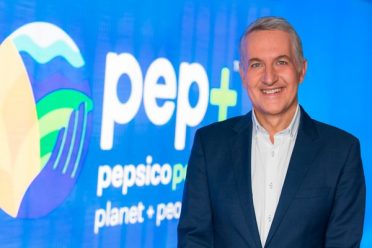
 VOG Products has always relied on premium quality. The new NFC juice line blends seamlessly into the quality strategy of the modern fruit processing company headquartered in Laives, in the Trentino-South Tyrol (Italy) region.
 Sponsored Post – Fruit processors can’t run away from peeling fruits. Fruit juice, fresh-cut, jam, pie… anything you make from fruit, you always must peel fruits. The large food factories already have gigantic machines to peel fruits in high-speed, and those machines do every peeling on behalf of human. Then, what about the small juice bars and small shops? Unlike the factories, they do not have neither enough space to install a machine, nor enough budget to purchase an expensive unit. Every day they are peeling fruits by their hand, and for those people, the ASTRA KA-700H can be a great help.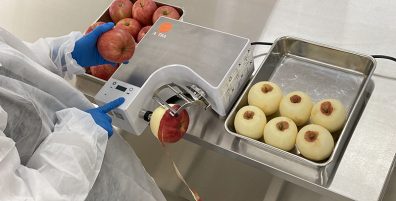
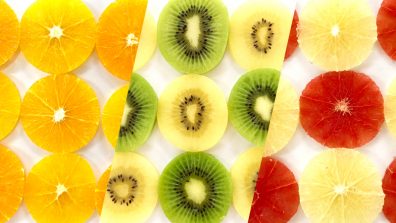


 Sponsored Post – Timed online only auction! A surplus to the ongoing successful operations of SunOpta, a producer of plant-based and organic foods and beverages.