The global market for CBD drinks accounted for USD 5527.13 Million in 2022. The market is anticipated to cross a valuation of USD 62748.24 Million by 2032. The market is expected to grow with a CAGR of 27.5 % in the forecast period.
CBD beverages have gained popularity as cannabis products were legalised by the Farm bill (Agricultural Improvement Act) in the US in 2014. The rising awareness of the health benefits of CBD products has elevated the growth of the CBD beverages market globally. Cannabidiol is a non-psychoactive molecule found in cannabis, which is extracted from leaves, resin, and flowers of marijuana or hemp.
There is rising awareness about the health benefits of adding cannabis-infused drinks to the diet are impelling factors of growth in the market. These cannabis drinks made their earlier appearance in the industry in commodities such as brownies and gummy bears which are often treated as unhealthy options. The drinks have become the most preferred way for consuming THC is likely to heighten the growth of CBD drinks arcade.
What are the drivers of the CBD beverage market?
“Rising awareness of the health benefits of CBD beverages”
CBD beverages are considered a natural remedy for a variety of health conditions. CBD-infused beverages are believed to treat varieties of health conditions including pain, anxiety, central nervous system disease, epilepsy, and many more.
Rising awareness of consumers on the wellness of the products and a growing number of health-conscious consumers is driving the growth of the CBD beverage market. Also, consumers’ preference for natural products over pharmaceutical products will also boost the CBD beverage market. Moreover, potential customers of BVD beverages are more willing to spend on legal CBD products, especially by baby boomers.
Competitive Landscape
The industry players are focused on the growth of the business by investing heavily in product research. These players are tapping into dynamic and competitive market structures likely to propel them in future years. This market is showing extensive opportunities for new companies.
Mergers and partnerships are opted for by many companies to excel and maintain market position in the forecast period. In 2020, BevCanna and Mota Ventures have announced a joint venture which likely to open novel distribution ways for both firms. The partnership is expected to bring benefits for each other out of the partners’ expertise.
SIG announced a BRL 10 million investment in innovative recycling technology that will enable polymers and aluminium from used aseptic carton packs to be recovered and sold separately for the first time on an industrial scale in Brazil. By expanding the range of applications for recycled materials from used aseptic cartons, SIG expects to increase their value by more than 50 %.
Innovative recycling technology
The renewable paper board that makes up around 75 % of aseptic carton packs on average can be separated for recycling in paper mills through Brazil’s existing recycling infrastructure. The polyethylene and aluminium mix (polyaluminium or PolyAl) left over from this process can be recycled into a robust material for purposes such as roofing, pallets and furniture.
SIG’s recycling plant will use innovative technology that makes it possible to separate the polyethylene from the aluminium in PolyAl to create a wider market and demand for these recycled materials. Developed over five years with project partner ECS Consulting, the new technology has already undergone a pilot project that proved the effectiveness of the chemical recycling process.
The new recycling plant is currently in construction in the state of Paraná. It is expected to begin operating in 2024 with an initial production capacity of 200 tonnes per month. Together with industry partners, SIG has also invested in a plant in Germany to separate polymers and aluminium from PolyAl that went into production in 2021.
Ethical collection programmes
Investing in new technology to create a wider market for recycled materials is an important step in increasing recycling rates for used aseptic cartons. SIG has already led the way with innovative programmes to support two other important steps: collection of used packaging from consumers and separation of that packaging to go into the right recycling streams.
SIG’s so+ma vantagens programme, run in partnership with NGO so+ma since 2018, enables people in underprivileged communities to collect loyalty points for bringing in waste for recycling. The points can then be exchanged for rewards, such as essential food products and skills training. SIG is now expanding this model to promote recycling and bring additional societal benefits to further municipalities in Brazil and beyond.
SIG also promotes public policies for selective waste collection in Brazil, and supports effective infrastructure and decent working conditions for waste collectors’ cooperatives as a seed investor in the Recicleiros Cidades programme. Set up with NGO Recicleiros in 2018, the programme is now operational in 13 municipalities and aims to reach 60 by 2027.
GNT gains regulatory approval for spirulina extract
GNT has secured U.S. Food and Drug Administration (FDA) approval for the use of spirulina extract in beverages, enabling manufacturers to achieve vibrant blue shades while maintaining clean labels.
GNT, which supplies plant-based EXBERRY® colour concentrates, has developed a patented formulation technology that allows spirulina extract to remain temperature- and acid-stabilised in beverages.
The EXBERRY® Blue Beverage Solution is suitable for use in a wide range of applications including sports, energy, and carbonated drinks, juice drinks, enhanced waters, and alcoholic beverages below 20 % ABV.
The Code of Federal Regulations (CFR) had previously only permitted the use of spirulina extract as a natural blue colouring ingredient in certain food products and powdered beverages. However, GNT has now successfully petitioned the FDA to amend the regulation to cover all non-alcoholic beverages as well as alcoholic beverages below 20 % ABV. The update came into effect on December 13, 2022.
This means the EXBERRY® Blue Beverage Solution can be used as a clean-label replacement for Blue 1 in the vast majority of drink applications. It delivers a bright turquoise blue shade in acidified beverages with a pH range between 2.6 to 3.4 and can be combined with other EXBERRY® concentrates to deliver hues including navy blue, violet, and green.
Consumer interest in spirulina has increased exponentially over the past decade in step with the FDA’s approval of natural blue colors derived from spirulina extract for products including yogurt, ice cream, and confectionery.
All Oranges 20.0 Million Boxes
The 2022-2023 Florida all orange forecast released by the USDA Agricultural Statistics Board is 20.0 million boxes, down 8.00 million boxes from the October forecast. If realised, this will be 51 percent less than last season’s final production. The forecast consists of 7.00 million boxes of non-Valencia oranges (early, mid-season, and Navel varieties) and 13.0 million boxes of Valencia oranges. A 9-year regression was used for comparison purposes. All references to “average”, “minimum”, and “maximum” refer to the previous 10 seasons, excluding the 2017-2018 season, which was affected by Hurricane Irma. Average fruit per tree includes both regular bloom and the first late bloom.
Please download the full citrus crop production forecast: www.nass.usda.gov
Refresco Group B.V., the global independent beverage solutions provider for Global, National and Emerging (GNE) brands and retailers in Europe and North America, announced it has completed the acquisition of Tru Blu Beverages, a manufacturer of non-alcoholic beverages in Australia, following the receipt of regulatory approval.
Refresco entered into an agreement to acquire Tru Blu Beverages on October 14, 2022. With the acquisition now completed, Refresco expands its global presence, adding a third continent as a new platform for growth. The acquisition includes three production facilities, in Sydney, Brisbane and Perth. These will be added to the current Refresco network of over 70 manufacturing facilities across Europe and North America. With this expansion, Refresco further strengthens their position as global independent beverage solutions provider to branded customers and leading retailers. In addition, Refresco moves one step closer to fulfilling its ambition of “Our Drinks On Every Table”.
The integration process will commence immediately, with Tru Blu Beverages to be rebranded as Refresco.
Sponsored Post – VOG Products, the South Tyrol fruit-processing company, has integrated sustainability into its corporate strategy. Priorities, measures and objectives are set out in the sustainability report , which has now been presented for the first time.
Sustainability has been firmly embedded in the DNA of VOG Products since it was founded in 1967. “Our founders’ desire and goal was to give every apple a value – regardless of whether it was too small, too big or didn’t have enough colour – according to the principle: every apple is a good apple,” said Christoph Tappeiner, CEO of VOG Products.
click picture to download the sustainability report
For VOG Products, sustainability is comprehensive: it includes social, ecological and economic aspects. VOG Products’ sustainability strategy is based on six key themes: water, energy and climate protection, health and occupational safety, regional added value, healthy products and innovation. The management and the 210 employees are working hard at every level to achieve their ambitious goals.
These range from a reduction in energy and water consumption to the improvement in the carbon footprint, a safe working environment (goal: zero serious accidents in the workplace) and added value that benefits the members who leave the raw materials to the company. The sustainability report provides information about the strategic approach, measures implemented and planned and the goals being pursued. The report (entitled: “Sustainability is part of our DNA”) has been prepared according to the GRI Standard (Global Reporting Initiative) and refers to the financial years 2020/21 and 2021/22.
Measures for greater sustainability
Probably the key environmental measure implemented in the 2022/23 financial year is the exhaust vapour compression project: the existing evaporation system, which is used in the production of concentrates, will be expanded to include mechanical exhaust vapour compression. The compressed exhaust vapour will in future be reused over several stages to evaporate the remaining water in the juice. In addition to saving steam, the performance required of the cooling tower is also reduced, as are CO2 emissions.
The cooling water has already been optimised: VOG Products has calculated a savings potential of 700,000 cubic metres by using water twice as cooling and transport water.
The producer organisation’s corporate carbon footprint has been calculated since 2020/21. A key partial goal has already been achieved in the past financial year: VOG Products has achieved CO2 neutrality for Scope 2 since green energy solely from hydropower is being purchased in the electricity sector. Efforts to reduce CO2 emissions are aimed at reducing energy consumption in the gas sector and expanding the company’s own photovoltaic system.
EcoVadis, the world’s most reliable provider of sustainability assessments for global supply chains, recently recognised VOG Products’ continuous efforts by awarding them a silver medal.
Refresco opened its new high-bay warehouse at the Calvörde production site in Germany. At this manufacturing facility, Refresco, one of the leading independent providers of beverage solutions in Germany is setting new standards for efficient logistics and future-oriented quality delivery. With a total capacity of more than 41,000 pallet spaces, this is now Refresco’s largest fully automated warehouse.
Refresco invested over 20 million euros in the construction of this new high-bay warehouse. The largest single investment of the German business unit to date, this new warehouse is of strategic importance for the production and logistics at this location for the future. Thanks to the modern conveyor technology and increased storage capacity, Refresco expects significant annual efficiency improvements for the production environment as well as for the transportation of finished products. The new state-of-the-art warehouse gives Refresco the opportunity to continue to grow dynamically with their customers and to acquire new business. In addition, the fully automated logistics system will increase occupational safety at the site.
Milestone
“The new high-bay warehouse is a milestone for us and makes this one of Refresco’s most advanced locations worldwide,” says Till Alvermann, Managing Director Refresco Germany. “Among other things, the complete automation of our logistical handling allows us to load quickly and safely and improves our competitive advantage. We also strengthen the service level for our customers. We are therefore very pleased to be able to officially commission the high-bay warehouse today.”
Refresco invests a substantial portion of their profit in their manufacturing facilities, to improve and/or expand capacity and technological capabilities. The investment in this new warehouse at a strategically important site for Refresco, is but one example of Refresco’s continued investment in their network of production sites.
At Calvörde, on 800 metres of conveyor line, 42 double aisles of an electric overhead conveyor connect all product lines and the shipping area to the high-bay warehouse. 36 gravity roller conveyors provide up to 400 pallets per hour at twelve loading ramps. The high throughput capacity also enables the simultaneous loading of ten trucks per hour.
Other high-bay warehouses
Refresco has four other high-bay warehouses across their European footprint, located at production sites in the Netherlands, Germany, and France. They are all similar in the way they were designed and are operated: production lines are connected to the warehouse, with the help of a stacker crane finished products are controlled and stored within the racks, and the pre-staging of pallets is fully automated all the way to the docking area, where trucks pull up to quicky and smoothly load beverages for delivery.
Firmenich, the world’s largest privately-owned fragrance and taste company, is excited to announce its 2023 flavour of the year, dragon fruit, celebrating consumers’ desire for exciting new ingredients and bold, adventurous flavour creation.
“This marks our 11th flavour of the year, which is something our customers have come to look forward to each year. Dragon fruit’s bold vibrancy is a perfect choice as we embark an exciting year of change,” said Maurizio Clementi, ad interim President, Firmenich’s Taste & Beyond division. “Our in-depth Human Insights have identified the strong shift towards wellbeing and sustainability in people’s food and beverage choices, as well as newly-emerging elevated expectations in terms of taste. As everything we do is rooted in nature and deep consumer understanding, this inspired us to choose a flavour of the year which captures both.”
Drawing inspiration from colour & Trenz™
This is the second consecutive year of a sensory partnership between Firmenich and Pantone®. The global colour authority has just launched its 2023 colour of the year, PANTONE® 18-1750 Viva Magenta™, which it describes as a “brave and fearless, a pulsating colour whose exuberance promotes optimism and joy.” Mikel Cirkus, Global Creative Director for Taste & Beyond said: “In the same way that Pantone’s colour of the year captures the emerging themes seen in the world around us, our choice for flavour of the year does so by translating new signals into positive sensory experiences. Our 2023 choice of dragon fruit reflects the global consumer’s increasingly adventurous palate and desire for the new or exotic when it comes to ingredients and taste.”
Jeff Schmoyer, Firmenich Global Head of Human Insights, said: “Dragon fruit’s subtle flavour creates a wonderful opportunity to bring the exceptional creativity and expertise of Firmenich’s flavourists to the fore, providing the perfect canvas for them to dare to imagine bold, exciting and delicious new taste combinations.”
A fruit by any other name
Native to Central America, where it is known as pitahaya, and thriving in tropical and subtropical climates across the world, dragon fruit’s flesh is rich in antioxidants and high in calcium. Dragon fruit grows from a climbing cactus, making it a drought-resistant and naturally low water-use crop, requiring only a quarter of the water to grow compared to that of an avocado.
Much like the mystical creature that inspired its name, dragon fruit is fierce in appearance, with a scale-like skin in bold hues ranging from fiery yellow to bold magenta. However, its delicate flavour belies its imposing armor. With several different types varying in both colour and taste, dragon fruit ranges in flavour from milder melon and kiwi-like to slightly sweeter berry profiles with notes of beetroot.
Enter the dragon fruit
Part of its industry-leading Human Insights capability, Firmenich’s Trenz™ forecasting team spotted a post-Covid rise in dragon fruit across almost every major city in the world. While always popular within niche segments, the exotic fruit began showing up more universally across diverse markets and food service venues, as well as product applications, from the more intuitive juices and smoothies to less traditional formats like tea and cooked savory dishes.
According to Mikel Cirkus, this is all part of a decade-long trend for boldness and discovery in food and drink. The pandemic increased the pace of this trend, with huge spikes in consumers broadening their palates for new seasoning. Notably, expenditures on spices & seasonings at home grew 27 % CAGR1, Trenz™ found. New product innovation has followed, with on-pack claims such as “bold” and “exotic” up by 38 % since 2017, and the use of three- and four-way flavour combinations in products now cresting over 25 % of all food & beverage launches.
Firmenich’s renowned Emotions360 consumer research offered a second clue. This proprietary in-depth study of natural ingredients identified that people are very excited about dragon fruit. In fact, Emotions360’s latest wave, which surveyed 18,670 consumers across eight countries around the world, indicated that 88 % of consumers have heard of dragon fruit, and 56 % have tasted it. In terms of consumer perceptions, dragon fruit triggers associations with adjectives like bold, exotic, exciting, impressive and fun. Given this positive association, it’s not surprising that the same consumers ranked dragon fruit in the 90 % percentile among all ingredients with a high likelihood to rise in popularity in the future.
A fiery future
As much as dragon fruit is on fire in juice bars, markets, and street vendors around the world, the packaged food & beverage world was initially slow to innovate around this trend. However, this trend is changing, with product launches containing dragon fruit callouts now accelerating in all regions. In fact, dragon fruit use in CPG (Consumer Packaged Goods) is growing more quickly in foods than beverages, where innovations typically appear first.
Jeff Schmoyer, Firmenich Global Head of Human Insights, commented: “Dragon fruit may be still a ‘rare’ fruit flavour for CPG food & beverage brands, but it is no longer rare to consumers. And in fact, this has translated to one of the fastest growth rates of any ingredient we’ve tracked in recent years. Given the small base and fast growth, it is certainly our boldest Flavour of the Year choice yet from a predictive foresights perspective. It’s possible that the initial lag in new product innovation is in part related to the challenge of realising the flavour of dragon fruit. Our consumer research shows that the fruit can sometimes surprise people by not having the strong flavour to match its visual appearance. Instead, the taste is light, refreshing, sweet, and delicious.”
“For this reason, Firmenich believes that its flavour creativity will play a key role in amplifying the taste and celebrating combinations of dragon fruit with other flavours,” Schmoyer concluded.
1Compound Annual Growth Rate (Source : Global Data LLC and Firmenich analytics)
The Coca-Cola Company announced that Henrique Braun has been named to a newly created role of President, International Development. In this position, Braun will oversee seven operating units that span dozens of countries and territories around the world.
Braun, 54, currently serves as president of the Latin America operating unit, a position he has held since 2020. Braun is a 26-year veteran of the company who has progressed through a number of roles in North America, Europe, Asia Pacific and Latin America.
“Henrique is a strong leader who has learned and grown in operations across the company,” said James Quincey, Chairman and CEO of The Coca-Cola Company. “Most recently, he has led the Latin America operating unit to outstanding results. Henrique’s work to digitise our business and lead a consumer-centric team makes him an ideal fit for a new, broader role.”
As President, International Development, Braun will have oversight of the Latin America operating unit, along with adding responsibility for six operating units: Japan and South Korea; ASEAN and South Pacific; Greater China and Mongolia; Africa; India and Southwest Asia; and Eurasia and Middle East. The presidents of these operating units remain unchanged; Braun’s successor as president of the Latin America operating unit will be named at a later date.
About Henrique Braun Braun has worked in a number of functions during his career at Coca-Cola, including supply chain, new business development, marketing, innovation, general management and bottling operations. He has also been a leader in regional, business unit and corporate functions. From 2013 to 2016, he served as president of the company’s Greater China & Korea business unit. He was named president of the Brazil business unit in 2016, followed by his current role as president of what was then the newly created Latin America operating unit in 2020. Braun is a dual citizen of the United States and Brazil. He earned a bachelor’s degree in agricultural engineering from the University Federal of Rio de Janeiro. He also has a Master of Science degree from Michigan State University and an MBA from Georgia State University. Braun takes on his new duties Jan. 1, 2023, and will report to Quincey. The company also announced that President and Chief Financial Officer John Murphy will add oversight of the company’s Bottling Investments Group, which will continue to be led by President Murat Ozgel.
The joint initiative digitises end-to-end supply chain processes at Eckes-Granini and breaks down information silos within the organisation
o9 Solutions, a leading enterprise AI software platform provider for transforming planning and decision-making, and Genpact, a global professional services firm focused on delivering digital transformation, announced the completion of the first phase to digitise and augment the global supply chain of Eckes-Granini, a leading supplier of fruit juices and beverages in Europe.
This transformation initiative combines Genpact’s decades of expertise in retail and consumer goods, supply chain optimisation, and digitally enabled operations with o9’s Digital Brain platform, which is powered by o9’s proprietary Enterprise Knowledge Graph (EKG) technology for end-to-end supply chain and scenario planning. Together, the o9 and Genpact teams enabled a digitalisation process that breaks down information silos and transforms Eckes-Granini’s operations into efficiently integrated ecosystems that are fully transparent and streamlined for the company, its vendors, and suppliers.
The implementation will reduce supply chain costs and inventories, eliminate excess inventory, waste and duplicative processes and enhance operating efficiencies to support long-term goals. In the first phase, Eckes-Granini went live with the Valorized Demand Planning process in Spain, Germany, Hungary, Austria, France, Finland, Sweden, and its international business, bringing together Supply Chain, Finance, Sales and Marketing under the same process and tool.
“By digitising our supply chains, we gain transparency to make more meaningful decisions with our alliances and inventories across the value chains, as well as continue to offer the highest quality of products that our customers expect,” said Tobias Rudolf, Chief Information Officer at Eckes-Granini. “We are striving to become one of the most sustainable companies in the juice and fruit beverages sector.”
Koa receives recognition for its socially responsible business just five years after the establishment of its innovative cocoa fruit venture. The Swiss-Ghanaian start-up is excited to announce the success- ful B Corp™ Certification with a score of 95.7 points. As Koa is scaling its operations, the team pushes even further in improving and leading with positive change.
Koa has officially become a B Corp™, short for Certified B Corporation, using the power of business to address some of society’s greatest challenges. “Nowadays, measuring the success of a company needs to go beyond pure financial performance. Since our inception, we measure our success on the triple bottom line: people, planet and profit. Being B Corp certified, we join a community of businesses around the world leading the transformation of the global economic system and we hope that many of our peers will follow our example,” Benjamin Kuschnik, Co-Founder and Group Finance Director of the Swiss-Ghanaian start-up, highlights.
A rigorous review of Koa’s impact
By certifying their businesses, recognised B Corps step into a framework for continuous improve- ment. A company must achieve a minimum score of 80 points on the B Impact Assessment to be certified and repeat the verification process every three years. The extensive assessment measures Koa’s ongoing impact on its workers, community and suppliers, customers, governance and the environment to make sure that the company is meeting high international standards of social and environmental performance, accountability, and transparency.
As a B Corp, the start-up joins the growing movement of around 6,000 Certified B Corporations from 158 industries across 86 countries, including companies like Ben & Jerry’s, Innocent Drinks and Valrhona. The B Corp Certification is administered by B Lab™. Lucy Muigai, CEO of the African B Lab certifying Koa says: “This is not only a win for Koa but a win for the B Corp movement. The recognition marks Koa’s continued investment in tackling poverty in the cocoa supply chain and strengthening rural communities through job creation. Koa joining the B Corp community signals a shift towards greater accountability and transparency in the cocoa sector.”
Founded in 2017, Koa is disrupting the cocoa industry through its innovative upcycling of the cocoa fruit. Koa is the first company in West Africa to have unlocked a new value chain around the so far discarded cocoa pulp and worldwide the first cocoa fruit brand to become a B Corp. Working closely with cocoa smallholders, Koa reduces on-farm food waste around the cocoa fruit, generates additional farmer income and creates new jobs in rural communities. At the same time, Koa brings unique new ingredients to the food and beverage industry for applications ranging from chocolate and confectionery to ice cream or drinks.
Addressing opportunities for improvement
“We are proud to receive this certification, especially since we’re the third B Corp which has its major operations in Ghana, and we’ve been only five years in business,” says Francis Appiagyei-Poku, Finance and Administration Director at Koa in Ghana. “While we have proven to meet B Lab’s high standards, it’s still important to us that we strive for continuous improvement.”
As a water-intensive sector, agriculture poses risks such as water stress or depletion of local water sources if water use is not appropriately managed. Koa’s production process in the factory requires substantial amounts of water and energy for logistics, cooling and cleaning. Koa is therefore constantly improving the infrastructure to reduce resource usage such as investing in a rainwater harvesting system.
Besides environmental improvements, Koa is actively training its workforce for an international environment. Koa is committed to having more women and minorities in leadership positions since diversity is at the core of its business and the team aims to set an example beyond the sector it works in.
A new clinical research paper provides additional evidence that BeniCaros®, a functional food, beverage and supplement ingredient, prepares the immune system and strengthens healthy immune responses, NutriLeads BV announced. The research was recently published in the peer-reviewed journal Nutrients.
The research paper elaborates on previous findings that showed 300 mgs. of BeniCaros accelerated immune responses and significantly reduced the severity and duration of symptoms in a study of 146 healthy human subjects following a controlled challenge with a common cold virus. These latest data demonstrate that BeniCaros, a soluble prebiotic carrot fiber known scientifically as Rhamnogalacturonan-I or cRG-I, significantly reduced individual cold symptoms and helped subjects feel better and maintain their quality of life. The paper is titled, “Effects of Dietary Supplementation with Carrot-Derived Rhamnogalacturonan-I (cRG-I) on Accelerated Protective Immune Responses and Quality of Life in Healthy Volunteers Challenged with Rhinovirus in a Randomized Trial.”
“Subjects taking BeniCaros felt considerably better and reported significant reductions in common cold symptoms, including a runny nose, sore throat, coughing and feeling tired, compared with the placebo group,” said Ruud Albers, Ph.D., NutriLeads founder and Chief Scientific Officer. “The BeniCaros group also reported significantly better quality-of-life scores than the placebo group, including the ability to think clearly, exercise and accomplish daily activities and work inside and outside the home.”
BeniCaros has a dual mode of action that trains the immune system to respond faster, preparing innate immune cells for a heightened state of readiness, and selectively increases beneficial gut microorganisms and their metabolites that support immune responses.
“Our research shows that BeniCaros supports and accelerates healthy immune responses when they are needed most,” said Joana Carneiro, NutriLeads Chief Executive Officer. “These latest data illustrate the ways in which BeniCaros helps individuals live their lives so nothing slows them down.”
Study design
In the randomised, double-blind, placebo-controlled trial, 146 healthy adults were given either BeniCaros or a placebo for eight weeks, after which they were exposed to a standardised dose of a mild rhinovirus via the nose. Researchers utilised blood, fecal and nasal fluid samples to count immune cells, track blood markers, measure immune responses and investigate gene expression. In addition, a validated clinical questionnaire was used to evaluate common cold symptom severity and quality of life.
Subjects were asked to complete the Wisconsin Upper Respiratory Symptom Score-21 (WURSS-21) questionnaire every morning for two weeks starting the day before infection. WURSS-21 is comprised of 21 questions divided into three sections: total score and “how well do you feel today?”, upper respiratory tract infection symptoms, and quality-of-life questions to assess the impact of a common cold on daily activities.
Study results: BeniCaros reduced severity, duration & impact of cold symptoms
Subjects taking 300 mgs. of BeniCaros reported statistically significant reductions in symptom severity (20 – 33 %) and duration (28 – 43 %) compared with the placebo group, based on the total WURSS-21 over 13 days post infection. BeniCaros subjects experienced a lower peak value in severity (day 3) and lower impact (10 – 30 %) of a variety of common cold symptoms, including runny nose, sore throat, cough and feeling tired.
BeniCaros also significantly reduced the negative impact of a common cold on quality of life. In comparison with the placebo group, BeniCaros subjects reported that their colds interfered 10 – 30 % less with their quality of life. Key measurements included the ability to think clearly, walk, climb stairs, exercise, accomplish daily activities, work inside and outside the home and live their personal lives.
Biological study data show BeniCaros supports a cascade of protective immune responses in the presence of a health challenge. BeniCaros accelerated local and systemic immune response biomarkers, including critical anti-viral interferon gene expression and mobilisation of innate immune cells to the site (nasal cavities) of the challenge. Ex vivo stimulation of whole blood samples demonstrated that BeniCaros enhanced the function of natural killer cells, which play an important role in the early innate immune response to virus infections. Importantly, systemic immune responses following BeniCaros supplementation were unchanged in the absence of an immune challenge.
“BeniCaros trains the immune system to be ready to respond when it is challenged,” said Dr. Albers. “It does not lead to broad, non-specific activation of the innate immune system. It is important that immune-support products designed to be taken long term do not stimulate or boost the immune system unnecessarily.”
After record order intake in the first half of 2022, the strong demand for Krones products and services continued unabated in the third quarter. Order intake between July and September 2022, at EUR 1,493.3 million, exceeded the already good prior-year figure of EUR 1,148.3 million by 30.0 %. In total over the first three quarters of 2022, the contract value of orders increased by 44.1%, from EUR 3,192.6 million a year earlier to EUR 4,599.7 million. At EUR 3,449.0 million as of the end of September 2022, the order backlog at Krones was up 95.9 % on the previous year (EUR 1,760.9 million). Compared to the beginning of 2022, the increase is EUR 1.56 billion, or 82.2 %.
Krones held a course of stable revenue growth in the third quarter. Revenue from July to September was up 14.7 % to EUR 1,058.9 million. In the first nine months of 2022, revenue went up by 15.2 % year on year, from EUR 2,643.0 million to EUR 3,043.7 million. Thanks to its great flexibility, Krones managed well with the resource shortages and international supply chain problems during the reporting period. This enabled the company to deliver strong revenue growth.
Krones improves profitability as forecast
The company was able to maintain satisfactory but, due to material shortages, not full capacity utilisation in the first three quarters of 2022. Due to the extensive efficiency improvement measures and the initial effects of the price adjustments, profitability nevertheless improved as planned in the reporting period. Earnings before interest, taxes, depreciation and amortisation (EBITDA) climbed by 27.0 % in the first three quarters from EUR 212.6 million to EUR 270.1 million. The EBITDA margin rose to 8.9 % (previous year: 8.0 %). Earnings before taxes (EBT) went up by 49.2 % to EUR 176.6 million (previous year: EUR 118.4 million). The EBT margin consequently rose to 5.8 % (previous year: 4.5 %). On the bottom line, Krones generated consolidated net income of EUR 128.3 million in the first three quarters of 2022, an increase of 48.2 % (previous year: EUR 86.6 million). This corresponds to earnings per share of EUR 4.06 (previous year: EUR 2.74).
Krones’ EBITDA of EUR 95.0 million in the third quarter was 26.8 % higher than in the previous year (EUR 74.9 million). The EBITDA margin rose from 8.1 % to 9.0 %. EBT improved by 48.5 % to EUR 63.4 million (previous year: EUR 42.7 million). At EUR 45.1 million, consolidated net income in the third quarter was 51.9 % higher than in the previous year (EUR 29.7 million). This made for earnings per share of EUR 1.43 (previous year: EUR 0.94).
Krones’ net cash at EUR 440.9 million as of the end of September 2022
Krones significantly improved working capital and free cash flow in the first three quarters of 2022. The ratio of average working capital for the past four quarters to revenue came to 20.5 % (previous year: 26.2 %). The decrease reflects the strong revenue growth and rising advance payments from customers due to the large order intake. Free cash flow in the first nine months of 2022 amounted to EUR 132.3 million, an increase of EUR 24.8 million on the already high prior-year figure (EUR 107.5 million). Krones’ net cash – cash and cash equivalents less bank debt – amounted to EUR 440.9 million at the end of September 2022 (previous year: EUR 283.4 million). In addition, Krones had available just under EUR 1 billion in free lines of credit as of 30 September 2022. Krones improved ROCE (return on capital employed) to 12.4 % in the first three quarters of 2022 (previous year: 10.1 %).
Krones has raised its growth guidance for revenue in the full year 2022
Krones faced many challenges in the first three quarters of 2022 that continue to apply. Uncertainties and risks include material shortages and problems in global supply chains, rising material and energy procurement prices, geopolitical risks in Europe and other parts of the world, and also strong inflation in many countries. It is also uncertain how the Covid-19 pandemic and the war in Ukraine will continue to play out and whether industry can be supplied with sufficient energy.
Krones has managed well with all challenges so far and remains fundamentally optimistic. Due to the continued very strong demand for Krones products and services, as well as good management of scarce resources, the company expects to maintain satisfactory production capacity utilisation in the fourth quarter of 2022. On 19 October, on the basis of current planning, Krones therefore raised its guidance for revenue growth in the full year 2022 to between 10 % and 12 % (previously 5 % to 8 %).
The guidance for the other two financial targets remains unchanged. This means the company continues to expect an EBITDA margin of 8 % to 9 % and ROCE of 10 % to 12 % in 2022. The Executive Board is confident of reaching the upper end of the target range for both figures.
These forecasts are subject to the reservation that the war in Ukraine does not further escalate, the coronavirus situation does not worsen and there are no significant energy shortages.
The UK Government has announced that it is suspending the tariffs imposed on a range of food and drink items, including orange juice (see the full list via this link).
Success on the latter product comes after the BSDA and the British Fruit Juice Association applied (in July 2021) to get the two commodity codes which make orange juice products more expensive suspended.
During the UK’s membership of the EU, Industry had to submit applications to the bloc to request suspensions, which then had to be assessed by all member states.
BSDA Director Gavin Partington, said: “We welcome the Government’s decision to suspend the tariffs placed on orange juice imports. This will ease some of the cost pressures faced by our members such as on fuel and transport. A 150 ml serving of orange juice counts as one of your 5 A Day and is a cost effective way of working towards the target which – according to NHS data – is currently being missed by all age groups.”
The tariff suspensions are expected to apply for a period from 1 January 2023 to 31 December 2024.
Louis Dreyfus Company B.V. announced the successful development of a new product made from not-from-concentrate (NFC) orange juice, presenting a 30 % reduction in natural sugar content and more than triple dietary fiber content, while preserving original taste (Brix value) and vitamin C level.
Further to a five-year research effort by the Group’s in-house R&D laboratory team of food engineers, chemists and biotechnologists in Bebedouro, São Paulo State, Brazil, LDC has developed a successful process to reduce sugar content in orange juice, in line with the company’s commitment to offer nutritious, high-quality juices that address growing consumer demand.
“Complementing our extensive portfolio of juices and ingredients from Brazilian-grown citrus fruits, this new product represents another positive step in LDC’s strategy to diversify revenue through value-added products, including specialty ingredients and products like this one,” said Juan José Blanchard, LDC’s Global Head of Juice. “Leveraging our global network and partnerships, LDC aims to bring this new product to the global market in collaboration with leading beverage industry players, contributing to the advent of healthy, nutritious juice product options that respond to consumer expectations, while continuing to invest in R&D activities targeting further reductions in sugar content.”
Although commercial roll-out is initially focused on Asia Pacific, with an initial launch planned in early 2023 in China, the new product is available to industry customers worldwide, including in Europe, North America and South America, where the Group sees growing consumer demand for healthy, nutritious, great-tasting diet options.
The harvesting of late orange varieties began at a slow pace in mid-October. Although maturation was not ideal then, oranges were within the minimum standards required by the market, leading farmers to begin the harvesting.
The first variety available in the market was valência, followed by natal. Even the variety “folha murcha”, whose harvesting usually begins in December, arrived at the market in the first fortnight of November.
Agents expect supply (majorly of valência and natal oranges) to increase in the coming weeks, as the harvesting steps up in December – activities are forecast to end in mid-February. Also, the share of late varieties at juice processing plants is expected to gradually increase this month, accounting for the most part in December.
At juice processors, although quality standards (ratio and brix) are not within requirements, agents from the industry reported to be receiving late varieties – many of them blend these varieties with the juice from pear oranges without any quality loss. However, the supply of these varieties is still low because of difficulties to find labor for the harvesting.
A bold new era of “Healthy Hedonism” is inspiring a radical rethink of what is possible with natural colours, according to trend analysis by GNT.
GNT, the global supplier of plant-based EXBERRY® colours, explored how today’s consumers see colour in the world of food and drink and beyond. The research revealed a powerful new trend shaped by Generation Z’s desire to embrace joy and creativity while staying true to core values.
The new generation of consumers is radical, diverse, and digitally native – and it is rapidly changing global attitudes toward food and drink. Gen Z shoppers are committed to holistic wellness and are actively promoting environmental and social agendas through their purchases. At the same time, their devotion to social media means visual impact is more important than ever before.
This consumer behavior can be described as Healthy Hedonism. This ethos is now set to spark a global surge in demand for eye-catching products that are good for people and planet. From seductive healthy snacks to kaleidoscopic TikTok treats, the trend showcases a lifestyle that is playful, considered, and nourishing.
GNT’s analysis found that it is already generating new directions in natural colour. For example, cute soft-play pastel shades are being used to redefine what “healthy and sustainable” looks like. Psychedelic colour schemes now work in harmony with mind-boosting ingredients to tap into new-age wellbeing. Bright, clashing colour combinations can also enable brands to create virtuous products that satisfy the desire for creativity and self-expression.
Maartje Hendrickx, Market Development Manager at GNT Group, said: “Healthy Hedonism resonates with the new generation of conscious consumers who are determined to rewrite the rules. To tap into the trend, brands need to celebrate disruption and adopt a new visual language for products that are both healthy and environmentally sound. Earthy colours are no longer a necessity – it’s time to be bold, be creative, and make people smile.”
Available in shades spanning the full spectrum, EXBERRY® colours are plant-based concentrates created from non-GMO fruit, vegetables, and plants using traditional physical processing methods. GNT has also set out a commitment to become the leader in its field on sustainability by 2030.
Latest addition to PlantGuard™ portfolio to debut at FiE 2022
Prinova Europe is launching a potent new plant-based antimicrobial that inhibits the growth of yeasts, moulds and bacteria, addressing the increasing demand for natural preservatives.
PlantGuard™ AM is the latest addition to the company’s botanical-derived range of preservatives, which enable manufacturers to use natural clean-label solutions to minimise food waste. The portfolio will make its first live show appearance at Food ingredients Europe (6-8 December) in Paris.
PlantGuard™ is a proprietary blend of natural extracts from plants that have been used in nutritional supplements for many years due to their antioxidant properties. It is highly effective for extending freshness and shelf life, delaying the onset of rancidity and hindering microbial growth, as well as conserving flavour and colour.
The heat-stable, neutral-tasting preservatives perform well against synthetic alternatives in a range of foods and beverages. PlantGuard™ AM, which can be used in applications including dairy, fish, meat, fruit, vegetables, cereals and juices, will be showcased at FiE alongside the antioxidant PlantGuard™ FS (fat-soluble for high-fat applications such as pastries, fried foods and mayonnaise) and WS (water-soluble for lower-fat products including breads, reduced-fat spreads and sauces).
Because PlantGuard™ can be used in such a broad range of applications, it can replace artificial preservatives across a number of product lines. Prinova’s technical team works with customers to help them select the optimal solution for their brands. The low dose rate and cost-in-use that compares well with alternatives enable further economies of scale.
From now on, JuiSea Shipping will operate a regular shipping service from Ghent in North Sea Port for the export of orange juice to the United Kingdom. North Sea Port thus manages to strengthen its position as a foodport.
JuiSea Shipping is a collaboration of Refresco and Trilobes, both with headquarters in the Netherlands. The orange juice will be loaded on board the 89m vessel MV Marilie in Ghent at Louis Dreyfus Company and Citrosuco. Chartered by JuiSea Shipping, this vessel will sail between Ghent and the port of Portland, UK, 32 times a year, where it will be offloaded for Refresco’s Bridgwater plant. The vessel, sailing under the Finnish flag, will carry both concentrates of orange juice and fresh orange juice.
Global players
For the import and export of orange juice, North Sea Port is home to companies from all over the world. The Refresco Group is the world’s largest independent bottler of soft drinks and fruit juices. It operates with over 10,000 employees at more than 60 production sites in twelve countries. Trilobes specialises in tank construction, terminals and ship cargo systems for liquid bulk. It operates on all continents, for example in Brazil, Belgium and Japan.
Foodport
So from now on, orange juice will also be shipped to the United Kingdom from Ghent. This strengthens one of North Sea Port’s strategic pillars. Indeed, with this shipping service, the port is further developed as a foodport. Brazil and the United Kingdom are therefore of great importance here: in 2021 Brazil was the third most important trading partner for North Sea Port, the United Kingdom the fourth.
Costain is working with Dwr Cymru Welsh Water, Wales and West Utilities and food and drink manufacturer Princes Group on a feasibility study to produce hydrogen from biogas from the Cardiff East Waste Water Treatment Works that willfuel boilersto provide heat for fruit juice pasteurisation.
The programme is funded through the Department for Business, Energy and Industrial Strategy’s (BEIS)£1 billion Net Zero Innovation Portfolio, which aims to accelerate the commercialisation of innovative clean energy technologies and processes through the 2020s and 2030s.
The H2Juice project has been awarded £372,931 of funding from the BEIS£26 million Industrial Hydrogen Accelerator Programme (Stream 2A), to demonstrate the feasibility of end-to-end industrial fuel switching to hydrogen. The study will take five months with the possibility to awarded further funding in the subsequent Stream 2B, to conduct further engineering and a demonstrator.
The feasibility study will also investigate the ability to utilise different blends of hydrogen with natural gas, enabling the transition to fuel switching and demonstration of system flexibility.
Costain Energy Sector Director, Matt Browell-Hook, said “I’m delighted that our H2Juice project has been selected under the Government’s hydrogen accelerator programme. Costain has been active for a number of years in the development of hydrogen schemes across the UK and this recent award is a great reflection of the hard work our energy teams have been involved in.”
This project builds on a similar study carried out with Welsh Water to evaluate the feasibility of converting waste gases from the sewage treatment process to produce fuel grade hydrogen, which could power local fleet vehicles.
TotalEnergies Corbion is stepping up its efforts in closing the recycling loop for PLA. To stimulate collecting, sorting, and cleaning of PLA waste and to facilitate a marketplace for PLA recycle streams, TotalEnergies Corbion is actively buying reprocessed PLA waste. The advanced recycling process allows for the PLA to be recycled back into Luminy® rPLA with the exact same properties and certifications as virgin Luminy® PLA.
(Photo: TotalEnergies Corbion)
In Europe, the success of advanced recycling of PLA is exemplified by the NaKu bottled water from Austria. The NaKu bottle is made of 100 % biobased plastic (PLA), it is therefore recyclable and compostable (according to EN 13432). The bottles, made of Luminy® PLA are 100 % recyclable and contain 20 % recycled content which is third-party certified by SCS Global Services. After use the bottles are collected, sorted, cleaned and the resulting PLA is mechanically recycled into different applications.
In Asia, another strong example of PLA recyclability is Sansu in Korea. Sansu bottles water in Luminy® PLA. After use the bottles are collected, sorted, cleaned and the resulting PLA is advanced recycled into Luminy® rPLA. Luminy® rPLA has the exact same mechanical properties, food contact and other certifications as virgin PLA.
“At various jazz and music festivals in Korea PLA drinking cups are exclusively used. The cups are collected, sorted and send for advanced recycling in our plant in Thailand. This close loop concept is not new and with the advanced recycling that TotalEnergies Corbion has developed, this is now a reality” said ChowPin Tan, Senior Business Development Director Asia Pacific at TotalEnergies Corbion.
Arla Foods Ingredients has developed a solution that allows the creation of fermented drinks that are both clear and high in protein – a new innovation in the healthy beverage space.
As demonstrated by the continuing popularity of kombucha, drinking yoghurts and clear protein drinks, there is high demand for novel ready-to-drink products. Recent innovations include fermented protein beverages, which offer synergistic health benefits because protein supports the growth and viability of probiotics.
The new solution, which is based on 100 % whey-based hydrolysates Lacprodan®HYDRO.365 and Nutrilac® FO-8571, opens up new ways to give fermented protein beverages a twist. Because it significantly minimizes cloudiness and sedimentation, it can be used to create high-protein fermented beverages that are just as clear as alternatives without protein.
Manufacturers can use it with thermophilic cultures for fermented drinks, or mesophilic cultures for kombucha-style beverages, both of which are high in probiotics – meeting a key consumer need – and lactose-free. They can also be produced on a standard yoghurt processing line.
Barbara Jensen, Sales Development Manager at Arla Foods Ingredients, said: “The market for healthy beverages is incredibly dynamic, with categories like kombucha enjoying phenomenal success. Our goal is always to help our customers lead innovation and now we’re giving them opportunities to offer consumers a new twist on fermented protein beverages – a category that’s already very exciting. With this new solution they can create on-trend beverages that are not only high in both protein and probiotics, but also stand out from the pack because of their clear, refreshing appearance.”
All Oranges 28.0 Million Boxes
The 2022-2023 Florida all orange forecast released by the USDA Agricultural Statistics Board is carried forward from October at 28.0 million boxes, down 32 percent from last season’s final production. The total includes 11.0 million boxes of non-Valencia oranges (early, midseason, and Navel varieties) and 17.0 million boxes of Valencia oranges. The Navel orange forecast, at 300,000 boxes, accounts for 3 percent of the non-Valencia total. The estimated number of bearing trees for all oranges is 44.0 million. …
Please download the full citrus crop production forecast: www.nass.usda.gov
The number of consumers cutting back on their grocery shopping as a result of inflation has grown significantly during the past year, according to new research.
In a survey commissioned by specialist PR consultancy Ingredient Communications, a quarter of respondents (24.9 %) said they had stopped buying a food or beverage product in the previous three months due an increase in price. This is significantly higher than 10 months earlier in late 2021, when the same survey found that 17.6 % of shoppers had traded out of a product because it had become too expensive.
The research, conducted by SurveyGoo, also found that nearly half of respondents (48.4 %) had purchased a product less often, compared with 36.5 % previously. More than half (50.9 %) said they had bought less of a product, compared with 40.8 % before, while 57.8 % said they had switched to a cheaper brand, compared with 47.5 % in 2021.
Retailer brands have benefited from the squeeze, with 35.6 % of respondents saying they had switched to an own label version of a product, versus 25.8 % in the previous survey.
SurveyGoo polled 1,000 consumers in the USA and UK during the first week of October 2022. The previous survey was carried out in early December 2021 when inflation was already on the rise. Since then, prices have soared even higher. Year on year inflation in the UK’s food and beverage category was 14.6 % in September this year.1 In the US, inflation for food consumed in the home was recorded at 13 % over the same period.2
Nearly all respondents to the latest survey (98.1 %) said they had noticed food and beverage prices rising in the previous three months, compared with 94.2 % in the 2021 survey.
Richard Clarke, Managing Director of Ingredient Communications, said: “Since we first conducted our price sensitivity survey in December 2021, the war in Ukraine has exacerbated an already volatile situation. As well as difficulties sourcing certain raw materials, fuel costs have gone through the roof. With winter on the way in the western hemisphere, and no sign of Russia backing down, demand for energy will spike and it’s hard to see any short-term easing of the inflationary pressures that food companies and consumers are facing.”
He continued: “In manufacturing, it’s tempting to look for quick fixes to cut costs but in the food industry there are always risks to this. Consumers are very attuned to recipe changes and pack size reductions and social media means news of these can spread fast. At Ingredient Communications, we’ve always advocated using high quality ingredients that differentiate a product. But in these challenging times, it’s also worth talking to your ingredients suppliers to see how they can help. Many have extensive formulation expertise and might be able to advise on how to reduce input costs without compromising on quality or losing brand equity and consumer trust.”
Sidel has opened a new hub dedicated to PET recycling. At its unique small-scale PET recycling pilot line in Octeville, France, Sidel will develop its understanding of PET recycling with the aim of giving comprehensive support to the market as it switches to greater use of recycled PET.
Seeking carbon neutrality, the packaging industry is in the middle of a transition period that aims to replace virgin PET with recycled PET. Sidel is engaging with this transition to circular packaging solutions, enabling r-PET to be more widely used. The unique small-scale PET recycling line will allow Sidel to develop advanced knowledge about the recycling of food-contact PET bottles. As Sidel packaging experts assess the impact of additives and primary packaging materials on r-PET resin the facility will become an important reference for raw material producers, recyclers and recycling regulatory organisations. The line will also enable Sidel to further develop its own knowledge, ideas and innovative packaging solutions.
Helping to meet demand for r-PET
Demand for r-PET is increasing and the market is developing as brand owners seek carbon neutral solutions. The amount of recycled PET in packaging globally has increased to 8 % compared to 5 % in 2018. In Europe, the average is already 15 % and is projected to grow to 35 % in 2030.1
“There is a big move towards recycled PET, but demand is outstripping supply,” says Naima Boutroy, Sidel’s Global Packaging Expert. “The market still has a lot to learn and we can provide valuable insights. There is a variability in recycled PET resin grades, and standardisation is still in development. We need to address this to create the best possible finished bottles. Our line will test the recyclability of post-consumer PET bottles from different feed stocks, including additives and caps as well as labels, inks and glue. We will be working with traditional Sidel customers such as brand owners, converters and co-packers, as well as other suppliers like raw material producers, recyclers and regulatory organisations, to enable the scaling-up of r-PET capacity. We can also check any innovations comply with bottle-to-bottle recycling.”
Fully-equipped line to study entire process
Sidel’s new line will take raw material from industrial partners such as sorting facilities, recyclers and brand owners. It will then recreate and study all aspects of the process from bales to flakes including pellets ready to be injected into preform, injection and blow moulding.
Sidel will give the packaging industry the opportunity to access a fully equipped pilot line. This line covers every step of the recycling process: from washing, drying and pellet extrusion, to solid-state polymerisation, including dedicated process and laboratory controls at every step.
Making PET a more sustainable choice
PET is proven to be recyclable and is the only food-safe bottle-to-bottle recycled material, but the market has yet to see the production of standardised r-PET resin grade in high quantities; achieving this could facilitate the market conversion from virgin PET to r-PET. Lifecycle analysis shows that PET already has the best carbon footprint among materials currently available; creating a robust recycling loop to achieve full circularity at scale will make PET an even more sustainable choice.
Sidel to become one-stop shop for r-PET
Sidel’s investment in the r-PET pilot line is unparalleled in the packaging industry and will also empower Sidel in shaping the packaging solutions of tomorrow. The line, which has a holistic bottle-to-bottle approach, is just one of a range of services that Sidel is establishing under the name RePETable™ services. The services will draw upon Sidel’s 40+ years of blowing and packaging expertise, to support brand owners and convertors in producing r-PET bottles through line upgrade solutions, packaging optimisation, blowing process qualification, troubleshooting, r-PET processing training.
FruitSmartTM showcased two novel fruit beverage concepts at SupplySide West in the US. Created from premium cold-pressed fruit-based ingredients, and blended with botanicals and macronutrients such as protein, they demonstrated how fruit juice is an excellent carrier for both taste and functionality.
Depending on the fruit used, juice can provide a wide range of important nutrients, including antioxidants and polyphenols. FruitSmart’s new beverage concepts illustrate how brands can leverage the natural benefits of high-quality fruit-based drinks as part of a healthy, balanced diet.
Visitors to FruitSmart’s booth at SupplySide West in Las Vegas were able to sample:
A raspberry protein and fiber drink blending red raspberry, apple, pear, and elderberry juice with pea protein and apple fiber. This creates a great-tasting product that provides satiety, immunity and gut-health benefits, alongside better blood glucose control and optimal fructose absorption in the small intestine.
A super-fruits beverage – made from dark sweet cherry, blueberry, raspberry, and elderberry juice, with extract of turmeric, ginger, acai and vanilla, it’s rich in both flavour and micronutrients, including antioxidants and polyphenols.
Wayne Lutomski, President of FruitSmart, said: “Our new fruit beverage concepts show how brands can develop exciting products that are a welcome addition to any healthy diet. Yes, it contains sugar, but look at the friends that fruit can bring to the party – polyphenols, antioxidants, vitamins A and C, folate, and essential minerals such as potassium, calcium, iron, magnesium, and sodium. Fruit’s intrinsic health and wellness benefits can be further enhanced by adding other nutrients, such as fiber, protein, and botanicals. And of course it delivers amazing taste!”
About FruitSmartTM FruitSmart specialises in premium, high-quality, fruit-based juices and ingredients. With roots in the food processing industry that go back to 1982, it has decades of experience. Today it has a 13-acre fruit and vegetable processing plant in Grandview Washington, while its 19-acre Prosser campus includes facilities for dry ingredient processing and freezing. Offering a wide variety of juices, purees, concentrates, essences, fibers, seeds, seed oils and seed powders, FruitSmart takes great pride in developing solutions for manufacturers and using fruit in new and novel ways.
Sponsored Post – We are looking forward to opening our doors at Elea for two days of Pulsed Electric Field discovery and insights, here at our custom-built facility for the development of PEF systems and applications in Quakenbrück, Germany.
Talks and demos will be given by both resident and industry experts. Topics will include how PEF works, its benefits for product and production, the development of PEF in industry during the past 10 years, as well as its huge potential for other industries, all scientific supported by our Research & Development department.
In our showroom, we will guide you through the Elea PEF system range, whose capacity reaches up to 60 t/h for solid treatment and 5.000 L for liquid treatment, followed by confidential one-to-one sessions about PEF solutions tailored for your business. Combined with a social program, an interesting and memorable event is guaranteed.
PEF inactivates microorganisms at lower temperatures, whereby the freshness & quality is maintained. A cost-effective alternative to thermal and HPP.
Visit us on 16 & 17 November in Quakenbrück and discover the application of Pulsed Electric Fields (PEF) for extraction and preservation of fruit juices.
Sidel has created 1SKIN™, a unique label-less recycled PET bottle. Combining distinctive shelf-appeal with the highest eco credentials, it has been designed to help Sidel’s customers achieve their sustainability goals and drive sales of high-end products.
The one-litre bottle is destined for the booming market in sensitive juices, teas and flavoured drinks. The new 1SKIN concept represents a breakthrough both in sustainability and in its streamlined design.
Made with readily available 100 % recycled PET (r-PET), 1SKIN has been designed by Sidel for easy recycling. The label-free bottle with its tethered cap can immediately enter the recycling stream with no need to separate additional raw materials such as ink, glue, labels or sleeves. Customers choosing 1SKIN will stay ahead of the main worldwide regulations and market trends for sustainable packaging.
Launched at the international beverages trade fair, drinktec in Germany in September, the bottle has attracted interest from customers from all over the world seeking to make their packaging more sustainable. Many of the major brands are embracing higher sustainability standards, driven by consumer influence as well as growing legislation to encourage recycling.
Appealing looks and drinking experience
(Photo: Sidel)
1SKIN is made to stand out on shelves in one of the fastest growing and most competitive beverage segments. The bottle is designed to deliver an appealing drinking experience, with an ergonomic grip for comfortable pouring. It has a wide neck and a cap lock feature to keep the open bottle top away from the consumer’s face. On the bottle’s label-free surface there are multiple options to use differing fonts and textures, with the transparency enabling great opportunities for natural light and shadow play. The ultra-precise graphic elements are created using Sidel’s most advanced mould technologies combined with its blow moulding expertise. QR or bar codes can be printed on the bottle closure to provide information to consumers or enable individual unit sales.
The bottle design guarantees safety and protects the integrity of products with a long shelf life. Sidel’s patented Starlite™ Sensitive base technology combines a premium glass-like design with optimised weight and performance on high-speed lines.
New facility aligns with ESG principles, enables scale-up of start-up’s fruit juice sugar-reducing tech
Sugar-reduction foodTech start-up Better-Juice, Ltd. launches its first full-capacity manufacturing plant setting the wheels in motion for full commercial production of its proprietary sugar-reducing immobilised enzymes. The new facility will enable the company to fulfill current commissions from juice producers globally, as well as respond to anticipated new demands.
The groundbreaking technology developed by the Israeli start-up produces proprietary beads composed of non-GMO microorganisms that naturally convert the juice’s composition of fruit sugars including sucrose, glucose and fructose into better-for-you prebiotic and other non-digestible fibers.
The new site—located in the Nes Ziona science park south of Tel Aviv—is replete with commercial-scale equipment, including an industrial fermenter and industrial immobilisation processor. The specialised equipment is used for growing and harvesting the beaded microorganisms used in producing Better Juice’s immobilised sugar-reducing enzymes. The site also houses pilot labs and the company’s new headquarters.
The new plant has a production capacity to support sugar-reduction of 250 million liters of juice per year. Better Juice has entered into commitments with a number of juice companies to reduce the sugar loads in various fruit juices, including apple, orange, and pineapple juices.
Better Juice’s technology can reduce up to 80 % of the simple sugar content in fruit juices and fruit-based condiments without any degradation of naturally occurring nutrients, including vitamins, minerals, and antioxidants. It does not dilute the product in a way, maintaining the body and full flavour of the juice and only gently reducing the sweetness. Better Juice’s groundbreaking technology decreases the naturally occurring simple sugar loads in a versatile range of products, including juices, jams, yoghurts, ice creams, sorbets, and more, to the food and beverages manufacturers desired levels.
“This move marks a major leap forward in our commercialisation efforts,” enthuses Gali Yarom, Co-Founder and Co-CEO. “We project that the new plant will accommodate our production needs for the next four years. As interest and demand in our technology continue to flourish in the global fruit juice sphere, we will expand our production capabilities outside of Israel as well.” Wired magazine recently rated Better Juice as one on of the 10 most promising start-ups in Israel.
Better Juice’s facility and operations also maintain high alignment to environmental, social, and corporate governance (ESG) principles. The biodegradable polymer beads are rechanneled to livestock feed after being used in the production phase, minimising waste. The bioreactors, which have a 20-year lifespan, can be controlled remotely, reducing the company’s need for travel and its subsequent carbon footprint. Only a small amount of energy is required to activate the bioreactors. On a social level, the company boasts a 50 % female workforce and assists manufacturers of fruit-based products to comply with the various “sugar tax” regulations in the regions where they operate.
“We had to design and construct specialised systems from scratch to support our unique production processes while taking environmental considerations into account and adhering to the strictest requirements for waste treatment, water recycling, and energy efficiency,” notes Henry Elkoby, Chief Engineer of Better Juice.
“Better Juice was founded with the vision of promoting the overall well-being of people globally,” asserts Eran Blachinsky, co-founder and co-CEO of Better Juice. “The realisation that also naturally squeezed fruit juice can harbor high quantities of simple sugar is what sparked the creation of the Better Juice technology,” adds Blachinsky. “It has been an incredible journey seeing our concept evolve into fruition, and onto the global market so that more people around the world can enjoy the full flavour and nutritional benefits of fruit juices.”
Better Juice was founded in 2018 as one of the first start-ups to be nurtured by The Kitchen FoodTech Hub. “Better Juice brings a new hope for juice manufacturers and consumers, by reversing the perception of natural fruit juices as overly sugary products and turning juices into better-for-you beverages,” says Amir Zaidman, Chief Business Officer of The Kitchen Hub and a Better Juice board member. “The company offers a truly better juice product by reducing the sugars while maintaining their natural profile of vitamins, minerals and fibers.”
Public-private partnership to advance citrus research, development of breakthrough solutions for food, beverage and fragrance industries
In a ceremonial presentation, IFF and Florida Polytechnic University laid the foundation for the new Citrus Innovation Center, located on the University’s campus in Lakeland, Florida. The nearly 30,000-square-foot, standalone building will support global citrus research and development, and will include sensory and experience venues, research labs, processing, analytical departments, a fully equipped citrus garden and amenities for hosting customers and partners.
“What an honour to celebrate this beacon for innovation and excellence, that is a perfect blend of science and creativity,” said Nicolas Mirzayantz, president, Nourish Division, IFF. “As we lay the foundation for a global citrus innovation center, we re-affirm IFF’s commitment to invest in R&D capabilities that unlock the development of innovative solutions for our customers, partners and communities we operate in. This facility represents a significant milestone in our cross-divisional citrus strategy. Here, we will accelerate innovation by combining the expertise from our Nourish and Scent divisions with on-campus talent who are just as committed to pushing the boundaries of science and uplifting the citrus industry as a whole.”
Nestled on the university’s campus in the heart of the citrus belt, the new, best-in-class center for excellence is designed, engineered and constructed by Ryan Companies, who upon completion, will maintain the building. The sprawling, glass-fronted building and surrounding grounds are slated for completion in late 2023.
“IFF holds a leading position in R&D investment,” said Christophe de Villeplée, president, Scent Division, IFF. “This cutting-edge facility represents one more way we’re combining creativity and science, working closely with our partners and customers. Citrus extracts are an essential component of our creations, bringing consumers delightful freshness. By building a transformational, holistic citrus development ecosystem in one of the world’s central citrus locations, we will further deepen our knowledge, and facilitate the creation of differentiated citrus products that delight global food, beverage and fragrance customers, while doing more good for people and planet.”
IFF will be the first company located on Florida Poly’s campus. The company anticipates providing hands-on internships and job opportunities for Florida Poly students in areas of research and development, customer experience, supply and operational coordination and entrepreneurship. Additionally, IFF will support the University through funding and collaborating on faculty research, sponsoring senior capstone projects, and supporting academic programs.
“We are proud that IFF recognised the strategic advantage in partnering with our University,” said Randy K. Avent, president of Florida Poly. “Our students and faculty are making real contributions in growing the tech industry by influencing the designs of pioneering technologies and real-world solutions. We’re excited about the cross-disciplinary learning opportunities for our students through this partnership in fields such as metabolomics, automation, artificial intelligence, virtual and augmented reality, and biometric data capture and analysis, to name a few.”
The building capitalises on views toward the campus, overlooking the expansive ponds and the campus front entry. Its architectural design draws inspiration from the building’s purpose: the exterior reflects the density and discernment of aromas, scents and taste sensations, showcasing acute moments of knowledge, research and gathering, and the flow of those experiences between spaces.
“The ethereal nature of the design concept was challenging, however Ryan was able to successfully create a dynamic, unique architectural expression that reflects the nature of the work being done within the facility, while complementing the existing architecture on the campus,” said Linaea Floden, regional director of Architecture for Ryan A+E.
Sponsored Post – VOG Products attaches the utmost importance to sustainability, quality and product safety along the entire supply and production chain. This is also evidenced by the EcoVadis silver medal and SGF membership.
The sustainable and careful use of resources runs through the entire production process at VOG Products – from field to processing, particularly since the South Tyrol fruit processing company is closely linked through its members to regional farming, which is based on a long tradition of growing fruit.
Christoph Tappeiner (Photo: VOG Products)
“We know where the raw materials come from and which production steps they have gone through. This traceability to the source and comprehensive quality controls along the entire production line are key prerequisites for creating safe, sustainable, high-quality products”, Christoph Tappeiner, CEO of VOG Products, emphasises.
VOG Products belongs to three producers’ organisations from South Tyrol and Trentino, plus 18 cooperatives from South Tyrol. The membership comprises around 6,000 small, family-run operations: fruit-growers who tend their orchards with passion and devotion.
The entire supply chain is involved
Sustainability is firmly embedded in VOG Products’ strategy and is actively implemented throughout the production process. This was also recently confirmed by EcoVadis, the world’s most reliable provider of sustainability ratings for global supply chains, which rewarded the efforts of VOG Products with a silver medal. The silver status means that VOG Products is among the top 25 per cent of all companies rated. The EcoVadis rating looks at environmental aspects, as well as employment and human rights, ethics and sustainable procurement.
Criteria that also play an essential role for VOG Products as an SGF-certified member. “SGF” stands for the fruit juice industry’s “Sure – Global – Fair” industrial self-regulation, which has established in this a voluntary control system (VCS) for all the production and trading stages of its products. In other words, the quality, safety, authenticity and sustainability of juices, fruit nectars, and other products made from fruit are controlled on the global market and action is taken against food fraud. This is how SGF guarantees fair competition and compliance with legal and industrial quality and safety standards.
The control system includes factory inspections as well as checks on semi-finished and finished products throughout the entire supply chain. Specifically, this means that the suppliers are also included. They are subject to checks on hygiene, traceability and documentation, for instance, and they adopt the Code of Conduct, which regulates environmental and social aspects.
VOG Products are represented on the SGF Executive Committee by their CEO, Christoph Tappeiner.
A broad coalition representing European beverage producers, material and technology suppliers, recyclers, NGOs and public entities have called for ambitious action to enable full circularity of beverage packaging1 in the anticipated draft amendment of the EU Packaging and Packaging Waste Directive (PPWD), due at the end of November 2022.
The coalition believes that the upcoming revision of the EU PPWD is a real opportunity to take the right measures and accelerate the transition to circular beverage packaging.
For this reason, in their position paper2, the coalition highlights the importance of setting a 90 % separate collection for recycling target by 2029 for beverage packaging. This is to ensure higher recycling rates and recycled content in packaging, which in turn will significantly reduce the demand for virgin resources in a meaningful way.
Under a 90% target scenario3, the EU would recycle an additional equivalent of 92 billion PET bottles by 2030. This would mean that 2.6 million tonnes less virgin PET would be needed by the bottle industry from 2022 to 2030.
The coalition also considers that it is key to adopt well-designed deposit return systems (DRS) in Member States whose collection performance fails to meet interim milestones needed to attain the 90 % target. To do it effectively, it is essential to develop minimum requirements for any new DRS to maximise their efficiency. DRS has already proven to be an efficient collection system in several European countries by ensuring high collection rates of high-quality material for recycling. This is a fundamental condition to promote closed-loop recycling and deliver circular beverage packaging.
“This proposal, which includes a 90 % separate collection target plus the promotion of well-designed national deposit return systems, is not just about waste reduction and circularity, it is also about stimulating local economies, creating jobs, and increasing Europe’s resilience by securing resources and saving energy,” says Clarissa Morawski, Chief Executive of Reloop.
Reloop’s model calculates that achieving a 90 % collection target would make an additional 170 billion beverage containers available for recycling between 2022 and 2030. The non-alcoholic beverage industry supports this potential significant step forwards:
For Nicholas Hodac, Director General of UNESDA Soft Drinks Europe, this proposal points the way forward for reaching beverage packaging circularity: “This is a real opportunity to achieve closed-loop recycling and, therefore, we look forward to seeing the European Commission accommodating this proposal. Our sector could not be more committed to increasing the collection and recycling rates of our packaging to make it fully circular, but we need supportive measures to do it successfully.”
Patricia Fosselard, Secretary General of Natural Mineral Waters Europe (NMWE), believes that beverage packaging is highly suited to achieve full circularity: “Beverage packaging is highly recyclable, can be reused over and over again in high value applications and already delivers the highest recycling rates. We are calling on the EU to further boost circularity by laying down minimum requirements for well-designed DRS and granting bottlers’ access to a fair quota of their recycled bottles.”
Wouter Lox, Secretary General of the European Fruit Juice Association (AIJN), agrees that it is high time to move circularity forward: “Reducing packaging waste presents a huge opportunity for circularity within the EU, and as such, it is critical to get the PPWD revision right. The European fruit juice industry, therefore, fully supports the ambition of setting a 90 % separate collection for recycling target by 2029 for beverage container packaging.”
The European Commission has a perfect opportunity to drive the transition to a circular economy with a 90 % separate collection target and well-designed DRS for beverage packaging.
1The coalition agrees that circular beverage packaging is packaging (single use or refillable) that is collected separately at a high rate, refilled or recycled multiple times in a closed loop. When recycled, it should contain a high percentage of recycled material, originating from beverage packaging, thereby contributing to material resource efficiency and waste prevention. 2Coalition Position Paper 3Target 90 Report
Tate & Lyle PLC, a world leader in ingredient solutions for healthier food and beverages, is delighted to be supporting a new three-year research project by The University of Aberdeen’s Rowett Institute which aims to improve the understanding of the UK food system and help people experiencing food insecurity and living with obesity make healthier, more sustainable food choices.
The University of Aberdeen’s Rowett Institute has been awarded £1.6m funding from UK Research and Innovation (UKRI) and the Biotechnology and Biological Sciences Research Council (BBSRC) to carry out the project, which will investigate how issues around poverty, food insecurity and obesity may affect shopping habits.
The data will be gathered from participants from across the UK who will be sharing their experience of living with food insecurity and obesity, and also working with a large UK retailer to study the shopping habits of around 1.6m consumers.
The three-year study will bring together a panel of consumers, policy makers, charities, food and drink producers, processors, and retailers, as well as expert academics to advise, co-develop and test strategies that can support future transformation within the UK food system. The results of the research will be made publicly available at the end of project.
As part of the project, and as the only food and drink ingredient solutions supplier on the panel, Tate & Lyle will provide industry insight on reformulation, as well as share their expertise on nutrition.
Dr Kavita Karnik, Global Head, Nutrition & Regulatory Affairs at Tate & Lyle, said: “We are delighted to be able to offer our guidance, expertise and know-how for this important piece of research.
“We are a science-led organisation which helps big and small brands all over the world make food and drink healthier and tastier. Driven by our purpose of ‘Transforming Lives through the Science of Food’, we believe this research is essential to better understand food systems in the UK and provide real-world strategies of how dietary inequalities can be addressed within the food retail sector in an environmentally friendly way.”
Professor Alexandra Johnstone, Rowett Institute, added: “With the cost-of-living crisis it is only going to get harder for people to make healthy food choices, particularly those who are living with obesity and food insecurity. This is a vital piece of research, and we are very much looking forward to working with this excellent team on this extremely important topic.”
For the first time in its history, Interpoma, the international apple trade show, which takes place between November 17th and 19th, will host the Variety Garden, an exhibition of 55 managed apple varieties from around the world.
The 12th edition of Interpoma will be full of colour. During the international apple industry trade show, which takes place between 17 and 19 November, Fiera Bolzano’s FieraMesse H1 Eventspace will host an exhibition of 55 managed apple varieties which come from leading apple-producing countries from around the world, including New Zealand, the United States and France as well as Italy, which stars South Tyrol and Trentino. The Interpoma Variety Garden, the latest addition to the Interpoma 2022 program, is organized in partnership with the Variety Innovation Consortium South Tyrol (SK) and Laimburg Research Centre.
“We came up with the Variety Garden as a way to bring Interpoma’s innovative and international spirit to life through colour and appearance”, says Thomas Mur, Managing Director of Fiera Bolzano. “The managed apple varieties come from leading apple-producing countries across the world and tell the story of the system’s thirty year history. It begins with the first managed varieties which were produced exactly thirty years ago, such as KIKU® and Pink Lady®, right up to new varieties which are only just hitting the supermarket shelves. We are extremely proud to be the first and only to have brought together the abundance of heritage varieties under one roof” adds Mur.
Colour will be the undisputed star of the Variety Garden. The exhibited fruits will display a remarkably wide range of hues, from the bright yellow of yello® and opal® apples, to the fresh, bright green of GreenStar®, to the dark, intense red of Crimson Snow®, all the way up to attractive new varieties with red flesh branded as Red Moon®, Kissabel® and Lucy™Glo.
Interpoma Variety Garden is just one of the many side events planned for the 12th edition of Interpoma. The Opening Night will take place on November 16th, on the eve of the fair’s opening, and will present winners with the Interpoma Award, a contest which rewards the best innovations in the water conservation field. The Interpoma Congress takes place on November 17th and 18th, and will focus on the apple industry of the United States and robotic harvesting. Interpoma Tours, 10 guided visits of South Tyrol and Trentino’s most innovative companies within the apple industry, will take place on all three days.
For the first time ground avocado seeds are being used in beauty products replacing the now banned and environmentally harmful plastic micro-beads previously used. After three years of research, development and product testing, Westfalia Fruit’s business in the UK is supplying the ground avocado seeds to the premium beauty brand Dr. Craft for use as a part of a range of cosmetics.
Johnathan Sutton, Group Safety & Environmental Executive at Westfalia Fruit has been working closely with Dr. Craft and its academic arm Keracol to ensure the use of avocado stones meet all the stringent safety requirements demanded of an ingredient in beauty products. “The project has involved several UK universities, including Leeds and Kingston, to verify and validate the use of avocado seeds. The extraction process is very complex, but with perseverance a perfect particle size and process was discovered to work within a cosmetic body scrub as the replacement for microbeads.”
Currently, avocado waste components including skins and stones are used in low value anaerobic digestors. The sustainable inclusion in beauty and cosmetics opens a new, higher value alternative in-line with our history of identifying, implementing and pioneering, innovative and industry leading methods to reduce inputs, waste and reinforces our commitment to protecting the health of the environment in which we operate, in the most sustainable way possible.
“The Dr. Craft brand is founded on scientific knowledge and expertise, using nature as our inspiration,” said Professor Richard Blackburn, Co-Founder & Director of Keracol and the brand Dr. Craft. “With a focus on green chemistry, our previous research looked at extracts from wine industry grape waste and citrus peels in a number of different products, but the more we studied avocados the more interesting and exciting it became.”
The new Avocado Dr. Craft range has demonstrated proof of concept that the versatile fruit can be used not only in food but also as a replacement for microplastics within cosmetics, with a plethora of other workstreams in the process of development for use within a wide range of industries.
Coca-Cola HBC Finance B.V. has successfully issued its first green bond driven by strong investor demand, raising EUR 500m in support of its ambitious sustainability projects.
The net proceeds of the Green Bond will be allocated toward projects that meet the eligibility criteria outlined in the Group’s Green Finance Framework. They will accelerate progress of the company’s NetZeroby40 and Mission 2025 commitments, including: circularity, energy efficiency, water stewardship, biodiversity and community programmes, innovation in sustainable packaging, and support of sustainable agriculture and procurement.
This latest step is further evidence of Coca-Cola HBC’s determination to remain a leader in sustainability.
Commenting on the bond issue, Chief Financial Officer of Coca-Cola HBC, Ben Almanzar, said:“This milestone demonstrates that Sustainability is embedded in every aspect of our business, including our financing strategy. The issue of the Green Bond reinforces our position as Europe’s most sustainable beverage company. Most of all, it was made possible by the unmatched commitment of our teams to achieve net zero across our entire value chain by 2040.
The 2022/23 orange crop from Florida is expected to total 28 million boxes of 40.8 kilograms each, the lowest since 1935/36 and 32 % down from that last season, according to the estimates from the USDA.
However, the damages caused by hurricane Ian have not been considered yet. Thus, the recent report has concerned the agents in the citrus sector. The USDA’s next estimates are supposed to be released on Nov. 9th, however, the damages caused by hurricane Ian are not expected to be considered in that report yet, which is supposed to happen in the December’s report.
Thus, local agents believe Florida’s production will be at least 40 % lower than that forecast by the USDA. In 2017/18, when Florida was last hit by a hurricane (Irma), production decreased by 34.6 %, and agents agree that Ian was more destructive than Irma. Besides the damages caused to crops, warehouses and equipment were destroyed too.
In this context, the United States’ necessity of importing orange juice – which was already growing up – is expected to increase even more, which may raise Brazilian juice exports to the country. However, it is important to consider that supply has been low in Brazil, where ending stocks are forecast to be lower than the strategic level (of 250 thousand tons). In August, CitrusBR estimated the ending stocks in the 2022/23 Brazilian season (by June 2023) to total 140 thousand tons, considering higher exports to the USA – however, this increase did not consider the effects of hurricane Ian on Florida crops and production.
So far, imports are following opposite trends in the US, depending on the type of juice: for Not From Concentrate juice (NFC), imports are rising, while for Frozen Concentrate Orange Juice (FCOJ), they are fading. According to Florida’s Citrus Department, from October/21 to August/22, the US imported 9 % less FCOJ than that in the same period of the previous season; however, the imports of NFC juice increased by 43.9 %. On the other hand, ending stocks of both types decreased: 39.5 % for FCOJ and 25.3 % for NFC juice.
Brazil is the US’s major juice supplier. Considering FCOJ, 50.1 % of the total imported by the US in 2021/22 came from Brazil, which was followed by Mexico (42.4 %). Considering NFC juice, 78.6 % of the total imported came from Brazil, against 20.5 % from Mexico.
BRAZILIAN MARKET – The demand for oranges was low in the Brazilian market in the first fortnight of October. According to Cepea collaborators, the unstable weather (with rains and periods of lower temperatures) and the holiday on October 12 constrained consumption. Still, prices remained firm, majorly underpinned by the supply in the in natura market, which is being controlled. For tahiti lime, values faded, due to lower demand. But still, they continued at high levels.
All Oranges 28.0 Million Boxes
The 2022-2023 Florida all orange forecast released by the USDA Agricultural Statistics Board is 28.0 million boxes, down 32 percent from last season’s final production. The total includes 11.0 million boxes of non-Valencia oranges (early, mid-season, and Navel varieties) and 17.0 million boxes of Valencia oranges. The Navel orange forecast, at 300,000 boxes, accounts for 3 percent of the non-Valencia total.
The estimated number of bearing trees for all oranges is 44.0 million. Trees planted in 2019 and earlier are considered bearing for this season. Field work for the latest Commercial Citrus Inventory was completed in June 2022. Attrition rates were applied to the results to determine the number of bearing trees used to weigh and expand objective count data in the forecast model.
A 9-year regression was used for comparison purposes. All references to “average”, “minimum”, and “maximum” refer to the previous 10 seasons, excluding the 2017-2018 season, which was affected by Hurricane Irma. Average fruit per tree includes both regular bloom and the first late bloom …
Please download the full citrus crop production forecast: www.nass.usda.gov
This juice industry report is a first edition of many more to follow, monitoring the progress made and to enhance easy access to successful ways of working.
In this document, members of the IFU and Sustainability Working Group have provided examples of how they see any or all of these areas are addressed. It is essentially a collection of the practical inroads which companies and regions are making in moving towards the fulfilment of the aspirations of sustainability of our industry.
Arla Foods Ingredients has launched a new concept that brings together whey protein and electrolytes, targeting two of the most important sports nutrition goals.
With fluid loss of just 2 % reducing athletic performance by around 10 %1, and awareness of the importance of replenishing electrolytes growing, rehydration is fundamental to sports nutrition. Science also demonstrates the importance of restoration, with protein intake between sessions driving optimal muscle recovery.2
Unsurprisingly, active consumers are heavily focused on rehydration and restoration, with 43 % looking for added protein in exercise related-products and 28 % favouring those with electrolytes.3
Arla Foods Ingredients’ new ‘Rehydrate and Restore’ concept demonstrates how brands can meet both needs without sacrificing on taste. The clear refreshing RTD beverage solution features Lacprodan® SP-9213, a whey protein isolate that retains its functionality when combined with electrolytes.
Packing 25 g of whey protein into a convenient 500 ml bottle, it allows on-pack claims such as high-protein4, as well as “contains electrolytes”, low sugar and low lactose. With a light refreshing taste, it is optimised for a range of different flavours.
Mathias Toft Vangsoe, Sales Development Manager, Health & Performance Nutrition, at Arla Foods Ingredients, said: “The high-protein and hydration trends are two of the most important drivers in sports nutrition right now – as demonstrated by the popularity of functional waters. This inspirational new concept shows how brands can help consumers simultaneously rehydrate and recover with beverages that contain both electrolytes and high-quality protein. This is a combination that many of our customers have asked us for, and we’re delighted to help them meet two of the biggest needs in the sports nutrition space.”
1James, L. J., et al. (2017). “Hypohydration impairs endurance performance: a blinded study.” Physiological Reports 5(12) 2Kato, H., et al. (2016). Protein requirements are elevated in endurance athletes after exercise as determined by the indicator amino acid oxidation method. PLOS ONE, Public Library of Science. 11. 3HealthFocus® International, Global Trend study, 2020 4EU Regulation (EC) 1924/2006 and 21 CFR Part 101
Demonstrating the brand’s willingness to experiment and be at the forefront of the functional beverage sector, Moju said the latest launch speaks to emerging natural electrolyte trends by harnessing the power of pickles. A movement which, the company said, is set to “dominate” the global health and wellbeing sector over the coming year. This salty beverage is already making waves in the nutritional category in the US, gaining significant traction among athletes thanks to its functional benefits, according to the company.
The limited edition, cold-pressed shot is packed full of electrolytes, known for aiding muscle recovery, during and post-workout. Brewed using fresh pickles from UK’s ‘The Pickle House’ company, the shot has a unique, fruity yet salty favour. With 263 mg of natural electrolytes per shot, it feeds your body exactly what it’s craving during your workout.
Fitness fanatics have noticed the power of pickle juice really taking effect, especially when it comes to training longevity and recovery, making the juice the latest training drink of choice.
This is backed up by studies that have proven pickle juice works better than water for reducing muscle cramps. Moju has been a leader in the gut health sphere, making pickle juice an obvious choice for its latest limited edition. Moju has harnessed the pickle fever to create a product that is achieving cult status, supporting Moju’s position as one of the market leaders in the functional drinks sector.
For a limited time only, the Moju Monster Shot is available to purchase from 31st October online at https://mojudrinks.com/ – £19.75 for 12 x 60ml
Oterra, one of the world’s leading suppliers of natural colours with one of the widest portfolios in the industry is pleased to announce that the acquisition of India’s Akay Group is now complete. Oterra announced its intention to purchase Akay in July of 2022. Founded in 1995, Akay Group is a leading player in the natural colours and nutraceutical ingredients market.
This acquisition is the company’s fourth in under two years, and its first within the Asia Pacific region. Based in Kerala, India, Akay has four manufacturing sites in southern India that Oterra will add to its existing production network, as well as 400 employees who will join the team.
The acquisition further strengthens Oterra’s backwards integration, mainly in turmeric and paprika. It also provides a strong addition in the nutraceutical ingredients area and will allow the company to offer its customers and market partners a complimentary portfolio to its existing natural food colours solutions for dietary supplements.
The two companies have a long-standing connection. Oterra, previously known as Chr. Hansen Natural Colors, was in 1995, part of a joint venture with Akay to produce natural colours from turmeric and paprika. From 2007, Akay continued as an independent company, but Oterra and Akay kept close ties with each other since Akay was a key supplier to Oterra.
Refresco Group B.V., the global independent beverage solutions provider for Global, National and Emerging brands and retailers in Europe and North America, today announces it has entered into an agreement to acquire Tru Blu Beverages Pty Ltd., one of Australia’s leading manufacturers of non-alcoholic beverages. This transaction is subject to regulatory approval.
CEO Refresco, Hans Roelofs, comments: “Today’s announcement is a testament to our proven Buy & Build strategy. We started with one factory in Europe just over two decades ago and steadily built a diversified, pan-European platform. Only six years ago, we took our first step into North America. We now operate over 70 manufacturing sites globally, with just about half of those located across North America and the rest throughout Europe, offering a full range of beverage solutions to a broad customer base. The acquisition of Tru Blu Beverages in Australia creates a new platform for Refresco, in line with our strategic promise to expand into a third continent. The three strategically located manufacturing sites are the starting point for our future footprint in the region. Acquiring Tru Blu Beverages further strengthens our position as beverage solutions provider to branded customers and leading retailers globally, and provides new opportunities for further growth.”
CEO Tru Blu Beverages, Peter Brooks, adds: “By joining Refresco, our customers, suppliers and employees will be able to benefit from the Company’s broad capabilities, experience and expertise. We are proud to become part of the Refresco family, with its strong entrepreneurial spirit and passion to deliver quality service to its customers. Tru Blu Beverages’ leading capabilities and blue-chip customer base gives Refresco a solid entrance into the Australian market. We look forward to building an even stronger platform together.”
Strategic rationale
The acquisition of Tru Blu Beverages expands Refresco’s addressable market and provides opportunities to leverage Refresco’s size and scale, as well as its track record of successfully integrating companies. Tru Blu Beverages fits right into Refresco’s business model, with its wide range of beverage solutions for retailer brands and global, national and emerging brands. In addition, Refresco’s strategic ESG agenda will enable Tru Blu Beverages to accelerate its efforts of minimising the environmental impact of manufacturing processes, packaging and transport.
Refresco obtains a national Australian market position by acquiring Tru Blu Beverages, with opportunities to drive continued growth in the region, both organically and through acquisitions.
Refresco intends to continue expanding its global and strategically located footprint to better serve existing and new customers through a range of formats and channels. The company will continue to make selective investments and acquisitions, targeting value accretive opportunities.
About Tru Blu Beverages Tru Blu Beverages is a privately-owned beverage manufacturer focused on providing non-alcoholic beverages to Australia’s largest retailers and brand owners. Tru Blu Beverages employs over 400 staff and has three manufacturing facilities, located in Sydney, Brisbane and Perth, supported by a distribution network with warehouses in all major Australian capital cities.
Ideal for adaptogen supplement solutions and natural preservatives in food and beverages.
Conagen announced the commercialisation of its 99 % high-purity salidroside made by bioconversion technology, an active ingredient from the herbal plant Rhodiola rosea (golden root). Its strong antioxidant properties as an adaptogen are associated with reducing inflammation, protecting against oxidative stress in cells, and providing relief from depression, fatigue, and stress. Salidroside has also been used to alleviate high altitude sickness.
Unlike other salidroside products currently on the market, Conagen’s salidroside is non-GMO. Conagen leveraged its industry-leading bioconversion technology to produce clean, sustainable salidroside, identical to the compound naturally found in the Rhodiola rosea plant – the same technology used to produce non-GMO Rebaudioside M, other steviol glycosides, and bitter blockers for sugar reduction solutions which are available from their pipeline partner, Sweegen.
Conagen’s 99 % high-purity salidroside, made by bioconversion, is ideal for non-GMO supplement solutions to formulate products with a sustainable and natural consumer appeal. It is readily soluble in water and is very formulable in food and beverage applications.
“We’re reimagining the way in which rare ingredients are sourced to make them safer and higher-quality for use in health-promoting products,” said Casey Lippmeier, Ph.D., senior vice president of innovation at Conagen. “Our bioconversion technology enables us to deliver non-GMO products. Through this technology, we’re unlocking salidroside’s great potential as a powerful active health ingredient and as a tool for food and beverage producers to adopt a more natural way to preserve food and beverages.”
Food and beverage producers benefit from Conagen’s salidroside as it also possesses antimicrobial properties, making it useful as a natural preservative solution for brands seeking alternatives to artificial preservatives. Salidroside expands Conagen’s portfolio of natural preservatives, such as Taxifolin BC-DHQ® and Rosavel™ rosmarinic acid, currently available from another pipeline partner, Blue California.
Stress reduction is popular among consumers, typically addressed by exercise or indulgence in food and beverages. More consumers are taking a holistic approach to their health, including their mental well-being and sleep. They are exploring adaptogens as one of the additional positive ways to add an edge to their diets and lifestyles.
“Salidroside is one of the rare, natural molecules with proven adaptogenic activities which correlates to stress reduction,” said Lippmeier. “Initially identified in botanical extracts, adaptogens are promising new options in the quest to relieve the stress of our daily lives. This trend opens new opportunities for supplement brands and food and beverage manufacturers to adopt a health-focused profile for their products.”
Conagen accelerated salidroside production by leveraging one of its proprietary molecular platforms, which have also been used to produce the clean antioxidants hydroxytyrosol and p-coumaric acid. Salidroside is a glucoside of tyrosol. Conagen’s antimicrobial and antioxidant compounds, hydroxytyrosol and p-coumaric acid are also now available through Blue California.
The inputs of fermentation are tightly controlled, dramatically reducing the chance of contamination with heavy metals, fungal toxins, and other unsafe materials that may be found in traditional medicine preparations. Rhodiola rosea extract is most commonly used in Europe and Asia. Its medicinal use for reducing stress and depression can be traced back to the Ming Dynasty in the classic medicinal scripture Compendium of Materia Medica.
Dutch company Riedel, a leading producer of NCSD products, is the first in the Netherlands to offer its famous juices in SIG’s innovative on-the-go combismile carton pack. Riedel’s iconic Appelsientje, CoolBest and DubbelDrank juice brands will benefit from the clever design of combismile, which is also paired with SIGNATURE FULL BARRIER packaging material, where the small amount of polymers used are linked to certified forest-based renewable materials via a mass-balance system.
SIG’s combismile carton offers the perfect lifestyle match for Riedel juices and provides busy consumers of all ages with ultimate on-the-go convenience – easy to open, handle, hold, close and store on the go. With a curved, modern shape with easy grip corners, combismile offers consumers handy consumption straight from the pack and is resealable thanks to its innovative one-step closure.
Riedel has extensive expertise in carton packaging, naturally evolving over time in close partnership with SIG. The new 330 ml on-the-go combismile carton pack is a logical development, unifying Riedel’s carton packaging portfolio to offer the most convenient and sustainable choice for consumers.
Carton packs with SIGNATURE FULL BARRIER packaging material reduce the carbon footprint compared to a standard carton pack* even further, as a result of the substitution of fossil polymers with mass-balanced plant-based polymers made from tall oil – a by-product of paper manufacturing. All three key raw materials are linked to certified responsible sources: paperboard is from FSC™-certified forests and other controlled sources; forest-based renewable polymers are certified according to ISCC PLUS (International Sustainability & Carbon Certification) via a mass-balance system; and an ultra-thin layer of ASI certified aluminium protects against light and oxygen. Riedel already successfully uses SIGNATURE FULL BARRIER packaging material for juices in 1,000 ml and 1,500 ml carton packs from SIG.
SIG’s CFA 1824 filling machine for combismileBig combines excellent flexibility with high speed, providing Riedel with the capacity to fill 24,000 carton packs per hour and the ability to fill five different volumes: 200 ml, 250 ml, 300 ml, 330 ml and 350 ml.
*Results based on ISO-compliant life-cycle assessment CB-100732c: https://cms.sig.biz/media/4440/sig_lca_signature_addendum-combiswift-plus.pdf)
Keurig Dr Pepper announced a strategic partnership with Red Bull, the iconic global energy brand, to sell and distribute Red Bull in Mexico, further leveraging and expanding KDP’s successful partner network strategy.
The sales and distribution partnership provides KDP with exclusive rights to distribute Red Bull Energy Drink products across independent retailers such as grocery, convenience, pharmacy and kiosks, as well as the wholesale, regional key account and on-premise channels in the country, with some exclusions. The partnership also provides the company with the option to distribute future ready-to-drink (RTD) beverage products that Red Bull may launch in Mexico in these locations.
Terms of the agreement were not disclosed.
One of four regional support centres, the new facilities in Barcelona (Spain) will provide access to the latest product inspection systems, as well as free testing services for contaminant detection on food and pharma production lines
Mettler-Toledo has officially opened its new Barcelona Support Centre in Spain. The new centre showcases a wide range of its product inspection systems for food and pharmaceutical brand owners, manufacturers, processors, and contract packers. Technology on-site includes the latest checkweighing, metal detection and x-ray inspection solutions. Visitors can view ProdX™ data management software which offers real-time logging of x-ray, metal detection and checkweighing product inspection activities to help food manufacturers get ready for digital food traceability. Other technologies, such as vision inspection and track and trace solutions are also available from Mettler-Toledo but are not currently displayed at the Barcelona Support Centre.
The new facility is dedicated to product inspection demonstrations and free testing services, in addition to a LAB showroom, an eStudio, customer facing seminar rooms and internal office spaces.
At the forefront of inspection technology
The demonstration facility is equipped with the latest Mettler-Toledo systems, across different product inspection technologies for a wide range of applications. European food and pharma manufacturers will benefit from a hands-on experience, such as tailored product inspection demonstrations, including a free product test report service.
This free service invites manufacturers from across Europe to send their product samples to the centre for testing, before making a purchasing decision, or request an in-person appointment either face-to-face or virtually via their eStudio. Mettler-Toledo engineers then assess the requirements and provide a full test report within five days of the arrival of the product samples. This includes an individual evaluation of their own products with details of attainable inspection accuracy, performance, and contaminant detection sensitivity.
Customers visiting the centre and participating in the live demonstrations also benefit from shorter lead times for their test report results, as they have direct access to test engineers who can answer specific questions about their products and inspection requirements, helping them to choose the most suitable solution.
The Lab Division from Mettler-Toledo is represented in the new centre with its LAB Showroom, which showcases the latest technology for quality control for laboratories and food manufacturing, such as balances, scales, and analytical instruments – often used in recipe formulation, control, and management.
The new Barcelona centre also benefits from a state-of-the-art eStudio consisting of a room with in-built green screens and recording equipment. The purpose of the room is to record e-demonstrations, deliver virtual training, and create customer-facing video content.
Collaborative environment
The centre, covering over 75,971 sq. ft across three floors, is supported by over 280 Mettler-Toledo employees, from 15 different countries and across all roles – from apprentices to senior managers, dedicated test and service engineers, sales representatives, operations specialists, marketing, and many other functions.
Bringing all teams under one roof, with open plan offices, a new canteen, and common break-out areas, will help the company improve internal communication, knowledge sharing, career development and ultimately, customer service.
“The new facilities reflect the growth of Mettler-Toledo, financially and physically,” said Oscar Dijort, General Manager at Mettler-Toledo Spain. “The new global centre is already paving the path for further expansion over the next several years, as well as creating a collaborative hub to propel inspection technology and best practice forward at a European level.”
In Egypt, SIG is launching ‘Recycle for Good’, an innovative recycling initiative to enable direct household and food service industry collection of used aseptic carton packs through tech-based solutions. This initiative involving SIG and Tagaddod is the first of its kind in the Egyptian market.
Consumers can use a mobile app to arrange for their used cartons to be collected from their homes or workplace in exchange for rewards. The project aims to incentivise recycling of used beverage cartons, ensuring high-value resources remain in circulation while benefitting local communities.
SIG is working with Tagaddod on this project. They are leading the collection of the cartons. Tagaddod is the first company in Egypt to enable direct household and food service industry waste collection through tech-based solutions. Its app allows consumers and businesses in the food service industry to arrange collection of their used beverage cartons in exchange for rewards. The initiative uses Tagaddod’s existing logistics network, and household brand Green Pan to collect the cartons.
Recycling SIG carton packs keeps high-quality renewable materials in circulation for longer. All the materials used to make aseptic carton packs – paperboard, aluminium and polyethylene – can be recycled as valuable resources that can be used to create new products.
Only around 60% of the waste Egypt generates annually is collected currently, and less than 20% of this is properly disposed of or recycled. With no segregation of waste at household level, there is a huge need for collection initiatives such as this one.
SIG is committed to partnering with others to increase the collection and recycling of used beverage cartons, supporting the shift towards a circular economy. Recycling of packaging is an industrywide issue, and SIG partners on this with many different stakeholders, including industry peers, customers, consumers, and national and local governments. As recycling rates, regulations and infrastructure vary widely in different countries and municipalities, SIG take a tailored approach through local roadmaps in priority countries.
Today, Lucas Bols N.V. and De Kuyper Royal Distillers, two leading global cocktail spirits companies, and Refresco Group B.V. announce that they have entered into an agreement in which alcoholic beverage manufacturer Avandis will be acquired by Refresco. As part of the agreement, Lucas Bols and De Kuyper have entered into a long-term manufacturing contract with Refresco. The transaction is subject to regulatory approval and to a Works’ Council consultation process.
Avandis, a 50/50 joint venture of Lucas Bols and De Kuyper, is a leading beverage manufacturer based in Zoetermeer, the Netherlands. They have one of Europe’s most advanced bottling facilities for distilled beverages. Avandis provides a wide range of contract manufacturing solutions to brand owners in the alcohol category. Refresco fully supports Avandis’ growth strategy.
Transaction highlights
The transaction includes a long-term contract manufacturing agreement with both Lucas Bols and De Kuyper, allowing Refresco to invest and expand the business
The purchase price for 100 % of the shares in Avandis amounts to EUR 25 million, to be adjusted for Avandis’ net debt position (31 March 2022: EUR 15 million) and any working capital adjustments, both as at completion date
This transaction is subject to regulatory approval and the consultation process with the respective Works Councils
Pending approval and Works’ Council processes, completion is expected by the end of 2022
Revolutionary strategic partnership between two global companies, with footprints extending from the farm gate to iconic foods and beverages, provides unprecedented and unique opportunity to expand regen ag at scale
ADM and PepsiCo announced a groundbreaking 7.5-year strategic commercial agreement to closely collaborate on projects that aim to significantly expand regenerative agriculture across their shared North American supply chains. This strategic partnership is expected to reach up to 2 million acres by 2030, and represents a trailblazing effort by two global companies that share ambitious carbon reduction goals. The companies’ capabilities span the food and agriculture value chains, creating a unique, large-scale platform to support farmers’ transition to regenerative agriculture, while building their resilience to climate change.
The long-term agreement will initially enroll corn, soy and wheat farmers across Kansas, Minnesota, Iowa, Illinois, Indiana and Nebraska, with the opportunity for future expansion, to increase visibility across the value chain and integrate a range of multi-year farmer-first regenerative agriculture initiatives, including cover crops, reduced tillage, nutrient management, diverse rotations, and responsible pesticide use. The companies plan to share resources and collaborate to create value throughout the supply chain by providing participants with technical and financial assistance, offering access to peer regenerative farming networks, hosting educational field days, and tracking results using trusted, third-party measurement systems.
Reaching the strategic partnership’s goals could eliminate 1.4 million metric tons of greenhouse gasses – equivalent to the amount of electricity used to power 275,000 homes per year – at the farm level, while creating meaningful shared value directly for farmers.
“Building a better food system is essential to the future health of the earth and all of us,” said Jim Andrew, Chief Sustainability Officer, PepsiCo. “At its core, PepsiCo is an agricultural company, working to spread regenerative agriculture practices that restore the earth and reduce carbon emissions to 7 million acres by 2030. This partnership with ADM marks a sea change in how PepsiCo engages with strategic partners and is expected to help us reach almost one-third of that goal. By enabling greater collaboration through strategic partnerships like this one, we can strengthen the livelihoods and resilience of the farmers we work with, while building a more sustainable future together.”
“Sustainability is fundamental to ADM: Our growth strategy is underpinned by demand for more sustainable products, and our culture compels us to act,” said ADM Chief Sustainability Officer Alison Taylor. “Last year, we expanded on our Strive 35 sustainability goals with a commitment to reduce our Scope 3 emissions by 25 % by 2035, and expanding regenerative agriculture practices – as we have with our recent strategic partnerships with the National Fish and Wildlife Foundation and Farmers Business Network – will be key to reaching that goal. Today’s announcement is a major step forward, as we work with a partner whose values align with our own to scale up regenerative agriculture in a way few other companies can. We’re excited to take the next big step in reducing carbon and making our entire food system more sustainable.”
pep+ is PepsiCo’s strategic, end-to-end business transformation with sustainability and human capital at the center of how the company will create growth and value. As part of those ambitions, the company is working to spread regenerative practices across 7 million acres of land by 2030 — an area approximately equal to its entire agricultural footprint – and striving to achieve net-zero emissions by 2040.
ADM’s Strive 35 sustainability goals include reducing absolute greenhouse gas emissions by 25 %, energy intensity by 15 %, water intensity by 10 %, and achieving a 90 % landfill diversion rate by 2035 against a 2019 baseline. In 2021, ADM additionally committed to a new, aggressive environmental goal to reduce Scope 3 greenhouse gas emissions 25 % by 2035 while accelerating its target date to achieve a completely deforestation-free supply chain from 2030 to 2025. The company has also committed to work with the Science Based Targets Initiative with the aim of obtaining approval of its climate targets and alignment with ambitious global goals to limit rising temperatures to 1.5 degrees Celsius.
You need to load content from reCAPTCHA to submit the form. Please note that doing so will share data with third-party providers.
You are currently viewing a placeholder content from Turnstile. To access the actual content, click the button below. Please note that doing so will share data with third-party providers.








 Sponsored Post – VOG Products, the South Tyrol fruit-processing company, has integrated sustainability into its corporate strategy. Priorities, measures and objectives are set out in the sustainability report , which has now been presented for the first time.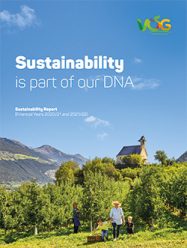

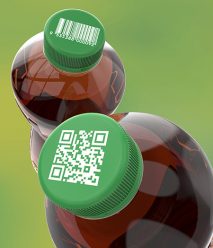
 Sponsored Post – VOG Products attaches the utmost importance to sustainability, quality and product safety along the entire supply and production chain. This is also evidenced by the EcoVadis silver medal and SGF membership.