FruitSmartTM showcased two novel fruit beverage concepts at SupplySide West in the US. Created from premium cold-pressed fruit-based ingredients, and blended with botanicals and macronutrients such as protein, they demonstrated how fruit juice is an excellent carrier for both taste and functionality.
Depending on the fruit used, juice can provide a wide range of important nutrients, including antioxidants and polyphenols. FruitSmart’s new beverage concepts illustrate how brands can leverage the natural benefits of high-quality fruit-based drinks as part of a healthy, balanced diet.
Visitors to FruitSmart’s booth at SupplySide West in Las Vegas were able to sample:
A raspberry protein and fiber drink blending red raspberry, apple, pear, and elderberry juice with pea protein and apple fiber. This creates a great-tasting product that provides satiety, immunity and gut-health benefits, alongside better blood glucose control and optimal fructose absorption in the small intestine.
A super-fruits beverage – made from dark sweet cherry, blueberry, raspberry, and elderberry juice, with extract of turmeric, ginger, acai and vanilla, it’s rich in both flavour and micronutrients, including antioxidants and polyphenols.
Wayne Lutomski, President of FruitSmart, said: “Our new fruit beverage concepts show how brands can develop exciting products that are a welcome addition to any healthy diet. Yes, it contains sugar, but look at the friends that fruit can bring to the party – polyphenols, antioxidants, vitamins A and C, folate, and essential minerals such as potassium, calcium, iron, magnesium, and sodium. Fruit’s intrinsic health and wellness benefits can be further enhanced by adding other nutrients, such as fiber, protein, and botanicals. And of course it delivers amazing taste!”
About FruitSmartTM FruitSmart specialises in premium, high-quality, fruit-based juices and ingredients. With roots in the food processing industry that go back to 1982, it has decades of experience. Today it has a 13-acre fruit and vegetable processing plant in Grandview Washington, while its 19-acre Prosser campus includes facilities for dry ingredient processing and freezing. Offering a wide variety of juices, purees, concentrates, essences, fibers, seeds, seed oils and seed powders, FruitSmart takes great pride in developing solutions for manufacturers and using fruit in new and novel ways.
Sponsored Post – We are looking forward to opening our doors at Elea for two days of Pulsed Electric Field discovery and insights, here at our custom-built facility for the development of PEF systems and applications in Quakenbrück, Germany.
Talks and demos will be given by both resident and industry experts. Topics will include how PEF works, its benefits for product and production, the development of PEF in industry during the past 10 years, as well as its huge potential for other industries, all scientific supported by our Research & Development department.
In our showroom, we will guide you through the Elea PEF system range, whose capacity reaches up to 60 t/h for solid treatment and 5.000 L for liquid treatment, followed by confidential one-to-one sessions about PEF solutions tailored for your business. Combined with a social program, an interesting and memorable event is guaranteed.
PEF inactivates microorganisms at lower temperatures, whereby the freshness & quality is maintained. A cost-effective alternative to thermal and HPP.
Visit us on 16 & 17 November in Quakenbrück and discover the application of Pulsed Electric Fields (PEF) for extraction and preservation of fruit juices.
Sidel has created 1SKIN™, a unique label-less recycled PET bottle. Combining distinctive shelf-appeal with the highest eco credentials, it has been designed to help Sidel’s customers achieve their sustainability goals and drive sales of high-end products.
The one-litre bottle is destined for the booming market in sensitive juices, teas and flavoured drinks. The new 1SKIN concept represents a breakthrough both in sustainability and in its streamlined design.
Made with readily available 100 % recycled PET (r-PET), 1SKIN has been designed by Sidel for easy recycling. The label-free bottle with its tethered cap can immediately enter the recycling stream with no need to separate additional raw materials such as ink, glue, labels or sleeves. Customers choosing 1SKIN will stay ahead of the main worldwide regulations and market trends for sustainable packaging.
Launched at the international beverages trade fair, drinktec in Germany in September, the bottle has attracted interest from customers from all over the world seeking to make their packaging more sustainable. Many of the major brands are embracing higher sustainability standards, driven by consumer influence as well as growing legislation to encourage recycling.
Appealing looks and drinking experience
(Photo: Sidel)
1SKIN is made to stand out on shelves in one of the fastest growing and most competitive beverage segments. The bottle is designed to deliver an appealing drinking experience, with an ergonomic grip for comfortable pouring. It has a wide neck and a cap lock feature to keep the open bottle top away from the consumer’s face. On the bottle’s label-free surface there are multiple options to use differing fonts and textures, with the transparency enabling great opportunities for natural light and shadow play. The ultra-precise graphic elements are created using Sidel’s most advanced mould technologies combined with its blow moulding expertise. QR or bar codes can be printed on the bottle closure to provide information to consumers or enable individual unit sales.
The bottle design guarantees safety and protects the integrity of products with a long shelf life. Sidel’s patented Starlite™ Sensitive base technology combines a premium glass-like design with optimised weight and performance on high-speed lines.
New facility aligns with ESG principles, enables scale-up of start-up’s fruit juice sugar-reducing tech
Sugar-reduction foodTech start-up Better-Juice, Ltd. launches its first full-capacity manufacturing plant setting the wheels in motion for full commercial production of its proprietary sugar-reducing immobilised enzymes. The new facility will enable the company to fulfill current commissions from juice producers globally, as well as respond to anticipated new demands.
The groundbreaking technology developed by the Israeli start-up produces proprietary beads composed of non-GMO microorganisms that naturally convert the juice’s composition of fruit sugars including sucrose, glucose and fructose into better-for-you prebiotic and other non-digestible fibers.
The new site—located in the Nes Ziona science park south of Tel Aviv—is replete with commercial-scale equipment, including an industrial fermenter and industrial immobilisation processor. The specialised equipment is used for growing and harvesting the beaded microorganisms used in producing Better Juice’s immobilised sugar-reducing enzymes. The site also houses pilot labs and the company’s new headquarters.
The new plant has a production capacity to support sugar-reduction of 250 million liters of juice per year. Better Juice has entered into commitments with a number of juice companies to reduce the sugar loads in various fruit juices, including apple, orange, and pineapple juices.
Better Juice’s technology can reduce up to 80 % of the simple sugar content in fruit juices and fruit-based condiments without any degradation of naturally occurring nutrients, including vitamins, minerals, and antioxidants. It does not dilute the product in a way, maintaining the body and full flavour of the juice and only gently reducing the sweetness. Better Juice’s groundbreaking technology decreases the naturally occurring simple sugar loads in a versatile range of products, including juices, jams, yoghurts, ice creams, sorbets, and more, to the food and beverages manufacturers desired levels.
“This move marks a major leap forward in our commercialisation efforts,” enthuses Gali Yarom, Co-Founder and Co-CEO. “We project that the new plant will accommodate our production needs for the next four years. As interest and demand in our technology continue to flourish in the global fruit juice sphere, we will expand our production capabilities outside of Israel as well.” Wired magazine recently rated Better Juice as one on of the 10 most promising start-ups in Israel.
Better Juice’s facility and operations also maintain high alignment to environmental, social, and corporate governance (ESG) principles. The biodegradable polymer beads are rechanneled to livestock feed after being used in the production phase, minimising waste. The bioreactors, which have a 20-year lifespan, can be controlled remotely, reducing the company’s need for travel and its subsequent carbon footprint. Only a small amount of energy is required to activate the bioreactors. On a social level, the company boasts a 50 % female workforce and assists manufacturers of fruit-based products to comply with the various “sugar tax” regulations in the regions where they operate.
“We had to design and construct specialised systems from scratch to support our unique production processes while taking environmental considerations into account and adhering to the strictest requirements for waste treatment, water recycling, and energy efficiency,” notes Henry Elkoby, Chief Engineer of Better Juice.
“Better Juice was founded with the vision of promoting the overall well-being of people globally,” asserts Eran Blachinsky, co-founder and co-CEO of Better Juice. “The realisation that also naturally squeezed fruit juice can harbor high quantities of simple sugar is what sparked the creation of the Better Juice technology,” adds Blachinsky. “It has been an incredible journey seeing our concept evolve into fruition, and onto the global market so that more people around the world can enjoy the full flavour and nutritional benefits of fruit juices.”
Better Juice was founded in 2018 as one of the first start-ups to be nurtured by The Kitchen FoodTech Hub. “Better Juice brings a new hope for juice manufacturers and consumers, by reversing the perception of natural fruit juices as overly sugary products and turning juices into better-for-you beverages,” says Amir Zaidman, Chief Business Officer of The Kitchen Hub and a Better Juice board member. “The company offers a truly better juice product by reducing the sugars while maintaining their natural profile of vitamins, minerals and fibers.”
Public-private partnership to advance citrus research, development of breakthrough solutions for food, beverage and fragrance industries
In a ceremonial presentation, IFF and Florida Polytechnic University laid the foundation for the new Citrus Innovation Center, located on the University’s campus in Lakeland, Florida. The nearly 30,000-square-foot, standalone building will support global citrus research and development, and will include sensory and experience venues, research labs, processing, analytical departments, a fully equipped citrus garden and amenities for hosting customers and partners.
“What an honour to celebrate this beacon for innovation and excellence, that is a perfect blend of science and creativity,” said Nicolas Mirzayantz, president, Nourish Division, IFF. “As we lay the foundation for a global citrus innovation center, we re-affirm IFF’s commitment to invest in R&D capabilities that unlock the development of innovative solutions for our customers, partners and communities we operate in. This facility represents a significant milestone in our cross-divisional citrus strategy. Here, we will accelerate innovation by combining the expertise from our Nourish and Scent divisions with on-campus talent who are just as committed to pushing the boundaries of science and uplifting the citrus industry as a whole.”
Nestled on the university’s campus in the heart of the citrus belt, the new, best-in-class center for excellence is designed, engineered and constructed by Ryan Companies, who upon completion, will maintain the building. The sprawling, glass-fronted building and surrounding grounds are slated for completion in late 2023.
“IFF holds a leading position in R&D investment,” said Christophe de Villeplée, president, Scent Division, IFF. “This cutting-edge facility represents one more way we’re combining creativity and science, working closely with our partners and customers. Citrus extracts are an essential component of our creations, bringing consumers delightful freshness. By building a transformational, holistic citrus development ecosystem in one of the world’s central citrus locations, we will further deepen our knowledge, and facilitate the creation of differentiated citrus products that delight global food, beverage and fragrance customers, while doing more good for people and planet.”
IFF will be the first company located on Florida Poly’s campus. The company anticipates providing hands-on internships and job opportunities for Florida Poly students in areas of research and development, customer experience, supply and operational coordination and entrepreneurship. Additionally, IFF will support the University through funding and collaborating on faculty research, sponsoring senior capstone projects, and supporting academic programs.
“We are proud that IFF recognised the strategic advantage in partnering with our University,” said Randy K. Avent, president of Florida Poly. “Our students and faculty are making real contributions in growing the tech industry by influencing the designs of pioneering technologies and real-world solutions. We’re excited about the cross-disciplinary learning opportunities for our students through this partnership in fields such as metabolomics, automation, artificial intelligence, virtual and augmented reality, and biometric data capture and analysis, to name a few.”
The building capitalises on views toward the campus, overlooking the expansive ponds and the campus front entry. Its architectural design draws inspiration from the building’s purpose: the exterior reflects the density and discernment of aromas, scents and taste sensations, showcasing acute moments of knowledge, research and gathering, and the flow of those experiences between spaces.
“The ethereal nature of the design concept was challenging, however Ryan was able to successfully create a dynamic, unique architectural expression that reflects the nature of the work being done within the facility, while complementing the existing architecture on the campus,” said Linaea Floden, regional director of Architecture for Ryan A+E.
Sponsored Post – VOG Products attaches the utmost importance to sustainability, quality and product safety along the entire supply and production chain. This is also evidenced by the EcoVadis silver medal and SGF membership.
The sustainable and careful use of resources runs through the entire production process at VOG Products – from field to processing, particularly since the South Tyrol fruit processing company is closely linked through its members to regional farming, which is based on a long tradition of growing fruit.
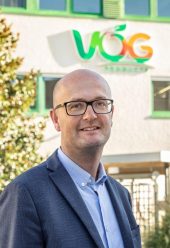
Christoph Tappeiner (Photo: VOG Products)
“We know where the raw materials come from and which production steps they have gone through. This traceability to the source and comprehensive quality controls along the entire production line are key prerequisites for creating safe, sustainable, high-quality products”, Christoph Tappeiner, CEO of VOG Products, emphasises.
VOG Products belongs to three producers’ organisations from South Tyrol and Trentino, plus 18 cooperatives from South Tyrol. The membership comprises around 6,000 small, family-run operations: fruit-growers who tend their orchards with passion and devotion.
The entire supply chain is involved
Sustainability is firmly embedded in VOG Products’ strategy and is actively implemented throughout the production process. This was also recently confirmed by EcoVadis, the world’s most reliable provider of sustainability ratings for global supply chains, which rewarded the efforts of VOG Products with a silver medal. The silver status means that VOG Products is among the top 25 per cent of all companies rated. The EcoVadis rating looks at environmental aspects, as well as employment and human rights, ethics and sustainable procurement.
Criteria that also play an essential role for VOG Products as an SGF-certified member. “SGF” stands for the fruit juice industry’s “Sure – Global – Fair” industrial self-regulation, which has established in this a voluntary control system (VCS) for all the production and trading stages of its products. In other words, the quality, safety, authenticity and sustainability of juices, fruit nectars, and other products made from fruit are controlled on the global market and action is taken against food fraud. This is how SGF guarantees fair competition and compliance with legal and industrial quality and safety standards.
The control system includes factory inspections as well as checks on semi-finished and finished products throughout the entire supply chain. Specifically, this means that the suppliers are also included. They are subject to checks on hygiene, traceability and documentation, for instance, and they adopt the Code of Conduct, which regulates environmental and social aspects.
VOG Products are represented on the SGF Executive Committee by their CEO, Christoph Tappeiner.
A broad coalition representing European beverage producers, material and technology suppliers, recyclers, NGOs and public entities have called for ambitious action to enable full circularity of beverage packaging1 in the anticipated draft amendment of the EU Packaging and Packaging Waste Directive (PPWD), due at the end of November 2022.
The coalition believes that the upcoming revision of the EU PPWD is a real opportunity to take the right measures and accelerate the transition to circular beverage packaging.
For this reason, in their position paper2, the coalition highlights the importance of setting a 90 % separate collection for recycling target by 2029 for beverage packaging. This is to ensure higher recycling rates and recycled content in packaging, which in turn will significantly reduce the demand for virgin resources in a meaningful way.
Under a 90% target scenario3, the EU would recycle an additional equivalent of 92 billion PET bottles by 2030. This would mean that 2.6 million tonnes less virgin PET would be needed by the bottle industry from 2022 to 2030.
The coalition also considers that it is key to adopt well-designed deposit return systems (DRS) in Member States whose collection performance fails to meet interim milestones needed to attain the 90 % target. To do it effectively, it is essential to develop minimum requirements for any new DRS to maximise their efficiency. DRS has already proven to be an efficient collection system in several European countries by ensuring high collection rates of high-quality material for recycling. This is a fundamental condition to promote closed-loop recycling and deliver circular beverage packaging.
“This proposal, which includes a 90 % separate collection target plus the promotion of well-designed national deposit return systems, is not just about waste reduction and circularity, it is also about stimulating local economies, creating jobs, and increasing Europe’s resilience by securing resources and saving energy,” says Clarissa Morawski, Chief Executive of Reloop.
Reloop’s model calculates that achieving a 90 % collection target would make an additional 170 billion beverage containers available for recycling between 2022 and 2030. The non-alcoholic beverage industry supports this potential significant step forwards:
For Nicholas Hodac, Director General of UNESDA Soft Drinks Europe, this proposal points the way forward for reaching beverage packaging circularity: “This is a real opportunity to achieve closed-loop recycling and, therefore, we look forward to seeing the European Commission accommodating this proposal. Our sector could not be more committed to increasing the collection and recycling rates of our packaging to make it fully circular, but we need supportive measures to do it successfully.”
Patricia Fosselard, Secretary General of Natural Mineral Waters Europe (NMWE), believes that beverage packaging is highly suited to achieve full circularity: “Beverage packaging is highly recyclable, can be reused over and over again in high value applications and already delivers the highest recycling rates. We are calling on the EU to further boost circularity by laying down minimum requirements for well-designed DRS and granting bottlers’ access to a fair quota of their recycled bottles.”
Wouter Lox, Secretary General of the European Fruit Juice Association (AIJN), agrees that it is high time to move circularity forward: “Reducing packaging waste presents a huge opportunity for circularity within the EU, and as such, it is critical to get the PPWD revision right. The European fruit juice industry, therefore, fully supports the ambition of setting a 90 % separate collection for recycling target by 2029 for beverage container packaging.”
The European Commission has a perfect opportunity to drive the transition to a circular economy with a 90 % separate collection target and well-designed DRS for beverage packaging.
1The coalition agrees that circular beverage packaging is packaging (single use or refillable) that is collected separately at a high rate, refilled or recycled multiple times in a closed loop. When recycled, it should contain a high percentage of recycled material, originating from beverage packaging, thereby contributing to material resource efficiency and waste prevention. 2Coalition Position Paper 3Target 90 Report
Tate & Lyle PLC, a world leader in ingredient solutions for healthier food and beverages, is delighted to be supporting a new three-year research project by The University of Aberdeen’s Rowett Institute which aims to improve the understanding of the UK food system and help people experiencing food insecurity and living with obesity make healthier, more sustainable food choices.
The University of Aberdeen’s Rowett Institute has been awarded £1.6m funding from UK Research and Innovation (UKRI) and the Biotechnology and Biological Sciences Research Council (BBSRC) to carry out the project, which will investigate how issues around poverty, food insecurity and obesity may affect shopping habits.
The data will be gathered from participants from across the UK who will be sharing their experience of living with food insecurity and obesity, and also working with a large UK retailer to study the shopping habits of around 1.6m consumers.
The three-year study will bring together a panel of consumers, policy makers, charities, food and drink producers, processors, and retailers, as well as expert academics to advise, co-develop and test strategies that can support future transformation within the UK food system. The results of the research will be made publicly available at the end of project.
As part of the project, and as the only food and drink ingredient solutions supplier on the panel, Tate & Lyle will provide industry insight on reformulation, as well as share their expertise on nutrition.
Dr Kavita Karnik, Global Head, Nutrition & Regulatory Affairs at Tate & Lyle, said: “We are delighted to be able to offer our guidance, expertise and know-how for this important piece of research.
“We are a science-led organisation which helps big and small brands all over the world make food and drink healthier and tastier. Driven by our purpose of ‘Transforming Lives through the Science of Food’, we believe this research is essential to better understand food systems in the UK and provide real-world strategies of how dietary inequalities can be addressed within the food retail sector in an environmentally friendly way.”
Professor Alexandra Johnstone, Rowett Institute, added: “With the cost-of-living crisis it is only going to get harder for people to make healthy food choices, particularly those who are living with obesity and food insecurity. This is a vital piece of research, and we are very much looking forward to working with this excellent team on this extremely important topic.”
For the first time in its history, Interpoma, the international apple trade show, which takes place between November 17th and 19th, will host the Variety Garden, an exhibition of 55 managed apple varieties from around the world.
The 12th edition of Interpoma will be full of colour. During the international apple industry trade show, which takes place between 17 and 19 November, Fiera Bolzano’s FieraMesse H1 Eventspace will host an exhibition of 55 managed apple varieties which come from leading apple-producing countries from around the world, including New Zealand, the United States and France as well as Italy, which stars South Tyrol and Trentino. The Interpoma Variety Garden, the latest addition to the Interpoma 2022 program, is organized in partnership with the Variety Innovation Consortium South Tyrol (SK) and Laimburg Research Centre.
“We came up with the Variety Garden as a way to bring Interpoma’s innovative and international spirit to life through colour and appearance”, says Thomas Mur, Managing Director of Fiera Bolzano. “The managed apple varieties come from leading apple-producing countries across the world and tell the story of the system’s thirty year history. It begins with the first managed varieties which were produced exactly thirty years ago, such as KIKU® and Pink Lady®, right up to new varieties which are only just hitting the supermarket shelves. We are extremely proud to be the first and only to have brought together the abundance of heritage varieties under one roof” adds Mur.
Colour will be the undisputed star of the Variety Garden. The exhibited fruits will display a remarkably wide range of hues, from the bright yellow of yello® and opal® apples, to the fresh, bright green of GreenStar®, to the dark, intense red of Crimson Snow®, all the way up to attractive new varieties with red flesh branded as Red Moon®, Kissabel® and Lucy™Glo.
Interpoma Variety Garden is just one of the many side events planned for the 12th edition of Interpoma. The Opening Night will take place on November 16th, on the eve of the fair’s opening, and will present winners with the Interpoma Award, a contest which rewards the best innovations in the water conservation field. The Interpoma Congress takes place on November 17th and 18th, and will focus on the apple industry of the United States and robotic harvesting. Interpoma Tours, 10 guided visits of South Tyrol and Trentino’s most innovative companies within the apple industry, will take place on all three days.
For the first time ground avocado seeds are being used in beauty products replacing the now banned and environmentally harmful plastic micro-beads previously used. After three years of research, development and product testing, Westfalia Fruit’s business in the UK is supplying the ground avocado seeds to the premium beauty brand Dr. Craft for use as a part of a range of cosmetics.
Johnathan Sutton, Group Safety & Environmental Executive at Westfalia Fruit has been working closely with Dr. Craft and its academic arm Keracol to ensure the use of avocado stones meet all the stringent safety requirements demanded of an ingredient in beauty products. “The project has involved several UK universities, including Leeds and Kingston, to verify and validate the use of avocado seeds. The extraction process is very complex, but with perseverance a perfect particle size and process was discovered to work within a cosmetic body scrub as the replacement for microbeads.”
Currently, avocado waste components including skins and stones are used in low value anaerobic digestors. The sustainable inclusion in beauty and cosmetics opens a new, higher value alternative in-line with our history of identifying, implementing and pioneering, innovative and industry leading methods to reduce inputs, waste and reinforces our commitment to protecting the health of the environment in which we operate, in the most sustainable way possible.
“The Dr. Craft brand is founded on scientific knowledge and expertise, using nature as our inspiration,” said Professor Richard Blackburn, Co-Founder & Director of Keracol and the brand Dr. Craft. “With a focus on green chemistry, our previous research looked at extracts from wine industry grape waste and citrus peels in a number of different products, but the more we studied avocados the more interesting and exciting it became.”
The new Avocado Dr. Craft range has demonstrated proof of concept that the versatile fruit can be used not only in food but also as a replacement for microplastics within cosmetics, with a plethora of other workstreams in the process of development for use within a wide range of industries.
Coca-Cola HBC Finance B.V. has successfully issued its first green bond driven by strong investor demand, raising EUR 500m in support of its ambitious sustainability projects.
The net proceeds of the Green Bond will be allocated toward projects that meet the eligibility criteria outlined in the Group’s Green Finance Framework. They will accelerate progress of the company’s NetZeroby40 and Mission 2025 commitments, including: circularity, energy efficiency, water stewardship, biodiversity and community programmes, innovation in sustainable packaging, and support of sustainable agriculture and procurement.
This latest step is further evidence of Coca-Cola HBC’s determination to remain a leader in sustainability.
Commenting on the bond issue, Chief Financial Officer of Coca-Cola HBC, Ben Almanzar, said:“This milestone demonstrates that Sustainability is embedded in every aspect of our business, including our financing strategy. The issue of the Green Bond reinforces our position as Europe’s most sustainable beverage company. Most of all, it was made possible by the unmatched commitment of our teams to achieve net zero across our entire value chain by 2040.
The 2022/23 orange crop from Florida is expected to total 28 million boxes of 40.8 kilograms each, the lowest since 1935/36 and 32 % down from that last season, according to the estimates from the USDA.
However, the damages caused by hurricane Ian have not been considered yet. Thus, the recent report has concerned the agents in the citrus sector. The USDA’s next estimates are supposed to be released on Nov. 9th, however, the damages caused by hurricane Ian are not expected to be considered in that report yet, which is supposed to happen in the December’s report.
Thus, local agents believe Florida’s production will be at least 40 % lower than that forecast by the USDA. In 2017/18, when Florida was last hit by a hurricane (Irma), production decreased by 34.6 %, and agents agree that Ian was more destructive than Irma. Besides the damages caused to crops, warehouses and equipment were destroyed too.
In this context, the United States’ necessity of importing orange juice – which was already growing up – is expected to increase even more, which may raise Brazilian juice exports to the country. However, it is important to consider that supply has been low in Brazil, where ending stocks are forecast to be lower than the strategic level (of 250 thousand tons). In August, CitrusBR estimated the ending stocks in the 2022/23 Brazilian season (by June 2023) to total 140 thousand tons, considering higher exports to the USA – however, this increase did not consider the effects of hurricane Ian on Florida crops and production.
So far, imports are following opposite trends in the US, depending on the type of juice: for Not From Concentrate juice (NFC), imports are rising, while for Frozen Concentrate Orange Juice (FCOJ), they are fading. According to Florida’s Citrus Department, from October/21 to August/22, the US imported 9 % less FCOJ than that in the same period of the previous season; however, the imports of NFC juice increased by 43.9 %. On the other hand, ending stocks of both types decreased: 39.5 % for FCOJ and 25.3 % for NFC juice.
Brazil is the US’s major juice supplier. Considering FCOJ, 50.1 % of the total imported by the US in 2021/22 came from Brazil, which was followed by Mexico (42.4 %). Considering NFC juice, 78.6 % of the total imported came from Brazil, against 20.5 % from Mexico.
BRAZILIAN MARKET – The demand for oranges was low in the Brazilian market in the first fortnight of October. According to Cepea collaborators, the unstable weather (with rains and periods of lower temperatures) and the holiday on October 12 constrained consumption. Still, prices remained firm, majorly underpinned by the supply in the in natura market, which is being controlled. For tahiti lime, values faded, due to lower demand. But still, they continued at high levels.
All Oranges 28.0 Million Boxes
The 2022-2023 Florida all orange forecast released by the USDA Agricultural Statistics Board is 28.0 million boxes, down 32 percent from last season’s final production. The total includes 11.0 million boxes of non-Valencia oranges (early, mid-season, and Navel varieties) and 17.0 million boxes of Valencia oranges. The Navel orange forecast, at 300,000 boxes, accounts for 3 percent of the non-Valencia total.
The estimated number of bearing trees for all oranges is 44.0 million. Trees planted in 2019 and earlier are considered bearing for this season. Field work for the latest Commercial Citrus Inventory was completed in June 2022. Attrition rates were applied to the results to determine the number of bearing trees used to weigh and expand objective count data in the forecast model.
A 9-year regression was used for comparison purposes. All references to “average”, “minimum”, and “maximum” refer to the previous 10 seasons, excluding the 2017-2018 season, which was affected by Hurricane Irma. Average fruit per tree includes both regular bloom and the first late bloom …
Please download the full citrus crop production forecast: www.nass.usda.gov
This juice industry report is a first edition of many more to follow, monitoring the progress made and to enhance easy access to successful ways of working.
In this document, members of the IFU and Sustainability Working Group have provided examples of how they see any or all of these areas are addressed. It is essentially a collection of the practical inroads which companies and regions are making in moving towards the fulfilment of the aspirations of sustainability of our industry.
Arla Foods Ingredients has launched a new concept that brings together whey protein and electrolytes, targeting two of the most important sports nutrition goals.
With fluid loss of just 2 % reducing athletic performance by around 10 %1, and awareness of the importance of replenishing electrolytes growing, rehydration is fundamental to sports nutrition. Science also demonstrates the importance of restoration, with protein intake between sessions driving optimal muscle recovery.2
Unsurprisingly, active consumers are heavily focused on rehydration and restoration, with 43 % looking for added protein in exercise related-products and 28 % favouring those with electrolytes.3
Arla Foods Ingredients’ new ‘Rehydrate and Restore’ concept demonstrates how brands can meet both needs without sacrificing on taste. The clear refreshing RTD beverage solution features Lacprodan® SP-9213, a whey protein isolate that retains its functionality when combined with electrolytes.
Packing 25 g of whey protein into a convenient 500 ml bottle, it allows on-pack claims such as high-protein4, as well as “contains electrolytes”, low sugar and low lactose. With a light refreshing taste, it is optimised for a range of different flavours.
Mathias Toft Vangsoe, Sales Development Manager, Health & Performance Nutrition, at Arla Foods Ingredients, said: “The high-protein and hydration trends are two of the most important drivers in sports nutrition right now – as demonstrated by the popularity of functional waters. This inspirational new concept shows how brands can help consumers simultaneously rehydrate and recover with beverages that contain both electrolytes and high-quality protein. This is a combination that many of our customers have asked us for, and we’re delighted to help them meet two of the biggest needs in the sports nutrition space.”
1James, L. J., et al. (2017). “Hypohydration impairs endurance performance: a blinded study.” Physiological Reports 5(12) 2Kato, H., et al. (2016). Protein requirements are elevated in endurance athletes after exercise as determined by the indicator amino acid oxidation method. PLOS ONE, Public Library of Science. 11. 3HealthFocus® International, Global Trend study, 2020 4EU Regulation (EC) 1924/2006 and 21 CFR Part 101
Demonstrating the brand’s willingness to experiment and be at the forefront of the functional beverage sector, Moju said the latest launch speaks to emerging natural electrolyte trends by harnessing the power of pickles. A movement which, the company said, is set to “dominate” the global health and wellbeing sector over the coming year. This salty beverage is already making waves in the nutritional category in the US, gaining significant traction among athletes thanks to its functional benefits, according to the company.
The limited edition, cold-pressed shot is packed full of electrolytes, known for aiding muscle recovery, during and post-workout. Brewed using fresh pickles from UK’s ‘The Pickle House’ company, the shot has a unique, fruity yet salty favour. With 263 mg of natural electrolytes per shot, it feeds your body exactly what it’s craving during your workout.
Fitness fanatics have noticed the power of pickle juice really taking effect, especially when it comes to training longevity and recovery, making the juice the latest training drink of choice.
This is backed up by studies that have proven pickle juice works better than water for reducing muscle cramps. Moju has been a leader in the gut health sphere, making pickle juice an obvious choice for its latest limited edition. Moju has harnessed the pickle fever to create a product that is achieving cult status, supporting Moju’s position as one of the market leaders in the functional drinks sector.
For a limited time only, the Moju Monster Shot is available to purchase from 31st October online at https://mojudrinks.com/ – £19.75 for 12 x 60ml
Oterra, one of the world’s leading suppliers of natural colours with one of the widest portfolios in the industry is pleased to announce that the acquisition of India’s Akay Group is now complete. Oterra announced its intention to purchase Akay in July of 2022. Founded in 1995, Akay Group is a leading player in the natural colours and nutraceutical ingredients market.
This acquisition is the company’s fourth in under two years, and its first within the Asia Pacific region. Based in Kerala, India, Akay has four manufacturing sites in southern India that Oterra will add to its existing production network, as well as 400 employees who will join the team.
The acquisition further strengthens Oterra’s backwards integration, mainly in turmeric and paprika. It also provides a strong addition in the nutraceutical ingredients area and will allow the company to offer its customers and market partners a complimentary portfolio to its existing natural food colours solutions for dietary supplements.
The two companies have a long-standing connection. Oterra, previously known as Chr. Hansen Natural Colors, was in 1995, part of a joint venture with Akay to produce natural colours from turmeric and paprika. From 2007, Akay continued as an independent company, but Oterra and Akay kept close ties with each other since Akay was a key supplier to Oterra.
Refresco Group B.V., the global independent beverage solutions provider for Global, National and Emerging brands and retailers in Europe and North America, today announces it has entered into an agreement to acquire Tru Blu Beverages Pty Ltd., one of Australia’s leading manufacturers of non-alcoholic beverages. This transaction is subject to regulatory approval.
CEO Refresco, Hans Roelofs, comments: “Today’s announcement is a testament to our proven Buy & Build strategy. We started with one factory in Europe just over two decades ago and steadily built a diversified, pan-European platform. Only six years ago, we took our first step into North America. We now operate over 70 manufacturing sites globally, with just about half of those located across North America and the rest throughout Europe, offering a full range of beverage solutions to a broad customer base. The acquisition of Tru Blu Beverages in Australia creates a new platform for Refresco, in line with our strategic promise to expand into a third continent. The three strategically located manufacturing sites are the starting point for our future footprint in the region. Acquiring Tru Blu Beverages further strengthens our position as beverage solutions provider to branded customers and leading retailers globally, and provides new opportunities for further growth.”
CEO Tru Blu Beverages, Peter Brooks, adds: “By joining Refresco, our customers, suppliers and employees will be able to benefit from the Company’s broad capabilities, experience and expertise. We are proud to become part of the Refresco family, with its strong entrepreneurial spirit and passion to deliver quality service to its customers. Tru Blu Beverages’ leading capabilities and blue-chip customer base gives Refresco a solid entrance into the Australian market. We look forward to building an even stronger platform together.”
Strategic rationale
The acquisition of Tru Blu Beverages expands Refresco’s addressable market and provides opportunities to leverage Refresco’s size and scale, as well as its track record of successfully integrating companies. Tru Blu Beverages fits right into Refresco’s business model, with its wide range of beverage solutions for retailer brands and global, national and emerging brands. In addition, Refresco’s strategic ESG agenda will enable Tru Blu Beverages to accelerate its efforts of minimising the environmental impact of manufacturing processes, packaging and transport.
Refresco obtains a national Australian market position by acquiring Tru Blu Beverages, with opportunities to drive continued growth in the region, both organically and through acquisitions.
Refresco intends to continue expanding its global and strategically located footprint to better serve existing and new customers through a range of formats and channels. The company will continue to make selective investments and acquisitions, targeting value accretive opportunities.
About Tru Blu Beverages Tru Blu Beverages is a privately-owned beverage manufacturer focused on providing non-alcoholic beverages to Australia’s largest retailers and brand owners. Tru Blu Beverages employs over 400 staff and has three manufacturing facilities, located in Sydney, Brisbane and Perth, supported by a distribution network with warehouses in all major Australian capital cities.
Ideal for adaptogen supplement solutions and natural preservatives in food and beverages.
Conagen announced the commercialisation of its 99 % high-purity salidroside made by bioconversion technology, an active ingredient from the herbal plant Rhodiola rosea (golden root). Its strong antioxidant properties as an adaptogen are associated with reducing inflammation, protecting against oxidative stress in cells, and providing relief from depression, fatigue, and stress. Salidroside has also been used to alleviate high altitude sickness.
Unlike other salidroside products currently on the market, Conagen’s salidroside is non-GMO. Conagen leveraged its industry-leading bioconversion technology to produce clean, sustainable salidroside, identical to the compound naturally found in the Rhodiola rosea plant – the same technology used to produce non-GMO Rebaudioside M, other steviol glycosides, and bitter blockers for sugar reduction solutions which are available from their pipeline partner, Sweegen.
Conagen’s 99 % high-purity salidroside, made by bioconversion, is ideal for non-GMO supplement solutions to formulate products with a sustainable and natural consumer appeal. It is readily soluble in water and is very formulable in food and beverage applications.
“We’re reimagining the way in which rare ingredients are sourced to make them safer and higher-quality for use in health-promoting products,” said Casey Lippmeier, Ph.D., senior vice president of innovation at Conagen. “Our bioconversion technology enables us to deliver non-GMO products. Through this technology, we’re unlocking salidroside’s great potential as a powerful active health ingredient and as a tool for food and beverage producers to adopt a more natural way to preserve food and beverages.”
Food and beverage producers benefit from Conagen’s salidroside as it also possesses antimicrobial properties, making it useful as a natural preservative solution for brands seeking alternatives to artificial preservatives. Salidroside expands Conagen’s portfolio of natural preservatives, such as Taxifolin BC-DHQ® and Rosavel™ rosmarinic acid, currently available from another pipeline partner, Blue California.
Stress reduction is popular among consumers, typically addressed by exercise or indulgence in food and beverages. More consumers are taking a holistic approach to their health, including their mental well-being and sleep. They are exploring adaptogens as one of the additional positive ways to add an edge to their diets and lifestyles.
“Salidroside is one of the rare, natural molecules with proven adaptogenic activities which correlates to stress reduction,” said Lippmeier. “Initially identified in botanical extracts, adaptogens are promising new options in the quest to relieve the stress of our daily lives. This trend opens new opportunities for supplement brands and food and beverage manufacturers to adopt a health-focused profile for their products.”
Conagen accelerated salidroside production by leveraging one of its proprietary molecular platforms, which have also been used to produce the clean antioxidants hydroxytyrosol and p-coumaric acid. Salidroside is a glucoside of tyrosol. Conagen’s antimicrobial and antioxidant compounds, hydroxytyrosol and p-coumaric acid are also now available through Blue California.
The inputs of fermentation are tightly controlled, dramatically reducing the chance of contamination with heavy metals, fungal toxins, and other unsafe materials that may be found in traditional medicine preparations. Rhodiola rosea extract is most commonly used in Europe and Asia. Its medicinal use for reducing stress and depression can be traced back to the Ming Dynasty in the classic medicinal scripture Compendium of Materia Medica.
Dutch company Riedel, a leading producer of NCSD products, is the first in the Netherlands to offer its famous juices in SIG’s innovative on-the-go combismile carton pack. Riedel’s iconic Appelsientje, CoolBest and DubbelDrank juice brands will benefit from the clever design of combismile, which is also paired with SIGNATURE FULL BARRIER packaging material, where the small amount of polymers used are linked to certified forest-based renewable materials via a mass-balance system.
SIG’s combismile carton offers the perfect lifestyle match for Riedel juices and provides busy consumers of all ages with ultimate on-the-go convenience – easy to open, handle, hold, close and store on the go. With a curved, modern shape with easy grip corners, combismile offers consumers handy consumption straight from the pack and is resealable thanks to its innovative one-step closure.
Riedel has extensive expertise in carton packaging, naturally evolving over time in close partnership with SIG. The new 330 ml on-the-go combismile carton pack is a logical development, unifying Riedel’s carton packaging portfolio to offer the most convenient and sustainable choice for consumers.
Carton packs with SIGNATURE FULL BARRIER packaging material reduce the carbon footprint compared to a standard carton pack* even further, as a result of the substitution of fossil polymers with mass-balanced plant-based polymers made from tall oil – a by-product of paper manufacturing. All three key raw materials are linked to certified responsible sources: paperboard is from FSC™-certified forests and other controlled sources; forest-based renewable polymers are certified according to ISCC PLUS (International Sustainability & Carbon Certification) via a mass-balance system; and an ultra-thin layer of ASI certified aluminium protects against light and oxygen. Riedel already successfully uses SIGNATURE FULL BARRIER packaging material for juices in 1,000 ml and 1,500 ml carton packs from SIG.
SIG’s CFA 1824 filling machine for combismileBig combines excellent flexibility with high speed, providing Riedel with the capacity to fill 24,000 carton packs per hour and the ability to fill five different volumes: 200 ml, 250 ml, 300 ml, 330 ml and 350 ml.
*Results based on ISO-compliant life-cycle assessment CB-100732c: https://cms.sig.biz/media/4440/sig_lca_signature_addendum-combiswift-plus.pdf)
Keurig Dr Pepper announced a strategic partnership with Red Bull, the iconic global energy brand, to sell and distribute Red Bull in Mexico, further leveraging and expanding KDP’s successful partner network strategy.
The sales and distribution partnership provides KDP with exclusive rights to distribute Red Bull Energy Drink products across independent retailers such as grocery, convenience, pharmacy and kiosks, as well as the wholesale, regional key account and on-premise channels in the country, with some exclusions. The partnership also provides the company with the option to distribute future ready-to-drink (RTD) beverage products that Red Bull may launch in Mexico in these locations.
Terms of the agreement were not disclosed.
One of four regional support centres, the new facilities in Barcelona (Spain) will provide access to the latest product inspection systems, as well as free testing services for contaminant detection on food and pharma production lines
Mettler-Toledo has officially opened its new Barcelona Support Centre in Spain. The new centre showcases a wide range of its product inspection systems for food and pharmaceutical brand owners, manufacturers, processors, and contract packers. Technology on-site includes the latest checkweighing, metal detection and x-ray inspection solutions. Visitors can view ProdX™ data management software which offers real-time logging of x-ray, metal detection and checkweighing product inspection activities to help food manufacturers get ready for digital food traceability. Other technologies, such as vision inspection and track and trace solutions are also available from Mettler-Toledo but are not currently displayed at the Barcelona Support Centre.
The new facility is dedicated to product inspection demonstrations and free testing services, in addition to a LAB showroom, an eStudio, customer facing seminar rooms and internal office spaces.
At the forefront of inspection technology
The demonstration facility is equipped with the latest Mettler-Toledo systems, across different product inspection technologies for a wide range of applications. European food and pharma manufacturers will benefit from a hands-on experience, such as tailored product inspection demonstrations, including a free product test report service.
This free service invites manufacturers from across Europe to send their product samples to the centre for testing, before making a purchasing decision, or request an in-person appointment either face-to-face or virtually via their eStudio. Mettler-Toledo engineers then assess the requirements and provide a full test report within five days of the arrival of the product samples. This includes an individual evaluation of their own products with details of attainable inspection accuracy, performance, and contaminant detection sensitivity.
Customers visiting the centre and participating in the live demonstrations also benefit from shorter lead times for their test report results, as they have direct access to test engineers who can answer specific questions about their products and inspection requirements, helping them to choose the most suitable solution.
The Lab Division from Mettler-Toledo is represented in the new centre with its LAB Showroom, which showcases the latest technology for quality control for laboratories and food manufacturing, such as balances, scales, and analytical instruments – often used in recipe formulation, control, and management.
The new Barcelona centre also benefits from a state-of-the-art eStudio consisting of a room with in-built green screens and recording equipment. The purpose of the room is to record e-demonstrations, deliver virtual training, and create customer-facing video content.
Collaborative environment
The centre, covering over 75,971 sq. ft across three floors, is supported by over 280 Mettler-Toledo employees, from 15 different countries and across all roles – from apprentices to senior managers, dedicated test and service engineers, sales representatives, operations specialists, marketing, and many other functions.
Bringing all teams under one roof, with open plan offices, a new canteen, and common break-out areas, will help the company improve internal communication, knowledge sharing, career development and ultimately, customer service.
“The new facilities reflect the growth of Mettler-Toledo, financially and physically,” said Oscar Dijort, General Manager at Mettler-Toledo Spain. “The new global centre is already paving the path for further expansion over the next several years, as well as creating a collaborative hub to propel inspection technology and best practice forward at a European level.”
In Egypt, SIG is launching ‘Recycle for Good’, an innovative recycling initiative to enable direct household and food service industry collection of used aseptic carton packs through tech-based solutions. This initiative involving SIG and Tagaddod is the first of its kind in the Egyptian market.
Consumers can use a mobile app to arrange for their used cartons to be collected from their homes or workplace in exchange for rewards. The project aims to incentivise recycling of used beverage cartons, ensuring high-value resources remain in circulation while benefitting local communities.
SIG is working with Tagaddod on this project. They are leading the collection of the cartons. Tagaddod is the first company in Egypt to enable direct household and food service industry waste collection through tech-based solutions. Its app allows consumers and businesses in the food service industry to arrange collection of their used beverage cartons in exchange for rewards. The initiative uses Tagaddod’s existing logistics network, and household brand Green Pan to collect the cartons.
Recycling SIG carton packs keeps high-quality renewable materials in circulation for longer. All the materials used to make aseptic carton packs – paperboard, aluminium and polyethylene – can be recycled as valuable resources that can be used to create new products.
Only around 60% of the waste Egypt generates annually is collected currently, and less than 20% of this is properly disposed of or recycled. With no segregation of waste at household level, there is a huge need for collection initiatives such as this one.
SIG is committed to partnering with others to increase the collection and recycling of used beverage cartons, supporting the shift towards a circular economy. Recycling of packaging is an industrywide issue, and SIG partners on this with many different stakeholders, including industry peers, customers, consumers, and national and local governments. As recycling rates, regulations and infrastructure vary widely in different countries and municipalities, SIG take a tailored approach through local roadmaps in priority countries.
Today, Lucas Bols N.V. and De Kuyper Royal Distillers, two leading global cocktail spirits companies, and Refresco Group B.V. announce that they have entered into an agreement in which alcoholic beverage manufacturer Avandis will be acquired by Refresco. As part of the agreement, Lucas Bols and De Kuyper have entered into a long-term manufacturing contract with Refresco. The transaction is subject to regulatory approval and to a Works’ Council consultation process.
Avandis, a 50/50 joint venture of Lucas Bols and De Kuyper, is a leading beverage manufacturer based in Zoetermeer, the Netherlands. They have one of Europe’s most advanced bottling facilities for distilled beverages. Avandis provides a wide range of contract manufacturing solutions to brand owners in the alcohol category. Refresco fully supports Avandis’ growth strategy.
Transaction highlights
The transaction includes a long-term contract manufacturing agreement with both Lucas Bols and De Kuyper, allowing Refresco to invest and expand the business
The purchase price for 100 % of the shares in Avandis amounts to EUR 25 million, to be adjusted for Avandis’ net debt position (31 March 2022: EUR 15 million) and any working capital adjustments, both as at completion date
This transaction is subject to regulatory approval and the consultation process with the respective Works Councils
Pending approval and Works’ Council processes, completion is expected by the end of 2022
Revolutionary strategic partnership between two global companies, with footprints extending from the farm gate to iconic foods and beverages, provides unprecedented and unique opportunity to expand regen ag at scale
ADM and PepsiCo announced a groundbreaking 7.5-year strategic commercial agreement to closely collaborate on projects that aim to significantly expand regenerative agriculture across their shared North American supply chains. This strategic partnership is expected to reach up to 2 million acres by 2030, and represents a trailblazing effort by two global companies that share ambitious carbon reduction goals. The companies’ capabilities span the food and agriculture value chains, creating a unique, large-scale platform to support farmers’ transition to regenerative agriculture, while building their resilience to climate change.
The long-term agreement will initially enroll corn, soy and wheat farmers across Kansas, Minnesota, Iowa, Illinois, Indiana and Nebraska, with the opportunity for future expansion, to increase visibility across the value chain and integrate a range of multi-year farmer-first regenerative agriculture initiatives, including cover crops, reduced tillage, nutrient management, diverse rotations, and responsible pesticide use. The companies plan to share resources and collaborate to create value throughout the supply chain by providing participants with technical and financial assistance, offering access to peer regenerative farming networks, hosting educational field days, and tracking results using trusted, third-party measurement systems.
Reaching the strategic partnership’s goals could eliminate 1.4 million metric tons of greenhouse gasses – equivalent to the amount of electricity used to power 275,000 homes per year – at the farm level, while creating meaningful shared value directly for farmers.
“Building a better food system is essential to the future health of the earth and all of us,” said Jim Andrew, Chief Sustainability Officer, PepsiCo. “At its core, PepsiCo is an agricultural company, working to spread regenerative agriculture practices that restore the earth and reduce carbon emissions to 7 million acres by 2030. This partnership with ADM marks a sea change in how PepsiCo engages with strategic partners and is expected to help us reach almost one-third of that goal. By enabling greater collaboration through strategic partnerships like this one, we can strengthen the livelihoods and resilience of the farmers we work with, while building a more sustainable future together.”
“Sustainability is fundamental to ADM: Our growth strategy is underpinned by demand for more sustainable products, and our culture compels us to act,” said ADM Chief Sustainability Officer Alison Taylor. “Last year, we expanded on our Strive 35 sustainability goals with a commitment to reduce our Scope 3 emissions by 25 % by 2035, and expanding regenerative agriculture practices – as we have with our recent strategic partnerships with the National Fish and Wildlife Foundation and Farmers Business Network – will be key to reaching that goal. Today’s announcement is a major step forward, as we work with a partner whose values align with our own to scale up regenerative agriculture in a way few other companies can. We’re excited to take the next big step in reducing carbon and making our entire food system more sustainable.”
pep+ is PepsiCo’s strategic, end-to-end business transformation with sustainability and human capital at the center of how the company will create growth and value. As part of those ambitions, the company is working to spread regenerative practices across 7 million acres of land by 2030 — an area approximately equal to its entire agricultural footprint – and striving to achieve net-zero emissions by 2040.
ADM’s Strive 35 sustainability goals include reducing absolute greenhouse gas emissions by 25 %, energy intensity by 15 %, water intensity by 10 %, and achieving a 90 % landfill diversion rate by 2035 against a 2019 baseline. In 2021, ADM additionally committed to a new, aggressive environmental goal to reduce Scope 3 greenhouse gas emissions 25 % by 2035 while accelerating its target date to achieve a completely deforestation-free supply chain from 2030 to 2025. The company has also committed to work with the Science Based Targets Initiative with the aim of obtaining approval of its climate targets and alignment with ambitious global goals to limit rising temperatures to 1.5 degrees Celsius.
Well Juicery Canada is putting youth mental health first by offering Canadians the opportunity to join the movement for wellness at grocery stores. Available exclusively at Loblaw’s across Canada, Well is donating 100 % of the proceeds from any purchase of their 333 ml juices to Canadian youth mental health organisation jack.org from Oct 9th – to 14th in support of Mental Health Day on October 10th.
Well partnered with jack.org in 2021 recognising the strong link to wellness between their brands. With a mandate for making health accessible and delicious, Well’s research shows that adding antioxidants, vitamins, minerals, and phytonutrients to daily food choices can make a positive difference in mental health by providing energy, hydration and eliminating toxins. Suicide is still the leading health-related cause of death for young people in Canada and Well sees an opportunity to support and influence change for current and future generations through their partnership with jack.org.
About Well Juicery Canada Ltd. Well Juicery Canada Ltd. is one of Canada’s only nationally distributed and fully integrated cold-pressed juice, kombucha, and superfood lemonade companies. A 100 percent Canadian-owned company with a mandate of making fresh healthy beverages available to the masses. Well is the only Canadian beverage manufacturer that owns and operates HPP (high pressure) technology at its facility. This food tech locks in freshness and nutritional content and provides for the healthiest, freshest beverages with the longest shelf life in the industry. Well is proud to partner with GoodLeaf whose leading-edge hydroponic techniques produce sustainable, safe, pesticide-free, nutrient-dense leafy greens.
About jack.org Jack.org is Canada’s only charity training and empowering young leaders to revolutionise mental health in every province and territory. Through Jack Talks, Jack Chapters, and Jack Summits, young leaders identify and dismantle barriers to positive mental health in their communities. And through ambitious innovations in youth mental health like Be There, they give people the mental health resources they need to educate themselves. Jack.org is working towards a Canada where all young people understand how to take care of their own mental health and look out for each other. A Canada without shame, where all those who need support get the help they deserve. This movement is powered by tens of thousands of advocates and allies across every province and territory of Canada.
Refresco Group B.V., the global independent beverage solutions provider for Global, National and Emerging (GNE) brands and retailers in Europe and North America, announces it has appointed Martha Zandbergen as Chief People and Legal Officer and Member of the Executive Committee.
CEO Refresco, Hans Roelofs: “People have been and always will be at the heart of our company. Today, we elevate our People agenda to the Executive Committee level, by appointing Martha as our first Chief People and Legal Officer. In addition to her continued focus on the Company’s legal matters, Martha will prioritize our People strategy across our entire footprint, while ensuring full alignment with our other strategic priorities.”
Martha Zandbergen said: “I am thrilled to take on the challenge of further strengthening our strategic People agenda. It really underscores the importance of integrating this into our long-term growth ambitions. Refresco aims to be an attractive employer where people can build a career with purpose, and where they can grow and develop. I look forward to working with the Executive Committee and our local teams, to continue to build on our value-based culture and make sure our people feel engaged and supported.”
Martha Zandbergen is a seasoned executive and has held several international roles over the past 20 years. Martha joined Refresco in 2015 and has been heading the Company’s legal function in her role as General Counsel and Company Secretary. Prior to joining Refresco, Martha was Legal Counsel at Shell for almost nine years. Martha holds a Law degree from Utrecht University, the Netherlands.
Sponsored Post – The South Tyrolean fruit processing company VOG Products has come up with new organic products, for example Demeter-certified juices and purées. Quality is also guaranteed by the source, because the raw products originate solely from the company’s own members.
When consumers are looking for safe, monitored and healthy food, they like to buy organic products. This is also reflected in cultivation: for example, Assomela, the association of Italian apple producers, is forecasting record organic production in Italy this year – 197,402 tonnes and an increase of 4 per cent compared to 2021. The same is true for VOG Products: here, the quantities of organic raw products delivered have doubled in the last three years.
VOG Products is a trend-setter on the organic market and has continuously been expanding the organic range: along with juices, concentrates and purées, – also available in practical small-format packaging such as the “Bag-in-Box” – the South Tyrolean organisation of producers also offers organic-quality frozen fruits, cut and canned fruits.
Compliance with the highest organic quality standard is always guaranteed: following the Bioland partnership and the certification obtained last year from Bio Suisse, the largest organic organisation in Switzerland, VOG Products has recently also become Demeter-certified. Demeter is the oldest organic association in Germany, whose criteria for food processing go far beyond the requirements of the EU Regulation on Organic Farming.
Origin as an additional guarantee of safety
Christoph Tappeiner (Photo: VOG Products)
“Our organic range is diverse – but one thing always remains the same: every product and every package contains our expertise in the organic sector, which has grown over the years,” emphasises Christoph Tappeiner, CEO of VOG Products. “We source our organic raw materials solely from our members in South Tyrol and Trentino. With traceability back to the origin and close monitoring along the entire production chain, we meet the highest safety and quality standards, something that customers and consumers in the organic sector value greatly”, says Tappeiner.
In addition, the sun-drenched hills are an ideal location for the best organic apples. The raw materials come from within a radius of no more than 70 kilometres. The producers are organic farmers by conviction and manage the mostly small family farms close to nature and with a lot of heart. VOG Products is closely linked to the producers, especially since the fruit processing company based in Laives is owned by three organisations of producers from South Tyrol and Trentino and 18 South Tyrolean cooperatives. On this basis there are around 6,000 families of fruit growers, many of whom recognised early on the enormous potential of organic cultivation.
South Tyrol does, in fact, play a leading role in the organic sector at European level: organisations of producers based in the region and VOG Products members VIP and VOG are the largest producers of organic apples in Europe. What is significant is that almost every fourth organic apple in the EU comes from South Tyrol.
Doehler White Diamond – A natural bright solution
Titanium Dioxide (TiO2) is banned as a food ingredient in the EU; other countries are planning to do the same. Manufacturers face the challenge of finding a safe alternative.
Doehler is a global producer, marketer and provider of technology-driven natural ingredients, ingredient systems and integrated solutions for the global food, beverage and nutrition industry. Based on the latest technologies, the Doehler R&D experts have developed a natural white alternative that can replace TiO2 in food applications.
Doehler’s White Diamond is a natural white that provides whiteness and opacity for a variety of different food products. Free of nanoparticles, easily metabolised and with additional nutritional benefits, it is the most cost-effective natural white alternative currently available.
Doehler White Diamond offers bright new possibilities for those requiring a high performing natural white solution. It delivers whitening solutions for bakery creams, powder beverages, hard-boiled candies as well as pan coatings for all kinds of confectionery and is also suitable for a wide range of other applications. Highly compatible with other ingredients and acid stable, Doehler White Diamond is a globally accepted food additive.
Uncle Matt’s Organic®, #1 selling brand of organic orange juice in the US, announced the launch of two new offerings for kids: No Sugar Added Lemonade Juice Boxes and No Sugar Added Strawberry Lemonade Juice Boxes. The shelf-stable line contains zero added sugars, is sweetened with stevia and boosted with 150 % DV Vitamin C, plus 25 % DV Vitamin D and Zinc for immune support. This lunchbox essential is rolling out now, just in time for back-to-school season, at select retailers nationwide including Whole Foods Market, The Fresh Market and MOM’s Organic Market.
Lemonade Juice Box Fast Facts:
10 Calories per 6.7 oz serving/carton
150 % DV Vitamin C per serving
25 % DV Vitamin D per serving
25 % DV Zinc per serving
Not from concentrate lemon juice and strawberry puree (never concentrated!)
Sweetened with organic stevia
No toxic pesticides, GMOs or artificial junk
USDA certified organic
Certified glyphosate residue free by The Detox Project
According to the American Heart Association, the average American consumes more than three times the recommended amount of sugar. The number for kids is even worse, as they are consuming 81 grams per day, equaling over 65 pounds of added sugar per year. American children are ingesting over 30 gallons of added sugars from beverages alone.
Finding ways to reduce intake without sacrificing on taste is key. When exploring alternatives to table sugar, the American Heart Association has stated that leaning on natural alternatives to sugar, like stevia, may be your best option. Uncle Matt’s Organic® No Sugar Added Lemonade Juice Boxes and No Sugar Added Strawberry Lemonade Juice Boxes contain organic Reb M Stevia, which delivers the desired, sugar-like sweetness that consumers want, with zero calories, and without the health concerns associated with artificial sweeteners.
Uncle Matt’s Organic® No Sugar Added Lemonade Juice Boxes and No Sugar Added Strawberry Lemonade Juice Boxes are now available for an SRP of USD 4.99 (8-pack of 6.7oz boxes). 1 Year Shelf-Life.
Following the March, 2022 decision to divest from the Russian market, Ball Corporation announced that it has completed the sale of its beverage packaging business in Russia to Arnest Group for USD 530 million. The purchaser, Arnest Group, has acquired all of Ball Corporation’s Russian-based business.
“This decision is the result of many months of consideration, delivering a solution that best secures the future of Ball’s colleagues and assets in Russia. We believe this is a sound outcome for Ball in these geo-political circumstances,” said Dan Fisher, president and CEO Ball Corporation.
Arnest is the largest manufacturer of perfume, cosmetic and household products in aerosol packaging in Russia and Ball’s Aluminum Aerosol division has had the opportunity to work with the world class team at Arnest in the past. The closing of this transaction is not subject to any conditions, and all required approvals have been obtained. The sale is not expected to impact Ball’s businesses outside of Russia.
European Bioplastics (EUBP), the association representing the interests of the bioplastics industry in Europe, has elected a new Board. The EUBP leadership team will be headed by its new Chairperson, Stefan Barot (BIOTEC) and supported by the new Vice Chairpersons, Lars Börger (Neste) and Mariagiovanna Vetere (NatureWorks). “Never before has our industry received that much of attention. Economically and politically, these are pivotal times, and I’m very pleased to be able to support our industry in my new role as EUBP Chair”, says Stefan Barot.
Crucial EU legislation on bioplastics is expected to be adopted by the end of the year and beyond. This is a great opportunity to fully acknowledge the role of bio-based and compostable plastics within the circular economy. We welcome the European Commission’s initiatives to establish a clear and reliable political environment for bioplastics. This is crucial to ensure a continued successful development of our industry. It also enables bioplastics to contribute to the achievement of the EU’s ambitious climate goals, especially a lower environmental footprint”, he adds.
Afsaneh Nabifar (BASF SE), Peter von den Kerkhoff (Covation Biomaterials LLC), Patrick Zimmermann (FKuR), Franz Kraus (Novamont), Paolo La Scola (TotalEnergies Corbion), and Erwin Lepoudre (Kaneka) are also members of the new Board, with the latter serving as the Treasurer.
“I would like to express my gratitude to all members of the previous board for their great contributions to our association over the past term”, says Barot and adds: “In the name of European Bioplastics I would also like to express special appreciation to my predecessor, François de Bie, who had served the association as Chairperson for almost ten years. Now, important tasks lie ahead of us and I’m very much looking forward to actively approaching them.”
Positive consolidated EBIT guidance for the full 2022|23 financial year remains unchanged
Besides the ongoing war in Ukraine and the volatility on energy and commodity markets, the rising costs of capital in particular necessitated an impairment test of the cash generating unit Fruit to coincide with the end of the first half year (31 August 2022). This resulted in non-cash impairments of assets and goodwill in the amount of € 91.3 million on the operating profit (EBIT) in the first half year 2022|23 (1 March to 31 August 2022).
The operating profit before any exceptional items and results of equity-accounted joint ventures of the Group in H1 2022|23 was better than anticipated and, at € 86.5 million, was considerably higher than the prior year level (H1 2021|22: € 41.0 million). One of the drivers of the strong operational performance was the improvement in ethanol operations. It was also possible to return the Sugar segment to profitability. Revenue in H1 2022|23 rose by nearly 26 % to € 1,792.3 million.
The guidance of a very significant increase (by more than +50%) in consolidated EBIT in the full financial year 2022|23 remains valid despite the asset and goodwill impairment charge (EBIT 2021|22: € 24.7 million). A significant increase (ranging from +10% to +50%) in the operating profit before any exceptional items and results of equity-accounted joint ventures is forecast (operating result 2021|22: € 86.5 million).
The above guidance is based on assumptions that the war in Ukraine remains regional, physical supplies of energy and other commodities are sustained and that the sharp rises in prices, particularly in the commodities and energy sectors, can be passed on in revised customer contracts.
The U.S. Department of Agriculture will invest USD 178 million in seven international development projects on four continents to support U.S. government priorities including promoting climate-smart agriculture, facilitating trade and addressing the root causes of migration in Central America, Agriculture Secretary Tom Vilsack announced today.
The funds are being awarded under the Food for Progress Program, through which USDA’s Foreign Agricultural Service partners with non-governmental organisations and foreign governments on projects that help developing countries strengthen their agricultural systems and boost their trade capacity. This year’s awards are part of the USD 2 billion investment to strengthen global food security, announced by President Joe Biden at the United Nations General Assembly.
“Food for Progress is a cornerstone of USDA’s international capacity-building efforts. This year, as we emerge from a global pandemic and face the challenges of rising hunger and poverty, changing climate and the worldwide fallout of Russia’s brutal war on Ukraine, this work is more important than ever,” Vilsack said. “By partnering with private-sector organisations, local governments, and local producers and businesses, we are helping to build more equitable and resilient food systems, sustainably boost production capacity to combat food insecurity, and increase farmers’ incomes while enhancing their ability to mitigate and adapt to climate change.”
Through Food for Progress, USDA donates U.S. agricultural commodities to eligible entities such as private voluntary organisations and foreign governments, which then sell the commodities on the local market and use the proceeds to support agricultural, economic or infrastructure development programs. This year, USDA will donate 240,000 metric tons of commodities, valued at USD 129.6 million, for projects to:
Support the Biden-Harris Administration’s strategy to address the root causes of migration in the Northern Triangle region of El Salvador, Guatemala and Honduras by focusing on sustainable and climate-smart agricultural production, trade facilitation and supply-chain integration;
Improve the livelihoods of 60,000 coffee-producing households in areas of Burundi that have been threatened by ecological change and limited economic growth;
Increase Jamaica’s spice yields by 50 percent, while also boosting processing and export capacity, through a systems-based approach and a focus on climate-smart production;
Address food insecurity in Malawi through a project that will boost production and profitability for 35,000 farms through implementation of sustainable and scalable climate-smart agricultural practices;
Assist cacao producers in Nigeria with increasing production capacity and decreasing their climate footprint while also implementing a traceability process across the cacao value chain;
Boost yields and profits for 12,000 spice farmers in Peru by supporting their resilience though climate-smart production practices; and
Promote adoption of climate-smart production practices by 30,000 farmers in Thailand through creation of a regional knowledge hub.
The seven new Food for Progress projects funded by USDA in 2022 are in addition to 41 projects currently underway in 38 countries. To learn more, view the complete list of 2022 Food for Progress awards.
USDA touches the lives of all Americans each day in so many positive ways. Under the Biden-Harris Administration, USDA is transforming America’s food system with a greater focus on more resilient local and regional food production, promoting competition and fairer markets for all producers, ensuring access to safe, healthy and nutritious food in all communities, building new markets and streams of income for farmers and producers using climate-smart food and forestry practices, making historic investments in infrastructure and clean energy capabilities in rural America, and committing to equity across the Department by removing systemic barriers and building a workforce more representative of America.
Scalable QIF 400L High Pressure Processing system offers up to 25 % boost in load efficiency in compact footprint
Quintus Technologies introduced the newest generation High Pressure Processing (HPP) system to meet the productivity needs of medium to large food and beverage processors.
Scalable from 4000 lbs. to 7000 lbs. (1800 kg to 3200 kg) per hour, the modular QIF 400L features a diameter vessel of 18.5 inches (47 cm), the largest available in the industry, for increased versatility and lower per unit production cost. Its compact footprint of 700 sq. ft. (70 m2) is designed for streamlined installation and robust operation, with fewer moving parts for less wear and an algorithm-based condition monitoring system that reduces the risk of unplanned stops.
“With its 18.5-inch diameter vessel, the QIF 400L represents a potential capacity increase of nearly 25 % per load over 15-inch diameter vessels,” says Ed Williams, General Manager – Americas, Quintus Technologies. “This significant increase provides greater flexibility to accommodate large or bulk packaging, which is especially key for manufacturers who distribute through mass or wholesale merchandising channels. This in turn reduces labor costs, packaging expense, and the cost to produce per kilo, pound, or liter.”
The QIF 400L is the second model in the Quintus HPP line-up, following the launch of the QIF 150L press in September 2021. This new-generation family incorporates advanced features like frequency-controlled motor drives for energy conservation; “SmartPress” cloud-based press management software; and easy access to all components requiring regular maintenance or inspection. The wire wound pressure vessel design of Quintus food presses is widely acknowledged to be the safest, most reliable, and durable pressure containment system ever invented.
Quintus press offerings are accompanied by the industry’s best-in-class HPP service program, Quintus® Care, a customised service solution that ensures operational reliability, maximum performance, controlled annual costs, and long- term partnership. Application support is available at the company’s HPP Application Centers in the U.S., Sweden, and China, where food science experts help processors reduce delays in bringing new HPP products to market. The menu of services spans the entire HPP development process, from optimised product formulations and packaging, in-house pathogen validation, and shelf-life studies to assistance with HACCP implementation and regulatory compliance and optimising processing parameters for maximum ROI.
High Pressure Processing is recognised globally as the premium, non-thermal minimal-processing technique that enables the production of safer, preservative-free refrigerated foods and beverages with superior nutritional benefits and taste.
Nektium is taking steps to secure the long-term sustainability of its Rhodiolife® Rhodiola rosea extract by switching a significant proportion of its raw material sourcing to cultivated plants. The move – an industry first on such a large commercial scale – will reduce reliance on under-pressure wild-grown supplies.
Rhodiola rosea is one of the most powerful adaptogens found in nature, offering a range of cognitive and sports nutrition benefits. It grows wild in the remote Altai mountains in south and central Asia at the intersection of Russia, Kazakhstan, Mongolia, and China. The rapidly growing market for adaptogens has increased demand for Rhodiola rosea roots, leading to concerns about over-harvesting.
In response, Nektium has worked with its long-standing local partner to establish fields that offer conditions optimal for the controlled growing of Rhodiola rosea. Together, they have converted barren land in undeveloped, unpopulated locations, ensuring minimal impact on communities close by. After a successful trial, initial exploratory fields were extended to provide full-scale sustainable cultivation sufficient to satisfy market demand at an industrial level.
The plant material used to grow Nektium’s cultivated Rhodiola rosea for Rhodiolife® was originally taken from wild-harvested Siberian plants growing near where the fields have been established. This means there are no physical or phytochemical differences between Rhodiolife® produced from wild-harvested roots and that produced from cultivated raw materials.
Debbie Thoma, Marketing Manager at Nektium, said: “As a responsible supplier of botanical ingredients, we are acutely aware of the importance of conservation, and this initiative will help to secure a sustainable and reliable source of Rhodiola rosea roots for years to come. In addition, cultivation in a controlled setting results in a more predictable and secure long-term raw material supply, which leads to improved price stability, superior safety, and more effective quality control. It also offers greater peace-of-mind around authenticity, which is especially significant in an age of widespread adulteration.”
Rhodiola rosea’s adaptogenic activity is usually attributed to four principal compounds – salidroside, rosin, rosavin, and rosarin – all found at high concentrations in the roots. Nektium’s Rhodiolife® standardised Rhodiola rosea ingredient was launched 25 years ago, since when it has earned a reputation as a high-quality and effective botanical extract. It is also available certified drug-free for athletes by the third-party Banned Substances Control Group.
The first 2022-2023 orange crop forecast update for the São Paulo and West-Southwest Minas Gerais citrus belt published by Fundecitrus – performed in cooperation with Markestrat, FEA-RP/USP and FCAV/Unesp1 –, is 314.09 million boxes of 40.8 kg each. That figure represents a decrease of 2.86 million boxes in relation to the initial estimate published in May this year and corresponds to -0.9 %. Approximately 22.97 million boxes of the total crop are expected to be produced in the Triângulo Mineiro …
Please download the full orange crop forecast update under www.fundecitrus.com.
1Department of math and science, FCAV/Unesp Jaboticabal Campus.
“Transition In Packaging” is the key theme of the FACHPACK trade fair, to be held in Nuremberg from 27 to 29 September 2022. This describes the transformation currently taking place in the European packaging industry. More sustainability, more e-Commerce and increasing digitalisation are just some of the driving themes. Then there are the current challenges such as the shortage of skilled workers, high power costs and disrupted supply chains. “The dynamics in the packaging industry have never been greater,” says Heike Slotta, Executive Director NürnbergMesse. “But despite that, or perhaps because of it, companies in the sector are very strong on design and innovation.” The key theme of “Transition in Packaging” will be reflected at the stands of the 1,145 exhibitors (2021: 789), in the extensive lecture programme, in the fascinating special shows and in the award presentations. Visitors from the consumer and industrial goods sectors will be impressed.
FACHPACK offers a compact yet comprehensive overview of the products and services relating to the packaging process chain for industrial and customer goods – i.e. packaging and the associated technology and processes. This year’s event will extend to nine exhibition halls. Of the 1,145 exhibitors, 42 percent will travel to Nuremberg from outside Germany, the majority from Turkey, Italy, Austria, the Netherlands, Poland, Switzerland, Belgium, the Czech Republic and France.
A good half of the exhibitors are active in packaging materials and packaging accessories, and about one-third in the area of packaging machines and labelling and palletizing systems. About 15 percent work in the area of package printing and finishing, in-house logistics and services for the packaging industry.
The Brazilian exports of orange juice increased in the first months of the 2022/23 season (July and August 2022). According to data from Secex, Brazil exported 175.9 thousand tons of Frozen Concentrate Orange Juice (FCOJ) Equivalent in July/August, 8 % more than that in the same period last year. Revenue totaled USD 332.6 million, 32 % up in the same comparison.
The exports of non-concentrate juice (NCJ) have had the highest increase this season, totaling almost 292.7 thousand tons, with a revenue of USD 108.3 million, 14 % and 24 % up from that in July/August last year. On the other hand, the revenue from FCOJ exports rose higher than that for NCJ, by 36 %, totaling USD 224.3 million in the first two months of the current crop; the volume shipped increased by 6 %, totaling 122.7 thousand tons.
These increases were already expected for this season, considering that, in 2021/22, the Brazilian exports were limited by estimates for low stocks of orange juice.
In August, CitrusBR reported that, in June/22, only 143 thousand tons of FCOJ were stocked, a steep 55 % down from that in June/21. CitrusBR considered a possible increase in the exports to the USA because of the low orange production in Florida, due to the high incidence of greening.
DESTINATIONS – The European Union continues as the number one destination for the Brazilian orange juice, with a share of 62 % in the total exported – in the same period last season, its share was at 64 %. The second major destination for the national juice is the United States, with a share of 21 % in the total, against 25 % in 2021. The share of other destinations increased from 12 % last season to 17 % this season (considering the months of July and August).
Firmenich, one of the world’s largest privately-owned fragrance and taste companies, released its annual Environmental, Social and Governance (ESG) Report, tracking progress toward the group’s groundbreaking sustainability targets. Fiscal Year (FY) 2022 was marked by strong sustainability performance across the Group’s three key pillars, climate, nature, and people, backed by growing, best-in-class independent evaluation and reinforced ESG governance.
FY2022 ESG Performance Highlights
Acting on Climate Change: Firmenich was one of only two companies to receive a fourth consecutive CDP Triple A rating for climate, water, and forests. Three manufacturing sites, in Norway, Singapore and South Africa, were carbon neutral in FY22, all operating without the use of offsets. Firmenich maintained decoupling of growth in manufacturing output from its CO2 emissions: in FY22, Scope 1 and 2 emissions were reduced by 36.1 % vs. 2017, and the new ingredients sites reduced Scope 1 and 2 emissions by 12.2 % vs. 2020. The Group maintained 100 % Renewable Electricity in its operations including in new acquisitions1. Firmenich aims to reach carbon neutrality in its direct operations by 2025, absolute carbon emissions reduction by 2030 in line with limiting temperature rise to 1.5˚C, as well as net-zero emissions by 2039 across its direct operations and value chain (Scopes 1, 2, and 3). Its net-zero targets were validated by the Science-Based Targets initiative (SBTi) in August 2022, making Firmenich the first company in its industry to receive SBTi approval.
Embracing Nature: Building on UEBT validation of the Group’s biodiversity strategy, work began on restoration at 15 % of Firmenich sites with biodiversity risk, in line with Science-Based Targets for Nature. Implementation of 100 % verified Access and Benefit Sharing (ABS) was increased. Firmenich continued to expand the proportion of ultimately or partially biodegradable ingredients in its fragrances to 96.6 % on average, having surpassed its 95 % target a year earlier. Firmenich reinforced green proteins in product development, enabling customers to accelerate the plant-based food revolution and contribute to climate change mitigation.
Caring about People: Building on gender pay equity and its work to strengthen inclusion, Firmenich achieved Living Wage certification by Fairwage Network in 2022 ahead of the Group’s 2025 target, a key step to ensure decent living standards for all employees and their families. The Group advanced its high global health and safety standards with an improved 0.26 Total Recordable Case (TRC) rate, and a third consecutive Gold Award from the Royal Society for the Prevention of Accidents (RoSPA). Firmenich continued to maintain zero human rights non-compliance and scaled up its effort to drive concerted business action by becoming United Nations Global Compact (UNGC) Impact Sponsor for Labor and Decent Work.
Overall, Firmenich achieved an upgraded rating from Sustainalytics with a score of 7.5, in the global top 50 of approximately 15,000 companies, that highlights the Group’s low ESG risk profile. A second consecutive Platinum rating by Ecovadis with an industry-leading score of 88 % placed Firmenich in the top 1 % of all companies assessed worldwide. The Group was also rated for the first time as one of the “2022 World’s Most Ethical Companies” by Ethisphere®, a global leader in defining and advancing the standards of ethical business practices.
Firmenich continued to work actively in alliances and partnerships, including the UN Global Compact, the Union for Ethical Biotrade (UEBT), One Planet Business for Biodiversity (OP2B), and the Science-Based Targets initiative (SBTi), to drive positive change at scale and foster effective action on climate, nature, and people in the business community.
1Firmenich moved to majority ownership of ArtSci in May 2022. This entity is not included in the scope of the report and will be integrated gradually in the Group’s ESG framework in FY2023.
Fiber-based consumer packaging leader, Graphic Packaging International, has launched ClipCombo™, a highly innovative beverage multipack machinery system.
This modular system offers beverage makers and packers the ability to apply two different clip-style packs with a single machine, optimising production efficiency and enabling the differentiation of brands using premium and standard clip styles.
ClipCombo offers unparalleled flexibility. Along with the ability to switch between two pack styles in just minutes rather than hours, it can achieve top-line speeds of up to 400 packs per minute, depending on application and configuration.
ClipCombo has machine options that apply to either can or PET bottle multipacks. ClipCombo for cans combines award-winning KeelClip™ or GripClip™ with the minimal material EnviroClip™, while for PET bottles, it combines Cap-It™ and EnviroClip™.
The versatility of ClipCombo will help lower capital investment for beverage packers, as the ability to deliver multiple pack styles with rapid changeover removes the need for several installs. This frees up space on the factory floor and reduces the number of operators required.
Euromed’s natural ingredient Pomanox® shows potential to help reduce food intake
According to a recently published clinical study by the department of Dietetics, Nutrition and Biological Sciences, those supplementing with Euromed’s natural extract Pomanox® showed significantly lower levels of hunger and a desire to eat, as well as higher levels of satiety, compared to a placebo group.
In the preliminary, independent, placebo-controlled study conducted at Queen Margaret University, Edinburgh1, twenty-eight healthy subjects were given either three-week supplementation with Pomanox® or a placebo. During week three, satiety parameters were determined on a testing day after participants ingested breakfast and lunch with pomegranate juice (PJ). The results suggest that subjects in the Pomanox® group with the PJ preload were generally more satisfied than those given the placebo. Participants were also less hungry after Pomanox® intake with PJ during the meal than those who consumed placebo juice and capsules. Scores from the visual analogue scales (VAS), which record subjective sensations, showed significantly lower levels of hunger and a desire to eat, as well as higher levels of fullness and satisfaction, thus greater levels of satiety in participants consuming Pomanox® with PJ, compared to the placebo. These participants also liked the smell of the meal significantly more than the placebo group. Interestingly, the consumption of pomegranate extract was associated with a significantly lower amount of food intake during the satiety session compared with the placebo group.
While preliminary, these findings confirm the appetite-regulating effect of polyphenol-rich extracts reported in previous studies, suggesting possible novel new approaches to reducing risk factors for obesity and compulsive eating, and providing more enjoyable meals while dieting.
Andrea Zangara, Scientific Marketing Manager at Euromed, says: “We are very pleased to see these promising results, as they further support the efficacy and safety of Pomanox®, expanding its numerous evidence-based health applications to include weight management and behavioural support. Pomanox® is available in different formats and strengths, and extracted using safe and eco-friendly, water-only technologies (Pure-Hydro Process®) as with all the other ingredients in our line of Mediterranean Fruit and Vegetable Extracts™. Their production is vertically integrated as they originate from selected fruits grown in the Mediterranean region – close to our dedicated manufacturing plant and in accordance with strict and transparent quality control protocols. In summary, they are ideal for inclusion in premium dietary supplements, functional foods and pharmaceuticals.”
Results of the first orange and grapefruit maturity tests for the 2022-2023 season, using only regular bloom fruit, are listed below. Sample groves and trees remain relatively constant from season to season. Fruit was picked from trees throughout the citrus growing region on August 29-30, 2022. Each sample was weighed, juiced, and tested by the Florida Agricultural Statistics Service (FASS) on August 31, 2022, and September 1, 2022.
International, innovative and the highest possible quality—that’s how best to describe drinktec, which was held from September 12 to 16, 2022, at the Munich trade fair center. A total of 1,002 exhibitors from 55 countries and nearly 50,000 visitors from 169 countries came to the world’s leading trade fair for the beverage and liquid food industry.
drinktec—the world’s leading trade fair
With 65 percent of exhibitors and more than 70 percent of visitors coming from countries outside of Germany, drinktec has impressively bolstered its status as the world’s leading trade fair. Dr. Reinhard Pfeiffer, Messe München CEO: “drinktec shows us that world fairs in Europe are possible again. Most visitors came from abroad, and almost 40 percent of these from outside of Europe, such as Mexico, Brazil, South Africa, Japan and India. And it’s quite revealing that the third strongest visitor country after Germany and Italy is the USA.” Volker Kronseder, drinktec Chairman of the Advisory Board, adds: “When you go through the halls, you discover a multitude of new and further developments, you see that people from different countries are at last communicating with one another in person again. The innovation density is also extremely high again this year.”
drinktec—highest possible visitor quality
Richard Clemens, Managing Director of the Process Plant and Equipment Association, German Engineering Federation (VDMA), sums up: “The industry has been waiting for drinktec in particular with bated breath. The atmosphere is simply superb. The exhibitors are impressed by the internationality and high quality of the visitors.” An observation that Florian Schneider, Chief Commercial Officer at ZIEMANN HOLVRIEKA, seamlessly adds to: “drinktec is back, and with it our customers and interested parties from all over the world. The numbers do appear on the whole to be lower than in the past. But the quality is high. drinktec once again proves that it is the most important international platform.”
drinktec—innovation and incentive generator
drinktec also lived up to this claim with the innovations on display. Overall the exhibitors presented more than 700 new products and solutions in the Innovation Guide and Solution Guide digital offerings. Dr. Johannes T. Grobe, Head of Sales and Service at the KHS Group, explains why drinktec in particular is the place for premieres: “The world’s leading trade show enjoys a high standing in the industry as the most important source of innovation and incentive. It offers us the perfect opportunity to get together with our customers and partners at an international level. We enjoyed numerous chats and discussions on new investments during the show.” Marcus Ley, Vice President Global Accounts at Ecolab, adds: “In our view, drinktec is the leading marketplace where global industry experts and decision makers meet to identify innovations and state-of-the-art technologies to advance their operations. We have once more been able to connect with high quality and top management level visitors to advance our business objectives. Another unforgettable show!“ And Reinhard Streit, Vice President and Managing Director Food & Beverage Europe at CCL Label summarizes: “In a nutshell, drinktec is the best global platform if you are in the beverage business.”
drinktec—the networking platform
For visitors drinktec is also the beverage and liquid food industry’s major networking platform, as Gary Guo, Vice President, Global Supply Chain with the Coca Cola Company, confirms: “It’s so good to be back here in Munich at drinktec after five years. This is one of the premier events in our business calendar and is a must-attend for us. Together with our global bottling partners we use drinktec to explore the latest developments and emerging technologies in areas such as supply chain, manufacturing, digital transformation and sustainability, and look for opportunities to transform our business. The event this year is better than ever.”
For drinktec Director Petra Westphal and her team, the customers’ feedback is more than positive: “The preparations for this year’s event really were something of a rollercoaster ride. The effects of the pandemic and geopolitical tensions have resulted in volatile framework conditions and uncertainties. And suddenly the first trade fair day is there. The world meets here with us in Munich after five years. The joy of getting together again is indescribable. The challenges of the day are intensively discussed and solutions are presented at all of the stands – the industry’s future is being shaped here.”
The next drinktec will be held in fall 2025. The exact date will be announced in plenty of time.
Sponsored Post – Sustainability is firmly embedded in the strategy of VOG Products. The prestigious EcoVadis award, the world’s most reliable provider of sustainability ratings for global supply chains, has confirmed the company’s active effort in the entire production process, rewarding it with a silver medal a few weeks ago.
Christoph Tappeiner (Photo: VOG Products)
“We are proud and happy to have received this honour, which is an important signal to our customers and consumers: we offer safe, sustainable and high-quality products,” said Christoph Tappeiner, the CEO of VOG Products. The silver status means that VOG Products is among the top 25 per cent of all companies rated. The EcoVadis rating looks at environmental aspects, as well as employment and human rights, ethics and sustainable procurement.
Two years ago, VOG Products passed the «GLOBAL G.A.P. Farm Sustainability Assessment» with the FSA Gold label and since then, has systematically taken next steps. For example, it invested in the continuous development of its own photovoltaic system and now obtains 100 per cent of its power from renewable energy. “We calculated our corporate carbon footprint and verify it every year. By doing so, we can systematically implement measures to increase energy efficiency and further lower our CO2 emissions,” said CEO Tappeiner.
From the field to processing: saving water at all levels
Water is a special focus of VOG Products: with the “Cooling water optimisation” project, the company saved as much water in 2022 as 15,000 people consume in one year – by using the same water twice as cooling water and as transport water.
Water is not only saved on the company grounds in Laives, but also along the VOG Products supply chain: infact, the Laimburg Research Centre collaborated with the Alto Adige Consultancy Centre to develop “Smart Land”, a system that uses high-quality sensor technology to measure soil moisture in the field and connect it to current weather and temperature data. The data are then transmitted via app in real time to farmers, who use it for the needs-orientated watering of the fruit orchards. With “Smart Land”, water savings of up to 50 per cent can be achieved.
The ending stocks of orange juice ended the 2021/22 season at low levels (on June 30th, 2022), according to data released this week by CitrusBR. And even if orange production increases in the 2022/23 season, the volume of juice stocked by the end of the crop is not expected to be high.
According to CitrusBR, the ending stocks of Frozen Concentrate Orange Juice (FCOJ) Equivalent totaled 143.1 thousand tons at the end of the 2021/22 season, almost 55 % lower than that in the previous crop and below the strategic level (250 thousand tons).
CitrusBR estimates juice stocks to total 140 thousand tons by the end of the 2022/23 crop, in June 2023. Despite the increase in the number of oranges allocated to the production of juice, industrial yield is expected to be lower than that last season – it is important to consider that, in the 2021/22 crop, rainfall was not that frequent, which favoured yield.
According to CitrusBR, the Brazilian exports of orange juice to the United States may increase, due to the low orange production in Florida, which is keeping low the American stocks of juice.
This scenario confirms the high industrial demand for oranges in the current season (2022/23). However, next season, the demand from juice processors is expected to continue high – to replenish stocks, at least partially. Thus, juice prices are on the rise abroad.
Cepea estimates that, for the volume stocked by the end of the 2023/24 season (in June 2024) to return to the strategic level of 250 thousand tons, orange processing during that season needs to be around 300 million boxes of 40.8 kilograms, which accounts for an output of 340 million boxes in São Paulo State + the Triângulo Mineiro. This calculation considers stable juice sales, of a million tons, and the average yield of the five previous crops.
However, since the beginning of Fundecitrus surveys, in 2015/16, orange production has surpassed 340 million boxes in only two seasons: 2017/18 and 2019/20. Since then, the area with orange groves has shrunk. On the other hand, groves were renewed in that period, which tends to favour productivity and production.
Tango is continuing to give the tastebuds in the UK a spanking with the launch of its popular apple flavour in a sugar free format. Tango Apple Sugar Free is the latest addition to the popular range, tapping into the growing demand for sugar free products. It captures that same great Apple Original taste, sugar free.
The Tango brand has doubled in size in the last five years, becoming the fourth largest brand in the fruit flavoured carbonates category1. Now worth over £61million2, Tango is well placed to continue its growth through sugar free flavours, which currently deliver £25million (+ 54 % vs last year) in value sales3. Tango Apple has a lot of heritage and has seen multiple organic social campaigns asking to bring it back in more pack formats. To satisfy consumer demand for sugar free flavours4 and, as the number one factor when choosing soft drinks is low sugar content5, it is the perfect time to introduce Tango Apple in a sugar free formulation.
Ben Parker, Retail Commercial Director at Britvic commented: “Tango has a proven track record when it comes to new product development with Tango Berry Peachy Sugar- Free the number one new fruit flavoured carbonate in 20226. Tango’s long heritage with the apple flavour and strong taste credentials, mean Tango Apple Sugar Free is well placed to continue this success and drive growth.”
Britvic is a leader in healthier soft drinks and well over 90 % of its brands in the UK are either no or low sugar drinks. Globally, its portfolio contains an average of 25 calories per 250 ml serve, with drinks in its Great Britain market being even lower.
Tango Apple Sugar Free is available in Tesco now and launches from mid-September across the wider market in a range of pack sizes.
1Nielsen IQ RMS, Fruit Carbonates Britvic Defined, Total Coverage, Value Sales, MAT 23.4.22 2Nielsen IQ RMS, Fruit Carbonates, Britvic Defined, Total Coverage Value sales MAT to 23.7.22 3Nielsen IQ RMS, Fruit Carbonates, Britvic Defined, Total Coverage Value sales MAT to 23.7.22 4Lumina Intelligence Channel Pulse, October 2021 5Mintel Soft Drinks Review – UK – June 2021 6Nielsen IQ RMS, Fruit Carbonates, Britvic Defined, Total Coverage Value sales MAT to 23.7.22
The Coca-Cola Company announced that Jennifer Mann will become president of the company’s North America operating unit effective Jan. 1, 2023. Mann succeeds Alfredo Rivera, who will step down Dec. 31. Rivera, who has led a successful restructuring of the North America operating unit, will remain with the company as a senior advisor through March 2023.
Mann, 49, currently serves as corporate senior vice president and president of Global Ventures. Her team is responsible for globally scaling acquisitions and brands, including Costa Coffee and Coca-Cola’s investment in Monster Beverage Corp. A new leader for Global Ventures will be named at a later date.
Rivera, 61, has led the North America operating unit since August 2020.
About Jennifer Mann Mann joined Coca-Cola in 1997 and went on to hold a number of roles of increasing responsibility. She became president of Global Ventures in 2019. Prior to her role with Global Ventures, Mann served as chief people officer for the company and as chief of staff for Quincey. From 2012 to 2015, she was vice president and general manager of Coca-Cola Freestyle, where she accelerated the global expansion of Freestyle and led its development across the Coca-Cola system. Mann’s first role with the company was as a manager in the National Customer Support division of North America. She went on to hold various customer and operational roles, including director, McDonald’s Customer & Consumer Operations; director, Good Answer; and vice president, Foodservice & On-Premise Strategy and Marketing for Coca-Cola Refreshments. Mann is a member of the board of directors of Coca-Cola Consolidated. Mann holds a degree in accounting from Georgia State University.
Euromed, S.A., a leading producer of standardised herbal extracts, announced the appointment of industry veteran Chris Tower to the position of General Manager of its key subsidiary Euromed USA Inc. Chris will replace current General Manager Guy Woodman, who will be retiring later this year. He is a highly experienced, senior level executive with an extensive range of skills and more than 25 years of successful sales, business development and operations expertise in the U.S. and global botanical extract industry.
He has previously held key management positions with an array of leading botanical extract manufacturers, including serving as VP Sales and Marketing of Sensient Natural Extracts (formally Mazza Innovation), founding President and CEO of Layn USA Inc. (subsidiary of Layn Natural Ingredients Corp.) and VP Sales and Business Development for leading Italian and German botanical extract manufacturers.
Elopak reported revenue growth of 7 % in Q2 supported by price increases and successful onboarding of Naturepak. This was achieved despite the discontinued operations in Russia.
Highlights from Q2 2022:
Revenue increased by 7 %, to EUR 259 million, driven by growth in EMEA and Americas
New revenue from acquired businesses in MENA and India was EUR 12 million in the quarter
Continued high raw material prices impacted the Q2 results negatively by approximately EUR 14 million
Adjusted EBITDA was EUR 25.3 million, reflecting an adjusted EBITDA margin of 9.8 %
The leverage ratio increased to 3.4x as of second quarter 2022, primarily driven by dividend payment in May and lower Last Twelve Months EBITDA compared to last year
Elopak completed the acquisition of GLS Elopak to supply Roll Fed and Pure-Pak® cartons to the Indian market
Commenting on Elopak’s performance in the quarter, CEO Thomas Körmendi said:
“I am pleased to announce strong revenue growth and profitability for Elopak in the second quarter. We are actively mitigating the unprecedented raw material prices and the challenging business environment. We expect margins to improve in the second half of 2022.
At Elopak, we are committed to delivering on our sustainability-driven growth strategy. We are very excited about entering India in a partnership with leading Indian packaging provider GLS, positioning Elopak in one of the world’s biggest and fast-growing markets. Further, the second quarter saw the post-merger integration and full first quarter of Naturepak operations as part of the Elopak Group. We continue to implement different value enhancing initiatives across all markets, aimed at improving both our top- and bottom-line.
I also want to praise our colleagues in Ukraine for their impressive resilience, managing to ramp up production despite all the challenges. Our Russian operation was sold to the local management this summer, following our earlier announcement that we were suspending our operations in the country in Q1.”
As of 30 June 2022, Year to date revenue increased by 8 %, to EUR 502.5 million. Year to date adjusted EBITDA was EUR 52.3 million, reflecting a 10.4 % margin.
You need to load content from reCAPTCHA to submit the form. Please note that doing so will share data with third-party providers.
You are currently viewing a placeholder content from Turnstile. To access the actual content, click the button below. Please note that doing so will share data with third-party providers.








 Sponsored Post – VOG Products attaches the utmost importance to sustainability, quality and product safety along the entire supply and production chain. This is also evidenced by the EcoVadis silver medal and SGF membership.
 Sponsored Post – The South Tyrolean fruit processing company VOG Products has come up with new organic products, for example Demeter-certified juices and purées. Quality is also guaranteed by the source, because the raw products originate solely from the company’s own members.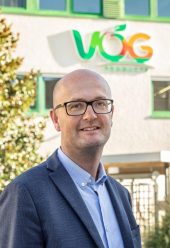
 Sponsored Post – Sustainability is firmly embedded in the strategy of VOG Products. The prestigious EcoVadis award, the world’s most reliable provider of sustainability ratings for global supply chains, has confirmed the company’s active effort in the entire production process, rewarding it with a silver medal a few weeks ago.