Twenty-one years after Monster Energy first ripped onto the scene and changed the beverage industry forever – it’s finally here: Monster Energy Zero Sugar.
With a full launch in Q1 of 2023, consumers can finally enjoy the amazing taste of the flagship original Monster Energy Green… but without sugar.
With a re-tooled energy blend, an innovative new sweetener system and years of trial and error, Monster’s team of mad scientists finally perfected a concoction that is 100 % Monster and 0 % sugar. Primed with 160mg of caffeine – like its predecessor – Monster Energy Zero Sugar helps fight fatigue, improve mental performance and focus, and motivates you to work (and play) harder.
GNT has published externally verified data showing it reduced the average carbon footprint of its plant-based EXBERRY® Colouring Foods by 19 % in the first year of its sustainability plan. The company becomes the first colouring foods supplier to issue a Greenhouse Gas Verification Statement as it aims to become the leader in its field on sustainability.
The statement details GNT’s carbon footprint from 2019 to 2021. The auditor SGS verified the emissions data according to the internationally recognised ISO14064 standard, which includes emissions from carbon dioxide, methane, and nitrous oxide across six different reporting categories. As a result, the company can now provide comprehensive, benchmarked information on EXBERRY® Colouring Foods’ organisational footprint to customers.
In 2022, GNT announced that it plans to achieve a total of 17 sustainability targets over the course of the decade. These include cutting the environmental footprint for EXBERRY® product ranges by 25 % between 2020 and 2030 as well as reducing its factories’ CO2-equivalent emissions by at least 50 %. The new figures show the company is making significant progress toward those aims. Production volumes saw a double-digit increase between 2020 and 2021, but GNT’s overall carbon footprint remained flat. This meant the average footprint per kilogram of EXBERRY® Colouring Foods decreased by nearly a fifth over the course of the year.
Rutger de Kort, Sustainability Manager at GNT Group, said: “We’re committed to setting new standards on sustainability and the Greenhouse Gas Verification Statement highlights the work we’ve done so far. This external verification for our emissions data enables us to build trust and communicate our efforts in a truly transparent manner.”
The Greenhouse Gas Verification Statement shows GNT’s total carbon footprint dropped by 3,427 metric tons to 38,656 between 2019 and 2021. This is largely due to the use of green electricity at its production sites, which represents an important step in its efforts to reduce CO2-equivalent emissions at its factories by 50 %. The biggest contributors to GNT’s carbon footprint are direct emissions from natural gas and indirect emissions related to the purchase of heat and steam. Emissions related to purchased goods – such as raw materials, ingredients, and packaging – and waste streams are also important factors.
Rutger de Kort added: “The move to green electricity has delivered major improvements, but we need to go further to achieve our goals. Our main focus now is trying to end our reliance on gas to generate heat and steam. We’re already working on ways to electrify the process, including the use of industrial heat pumps and other new technologies, such as filtration. We’re also using the new data to identify further possibilities to cut our carbon footprint in areas including transportation and purchased goods.”
Suitable for almost any food and drink application, EXBERRY® Colouring Foods are made from non-GMO fruits, vegetables, and plants using physical processing methods. The crops are grown by farmers working as part of GNT’s vertical supply chain using sustainable methods.
Britvic, one of the largest companies in the world in the non-alcoholic beverage sector, announces the adoption of SIG’s PAC.TRUST solution for the digitisation of its laboratory analysis processes at its operations in the Brazilian states of Ceará and Minas Gerais. Britvic will adopt the Laboratory Information Management Systems (LIMS) and Digitalisation modules of the PAC.TRUST solution, enabling traceability of internal processes in minutes.
The solution is a tool to digitise monitoring and quality records at the three plants of the Britvic group in Brazil, located in Astolfo Dutra and Araguari (MG), as well as Aracati (CE). With PAC.TRUST in operation, Britvic strengthens and brings more agility to its quality control processes, eliminating the need to convert physical records to multiple spreadsheets, and providing more security to information within the respective plants. This digitisation minimises errors and deviations due to incorrect records caused by duplicate data entries. PAC.TRUST also allows Britvic to reduce the time in simulations and effective traceability actions, to simplify audits, and to bring even more reliability to all processes involved in the supply chain, reinforcing its commitment to product quality and its growth strategy.
SIG’s modularised PAC.TRUST solution helps SIG customers to have complete visibility of the production chain per package. For Britvic, SIG used two modules of the PAC.TRUST solution, LIMS and Digitalização (Digitisation). The solution was installed in 2022 and has already brought several benefits to the company, such as a 40 % reduction in quality data analysis time, an increase in the level of information security with data storage redundancy, a 75 % reduction in weekly record checking time and 8x faster traceability, providing a digital and integrated operation at corporate level.
The European Commission has granted Novel Food status to pea and rice protein fermented by shiitake mushroom mycelia, trade named FermentIQä PTP and TXP, MycoTechnology’s innovative and highly functional natural plant protein ingredients. FermentIQä ingredients are produced using a patented mycelial fermentation platform that improves the sensory, functional, and nutritional attributes of plant protein. The authorisation follows a positive opinion issued earlier this year by the European Food Safety Authority (EFSA), which said it considered the product to be safe for use in a wide range of food and beverage categories.
With Novel Food authorisation secured, USA-based MycoTechnology is set to accelerate its expansion into Europe, the company’s next major growth frontier. It has hired its first European sales representatives, based in Germany and the Netherlands, and has recently announced a partnership with Brenntag for distribution in the region. The company’s European expansion will be underpinned by its recent Series E fundraise, which generated USD 85 million to fuel growth and proliferation of its technology to address the global need for healthier, more delicious food.
Welcoming the news, Alan Hahn, MycoTechnology CEO, commented: “Authorisation means we can now offer food and beverage manufacturers access to our cutting-edge plant protein in Europe for the first time. FermentIQä is a transformative, game-changing plant protein with multiple application and nutritional advantages over other plant protein ingredients. It enables brands to overcome the technical and taste barriers associated with other plant proteins, providing consumers with a compelling reason to switch.”
The addition of sales and distribution capabilities in Europe means that MycoTechnology’s product portfolio – comprising FermentIQä plant proteins and ClearIQä flavour clarifiers – is now available globally, with sales networks already in place in North America, Latin America, and Asia.
Alan Hahn added: “Harnessing the power of mushroom mycelia to produce high quality plant protein is perfectly aligned with both consumer expectations and the EU’s commitment to sustainability and food security. It’s little surprise, then, that we are already in conversations with leading food industry players in Europe to formulate and commercialise products containing FermentIQä plant protein.”
FermentIQä is a pea and rice protein blend fermented by mushroom mycelia to deliver superior performance and nutrition. MycoTechnology’s proprietary process deodorises and de-flavours the protein, so that it offers a more neutral solution with superior functionality in a range of applications. FermentIQä is available in both powdered and texturised formats. The core powdered offering (PTP) delivers improved nutrition, taste and mouthfeel profiles that make it ideal for protein beverages and dairy alternatives, and the texturised offering (TXP) provides a superior springy and juicy texture in meat analogues.
FermentIQä PTP has a Protein Digestibility Corrected Amino Acid Score (PDCAAS) of 1 for individuals aged 3 and older, signifying that its protein content is of the highest nutritional quality. FermentIQä also offers reduced anti-nutrients and improved digestibility, allowing 99.9 % of protein consumed to be digested. A recent study found that MycoTechnology’s fermentation process improves protein quality by more than 20 % for children aged 3+, adolescents, and adults, based on the Digestible Indispensable Amino Acid Score (DIAAS). As a result, FermentIQä protein ingredients offer a nutritional value competitive with animal and soy proteins.
Experiencing BIOFACH and VIVANESS means benefiting from the best of two worlds. This works by creating a meaningful combination of digital opportunities and on-site trade fair activities. The global organic foodstuffs and natural and organic personal care community will hold its next gathering at the Exhibition Centre Nuremberg from 14 to 17 February 2023, when international trade visitors will be inspired by the products and services offered by an expected 2,700 exhibitors from about 100 countries. And though there is no substitute for a first-hand experience with all senses, the digital event platform has provided the ideal complement since the unique Summer Edition was held in 2022. The future of the World’s Leading Fair for Organic Food and the International Trade Fair for Natural and Organic Personal Care is hybrid. Added value: The ability to plan your trade fair visit with the aid of a floor plan and an overview of products and services; arranging appointments in-person and online; matchmaking; and the fact the Congress will be available in digital form beyond the actual event timeframe. All the content and functions of the digital event platform are available on the app in addition to the desktop version.
One in four of the more than 24,000 trade visitors who participated in the unique Summer Edition of BIOFACH and VIVANESS in 2022 also made use of the services offered by the digital event platform, most of them as hybrid participants. They attended in person, but used the platform as a digital add-on before, during and after the event.
How to take advantage of the benefits the platform offers for BIOFACH and VIVANESS 2023, and what highlights there are to look forward to: These questions were put to Dominik Dietz, the BIOFACH and VIVANESS team member responsible for the digital platform.
Briefly, what are the key added values offered by the digital event platform?
With the digital event platform, we offer the organic food and natural and organic personal care community the full package, in other words, an all-in-one service covering all aspects of BIOFACH and VIVANESS – from preparation to on-site use, follow-up and access to congress presentations after the event. That means a wide range of functions from exhibitor and product searches to appointment and agenda scheduling, and many opportunities to interact – digitally, in person and in hybrid form! The right feature is therefore available to suit every requirement at the right time, either during the trade fair or at the preparation stage – all in an intuitive, state- of-the-art platform solution, including the app!
Will there be new developments in 2023 – upgrades or special features?
In collaboration with our partner talque, we are constantly working on both upgrading and creating new features in order to drive forward the fusion of in-person (i.e. on-site) and digital added value. For 2023, exhibitors, visitors and media contacts will be able to enjoy improvements in usability, such as a revised chat design and design improvements in the area of personal participant profiles. As a further “special”, the mobile app will have a BIOFACH/VIVANESS design in 2023.
Not to be missed: What do I need to know and take into account beforehand in order to get the most out of my attendance or visit to the trade fair?
The important thing is to take time to prepare and maintain your profile, both the company profile for exhibitors and your personal participant profile in general. A detailed, perfect “fit” in the product search process is a key factor for success in ensuring people can find you. This can be boosted further by adding additional product profiles. Carefully maintaining your personal matchmaking details is also an important element in finding the right suggestions and best matches when you are looking for contacts. Recommendation: Keep your profile and choice of search and offer criteria up to date at all times so you can continue finding new matches.
All oranges 18.0 million boxes
The 2022-2023 Florida all orange forecast released by the USDA Agricultural Statistics Board is 18.0 million boxes, down 2.00 million from the December forecast. If realised, this will be 56 percent less than last season’s final production. The forecast consists of 7.00 million boxes of non-Valencia oranges (early, mid-season, and Navel varieties) and 11.0 million boxes of Valencia oranges. A 9-year regression was used for comparison purposes. All references to “average”, “minimum”, and “maximum” refer to the previous 10 seasons, excluding the 2017-2018 season, which was affected by Hurricane Irma. Average fruit per tree includes both regular bloom and the first late bloom.
Please download the full citrus crop production forecast: www.nass.usda.gov
We unpick how Prime Hydration has become the ‘must-have’ health drink of the year and explore where the brand goes from here.
What is Prime Hydration?
Prime Hydration (Photo: SW Group)
Congo Brands partnered with rapper Olajide Olayinka Williams Olatunji (KSI) and YouTuber/media personality Logal Paul to produce Prime, a new sports drink that first launched in the US in January 2022. More than half a million people watched the pair announce their beverage collaboration on YouTube.
Positioned with multiple health benefits, the drink appeals to those looking to make ‘better-for-you’ choices across a range of lifestyles – not just athletes.
It is an electrolyte- and antioxidant-fortified beverage with 10 % coconut water, with natural flavours. Its product range includes Ice Pop, Orange, Blue Raspberry, Tropical Punch, Lemon Lime, Grape, and a limited-edition flavour, Meta Moon, flavours. Its launch line-up is a ‘who’s who’ in classic, well-known flavours with broad accessibility and appeal.
Why is it so popular?
The founders have a combined social media following of over 125million across Instagram, Twitter, TikTok, and YouTube – giving them an enormous ‘ready-made’ customer base.
The brand has secured exclusivity agreements with select retail partners, limiting the ways in which people can purchase the product. This has driven enormous hype around the product’s availability, which only adds to the appeal.
The drink was released in stores and online in the US on the 8th January and strength of demand led to it selling out within hours. In the UK, it was a similar story, with national media adding to the demand with increasing coverage and frenzy around the brand’s limited availability.
This exclusivity has certainly been a key driver behind the drink’s success. According to GlobalData’s Q3 2022 global consumer survey, about 52 % of consumers say that they are often or always influenced by the fact the product they are purchasing is novel or unique.
The Q2 survey highlighted how 43 % of global consumers see food and beverages being endorsed by a celebrity as an essential or nice to have feature, which will have certainly boosted the success of Prime – particularly with the younger generations.
How important are the ingredients?
Quantifying just how important isn’t an exact science, but history tells us that ultimately the taste, and quality, of the flavour are what matter long-term. The draw of celebrity endorsements, fueled by the products’ limited availability are sure to drive huge interest around initial purchase. One must question the longevity of that as a standalone strategy as, without a great tasting formulation behind the brand, appetite will inevitably fizzle out.
The quality of the drinking experience is a big part of what keeps people coming back to a product – making it integral to the brand’s success in the long term.
What’s next?
The brand is preparing to expand to India, Australia, South Africa, and the UAE this year. Logan Paul has been quoted as saying: “We want to be a global brand, and we believe that because the audience JJ and I have built online is extensive – the internet is available in most parts of the world, and we’re finding that our silly mugs are popping up on people’s phones across the world – it would be foolish not to capitalise on it.”
Other brands will surely look to emulate Prime’s success, with influencer-based marketing becoming increasingly prevalent in the beverage industry. We’re also seeing what can be achieved when consumer-aligned ingredients, the right health and wellbeing claims, and a sense of excitement around a product’s exclusivity collide.
The leading trade show for the global fresh produce business renews its support for data-driven supply chains, artificial intelligence, robotic automation, smart agri, and other advanced systems that unlock new commercial opportunities.
New technologies that can transform the business are waiting to be discovered from 8 to 10 February 2023 at FRUIT LOGISTICA in Berlin. “Fruit and veg suppliers across the world are under enormous pressure to cut costs and reduce their environmental impact,” says Kai Mangelberger, director of FRUIT LOGISTICA. “Digital technologies on display at Fruit Logistica offer them a chance to make their production and their supply chains more efficient and more sustainable.”
In Hall 3.1, innovative companies will present a range of digital solutions in the Smart Agri area, which made its debut at last year’s FRUIT LOGISTICA. These include AI-enabled robotic harvesters (IAV), precision spray drones (ABZ Innovation), advanced watering concepts (Irriot and Topraq), and autonomous field vehicles (Ant Robotics).
And on 10 February, under the theme Disrupt Agriculture, FRUIT LOGISTICA’s fourth Start-up Day turns Hall 2.1 into a networking hub for groundbreaking innovations. 20 of the most innovative tech start-ups from around the world will show their products, projects and ideas in the Start-up Area. Hall 2.1 is also home to the Start-up Stage, where start-ups and smart agri companies will present their forward-looking business ideas, technologies, and visions for the future on the third day of the show.
Among the technologies on display will be AI-powered platforms that can help predict shelf-life (Freshsens), warn of food safety risks (iComplai), and promote collaboration across supply chains (Obortech). In addition, companies such as 7Sense Agritech, Bluetentacles and Smart Watering Solutions will present intelligent irrigation technologies, each with the potential to reduce water and energy consumption dramatically.
More information about the FRUIT LOGISTICA Smart Agri area, Start-up Day and Start-up Stage as well as profiles of all start-ups and exhibitors, can be found at FRUIT LOGISTICA Online as well as on the website of FRUIT LOGISTICA.
Tate & Lyle PLC announced a new addition to its sweetener portfolio – ERYTESSE™ Erythritol. Through a strategic partnership distribution agreement with a leading supplier of erythritol, this addition expands the companies ability to help customers deliver on consumer demand for healthier, sugar and calorie reduced products, and extends Tate & Lyle’s position as one of the world leaders in ingredient solutions for healthier food and beverages.
ERYTESSE™ Erythritol has 70 % the sweetness of sucrose and a similar temporal profile, with zero1 calories2. It can be used in a range of categories, including beverages, dairy, bakery and confectionery. Erythritol fits well into our existing portfolio and can be used alone or in combination with natural sweeteners, like stevia and monk fruit, and high potency sweeteners like sucralose. It offers a full sugar-like taste experience and helps customers formulate sugar reduced foods and beverages at an acceptable cost in use. It can also be used to create sweetening solutions for manufactured food products, including bulking and mouthfeel when sucrose is reduced or removed. In addition, it offers good stability in high levels of heat or acidity during processing, making it suitable for a host of formulations.
The Compound Annual Growth Rate for all new product launches globally with low/no/reduced calorie claims containing erythritol (either on its own or in combination with other sweeteners such as stevia and sucralose) for the last five complete calendar years was 22 %3, indicating strong and consistent demand for erythritol. The strategic partnership agreement will provide security of supply and can meet both the short-term and long-term demands of Tate & Lyle’s customers.
The perception and awareness of the benefits of erythritol are increasing with 67 % of industry professionals feeling positive about the ingredient, and an increasing number of US consumers likely or very likely to buy a product which contains erythritol now at 23 % (up from 6 % in 20204).
1This information value may vary from country to country, Tate & Lyle recommend reviewing applicable local regulation. 2Regnat K, et al. Appl Microbiol Biotechnol. 2018 Jan;102(2):587-595 3Mintel GNPD, 2017 – 2021, 5 Year CAGR, October 2022 4Tate & Lyle USA Ingredient Tracker Wave 4, 2022. QB4 Below is a list of ingredients that are commonly used in food or drinks. Which of these ingredients are you aware of? QC1 Please indicate what impact, if any, these ingredients typically have on your purchase decision if you read it on the label of a product you were thinking about purchasing (variable base sizes)
Flowers of the 2023/24 crop, verified in the second semester of 2022, were considered excellent in the citrus belt of São Paulo and Triângulo Mineiro, which resulted in expectations of a good harvest. However, the weather after flowers blossomed was not ideal in many areas. Therefore, the next season may register lower supply compared to the demand.
Areas that have irrigation system (44 % of the total is located in the north of São Paulo state) registered anticipated flowers (in mid-July), and the weather was good after the blossoming. In this case, the development is considered satisfactory.
In other areas, however, scenarios were very distinct, since the rainfall was irregular and at different volumes among the regions. In the southwest of SP, flowers blossomed in late September, while it occurred in mid-October in other areas. In this case, as flowers opened in the rainy season (September/October), there had been more cases of blossom-end rot (“estrelinha”), increasing flower abortion.
Another aspect that reinforced concerns of the citrus sector in Brazil is the below-average amount of rainfall in many regions during the flower-settlement (especially in November), and temperatures were high in some moments. Thus, fruitlets dropped. From mid-December until now, rains have been more frequent, which brings relief, but are not capable to revert the scenario of losses.
In general, players expected that the 2023/24 season would be higher than the current; however, after many difficulties, opinions have started to change. The USDA released a report in December indicating that the Brazilian production may total 305 million 40.8-kilo boxes, 1.9% less compared to the current crop. It is important to mention that a more accurate forecast for 2023/24 will be possible only in mid-February.
Therefore, the scenario of low inventories at the end of 2022/23 may not be reverted in the next season. CitrusBR says that the ending stocks by June/23 may total only 140 thousand tons, lower than the strategic level, of 250 thousand tons.
Cepea calculations indicate that, in order for the volume in stocks by the end of 2023/24 (in June/24) returns to the strategic level of 250 thousand tons, the orange processing in 2023/24 may be at roughly 300 million 40.8-kilo boxes, which is equivalent to a production in São Paulo state and in Triângulo Mineiro at 340 million boxes, higher than what the USDA forecast.
TAHITI LIME – The first two months of 2023 may register high supply in São Paulo state, due to the peak period, which can press down quotations. On the other hand, as the industry may intensify processing activities and exports tend to increase in this period, the volume available is expected to reduce in the domestic market.
New Mill Capital has been engaged toAuction scheduled for February 7th to sell the apple receiving, washing, grading and packaging assets of Heeren Brothers
New Mill Capital, an asset acquisition and disposition firm in the US, has been engaged to sell the equipment assets of Heeren Brothers via online auction. The auction sale, consisting of over 300 pieces of equipment used for apple receiving, washing, gradinggrading, and packing will be held exclusively online with bidding opening Tuesday, January 31st and closing Tuesday, February 7th.
The equipment includes state of the art a high-speed washing and, grading line and flume delivery system with robotic bin handling / dumping system and, retrieval with awash flume system, all MAF Roda Agrobotic 6-lane optical sorter, 28-lane grading discharge and 28-flume stainless steel isolation and delivery system with automated bin filling selection system, (2) Maf-Roda dry pack bin fillers, (2) graded product robotic bin dumping stations to water flumes delivered to (2) drying and wax coating lines, Cedis-MAF automated 12-station fruit bagging line, tray packing line with Accu-Label ORB-it G-2 (8) lane PLU sticker applicator, tray dispenser, casing, (4) Maf-Roda auto box fillers, (4) Maf-Roda PNW quick bag packers, checkweighers, case sealers, conveyance and auto palletizing, (2) SWF bliss formers, new Genie Z-45/25J articulating man lift, forklifts, scissor lifts, metalworking maintenance, spare parts, air compressors, pallet racking and plant support.
Interested buyers should visit New Mill Capital’s website, www.newmillcapital.com, for photos and more information on the auction. Inspections of the equipment are also available by appointment at anytime. .
In 2022, orange prices were similar to those in 2021 in the in natura market. Although the production had increased in the citrus belt in São Paulo and in Triângulo Mineiro, the supply was controlled, due to the fact that more fruits were sent to the industry. However, both the Brazilian economy and the weather were unstable, limiting the consumption in some periods. From January to November, the average price for pear oranges was at BRL 38.93 per 40.8-kilo box (on tree), 1.6 % down compared to the same period in 2021.
As for the industrial segment, values moved up from 2021 to 2022, despite the recovery in the orange production. Juice stocks closed the 2021/22 season at low levels, leading processors to increase the demand for the raw material. From July to November, the average price in the spot market was BRL 31.22 per 40.8-kilo box (harvested and delivered), 8% up in relation to the same period in 2021. It is worth noting that producers were expecting more significant price rises, due to the sharp increase of production costs.
The orange production in the 2022/23 season is likely to hit 314.11 million 40.8-kilo boxes in the citrus belt (SP and Triângulo Mineiro), for an increase of 19.5 % in relation to the crop before, according to that projected by Fundecitrus in December/22. This forecast is related to the favourable weather (regular rainfall). In spite of the recovery, the production may not be enough to have surplus, due to the high demand from the industry, since juice stocks are low.
According to CitrusBR, orange juice ending stocks in the 2021/22 crop (June/22) were confirmed at low levels, 143.1 thousand tons, downing almost 55 % compared to the season before.
Despite the increase in the 2022/23 orange production, the volume in stocks by the end of the crop may not recover. CitrusBR estimates that 2022/23 stocks, in June 2023, are likely to total 140 thousand tons. The industrial yield, in turn, may be lower than in the crop before, and exports are expected to increase, due to the higher juice demand from the US.
JUICE EXPORTS – Orange juice shipments decreased 3 % in the 2021/22 season (from July/21 to June/22) compared to the previous. Exports to all destinations totaled slightly more than 1 million tons, according to Secex. The revenue amounted USD 1.68 billion, 9 % up in the same comparison.
This is the second consecutive crop that shipments move down, and this may be related to the low orange production in São Paulo and Triângulo Mineiro over the last two crops (2020/21 and 2021/22). The revenue increase, in turn, is linked to the higher dollar prices, especially from March/22 onwards. In the partial of the current season (from July/22 to November/22), exports are moving up again, influenced by the firm demand from the United States.
The 2022/23 orange crop in Florida may be the lowest since 1936/37, with the impacts of greening reinforced by hurricanes Ian and Nicole. In December, the USDA updated its production estimate to only 20 million 40.8-kilo boxes, 29 % less compared to that forecast in October and 51 % below the previous season.
Bucher Unipektin has acquired the Polish company B&P Engineering Sp. z o.o., a manufacturer and supplier of equipment for juice and concentrate production. With the acquisition, Bucher Unipektin further strengthens its position as a leading supplier of fruit juice processing systems and technologies.
B&P Engineering Sp. z o.o., a privately held Polish company founded in 2003, designs, manufactures and installs engineered equipment for juice and concentrate production as well as stainless-steel tanks for the beverage industry. Its 450 employees generated annual net sales of around CHF 30 million in the past years. The company is located in Przeworsk and has a modern setup for parts and tanks production. All employees and the very dedicated management team will remain in place and operate under the new name Bucher Unipektin Sp. z o.o.
With this acquisition, Bucher Unipektin is in the position to supply its beverage customers with entire processing lines, complementing its high-tech equipment with B&P’s systems and vessels, and to provide an enhanced sales and after-sales service to its customers.
Bucher Unipektin, a Swiss-based business unit of Bucher Industries AG, is a globally leading manufacturer of systems and components for the juice and the beer industry and for drying technologies. The business unit’s production sites are in Switzerland, Spain, Germany, Czech Republic and China, supported by a sales and service organisation in Poland, Ukraine, Russia, New Zealand and Mexico and a global distribution network.
Maspex Wadowice Group, one of the largest food manufacturers in Central and Eastern Europe, continues its close partnership with SIG as it becomes the first to offer SIG’s domeTwist closure with tethered cap (domeTwist TC) for SIG’s unique carton bottle combidome. This is an important step forward on Maspex’ sustainability roadmap, as it leads the way in adding innovative solutions to its juice ranges.
The company recently launched its Tymbark Vega juices in combidome 500 ml with domeTwist TC, followed by Tymbark juice in 1,000 ml combidome with tethered cap. The retail launch by Maspex comes well ahead of the EU’s Single-Use Plastics Directive, which states that all single-use beverage containers must come with caps that stay attached to the pack by July 2024, so they can be easily disposed of and recycled with the rest of the pack.
SIG’s domeTwist closure with tethered cap does not compromise on convenience for consumers and is compatible with SIG’s existing filling lines and closure applicators, demonstrating the true flexibility and adaptability of SIG’s packaging and filling solutions for customers at minimum cost. This provides maximum planning and investment security for European beverage producers such as Maspex, who must comply with the EU’s regulatory requirements.
(Photo: SIG)
SIG’s domeTwist TC closure can be firmly fixed to the desired position by pressing it down to the top of the pack until it gets into its ‘parking mode’. The cap doesn’t have to be held down and the consumer can easily pour and drink from the carton without any cap interference. For closing, the cap just needs to be lifted slightly before being closed the usual way. Tethering even adds convenience, as the closure is always at hand and never gets lost. High consumer acceptance for both drinking and pouring is already market research proven.
SIG’s domeTwist closure with tethered cap for combidome is one of three closure innovations for SIG’s most popular packs in Europe. Additionally, combiSwift and combiMaxx closures with tethered cap are also available for SIG’s family-size carton packs.
“Cranfidence to Win” and “Don’t Clown” show you what you can do with all that power of the Cranberry
Ocean Spray Cranberries, Inc., the agricultural cooperative owned by roughly 700 farmer families, today rolled out a new creative campaign under its All That Power™ masterbrand work, this time focusing on the attributes of its “Better For You” beverages that are designed to help meet the needs of an individuals’ diet. Developed by Orchard Creative, the campaign features two TV spots, one for Diet Cranberry Juice Cocktail and the other for the new Immunity Orange Mango and Revitalize Cranberry Pineapple juice drinks.
In each spot, the lead character is overtaken by an overwhelming newfound confidence, or “Cranfidence,” inspired by Ocean Spray’s incredible feat of making Better For You juice products without sacrificing flavour. The spots close with an extension of this cranfidence to its audience, landing on the campaign line YES YOU CRAN™. Both comedy-driven films are directed by the award-winning Jeff Low (Biscuit), making this a back-to-back collaboration between Low and Orchard, right on the heels of their widely-lauded Ocean Spray® Holiday work which featured jiggling cranberry sauce disrupting a boring holiday meal – recently named among Ad Age’s and Adweek’s top ads of 2022.
You are currently viewing a placeholder content from Default. To access the actual content, click the button below. Please note that doing so will share data with third-party providers.
You are currently viewing a placeholder content from Default. To access the actual content, click the button below. Please note that doing so will share data with third-party providers.
Oterra, one of the the world’s leading suppliers of natural colours with one of the widest portfolios in the industry announced the addition of Vera Karmebäck to the team as its first Global Sustainability Lead.
Karmebäck enhances the international profile of the company, having been named a UN Global Compact SDG Pioneer in 2022. Vera, recognised for her strong work in having ‘demonstrated extraordinary progress and commitment towards achieving the Sustainable Development Goals’, comes from RA International – a remote site service provider.
Sustainability is a key focus area for Oterra in 2023, as the company looks to step out of the shadows of its previous parent company Chr. Hansen, and strongly solidify its own world contributions. For Oterra CEO, Odd Erik Hansen, the company’s mission of ‘making food and beverage easy for a healthy and sustainable world’ resonates with industry aspirations.
“Our employees and customers expect us to be the industry leader when it comes to sustainability – and as a natural colours company that believes nature got it right – it makes perfect sense that we lead the colour industry in finding the best ways to adopt sustainable practices for the future,” said Hansen.
Oterra is a key supplier of natural colours to most of the world’s largest food and beverage manufacturers.
The Frankfurt Future Institute called fusion “the culinary globalization of daily life” in its Food Report 2023. Fusion food combines influences from different international cuisines. Ginger and turmeric refine fruit smoothies, coconut milk and kaffir lime leaves lend a special flavour to kale curries. Whether soups, curries or desserts, fresh-made or convenience, coconut milk gives many foods and beverages an exotic touch. This has made it a firm part of fusion food. And not just that – as a plant product, it’s perfect for the booming plant-based trend.
Today, consumers expect natural foods to taste good and support their wellbeing. Vegan coconut milk powder is excellent for making purely plant-based drinks and desserts, as a functional alternative to traditional milk products. With coconut milk powder from the SternCream series, Sternchemie has the appropriate product for every application, whether conventional, vegan or organic dishes, for industrial customers as well as the out-of-home market.
The new SternCream Vegan is versatile and simple to work with. Its very high coconut milk content gives it a natural, authentic coconut flavour and a light sweetness. The creamy mouthfeel is especially noticeable in ice cream, praline and wafer fillings, and sweet and hearty snacks. SternCream Vegan also improves the consistency of soups, sauces, creams and dips. Thanks to its very good instant and flow properties, this coconut milk powder quickly dissolves in lukewarm water to attain a smooth consistency. Another plus point is that as a natural product, unlike coconut flavourings and extracts it is very declaration-friendly, either as coconut cream or coconut milk powder. It’s also easier to dose and keeps longer than regular coconut milk.
Gentle manufacture brings product benefits
SternCream products are made exclusively from selected ripe coconuts, whose meat is first washed, then minced and pressed. To ensure the highest purity of the final product, the extracted coconut milk is doubled-filtered. It is then pasteurized and spray-dried for consistently high quality, which is confirmed by sensory panel testing. With its low water content and oxidation stability, SternCream powder has a shelf life of at least 24 months. It also has higher microbiological stability than coconut milk or grated coconut. Another advantage is that due to the gentle drying process, all of its valuable ingredients are retained. Furthermore, SternCream needs no preservatives, colourings or flavourings.
“Together with our customers, we work to refine our products and adapt them to current and future market requirements,” explains Katrin Baumann, SternCream Technical Product Manager. “The focus is on nutritional, trend and ethical considerations, with protein enrichment, fat reduction and added fibre, as well as organic products and plant-based alternatives to dairy.” This coconut milk powder offers manufacturers across the food industry a way to improve existing products, and develop highly attractive new ones for growth markets like the plant-based category.
Longstanding relationships with raw materials suppliers
With the current bottlenecks in raw material supplies and the general economic situation, factors like cost control, dependable suppliers and raw materials availability play a central role. Here, Sternchemie customers benefit from longstanding relationships with suppliers in Sri Lanka and Southeast Asia. “Close coordination and detailed information exchange with our partners in the source countries are the basis for our ability to proactively meet the rising quality demands of the market,” says Svea Rahlf, Sternchemie Quality Manager. “Sensitized consumers, improved analysis methods and ever-stricter regulatory requirements are driving an increased focus on raw materials quality and process control.” With SternCream, Sternchemie offers a versatile natural product that combines functionality with dependable quality.
SVZ, a premium fruit and vegetable ingredient supplier, introduced its latest innovation at Fi Europe 2022: Carte Blanche white base solutions, designed to help manufacturers deliver vibrant flavours and colours with reduced sugar content.
Carte Blanche: Less creates more
Featuring white carrot and pumpkin as its star products, Carte Blanche addresses industry demand for natural and versatile bases with functional benefits such as reduced sugar content, neutral appearance, or subtle flavour profile. The new, fully customisable solutions are ideal for a wide array of applications, from smoothies and beverages to savoury snacks, and desserts.
“There is a real need for reduced sugar fruit and vegetable bases right now as many manufacturers look to give their beverages, baked snacks and even desserts a ‘better-for-you’ make over. What’s unique about Carte Blanche is that it’s not only low-sugar, but offers a neutral taste and colour profile to help the ingredients that count shine through in recipes. It’s also perfect for adding ‘stealth vegetables’ to products, boosting nutritional credentials without having to sell the idea of veggie smoothies and snacks to sceptical consumers. With this solution, less truly creates more.”, comments Johan Cerstiaens, Commercial Director at SVZ.
Fi Europe 2022: 3 days of sourcing, exchange and innovation, with more than 900 exhibitors and close to 19,000 attendees on site
This year’s Fi Europe, the world’s leading food and beverage ingredients trade show, proved once again that it is the trusted meeting place for the global food and beverage ingredients industry. Celebrating its on-site debut at Paris Expo Porte de Versailles and framed by an extensive online event, the show saw attendance figures jump from 13,000 online and in person in 2021 to 21,881 to date – and counting. The top 3 countries in attendance were France, Netherlands and Germany, with Italy, UK, Spain, Belgium, Poland, USA and Denmark completing the top 10 list. Visitors were able to meet with and explore opportunities from 934 exhibitors – almost one third up on 2021.
Julien Bonvallet, Food Group Brand Director at Informa Markets, said: “We’re thrilled with the success of Fi Europe 2022 in Paris and online, with high-quality visitors and exhibitors showcasing pathbreaking solutions and products. It’s extremely heartening to see the entire F&B industry come together, build new business relationships, and share ideas and expert insights.”
Show highlights included live presentations to the winners of the Fi Europe Innovation Awards and the Startup Innovation Challenge; the New Product Zone, showcasing the latest ideas from leading industry players, and the Innovation Hub, where keynote speakers explored challenges and opportunities as well as sustainability and future-proof solutions.
Eagle-eyed visitors will also have spotted Food ingredients’ new logo and branding as it appeared in various locations across the four halls. Part of a new identity for the Fi portfolio, the bright and bold branding centres around a simple logo with the letters Fi set inside freeform coloured circles. Together, these elements represent the idea of tastemakers of the world coming together to create the world of taste. The organic nature of the logo also links to Informa Markets’ commitment to sustainability.
Great to be back: what the exhibitors say
Gelita: “We were so excited to be back in person at FiE this year. Expectations were really high for this “re-start” event… And what can we say? All our expectations have been fulfilled – not only by the numbers of visitors, but also by the high quality of contacts we generated.”
Cargill: “It was great to be back on the FiE floor this year and to participate in such a buzzing event. FiE 2022 was a real reminder of the value of meeting again in person.
It was the perfect opportunity for us to catch up with hundreds of our customers and partners from Europe and beyond, and to inspire them with new business opportunities. We continue to see FiE as the premier event for food ingredients supply and partnership – and long may it continue to set the tone.”
Alvinesa: “Exhibiting for the first time at FiE has been a great success. The interest in our upcycled, natural ingredients has exceeded our expectations and we’ve had some very interesting conversations with customers and potential new partners. We look forward to seeing where these new projects go, and have already booked our booth for next years’ show.”
In 2023, Fi Europe will return to Messe Frankfurt, Germany, from 28 – 30 November, and online to audiences around the world from 20 – 30 November 2023.
Today, WHO released its first-ever global tax manual for sugar-sweetened beverages (SSBs). Currently, at least 85 countries implement some type of SBB taxation.
The WHO manual highlights the experiences of countries who have successfully implemented the tax, including Mexico, South Africa, and the United Kingdom.
“Taxes on sugar-sweetened beverages can be a powerful tool to promote health because they save lives and prevent disease, while advancing health equity and mobilising revenue for countries that could be used to realize universal health coverage,” said Dr Ruediger Krech, Director of Health Promotion at WHO.
SSB, tobacco, and alcohol taxes have proven to be cost-effective ways of preventing diseases, injuries, and premature mortality. SSB tax can also encourage companies to reformulate their products to reduce sugar content.
Regular consumption of SSBs, including soft drinks, flavoured milks, energy drinks, vitamin waters, fruit juices and sweetened iced teas, is associated with an increased risk of dental cavities, type 2 diabetes, weight gain and obesity in both children and adults, heart disease, stroke and cancer.
Evidence shows that implementing taxes on SSBs increases product prices and reduces demand, resulting in less purchases. A one time global SSB tax increase that raised prices 50 % could generate additional revenues of US$1.4 trillion over 50 years.1
A recent Gallup Poll also found that a majority of people across the United States, Tanzania, Jordan, India, and Colombia supported taxes on SSBs, alcohol and tobacco.2
WHO calls on countries to introduce or increase existing SSB taxes to raise the prices of these products, lessen demand, and reduce consumption. The manual is a reference guide that provides key considerations and strategies for countries to develop, design, and implement SSB taxes.
Bevolution, one of the most diverse and creative beverage providers in the US, has something new bubbling. Soda is now on the menu, but it’s not the Bevolution way to settle on just the classics. While the new options do include traditional flavours like Cola, Ginger Ale, Citrus, and Root Beer, new small-batch craft flavours will also be available. Try something sweet like our Banana Split, maybe a glass of Raspberry Lemonade will hit the spot, or if you are feeling adventurous, how about trying the Tropical Sriracha for a mix of sweet and heat! This is just a taste of everything Bevolution has brewing up. The new product line of sodas was released nationwide on December 1st, 2022.
Looking for something a bit more your own? Bevolution is launching a custom small-batch craft soda program. Bevolution will work with partners to create new and innovative dream flavour combinations that will perk up taste buds everywhere. All the soda flavours are sweetened with pure cane sugar, never high-fructose corn syrup, to ensure the highest quality and best tasting drinks.
“Today’s carbonated soft drink consumers want cane sugar, premium ingredients and better than national brand flavours. Bevolution Group is pleased to announce our Craft Soda line for fountain dispensers. Formulated to appeal to today’s beverage consumer.” – Robert Corlett Sr. VP of Sales
The craft soda market is now more than a 650 million dollar -a-year enterprise with expected to expand at a compound annual growth rate of 5 % over the next 8 years. As tastes change and demand grows for higher quality ingredients and unique flavours you can expect to see Bevolution at the forefront of craft beverages.
Bevolution Group has a history of beverage innovation dating back to 1962 from iconic mixers in New York bars, juices, energy drinks, and the first shelf stable smoothie free of artificial ingr edients.
Plastipak, a global leader in the design, manufacture and recycling of plastic containers has announced the formal opening of a major recycling investment at its manufacturing site in Toledo, Spain by Don Emiliano García-Page, President of the Castilla-La Mancha Region. The new recycling facility converts PET flake into food-grade recycled PET (rPET) pellets suitable for direct use in new preforms, bottles and containers.
The new recycling plant will produce 20,000 tonnes of food-grade recycled pellet per year and will eliminate recycled resin transport-related emissions since it is co-located at Plastipak’s current preform manufacturing site. The recycling plant is Plastipak’s fifth recycling facility, with other recycling plants located in USA, France, Luxembourg and United Kingdom. In Europe, Plastipak is the largest producer of food-grade rPET, with well over 150,000 tonnes of rPET capacity per annum.
Pedro Martins, Plastipak’s Executive Managing Director Europe, said “The use of rPET is a key tool in reducing our customer’s Scope 3 related emissions and forms an important part of their ESG-packaging related commitments. As well as supporting our customers to reduce their financial obligations under the planned Spanish plastics tax, the plant will also contribute to the meeting the minimum recycled content levels mandated by the Single Use Plastics Directive.”
To support on-site energy generation, the state-of-the-art facility incorporates advanced energy-saving technologies and equipment that includes the rooftop installation of over 1800 photovoltaic (PV) solar panels. The PV panels are expected to generate more than 1339 MWh of electricity per year that will be consumed entirely on-site, saving more than 443 tonnes of CO2 per year through the avoidance of consumption of electricity from the national grid. This is in addition to the CO2 avoided by using the 20,000 tonnes of recycled resin instead of virgin resin.
Experts from applied research, producers, sellers, and other stakeholders from the apple ecosystem attending the 12th edition of the international apple trade show Interpoma identified an increasing labor shortage as well as climate change as the key challenges for the global apple industry. Interpoma 2022 saw more international visitors than ever before, and the exhibitors expressed their exceptionally high satisfaction with this year’s show.
The success of Interpoma exceeded all expectations: after four long years, from 17th to 19th November the Fiera Bolzano exhibition center hosted a total of 490 exhibitors, 30 % of which from abroad, and more than 16,000 visitors from over 70 countries.
With a total number of 800 attendees, the international Interpoma Congress was sold out completely. While Day 1 offered an insider perspective into the developments in the US apple sector, Day 2 focused on presentations by the world’s leading manufacturers of apple harvesting robots. The guided Interpoma Tours were also fully booked and provided 500 international visitors with the opportunity to learn more about the modern fruit-selling and fruit-producing companies of South Tyrol. All trade show and congress attendees received a free copy of the 2nd edition of the official Interpoma Magazine, which, just like the previous edition, was again printed on 100 % apple paper and offered interesting insights into the world of apple growing.
“If you were worried that the fact that there was no Interpoma for a full four years might have negatively affected the trade show’s appeal, you can rest assured. Actually, it’s quite the contrary: we have seen more international visitors than ever before, even though visitors from Asia could not attend this year due to pandemic-related restrictions,” says Thomas Mur, Fiera Bolzano’s director. “The powerful and unparalleled network of the South Tyrolean apple industry spanning sectors such as research, consulting, and marketing continues to be the key factor for success of this trade show and represents a global showcase for sustainable growth and a passion for continually improving the fruit-growing business.”
Exclusive high-tech solutions designed to combat labor shortages including robots for automated harvesting were presented at the show and will undergo further development during the next couple of years before they are ready to be launched into the market. A multitude of innovations in automation and mechanization will help make up for the lack of skilled labor. Another key area covered during Interpoma 2022 was climate change. The Interpoma Award was presented for the most innovative technologies in the field of water management in apple orchards dedicated to reducing the amount of water required to yield the same amount of crops.
A new addition to this year’s show was the Interpoma Variety Garden held at the FieraMesse H1 Eventspace, which invited visitors to embark on a colorful journey through the history of variety management and explore the world’s first exhibition of 60 branded apple varieties.
Sebastian Stocker from the manufacturer of agricultural machines of the same name based in South Tyrol, was more than happy: “Interpoma was a huge success for us! At this year’s show, we presented our company in a completely new way. We have grown quite a bit compared to the 2018 edition, and our expectations for the show were exceeded by 300 %. Many visitors found their way to our booth on all three show days.”
Gabriele Gessi from Palbox, a large-sized container manufacturer from Italy, states: “Interpoma is a very important trade show for us, because apples are our key business. We’ve expanded and redesigned our booth to show how much our company has grown and evolved during the last couple of years featuring many new and innovative products. We are more than happy with how this show turned out for us, seeing as it gave us the chance to meet so many people whom it was really hard to reach out to during the last four years.”
The next edition of the trade show dedicated to the production, storage, and marketing of apples will again be held in Bolzano in November 2024. Recordings of both days of the Interpoma Congress will be made available on the trade show’s website for anyone to enjoy in the meantime.
Despite being digital natives, Gen Z consumers have started to exhibit some self-awareness and are questioning if all-encompassing tech usage is good for them. New Mintel research indicates that while 51 % of Gen Z Canadians (aged 13 – 17) cite a desire to integrate more tech into their lives, nearly the same percentage (47 %) also agree that social media and large amounts of tech usage have a negative impact on their mental health. In fact, 47 % say they are trying to limit their social media usage.
When examining the platforms that Gen Z uses, all of them rely heavily on visual interaction: Mintel research shows Gen Z Canadians engage with YouTube the most (77 %), followed by Instagram (75 %), Snapchat (58 %), and TikTok (52 %).
Michael Lloy, Senior Technology Analyst, Mintel Reports Canada, said: “Our research shows that due to significantly more time spent on these platforms, a portion of Gen Z has become more aware of their mental health and are exploring ways to reduce their usage of social media. This indicates that there is growing discontent among younger consumers about the negative effects that social media has on their lives, which may prompt radical behaviour shifts away from social media as they age. This will require brands to think strategically about how and where they market to Gen Z consumers as they age in order to develop and sustain an engaged and loyal audience.”
Reduced screen time in favor of better mental health
Gen Z consumers use of social media is a behavioural trait that sets them apart from other demographics. They are a heavily plugged-in generation with 51 % saying they are on the hunt to find technology to make their lives easier, more efficient, or more exciting. What’s more, 64 % say they engage with social media more than TV/movies.
However, nearly half of Gen Z (47 %) agree that social media has a net negative effect on their mental health and nearly all (95 %) agree that mental health is just as important to maintain as physical health.
“Gen Z reducing their screen time due to mental health concerns presents an opportunity for brands to lean into the visibility of their values in order to be seen to support causes that Gen Z cares about. Both Millennials and Gen Zs are heavily plugged-in generations, but there are a few, notable differences when it comes to social media. First, while Gen Zs are digital natives, most Millennials are not, and this informs the speed at which each generation adapts to new technology. Life stages are another piece of the puzzle. Millennials are a split generation. Some Older Millennials are married, homeowners, have children, or some combination of the three, while some Younger Millennials are closer to Gen Z in their life stages. These key differences will be important for brands to remember as they market to Gen Z consumers moving forward.”
The metaverse fails to make an impact
Since its launch in late 2021, the metaverse has been a popular topic for brands but has made less of a splash among consumers. Mintel research shows only 3 % of Canadian Gen Z consumers actually use the metaverse and 26 % have never heard of the metaverse before now.
“As many Canadian consumers are getting back to their pre-pandemic lifestyles, including in-person gatherings, the lack of eagerness to interact with the metaverse has been evident. Overall, only 15 % of consumers, on average, can even envision a world where they interact using the technology, meaning brands that currently or plan to leverage the metaverse in their marketing strategy have some work in front of them in order to convince consumers of the metaverse’s usefulness and applicability to their daily lives,” concluded Lloy.
Cargill announced Brian Sikes has been elected President and Chief Executive Officer (CEO), effective Jan. 1, 2023. With this transition, Dave MacLennan will assume the role of Executive Chair of Cargill’s Board of Directors.
Sikes will be the 10th CEO in Cargill’s 157-year history and brings a strong track record of business operational rigor to the role, having grown the company’s global Protein and Salt enterprise into an industry leader. Sikes currently serves as Cargill’s Chief Operating Officer (COO), where he has been instrumental in constructing the company’s long-term strategy. With broad experience across multiple businesses, cycles and geographies, Sikes held leadership roles in the U.S., Canada and Europe, and served as the head of the company’s Talent Center of Expertise. His relentless focus on people and culture, customers, and proven expertise in leading growth and transformation have earned him the trust and respect of Cargill’s customers, employees and the Board.
Sikes will succeed MacLennan, who joined the company in 1991 and served in multiple executive roles, including CFO and COO, before becoming the company’s Chairman and CEO in 2013. During his nine years at the company’s helm, MacLennan helped achieve outstanding financial results while feeding millions of families and building community resilience in more than 125 countries worldwide. His long-term strategic vision and willingness to disrupt are exemplified by his leadership on the largest acquisitions in the company’s history, including Croda (bioindustrials), EWOS (aquaculture), Diamond V (animal nutrition), and Sanderson and Wayne Farms (poultry). In addition, the company built expertise in alternative proteins and has developed technologies and digital solutions to transform farming, supply chains and food delivery during his tenure.
MacLennan is passionate about employee well-being, never compromising worker health and safety for production. He created Cargill’s sustainability office and built a culture that prioritizes and celebrates diversity, equity and inclusion. Under his leadership, the company is on a path to achieve gender parity by 2030 and the representation of women on the Executive Team has increased to 46%. In addition, he has been an industry leader in sustainability, particularly around climate change. He prioritized action, not just making commitments, with programs like RegenConnect™, which has advanced regenerative agriculture practices on 158,000 acres of North American farmland, and BeefUp Sustainability, which has reduced 1.7 million metric tons of CO2.
In his role as Executive Chair of the Board, MacLennan will ensure a smooth leadership transition, serve as a trusted strategic advisor to Sikes, the company and the Board and support Cargill’s long-term strategic plan.
The global market for CBD drinks accounted for USD 5527.13 Million in 2022. The market is anticipated to cross a valuation of USD 62748.24 Million by 2032. The market is expected to grow with a CAGR of 27.5 % in the forecast period.
CBD beverages have gained popularity as cannabis products were legalised by the Farm bill (Agricultural Improvement Act) in the US in 2014. The rising awareness of the health benefits of CBD products has elevated the growth of the CBD beverages market globally. Cannabidiol is a non-psychoactive molecule found in cannabis, which is extracted from leaves, resin, and flowers of marijuana or hemp.
There is rising awareness about the health benefits of adding cannabis-infused drinks to the diet are impelling factors of growth in the market. These cannabis drinks made their earlier appearance in the industry in commodities such as brownies and gummy bears which are often treated as unhealthy options. The drinks have become the most preferred way for consuming THC is likely to heighten the growth of CBD drinks arcade.
What are the drivers of the CBD beverage market?
“Rising awareness of the health benefits of CBD beverages”
CBD beverages are considered a natural remedy for a variety of health conditions. CBD-infused beverages are believed to treat varieties of health conditions including pain, anxiety, central nervous system disease, epilepsy, and many more.
Rising awareness of consumers on the wellness of the products and a growing number of health-conscious consumers is driving the growth of the CBD beverage market. Also, consumers’ preference for natural products over pharmaceutical products will also boost the CBD beverage market. Moreover, potential customers of BVD beverages are more willing to spend on legal CBD products, especially by baby boomers.
Competitive Landscape
The industry players are focused on the growth of the business by investing heavily in product research. These players are tapping into dynamic and competitive market structures likely to propel them in future years. This market is showing extensive opportunities for new companies.
Mergers and partnerships are opted for by many companies to excel and maintain market position in the forecast period. In 2020, BevCanna and Mota Ventures have announced a joint venture which likely to open novel distribution ways for both firms. The partnership is expected to bring benefits for each other out of the partners’ expertise.
SIG announced a BRL 10 million investment in innovative recycling technology that will enable polymers and aluminium from used aseptic carton packs to be recovered and sold separately for the first time on an industrial scale in Brazil. By expanding the range of applications for recycled materials from used aseptic cartons, SIG expects to increase their value by more than 50 %.
Innovative recycling technology
The renewable paper board that makes up around 75 % of aseptic carton packs on average can be separated for recycling in paper mills through Brazil’s existing recycling infrastructure. The polyethylene and aluminium mix (polyaluminium or PolyAl) left over from this process can be recycled into a robust material for purposes such as roofing, pallets and furniture.
SIG’s recycling plant will use innovative technology that makes it possible to separate the polyethylene from the aluminium in PolyAl to create a wider market and demand for these recycled materials. Developed over five years with project partner ECS Consulting, the new technology has already undergone a pilot project that proved the effectiveness of the chemical recycling process.
The new recycling plant is currently in construction in the state of Paraná. It is expected to begin operating in 2024 with an initial production capacity of 200 tonnes per month. Together with industry partners, SIG has also invested in a plant in Germany to separate polymers and aluminium from PolyAl that went into production in 2021.
Ethical collection programmes
Investing in new technology to create a wider market for recycled materials is an important step in increasing recycling rates for used aseptic cartons. SIG has already led the way with innovative programmes to support two other important steps: collection of used packaging from consumers and separation of that packaging to go into the right recycling streams.
SIG’s so+ma vantagens programme, run in partnership with NGO so+ma since 2018, enables people in underprivileged communities to collect loyalty points for bringing in waste for recycling. The points can then be exchanged for rewards, such as essential food products and skills training. SIG is now expanding this model to promote recycling and bring additional societal benefits to further municipalities in Brazil and beyond.
SIG also promotes public policies for selective waste collection in Brazil, and supports effective infrastructure and decent working conditions for waste collectors’ cooperatives as a seed investor in the Recicleiros Cidades programme. Set up with NGO Recicleiros in 2018, the programme is now operational in 13 municipalities and aims to reach 60 by 2027.
GNT gains regulatory approval for spirulina extract
GNT has secured U.S. Food and Drug Administration (FDA) approval for the use of spirulina extract in beverages, enabling manufacturers to achieve vibrant blue shades while maintaining clean labels.
GNT, which supplies plant-based EXBERRY® colour concentrates, has developed a patented formulation technology that allows spirulina extract to remain temperature- and acid-stabilised in beverages.
The EXBERRY® Blue Beverage Solution is suitable for use in a wide range of applications including sports, energy, and carbonated drinks, juice drinks, enhanced waters, and alcoholic beverages below 20 % ABV.
The Code of Federal Regulations (CFR) had previously only permitted the use of spirulina extract as a natural blue colouring ingredient in certain food products and powdered beverages. However, GNT has now successfully petitioned the FDA to amend the regulation to cover all non-alcoholic beverages as well as alcoholic beverages below 20 % ABV. The update came into effect on December 13, 2022.
This means the EXBERRY® Blue Beverage Solution can be used as a clean-label replacement for Blue 1 in the vast majority of drink applications. It delivers a bright turquoise blue shade in acidified beverages with a pH range between 2.6 to 3.4 and can be combined with other EXBERRY® concentrates to deliver hues including navy blue, violet, and green.
Consumer interest in spirulina has increased exponentially over the past decade in step with the FDA’s approval of natural blue colors derived from spirulina extract for products including yogurt, ice cream, and confectionery.
All Oranges 20.0 Million Boxes
The 2022-2023 Florida all orange forecast released by the USDA Agricultural Statistics Board is 20.0 million boxes, down 8.00 million boxes from the October forecast. If realised, this will be 51 percent less than last season’s final production. The forecast consists of 7.00 million boxes of non-Valencia oranges (early, mid-season, and Navel varieties) and 13.0 million boxes of Valencia oranges. A 9-year regression was used for comparison purposes. All references to “average”, “minimum”, and “maximum” refer to the previous 10 seasons, excluding the 2017-2018 season, which was affected by Hurricane Irma. Average fruit per tree includes both regular bloom and the first late bloom.
Please download the full citrus crop production forecast: www.nass.usda.gov
Refresco Group B.V., the global independent beverage solutions provider for Global, National and Emerging (GNE) brands and retailers in Europe and North America, announced it has completed the acquisition of Tru Blu Beverages, a manufacturer of non-alcoholic beverages in Australia, following the receipt of regulatory approval.
Refresco entered into an agreement to acquire Tru Blu Beverages on October 14, 2022. With the acquisition now completed, Refresco expands its global presence, adding a third continent as a new platform for growth. The acquisition includes three production facilities, in Sydney, Brisbane and Perth. These will be added to the current Refresco network of over 70 manufacturing facilities across Europe and North America. With this expansion, Refresco further strengthens their position as global independent beverage solutions provider to branded customers and leading retailers. In addition, Refresco moves one step closer to fulfilling its ambition of “Our Drinks On Every Table”.
The integration process will commence immediately, with Tru Blu Beverages to be rebranded as Refresco.
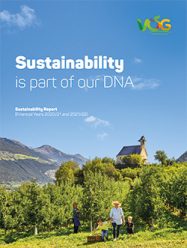
Sponsored Post – VOG Products, the South Tyrol fruit-processing company, has integrated sustainability into its corporate strategy. Priorities, measures and objectives are set out in the sustainability report , which has now been presented for the first time.
Sustainability has been firmly embedded in the DNA of VOG Products since it was founded in 1967. “Our founders’ desire and goal was to give every apple a value – regardless of whether it was too small, too big or didn’t have enough colour – according to the principle: every apple is a good apple,” said Christoph Tappeiner, CEO of VOG Products.
click picture to download the sustainability report
For VOG Products, sustainability is comprehensive: it includes social, ecological and economic aspects. VOG Products’ sustainability strategy is based on six key themes: water, energy and climate protection, health and occupational safety, regional added value, healthy products and innovation. The management and the 210 employees are working hard at every level to achieve their ambitious goals.
These range from a reduction in energy and water consumption to the improvement in the carbon footprint, a safe working environment (goal: zero serious accidents in the workplace) and added value that benefits the members who leave the raw materials to the company. The sustainability report provides information about the strategic approach, measures implemented and planned and the goals being pursued. The report (entitled: “Sustainability is part of our DNA”) has been prepared according to the GRI Standard (Global Reporting Initiative) and refers to the financial years 2020/21 and 2021/22.
Measures for greater sustainability
Probably the key environmental measure implemented in the 2022/23 financial year is the exhaust vapour compression project: the existing evaporation system, which is used in the production of concentrates, will be expanded to include mechanical exhaust vapour compression. The compressed exhaust vapour will in future be reused over several stages to evaporate the remaining water in the juice. In addition to saving steam, the performance required of the cooling tower is also reduced, as are CO2 emissions.
The cooling water has already been optimised: VOG Products has calculated a savings potential of 700,000 cubic metres by using water twice as cooling and transport water.
The producer organisation’s corporate carbon footprint has been calculated since 2020/21. A key partial goal has already been achieved in the past financial year: VOG Products has achieved CO2 neutrality for Scope 2 since green energy solely from hydropower is being purchased in the electricity sector. Efforts to reduce CO2 emissions are aimed at reducing energy consumption in the gas sector and expanding the company’s own photovoltaic system.
EcoVadis, the world’s most reliable provider of sustainability assessments for global supply chains, recently recognised VOG Products’ continuous efforts by awarding them a silver medal.
Refresco opened its new high-bay warehouse at the Calvörde production site in Germany. At this manufacturing facility, Refresco, one of the leading independent providers of beverage solutions in Germany is setting new standards for efficient logistics and future-oriented quality delivery. With a total capacity of more than 41,000 pallet spaces, this is now Refresco’s largest fully automated warehouse.
Refresco invested over 20 million euros in the construction of this new high-bay warehouse. The largest single investment of the German business unit to date, this new warehouse is of strategic importance for the production and logistics at this location for the future. Thanks to the modern conveyor technology and increased storage capacity, Refresco expects significant annual efficiency improvements for the production environment as well as for the transportation of finished products. The new state-of-the-art warehouse gives Refresco the opportunity to continue to grow dynamically with their customers and to acquire new business. In addition, the fully automated logistics system will increase occupational safety at the site.
Milestone
“The new high-bay warehouse is a milestone for us and makes this one of Refresco’s most advanced locations worldwide,” says Till Alvermann, Managing Director Refresco Germany. “Among other things, the complete automation of our logistical handling allows us to load quickly and safely and improves our competitive advantage. We also strengthen the service level for our customers. We are therefore very pleased to be able to officially commission the high-bay warehouse today.”
Refresco invests a substantial portion of their profit in their manufacturing facilities, to improve and/or expand capacity and technological capabilities. The investment in this new warehouse at a strategically important site for Refresco, is but one example of Refresco’s continued investment in their network of production sites.
At Calvörde, on 800 metres of conveyor line, 42 double aisles of an electric overhead conveyor connect all product lines and the shipping area to the high-bay warehouse. 36 gravity roller conveyors provide up to 400 pallets per hour at twelve loading ramps. The high throughput capacity also enables the simultaneous loading of ten trucks per hour.
Other high-bay warehouses
Refresco has four other high-bay warehouses across their European footprint, located at production sites in the Netherlands, Germany, and France. They are all similar in the way they were designed and are operated: production lines are connected to the warehouse, with the help of a stacker crane finished products are controlled and stored within the racks, and the pre-staging of pallets is fully automated all the way to the docking area, where trucks pull up to quicky and smoothly load beverages for delivery.
Firmenich, the world’s largest privately-owned fragrance and taste company, is excited to announce its 2023 flavour of the year, dragon fruit, celebrating consumers’ desire for exciting new ingredients and bold, adventurous flavour creation.
“This marks our 11th flavour of the year, which is something our customers have come to look forward to each year. Dragon fruit’s bold vibrancy is a perfect choice as we embark an exciting year of change,” said Maurizio Clementi, ad interim President, Firmenich’s Taste & Beyond division. “Our in-depth Human Insights have identified the strong shift towards wellbeing and sustainability in people’s food and beverage choices, as well as newly-emerging elevated expectations in terms of taste. As everything we do is rooted in nature and deep consumer understanding, this inspired us to choose a flavour of the year which captures both.”
Drawing inspiration from colour & Trenz™
This is the second consecutive year of a sensory partnership between Firmenich and Pantone®. The global colour authority has just launched its 2023 colour of the year, PANTONE® 18-1750 Viva Magenta™, which it describes as a “brave and fearless, a pulsating colour whose exuberance promotes optimism and joy.” Mikel Cirkus, Global Creative Director for Taste & Beyond said: “In the same way that Pantone’s colour of the year captures the emerging themes seen in the world around us, our choice for flavour of the year does so by translating new signals into positive sensory experiences. Our 2023 choice of dragon fruit reflects the global consumer’s increasingly adventurous palate and desire for the new or exotic when it comes to ingredients and taste.”
Jeff Schmoyer, Firmenich Global Head of Human Insights, said: “Dragon fruit’s subtle flavour creates a wonderful opportunity to bring the exceptional creativity and expertise of Firmenich’s flavourists to the fore, providing the perfect canvas for them to dare to imagine bold, exciting and delicious new taste combinations.”
A fruit by any other name
Native to Central America, where it is known as pitahaya, and thriving in tropical and subtropical climates across the world, dragon fruit’s flesh is rich in antioxidants and high in calcium. Dragon fruit grows from a climbing cactus, making it a drought-resistant and naturally low water-use crop, requiring only a quarter of the water to grow compared to that of an avocado.
Much like the mystical creature that inspired its name, dragon fruit is fierce in appearance, with a scale-like skin in bold hues ranging from fiery yellow to bold magenta. However, its delicate flavour belies its imposing armor. With several different types varying in both colour and taste, dragon fruit ranges in flavour from milder melon and kiwi-like to slightly sweeter berry profiles with notes of beetroot.
Enter the dragon fruit
Part of its industry-leading Human Insights capability, Firmenich’s Trenz™ forecasting team spotted a post-Covid rise in dragon fruit across almost every major city in the world. While always popular within niche segments, the exotic fruit began showing up more universally across diverse markets and food service venues, as well as product applications, from the more intuitive juices and smoothies to less traditional formats like tea and cooked savory dishes.
According to Mikel Cirkus, this is all part of a decade-long trend for boldness and discovery in food and drink. The pandemic increased the pace of this trend, with huge spikes in consumers broadening their palates for new seasoning. Notably, expenditures on spices & seasonings at home grew 27 % CAGR1, Trenz™ found. New product innovation has followed, with on-pack claims such as “bold” and “exotic” up by 38 % since 2017, and the use of three- and four-way flavour combinations in products now cresting over 25 % of all food & beverage launches.
Firmenich’s renowned Emotions360 consumer research offered a second clue. This proprietary in-depth study of natural ingredients identified that people are very excited about dragon fruit. In fact, Emotions360’s latest wave, which surveyed 18,670 consumers across eight countries around the world, indicated that 88 % of consumers have heard of dragon fruit, and 56 % have tasted it. In terms of consumer perceptions, dragon fruit triggers associations with adjectives like bold, exotic, exciting, impressive and fun. Given this positive association, it’s not surprising that the same consumers ranked dragon fruit in the 90 % percentile among all ingredients with a high likelihood to rise in popularity in the future.
A fiery future
As much as dragon fruit is on fire in juice bars, markets, and street vendors around the world, the packaged food & beverage world was initially slow to innovate around this trend. However, this trend is changing, with product launches containing dragon fruit callouts now accelerating in all regions. In fact, dragon fruit use in CPG (Consumer Packaged Goods) is growing more quickly in foods than beverages, where innovations typically appear first.
Jeff Schmoyer, Firmenich Global Head of Human Insights, commented: “Dragon fruit may be still a ‘rare’ fruit flavour for CPG food & beverage brands, but it is no longer rare to consumers. And in fact, this has translated to one of the fastest growth rates of any ingredient we’ve tracked in recent years. Given the small base and fast growth, it is certainly our boldest Flavour of the Year choice yet from a predictive foresights perspective. It’s possible that the initial lag in new product innovation is in part related to the challenge of realising the flavour of dragon fruit. Our consumer research shows that the fruit can sometimes surprise people by not having the strong flavour to match its visual appearance. Instead, the taste is light, refreshing, sweet, and delicious.”
“For this reason, Firmenich believes that its flavour creativity will play a key role in amplifying the taste and celebrating combinations of dragon fruit with other flavours,” Schmoyer concluded.
1Compound Annual Growth Rate (Source : Global Data LLC and Firmenich analytics)
The Coca-Cola Company announced that Henrique Braun has been named to a newly created role of President, International Development. In this position, Braun will oversee seven operating units that span dozens of countries and territories around the world.
Braun, 54, currently serves as president of the Latin America operating unit, a position he has held since 2020. Braun is a 26-year veteran of the company who has progressed through a number of roles in North America, Europe, Asia Pacific and Latin America.
“Henrique is a strong leader who has learned and grown in operations across the company,” said James Quincey, Chairman and CEO of The Coca-Cola Company. “Most recently, he has led the Latin America operating unit to outstanding results. Henrique’s work to digitise our business and lead a consumer-centric team makes him an ideal fit for a new, broader role.”
As President, International Development, Braun will have oversight of the Latin America operating unit, along with adding responsibility for six operating units: Japan and South Korea; ASEAN and South Pacific; Greater China and Mongolia; Africa; India and Southwest Asia; and Eurasia and Middle East. The presidents of these operating units remain unchanged; Braun’s successor as president of the Latin America operating unit will be named at a later date.
About Henrique Braun Braun has worked in a number of functions during his career at Coca-Cola, including supply chain, new business development, marketing, innovation, general management and bottling operations. He has also been a leader in regional, business unit and corporate functions. From 2013 to 2016, he served as president of the company’s Greater China & Korea business unit. He was named president of the Brazil business unit in 2016, followed by his current role as president of what was then the newly created Latin America operating unit in 2020. Braun is a dual citizen of the United States and Brazil. He earned a bachelor’s degree in agricultural engineering from the University Federal of Rio de Janeiro. He also has a Master of Science degree from Michigan State University and an MBA from Georgia State University. Braun takes on his new duties Jan. 1, 2023, and will report to Quincey. The company also announced that President and Chief Financial Officer John Murphy will add oversight of the company’s Bottling Investments Group, which will continue to be led by President Murat Ozgel.
The joint initiative digitises end-to-end supply chain processes at Eckes-Granini and breaks down information silos within the organisation
o9 Solutions, a leading enterprise AI software platform provider for transforming planning and decision-making, and Genpact, a global professional services firm focused on delivering digital transformation, announced the completion of the first phase to digitise and augment the global supply chain of Eckes-Granini, a leading supplier of fruit juices and beverages in Europe.
This transformation initiative combines Genpact’s decades of expertise in retail and consumer goods, supply chain optimisation, and digitally enabled operations with o9’s Digital Brain platform, which is powered by o9’s proprietary Enterprise Knowledge Graph (EKG) technology for end-to-end supply chain and scenario planning. Together, the o9 and Genpact teams enabled a digitalisation process that breaks down information silos and transforms Eckes-Granini’s operations into efficiently integrated ecosystems that are fully transparent and streamlined for the company, its vendors, and suppliers.
The implementation will reduce supply chain costs and inventories, eliminate excess inventory, waste and duplicative processes and enhance operating efficiencies to support long-term goals. In the first phase, Eckes-Granini went live with the Valorized Demand Planning process in Spain, Germany, Hungary, Austria, France, Finland, Sweden, and its international business, bringing together Supply Chain, Finance, Sales and Marketing under the same process and tool.
“By digitising our supply chains, we gain transparency to make more meaningful decisions with our alliances and inventories across the value chains, as well as continue to offer the highest quality of products that our customers expect,” said Tobias Rudolf, Chief Information Officer at Eckes-Granini. “We are striving to become one of the most sustainable companies in the juice and fruit beverages sector.”
Koa receives recognition for its socially responsible business just five years after the establishment of its innovative cocoa fruit venture. The Swiss-Ghanaian start-up is excited to announce the success- ful B Corp™ Certification with a score of 95.7 points. As Koa is scaling its operations, the team pushes even further in improving and leading with positive change.
Koa has officially become a B Corp™, short for Certified B Corporation, using the power of business to address some of society’s greatest challenges. “Nowadays, measuring the success of a company needs to go beyond pure financial performance. Since our inception, we measure our success on the triple bottom line: people, planet and profit. Being B Corp certified, we join a community of businesses around the world leading the transformation of the global economic system and we hope that many of our peers will follow our example,” Benjamin Kuschnik, Co-Founder and Group Finance Director of the Swiss-Ghanaian start-up, highlights.
A rigorous review of Koa’s impact
By certifying their businesses, recognised B Corps step into a framework for continuous improve- ment. A company must achieve a minimum score of 80 points on the B Impact Assessment to be certified and repeat the verification process every three years. The extensive assessment measures Koa’s ongoing impact on its workers, community and suppliers, customers, governance and the environment to make sure that the company is meeting high international standards of social and environmental performance, accountability, and transparency.
As a B Corp, the start-up joins the growing movement of around 6,000 Certified B Corporations from 158 industries across 86 countries, including companies like Ben & Jerry’s, Innocent Drinks and Valrhona. The B Corp Certification is administered by B Lab™. Lucy Muigai, CEO of the African B Lab certifying Koa says: “This is not only a win for Koa but a win for the B Corp movement. The recognition marks Koa’s continued investment in tackling poverty in the cocoa supply chain and strengthening rural communities through job creation. Koa joining the B Corp community signals a shift towards greater accountability and transparency in the cocoa sector.”
Founded in 2017, Koa is disrupting the cocoa industry through its innovative upcycling of the cocoa fruit. Koa is the first company in West Africa to have unlocked a new value chain around the so far discarded cocoa pulp and worldwide the first cocoa fruit brand to become a B Corp. Working closely with cocoa smallholders, Koa reduces on-farm food waste around the cocoa fruit, generates additional farmer income and creates new jobs in rural communities. At the same time, Koa brings unique new ingredients to the food and beverage industry for applications ranging from chocolate and confectionery to ice cream or drinks.
Addressing opportunities for improvement
“We are proud to receive this certification, especially since we’re the third B Corp which has its major operations in Ghana, and we’ve been only five years in business,” says Francis Appiagyei-Poku, Finance and Administration Director at Koa in Ghana. “While we have proven to meet B Lab’s high standards, it’s still important to us that we strive for continuous improvement.”
As a water-intensive sector, agriculture poses risks such as water stress or depletion of local water sources if water use is not appropriately managed. Koa’s production process in the factory requires substantial amounts of water and energy for logistics, cooling and cleaning. Koa is therefore constantly improving the infrastructure to reduce resource usage such as investing in a rainwater harvesting system.
Besides environmental improvements, Koa is actively training its workforce for an international environment. Koa is committed to having more women and minorities in leadership positions since diversity is at the core of its business and the team aims to set an example beyond the sector it works in.
A new clinical research paper provides additional evidence that BeniCaros®, a functional food, beverage and supplement ingredient, prepares the immune system and strengthens healthy immune responses, NutriLeads BV announced. The research was recently published in the peer-reviewed journal Nutrients.
The research paper elaborates on previous findings that showed 300 mgs. of BeniCaros accelerated immune responses and significantly reduced the severity and duration of symptoms in a study of 146 healthy human subjects following a controlled challenge with a common cold virus. These latest data demonstrate that BeniCaros, a soluble prebiotic carrot fiber known scientifically as Rhamnogalacturonan-I or cRG-I, significantly reduced individual cold symptoms and helped subjects feel better and maintain their quality of life. The paper is titled, “Effects of Dietary Supplementation with Carrot-Derived Rhamnogalacturonan-I (cRG-I) on Accelerated Protective Immune Responses and Quality of Life in Healthy Volunteers Challenged with Rhinovirus in a Randomized Trial.”
“Subjects taking BeniCaros felt considerably better and reported significant reductions in common cold symptoms, including a runny nose, sore throat, coughing and feeling tired, compared with the placebo group,” said Ruud Albers, Ph.D., NutriLeads founder and Chief Scientific Officer. “The BeniCaros group also reported significantly better quality-of-life scores than the placebo group, including the ability to think clearly, exercise and accomplish daily activities and work inside and outside the home.”
BeniCaros has a dual mode of action that trains the immune system to respond faster, preparing innate immune cells for a heightened state of readiness, and selectively increases beneficial gut microorganisms and their metabolites that support immune responses.
“Our research shows that BeniCaros supports and accelerates healthy immune responses when they are needed most,” said Joana Carneiro, NutriLeads Chief Executive Officer. “These latest data illustrate the ways in which BeniCaros helps individuals live their lives so nothing slows them down.”
Study design
In the randomised, double-blind, placebo-controlled trial, 146 healthy adults were given either BeniCaros or a placebo for eight weeks, after which they were exposed to a standardised dose of a mild rhinovirus via the nose. Researchers utilised blood, fecal and nasal fluid samples to count immune cells, track blood markers, measure immune responses and investigate gene expression. In addition, a validated clinical questionnaire was used to evaluate common cold symptom severity and quality of life.
Subjects were asked to complete the Wisconsin Upper Respiratory Symptom Score-21 (WURSS-21) questionnaire every morning for two weeks starting the day before infection. WURSS-21 is comprised of 21 questions divided into three sections: total score and “how well do you feel today?”, upper respiratory tract infection symptoms, and quality-of-life questions to assess the impact of a common cold on daily activities.
Study results: BeniCaros reduced severity, duration & impact of cold symptoms
Subjects taking 300 mgs. of BeniCaros reported statistically significant reductions in symptom severity (20 – 33 %) and duration (28 – 43 %) compared with the placebo group, based on the total WURSS-21 over 13 days post infection. BeniCaros subjects experienced a lower peak value in severity (day 3) and lower impact (10 – 30 %) of a variety of common cold symptoms, including runny nose, sore throat, cough and feeling tired.
BeniCaros also significantly reduced the negative impact of a common cold on quality of life. In comparison with the placebo group, BeniCaros subjects reported that their colds interfered 10 – 30 % less with their quality of life. Key measurements included the ability to think clearly, walk, climb stairs, exercise, accomplish daily activities, work inside and outside the home and live their personal lives.
Biological study data show BeniCaros supports a cascade of protective immune responses in the presence of a health challenge. BeniCaros accelerated local and systemic immune response biomarkers, including critical anti-viral interferon gene expression and mobilisation of innate immune cells to the site (nasal cavities) of the challenge. Ex vivo stimulation of whole blood samples demonstrated that BeniCaros enhanced the function of natural killer cells, which play an important role in the early innate immune response to virus infections. Importantly, systemic immune responses following BeniCaros supplementation were unchanged in the absence of an immune challenge.
“BeniCaros trains the immune system to be ready to respond when it is challenged,” said Dr. Albers. “It does not lead to broad, non-specific activation of the innate immune system. It is important that immune-support products designed to be taken long term do not stimulate or boost the immune system unnecessarily.”
After record order intake in the first half of 2022, the strong demand for Krones products and services continued unabated in the third quarter. Order intake between July and September 2022, at EUR 1,493.3 million, exceeded the already good prior-year figure of EUR 1,148.3 million by 30.0 %. In total over the first three quarters of 2022, the contract value of orders increased by 44.1%, from EUR 3,192.6 million a year earlier to EUR 4,599.7 million. At EUR 3,449.0 million as of the end of September 2022, the order backlog at Krones was up 95.9 % on the previous year (EUR 1,760.9 million). Compared to the beginning of 2022, the increase is EUR 1.56 billion, or 82.2 %.
Krones held a course of stable revenue growth in the third quarter. Revenue from July to September was up 14.7 % to EUR 1,058.9 million. In the first nine months of 2022, revenue went up by 15.2 % year on year, from EUR 2,643.0 million to EUR 3,043.7 million. Thanks to its great flexibility, Krones managed well with the resource shortages and international supply chain problems during the reporting period. This enabled the company to deliver strong revenue growth.
Krones improves profitability as forecast
The company was able to maintain satisfactory but, due to material shortages, not full capacity utilisation in the first three quarters of 2022. Due to the extensive efficiency improvement measures and the initial effects of the price adjustments, profitability nevertheless improved as planned in the reporting period. Earnings before interest, taxes, depreciation and amortisation (EBITDA) climbed by 27.0 % in the first three quarters from EUR 212.6 million to EUR 270.1 million. The EBITDA margin rose to 8.9 % (previous year: 8.0 %). Earnings before taxes (EBT) went up by 49.2 % to EUR 176.6 million (previous year: EUR 118.4 million). The EBT margin consequently rose to 5.8 % (previous year: 4.5 %). On the bottom line, Krones generated consolidated net income of EUR 128.3 million in the first three quarters of 2022, an increase of 48.2 % (previous year: EUR 86.6 million). This corresponds to earnings per share of EUR 4.06 (previous year: EUR 2.74).
Krones’ EBITDA of EUR 95.0 million in the third quarter was 26.8 % higher than in the previous year (EUR 74.9 million). The EBITDA margin rose from 8.1 % to 9.0 %. EBT improved by 48.5 % to EUR 63.4 million (previous year: EUR 42.7 million). At EUR 45.1 million, consolidated net income in the third quarter was 51.9 % higher than in the previous year (EUR 29.7 million). This made for earnings per share of EUR 1.43 (previous year: EUR 0.94).
Krones’ net cash at EUR 440.9 million as of the end of September 2022
Krones significantly improved working capital and free cash flow in the first three quarters of 2022. The ratio of average working capital for the past four quarters to revenue came to 20.5 % (previous year: 26.2 %). The decrease reflects the strong revenue growth and rising advance payments from customers due to the large order intake. Free cash flow in the first nine months of 2022 amounted to EUR 132.3 million, an increase of EUR 24.8 million on the already high prior-year figure (EUR 107.5 million). Krones’ net cash – cash and cash equivalents less bank debt – amounted to EUR 440.9 million at the end of September 2022 (previous year: EUR 283.4 million). In addition, Krones had available just under EUR 1 billion in free lines of credit as of 30 September 2022. Krones improved ROCE (return on capital employed) to 12.4 % in the first three quarters of 2022 (previous year: 10.1 %).
Krones has raised its growth guidance for revenue in the full year 2022
Krones faced many challenges in the first three quarters of 2022 that continue to apply. Uncertainties and risks include material shortages and problems in global supply chains, rising material and energy procurement prices, geopolitical risks in Europe and other parts of the world, and also strong inflation in many countries. It is also uncertain how the Covid-19 pandemic and the war in Ukraine will continue to play out and whether industry can be supplied with sufficient energy.
Krones has managed well with all challenges so far and remains fundamentally optimistic. Due to the continued very strong demand for Krones products and services, as well as good management of scarce resources, the company expects to maintain satisfactory production capacity utilisation in the fourth quarter of 2022. On 19 October, on the basis of current planning, Krones therefore raised its guidance for revenue growth in the full year 2022 to between 10 % and 12 % (previously 5 % to 8 %).
The guidance for the other two financial targets remains unchanged. This means the company continues to expect an EBITDA margin of 8 % to 9 % and ROCE of 10 % to 12 % in 2022. The Executive Board is confident of reaching the upper end of the target range for both figures.
These forecasts are subject to the reservation that the war in Ukraine does not further escalate, the coronavirus situation does not worsen and there are no significant energy shortages.
The UK Government has announced that it is suspending the tariffs imposed on a range of food and drink items, including orange juice (see the full list via this link).
Success on the latter product comes after the BSDA and the British Fruit Juice Association applied (in July 2021) to get the two commodity codes which make orange juice products more expensive suspended.
During the UK’s membership of the EU, Industry had to submit applications to the bloc to request suspensions, which then had to be assessed by all member states.
BSDA Director Gavin Partington, said: “We welcome the Government’s decision to suspend the tariffs placed on orange juice imports. This will ease some of the cost pressures faced by our members such as on fuel and transport. A 150 ml serving of orange juice counts as one of your 5 A Day and is a cost effective way of working towards the target which – according to NHS data – is currently being missed by all age groups.”
The tariff suspensions are expected to apply for a period from 1 January 2023 to 31 December 2024.
Louis Dreyfus Company B.V. announced the successful development of a new product made from not-from-concentrate (NFC) orange juice, presenting a 30 % reduction in natural sugar content and more than triple dietary fiber content, while preserving original taste (Brix value) and vitamin C level.
Further to a five-year research effort by the Group’s in-house R&D laboratory team of food engineers, chemists and biotechnologists in Bebedouro, São Paulo State, Brazil, LDC has developed a successful process to reduce sugar content in orange juice, in line with the company’s commitment to offer nutritious, high-quality juices that address growing consumer demand.
“Complementing our extensive portfolio of juices and ingredients from Brazilian-grown citrus fruits, this new product represents another positive step in LDC’s strategy to diversify revenue through value-added products, including specialty ingredients and products like this one,” said Juan José Blanchard, LDC’s Global Head of Juice. “Leveraging our global network and partnerships, LDC aims to bring this new product to the global market in collaboration with leading beverage industry players, contributing to the advent of healthy, nutritious juice product options that respond to consumer expectations, while continuing to invest in R&D activities targeting further reductions in sugar content.”
Although commercial roll-out is initially focused on Asia Pacific, with an initial launch planned in early 2023 in China, the new product is available to industry customers worldwide, including in Europe, North America and South America, where the Group sees growing consumer demand for healthy, nutritious, great-tasting diet options.
The harvesting of late orange varieties began at a slow pace in mid-October. Although maturation was not ideal then, oranges were within the minimum standards required by the market, leading farmers to begin the harvesting.
The first variety available in the market was valência, followed by natal. Even the variety “folha murcha”, whose harvesting usually begins in December, arrived at the market in the first fortnight of November.
Agents expect supply (majorly of valência and natal oranges) to increase in the coming weeks, as the harvesting steps up in December – activities are forecast to end in mid-February. Also, the share of late varieties at juice processing plants is expected to gradually increase this month, accounting for the most part in December.
At juice processors, although quality standards (ratio and brix) are not within requirements, agents from the industry reported to be receiving late varieties – many of them blend these varieties with the juice from pear oranges without any quality loss. However, the supply of these varieties is still low because of difficulties to find labor for the harvesting.
A bold new era of “Healthy Hedonism” is inspiring a radical rethink of what is possible with natural colours, according to trend analysis by GNT.
GNT, the global supplier of plant-based EXBERRY® colours, explored how today’s consumers see colour in the world of food and drink and beyond. The research revealed a powerful new trend shaped by Generation Z’s desire to embrace joy and creativity while staying true to core values.
The new generation of consumers is radical, diverse, and digitally native – and it is rapidly changing global attitudes toward food and drink. Gen Z shoppers are committed to holistic wellness and are actively promoting environmental and social agendas through their purchases. At the same time, their devotion to social media means visual impact is more important than ever before.
This consumer behavior can be described as Healthy Hedonism. This ethos is now set to spark a global surge in demand for eye-catching products that are good for people and planet. From seductive healthy snacks to kaleidoscopic TikTok treats, the trend showcases a lifestyle that is playful, considered, and nourishing.
GNT’s analysis found that it is already generating new directions in natural colour. For example, cute soft-play pastel shades are being used to redefine what “healthy and sustainable” looks like. Psychedelic colour schemes now work in harmony with mind-boosting ingredients to tap into new-age wellbeing. Bright, clashing colour combinations can also enable brands to create virtuous products that satisfy the desire for creativity and self-expression.
Maartje Hendrickx, Market Development Manager at GNT Group, said: “Healthy Hedonism resonates with the new generation of conscious consumers who are determined to rewrite the rules. To tap into the trend, brands need to celebrate disruption and adopt a new visual language for products that are both healthy and environmentally sound. Earthy colours are no longer a necessity – it’s time to be bold, be creative, and make people smile.”
Available in shades spanning the full spectrum, EXBERRY® colours are plant-based concentrates created from non-GMO fruit, vegetables, and plants using traditional physical processing methods. GNT has also set out a commitment to become the leader in its field on sustainability by 2030.
Latest addition to PlantGuard™ portfolio to debut at FiE 2022
Prinova Europe is launching a potent new plant-based antimicrobial that inhibits the growth of yeasts, moulds and bacteria, addressing the increasing demand for natural preservatives.
PlantGuard™ AM is the latest addition to the company’s botanical-derived range of preservatives, which enable manufacturers to use natural clean-label solutions to minimise food waste. The portfolio will make its first live show appearance at Food ingredients Europe (6-8 December) in Paris.
PlantGuard™ is a proprietary blend of natural extracts from plants that have been used in nutritional supplements for many years due to their antioxidant properties. It is highly effective for extending freshness and shelf life, delaying the onset of rancidity and hindering microbial growth, as well as conserving flavour and colour.
The heat-stable, neutral-tasting preservatives perform well against synthetic alternatives in a range of foods and beverages. PlantGuard™ AM, which can be used in applications including dairy, fish, meat, fruit, vegetables, cereals and juices, will be showcased at FiE alongside the antioxidant PlantGuard™ FS (fat-soluble for high-fat applications such as pastries, fried foods and mayonnaise) and WS (water-soluble for lower-fat products including breads, reduced-fat spreads and sauces).
Because PlantGuard™ can be used in such a broad range of applications, it can replace artificial preservatives across a number of product lines. Prinova’s technical team works with customers to help them select the optimal solution for their brands. The low dose rate and cost-in-use that compares well with alternatives enable further economies of scale.
From now on, JuiSea Shipping will operate a regular shipping service from Ghent in North Sea Port for the export of orange juice to the United Kingdom. North Sea Port thus manages to strengthen its position as a foodport.
JuiSea Shipping is a collaboration of Refresco and Trilobes, both with headquarters in the Netherlands. The orange juice will be loaded on board the 89m vessel MV Marilie in Ghent at Louis Dreyfus Company and Citrosuco. Chartered by JuiSea Shipping, this vessel will sail between Ghent and the port of Portland, UK, 32 times a year, where it will be offloaded for Refresco’s Bridgwater plant. The vessel, sailing under the Finnish flag, will carry both concentrates of orange juice and fresh orange juice.
Global players
For the import and export of orange juice, North Sea Port is home to companies from all over the world. The Refresco Group is the world’s largest independent bottler of soft drinks and fruit juices. It operates with over 10,000 employees at more than 60 production sites in twelve countries. Trilobes specialises in tank construction, terminals and ship cargo systems for liquid bulk. It operates on all continents, for example in Brazil, Belgium and Japan.
Foodport
So from now on, orange juice will also be shipped to the United Kingdom from Ghent. This strengthens one of North Sea Port’s strategic pillars. Indeed, with this shipping service, the port is further developed as a foodport. Brazil and the United Kingdom are therefore of great importance here: in 2021 Brazil was the third most important trading partner for North Sea Port, the United Kingdom the fourth.
Costain is working with Dwr Cymru Welsh Water, Wales and West Utilities and food and drink manufacturer Princes Group on a feasibility study to produce hydrogen from biogas from the Cardiff East Waste Water Treatment Works that willfuel boilersto provide heat for fruit juice pasteurisation.
The programme is funded through the Department for Business, Energy and Industrial Strategy’s (BEIS)£1 billion Net Zero Innovation Portfolio, which aims to accelerate the commercialisation of innovative clean energy technologies and processes through the 2020s and 2030s.
The H2Juice project has been awarded £372,931 of funding from the BEIS£26 million Industrial Hydrogen Accelerator Programme (Stream 2A), to demonstrate the feasibility of end-to-end industrial fuel switching to hydrogen. The study will take five months with the possibility to awarded further funding in the subsequent Stream 2B, to conduct further engineering and a demonstrator.
The feasibility study will also investigate the ability to utilise different blends of hydrogen with natural gas, enabling the transition to fuel switching and demonstration of system flexibility.
Costain Energy Sector Director, Matt Browell-Hook, said “I’m delighted that our H2Juice project has been selected under the Government’s hydrogen accelerator programme. Costain has been active for a number of years in the development of hydrogen schemes across the UK and this recent award is a great reflection of the hard work our energy teams have been involved in.”
This project builds on a similar study carried out with Welsh Water to evaluate the feasibility of converting waste gases from the sewage treatment process to produce fuel grade hydrogen, which could power local fleet vehicles.
TotalEnergies Corbion is stepping up its efforts in closing the recycling loop for PLA. To stimulate collecting, sorting, and cleaning of PLA waste and to facilitate a marketplace for PLA recycle streams, TotalEnergies Corbion is actively buying reprocessed PLA waste. The advanced recycling process allows for the PLA to be recycled back into Luminy® rPLA with the exact same properties and certifications as virgin Luminy® PLA.
(Photo: TotalEnergies Corbion)
In Europe, the success of advanced recycling of PLA is exemplified by the NaKu bottled water from Austria. The NaKu bottle is made of 100 % biobased plastic (PLA), it is therefore recyclable and compostable (according to EN 13432). The bottles, made of Luminy® PLA are 100 % recyclable and contain 20 % recycled content which is third-party certified by SCS Global Services. After use the bottles are collected, sorted, cleaned and the resulting PLA is mechanically recycled into different applications.
In Asia, another strong example of PLA recyclability is Sansu in Korea. Sansu bottles water in Luminy® PLA. After use the bottles are collected, sorted, cleaned and the resulting PLA is advanced recycled into Luminy® rPLA. Luminy® rPLA has the exact same mechanical properties, food contact and other certifications as virgin PLA.
“At various jazz and music festivals in Korea PLA drinking cups are exclusively used. The cups are collected, sorted and send for advanced recycling in our plant in Thailand. This close loop concept is not new and with the advanced recycling that TotalEnergies Corbion has developed, this is now a reality” said ChowPin Tan, Senior Business Development Director Asia Pacific at TotalEnergies Corbion.
Arla Foods Ingredients has developed a solution that allows the creation of fermented drinks that are both clear and high in protein – a new innovation in the healthy beverage space.
As demonstrated by the continuing popularity of kombucha, drinking yoghurts and clear protein drinks, there is high demand for novel ready-to-drink products. Recent innovations include fermented protein beverages, which offer synergistic health benefits because protein supports the growth and viability of probiotics.
The new solution, which is based on 100 % whey-based hydrolysates Lacprodan®HYDRO.365 and Nutrilac® FO-8571, opens up new ways to give fermented protein beverages a twist. Because it significantly minimizes cloudiness and sedimentation, it can be used to create high-protein fermented beverages that are just as clear as alternatives without protein.
Manufacturers can use it with thermophilic cultures for fermented drinks, or mesophilic cultures for kombucha-style beverages, both of which are high in probiotics – meeting a key consumer need – and lactose-free. They can also be produced on a standard yoghurt processing line.
Barbara Jensen, Sales Development Manager at Arla Foods Ingredients, said: “The market for healthy beverages is incredibly dynamic, with categories like kombucha enjoying phenomenal success. Our goal is always to help our customers lead innovation and now we’re giving them opportunities to offer consumers a new twist on fermented protein beverages – a category that’s already very exciting. With this new solution they can create on-trend beverages that are not only high in both protein and probiotics, but also stand out from the pack because of their clear, refreshing appearance.”
All Oranges 28.0 Million Boxes
The 2022-2023 Florida all orange forecast released by the USDA Agricultural Statistics Board is carried forward from October at 28.0 million boxes, down 32 percent from last season’s final production. The total includes 11.0 million boxes of non-Valencia oranges (early, midseason, and Navel varieties) and 17.0 million boxes of Valencia oranges. The Navel orange forecast, at 300,000 boxes, accounts for 3 percent of the non-Valencia total. The estimated number of bearing trees for all oranges is 44.0 million. …
Please download the full citrus crop production forecast: www.nass.usda.gov
The number of consumers cutting back on their grocery shopping as a result of inflation has grown significantly during the past year, according to new research.
In a survey commissioned by specialist PR consultancy Ingredient Communications, a quarter of respondents (24.9 %) said they had stopped buying a food or beverage product in the previous three months due an increase in price. This is significantly higher than 10 months earlier in late 2021, when the same survey found that 17.6 % of shoppers had traded out of a product because it had become too expensive.
The research, conducted by SurveyGoo, also found that nearly half of respondents (48.4 %) had purchased a product less often, compared with 36.5 % previously. More than half (50.9 %) said they had bought less of a product, compared with 40.8 % before, while 57.8 % said they had switched to a cheaper brand, compared with 47.5 % in 2021.
Retailer brands have benefited from the squeeze, with 35.6 % of respondents saying they had switched to an own label version of a product, versus 25.8 % in the previous survey.
SurveyGoo polled 1,000 consumers in the USA and UK during the first week of October 2022. The previous survey was carried out in early December 2021 when inflation was already on the rise. Since then, prices have soared even higher. Year on year inflation in the UK’s food and beverage category was 14.6 % in September this year.1 In the US, inflation for food consumed in the home was recorded at 13 % over the same period.2
Nearly all respondents to the latest survey (98.1 %) said they had noticed food and beverage prices rising in the previous three months, compared with 94.2 % in the 2021 survey.
Richard Clarke, Managing Director of Ingredient Communications, said: “Since we first conducted our price sensitivity survey in December 2021, the war in Ukraine has exacerbated an already volatile situation. As well as difficulties sourcing certain raw materials, fuel costs have gone through the roof. With winter on the way in the western hemisphere, and no sign of Russia backing down, demand for energy will spike and it’s hard to see any short-term easing of the inflationary pressures that food companies and consumers are facing.”
He continued: “In manufacturing, it’s tempting to look for quick fixes to cut costs but in the food industry there are always risks to this. Consumers are very attuned to recipe changes and pack size reductions and social media means news of these can spread fast. At Ingredient Communications, we’ve always advocated using high quality ingredients that differentiate a product. But in these challenging times, it’s also worth talking to your ingredients suppliers to see how they can help. Many have extensive formulation expertise and might be able to advise on how to reduce input costs without compromising on quality or losing brand equity and consumer trust.”
Sidel has opened a new hub dedicated to PET recycling. At its unique small-scale PET recycling pilot line in Octeville, France, Sidel will develop its understanding of PET recycling with the aim of giving comprehensive support to the market as it switches to greater use of recycled PET.
Seeking carbon neutrality, the packaging industry is in the middle of a transition period that aims to replace virgin PET with recycled PET. Sidel is engaging with this transition to circular packaging solutions, enabling r-PET to be more widely used. The unique small-scale PET recycling line will allow Sidel to develop advanced knowledge about the recycling of food-contact PET bottles. As Sidel packaging experts assess the impact of additives and primary packaging materials on r-PET resin the facility will become an important reference for raw material producers, recyclers and recycling regulatory organisations. The line will also enable Sidel to further develop its own knowledge, ideas and innovative packaging solutions.
Helping to meet demand for r-PET
Demand for r-PET is increasing and the market is developing as brand owners seek carbon neutral solutions. The amount of recycled PET in packaging globally has increased to 8 % compared to 5 % in 2018. In Europe, the average is already 15 % and is projected to grow to 35 % in 2030.1
“There is a big move towards recycled PET, but demand is outstripping supply,” says Naima Boutroy, Sidel’s Global Packaging Expert. “The market still has a lot to learn and we can provide valuable insights. There is a variability in recycled PET resin grades, and standardisation is still in development. We need to address this to create the best possible finished bottles. Our line will test the recyclability of post-consumer PET bottles from different feed stocks, including additives and caps as well as labels, inks and glue. We will be working with traditional Sidel customers such as brand owners, converters and co-packers, as well as other suppliers like raw material producers, recyclers and regulatory organisations, to enable the scaling-up of r-PET capacity. We can also check any innovations comply with bottle-to-bottle recycling.”
Fully-equipped line to study entire process
Sidel’s new line will take raw material from industrial partners such as sorting facilities, recyclers and brand owners. It will then recreate and study all aspects of the process from bales to flakes including pellets ready to be injected into preform, injection and blow moulding.
Sidel will give the packaging industry the opportunity to access a fully equipped pilot line. This line covers every step of the recycling process: from washing, drying and pellet extrusion, to solid-state polymerisation, including dedicated process and laboratory controls at every step.
Making PET a more sustainable choice
PET is proven to be recyclable and is the only food-safe bottle-to-bottle recycled material, but the market has yet to see the production of standardised r-PET resin grade in high quantities; achieving this could facilitate the market conversion from virgin PET to r-PET. Lifecycle analysis shows that PET already has the best carbon footprint among materials currently available; creating a robust recycling loop to achieve full circularity at scale will make PET an even more sustainable choice.
Sidel to become one-stop shop for r-PET
Sidel’s investment in the r-PET pilot line is unparalleled in the packaging industry and will also empower Sidel in shaping the packaging solutions of tomorrow. The line, which has a holistic bottle-to-bottle approach, is just one of a range of services that Sidel is establishing under the name RePETable™ services. The services will draw upon Sidel’s 40+ years of blowing and packaging expertise, to support brand owners and convertors in producing r-PET bottles through line upgrade solutions, packaging optimisation, blowing process qualification, troubleshooting, r-PET processing training.
You need to load content from reCAPTCHA to submit the form. Please note that doing so will share data with third-party providers.
You are currently viewing a placeholder content from Turnstile. To access the actual content, click the button below. Please note that doing so will share data with third-party providers.








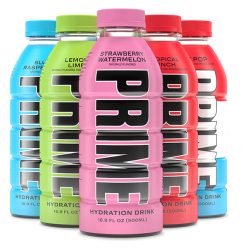

 Sponsored Post – VOG Products, the South Tyrol fruit-processing company, has integrated sustainability into its corporate strategy. Priorities, measures and objectives are set out in the sustainability report , which has now been presented for the first time.