Building upon the successful partnership established in 2022 (with the aim to produce the first heat exchanger made with fossil-free steel) Alfa Laval will now incorporate SSAB’s unique fossil carbon emission free and recycled steel (SSAB Zero™), into its heat exchangers. This represents an important milestone towards achieving a global carbon neutral supply chain.
Key highlights:
Tackling global carbon emissions: Steel production accounts for 7 percent of the world’s carbon emissions, making it a critical industry in the fight against climate change. The collaboration between Alfa Laval and SSAB aims to address this challenge, with emissions being predominantly generated from a limited number of locations.
Reducing carbon footprint: By integrating SSAB’s fossil carbon emission free, recycled steel, produced through renewable-based processes, into Alfa Laval’s heat exchangers, the collaboration takes an important step towards achieving a global carbon neutral supply chain.
Double impact on global emissions: Initially more than 100 heat exchangers will be delivered this year – and significantly more the coming years. These heat exchangers will be deployed to improve energy efficiency in numerous areas such as HVAC, marine, process and food industries.
“Alfa Laval’s commitment to sustainability is further strengthened through our collaboration with SSAB,” says Thomas Møller, President of the Energy Division at Alfa Laval. “By incorporating their recycled steel in our heat exchangers, we are not only reducing our own carbon footprint but also driving the entire value chain towards a cleaner and more sustainable future.”
”SSAB is really accelerating the roll-out of zero-emission steel with our newest product SSAB Zero,” says Thomas Hörnfeldt, Head of Sustainable Business at SSAB. “We are now expanding our partnership with Alfa Laval to include SSAB Zero, and can look forward to visible results already this year. This is great news, and also allows us to help mitigate climate change even faster.”
PLM market leader and top regulatory compliance provider team up to create integrated platform to screen ingredients throughout product development lifecycle Centric Software®, the Product Lifecycle Management (PLM) market leader and FoodChain ID, the leading food safety and regulatory service provider are pleased to announce their partnership to bring enhanced regulatory compliance capabilities to product development. Centric Software provides the most innovative enterprise solutions to plan, design, develop, source, price and sell food & beverage, cosmetics and consumer products to achieve strategic and operational digital transformation goals.
FoodChain ID is trusted by over 30,000 companies across the global supply chain, with technology-enabled solutions and expertise to keep the food and cosmetics supply chain safe and transparent.
The highly controlled industries of Food and Cosmetics require access to trustworthy regulatory information so that the risk of formulation missteps are reduced, especially at the development stage. This saves much time and effort down the line, and notably lessens the chance of dreaded recalls.
Not all PLM platforms have strong formulation capabilities and those that do often rely on manual look-ups or databases pieced together by in-house regulatory compliance teams. The pairing of FoodChain ID’s world-class regulatory libraries and databases driven by the agility of Centric PLM’s formulation, packaging, quality, nutrition, labeling and artwork capabilities gives the food and cosmetics industries the best of both worlds, resulting in a complete formulation and regulatory compliance solution.
Clinton Chadwick, Vice President, Strategic Partnerships at FoodChain ID, explains how the association drives accuracy and speed into product development. “What makes this partnership with Centric Software so exciting is the ability to accelerate product innovation with Centric PLM by reducing time-consuming iterations between product development and regulatory compliance teams.” Chadwick adds, “With FoodChain ID’s data sources pulling from over 220 countries, the data quality of our compliance engine is second-to-none.”
Ron Watson, Executive Vice President of Product at Centric Software discusses how much more efficient it is to formulate with FoodChain ID. “Product developers working in Centric PLM can see the immediate impact of ingredient changes against current global regulatory compliance regulations as they are formulating.” For example, when looking at market expansion, the food or cosmetics scientist can evaluate a formula or ingredient against a regulatory threshold level in the target country and then adjust the formula at the development stage if necessary, where ingredient changes will have little negative impact.
Chris Groves, CEO of Centric Software says, “We are overjoyed about our alliance with FoodChain ID. It marries Centric’s technological expertise in food & beverage, cosmetics, beauty and other formulated goods with FoodChain ID’s extensive global databases and stellar reputation in food safety and regulatory compliance. This gives the users of both solutions confidence in formulation and the means to work seamlessly in one platform, driving even more efficiency into product development.”
The Coca-Cola Company and Pernod Ricard announced a global relationship to debut Absolut Vodka & Sprite as a ready-to-drink pre-mixed cocktail in 2024.
Absolut & Sprite will be made with Absolut, the international premium vodka, and Sprite, the world’s most popular lemon-lime sparkling soft drink. The pre-mixed cocktail will be available in versions with Sprite and Sprite Zero Sugar, with the initial launch planned for select European countries in early 2024, including the United Kingdom, the Netherlands, Spain and Germany.
“We keep consumers at the center of everything we do as we continue to develop our portfolio as a total beverage company,” said James Quincey, Chairman and CEO of The Coca-Cola Company. “We are expanding in the alcohol ready-to-drink space, including products that use select brands from our core portfolio. We are excited about our new relationship with Pernod Ricard and look forward to the introduction of Absolut & Sprite.”
“This very promising and pioneering project brings together two leading companies who are committed to offering their consumers new experiences around premium products,” said Alexandre Ricard, CEO of Pernod Ricard, a worldwide leader in the spirits and wine industry.
Vodka is one of the most popular bases for alcohol ready-to-drink products, and lemon-lime soft drinks are one of the most popular mixers in pre-mixed cocktails.
“Sprite is a wonderful pairing for Absolut, and I’m convinced that our joining forces will bring the whole alcohol RTD category to the next level,” Ricard said.
Absolut & Sprite ready-to-drink packaging will feature two of the world’s most recognisable global trademarks. Absolut was established in 1879 in Sweden. Since then, it has become a world-renowned premium vodka brand, crafted using the finest Swedish winter wheat. Sprite was established in 1959 in Germany and has grown to be one of the biggest brands in The Coca-Cola Company’s global portfolio.
Cans will include clear responsibility symbols stating that the drink is to be enjoyed only by consumers of legal drinking age. Absolut & Sprite ready-to-drink will adhere to responsible marketing practices.
The global benchmark for alcohol beverage volume (ABV) is 5 % but will vary depending on the market.
Sponsored Post – In this agriculture growing & processing facility auction we will have items from these categories: Climate Controlled Rooms, Roll Up Doors, Air Handling Units, Robot Track Pallet Racking & Pallet Runner, Conveyor Washer & Conveyors, Separators, Fillers, Centrifuge Machines, Rolling Stock, Pallet Racking, Palletizer & Depalletizer & Misc. Equipment.
Go to Murphyauction.com for a full list of items!
Start Date: 10:00 AM | Tuesday – October 17
End Date: 10:00 AM | Tuesday – October 24
Preview 8:00 AM to 4:00 PM | Monday, October 23
Location: 200 Titchenal Rd, Ste. 1, Cashmere, WA 98815
The 2023-2024 Florida all orange forecast released by the USDA Agricultural Statistics Board is 20.5 million boxes, up 30 percent from last season’s final production. The total includes 7.50 million boxes of non-Valencia oranges (early, mid-season, and Navel varieties) and 13.0 million boxes of Valencia oranges. The Navel orange forecast, at 300,000 boxes, accounts for 4 percent of the non-Valencia total.
The estimated number of bearing trees for all oranges is 38.7 million. Trees planted in 2020 and earlier are considered bearing for this season. Field work for the latest Commercial Citrus Inventory was completed in June 2023. Attrition rates were applied to the results to determine the number of bearing trees used to weigh and expand objective count data in the forecast model.
An 8-year regression was used for comparison purposes. All references to “average”, “minimum”, and “maximum” refer to the previous 10 seasons, excluding the 2017-2018 season, which was affected by Hurricane Irma, and the 2022-2023 season, which was affected by Hurricanes Ian and Nicole. Average fruit per tree includes both regular bloom and the first late bloom …
Please download the full citrus crop production forecast: www.nass.usda.gov
With the first part of this year’s harvesting on its way, the World Apple and Pear Association (WAPA) has started revising its annual Apple and Pear Crop Forecast based on the latest insights from its members on the season. The first EU apple estimates, which were released on 3 August 2023 during the Prognosfruit Conference, indicated a 3,3 % decrease compared to last year, to a total of 11.410.681 t. The EU pear crop for 2023 was estimated to decrease by 12,9 % compared to last year’s crop with a total of 1.745.632 t.
The early forecast is released during Prognosfruit, when harvesting is just about to start. The crop can therefore still be impacted by nature and climatic factors up to late October, with either a positive or negative impact on the quantity and quality of the harvest. Historically, these adjustments to the forecast amounted to small percentage variations.
The first updates from Prognosfruit’s network of national producing associations indicate that climate change- related conditions negatively affected the crop in the weeks following the publication of the original estimates. The climatic havoc included droughts, floodings, hail, warm nights, and an increased risk of pests across the EU. In other cases, rains and colder nights have positively impacted the size development and colouring respectively in some producing regions.
Regarding this season, while the apple harvesting is still expected to carry on for several weeks, based on the first regional adjustments (both upward and downward) WAPA estimates that the 2023 apple crop is expected to settle at just below 11 million t (about 4 % lower than the original forecast).
In regard to pears, a further decline of the forecast in Italy, Spain, Belgium, and the Netherlands will lead to a lower crop, even lower than in 2021. The final pear crop is expected to be around 1.720.000 T, about 6 % lower than the initial forecast.
WAPA will continue to monitor closely the harvesting developments in Europe, with the objective of consolidating the most accurate and recent figures into its final Crop Forecast later this year once harvesting is completed.
REBBL®, the original organic and plant-powered functional beverage brand, launched WELLNESS, its debut line of juice-based functional beverages and the first juices ever made with Aquamin™ calcified sea algae – a super ingredient clinically proven to support bone, joint and gut health¹. Offered in two refreshing varieties, Tropical Greens and Berry Roots, both WELLNESS juices are available at Whole Foods Market locations in the US.
REBBL WELLNESS packs a punch with 4,700 mg of Aquamin™ calcified sea algae to deliver over 73 essential minerals in every bottle. Derived from red algae, Aquamin™ offers a range of research-backed benefits, from improving digestive health and gut microbiome to helping combat inflammation to support joint and bone health.
Ideal any time of day for delicious hydration, WELLNESS juices are formulated without added sugar and are light and refreshing while supporting immunity-boosting nutrition with 100 % organic fruits and greens.
WELLNESS Benefits:
Supports gut, bone, and joint health*
Calcified sea algae from Aquamin™
Organic and non-GMO
Vegan and gluten-free
80 calories or less
No added sugar
No artificial flavours
Zinc for immune support
WELLNESS Tropical Greens
Made with only the highest quality ingredients straight from the source, a blend of tropical fruits, including pineapple, orange, passionfruit, nutrient-dense spinach, and cucumber with a twist of lime, delivers a bright and refreshing taste any time of day.
WELLNESS Berry Roots
Formulated with zinc gluconate to support immunity, Berry Roots offers a blend of antioxidant-packed blueberry, raspberry, and strawberry with beets and carrots that produces a sweet, revitalising flavour with nourishing benefits.
¹Published research: McClintock et al, 2020, Attili et al., 2019, Aslan et al., 2019, McClintock et al., 2018 *These statements have not been evaluated by the FDA. This product is not intended to diagnose, treat, cure, or prevent any disease.
Orange production is expected to be low in Florida for one more year. According to estimates from the USDA released on October 12th, the harvest of the 2023/24 crop in FL is forecast to total 20.5 million boxes of 40.8 kilograms each, of which 7.5 million of early and mid-season varieties and 13 million, valência oranges.
Although that volume is considered low, it is still 30 % higher than that from last season, when two hurricanes hit Florida – Ian, in September 2022, and Nicole, in November 2022. Although hurricane Idalia hit Florida State in late August/23, damages were not that severe.
It is important to mention that this output is not enough to meet the demand from the US, thus, the country is expected to continue to import high amounts of orange juice – and Brazil is the major supplier of the commodity to them. This scenario becomes worse when the local inventories are considered, since they are decreasing year after year.
Brazilian market
Liquidity was high in the Brazilian orange market in the first fortnight of October, despite the holiday on the 12th (Day of Our Lady of Aparecida). According to Cepea collaborators, lower supply and higher demand underpinned prices. On the other hand, for tahiti lime, values dropped, influenced by lower demand and rising supply.
Royal Unibrew A/S announced the closing of the acquisition of Vrumona, the second largest soft drink company in the Netherlands, from Heineken. Vrumona is located near Utrecht and employs more than 300 people. The company has a strong portfolio of own brands and partner brands supporting the health and sustainability agenda.
Lars Jensen, CEO of Royal Unibrew A/S, states: “I am happy to welcome the dedicated and talented people from Vrumona to the Royal Unibrew family. We are eager to onboard the strong organisation and get started on the exiting journey to establish the company as a multi-beverage platform in Central Europe that will deliver organic earnings growth for years to come.”
As previously announced, Royal Unibrew A/S is acquiring 100 % of Vrumona at an enterprise value of EUR 300 million on a debt free basis. In 2022, Vrumona realised net revenue of EUR 200 million and an EBITDA of around EUR 25 million, resulting in an acquisition multiple (EV/EBITDA) of 12x.
The acquisition is expected to be EPS accretive in 2024, and ROIC on the acquisition is expected to exceed WACC within three years.
Vrumona fits very well into Royal Unibrew A/S’ operating model of strong local businesses with strong local brands with its solid positions in On-Trade and Off-Trade. The company has been a front runner in creating healthy and functional beverages for years for which reason the majority of its business is within the no/low sugar and calories segment. With the acquisition, Royal Unibrew A/S establish a new growth platform and expand its geographical footprint while the company also expand its longstanding relationship with PepsiCo as Vrumona is operating the full beverage portfolio from PepsiCo on a license agreement in a partnership dating back to 1949.
The Vrumona production facility in Bunnik includes seven lines with a current annual output of around 3.1 million hectoliters. The production facility is in a good condition; however, additional long-term investments are needed to improve efficiency as well as to expand capabilities and capacities. It is therefore expected that it will take some years before the platform is able to exploit its full organic growth potential.
Taking a major step to support a circular economy, Coca-Cola® launched in rPET in pack sizes of 250 ml and 750 ml across several markets in India.
After being the first company in India to launch a one-litre bottle made from 100 % recycled PET (rPET) for its packaged drinking water brand Kinley, Coca-Cola India is taking another meaningful step towards creating a circular economy and has announced the launch of Coca-Cola® in rPET in pack sizes of 250 ml and 750 ml. These rPET bottles are being manufactured by Coca-Cola bottling partners – Moon Beverages Ltd., and SLMG Beverages Ltd.
The rPET bottles expansion showcases Coca-Cola India’s transformative journey towards building a sustainable and greener future for all. The bottles made from 100 % food-grade rPET (excluding caps and labels) have an on-pack call to action “Recycle Me Again” message and will also drive consumer awareness with “100 % recycled PET bottle” displayed on the pack.
These rPET bottles are crafted from food-grade recycled polyethylene terephthalate (PET). The plastic is recycled as per the technologies approved by the US FDA and European Food Safety Authority (EFSA) for food-grade recycled material and repurposed into new PET bottles, reducing the need for virgin plastic for producing PET Bottles.
The Coca–Cola Company now offers 100 % rPET bottles in over 40 markets, bringing it closer to its World Without Waste goal of making bottles with 50 % recycled content by 2030. Announced in 2018, the sustainable packaging platform also includes a goal to collect and recycle the equivalent of a bottle or can for every one the company sells globally by 2030, and to make 100 % of its packaging recyclable by 2025.
The Food Safety Authority of India (FSSAI) has approved the use of recycled PET in food packaging. Similarly, the Government of India’s, Ministry of Environment, Forest and Climate Change, and the Bureau of Indian Standards has enabled befitting regulations and standards to facilitate the use of recycled plastics in food and beverage packaging.
Coca-Cola is making it convenient for consumers to return their empty PET bottles by recycling them at conveniently placed drop-off points or Reverse Vending Machines (RVM’s). Earlier this year, Coca-Cola India launched a ‘Return and Recycle’ initiative with Zepto that focuses on gathering PET bottles directly from consumers. This also helps in establishing an organised process of collecting PET bottles with 100 % traceability. Specifically for India, Coca-Cola introduced ASSP (Affordable Small Sparkling Pack) for the 250 ml PET bottle. ASSP, a proprietary Coca-Cola innovative technology is used to reduce plastic usage in the production of PET bottles for sparkling products by up to 40 percent.
The Board of Britvic plc announced the completion of the acquisition of the Extra Power energy drink brand from GlobalBev following receipt of regulatory clearance. As part of the transaction, Britvic has also agreed to acquire three additional Brazilian soft drinks brands from GlobalBev, including the energy brand Flying Horse, the juice brand Juxx and the acai smoothie brand Amazoo.
Collectively, this acquisition in Brazil enables Britvic to expand its brand portfolio and regional footprint. Energy is the fastest growing category in the market with volume growing 17 % in 20221 on the previous year and forecast to grow 20 % year-on-year in 20232. Within this category, Extra Power has broad-based distribution and 42 % market share3 in its core regions near Brasilia, while Flying Horse was the first international energy brand to enter Brazil around 20 years ago. Juxx is a premium juice brand with added health benefits, and Amazoo is an acai-based premium smoothie. In the year to December 2022, the acquired portfolio generated R$ 118 m of net sales, growing 26 % on the previous year.
This marks an important extension of Britvic’s Brazilian operations, consistent with Britvic’s strategy to accelerate and expand its presence across Brazil. The acquisition also includes a modern, efficient warehouse in Brasilia that will enhance Britvic’s supply chain efficiency across its wider portfolio and route to market into Brazil’s Centre-West region.
Simon Litherland, Chief Executive Officer commented: “The addition of these brands to our Brazilian portfolio will accelerate our growth trajectory in one of our key markets, as well as generate value overall. In line with our strategy to expand our business and accelerate our growth in Brazil, we now have a meaningful presence in the Centre-West region, providing the opportunity to scale our existing brands into territories where we’ve historically under-indexed, while also bringing new brands into our existing market regions.”
Britvic first entered the Brazilian market in 2015 with the acquisition of Ebba, followed by the acquisition of Bela Ischia in 2017. Since then, Britvic has developed fruit favourites such as Maguary, Dafruta and Bela Ischia into strong national presences known for innovation.
The Maguary brand heritage dates back to 1953 and, similar to the European flavour concentrates brands, is consumed by families at home. This heritage and family awareness enabled Fruit Shoot to be launched in Brazil as Maguary Fruit Shoot – following the same approach Britvic has followed in Europe, where Robinsons and Teisseire are the halo brands. New category launches in recent years have included Puro Coco and Natural Tea, both of which are ready-to-drink formats in the coconut and iced tea categories. More recently, the Brazilian team has expanded Maguary’s presence further, launching a plant-based chocolate drink.
Dafruta Tropical was launched in the flavour concentrates category, utilising the technical know-how of the Robinsons formulation. This new range uses real fruit, has a range of flavours and is pre-sweetened, differentiating it from the traditional concentrates in Brazil which require sugar to be added by the consumer. More recently the portfolio has expanded with the launch of Britvic Mixers and the premium Mathieu Teisseire range of concentrates for cocktails.
The growth market for fruit drinks in Brazil is perfectly complemented by Britvic’s fruit growing and fruit processing company, Be Ingredient, providing natural ingredients for Britvic and the international market.
1Nielsen Energy Market Data all regions 2Global Data volume forecast by category 3Nielsen Data
By Peter Harding, President of UNESDA Soft Drinks Europe and CEO of Suntory Beverage & Food Europe
The EU is set to move towards a circular economy for beverage packaging. In just a couple of weeks, Members of the Environment Committee in the European Parliament will vote on their amendments to the EU Packaging and Packaging Waste Regulation (PPWR). In parallel, EU Member States are working towards adopting their position on this file by the end of the year. Among the key areas of attention in the PPWR is reuse and refill. It is absolutely critical that MEPs and Member States support sound measures that ensure that recycling, reuse and refill are complementary solutions, and reject proposals to increase the reuse and refill targets without further assessment of their environmental, economic and social impacts.
The EU is taking a leadership role in driving circularity and the PPWR is among the most ambitious EU policies in this regard. The European soft drinks sector, represented by UNESDA Soft Drinks Europe, supports the goals to better reduce, collect, recycle and reuse beverage packaging. We have already shown that we take bold voluntary actions to contribute to accelerating the green transition in Europe through our commitment to making our soft drinks packaging fully circular by 2030.
Our sector also supports reuse and refill systems as part of the solution to reduce packaging and packaging waste. We are already investing in these systems as a complementary action to our ongoing efforts to reduce and recycle our packaging.
It is fundamental that recycling and reusable systems are complementary solutions and MEPs and Member States should enshrine this in the PPWR. How?
Key ask 1 – Do not increase the reuse and refill targets (Art. 26) without further impact assessment
The European Commission’s impact assessment has been heavily criticised by many stakeholders, including our sector, over the last 9 months. The lack of a proper environmental and economic assessment of the implications of the reuse and refill targets proposed by the European Commission in the PPWR is worrying as legislation should always be developed on the basis of clear and granular data on the costs and benefits of the measures being proposed. So, first things first: the only way to assess the real impact of scaling up reusable systems across the EU is to thoroughly analyse the costs and benefits of setting up these systems in different Member States, different sectors and different distribution channels. As an example, the shift to 10% refillable PET as of 2030 in the EU is estimated to cost more than €16 billion, according to a PwC study.
It is very concerning to see proposals for increased reuse and refill targets for 2030 and 2040 that are not based on any further impact assessment that justifies them. Why forcing beverage manufacturers, of which a majority are SMEs, to make huge investments in reuse and refill systems in geographies or channels where existing well-functioning single-use systems make more sense from an environmental and economic perspective?
In our view, the proposed targets are already extremely challenging and therefore the focus now has to be on providing manufacturers with the necessary enablers and the flexibility to invest in the best packaging mix.
Key ask 2 – Maintain systems enabling refill in the reuse and refill targets (Art. 26)
We are all familiar with the traditional returnable refillable bottle, whereby the consumer buys a beverage bottle in a store and brings it back to the retailer for it to be refilled. This is not, however, the only system to reuse and refill – and it is not always the best solution from an environmental perspective. Asking beverage manufacturers to focus all their investment and innovation only in reuse on traditional returnable refillable bottles takes no account of consumer patterns of shopping and consuming beverages, and stifles the innovative solutions that open up possibilities to match consumers to more sustainable purchasing habits.
Today, there are several innovative reusable solutions that are convenient for consumers, are responding to new consumption habits and are helping reduce packaging as they use little to no packaging, such as home soda dispensers and refill stations in stores and horeca. Why, then, aren’t these at-home and on-the-go solutions, which are recognised by the Ellen MacArthur Foundation as reuse models, counting towards the achievement of the reuse and refill targets? It makes all sense to consider them for the attainment of the reuse and refill targets. The PPWR should secure a future for these innovative refill solutions and the EU co-legislators should therefore support a broad definition of reuse and refill that includes the whole spectrum of available reusable and refill models.
Key ask 3 – Create well-designed exemptions to ensure reusable packaging is only used where and when it makes the most sense
It is essential to make sure that reusable packaging is only introduced where it makes sense from an environmental, economic and consumer perspective. To enable it, the PPWR should provide a form of exemption if certain environmental criteria are met in order to avoid unintended adverse effects of the reuse and refill targets.
Some amendments tabled in the different European Parliament’s committees involved on this file can serve as a positive source of inspiration as they recognise the role of existing well-functioning circular systems. For example, many countries are investing in achieving 90% collection of PET bottles and aluminium cans through the introduction of Deposit and Return Systems (DRS). Let’s encourage these investments!
Now is the moment for the European Parliament and EU Member States to make the PPWR more supportive and more realistic. Our sector will remain constructive and engaged with all stakeholders to help create a stable and enabling policy environment.
Arla Foods Ingredients is demonstrating how its whey solutions can be used to create clear protein shakes targeting a range of different consumer segments.
Protein powders comprise 46 % of the entire sports nutrition market1, and Arla Foods Ingredients research shows that they appeal to the full spectrum of health-conscious shoppers. Over 20 % of consumers in both the ‘Active Nutrition’ and ‘Lifestyle Nutrition’ categories (who do not prioritise exercise as highly as ‘Performance Nutrition’ consumers) still consume powdered drinks at least once a week.2
As part of its ‘Go Clear’ campaign at SupplySide West (23rd to 27th October in Las Vegas), the nutrition leader will showcase three new clear whey powder concepts. Flavored to appeal to US markets in particular, each demonstrates how the right whey ingredient can meet the specific needs of consumers in a particular segment:
Go Premium: This clear shake targets performance nutrition consumers seeking out next-generation products. It is based on Lacprodan® BLG-100 – a pure beta-lactoglobulin. Packed with nutritional power and 45 % higher in leucine than other whey proteins, it is ideal for boosting muscle protein synthesis post-workout.
Go Natural: Made with Lacprodan® ISO.WaterShake (100 % whey protein isolate), this fruit-infused water shake creates new opportunities for flavoured waters. Its delicate flavours and clean texture are ideal for active nutrition consumers who want natural products that support healthy lifestyles with no compromise on taste.
Go Fresh: This thirst-quenching shake is made with Lacprodan® ClearShake (100 % whey protein isolate). Its refreshing lemonade taste makes it ideal for lifestyle nutrition consumers who aren’t specifically looking for a post-workout solution, but still want the benefits of whey.
Troels Nørgaard Laursen, Director for Health and Performance at Arla Foods Ingredients, said: “Today’s sports nutrition market is hugely diverse. While shakes are popular across the board, every consumer group has its own preferences – from the hardcore enthusiasts looking for premium ingredients and functionality, to “healthy lifestyle” consumers who prioritise taste and naturality. Fortunately our range of high-quality whey ingredients is wide enough to meet every need, so no matter which segment brands are targeting, there’s a perfect ready-to-mix solution.”
Other concepts on show at the company’s booth (#6549) will include a protein cold brew, and a tea latte RTD, both featuring Lacprodan MicelPure®. Containing 86 % native protein and naturally high in calcium, this micellar casein isolate was recently certified by the Non-GMO Project, offering another advantage to North American brands.
1Euromonitor International, 2023 2HealthFocus® International Trend Study, 2022
Abstract
The health effects of 100 % fruit and vegetable juices (FVJ) represent a controversial topic. FVJ contain notable amounts of free sugars, but also vitamins, minerals, and secondary compounds with proven biological activities like (poly)phenols and carotenoids. The review aimed to shed light on the potential impact of 100 % FVJ on human subject health, comprehensively assessing the role each type of juice may have in specific health outcomes for a particular target population, as reported in dietary interventions. The effects of a wide range of FVJ (orange, grapefruit, mandarin, lemon, apple, white, red, and Concord grapes, pomegranate, cranberry, chokeberry, blueberry, other minor berries, sweet and tart cherry, plum, tomato, carrot, beetroot, and watermelon, among others) were evaluated on a series of outcomes (anthropometric parameters, body composition, blood pressure and vascular function, lipid profile, glucose homeostasis, biomarkers of inflammation and oxidative stress, cognitive function, exercise performance, gut microbiota composition and bacterial infections), providing a thorough picture of the contribution of each FVJ to a health outcome. Some juices demonstrated their ability to exert potential preventive effects on some outcomes while others on other health outcomes, emphasising how the differential composition in bioactive compounds defines juice effects. Research gaps and future prospects were discussed. Although 100 % FVJ appear to have beneficial effects on some cardiometabolic health outcomes, cognition and exercise performance, or neutral effects on anthropometric parameters and body composition, further efforts are needed to better understand the impact of 100 % FVJ on human subject health. …
SIG announces the launch of the uniquely different on-the-go carton bottle SIG DomeMini. The small-size carton pack offers all the convenience of a plastic bottle and the sustainability benefits of a carton pack.
Designed to captivate attention, SIG DomeMini encourages consumers to rethink their packaging choices, especially when it comes to sustainability. Beverage manufacturers also have the opportunity to choose a solution that puts significantly less plastic on the market and caters to the growing “paperisation” trend.
Designed for recycling, SIG DomeMini is mainly made from FSC™-certified paperboard and produced using 100 % renewable electricity. With the high share of forest-based renewable material as well as a sophisticated resource-efficient and space-saving design, SIG DomeMini comes with a number of environmental benefits compared to alternative packaging options like plastic bottles.
SIG DomeMini offers excellent ergonomic benefits to various consumers, such as travellers and commuters. The centrally positioned SIG DomeMiniCap is perfect for drinking just like from a bottle. It is easy to open and reclose. This ensures safe storage in bags, ready to drink from whenever needed.
The SIG DomeMini 12 Aseptic filling machine is capable of aseptically filling 12,000 packages per hour – in a total of seven volume sizes from 180 to 350 ml on one and the same machine with volume change in just 15 minutes. This maximises efficiency and flexibility, providing an excellent return on investment for beverage manufacturers.
The first market launch of SIG DomeMini is in China, with expansion to other countries on the way.
Vitamins, minerals and plant protein have emerged as superstar sports nutrition ingredients in new consumer research.
Prinova, a leading provider of bespoke premixes and blends, surveyed 1277 physically active European consumers. It presented them with a list of 20 common ingredients and asked them to pick the five that they most looked for in sports nutrition products.
By far the highest scoring ingredients were vitamins, picked by nearly two thirds (64 %) of consumers, followed by plant protein and minerals. Meanwhile, many ingredients not traditionally associated with sports nutrition also scored highly. Sixteen per cent of consumers looked for products containing fibre, shortly followed by omega-3 (14 %), botanicals (13 %), probiotics (9 %), and oats (9 %).
Prinova believes the findings reflect the growing body of research on non-traditional ingredients for sports nutrition, and the new diversity of the sports nutrition consumer base.
Tony Gay, Technical Sales Director, Nutrition, at Prinova Europe, said: “Not so long ago, sports nutrition was seen as synonymous with protein, but the landscape is already looking very different. The market has exploded as scientific research has revealed the value of a far wider range of ingredients for athletic performance, and that has cut through to consumers. For example, there’s growing awareness that a deficiency of B-vitamins can reduce athletes’ ability to perform high-intensity exercise, while Vitamin C offers benefits for recovery as well as immune health, and minerals can offer benefits in areas like hydration.”
The research also suggests that the plant-based trend has had a major impact on the sports nutrition space. More than four in ten (42 %) consumers named plant proteins as one of the ingredients they most looked for, compared to 26 % who looked for whey or dairy protein, 15 % who looked for egg protein and 8 % who looked for meat protein.
Prinova offers the world’s largest inventory of food-grade single vitamins and is the leading supplier of Vitamins B and C. Its Aquamin range of marine multimineral-complex products is supported by more than 40 peer-reviewed scientific publications.
It is also a leading distributor of natural high-quality plant proteins from sources such as rice, pea, lentil, and fava bean, and with Europe’s largest inventory of food-grade amino acids, offers a range of BCAAs, EAAs and NEAAs, from single ingredients to bespoke blends.
The full research is available in a new Prinova White Paper, ‘State of Play: New insights into the changing sports nutrition market’. It can be downloaded at: www.prinovaglobal.com/eu/en/
The second fortnight of September was marked by extremely high temperatures in São Paulo State. This scenario warned citrus growers, since intense heat may damage the oranges from both the current (2023/24) and the coming seasons (2024/25).
In the 2023/24 crop – which is currently being harvested –, the biggest problem has been wilted fruits, according to Cepea collaborators. This feature reduces both quality and remuneration, since the oranges become lighter because of the loss of water. On the other hand, for the industry, fruits quality rises slightly, due to higher yield and ºbrix.
On the other hand, for the coming season (24/25), although the effects of the hot weather from September are still uncertain, growers are concerned about fruitlet fall, which may be higher than the usual. This context could lead to a lower number of fruits per tree.
Also, the fact that many orchards have been affected by greening makes the situation worse. A survey from Fundecitrus (Citrus Defense Fund) shows that 38.06 % of the trees in the citrus belt (São Paulo + Triângulo Mineiro) have had symptoms of the disease this year, 56 % above that from 2022 and the sixth consecutive year of increase in the incidence of greening.
Food and beverage companies are targeting Asia’s lucrative electronic games (egames) market by rolling out customised functional products and sponsoring esports events in collaboration with leading game developers. Opportunities are rife for such products in China, which by itself is a $ 50 billion-plus market for mobile, personal computer, console, and cloud gaming software, as well as other booming Asian markets, such as Japan, and South Korea, according to GlobalData, a leading data and analytics company.
Tim Hill, Key Account Director at GlobalData Singapore, comments: “During extended gaming sessions, egamers are prone to consume snacks and drinks to quell hunger pangs, stay hydrated, and thereby play uninterrupted. Food and beverage makers are rolling out premium products targeting this high-spending cohort of avid gamers to cash in on the popularity of gaming. Companies are customising the recipes with ingredients that boost stamina and mental alertness to allow egamers to extend their sessions and improve their performance. Additionally, they are personalizing offerings for egamer cohorts of different genders, ages, and geographic regions. This personalisation feature can appeal to 57 % of Asian consumers whose product choices are often or always influenced by how well the product/service is tailored to my needs and personality**.”
Bobby Verghese, Consumer Analyst at GlobalData, notes: “Among beverage categories, energy drinks presently dominate the gaming world. Recent product launches targeting avid gamers include Coca-Cola’s Thums Up Charged energy drink unveiled in Vietnam and Cambodia, and Beat The World’s G-Beat energy drink and computer manufacturer Acer’s PredatorShot in Thailand. Coca-Cola claims that Thums Up Charged is infused with vitamin B3, caffeine, and zinc to boost energy. According to the manufacturer, G-Beat is made with natural caffeine and without white sugar and fortified with vitamins A and B to support eyesight and brain functioning. Acer claims that PredatorShot is fortified with vitamin A to boost gamers’ eyesight.”
Hill continues: “Companies are also collaborating with top game developers to launch co-branded products and packaging. For instance, Coca-Cola unveiled a limited-edition Coca-Cola Ultimate Zero Sugar with a special flavour inspired by Riot Games’ hit game, League of Legends. Other recent examples include Mister Potato’s special edition pack for the game, Mobile Legends: Bang; and ZUS Coffee’s limited-edition drink, Velvet Crème Poring Latté, with the theme of the popular mobile game, Ragnarok Origin. Within the foodservice sector, notable examples of egames collaborations include Pizza Hut and Domino’s Pizza, Hut which rolled out special campaigns in Malaysia in collaboration with a popular mobile game, Genshin Impact.”
*GlobalData Technology Intelligence Center – Market Analyzers, accessed in September 2023 **GlobalData Q2 2023 Consumer Survey – Asia & Australasia, with 6,438 respondents, published in May 2023
Import Promotion Desk (IPD) presents special sweeteners and a wide variety of dried fruits from developing and emerging countries
Sweet treats are on offer at the Import Promotion Desk (IPD) stand: Arenga palm sugar and coconut blossom sugar from Indonesia and Sri Lanka as well as date syrup and sugar from Jordan and Tunisia. At Anuga, which takes place from 7 to 11 October in Cologne, Germany, IPD will also present a wide variety of dried fruits, purees and fruit chunks. Producers from Egypt, Tunisia, Colombia, Sri Lanka and Uzbekistan will bring this fruity sweetness to Cologne. All in all, the import promotion initiative, a project of the German Federal Ministry for Economic Cooperation and Development (BMZ), is presenting over 40 companies from 13 developing and emerging countries at Anuga in Hall 4.1, booth C91. The screened producers have a very diverse range of natural ingredients in their luggage.
Sugar from flower nectar of the coconut and Arenga palm tree
An exclusive sweetness is extracted from flower nectar of the coconut palm and the Arenga palm, which is processed into sugar without the addition of additives. Both types of sugar have a malty, caramel-like aroma and are less sweet than household sugar. The producers from Sri Lanka and Indonesia offer their sugar varieties in organic quality. Moreover, the products are HACCP and ISO 22000 certified. Besides granulated sugar, the companies also have syrup and block sugar in their product range. Exhibitors from Tunisia and Jordan process dates into syrup and sugar. The sweeteners have significantly fewer calories than household sugar. Syrup and sugar consist mainly of fructose and retain the typical date flavour. The producers also offer a wide range of date products – such as date coffee and date ketchup! The companies are HACCP, ISO or FSCC 22000 certified.
Sweetness from special fruit variations
A wide range of processed fruits will be presented by the IPD companies at Anuga this year. Freeze-dried strawberries, raspberries, blackberries and currants come from Uzbekistan. An Egyptian company is using the freeze-drying process for strawberries, mangoes, citrus fruits and pineapples. Dried mangoes and pineapples come from Ghana. Tunisian producers offer dates and various types of figs. An IPD company from Sri Lanka provides special sweetness: it produces dried jackfruit. And a Colombian company presents juicy pieces of mangoes, papaya, pineapple, bananas and passion fruit and frozen fruit purees.
In addition, the IPD will be presenting carefully selected suppliers of these products at Anuga Cologne in Hall 4.1, booth C91: Spices, such as cinnamon, ginger, chili or vanilla beans, as well as a wide variety of nuts, oil seeds or oils such as argan, avocado or coconut oil.
REBBL®, the original organic and plant-powered functional beverage brand, unveiled its occasion-based packaging design. Available on shelves in the US, the new design is featured across the brand’s award-winning beverage portfolio, spanning six daily occasions with over sixteen varieties, all developed with the mantra of ‘Empower the People.’
Centered on empowerment, the redesign is a culmination of REBBL’s mission to create not only delicious and nourishing beverages but also to uplift the daily experiences of its valued consumers through a focus on intentional, purpose-driven moments. By connecting each drink with an occasion, the new packaging offers clear functional advantages and key ingredients, enabling customers to intuitively discern the best beverage that aligns with their preferences and desired experience at any time of day.
“We’ve formulated a REBBL drink for every occasion, so no matter what you’re up to — you’ll have delicious functional fuel to complement the journey,” said Andy Fathollahi, CEO of REBBL. “We remain steadfast in prioritising our customers, and we’ve made it easier than ever to select the perfect beverage to enhance their daily experiences through real-food alchemy and transparent, intuitive labels.”
From delicious functional protein beverages that offer clean nourishment as well as immune and gut support, there is a REBBL drink to enhance any occasion:
PROTEIN: Packed with 16 g of plant-powered protein for a functional boost to fuel any time of day. Protein Dark Chocolate, Protein Vanilla, Protein Salted Caramel, Protein Strawberries and Creme, Protein Oatmeal Cookie, Protein Coconut Macaroon, Protein Hazelnut, Protein Peppermint Dark Chocolate, Protein Pumpkin Spiced Pie
AWAKE: Blended with maca and caffeine to support energy and sustain stamina. Recommended for the morning and afternoons. Awake Maca Cold Brew
BALANCE: Formulated with turmeric and maca to support overall wellness. Recommended to complement routines centered around recovery and cultivation at any time of day. Balance Maca Mocha, Balance Turmeric Golden Milk
FOCUS: Crafted with matcha and L-theanine to deliver an added boost of mental acuity for moments of clarity. Focus Matcha Latte
REVIVE: Created with adaptogenic Reishi mushroom to support immunity and the body’s ability to cope with stress. Recommended to complement routines centered around rejuvenation and revitalisation. Revive Reishi Chocolate
WELLNESS: Functional juices with Aquamin™ calcified sea algae to support bone, gut, and joint health while offering refreshing hydration at any time of day.* Wellness Tropical Greens, Wellness Berry Roots
REBBL’s redesigned packaging can be found on the brand’s 100 % rPET bottles in 12 oz. ready-to-drink varieties in natural food and grocery stores in the US.
*These statements have not been evaluated by the Food and Drug Administration. This product is not intended to diagnose, treat, cure, or prevent any disease.
The authentically fresh juice brand’s rapid growth furthers its mission to provide world-class juice for generations to come with minimally processed blends
Natalie’s Orchid Island Juice Company, the nostalgic and authentic juice brand beloved for its use of high-quality, clean ingredients, is responding to persistent consumer demand across the West Coast in the US with the announcement of several major retailer partnerships in the region to significantly increase the availability of its award-winning juices. This expansion will bring consumers in Arizona, California, Nevada, Oregon, Texas, Utah, and Washington the quality juices that Natalie’s is best known for producing. Over the next several months, consumers across the West can expect to find Natalie’s products at retailers including Albertsons, Brookshire Grocery Co., Rouses, Stater Brothers, and new divisions of Whole Foods in over 500 locations.
Natalie’s has experienced tremendous growth with regional sales up + 230 % YTD, primarily driven by over 2,700 new points of distribution in the West. After building strong brand affinity and awareness on the East Coast, Natalie’s is shifting its focus to the West with the company-wide goal of achieving 25 % growth and $ 150 million in sales by the end of 2023, while continuing to provide local customers with easy access to world-class juices.
Natalie’s is now sold in over 42 states in the US and 15 countries. What started as a simple dream for a small family business has grown into an internationally recognised and renowned brand with over 220 team members throughout the US and unrivaled customer loyalty.
Sponsored Post – “From: Italian Alps” is the quality promise of VOG Products, the fruit processing company from South Tyrol. A unique supply chain supports their promise. The benefit for customers: seamless traceability and tight controls from cultivation to the final product – be it juice, purée, finished products or chunky products like steamed apples and frozen products.
With around 300 sunny days every year and cool nights, the alpine valleys of South Tyrol and Trentino are an ideal location for fruit cultivation – particularly for the cultivation of apples, which enjoy the best climatic conditions. The farmers attach great importance to dealing with land and its resources respectfully and sustainably. The dedicated producers combine the know-how they have acquired over decades with the latest findings from research and practice. The producers are organised in cooperatives and producers’ organisations that work together in a perfectly meshed structure.
“From: Italian Alps” describes the many quality features (Photo: VOG Products)
The quality promise “From: Italian Alps” describes the many quality features and strengths of the unique VOG Products supply chain:
The raw material originated in the orchards of the company’s own members (100 % traceability).
Short distances: VOG Products processes fruit from the immediate surrounding area.
The apples are cultivated in an integrated or organic production way. The producers have pledged to uphold guidelines that guarantee exemplary agricultural production and go above and beyond the legal stipulations (e.g., the Agrios guidelines). The organic goods processed by VOG Products are certified by recognised associations (Bioland, BioSuisse, Naturland and Demeter).
Sustainability is part of VOG Products’ DNA, which is ensured by certification from the orchard to the final product (FSA certification)
Ripened by the Mediterranean sun and picked by hand: in South Tyrol and Trentino, apples are cultivated under ideal climatic conditions and harvested at the optimum time.
“Along the entire production chain, nothing is left to chance. Our FROM quality promise covers everything from fruit cultivation to the final product and includes the entire supply chain,” said Christoph Tappeiner, CEO of VOG Products. “We know where the fruit come from and which production steps they have gone through.”
Certified sustainability
VOG Products rely on the highest quality standards, which are safeguarded through certifications from incoming goods to the final product. And the sustainable FROM products can be certified by the FSA upon request. VOG Products has passed the Farm Sustainability Assessment in collaboration with producers’ organisations, cooperatives and producers with the highest possible sustainability standard: gold.
Around the globe, the SAI (Sustainable Agriculture Initiative) platform checks the sustainability of agricultural operations against a compact, verifiable standard. This makes it easier for distributors and producers to procure safe, sustainable products transparently and more efficiently. Alongside social, ecological and economic aspects, the platform also collect data on compliance with human rights, working conditions and social standards.
About VOG Products VOG Products is owned by three producers’ organisations from South Tyrol and Trentino and 17 fruit cooperatives from South Tyrol. Their member base is composed of around 6,000 producers, most of whom are small family-managed enterprises devoted to maintaining and farming their orchards. More information at: www.vog-products.it/en/from
The higher demand for orange juice from the United States raised the Brazilian exports of the commodity in the first two months of the 2023/24 exporting season (July and August). The average price paid for the national juice increased in that period too, influenced by low inventories and the lower output in Brazil. The higher volume exported and the valuation of the Brazilian juice abroad resulted in a significant increase in the revenue of exporters.
According to data from Secex (Foreign Trade Secretariat), Brazil exported 182.9 thousand tons of Frozen Concentrate Orange Juice (FCOJ) Equivalent in July and August, 4% more than the volume shipped in the same period of 2022. Revenue totaled USD 397.9 million, a staggering 20% up in the same comparison.
As for the types of juice exported, shipments of Not-From-Concentrate (NFC) orange juice increased 19 %, and revenue, 25 %; of FCOJ, the volume exported decreased 3 %, while the revenue rose 17 %. The different performances of the exports of these types of juice are linked to the higher demand from the US for NFC juice, whose volume sent to the North-American country rose a staggering 51 %.
The United States
For one more season, the US have been importing orange juice from Brazil. In the first two months of the current season (23/24), the US imported 50.5 thousand tons of FCOJ, an increase of 38 % compared to that in the same period of 2022/23. Revenue totaled USD 113.2 million, 57 % higher, in the same comparison.
Lower orange production in the US because of the 2022/23 crop of Florida – which has decreased 62 %, according to the USDA – and lower supply from Mexico, the second major supplier of orange juice to the US, led the country to raise imports from Brazil.
European Union
To the European Union, Brazil exported, in July and August, 112.6 thousand tons of orange juice, a slight 3 % up from that last season. Revenue totaled USD 241.9 million in the two first months of the season, 14 % higher, in the same comparison.
Crop Estimates
According to data released this week by Fundecitrus, the 2023/24 harvest in the citrus belt (São Paulo State + the Triângulo Mineiro) is expected at 309.34 million boxes of 40.8-kg each, stable compared to that estimated in May but 1.5 % lower than the output from last season. It is important to highlight that this volume is a lot lower than the industry’s needs to meet the demand from abroad and replenish inventories, which are currently very low.
Uncle Matt’s Organic®, #1 selling brand of organic orange juice in the US, is bringing a new functional juice-based beverage to its portfolio. Introducing Uncle Matt’s Organic® Superfruit Punch! With its impressive blend of real superfruits, including dark sweet cherries, blueberries, and black elderberry, this delicious beverage will captivate the taste buds of the entire family. The antioxidant boosted beverage is just 45 calories per 8 oz serving and has no cane sugar, preservatives, or added flavours. Uncle Matt’s Organic® Superfruit Punch is available now in a 52 oz bottle as well as a shelf-stable 8-pack of 6.75 oz Juice Boxes at select retailers in the US including Whole Foods and Sprouts and at Shop.UncleMatts.com.
“We are thrilled with our newest better-for-you boosted beverage, Uncle Matt’s Organic® Superfruit Punch,” said Susan McLean, VP of Marketing and Innovation at Uncle Matt’s Organic®. “With 100 % Vitamin C from the acerola cherry plus polyphenols and flavonoids from the cherries, blueberries and elderberries, this antioxidant-rich beverage is a great way to increase your intake of essential nutrients and quench your thirst at the same time. I think we made a delicious no sugar added punch that is both parent and kid-approved!”
Superfruit Punch fast facts:
45 calories per 8 oz serving/40 calories per 6.75 oz juice box
100 % DV Vitamin C per serving from the acerola cherry
Antioxidants, polyphenols and flavonoids from dark sweet cherries, blueberries, black elderberry, and acerola cherry
USDA certified organic
No Toxic Pesticides, GMOs or artificial junk
Certified glyphosate residue free by The Detox Project
Vegan, Kosher
Neste has entered a cooperation with Suntory, ENEOS and Mitsubishi Corporation to enable the production of PET (Polyethylene Terephthalate) resin made with renewable Neste RE™ on a commercial scale. Neste RE is Neste’s feedstock for polymers production, made 100 % from bio-based raw materials such as waste and residues, e.g. used cooking oil, to replace fossil feedstock in the value chain. Japanese beverage company Suntory will utilise the renewable PET resin to produce bottles for its products in 2024.
A new partner for Neste in Japan, ENEOS will use bio-intermediates based on Neste RE to produce bio-PX (Bio-Paraxylene) at its Mizushima Refinery in Okayama, Japan. The bio-PX will then be converted to PTA (Purified Terephthalic Acid) and subsequently to PET resin for Suntory to use to manufacture their PET bottles. Mitsubishi Corporation will be coordinating the collaboration between the value chain partners.
“In order to tackle the imminent climate crisis and its consequences, companies are required to take responsibility now. Through partnering along the value chain, Neste can contribute to reducing the polymers and chemicals industry’s dependence on fossil resources as well as to manufacturing of products that have a lower carbon footprint,” says Lilyana Budyanto, Head of Sustainable Partnerships APAC at Neste Renewable Polymers and Chemicals business unit.
A mass balancing approach will be applied to allocate the bio-based materials to the PET bottles.
Persistent unfavorable weather conditions are expected to have a significant impact on citrus production in Marketing Year (MY) 2022/23. Post forecasts lemon production to decline by 10 percent from MY 2021/22 to 1.65 million metric tons (MMT). Orange production is projected to fall by 13 percent to 623,000 MT, and tangerine production is expected to decrease by 18 percent to 285,000 MT.
Lemon exports are expected to decline to 200,000 MT in MY 2022/23, due to lower production. Orange exports are projected to decrease slightly to 55,000 MT, and tangerine exports are estimated to decrease to 30,000 MT, both due to smaller production …
Please download the full citrus crop production forecast: www.nass.usda.gov
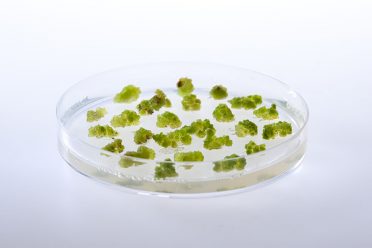
Scientists at Plant & Food Research are using their expertise in horticulture to explore the production of fruit without a tree, vine, or bush – instead using lab-grown plant cells. Initial trials have included working with cells from blueberries, apples, cherries, feijoas, peaches, nectarines and grapes.
Lab grown fruit (Photo: Plant & Food Research)
Cellular horticulture, agriculture and aquaculture, the production of plant, meat and seafood products in vitro, is at the cutting edge of food technology worldwide. By growing food from cells in the laboratory there are opportunities to use fewer resources and improve the environmental impact of food production.
Food by Design programme leader, Plant & Food Research scientist Dr Ben Schon says there’s a great deal of interest and development in controlled environment and cellular food production systems, with more than 80 companies worldwide looking to commercialise lab-grown meat and seafood.
“Cellular horticulture currently has a smaller profile than cellular agriculture and aquaculture, but we believe this is a really exciting area of science where we can utilise our expertise in plant biology and food science to explore what could become a significant food production system in the future.”
Ben Schon says the team is now 18 months into the five-year long Food by Design programme, which is funded through Plant & Food Research’s internal Growing Futures™ investment of the MBIE Strategic Science Investment Fund. The research has also gained support from New Zealand company Sprout Agritech, having recently being accepted into their accelerator program designed for agrifoodtech start-ups.
Dr Schon says initial trials have used cells harvested from blueberries, apples, cherries, feijoas, peaches, nectarines and grapes. Much like lab grown meats, the challenge is to create an end product that is nutritious and has a taste, texture and appearance that consumers are familiar with.
“In order to grow a piece of food that is desirable to eat, we will need more than just a collection of cells. So we are also investigating approaches that are likely to deliver a fresh food eating experience.”
“The aim isn’t to try and completely replicate a piece of fruit that’s grown in the traditional way, but rather create a new food with equally appealing properties.”
As well as exploring the viability of cellular horticulture as a future tool for food production, Dr Schon says the research also aims to provide better understanding of fruit cell behavior – these insights could help breed better fruit varieties that would also benefit the traditional growing methods being used by New Zealand’s horticultural sector.
This cellular horticulture research fits within Plant & Food Research’s Hua Ki Te Ao – Horticulture Goes Urban Growing Futures™ Direction, which is focused on developing new plants and growing systems that will bring food production closer to urban consumers.
“Globally, we are seeing rapid growth in both the vertical farming, controlled environment growing as well as cell-cultured meat spaces. It’s possible that cell-cultured plant foods could be a solution to urban population growth, with requirements for secure and safe food supply chains close to these urbanised markets,” says direction co-leader Dr Samantha Baldwin.
A survey carried out through independent auditing of each of the companies associated with CitrusBR and also consolidated by external auditing revealed that the total oranges processed in the Sao Paulo and Minas Gerais Citrus Belt in the 2022/23 season was estimated at 265,292,217 boxes of oranges of 40.8 kg of which 243,967,550 boxes were processed by CitrusBR members and close to 21.3 million boxes were processed by non-members.
With the final estimated juice yield on fruit of 280.58 boxes of oranges to produce one metric ton of FCOJ equivalent in aggregate for CitrusBR members and non-members, the final estimate for total orange juice production for the 2022/23 season was of 945,529 metric tons of FCOJ equivalent …
Curaleaf Holdings, Inc., a leading international provider of consumer cannabis products, announced the launch of Zero Proof, a new brand of THC drinkables in fast-acting, sessionable and easy-to-use formats. The brand’s inaugural product offering, Squeeze, is now available at all Curaleaf locations in Illinois, US and will be followed by additional SKUs in the coming months.
Zero Proof Squeeze follows Select’s popular THC-infused beverage enhancer, Select Squeeze, originally launched in March 2021. While similar in functionality and effect, Zero Proof Squeeze has been reformulated with natural sweetener to provide a significantly lighter taste and balanced flavour profile for enhanced mixability. The beverage complement offers a uniquely controllable and customisable experience with an easy-to-pour dispenser and compact design delivering 2.5 mg THC per dose for discreet enjoyment on the go.
Utilising nanotechnology, Zero Proof Squeeze provides a truer-to-flower experience with effects felt in as little as 15 – 30 minutes, significantly faster than traditional edibles. By turning cannabis oil into tiny water-soluble molecules, the THC compounds dissolve evenly into any beverage and are more rapidly and efficiently absorbed into the bloodstream. At launch, four delicious, low calorie and gluten-free flavours will be available including Dash of Cherry, Dash of Orange, Dash of Lime and Dash of Sweet.
“Zero Proof exemplifies our commitment to providing high-quality, consistent consumer products in familiar and approachable formats that model traditional consumer packaged goods,” said Matt Darin, CEO of Curaleaf. “Curaleaf has been on the forefront of creating sophisticated cannabis experiences which we believe will ultimately redefine the way people socialise. We’re proud to bring Zero Proof Squeeze to our patients and customers in Illinois first before expanding to additional markets.”
According a new Gallup poll, the rate of alcohol consumption in the U.S. continues to decline with 62 % of adults under age 35 reporting they drink alcohol, down 10 % from two decades ago. Zero Proof is the latest addition to Curaleaf’s brand portfolio that seeks to redefine how people socialise by delivering a fast-acting, sessionable alternative to alcohol.
Zero Proof Squeeze is now available at all Curaleaf dispensaries in Illinois as well as wholesale dispensaries across the US.
About Curaleaf Holdings Curaleaf Holdings, Inc. is a leading international provider of consumer products in cannabis with a mission to enhance lives by cultivating, sharing and celebrating the power of the plant. As a high-growth cannabis company known for quality, expertise and reliability, the Company and its brands, including Curaleaf, Select, and Grassroots provide industry-leading service, product selection and accessibility across the medical and adult-use markets. In the United States, Curaleaf currently operates in 19 states with 152 dispensaries and employs nearly 5,500 team members. Curaleaf International is the largest vertically integrated cannabis company in Europe with a unique supply and distribution network throughout the European market, bringing together pioneering science and research with cutting-edge cultivation, extraction and production. Curaleaf is listed on the Canadian Securities Exchange under the symbol CURA and trades on the OTCQX market under the symbol CURLF.
On August 28, 1898 in New Bern, North Carolina, pharmacist Caleb Bradham renamed “Brad’s Drink,” his popular non-alcoholic digestif, “Pepsi-Cola.” 125 years later, Pepsi has become one of the world’s most recognisable brands and today, it officially ushers in its next era while honoring its storied legacy, as the brand’s new logo begins to roll out in stores in the US.
In honor of its 125th birthday, Pepsi will celebrate its iconic history where it has lived at the center of pop culture – in sports, music, and entertainment – and look ahead to the brand’s next 125 years. On August 28 the brand started the party by offering free Pepsi to everyone across the US, and over the course of the 125 days leading up to New Year’s Eve, the brand will launch 125 various types of programming including immersive events, social content moments and giveaways. Each touchpoint and its corresponding programming will revisit and reimagine the impactful and culture-driving moments fans have cherished throughout the brand’s rich history just as the new Pepsi logo, which pays homage to past brand looks, comes to life for consumers wherever they shop, dine, play and scroll, ushering in the next era of culture-defining moments.
125 years of trailblazing
Pepsi has been and continues to be a driver of cultural impact and relevance for 125 years. From having the only female professional skywriter draw Pepsi in the clouds to creating iconic moments with some of the biggest pop stars on the planet to making the Super Bowl Halftime Show the most watched 12 minutes of music; from initiating the now iconic ‘Pepsi Challenge’ to trailblazing the idea of lifestyle marketing with music videos as commercials; from creating flavours like Pepsi Wild Cherry and groundbreaking innovations like Nitro Pepsi, time and again Pepsi has found itself on the cutting edge of pop culture, embracing what fans love about culture. And now, Pepsi will pull back the curtain on its history for 125 days, complete with an immersive experience consumers will have to see – and taste – to believe.
Sponsored Post – VOG Products, the South Tyrolean fruit processing company, not only processes increasing quantities of organic apples, but has also expanded its portfolio with Naturland-certified products. Of vital importance for customers is the regional origin of the raw materials that are sourced from the producer organisation’s members.
Supplies on the market for organic apples have changed enormously. In Trentino-South Tyrol, which is home to the largest producers of organic apples in Europe with the producer organisations and VOG Products’ members VIP and VOG, 56,944 tonnes of organic products were harvested in 2018. The figure in 2022, in contrast, was 92,412 tonnes.
Supplies on the market for organic apples have changed enormously. (Photo: VOG Products)
A trend that is also continuing in the organic quantities being delivered to VOG Products. In the 2022 financial year, this figure had already climbed to more than 32,000 tonnes. VOG Products processes and refines every third apple grown organically in Trentino-South Tyrol.
“We have been supporting this dynamic development for many years and are pursuing the objective of further expanding our leading position in the organic sector”, Christoph Tappeiner, CEO of VOG Products, explains. “We have been continually expanding our portfolio of organic products.”
VOG Products supplies high-quality products with the seal of the Bioland and Demeter organic farming associations and has also obtained the Bio Suisse certification. VOG Products has supplemented its organic range very recently with products certified according to Naturland standards. Naturland is the largest international association for organic farming in Germany and its guidelines go far beyond EU regulations. They also include targets for social responsibility and other key aspects of sustainability.
Play it safe with members’ products
What stands out about VOG Products is that organic raw materials are sourced from its own members in South Tyrol and Trentino. “Organic to us means ‘members’ products’, and this is recognised on the market. This gives our products a clear identity,” Tappeiner emphasises.
Full traceability back to the committed organic producers in the region – mostly small family farms – is coupled with strict controls along the entire supply chain. VOG Products guarantees safe, inspected and healthy food as well as continuous availability and security of supply year-round. This unique supply chain is presented by VOG Products under the name FROM Italian Alps (further information can be found at https://www.vog-products.it/en/from).
Customers’ demands in the baby food industry are particularly stringent. This continues to be one of the key customer segments for VOG Products in the organic sector. The semi-finished organic products are in demand among baby food manufacturers due to the strictly controlled supply chain as well as their high quality. The private label business of the food retail trade is gaining significance in the apple sauce sector, but organic also plays a major role for the apple juice industry.
Along with juices, concentrates and purées/pulp – also available in convenient small-sized packaging such as the “Bag-in-Box” – the South Tyrolean producer organisation also supplies organic-quality frozen fruits, cut and canned products and steamed fruits.
The tastemakers of the world will come together when Fi Europe returns to Frankfurt from 28-30 November
Food & beverage professionals are invited to step inside a microcosm of the ingredients world at this year’s Fi Europe. With 135 countries represented, over 25,000 visitors and 1,200 exhibitors are expected to come together under one roof, resulting in a rich, immersive opportunity to experience the energy of invention and profitable connection.
This year’s event blends real-world and digital interactions through the Fi Europe Event Platform, which will be open online pre- and post-show, extending the possibilities for exhibitors and visitors to discover new business opportunities, connect with the right people and be inspired by the latest industry trends and innovations. It also allows attendees to maximise their time in Frankfurt and prepare for the on-site event by planning a personalised agenda, bookmarking sessions they want to attend and reaching out to suppliers to set up meetings.
Fi Europe’s winning formula combines a bustling show floor with an insightful conference line-up. In the exhibition hall, attendees can access an unrivalled breadth of products spanning the entire food & beverage supply chain. The global exhibitor base includes many high-profile names such as Cargill, ABF Ingredients, Prinova, Brenntag and Lesaffre.
The Fi Europe Conference (28-29 November) and Future of Nutrition Summit (27 November) will provide exclusive, paid-for content that cannot be accessed elsewhere. It is focused on addressing current challenges and identifying immediate opportunities in the F&B industry. Its stellar speaker line-up includes Kalina Doykova, Senior Research Analyst at Euromonitor International, and Cyrille Filott, Global Strategist at Rabobank.
The Future of Nutrition Summit offers a deep dive into disruptive technologies and solutions that have the potential to reshape the industry. Delegates will hear from presenters such as Floor Buitelaar, Managing Partner at Bright Green Partners; Mario Ubiali, Founder & CEO of Thimus; and Christine Gould, Founder & CEO of Thought For Food. Free-to-attend content will be offered at the Innovation Hub and Sustainability Hub.
The growing importance of sustainability as an industry challenge will be reflected in the event highlighting issues such as sustainable sourcing, labels and transparency, regulatory compliance, ESG, gender equity, and more. As part of its ongoing commitment to sustainability, Informa has recently partnered with the international civil society organisation Solidaridad. Through the Sustainability Hub, visitors can find out how Solidaridad’s work in creating sustainable supply chains globally can help with ethical and sustainable ingredient sourcing.
In addition to the numerous informal and impromptu interactions that an industry gathering on this scale provides, there will be several organised networking opportunities. Data-driven matchmaking offers a scientific approach to making connections, and female professionals can look forward to inspiring others and being inspired at the popular Women’s Networking Breakfast.
As well as encouraging diversity in all forms, Fi Europe champions innovation and excellence through its award programmes. The Fi Innovation Awards celebrate individuals and businesses breaking new ground and making a difference in the industry. They culminate in an evening awards ceremony held on Tuesday, 28 November. The Startup Innovation Challenge offers a springboard for young companies with disruptive potential. Attendees can watch these startups pitch their concepts to a panel of investors, accelerators and influential industry players at the Innovation Hub on 28 November.
Commitment to reach net-zero greenhouse gas emissions by 2050
SIG received approval for its group-wide Net-Zero science-based target from the Science Based Targets initiative (SBTi). The company has committed to reach net-zero greenhouse gas (GHG) emissions across its value chain by 2050 – the most ambitious commitment available through the SBTi process. Of the 2,000+ companies globally with a public net-zero pledge, SIG is among the first 325 companies to have its target validated by the SBTi.
SIG has set a new series of near and long-term science-based emissions reduction targets with the SBTi, committing to reach net-zero – the point at which a balance is achieved between emissions produced and emissions taken from the atmosphere – by 2050. These targets are significantly more ambitious than the company’s previous GHG reduction targets, approved by the SBTi in 2018 and 2020. The move sees SIG look beyond its own operations and commit to the decarbonization of its full value chain in line with climate science.
SIG’s new near-term 2030 commitments (using 2020 as the baseline year) include:
42 % absolute reduction of scope 1 and 2 GHG emissions
100 % renewable electricity through 2030
51.6 % reduction of scope 3 GHG emissions per liter packed
SIG’s new long-term 2050 targets include:
90 % absolute reduction of scope 1 and 2 GHG emissions
97 % reduction of scope 3 GHG emissions per liter packed
Samuel Sigrist, CEO at SIG: “The approval of our Net-Zero pathway by the SBTi is a milestone achievement that showcases our dedication to decarbonizing our operations and value chain. Our new targets are considerably bolder than our previous GHG reduction targets and have been well received by our stakeholders. Decarbonizing our business will not be an easy task, but we’re excited to speed up our journey to net-zero as one of the first 325 companies that have received SBTi approval.”
Meeting the Paris Agreement goals and limiting global warming to 1.5 °C requires net-zero carbon emissions globally by 2050. The SBTi’s rigid approval process helps ensure that SIG is using a robust, clear, and scientific framework to contribute to global efforts to mitigate climate change impacts.
The main ways SIG is reducing its operational emissions (scope 1 and 2) are its 100 % renewable electricity commitment and outstanding on-site solar installation program, as well as exploring low carbon energy sources to lower direct emissions.
SIG’s products play a major role in reducing emissions across the value chain (scope 3), due to the amount and types of raw materials used. Going forward, the company’s priorities are to use less aluminum foil in its aseptic carton packs, work with suppliers to reduce emissions across the supply chain, further improve energy efficiency with new filling lines, and increase collection and recycling of used packaging.
Elopak reported strong financial performance for the second quarter of 2023
Highlights:
Revenues increased by 8 %, to EUR 278.0 million, driven by growth in EMEA and Americas
Organic growth was 6 %, or EUR 14.6 million, adjusted for currency translation effects and revenue from acquired businesses
Adjusted EBITDA was EUR 41.6 million, an improvement of EUR 15.1 million
Strong cash flow generation, leverage ratio reduced to 2.6x
Elopak will build a new plant in the USA to further leverage the high customer demand in the region
Commenting on Elopak’s performance, CEO Thomas Körmendi said:
“Building on our solid performance in past consecutive quarters, Q2 saw Elopak delivering strong profitable growth. Despite inflationary pressures, we remain on-track to achieving our strategic objectives. Our strong performance is allowing us to explore new market opportunities, including building a new state-of-the art factory in the US, and expanding our India operations.“
“Looking forward, we expect to deliver full year revenue growth well above our mid-term target. While we see softening of some raw material prices, the liquid paper market remains tight and higher board prices will have full effect in the second half of 2023. Additionally, the significant inflationary pressures on the broader cost base will impact our full year EBITDA margin. However, based on expected revenue growth, our second half EBITDA will be higher than last year. I am pleased to report this strong performance and remain eager and optimistic for continued sustainable packaging demand.”
The yearly WAPA report was published on the occasion of the Prognosfruit held in Trentino (Italy): Italian production levels are stable, France and Spain grow, while Poland and Germany suffer a slump.
The new challenges in the apple industry will headline the Interpoma 2024, the only trade fair in the entire world specialised in apples. The trade fair will run between 21 and 23 November 2024 at the Fiera Bolzano.
During the hiatus between the South Tyrolean trade fair, which takes place every two years – the last edition was held in November 2022 – apple enthusiasts can look forward to Prognosfruit 2023, the yearly, itinerant trade fair during which WAPA, the World Apple and Pear Association, publishes a report containing forecasts on the upcoming European apple harvest. Due to WAPA’s choice of location, this year’s Interpoma supported and promoted Prognosfruit as the event’s Technical Sponsor. This meant that every fairgoer received the second edition of Interpoma’s official magazine, the Ipoma Magazine, printed on 100 % apple paper and bursting with news on the industry. Gerhard Dichgans coordinates the magazine, which goes into detail across numerous topics. The second edition focused on topics such as “Rise and Fall of a Superstar: Why the Red Delicious has gone downhill”, “Precision agriculture and AI predictions in orchards”, “Love and Craft: How Japan raised the apple to the status of cultural asset”, “Juicy Dividends in Normandy: How apples not suited for raw consumption are transformed into cider and Calvados”.
The Prognosfruit 2023 was held in Trentino (Italy) and revealed that forecast European production will reach 11,411,000 tons, a 3.3 % drop compared to last year. The country dragging production down is Poland, the largest European apple producer overall, with a – 11.1 % drop YOY. If we turn to Italy, production levels are strong yet stable, helping it maintain its second position in Europe with an estimated 2,104,000 tons. If we dig deeper, South Tyrolean and Trentino production are on the rise, respectively at + 7 % and + 4 %. Moving to upcoming trends, France and Spain have proved to be quite lively markets: Forecasts for France speak of a harvest equaling 1,501,000 tons, + 7.9 % YOY on growth and + 9.5 % compared to the average of the last three years. Spain performs even better with its 536.000 tons, representing an astounding + 30.1 % YOY growth and + 14.8 % compared to the average of the last three years. However, what goes up, must come down: That fate has befallen Germany, as estimates speak of a harvest yielding 952,000 tons, i.e. – 11.2 % YOY and – 7.9 % compared to the last triennium.
These new trends and much, much more will be in the spotlight between 21 and 23 November 2024 in Bolzano during Interpoma and the satellite Interpoma Congress, where international apple experts gather to exchange ideas and updates about the industry.
Tahiti lime prices have been firm in the citrus-producing regions in São Paulo State since mid-June. However, in the first fortnight of August, quotations skyrocketed. Supply has decreased even more steeply, while demand is beginning to warm up – it is important to consider that this year’s winter has been warmer than the average.
Between August 1st and 15th, the average price for tahiti lime closed at BRL 76.70 per 27-kg box (harvested) a staggering 111.87 % up from that in July and 106.85 % above the average in the first fortnight of August of 2022, in nominal terms.
Some growers managed to sell the box for BRL 100.00 in the first half of August. With prices at high levels, many growers harvested all the fruits they were able to, in order to ensure a good revenue, offsetting at least part of the financial losses from the peak of harvest, when quotations were lower than BRL 10/box.
Cepea, collaborators believe that prices will continue high for some time, since supply in SP is only expected to resume rising after the return of rains, which usually occurs in September.
According to Cepea collaborators, in general, fruits quality (peel, amount of juice and size) is considered good, being higher in irrigated orchards – where fruits are growing bigger.
EXPORT – Domestic valuations have influenced the export value for the Brazilian tahiti lime. However, agents believe shipments will decrease soon, since sales in Brazil are expected to get good remuneration and thus reduce the attractiveness of the international market.
It is important to mention that this year’s shipments are currently at record levels, at 103.4 thousand tons (lemons and limes), 0.7 % higher than that from the same period last year, according to data from Secex (Foreign Trade Secretariat). Revenue is at USD 99.25 million, 4.4 % higher, in the same comparison.
Britvic plc announced the acquisition of the Extra Power energy drink brand in Brazil from GlobalBev. This marks an important extension of Britvic’s Brazilian operations, consistent with Britvic’s strategy to accelerate and expand its presence across Brazil.
With 42% market share in its core regions near Brasilia, Extra Power enables access to the fast-growing, high-margin energy category. In addition, the acquisition includes a modern, efficient warehouse in Brasilia that will enhance Britvic’s supply chain efficiency across its wider portfolio and route to market into Brazil’s Centre-West region. In the year to December 2022, the acquired portfolio generated R$118m of net sales, growing 26 % on the previous year.
Simon Litherland, Chief Executive Officer commented: “I am delighted by this acquisition, which enables us to enter the higher-margin energy category in Brazil. In line with our strategy to accelerate and expand our presence in the country, we will access a growing category, extend our regional presence and deliver efficiencies in our supply chain. I am confident this acquisition will accelerate our growth trajectory in one of our key markets and generate great value for our business.”
This acquisition gives Britvic a meaningful presence in Centre-West region (Distrito Federal & Goias), providing the opportunity to scale its existing brands into a region where the business has historically under-indexed, as well as bring the acquired brand into Britvic’s existing footprint.
Britvic first entered the Brazilian market in 2015 with the acquisition of Ebba, followed by the acquisition of Bela Ischia in 2017. Since then, Britvic has developed fruit favourites such as Maguary, Dafruta and Bela Ischia into strong national presences known for innovation.
The Maguary brand heritage dates back to 1953 and, similar to the European flavour concentrates brands, is consumed by families at home. This heritage and family awareness enabled Fruit Shoot to be launched in Brazil as Maguary Fruit Shoot – following the same principle Britvic has followed in Europe, where Robinsons and Teisseire are the halo brands. More recently the local team has expanded the brand’s presence further launching a plant-based chocolate drink. New category launches in recent years have included Puro Coco and Natural Tea, both of which are ready-to-drink formats in the coconut and iced tea categories. The expansion of the portfolio continued in 2020.
Dafruta Tropical was launched in the flavour concentrates category, utilising the technical know-how of the Robinsons formulation. This new range uses real fruit, has a range of flavours and is pre-sweetened, differentiating it from the traditional concentrates in Brazil which require sugar to be added by the consumer. More recently the portfolio has expanded with the launch of Britvic Mixers and the premium Mathieu Teisseire range of concentrates for cocktails.
The growth market for fruit drinks in Brazil is perfectly complemented by Britvic’s fruit growing and fruit processing company, Be Ingredient, providing natural ingredients for Britvic and the international market.
In the financial year 2022, Britvic generated £143m of revenue in Brazil.
The acquisition of Extra Power will be funded from existing internal resources and external debt facilities.
The acquisition will require regulatory clearance but is expected to be completed around the start of Britvic’s next financial year in October 2023.
Doehler, a global producer, marketer and provider of technology-driven natural ingredients, ingredient systems and integrated solutions for the food, beverage and lifescience & nutrition industry acquires Boon Flavors, located in Bangkok, Thailand, and strengthens its presence in Southeast Asia.
Doehler, a global producer, marketer and provider of technology-driven natural ingredients, ingredient systems and integrated solutions announces the acquisition of Boon Flavors, a renowned premium flavour house located in Bangkok, Thailand. As part of this acquisition, Boon Flavors will be known as Doehler Thailand going forward and be managed by its founder, Piya Boonnamkitsawad.
In 2018, Boon built a state-of-the-art flavour plant in Bangkok. Leveraging its proprietary technologies, the company has developed a great variety of local flavour tonalities that perfectly extends Doehler’s global taste portfolio. Boon will have access to all of Doehler’s cutting-edge taste technologies and, together with Doehler’s application labs in Indonesia and Thailand, global and local customers can expect to benefit from enhanced services and a more extensive product portfolio in the region.
Consumers are looking for exceptional sensory experiences in nutrition; superior taste, a perfect appearance and well-balanced mouthfeel play a significant role for consumers when choosing their products, ultimately guiding their preferences towards a better human nutrition.
Boon’s premium variety of local flavours, now integrated into Doehler’s global taste portfolio, contributes perfectly to this trend providing superior natural flavours to the food, beverage and lifescience & nutrition industry. This strategic acquisition further strengthens Doehler’s commitment to meeting the evolving needs of customers and consumers for excellent and remarkable tasty, healthy and sustainable solutions.
VOG Products, the South Tyrolean fruit processing company, not only processes increasing quantities of organic apples, but has also expanded its portfolio with Naturland-certified products. Of vital importance for customers is the regional origin of the raw materials that are sourced from the producer organisation’s members.
Supplies on the market for organic apples have changed enormously. In Trentino-South Tyrol, which is home to the largest producers of organic apples in Europe with the producer organisations and VOG Products’ members VIP and VOG, 56,944 tonnes of organic products were harvested in 2018. The figure in 2022, in contrast, was 92,412 tonnes.
A trend that is also continuing in the organic quantities being delivered to VOG Products. In the 2022 financial year, this figure had already climbed to more than 32,000 tonnes. VOG Products processes and refines every third apple grown organically in Trentino-South Tyrol.
VOG Products supplies high-quality products with the seal of the Bioland and Demeter organic farming associations and has also obtained the Bio Suisse certification. VOG Products has supplemented its organic range very recently with products certified according to Naturland standards. Naturland is the largest international association for organic farming in Germany and its guidelines go far beyond EU regulations. They also include targets for social responsibility and other key aspects of sustainability.
What stands out about VOG Products is that organic raw materials are sourced from its own members in South Tyrol and Trentino. Full traceability back to the committed organic producers in the region – mostly small family farms – is coupled with strict controls along the entire supply chain. VOG Products guarantees safe, inspected and healthy food as well as continuous availability and security of supply year-round. This unique supply chain is presented by VOG Products under the name FROM Italian Alps.
Customers’ demands in the baby food industry are particularly stringent. This continues to be one of the key customer segments for VOG Products in the organic sector. The semi-finished organic products are in demand among baby food manufacturers due to the strictly controlled supply chain as well as their high quality. The private label business of the food retail trade is gaining significance in the apple sauce sector, but organic also plays a major role for the apple juice industry.
Along with juices, concentrates and purées/pulp – also available in convenient small-sized packaging such as the “Bag-in-Box” – the South Tyrolean producer organisation also supplies organic-quality frozen fruits, cut and canned products and steamed fruits.
Nestlé has introduced a versatile and cost-effective sugar reduction technology that can be applied across different product categories, with benefits beyond sugar reduction. It can also be used to produce low lactose and skimmed milk-based products, while reducing total sugars.
Using an enzymatic process, it reduces intrinsic sugar in ingredients such as malt, milk, and fruit juices by up to 30 %, with a minimal impact on taste and texture. The sugar-reduced ingredients are then used in recipes for various products. There is no need to add sweeteners or bulking agents to replace the volume of the eliminated sugar.
When the patented sugar reduction method is applied to milk-based products, it also increases prebiotic fibers. First clinical studies have shown that these fibers can support the growth of multiple types of beneficial bacteria leading to a favourable microbiome composition in healthy adults.
Stefan Palzer, Nestlé Chief Technology Officer says, “Sugar reduction across our portfolio remains a top priority. This new technology is a true breakthrough, as we can reduce sugar without adding sweeteners while preserving a great taste, all at a minimal cost increase. In addition, our scientists discovered that the sugar reduction generates prebiotic fibers that support the microbiome, which is an additional benefit. We are now accelerating the global roll-out across formats and categories.”
The sugar reduction was first piloted in cocoa and malt-based ready-to-drink beverages in Southeast Asia and over the past year, Nestlé has already introduced it in factory lines for cocoa and malt-based powdered beverages such as Milo across several countries across Asia, Africa, and Latin America. Since 2021, the sugar reduction technology has been applied to over 200 000 tons of cocoa and malt-based beverages. The roll-out continues, and other product categories such as dairy powders will follow.
The development of novel technologies is part of Nestlé’s continuous efforts to improve the nutritional value of its products, while supporting responsible consumption as part of a balanced diet. The new sugar reduction technology complements a wide range of existing solutions which Nestlé has developed over the years in collaboration with external innovation partners and suppliers. This includes natural sweeteners, sweetness-enhancing or bitterness masking flavours, as well as natural bulking agents such as fibers, cereals and tailor-made dairy and cocoa powders.
Orange Juice
Global orange juice production for 2022/23 is estimated 9 percent lower to 1.5 million tons (65 degrees brix). Production is down due to reduced fruit available for processing in Brazil, the European Union, Mexico, and the United States. Consumption is mostly flat while exports are estimated down with the reduced available supplies …
Britvic is expanding its iconic range of mixers and juices with the launch of three new Cocktail Mixers that tap into the increasing demand for elevated serves that also deliver on great taste. The move will help bartenders prepare perfect drinks every time, with only the addition of the chosen spirit needed to mix up classic cocktails. The range features Mojito, Piña Colada and Strawberry Daiquiri mixers, and will be available from August 2023 exclusively for the hospitality channel.
Cocktails are worth an impressive £686m in hospitality, having risen by 132 % in the past year1, and represent a significant growth opportunity for outlets. The new Britvic Cocktail Mixers were chosen from the top five ‘go-to’ cocktails, as half of consumers say they prefer classic drinks that they know and trust2. Operators will be able to trade up from standard mixed drinks to popular cocktails on their menus, as the range will offer delicious cocktails that can be made with ease.
Adam Russell, director of foodservice & licensed at Britvic, comments: “3. In the current climate, people need even more reason to be tempted out of home, with 88 % of consumers saying they want bars and pubs to provide them with an experience they can’t get at home.4 Premium serves and cocktails have a big role to play here.”
“Despite the opportunity, we know that half of bar owners say they don’t offer cocktails in mainstream outlets because they take too long to make, there are too many ingredients to stock or there is a lack of staff skill or knowledge. Our Cocktail Mixers are designed to make cocktails an easier opportunity to tap into and are the perfect addition to help operators serve cocktails more quickly, efficiently and cost-effectively.”
Britvic Cocktail Mixers will be available to the licensed sector from August 2023. All three mixers come in at under 40 kcal per serve, are HFSS compliant and are suitable for vegans. At Britvic, we have a long history of helping people make healthier choices and our innovation pipeline continues to focus on low and no-sugar products which meet HFSS regulations, all while maintaining our commitment to never compromising on taste.
The launch will be supported by social media, merchandising, and point of sale. The range will be available via www.sensationaldrinks.com.
On August 1, 2023, Anton Paar acquired the German company Brabender GmbH & Co. KG, which will be integrated into the Anton Paar Group as Anton Paar TorqueTec GmbH. The effective, retroactive date of the acquisition is January 1, 2023. The company, based in Duisburg, Germany, offers measurement and process engineering solutions for the testing of various raw materials and for recipe and process development. It covers a wide range of applications – from food and feed to plastics and rubber, and even batteries and other special applications.
The signing of the acquisition agreement took place on August 1, 2023. The parties have agreed not to disclose the purchase price. A smooth integration of Brabender into the Anton Paar Group is planned. As before, products and services can be purchased directly via the Brabender website and sales organisation.
Development, growth, and position on the market
For Anton Paar, the acquisition of Brabender is a promising addition to the product portfolio, especially in the area of material characterisation – one of Anton Paar’s strongest growth markets.
“The decisive factor for Anton Paar’s decision to purchase Brabender was the know-how in the development and production of world-leading measuring instruments, which the company has built up since its foundation 100 years ago,” says Anton Paar CEO Dr. Friedrich Santner. “In line with its own long-term strategy, Anton Paar will sustainably expand and further strengthen Brabender’s sites in Duisburg and Hackensack (USA).”
Brabender’s approximately 200 employees will become part of Anton Paar. The acquisition represents a clear commitment to progress, according to Brabender Executive Director Dr. David Szczesny: “Being part of the Anton Paar Group opens up many opportunities for us – in research and development of our innovative products as well as in sales and service. For us, this is a great move that will definitely benefit our employees and customers.”
Pangea Natural Foods Inc., announced the launch of its latest product, 100 % locally sourced blueberry juice. This refreshing and nutritious beverage is made with exceptional quality and has a remarkable 8-month shelf life.
The blueberry juice is cold-pressed, resulting in a richer and more nutritious product. In addition, Pangea Natural Foods has partnered with a renowned leader in the field of high-pressure processing (HPP). This process allows for the elimination of harmful pathogens without the need for heat or artificial preservatives. As a result, consumers can enjoy Pangea Natural Foods blueberry juice knowing that it maintains its nutritional integrity while remaining safe for consumption.
Looking forward, Pangea Natural Foods continues to prioritise innovation and sustainability, striving to develop products that nourish both individuals and the planet.
About Pangea Natural Foods Inc. Pangea Natural Foods is a Vancouver (CAN) based natural foods company that manufactures and distributes high quality food products that are nutritious and free of GMO ingredients, fillers, antibiotics, hormones, and bioengineered ingredients. Pangea offers a broad range of great tasting, innovative food products that are sustainably sourced and “Powered by the Earth”. Pangea’s signature products include the Pangea Plant-Based Patties, Pangea Old Fashioned Ghee, Pangea Energy Gel and the Pangea Munchie Mix, which are available on the Company’s website and in over 500 leading national retail food stores including Loblaws, Save-on-Foods, Sobeys, IGA Marketplace, Fresh Street Market, Choices Markets, Whole Foods and on select Air Canada and WestJet flights. Pangea has partnered with world renowned food scientists to formulate its high-quality food products. All products are manufactured in-house at its state-of-the-art facility, and then packaged and distributed through Pangea’s retail and wholesale network and also on the website of the company.
There are new developments at BIOFACH, World Leading Lrade Trade Fair for Organic Food. In July 2023, Steffen Waris took on the role of Exhibition Director for the trade fair, reinforcing the team led by Danila Brunner, Executive Director Exhibitions. Brunner will continue to have overall responsibility for the combined BIOFACH and VIVANESS trade fair.
Steffen Waris has wide-ranging experience in trade fair and event management. For more than a decade, he held various roles at Mineralientage Munchen (the trade fair for minerals, fossils, gemstones, and jewellery in Munich). These included positions in marketing, leading the technical services, and event management. He will now give BIOFACH the benefit of his extensive expertise.
“After a brief excursion into the logistics segment, I am very pleased to be finally breathing in the trade fair atmosphere again. Bringing people together and helping them to network is what drives me. I also live and love team spirit, which is why the close contact to our customers, exhibitors, visitors, and media representatives is so hugely important to me,” says Waris.
“In Steffen Waris we have gained an experienced trade fair expert,” explains Brunner. “I am looking forward to working with him and our entire team as we continue to successfully develop BIOFACH and VIVANESS and create inspiring experiences for our customers.”
Waris made a conscious decision in favour of BIOFACH and the organic food sector. Not only does it match his personal values and expectations; it also aligns with his professional objectives. “BIOFACH offers an incredibly fascinating environment. The segment is facing some challenges due to both market forces and political decisions, and there is a lot of movement within it. It is an honour to be part of such an exciting and dynamic sector!”
Britvic, the FTSE 250 global soft drinks business, has partnered with Atrato Onsite Energy, a leading solar energy provider, to deliver clean energy to Britvic via an innovative 10-year Power Purchase Agreement (PPA).
Atrato’s new solar installation in Northamptonshire will generate energy exclusively for Britvic. It will have a total capacity of 28 MW and will be capable of generating 33.3 GWh pa of clean energy, the equivalent of powering 11,500 homes or planting 260,000 trees. The electricity generated will be enough to power 75 % of Britvic’s current operations in Great Britain, including its Beckton and Leeds factories, which can produce 2,000 recyclable bottles per minute for a portfolio of iconic brands including Tango, Pepsi and Robinsons.
As part of Britvic’s Healthier People, Healthier Planet sustainability mission to make a positive contribution to society, they are tackling their carbon footprint head on. Through innovation, utilising low carbon technology and energy sources, and establishing a more sustainable supply chain, Britvic is determined to play its part in securing a healthier future for the planet.
Britvic has committed to achieving net zero carbon emissions by 2050 and has led the industry as the first UK soft drinks company to have a 1.5 °C target verified by the Science Based Targets initiative. Britvic has demonstrated its commitment to this goal, having reduced its direct carbon emissions by 34 % since 2017 and generated 57 % of its energy needs from renewable sources in 2022, up from 28 % in 20181.
Progress has been achieved through significant investments across Britvic’s manufacturing base. For example, Britvic has installed five biomass boilers in Brazil, delivered multiple energy saving projects, is investing £ 4 million in a heat recovery system at Beckton, and they’ve recently announced a new Corporate Power Purchase Agreement in Ireland that will ensure that Ballygowan, Ireland’s iconic water brand, is produced using 100 % renewable electricity harnessed from local wind energy.
In this latest milestone, Britvic’s agreement with Atrato has provided the investment security needed to build the new solar farm in an old quarry in Northamptonshire. This will see 28 MW of new additional renewable energy capacity created as a result of the deal.
Atrato will supply Britvic with solar electricity that is commercialised on a pay as you generate basis but is delivered on a baseload basis that is consistent to the consumption needs of the company. This innovative and long-term PPA has underwritten the Atrato’s investment into this solar project.
Atrato has fully financed the solar installation, which is expected to be commissioned in early 2024. In only 19 months since IPO, Atrato has built a portfolio of 40 solar sites across the UK. Atrato is the green energy solution provider of choice for many UK companies with an impressive client list of blue-chip corporates including Tesco, Marks & Spencer, Anglian Water, Nissan and Amazon.
1Britvic Annual Report 2022, page 3
More Delivered, Less Trucks Needed! Smart Cups’ efficient technology means fewer transportation vehicles needed with greater volume of products delivered. (Photo: Smart Cups)
Smart Cups, a pioneering sustainability-driven technology company behind innovative ingredient printing announced the publication of a new research study in the esteemed journal Resource, Conservation & Recycling. The study, titled “Reducing life cycle material, energy and emissions for liquid consumer products through printing,” conducted by UCLA’s Institute of the Environment and Sustainability and authored by Professor Deepak Rajagopal, has brought to light the remarkable potential of Smart Cups Technology in transforming the consumer-packaged goods industry and contributing to a greener future.
“The technology that Smart Cups has pioneered has the potential to drastically reduce the environmental burden of beverages and several other liquid products through a reduction in total packaging and transportation across the product lifecycle,” said Professor Deepak Rajagopal. “The implications of this research extend beyond the consumer-packaged goods industry. Major companies, including industry giants like Pepsi, Coke, and Proctor and Gamble, could benefit from Smart Cups’ ground-breaking approach to delivering products more sustainably. Embracing this innovation can help such large corporations achieve sustainability goals and become leaders in eco-friendly practices”.
The study focuses on the profound environmental benefits of Smart Cups Technology which enables direct printing of consumer product ingredients onto surfaces, leading to substantial reductions in packaging materials, energy consumption, carbon emissions and overall environmental burdens. The study unveils the far-reaching implications for not just the beverage industry, but also the consumer-packaged goods industry as whole, promising to revolutionise distribution logistics and minimise environmental impact.
Key highlights from the study include:
The study’s findings show that a single Class 6 or 7 beverage truck packed with Smart Cups can accommodate a staggering 21 times more beverage volume than PET bottles and 31 times than glass bottles.
Smart Cups printed on PLA cups, when paired with tap water, result in 20 % less packaging materials than aluminum, 40 % less than plastic, and an impressive 90 % less than glass-based packaging.
This reduction in packaging translates into a 23 % to 48 % decrease in lifecycle primary energy and a 40 % to 57 % decrease in global warming potential. With biogenic carbon credit for landfilled PLA, the reductions reach an impressive 50 % to 70 %.
Smart Cups Technology is the first of its kind, revolutionising the delivery of liquid consumer products and minimising their environmental impact. This research not only amplifies the positive impact Smart Cups Technology can have on the world but also strengthens the validation of its significant benefits by reshaping the consumer products industry. By eliminating the need for bulky packaging materials, such as PET bottles or glass containers, Smart Cups optimise beverage payload, allowing for substantially higher volumes to be transported within the same truck weight limits. This breakthrough not only enhances logistical efficiency but also reduces the carbon footprint associated with transportation, as fewer trucks are required to transport the same amount of beverage.
The implications of this research extend far beyond the immediate benefits of increased payload capacity. By revolutionizing beverage transportation, Smart Cups are poised to transform the entire industry landscape, introducing a new era of sustainability and efficiency. With the potential to streamline distribution networks and reduce reliance on fossil fuels, Smart Cups offer a visionary solution to the pressing environmental challenges faced by the beverage sector.
The UCLA study underscores the profound impact of Smart Cups on beverage transportation, highlighting the unparalleled payload capacity that this innovative packaging technology provides. As industry leaders and consumers alike seek more sustainable and efficient solutions, Smart Cups stands at the forefront of a transformative movement. The researchers at UCLA are confident that their findings will inspire further exploration and adoption of Smart Cups within the beverage industry, ultimately leading to a greener, more efficient future.
Alvinesa Natural Ingredients has successfully acquired Genosa. This acquisition marks a significant milestone in Alvinesa’s growth strategy and strengthens its position as a key player in the upcycled natural ingredients market.
Alvinesa Natural Ingredients is a “circular economy” leader of sustainable plant-based ingredients. Alvinesa upcycles and transforms agricultural coproducts from wine industry into valuable natural ingredients for the Food, Beverage, Animal Health and Nutraceutical industries. With a rich heritage and years of expertise, Alvinesa has established itself as a trusted provider of high-quality natural ingredients to customers worldwide.
Alvinesa’s portfolio of natural ingredients is the result of years of research and development, driven by its belief in harnessing the power of nature to deliver valuable ingredients. Among its esteemed offerings is the flagship brand, Vintera™, which focuses on grape extract rich in polyphenols. The Vintera™ brand has gained recognition for its exceptional quality, food protection capabilities and the numerous health benefits associated with its polyphenol content. In addition, its portfolio includes natural colour, grape seed oil, natural flavour (wine concentrate) and natural tartaric acid.
Genosa stands as a global leader and trailblazing company in the production and commercialisation of upcycled natural hydroxytyrosol (Hytolive®) derived from olive fruit. Since its establishment in 2001, the company has made substantial investments in human expertise and financial resources, prioritizing the production of premium natural extracts and delivering added value to its valued customers.
A true pioneer, Genosa was the first to introduce high-purity natural hydroxytyrosol extracts derived from olive fruit. Their patented international process utilises only physical and mechanical methods, ensuring the utmost quality and environmental responsibility by abstaining from the use of solvents in the extraction of hydroxytyrosol.
This acquisition presents a unique opportunity for Alvinesa Natural Ingredients to further expand its ingredient range and leverage the synergies between both companies to drive innovation and customer value.
As part of the integration process, Alvinesa will be exploring ways to leverage Genosa’s expertise and technologies to enhance its existing product range.
The Brazilian orange crop for Marketing Year (MY) 2022/23 is forecast at 410.6 million 40.8-kg boxes (MBx) or 16.75 million metric tons (MMT), a slight decrease of 1.1 percent vis-à-vis the current season, with the resumption of the biennial crop cycle and consequently, a lower fruit load per tree. Meanwhile, orange weight at harvest is projected to increase 3.71 percent in relation previous crop, due to heavy rains throughout the citrus belt since October 2022. FCOJ 65 Brix equivalent production for MY 2022/23 is forecast at 1.125 million metric tons (MMT), a decrease of nine percent from the estimated orange juice production for MY 2021/22, which was revised upward to 1.135 MMT. A larger share will supply the U.S. market to compensate Florida’s juice production, which was damaged significantly by hurricane Ian. …
Spain’s authorities have certified the entirety of Nektium’s Rhodiolife® Rhodiola rosea inventory as CITES-compliant. The approval means the Las Palmas-based company now has permits in place to commercialise large volumes of Rhodiolife® for customers within the EU and worldwide, both directly and via its network of global distributors.
In February, CITES incorporated Rhodiola spp. into Appendix II, its list of endangered species that are subject to international trade controls. On 20 May, the EU added Rhodiola spp. to Annex B, its equivalent list of species subject to restrictions. Subsequent to this, Nektium applied for trade permits for its existing Rhodiolife® stocks. These were granted on 16 June.
Bruno Berheide, Nektium’s Commercial & Partnerships Director, said: “Our approved Rhodiolife® stocks are sufficiently abundant to meet market demand for the foreseeable future. This is a major boost for the Rhodiola rosea category, which continues to thrive. At the same time, we are continuing to communicate regularly with our suppliers to guarantee compliant raw material from future harvests to ensure long-term continuity of supply.”
CITES is the Convention on International Trade in Endangered Species of Flora and Fauna. Although a voluntary organisation, its decisions are considered binding for the 184 countries that are members.
Rhodiola rosea is one of nature’s most potent adaptogens, offering a range of scientifically proven cognitive health and sports performance benefits. The popularity of the plant, which grows wild in the remote Altai mountains in south and central Asia, has put pressure on supplies, leading to over-harvesting. Historically, Nektium has relied on wild Rhodiola rosea roots harvested using sustainable practices. But the company recently pioneered the large-scale cultivation of Rhodiola rosea at levels sufficient to satisfy market demand.
You need to load content from reCAPTCHA to submit the form. Please note that doing so will share data with third-party providers.
You are currently viewing a placeholder content from Turnstile. To access the actual content, click the button below. Please note that doing so will share data with third-party providers.