In general, citrus prices were high in São Paulo State in 2020. With the lower orange production in the Brazilian citrus belt (São Paulo and the Triângulo Mineiro) in the 2020/21 season due to bad weather conditions, the demand from processors for fruits continued high along the year, which underpinned prices.
According to a report released by Fundecitrus on December 10, crop failure in the citrus belt (SP and the Triângulo Mineiro) should be the worst since 1988/1989, when the series began. In total, orange production should be 30 % lower in the 2020/21 season, totaling 269.36 million boxes of 40.8 kilos each.
INDUSTRIAL PRICES – Although processors began the 2020/21 season with high volumes of juice stocked – 471 thousand tons of Frozen Concentrate Orange Juice (FCOJ) Equivalent, according to CitrusBR –, low orange supply kept the demand for fruits high, which reflects on bidding prices.
On the average of the 2020/21 season, prices in the spot market between July and November closed at 23.51 BRL/box, 17.8 % up from that in the same period of 2019 and 7 % above that in the same period of 2018, in nominal terms.
IN NATURA MARKET – Higher demand from the industry lowered the availability of fruits in the in natura market, since some farmers who usually sell to the in natura market preferred to allocate their fruits to processors, due to the uncertainties caused by the covid-19 pandemic and the attractive prices bid by processors. This scenario added to the weather issues and high demand pushed up orange prices (in natura) all the year. For the variety pera rio, prices hit the highest level of the year in November, when the average was 43.35 BRL/box, on tree, 54.6 % up from that in Nov/19, in nominal terms.
As Ocean Spray continues to focus on health and wellness, the new beverage aims to feature roughly 40 % less sugar while still delivering a delicious, classic taste
As part of Ocean Spray’s commitment to bringing healthy and delicious products to the market, the agricultural cooperative owned by more than 700 farmer families has announced a partnership with Amai Proteins in an effort to incorporate healthy, sweet proteins into the product portfolio. Through joint development agreements, Ocean Spray and Amai Proteins plan to develop cranberry juice with at least a 40 % sugar reduction, offering consumers more ways to incorporate the cranberry into a healthier lifestyle.
Amai Proteins’ innovative sugar-reduction solution is a hyper-sweet protein that is thousands of times sweeter than sugar. Through computational protein design, Amai Proteins has redesigned sweet proteins to fit the requirements of the market including temperature and acid stability for better shelf-life, great taste and affordable cost. The resulting designer proteins are 100 % protein, and expected to be a healthy, tasty sweetening solution.
Ocean Spray is partnering with Amai Proteins in this ground-breaking designer protein research to continue to provide great tasting and lower caloric solutions for people worldwide, leveraging the best that technology has to offer. The reduced sugar cranberry juice offering will continue to extend Ocean Spray’s tradition of bringing good tasting and healthful products to consumers without compromising the goodness and bold taste of the cranberry.
Additionally, Ocean Spray and Amai Proteins are excited to continue their partnership to develop and apply learnings to additional Ocean Spray products in the future. This is a significant milestone for Ocean Spray and the beverage industry. Many other companies are working to remove sugar and maintain taste but tend to fall short on flavor.
“Ocean Spray is proud to partner with Amai Proteins to bring consumers additional options for changing habits and lifestyles,” said Katy Latimer, VP of Research and Development at Ocean Spray. “We will continue to develop options that showcase the incredible health benefits of the cranberry while highlighting our commitment to health and wellness.”
“Amai Proteins offers the sweetest protein in the world as a tasty and healthy significant sugar reduction solution,” said Ilan Samish, CEO of Amai Proteins. “We are excited to be working with Ocean Spray in bringing our sweet proteins to the iconic cranberry cooperative as a healthy option for consumers to enjoy their favorite cranberry flavor.”
About Ocean Spray Founded in 1930, Ocean Spray is a vibrant agricultural cooperative owned by more than 700 cranberry farmers in the United States, Canada and Chile who have helped preserve the family farming way of life for generations. The Cooperative’s cranberries are currently featured in more than a thousand great-tasting, nutritious products in over 100 countries worldwide. Leading by purpose, Ocean Spray is committed to the power of good—creating good, nutritious food that has a direct and powerful impact for the health of people and planet. All for good. Good for all.
About Amai Proteins Amai Proteins fixes our food system one protein at a time. The first line of products are hyper-sweet designer proteins that are healthy, tasty, and affordable thus enabling significant sugar reduction without compromising taste. Amai (means ‘sweet’ in Japanese) fits proteins to the mass food market by learning how life adapted to extreme environments. Such adaptation mechanisms are applied via computational protein design followed by environmentally-friendly and sustainable production in a brewery using yeast or other microorganisms. The resulting GMO-free delicious protein is inspired by sweet proteins that sweeten exotic fruits found along the equatorial belt. Market launch is expected in 2022.
There is a saying among those who have been in the industry for a long time: “there is no harvest like the other”. The current one is overcoming itself; such are the difficulties faced.
The first signs that the season would be different were given by last year’s bloom. Blooming in August and September 2019 was very good. However, a period with no rain in the following months accompanied by intense heat has caused an expressive fruitlet fall. The fruits developed until a 2-3 cm diameter size but were overturned by excessive heat. Rains came up in the end of October and a new flowering is expected.
The harvest season was preceded by the arrival of the COVID-19 pandemic. The great demand for labor, much of it coming from northeastern states in the country, concerned everyone and made us take extraordinary care to preserve the health of workers involved in the harvest and of other collaborators from other sectors of the properties.
Thus, the current harvest has been one of great surprises and has presented unusual challenges to citrus growers of the Brazilian citrus belt. The main consequences are presented below.
The period without rain, from May of this year until this last month of October, was one of the most extensive ever recorded in the state of São Paulo, according to the graphs and tables below. In addition to drought, very high maximum temperatures were recorded, even at night, causing considerable weight loss and lower fruit quality. The water deficit was very significant in all regions. This is the main reason for the significant decrease in the volume of fruit produced in the “citrus belt”. The losses are more accentuated in the north of the state of São Paulo and in the Triângulo Mineiro, warmer and drier regions.
However, even further south in the state, losses were above normal. The first harvest estimate released by Fundecitrus, last May, brought an amount of 287.8 million boxes, 25% less than the previous harvest (2019/2020). What you see in the field is a volume of oranges quite below that number. The common perception among consulted technicians and citrus growers is that the final figure is expected to be below 250 million, perhaps below that.
The period without rain and with temperatures well above the average resulted in extremely withered orchards – plants even died in orchards without irrigation. Another aggravating factor this year was the scarcity of water for irrigation. There are properties that have an installed irrigation structure; however, they do not have enough water available to meet the needs of the plants.
Due to the flowering in non-traditional months (December and January) there are a large number of “green”, not yet ripe fruits mixed with ripe fruits from the normal flowering (August-September 2019). This brings an additional difficulty to the harvesting operation that has to be carried out in at least two different times, resulting in an increase of the production cost for the citrus growers.
This mix of fruits with different level of ripeness, impair the quality of the juices, especially due to the greater amount of limonin present in the green peels of oranges. On the other hand, in the northern regions of the citrus belt, the fruits are getting ripe much faster than normal, producing juices with a ratio (ratio between the amount of sugars divided to acidity) much higher than the average for the period of the year. Industrial income has been better this year than in the previous two years, at least until this time of the harvest (November 2020).
As a further consequence of this year’s climate events, we will see an increase in the effects of HLB or greening. The symptoms of the disease, such as early fruit fall and low production, usually express themselves more strongly when there is a water deficit. In addition, the psilideo, vector of the disease, presented very high rates even in winter, indicating that we will have a greater number of infected plants in the next years. This has probably occurred because of the warmer climate which resulted in a very irregular or uneven plant vegetation.
What can we expect from the next crop?
The northernmost regions only flourished after the rains that fell in the last days of October. This late blooming should not have a good fruit set because they will be still small in the higher summer temperatures. Moreover, the loss of leaves was very great in the recent drought period, and this will not allow for a large amount of fruit for the next season, since the plant will not be able to provide the metabolites necessary for an expressive fruit set. A good 21/22 harvest is not to be expected for these regions.
In the most southern regions, which suffered less from water deficit, the flowering came in the normal period, between August and September. However, irregular rainfall and high winter temperatures (table 2), after flowering, have worried producers. What they see in their orchards does not indicate a good harvest for the second year in a row. My experience shows that the harvest after a year as irregular as this one is also not usually good.
Price of juice should go up
Although it is common for citrus to have alternate crops, i.e., smaller crops followed by larger crops, the climatic factors presented in this article should result in two “small” crops in a row, the current and the next seasons.
Thus, Brazilian orange juice industries should process fewer oranges for two consecutive years. This reduction in supply, combined with the growing demand for juices in times of pandemic, should cause increases in the price of juices on the international market.
Mauricio Mendes is a citrus consultant sine 1980 and Citrus grower since 1988. Has worked to major Citrus Farms in Brazil. Is COO of a 6.000 ha Citrus Farms operation in the SW od Sao Paulo State. Mauricio is also Beachead Advisor for New Zealand Trade and Enterprise (NZTE) . Also has been partner and CEO, for 14 years, of Informa FNP which is one of the most important Agribusiness consultant company in Brazil. FNP was recently acquired by IHS Markit. Mauricio is also member of GCONCI (Citrus Farming Consultants Group) which gathers 17 Consultants. GCONCI provide direct technical assistance to over 40 million citrus plants (25 % of the Brazilian Citrus Belt)
*Araraquara and Itapetininga are major production citrus regions in São Paulo State.
Expansion includes increased retail presence, robust eCommerce availability, and a wide distribution network
Ingrilli Citrus, Inc., a family-owned business producing high-quality citrus juices out of Capo d’Orlando, Sicily, announced the solidification of its brand in the United States markets. This strengthened U.S. presence includes a wide distribution network, a strong retail presence, operational eCommerce sales, and streamlined sales to retailer warehouses – all of which has been made possible because of the brand’s uniquely focused, in-house farming and manufacturing.
“The Ingrilli family has been farming in Sicily and selling products worldwide for five generations, and our goal has always been to share the labor of our love with as many people as possible,” explains Giuseppe Ingrilli, Business Development Manager, Ingrilli Citrus, Inc. “With this increased U.S. presence, we have done exactly that, establishing our brand on the world stage and sharing our organic, farm-to-table, high-quality and never from concentrate juices directly with you. No other lemon and lime squeeze bottle manufacturer can say that, and we are very proud of the accomplishment.”
Ingrilli™ first began selling citrus juices in the United States in January of 2020. Like all businesses, Ingrilli™ was impacted by the COVID-19 pandemic, but the company was able to quickly resume sales and operations. Since then, Ingrilli Citrus, Inc., has opened and maintained operations with multiple distributors, started to sell direct full container loads to retail warehouses, and expanded its retail presence nationwide.
The company attributes this expedient growth to the phenomenal movement of Ingrilli™ products at the retail level, the company’s standout sales team, its excellent relationships with brokers, customers, and retailers, and its singular focus on delivering the highest-quality lemon and lime juice products.
Following this success, Ingrilli™ aims to give back to the community. Since the beginning of the year, Ingrilli Citrus, Inc., has donated about 40,000 bottles of lemon and lime juice to help to feed the hungry, and the company will continue to donate as the opportunities arise.
About Ingrilli Citrus, Inc. Ingrilli Citrus, Inc. is a family-owned business with five generations of farming and producing citrus juices directly from their family orchard in Capo d’Orlando, Sicily. All Ingrilli™ juices and condiments are batch-produced directly in their facilities in Sicily. The company follows the strictest food safety standards, and they do not outsource any of their production. This allows them to squeeze the freshest lemons, maintain the highest quality, and produce the best-tasting juices on the market today.
IFU are pleased to announce the appointment of Aintzane Esturo as Technical Director. Aintzane is well known throughout the fruit juice community and brings to IFU a wealth of knowledge on technical and sustainability matters of importance for the fruit juice industry. As the new Technical Director Aintzane will support the continued development of IFU science-based commissions, responsible for publication of methods, guidelines and e-learning materials, as well as participating in the many international IFU events.
About IFU The International Fruit and Vegetable Juice Association (IFU) has been for seventy years the only representative of the worldwide fruit and vegetable juice and nectar industry. The members of IFU are producers of juices and related products, associations, traders, machinery and packaging producers, public and private scientific institutions from around the world.
New beverage joins the company’s suite of juices and smoothies that support a healthy immune system now in larger multi-serve size
Continuing to innovate and deliver products that meet the fast-changing needs of today’s consumer, Bolthouse Farms is adding to its suite of juices and smoothies that help support a healthy immune system with its new Superfood Immunity Boost. The new blend, an excellent source of Vitamin C, D and Zinc, was crafted with elderberry, cranberry and echinacea, delivering an unmatched combination of flavor and nutrition and will be available on retail store shelves in late-October this year. With consumers making more mindful choices at the shelf, Bolthouse Farms has met the demand for more functional, immunity-supporting products as wellness routines are maintained at home.
“Consumers’ needs are changing quickly, and we heard from our customers that the demand for products that help promote wellness, that taste great and are available at a good value is growing at a fast pace,” said Bolthouse Farms Chief Customer Officer Phil Kooy. “We quickly developed the new Superfood Immunity Boost juice and added multi-serve sizes of our other immunity-boosting juices and smoothies, providing the value and function consumers are looking for.”
Today’s consumer is looking for products to address overall personal wellness – maintaining a healthy immune system remains top-of-mind with cold and flu season just around the corner. While the Superfood Immunity Boost fruit juice blend is available in only the larger 52-ounce multi-serve bottle, Bolthouse Farms has selected five of its most nutrient-dense beverages to offer in this format as well as its single-serve 15.2-ounce bottles, including:
C-Boost – with 600 % daily value of Vitamin C per serving, this blend with pear, mango and Acerola cherries may help support a healthy immune system.
Green Goodness – a combination of ingredients, like apple, mango, kiwi and spinach, are perfectly blended for a smoothie with great taste and a good source of antixoxidants, vitamin A and vitamin B12.
Multi-V Goodness – flavor from cherries, strawberries, cranberries and pomegranates combine to deliver 6 grams of fiber and 100 % daily value of 13 essential vitamins including A, C and E per serving.
100 % Pomegranate – pomegranates are one of the best known superfruits and the ruby red seeds give this juice a unique sweet/tart flavor.
Carrot Ginger Turmeric – a twist on traditional carrot juice with ginger and turmeric for a flavorful beverage that is not only an excellent source of antioxidant vitamin A, but also supports an anti-inflammatory diet1.
These new size offerings and the new fruit juice blend are another step in the company’s journey toward its long-term vision Plants Powering People™, and follows the launch of Bolthouse Farms plant-based Protein Keto™ beverages and plant-based Refrigerated Dressings last month. Expect more product innovations to be announced in coming months, including products that support a healthier lifestyle, with great taste, good value and which meet consumers’ rapidly changing needs.
1Contains turmeric, which has anti-inflammatory properties.
About Bolthouse Farms For more than a century, Bolthouse Farms has been known as the innovation leader in growing and distributing carrots and high-quality, innovative branded products. Employing more than 2,200 people and headquartered in Bakersfield in California’s fertile San Joaquin Valley, Bolthouse Farms is one of the largest carrot growers and distributors in the U.S. Guided by its vision – Plants Powering People – the Company produces and sells super-premium juices, smoothies, café beverages, protein shakes, functional beverages and premium refrigerated dressings, all under the Bolthouse Farms® brand name.
Caribé Juice, a minority-owned business, has acquired WTRMLN WTR, a female-founded company with a mission-forward brand and product portfolio. Caribé Juice is committed to continuing to advance the Drink Clean mission of WTRMLN WTR.
WTRMLN WTR and Caribé Juice have been running parallel paths in the cold-pressed juice world since 2013 and are aligned in the drive to provide clean healthy beverages to people who would not otherwise have access. Like WTRMLN WTR, The Story of Caribé Juice began when founder Luis Solis noticed juice offerings in the United States did not match the quality he was accustomed to drinking while growing up in the Dominican Republic, where natural, fresh tasting, nutrient packed juices are a cultural staple. Solis created the Caribé Juice portfolio made from fruits and vegetables sourced from the Caribbean. Shortly after creating the brand, Solis expanded his company offerings by building a vertically integrated farming and manufacturing supply chain in his home of the Dominican Republic and a company committed to helping small local farmers. Like WTRMLN WTR, whose commitment is about “creating better, more sustainable methods of food production, less waste, a smarter planet, healthier humans, a healthier world, more love, equality, decency and kindness.” The acquisition by Caribé Juice is doubling down on this commitment, getting closer to the source and connecting to the company’s core values.
Both WTRMLN WTR and Caribé Juice abide by a credo where social responsibility leads and they both have a mission to give back. WTRMLN WTR was founded in 2013 on a mission to do good, upcycle wasted watermelons, and educate about the importance of clean food. This mission is the heart of what recruited superstars like Beyonce Knowles Carter, Chris Paul, Kevin Durant, Michael Strahan, Tony Robbins and more to the company investor roster. WTRMLN WTR has done giveback programs with Product(RED), The Whole Planet Foundation, FoodCorps USA and many more. A sentence from the Caribé company website reads, “WE ARE ABOUT PEOPLE; WE ARE ABOUT MAKING A DIFFERENCE AND GIVING BACK IN EVERY WAY WE CAN.” Solis and the Caribé Juice team are committed to maintaining this meaningful commitment.
Both founders, Solis and Levy, have a passion for doing good and believe that business can make a difference in the world. “One of the best aspects of Caribé Juice is that with each purchase, you can be a part of supporting small local farmers in developing communities while making healthy and budget-conscious choices for you and your family,” said Luis Solis. “We are very excited for Caribé to be the steward of the WTRMLN WTR brand. This means taking our farm-to-bottle supply chain closer to the source, keeping our quality super high, and therefore further delivering on our promise to provide clean healthy beverages to people of all walks of life,” said founder Jody Levy of the Caribé Juice acquisition.
Sponsored Post
VOG Products processed over 30,000 tonnes of organic fruit in the 2019/20 business year. Many factors, starting from the South Tyrol – Südtirol location and the partnership with Bioland, underlie the growing demand.
From 2017 to the present the organic percentage of the output of VOG Products, the modern, innovative fruit processing business in Italy’s South Tyrol – Südtirol region, has tripled. But why is interest in certified organic foods growing so strongly? The answer is apparently simple but actually implies a great deal more: because organic is added value.
“Customers identify it with a healthier product: people want to make a choice that’s good for them, for the environment they live in, and also for nature. This is certainly a trend, but for an ever-increasing number of people it’s more than that: a lifestyle and a new experience”, we are told by Martin Bristot, who works in the organic sector as Senior Key Account Manager at VOG Products.
An Organic brand also represents trust: VOG Products only purchases organic fruit from its members in Trentino-South Tyrol, mainly Bio Val Venosta and Bio Südtirol. “Through traceability back to the farmer, we are able to give the market a strong, clear signal: we know who grows our organic products with hard work and passion,” Mr Bristot confirms. “Since the European market’s two biggest organic producers are members in our owner cooperative, we enjoy preferential access to raw material. Basically, we are able to access supplies all year round.”
Through the partnership with Bioland, VOG Products takes another major step forward: almost all its organic raw materials also meet the Bioland standards. “The whole chain, starting from the farmers through the cooperative to VOG Products itself as processing company, is certified from A to Z, so the final product is certified, too”, Mr Bristot explains.
This label’s private law requirements are much more stringent than the criteria enforced by law on the EU’s biological label: farmers implement the seven Bioland principles, which also embrace the circular economy, biodiversity, and the maintenance of soil fertility to combat global warming. A Bioland farm has to operate in accordance with 100% environment-friendly standards, and the use of fertilisers and pesticides is also more strictly controlled. When it comes to processing, fewer than half the food additives approved under EU organic production regulations also meet the Bioland conformity criteria. In general, with Bioland, additives and auxiliary materials, processing methods, packaging, labelling and the quality guarantee are specifically tailored to each group of products, and tight restrictions are often imposed.
Over time, major food retailers have recognised its potentials and have brought their strategies into line with the Bioland standards. Once again, VOG Products benefits from its location in South Tyrol, the only province outside Germany to have a Bioland association.
The market is particularly receptive to pulps and fruit juices for children. “We are able to differentiate our products in order to satisfy even the toughest standards on organic foods for infants”, Mr Bristot adds.
VOG Products also benefits from members’ variety of products and forward-looking varietal strategy: “We can also offer an organic version of variety growers’ club apples such as Pink Lady. On request, we are even able to supply a single-variety product”.
Recently, demand for organic products has recorded constant growth, a trend of which VOG Products is well aware: although in the 2017/18 business year it processed only a little over 10,000 tonnes of organic produce, this volume rose to about 20,000 tonnes in 2018/19 and passed the 30,000 tonne mark in 2019/20. Output of organic apple pulp and juice more than doubled in the same period.
In the future, the added value of organic output will become more and more fundamental for VOG Products: in the years to 2023, the cultivated land used for organic production will be expanded by about 10% per annum.
VOG Products is an innovative company specialising in the processing of apples and other fruit. It is owned by 18 cooperatives in South Tyrol and Trentino and four producers’ organisations comprising over 13,000 family-run enterprises. Every year, VOG Products process more than 300,000 tonnes of raw goods to create healthy, safe products for the international market.
While whole fruit consumption increased in children between 2003 and 2016, the intake of several important nutrients decreased over time, a new study shows. Adding 100 % orange juice to the diet could help address this shortfall and bolster intake of other key nutrients.
A cross sectional analysis using the nationally representative National Health and Nutrition Examination Survey (NHANES) data on children ages 2 to 18 found significantly higher intakes of whole fruit yet a significant decrease in the intake of folate, riboflavin, thiamin, vitamin C, vitamin D, sodium, potassium, iron and zinc over these time periods.
The FDOC-funded study published in the International Journal of Child Health and Nutrition in July, found that from 2003-2016, the amount of all 100 % fruit juice consumed decreased 44 percent while the percentage of total fruit consumed from whole fruit increased from about 45 percent in 2003 to 65 percent in 2016.
However, the intake of 100 % orange juice (and other 100 % fruit juices) was the likely food source(s) associated with increased consumption of calcium, potassium and phosphorus in certain populations at both time periods (2003 and 2016) and OJ consumers tended to have lower intakes of sugar-sweetened beverages.
The researchers suggest that a possible strategy to decrease inadequate intake of calcium, potassium, and phosphorus is to increase the consumption of 100 % orange juice and other 100 % fruit juice and decrease the consumption of sweetened beverages and coffee/tea.
“Potassium and calcium are under consumed by Americans and have been deemed nutrients of public health concern. These nutrients are important for growing children and 100 % orange juice, particularly calcium-fortified juice, can help enhance the intake of these and other key nutrients,” said Dr. Rosa Walsh, Director of Scientific Research for the Florida Department of Citrus.
Further, vitamin C intake in children has decreased over time and more children have inadequate intake levels. While not linked directly to the decreased consumption of 100 % fruit juice, the results suggest that the increased intake of whole fruit is not adequately addressing vitamin C shortfalls.
Adding 100 % orange juice to the diet, in appropriate amounts as outlined by the American Association of Pediatrics (AAP), can help address the shortfalls or gaps in the intakes of folate, thiamin, vitamin C, potassium and vitamin D in fortified juices. The AAP guidelines suggest limiting portions of 100 % fruit juice to 4 oz. a day for children 1 to 3, 4 to 6 oz. a day for children 4 to 6 and 8 oz. a day for children 7 to 18.
More research is needed to determine the best way to support childhood nutrition. FDOC’s Scientific Research Department has several ongoing projects with researchers to examine the role of 100 % orange juice in the diets of children and adolescents.
Customers looking for their last sips of summer can find two new delicious and vibrant green drinks, the Kiwi Starfruit Starbucks Refreshers® Beverage and the Star Drink, now available at Starbucks stores across the U.S. Following a successful launch in Canada earlier this summer, the drinks are the newest refreshing beverages to join Starbucks permanent menu.
Customers can use the Starbucks® App to find a store nearby, order ahead and have contactless payment. And for those who want their favorite Starbucks drinks and food without leaving home there is always Starbucks® Delivers.
New Kiwi Starfruit Starbucks Rfreshers Beverage
A tropical combination of starfruit flavored juice and real kiwi pieces, hand-shaken with ice. Now on the permanent menu to transport you to summer with every sip, no matter the time of year. With less than 100 calories in a Grande (16 fl. oz. beverage), the Kiwi Starfruit Starbucks Refreshers joins the Starbucks Refreshers platform, alongside customer-favorites Strawberry Açaí Starbucks Refreshers®, Very Berry Hibiscus Starbucks Refreshers® and Mango Dragonfruit Starbucks Refreshers®.
New Star Drink
This refreshing new beverage adds coconutmilk to our new Kiwi Starfruit Starbucks Refreshers Beverage for a creamy and refreshing sip that’s under 200 calories in a Grande (16 fl. oz. beverage). Now on the permanent menu alongside other creamy customer favorites like the Pink Drink, Violet Drink and Dragon Drink.
As might be expected, there are high levels of concern among Asian consumers about the impact COVID-19 is having, both directly on their own lives and also on a global scale. According to Innova’s COVID-19 Consumer Survey (conducted in March 2020), in China, India and Indonesia, personal concerns center on health, personal income and the availability of healthcare and products to buy.
Personal health, and the health of family and friends, tops the list of concerns across all three countries, with impact on personal income/finances ranked as second. Indian consumers were the most concerned. 73 % of Indian consumers say that they were very concerned about their own and that of their family’s/friends’ health. This is compared with 58 % in China and 52 % in Indonesia.
Concerns over more global issues are led by healthcare and financial/economic uncertainty. Healthcare ranks the highest in India, with 79 % of respondents very concerned. Financial/economic uncertainty came out first in China and Indonesia, with 55 % and 68 % of respondents, respectively, saying that they were very concerned. Consumers in all three countries were also concerned about the impact on food and job security.
Changes in behavior driven by the pandemic include more working from home, more social media and online entertainment and even exercising inside the home, with lower levels of leaving the house, visiting cafes/bars and restaurants, travelling for business and pleasure and using public transportation.
Health considerations have become more influential on purchasing decisions, with consumers trying to eat more healthily and consuming products in a bid to boost immunity. These include ingredients such as turmeric in India, chrysanthemum and cordyceps flower in China and royal jelly, ginger and mint in Indonesia. Familiarity, comfort and improving mood are also seen as increasingly important factors for food and beverage choices during the crisis. Health, shelf-life and cost are taking on a greater significance with regard to purchasing decisions, while factors such as flavor and indulgence appear to be declining in importance. Innova Market Insight’s research indicated that the main changes in attitude/behavior in India and China included more cooking/preparing of homemade food, more healthy eating and more eating/drinking products to boost immune health.
Fresh fruit and vegetables and juices and nectars are some of the top categories benefiting from this trend, as consumers look to them as a means of boosting health. At the same time, consumers claimed to be purchasing lower levels of less healthy, indulgent and highly processed options, such as ice cream, pizza and cakes and pastries.
There has also been an acceleration in the growth of online grocery shopping as movements are restricted and physical stores cannot easily be accessed. The rise in grocery apps in China, for example, encompasses developments in supermarkets, dedicated grocery apps and food delivery platforms. Restaurants have been quick to offer home delivery, but many consumers are also willing to order online and go out and pick up takeout. In China, 37 % of consumers claimed to be ordering more restaurant/café food online, while 34 % were picking up takeout food and meals more often.
Silly Juice, a new line of “seriously good” juices, announces the online debut of six unique, tasty varieties. Quickly winning the hearts and taste buds of families across the world, Silly Juice has marked its entry to the category by selling out within four hours of launching their direct-to-consumer website.
Silly Juice offers a collection of fun-filled juices for the whole family, and is bottled in bold, vibrant packaging for the ultimate drinking experience. Made with real juice and no high fructose corn syrup, the six original flavors include:
Cool Blue Freeze – an icy blend of blueberry, apple and lemon that is filled with chills
Orange Cream – a savory burst of creamsicle flavor that tastes like sunshine on a beautiful summer day
Pink Strawberry Swirl – a magical swirl of strawberry, apple and cherry to create a hint of cotton candy tang
Red Apple Cherry Blossom – a rich combination of apples and cherries that come together for a fresh fall taste
Watermelon Fruit Punch – a refreshing mixture of watermelon, apple, lemon, cherry and pineapple for a burst of fruity flavor
White Grape Burst – a crisp white grape taste profile that provides a silly, yet extraordinary flavor experience
“At a time when everyone needs a little happiness, we developed and launched Silly Juice with the mission of encouraging families to take a break in their days to play, enjoy, laugh and get silly,” said Keith Davis, CEO and Co-Founder of Silly Juice. “Everything from our playful packaging to our carefully crafted flavor profiles breathes new life into the juice category, and demonstrates our dedication to sparking ‘silly’ moments with every sip.”
Davis partnered with Co-Founders including family YouTube sensation, The ACE Family, and longstanding leaders in the juice category, Bruce and David Langer, President and CEO of Langer Juice Company, Inc. respectively, to innovate a flavor portfolio that is designed to make consumer’s taste buds dance.
“Since starting our social channel four years ago, my husband Austin and I have always dreamed of creating a feel-good product for our fans that is uniquely ACE. As our family continues to grow, so has our followers, and we’re excited to bring them further into our daily lives with the launch of Silly Juice,” said Catherine McBroom, Co-Founder of Silly Juice and ACE Family matriarch. “Juice is a household staple, and our fans know it’s a beloved beverage by all members of our family. With Silly Juice, we’re now sharing this passion with our social community worldwide, and bringing them a flavor experience that is so special and close to our hearts.”
Perfectly formulated to deliver an explosion of creatively mixed taste profiles, all Silly Juice varieties are non-GMO, gluten-free, low in sodium and contain no added colors. Featuring refreshing twists on classic juice flavors, the perfectly combined blends give consumers a reason to smile.
“Alongside Keith and The ACE Family, we recognized the opportunity to start a flavor revolution that the juice category has never seen before,” said Bruce Langer, Co-Founder of Silly Juice and President of Langer Juice Company, Inc., a family-owned business since 1960. “We created Silly Juice with a commitment to bringing unexpected, delicious flavor combinations to the marketplace, and now with the launch of our direct-to-consumer website, it is easier than ever to bring our silliness to doorsteps worldwide.”
Silly Juice retails 12-packs of all flavor varieties online for $15.95 at SillyJuice.com. For more information about Silly Juice, please visit: https://sillyjuice.com/ and follow along on Instagram (@sillyjuiceworld).
About Silly Brands Inc. Headquartered in City of Industry, Silly Brands is committed to making consumers smile and bringing joy into their everyday lives. Silly Brands never compromises on quality, and provides only natural ingredients so families worldwide can focus on making silly memories with their loved ones. For more information, visit https://sillyjuice.com/.
In the first quarter of the 2020/21 financial year (ended 31 May 2020), AGRANA, the fruit, starch and sugar company, achieved a slight increase in both revenue and operating profit (EBIT) despite the COVID-19 crisis. AGRANA Chief Executive Officer Johann Marihart comments: “The key factor in the solid Group EBIT was a very significant profitability improvement in the Sugar segment compared to the same quarter last year. EBIT in the Starch segment was moderately below the year-earlier level, with the decline due mainly to a short-term slump in bioethanol prices at the beginning of the COVID-19 pandemic, which have since recovered again. Ethanol sales remained stable in volume terms despite the lockdown, thanks to the firm export market for bioethanol with high CO2 reductions and to the sale of 10 million litres into the disinfectant sector. In the Fruit segment, earnings were significantly below those of one year ago. Thus, the performance of the fruit juice concentrate activities was down as a result of the prior-year harvest and there were COVID-19-related decreases in the fruit preparations business.”
Results in each business segment in Q1 2020|21
FRUIT segment
Revenue in the Fruit segment, at € 303.7 million, was off slightly from one year earlier. Revenue from fruit preparations fell somewhat, as a result of lower sales volumes. In the fruit juice concentrate business as well, volumes were the reason for a moderate revenue decline relative to a year ago. EBIT in the Fruit segment was € 16.0 million in the first three months, a reduction of 26.6 % year-on-year. The causes of the deterioration lay primarily in the fruit juice concentrate business, which notably saw reduced delivery volumes in combination with lower contribution margins of apple juice concentrates produced from the 2019 crop.
STARCH segment
The Starch segment’s revenue of CHF 204.4 million was slightly below the year-earlier level. The COVID-19 crisis had a negative impact on sales volumes of saccharification products, and initially also led to a drastic fall in bioethanol prices amid the lockdown and the sharp drop in demand for petrol. However, over the rest of the financial first quarter, bioethanol quotations rebounded again due to the resurgence in private transport. At € 17.0 million, EBIT of the Starch segment was moderately below the year-earlier amount. In the period under review, weaker market demand dampened prices and put pressure on margins.
SUGAR segment
The Sugar segment’s revenue of € 144.5 million in the first quarter was up significantly from one year before. Both higher sugar selling prices and increased sugar sales volumes led to this growth. Although EBIT was still negative at a deficit of € 1.0 million, it marked a substantial improvement compared to the same quarter of the previous year due to a more benign sales price environment.
The detailed financial results are provided in the interim statement for the first quarter of 2020|21 at www.agrana.com/en/investor.
Better Juice plan to go full scale with industrial implementation of sugar-reduction tech within a year
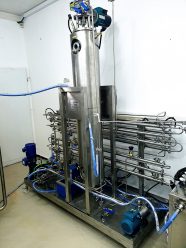
Better Juice, Ltd., the first foodTech startup to develop innovative technology to reduce all types of sugars in orange juice, announces its patent-pending technology is now scaling up. The startup is installing a semi-industrial pilot plant that also will be available for future testing at global partners’ plants. The pilot plant features the company’s sugar reduction process in a continuous flow technology that ensures a consistent, safe, and effective enzymatic process.
Pilot plant (Photo: Better Juice)
Better Juice developed an enzymatic technology that uses all-natural ingredients to convert fructose, glucose, and sucrose into prebiotic dietary fibers and other non-digestible molecules. Better Juice’s new pilot plant system marks a significant milestone in the startup’s commercial scale-up timeline. It is able to reduce up to 80 % of simple sugar in orange juice at a rate of up to 50 liters/hour. Better Juice’s non-GMO technology is designed to target the specific sugar composition in the orange juice to naturally create a low calorie reduced-sugar product that has a delicate sweetness. It is accomplished without using sweeteners or other additives to replace the sugars in the juice.
“We’ve signed collaboration agreements with several global juice producers so far,” reveals Eran Blachinsky, PhD, founder and CEO of Better Juice. “Our goal is to attain full industrial scale and supply to the market within a year. Soon, you will be able to see natural juice beverages with more favorable Nutri-Scores.” Nutri-Score is a new food label system that converts the nutritional value of products into a clear letter and color code on the packaging in Europe.
“Juice and beverage manufacturers are increasingly aware of the need to reduce the sugar levels in their products before new labeling initiative goes into action,” adds Blachinsky. “By using Better Juice technology, this will be easy to achieve.”
Maintaining juice quality through scaleup
The fruit juice industry, like any other, is constantly seeking ways to improve profitability. Adding a new procedure to the juice manufacturing by definition add costs. Better Juice uses a continuous flow technology that will only slightly influence the incremental costs to the overall price.
One of the major hurdles in continuous flow reduction of sugars in natural juices is keeping the process contamination-free even through large-scale production, without damaging the enzymatic activity. Better Juice developed a new device crafted from stainless steel, with aseptic fittings and welding, together with a unique process that guarantees a continuous, safe flow for its enzymatic sugar-reduction process for weeks at a time without interrupting the sterilization stage.
“The scale-up pilot plant is designed for smooth implementation into the standard procedures deployed by the juice industry,” explains Gali Yarom, Partner, COO, and VP of Business Development for Better Juice.
“Better Juice’s new tech process is cost-effective by virtue of its ability to maintain the continuous flow stage,” adds Yarom. “This is a key factor for beverage manufacturers seeking to affordably reduce sugars naturally while maintaining the juice quality and clean label attributes — a real game changer for the juice industry.”
The IFU Methods of Analysis Commission have completed and published a new recommendation R20, which is available to access for members via the IFU website www.ifu-fruitjuice.com selecting the top menu bar “Methods of Analysis”.
Dimethyl dicarbonate (DMDC, trade name Velcorin®) is used for the cold sterilization of beverages. The use in juices is approved for selected countries such as USA, Mexico, Brazil or Australia and New Zealand. In the EU and according to the Codex Standard the use as a food additive in juices is not listed. DMDC is degraded quickly after application and therefore it is not directly detectable in the finished product. It’s detection can only be carried out indirectly via analysis for its decomposition products which in an aqueous matrix are compounds that may be seen in soft drinks. These components (MeOH & CO2) are only conditionally suitable for a clear detection of its use. In the presence of methanol or ethanol, small amounts of dimethyl carbonate (DMC) or ethyl methyl carbonate (EMC) are also produced. These two compounds can be used as indirect proof of treatment of a product with DMDC. This recommendation reviews the detection method.
Crop loss of 25.6 % in relation to previous crop is due to lower nutrient reserves in plants and adverse climatic conditions
The 2020-2021 orange crop for the São Paulo and West-Southwest Minas Gerais citrus belt is estimated at 287.76 million boxes of 40,8 kg, according to the online announcement made May 11 by Fundecitrus. This number is 25.6 % smaller than the previous crop of 386.79 million boxes, and 12.5 % below the average crop size for the last 10 years. Approximately 20.56 million boxes are expected to be produced in the Triângulo Mineiro.
Expected yield is estimated at 790 boxes per hectare, as compared to the 1,045 boxes per hectare in the previous crop.
“It is a small crop, considering the productive potential of groves, but that is due to the biennial production cycle of orange trees”, explains Fundecitrus general manager Juliano Ayres. “Since the previous crop was large, nutrient reserves this year are smaller. In addition, climatic conditions were adverse during fruit setting and the first phase of fruit growth”, he states.
Influence of the climate and late blooms
Crop loss was caused by a reduced number of fruits per tree in comparison to the previous crop. The large production in the previous season increased the consumption of nutrient reserves in plants, which became scarce and triggered the phenomenon known as alternate bearing. Furthermore, the climate was also a negative influence: high temperatures in September and October 2019 affected the setting of newly formed fruit.
Adverse climatic conditions were also seen in March and April 2020, affecting fruit at a more advanced stage of development. According to data from Somar Meteorologia, the accumulated rainfall volume in that period was not even half the historical average (1981-2010), which restricted fruit growth.
245.15 million boxes of the estimated production are of fruit from the first and second blooms (85.2 % of the total), 34.64 million boxes are of fruit from the third bloom (12 %) and 7.97 million boxes are of fruit from the fourth bloom (2.8 %).
Dry weather in March and April 2020 restricted the growth of fruits that should still be small at harvest. Oranges are expected to weigh 159 grams at harvest.
Alternate bearing in regions
Yield per sector this crop season, as compared to last year’s, shows significant variations among locations. The Northwest sector, encompassing the regions of Votuporanga and São José do Rio Preto, ranks first in yield drop. 492 boxes per hectare expected to be produced in that sector represent a drop of 46.7 % in relation to the 2019-2020 crop. Next comes the North sector (regions of Triângulo Mineiro, Bebedouro and Altinópolis), with an expected yield of 686 boxes per hectare (-35.9 %); then the Central sector (regions of Matão, Duartina and Brotas), with 721 boxes expected per hectare (-30.1 %); the South sector (regions of Porto Ferreira and Limeira), with 781 boxes expected per hectare (-16.5 %); and the Southwest (regions of Avaré and Itapetininga), where 1.185 boxes should be harvested per hectare (-2.7 %) (see the graph below).
“The greater drop in yield expected for this current crop, the larger the increment observed in the previous crop. This is one evidence of the biennial production cycle of orange trees, showing that usually the fruit load one year is inversely proportional to the fruit load in the previous year, causing variations in yield per hectare that alternate with the crop seasons”, analyzes PES coordinator Vinícius Trombin. “But the main reason for crop fluctuations is the climatic change that often occurs from one year to the next. In regions with more stable climate, such as Avaré and Itapetininga, yield variations are smaller”, adds the survey coordinator.
Recovery of orange juice consumption
The São Paulo and West-Southwest Minas Gerais citrus belt is the largest worldwide producer of orange for processing. According to PES methodological coordinator and Professor at USP and FGV Marcos Fava Neves, the 2020-2021 crop and the inventory volume are now balanced due to the recovery of the demand for juice, heated up in major markets as a result of the COVID-10 pandemic.
“In view of an attempt to boost immunity, the citrus sector sees an increasing consumption of orange juice. It is an extremely nutritious liquid food”, he states.
Citriculture and sustainability
This year, based on methodology developed by Embrapa Territorial, PES has estimated the area of conserved woods on citrus farms: 182 thousand hectares throughout the citrus belt. On average, there is one hectare dedicated to conservation on farms for every 2.52 hectares of citrus groves. Data was obtained from cross-checking the information collected in the field by Fundecitrus with data from the Rural Environmental Registry (CAR).
“This work shows the important role of citriculture in environmental conservation and biodiversity, with large conserved areas integrated within farms”, says Trombin.
Methodology
For the estimate, orange trees were counted one by one in 2,557 plots and fruits from 1,590 trees were harvested throughout the citrus belt. “The reduced number of samples due to COVID-19 caused minor impact in the general survey result, which can be verified by the error of ±2.65% in the average number of fruits per tree”, PES methodology analyst and Professor at the department of engineering, math and science at FCAV/Unesp José Carlos Barbosa states.
The Crop Forecast Survey is carried out by Fundecitrus in cooperation with Markestrat, school of economics, business administration and accounting (FEA) of the university of São Paulo (USP) and the “Júlio de Mesquita” school of agricultural science and veterinary medicine (FCAV) of the São Paulo state university (Unesp).
The organisers of the Juice Summit announced the postponement of the Juice Summit 2020 organised for the 14 & 15 October 2020 in Antwerp, Belgium.
The Juice Summit will come back in 2021 for a special edition. Information will be given in due time, but you can already save the date 6&7 October 2021.
Use of 1H-NMR as a screening tool to assess the quality and authenticity of fruit juices
This new 25 page review outlines how Nuclear Magnetic Resonance (NMR) spectroscopy coupled with multivariate statistical techniques are applied for the rapid quality and authenticity assessment of fruit juices. It explains the science behind the technique, how it can be used as a rapid screening tool, method validation, the ability to differentiate different types of juices (variety and country of origin) and determination of some components.
The document is available to IFU members and subscribers in the Methods of Analysis section of the IFU website.
Juice has been acknowledged as a rapidly declining soft drinks category, with volumes weakening by 3 % in 2019, compared to the same period in 2018, according to leading data and analytics company GlobalData’s UK Quarterly Beverage Forecast in Q4 2019.
Holly Inglis, Beverages Analyst at GlobalData, comments: “Although the juice category is free from the sugar tax levy in the UK, consumption has still seen a downward turn in recent years, with consumers opting for other soft drinks categories such as iced/ready-to-drink (RTD) teas and enhanced waters, although none of these promote lean tags.
Another finding from GlobalData’s surveys include that a total *43 % of UK consumers claim they pay a high to very high amount of attention to the ingredients used in the food and drinks they consume.
An attempted turnaround in 2020 is Tropicana Lean – a new juice variant that indicates a movement towards better-for-you beverages in line with current consumer beverage trends.This poses the question whether Tropicana is taking a leap of faith with promoting a lean juice, or in fact we will welcome a new entry into the soft drinks market that combines hydration with health.
Inglis noted: “Tropicana’s innovation comes soon after the brand’s release of Tropicana Whole Fruit in May 2019, which attempted to impact the market with its high-fibre claims.”
*GlobalData’s Q3 2019 Consumer Survey
A new study1 published in the Journal of Nutrition and Health Sciences reports that drinking 100 % orange juice following exercise contributes to hydration equally as well as water and sports drinks, positioning the beverage as a viable alternative for post-exercise recovery. The study, conducted by researchers at the University of Kansas and funded by the Florida Department of Citrus, found no differences between 100 % orange juice, sports drinks, or water with respect to taste preference, thirst level, hydration, or gastrointestinal distress following exercise.
Researchers conducted a five-day exercise study with 26 healthy young adults who were moderately trained for endurance exercise. Each day they cycled on a stationary bike for 80 minutes and then consumed approximately eight fluid ounces of commercially available 100 % orange juice, orange-flavored water, or an orange-flavored sports drink. Participants rated the taste of the beverages, thirst levels, and measures of gastrointestinal distress such as reflux or intestinal cramps immediately after the exercise, after drinking the beverages, and after one hour of rest. The researchers measured participants’ hydration status immediately after exercise and after a one-hour rest period.
These findings suggest that 100 % orange juice is a viable post-exercise rehydration strategy, with the beverage receiving positive palatability ratings from study participants when used as a post-exercise rehydration beverage. Additionally, 100 % orange juice was able to satisfy thirst while helping to achieve or maintain hydration following exercise without causing gastrointestinal distress.
“The study showed that people consuming 100 % orange juice were hydrated as well as the participants consuming a sports drink or water. There were no symptoms of serious GI distress with the orange juice despite the carbohydrate content and acidity of the beverage. The results indicate that people can drink orange juice to aid in their rehydration and recovery after exercise,” said Dr. Dawn Emerson, Assistant Professor at the University of Kansas and principal investigator on this study.
An eight-ounce serving of 100 % orange juice provides carbohydrates and is a good source of potassium, an electrolyte, that may provide rehydration and recovery benefits post-exercise. The naturally occurring sugar in 100 % orange juice keeps good company with these and other vitamins, minerals and the antioxidant properties that are all part of the nutrition package 100 % orange juice delivers.
According to the U.S. 2015-2020 Dietary Guidelines for Americans, one cup of 100 % orange juice counts as a fruit serving2 meaning the naturally sweet taste of 100 % orange juice can contribute to an overall healthy diet. Just one-in-ten Americans meet their daily fruit intake as recommended by the Dietary Guidelines, missing out on important nutrients.3 A glass of 100 % orange juice can help close that gap in a convenient, quick way, while also serving as a viable option for post-exercise rehydration.
Following their successful 70th anniversary Juice Conference in Mexico last year, the IFU are now looking forward to the 2020 international conference which will take place over two days in the famous Stellenbosch wine region of South Africa. This event will be held in conjunction with the South African Fruit Juice Association (SAFJA) and will be combined with their annual meetings. With an expected attendance of over 200 participants, the conference is a wonderful opportunity to meet and engage with other juice industry professionals from around the world.
It will be held at the Spier wine farm and conference hotel near Stellenbosch which is one of the oldest wine farms in the region, with a recorded history dating back to 1692. It is home to one of the largest collections of contemporary South African art and its wines are among the most awarded in the country.
Well-known speakers will give presentations covering a variety of informative and interesting topics relevant to the global juice industry, as well as the African market, including the following:
Global Juice Market: focusing on Europe, the USA and Asia and the complexities of exporting into Africa
African Juice Market: Flavour matters; Deciduous and Citrus in Africa; Making juice in Senegal
Supply Chain: Tropicals in Africa; Global transportation issues including Africa; Global apple juice market (including AJ used for cider)
Quality & Technology: Thermal and non-thermal juice stabilisation technologies overview; Supply chain QA including the detection of lemon & lime; Rapid microbiological methods; Future of authenticity testing; Juice and more – how to create best value from citrus; Enzymatic methods of analysis in fruit juice
Health & Nutrition: Juice PR; Plant based nutrition; The power of industry collaboration to help reach sustainable development goals
Sustainability: Use of by-products; SIG on sustainability; Recycling and circular economy
On both evenings, participants will have the chance to network at a welcome dinner on day one and over drinks and canapés on day two.
There will be also an opportunity to take part in an exclusive wine tasting event the day before and visits to local producers in the area have been arranged for the day after the conference.
For more details about attending this exciting event and to experience South African hospitality, visit the IFU website.
¡CACTUS! Organic Cactus Water: Nature’s way to hydrate under hottest conditions “The Desert Hydrator” contains unique hydrocolloid that boosts hydration
¡CACTUS! Organic Cactus Water, a new line of plant based functional waters powered by Nopal cactus leaf juice, provides consumers seeking healthy hydration, refreshment and recovery with nature’s way to hydrate under the hottest conditions. The ¡CACTUS! formulation contains a cactus hydrocolloid that boosts hydration, absorption and retention. ¡CACTUS! is an excellent source of Vitamin C and contains additional antioxidants, electrolytes and amino acids including taurine. Low calorie and with only 5g sugar (agave), ¡CACTUS! is available in delicious organic Papaya, Lime and Watermelon flavors, in recyclable 12 oz/355 ml aluminum sleek cans.
“I created ¡CACTUS! to bring the hydration secret of the desert to consumers everywhere,” said ¡CACTUS! founder Sarita Lopez. “While it makes intuitive sense that water from a hot, dry region would provide especially effective hydration, the science backs it up. Inside every Nopal cactus paddle is a unique hydrocolloid that absorbs and retains moisture – so the cactus can survive the desert heat. ¡CACTUS! contains the same hydrocolloid. That’s why it’s so well absorbed and retained in the body, and why it hydrates so well.”
While “plant based waters” are relatively new, ¡CACTUS! is rooted in traditional wisdom. “For generations, Latin American folk healers recommended cactus leaf juice for colds, coughs, skin conditions and stomach ailments,” said Lopez. “Today’s research shows cactus leaf juice may promote muscle recovery, combat oxidative stress linked to inflammation, and may even help reduce the effect of hangovers.”
The ¡CACTUS! brand reflects Lopez’s personal experience and her focus on sustainability. Cactus leaf juice cleared up her eczema when nothing else worked. As a result Lopez decided to create an organic cactus water made with cactus leaf juice. The cacti used to make ¡CACTUS! are grown via natural rainfall, using no irrigated water. Select paddles (leaves) are harvested, not the entire plant. (The paddles quickly regenerate). The whole paddle is used, for maximum nutrition and minimum waste. And ¡CACTUS! aluminum sleek cans are both recycled and recyclable to a far greater degree than aseptic or cardboard containers.
About ¡CACTUS! Organic Cactus Water ¡CACTUS! Organic Cactus Water is nature’s way to hydrate under the hottest conditions. Made with organic cactus leaf juice, ¡CACTUS! contains a unique hydrocolloid that promotes hydration by boosting absorption and retention in the body. ¡CACTUS! is an excellent source of Vitamin C and contains additional antioxidants, electrolytes and amino acids including taurine. Low calorie and with only 5g sugar (agave), ¡CACTUS! is available in delicious organic Papaya, Lime and Watermelon flavors, in recyclable 12 oz./355 ml aluminum sleek cans. At work or before and after workout, hydrate, refresh and recover with ¡CACTUS!, The Desert Hydrator™ ¡CACTUS! parent company Green-Go LLC is certified as a Women’s Business Enterprise by the Women’s Business Enterprise National Council (WBENC), and is also a minority owned business. Green-Go LLC makes ongoing contributions to the Coalition for Sonoran Desert Protection.
As orange production is higher this season (2019/20), orange juice inventories should increase again until the end of the crop. According to a report from CitrusBR (Brazilian Association of Citrus Exporters) released on February 18, ending stocks of Frozen Concentrate Orange Juice (FCOJ) equivalent should total 412.83 thousand tons at the processing plants from São Paulo by June 30, 2020. This is the highest volume registered in five seasons (since 2014/15), considering CitrusBR’s historical series.
If this volume is confirmed, it would account for a 63 % increase compared to that in the 2018/19 season (253.18 thousand tons). This scenario was already expected, since orange production in the citrus belt (São Paulo and the Triângulo Mineiro) increased 34.6 % between the last season and the current one, according to Fundecitrus (Citrus Defense Fund).
Of the total volume produced, still according to CitrusBR, 59.7 million boxes (40.8-kilo box) will be allocated to the in natura market and 325.17 million, to processing. The average crop yield is estimated at 270.1 boxes for a ton of FCOJ Equivalent, and the total juice production is forecast at 1.2 million tons.
In August/19, Cepea calculations had pointed to the possibility of inventories to increase at processors to levels similar to that estimated by CitrusBR, at 400 thousand tons.
REFLEXES IN 2020/21 – Although estimates point to a recovery in the volume stocked (the last four seasons closed with lower volumes), the effects on juice inventories in 2020/21 will depend on the amount to be produced in the coming season. However, since citrus growers expect next crop to be at least 30% smaller than the 2019/20, inventories should decrease to lower levels in June/21.
If production decreases, the prices paid to growers by the industry may rise, since demand should remain firm in this segment, despite the high inventories. In the in natura market, quotes may be favored by low supply, since processors should try to purchase the largest possible amount of fruits, to prevent inventories from decreasing to critical levels in June/2021.
MARKET IN FEBRUARY – Orange consumption decreased in the in natura market in the second fortnight of February, due to the rainy weather in some regions of São Paulo State and fruits’ lower quality. However, the low supply of higher quality pear oranges underpinned prices during the month. Between February 3 and 28, pear orange prices averaged 33.06 BRL per 40.8-kilo box, on tree, 8.3 % up compared to that in January.
TAHITI LIME – The harvesting pace for tahiti lime was fast in February in the major producing regions from São Paulo State. Supply, which has been increasing since December, hit its peak last month, and according to agents consulted by Cepea, it may continue high until late March.
Besides that, rains influenced the in natura market too, hampering activities in the field and lowering fruits quality. Moreover, the sales pace was slow in February, due to the carnival season in Brazil.
Thus, in February, tahiti lime quotes averaged 10.24 BRL per 27-kilo box, harvested, the lowest for the month since 2017, in nominal terms, and 14.9 % down compared to that in January.
To download the complete programme please click the image.
Erbslöh Geisenheim GmbH has issued an invitation to the latest International Juice and Fruit Wine Seminar in Rotenburg an der Fulda (Germany) on 26 and 27 March 2020. For the third time the Göbel’s Hotel Rodenberg will provide the perfect setting for specialist presentations on beverage research and process technology in fruit and vegetable processing. More than 120 experts from the fruit juice and cider industries are expected. The Rheingau company is organising the seminar in cooperation with leading processing industry suppliers and renowned applied research institutions. The programme includes a wide range of presentations on topics such as “Processing of particularly difficult apples”, “New research and analysis findings”, “Filtration”, “Fermentation”, and “Sensory aspects when manufacturing purées and citrus products”. The event will end with a moderated tasting of innovative, premium quality fruit wine products.
Bucher Unipektin, a business unit of the Swiss based Bucher Industries AG within the division Bucher Specials, is acquiring 100 % of the Spanish citrus processing equipment supplier Luzzysa. With the acquisition Bucher Unipektin further strengthens its presence in the citrus juice industry.
Industria de Maquinaria Luzzisa, S.L was founded in 1975, is privately owned and operates under the brand “Luzzysa”. The company supplies processing equipment for the production of citrus juices. The administration and production of the company is located in El Puig (Valencia),
supported by a sales and after sales service network in the main citrus markets.
Bucher Unipektin is the world market leader for production equipment of apple, pear and berry juices and also supplies refinement systems and evaporators to the citrus industry. The business unit is operating globally with production sites in Switzerland and China, supported by a global agent network and own sales and service organisations in Poland, Ukraine, Russia, New Zealand and Mexico.
With this acquisition, Bucher Unipektin is in the position to supply its citrus juice customers with entire processing lines, complementing its refinement systems and evaporators with Luzzysa’s juice extractor EXZEL, the industry standard for juicing of citrus fruits.
The company will be operated by the existing management team out of its original location in El Puig under the new name Bucher Exzel, S.L.
Brazilian exports of Frozen Concentrate Orange Juice (FCOJ) Equivalent increased in October for the fourth consecutive month. This season (July to October/19), Brazil has shipped 390.5 thousand tons of the product to all destinations, 19 % more than that exported in the same period last year, according to data from Secex. Revenue, in turn, rose 8 %, in the same comparison, totaling 672.27 million USD.
This result was already expected by agents from the sector, who were based on the needs of bottling plants from the European Union (number one destination for the Brazilian juice) to replenish inventories – it is worth to mention that, last season, national shipments to the EU decreased. This season (2019/20), exports to the EU have already reached 284.3 thousand tons, 25 % up compared to the volume shipped between July and October 2018.
Shipments to the United States continue to decrease – between July and October/19, Brazilian exports to the USA decreased 6 %, totaling only 53.5 thousand tons, still reflecting the 2018/19 harvest offset in Florida as well as perspectives for a positive scenario in the American state in 2019/20.
Brazilian juice exports should continue on the rise in the coming months, due to the higher orange production in the citrus belt (São Paulo and Triângulo Mineiro) and the needs of European bottling plants to replenish inventories. Shipments to the USA, in turn, will depend on the output from Florida (although greening has been controlled, it still damages local groves).
BRAZILIAN MARKET – The demand for oranges was firm in the in natura market in the first fortnight of November, according to Cepea collaborators, pushing up prices. As regards supply, the low availability of higher quality fruits and the reduction in the pear orange harvesting helped to underpin quotes. Between Nov. 1 and 14, pear orange quotes averaged 28.04 BRL per 40.8-kilo box, on tree, 31.1 % up compared to that in the first half of October.
As regards tahiti lime, the volume available in the in natura market of SP is increasing – although most are small-sized fruits, which are traded at lower prices. According to agents consulted by Cepea, the gradual supply increase tends to press down quotes from now onwards. Between Nov. 1 and 14, tahiti lime prices averaged 91.37 BRL per 27-kilo box, harvested, 14.3 % down compared to that in the first fortnight of October.
EXPORTS – Brazilian shipments of tahiti lime continue at record levels, both in terms of volume and revenue, favored by the higher supply between April and May. Between January and October/19, exports of lemon and lime totaled 93.3 thousand tons, 13.6 % up compared to that from the same period last year, according to Secex. Revenue, in turn, totaled 78.5 million USD, 3.2 % higher, in the same comparison. As supply increases in Brazil, which is expected between late November and early December, agents expect quotes to drop and shipments to increase, since lower prices favor the competitiveness of the Brazilian product in the international market.
The Board of Britvic announced that it has entered into exclusive discussions with Refresco over the potential sale by Britvic of its three juice manufacturing sites in France, its related private label juice business, and the Fruité brand. The proposed sale is subject to a consultation process with the relevant employee representatives, which has now been initiated, and also subject to competition clearance by the French Competition Authority. Britvic will retain ownership of the Pressade and Fruit Shoot brands, which would be manufactured by Refresco as part of a long-term partner arrangement. The transaction will not affect the Teisseire and Moulin De Valdonne brands or the private label syrups business, which are all manufactured at the remaining site in Crolles.
The value of the transaction is not material and would result in a modest impact on adjusted EBIT. The transaction would be expected to complete in Spring 2020. The retained business would be smaller and higher margin, enabling the local management team to focus on building its branded business. An update will be provided at the Preliminary results announcement on 27 November 2019.
About Britvic Britvic is one of the leading branded soft drinks businesses in Europe. The company combines its own leading brand portfolio including Robinsons, Tango, J2O, Fruit Shoot, Teisseire and MiWadi with PepsiCo brands such as Pepsi, 7UP and Lipton Ice Tea which Britvic produces and sells in GB and Ireland under exclusive PepsiCo agreements. Britvic is the largest supplier of branded still soft drinks in Great Britain (“GB”) and the number two supplier of branded carbonated soft drinks in GB. Britvic is an industry leader in the island of Ireland with brands such as MiWadi and Ballygowan, in France with brands such as Teisseire and Pressade and in Brazil with Maguary and Dafruta. Britvic is growing its reach into other territories through franchising, export and licensing. Britvic’s management team has successfully developed the business through a clear strategy of organic growth and international expansion based on creating and building scale brands. Britvic is listed on the London Stock Exchange under the code BVIC and is a constituent of the FTSE 250 index.
Mexifrutas and ct Finance AG (with its subsidiary Frutco AG) have signed an agreement for close collaboration in various fields.
Mexifrutas is working in the field of processing of tropical fruits in Mexico and Costa Rica. Mexifrutas will open a new factory for banana puree and pineapple juice NFC as well as -concentrate in Costa Rica in early 2020. Mexifrutas main market is North America.
ct Finance AG is managing a group of companies, which are working in the field of farming, farm management, processing and marketing of raw material and retail products. ct Finance AG main market is Europe.
In the first step, Frutco AG as subsidiary of ct Finance AG, will market banana puree of Mexifrutas in Europe and Middle East. Customers who were previously served directly by Mexifrutas will continue to be supported on this journey. In Summer 2020 Frutco will open as well a processing plant for banana puree In Colombia. Both groups have control over large plantations of bananas to fulfill the request of multinational customers to secure resources for them.
For the customers these two origins have a great advantage:
Risk reduction because of Storms, Political issues, Force Majeure
Best Customer Service by language, at place just in time
Both parties have hands on the raw material – security of supply – transparent supply chains and food safety.
In line with the company motto “Turning the best out of nature into Multi-Sensory & Nutritional Excellence”, Doehler will present pioneering ingredients, ingredient systems and integrated solutions for the beverage industry to visitors at BrauBeviale, which will take place in Nuremberg from 12 to 14 November 2019.
From reduced-sugar adult soft drinks in innovative flavours, to fruity and fresh NFC juices, to refreshing fruit-infused water and full-bodied, alcohol-free beers, visitors to the Doehler stand can discover inspirational ideas for their next successful product. All innovation concepts are based on a comprehensive portfolio of natural ingredients ranging from natural flavours, natural colours, health ingredients, pulses & cereal ingredients, dairy & plant-based ingredients, fermented ingredients, fruit & vegetable ingredients to ingredient systems, as well as a diverse range of certified organic ingredients.
The next generation of beer-mix drinks
Beer remains one of the world’s most popular alcoholic beverages. Primarily young consumers are looking for diverse product concepts in innovative flavours, a fact that offers tremendous market potential for beer-mixes. Doehler will present exciting beer-mix concepts at BrauBeviale 2019 which producers can use to shake up the beer market. Alongside classic beer-mixes with lemon or grapefruit flavours, reduced-sugar beer-mix variants are currently in high demand. The sugar-reduced beer-mix lemon product impresses with its authentic taste and full-bodied mouthfeel, while using 30% less sugar compared to other common beer-mix beverages. Doehler’s MultiSense® Flavours enable the sugar content in alcoholic and non-alcoholic beverages to be reduced significantly, while simultaneously retaining the full taste.
“Double brew beer-mixes” are also winning over consumers with their authentic taste profiles. Perfectly balanced and refreshing beer-mixes combine two brewed components: beer and brewed lemonade. A fruit content of up to 6 % derived from fermented juices and various botanical extracts ensures that the beer-mixes are less sweet and have a particularly refreshing taste. Visitors to the Doehler stand will have the opportunity to try the double brew beer-mix with a hint of lime.
Reduced-sugar and refreshing – soft drinks for every taste
At BrauBeviale, Doehler will also present its extensive portfolio of adult soft drinks which are specifically tailored to the consumer requirements of adults. Using high-quality ingredients from Doehler such as innovative botanical extracts and distillates, brewed and fermented ingredients or high-quality NFC juices, the adult soft drinks impress with their tart, less-sweet taste profiles.
Doehler also has different solutions to reduce the sugar content in soft drinks. By using MultiSense® Sweet Aroma, the refreshingly light soda tastes fruitier and less sweet while having a sugar content of less than 5 g per 100 ml. The lemonade combines the sour and fresh taste of lemon with a hint of peach and is presented in the trend colour of coral. Consumers looking for another lemonade with a less sweet, more “grown-up” taste profile should try Doehler`s brewed soda with its special flavours of brewed ginger and brewed lime. Thanks to a natural sweetening solution using a stevia tea brew, the drink has a sugar content of just 4.1 g per 100 ml.
Innovative juice drinks – natural, reduced-sugar and delicious
Reducing the sugar and calorie content in alcoholic and non-alcoholic beverages is currently in the spotlight. The demand for reduced-sugar beverages is continuously growing, particularly when it comes to juice and juice drinks: every third juice on the market is now an NFC juice. These juices are derived from natural sources and have authentic “home-made” tastes. Reducing sugar content is one of the biggest challenges facing manufacturers. “NFC Naturally Light” are innovative product concepts from Doehler which can solve this problem. The “light” juices from Doehler – such as the “next-generation apple juice” which is made from apple juice and coconut water – not only consist entirely of NFC juices, but also contain less sugar and fewer calories than conventional juices and impress consumers with their refreshing and fruity tastes. Thanks to our wide range of high-quality fruit and vegetable ingredients, we can present product concepts to trade fair visitors which satisfy every taste.
Natural ingredients for a healthy lifestyle
Many consumers consider the nutritional properties of the products they purchase. This is resulting in growing worldwide demand for beverages containing natural ingredients and which have a positive effect on health. No other beverage better combines the trends of naturalness and health than fruit-infused waters. At BrauBeviale, Doehler will present innovative concepts such as fruit-infused water in apple lemon or raspberry mint variants. Water with different flavours is enjoying ever greater popularity: enriched with natural fruit infusions and agave, these trend drinks are impressing consumers around the world with their taste – while containing less sugar or sweeteners and fewer calories.
Hall 1, Stand 303
The cooperation agreement aims for a long term cooperation in the area of safety, quality and authenticity of fruit juices
A cooperation agreement between Arab Beverages Association (ABA) and Sure-Global-Fair (SFG), represented by Mr. Al Harthi, Chairman of the Arab Beverages Association and Mrs. Alexandra Heinermann, General Manager of SGF International respectively, was signed between opening two sessions to finalize the proposed long-term partnership in the area of safety and quality assurance, as well as in protection of the positive image of fruit juices and related products.
The cooperation agreement was signed within the frame of the ninth edition of the Arab Beverages Conference (ABCE 2019) which began October 27th, 2019, in Dubai, UAE, under the theme ‘Challenging the Future!’ as senior industry experts from around the region meet to explore ways to move the sector forward in the years ahead. The Arab non-alcoholic beverage industry is one of the fastest growing sectors in the Middle East region and has witnessed rapid development in the past three decades to become extremely competitive with its counterpart industries in different parts of the world.
The co-operation will support the fair competition regarding fruit juices, nectars, fruit containing drinks and products, intended for use in the Arab countries´ domestic market (local productions and imports). It includes mutual supporting membership, the inclusion products intended for the Arab market in its International Raw Material Assurance (IRMA) audit and testing services, in order to assist the Arab beverage sector and supporting and consulting on international standards.
SGF and ABA look forward to a fruitful cooperation for the benefit of the fruit juice sector in the Middle East.
The Brazilian exports of Frozen Concentrate Orange Juice (FCOJ) Equivalent have been increasing for three months. Between July and September/19 (2019/20 crop), Brazil shipped 299.7 thousand tons of the product, 27 % more than that exported in the same period last year, according to Secex. Revenue, in turn, rose 17 %, in the same comparison, totaling 520.58 million USD.
The good exports performance is largely linked to the replenishing of European inventories (the European Union is the number one destination for the Brazilian orange juice) – last season, exports to the EU had decreased. Thus, this season, juice shipments to the EU have already reached 230.4 thousand tons, 47 % up compared to the volume exported between July and September last year.
To the United States, however, the Brazilian exports of FCOJ Equivalent have been decreasing (17% between July and September), totaling only 37.1 thousand tons since the beginning of the season, in July/19. This scenario reflects the supply offset in Florida in the 2018/19 crop as well as estimates for a positive scenario in 2019/20.
For the coming months, Brazilian juice exports are expected to keep on the rise, due to the higher orange production in the citrus belt (São Paulo and Triângulo Mineiro) and the needs of European bottling plants to replenish inventories. To the USA, in turn, the increase in the demand for the Brazilian orange juice will depend on the orange production in Florida (although greening has been controlled in the American state, local groves still suffer the effects of the disease).
BRAZILIAN MARKET IN OCTOBER – Despite the higher demand for oranges in the Brazilian in natura market in the first fortnight of October, the supply of high quality fruits was low (oranges are wilted and small). Thus, prices for higher quality oranges increased in the Brazilian market in the first half of the month. Between October 1 and 15, pear orange prices averaged 21.38 BRL per 40.8-kilo box, on tree, 12.6 % up compared to that in the first fortnight of September.
As regards tahiti lime, quotes increased in São Paulo in the same period – some deals reached 100.00 BRL per 27-kilo box, harvested. The scenario was linked to lower supply, since the fruits still on tree had not reached the ideal size and maturation stage to be harvested.
Between October 1 and 15, tahiti lime prices averaged 79.94 BRL per 27-kilo box, harvested, 68.3 % up compared to that in the first half of September. On the other hand, rains in the first fortnight of October may have favored fruits growth on tree, raising expectations for an increase in supply still in October.
The IFU (International Fruit and Vegetable Juice Association) has, once again, awarded one company from the juice industry and one person for his long standing active support of the juice industry: Tetra Pak received the “IFU Award for Innovation” for their production concept solution combining UV and filtration technology, Mr. Hans Jürgen Hofsommer received the “IFU Award for Significant Contribution”. Both awards were presented during this years` Juice Summit Gala Dinner in Antwerp, Belgium.
Mr. Hans Jürgen Hofsommer is the founder of GfL laboratory in Berlin, dedicated to serving the juice industry with expert analysis. He has been a long standing member and supporter of IFU being the Methods of Analysis (MAC) chair in the 1980’s and 1990’s developing the extensive catalogue of IFU methods of analysis. He truly is a dedicated contributor to the juice industry.
Maria Norlin accepted the award on behalf of Tetra Pak and gave the worlds` first presentation on this technology combining UV and filtration at the IFU Technical Workshop in Athens earlier this year.
Maria Norlin has worked at Tetra Pak Processing Systems since 2008 across different areas of expertise, such as technical product management within Mixing, Blending, Dosing, as well as product management within Heating.
Maria is currently leading a team of food technologists and product managers responsible for developing and managing the Tetra Pak JNSD Processing Portfolio and technology expertise. She has a Master of Science in Chemical Biology, with a focus on Bioprocess Engineering from Linköpings University, Institute of Technology in Sweden.
Tetra Pak`s technology utilises sterile filtration in conjunction with heat processing for juice, nectar and still drinks which reduces energy consumption by 2/3rds.
Portuguese food and beverage company Sumol+Compal has launched its premium brand Compal in Tetra Pak’s sleek, fresh new Tetra Stelo™ Aseptic 1000 Edge with Bio-based WingCap™ 30.
The uniquely-designed package will allow Sumol+Compal to bring to market a range of popular juices distinguished by an easy-grip carton, one-step opening and with a smoothly-rounded, slim shape. The new Tetra Stelo™ Aseptic package also helps brands like Sumol+Compal differentiate themselves from competitors, better share information about the brand and its products, and attract new customers.
Diogo Dias, Head of Marketing of Sumol+Compal said: “With a large and smooth-bodied branding surface, the Tetra Stelo™ Aseptic package offers a contemporary look to rejuvenate our brand and add a novelty element to this everyday product, also enhancing on-shelf differentiation. Its lighter weight and FSC™ certification are totally aligned with our vision to contribute to a more environmentally friendly world.”
Now more than ever consumers are looking to buy from brands that share their values, companies today are competing to make product information and company values more accessible, and to connect with consumers wherever they are—whether that’s at home, at work, or on the go. Therefore, in addition to offering customers like Sumol+Compal a sleek, fresh design, Tetra Pak has designed the Tetra Stelo™ Aseptic carton in a way that offers brands a large, continuous surface perfect for branding, storytelling and the nutrition information that today’s consumers demand.
Alejandro Cabal, VP Packaging Solutions, Tetra Pak, said: “In our fast-moving world, communications and marketing are becoming ever more challenging. In order to be able to drive value to consumers, brands need all the tools in the marketing mix, and, as such, packaging becomes a key feature in any desired product. The Tetra Stelo™ Aseptic carton package is a part of a consumer solution that our customers can use to share their story, helping consumers pick products and have a better experience from using them.”
As part of Tetra Pak’s ambition to deliver packages that contribute to a low carbon circular economy, the Tetra Stelo™ Aseptic is recyclable, FSC™ certified and has the option for customers to use a plant-based cap made from polymers, which are derived from sugar cane. With an increasing number of consumers now recognising the FSC™ label and opting for plant-based products, the package meets the needs of the environmentally conscious consumer.
Duarte Pinto, CEO of Sumol+Compal said: “We are delighted to pack our products in the new Tetra Stelo™ Aseptic. It is an environmentally sound package, thanks to its light weight and cap made from sugar cane, a renewable resource. It offers excellent functionality for consumers to hold and pour from because of its ergonomic shape. Compal is the first brand to launch products in Tetra Stelo Aseptic worldwide, true to the spirit of innovation to make our products stand out and offer consumers the best experience every day.”
The new range of packages starts at 1000ml, with new sizes being added to the family soon. The Tetra Stelo™ Aseptic 1000 Edge with Bio-based WingCap™ 30 is already available in Portugal, and will be rolled out in Poland, Romania and Brazil markets.
At this year’s Anuga trade fair, held between 5 and 9 October, Doehler will present a diverse portfolio of innovative, natural ingredients and applications which combine plant-based nutrition, sugar reduction and functionality with unique Multi-Sensory Experiences®.
Unique Multi-Sensory Experiences®
When it comes to food and beverages, consumers are above all looking for products with unique taste sensations along with healthy, natural ingredients, new textures, brilliant colours, an exquisite mouthfeel and ultimately the emotional enjoyment that comes from Multi-Sensory Experiences®. Doehler will present innovative concepts at its stand which, based on the comprehensive portfolio of natural ingredients, include natural flavours and colours, to dry ingredients and innovative sweetening solutions, create a perfectly harmonious mixture of taste, appearance and texture to appeal to all the senses.
Refreshing beverages which are less sweet, yet full of flavour, are in great demand. Doehler has therefore developed reduced sugar concepts for lemonades and co., comprising well-known classics up to innovative beverages. The diverse selection of natural sweetening solutions can be perfectly tailored to the respective desired taste profile through countless combination options.
Innovative Sweetening Solutions
Beverage concepts that are less sweet and have a more exciting flavour diversity are becoming ever more popular amongst consumers. The Refreshingly Light Soda provides a pure fruit taste, combining the sour, yet fresh flavour of lemon with a hint of sweet peach and is presented in the trend colour of coral. At under 5 g per 100 ml, the sugar content is low, while a juice content of at least 8% is that much higher. Consumers looking for a lemonade with a more “grown-up” taste profile should try our Light Brewed Soda with its special flavour notes of brewed ginger and brewed lime. Thanks to a natural sweetening solution using a stevia tea brew, the drink has a sugar content of just 4.1 g per 100 ml.
Water Plus – Plus added naturalness, variety or health
Everyone is talking about Water Plus, a series of innovative beverage concepts with a hint of flavour and healthy added value! Discover applications such as Fruit Infused Water in lemon & apple or raspberry & mint flavours, or the fruity-tart taste sensation of Botanical Waters, created by adding lemon juice containing rosemary and coriander extracts, at the Doehler stand. The Energising Water with the exotic flavours of mango and passion fruit, as well as caffeine, ginseng and guarana extract, provide a natural energy boost in addition to the multi-sensory experience.
Driving Nutritional Excellence
Ever more consumers expect the food and beverages they consume to have a natural, functional added value as well as vibrant appearances and excellent taste. Doehler will therefore present a selection of innovative and diverse concepts based on Health Ingredients. These include herbal and fruit extracts, plant-based proteins, and vitamins and minerals.
The Plant-Based High Protein Drink, also available in vanilla flavour, is a perfect alternative to milk while also providing plant-based proteins for a balanced diet. Our Protein Ball is a delicious and healthy in-between snack with apricot ingredients which supply the body with plant-based proteins. The same goes for our Protein Bars which use 100% natural fruit powders to create a first-class banana or raspberry flavour and which also have a high plant-based protein content.
Alongside the innovative food applications, Doehler also has beverage concepts with functional added value. Many consumers require an additional source of energy which can easily be integrated into their active lifestyle. The next generation of energy drinks developed by Doehler are perfectly suited here and impress with their natural ingredients and low calorie content. The spectrum ranges from a Guayusa Energy Drink and a Cold Brew Coffee Energy Drink to a cola-flavoured Zero Sugar Energy Drink.
Hall 8, Stand A010
Louis Dreyfus Company (LDC) and Luckin Coffee (Luckin) have signed an agreement to establish a joint venture (JV) to develop a co-branded Luckin Juice business in China. The signing ceremony in Singapore was attended by Zhengyao Lu, Chairman of Luckin Coffee, Margarita Louis-Dreyfus, Chairperson of Louis Dreyfus Holding B.V., Ian McIntosh, CEO of LDC, and other members of senior management from the two companies.
The business will focus on co-branded Not From Concentrate (NFC) orange, lemon and apple juices, for which LDC masters the full value chain from its farms to customers at destination, and plans to build its own bottling plant in the future. It also plans to bottle and brand other fruit and vegetable juices. Luckin Coffee stores will play an important role as sales outlets, while the business also plans to market its juices via other channels.
“China is the fastest-growing NFC market globally and, together, Luckin and LDC see a significant opportunity to offer high quality, sustainably-developed NFC juices to the Chinese consumer. We are pleased to be partnering with one of the world’s largest citrus fruit growers and juice suppliers to launch a co-branded Luckin Juice and continue our ambitious growth plans,” said Jinyi Guo, Luckin Coffee Senior Vice President and Co-founder. “There are strong synergies between our leading-edge marketing and consumer approach, and LDC’s great juice supply capacity, global reach and strong value chain expertise. Through the joint venture with LDC, Luckin is extending upstream toward production, giving greater product quality control along the whole process and the ability to offer better products, a better experience and services to consumers, to further meet their diverse product needs. In the future, Luckin Coffee will further reduce costs to meet the needs of broader consumers and increase their consumption frequency.”
Accelerating our strategic alliance with Luckin Coffee through this new JV is very positive,” said James Zhou, LDC Global Vice President and regional head for LDC North Asia. “This fits perfectly with our corporate strategy to move further downstream toward the end consumer, in particular through partnerships, and with our growth ambitions in China. LDC has been in the juice business for over 30 years and this is an excellent fit with our Juice Platform’s strategy. Our areas of expertise are totally complementary, with LDC’s know-how in managing a sustainable juice value chain and Luckin’s knowledge of the Chinese consumer, marketing and digital platform know-how, and established consumer base. We have all the ingredients for a true win-win situation.”
Founded in 1851, LDC is one of the world’s leading merchants and processors of agricultural goods. It is also one of the world’s largest juice production and supply companies, committed to producing high-quality fruit juice products, with sustainably-grown fruit from Brazil and other global sources, with built in traceability. LDC has been active for more than 40 years in China, where it operates today across the value chain in a wide range of commodities, including grains, oilseeds, cotton, sugar, rice and juice, in almost every province in the country. Luckin Coffee is committed to providing customers with high-quality, cost-effective and convenient products, through in-depth cooperation with top suppliers in various fields.
Abstract
Although there is strong evidence that consumption of fruit and vegetables is associated with a reduced rate of all-cause mortality, only a minority of the population consumes 5 servings a day, and campaigns to increase intake have had limited success. This review examines whether encouraging the consumption of fruit juice might offer a step toward the 5-a-day target. Reasons given for not consuming whole fruit involve practicalities, inconvenience, and the effort required. Psychologically, what is important is not only basic information about health, but how individuals interpret their ability to implement that information. It has been argued that fruit juice avoids the problems that commonly prevent fruit consumption and thus provides a practical means of increasing intake and benefitting health through an approach with which the population can readily engage. Those arguing against consuming fruit juice emphasize that it is a source of sugar lacking fiber, yet juice provides nutrients such as vitamin C, carotenoids, and polyphenols that offer health-related benefits. Actively encouraging the daily consumption of fruit juice in public health policy could help populations achieve the 5-a-day recommendation for fruit and vegetable intake.
thyssenkrupp is investing in the safety of fresh food products by building Germany’s biggest center for high-pressure processing of food in the town of Quakenbrück, Lower Saxony. Construction of the center in Quakenbrück’s business and innovation park will commence in early 2020. From the start of 2021, up to 26 metric tons of food products daily will undergo gentle and reliable preservation at the roughly 630 m2 facility, which is being built at a cost of around 3 million euros.
Nowadays, more and more people attach importance to a healthy diet with fresh, natural produce. Using thyssenkrupp’s high-pressure pasteurization (HPP) process, food can be preserved gently without the need for heat or chemical additives. High pressures of up to 6,000 bar eliminate contaminants such as pathogens, fungi and yeasts, significantly slowing and in some cases even preventing decay while retaining valuable ingredients.
Christian Myland, CEO of Uhde High Pressure Technologies: “Quakenbrück is one of the most important research and technology centers for the German food industry, making it the ideal location for our project. In the future, food manufacturers will be able to come to our service center to see the advantages of high-pressure processing for themselves. HPP technology will help them serve the rising demand for natural, additive-free products.”
The new service center will be able to process a wide range of food products including juices, purees, dairy products, meats, seafoods and many more. It will be built in the direct vicinity of the German Institute of Food Technologies (DIL), with which thyssenkrupp cooperates on research and development. The DIL is one of Europe’s leading food industry research and development facilities. Cooperation will focus among other things on microbiological testing and the development of completely new long-lasting, clean and wholesome food products based on HPP technology.
The conference provides a genuine and dynamic forum for all industry players and their suppliers
Antwerp, Belgium – 1&2 October 2019 – Hilton Antwerp 4
Organised by AIJN, IFU and SGF, the Juice Summit is now a global, annual conference which guarantees the presence of renowned industry leaders and experts of the European and international juice industries. Over the years it has become a key conference delivering exceptional insights in important topical dossiers as well as providing a unique networking opportunity.
The Summit is a two-day conference with presentations and panel discussions covering a wide variety of topical issues which determine the business environment of today, as well as challenges for tomorrow. The speakers and panelists will also share their understanding and vision of the future for the fruit juice industry with participants. Key policy fields like CSR, health and nutrition as well as insights on global market developments will be on the programme. This year the organiser have the honor of having 3 prominent keynote speakers :
James Quincey, CEO & President of Coca Cola
Prof Jan Rotmans from Erasmus Universiteit Rotterdam
And Marius Robles, Co-Founder of FOOD BY ROBOTS
With over 550 participants from over 40 countries, the conference takes place in the most exclusive venues in Antwerp. All practical information and registration process can be found via the following link : www.juicesummit.org
In June 2019, the inventories of Frozen Concentrate Orange Juice (FCOJ) equivalent at Brazilian processing plants closed at 253.18 thousand tons, 26.2 % smaller than that in the 2017/18 season, according to data from CitrusBR (Brazilian Association of Citrus Exporters).
This volume is considered small in light of historic inventories – in recent years, inventories were only lower than that in 2010/11 and in 2016/17. The worse performance of Brazilian juice exports in 2018/19, therefore, prevented juice inventories at Brazilian processing plants from decreasing to critical levels.
CitrusBR should only release data about the ending stocks from 2019/20 and 2020/21 (June/20) next year. However, according to Cepea calculations, inventories should bounce back at the processing plants from São Paulo in 2020/21, due to the large 2019/20 crop in the citrus belt.
Considering initial inventories at 253.18 thousand tons in June/19, the demand in the in natura market, between 50 and 60 million orange boxes (the remaining production is allocated to crushing), and the increase in exports, to around 1.05 million tons, Cepea estimates inventories to be around 400 thousand tons by June/20, much higher than the current levels.
Although this scenario points to high inventories (the last four seasons ended with lower inventories), the effect on orange quotes in 2020/21 will depend on the volume to be produced next season. If production is average or high, the season tends to end with large volumes stocked again, which may constrain remuneration to growers as well as price rises for orange juice.
According to Fundecitrus (Citrus Defense Fund), the annual orange production in the Brazilian citrus belt has been oscillating between high and low. However, it is still early to forecast the 2020/21 season, since flowering is still beginning in some groves from SP – but, considering the long drought, flowerings may be favored.
With the higher juice supply in 2019/20, shipments may bounce back from 2018/19. The needs of European distributors may favor exports, but higher demand from the United States will still depend on Florida’s production.
BRAZILIAN MARKET – The high price levels for tahiti lime hampered new deals in the in natura market from SP in August. According to agents, supply was low, since, until the end of the month, the fruits still on tree had not reached the ideal size and maturation stage to be harvested.
Drier weather limited fruits growth, which should underpin tahiti lime prices in September. Between August 1 and 31, quotes averaged 30.03 BRL per 27-kilo box, harvested, 20.1 % up compared to that in July.
In the in natura market of pear oranges, the trading pace was slow and demand decreased in August. However, low supply underpinned prices. Thus, pear orange quotes averaged 18.26 BRL per 40.8-kilo box, on tree, in August, 1.1 % up compared to that in July.
Sales of UK manufactured fruit and vegetable juice surge 17 % year-on-year while beer sales fall 16 %
Food industry remains the largest UK manufacturing sector, contributing £71.8bn in sales overall
Sales of UK manufactured goods hit a record £390.1 billion, up 2 % year-on-year
The manufacture of fruit and vegetable juice was the fastest growing sub sector in the UK food industry, growing 17 % from £654 million in 2017 to £768 million in 2018 – according to analysis of the latest ONS PRODCOM data by Santander1.
Research2 shows that more than half of people aged 16 to 24 consume juice drinks at least once a day. Consumption of smoothies has seen the biggest increase among all fruit juice drinks with Brits spending £112 million alone on these last year alone3.
Sales of UK manufactured beer have meanwhile hit their lowest level in a decade at £3.1 billion – down from £3.7 billion the year before – as young people increasingly turn to alcohol free alternatives. Beer sales reached their peak in 2009, when Brits consumed £4.8 billion in beer.
Food and drink remained the largest UK manufacturing sector in 2018, reporting sales of £71.8 billion – a 3 % increase on 2017. Overall UK manufacturing sales hit a record high of £390.1 billion in 2018 – an increase of £9.4 billion (2.5 %) from the previous year.
Andrew Williams, Head of Food & Drink Sector, Santander UK, said: “Food and drink manufacturing is vital to the health of the economy and the UK is widely seen as a global leader in product innovation. The last decade has seen the food and drink industry shaken up with huge shifts in consumer buying habits – from growing interest in veganism to juice and smoothie diets. Manufacturers are having to respond quicker than ever to develop new products to meet customer demand – a pattern which is likely to continue as Brits explore the latest food fads.”
Ice cream was the second fastest growing food manufacturing sub sector, increasing 14 % from £383 million to £437 million in manufacturing sales value. An unusually hot summer and a shake-up of manufacturers’ product offering, including allergy-friendly and low-calorie options, boosted sales across the UK. The rise of consumers adopting a plant-based diet saw sales of vegan ice cream jump by 26 %.
Despite the surge in sales of fruit and vegetable and ice cream, British staples of cheese (£7.8 billion), bread, cakes and pastries (£6 billion) and processed meat (£7.9 billion) held their place as the foods with the highest sales in the UK overall. UK manufacturing remains the ninth biggest in the world, contributing over 45 % of all UK exports.
Santander has a dedicated team working with a range of food and manufacturers – from coffee experts to Cornish sea salt producers – to help establish trade links with international buyers. As part of helping manufacturers grow their businesses, the team of experts regularly organise international delegations for businesses to meet potential buyers and suppliers in countries around the world. Last year the team took 64 businesses on trade missions to 10 countries, with a further 40 businesses being linked up with partners around the world through inward ‘meet the buyer’ events and virtual meetings.
1 Santander analysis of the ONS PRODCOM data tables published on 1st July showing manufacturing sales by industry and industry sub-sector for full year 2018. Santander analysed the data to find the fastest growing sectors. 2 Kantar survey of 1,233 respondents, March 2019. https://drlkaenwvxlk9.cloudfront.net/Uploads/b/t/b/10charts_juicessmoothies_digitalpdf_487400.pdf 3 The Grocer report on juices and smoothies, 23 February 2019. https://www.thegrocer.co.uk/category-reports/super-juice-juices-and-smoothies-category-report-2019/590446.article
combidome makes Polish debut
Maspex Wadowice Group, one of the biggest food manufacturers in Central and Eastern Europe, continues its close partnership with SIG, as it rejuvenates its popular juice brand Tymbark, using the innovative combidome carton pack. This is the first time the unique carton bottle has been launched in Poland.
Looking for stand out on-shelf differentiation, Maspex has realized the opportunity to refresh consumer appeal for its natural Tymbark fruit juice range, with a packaging innovation never been produced in Poland before.
Consumer preference
A recent consumer survey showed a clear preference for combidome, with the carton performing four times better than a competitor package. Participants in the survey highlighted the convenient grip and centrally located spout that ensures an outstanding pouring experience – a feature highly valued by consumers.
With a heritage that spans 85 years, the Tymbark brand is renowned for premium taste and quality, not only in its homeland of Poland but in many other European countries. The brand’s premium juice range requires a perfectly matched packaging solution, to impact on consumer purchasing decisions by standing out on shelf and providing clear usage benefits.
Maspex has a close relationship with SIG that goes back 20 years, which ensures the right product and packaging decision is made. This time combidome has been chosen for Maspex’ renowned Tymbark juice range.
As increasingly mobile consumers become more discerning about quality and convenience, packaging is playing more of an essential role. SIG relentlessly aims to drive Product Innovation and Differentiation, working in partnership with producers like Maspex to offer product and packaging solutions which perfectly match food and drink developments.
combidome convenience and on-shelf appeal
combidome perfectly complements Tymbark’s juice range, with its sturdy yet slim shape and modern design. The carton’s in store appeal, including a shelf ready tray, provides a point of difference to busy shoppers, clearly depicting the product’s premium quality and image. combidome also ensures safe product protection and consumers can benefit from its strong environmental credentials, plus secure reclosing and storage.
Cloudy Apple Juice: Influence of Raw Material, Processing and Storage
Cloudy apple juice is one of the most popular juices consumed. As the nature and stability of the cloud particles are an important quality feature for the consumer this review considers the composition of those particles and the various factors that influence the cloudy nature of the juice which should help manufacturers obtain consistent appealing products. In order to maintain the natural reputation of juices with the use of additives to control cloud stability this document provides an important scientific reference for the physical steps that can be taken.
Better Juice, Ltd., the first foodTech startup to develop innovative technology to reduce all types of sugars in orange juice, and Citrosuco S.A, Brazil, one of the largest orange juice producers worldwide, are teaming up! The new collaboration aims to set up a pilot plant to reduce sugars in orange juice. Citrosuco is providing some of the funding plus technical and operational expertise.
Fruit juices contain vitamins, minerals, and many other beneficial nutrients, but this natural drink comes with three types of sugars. Better Juice’s game-changing enzymatic technology naturally transforms all types of fruit sugars into prebiotic and other non-digestible fibers and sugars.
“Our device use non-GMO microorganisms to convert the sugars, and provides orange juice manufactures a ready opportunity to meet the trends and claims for reduced sugars, all while keeping the juicy flavor of the beverage,” says Eran Blachinsky, PhD, Founder and CEO of Better Juice. “The global orange juices market is valued at dozens of billion US$ with outstanding potential to create better-for-you orange juice beverages.”
“We have been seeking an orange juice sugar reduction technology for some time,” says Alex Marie Schuermans, Product Development and Applications General Manager of Citrosuco. “Better Juice’s solution holds a lot of promise and we are confident that by combining their technology with our know-how, we can accelerate production of the first sugar-reduced orange juice.”
“This collaboration with Citrosuco is a vote of confidence in Better Juice’s leading technology and its capabilities for reducing sugar in orange juice,” notes Blachinsky. “We’re excited to work with this strategic partner and help create juices with low sugar — the latest frontier in sugar reduction.”
“Our proprietary technology can be tuned to reduce between 30 % to 80 % of all the sugars in orange juice,” explains Blachinsky. “Making it easy conform to the minimum 25% reduction required by the FDA, as well as the 30 % reduction required by the EFSA for allowable claims of ‘reduced sugar’ in food and beverage products.”
The startup won the “Most Innovative Technology” award at the 2018 Startup Innovation Challenge at Health ingredients Europe in Frankfurt for its sugar reduction technology, which it developed in conjunction with The Hebrew University in Rehovot, Israel, and The Kitchen Hub incubator, Ashdod, Israel.
The compliance of the declared filling volume is an important topic for all bottlers. On one hand the legal minimum values must be met and on the other hand overfilling means considerable economical loss.
The simple transfer of the juice in a graduated cylinder is quite inaccurate as the scale of such a cylinder is too wide and do not give an exact result. Additionally there will always be some remains in the bottle. Therefore this method is not precise enough for this task.
The usual continuous check of the filling volume in a filling line is done by weighing the full bottle and subtracting the average weight of empty bottle and cap. The weight of the juice can be transferred into volume by the division with the average density of the juice. This can be done automatically, but contains the risk of slightly incorrect results, as the weight of the packaging and the density of the juice normally vary within a predefined range.
This new method describes a more exact way to determine the filling volume (net volume) in a laboratory.
It is now available in the Methods of Analysis section of the IFU Website!
Wonder Melon juice comes in two varieties
Kayco introduced Wonder Melon, a watermelon juice it said builds on consumer demand for the summer staple. Wonder Melon is made from 100 % organic cold-pressed juice with no added sugar, artificial ingredients or artificial colorings.
The healthy drink comes in two varieties. Watermelon Cucumber Basil is a concoction of real watermelon juice, lemon juice, apple juice, cucumber juice and basil, with only 80 calories per 8.45-ounce bottle. Watermelon Lemon Cayenne has real watermelon juice, lemon juice, apple juice and a dash of cayenne and just 100 calories per 8.45-ounce bottle.
Both juice varieties are Non-GMO Project Verified, Fair Trade Certified, certified USDA organic and certified OU kosher. The suggested retail price of the juice is $ 3.99 per 8.45-ounce bottle. Wonder Melon is available in the US in the refrigerator section at Shop-Rite, Fairway, Best Market and many independent grocers, and is also available through Amazon.
Brazilian exports of Frozen Concentrate Orange Juice (FCOJ) Equivalent decreased 19 % in the 2018/19 crop – compared to the previous season), as expected. Between July/18 and June/19, shipments totaled only 982.24 thousand tons, according to Secex. As for the revenue, it totaled 1.8 billion USD, 19 % down in the same comparison.
The volume exported from Brazil in the 18/19 season was the second smallest in the last 20 years of Secex historical series, only larger than that from 2016/17, when the Brazilian citrus belt harvested a small crop – which, in turn, resulted in the lowest inventory of all times, according to data from CitrusBR (Brazilian Association of Citrus Exporters).
The bad performance in 2018/19 was linked to two factors: lower orange supply in the Brazilian citrus belt (São Paulo and Triângulo Mineiro) and a decrease in the international demand, mainly from the United States. Lower exports, however, prevented juice inventories at Brazilian processing plants from decreasing to critical levels at the end of the season (June 30 2019).
According to a report from CitrusBR, in June/19, inventories at Brazilian processing plants closed at only 224.51 thousand tons, which is considered low compared to that in recent years – inventories in June/19 were only lower than in 2010/11 and in 2016/17.
Brazilian shipments to the United States decreased a steep 38 % compared to that last season, totaling only 196.4 thousand tons. Revenue, in turn, dropped 39 %, to 340.96 million USD. Besides lower consumption in America, this result is linked to expectations for a crop recovery in Florida in 2018/19. According to a report from the USDA released today, July 11th, Florida should harvest 71.6 million boxes of 40.8 kilos, 59 % more than in 2017/18.
To the European Union, the biggest importer of the Brazilian orange juice, shipments totaled 643.74 thousand tons, 11% down compared to that last season. Revenue, in turn, reached 1.19 billion USD, 9 % down in the same comparison.
BRAZILIAN MARKET IN JULY – The cold weather in São Paulo State reduced citrus consumption in the first fortnight of July. According to Cepea collaborators, despite the occasional frosts in some producing regions (mainly in southwestern SP), there were no losses at orchards. Between July 1 and 15, pear orange prices averaged 18.07 BRL per 40.8-kilo box, on tree, stable (-0.05 %) compared to that between June 1 and 15.
Concerning tahiti lime, besides lower supply (due to the harvesting end for the fruits produced in the first semester of 2019), rains pushed up quotes in the first half of July. Between July 1 and 15, tahiti lime quotes averaged 25.19 BRL per 27-kilo box, harvested, a staggering 84.5 % up compared to that in the same period of the previous month.
Together with the Paper Straw Co, BillerudKorsnäs has developed the first functional 180° U-Bend straw, made out of paper. The straw is made to be used for individual drink cartons such as juice, milk and water. The long term market potential as well as positive sustainability impact is extensive.
BillerudKorsnäs has just filed a patent of the U-Bend paper straw in cooperation with The Paper Straw Company, who will produce the straw in Manchester, England and in the US. The end-users will be consumers buying individual drink cartons filled with juice, milk or water. Made out of FibreForm, a uniquely shapable paper patented by BillerudKorsnäs, the U-Bend paper straw is durable and recyclable. The straw based on materials from sustainably sourced forests is also biodegradable, resulting in a positive impact on pollution and littering compared to plastic straws.
”The U-Bend straw is the first paper straw that is 180° bendable. It can be used together with existing drink packaging. Today many billion bendable straws are produced in a year which means that the potential for our business and our contribution to a more sustainable packaging world is, to say the least, considerable.” says Emma Hellqvist, Formable Solutions at BillerudKorsnäs.
At this moment, we are ready to go into industrial trials with the goal to be able to commercialise by the end of this year. The key to success lies in the efforts of innovation, collaboration and strong partnerships – in this case with The Paper Straw Co owned by Hoffmaster Group. Aardvark® Straws is part of Hoffmaster Group and will enable the production of the U-Bend paper straw for the US-market.
“We are excited to expand our line of paper straw offerings with the patent pending U-Bend paper straw.” Says Geert Pijper, Co-Founder The Paper Straw Co.
Company will put its paper straw innovations into the public domain to encourage industry collaboration, and will also explore bio-degradable materials
Tetra Pak has today announced that customers have started field testing its paper straws for beverage products in Europe. The move means Tetra Pak is the first carton packaging company to provide such straws for beverage cartons in the region.
The company also announced its intention to publish and share its innovations on paper straw developments to support industrial collaboration on the alternatives to single use plastic straws for beverage cartons.
Adolfo Orive, President and CEO, Tetra Pak said: “We are pleased to have developed a paper straw that is fully functional and meets internationally recognised food safety standards. This is an important step in our vision to deliver a package made entirely from plant-based packaging materials, contributing to a low-carbon circular economy.
“We have decided not to apply for patent protection on the numerous technical improvements we have made on the equipment and the materials, and instead put our innovations into the public domain. For the industry to achieve its common goal of driving towards a low-carbon circular economy, the entire supply base for paper straws must expand and grow quickly. We invite all suppliers and customers to use our knowledge and join forces with us to ramp up production as quickly as possible.”
Made from FSC™ certified paper and recyclable with the rest of the package, the new paper straw will be available initially for two small size carton packages commonly used for dairy and beverage products for children: Tetra Brik® Aseptic 200 Base and Tetra Brik® Aseptic 200 Base Crystal.
The field testing of the paper straw is beginning with limited volumes while the company increases production capacity at its straw plant in Lisbon, Portugal.
The company also announced that it has been assessing technical advancements and working with a number of technology leaders to explore biodegradable options, such as polyhydroxyalkanoates (PHA), a polymer derived from plant-based materials which is also biodegradable.
Other sustainable drink-from development projects in Tetra Pak’s pipeline include tethered caps and integrated drink-from systems. The company has mobilised development and supply chain teams, securing extra resources to advance these priority plans.
PepsiCo, Inc. announced that LIFEWTR® will be packaged in 100 % rPET (recycled polyethylene terephthalate), and bubly™ will no longer be packaged in plastic. The company’s AQUAFINA® water brand will also offer aluminum can packaging in U.S. food service outlets, while the brand tests the move in retail. The changes, which all go into effect next year, are expected to eliminate more than 8,000 metric tons of virgin plastic and approximately 11,000 metric tons of greenhouse gas emissions, representing the latest ambitious steps in the company’s sustainability journey and pursuit of a circular economy for plastics. They reinforce and advance PepsiCo’s goals to by 2025 make 100 % of its packaging recyclable, compostable, or biodegradable and use 25 % recycled plastic content in all its plastic packaging.
“Tackling plastic waste is one of my top priorities and I take this challenge personally,” PepsiCo Chairman and CEO Ramon Laguarta. “As one of the world’s leading food and beverage companies, we recognize the significant role PepsiCo can play in helping to change the way society makes, uses, and disposes of plastics. We are doing our part to address the issue head on by reducing, recycling and reinventing our packaging to make it more sustainable, and we won’t stop until we live in a world where plastics are renewed and reused.”
Naked Juice, a category leader in premium fruit and veggie juices and smoothies, has been working since 2009 to ensure its bottles are made of 100 % rPET and can be turned into bottles again and again. By making its bottles with rPET, the brand also uses about 25 % less energy than if it used virgin plastic.
PepsiCo is one of the largest users of food-grade recycled PET in the world, and the company is also working to help reliably increase the supply needed to meet its packaging goals. In tandem with current suppliers and partners like The Recycling Partnership, Loop Industries, Alliance to End Plastic Waste, and World Economic Forum’s Global Plastic Action Partnership (GPAP), PepsiCo is aiming to both increase recycling rates and improve the plastic recycling infrastructure.
Learn more about our sustainable packaging vision here.
The global cold pressed juice market is segmented by category into conventional and organic; by type into fruits, vegetables and blends; by distribution channels into store based and non-store based and by regions. The global cold pressed juice market is estimated to grow at a CAGR of around 10 % over the forecast period i.e. 2019-2027.
The cold pressed juice market is anticipated to maintain a significant growth rate on the back of rising disposable income levels, awareness among consumers concerning healthy food & drinks, and easy availability of cold pressed juices. On the basis of category, cold pressed juice market is segmented into conventional and organic. Out of which organic is expected to be dominant segment as a result of shifting trends towards consummation of organic juices and increasing per capita income in developing economies across the globe.
North America cold pressed juice market is anticipated to witness fast growth. This growth is attributed to the rise in the implementation of latest technologies in packaged food & beverages industry, changing lifestyle of consumers, and existence of well-established industrial infrastructure in the region. Growing awareness among consumers regarding health benefits of sugar-free and organic juices are some another factors that drives the growth of regional market.
Growing Concerns Regarding Various Health Issues
Growing concerns regarding various health issues, while simultaneously growing number of health benefits associated with consuming cold pressed juices are estimated to boost the growth of cold pressed juice market. Rising health awareness among consumers is gradually causing a shift towards the consumption of beverages that are calorie-free, caffeine-free, and free from artificial ingredients. Numerous factors such as changing lifestyle, changing food patterns, and rising health consciousness among younger section of the society are likely to result in considerable growth of cold pressed juice market during the forecast period.
However, use of organic flavors and adoption of the high pressure processing (HPP) manufacturing processes, makes them expensive. Thus, in terms of cost, cold pressed juices are anticipated to witness significant hindrance in term of the market growth in comparison to its substitutes.
The report titled “Cold pressed juice Market: Global Demand Analysis & Opportunity Outlook 2027” delivers detailed overview of the cold pressed juice market in terms of market segmentation by category, by type, by distribution channels and by regions.
Further, for the in-depth analysis, the report encompasses the industry growth drivers, restraints, supply and demand risk, market attractiveness, BPS analysis and Porter’s five force model.
This report also provides the existing competitive scenario of some of the key players of the global cold pressed juice market which includes company profiling of Coca Cola / Odwalla, Hain Blue Print Inc., Starbucks / Evolution Fresh, Suja Life, LLC, Pressed Juicery, Juice Generation, Florida Bottling, Drink Daily Greens, Liquiteria and Other Prominent Players. The profiling enfolds key information of the companies which encompasses business overview, products and services, key financials and recent news and developments. On the whole, the report depicts detailed overview of the global cold pressed juice market that will help industry consultants, equipment manufacturers, existing players searching for expansion opportunities, new players searching possibilities and other stakeholders to align their market centric strategies according to the ongoing and expected trends in the future.
You need to load content from reCAPTCHA to submit the form. Please note that doing so will share data with third-party providers.
You are currently viewing a placeholder content from Turnstile. To access the actual content, click the button below. Please note that doing so will share data with third-party providers.








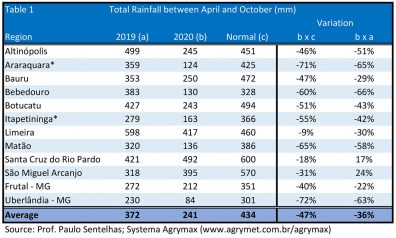 Due to the flowering in non-traditional months (December and January) there are a large number of “green”, not yet ripe fruits mixed with ripe fruits from the normal flowering (August-September 2019). This brings an additional difficulty to the harvesting operation that has to be carried out in at least two different times, resulting in an increase of the production cost for the citrus growers.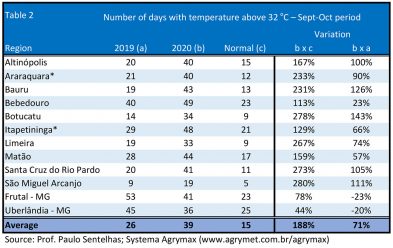
 VOG Products processed over 30,000 tonnes of organic fruit in the 2019/20 business year. Many factors, starting from the South Tyrol – Südtirol location and the partnership with Bioland, underlie the growing demand.