The Brazilian exports of orange juice increased in the first months of the 2022/23 season (July and August 2022). According to data from Secex, Brazil exported 175.9 thousand tons of Frozen Concentrate Orange Juice (FCOJ) Equivalent in July/August, 8 % more than that in the same period last year. Revenue totaled USD 332.6 million, 32 % up in the same comparison.
The exports of non-concentrate juice (NCJ) have had the highest increase this season, totaling almost 292.7 thousand tons, with a revenue of USD 108.3 million, 14 % and 24 % up from that in July/August last year. On the other hand, the revenue from FCOJ exports rose higher than that for NCJ, by 36 %, totaling USD 224.3 million in the first two months of the current crop; the volume shipped increased by 6 %, totaling 122.7 thousand tons.
These increases were already expected for this season, considering that, in 2021/22, the Brazilian exports were limited by estimates for low stocks of orange juice.
In August, CitrusBR reported that, in June/22, only 143 thousand tons of FCOJ were stocked, a steep 55 % down from that in June/21. CitrusBR considered a possible increase in the exports to the USA because of the low orange production in Florida, due to the high incidence of greening.
DESTINATIONS – The European Union continues as the number one destination for the Brazilian orange juice, with a share of 62 % in the total exported – in the same period last season, its share was at 64 %. The second major destination for the national juice is the United States, with a share of 21 % in the total, against 25 % in 2021. The share of other destinations increased from 12 % last season to 17 % this season (considering the months of July and August).
The ending stocks of orange juice ended the 2021/22 season at low levels (on June 30th, 2022), according to data released this week by CitrusBR. And even if orange production increases in the 2022/23 season, the volume of juice stocked by the end of the crop is not expected to be high.
According to CitrusBR, the ending stocks of Frozen Concentrate Orange Juice (FCOJ) Equivalent totaled 143.1 thousand tons at the end of the 2021/22 season, almost 55 % lower than that in the previous crop and below the strategic level (250 thousand tons).
CitrusBR estimates juice stocks to total 140 thousand tons by the end of the 2022/23 crop, in June 2023. Despite the increase in the number of oranges allocated to the production of juice, industrial yield is expected to be lower than that last season – it is important to consider that, in the 2021/22 crop, rainfall was not that frequent, which favoured yield.
According to CitrusBR, the Brazilian exports of orange juice to the United States may increase, due to the low orange production in Florida, which is keeping low the American stocks of juice.
This scenario confirms the high industrial demand for oranges in the current season (2022/23). However, next season, the demand from juice processors is expected to continue high – to replenish stocks, at least partially. Thus, juice prices are on the rise abroad.
Cepea estimates that, for the volume stocked by the end of the 2023/24 season (in June 2024) to return to the strategic level of 250 thousand tons, orange processing during that season needs to be around 300 million boxes of 40.8 kilograms, which accounts for an output of 340 million boxes in São Paulo State + the Triângulo Mineiro. This calculation considers stable juice sales, of a million tons, and the average yield of the five previous crops.
However, since the beginning of Fundecitrus surveys, in 2015/16, orange production has surpassed 340 million boxes in only two seasons: 2017/18 and 2019/20. Since then, the area with orange groves has shrunk. On the other hand, groves were renewed in that period, which tends to favour productivity and production.
Orange Juice
Global orange juice production for 2021/22 is forecast 12 percent higher to 1.6 million tons (65 degrees brix). Higher production in Brazil and Mexico is expected to more than offset US and EU declines. Higher consumption will be supported in part by a drawdown of US stocks. Exports are forecast up with the higher production in Brazil and Mexico. …
Starting in mid-July 2022, GEA and Israeli start-up Better Juice will conduct product tests on behalf of beverage manufacturers looking to lower the sugar content in drinks. To provide the service, the new GEA Better Juice Sugar Converter Skid, which the industrial systems supplier developed based on the Better Juice process, has been installed at the GEA Test Center in Ahaus, Germany. With this innovative solution for the juice industry, GEA is raising the profile of the Ahaus facility as a key hub for piloting aseptic processing and filling of sensitive foods and beverages.
Test Center provides solutions for unique product requirements
“We can now collaborate with our customers at the Test Center to strike the ideal balance between a sweet note and reduced sugar content,” says Gali Yarom, co-founder and joint CEO of Better Juice. To that end, the microbiologists from Better Juice will join forces with GEA’s specialist engineers to support and guide companies in running trials. The GEA Test Center at Ahaus will provide laboratory services dedicated to testing all important analytical parameters.
“It’s often necessary to initially demystify innovative solutions like the Better Juice process. That’s why it’s all the more important to make the case for the technology with manufacturers in person,” says Sascha Wesely who leads the Non-Alcoholic Beverages business at GEA. “The Ahaus trials help us optimize process efficiency right from the outset. By running scalable tests under real-life conditions, we significantly cut the time to market.”
A scalable, enzymatic solution to removing up to 80 percent of sugar from fresh juices
Thanks to a patented enzymatic process, this is the world’s first solution that naturally reduces the sugar content of fruit drinks by up to 80 percent, without affecting its nutritional value or authentic taste. The juice flows continuously through a bioreactor containing GMO-free, immobilized microorganisms which convert simple sugars into prebiotic, non-digestible molecules that benefit the intestinal flora. As a result, the GEA Better Juice Sugar Converter Skid succeeds in removing up to 80 percent of the sugar in natural fruit juices, concentrates as well as fruit-based mixtures, such as purees. At the end of 2021, the partners won their first commercial order from a company in the U.S. where, once integrated into production, the system will create juices with much less sugar.
The saying ‘an apple a day keeps the doctor away’ is well known but is there any truth in it? There may be according to a major ‘super study’, published in the Journal of the American Heart Association1, which found that not only apples – but orange juice, onions, carrots, broccoli and cabbage – are associated with lower risk of heart disease and stroke.
Scientists at the University of Toronto sifted through more than 80 unique cohort studies which, overall, followed up 4,031,896 individuals for an average of 11 years. During that time, more than 125,000 cardiovascular events e.g. strokes and heart attacks were recorded.
Author, Professor John Sievenpiper, commented: “Public health policies discourage the consumption of certain fruit sources such as 100 % fruit juice, dried fruit, and tropical fruits because of their sugar content and promote vegetables before fruit. However, we found that that different sources of fruit, including 100 % fruit juice, were associated with comparable cardiovascular disease risk reduction as that of vegetables.
“Public health guidance to limit the intake of certain fruit sources because of concerns related to their contribution to sugars may have unintended harm in preventing people from meeting fruit and vegetable targets for cardiovascular disease risk reduction”.
Looking at the detail, the study found that drinking 100 % fruit juice lowered the relative risk of dying from a stroke by 33 percent while eating fruit in general lowered risk by 13 percent. Vegetables cut the risk of stroke deaths by 6 percent. For heart disease mortality, fruit, vegetables and fruit juices were similarly associated with a relative risk reduction of around 13 – 14 percent.
According to the authors, the most important individual fruits and vegetables for lowering the risk of developing cardiovascular disease were citrus fruits, 100 % fruit juices, apples, allium vegetables (garlic, onion, leeks, chives), carrots, cruciferous vegetables (broccoli, cabbage, sprouts) and green leafy vegetables (kale, spinach, watercress).
Professor Sievenpiper concluded: “Higher intakes of fruits and/or vegetables are associated with improvements in all cardiovascular disease outcomes, with fruit associated with the largest risk reductions.
“Greater benefits may be seen for some fruits and vegetables supporting recommendations for emphasizing specific fruit and vegetable sources in dietary guidelines. No fruit and vegetable sources were adversely associated with cardiovascular disease, including fruit sources of concern, such as 100 % fruit juice and dried fruit”.
1Zurbau A et al. (2020) Relation of different fruit and vegetable sources with incident cardiovascular outcomes: A systematic review and meta-analysis of prospective cohort studies. J Am Heart Assoc 9: e017728. DOI: 10.1161/JAHA.120.017728 https://www.ahajournals.org/doi/10.1161/JAHA.120.017728
According to a WWF study, 42 percent of all cultivated fruits and vegetables worldwide are thrown away every year – even though they are eminently suitable for further processing. The Swedish company RSCUED wants to change this and has appointed itself fruit rescuers. Their business concept is as sustainable as it is unconventional and requires a special solution. This has now been delivered to them by the technology group GEA. With the innovative vacuum juicer GEA vaculiq, RSCUED can produce high-quality juices in the shortest possible time from raw materials that would otherwise have fallen victim to waste. The icing on the cake: the waste from production is also recycled into valuable fertilizer.
The GEA vaculiq 100 vacuum spiral filter (left) and the GEA MultiCrush milling system are pre-assembled on movable skids and can be used flexibly. (Photo: GEA)
On its way to food recycling, RSCUED has taken a big step forward together with the technical solution from GEA. “The advantages of the GEA skid for us were the very short processing time, efficiency, high product quality and flexibility. We need to be able to respond to seasonal supply just as quickly as to fluctuating incoming goods,” explains Truls Christenson, co-founder of RSCUED. This is because the company receives the fruit and vegetables sorted out for regular trade via donations from wholesalers, supermarkets, farms and delivery services. Private individuals who have larger quantities from their gardens also participate in RSCUED’s appeal.
GEA vaculiq with its vacuum spiral filter delivers the desired flexibility in full measure: The system processes a ton of fruit or vegetables within about twenty minutes and cleaning the system between productions takes just five minutes. Different varieties can thus be turned into high-quality juice in quick succession. And it does so with maximum yield: in the first test phase, RSCUED was able to produce twice as much juice compared to its previously used press. With a capacity of up to 1,800 liters per hour, RSCUED is now able to easily increase its production in the future thanks to GEA vaculiq and is also capable of receiving goods – besides Sweden – from all over Northern Europe.
RSCUED juices are becoming increasingly popular with customers. (Photo: RSCUED)
In addition, GEA’s vacuum spiral filter technology was convincing in terms of quality. With this juicing method, the products do not come into contact with oxygen, which is known to have unfavorable effects on vegetables and fruits. In addition, the gentle process preserves all healthy vitamins and secondary plant nutrients. Finally, the juice produced with GEA vaculiq not only looks better, it also tastes fresher and has a longer shelf life. “GEA’s overall concept is therefore an innovative and unique solution for us in the field of sustainable, industrial juice production,” adds Truls Christenson.
All’s well that ends well
And so the circle closes for GEA and RSCUED: The dry mash discharged by the vaculiq plant, together with remaining rejects, is ideally suited as a basis for fertilizer – which, as is well known, promotes the growth of new fruits and vegetables. This fertilizer is finally distributed through a large garden center chain in Sweden.
“When we founded RSCUED as a start-up seven years ago, we had the vision to stop the waste madness. Together with GEA, we have now been able to realize this on a higher level. With the new GEA vaculiq 100 vacuum juicer and the multiCrush milling system from GEA, we are very well positioned and can develop our production excellently”, says Truls Christenson. “And the faster, more flexible and more productive we are at RSCUED – the more we contribute to sustainability for a healthier planet.”
About RSCUED RSCUED was founded in Helsingborg in 2015 as a start-up. The company employs around 15 staff members and expects revenues of EUR 3,2 million in 2022. The company’s purpose is to rescue all kind of fruit and vegetables which would otherwise be wasted. RSCUED receives the fruit and vegetables sorted out for regular trade via donations from wholesalers, supermarkets, farms and delivery services from Sweden as well as Northern Europe. The products are sold via their webshop as well as in selected grocery stores, coffee shops and restaurants and in Sweden. Learn more here: rscued.se.
Minute Maid is shaking up the juice drinks category—literally and figuratively—with the launch of Aguas Frescas.
The Latin American-inspired, noncarbonated beverage is made with real fruit juices and natural flavours, delivering a bold, “Refreshing AF” sensorial experience tailored to Gen Z tastes. Minute Maid Aguas Frescas is available in the US in 16-oz. cans in three fruity flavorus: Hibiscus, Mango and Strawberry. Two additional flavours, Limonada and Strawberry Limon, are available on Coca-Cola Freestyle fountain dispensers.
Recognising that the product’s disruptive proposition demands an equally disruptive marketing plan, all Minute Maid Aguas Frescas messaging features the playful double-entendre, “Refreshing AF”, to appeal to Gen Z consumers.
“Minute Maid AF is step one in refreshing this iconic brand and our messaging to bring it into the 22nd Century,” said Alex Ames, creative director, Nutrition. “It’s not every day you’re lucky enough to find a tagline—or two letters—that can serve as a shortcut to cultural and product relevancy. I’m super proud of our team for being truly disruptive and bringing one of Minute Maid’s most provocative marketing concepts ever out of presentations and into market. It only works because of how truly refreshing this product is.”
Minute Maid Aguas Frescas, which was named a Nielsen Superstar product concept, leverages Minute Maid’s position as the No. 1 fruit drinks/ades trademark with a breakthrough entry into the fastest-growing segment in ready-to-drink juice. A multi-generational Latin tradition, Aguas frescas are delicious, fruit-based waters with a strong multicultural following.
The product will fill a void for Gen Z, which until now hasn’t found a juice brand to quench their collective thirst for diverse, adventurous options. Minute Maid Aguas Frescas is a multi-year, multi-channel platform.
The launch will be supported by a robust sampling campaign to get more than 1 million cans in consumers’ hands, as well as PR, digital and social activations including online video, always-on social media content and virtual product placement in two Gen Z-favorite Amazon Prime shows: “Summer I Turned Pretty” and “The One That Got Away”—a first for The Coca-Cola Company. On Cinco de Mayo (May 5), Minute Maid Aguas Frescas debuted on the iconic Coca-Cola digital sign in New York City’s Times Square. In September, NASCAR Driver Daniel Suarez’s car will be wrapped with Minute Maid AF graphics at the Texas Motor Speedway race in Dallas.
“The juice drinks category is growing aggressively overall, but losing traction with younger consumers,” said Jorge Luzio, group director, Minute Maid. “We need to reinvigorate our connection with this next generation, who are seeking authentic, unique and unexpected experiences. With Minute Maid Aguas Frescas, we’re shaking things up in a big way and sending the message that the brand is here to stay.”
Leading coconut water brand Vita Coco is transporting your tastebuds to the tropics with the launch of its boldest-flavoured coconut water yet. Vita Coco Coconut Juice, the brand’s first juice offering, is available since June 2 right in time for summer sipping.
A refreshing blend of coconut water and a burst of tropical, refreshing flavour, Vita Coco Coconut Juice is a thirst-quenching beverage to help you beat the summer heat. Conveniently canned for consumers who need a quick on-the-go boost, Vita Coco Coconut Juice is available in two bold flavours – Original with Pulp, and Mango – with a sweet, unexpected taste that demands one more sip. It is gluten-free and non-GMO, and 50 calories for Original with Pulp (per 8 fluid ounces) with 10 grams of sugar, and 80 calories for Mango (per 8 fluid ounces) with 17 grams of sugar.
Vita Coco Coconut Juice is sold in 16.9 oz aluminum cans and is available in the US at 7-Eleven stores and other convenience store locations across the East Coast and Southeast for an MSRP of USD 2.49 per unit. Limited 12 pack quantities of Vita Coco Coconut Juice are also available online at www.vitacoco.com.
About Vita Coco Vita Coco is the leading coconut water beverage brand, celebrated for bringing the benefits of coconuts to the world. Championed by informed consumers, health and wellness experts, pro-athletes and celebrities for its nutrient-rich hydration, Vita Coco’s portfolio now includes coconut milk and coconut oil.
Bolthouse Farms, portfolio company of Butterfly, aligns powerhouse juice brands to propel Evolution Fresh forward; Starbucks to focus efforts on the growth of its core business
Starbucks and Bolthouse Farms announced entry into a definitive agreement for Bolthouse Farms to acquire the brand and business of Evolution Fresh. The partners (employees) that support the business will also transition to Bolthouse Farms upon close of the transaction.
Evolution Fresh is a leading producer of primarily organic, cold-pressed, premium juice products. By joining forces with Bolthouse Farms – the No. 1 super premium refrigerated beverage brand and largest carrot supplier to North American retailers1 – Evolution Fresh will have the opportunity to accelerate its growth trajectory while Starbucks focuses its efforts on the growth of the core Starbucks business and its partner and customer experience.
“Evolution Fresh has grown steadily over the last several years as a result of our partners’ hard work and commitment to the brand. We feel there is a great runway and opportunity to take Evolution Fresh to the next level, and Bolthouse Farms’ considerable experience and success in the premium beverage category will allow the brand to continue growing,” said Hans Melotte, Starbucks executive vice president Global Channel Development. “Bolthouse Farms shares the same values and commitment to putting people first in everything they do, which affirms for us that we have found the right opportunity for Evolution Fresh.”
Through this acquisition, Bolthouse Farms will expand its beverage offerings from nutrient-dense, plant-powered juices and smoothies to include a full lineup of primarily organic cold-pressed, premium juices. Starbucks stores in the U.S. will continue to sell Evolution Fresh products.
“Evolution Fresh is a natural extension of the Bolthouse Farms portfolio and we look forward to welcoming the team,” said Jeff Dunn, chairman and chief executive officer of Bolthouse Farms. “At Bolthouse Farms, with the support of Butterfly, we strive to ensure that the acres we grow and beverages we make have a positive impact on the land, on the people who make up our company, and on all people. By bringing Evolution Fresh into our portfolio, we will extend our spirit of ingenuity and innovation, sharing resources and passion for high-quality, nutrient-dense juices to pioneer solutions for today’s food system.”
Butterfly is a leading private equity firm that specializes in the food sector with a particular focus on high-growth, on-trend categories. Through Bolthouse Farms, Evolution Fresh joins Butterfly’s brand portfolio that includes the likes of Chosen Foods, MaryRuth Organics, Orgain, and Pete and Gerry’s Organics.
“We have long admired the Evolution Fresh brand and see tremendous untapped potential in the premium beverage category. By bringing these powerhouse brands together — Bolthouse Farms and Evolution Fresh — we will deliver a robust, high-growth, and consumer-preferred portfolio of juices to market,” said Bill Levisay, president, Consumer Brands, Bolthouse Farms.
The transaction, which is for an undisclosed amount, is expected to close later this year.
About Bolthouse Farms For more than a century, Bolthouse Farms has been known as the innovation leader in growing and distributing carrots and high-quality, nutrient-dense branded products. Employing more than 2,200 people and headquartered in Bakersfield in California’s fertile San Joaquin Valley, Bolthouse Farms is one of the largest carrot growers and distributors in the U.S. and the No. 1 premium refrigerated beverage brand in U.S. retail. Guided by its purpose — Ingenuity Grows Good — the company also produces and sells super-premium juices, smoothies, café beverages, protein shakes, functional beverages and premium refrigerated dressings, all under the Bolthouse Farms® brand name.
1SOURCE: IRI MULO L52 weeks ending May 1, 2022
As observed for other agricultural products, the production costs of citrus farming have increased sharply in Brazil, due to higher inputs prices, majorly fertilisers. This scenario is concerning farmers in Brazil, considering that citrus production was low in the two previous seasons, which resulted in higher costs per unit.
Even if productivity and production increase in the 2022/23 season – compared to that in 2020/21 and 2021/22, because of the slightly more favourable weather –, higher inputs prices are expected to limit a possible reduction in the production cost per unit. Thus, profit margins may be lower than the expected, despite orange valuations in 2022/23 – so far, the ceiling orange price is at BRL 32.00 per 40.8-kilo box, harvested and delivered to processing plant (considering only large-sized processors).
Tight profitability may continue to constrain investments in both crops’ renewal and replating, mainly because shorter-cycle crops, such as soybean crops, are currently more attractive and bring better opportunities to farmers.
Last year, after five consecutive years of stability, the area allocated to citrus farming shrank in São Paulo and the Triângulo Mineiro (citrus belt), according to data from Fundecitrus, which may happen again in 2022.
Lower profit margins may also hamper adequate crop management in the citrus belt. Lower investments in crops’ renewal and replanting added to difficulties related to crop management may reduce orange production even more in the mid-term. Low supply may underpin prices, since the stocks of orange juice at the processing plants in SP are not high, and production needs to be higher for inventories to be replenished.
Citrus market
The domestic demand for oranges has not been high enough to raise prices. According to Cepea collaborators, many purchasers are trying to pay lower prices, putting farmers off selling oranges in the domestic market.
Brazilian citrus farmers claim that, if prices drop lower than the current levels, sales in the in natura market will become unviable. Currently, juice processors are bidding prices up to BRL 32/box (harvested and delivered). Although the values paid by processors include the harvesting and freight, the quality standard required by this segment and the risks of default are lower, making sales to the industry more attractive.
In this scenario, if the demand from processors continues high and prices, attractive, sales to the in natura market are expected to decrease, at least during the Winter and the beginning of Spring, when supply increases, while demand decreases. Also, most oranges have not reached the ideal maturation stage yet, allowing farmers to wait and sell the oranges when the processing activities in the 2022/23 season begin, forecast to late May/early June.
The prices for Frozen Concentrate Orange Juice (FCOJ) Equivalent rose high at ICE Futures in the first fortnight of April, reflecting the current low world supply, majorly in Brazil and in Florida (USA). Between April 1st and 13, the May/22 contract for orange juice increased by 20 %, and in 2022, by more than 30 %, closing at USD 2,650/ton on April 13.
Indeed, orange production (and juice production) in the Brazilian citrus belt (São Paulo State and the Triângulo Mineiro) decreased in the 2021/22 crop, which is practically over. According to a report released by Fundecitrus in the first half of April, the Brazilian citrus belt is expected to harvest 262.97 million boxes (40.8-kilograms) of oranges, 10.6 % down from the first estimates (May/21) and 2.2 % lower than that in the previous season.
This context will influence the Brazilian supply of orange juice, since the citrus belt is the major orange-producing region in Brazil. In February, Citrus BR estimated that, by the end of the season (in June 2022), the national stocks of orange juice (forecast at 127 thousand tons) will not be enough to ensure the world supply until the new crop (2022/23) steps up.
The same scenario is observed in Florida, where production estimates were revised down by the USDA by 19 % compared to the expected in Oct/21, to 38.2 million boxes, 28 % lower than that last season.
Lower production in the current and in previous seasons is reflecting on local stocks. According to the Florida Department of Citrus, from the beginning of the 2021/22 crop, in Oct/21, to March 26, 2022, the stocks of FCOJ were 31 % lower than that in the same period of the previous season. For not-from-concentrate orange juice, stocks were 25 % lower.
In this context, although the United States did not increase imports of concentrated orange juice – which decreased by 4.6 % between Oct/21 and Jan/22, according to the Florida Department of Citrus –, they increased purchases of not-from-concentrate orange juice. Brazil supplied 85 % of all the not-from-concentrate orange juice and 71 % of the FCOJ imported by the USA.
These estimates for Brazil and the USA explain the recent valuations of orange juice at ICE Futures. In both countries, supply is not expected to recover in the coming season (2022/23).
In the Brazilian citrus belt, although orange production may increase slightly, a higher harvest would not be enough to raise stocks and ensure world supply, since the current volume stocked is very low. In Florida, with the high incidence of greening on orchards (which has been lowering the average productivity of orange trees) and the smaller area with orange orchards in the state in the last years, production is not expected to return to the levels observed in previous decades.
Tim Berger (Photo: Eckes-Granini Group)
The past business year was a year of contrasts for the Eckes-Granini Group GmbH a year full of contrasts. The second pandemic year pandemic year and customer conflicts in the food retail sector once again presented the company with challenges, while 2021 also marked the start of the largest transformation in the company’s history. Sales revenue decreased moderately from 873 million euros in fiscal 2020 to 856 million euros (- 1.9 %), while sales volumes also declined, falling by 38 million litres to 805 million litres (- 4.5 %). Germany and France were particularly affected by the decline in sales volumes. Here, differing views on price adjustments led in part to the discontinuation of supply relationships with partners in the food retail sector. As a result, Eckes-Granini posted EBIT of 57.2 million euros (previous year: 71.0 million euros). The decline of 13.8 million euros is attributable to the effects of the pandemic, customer conflicts in the food retail sector and significantly higher costs for raw and packaging materials compared to the previous year. Tim Berger, CEO of Eckes-Granini Group GmbH, looks back on the business year as follows: “Despite considerable challenges posed by Corona, lower sales volumes and massive cost inflation, we succeeded in gaining market share – especially in the Nordic and Baltic countries – and strengthening our position during the past business year. Overall, our sales grew in nine out of ten countries. We also performed well in our international business in European countries and outside Europe.”
Eckes-Granini remains market leader
While the market for fruit juices, nectars and fruit beverages (FJND) was still able to benefit from food stockpiling in 2020, it declined in both value (- 2.1 %) and volume (- 4.4 %) in the second pandemic year. In particular, there was less demand for ambient, non-refrigerated fruit drinks sold via retailers. Accordingly, the 2021 segment recorded a decline of 3.7 % in sales and 5.2 % in volume sales, thus performing somewhat weaker than the market as a whole. In this generally weaker market environment, Eckes-Granini recorded a 0.7 % decline in market share in terms of value (market share 12.2 %) and a 0.8 % decline in volume (market share 11.3 %). The good news is that brands continue to gain market share. The e-commerce segment also continues to grow strongly but is not included in these figures. Eckes-Granini was able to make significant gains here, growing by + 35 %.
Full focus on innovation, digitization, and sustainability
In the area of product innovations, the company got off to a flying start with the market launch of hohes C Super Shots in Germany and Joker Shots in France. The popular hohes C Super Shots are currently leading the two-digit growth of the shot category in Germany (+ 31.1 %). Since the past business year, the Eckes- Granini Group has also been investing heavily in new distribution channels and cooperative ventures, and growth and the acquisition of new customers in e-commerce are developing particularly promisingly.
The Eckes-Granini Group also scored points in sustainability in 2021. With the publication of the first Group-wide sustainability report and the implementation of numerous measures, Eckes-Granini took important steps toward a more sustainable orientation of its business activities last year. To reduce emissions in line with the latest climate science criteria and achieve its ambitious targets, Eckes-Granini has been working with the independent Science Based Targets initiative (SBTi) since 2021.
Successfully heading for the future with a strong growth strategy
2021 marked the launch of the Eckes-Granini Group’s Strategy 2025 and thus the largest transformation in the company’s history. “The transformation in the FJND market will continue and requires new ways of thinking and working – also from us as ‘category thought leaders’,” says Tim Berger. “At the same time, our goals are clearly defined: In 2025, we want to generate one billion euros in net sales and achieve a market share of 15 % in Europe. We successfully laid the foundation for these ambitious goals in 2021 and are now building on them. In the past fiscal year, we succeeded in maintaining our market leadership position despite numer ous challenges and a difficult market environment, growing locally and driving for- ward key innovations. We have thus made a solid and motivated start to 2022.”
About the Eckes-Granini Group Eckes-Granini is the leading supplier of fruit juices and fruit beverages in Euro-pa. For the inde- pendent family-owned company headquartered in Nieder-Olm, Germany (Rhineland-Palatinate), the focus is on committed and competent employees, strong brands in the areas of juices, fruit beverages and smoothies, and a long-term strategic orientation with sustainable value creation. Today, Eckes-Granini operates mainly in Europe with its own national companies and strategic partners and generates annual sales of 856 million euros with a total of 1697 employees. The com- pany’s foundation is formed by the internationally renowned premium brands granini and Pago to- gether with strong national and regional brands for juices such as hohes C, Joker and God Morgon. Consumers in 80 countries worldwide and especially in Europe know and appreciate our fruit juices and the variety of fruit drinks.
The weather has been favouring the development of the 2022/23 orange crop. In general, frequent rainfall (since mid-October 2021) is helping the oranges to grow bigger and, thus, agents expect productivity to recover from the two previous seasons, when the volume harvested was low.
According to Cepea collaborators, the general scenario has been more favourable this year. Although the first blooming was late in some orchards (in mid-September in irrigated orchards and in October in dry land, after the return or rains), the number of flowers was considered positive, complemented by other blooming in the following months. Besides, the fruits set rate was high, favoured by rains followed by sunny days most of the time.
It is important to highlight that the damages caused by the long drought in the last two years (and frosts in some areas last Winter) were not completely offset, however, orange trees are currently more vigorous, leading agents to believe that productivity will be higher this season. Still, agents have distinct estimates about the harvest: some, who are more pessimistic, expect 300 million boxes to be harvested, while others, more optimistic, believe it will hit 350 million boxes. However, most of them expect something between 300 and 350 million boxes.
The only available estimates were released by the USDA in December, indicating the crop in São Paulo and the Triângulo Mineiro to total 305 million boxes (15.5 % higher than that in 2021/22). Agents are waiting for Fundecitrus’s estimates, to be released in May.
It is worth to mention that, despite the production increase, orange supply is expected to be tight in the 2022/23 season, due to the high demand from processors to replenish juice stocks – which are forecast at 127 thousand tons by the end of the 2021/22 season, in June 2022, according to estimates from CitrusBR. Still according to CitrusBR, this volume will not be enough to meet the world demand until the new season steps up.
In that scenario, even if the volume produced is near the expected by the more optimistic, there should not be an orange surplus, which justifies the high prices bid by processors for 2022/23.
This scenario may also limit supply in the in natura market along the season, however, this would not ensure higher prices, since the purchase power of many consumers in Brazil is weak because of the current high inflation and the national economic scenario.
The company will build new storage tanks for not-from-concentrate orange juice, supporting increased commercialization to European markets
Louis Dreyfus Company (LDC), a leading global merchant and processor of agricultural goods, announced the construction of new orange juice storage tanks in the city of Matão, located in Brazil’s largest citrus producing region, in the state of São Paulo. The project aims to increase the company’s production and storage capacity for not-from-concentrate (NFC) orange juice, a product with high added value for the consumer market.
The new investment in Matão, where LDC operates since 1988, will bring NFC storage capacity at the site to 30 million liters, and annual juice production capacity to 300 million liters.
“Increasing production and storage capacity for NFC will allow us to meet growing consumer demand for this high value-added product, especially in Europe, while reinforcing our position among the top three global processors and merchandizers of orange juice,” said Juan José Blanchard, Head of the LDC’s Juice Platform.
This project is the second phase in LDC’s plans to expand commercialization of NFC in Europe, North America and Asia. In 2020, the company announced a new, dedicated fleet for juice transportation that reduces fuel consumption by 40 % and sulfur emission levels by 85 % per ton of product. LDC also increased storage capacity by more than 50 %, and blending capacity by more than 20 %, at its port terminal and processing facility in Ghent, Belgium.
Brazil is the world’s largest exporter of orange juice, a business in which LDC has been active for over 30 years. The company’s operations in the country are fully integrated, comprising more than 25,000 hectares of sustainably grown citrus groves – strategically located in Brazil’s citrus belt – as well as three citrus juice processing plants and an export terminal in the Port of Santos (São Paulo state).
“This project also reinforces the company’s commitment to long-term investment in Brazil, a key origination market for over 80 years,” added Jorge Costa, Global Operations Director for LDC’s Juice Platform.
The new storage tanks are expected to be operational by the end of 2023.
About Louis Dreyfus Company Louis Dreyfus Company is a leading merchant and processor of agricultural goods, founded in 1851. We leverage our global reach and extensive asset network to serve our customers and consumers around the world, delivering the right products to the right location, at the right time – safely, reliably and responsibly. Our activities span the entire value chain, from farm to fork, across a broad range of business lines (platforms) including Grains & Oilseeds, Coffee, Cotton, Juice, Rice, Sugar, Freight, Carbon Solutions and Global Markets. We help feed and clothe some 500 million people every year by originating, processing and transporting approximately 80 million tons of products. Structured as a matrix organization of six geographical regions and nine platforms, Louis Dreyfus Company is active in over 100 countries and employs approximately 17,000 people globally.
In late February, the large-sized processors in São Paulo made their first purchase proposals for the oranges from the 2022/23 crop. Of the three companies in the state, two of them are interested in closing deals, bidding from BRL 30 – BRL 32.00 per 40.8-kilo box, harvested and delivered. The third processing plant was only renewing existing contracts. However, the number of deals closed is still low, since farmers expect prices to rise higher, due to both firm demand from the industry and, largely, higher production costs.
Indeed, data recently released by CitrusBR show that the volume of orange juice stocked by the end of the current season (in June 2022) will not be enough to supply the international market until the middle of next season. According to CitrusBR, ending stocks of Frozen Concentrate Orange Juice (FCOJ) Equivalent in the 2021/22 season are expected to total 126.574 thousand tons – possibly ranging between 115 and 135 thousand tons. It is important to mention that previous estimates (from September 2021) pointed to stocks between 170 and 190 thousand tons, but bad weather conditions (drought and frosts) reduced processing and hampered fruits development and ripening (influencing industrial yield).
If CitrusBR’s forecasts are confirmed, the volume stocked is expected to be much lower than the strategic level, of 250 thousand tons, scenario that may be observed at least until the end of the 2022/23 season (in June 2023) if the number of oranges produced is not high.
Cepea calculations show that, for stocks to surpass the strategic level by the end of next season, the number of boxes harvested in the citrus belt in São Paulo and the Triângulo Mineiro needs to be over 340 million – and of this total, 300 million need to be allocated to the industry. For these results were considered sales of a million tons (slightly lower than the average) and the average industrial yield of the past five crops.
Although it seems juice supply in Brazil will be tight for at least one more season, agents from processors have not reported any significant valuations for the commodity yet. This would be the major reason why bids for the new season have not been higher. On Feb. 23, the May contract at ICE Futures closed at USD 1,993/ton, 2 % down from that on December 30. However, it is important to mention that values at ICE Futures do not reflect real sales prices of processing plants.
One of the facts that may be constraining juice valuations abroad is the fear of bottling plants as for the negative effects of higher prices in Brazil. In the major destinations for the Brazilian orange juice, the United States and the European Union, demand for the product has been fading for some years, majorly because of the wide variety of other beverages, such as flavoured water, energy drinks and other types of juice, for instance.
Kayco Beyond announces the debut of Wonder Lemon™, a first-of-its-kind, 100 % organic cold-pressed juice with zero added sugar. Wonder Lemon will have its first debut at Natural Products Expo West 2022 in Anaheim, California, US. With the demand for organic juices on the rise, Wonder Lemon offers the bonus of fresh and delicious citrus flavour, along with the health and wellness benefits of lemon.
Kayco is a family-owned business with humble beginnings in Upstate New York. Starting only with bottles of the now-iconic Kedem Grape Juice in 1948, Kayco worked diligently to create high-quality, affordable products that meet the most rigorous kosher standards. Now producing thousands of products, distributed in over 30 countries around the world, Kayco remains committed to the standards that defined the company nearly 75 years ago and originally made it one of the most recognized and adored brands in the specialty food business.
Wonder Lemon is the latest product to be released under Kayco’s traditionally high standards. Wonder Lemon is crafted with a blend of 100 % cold-pressed fruits and vegetables with zero added sugar and a delightful reduction of the acidity of the citrus. Cold-pressed juice, as opposed to other forms of fruit juices, is made with a hydraulic press, which allows for maximum extraction of the fruit or vegetable’s juices and nutrients. Especially in the wake of the COVID-19 pandemic, consumers have been growingly conscious of health and wellness, often seeking out food and drinks to help boost the immune system. As such, cold-pressed juices have gained a lot of popularity as a healthy and guilt-free treat. Lemon juice is an especially great choice for health-conscious consumers, as lemons are rich in vitamins A and C, as well as calcium, potassium, and beta-carotene, making them helpful for immunity, fatigue, and mood. Wonder Lemon is a delicious and refreshing way for consumers to get all of these health benefits.
Wonder Lemon is available in three refreshing and delightful flavours: Lemon Ginger, Lemon Mint, and Lemon Basil Jalapeño. Each of the lemon blend flavours are made with only five to six ingredients, with less than 110 calories per bottle and made up of 100 % natural fruits and vegetables. With the pairing of tart lemons with other dynamic flavours, Wonder Lemon juices are sweet and thirst-quenching, and customers can feel confident in knowing that they contain no added sugar, artificial flavours, preservatives, additives, or artificial colouring. Wonder Lemon is great for children and adults alike and can even be great for mixing with other beverages for some extra flavour and nutrients.
The team behind Schilling Cider, a leading cider producer in the Pacific Northwest in the US, announced the launch of Vida Maté, a new line of low-calorie, non-alcoholic yerba maté beverages that seek to transform the caffeine experience. Crafted to elevate the traditional South American “super beverage” with the craft quality of the Pacific Northwest, Vida Maté is made with real fruit juice and a proprietary blend of adaptogens. The result is a refreshing, delicious alternative to sugary coffee drinks and artificially flavoured caffeine-in-a-can. With operations based in Seattle and Portland, the Schilling team is excited to debut this new plant-powered pick-me-up, made exclusively with naturally occurring caffeine.
Vida Maté fits the gluten-free and vegan-friendly lifestyle, offering a boost in vitality and focus through a functional blend of adaptogens: Vitamin B12 for a power boost, L-Theanine for focus, and GABA for stress relief combine to ensure a clean, jitter-free delivery of caffeine with no unpleasant crashes.
Launching with three flavours – Lemon Mint, Mango Lime, and Blackberry Lemonade – Vida Maté is available in 16 oz. cans at thousands of grocery, convenience, and natural food stores across the Pacific Northwest, since March 1, 2022.
“Innovating in healthful, refreshing beverages is our calling,” says Colin Schilling, CEO and co-Founder of Schilling Cider. “This starts with the same quality and techniques we bring to crafting our fresh-pressed apple cider. It’s exciting to push those boundaries into the yerba maté segment. Consumers are demanding delicious, healthier options made right here in their backyard, and we can’t wait to share Vida Maté with our community.”
While other canned yerba maté drinks depend on a formula that involves non-yerba maté derived and synthetically produced caffeine, Vida Maté’s caffeine occurs naturally and comes 100 % from yerba maté. And because Vida Maté is made from real fruit juice, it’s not overly sweet and it’s lower in calories and sugar.
The team at Schilling has long enjoyed traditional yerba maté drinks, before launching their own. Yerba maté is a plant indigenous to South America. The leaves and twigs are dried, dried over a fire, and then steeped in hot water for an invigorating tea.
The processing of the oranges from the 2021/22 season has been high in the major processors in São Paulo State. Although activities usually slow down in January, the orange harvesting is late in the current season – because of the higher share of fruits from the second, third and fourth flowerings.
In January, seven plants of the large-sized processors in SP were in operation, receiving majorly late varieties and early pear oranges. However, activities slowed down last month compared to that in December, due to the end of processing at the plant located in Uchôa. In February, the plant in Conchal is supposed to end activities for the season too – then, there will be only two plants of each one of the large-sized processors in operation.
Despite the fast processing pace, the quality of the oranges is below the expected. Industrial yield (number of orange boxes necessary to produce a ton of concentrated juice), which had been favoured by the lack of rains along the season, is now being reduced by excessive and frequent precipitation – higher moisture favours fruits growth, but raises the volume of water within the oranges, which is not desired by processors.
PRICES – Two large-sized processors purchased oranges in the Brazilian spot market in January, paying from BRL 28 to BRL 30.00 per 40.8-kilo box, harvested and delivered to processor. At smaller-sized processors, prices hit BRL 32/box. Some plants were also processing tahiti lime, paying from BRL 18 to BRL 21.00 per 27-kilo box.
SIG announced the launch of SIGNATURE EVO, the world’s first aluminium-free full barrier packaging materials for aseptic carton packs. SIGNATURE EVO extends SIG’s lower-carbon aluminium-free packaging materials – already available for plain white milk – for wider use with oxygen-sensitive products such as fruit juices, nectars, flavoured milk or plant-based beverages.
SIGNATURE EVO is the latest evolution in the SIGNATURE portfolio – SIG’s innovative offering of the most sustainable packaging materials available for aseptic carton packs.
SIG led the industry with the first ever aluminium-free solutions for aseptic cartons. By eliminating the need for an aluminium foil barrier layer, combibloc ECOPLUS cut the carbon footprint of SIG’s standard packaging material by 27 % when launched in 2010. SIGNATURE 100 cut this further in 2017, offering a 58 % lower carbon footprint than SIG’s standard packaging material by linking the polymers to 100 % renewable forest-based materials via a certified mass-balance system1.
With more than 1.9 billion packs now sold with these aluminium-free long-life packaging solutions for liquid dairy products, SIG has built on this success to create the first full barrier aluminium-free solutions for aseptic cartons.
SIGNATURE EVO packaging materials are expected to offer a similar carbon footprint reduction to combibloc ECOPLUS, to be confirmed through an independent, critically-reviewed life-cycle assessment. Like all SIG packs, SIGNATURE EVO is fully recyclable in existing recycling streams.
With barrier properties comparable to standard aseptic cartons that include an aluminium foil barrier layer, SIGNATURE EVO packaging materials ensure that even oxygen-sensitive products are protected over long periods of time without the need for refrigeration. This enables customers to bring the environmental benefits to many more food and beverage categories.
SIGNATURE EVO will initially be launched in the combiblocMini portion-sized format before being extended to other formats. It is suitable for both oxygen-insensitive products like plain white UHT milk and oxygen-sensitive products like fruit juices, nectars, flavoured milk or plant-based beverages.
SIGNATURE EVO enhances opportunities for customers to differentiate their products with an aluminium-free pack that offers both on-shelf appeal and stand-out environmental credentials.
In the future, it will also be available in more options such as SIGNATURE EVO 100 – SIG’s full barrier solution for aseptic carton packs linked to 100% renewable forest-based materials.
1Results based on ISO-compliant life-cycle assessment CB-100732c for Europe.
In 2021, orange prices were high in São Paulo State (SP) and in the Triângulo Mineiro. In general, the industry in SP kept the demand high for fruits, and the low production limited the supply throughout the year. Although the remuneration (in BRL per box) had been higher, the profitability for many citrus growers was restricted, given that the limited productivity increased the cost of production per unit even more.
Fundecitrus (Citrus Defense Fund) indicated, in its estimate released in December/21, that the production in the citrus belt may reduce 1.7 % compared to 2020/21, totaling 264.14 million 40.8-boxes. Even with the positive biennial cycle in the 2021/22 season and the higher fruit load, oranges have presented a smaller size, which explains the lower production.
From May to August 2021, rainfall accounted for only 30 % of the regular volume for the period, according to data from Somar Meteorologia/Climatempo. Fundecitrus says that this scenario affected even irrigated orange groves (which correspond to 30 % of the citrus belt), due to the limited water supply in tanks. In some areas, frosts in July worsened the situation. Besides the small-sized oranges, the premature fruit drop was one of the worst in history.
Due to the low supply of fruits, orange juice processors boosted prices compared to the 2020/21 season. In the partial of the crop (from July to December/21), the average price in the spot market was 27.50 BRL/40.8-kilo box, harvested and delivered at the industry, for a nominal increase of 22.5 % in relation to the same period last year.
EXPORTS – As expected, orange juice (volume equivalent to concentrate juice) shipments finished the 2020/21 season with a 7 % decrease in relation to the previous (2019/20). From July/20 to June/21, shipments to all destinations totaled 1.03 million tons, according to data from Secex. The revenue, in turn, amounted 1.54 billion USD, 15 % down compared to the season before.
IN NATURA MARKET – Orange prices hit nominal records in most part of 2021. Increases are attributed to the limited supply in the 2021/22 crop, because of the low volume of rainfall and high temperatures in the second semester of 2020 and the low humidity in 2021. From the second semester of 2021 onwards, the low quality of fruits (due to a long period of dry weather and frosts in July) reinforced the upward trend. In the partial of the crop (from July to December/21), the average price for pear oranges (in natura) is at BRL 39.52/40.8-kilo box, on tree, 20 % up from the average in the same period in 2020, in nominal terms.
TAHITI – The price trend was atypical in 2021. Values were low in the first semester and in some periods of the second part of the year, and peak prices were less intense. From January to December, the average price for tahiti lime was at BRL 25.19/27-kilo box, harvested, 31.3 % lower compared to that in 2020.
The current number of flowers in the orange orchards in São Paulo – which will give origin to the fruits from the 2022/23 season – is considered satisfactory in most citrus-producing regions within the state. In general, while in irrigated orchards blooming was observed from September onwards, in non-irrigated orchards, flowers were only observed in October, after the late arrival of rainfall.
Agents have been concerned about the possible effects of the lack of rains this year on the vigor of orange trees, since low moisture may hamper fruit set, increasing the rate of fruitlet fall in irrigated orchards and, largely, in the orchards in dryland.
According to forecasts from the National Oceanic and Atmospheric Administration (NOAA), there is a 90 % chance of La Niña forming in Brazil until the end of 2021. If this is confirmed, rainfall in the coming months may be lower than usual in the southeastern region of the country. However, La Niña is forecast to be weak in Brazil.
This scenario may have a negative influence on the output from the 2022/23 season, since the development stage of plants in the coming months demands good amounts of water. With estimates for low ending stocks of orange juice in the 2021/22 season, the output from 2022/23 needs to be high in order to ensure comfortable inventories for world supply.
Cepea calculations show that, for ending stocks in the 2022/23 season (June 2023) to return to the strategic level of 250 thousand tons, the output next season needs to surpass 330 million boxes of 40.8 kilograms each. In this context, the average productivity would have to be around a thousand boxes per hectare, which has only been observed in seasons favored by the weather.
The processing company VOG Products from South Tyrol continuously invests in new technologies. The most recent examples are the NFC juice line commissioned this year and a new sterile tank storage system that is almost completed.
Each of the six new tanks is six metres in diameter and 25 metres high, and can contain up to 625,000 litres of apple juice.
New NFC juice line
The raw goods are moving through the new production line for premium juices that features particularly careful dry transport and uses a cutting-edge belt press.
The new intake line at VOG Products can receive up to 150 tonnes of fruit per hour. It transports the fruit dry and not in water. Sails are used to enable the apples to roll along for processing, which results in fewer bruises and damaged spots. Dry transport has one additional advantage: the system consumes much less water.
The main element for juice extraction is the new belt press, which VOG Products uses to produce high-quality premium juice that features a long shelf life and more appealing colouration.
VOG Products ensures that the juice’s quality and turbidity are consistently in line with consumer wishes. In the separator (centrifuge), solid material and starches are removed from the juice with high efficiency and 100 % automation – exactly to the extent that meets the specified quality standards or the customer’s requirements.
Dole Sunshine is synonymous with good taste and good health across the world. With its entry into the India market in 2019, the brand now offers a wide array of deliciously guilt-free offerings including dried fruits, Dole juice gels and fruit bowls. Dole Sunshine actively supports the idea of fresh, natural flavours based on real fruits. In keeping with this festival timing, Dole Sunshine India is all ‘juiced up’ to launch Dole 100 % Fruit Juice – a refreshing pineapple drink enriched with Vitamin C.
In a huge market for juices, most of the packed fruit juices contain added sugar and preservatives along with the fruit pulp, whereas Dole is introducing 100 % Pineapple Juice which is all-natural with no added sugar or artificial preservatives. This successfully makes it one of the very few juice offerings in the market that does not contain added sugar. What’s more, its zesty pineapple flavour with vitamin C fortification makes it a terrific choice when looking for a pick-me-up during work, a fresh drink after a workout or if one simply want to pour the kids a tall glass of all-natural fruit juice.
As a brand, Dole Sunshine India has always believed in the wholesome goodness of fruits and this new beverage launch perfectly ties in with their principles. “At Dole, we believe that fruits are real powerhouses of nutrition. As an F&B brand, it is our duty to leverage this goodness for our consumers, so that they can incorporate such healthy changes in their daily lives. Moreover, we’ve always been against the idea of added preservatives or flavours, since our offerings have always been pure and packed with nutrition. And that’s how Dole 100 % Fruit Juice came about. This new beverage is made from fresh fruit concentrate and is an excellent source of Vitamin C. It’s also GMO-free and gluten-free, which makes it a tasty but healthy offering for children, too,” says Mudit Mathur of Dole Sunshine India.
Apart from being nutritious, unadulterated and pure, Dole 100 % Fruit Juice is also a versatile drink. One can sip it as is, serve it in a mocktail or even use it to shake up a cocktail or two, to serve at house parties and get juiced up. Simply put, it’s pure pineapple goodness.
A new market study published by Global Industry Analysts Inc., (GIA) the premier market research company, released its report titled “Vegetable Juices – Global Market Trajectory & Analytics”. The report presents fresh perspectives on opportunities and challenges in a significantly transformed post COVID-19 marketplace.
Global vegetable juices market to reach $47.2 billion by 2026
Amid the COVID-19 crisis, the global market for Vegetable Juices estimated at US$34.7 Billion in the year 2020, is projected to reach a revised size of US$47.2 Billion by 2026, growing at a CAGR of 5.2 % over the analysis period. Pure Vegetable Juice, one of the segments analyzed in the report, is projected to record a 5.5 % CAGR and reach US$28.5 Billion by the end of the analysis period. After a thorough analysis of the business implications of the pandemic and its induced economic crisis, growth in the Vegetable Blend Juice segment is readjusted to a revised 4.9 % CAGR for the next 7-year period.
The U.S. market is estimated at $9.7 billion in 2021, while China is forecast to reach $9.8 Billion by 2026
The Vegetable Juices market in the U.S. is estimated at US$9.7 Billion in the year 2021. China, the world`s second largest economy, is forecast to reach a projected market size of US$9.8 Billion by the year 2026 trailing a CAGR of 8.5 % over the analysis period. Among the other noteworthy geographic markets are Japan and Canada, each forecast to grow at 2.9 % and 4.2 % respectively over the analysis period. Within Europe, Germany is forecast to grow at approximately 3.7 % CAGR …
GEA Group AG, as key project partner, has provided innocent, one of Europe’s leading smoothie and juice brands, with the process technology for the world’s first carbon-neutral juice factory. The new factory in the Netherlands will lead the way for future plants in the food industry with a truly sustainable approach. Located at the Rotterdam Food Hub, the production facility is scheduled to open officially in spring 2022.
In the new-build project, GEA is responsible for the process, refrigeration and heating technology. Early involvement in the design planning phase enabled the company to develop numerous innovative process changes that significantly help innocent on the path to reaching its climate goals.
“The innocent project is an outstanding example of how we put our purpose of ‘engineering for a better world’ into practice,” said GEA CEO Stefan Klebert. “Not only have we integrated the most resource-efficient technologies, we have also entirely rethought the processes as well as the heating and refrigeration systems. Together with innocent, we have pushed the envelope beyond standard beverage production practice.”
Energy supply and demand cycle
Since much of the energy used in production is for heat, GEA worked intensively on in-process energy and resource efficiency. The company also applied the sustainable energy solutions (SEnS) approach. This factors heating and cooling requirements into the systems right at the planning stage, instead of after the fact when corrections are virtually no longer possible. For instance, a GEA heat pump will recover waste heat from the refrigeration systems and reuse it in other process steps. GEA and innocent recently won gold in the European Heat Pump Association (EHPA) People’s Choice Award for this smart heat pump design.
The intelligent heat pump design in combination with the process adaptations convinced the audience at the Heat Pump Awards 2021: GEA and innocent drinks jointly won gold in the People’s Choice Award of the European Heat Pump Association (EHPA) for the new juice factory. Every year, the EHPA honors the most efficient and sustainable heat pump solutions with the Heat Pump Award. (Photo: GEA)
Showcase for the entire beverage industry
Taking a 360-degree view of the process chain will allow innocent to substantially cut its carbon footprint while massively influencing other parameters such as water consumption and waste generation.
“I take my hat off to GEA because they have been at our side every step of the way, helping us challenge conventional design approaches. All the little details add up to a great success,” said Andy Joynson, Chief Blender (Site Director) at the new innocent plant. The new solutions implemented go far beyond conventional beverage production processes. “Food and beverage manufacturers can choose to base their future plant designs on our model. We want to inspire and support a broad-based transformation. In line with that, we are consciously inviting the industry to share in our findings—and at the same time to learn from our missteps and our successes.”
Functional food company So Good So You, one of the top producers of immune-boosting probiotic juice shots in the US, announces Fiber, its first formulation with fiber. The cold-pressed juice shot features five grams of organic fiber sourced from the seeds of the guar plant, and provides almost 20 percent of the recommended daily value of dietary fiber. Fiber, formulated with organic strawberry, plum, and clementine juices, plus one billion CFUs of probiotics, is launching this month exclusively at Southeastern Grocers, including Winn-Dixie, Fresco y Mas, and Harveys.
American fiber consumption is an overlooked health crisis. Only seven percent of Americans are getting their recommended daily amount of fiber, according to recent findings from the National Health and Nutrition Examination Survey, an ongoing study by the Centers for Disease Control and Prevention.
Fiber is the food source, both directly and indirectly, for the hundreds of species of bacteria that live in the human intestinal tract and are essential for a healthy gut. The short-chain fatty acids released by fiber-eating bacteria fight inflammation in the entire body, and chemical signals given off by the same bacteria keep the cells in the intestinal wall functioning. Inadequate dietary fiber can starve these probiotic bacteria, leading to an inflamed immune response, which in turn causes weight gain, inflammatory bowel disease, heart disease, diabetes, arthritis, and overall higher mortality.
“Our brand has reached a point where customers help point the way they want us to go, and they have been asking for a shot they can turn to on days they need a little help meeting healthy fiber goals,” says So Good So You co-founder and executive chair, Rita Katona. “Our consumers are invested in their health and want to always feel their best — and are learning fiber might be one of the key pieces. Americans vastly overestimate the amount of fiber in their diets — less than 10 percent are hitting the mark. It’s too easy to get it wrong, and this isn’t the time to take chances with your immune system. We’ve shown up with this organic fiber shot that delivers a gorgeous purple from nutrient-rich plum juice, with a strawberry-plum flavour that really sings.”
Fiber, the newest addition to the So Good So You line of 50 ml cold-pressed juice shots, is made with 18 percent of the recommended daily amount of fiber to fight inflammation and support healthy functioning of the immune system; 30 percent of the recommended daily amount of Vitamin C; and one billion CFUs of vegan probiotics clinically proven to support digestive and immune health.
The woman-owned, WBENC-certified So Good So You continues to expand store distribution across the US, adding flavours in its best-selling immunity shot and energy shot categories, in addition to Fiber. So Good So You owns 25 percent of the functional juice shot category, and has grown more than 380 percent in the last 24 months by meeting consumer demand for convenient, targeted, immunity-boosting health supplements.
Sponsored Post – “SGF” stands for Sure – Global – Fair. It is the fruit juice industry’s voluntary self-regulation system. As a certified member of SGF, the processing company VOG Products from Trentino-South Tyrol guarantees high quality and safety standards that apply to the entire supply chain.
Traceability to the source and comprehensive quality control along the entire production line are key prerequisites for creating safe, high-quality products. VOG Products, the modern and innovative fruit processing company in Laives, places great importance to safety and quality.
The fruit juice industry set up a voluntary self-regulation system for all the production and trade stages of its products. (Photo: VOG Products)
The company belongs to 4 producers’ organisations from South Tyrol and Trentino plus 18 cooperatives from South Tyrol with a total of around 10,000 members. Most of the members are families that care for their apple orchards with love and devotion. Dealing with land and its resources respectfully is firmly embedded in the region’s long agricultural tradition.
VOG Products consistently processes the fruit of the family-run orchards and prepares it further – through its SGF certification as well. The association that supports SGF is committed to food safety and quality.
The fruit juice industry set up a voluntary self-regulation system for all the production and trade stages of its products: In other words, the quality, safety, authenticity and sustainability of juices, fruit nectars, and other products made from fruit in the global market are controlled and action is taken against food fraud. SGF ensures fair competition and compliance with legal and industrial quality and safety standards.
Christoph Tappeiner (Photo: VOG Products)
“VOG Products is not only a member of the private, non-profit organisation SGF International e.V. We also participate in the voluntary self-regulation system that includes inspections of our company, half-finished goods and finished goods along the entire supply chain,” explained Christoph Tappeiner, the CEO of VOG Products.
“We request our suppliers to undergo our hygiene, traceability and documentation inspections as well. The suppliers accept the code of behaviour, which contains rules on environmental and social aspects such as the exclusion of child labour. At VOG Products, we are convinced that our participation in the industry’s voluntary self-regulation system generates added value for both our company and our customers,” said Tappeiner, who is also a member of the SGF executive committee.
The return of rains to important citrus-producing regions in São Paulo State (SP) cheered up farmers about flower development. However, it is still early to estimate results for the 2022/23 season, since the set of fruitlets will depend on the weather along October and more flowers may open until the end of the month.
According to data from Inmet (National Institute of Meteorology), rainfall is expected to average 50 mm in most citrus-producing regions in October.
ORANGE MARKET – The trading pace for oranges was slow in the Brazilian market in the first fortnight of October because of the holiday on the 12th. Higher rainfall is expected to improve the quality of the fruits on tree, although they have not reached the ideal standard to be sold yet. This scenario added to low supply pushed up orange prices in that period.
TAHITI LIME – In the market of tahiti lime, prices faded in the first half of October, reflecting the small size of the fruits available, which is not appreciated in the in natura market. In the second week of the month, values increased slightly, influenced by higher demand during the holiday (on the 12th), which surprised farmers.
ORANGE JUICE EXPORTS – The Brazilian exports of orange juice are on the rise in the current season (2021/22). According to data from Secex (Foreign Trade Secretariat), between July and September, Brazil exported 278.9 thousand tons of Frozen Concentrate Orange Juice (FCOJ) Equivalent to all destinations, 19 % up from that in the same period last season. Revenue increased more sharply, by 32 %, reflecting the higher prices paid for the product, totaling USD 440.8 million. Of the total volume shipped this season, 20 % were sent to the United States – the volume exported to the USA has increased by 33 %, and the revenue received from the country, by 51 %.
The new range of organic cold-pressed juice shots from Irish company Just Juice It were created to satisfy the growing desire for plant-based, vegan, healthy functional foods.
The 3 line organic range includes the ever-popular wheatgrass juice and 2 more specialist health shots; a broccoli shot made from 4 day old sprouted broccoli juice and thirdly, a beetroot shot with added broccoli.
The wheatgrass shot is popular because of its chlorophyll content. The broccoli shot is a great source of sulforaphane that boosts anti-oxidants amongst its many other benefits. The beetroot shot has been created with athletes and sports people in mind who have long recognised the advantages of beetroot juice as a performance enhancer. The range will be a valuable addition to the health and wellness market.
Just Juice It ensures that the juice shots are as nature intended by avoiding heat in the preservation process and using high pressure to ensure the juice stays as fresh as the day it was pressed.
Barry Mylett, Managing Director of Just Juice It, comments: ‘We’re really excited to be leading the way in the juice market and delivering juice shots that tick all the boxes; organic, vegan, ultra-healthy with fully recyclable packaging. I love the branding which I helps to show customers that our range is completely natural.”
Sponsored Post
VOG Products has always relied on premium quality. The new NFC juice line blends seamlessly into the quality strategy of the modern fruit processing company headquartered in Laives, in the Trentino-South Tyrol (Italy) region.
Christoph Tappeiner (Photo: VOG Products)
As a pioneer in the premium juice segment, VOG Products continuously invests in new technologies in order to attain even higher quality standards. The most recent example is the NFC juice line, which was commissioned this year. “Even better juices resulting from more careful processing – this is VOG Products’ strategy for success,” said Christoph Tappeiner, CEO of VOG Products.
The new intake line can receive up to 150 tonnes of fruit per hour and transports the raw goods very carefully. “The apples are transported dry and not in water. We use sails to prevent them from falling from great heights. Instead, they roll towards the processing line,” Tappeiner explained. “This results in fewer bruises or damaged spots – and excellent raw goods are the indispensable basis for a safe, high-quality end product.”
Not least due to its dry transport technology, the system also features low water consumption. “We constantly think through our processes critically in order to conserve resources and work sustainably,” said Tappeiner.
After all, VOG Products is closely connected to Trentino-South Tyrol, a region with a long tradition of agriculture that prizes handling the land and its resources with respect and a view to the future. Today, the fruit processing company belongs to 4 producer organisations from South Tyrol and Trentino and 18 cooperatives with more than 10,000 members, most of which are small family operations that care for their apple orchards with love and devotion.
The belt press: a mark of quality
After the apples are washed, pre-sorted, and cut up, the belt press is essential for juice extraction. “The belt press yields high-quality premium juice that is particularly rich in vitamins and features a long shelf life and more appealing colouration, among other properties.”
VOG Products ensures that the juice’s quality and turbidity are consistently in line with consumer wishes. In the separator (centrifuge), solid material and starches are removed from the juice with high efficiency and 100 % automation – exactly to the extent that meets the specified quality standards.
VOG Products is orientated to its customers’ individual requirements in all respects. Direct juice from VOG Products is also available by type and in organic quality.
PepsiCo, Inc. announced that it has entered into an agreement with PAI Partners to sell Tropicana, Naked and other select juice brands across North America, and an irrevocable option to sell certain juice businesses in Europe, which will result in combined pre-tax cash proceeds of approximately $3.3 billion while retaining a 39 % non-controlling interest in a newly formed joint venture. PAI, a leading private equity firm with strong experience in the food and beverage space, will be the majority shareholder of the transferred business, with PepsiCo retaining exclusive U.S. distribution rights to the portfolio of brands in its best-in-class, chilled Direct Store Delivery for small-format and foodservice channels.
“This joint venture with PAI enables us to realise significant upfront value, whilst providing the focus and resources necessary to drive additional long-term growth for these beloved brands,” said PepsiCo Chairman and CEO Ramon Laguarta. “In addition, it will free us to concentrate on our current portfolio of diverse offerings, including growing our portfolio of healthier snacks, zero-calorie beverages, and products like SodaStream which are focused on being better for people and the planet.”
“We are delighted to bring these storied beverage brands into the PAI portfolio through another partnership with a leading global food and beverage company. We believe there is great growth potential to be realised through investments in product innovation, expansion into adjacent categories, and enhanced scale in branded juice drinks and other chilled categories,” said Frédéric Stévenin, a Managing Partner at PAI. “We are also thrilled that PepsiCo will remain involved as our partner in the joint venture as we execute our plans to drive the future success of these brands.”
These juice businesses delivered approximately $3 billion in net revenue in 2020 with operating profit margins that were below PepsiCo’s overall operating margin in 2020. PepsiCo expects to use the proceeds from the sale of these assets primarily to strengthen its balance sheet and to make organic investments in the business. The transaction is expected to close in late 2021 or early 2022, subject to customary conditions, including works council consultations and regulatory approvals.
About PAI Partners PAI Partners is a pre-eminent private equity firm, investing in market-leading companies across the globe. It has significant experience in the food and beverage space and is currently invested in Froneri, the world’s #2 ice cream manufacturer, and Ecotone, a leader in healthy and sustainable food. It manages around €15 billion of dedicated buyout funds and, since 1994, has completed 84 investments in 11 countries, representing over €65 billion in transaction value. PAI has built an outstanding track record through partnering with ambitious management teams where its unique perspective, unrivalled sector experience and long-term vision enable companies to pursue their full potential – and push beyond.
Symrise has developed a special fragrance raw material from renewable sources: Lilybelle®, a lily of the valley fragrance ingredient with a refreshingly flowery note. It will provide perfumers with novel possibilities for the creation of scents for personal care products, cleaning products and laundry care products. Symrise manufactures Lilybelle® using byproducts from the orange juice industry, so that 83 percent of it is composed from renewable raw materials. The product is also readily biodegradable.
With Lilybelle®, Symrise is expanding its portfolio of special fragrance ingredients to include a sustainable, readily biodegradable fragrance ingredient. It emphasizes the flowery scent of lily of the valley in perfumes, providing ozonic green facets and lightly aqueous transparent accents.. All in all, Lilybelle® brings freshness and a certain lightness to fragrance creations. The scent of lily of the valley flowers has long played an important role in perfumery and is considered timeless due to its transparency, freshness and naturalness. It is used particularly often in men’s fragrances in combination with citrus notes.
Symrise uses byproducts from the orange juice industry
Lilybelle® impresses in two ways due to its scent and its sustainable qualities. In manufacturing it, Symrise uses D-limonene from renewable raw materials, which stems from byproducts of orange juice production. This means 83 percent of Lilybelle® comes from renewable sources, and it is readily biodegradable.
“We have integrated sustainability as a major component of our corporate strategy,” says Susanne Borchert, Senior Marketing Manager at Symrise. “With its high proportion of renewable raw materials, Lilybelle® provides an excellent example of the application of the 12 Principles of Green Chemistry. The increasing consumer demand for products that are manufactured in an environmentally friendly manner shows that we are on the right path.”
German consumers have been turning away from juices in the last five years* as these drinks are considered to have a high sugar content. Therefore, juice makers are turning towards innovations in wellness drinks that are clear about their ingredient and nutritional benefits. Leading data and analytics company GlobalData says prebiotic juices with ingredients such as banana, garlic, apple and cocoa have the potential to be the next big thing in Germany.
Holly Inglis, Beverages Analyst at GlobalData comments: “The German juice market has seen a compound annual growth rate (CAGR) wane of 1.6 % in terms of volume over the last five years, spelling bad news for manufacturers. However, there is light at the end of the tunnel in the introduction of prebiotic juices.
“While we haven’t (yet!) seen garlic-flavoured drinks on the shelves, German producers have already started to focus their efforts on juices that promote immunity such as private label brand Dirk Rossmann, whose new launch combines prebiotic apple, mango, vegetable extract, shiitake mushroom and coconut juice. There is long-term potential for German juice manufactures to limit the declines witnessed in the category over the last few years, with the potential to capitalise on novel, innovative and trendy flavours – that in all, promote health and wellness.”
As we have seen before, reformulating products to remove sugar doesn’t always cut it. Experimenting with prebiotic ingredients such as ginger and turmeric emphasise unique ‘added benefits’, as well as being new to the market and appealing to experimental consumers.
Inglis continues: “GlobalData’s latest survey tells us that 55 %* of German consumers find ingredients that claim to improve digestive health somewhat or very appealing. That’s a large proportion of the market engaged in improving their digestive health. It is also noteworthy that, since the onset of COVID-19, a number of consumers have increased their focus on how these ingredients can improve their mental and physical wellbeing.”
In 2020, the German juice market witnessed a number of innovations from producers such as Hitchcock turmeric juice shot and Innocent ginger power shot; both of which have an ‘on-the-go’ pack size, which appeals to time-short consumers who are seeking to boost their immune system.
Inglis adds: “In the same survey, 49 %* of consumers highlighted that immunity-boosting ingredients are somewhat or very appealing. Producers could benefit from innovating beverages that boast these claims and sell at premium prices.”
Sponsored Post – Large industrial fruit processors such as central kitchens and food factories, often use fruit peeling machine. Replacing manual peeling with peeling machine is a common trend since it can save labour fee and improve speed. However, many small fruit juice bars still peel fruits by themselves. Small kitchens do not have neither enough space to install a large machine, nor budget to purchase an expensive unit. There are some compact, low-priced peeling machines in the world. However, most of them are too cheap, easy to brake, too slow… except for the ASTRA KA-700H.
KA-700H “Peel-a-ton” is a compact, industrial peeling machine designed for use in limited process space. The machine can peel more than 20 kinds of fruits, in speed of 400 peeling per hour. Choose your fruit, insert the fruit, and GO! Easy to operate with simple navigation, allowing uncomplicated training for any level of employee.
The largest difference between the KA-700H and other common peeling machine is that KA-700H peels with peeler blade, while the others peel with a rotating round-type blade unit. This difference might seem small, but this makes varieties of merits for every customer.
Astra vs normal comparison (Photo: Astra Inc.)
Peeler blade peels the fruit surface to a smooth polygonal shape, while the round-type unit creates a bumpy, rough surface. In other words, Peeler blades makes higher yield and less waste. The peeling speed is faster, since the peeler blade can peel larger area than the round-type unit. Also, the KA-700H is good in adjusting the peeling depth. For those who peel lemons might know that the aroma of lemon is mostly included in the yellow surface of the lemon skin, not in the white part. KA-700H is possible to peel just the very surface of lemon, which is the reason why this unit is highly evaluated from the Limoncello distilleries.
KA-700H is already used in 20+ countries, mainly in the fresh-cut fruits and fresh juice industry. As ASTRA Inc. sees the booming opportunity in the markets, the company is now looking for distributors in many areas.
More than four in ten consumers have increased their purchases of functional foods, beverages and supplements since the start of the pandemic, a major global survey has found.
Kerry, the makers of clinically proven immune health ingredient Wellmune®, surveyed 13,000 people across 16 countries to provide manufacturers with insights into the impact of COVID-19 on purchasing behaviours.
Forty-four per cent of respondents globally said they had bought more dietary supplements since the outbreak of the pandemic, while 42 % had increased their purchases of functional or fortified foods and beverages.
Respondents were presented with a list of health areas and asked which were reasons for buying healthy lifestyle products. Globally nearly six in ten (58 %) chose immune system support, significantly more than the numbers who picked healthy bones and joints (46 %), digestive health (43 %), heart health (40 %) and improved energy (39 %). Immune health was the top health benefit sought by consumers in each of the 16 countries surveyed.
As many as 39 % of consumers had used an immune health product over the past six months and a further 30 % would consider doing so in future, suggesting a total potential immune health market of 69 %.
John Quilter, Kerry VP of Global Portfolio – ProActive Health, said: “Interest in health and wellness has never been higher and we wanted to give the industry new insights into changing purchasing habits. One of our key findings was the scale of the impact of the pandemic on demand – not just for immune health products, but for functional foods, beverages, and supplements overall. Consumers were adopting increasingly proactive, holistic attitudes to health, wellness and nutrition long before 2020 but the pandemic has massively accelerated this trend.”
The survey also reveals the food and beverage categories where immune health is a particularly powerful purchase driver. One in three (33 %) consumers said they would be interested in purchasing fruit and vegetable juices if they contained ingredients that promoted immune support. Many other categories were also seen as a good fit for immune health benefits, including spoonable yogurt (31 %), dairy-based drinks (28 %) and hot beverages (24 %).
The volume of orange juice stocked at Brazilian processors in the 2020/21 season (June 2021) is expected to be higher than the strategic limit (250 thousand tons). On the other hand, in the 2021/22 season (June 2022), the volume stocked may be lower than that.
As regards the 2020/21 crop, a report released by CitrusBR (Brazilian Association of Citrus Exporters) on June 9 indicates that the inventories of Frozen Concentrate Orange Juice (FCOJ) Equivalent may total 310.759 thousand tons in June 2021, 34 % down from that in the same period of the 2019/20 season, but 14 % up from that previously estimated (in February 2021).
In the 2021/22 season, although oranges still need to ripen, juice inventories are likely to decrease, despite the possible recovery of production forecast by Fundecitrus (Citrus Defense Fund).
Although this scenario is not a threat to world supply in the 2021/22 season, it has been concerning agents about availability in the following season (2022/23), since production would have to be higher in order to avoid a lack of juice. However, with the recent area reduction in the Brazilian citrus belt, production should hardly surpass 350 million boxes. Thus, the prices paid to orange farmers in Brazil are likely to continue at high levels, at least until next season.
ORANGE AREA IN BRAZIL – The crop forecast survey released by Fundecitrus in late May surprised agents from the Brazilian citrus sector. The area allocated to orange groves in the 2021/22 season had its second largest decrease – in terms of both hectares and percentage – since the beginning of the PES project, in 2015/16.
In the 2021/22 season, the area allocated to orange groves might total 379.4 thousand hectares, 16.262 hectares smaller (- 4 %) than that in the previous season.
According to Fundecitrus, one of the reasons for this decrease is the drought, which is becoming more and more severe in Brazil, majorly in the current season. Thus, area reductions were more significant in the citrus-producing regions of São Paulo that had low rainfall in the last couple of years, with the worst effects observed in non-irrigated, condensed and rootstock groves, which are not that drought-resistant. In these groves, productivity decreased sharply last season, and many plants died. Besides, the current high prices of some commodities, such as corn, soybean and sugar, have attracted farmers.
This area reduction should considerably lower the productive potential of the citrus belt to around 340 million boxes of 40.8 kilograms in years of good productivity (1,000 boxes per hectare, on average).
BRAZILIAN MARKET IN JUNE – The weak demand for oranges in the in natura market of SP along with the current low temperatures pressed down orange prices in the first fortnight of June. However, expectations are for limited price drops or even price rises as processing steps up, reducing supply in the in natura market, largely of early varieties.
Britvic acquires Plenish, plant-based drinks business
Portfolio comprises plant-based milks, cold-pressed juices and functional shots
The transaction strengthens Britvic’s offer in the high-growth plant-based milks and organic juice categories
Britvic announces the acquisition of Plenish, the plant-based milks, cold-pressed juices and shots company, and one of the most exciting brands in its category in Great Britain. Plenish joins Britvic’s portfolio of market-leading brands and strengthens the Group’s offering in the fast-growing plant-based segment.
Founded in 2012, Plenish offers a range of plant-based milks and plant-powered juice drinks all made from the highest quality, organic and sustainably sourced ingredients. The products are carried by major national grocery retailers. Plenish’s sales are further boosted by highly effective marketing and a sophisticated direct-to-consumer sales offer.
Kara Rosen set up Plenish in 2012 after looking for alternative solutions to deal with a recurring health issue. A native New Yorker, Kara moved to the UK and soon realised that there were no cold-pressed juices in the British market free of sugar. Kara decided to make her own juices and nut milks using mainly green vegetables from organic origin. Since then, Plenish has become one of the fastest growing plant-based milks brand in the UK, while its juice-led direct-to-consumer business continues to grow at over 100+ % pa. The transaction is closely aligned with Britvic’s strategy of building a portfolio of soft-drinks brands for every consumer occasion and its focus on accessing new spaces in the soft drinks category. Britvic has a long track record of successfully leveraging its scale and capabilities to grow its brands, and it will draw on this experience to fulfil the full potential of Plenish.
Britvic recognises the opportunity presented by the fast-growing plant-based drinks segment, with plant-based milks set to achieve retail sales values of over £500m by 2024. The non-soya plant-based milks market has grown more than tenfold over the past decade and it is fast becoming a mainstream category, with consumers favouring healthier, plant-based products over dairy.
The transaction also serves to strengthen Britvic’s Healthier People, Healthier Planet sustainability agenda. The Group is committed to ensuring its products help consumers enjoy life’s everyday moments, as part of a healthy, balanced lifestyle. Healthy nutrition is at the core of Plenish’s brand with a range of products containing the highest quality natural ingredients with low calories, that are certified organic by the Soil Association. As an accredited B-Corporation and a certified carbon negative business, Plenish’s approach to environment will contribute positively to Britvic’s Healthier Planet commitments.
Delivers double-digit net sales and earnings growth Raises full-year net sales guidance and reaffirms EPS guidance
Keurig Dr Pepper Inc. reported financial results for the first quarter ended March 31, 2021 and increased its outlook for 2021 net sales growth to 4 % to 6 %, from the Company’s prior net sales guidance of 3 % to 4 %. KDP also reaffirmed its guidance for full-year Adjusted diluted EPS growth of 13 % to 15 %.
Net sales in the first quarter of 2021 advanced approximately 11 % on both a GAAP and constant currency basis, with each of the Company’s business segments reporting strong growth. GAAP diluted earnings per share more than doubled to $ 0.23 and Adjusted1 diluted EPS grew to $ 0.33, a double-digit increase versus year-ago.
Commenting on the announcement, Chairman and CEO Bob Gamgort stated, “We delivered an exceptional first quarter, driving double-digit net sales and earnings growth, behind outstanding in-market execution. Looking forward, we see an improving, but volatile, macro environment marked by increasing consumer mobility and rising inflationary headwinds. We remain focused on delivering our business plan, with increased net sales growth expectations and growing confidence in achieving our Adjusted diluted EPS growth target of 13 % to 15 % for the year, and we plan to reinvest any earnings upside in the business to drive future growth.”
First Quarter Consolidated Results
Net sales for the first quarter of 2021 increased 11.1 % to $ 2.90 billion, compared to $ 2.61 billion in the year-ago period, driven by strong growth in each business segment, particularly Coffee Systems. On a constant currency basis, net sales advanced 10.8 %, reflecting higher volume/mix of 10.3 % and favourable net price realization of 0.5 %.
KDP in-market performance in the quarter remained strong, with retail dollar consumption2 advancing 9.4 % across the Company’s cold beverage retail base, with particular strength in CSDs3, premium unflavoured water, teas, juice drinks, apple juice, vegetable juice, mixers, and coconut water. This performance reflected the strength of Dr Pepper, Canada Dry, A&W, 7UP, and Sunkist CSDs, CORE hydration, Snapple teas and fruit drinks, Clamato vegetable juice, Motts apple juice, and Vita Coco. On a two-year stacked basis, consumption of KDP’s cold beverage portfolio increased 17 %. …
1Employee compensation expense and employee protection costs are both included as the COVID-19 items affecting comparability in the reconciliation of our Adjusted Non-GAAP financial measures. 2In 2021, reflected pay for temporary employees, including the associated taxes, as well as incremental benefits provided to frontline workers such as extended sick leave, in order to maintain essential operations during the COVID-19 pandemic. In 2020, primarily reflected temporary incremental frontline incentive pay and benefits, as well as pay for temporary employees, including the associated taxes. Impacts both cost of sales and SG&A expenses. 3Included costs associated with personal protective equipment, temperature scans, cleaning and other sanitisation services. Impacts both cost of sales and SG&A expenses.
The IFU Technical Webinars are the virtual equivalents of the IFU Technical Workshop in 2021, which had to be cancelled as a live event due to the COVID pandemic. The IFU Technical Workshop is the meeting point for the national and international juice industry, including R&D, quality, laboratories, suppliers, universities, etc. By holding virtual events rather than a live event, the association look forward to welcoming even more participants to the webinars!
Due to the continued short-term uncertainty around the COVID situation, the IFU has been forced to once again postpone the live 2021 Technical Workshop event which was due to be held in Parma on 14th June. This event is rescheduled for June 2022 and the association has transferred the program for this year into a series of 4 on line Technical Webinars as follows:
25th May 2021 – Quality
27th May 2021 – Authenticity & Safety
1st June 2021 – Health & Nutrition
2nd June 2021 – Sustainability & Legislation
(Photo: IFU)
Tickets The ticket for all 4 webinars is EUR 249 for non-members, EUR 149 for members. www.ifu-fruitjuice.com
The Interprofessional of Lemon and Grapefruit of Spain has also requested “the application of ethylene in citrus” in organic production “because unlike what happens in other fruits or vegetables, does not induce ripening but only to change the color of the skin”.
Both comments have been submitted as part of the consultation period that the European Commission has opened on the draft regulation authorizing products and substances to be used in organic production.
The Interprofessional Association of Lemon and Grapefruit of Spain (AILIMPO) has submitted a proposal to the European Union for the food industry BIO products to replace the use of citric acid (E-330) by organic lemon juice “for being a totally effective and natural alternative“. The proposal has been presented by AILIMPO in the framework of the consultation period that the European Commission has opened on the Draft Implementing Regulation authorizing certain products and substances for use in organic production and establishing their lists.
(Photo: Zumo)
“We have requested the elimination of the authorization of this substance (citric acid E-330) as a preservative in food additives because it is perfectly substitutable in the processes by organic lemon juice whose main component is natural citric acid, whose production in Europe fully guarantees its availability “, said from AILIMPO, while recalling that Spain is a community leader in production and processing of lemon.
AILIMPO, in favor of using ethylene in organic citrus
In addition, AILIMPO has also submitted an observation to be able to use ethylene. The draft regulation establishes an important limitation for its use in organic citrus. This substance is used so that, once the internal maturity of the fruit is reached, the skin changes its green color to the characteristic color of the species and variety. This process is called degreening.
Since its use is restricted to organic citrus as part of a fruit fly prevention strategy, it could not be used for degreening. However, “the application of ethylene in citrus, unlike what happens in other fruits or vegetables, does not induce ripening but only to change the color of the skin,” clarified from AILIMPO whose position is not to limit the use of ethylene in organic citrus.
“AILIMPO has an important commitment to sustainability as is being made visible through the Welcome to the Lemon Age campaign,” they remind. The organic production of lemon and grapefruit has great relevance in its activity, hence the involvement of interprofessional in defending the interests of this sector. Therefore, AILIMPO has already moved this position also to the European organization FRESHFEL EUROPE, the Spanish Ministry of Agriculture, Fisheries and Food, the citrus Autonomous Communities, and the Councils of Organic Agriculture involved in order that their contributions to this draft implementing regulation take into account the considerations of the sector.
Below are the links to AILIMPO’s contributions to the public consultation of the Regulation.
About AILIMPO AILIMPO is a national interprofessional, based in Murcia, officially recognized by the Ministry of Agriculture, Fisheries and Food of Spain and the European Commission, which represents the economic interests of producers, cooperatives, exporters and processors of lemon and grapefruit in Spain, a sector in which Spain is a world leader in fresh exports and ranks second in the ranking of processing countries, with an annual turnover of 700 million euros, generating 20,000 direct jobs and a turnover in ancillary industries of more than 250 million euros.
The Bevolution® Group portfolio just got juicier. The B2B foodservice beverage manufacture is adding not-from-concentrate (NFC) juices to its already robust portfolio that spans from juices and lemonades to smoothie and cocktail mixers, even functional refreshers and add-ins.
Now, new Lemon NFC, Lime NFC, and Pomelo NFC juices join Bevolution’s premium Tropics® brand.
Quality is the defining characteristic of NFC juices. There are no additives or compromising preservatives, just a single ingredient picked peak of season. The delivered product is as fresh as if squeezed that day, naturally rich in colour, flavour, and aroma. It’s a simple but important difference that a chef or mixologist worth her salt will appreciate.
Ease of use and consistency are added benefits of choosing a single-strength juice. One bottle of Tropics 100 % Lime Juice NFC yields as much as 41 hand-squeezed limes without the prep. It can streamline operations and elevate a recipe, providing a key route to efficiency and premiumisation. Use back of the house or front, from cooking and baking to beverage. Whether making a marinade, cheesecake, or signature cocktail, Tropics brings stunning quality and reliable consistency within reach.
That’s because the premium Tropics brand sources from the world’s best growing regions. For example, Tropics 100 % Lemon Juice NFC is made with Spanish lemons selected for their multi-dimensional flavour. Lime and pomelo varieties are equally appealing, respectively sourced from Mexico and the Texas Rio Grande Valley.
“It’s all about taste,” says Head of Sales Robert Corlett. “Quality, great-tasting products with broad application – like our new all-natural NFC juices – bring value to the front of the house as well as the back. That’s when you offer more than a product. You offer a total solution.”
Lightly pasteurised and cold-filled into HDPE containers, Tropics’ new clean label NFC juices are packed in 6-61.5 fl. oz. cases and promptly flash frozen. Product is available for sale immediately. 100 % Orange Juice NFC will join the line later in 2021.
About Bevolution Group Bevolution® Group is a leading manufacturer of foodservice and specialty coffee beverages. The B2B company offers a versatile portfolio of innovative, high-quality beverage solutions from brands like Tropics®, Dr. Smoothie®, Lemon-X®, and Refrasia®. Bevolution Group additionally offers customized product development and manufacturing capabilities. Markets serviced include restaurants and bars, hotels, healthcare organizations, cafés and coffeehouses, convenience stores, casinos, education campuses, and military facilities across the U.S., Canada, Latin America, and the Caribbean. Production facilities are located in Chicago, Frostproof, FL, and Fullerton, CA.
Historically the juice and squash category’s growth were hampered by sugar taxes and a negative health image, however, this trend is set to reverse in the coming years. The industry has a forecast growth of 4 % from $ 52.4 bn in 2020 to $ 54.6bn in 2021*, bolstered by health concerns which are seeing consumers prioritise ‘immunity-boosting’ claims over ‘sugar free’, according to GlobalData, a leading data and analytics company.
GlobalData’s survey found that almost two thirds (61 %) of consumers globally spend a mid to high amount on juice**.
Elisabet Gonzalez, Innovation Team Leader at GlobalData, comments: “Due to the pandemic consumers are more worried about their health and this could be the reason behind the juice category’s success at maintaining its appeal during this tough period. Boosting the immune system has become a top priority for shoppers, hence, functional juice drinks and healthy beverages that offer nutrition-rich ingredients are likely to stand out on the shelves and keep strong positioning.”
GlobalData identifies that health & wellness is a popular trend and a key theme in the juice industry. Some examples of innovative product launches include a Morinaga Sunkist super grape juice in Japan, which is said to contain ‘juice-derived polyphenols. Polyphenols are believed to improve the treatment of weight management difficulties, digestion issues, cardiovascular diseases, and diabetes. In the US, Softresco launched a charcoal fruit drink shot, which offers a fruit drink with added vegetable charcoal. The infusion of activated charcoal may resonate with the 35 % of US consumers that think charcoal will have a positive impact on their health***.
Gonzalez continues: “While out-of-home juice consumption has taken a dip due to lockdown restrictions, at-home consumption and expenditure seems to be steady for the category as it is expected to post a compound annual growth rate (CAGR) of 2.6 % over 2021-2025 to reach $ 60.4bn*. Juice drinks might be seen by consumers as the perfect beverage to help them fight the virus, as it can provide the ideal dose of vitamins and nutrients needed to boost the immune system in an easy and convenient format for both children and adults.
“The COVID-19 pandemic could help some brands to strengthen their positioning and to reinvent themselves as a must-have product, rather than a beverage bought only for specific occasions. The health benefits of fruit juices and their many functional positioning possibilities, aligns well with today’s consumers’ needs, hence, there is a huge opportunity for the category to grow in the long-term and maintain its momentum in a post-pandemic era.”
*Data from GlobalData’s Global Market Data: Channel Insights Cube **Data taken from GlobalData’s 2021 Q1 Consumer Survey. ***Data taken from GlobalData’s 2019 Q3 global consumer survey
Arla Foods Ingredients is highlighting the potential of its Lacprodan® ISO.Clear to bring the benefits of protein to juice drinks.
Consumers are increasingly seeking beverages that combine health benefits with great taste and refreshment. At the same time, many are turning away from standard juice drinks because of their perceived high sugar content.
This is helping drive demand for fortified and functional beverages, the global market for which is forecast to grow to USD 125 billion by 2025, at a CAGR of 5.1 %.1 High-protein and source of protein claims are also growing in the category, with an 8.6 % increase between 2015 and 2020.2
Lacprodan® ISO.Clear is a whey protein isolate developed for the fortification of functional beverages without cloudiness, graininess or off-taste. Lacprodan® ISO.Clear has a protein content of 90 %, offers high heat stability and is clear in solution making it suitable for pasteurized or UHT processed juice drinks.
To showcase its potential, Arla Foods Ingredients has launched a new protein-enriched juice drink concept. It shows how manufacturers can use Lacprodan® ISO.Clear to deliver the well known benefits of whey protein isolate in a refreshing, great-tasting juice drink format with no added sugar. It also demonstrates how juice drinks fortified with Lacprodan® ISO.Clear can be positioned for a variety of markets, for example as:
A new breakfast standard for health-conscious consumers
A nourishing, on-the-go vitalizer for kids
An enjoyable post-workout recovery drink
A nutritious drink for older consumers, or patients who need extra protein
Mathias Toft Vangsoe, Sales Development Manager, Health and Performance, at Arla Foods Ingredients, said: “Many consumers are starting to move away from standard juice drinks, but they still want health benefits alongside natural ingredients, great taste and refreshment. This is creating new demand for innovative functional beverages, and protein-enriched juice drinks represent a particularly exciting opportunity in the sector. Products with Lacprodan® ISO.Clear taste just like juice drinks should, but with the benefit of high-quality, natural whey protein isolate. They’re also very easy to add to existing recipes, making them the ideal way to add new appeal to traditional juice drink ranges.”
Lacprodan® ISO.Clear works well with a broad range of juice types, in particular clear juice drinks, and can be combined with other health-promoting ingredients such as vitamins, minerals and probiotics.
The supply of early citrus fruits was increasing in São Paulo State (SP) in late March, while the demand from juice processors was lower, and businesses were facing a new period of restrictive measures to fight covid-19 in Brazil.
Although estimates do not point to an extremely high availability in April, supply should still be higher than that in March, since more early oranges should reach the ideal maturation stage to be harvested this month. As for demand, besides the new restrictive measures, logistic issues were constraining purchases from wholesalers and retailers in Brazil.
Among the major changes in food services during the covid-19 pandemic are the halt in school meals, which highly demands in natura oranges, and the closure of bars and restaurants, where the demand for juice is high. Thus, in March, fruits were mostly sold to supermarkets.
PRICES – Although orange prices were still high in March, underpinned by lower supply, they decreased late in the month. The average price for pear oranges in March was 38.71 BRL per 40.8-kilo box, on tree, 2.7 % down compared to that in February. For hamlin oranges (early variety), the average closed at 29.48 BRL/box, on tree, practically stable in the same comparison.
According to Cepea collaborators, some farmers anticipated the harvesting of pear oranges, aiming to take advantage of the current price levels – these agents are aware of the forecasts for higher supply of early oranges in the market from April onwards and, thus, fear quotes may drop in the coming weeks.
In the Brazilian market of tahiti lime, which is also largely sold to bars and restaurants, the decrease in the demand and the slightly higher supply pressed down quotes in March. Besides, the pace for exports and crushing slowed down.
The average price for tahiti lime closed at 20.60 BRL per 27-kilo box, harvested, 32.8 % down from that in February. However, despite this devaluation, prices are currently higher than that last year, due to lower production this season.
Doctor’s Biome, a probiotic health and wellness shot composed of 15 strains of extensively researched, science-backed probiotics is now available in Canada
Doctor’s Biome, a leader in clinically validated juice-based probiotics, founded by a group of doctors and scientists now offers shipping to Canada. “We are extremely excited to be able to expand into Canada and offer this unique, one of a kind probiotic,” says Dr. Howard Robins, the Co-founder and Chief Medical Officer. “Hundreds of my patients in my ozone-therapy practice have seen a significant change in their gut health. Helping people achieve their health and wellness goals has always been a driving force behind Doctor’s Biome.”
Unlike other probiotic brands in capsule or tablet form on the market, Doctor’s Biome guarantees active, living probiotics in an organic vegetable-fruit juice. Since Doctor’s Biome is in a fully hydrated liquid form, it allows for faster absorption and maximum benefit.
In order for probiotics to be most effective, they should be living at the time of manufacture and also upon entering your digestive system. Doctor’s Biome provides active, living strains of probiotics with each daily dose that remain alive upon entering your digestive tract and then continue to flourish in your gut microbiome.
Doctor’s Biome only uses strains that have been extensively researched. The 15 strains of probiotics or “healthy bacteria” compete against a spectrum of harmful bacteria and yeasts for nutrients and space, which helps to rebalance the gut and support healthy digestion.
About Doctor’s Biome Doctor’s Biome is a synbiotic, which is a combination of prebiotics (the food that feeds the good bacteria in your gut) and probiotics (good bacteria in your gut that normalizes and rebalances your gut microbiome) that work together in the gut.
Prebiotics: fiber in the organic vegetable-fruit juice feeds the probiotics, which in turn help them propagate so that they can outnumber the bad bacteria in your gut and create a healthy GI tract.
Probiotics: 15 scientifically-backed strains of probiotics targeted to help normalize digestion and rebalance the amount of good bacteria in your gut microbiome.
The Brazilian exports of Frozen Concentrate Orange Juice (FCOJ) equivalent are currently 17 % lower than that in the previous season, according to Secex. Between July 2020 and February 2021 (2020/21 season), shipments totaled 670.7 thousand tons. Revenue from these exports totaled 985.19 million USD, 27 % down from that in the same period last season.
Among the major purchasers of the Brazilian juice, the European Union was the one that most reduced purchases. From July/20 to Feb/21, shipments to the EU totaled 419.7 thousand tons, 22 % down from that in the previous season. Revenue totaled 626.44 million USD, 32 % down in the same comparison.
Exports to the United States have been more stable, totaling 135.83 thousand tons, very similar to that from the previous season. Revenue totaled 201.62 million USD, 8 % down in the period.
Made with water, fruit juice, and electrolytes for taste, Frutly provides teens with flavourful hydration
PepsiCo has released one of its newest product innovations, Frutly, a hydrating juice water designed with teens in mind. A newcomer to the juice aisle, Frutly is made with water, fruit juice, and electrolytes for taste to provide flavourful hydration and a good source of vitamins C and E.
Frutly was created in response to a clear whitespace among juice brands, aiming to reinvigorate the category by addressing both parents’ desires for more nutritious beverage options for their families and the needs of teens who have outgrown the juice boxes and pouches of their childhood. In fact, 56 percent of people leaving the ambient juice category blame poor nutritional factors like sugar, calories, and artificial sweeteners for pushing them away1. Frutly fills this gap, delivering refreshing taste, nutritional benefits and hydration without added sugar or artificial sweeteners.
“With more meals being enjoyed at home these days, we’ve learned that parents are keeping their pantries filled with products they feel good about giving their families, but also that their teens want. As a father of three, I know how challenging it can be to strike that balance,” says Anup Shah, vice president and chief marketing officer, Juice Brands, PepsiCo Beverages North America. “Having hydrating drinks available that are also shelf-stable remains essential as we all continue to work and learn from home, and Frutly is well positioned to serve as a delicious and nutritious option that both teens and their parents can agree on.”
Available in three flavours — Strawberry Kiwi, Fruit Punch, and Apple Grape – Frutly has 60 calories per 12-fluid-ounce serving and is now on grocery store shelves in the U.S. in single flavour four-packs.
1According to a 2019 IRI study for PepsiCo.
About Frutly: Launched in early 2021, Frutly is a new brand of juice beverages from PepsiCo. Frutly is made with water, fruit juice, and electrolytes for taste to provide flavorful hydration and a good source of vitamins C and E. Frutly contains no added sugar or artificial sweeteners, offering delicious taste for teens in a product parents can feel good about. Frutly is available in 12-fluid-ounce bottles in three flavors, Strawberry Kiwi, Fruit Punch, and Apple Grape. Frutly is now on shelves nationwide.
Process engineering group GEA and Israeli foodtech start-up Better Juice have joined forces to help beverage manufacturers produce healthier, lower-sugar fruit juice.
Better Juice has developed a groundbreaking solution that naturally reduces the amount of sugar in fresh juice by up to 80 percent, without affecting its nutritional value or taste. GEA is now engineering the process technology the start-up needs, setting this innovative solution on course for industrial production.
Demand for healthier juice
GEA frequently works with innovations partners such as start-ups in order to react more quickly to market trends and explore alternative solutions. Reducing the amount of sugar in our diets is one of the dominant themes in the food industry today, since people who consume excess sugar are more likely to be overweight, obese, or suffer from conditions like diabetes or cardiovascular disease. Although the COVID-19 pandemic has increased demand for orange juice as a vitamin-rich, immune-boosting drink*…
*Source: The Wall Street Journal (2020): “Grocery-Store Rush Spurs Big Gains in Sleepy Orange-Juice Futures”
DHL Global Forwarding, Deutsche Post DHL Group’s air and ocean freight specialist, has announced the launch of a new bulk liquid transporter solution, a system of Flexitanks called DHL Reefertanks. The DHL Reefertanks are a brand new three-tank system developed in partnership with supplier Liquitank Solutions to transport bulk liquids like citrus juice which require temperature control while in transit. Currently the new system is being piloted in Mexico to transport any non-hazardous bulk liquid requiring temperature control to the United States, but can be utilized in any country that sees a need for this new product.
“We are always committed to delivering quality, safety and traceability for our customers and their liquid products,” says Goetz Alebrand, Head of Ocean Freight, DHL Global Forwarding, Americas. “This new solution coupled with the newest innovations and technology at DHL provides our customers with a more cost-effective service, helps them save money and represents a safe, streamlined, and more environmentally friendly way of transporting their non-hazardous liquids.”
Traditionally ISOTanks or Refrigerated containers of 55 gallon drums are used for transporting bulk liquirds as well as 40’ long flexitanks in refrigerated containers, but the new reefer tank system allows for a greater yield of products when compared to any of these other options. The nature of the new three tank system leaves less residue or heel in the tanks. The average yield in the DHL Reefertank system is 99.97 % versus 97.5 % yield in ISOTanks or 40’ long flexitanks – that equals 157 gallons less product loss by using the DHL Reefertank system. This is significant, as manufacturers are paid by the amount of gallons delivered.
Additionally, the new system has increased temperature visibility while in transit with the ability to hold juice at a constant -3 – 3° C – virtually eliminating any possibility of juice spoiling or fermenting in transit which is especially beneficial to organic juices. An additional benefit to traditional Refrigerated container shipments of juice in drums is the amount of packaging used – the new DHL Reefertank utilizes less packaging which allows 2,100 – 4,200 lbs more actual payload to be loaded into the refrigerated container and saves shipment costs.
The new DHL Reefertanks are part of DHL Global Forwarding’s mission to provide care in the end-to-end shipping process, in line with maximizing product volume transported and providing customers a more cost-effective shipping solution.
Technion students have harnessed viruses found in the environment of fruit trees to prevent spoilage of fruit juices – a phenomenon that causes tens of millions of dollars’ worth of damage each year. The development earned the students from the Technion’s Faculties of Biotechnology & Food Engineering, and Biology, first prize in a competition held as part of the MicroBiome-Push project conducted within “Food Solutions,” an educational program of the European food consortium, EIT Food.
Students from the Faculty of Biotechnology and Food Engineering, and the Faculty of Biology at the Technion earned first place in an international competition held by Europe’s leading food innovation initiative, EIT Food. The students harnessed a bacteriophage – a virus that infects bacteria – to prevent spoilage of fruit juices, a phenomenon causing damage estimated at millions of dollars each year. Professor Marcelle Machluf, dean of the Faculty of Biotechnology and Food Engineering, said, “International projects such as this are the very essence of the Faculty and its way of teaching future generations to think outside the box, to be entrepreneurial, and to broaden the knowledge we are able to provide in the classroom.”
The international competition was held in the framework of the MicroBiome-Push project, which is part of the Food Solutions educational program. The goal was to solve problems in the food sector by connecting companies in the food industry (PepsiCo, Puratos and Agricolus) with undergraduate and graduate students from four universities – the Technion, the University of Turin in Italy, the University of Reading in the UK, and the University of Helsinki in Finland. Nine groups of students competed, including two from the Technion.
The two Technion groups chose challenges posed by the global PepsiCo corporation. The first was to solve the problem of spoilage of fruit juices, while the second was to utilize the potato peels that are left over from the production of potato chips. The groups were accompanied by four mentors from the Faculty of Biotechnology and Food Engineering: Professor Yoav Livney, who headed the Technion’s activity in the project, Professor Yechezkel Kashi, Assistant Professor Avi Shpigelman, and Associate Professor Uri Lesmes. According to the mentors, “The two Technion teams did an amazing job, and despite the limitations posed by COVID-19, they succeeded in creating original, effective solutions. What’s more, they presented the viability of the ideas to the corporations, and showed their inherent business potential.” Members of the winning team, the Microbes, are Itzik Engelberg, Alon Romano, Leechen Mashiah, and Rachel Bitton, and members of the second Technion group, Biomy, are Omer Sabbah, Yuping Kao, Or Shapira, Michael Buzaglo, and Lior Kaufman.
The Microbes chose to address the acute problem of spoilage of natural fruit juices, which in the U,S. alone causes damage estimated at around $32 million each year. The culprit is ACB, or Alicyclobacillus acidoterrestris. This bacterium, found in the ground in which fruit trees grow as well as in all parts of the tree itself, although not harmful to humans, releases a natural substance called guaiacol into the juice, spoiling its taste and smell. This occurs in a broad variety of juices, including orange, mango, pear, grape, tomato, and others, and leads to the loss of large quantities of juice, as well as massive financial losses.
In the course of evolution, the bacterium has developed high resistance to hostile environmental conditions, enabling it to also survive the processes involved in juice production – cleaning, extraction, pasteurization, and filling. As a rule, pasteurization is efficient in destroying bacteria that are harmful to health or adversely affect juice quality. But this is not the case with ACB, since the juice cannot be heated to higher pasteurization temperatures or for a longer time without compromising its quality and nutritional values. PepsiCo has been looking for a creative solution that will prevent this harmful phenomenon.
“Since the problem has its origins in nature – a bacterium that lives in the soil – we looked for a natural solution,” explain doctoral students and team members Alon Romano and Itzik Engelberg. “After all, nature is a ‘laboratory’ that has been perfecting its solutions for billions of years, and our assumption was that solutions that developed in the evolutionary process could also serve us as a solution for dealing with the problem of ACB in the food industry.”
After much searching and numerous analyses, the choice was a bacteriophage, a virus that infects bacteria naturally and in a very specific way. Bacteriophages are abundant in nature, and following strenuous research, the group succeeded in isolating and identifying a bacteriophage that destroys the harmful bacteria. It takes just a small dose to efficiently eliminate the bacteria, and because it does so selectively, it is safe for use and it has no harmful effects on human health.
The competition was held as part of the MicroBiome-Push project since it focused on finding solutions to challenges related to the natural microbiome, the microorganisms populating a particular environment. The microbiome includes bacteriome, virome, and mycobiome (which represent, respectively, the assemblages of bacteria, viruses, and fungi), and the winning solution in fact harnesses a specific virus present in the phytosphere (the microbiome of the plant and its environment) to combat a specific bacterium from that same environment. The fact that this is a natural, inexpensive solution that does not involve genetic engineering is expected to expedite the application of the technology in juices and to reduce the need for preservatives. Moreover, the addition of the virus to the juice does not affect it in terms of religious dietary laws – Jewish (kashrut) and Islamic (halal).
The second Technion group, Biomy, also tackled a far from simple challenge and developed the PotatALL concept, which includes a number of creative solutions for treating potato peels left over in the process of producing potato chips. Team members presented a process to produce from the peels a raw material used to create eco-friendly packaging, as well as a dip made from potato peel. This comprehensive and creative solution also met with the judges’ praise. The intention is for the dip to be served in small packs similar to ketchup, along with fries, and to package it in the eco-friendly packaging made from the peel. The solution provides a perfect way to fully utilize all parts of the potatoes while mitigating the environmental impact.
You need to load content from reCAPTCHA to submit the form. Please note that doing so will share data with third-party providers.
You are currently viewing a placeholder content from Turnstile. To access the actual content, click the button below. Please note that doing so will share data with third-party providers.










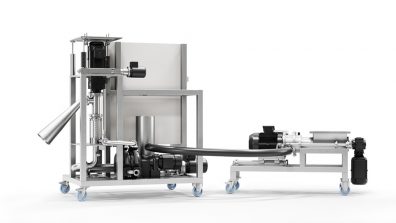
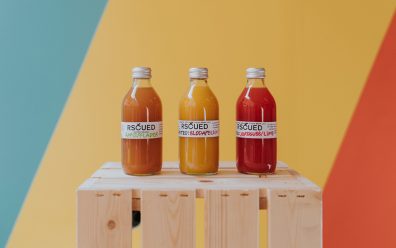



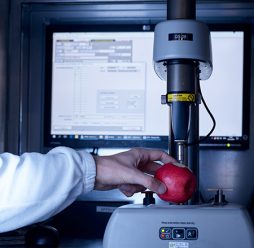

 VOG Products has always relied on premium quality. The new NFC juice line blends seamlessly into the quality strategy of the modern fruit processing company headquartered in Laives, in the Trentino-South Tyrol (Italy) region.