The release of the latest EAT-Lancet report on “healthy, sustainable and just food systems” is well aligned with the repeated calls of Fresfhel Europe to have a drastic shift in policies influencing food systems. An holistic review of agriculture, fiscal, health, environmental and education policies in the European Union is urgently needed. While the level of fruit and vegetables consumption remains way too low compared to health and sustainability recommendations, the current food policy environment continues reinforcing the position of ultra-processed food. This has far-reaching implications such as the downfall of European citizen’s health and an environmental footprint for agriculture and food incompatible with the EU climate ambition.
The release of the EAT-Lancet Report is closely aligned with Freshfel Europe’s persistent calls for a drastic shift in policies governing our food systems. A holistic review of agricultural, fiscal, health, environmental and education policies is urgently needed, positioning fruit and vegetables as key partners to the much-needed solutions to rising societal challenges.
Currently, levels of fruit and vegetable consumption remain far too low compared to health and sustainability recommendations. Meanwhile the prevailing food policy environment continues to reinforce the dominance of ultra-processed foods, contributing to a collapse in public health and leading an high environmental footprint incompatible of food with the EU’s climate ambitions. In contrast, the fresh fruit and vegetables sector has a much better use of natural ressources such as water , a low carbon emissions and also importantly an unique carbon sequestration capacity to secure Europe carbon neutrality.
Europe is at a turning point. Obesity rates are soaring, diet-related noncommunicable diseases (NCDs) dominate mortality statistics, and healthcare systems are buckling under unsustainable costs. Europeans are eating too few fruits and vegetables which are nature’s most effective and affordable “medicine,” with demonstrably strong health benefits next to one of the lowest environmental impacts among all food groups. Freshfel Europe has long warned policymakers of this imbalance, but necessary actions to be taken lagged behind political ambition. To meet both climate and health targets, the European Union must accelerate its transition to a more plant friendly diet with fruit and vegetables at its core. A positive discrimination towards fruit and vegetables is key to reverse the long lasting consequences of previous policies.
Philippe Binard, Freshfel Europe’s General Delegate commented: “ The EAT-Lancet Report on Healthy, Sustainable and Just Food Systems delivers a clear and urgent signal from the scientific community and fully match the year long narrative carried by Freshfel Europe” . As a result of this report, the European Union and nations worldwide must act without delay to realign food policies with health, environmental, and economic sustainable goals. He added: “The EU cannot afford ignoring the power of fruit and vegetables. They are the foundation of healthier citizens, healthier planet, and a competitive rural economy. A holistic review of agricultural, fiscal, health environmental and education policies is urgently needed. The current policy framework has fostered an deep imbalance with production growth destined to the food industry conflicting with the need of supply of healthy agriculture products needed according to health & nutritional guidelines.”
The average consumption of fresh fruit and vegetables in the European Union falls well below minimum health or sustainability recommendations. While combined health and sustainability targets gravitate towards 800 g. of fruit and vegetables per capita per day, actual consumption hovers around 350 g. At the same time, over half of adults are now overweight, and nearly one in six is obese. Poor diets are directly linked to increases in cancer, cardiovascular diseases, diabetes, and other NCDs — which account for over 90
% of deaths in the EU.
The EU Platform for diet, physical activities and health based on industry commitment to remedy to rising obsesity was a blatant failure of a soft law approach at the star of the century. And yet, the most recent EU health strategies, including the Beating Cancer Plan, so far failed to fully acknowledge and voice the preventive and protective role of fruit and vegetables. Simultaneously, EU agricultural subsidies and fiscal policies remain misaligned, favoring ultra-processed food production and promotion over fresh, nutritious produce. Besides, in the EU, a robust nutritional education strategy is missing. Children throughout their school education should enjoy a nutrition curricula highlightingthe benefits of a healthy diet combined with physical activities. Those two pillars were already clearly advocated by the European Commission in 2019 as part of the “Tartu Declaration “, but regretfully felt short of concrete implementation.
Philippe Binard added: Fresh fruits and vegetables are Europe’s most underused resource in confronting today’s crises. Freshfel Europe continually underscores the “triple win” fresh produce can deliver: health gains through lower obesity and fewer NCDs; environmental gains as the food group with one of the lowest footprints; and economic gains by supporting rural economies and reducing hidden healthcare costs associated with poor diets”. Europe has pledged to build a sustainable, resilient, and competitive economy. He added: “This ambition and the effective, thrifty use of public funding remains out of reach unless EU and national policymakers place fruit and vegetables at the center of food, health, and agricultural policies. The support for agriculture production should be better aligned with nutritional and dietary guidelines. This is not the case for the moment”. The cost of inaction and lack of shift is disastrous: for people, for the planet, and for Europe’s prosperity.
On behalf of the entire fresh produce sector, Freshfel Europe continues to call again and again for an urgent, coherent action plan by the European Commision with a policy shift placing fresh fruit and vegetables at the heart of a sustainable food system. Every measure in agriculture, fiscality, health, education, or the environment (such as packaging) should undergo an impact assessment to ensure the alignment of production incentives with health and sustainability goals. This will steer consumers toward affordable, healthy, and appealing food choices, with fruit and vegetables as a truly natural and preventive “medicine” for citizen’s health, without reliance on addictive elements.
The time to act is now. Europe cannot build a sustainable future on an unsustainable diet. Can the European Commission and EU Member States be up to the challenge?
Climate change, harvest failures, record prices. As the chocolate industry falters, a Cologne-based start-up emerges with an unexpected solution: Koa is launching the world’s first shots made from the previously ignored cocoa fruit pulp – offering the industry a way out of the current crisis.
The cocoa industry has recently been dominating the headlines. Climate-change-related crop failures in West Africa, the world’s largest cocoa-growing region, have led to record prices for cocoa beans. The result is a significant price increase on the chocolate shelf. Besides climate change, the crisis is also attributable to outdated practices within the cocoa industry. For centuries, the industry has only been interested in the cocoa bean, leaving about three-quarters of the cocoa fruit unused. The white pulp surrounding the cocoa beans has simply been ignored, leading to the loss of approximately five million tons annually.
Born from crisis: utilising the whole fruit
The Cologne start-up Koa Germany GmbH now demonstrates that there is an opportunity in this crisis. Koa has re-envisioned this centuries-old process and, in close collaboration with Ghanaian smallholder cocoa farmers, has created a globally unique processing method that also utilises the fruit pulp. The pulp has a tropical, fresh taste and does not taste anything like chocolate. It is a natural source of vitamins, minerals, and antioxidants. Koa is now launching the world’s first Cocoa Fruit Shots based on this ingredient. The shots not only have a unique taste but are also made with 100 % natural ingredients and offer a positive impact on people and the environment. The cocoa fruit forms the basis of three shots: KOA Pure: Cocoafruit, KOA Boost: Ginger,. and KOA Energize: Coldbrew. All three are vegan, contain no added sugar, and one shot supplies the daily requirement of Vitamin C.
Impact beyond taste
Farmers who partner with Koa receive a second income through the utilisation of the cocoa fruit pulp. As a result, these farmers now earn nearly twice as much of an additional premium as with Fairtrade and over six times more than with Rainforest Alliance1. Furthermore, the company has established a 100 % transparent supply chain. All payments to the cocoa farmers are verified using blockchain technology and are accessible to all consumers. While Koa’s approach is not the sole solution to the cocoa crisis, the additional income for the smallholder farmers in Ghana is making a real difference: According to an external study, “96 % of farmers working with Koa say their lives have improved [due to the additional income], and 1 in 3 even call it life-changing”2.
An innovation that hits a nerve
The Cocoa Fruit Shots was presented to the public for the first time at Anuga, the world’s largest food trade fair, which took place from October 4 – 8 in Cologne, Germany. The shots are making waves even prior to the event. An international expert jury selected the Cocoa Fruit Shots as a Top Innovation and a part of the “Anuga Taste Innovation Show”.
The Cocoa Fruit Shots are available for purchase online and in retail stores in Germany immediately.
Prinova will showcase its functional nutrition capabilities in great-tasting concepts targeting consumer trends at SupplySide Global (29th to 30th of October in Las Vegas).
Research by the premix, blends, and contract manufacturing specialist shows that 53 % of consumers cite great taste as the primary influence on purchase.1 Backed by Prinova’s turnkey contract manufacturing capabilities, the SupplySide Global concepts combine flavours with function and branded ingredients to demonstrate how manufacturers can develop innovative products that address key consumer trends. They include:
Peach Mango Clear Whey RTM beverage: With 85 % of consumers saying they plan to increase protein intake from 20242, this light and refreshing clear whey concept taps into the trend for clean-tasting, protein-packed options that deliver functionality without heaviness.
Chocolate Vegan Protein Blend RTM beverage: This concept includes Prinova’s Microfuse™ Pea Protein, a high-quality, premium sourced, micronised pea protein that delivers excellent solubility, smooth mouthfeel and a clean plant-based profile. A great option for vegan or flexitarian consumers, as 58 % of consumers who increased plant-based consumption did so to have a healthier diet3; seeking both performance and indulgent chocolate flavour in a ready-to-mix format.
Paloma RTD Energy Drink: A refreshing, mocktail-inspired energy beverage formulated with Prinova’s cutting-edge Enhanced Energy Blend. Designed to fuel body and mind, the blend combines caffeine, Panax ginseng extract, L-carnitine, and guarana seed extract to support increased energy, mental focus, and endurance. Inspired by the growing sober-curious movement highlighted in Prinova’s trends research4, this alcohol-free innovation offers a sophisticated and functional alternative to traditional beverages.
Dan Force, Vice President of Innovative Products at Prinova, said: “SupplySide Global is the perfect stage to demonstrate our ability to help our customers turn emerging trends into successful market-ready products. For example, in protein, consumer trends are driving innovation in new end-use market applications, and new protein ingredient technologies are often required. Prinova is partnering with protein ingredient manufacturers, 3rd party R&D facilities and contract manufacturers, to optimize new protein ingredients to meet the growing needs of the market. We’re also opening this network to our customers to fast-track commercialisation and help keep pace with the trend. SupplySide Global becomes the venue where all these elements of the supply chain can come together.”
1Research conducted online between May and June 2024 2Food Navigator, 2024 3Mintel, 2024 4Prinova, 2024 and 2025 Trends (2023)
The Southeastern region in Brazil, especially citrus areas in São Paulo, Paraná and part of Minas Gerais, registered rains in the first week of spring. Although this scenario brings optimism, since it favours the upcoming blossoming, strong winds caused fruit droppage. Players surveyed by Cepea say that the region of Avaré (São Paulo) was one of the most affected areas.
The return of the rainfall is extremely important for the 2026/27 blossoming to be in the normal standard, which was not verified last year – after a warm and dry winter, rains returned more consistently after October, which delayed the current crop.
The EU and Indonesia have announced a Comprehensive Economic Partnership Agreement (CEPA). The deal aims to eliminate over 98 % of tariffs, with key focus areas including cars, pharmaceuticals, electronics, and agri-food products. As too often, the benefits for EU fruit and vegetables exports remain uncertain and subject to unresolved SPS. Is the EU–Indonesia CEPA good news for Fruit and Vegetables?
The European fruit and vegetables sector export around 7.000.000 T of high quality, sustainable and nutritious fruit and vegetables to more than 150 destinations. This volume remains however well below its potential and demand given excessive SPS barriers imposed by third countries. The recent finalisation if the Comprehensive Economic Partnership Agreement (CEPA) with Indonesia could be an new opportunities for the EU fresh produce business and further market diversification in a buoyant South East Asian markets.
Despite being a distant market, Indonesia is a highly promising and strategically important market in the current geopolitical and trade context. With a population of 286 million, a growing middle class, and GDP growth consistently above 5 %, Indonesia offers significant opportunities for EU exporters. The EU assortment of temperate fruits and vegetables is complementary and not competing with the local Indonesian production.
However, access to this market is currently undermined by a series of trade barriers, administrative burdens, discriminatory measures and complex business environment that prevent unleashing the full potential from the EU supply given a unlevelled playing field with competitors, most notably from the Northern Hemisphere such China (prices competition) and the United States (enjoying more favourable market access conditions). As a result, European export is limited to around 20.000 T (< €15 Million). EU fresh produce only represents a small share of the Indonesian import assortment (1,5 %). Currently, EU shipments are limited to onions and kiwifruit and some exports in a sample mode with apples or blueberries. Beyond the market access irritants, the EU sector also needs to monitor and to cope with other important commercial aspects for a successful growth of business: negotiating direct, and costs effective reefer logistics, addressing detrimental exchange rate fluctuations, or converting EU sustainability achievements from a handicap into an asset within a global & competitive trade environment.
Upon signing the CEPA, European Trade Commissioner Šefčovič underlined that this is a strong signal for openness and partnership in a world facing rising protectionism and fragile supply chains. The deal aims to eliminate over 98 % of tariffs, with key focus areas including cars, pharmaceuticals, electronics, and agri-food products. Commissioner Hansen also highlighted a victory for high-quality EU foods and 200 Geographical Indications (GIs).
Philippe Binard , General Delegate of Freshfel Europe stated: “These are encouraging steps, but EU external trade should not be limited to cars! When it comes to fresh fruit and vegetables, there’s a critical issue that remains unresolved. Tariff elimination alone will not improve market access for EU exporters if non-tariff barriers, particularly SPS (Sanitary and Phytosanitary) measures, are not effectively addressed”. In Indonesia, these barriers are numerous and complex ranging from costly, lengthy, and fragmented PRA processes (product-by-product, member-state-by-member-state), to lack of EU-wide recognition for plant health standards. Limited laboratory accreditation and also opaque licensing and quota systems are failing to generate a business friendly model further excarcerbated by discriminatory port logistics practices.
Despite the EU having robust, common food and plant safety regulations, Indonesia does not recognised the EU as a signle entities and continues to impose applications process member state by member state and duplicate requirements and conditions treating each EU member state separately, while Indonesia enjoying seamless access to the EU’s 450 million consumers for their export.
Philippe Binard commented: “For CEPA with Indonesia to truly deliver its benefit for fresh fruit and vegetables, SPS provisions of the agreement must tackle these systemic issues head-on. Let’s see if the SPS provisions of CEPA provide the tools for eliminating these excessive and duplicating measures “ He added “Otherwise, CEPA tariff concessions on fruit and vegetables will be void and risk becoming an empty gesture, as seen with past FTAs with Mexico, Chile, Peru, South Korea, and Japan.Most of these countries take huge benefit of exporting to the EU markets by too often remain hermetically close in breach of basic reciprocity principles”
So the question remains: Will this time be different for fresh fruit and vegetables? Freshfel Europe is calling the European Commission to secure and deliver the expected market opening for fruit and vegetables trade based on the momentum of CEPA and a phasing out of all excessive protectionist barriers allowing safe trade for the benefit of both EU trade, Indonesian importers and retailers and Indonesian consumers.
The Southern Hemisphere Association of Fresh Fruit Exporters (SHAFFE), the advocacy group for the fresh fruit industry in the Southern Hemisphere, has changed its name to Southern Hemisphere Fruit Alliance (SFA), and adopted a new logo. This is to better reflect the 34-year-old organisation’s mission of unifying the diverse and unique Southern fruit sector, championing its cause and nurturing environmentally, socially and economically sustainable global value chains for the region’s fruits.
“We are delighted to announce that the change of name and the transition process that we initiated earlier this year has now been completed,” said Nathan Hancock, SFA president and CEO of Citrus Australia. “Our new beginning and brand are designed to help us truly unite the fruit industry – from producers to exporters in the entire Southern Hemisphere – so that we may more effectively advocate for the cause of the sector. “Speaking with one voice, our alliance will be able to make the case that fresh fruits from the Southern Hemisphere are essential to prosperity in the region, and provide a crucial contribution to the health and well-being of consumers worldwide.”
The change from “Association” to “Alliance” may seem simple, but it embodies the organisation’s primary mission as it grows into its fourth decade. “By definition, an alliance is an entity forged for the mutual benefit of all,” said Jorge de Souza, vice-president of the Alliance, and technical and project manager at Abrafrutas (Brazil). “That is the essence of the new Southern Hemisphere Fruit Alliance – to re-ignite an organisation into one whose aim is to benefit all: our producers and growers, the workers they employ, and the consumers who enjoy our delicious fruits.”
A new membership structure reflects the Alliance’s belief that uniting the field is paramount. It includes full and supporting member categories, designed to bring together industry players in the Southern Hemisphere with their counterparts in the Northern Hemisphere, as well as with global providers of inputs and services.
“Our new name and structure signal our resolve to unite the fresh fruit industry so that we can speak with one strong voice. We are no longer the trade association for the Southern Hemisphere fruit industry, but rather the allegiance aimed at advancing its cause,” said Hancock.
Premium fruit and vegetable ingredients supplier SVZ announced its decision to fully integrate tropical fruit ingredient brand Netra Agro into the core SVZ portfolio. For almost 30 years, SVZ has operated Netra Agro as a specialised subsidiary for reliably and sustainably sourced tropical fruit ingredients, including IQF (Individually Quick Frozen) fruit pieces, purees and concentrates. Now, in a strategic move to strengthen its position as a trusted supplier in the market, SVZ will fully absorb Netra Agro’s products and operations, while ensuring complete continuity of service for its global customer base. The integration process is already underway and is expected to be fully concluded in early 2026.
The addition of Netra Agro’s exotic fruit portfolio, and specific expertise in transporting tropical fruit, makes SVZ a single-source provider for any fruit or vegetable ingredient need. The decision not only gives SVZ’s customers direct access to high-quality tropical ingredients like mango, banana and pineapple in various formats, but also allows Netra Agro’s existing customers to benefit from increased procurement, production, and distribution capabilities, in addition to the service they already know and value.
“The move to integrate Netra Agro and its decade-spanning expertise in tropical fruit sourcing reflects SVZ’s mission to become the leading sustainable ingredient partner for food and beverage producers around the globe,” said Johan Cerstiaens, Managing Director at SVZ. “As we support our teams through the transition, we want to assure Netra Agro customers that they will continue to receive the same high levels of service and quality now, and well into the bright new future ahead. We will provide further updates on the integration process and the promising path forward.”
Consuming Lacprodan® ISO.WaterShake whey protein isolate before meals can help control blood sugar in gestational diabetes mellitus (GDM), clinical research from Arla Foods Ingredients shows.
GDM occurs when the body is unable to produce enough insulin or use it effectively to maintain normal blood sugar levels during pregnancy. Elevated blood glucose – known as hyperglycaemia – increases the risk of adverse pregnancy outcomes for both babies and mothers. Those with GDM are therefore advised to control their blood glucose levels through measures including diet, weight management and moderate exercise.1,2
Arla Foods Ingredients partnered with Aarhus University and the Steno Diabetes Center in Aarhus to conduct a study on the effects of whey protein on GDM. Published in Diabetes Care, it examines how consuming Lacprodan® ISO.WaterShake before eating influences blood glucose rises in the three hours after meals.2
In the randomised, placebo-controlled, single-blinded crossover trial, 12 women with GDM and 12 with normal glucose tolerance consumed whey protein or a placebo 30 minutes before a 75 g oral glucose tolerance test (OGTT). This is the standard diagnostic tool used to determine whether a pregnant woman has GDM.
The results showed that pre-meal consumption of 20 g Lacprodan® ISO.WaterShake reduced post-meal blood glucose peaks by -1 mmol/L (-18 mg/dl) in those with GDM, and by -0.7 mmol/L (-12.6 mg/dl) in those without.
In home settings, pre-meal doses of 15-30 g of the whey protein consistently lowered post-meal blood glucose levels and reduced fluctuations in women with GDM.
Lise Høj Brunsgaard, Research Scientist at Arla Foods Ingredients, said: “These findings suggest that whey protein may be a safe, effective and promising nutritional strategy to support blood glucose management in women with GDM. For this study, our Lacprodan® ISO.WaterShake whey protein isolate was selected due to its high purity and rapid absorption profile, which made it suitable for investigating its potential role in maternal nutrition during pregnancy.”
Globally, hyperglycaemia in pregnancy is estimated to affect 19.6 % of live births. Of these cases, 79.2 % are due to GDM, accounting for 15.6 % overall, while the remainder result from type 1, type 2 and other forms of diabetes.
The new study builds on previous research showing whey protein’s benefits for glycaemic control in type 2 diabetes.3 Mechanistic studies suggest this effect is linked to enhanced beta-cell function and reduced insulin clearance.4
1International Diabetes Federation ‘Diabetes Atlas: 11th Edition’ (2025) 2Smedegaard, S. et al. ‘Premeal Whey Protein Lowers Postprandial Blood Glucose in Women With Gestational Diabetes Mellitus: A Randomized, Crossover Clinical Trial’ Diabetes Care (2025) https://pubmed.ncbi.nlm.nih.gov/40261798/ 3Ashley, K. et al. ‘Identifying Behavioural Determinants to Uptake and Adherence to a Whey Protein Supplement for the Management of Type 2 Diabetes: A Qualitative Interview Study.’ Nutrients (2022) https://pubmed.ncbi.nlm.nih.gov/35276924/ 4Smith, K. et al. ‘Pre-Meal Whey Protein Alters Postprandial Insulinemia by Enhancing β-Cell Function and Reducing Insulin Clearance in T2D’ J Clin Endocrinol Metab (2023) https://pubmed.ncbi.nlm.nih.gov/36734166/
Oobli, the first and only commercial-scale sweet protein technology platform known for its healthy sugar alternatives, announced that it has received a “no questions” letter from the U.S. Food & Drug Administration (FDA), confirming that brazzein-54, a sweet-tasting protein naturally occurring in the oubli fruit, is Generally Recognised as Safe (GRAS) for use as a sweetener in food and beverages. brazzein-54 joins brazzein-53 and monellin as the third protein on the Oobli platform to gain FDA GRAS status.
As a nature-identical sweet protein platform, Oobli is dedicated to providing a complete suite of plant-derived sweet proteins. Brazzein-54 further expands Oobli’s platform, offering an additional option for food and beverage partners seeking healthier, sugar-free solutions.
“Oobli is changing the future of sweetness through the use of sweet proteins as a replacement for traditional cane sugar and other alternative sweeteners like aspartame, sucralose, stevia and erythritol,” said Jason Ryder, Oobli Founder & CTO and Adjunct Professor of Chemical and Biomolecular Engineering at University of California, Berkeley. “The oubli fruit sweet protein is one of several sweet proteins that is derived from fruits primarily found in West Africa and other equatorial environments. Sweet proteins are a class of proteins that deliver a sugar-like sweetness but don’t affect blood sugar, insulin, or the gut microbiome.”
Oobli is the first company to receive a “no questions” letter from the FDA for use of the oubli fruit sweet protein as a food ingredient. The company’s brand name and sweet protein platform, Oobli, was inspired by West African villagers who originally described the fruit as “so sweet it makes children forget their mother’s milk.”
“The ‘no questions’ letter from the FDA is further testament to the strong potential that sweet proteins have to disrupt our global dependence on sugar and alternative sweeteners,” said Ali Wing, CEO of Oobli. “The oubli fruit sweet protein can be safely used in a wide range of foods with support from the scientific community and the FDA. It can replace 70 % or more of sugar in products such as sodas, teas, baked goods, and more, making the opportunities to reduce our sugar consumption virtually endless.”
To celebrate, BuzzBallz partnered with rapper Lil Dicky to launch drinkable kettleballz inspired by the nostalgia of yesteryear
Ah, the 1980s… when everything was grape-flavoured and spandex-clad aerobics ruled the airwaves. Back then, working out meant sweat, flair, and unapologetic over-the-top energy, not structured HIIT routines and ice baths. This fall, BuzzBallz is throwing it back to those grape-soaked glory days with the newest flavor to join the brand’s ready-to-drink lineup: Grapes Gone Wild.
To celebrate its new flavour “Grapes Gone Wild,” BuzzBallz partnered with rapper Lil Dicky to launch drinkable kettleballz inspired by the nostalgia of yesteryear (Photo: BuzzBallz)
Bold, bursting with flavour and bound to break away from the ordinary routine, Grapes Gone Wild is hitting shelves in the US and is a taste of pure purple nostalgia. Think grape slushies, colourful leg warmers, and scratch-and-sniff stickers bottled up for grown-ups. This showstopper in a can brings back the wild side of grape and proves we’ve got the biggest Ballz in flavour.
To celebrate the launch of Grapes Gone Wild, BuzzBallz is introducing KettleBallz – a collectible, playful twist on the classic kettlebell. It’s the perfect way for fans to pump up the fun and add a little ‘lift’ to their day – BuzzBallz style. This 5-pound, grape-scented kettlebell, modeled after a BuzzBallz Biggie, holds up to 1.5 liters of Grapes Gone Wild. Each $ 20 KettleBallz kit comes with the kettleballz, grape-scented terry sweatbands, wristbands, and a cooling towel (Grapes Gone Wild BuzzBallz not included).
Bringing this over-the-top launch to life, BuzzBallz teamed up with rapper and comedian David Burd – aka Lil Dicky – for an irreverent campaign that is anything but routine. Think fake workout infomercials, tongue-in-cheek skits, and Lil Dicky doing what he does best: delivering laughs with his signature offbeat humor (and maybe flexing a few Ballz jokes along the way).
The limited-edition BuzzBallz Grapes Gone Wild KettleBallz Kit goes live October 3 for $ 20 -the price of a Biggie. Fans can sign up at buzzballzkettleballz.com through September 28 for a chance to grab their collectible Ballz.* Meanwhile, Grapes Gone Wild BuzzBallz are rolling out in the US starting this September in 187 ml, 200 ml, 1.5 L, and 1.75 L sizes, supported by a nationwide media campaign that includes the Lil Dicky-led retro-style infomercial.
BuzzBallz is a single-serve, ready-to-drink cocktail in a unique, ball-shaped container. Each BuzzBallz is packed with high-quality ingredients, giving consumers a perfectly mixed drink that’s fun, convenient, and portable.
JBT Marel, a global leader in food processing technology solutions, will be at Pack Expo Las Vegas from Sept. 29 to Oct. 1, booth #N8612, showcasing numerous innovations – including a new product launch and a VR immersive room. This marks the first Pack Expo trade show since the historic merger between the two powerhouse companies in early 2025 and emphasises their joint goal of uniting to transform the future of food.
In addition to launching the new CIPure™ Cleaning System, JBT Marel plans to showcase a variety of industry-leading technologies and solutions, from protein and produce to sealing and sanitation, including:
CIPure™ Cleaning System: JBT Marel’s newest innovation in sanitation, the CIPure™ Cleaning System cleans food processing technology inside and out. This CIP system is controlled and monitored digitally to ensure it’s running as efficiently as possible, and effectively preventing growth from common bacteria and microorganisms like Salmonella, Listeria and E. coli. This technology was designed with environmental impact in mind, created with sustainably sourced materials and resource-saving capabilities.
Fresh’n Squeeze Multi Fruit Juicer: Based on JBT Marel’s Whole Fruit Extraction Principle, the Fresh’n Squeeze Multi Fruit Juicer yields up to 50 % more juice per unit of fruit than other juicing technologies. With the ability to handle a variety of citrus, including oranges, lemons and grapefruit, this technology is an ideal choice for juice bars, coffee shops, hotels and other retail businesses. Free fresh juice samples will be available at JBT Marel’s booth #N8612.
Proseal GT1e Tray Sealer: Designed to cut labour costs, this high-speed, high-capacity tray sealing system adapts to any style of heat seal and can produce up to 60 Vacuum/Gas packs per minute. The user-friendly interface features quick tool changeover, a simple design that allows for easy cleaning and sanitation, and the Eseal® energy efficient electric seal system that has shown a 92 % reduction in energy consumption.
Service: JBT Marel offers unmatched customer service for potential and existing customers, including regular AIM audits geared towards uncovering inefficiencies in manufacturing.
In addition to signature food processing equipment on display, JBT Marel’s booth #N8612 will host a cutting-edge immersive room experience where attendees can watch virtual, end-to-end beverage and protein dicing lines in action.
Leading retail and global food and beverage companies including PepsiCo and Unilever announced the launch of Supporting Trusted Engagement and Partnership (STEP) up for Agriculture (STEP up for Ag), a pre-competitive initiative designed to strengthen the capacity and sustainability of farmer-facing support organisations across North America.
Regenerative agriculture can be a powerful tool to promote healthier soil, as well as to reduce agricultural emissions, enhance biodiversity and watershed health, and help raise the standard of living for farmers and farming communities. It’s why PepsiCo – which sources approximately 50 key agricultural crops and ingredients from more than 60 countries around the world – has a goal to drive the adoption of regenerative agriculture, restorative, or protective practices across 10 million acres by 2030.
Scaling regenerative agriculture requires more than just technical solutions – it depends on trusted relationships and local expertise. Farmers are more likely to adopt new practices when they see clear benefits and receive guidance from organisations they know and trust. That’s why farmer-led, farmer-facing support groups are critical to the success of corporate regenerative agriculture programs.
STEP Up for Agriculture seeks to strengthen local organisations by equipping them with tools, training, and resources needed to support farmers on the ground. This approach is designed to unlock scale by meeting farmers where they are, with the aim of accelerating adoption across diverse geographies and creating a ripple effect of trust and innovation throughout the supply chain.
Through STEP up for Ag, corporate and philanthropic partners will provide funding and strategic support to help farmer support organisations:
Develop robust business and strategic plans to boost profitability and local economies
Expand staffing and training to better equip farmers with the tools of the future
Establish measurement, reporting and verification (MRV) systems to track sustainable progress against goals
Enhance implementation capabilities to support scalability
Access new revenue streams and partnerships to grow support for farmers over time
Transitioning more farms to regenerative agriculture requires deep collaboration – no single company or organisation can do it alone. By working together across sectors, STEP up for Ag is building a shared ecosystem of support that empowers farmers and drives lasting change at scale.
Lead Partners: PepsiCo, Unilever and others – each committing to fund and collaborate with specific farmer support organisations to strengthen advisory capacity and accelerate regenerative agriculture adoption – enhancing supply resilience and supporting local farming communities.
Contributing Partners: Corporations supporting existing or emerging organisations or the initiative at large.
Philanthropic Partners: Including The Platform for Agriculture and Climate Transformation (PACT) and the PepsiCo Foundation, providing catalytic funding and strategic insight.
Farmer Facing Support Partners: Phase I will include South East Research Farm (SERF), supporting farmers throughout the Canadian Prairies, and Practical Farmers of Iowa, supporting farmers across western Canada and the US, and Farm Advisor, a farmer-led, Indiana-based initiative that pairs experienced conservation farmers with peers to accelerate the adoption of soil health practices through mentorship, education, and on-farm support.
Over the next two years, STEP up for Ag will aim to facilitate peer learning, host annual in-person workshops and develop shared tools and resources to scale impact.
Looking ahead, STEP up for Ag is launching its first European pilot with the farmer-led cooperative Garlan in Spain. Over the next year, Garlan – supported by the Earthworm Foundation– will design its own regenerative agriculture program to offer to farmers, improving access to high-quality guidance and advice on regenerative practices. This pilot builds on earlier engagement in Türkiye, where EIT Food hosted a regional workshop that brought together farmer support organisations, corporate partners, and NGOs to explore how STEP Up for Ag could take shape locally. Together, these efforts mark the start of a broader push to strengthen advisory ecosystems and scale regenerative agriculture across Europe and other global landscapes.
Through this partnership – and with the potential future involvement of additional major organisations – this growing network aims to help drive meaningful, long-term progress toward a more sustainable agricultural future.
The European Aluminium Foil Association (EAFA), together with partner associations (European Aluminium, Aluminium Closures Group, Metal Packaging Europe, etma and AEROBAL) involved in aluminium packaging, has published a new framework for packaging design: the Design for Recyclability Guidelines and Recyclability Assessment for Packaging containing Aluminium. The aim is to ensure that packaging design facilitates efficient recycling at the end of the life cycle.
The guidelines are addressed first to packaging designers, but also to legislators and technical experts involved in the discussions on establishing appropriate methodologies for assessing packaging recyclability. The EU Packaging and Packaging Waste Regulation (PPWR) requires that by 2030 all packaging placed on the European market must be recyclable.
In this context, the Design for Recyclability Guidelines and Recyclability Assessment for Packaging containing Aluminium provide a scientifically sound approach for evaluating the recyclability of packaging predominantly made of aluminium. Furthermore, these guidelines render relevant information on the recyclability of packaging which contain aluminium as a minor material share.
“The PPWR sets ambitious objectives on packaging recyclability – we want to help ensure that the related provisions are implemented on a reliable and practice-oriented basis. Our guidelines provide a comprehensive overview and understanding of the factors having an impact on the recyclability of packaging containing aluminium, creating transparency for designers, regulators and the recycling industry,” stresses Jean-Paul Duquet, Director Sustainability at EAFA.
Technical background
Aluminium as a packaging material is characterised by properties that make it suitable for a wide range of applications. These include formats made predominantly of aluminium – such as semi-rigid foil containers, pet food trays, coffee capsules, alu/alu blister packs or foils for chocolate and cheese. They also include formats where aluminium is present in smaller shares but adds crucial functional properties – for example, aluminium as an essential barrier layer in pouches or beverage cartons.
Aluminium as a material is generally regarded as highly recyclable. However, when it comes to the recyclability of aluminium-containing packaging, there is room for improvement, and enhancement in both packaging design and recycling infrastructure can help.
As a benchmark, the guidelines apply state-of-the-art collection, sorting, reprocessing and recycling infrastructure, which has reached the highest Technology Readiness Level (TRL 9) and is available in Europe.
They have been developed in close alignment with the current provisions and terminology of the PPWR.
Practical recommendations for different packaging formats
Concrete design recommendations are included for a range of selected aluminium packaging formats in order to help designers improve their packaging recyclability.
“With the Design for Recyclability Guidelines and Recyclability Assessment for Packaging containing Aluminium, we have developed a practical tool that supports all stakeholders along the value chain – from packaging designers and brand owners to policymakers. This will help ensure that aluminium packaging is even better integrated into the circular economy in the future,” explains Sandra Beckamp, Managing Director at Institut cyclos-HTP, who acted as project manager.
With these new guidelines, the aluminium packaging industry is making an important contribution to a European circular economy. They provide orientation for all stakeholders and support the shared goal of designing packaging that is not only recyclable but also resource-efficient and functional. This achievement has been made possible through the close cooperation of numerous associations and experts along the entire value chain – a clear signal that the industry is ready to tackle the PPWR requirements jointly and constructively.
The Design for Recyclability Guidelines and Recyclability Assessment for Packaging containing Aluminium are now available for download at D4R.alufoil.org.
New research shows that drinking 100 % fruit juice can enhance diet quality by providing essential nutrients like potassium, calcium, and vitamin C without added sugars
100 % fruit juice offers an accessible, affordable way to obtain vital nutrients, complementing whole fruit intake without replacing it
The study highlights the need for future dietary guidelines to consider economic access to healthy foods
If you sip a daily glass of 100 % fruit juice, you’re already on your way to having a healthier diet. That’s the conclusion of a new international study which revealed that people who drink fruit juice are more likely to achieve nutrition goals and score better for overall diet healthiness.
Conducted by experts from MS-Nutrition in France and the University of Washington, the research found that 100 % fruit juice provides essential vitamins and minerals without the added sugars or sweeteners found in many other drinks. Analysing data on more than 4000 participants from the National Health and Nutrition Examination Survey between 2017 and 2023, the study found that people who consume 100 % juice regularly tend to have healthier, more nutrient-rich diets.
Their meals contained higher levels of potassium, calcium, and vitamin C, while being lower in added sugars. Despite worries about calorie intakes, most people consume 100 % juice in moderation, well within the recommended limits set for balanced diets.
Writing in the journal, co-author Professor Adam Drewnowski from the University of Washington, said: “The diets of 100 % juice consumers were higher not only in total fruit but also in total vegetables, greens and beans, total fruits, whole fruits, whole grains, dairy, protein, and seafood and plant proteins. Significantly, diets of 100 % juice consumers were lower in added sugar, saturated fat, and sodium. That would suggest that 100 % fruit juice consumption is a marker or an indicator of healthier diets.”
Award-winning dietician Dr Carrie Ruxton, added: “These findings are encouraging and show that fruit juice doesn’t replace fruit in the diet, but complements it. Incorporating a glass of 100 % fruit juice into your daily routine is a simple yet effective way to improve nutrient intakes and support a healthier, more balanced diet. For those in lower-income groups, 100 % fruit juice can be an affordable way to access vital nutrients”.
Consumer sentiment is changing. Consumers are more aware of the ingredients they are choosing to consume and are actively trying to purchase products that align with their needs and preferences.
GlobalData’s Ai Palette platform has analysed data from thousands of food and beverages ingredients to identify those that have high growth and high engagement. This analysis is based on real-time data points collected from social media and global retail sites over the past two years, as measured in June and July 2025, and includes a comparison of compound annual growth rates (CAGR) over that period.
The emerging food and beverage ingredients identified in this analysis were grouped under four key consumer trends: functional wellness, distinct flavour fusions, global takeover, and nature’s pantry. Insights from this analysis were presented in a recent Ai Palette webinar titled “Emerging Ingredients in Food & Beverages – Trends Consumers Really Care About in 2025,” which highlighted the following findings:
Functional wellness
This trend highlights the use of functional ingredients that improve the nutritional value of foods and beverages, providing consumers with health benefits beyond basic nutrition. Zinc is emerging as a key ingredient in the food and beverage sector due to its significant role in promoting functional wellness, supporting immune function, wound healing, and metabolic health. The Ai Palette platform indicates that the German dairy market is seeing a rise in zinc-fortified products, showcasing a growing interest in nutrient-rich dairy options.
Distinct flavour fusions
Characterised by the innovative combination of unique ingredients, this trend distinguishes products with bold and unexpected flavour profiles that captivate the palate and set them apart in the marketplace, such as gochujang. This Korean chili paste is gaining popularity in the US condiments market for its ability to enhance flavour fusions with a mix of heat, sweetness, and umami. Over the past two years, gochujang has experienced a remarkable growth rate of 28.5 %, supported by 264,000 data points from Ai Palette, appealing to adventurous consumers seeking authentic and spicy culinary experiences.
Global takeover
Reflecting the increasing influence of international flavours, this trend signifies the penetration of global flavours into new markets and categories, breaking traditional culinary boundaries. Miso is emerging as a key ingredient in the food and beverage sector, thanks to its versatility and health benefits, which align with the global demand for wholesome, flavourful options. Its growing popularity in condiments showcases its ability to enhance various dishes with its unique umami profile. Miso has seen a remarkable growth of 28.2 % since July 2023, supported by nearly 70,000 Ai Palette data points, emphasising its cultural significance and premium quality.
Nature’s pantry
This trend heralds a resurgence of natural ingredients, revitalising them with contemporary applications that underscore their timeless appeal and align with the growing demand for wholesome food and drinks. Peas are growing in importance as a vital component of this trend due to their fresh and natural qualities, which offer a distinctive and wholesome addition to culinary applications, with multiple health benefits. Their rising popularity in Indian snacks underscores their versatility and appeal in global food innovations.
Alice Popple-Connelly, Senior Consumer Analyst, at GlobalData, comments: “Understanding how consumer sentiment is changing and the underlying trends behind it enables brands to position their products more effectively. Identifying the emerging ingredients associated with each trend also provides food and beverage brands with compelling formulation options for innovation.”
Beloved soda brand celebrates milestone with worldwide events, sweepstakes, and limited-edition releases
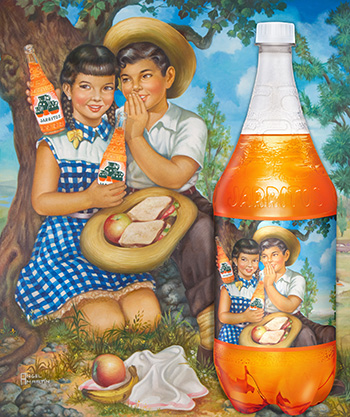
Commemorating 75 years of tradition, culture, and quintessential flavours, Jarritos, the authentic Mexican soda brand known for its refreshing and bold taste, is celebrating the way it does best – boldly, colourfully, and with a lot of corazón. To mark this milestone, Jarritos is launching a worldwide anniversary celebration, featuring a specialty sweepstakes, pop-up events in major cities around the globe, vintage-inspired packaging, and more.
(Photo: Jarritos)
From its humble beginnings in 1950s Mexico to worldwide acclaim, Jarritos has grown from a soda underdog into a cultural icon, transcending generations and borders with its signature bottles and distinct fruit-forward flavours. Expanding its offerings to include innovations like Jarritos Zero and Jarriboba, as well as extending its cultural impact through collaborations with renowned brands including Nike, Wolverine, Native, Marine Layer, and Abercrombie, Jarritos continues to evolve and build meaningful connections, one bottle at a time.
To honor its rich history and the communities that have supported it along the way, Jarritos is celebrating authenticity, culture, and flavour, while showing deep appreciation for its fans around the world.
75th anniversary sweepstakes
As a thank-you to fans, Jarritos will be hosting a weekly giveaway starting in September, offering special prizes that celebrate the brand’s heritage and vibrant culture. Winners will have the chance to receive authentic Mexican art pieces sourced from different regions of the country, limited-edition collaboration items such as the coveted Jarritos x Nike SB Shoes and Jarritos x Wolverine Boots, custom Jarritos mini fridges, and even a one-year supply of Jarritos and Jarritos Zero. Additional prizes include exclusive merchandise, gift cards, and other unique items that highlight the spirit and authenticity of the beloved soda brand.
Global pop-up events
Jarritos is bringing the fiesta to major cities around the globe, including Madrid, London, Sydney, Toronto, Dubai, Paris, Berlin, Puebla, and more. Highlights include a riverboat mariachi performance in Paris, a one-of-a-kind, immersive pop-up in Toronto, featuring interactive installations, product sampling, and exclusive merch, as well as a nationwide giveaway across Canada restaurants, where the first 75 customers at select locations will receive a free Jarritos.
Vintage-inspired packaging
Jarritos is honoring its roots with millions of family-size bottles featuring retro label designs, along with 500,000 commemorative soda packs that include $ 75 in savings, adding up to millions of dollars in potential coupon value for fans.
The Authentic Story of Jarritos
To commemorate its legacy, Jarritos is releasing a never-before-seen editorial piece developed in collaboration with the Latino history and origins platform Nuestro Stories, The Authentic Story of Jarritos. Chronicling the brand’s journey, this editorial feature celebrates the legacy of its founders, provides fans with an inside look into the brand’s journey, and shares behind-the-scenes stories from those who helped shape its success.
To join in on the celebration and learn more about Jarritos, visit https://jarritos.com/. To enter the 75th anniversary sweepstakes, visit here.
The intensification of the fruit droppage is the main factor that led Fundecitrus (Citrus Defense Fund) to decrease the estimate for the 2025/26 season. The second report, released in early September, indicated that the production may reach 306.74 million 40.8 kg boxes in the citrus belt (São Paulo state and Triângulo Mineiro), 2.5 % less (or -7.86 million boxes) than that indicated in May.
The current report confirms that the fruit droppage is more critical than what had been projected previously. Some areas register losses that are close to 10 %, while others face a percentage up to 45 %. On average, the fruit droppage rate is at 22 %, two percentage points more than the initial forecast.
The Huanglongbing greening (citrus greening disease) hits 47.63 % of the citrus belt. The number of contaminated plants rose 7.4 % this year, reaching roughly 100 thousand (209 thousand were evaluated).
Ending stocks
Orange juice ending stocks (by June/26) may recover in the 2025/26 season, after four consecutive crops at very low volume.
CitrusBR (Brazilian Association of Citrus Exporters) released a report in early September about the 2024/25 season: inventories of frozen concentrate orange juice – FCOJ (66º Brix) totaled 146.3 thousand tons, 25.3 % more than in the previous crop. Although it is still low, the volume surprised players, since the fruit supply is scarce, leading orange prices to record levels and imposing difficulties for the industry to produce juice with good ratio. Both restricted quality and high values limited sales to the international market in the last season. According to data from Secex/Comexstat, the volume exported in 2024/25 was at 776.8 thousand tons, downing 22.6 % in relation to the crop before and the smallest since 1997, when the series has started.
Cepea calculations indicate that, due to the progress of the 2025/26 season and the improvement of the juice quality (since pear oranges will join the crushing), inventories may finish the season (June/26) close or higher than 200 thousand tons. If confirmed, it will be the first time in a half decade that the sector will leave the critical volume behind (below 150 thousand tons). However, in order for inventories to reach this level, the consumption needs to return to volumes before 2024/25, the juice productivity needs to be on the average over the last five crops (278 40.8-kg boxes per juice ton) and the industry needs to process at least 260 million boxes.
On the occasion of the start of the world’s leading trade fair drinktec, the VDMA Food Processing and Packaging Machinery Association sees the industry in good shape despite major challenges. “The mood in our industry is mostly good. Contrary to the trend in the overall mechanical engineering sector, exports of food processing and packaging machinery continued to grow in the first half of 2025.We expect an increase in turnover this year, but it is currently difficult to forecast a growth rate” states Richard Clemens, Managing Director of the VDMA Food Processing and Packaging Machinery Association.
German exports continue to rise
With an average of 84 percent in export sales, the food processing and packaging machinery industry is one of the strongest exporting sectors in German mechanical engineering. In 2024, foreign deliveries increased by 6 percent to 10.6 billion euros, followed by another growth of 6 percednt in the first half of 2025. The EU-27 markets, which account for 34 percent of exports, are proving very robust and grew by a total of 10.2 percent during the period under review.
For many years, the USA has been by far the most important market for German manufacturers of food processing and packaging machinery. Exports have risen steadily, reaching a peak of €1.8 billion in 2024. In the first half of 2025, German deliveries were 0.4 percent below the previous year’s record level.
Richard Clemens, Managing Director of the VDMA Food Processing and Packaging Machinery Association, expects many visitors from the US to come to drinktec despite the tariff issue. “With over 1.5 million employees, the American food industry is the strongest sector in the US manufacturing industry. Automation and capacity expansion are considered the strongest drivers for investment. American companies are unable to meet their technology needs locally” says Clemens, pointing to EU imports of food processing and packaging machinery, which amounted to €5 billion in 2024.
China is also one of the important markets for mechanical engineering companies. German exports of food processing and packaging machinery to the People’s Republic have been declining since 2023 and fell by 29 percent in the first half of 2025 compared to the previous year. In addition to the ongoing economic weakness, China’s “buy local” strategy is also leaving its mark. “China still offers business potential for German companies – especially in the high-performance sector. However, this requires companies to make strategic decisions in favour of localisation in order to be competitive in the market,” comments Clemens.
More than half of the exports are delivered to countries outside Europe. Strong momentum with double-digit growth rates came in the first half of 2025 from nearly 40 countries in Asia, the Middle East, Africa, and Latin America, including Brazil, Mexico, Saudi Arabia, Iraq, Vietnam, Egypt, Algeria, Ghana, Nigeria, and Tanzania. “The industry is very broadly positioned worldwide, which basically ensures good market opportunities,” summarises Clemens.
Europe leads the global machinery trade
The global food and beverage industry is one of the most dynamic growth sectors and is the most important industrial sector in many countries. As a result, not only the German exports are rising, but the global trade volume of food and packaging machinery has also been growing steadily for many years, reaching a preliminary peak of almost €54.5 billion in 2024.
European companies are clear leaders in the international trade of food and packaging machinery. Almost 70 percent of global trade comes from Europe. “This makes food and packaging machinery manufacturing the most successful export industry in the entire European mechanical engineering sector due to its high level of specialisation, performance, and innovative strength,” states Clemens. Italy and Germany are at the top of the list of the most important supplier countries, each with a 20 percent share of global trade. Germany is even stronger in some sub-sectors: in 2024, one in three internationally traded beverage packaging machines and one in two brewery machines came from Germany.
Positive market outlook – global beverage consumption and varieties on the rise
The future outlook for technology providers is positive, as the global beverage industry is growing. According to Euromonitor International, around 1.1 trillion liters of bottled and packaged beverages were sold worldwide in 2024. According to forecasts by the British market research company, sales will increase by around 14 percent by 2028. Euromonitor continues to predict double-digit growth in the Africa/Middle East and Asia/Pacific regions during this period, while beverage sales in saturated markets will increase only slightly. Here, the focus is on qualitative growth and product innovation.
According to Euromonitor, 7,000 new non-alcoholic beverage products were launched worldwide in 2024 alone, with just under 6,300 new alcoholic beverage products. The largest share of innovations came from the US, Canada, and European countries.
drinktec 2025 addresses important topics and trends
Demographic developments, health and nutrition trends, and ever-shorter product life cycles are shaping the development of the global beverage and liquid food industry. In addition, this industry is particularly concerned with high food safety and quality requirements, as well as efficient and sustainable production processes and packaging concepts, which are being taken to the next level through the use of data and digital tools.
The beverage and liquid food industry is focusing on intelligent recycling systems and sustainable resource management in both the production and packaging processes. “We see our industry as an important part of the solution here. After all, who else but the mechanical engineering industry can make a decisive contribution through innovation to making the processes in manufacturing companies economical, efficient, and sustainable at the same time,” Clemens states. In this context, digitalisation plays a key role in identifying potential for savings, optimisation, and improvement along the value chain.
When it comes to trends, Clemens sees drinktec as a clear source of inspiration. Growing health awareness, the desire for self-optimisation, new recipes, functional ingredients, and the increasing importance of proteins in beverages offer new business potential.
Refresco, a global independent beverage solutions provider, announces it has successfully completed a repricing of its Term Loan B facilities in both EUR and USD.
The transaction reduces margins by 50 basis points on each facility, strengthening the company’s capital structure and lowering its cost of debt.
CFO Refresco, Bill McFarland, commented: “This repricing reflects our strong operating performance and the supportive financing markets. By reducing our interest costs, we are strengthening our capital structure and enhancing our financial flexibility to support Refresco’s long-term growth strategy.”
This repricing follows a period of sustained operational performance, and reflects Refresco’s ability to optimise its financing structure in line with market opportunities.
Total orange production1 is updated at 306.74 million boxes
The first update of the 2025-2026 orange crop forecast for the São Paulo and West-Southwest Minas Gerais citrus belt, published on September 10, 2025, by Fundecitrus, carried out in cooperation with professor (retired) from FCAV/Unesp2, is 306.74 million boxes of 40.8 kg (90-pound box). Compared with the May estimate, the crop season is expected to yield 7.86 million fewer boxes, a decline of 2.5 %, due to a higher projected rate of premature fruit drop. Analysing by maturity group, the early-season varieties decrease by approximately 6.1 %, the mid-season (Pera) by 1.2 %, and the late-season varieties by 1.6 %. It is also estimated that approximately 25.84 million boxes will be harvested in the Triângulo Mineiro region.
According to Climatempo Meteorologia, from May to August 2025 the average accumulated rainfall in the citrus belt was 94 millimeters, which corresponds to a 33 % deficit in relation to the historical average (1991- 2020) …
Premium fruit and vegetable ingredients supplier SVZ announced the appointment of Johan Cerstiaens as its new Managing Director, effective immediately. He succeeds Pieter Spanjers, who is stepping down after five years of dedicated service. In his new role, Johan will oversee operations in the Netherlands, Belgium, Spain and Poland.
Johan brings more than 25 years of business experience in the food and beverage industry, including 12 years at SVZ, where he served as Sales Director first and subsequently Commercial Director. During this time, he established strategic commercial partnerships and strengthened SVZ’s presence in key European and Asian markets. As Managing Director, Johan will continue to lead the commercial team, ensuring continuity in customer and supplier relationships, while driving the company’s long-term growth strategy.
Berglandmilch, Austria’s leading dairy company, is the first in Austria to choose SIG Terra Alu-free + Full barrier, the world’s first full barrier aseptic carton packaging material with no aluminum layer. Berglandmilch will offer white milk from its premium brand “Schärdinger Formil” in SIG Terra MidiBloc Alu-free + Full barrier reducing the already low carbon footprint of standard SIG aseptic cartons by 22 %1. The environmental benefit is communicated directly to consumers on the packaging.
SIG Terra Alu-free + Full barrier is a huge step forward in the push to decarbonise the food and beverage industry. By removing the aluminum layer used in conventional aseptic carton packs to protect milk or oxygen-sensitive products such as juices or plant-based beverages, SIG has reduced the number of raw materials from 3 to 2. The new packaging material is primarily made of paper and uses ultra-thin polymer barriers, that protect the product against oxygen, light, moisture and aroma loss. It offers the same product shelf life of up to 12 months and the same product protection as standard full-barrier materials, that use aluminum as a protective layer, while significantly reducing the carbon footprint. Although aluminum accounts for just around 5 % of a standard aseptic carton, it accounts for up to 25 % of its carbon footprint in a full-barrier package. Removing it represents a major gain for environmental performance.
Named “SipScape”, the platform offers insights into the alcohol-adjacent space, with new personas showcasing the evolving beverage consumer landscape
IFF, a global leader in food, beverage, health and wellness, has unveiled SipScape, a new platform designed to inspire innovation across the rapidly evolving adult beverage landscape. It offers actionable insights and trends, including product design, flavour modulation and sweetness reduction in no-and low-alcohol beverages. The platform also highlights IFF’s expertise in incorporating botanicals, natural colours and other functional additions based on current trends and market demands.
“Understanding how and why people drink today is essential to staying ahead,” said Fernanda De Paula, vice president of global beverages category for IFF Taste. “Consumers are looking for more than a buzz, and drinks are no longer defined solely by their alcohol content. The most successful new products are those that reflect people’s values, fulfill specific occasions and genuinely resonate with their needs. When done right, beverages can turn fleeting moments into joyful and meaningful experiences. SipScape is a vibrant virtual social scene, where brands can meet today’s beverage consumers, learn more about their preferences and uncover exciting innovation opportunities.”
Visitors to SipScape will benefit from deep explorations fueled by PANOPTIC, IFF’s proprietary trend and foresight capability. PANOPTIC has decoded cultural and consumer drivers, providing new insights into current shifts in the beverage market – such as the rise of conscious consumption and moderation among younger consumers. SipScape introduces five new consumer personas, each paired with distinctive concepts that reflect their unique preferences and motivations.
Meet two of the Sipscape’s Resident Sippers:
Eternal Explorer, Eva
Eternal Explorers, like Eva, are “rebels with a cause,” driven by a desire to create positive impact. Progressive and globally minded – similar to some members of Generation X and baby boomers – they have the means and mindset to support ethical brands through conscious choices.
Go-to concepts for Eternal Explorers include:
Once Upon Oaxaca Cocktail – a 5 % ABV cocktail featuring Mexican flavours like mezcal and palo santo.
Mango Sticky Rice Flavoured RTD Green Tea – a refreshing green tea packed with vitamins, immune support and natural energy.
Good-Time Guru, Gemma
Rebellious and disruptive, Good-Time Gurus are drawn to brands that not only understand their priorities but also celebrate them. Often Generation Alpha and Generation Z consumers, they value sensorial escapism, experimentation and personalisation.
Go-to concepts for Good-Time Gurus include:
Hopped Pineapple Lemonade – an 8 % ABV beverage that fuses tropical fruit with the crisp bite of hops.
Dragon’s Zen Sparkling Energy Drink – a zero-alcohol sparkling energy drink with balanced sweetness and a sophisticated flavour profile.
The European Commission just released its proposal for the adjustment of customs duties on import of certain goods originating from the USA, as a result of the USA-EU “agreement” reached end of July 2025. Freshfel Europe is expressing its deep unease over such trade “deal” and its process. Beyond trade impact or benefit, this agreement raises multiple questions and concerns on fundamental international trade principles.
The President of the European Commission brought back from Scotland a one-sided and fully asymmetric agreement, with concessions that threaten reciprocal concept. This appalling outreach was brought to EU business after a negotiation process that breached basic principles of good governance, set aside commitment to transparency requiring meaningful a priori stakeholder consultation and failed to have been subject to a credible impact assessment. The deal also significantly weakens WTO, eroding the principle of Most Favoured Nation (MFN) clause and other multilateral rules while also deteriorating the integrity of future bilateral trade agreements.
On this background, Freshfel Europe expresses its deep concerns and outright opposition to the EU–USA trade deal, currently in its implementation process. Despite representing a limited part of the total bilateral trade between the EU and USA, fresh fruit and vegetables are once again taken as a bargaining chip for achieving other objectives, leaving European fresh produce businesses exposed to disproportionate tariff and unfair balance in regard to non-tariff conditions. This will further deepen the already existing trade deficit.
Philippe Binard, General delegate of Freshfel Europe commented: “Under the proposed deal, imports of US fruit and vegetables into the EU are fully liberalized removing with immediate effect existing tariffs to a full duty exemption. On the contrary EU exporters face a significant rise of tariffs to 15% when accessing the USA market”. This stark asymmetry hands a competitive advantage to US producers interested in exporting to the EU, while severely impacting the competitiveness of EU fresh produce on the USA market. Although additional duties will ultimately be borne by US consumers, it will overtime limit volume of EU fresh produce currently exported. The EU generous discriminatory move with fully fledge duty waiver for US fresh produce imported in the EU might lead other third countries to request similar concessions from the EU in light of the MFN clause.
Moreover, while the EU declared readiness to address US concerns on “non-tariff barriers” and other climate- related and sustainability matters, there is no such clear and unambiguous commitment by the USA to resolve longstanding Sanitary and phytosanitary (SPS) measures that have blocked or limited for decades EU exports of apples, pears, citrus, tomatoes, and many other products. Philippe Binard stated: “Excessive US SPS rules continue to keep EU fruit and vegetables out of the USA market, while US exporters might gain more access to EU market. The deal also generates conditions for an unequal playing field, between EU operators bound to comply with strict sustainability, climate and food safety requirements—such as CSRD, CDDD or PEFCR monitoring and reporting—while allowing US and other non-EU suppliers much greater flexibility or derogation on societal concerns or climate transition obligations. This move totally undermines the trustworthiness of the EU sustainability agenda and the competitiveness of EU business”.
The EU concessions on tariff conditions carry as well non-negligible collateral effects for the EU with major financial consequences. The tariff dismantling for US produce will reduce annually EU own financial revenues by an estimated 12 billion €. Philippe Binard added: “This will add more pressure on EU budget, already facing multiple cuts further harming European businesses and EU citizens. In the recent discussion of the upcoming MFF, we already experienced the far-reaching implications of budget cuts for agriculture and absence of resources to adjust activity to climate change challenges or to promote a shift towards a more sustainable and healthier diet”.
Some months ago, the European Commission was considering agriculture as essential for food security. Last July, the President of the European Commission completely forgot its commitments for EU agriculture competitiveness, its engagement to tackle climate change and the need to wisely manage EU own financial resources. This deal was claimed by its protagonists to offer predictability and stability, both essential for long-term business planning and investment. At a first glance, it is rather generating more uncertainties, being placed at the mercy of its counterpart threatening to seek more concessions from its weakened partner. This is already happening with the Digital Market Act.
Freshfel Europe calls for wisdom of EU policymakers of the Council and of the Parliament to reject this one- sided agreement and urgently seek fully reciprocal, non-discriminatory and fair market access conditions that are equally beneficial for EU operators. Otherwise, EU sustainability commitments, and EU credibility on the global stage are seriously at stake.
Sponsored Post – The juice industry places high demands on hygiene and product safety. Ziemann Holvrieka develops tanks and systems that enable aseptic storage and efficient transportation of fruit juices by ship.
Ziemann Holvrieka builds on more than 170 years of experience in tanks and process technology for the liquid food industry. The company’s product portfolio includes juice tanks for direct and concentrate production, automation systems, CIP systems and cooling. The turnkey projects encompass management, planning, design, construction, manufacture, delivery, installation and commissioning. To adapt the solutions to the respective product and process, the company engineers create 2D & 3D drawings and AutoCAD P&ID plans. The components are manufactured in the factory or on site and provided with protective coatings. This combination of tank design and process technology forms the basis for the storage, processing and transportation of juice.
Tanks, storage and automation
Cylindrical storage tanks combine hygienic design with easy cleaning. They meet international hygiene standards such as EHEDG (European Hygienic Equipment Design Group) and 3-A Sanitary, thus ensuring product quality. Where longer storage periods are required, Ziemann Holvrieka relies on aseptic systems, where pasteurised juice is stored in a nitrogen atmosphere, eliminating microbiological risks. A slight overpressure ensures that no foreign substances can penetrate the system, enabling the raw juice to remain stable for months until it is further processed.
Automated storage terminals with CIP and SIP systems ensure safe processes and help staff comply with aseptic standards.
Modular systems for transportation
For overseas transportation, the company offers modular systems that can be integrated into new or existing freighters. These systems include stainless steel tanks, pumps, valves, cooling, piping and control technology. The modules can also be used in port facilities as buffer or transshipment storage.
Here are two examples of juice transport ships: The MV Juice Express sails between Costa Rica and Florida. It has twelve aseptic tanks, each holding between 182,000 and 356,000 litres. These tanks replace more than 2,000 truck journeys per year, significantly reducing atmospheric emissions. The MV Citrus Vita Brasil transports 27,000 cubic metres of juice in 15 tanks, eight of which are designed for direct juice, while the other seven can also hold concentrate. A dual pipe system, nitrogen atmosphere, automatic cooling and emergency power supply ensure quality, even on long journeys.
More information about Ziemann Holvrieka’s juice solutions will be available at booth C2-202 at the Munich drinktec trade fair (September 15-19).
The volume of oranges of the 2025/26 season sent to industrial crushing activities started to be intensified in late August. As for new contracts of fruits to the industry, the pace has increased, but it still limited, since both purchasers and sellers are expecting a better definition of market conditions.
It is worth noting that the production of the 2025/26 crop is late, due to the second blossoming. Thus, the availability of fruits may be higher in September/October. Moreover, prices paid in 2024 were high, leading many producers to make cash flow and, now, they can wait for better trading opportunities.
As for the industry, inventories built at the beginning of the season have still not reached a satisfactory standard, due to high limonin and low ratio of some batches. These characteristics have limited the attractiveness of the Brazilian orange juice for purchasers from abroad, who still look for high-quality product. As a result, the industry has boosted the demand for high-quality fruits.
In natura market
The warm weather in the Southeastern region in Brazil boosted the demand in the in natura market. Expectations are that, due to the proximity of the end of the winter in Brazil and higher temperatures, the demand may remain firm.
SternVitamin, a global supplier of micronutrient premixes, introduces its new premix solution, SternWoman Cycle Support. This premix was developed to support women throughout all phases of their cycle. It contains micronutrients that are important for a wide range of metabolic pathways but are often below the recommended intake levels for women. With the new premix and its campaign on reproductive health and general well-being, the company is continuing to focus on women’s health. SternVitamin’s micronutrient experts support producers of fortified foods and beverages, as well as nutritional supplements, to develop innovative products tailored to specific target groups.
Cycle Health – More than just a trend
Worldwide, it is estimated that two-thirds of women of childbearing age are affected by a deficiency in at least one essential micronutrient.1 These micronutrients perform key tasks in numerous physiological processes, including the female hormone cycle, where they help regulate endocrine functions. Since the menstrual cycle is controlled by complex hormonal regulatory circuits, cycle complaints, mood swings, skin problems, or low energy levels can be related to hormonal imbalance. Such an imbalance can also affect women’s general health. Therefore, a balanced hormone level is increasingly understood as the key to holistic well-being. For this reason, 36 % of women already take health supplements with vitamins and minerals that are tailored to the natural hormone cycle.2
SternWoman Cycle Support supports well-being throughout the menstrual cycle
The new Premix SternWoman Cycle Support provides women with micronutrients that perform important functions during the menstrual cycle. The B vitamins contained in the Premix solution contribute to hormone regulation and energy supply. Vitamin B6 in particular plays an important role in hormone regulation through its involvement in neurotransmitter synthesis and estrogen metabolism. Other micronutrients, such as folic acid, zinc, and iron, support physiological processes that are important for the functions of the reproductive system. Certain micronutrients, especially antioxidants such as vitamins C and E, help reduce oxidative stress and influence pro-inflammatory mechanisms in the body. Research suggests that they can therefore have a supportive effect and contribute to general well-being during menstruation – for example, in the case of typical complaints such as cramps, bloating, or headaches.
Greater awareness of well-being
Food, beverages, and dietary supplements designed specifically for women recorded global year-on-year growth of 18 % in June 2024.3 Products designed for women’s reproductive health showed average annual growth of 19 % worldwide between 2020 and 2025. This means they are growing faster than the overall market for dietary supplements, which saw a growth rate of 5 % over the same period.4
“Today’s generation of women has an open mindset – they are actively looking for ways to support their health and well-being,” says Anna Schäfer, Product Manager at SternVitamin. “SternVitamin’s service includes working with customers to develop new, creative product ideas that contain micronutrients as well as other components such as plant extracts.”
Arla Foods Ingredients demonstrated how South American brands can use its Lacprodan® and Nutrilac® ProteinBoost whey proteins to create protein-enriched, ready-to-drink juice-style beverages.
The South American functional beverages market is expected to achieve a CAGR of 8.75 % between 2025 and 2030. Health trends are driving consumer demand for drinks with additional wellness benefits as well as great taste.1 This is reflected in the growing popularity of functional beverages with protein and energy claims.1
A new Arla Foods Ingredients survey of 4,000 consumers in Argentina, Brazil, Chile, and Colombia found that great taste, naturalness, and high protein content were their primary considerations when purchasing food.2 When asked which products they would like to contain more protein, 31 % overall – and 40 % in Brazil – cited juices.
At the Softdrinks Tech event in São Paulo, Brazil, Arla Foods Ingredients highlighted how manufacturers can meet these needs using its Lacprodan® and Nutrilac® ProteinBoost solutions. These whey proteins enable the creation of refreshing, protein-enriched juice-style drinks with satiety benefits and great taste. Rich in all the essential amino acids, they deliver up to 6 % (15 g per 250 ml) protein, and allow on-pack protein health and nutrition claims.
Lacprodan® clear whey protein isolates allow beverage, performance, and health brands to develop a clear, refreshing juice-style protein drink without the milky flavour of traditional ready-to-drink beverages. Fat-free and with only four ingredients, Lacprodan® supports clean labels and zero-fat claims. It can be produced using UHT treatment, without homogenisation.
Nutrilac® ProteinBoost whey protein offers pleasant viscosity and creamy mouthfeel, enabling dairies to innovate with refreshing products such as protein smoothies. It also supports low or zero-fat claims, increasing its appeal to health-conscious consumers. Made with patented microparticulation technology, Nutrilac® ProteinBoost enables smooth protein addition with no technical challenges, requiring only heat treatment pasteurisation with homogenisation.
Easy to integrate into existing production lines, Arla Foods Ingredients’ whey protein solutions are ideal for a variety of applications and markets, such as:
A nutritious, on-the-go boost for children
A refreshing post-workout recovery drink
A fortified breakfast juice for health-conscious consumers
A nourishing drink for older consumers or patients with additional protein needs
Facundo Martin Cozzi, Application Project Manager, South America at Arla Foods Ingredients, said: “South American consumers are increasingly seeking juice-style drink alternatives that combine natural ingredients, excellent taste, and refreshment with protein benefits such as satiety. Lacprodan® enables brands to combine the familiar taste of juice and the advantages of high-quality, clear whey protein isolates. For dairies, Nutrilac® ProteinBoost allows for innovation with refreshing juice-style drinks boasting superb mouthfeel and creaminess. Our solutions are also easy to use, providing an accessible way for manufacturers to develop their product lines, increase sales, and capture market share in a fast-growing segment.”
1Mordor Intelligence, ‘South America Functional Beverage Market & Share Analysis – Growth Trends & Forecasts (2025-2030), 2025 2‘Consumers in South America – Thoughts on Food and Whey Protein’ (Online quantitative survey by Arla Foods Ingredients, distributed by Lindberg International), 2025
Halloween fans rejoice as horror film icons both old and new return to get their hands on a new Limited-Edition flavour!
Ahead of this Halloween season, Fanta®, Universal Pictures and Blumhouse are delivering chills and thrills like never before with a global partnership which sees five* horror icons come together for the first time in the ultimate Halloween line-up.
The partnership sees horror icons Chucky (Chucky franchise), Freddy Fazbear (Five Nights at Freddy’s 2), The Grabber (Black Phone 2), M3gan (M3GAN 2.0)** and Michael Myers* (Halloween 2) united over one insatiable craving: Fanta®! Across the globe, fans can expect to see the cult and modern Halloween characters on the hunt, with a series of experiences in the run up to Halloween.
Universal will release two terrifying new chapters for these horror icons, including Black Phone 2 (in theatres October 17) and Five Nights at Freddy’s 2 (in theatres December 5). Both films are from Blumhouse, the leader in horror.
Not only are these horror icons chasing and gracing the limited-edition Halloween Collection packaging of the classic Fanta® flavours, but for a limited time, they’re also after Chucky’s custom flavour: Chucky’s Punch. This fruit punch flavour Fanta® is available worldwide from today alongside all five* icons on cans across the full Fanta® flavour range. Portraits include Chucky on Chucky’s Punch; The Grabber on Strawberry; Freddy Fazbear on Orange and Orange Zero Sugar; M3gan on Grape** and Michael Myers* on Pineapple. Fans can get more from the characters by scanning the QR code on the side of cans to access exclusive content and experiences.
*Michael Myers on Pineapple is a US-exclusive horror icon. **M3gan on Grape will only be available via Freestyle machines in select Cinemas across the U.S. and in Universal Theme Parks.
Sponsored Post – Resources are becoming increasingly scarce, the markets ever more agile and processes ever more complex. In this dynamic world, holistically conceived systems that provide a smart combinati-on of technology, data and artificial intelligence are needed more than ever in order to upgrade efficiency levels, respond to changes with the requisite flexibility and save valuable resources.
The focus will be on smart and sustainable data-based or data-defined solutions that can be responsively adapted to each individual requirement, regardless of whether small batches or large volumes are involved. The days of focusing on single machines are long since over. Now, it’s all about ensuring the perfect inter-action of all the components in a line, which must be intelligently connected and flexibly scalable in order to achieve clear goals: reducing operating costs, enhancing resource-economy and creating processes that are even more reliable and more sustainable.
The lines of the future
One of the special highlights at the fair will be the fully automated and digitally connected line of the future. What was still just a vision in 2022 is now reality. The line of the future features many innovations that take efficiency, flexibility and resource-economy to new heights. And although the line exhibited is for PET bottles, the Krones team is already working on futuristic connected line concepts for glass and cans as well.
Great variety of technologies for all container types
A canning line, for example, will in future have a substantially smaller footprint: The newly developed LinaFlex eSync needs up to 40 per cent less space, reduces maintenance outlay and thanks to its single-lane conveyor ensures gentler container handling. The portfolio of canning kit also includes innovations in inspection and filling technology as well as seamers of the Modulseam series, which score highly not only with excellent standards of hygiene and fast handling-part change-overs but also with a new high-speed variant that is able to seam up to 135,000 cans per hour.
The well-thought-out solutions that Krones will be showcasing for glass containers range from a new bottle washer boasting particularly gentle bottle handling, a smaller footprint and enhanced energy and media efficiency to design upgrades for filling valves for beer and spirits right through to innovative approaches aimed at ensuring flexible, cost-efficient filling.
The filling-kit exhibits presented at drinktec are supplemented by new labelling technologies and by comprehensive solutions for the Compact Class from Krones’ subsidiaries Kosme and Gernep.
And Krones will be setting new benchmarks not least in the fields of digital transformation and intralogistics. Connected systems, smart intralogistics and AI-based process control systems bring more digitalisation to production sequences, thus rendering them more transparent and more efficient and assuring optimum resource allocation.
Another highlight is the drinktec PET Point in Hall C6. Here, everything is focussed on achieving circularity for plastics, showcasing innovative technologies from Krones Recycling, Netstal and MHT. The three subsidiaries will team up to present solutions that don’t just close the loop but reinvent it. Compact, holistically conceived systems factor in each and every step in the process, from plastics recovery and processing right through to reuse.
Bearing the big picture in mind – from raw material through to the finished product
Krones is taking things forward. Together with its subsidiaries Steinecker, Milkron, HST, Evoguard, Ampco Pumps, Perfinox and GHS, the company will present the full range of process technologies: for water, CSDs, beer, wine, alternative foods and much, much more. Each part dovetails neatly with the rest, and all of them are in pursuit of the same objective: ensuring the long-term viability of your production operation.
Reliability throughout the equipment’s life cycle
However, stable line operation is not just based on state-of-the-art technology alone but also on a can-do service concept. Krones’ Lifecycle Service provides customers with comprehensive support over their line’s entire life cycle, starting with commissioning and ranging from predictive maintenance, reliable spare parts supply and digital remote support right through to continuous optimisation when the line is up and running. That is instrumental in minimising downtimes, maximising line availability and cutting total cost of ownership on a sustainable basis. The biggest support package offered in this context is Lifecycle Alliance, a scheme in which Krones provides full service for the line in cooperation with the customer and is responsible for its performance.
Dialogue is key to future success
Sharing knowledge, giving fresh impetus, shaping the future together – that is the aspiration of the Krones Forum at drinktec. Inspiring presentations and discussions on all aspects of lines of the future, digital transformation and sustainability as well as trends and visions make space for an exchange of views and for mapping out new perspectives and possible shopfloor solutions – on each of the five days of the fair.
As this overview shows, drinktec 2025 is far more than just a trade fair for Krones. It is a landmark on our shared journey into the future, taking us to connected and sustainable production operations.
New technology protects citrus flavours from the dulling effects of oxidation, producing vibrant true-to-fruit flavour profiles with long-lasting consistency in RTD beverages and drink mixes
California-based T. Hasegawa USA Inc., one of the world’s top food and beverage flavour manufacturers, launched an advanced technology designed to help beverage manufacturers create fresh-tasting citrus drinks with better shelf life consistency.
The company introduced HASECITRUS™, a natural flavour stabilising product that protects citrus flavours from the dulling effects of oxidation – a process where oxygen, pH and temperature reacts with flavour compounds in citrus, changing the colour, aroma and taste.
Citrus flavour oxidation causes major problems for beverage producers who need consistency of flavour and shelf stability in packaged form. Both dry and liquid beverages can be affected by UV light and temperature fluctuations, which can affect the pH balance and accelerate the process of oxidation. HASECITRUS uses a shelf-stable design that does not rely on less refined citrus commodities to help manufacturers create beverage formulations that maintain citrus flavour profiles for longer periods without refrigeration or special packaging.
“Citrus beverages are becoming increasingly complex in categories like sports nutrition and energy that feature added functional ingredients like protein and electrolytes – but consumers also want clean label, preservative-free products,” explained Mark Webster, vice president of sales and marketing at T. Hasegawa USA. “This is driving demand for new technologies like HASECITRUS that enable manufacturers to overcome the effects of oxidation and offer natural flavour beverages that remind consumers what fresh citrus tastes like.”
The new technology was developed as part of T. Hasegawa’s “Bridge to Tokyo” program, which combines the R&D expertise and innovations of the company’s global headquarters in Japan and its California-based U.S. subsidiary. HASECITRUS was developed over a two-year period, inspired by technology from the company’s research and flavour innovations center in Japan.
HASECITRUS launches in eight distinct flavour variants including Lemon; Lime; Orange; Blood Orange; Navel Orange; Lemon Lime; White Grapefruit and Pink Grapefruit. These flavours are offered initially in liquid form, with a dry powder option available upon request. HASECITRUS flavours meet FDA guidelines for natural flavours, upholding clean-label formulations, and the product can be made to conform to non-GMO and Kosher certifications.
SummerStar Ruby is a new variety of grapefruit being sold across Europe this summer. Sweet and tangy, it hails from sunny South Africa and is bringing fresh inspiration to summer menus all over the continent.
But this grapefruit is more than just delicious, it’s grown with sustainability and ethical farming at its core. As today’s consumers increasingly seek products that meet high environmental and social standards, SummerStar Ruby stands out as a responsible choice.
So, what are the growers doing to ensure that what consumers find on supermarket shelves meets these expectations?
Smart water use and adapting to a changing climate
SummerStar Ruby growers use a range of water-saving methods, including Regulated Deficit Irrigation, low-flow drip irrigation, and other smart irrigation systems, such as soil moisture sensors and weather-based irrigation scheduling.
Thanks to South Africa’s summer rainfall, the fruit requires on average about 45% less water than other citrus products.
The variety is also well-suited to the country’s semi-arid climate. They have a strong tolerance to heat stress and saline irrigation, which also makes them adaptable to changing climate conditions.
Precision agriculture innovations for lower impact
In addition to smart irrigation practices, the growers are embracing other advanced technologies to improve efficiency and reduce environmental impact. Drone technology is widely used for aerial monitoring, helping growers assess canopy health, detect pest infestations early, and identify areas of stress across large orchards. GPS-guided equipment ensures fertilisers and crop protection products are applied accurately, minimising overlap and environmental impact.
Many farms also use farm management software that consolidates data from weather stations, field sensors, and satellite imagery, helping growers make informed decisions about planting, harvesting, and resource allocation. Together, these tools form a data-driven ecosystem that supports sustainable and high-performance grapefruit production.
Healthier growing practices
Healthy soils are key to healthy fruit. SummerStar Ruby growers use cover cropping and organic mulching to improve soil structure, capture carbon, prevent erosion, and stimulate additional biological activity.
They also widely implement Integrated Pest Management – using natural predators and biological pest control over chemicals wherever possible.
Certifications that matter
Consumers can be confident that SummerStar Ruby Grapefruits are cultivated under strict sustainability standards. Many growers hold certifications such as GlobalG.A.P., SIZA and Rainforest Alliance, which ensure responsible farming practices that focus on soil health, biodiversity conservation, water quality and responsible pesticide use.
A commitment to ethical labour
Given South Africa’s history, ethical labour is taken seriously. To help manage this, the local fruit industry developed the Sustainability Initiative of South Africa (SIZA), a third-party audit system based on national labour laws and additional retailer requirements. The framework ensures fair wages, safe working conditions, freedom of association and zero tolerance for bonded or child labor.
Worker welfare programmes further support economic transformation and skills development, while independent and transparent grievance mechanisms provide fair processes for dispute resolution.
Investing in local communities
Growers also invest in long-term development initiatives that support the communities around their farms. This includes funding for local schools, providing scholarships for children of farm workers, and partnering with NGOs on early childhood development initiatives.
Healthcare access is also prioritised, with farm communities receiving regular access to mobile clinics and wellness campaigns.The growers also support housing improvements and transport services for seasonal workers, which helps to ensure dignity and safety beyond the workplace.
Community nutrition programmes, youth sport sponsorships, and skills development workshops further demonstrate the growers’ dedication to holistic well-being.
SummerStar Ruby Grapefruit is therefore a sustainably grown, ethically produced, and climate-smart fruit. European consumers can enjoy its sweet, tangy flavour this summer – knowing it has been produced with care for people and the planet.
*by Barry Landman, Chairman of the Grapefruit Variety Focus Group, Citrus Growers’ Association (CGA) of Southern Africa
The new orange juice blend delivers the fresh orange taste families love at a more affordable price point
Tropicana has introduced Tropicana Essentials, a new orange juice blend designed to ease the everyday hustle at a more affordable price point compared to premium orange juices.
Made with a blend of orange, apple and pear juices, Tropicana Essentials is a good source of antioxidant vitamins C and E, calcium and vitamin D and contains no added sugar. The fruit juice is available in three varieties – Orange Blend (No Pulp), Orange Blend (Some Pulp) and Orange Mango Blend (No Pulp).
“Back-to-school season can feel like a marathon, and Tropicana Essentials is exactly what families need to start the morning strong,” said Tina Lambert, chief marketing officer at Tropicana Brands Group. “Tropicana has always been committed to making great-tasting juice accessible to everyone. Tropicana Essentials continues that tradition with a nutritious, delicious, fresh taste at a more affordable price point.”
Tropicana Essentials is available now at major retailers in the US, including Target, Kroger, Albertsons and more, at a suggested retail price of USD 3.89 for a 46-fluid-ounce bottle.
At the Prognosfruit 2025 Conference, the World Apple and Pear Association (WAPA) released its annual forecast for the 2025/2026 season. Apple production across the EU’s top producing countries is expected to remain nearly identical to last year’s volumes, reaching 10.5 million t (-0.1 %), though remaining 7.5 % below the 3- and 5-year average. Golden Delicious, as the main variety of the apple category, will see a minor decrease (-0.9 % to 2.06 million t), while Gala stabilises at 1.43 million t. Red Delicious and Idared are forecast to experience notable drops of -19.2 % and -8.8 % respectively.
On the pear side, EU production is projected to grow by 1.4 % year-on-year to 1.79 million t, though it remains 2.5 % below the 3-year average. Italy’s output is expected to fall again sharply (-24.7 %), offset by substantial increases in Belgium (+32.1 %) and the Netherlands (+8.1 %). Conference pears will rise by +15.6 % to 857,368 t, while William BC production will shrink by -16.7 %.
For both apples and pears, the lower production compared to the previous years’ average reflects ongoing challenges in yield consistency, impacted by climatic havoc, the limited toolbox, the varietal transition towards better but less productive varieties, or the shift to organic.
U.S. Food and Drug Administration Commissioner Dr. Marty Makary, M.D., M.P.H., and U.S. Secretary of Agriculture Brooke L. Rollins announced plans to support American citrus growers and cut bureaucratic barriers by proposing an update to the standard of identity (SOI) for pasteurised orange juice. This „America First“ action will end a 60-year-old rule that hurts domestic farmers and forces reliance on foreign imports. The FDA expects this change is unlikely to affect the taste of pasteurised orange juice.
The FDA’s proposed rule would reduce the minimum required Brix level in pasteurised orange juice from 10.5 percent to 10 percent, better reflecting the natural Brix level of American oranges. The rule change is estimated to save orange juice manufacturers more than $50 million per year and would reduce reliance on the use of imported oranges for “not from concentrate” pasteurised orange juice products in order to meet the required Brix level.
This year, Bilbao once again became the epicenter of food innovation with the joint celebration of Food 4 Future – Expo FoodTech and Pick&Pack for Food Industry.
This key event for the foodtech sector brought together over three days more than 8,500 professionals, 379 national and international experts, and nearly 250 leading exhibitors in food and innovation, to set the foundations for the future of an industry in need of a structural transformation based on technology, sustainability, and collaboration. Thanks to the insights shared by key players across the value chain, Expo FoodTech and Pick&Pack for Food Industry, together with AZTI’s technological innovation team, have outlined a 10-point roadmap shaping the sector in 2025:
1. Artificial Intelligence is already changing everything
AI has established itself as the cross-cutting technology throughout the agri-food chain. From crop yield forecasting to industrial process automation and logistics optimisation, its impact is tangible: reduced costs, lower energy consumption (-40 %), and decreased CO₂ emissions (-35 %). Companies such as Eurecat and UMYNO Solutions presented solutions integrating digital twins, machine learning, and ERP-connected platforms, proving that AI not only improves processes but also drives more sustainable, resilient, and consumer-focused models.
2. Robotics and automation: from vineyard to shelf
Smart robotics is transforming everything from precision agriculture to in-plant logistics. In the field, sensors and robotic arms analyse crop conditions in real time to optimise harvests. In industrial environments, solutions such as Beckhoff Automation’s XPlanar – based on magnetic levitation – allow frictionless movement of objects, reducing mechanical wear and improving energy efficiency. Additive manufacturing (3D printing) also enables on-demand production of custom spare parts, reducing downtime and logistics costs. Companies are seeking automation without losing adaptability.
3. 360º sustainability: from commitment to data
Sustainability is no longer a label; it is becoming a systemic transformation. It’s not just about reducing emissions, but integrating economic, social, and environmental indicators into business models. Tools like Envirodigital, developed by AZTI, allow measurement, prediction, and reduction of the environmental impact of food products throughout their lifecycle. Based on the EU’s Product Environmental Footprint (PEF) methodology, this software analyses 16 environmental categories, identifies critical points, and facilitates eco-design strategies to improve environmental performance. Initiatives from McCain (targeting 100 % regenerative agriculture by 2030), PepsiCo (with its zero-emissions plant in Etxabarri), and cooperatives like Kaiku and COVAP demonstrate that sustainability is now a competitive advantage.
4. Radical transparency and total traceability
Traceability has become a must. Technologies such as blockchain, smart labels, dynamic QR codes, and geolocation systems make it possible to track food from source to point of sale, ensuring authenticity and reducing the risk of food fraud. Carrefour has already implemented blockchain systems for fresh products, while platforms such as OpenSC and Provenance are democratising access to these tools. Transparency is now a key competitive factor and a powerful differentiator in an increasingly demanding market.
5. Talent and innovative culture: the silent engine
One of the most urgent challenges for the food industry is the lack of specialised talent. In a context of unprecedented digital and sustainable transformation, there is a shortage of technical profiles with expertise in robotics, AI, or data analytics. Expo FoodTech 2025 emphasised that simply hiring professionals is not enough—companies must build attractive, flexible cultures aligned with the values of new generations. Retaining talent means offering purposeful projects, real growth opportunities, and trust-based environments. Investing in human capital will be as decisive as investing in innovation.
6. Open innovation ecosystems
The food sector is adopting open innovation and co-creation models to accelerate transformation. Platforms such as the newly launched Sandbox AgriFoodTech enable startups, technology centers, and companies to work together on disruptive solutions with technical support, resources, and market orientation. The sector’s pace of change demands strategic alliances that transcend competition, encourage knowledge sharing, allow small-scale experimentation, and quickly scale what works. The key to future success will be building flexible networks with a global vision and local action.
7. New proteins and precision fermentation
Biotechnology is revolutionising our diets. Precision fermentation, cell cultivation, and ingredients such as fungi, algae, or rubisco are creating new proteins with high nutritional value and low environmental impact. Organisations like AZTI are developing functional foods that match traditional products in taste and texture, while delivering sustainable benefits. These solutions not only meet growing demand but also pave the way for more accessible, ethical, and planet-friendly diets.
8. Personalised nutrition for proactive health
Personalised diets are now a reality thanks to advances in genetics, microbiota research, AI, and sensory technologies. Startups and centers like AZTI are creating solutions that tailor nutrition to individual needs based on biological profiles, lifestyles, or health conditions. This approach not only improves well-being but also prevents chronic diseases and promotes active aging. According to EIT Food, by 2050, 30 % of Europeans will be over 65, and nutrition will be key to maintaining quality of life.
9. Packaging: innovation that informs, preserves, and connects
Packaging is no longer just a container—it is a communication channel, a logistics tool, and a sustainability driver. At Pick&Pack 2025, innovations such as smart labels, biodegradable materials, and edible packaging were showcased. These solutions not only optimise product life cycles but also enhance the consumer experience. According to EIT Food’s Consumer Observatory, 51 % of Europeans prioritise healthy and sustainable options, and packaging acts as a key guide in that decision-making process.
10. Smart and resilient logistics
Digitalisation has reached logistics, traditionally one of the more opaque areas. Cold chain monitoring, predictive analytics, and AI-powered dynamic routing are helping reduce losses, minimise emissions, and ensure food safety. Pick&Pack for Food Industry 2025 presented successful case studies in logistics digitalisation, highlighting this area’s role as a strategic lever for competitiveness and resilience in the face of disruptions such as health crises or geopolitical conflicts.
Twinings, the iconic British tea brand, announced the launch of Twinings Refreshers – its first ever, deliciously refreshing herbal tea instant beverage, specially crafted to dissolve in cold water and deliver bold flavour in seconds. Created to meet rising demand for cold, functional drinks, Twinings Refreshers brings a fresh take on herbal tea, particularly for Gen Z and Millennial consumers who are reaching for more convenient, feel-good options.
Launching in Strawberry Raspberry and Peach Mango flavours, Twinings Refreshers is a café-inspired iced refresher that offers a delicious, flavourful pick-me-up – perfect for any time of day, especially during the afternoons when you’re craving an uplifting treat. Whether you’re powering through the workday or unwinding at home, just pour a packet into cold water, stir, and sip for instant refreshment.
“For more than 300 years, Twinings’ Master Blenders and expert Herbalists have brought the most exciting blends to tea lovers all over the world,” said Stephanie Berez, VP of Marketing, North America. “With Twinings Refreshers, we’re bringing that same quality and craft to a new kind of herbal tea experience, one that satisfies cravings with the premium ingredients customers expect from Twinings.”
Formulated with Honeybush herbal tea extract and real fruit pieces, each packet delivers a tasting experience that engages the senses. Twinings uses a proprietary drying method that maintains the taste, texture, and aroma of real fruit – with visible fruit bits in every cup that add a pop of flavour and are perfectly sized to sip through a straw.
Twinings Refreshers will launch in the U.S. starting in August 2025, with an MSRP of $6.29 per box. The new line will be available at Target, Kroger, Albertsons Safeway, ShopRite, Walgreens, CVS, and more, as well as online at Amazon and TwiningsUSA.com.
What makes Twinings Refreshers refreshing
Instant Convenience: Simply pour into 12 oz of cold water, stir, and enjoy over ice
Real Fruit Bits: Featuring dried strawberry or peach pieces sized for sipping enjoyment
Caffeine-Free: Perfect for any moment, any occasion and any member of the family
Quality Herbal Ingredients: Offers the same amount of honeybush as a traditional herbal tea bag, made with real ingredients and no artificial sweeteners
Leader in kombucha tea beverages in the US to strengthen Generous Brands’s expanding portfolio of premium, high-growth functional beverages
Generous Brands, a Butterfly portfolio company and a leader in premium refrigerated beverages in the US offering the Bolthouse Farms, Evolution Fresh, and SAMBAZON brands, announced that it has completed its acquisition of Health-Ade, a fast-growing leader and innovator in kombucha tea beverages, from private equity firms First Bev and Manna Tree Partners (“Manna Tree”), who will also continue on as minority shareholders in Generous Brands.
Since launching in spring 2024, Generous Brands has built a portfolio that spans juice, smoothie, kombucha, cold-pressed, protein, coffee, and alternative soda categories. The fast-growing Health-Ade brand will complement existing portfolio brands Bolthouse Farms, Evolution Fresh, and SAMBAZON beverages to create a leader in premium refrigerated beverages. The new portfolio, nearing $1 billion in retail sales, will have meaningful scale, channel strength, and significant owned manufacturing capabilities, cementing its leadership position in the category.
The Health-Ade brand has grown rapidly from its origins as a kombucha sold at the Brentwood Farmers Market in 2012 to become a top-selling functional beverage brand in the US, with retail sales approaching $250 million annually and products in 65,000 outlets nationwide. The kombucha segment has experienced consistent growth over the last five years, and Health-Ade is on track to continue growing in this expanding category.
The Board of Directors of SIG and Samuel Sigrist have mutually agreed on Samuel stepping down from his position as SIG’s Chief Executive Officer with immediate effect. The Board seeks new leadership to steer the Company through its next phase.
The Board has appointed Ann-Kristin Erkens as interim CEO of SIG. Ann-Kristin assumes this position with immediate effect while continuing to serve as SIG’s Chief Financial Officer.
Ola Rollén, Chair of the Board, said: “We have a new board composition at SIG since this year’s AGM in April. The Board has used that time to review the strategy of the Company and we are confident that there is potential to accelerate growth and deliver improved performance. We are now looking to step change our execution with new leadership. Hence the Board has initiated the process of recruiting a new CEO. In the meantime, day-to-day operations will be overseen by Ann-Kristin Erkens, with the full support of myself and the Board. The Board would like to thank Samuel Sigrist for his 20-year tenure with SIG and his last 4.5 years as CEO. Samuel has made many positive contributions to the results and strategy of the Company. The Board wishes him every success for the future.”
Sponsored Post – For all producers of beverages and liquid food, the requirements are clear: product safety, efficient processing technologies, maximum yield, optimal utilisation of raw materials (including all by-products), and futureproofing of operations. drinktec 2025, taking place from 15 to 19 September in Munich, presents a unique opportunity for all decision makers to explore cutting-edge technologies and forward-looking solutions tailored to their production needs.
The drinktec 2025 supporting programme brings together impulses from research and science and integrates creative ideas from start-ups as well as topics from future research. (Photo: Yontex)
The drinktec 2025 supporting programme brings together impulses from research and science and integrates creative ideas from start-ups as well as topics from future research. With this inspiration and these trends, drinktec 2025 will decisively support the development of the beverage and liquid food industry and the future market orientation in all international markets. With a strong positioning and a new keyvisual the supporting programme will be present with the label Liquidrome in Hall C4 and bundle numerous impulses for the beverage and liquid food industry.
With ‘Circularity & Resource Management’, drinktec 2025 will delve deeper into the topic of efficient resource utilisation – across all stages of the value chain. Sustainable products and production processes are already part of the basis for the investment processes of many beverage manufacturers. The programme covers various topics for the different areas of interest, such as a round table on September 16 for the activities around PFAS regulation and their impact on the beverage and liquid food machinery. Further examples:
Packaging snapshots
16.09.2025: Unleashing the full circularity potential of aluminium, Maria Alegre, Ball Corp.
16.09.2025: Pulp bottles, possibilities, opportunities, limitations, Dr. Joerg Zacharias, Krones AG
Water resource management
17.09.2025: 360° Hygiene approach for optimal resource management, Kersia Group
19.09.2025: Need-based tank cleaning in dairy industry thanks to flexible jet cleaner with highly integrated contamination sensor, Max Hesse, Fraunhofer IVV
‘Data2Value’sheds light on the future of data utilisation throughout the industry. Progress in the digitalisation of production processes and consistently intensified data transparency throughout the industry are opening up potential for optimisation in a variety of tasks in the value chain of the beverage and liquid food industry. Among others the programme focuses:
18.09.2025: Using AI and edge based analytics to achieve line balancing for optimised filling and packaging areas, Uwe Küppers, Rockwell Automation
18.09.2025: Digital twins for greater sustainability: How BeverGreen makes cycles and energy flows visible, Günther Gassner, Technische Universität München, Nicolas Wolf, Bitburger Braugruppe
‘Lifestyle & Health’ opens up a view of new product concepts in the beverage and liquid food industry: physical and mental health is becoming increasingly important to consumers. This is associated with significant changes in consumption habits – such as the trend towards vegetarian or vegan diets, the increasing market share of milk alternatives and the trend towards alcohol-free or low-alcohol products. The program includes a discussion panel, on September 17, with the question of how product innovation looks like in 2030 … 2050. Other topics cover:
17.09.2025: Flavour without compromise – Bringing authentic flavour back to alcohol-free beverages, Claudia Geyer, Prodalim
19.09.2025: Plant proteins in drinks: Challenges and chances in product development, Dr. Christian Zacherl, Fraunhofer IVV
July ended with good news for the Brazilian citrus sector. The government from the United States decided to exclude the national orange juice from the tariff hike, bringing a relief for the sector. The US market is dependent on the OJ from Brazil, which is responsible for circa 60 % of the total volume consumed in the United States.
The steep decrease in the US juice output over the last years, especially in Florida, reinforced the vulnerability of the US production chain. In this context, the 50 % tariff could lead to product scarcity, inflationary shocks and logistics disruptions, which led to the exclusion of the OJ from the list of products affected by the new tariff.
For Brazil, the exclusion represents the preservation of the competitiveness in its most important market and avoids income loss.
In general, this scenario may lead players to close new contracts involving 2025/26 oranges again, bringing liquidity to the market.
Refresco, a global independent beverage solutions provider, announced that it has completed the acquisition of Telemark Kildevann Holding AS (“TKV”), a leading Norwegian beverage manufacturer.
The transaction, which was previously announced on May 30, 2025, has now closed following customary regulatory approvals and completion conditions.
The acquisition marks another milestone for Refresco as it continues to expand its footprint. With facilities in Fyresdal and Aurskog, Norway, TKV is well-known for its production of soft drinks and high-quality spring and mineral waters, supplying both retail and branded customers in Norway and Sweden.
CEO Refresco, Hans Roelofs, commented: “We are pleased to welcome our new colleagues of Telemark Kildevann to Refresco. This acquisition is another step forward in our Buy & Build strategy and underlines our commitment to further complement our existing operations across Europe. We look forward to working with the team and continuing to deliver high-quality beverage solutions to customers.”
Following completion of the acquisition, TKV will now be fully integrated into Refresco’s operational platform.
Lo Secco Prosecco DOC, Brut Nature – created by beverage innovator Monika Elling, Founder and CEO – has officially launched in the US and is now available for online ordering at www.loseccoprosecco.com. This sleek, zero-sugar, low-carb, low calorie, vegan sparkling wine is crafted for today’s wellness-minded consumer.
Distribution began in Connecticut through MD&S, with premium retailers such as BevMax, Kindred Wine & Spirits, and Caraluzzi’s Market taking strong positions on the wine. Lo Secco is now also distributed in New York, New Jersey, and California via Canopy Wine Selections.
Crafted in the Veneto, Italy wine region, Lo Secco Brut Nature delivers a crisp, vibrant expression with bright notes of white peach, pear, and apple, while maintaining 11 % ABV. A delicious daily sip, Lo Secco is especially suitable for Mediterranean, keto, paleo and GLP-1 lifestyles, catering to wellness-conscious consumers seeking clean ingredients, bright flavours and nutritional transparency.
Monika Elling, a 20-year veteran of the wine and spirits industry, drew inspiration from her background in nutritional psychology and longstanding athletic performance. “Lo Secco is for those who want to celebrate without compromise,” said Elling. “It’s crisp, fresh, and beautifully crafted – zero sugar, low carb, and clearly labeled, balancing indulgence with wellness and longevity goals. It’s how wine should be.”
Elling further emphasised, “The conversation shouldn’t be about calories – 100 calories of ice cream and 100 calories of meat affect our metabolism differently. Sugar isn’t needed in our wellness and nutrition routines. Choosing a more thoughtful direction in wine doesn’t mean sacrificing what matters. Lo Secco is a testament to that – pure, vibrant, and uncompromising in both quality and flavour.”
Guided by her European roots, Elling created Lo Secco to complement today’s way of living – elevated, intentional, and full of joy. From seafood to spritzes, Lo Secco pairs beautifully with mindful living.
From the first stretch blow molder manufactured in series to Plasmax barrier technology: the KHS production site in Hamburg, Germany, is celebrating its 50th anniversary. The turnkey supplier looks back on half a century as a PET technology pioneer and wants to set standards in the future, too.
Kai Acker (Photo: KHS)
“Our factory in Hamburg is one of the pillars and drivers of the success and growth of the KHS Group,” says Kai Acker, CEO of KHS GmbH. “The last 50 years have shown just how much innovative strength this site has. Numerous systems and solutions developed in Hamburg still dominate the beverage and packaging industries today.”
PET technology pioneer
The company’s success story began in 1975 with the founding of Gildemeister Corpoplast GmbH, predecessor of the present KHS facility in Hamburg. With the first stretch blow molder manufactured in series, later known under the name of InnoPET Blomax, the business established competitive benchmarks in its branch of industry. Further key developments followed, among them groundbreaking Plasmax technology with its sustainable FreshSafe PET system and ultramodern lightweighting equipment.
The production site in Hamburg stands for resource-conserving plant engineering and sustainable packaging systems. All PET machines by KHS are able to process up to 100 % recycled material. The containers these produce can thus be integrated into the closed bottle loop. What’s more, thanks to KHS technology customers can significantly cut their material and energy consumption. One example of this is the new generation of InnoPET Blomax stretch blow molders. Thanks to its optimised Double Gate heating system, it saves up to 40 % in energy costs compared to single-lane stretch blow molders of the same capacity.
Hamburg’s field of specialisation perfectly complements the network of proficiency established by KHS’ further facilities in Germany. The focus in Dortmund, for example, is on bottle washing, conveying and labeling technology plus manufacture, with Bad Kreuznach responsible for process engineering and filling technology, while Kleve concentrates on secondary packaging and Worms on palletising systems. Together they ensure a holistic, innovative pool of system expertise.
Looking to the future
The PET market is growing worldwide. In order to meet the increased demand for resource-conserving packaging systems and smart production processes, KHS is expanding its factory in Hamburg. A new production shop and enhanced research facilities are being built. By investing in technology, infrastructure and specialist personnel, the plant is also safeguarding its powers of innovation for years to come. One pivotal factor here is the team in Hamburg, emphasises Acker. “Our employees are the key to our success. Their expertise and unparalleled commitment considerably help to ensure that we’re able to flourish on a global scale.”
A new biotech ingredients startup has spun out of CSIRO, Australia’s national science agency, with its sights set on a multi-billion-dollar opportunity to improve access to crucial health-beneficial ingredients for use across multiple industries.
The company – Eclipse Ingredients – will use an advanced fermentation-based process to efficiently produce new ingredients from yeast instead of animal sources, enabling access to ingredients that are difficult or impossible to source through traditional methods.
Eclipse Ingredients will first focus on human lactoferrin, which offers diverse health benefits, including anti-inflammatory and antimicrobial effects, microbiome and immune support, along with iron-binding functionality.
Eclipse CEO and co-founder Siobhan Coster (Photo: CSIRO)
CEO and co-founder, Siobhan Coster, said precision fermentation can unlock access to previously unavailable ingredients like human lactoferrin, while offering a more scalable and sustainable approach to traditional ingredient production.
“We’re harnessing advances in the age-old fermentation process to create ingredients that simply weren’t previously accessible,” Ms Coster said.
“Precision fermentation works by engineering microorganisms, such as yeast, to produce proteins and other compounds that mirror those found in humans or animals with similar nutritional and functional profile.
“While our initial focus is cosmetics, there are health benefits that human lactoferrin can deliver across other areas, including food and supplements, opening up a range of opportunities to support health and wellbeing.”
CSIRO Research Lead, Dr Crispin Howitt, said Eclipse Ingredients was an example of how Australia is helping to meet the world’s growing needs.
“We’re delivering trusted science, as well as helping to demonstrate new potential technology-led industries for Australia,” Dr Howitt said.
“Australia is a leading producer in trusted, sustainable and high-quality ingredients, and can build on this reputation to open new high-value market opportunities using advances in precision fermentation.”
Eclipse is working with CSIRO, AgFunder and the Food and Beverage Accelerator (FaBA) in the next phase to scale up production.
The company was incubated within CSIRO in collaboration with entrepreneur Siobhan Coster to commercialise the breakthrough technology.
Welch’s, an iconic leader in the fruit-based food and beverage industry, announced the appointment of Cees Talma as Chief Executive Officer, effective immediately. Talma succeeds Trevor Bynum, whose leadership for nearly 7 years has been instrumental in shaping the company’s transformative growth.
With more than 30 years of global leadership experience across the food, beverage, consumer goods, and health & wellness industries, Cees Talma will guide Welch’s into its next era of evolution. For the past 11 years, Cees has led mission-driven and family-owned companies, sharing Welch’s purpose-led approach and ongoing commitment to quality, innovation and grower-owner success. This background, combined with his track record of aligning purpose with performance, makes him uniquely suited to lead Welch’s historic legacy.
Cees brings unique experience scaling both legacy brands and disruptive newcomers. Prior to Welch’s, he served as CEO of Nature’s Way, where he led transformative growth, innovation, and operational excellence. Before that, Cees held the role of CEO at Stasher, scaling the brand’s sustainability mission and product footprint. Cees also occupied senior roles at SC Johnson and Unilever, where he grew CPG Category disruptors, led acquisitions and implemented many innovative go-to market strategies.
The blood pressure lowering effect of nitrate-rich beetroot juice in older people may be due to specific changes in their oral microbiome, according to the largest study of its kind.
Researchers at the University of Exeter conducted the study, published in the journal Free Radical Biology and Medicine, comparing responses between a group of older adults to that of younger adults. Previous research has shown that a high nitrate diet can reduce blood pressure, which can help reduce risk of heart disease.
Nitrate is crucial to the body and is consumed as a natural part of a vegetable-rich diet. When the older adults drank a concentrated beetroot juice ‘shot’ twice a day for two weeks*, their blood pressure decreased – an effect not seen in the younger group.
The new study, funded by a BBSRC Industrial Partnership Award, provides evidence that this outcome was likely caused by the suppression of potentially harmful bacteria in the mouth. An imbalance between beneficial and harmful oral bacteria can decrease the conversion of nitrate (abundant in vegetable-rich diets) to nitric oxide. Nitric oxide is key to healthy functioning of the blood vessels, and therefore the regulation of blood pressure.
Study author Professor Anni Vanhatalo, of the University of Exeter, said: “We know that a nitrate-rich diet has health benefits, and older people produce less of their own nitric oxide as they age. They also tend to have higher blood pressure, which can be linked to cardiovascular complications like heart attack and stroke. Encouraging older adults to consume more nitrate-rich vegetables could have significant long term health benefits. The good news is that if you don’t like beetroot, there are many nitrate-rich alternatives like spinach, rocket, fennel, celery and kale.”
The study recruited 39 adults aged under 30, and 36 adults in their 60s and 70s through the NIHR Exeter Clinical Research Facility. The trial was supported by the Exeter Clinical Trials Unit. Each group spent two weeks taking regular doses of nitrate-rich beetroot juice and two weeks on a placebo version of the juice with nitrate stripped out. Each condition had a two week “wash out” period in between to reset. The team then used a bacterial gene sequencing method to analyse which bacteria were present in the mouth before and after each condition.
In both groups, the make-up of the oral microbiome changed significantly after drinking the nitrate-rich beetroot juice, but these changes differed between the younger and older age groups.
The older age group experienced a notable decrease in the mouth bacteria Prevotella after drinking the nitrate rich juice, and an increase in the growth of bacteria known to benefit health such as Neisseria. The older group had higher average blood pressure at the start of the study, which fell after taking the nitrate-rich beetroot juice, but not after taking the placebo supplement.
Co-author Professor Andy Jones, of the University of Exeter, said: “This study shows that nitrate-rich foods alter the oral microbiome in a way that could result in less inflammation, as well as a lowering of blood pressure in older people. This paves the way for larger studies to explore the influence of lifestyle factors and biological sex in how people respond to dietary nitrate supplementation.”
Dr Lee Beniston FRSB, Associate Director for Industry Partnerships and Collaborative Research and Development at BBSRC, said: “This research is a great example of how bioscience can help us better understand the complex links between diet, the microbiome and healthy ageing. By uncovering how dietary nitrate affects oral bacteria and blood pressure in older adults, the study opens up new opportunities for improving vascular health through nutrition. BBSRC is proud to have supported this innovative partnership between academic researchers and industry to advance knowledge with real-world benefits.”
Once hailed as “better-for-you” alternatives, many popular energy drinks marketed as clean or wellness-focused are now under fire. Recent studies are calling attention to potential health risks linked to taurine and erythritol, common ingredients in beverages that carry a health halo.
This emerging data is sparking a broader industry reckoning around ingredient safety, transparency, and the truth behind functional claims.
New research, such as a 2025 study published in Nature, has ignited conversations about taurine, an amino acid prevalent in many mainstream energy formulations, with some findings indicating its role in promoting certain cancer cell growth pathways. Simultaneously, erythritol, a widely used zero-calorie sweetener in numerous “sugar-free” beverages, has been associated with higher cardiovascular risk, including heart attack and stroke, according to research led by Dr. Stanley Hazen at the Cleveland Clinic Lerner Research Institute. These developments are forcing consumers and health professionals alike to re-evaluate the true health profile of their energy choices, pushing for a higher standard of integrity in the market.
“We’re seeing more evidence that ‘sugar-free’ and ‘natural energy’ aren’t always what they seem,” says CJ Rapp, CEO of Karma Water and 30-year beverage industry veteran. “The language may be clean, but the ingredient lists often aren’t—and consumers are starting to notice.”
The ingredients consumers aren’t questioning – but should be
Despite marketing claims that position these drinks as clean, keto-friendly, or plant-based, the presence of taurine, erythritol, synthetic caffeine, and undisclosed preservatives challenges their wellness positioning.
Industry insiders and health advocates are now urging energy drink makers to meet a higher bar, including:
Evidence-based functional ingredients with real health benefits
Transparent labeling that goes beyond buzzwords
Natural stimulants that don’t carry potential long-term risks
Smarter delivery systems that preserve potency and bioavailability
A quiet shift toward smarter energy
One example of this emerging category is Karma Energy Water, developed with transparency and formulation integrity at its core. Using natural green tea caffeine, B vitamins, and Cognizin® citicoline (a clinically studied nootropic), the line avoids problematic additives while supporting sustained energy and mental focus.
Karma’s patented push cap technology keeps active ingredients sealed and protected until the moment of consumption—preserving efficacy without relying on synthetic stabilisers or preservatives.
“Consumers deserve more than just an energy boost – they deserve products that genuinely support long-term well-being,” Rapp adds. “The future of functional beverages will be defined by trust, science, and clean delivery – not empty claims.”
Refresco, a global independent beverage solutions provider, announces that Steve Presley has been appointed as the Company’s Chief Executive Officer, effective August 4, 2025. Steve will also join Refresco’s Executive Board.
Steve is a transformative leader with a strong track record of delivering accelerated growth and substantial value creation. With nearly 30 years of experience at Nestlé, a global food and beverage company, Steve fostered a high-performance, results-driven culture that empowered teams and propelled organisational success across complex, global operations.
Throughout his tenure at Nestlé, Steve held a series of roles of increasing responsibility spanning executive leadership, operations, manufacturing, corporate strategy and finance, providing him a comprehensive perspective on end-to-end business performance. Most recently, he served as Nestlé’s Executive Vice President and Chief Executive Officer of Zone Americas, overseeing the company’s North America and Latin America operations from corporate headquarters in Switzerland. In this role, he managed over 100,000 employees across 24 countries and a network of over 120 manufacturing and distribution facilities across 20 product categories.
About Steve Presley Steve Presley is an accomplished senior executive with more than three decades of experience in the food and beverage industry. Over a distinguished 28-year career at Nestlé, he held a series of senior leadership roles, and most recently served as Executive Vice President and Chief Executive Officer of Zone Americas (2025), representing the company’s Latin America and North America operations. Prior roles included Nestlé Executive Board member (2021–2025), Executive Vice President and Chief Executive Officer of Nestlé North America (2022-2025), Chairman and Chief Executive Officer of Nestlé USA (2018-2022) and Chief Financial Officer of Nestlé USA (2013-2018). In addition to his corporate responsibilities, Steve has held senior leadership roles at industry organizations. He currently serves as Ex Chair of the Supplier Committee for the Food Manufacturing Institute and chairs the Global Leadership Council Advisory Board for the University of South Florida. Steve began his career at Nestlé in 1997 as Factory Controller for the Beverage Division, following financial roles at The Hershey Company. He holds a Bachelor of Accounting from the University of South Florida and is a Certified Public Accountant (State of Tennessee).
SIG entered a strategic partnership with PulPac, a global leader in Dry Molded Fiber technology. Together, the two companies will establish an exclusive development programme for the creation and large-scale production of the next generation of paper-based closures for SIG’s aseptic cartons, moving one step closer to SIG’s target to raise the paper content in its aseptic cartons to 90 % including closure by 2030.
In its mission to create a fully regenerative food packaging system, SIG is steadily increasing the paper content of its aseptic cartons, to enhance renewability, and further reduce carbon footprints and the use of fossil-based materials. This year, SIG aims to reach an interim target of 85 % paper content (excluding closures) and, by 2030, to incorporate paper-based closures to move beyond 90 % paper content overall.
Unlocking the potential of Dry Molded Fiber
PulPac’s Dry Molded Fiber technology is based on forming a dry web of fibers to build cutting-edge responsible solutions instead of creating materials from a fiber slurry. This is resulting in minimised water usage in the molding process alongside several additional benefits like lower CO2 emissions compared to plastic solutions. The technology also offers unparalleled design flexibility and is engineered for high-volume production.
Seamless integration with existing systems
For aseptic carton packs, SIG uses post-application of its closures, only after the products have been filled into the packaging and the cartons have been securely sealed in the aseptic zone of the SIG filling machine. The precise post-application of the closures using closure applicators developed and built by SIG does not interfere with the aseptic process and ensures that the products remain safely protected. This post-application process lays the foundation for a plug-and-play solution of paper-based closures, which in future will be applied to the closed packaging in the same way as plastic closures without changing the production process.
You need to load content from reCAPTCHA to submit the form. Please note that doing so will share data with third-party providers.
You are currently viewing a placeholder content from Turnstile. To access the actual content, click the button below. Please note that doing so will share data with third-party providers.








 Regenerative agriculture can be a powerful tool to promote healthier soil, as well as to reduce agricultural emissions, enhance biodiversity and watershed health, and help raise the standard of living for farmers and farming communities. It’s why PepsiCo – which sources approximately 50 key agricultural crops and ingredients from more than 60 countries around the world – has a goal to drive the adoption of regenerative agriculture, restorative, or protective practices across 10 million acres by 2030.